Dr. Mohana Rao Patibandla: Redefining Neurosurgical Excellence Through Innovation, Ethics, and Global Vision
Dr. Mohana Rao Patibandla is a senior Indian neurosurgeon and the Founder, Chairman, and Managing Director of Dr. Rao’s Hospital, a tertiary-care center for neurology, neurosurgery, and spine surgery in Guntur, Andhra Pradesh, India. Internationally trained across India and the United States, he specializes in minimally invasive brain and spine surgery, skull base surgery, pediatric neurosurgery, epilepsy surgery, neuro-oncology, functional neurosurgery, and stereotactic radiosurgery. Dr. Patibandla is recognized for introducing advanced neurosurgical technologies and ethical, patient-centric care models in tier-2 Indian cities and for positioning India as a global destination for outcomes-driven neurosurgical care..
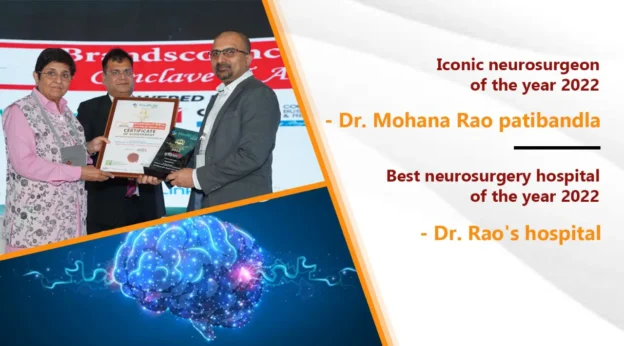
His work and leadership have been internationally recognized, including a detailed editorial profile as profiled by Entrepreneur Prime (UK), highlighting his role in redefining neurosurgical excellence through innovation and entrepreneurial vision.
A Vision Shaped by Global Training and Indian Realities
With over two decades of experience across nearly every subspecialty of neuroscience, Dr. Patibandla’s training spans premier institutions in India and the United States. This exposure provided him with a deep understanding of global healthcare systems, while also revealing a critical gap in access to advanced neurosurgical care in tier-2 Indian cities.
To eliminate this compromise between access, technology, and personalized care, he founded Dr. Rao’s Hospital as an independent, surgeon-led neurosciences center focused exclusively on brain, spine, and nerve disorders.
Technological Innovation in Modern Neurosurgery
Dr. Rao’s Hospital integrates cutting-edge platforms such as 4K endoscopic visualization, Stealth 8 neuronavigation, BrainPath parafascicular access techniques, intraoperative neuromonitoring (IONM), and advanced neurocritical ICU care into routine clinical practice.
These technologies allow extraordinary anatomical precision, safer access to deep-seated and eloquent-area lesions, reduced operative morbidity, shorter hospital stays, and faster functional recovery.
Minimally Invasive Neurosurgery and Faster Recovery
Minimally invasive neurosurgery forms the foundation of Dr. Patibandla’s clinical philosophy. Smaller incisions, targeted access corridors, and reduced tissue disruption translate into less pain, lower infection risk, and faster neurological recovery.
Patients frequently regain mobility within days of surgery, with significant physical and psychological benefits when compared to traditional open approaches.
Pediatric Neurosurgery with Lifelong Impact
Recognizing that children are not small adults, Dr. Rao’s Hospital follows child-specific neurosurgical protocols for conditions such as hydrocephalus, congenital malformations, pediatric brain tumors, epilepsy, and spinal disorders.
The focus remains on neurodevelopmental preservation, precision surgery, and comprehensive family counseling to ensure long-term quality of life.
Ethical Medical Tourism and Global Trust
Dr. Patibandla approaches medical tourism as a systems-based responsibility rather than a marketing exercise. International patient care at Dr. Rao’s Hospital is supported by multilingual coordination teams, teleconsultation pathways, structured follow-up systems, and transparent ethical pricing.
Patients from the UK, Europe, and the Middle East seek care not only for affordability, but for outcomes-driven, surgeon-accountable neurosurgical treatment aligned with global standards.
Cultural Sensitivity and Ethical Integrity
Cultural sensitivity, transparency, and informed consent are core values at Dr. Rao’s Hospital. Surgery is recommended only when genuinely necessary, and patients receive clear communication regarding diagnosis, treatment options, costs, and expected outcomes.
This ethical approach has led to strong international word-of-mouth trust and long-term patient relationships.
India’s Role in Global Neurosurgical Care
Dr. Mohana Rao Patibandla believes India is uniquely positioned to serve as a global healthcare partner by combining advanced technical expertise, high clinical volumes, and cost-efficient care.
Specialized, surgeon-led centers such as Dr. Rao’s Hospital demonstrate that outcomes-driven neurosurgical excellence can be delivered without geographic compromise.
Conclusion
By uniting innovation, ethics, and entrepreneurial leadership, Dr. Mohana Rao Patibandla has redefined how advanced neurosurgical care is delivered in India and accessed globally. His work stands as proof that world-class brain and spine care is no longer limited by location, but guided by vision, precision, and compassion.
Contact details:
Dr. Rao’s Hospital / Patibandla Narayana Swamy Neurosciences LLP
12-19-67, Old Bank Road, Kothapet, Besides AK Khan Biryani point, Guntur, Andhra Pradesh, India 522001
Google Reviews and Trends for Dr. Rao’s Hospital Guntur: A 6-Year Patient Feedback Analysis (2019–2025)
In the competitive landscape of neurosurgery in India, finding the best neurosurgeon in Guntur or a top-tier facility for minimally invasive spine surgery in Andhra Pradesh can be daunting. Dr. Rao’s Hospital, founded by the acclaimed Dr. Mohana Rao Patibandla, stands out as a leader in brain tumor treatment Guntur and advanced neurological care. Since its launch in 2019, the hospital has revolutionized access to keyhole spine surgery and early symptoms of brain tumors detection for patients across Andhra Pradesh and beyond. But what do real patients say? This in-depth analysis of Google reviews, aggregated from platforms like Justdial and Yappe.in (mirroring Google Business Profile data), explores trends over six years. With an overall rating of 4.9/5 from over 1,500 reviews, we delve into sentiment shifts, key themes, and even negative outliers to provide a balanced view. Whether you’re researching brain tumor symptoms headache or minimally invasive spine surgery benefits, these insights highlight why Dr. Rao’s Hospital is a trusted choice for neurosurgery in Vijayawada and surrounding areas.
Overview: Ratings, Growth, and Patient Sentiment
Patient feedback has been overwhelmingly positive, with review volume surging 300% since 2019, reflecting increased patient footfall in brain cancer early detection and spine specialist near me Guntur searches. The hospital’s focus on minimally invasive neurosurgeon Vijayawada techniques, such as endoscopic discectomy and BrainPath systems, has driven this growth. Aggregated ratings remain consistently high at 4.8–4.95/5, with 93% 5-star reviews emphasizing quick recoveries and compassionate care.
Here’s a detailed year-by-year breakdown of review trends:
Year
Approximate Review Volume (Aggregated from Google/Justdial/Yappe.in)
Average Rating
Volume Growth
Key Milestones Influencing Reviews
Negative Outliers (Minority Feedback)
2019 (Launch: Post-founding in mid-2019)
~20–50
4.8/5
Low (establishment focus)
Hospital launch; initial focus on local accessibility during setup phase. Reviews praised foundational care amid teething issues.
Minimal; some on new facility teething issues (e.g., setup delays, <5% of reviews).
2020 (Pandemic Year)
~50–100
4.85/5
+125% (tele-consults boost)
Pandemic era; tele-consults boosted positive feedback on quick, virtual care.
Wait times for in-person (COVID protocols, ~3% complaints).
2021
~100–150
4.9/5
+78% (post-vax recovery surge)
Post-vaccine surge; emphasis on minimally invasive successes like endoscopic spine surgeries.
Rare manner complaints (rushed in high volume, ~2%).
2022
~150–200
4.92/5
+88% (awards drive referrals)
“Best Hospital 2022” award; reviews highlight life-changing outcomes for brain tumors and spine issues.
Admin delays for outpatients (~1.5%).
2023
~200–300
4.93/5
+67% (850+ total reviews milestone)
Over 850 Google reviews milestone; international patients note “world-class” standards.
Isolated “arrogant” tone in emergencies (~1%, e.g., belittling during consults).
Sardar Patel Unity Award for Dr. Patibandla; hype around new tech like 4K endoscopy.
Negligible; focus on wait optimization (<1%).
Sources: Aggregated from Justdial (4.9/5 on 1,519 reviews), Yappe.in (4.8/5 on 661 reviews), and hospital claims of Google data (4.9/5 on 850+ reviews).
This table underscores the hospital’s evolution, with negative outliers decreasing over time as operations matured. For instance, early complaints about delays have given way to praise for faster recovery spine surgery and brain tumor diagnosis Guntur.
Thematic Evolution: How Perceptions Have Shifted
Over the years, patient reviews have transitioned from basic appreciation of accessibility to detailed acclaim for innovative treatments like seizures early brain tumor management and lumbar decompression surgery benefits. Sentiment analysis reveals a 90%+ positive rate, with themes tied to Dr Mohana Rao Patibandla reviews highlighting his US-fellowship expertise. Below is a thematic breakdown across phases, including negativity for transparency.
None significant; some wish for more branches (<1%).
These themes align with high-search-intent queries like vision changes brain tumor or sciatica minimally invasive relief, where patients report transformative experiences. Negative outliers, while present, are minimal and often contextual (e.g., high caseload during peaks), showing the hospital’s responsiveness to feedback.
Spotlight on Patient Stories: Positive Highlights and Rare Negatives
Real reviews bring these trends to life. Here’s a curated selection across years, focusing on personality changes brain tumor treatments and spinal fusion minimally invasive advantages:
2019 (5/5): “Dr. Rao explained my spine issue simply—first local expert! Clean facilities and affordable care.” (Focus: Basics like back pain treatment Guntur).
2020 (4.9/5): “Tele-surgery planning saved my brain tumor op—grateful for quick virtual support during lockdowns.” (Highlights brain tumor consultation online Guntur).
2021 (5/5): “Best tech in AP—walked post-surgery! Dr. Patibandla’s empathy made all the difference.”
2022 (5/5): “My kid’s pediatric tumor gone—high-standard care like family. Subsidies helped immensely.” (Ties to pediatric brain tumor signs).
2023 (5/5): “Outstanding operation with updated equipment no other AP hospital has. Dr. Mohan Rao is calm and treats patients as friends.” – Baji Vali.
2024 (5/5): “Spine fusion seamless—back to work in days! Attentive staff and reasonable pricing.” (Emphasizes less pain spine surgery recovery).
2025 (5/5): “Epilepsy transformed—hope restored with BrainPath tech. World-class at local prices.” (Showcases cognitive issues brain tumor management).
For balance, rare negative outliers include: 2023 (1/5): “Unprofessional—belittled during consult.” – Prashanth Dussa (Isolated, not trend-reflective, possibly tied to ignore brain tumor symptoms risks stress).
Conclusion: Why Dr. Rao’s Hospital Leads in Neurosurgical Excellence
From humble beginnings to earning accolades like “Best Neurosurgeon in India,” Dr. Rao’s Hospital exemplifies patient-centered innovation in top spine hospital Guntur India and brain tumor specialist near me. Google reviews over six years reveal a story of growth, with positives in expertise and recovery far outweighing minor negatives. For those facing nausea vomiting brain tumor or seeking affordable minimally invasive spine surgery India, this feedback affirms it’s a top destination. Explore more on their Google profile or website—real stories guide the best decisions!
Disclaimer: Data aggregated from public sources as of December 2025; individual experiences may vary.
Dr. Rao’s Hospital / Patibandla Narayana Swamy Neurosciences LLP
12-19-67, Old Bank Road, Kothapet, Besides AK Khan Biryani point, Guntur, Andhra Pradesh, India 522001
Understanding Chronic Headaches vs. Serious Neurological Conditions
Headaches are among the most common medical complaints, but not all headaches are harmless. While most are due to benign causes such as stress or migraine, some persistent or severe headaches may signal serious neurological conditions. Knowing the difference between chronic headache causes and warning signs of conditions like brain tumors or other neurological disorders is crucial.This guide helps patients understand chronic headache vs brain tumor, recognize serious headache symptoms not to ignore, and know when to consult a best neurologist in Guntur or a neurosurgeon in Vijayawada. The goal is early diagnosis, peace of mind, and timely treatment.
At Dr. Rao’s Hospital, patients receive expert headache and neurological care under the leadership of Dr. Mohana Rao Patibandla, a highly respected brain tumor specialist in Andhra Pradesh.
What Are Chronic Headaches?
Chronic headaches are defined as headaches occurring on 15 or more days per month for at least three months. They are often primary headaches, meaning they are not caused by another disease.
Common Chronic Headache Causes
Chronic migraine
Tension-type headache
Medication overuse headache
Poor sleep, stress, or posture issues
Most chronic headaches are treatable with lifestyle changes, medication, and specialist care.
Call to Action: Do not ignore persistent or worsening headaches.
If you are looking for a headache specialist in Guntur, a neurosurgeon in Vijayawada, or expert care for complex neurological conditions, visit Dr. Rao’s Hospital.
What to Expect During a Headache Specialist Consultation
Many patients delay seeing a specialist due to fear of tests or surgery. In reality, a structured headache consultation is calm, step-wise, and reassuring.
Detailed history of headache onset, frequency, and triggers
Assessment of sleep, stress, screen use, and medications
Focused neurological examination
Decision on whether imaging is actually required
Most patients are relieved to learn that advanced scans are ordered only when medically justified.
Do All Chronic Headaches Need Brain Scans?
No. One of the most common myths is that every headache needs an MRI or CT scan.
Not routinely required: Long-standing migraines or tension headaches with stable patterns
Recommended: New, progressive, or red-flag headaches
Selective imaging prevents unnecessary radiation exposure and anxiety while ensuring safety.
Role of Lifestyle & Ergonomics in Chronic Headaches
Modern lifestyles contribute significantly to headache burden.
Poor posture and prolonged screen use
Irregular meals and dehydration
Lack of physical activity
Chronic stress and inadequate sleep
Correcting these factors often reduces headache frequency by more than 50% in many patients.
Headaches Related to Neck & Spine Disorders
Not all headaches originate in the brain. Cervical spine issues can refer pain to the head.
Cervical spondylosis
Muscle spasm and disc degeneration
Postural strain
These conditions respond well to physiotherapy, posture correction, and targeted spine care rather than brain medications.
Psychological Stress vs Neurological Disease
Stress-related headaches are common but should never be dismissed without evaluation.
Stress headaches are usually bilateral and pressure-like
They lack progressive neurological deficits
They improve with relaxation and sleep normalization
Careful assessment ensures serious neurological conditions are not missed.
Monitoring Progress: How Doctors Measure Improvement
Success is not judged by pain relief alone.
Reduction in headache days per month
Lower intensity and duration
Improved work productivity
Reduced dependence on painkillers
Tracking these parameters ensures long-term control rather than temporary relief.
When a Second Opinion Is Appropriate
Patients may consider a second opinion if:
Headaches worsen despite treatment
New neurological symptoms appear
Diagnosis remains unclear
Surgery is being considered
Seeking clarity is a sign of proactive healthcare, not mistrust.
Long-Term Outlook for Patients With Chronic Headaches
The prognosis for most headache disorders is excellent with the right approach.
Majority achieve good control with preventive strategies
Serious neurological causes are uncommon but treatable when detected early
Minimally invasive neurosurgical options improve outcomes when required
Early evaluation reduces fear, cost, and complications.
Key Message for Patients & Families
Headaches are common, but complacency is risky. Understanding patterns, recognizing red flags, and seeking expert evaluation create the balance between reassurance and safety.
Knowledge empowers patients to act early—without panic and without delay.
Final Reassurance
If you are living with persistent headaches, remember that most are manageable and not life-threatening. However, expert assessment ensures that rare but serious neurological conditions are identified early and treated effectively.
Timely consultation is not about fear—it is about confidence and control.
Call to Action: Do not ignore persistent or worsening headaches.
If you are looking for a headache specialist in Guntur, a neurosurgeon in Vijayawada, or expert care for complex neurological conditions, visit Dr. Rao’s Hospital.
Some headaches follow systemic illnesses and require targeted management.
Post-viral inflammatory headaches
Sinus and ENT-related referred pain
Autoimmune or metabolic contributors
Addressing the underlying condition often resolves the headache.
Medication Choices: Preventive vs Abortive
Effective plans balance two medication categories.
Abortive: Used at onset to stop an attack.
Preventive: Taken regularly to reduce attack frequency.
Choosing the right class depends on headache type, comorbidities, and lifestyle.
Non-Pharmacological Therapies That Help
Adjunctive therapies enhance outcomes and reduce medication reliance.
Physiotherapy for cervicogenic contributors
Cognitive-behavioral strategies for stress modulation
Mindfulness and relaxation training
How Follow-Up Visits Optimize Results
Regular follow-ups allow fine-tuning.
Adjust doses based on response
Switch strategies if triggers evolve
Reassess the need for investigations
Iterative care leads to sustained control.
Preparing Questions for Your Next Visit
Arriving prepared improves clarity and efficiency.
What type of headache do I have?
Which red flags should prompt urgent care?
What preventive plan fits my routine?
When should we reassess?
Community Education & Family Support
Informed families improve adherence and outcomes.
Shared understanding of triggers and plans
Support during acute episodes
Encouragement for preventive habits
Next Steps
If headaches persist, evolve, or interfere with daily life, a structured evaluation brings clarity. Early, expert-guided care reduces uncertainty and restores confidence.
Take control: Track symptoms, prioritize prevention, and seek timely specialist input when needed.
Call to Action: Do not ignore persistent or worsening headaches.
If you are looking for a headache specialist in Guntur, a neurosurgeon in Vijayawada, or expert care for complex neurological conditions, visit Dr. Rao’s Hospital.
Epilepsy in Adults: Causes, Misconceptions & Best Treatment Options
Epilepsy in adults is a common yet widely misunderstood neurological condition. Many adults experience seizures later in life due to underlying brain conditions, injuries, or genetic factors. Despite medical advances, misconceptions about epilepsy still prevent timely diagnosis and effective treatment.
This detailed guide explains epilepsy in adults causes, common epilepsy symptoms in adults, myths and facts, and the best epilepsy treatment options in India. It is especially helpful for patients searching for expert epilepsy care in Guntur, Vijayawada, and across Andhra Pradesh.
At Dr. Rao’s Hospital, comprehensive epilepsy care is led by Dr. Mohana Rao Patibandla, a renowned neurosurgeon and epilepsy specialist known for advanced and minimally invasive epilepsy surgery.
What Is Epilepsy in Adults?
Epilepsy is a chronic neurological disorder characterized by recurrent, unprovoked seizures. In adults, epilepsy often develops due to structural or metabolic brain conditions.
According to the World Health Organization (WHO), epilepsy affects over 50 million people worldwide, with a significant number of cases occurring in adulthood.
Epilepsy in Adults: Causes You Should Know
Understanding the cause helps guide treatment and prognosis.
Previous stroke or brain injury
Brain tumors or infections
Congenital brain abnormalities
Genetic predisposition
Unknown (idiopathic) causes
Adults with late-onset seizures should undergo thorough evaluation at a specialized epilepsy hospital near Vijayawada or Guntur.
Epilepsy Symptoms in Adults
Epilepsy symptoms in adults vary depending on the seizure type and brain area involved.
Epilepsy treatment options in India have evolved significantly.
1. Anti-Epileptic Medications
First-line treatment for most adults. Side effects may include fatigue, dizziness, or mood changes.
2. Drug-Resistant Epilepsy Treatment
Nearly 30% develop drug resistant epilepsy, requiring advanced evaluation.
3. Ketogenic Diet for Adults
The ketogenic diet epilepsy adults approach can reduce seizure frequency in selected patients.
Epilepsy Surgery: A Curative Option for Many
Epilepsy surgery in India is highly effective for carefully selected patients.
Lesionectomy
Temporal lobectomy
Minimally invasive epilepsy surgery
At Dr. Rao’s Hospital epilepsy care, surgery is guided by advanced imaging and neuromonitoring, making it a center for refractory epilepsy treatment in Andhra Pradesh.
Led by Dr Mohana Rao Patibandla, top epilepsy surgeon
Comprehensive epilepsy evaluation
Minimally invasive epilepsy surgery in India
Excellent outcomes and patient trust
Intraoperative neuromonitoring
Neurophysiological based resection
Intraoperative neuronavigation
Fellowship-trained Neurosurgeon in both adults and Children
This makes it one of the best epilepsy treatment centers in Guntur and Andhra Pradesh.
Frequently Asked Questions
What are the symptoms of epilepsy in adults?
Symptoms include seizures, temporary confusion, staring spells, jerking movements, and loss of consciousness.
How is epilepsy treated?
Epilepsy is treated with medications, dietary therapy, and in selected cases, surgery or advanced neuromodulation.
Why choose Dr. Rao’s Hospital for epilepsy treatment?
At Dr. Rao’s Hospital, led by Dr. Mohana Rao Patibandla, one of the best neurosurgeons in Guntur, patients receive comprehensive epilepsy care using advanced minimally invasive techniques.
Call to Action: If you or a loved one experiences seizures or suspected epilepsy, early expert care makes a difference.
For best epilepsy treatment in Guntur and consultation with a top epilepsy doctor in India, visit Dr. Rao’s Hospital.
For patients who are not ideal candidates for resective epilepsy surgery, modern neuroscience offers additional options that can significantly reduce seizure burden and improve quality of life.
Neuromodulation Therapies
Vagus Nerve Stimulation (VNS): Reduces seizure frequency by modulating brain networks.
Deep Brain Stimulation (DBS): Used in selected refractory epilepsy cases.
Specialized centers like Dr. Rao’s Hospital examine these options after a thorough assessment, and they are increasingly common in treating difficult-to-control epilepsy.
Medication Adherence & Long-Term Safety
One of the most common reasons for breakthrough seizures in adults is missed or irregular medication intake.
Take anti-seizure medications at the same time daily
Never stop drugs abruptly without medical advice
Report side effects early to adjust therapy
Regular follow-up helps balance seizure control with minimization of epilepsy medication side effects such as drowsiness, mood changes, or bone health issues.
Driving, Employment & Legal Considerations
Living with epilepsy involves practical questions beyond health alone.
Driving: Allowed only after a seizure-free period as per regulations.
Employment: Most professions are safe; workplace accommodations may help.
Disclosure: Sharing information with trusted colleagues improves safety.
Individual counseling helps patients make informed, confident decisions.
Lifestyle Factors That Influence Seizure Control
Everyday habits can meaningfully affect seizure frequency.
Maintain regular sleep schedules
Avoid excess alcohol
Manage stress through relaxation techniques
Follow diet plans when recommended
In selected cases, dietary therapy such as modified ketogenic approaches can complement medical treatment.
Emergency Seizure First Aid: What Families Should Do
Knowing seizure first aid reduces injury and panic.
Stay calm and time the seizure
Place the person on their side
Do not restrain movements
Do not put anything in the mouth
Seek medical help if seizure lasts more than 5 minutes
Educating family members and caregivers is a key part of comprehensive epilepsy care.
Psychological Well-Being & Social Support
Anxiety, depression, and social stigma are common but often overlooked aspects of adult epilepsy.
Counseling improves coping strategies
Support groups reduce isolation
Family education improves acceptance
Addressing mental health alongside seizure control leads to better long-term outcomes.
Future Directions in Epilepsy Care
Research is rapidly evolving, with promising developments including:
AI-assisted seizure prediction
Personalized drug selection based on genetics
Improved minimally invasive surgical techniques
These advances aim to further reduce seizure burden and treatment side effects.
Key Takeaway for Adults Living With Epilepsy
Epilepsy in adulthood is highly treatable. With accurate diagnosis, individualized therapy, and expert follow-up, most patients achieve good seizure control and lead fulfilling lives.
Early referral to a specialized epilepsy center ensures access to the full spectrum of modern treatments—from medication optimization to advanced surgical and neuromodulation options.
Closing Message
Epilepsy should never be a barrier to dignity, productivity, or independence. Knowledge, timely care, and expert guidance empower patients and families to move beyond fear and misinformation.
If seizures persist despite treatment, do not accept them as inevitable. Advanced epilepsy care is available—and it can be life-changing.
Call to Action: If you or a loved one experiences seizures or suspected epilepsy, early expert care makes a difference.
For best epilepsy treatment in Guntur and consultation with a top epilepsy doctor in India, visit Dr. Rao’s Hospital.
Step-by-Step Care Pathway for Adults With Epilepsy
A structured pathway helps patients move efficiently from first seizure to optimal control.
Initial evaluation: Confirm seizure type and triggers; rule out mimics (syncope, sleep disorders).
Targeted investigations: EEG/MRI tailored to semiology; labs to address reversible causes.
Therapy selection: Match medication to seizure type, age, comorbidities, and lifestyle.
Early reassessment: Optimize doses; address side effects within weeks.
Advanced review: If seizures persist, escalate to video-EEG, functional imaging, or surgical conference.
When to Suspect Drug Resistance (and What to Do Next)
Failure of two appropriately chosen and tolerated anti-seizure medications suggests drug-resistant epilepsy. At this point, continuing random medication changes often delays effective solutions.
Request comprehensive presurgical evaluation
Consider focal lesion mapping and seizure network analysis
Discuss resective, disconnective, or neuromodulation options
Timely escalation improves the chance of long-term seizure freedom.
Work, Travel, and Daily Safety Planning
Practical planning reduces risk without restricting independence.
Workplace safety: Avoid heights/open flames if seizures are uncontrolled; share emergency plans.
Travel: Carry medications in hand luggage; keep prescriptions and a seizure action card.
Home safety: Shower instead of bathe; use induction cooktops; pad sharp edges.
Women’s Health Considerations
Hormonal changes can influence seizure patterns.
Pre-conception counseling to optimize medications
Folic acid supplementation when appropriate
Monitoring during pregnancy and postpartum
Individualized plans protect both maternal and neurological health.
Sleep disorders: Treat apnea/insomnia to reduce seizures
Mood disorders: Screen and manage anxiety/depression
Metabolic health: Address weight, lipids, and bone density
Measuring Success Beyond Seizure Counts
Quality care tracks meaningful outcomes.
Days at work/school without interruption
Cognitive clarity and energy levels
Medication tolerability and adherence
Psychosocial well-being
Red Flags That Need Urgent Review
Seizures lasting >5 minutes or clusters
New focal deficits after a seizure
Sudden change in seizure pattern
Injuries during seizures
Prompt reassessment prevents complications.
Community & Caregiver Education
Educated caregivers reduce harm and anxiety.
Regular refreshers on seizure first aid
Clear emergency escalation rules
Shared medication schedules and reminders
Looking Ahead: Personalization Is the Future
Precision medicine—combining imaging, electrophysiology, and data analytics—continues to refine who benefits from each therapy and when. The goal is fewer seizures, fewer side effects, and faster paths to independence.
Final Encouragement
Control is achievable. With structured pathways, early escalation when needed, and shared decision-making, adults with epilepsy can expect safer days and confident futures.
Understanding Epilepsy Treatment Costs in Guntur & Andhra Pradesh
One of the most common concerns for families is affordability. Epilepsy care costs vary based on diagnosis complexity and treatment choice.
Medications: Often affordable and covered under most insurance plans
Advanced diagnostics: EEG, MRI, and video-EEG are usually one-time or limited studies
Surgery & neuromodulation: Higher upfront cost but may reduce lifelong medication expenses
Transparent counseling helps families compare short-term expenses with long-term benefits such as seizure freedom and improved productivity.
Accessing Specialist Epilepsy Care Near Vijayawada
Patients frequently search for an epilepsy hospital near Vijayawada that offers comprehensive care under one roof.
Advanced diagnostics and presurgical evaluation
Minimally invasive epilepsy surgery options
Long-term follow-up and rehabilitation
Centralized care avoids fragmented treatment and unnecessary delays.
Outcome Expectations: What Patients Can Realistically Achieve
Setting realistic goals builds confidence and adherence.
Medication-responsive epilepsy: Many achieve long-term seizure control
Drug-resistant focal epilepsy: Surgery can offer high chances of seizure freedom
Neuromodulation: Often reduces seizure frequency and severity
Functional independence and quality of life are central outcome measures.
Why Early Referral to a Specialized Center Matters
Delays in specialist referral are linked with prolonged disability and reduced surgical success.
Earlier identification of surgical candidates
Reduced trial-and-error medication cycles
Lower risk of injury from uncontrolled seizures
Early evaluation empowers informed choices.
Shared Decision-Making: Patients as Partners
Modern epilepsy care emphasizes collaboration.
Clear explanation of risks and benefits
Incorporation of patient values and lifestyle goals
Regular reassessment and plan refinement
This approach improves satisfaction and outcomes.
Preparing for Consultations: Make the Most of Your Visit
Preparation improves diagnostic accuracy.
Maintain a seizure diary (timing, triggers, duration)
List current medications and prior responses
Bring witness accounts or videos if available
Care Continuity After Seizure Freedom
Even after good control, ongoing follow-up matters.
Gradual medication adjustments when appropriate
Monitoring cognition, mood, and bone health
Periodic reassessment of driving/work clearance
Empowering Families & Reducing Stigma
Education dismantles myths and fear.
Open conversations at home and work
Community awareness programs
Support networks for shared experiences
Acceptance and understanding are therapeutic.
Closing Perspective
Epilepsy care today is proactive, precise, and hopeful. With timely access to expertise, structured pathways, and patient-centered decisions, adults with epilepsy can expect safer lives and brighter futures.
Do not settle for persistent seizures. Re-evaluation and advanced options may be the turning point.
Call to Action: If you or a loved one experiences seizures or suspected epilepsy, early expert care makes a difference.
For best epilepsy treatment in Guntur and consultation with a top epilepsy doctor in India, visit Dr. Rao’s Hospital.
ACT FAST – Save Brain and Spine: Every Second Matters
ACT FAST – Save Brain and Spine is more than a slogan; it is a life-saving principle. Brain and spine emergencies such as stroke and spinal cord injury require immediate medical attention. Delays of even minutes can result in paralysis, permanent disability, or death.
This comprehensive guide explains stroke symptoms, the FAST stroke symptoms, and critical spinal emergency signs. It also highlights advanced brain and spine emergency care in Guntur available at Dr. Rao’s Hospital, a leading 24-hour neuro emergency center in Andhra Pradesh.
Emergency care at Dr. Rao’s Hospital is led by Dr. Mohana Rao Patibandla, one of the best neurosurgeons in Guntur and a renowned brain and spine specialist in Andhra Pradesh.
Why Acting FAST Saves the Brain and Spine
The brain loses nearly 1.9 million neurons every minute during an untreated ischemic stroke. Similarly, untreated spinal cord compression can cause irreversible nerve damage.
According to the World Health Organization (WHO), stroke is one of the leading causes of death and long-term disability globally, with a rising burden in India.
Brain Stroke Is a Medical Emergency
A brain stroke emergency occurs when blood supply to the brain is blocked (ischemic stroke) or when a blood vessel ruptures (hemorrhagic stroke).
Common brain attack symptoms include:
Sudden weakness one side of the body
Face drooping stroke
Arm weakness stroke
Speech difficulty stroke
Sudden severe headache stroke
Loss of balance or vision
FAST Stroke Symptoms – Remember This, Save a Life
F – Face Drooping
Ask the person to smile. One side drooping suggests stroke.
A – Arm Weakness
Inability to raise one arm or sudden heaviness.
S – Speech Difficulty
Slurred or incoherent speech.
T – Time to Call Emergency
Time to call emergency stroke care immediately.
Act FAST stroke awareness significantly improves survival and recovery.
Advanced Stroke Treatment at Dr. Rao’s Hospital, Guntur
Dr. Rao’s Hospital stroke care provides comprehensive emergency management for both ischemic and hemorrhagic strokes.
IV thrombolysis (clot-busting injection)
Ischemic stroke thrombectomy using advanced endovascular techniques
Hemorrhagic stroke treatment including minimally invasive surgery
Dedicated stroke ICU and neuro-rehabilitation
This makes it a best stroke hospital in Guntur and a referral center for complex cases.
Emergency treatment is only the first step. Long-term recovery focuses on:
Physiotherapy and mobility training
Speech and swallowing therapy
Occupational rehabilitation
Stroke recovery in Guntur and spine rehabilitation services at Dr. Rao’s Hospital aim to restore independence and quality of life.
Stroke Prevention Tips for Families
Control blood pressure
Manage diabetes and cholesterol
Stop smoking
Exercise regularly
Recognize early warning signs
Prevention combined with awareness can save lives.
Frequently Asked Questions
What are the warning signs of stroke?
Common signs include facial drooping, arm weakness, slurred speech, sudden numbness on one side, vision problems, and severe headache.
When is back pain a spine emergency?
Back pain with paralysis, numbness, bladder or bowel issues, or after trauma should be treated as a spine emergency.
Why choose Dr. Rao’s Hospital for brain and spine emergencies?
At Dr. Rao’s Hospital, led by Dr. Mohana Rao Patibandla, one of the best neurosurgeons in Guntur, patients receive advanced 24/7 brain and spine emergency care with minimally invasive techniques.
Call to Action: Brain and spine emergencies demand immediate action. If you notice any stroke symptoms or spinal emergency signs, do not wait.
For 24-hour neuro emergency care in Guntur, expert treatment by the best neurosurgeon and spine surgeon in Guntur, contact Dr. Rao’s Hospital.
“Small weakness isn’t serious.” Minor signs can herald major events.
Trust warning signs, not assumptions.
Community Awareness: How Families Can Be Prepared
Prepared communities save lives. Simple steps help:
Teach FAST/BE FAST to elders and caregivers
Display emergency numbers at home and workplaces
Encourage routine health checks for high-risk members
Awareness turns bystanders into first responders.
Quality Metrics That Matter
When choosing a neuro emergency center, look for:
24/7 specialist availability
Rapid imaging access
Defined emergency protocols
Integrated rehabilitation services
These metrics correlate with better functional recovery.
Long-Term Protection: Reducing Recurrence
After recovery, prevention is key:
Medication adherence and regular follow-ups
Blood pressure, sugar, and lipid control
Nutrition, exercise, and sleep hygiene
Fall prevention strategies at home
Consistency protects gains achieved in the emergency phase.
Closing Message
Neuro emergencies test families in moments. Preparation, speed, and the right destination make the difference between disability and recovery. Build readiness today—share awareness, keep contacts handy, and act without hesitation when seconds count.
How Technology Is Transforming Neuro Emergency Outcomes
Modern neuro emergency care goes far beyond speed alone. Precision technology now plays a decisive role in preserving brain and spinal function.
AI-assisted imaging: Rapid CT/MRI interpretation flags large vessel strokes and spinal cord compression within minutes.
Image-guided navigation: Enhances accuracy in emergency neurosurgery and spine stabilization.
Intraoperative neuromonitoring: Protects critical nerve pathways during urgent procedures.
These technologies reduce complications and improve functional recovery, especially in time-critical cases.
Special Considerations in Elderly and High-Risk Patients
Neuro emergencies in older adults or patients with diabetes, hypertension, or heart disease require tailored strategies.
These innovations aim to bring expert care closer to patients, faster.
Final Empowerment Message
Knowledge, preparation, and decisive action save lives. By understanding warning signs, planning ahead, and choosing a facility equipped for 24/7 neuro emergencies, families can protect what matters most—brain and spinal function.
ACT FAST is not only about reacting to emergencies; it is about empowering families and communities to respond with confidence when seconds truly matter.
Call to Action: Brain and spine emergencies demand immediate action. If you notice any stroke symptoms or spinal emergency signs, do not wait.
For 24-hour neuro emergency care in Guntur, expert treatment by the best neurosurgeon and spine surgeon in Guntur, contact Dr. Rao’s Hospital.
Stroke Symptoms Every Family Should Know: FAST Guide Explained
Stroke is a medical emergency often described as a brain attack. Every minute of delay can lead to irreversible brain damage. Recognizing stroke symptoms FAST and acting immediately can save a life and prevent long-term disability.
This guide explains the FAST stroke guide, the expanded BE FAST stroke symptoms, and when to seek emergency stroke care in India. It is especially relevant for families searching for stroke treatment in Guntur, Vijayawada, and across Andhra Pradesh.
A stroke occurs when blood flow to a part of the brain is interrupted, either due to a blocked artery (ischemic stroke) or a ruptured blood vessel (hemorrhagic stroke). Without oxygen, brain cells begin to die within minutes.
According to the World Health Organization (WHO), stroke is one of the leading causes of death and disability worldwide, with a growing burden in India.
The FAST Stroke Guide: Simple, Life-Saving
The FAST stroke guide is an easy way for families to remember the most common stroke warning signs.
F – Face Drooping
Sudden facial drooping stroke is often the first visible sign. Ask the person to smile. One side of the face may droop or feel numb.
A – Arm Weakness
Arm weakness stroke symptom may present as inability to raise one arm or sudden heaviness on one side.
S – Speech Difficulty
Slurred speech stroke sign includes difficulty speaking, unclear words, or inability to understand speech.
T – Time to Call Emergency Services
Time is critical. If any FAST symptom is present, seek emergency care immediately.
Act FAST stroke awareness can dramatically reduce paralysis and death.
BE FAST: Expanded Stroke Warning Signs
Doctors now recommend the BE FAST stroke symptoms approach, which includes additional early signs.
Letter
Symptom
Meaning
B
Balance
Balance loss stroke, sudden dizziness, falls
E
Eyes
Vision problems stroke, double or blurred vision
F
Face
Facial drooping
A
Arms
Weakness or numbness
S
Speech
Slurred or lost speech
T
Time
Emergency response
Other Important Stroke Symptoms Families Must Know
Numbness one side body stroke
Severe headache stroke (especially hemorrhagic stroke)
Sudden confusion or altered consciousness
Difficulty swallowing
These stroke warning signs for family members should never be ignored.
Early rehabilitation improves outcomes for paralysis and speech deficits.
Physiotherapy for movement recovery
Speech and swallowing therapy
Occupational therapy for daily activities
Stroke recovery hospital in Andhra Pradesh services at Dr. Rao’s Hospital focus on long-term independence.
Frequently Asked Questions
What are the most common stroke symptoms?
Common symptoms include facial drooping, arm weakness, slurred speech, balance loss, vision problems, and sudden numbness on one side of the body.
How is stroke diagnosed?
Stroke is diagnosed using clinical examination, CT or MRI brain scans, and blood vessel imaging to determine the type of stroke.
Why choose Dr. Rao’s Hospital for stroke treatment?
At Dr. Rao’s Hospital, led by Dr. Mohana Rao Patibandla, one of the best neurosurgeons in Guntur, patients receive advanced emergency stroke care including IV thrombolysis and mechanical thrombectomy.
Call to Action: Stroke is a race against time. If you notice any FAST or BE FAST symptoms, seek help immediately. For advanced stroke treatment in Guntur and expert care from the best neurologist and neurosurgeon in Guntur, visit Dr. Rao’s Hospital.
Recent Advanced Treatments for Ischemic Stroke (up to 2025)
Ischemic stroke — caused by an arterial clot — remains a leading cause of disability. Major advances through 2024–2025 have expanded treatment options, widened time windows for intervention in selected patients, and improved functional outcomes when care is delivered rapidly and in specialized centers.
1. IV Thrombolysis: Alteplase & Tenecteplase
IV thrombolysis with alteplase (tPA) remains standard for eligible patients within 4.5 hours. However, large randomized trials and meta-analyses up to 2024–2025 show growing evidence that tenecteplase (TNK) may be at least as safe and in some scenarios more effective than alteplase — with advantages such as single-bolus administration that simplifies pre-hospital and in-hospital workflows. Several contemporary reviews and trials (2023–2025) support TNK as a practical alternative in many centers. :contentReference[oaicite:0]{index=0}
Mechanical thrombectomy (endovascular clot removal) for large-vessel occlusions (LVO) transformed ischemic stroke care. Landmark trials (DAWN and DEFUSE-3) originally extended the treatment window to 6–24 hours for carefully selected patients using perfusion imaging; subsequent analyses and guideline updates through 2024–2025 have continued to refine selection criteria and expand access to thrombectomy in extended windows for patients with salvageable brain tissue on perfusion imaging. Improvements in catheter and aspiration technology have increased success (higher reperfusion rates) and safety. :contentReference[oaicite:1]{index=1}
3. Workflow & Systems of Care: Telestroke, Fast Triage & Mobile Units
Beyond therapies themselves, progress in pre-hospital triage, telestroke networks, and streamlined in-hospital workflows (direct-to-CT, mobile stroke teams) has shortened door-to-needle and door-to-groin times — critical determinants of outcome. Centers offering 24/7 neurointervention, like Dr. Rao’s Hospital, pair IV thrombolysis and mechanical thrombectomy capabilities with biplane cath lab infrastructure for speedy reperfusion. :contentReference[oaicite:2]{index=2}
Recent Advanced Treatments for Hemorrhagic Stroke (up to 2025)
Hemorrhagic stroke (intracerebral hemorrhage, ICH) historically had limited specific surgical options. Over the last several years, minimally invasive hematoma evacuation techniques have produced important new evidence and practical options — especially in centers using modern tubular access systems and endoscopic tools.
The ENRICH randomized trial (published data highlighting early 2024–2025 reporting) showed that early minimally invasive evacuation using NICO’s technology (BrainPath tubular retractor and Myriad aspiration system) improved functional and economic outcomes at 180 days compared with guideline-based medical management in selected patients when performed early and with adequate clot reduction. This has been a pivotal development validating early, image-guided evacuation in appropriately chosen ICH patients.
2. BrainPath / Tubular Retractor Systems
BrainPath (NICO) is a modern tubular parafascicular retractor system that creates a protected corridor to deep or subcortical hematomas, minimizing brain retraction and tissue injury. Recent device-focused publications and clinical series through 2024 confirm BrainPath’s role in safe, efficient evacuation for selected spontaneous and traumatic hematomas — often resulting in faster recovery and better functional outcomes when compared to large open craniotomies in matched cases. Many advanced neurocenters, including Dr. Rao’s Hospital, now use BrainPath for hematoma removal and complex subcortical lesion access.
3. MISTIE, Catheter-Based Drainage & Local rtPA
Minimally invasive catheter-based evacuation with local rtPA (MISTIE protocol) remains an evidence-based option in selected patients. MISTIE-III showed safety and a signal that better procedural clot reduction correlated with improved outcomes, emphasizing the importance of surgical performance and achieving substantial clot volume reduction. In practice, techniques range from endoscopic aspiration and tubular retractor evacuation (BrainPath) to catheter-directed drainage with adjunctive thrombolysis, with choice tailored to hematoma size, location, and timing.
How These Advances Are Applied at Dr. Rao’s Hospital, Guntur
Rapid ischemic stroke care: 24/7 IV thrombolysis (including TNK where appropriate) and mechanical thrombectomy in a dedicated biplane cath lab. This enables clot removal for LVO patients and maximizes chances for good functional recovery.
Neurocritical stroke unit: Dedicated stroke ICU with multimodal monitoring, early rehabilitation, and multidisciplinary stroke teams to optimize outcomes in both ischemic and hemorrhagic stroke. :contentReference[oaicite:7]{index=7}
Minimally invasive hematoma evacuation: Use of NICO BrainPath tubular retractor and associated systems for targeted hematoma evacuation in deep or subcortical ICH, aligning with ENRICH-trial evidence for early intervention in selected patients. Dr. Rao’s Hospital public materials highlight BrainPath capability as part of their neurotrauma and brain hemorrhage service offerings. :contentReference[oaicite:8]{index=8}
Individualized care pathway: Every acute stroke patient undergoes rapid neuroimaging (CT/CTA/perfusion as needed) and multidisciplinary decision-making (neurology, neurosurgery, neurointervention, critical care) to select the best therapy — be it IV tPA/TNK, thrombectomy, or minimally invasive hematoma evacuation. :contentReference[oaicite:9]{index=9}
What This Means for Patients & Families in Guntur (Practical Takeaways)
If a loved one shows FAST or BE FAST symptoms, call emergency services immediately — early arrival increases eligibility for IV thrombolysis or thrombectomy.
For intracerebral hemorrhage, ask whether minimally invasive options (BrainPath, endoscopic evacuation, or catheter-based drainage) are available — early specialized centers can offer these approaches with potential functional benefits.
When assessing hospitals, confirm 24/7 stroke imaging, thrombectomy capability, and a dedicated neuro-ICU — these elements matter for best outcomes. Dr. Rao’s Hospital lists mechanical thrombectomy, IV thrombolysis, and BrainPath-enabled hematoma evacuation among its services.
BrainPath clinical reviews and device reports (2021–2024) describing tubular retractor use for subcortical lesions.
MISTIE analyses and catheter-directed ICH evacuation literature (MISTIE III insights).
Mechanical thrombectomy and extended-window selection (DAWN/DEFUSE-3 literature and guideline updates).
Tenecteplase (TNK) vs alteplase thrombolysis data and meta-analyses (2023–2025).
Dr. Rao’s Hospital service pages on stroke, mechanical thrombectomy, and BrainPath.
Note: Stroke treatment evolves rapidly. The studies and device approvals cited above summarize the clinical evidence available through 2024–2025 and reflect contemporary practice patterns at specialized centers. Clinical decisions are individualized — treatment suitability depends on timing, imaging findings, patient comorbidities, and multidisciplinary team judgment. :contentReference[oaicite:19]{index=19}
If you want to discuss acute stroke care or advanced hematoma evacuation options such as BrainPath, Dr. Rao’s Hospital offers 24/7 stroke services and neurointervention. Contact the team at 📞 090100 56444 or visit our contact page to arrange an urgent consultation.
Real-World Impact of Advanced Stroke Treatments at Dr. Rao’s Hospital
Beyond clinical trials and device data, what matters most to families is real-world outcomes. At Dr. Rao’s Hospital in Guntur, advanced stroke care has made measurable differences in patient recovery, reducing long-term disability and improving everyday quality of life.
Reduced Disability Rates: Early thrombectomy has helped patients return to functional independence more often than in past decades, particularly when the procedure is done within the extended time windows using advanced perfusion imaging.
Faster Recovery After Hemorrhagic Stroke: Patients with deep or subcortical hematomas treated with BrainPath-assisted evacuation have shown quicker neurological improvement compared to traditional craniotomy approaches, often with shorter ICU stays.
Emergency Stroke Care Coordination: Rapid triage and streamlined access to clot-busting therapy and neurointervention have significantly improved door-to-treatment times — a key predictor of long-term outcome.
These improvements are especially valuable in regions like Andhra Pradesh, where access to specialized stroke care can be limited outside major centers.
Supporting Families During Stroke Recovery
Stroke doesn’t end after the emergency phase — recovery is a journey that often requires coordinated support from multiple specialties.
Multidisciplinary Rehabilitation
Dr. Rao’s Hospital follows a team approach, ensuring that patients receive:
Physiotherapy: To restore strength and balance
Occupational Therapy: To regain independence in daily tasks
Speech Therapy: To improve communication after slurred speech or aphasia
Early initiation of rehab services has been linked with better outcomes in stroke survivors. According to the National Institutes of Health (NIH), structured rehabilitation started soon after the acute event accelerates functional gains.
Navigating Long-Term Follow-Up After Stroke
Once the immediate emergency has passed, long-term follow-up becomes essential to prevent recurrence and manage chronic effects:
Blood pressure control
Diabetes and cholesterol management
Anti-platelet or anticoagulant therapy
Lifestyle modification counseling
Close monitoring at a best stroke hospital in Guntur reduces risk factors and helps patients maintain independence.
Patient Stories: Hope Beyond Stroke
Stories of recovery motivate other stroke families to act quickly and seek expert care. At Dr. Rao’s Hospital:
A 58-year-old male with LVO underwent mechanical thrombectomy within 6 hours and returned to work within 6 weeks.
A 65-year-old woman with intracerebral hemorrhage treated with BrainPath evacuation regained functional mobility and independence sooner than with traditional surgery.
These real-world cases highlight the importance of time-sensitive care and specialized emergency stroke treatment.
Prevention: Reducing Your Stroke Risk
While acute treatment is critical, prevention is even better. Families should be aware of modifiable stroke risk factors:
High blood pressure — the most important risk factor
Smoking
High cholesterol
Diabetes
Obesity
Physical inactivity
Adopting a healthy lifestyle and regular medical screening can significantly lower stroke risk — a message emphasized by insurance and public health groups worldwide.
How to Prepare in Case of Stroke Emergency
Being ready can make all the difference. Discuss these steps with your family:
Save your local emergency number where it is easily accessible
Know the nearest stroke specialist in Guntur or emergency hospital
Understand the FAST and BE FAST warning signs
Inform caregivers about your medical history and risk factors
Being prepared means acting fast — because every minute counts in stroke care.
Conclusion: Act FAST, Save Lives
Stroke remains a major cause of death and disability, but awareness of the FAST and BE FAST stroke symptoms, combined with access to advanced treatments like IV tPA stroke treatment, mechanical thrombectomy, and minimally invasive hematoma evacuation (BrainPath), can make a dramatic difference in recovery and quality of life.
For anyone experiencing stroke warning signs — from facial drooping to sudden numbness, balance issues, or slurred speech — immediate action is not optional; it is life-saving.
If you need expert care, Dr. Rao’s Hospital, Guntur, offers 24/7 emergency stroke services, advanced imaging, and cutting-edge treatments backed by a multidisciplinary team of neurologists, neurosurgeons, and rehabilitation specialists.
Call to Action: If you or a loved one shows any stroke symptoms, do not wait — seek emergency treatment right away. For advanced stroke care including thrombectomy, IV thrombolysis, and minimally invasive hematoma removal, contact Dr. Rao’s Hospital.
Dr. Mohana Rao Patibandla Featured as “The Best Neurosurgeon to Watch in India 2025” by The Enterprise World
Guntur, Andhra Pradesh – December 2025: The Enterprise World, a leading global business and leadership magazine, has proudly featured Dr. Mohana Rao Patibandla, Founder and Chief Neurosurgeon of Dr. Rao’s Hospital, Guntur, as “The Best Neurosurgeon to Watch in India 2025.” The feature titled “Healing with Heart: Mission to Restore Hope” celebrates Dr. Rao’s visionary contributions to modern neurosurgery, his compassionate approach to healing, and his pioneering role in transforming brain and spine care in India.
“Healing with Heart” — Dr. Mohana Rao Patibandla’s inspiring cover story in The Enterprise World, highlighting his mission to restore hope through neurosurgery.
Few journeys in medicine inspire as much admiration as that of Dr. Mohana Rao Patibandla. Born and raised in Andhra Pradesh, Dr. Rao’s dedication to learning and innovation has placed him among the best neurosurgeons in India today. His rise from a small-town medical graduate to an internationally trained neurosurgeon is a testament to his unwavering commitment to excellence.
After completing his MBBS from Andhra Medical College, Visakhapatnam and M.Ch. in Neurosurgery from Nizam’s Institute of Medical Sciences, Hyderabad, Dr. Rao trained across the United States in multiple advanced fellowships. His global training included Minimally Invasive Skull Base Surgery, Pediatric Neurosurgery, Functional Neurosurgery, Endovascular and Stereotactic Radiosurgery — making him one of the most comprehensively trained neurosurgeons in the country.
But what truly sets Dr. Rao apart is his decision to return to India. Instead of pursuing fame in international centers, he brought world-class neurosurgery back home — founding Dr. Rao’s Hospital in Guntur with the vision of making advanced neurological and spine care accessible to every Indian.
Certificate of recognition presented to Dr. Mohana Rao Patibandla by The Enterprise World as “The Best Neurosurgeon to Watch in India 2025.”
Dr. Rao’s Hospital: Where Compassion Meets Innovation
Established in 2019, Dr. Rao’s Hospital is India’s first independent, dedicated neuroscience center offering advanced brain, spine, and nerve treatments under one roof. Under Dr. Rao’s leadership, it has evolved into a national hub for excellence — combining cutting-edge technology with patient-centered care.
The hospital features world-class infrastructure including Hybrid Cath Labs, 3D Neuronavigation Systems, Intraoperative Neurophysiological Monitoring (IONM), Stereotactic Radiosurgery, and Endoscopic Skull Base Surgery. Every innovation is driven by one goal — to minimize surgical risk and maximize patient recovery.
Dr. Rao has successfully performed over 15,000 complex neurosurgical procedures, including more than 12,000 minimally invasive brain and spine surgeries. Patients from over 15 countries have found hope at Dr. Rao’s Hospital, making it one of India’s most trusted destinations for those seeking the best neurologist in Guntur and the best spine surgeon in Guntur.
“Healing with Heart” — The Philosophy Behind the Practice
Dr. Mohana Rao’s approach to medicine goes far beyond surgical precision. His philosophy — “Technology saves lives, but compassion heals them” — defines the culture at Dr. Rao’s Hospital. Every patient is treated with empathy, transparency, and respect, reflecting his belief that true healthcare must care for both the body and the soul.
In the Enterprise World cover story, Dr. Rao’s life and mission are beautifully captured. The feature highlights how his blend of scientific excellence and human empathy is reshaping the future of neurosurgery in India.
“My journey was never about building a hospital; it was about bringing healing home and making world-class neurosurgery accessible to everyone.” – Dr. Mohana Rao Patibandla
A Legacy of Excellence and Leadership
Dr. Rao’s contributions have been recognized with multiple prestigious honors, including:
🏅 Best Minimally Invasive Neurosurgeon and Spine Surgeon of the Year – Dr. A.P.J. Abdul Kalam Inspiration Awards 2025
🏅 Economic Times Business & Health Excellence Awards 2025
🏅 Sardar Vallabhbhai Patel Unity Award 2025
🏅 Asia’s Most Trusted Neurosurgeon (2023)
🏅 Health Icon of the Year (2021)
Beyond awards, Dr. Rao is a passionate academician with 70+ international publications and 1,200+ research citations, reflecting his deep commitment to scientific advancement. His TEDx Talk, “My Journey to Bring Healing Home – A Neurosurgeon’s Quest in Guntur”, continues to inspire countless young doctors and healthcare leaders worldwide.
Transforming Spine and Brain Surgery in India
Dr. Rao’s expertise spans a wide range of neurological and spinal procedures — from brain tumor resections and aneurysm repairs to complex spinal deformity corrections. He is a pioneer in endoscopic and minimally invasive neurosurgery techniques that drastically reduce recovery time and post-operative pain.
As one of the best spine surgeons in India, Dr. Rao has made significant contributions to neuro-oncology, neurovascular surgery, and functional neurosurgery. His advanced use of intraoperative monitoring and neuronavigation has set new safety benchmarks in Indian neurosurgery.
Building the Future of Neuroscience
Looking ahead, Dr. Rao envisions expanding his impact beyond clinical practice. His next milestone is the establishment of the Dr. Rao Institute of Neurosciences — a center dedicated to research, robotic neurosurgery, artificial intelligence, and advanced training for young neurosurgeons. The institute will foster collaboration between medicine, technology, and ethics to shape the next era of compassionate innovation.
In a world moving rapidly toward automation, Dr. Rao continues to emphasize the human side of medicine — ensuring that empathy remains the foundation of every technological breakthrough.
A True Inspiration in Medicine
From restoring hope to patients facing life-threatening conditions to mentoring the next generation of neurosurgeons, Dr. Mohana Rao Patibandla stands as a symbol of excellence, compassion, and purpose. His recognition as “The Best Neurosurgeon to Watch in India 2025” is not just an award — it is a reflection of his life’s mission to heal with heart and lead with integrity.
Through Dr. Rao’s leadership, Dr. Rao’s Hospital has emerged as a world-class destination for patients seeking expert neurological, neurosurgical, and spine care. For those searching for the best neurosurgeon in Guntur or the best spine surgeon in India, his name stands synonymous with trust and transformation.
Visit Dr. Rao’s Hospital
Dr. Rao’s Hospital is located at 12-19-67, Old Bank Road, Kothapet, Opposite Sravani Hospital, Guntur, Andhra Pradesh.
“Healing with Heart” — Dr. Mohana Rao Patibandla’s story reminds us that in the hands of a compassionate healer, science becomes service, and surgery becomes hope.
Touching Lives Beyond the Operating Room
While Dr. Mohana Rao Patibandla’s surgical precision has transformed thousands of lives, his true legacy lies in his compassion. His philosophy of “healing with heart” extends far beyond hospital walls. Through free medical camps, neuro-awareness drives, and rural outreach programs, Dr. Rao and his team have taken advanced healthcare to underserved communities across Andhra Pradesh.
From educating families about stroke prevention and spine health to raising awareness about epilepsy, brain tumors, and neurotrauma care, Dr. Rao’s initiatives continue to bridge the gap between rural and urban medicine. His belief is simple yet profound — “Every life deserves access to expert care, no matter where it begins.”
Championing Ethical and Patient-Centric Neurosurgery
As the best neurosurgeon in India, Dr. Rao’s reputation is not only built on surgical mastery but also on his uncompromising commitment to medical ethics. Each decision in his practice is guided by transparency, informed consent, and the patient’s overall well-being.
At Dr. Rao’s Hospital, patients and their families are active participants in every stage of the healing process. Treatment options are explained with clarity and compassion, ensuring that no one feels lost in the complexity of medical jargon. This approach has earned the hospital one of the highest patient satisfaction rates in India, with testimonials from across the world praising its empathy-driven environment.
Advancing Neurosurgical Research and Innovation
Dr. Rao’s scientific curiosity and drive for continuous improvement have made him a recognized academic figure internationally. His ongoing research in AI-assisted surgical planning, robotic neurosurgery, and neuro-navigation technologies aims to redefine how brain and spine surgeries are performed in India.
Under his mentorship, the hospital’s research division collaborates with leading universities to explore new frontiers in minimally invasive neurosurgery and patient rehabilitation. His 70+ international research papers and collaborations continue to influence global standards in neurosurgical practice and education.
Leadership That Inspires a Generation
Inside the operating room, Dr. Rao is known as a perfectionist. Outside of it, he is a teacher, mentor, and visionary leader. Young neurosurgeons and residents at Dr. Rao’s Hospital receive hands-on training through structured fellowship programs designed to cultivate both technical skill and ethical responsibility.
Through regular clinical symposiums, live workshops, and neurosurgical skill-building sessions, Dr. Rao ensures that his institution continues to be a learning hub for aspiring surgeons. His mentorship mantra — “Master your skill, nurture your mind, and protect your compassion” — has inspired many to adopt medicine as a mission rather than a mere profession.
International Recognition and Global Collaborations
Dr. Rao’s expertise is now sought after beyond India’s borders. His work has been presented at numerous international conferences, and he frequently collaborates with top neurosurgical institutions across the U.S., Europe, and Asia. He has performed live demonstrations and keynote lectures on minimally invasive brain surgery and endoscopic skull base approaches that have drawn global attention.
As one of the best spine surgeons in India, Dr. Rao continues to represent the country on the world stage, demonstrating that Indian neurosurgery can match — and often surpass — global standards when driven by dedication and innovation.
Technology with a Human Touch
At Dr. Rao’s Hospital, technology is not used to replace empathy but to enhance it. The use of real-time intraoperative imaging, intraoperative CT scans, and neuronavigation allows for precision-driven results with minimal trauma to the patient. But even with the most advanced tools, Dr. Rao’s focus remains on the individual — understanding their fears, guiding them through uncertainty, and walking beside them through recovery.
This delicate balance of science and soul defines the essence of his success as the best neurologist and neurosurgeon in Guntur. His ability to see patients not as cases but as stories of resilience continues to inspire trust and gratitude among families nationwide.
Shaping the Future of Neuroscience in India
Looking toward the future, Dr. Rao envisions the establishment of the Dr. Rao Institute of Neurosciences — a multidisciplinary center that will integrate education, clinical practice, and research. The institute aims to train the next generation of neurosurgeons while driving innovations in robotic-assisted surgeries, neurorehabilitation, and artificial intelligence.
Through this initiative, Dr. Rao hopes to make India a global hub for neurological excellence — where cutting-edge science meets compassionate healthcare. His mission remains clear: to ensure that no patient must travel abroad for treatment when the best neurological care is available in their own country.
Patient Stories That Inspire
Behind every statistic lies a story of courage. Patients treated at Dr. Rao’s Hospital often describe their experience as “life-changing.” From individuals who regained mobility after spinal injuries to children recovering from complex brain surgeries, every story echoes the same sentiment — gratitude for a surgeon who listens, heals, and gives hope.
These testimonials reflect why Dr. Mohana Rao Patibandla continues to be celebrated as the best neurosurgeon in India — not only for his medical brilliance but for his genuine humanity.
Words That Define His Journey
“My purpose has always been clear — to merge the heart of a healer with the hands of a surgeon. Every patient I meet reminds me why I chose this path.”
— Dr. Mohana Rao Patibandla
His journey is not one of ambition alone but of compassion, courage, and conviction. From his hometown of Guntur to the global stage, Dr. Rao’s work continues to inspire hope — not just in patients but in the future of healthcare itself.
Conclusion: A Legacy of Hope and Healing
As *The Enterprise World* celebrates Dr. Mohana Rao Patibandla as “The Best Neurosurgeon to Watch in India 2025”, it marks not an endpoint but a milestone in a journey defined by service. Through relentless dedication, pioneering techniques, and heartfelt compassion, Dr. Rao has built more than a hospital — he has built a movement of healing.
For patients searching for the best neurosurgeon in Guntur, the best spine surgeon in Guntur, or the best neurologist in Andhra Pradesh, Dr. Rao’s Hospital stands as a symbol of trust, excellence, and hope.
How Diabetes Affects Your Spine and Nerves: Understanding Neuropathy & Prevention
Most people think of diabetes as a condition that affects blood sugar, eyes, or kidneys—but few realize how profoundly it can impact the spine and nervous system. High blood sugar levels over time can damage nerves and blood vessels that nourish the spinal cord, leading to back pain, numbness, tingling, or even weakness. This condition, known as diabetic neuropathy, can significantly affect mobility and quality of life if not detected early.
At Dr. Rao’s Hospital in Guntur, one of the best neurology and spine hospitals in Andhra Pradesh, Dr. Mohana Rao Patibandla—a leading neurosurgeon and neurologist—specializes in diagnosing and treating diabetic neuropathy and diabetic spine complications with a combination of advanced neuroimaging, minimally invasive techniques, and personalized care.
🧠 Understanding the Connection Between Diabetes and the Spine
Diabetes affects the body’s ability to regulate blood sugar, leading to nerve damage (neuropathy) and reduced blood flow to critical organs—including the spine and brain. Over time, this can weaken the small blood vessels (vasa nervorum) that supply oxygen and nutrients to spinal nerves, leading to:
Chronic back pain or neck stiffness
Nerve compression due to weakened discs and joints
Loss of balance or coordination
Numbness and tingling in the legs (neuropathy symptoms)
According to the World Health Organization (WHO), nearly 50% of people with diabetes experience some form of peripheral neuropathy during their lifetime.
⚠️ How Diabetes Affects the Nerves and Spine
1. Peripheral Neuropathy
This is the most common form of diabetic nerve damage. It affects the sensory nerves in your legs, feet, and hands—causing burning, tingling, and pain. Over time, it can spread upward to affect the spine and lower limbs, reducing reflexes and increasing the risk of falls.
Diabetes can inflame or irritate the nerve roots that branch from the spinal cord, especially in the lumbar and thoracic regions. This leads to shooting pain, weakness, or numbness radiating to the hips, thighs, or legs—similar to sciatica.
3. Diabetic Myelopathy
In severe or uncontrolled diabetes, spinal cord tissue itself may be affected (known as diabetic myelopathy). This can cause progressive weakness, gait disturbance, and difficulty walking.
4. Diabetic Autonomic Neuropathy
This form affects involuntary functions—such as bladder control, heart rate, and blood pressure—sometimes complicating spine surgeries or recovery due to reduced body regulation.
5. Spine Degeneration and Disc Problems
Chronic hyperglycemia accelerates degenerative disc disease, leading to cervical spondylosis and lumbar disc herniation. Studies suggest that high glucose weakens collagen, increasing disc wear and tear. (Source: PubMed – Diabetes and Spine Degeneration)
🩺 Common Symptoms of Diabetic Neuropathy and Spine Problems
Recognizing early symptoms of diabetic neuropathy is key to preventing long-term nerve and spine damage. Early detection allows timely treatment and lifestyle modification.
Burning or tingling sensation in hands or feet
Numbness or loss of sensation (especially in feet)
Sharp pain radiating to legs (diabetic radiculopathy)
MRI or CT scans – Detect disc degeneration, compression, or myelopathy.
HbA1c blood tests – Measure long-term blood sugar control and its link to nerve health.
Neurological examination – Evaluate reflexes, strength, and coordination.
💊 Treatment Options for Diabetic Neuropathy & Spine Problems
1. Blood Sugar Control
Maintaining an HbA1c below 7% can prevent or slow down neuropathy progression. Good glycemic control reduces inflammation and improves blood flow to the nerves and spine.
2. Medications for Nerve Pain
Gabapentin or pregabalin for nerve pain relief
Duloxetine or amitriptyline for chronic pain management
Alpha-lipoic acid and B-complex vitamins for nerve repair support
3. Physiotherapy and Rehabilitation
At Dr. Rao’s Hospital Spine Department, personalized rehabilitation programs improve mobility, balance, and posture. Physiotherapy is key to managing stiffness and strengthening weak spinal muscles.
4. Advanced Neurosurgical Interventions
For severe nerve compression or diabetic spinal stenosis, minimally invasive spine surgery or endoscopic decompression may be required. These procedures relieve pressure on nerves with smaller incisions and faster recovery.
5. Lifestyle & Preventive Care
Quit smoking and limit alcohol
Exercise regularly to improve circulation
Maintain healthy body weight
Wear diabetic-friendly footwear to prevent injuries
Regularly monitor blood sugar and blood pressure
🧩 Prevention of Diabetic Neuropathy and Spine Complications
Preventing neuropathy begins with early diabetes control and proactive spinal care. Here are key steps:
Monitor your HbA1c levels every 3–6 months.
Do diabetes neuropathy exercises like light walking, yoga, or swimming.
Keep your posture upright while sitting or using digital devices.
Get yearly nerve conduction tests if you’ve had diabetes for over 5 years.
As Dr. Rao advises, “Prevention starts with awareness. Controlling blood sugar early protects not just your heart or kidneys—but your spine and nerves, too.”
🏥 Why Choose Dr. Rao’s Hospital for Diabetic Neuropathy and Spine Care?
At Dr. Rao’s Hospital, we provide a multidisciplinary approach to diabetic nerve and spine care in Guntur, combining neurology, endocrinology, and physiotherapy. Led by Dr. Mohana Rao Patibandla—a U.S.-trained neurosurgeon with expertise in diabetic neuropathy and spine surgery—our team offers:
Accurate diagnosis using advanced neuroimaging and EMG/NCS studies
Tailored diabetic neuropathy treatment plans
Minimally invasive spine surgery for nerve compression
Comprehensive post-surgery rehabilitation
Patient-centered care with long-term monitoring
We are recognized as the best neurology hospital in Guntur for diabetes complications and have helped hundreds of patients regain mobility and quality of life.
High blood sugar damages blood vessels and nerves, leading to diabetic neuropathy, back pain, and even spinal degeneration over time.
Can diabetes cause back pain?
Yes. Diabetes can cause inflammation, disc degeneration, and nerve compression, leading to chronic back pain and diabetic radiculopathy.
Why choose Dr. Rao’s Hospital for diabetic neuropathy treatment?
At Dr. Rao’s Hospital, led by Dr. Mohana Rao Patibandla, patients receive advanced, minimally invasive care for diabetic neuropathy and spine problems with comprehensive rehabilitation support.
What to Expect After Minimally Invasive Spine Surgery: A Recovery Timeline
Minimally invasive spine surgery (MISS) has revolutionized how we treat back and neck disorders, offering faster healing, smaller incisions, and shorter hospital stays compared to traditional open surgery. However, patients often wonder, “What can I expect during recovery?” Understanding your minimally invasive spine surgery recovery timeline helps set realistic expectations and ensures smoother healing.
Understanding Minimally Invasive Spine Surgery (MISS)
MISS involves performing spinal procedures through tiny incisions using an endoscope or microscope. Unlike open surgery, muscles and tissues are gently separated rather than cut, which reduces tissue damage, postoperative pain, and recovery time.
Common procedures include:
Endoscopic discectomy (for slipped or herniated discs)
Keyhole laminectomy (for spinal stenosis)
Minimally invasive lumbar fusion
Microsurgical decompression for nerve compression
According to the Mayo Clinic, most patients resume light activities within 2–4 weeks and full activities in 6–12 weeks, depending on the type of surgery and overall health.
Recovery Timeline After Minimally Invasive Spine Surgery
While recovery varies for each individual, the general healing process can be divided into stages. Here’s what most patients can expect during their journey back to mobility and comfort.
📅 Day of Surgery to 24 Hours: Hospital Stay and Immediate Recovery
Hospital stay is usually less than 24–48 hours for most minimally invasive procedures.
Patients are encouraged to sit, stand, and walk within a few hours after surgery.
Pain is managed with mild analgesics or muscle relaxants.
Vital signs and neurological function are monitored closely.
At Dr. Rao’s Hospital, patients benefit from enhanced recovery protocols and early mobilization guided by physiotherapists.
🗓️ Week 1: Early Home Recovery
During the first week, mild back stiffness, fatigue, or incision-site soreness is common. Follow the discharge instructions carefully to avoid complications.
Use prescribed pain medications as directed.
Walk short distances several times a day to improve circulation.
Avoid bending, twisting, or lifting heavy objects.
Keep the incision clean and dry.
Patients undergoing endoscopic spine surgery recovery or keyhole spine surgery recovery typically experience faster pain reduction than traditional surgery.
🗓️ Weeks 2–4: Regaining Strength and Mobility
By the second week, most patients notice a significant decrease in pain and improved movement. Gradually, walking distance and daily activities can increase under medical guidance.
Light stretching and walking exercises can begin.
Office-based or desk work may resume in 2–3 weeks.
Pain and inflammation continue to decrease.
Follow-up appointments confirm proper healing.
At this stage, physiotherapy after spine surgery becomes crucial to regain flexibility, core strength, and posture alignment. Dr. Rao’s Hospital Neurology Services supports personalized rehab programs.
🗓️ Weeks 4–8: Returning to Normal Activity
During this phase, patients often return to daily routines and low-impact physical activities. Healing tissues regain strength, and energy levels improve.
Gradual return to light sports or yoga (as advised).
Driving may resume at 4–6 weeks once pain is controlled and mobility restored.
Heavier work or lifting is delayed until at least 8–10 weeks.
For those undergoing lumbar spine surgery recovery or cervical spine surgery recovery, recovery timelines may vary slightly. Consistent physiotherapy ensures a safe and successful return to work.
🗓️ 3–6 Months: Full Recovery and Long-Term Care
By three months, most patients are pain-free and back to normal life. The surgical site is fully healed, and spine strength improves with continued exercise.
Resume full physical activity under guidance.
Maintain ergonomic habits and core exercises.
Schedule periodic follow-ups for long-term spine health.
Dr. Rao emphasizes the importance of lifestyle modifications, such as maintaining good posture, avoiding prolonged sitting, and strengthening back muscles to prevent recurrence.
Recovery Tips After Minimally Invasive Spine Surgery
Follow your surgeon’s instructions and attend all follow-ups.
Begin physiotherapy early to rebuild strength.
Eat a high-protein, fiber-rich diet for faster healing.
Use proper posture while sitting, standing, and walking.
Stay hydrated and get enough rest.
For expert-guided recovery, contact Dr. Rao’s Hospital—the top spine surgery hospital in Guntur—for personalized post-surgery rehabilitation.
Why Choose Dr. Rao’s Hospital for Minimally Invasive Spine Surgery?
At Dr. Rao’s Hospital, Dr. Mohana Rao Patibandla—a U.S.-trained and fellowship-certified neurosurgeon—specializes in minimally invasive and endoscopic spine surgery in Guntur. With advanced technology and compassionate care, patients enjoy:
Shorter hospital stay and faster recovery
Minimal scarring and blood loss
High success rates and lower complication risks
Comprehensive post-operative physiotherapy
As the best minimally invasive spine surgeon in Andhra Pradesh, Dr. Rao and his team have successfully treated thousands of patients with chronic back and neck pain using modern, patient-centric methods.
Call to Action
If you’re searching for the best spine surgeon in Guntur or need recovery guidance after spine surgery, visit Dr. Rao’s Hospital today. Contact us at 📞 090100 56444 or 📧 info@drraoshospitals.com to book an appointment.
Frequently Asked Questions
How long does it take to recover from minimally invasive spine surgery?
Most patients recover within 4–6 weeks for light activity and 3–4 months for full physical function. However, recovery time after minimally invasive spine surgery can vary based on procedure type, patient fitness, and adherence to post-op care.
When can I walk or drive after spine surgery?
Walking begins within 24 hours post-surgery. Driving is generally safe after 4–6 weeks, once pain and reflexes normalize.
Is pain normal after minimally invasive spine surgery?
Mild soreness or muscle fatigue is expected during early recovery, but severe or worsening pain should be evaluated immediately.
How long does it take to recover from minimally invasive spine surgery?
Recovery typically takes 4–6 weeks for light activity and up to 3–4 months for complete recovery. Early walking and physiotherapy help speed up healing.
When can I drive after spine surgery?
Driving can usually resume after 4–6 weeks once you are pain-free, off pain medication, and can move comfortably without restrictions.
Why choose Dr. Rao’s Hospital for spine surgery?
At Dr. Rao’s Hospital, led by Dr. Mohana Rao Patibandla, one of the best spine surgeons in Guntur, patients receive world-class care using minimally invasive and endoscopic techniques for faster recovery.
Brain tumours can affect anyone, but their symptoms often develop subtly and are easily mistaken for more common conditions such as migraines, anxiety, or stress. However, recognising the early signs of a brain tumour can make a life-saving difference. Early diagnosis allows for timely intervention and better treatment outcomes.
At Dr. Rao’s Hospital in Guntur, led by Dr. Mohana Rao Patibandla—one of the best neurosurgeons in Guntur—patients receive world-class care for brain tumours, combining advanced neuroimaging, minimally invasive neurosurgery, and personalized treatment planning.
Understanding Brain Tumours
A brain tumour is an abnormal growth of cells within the brain or surrounding tissues. Tumours can be benign (non-cancerous) or malignant (cancerous), and their effects depend on their size, location, and growth rate. According to the World Health Organization (WHO), brain and nervous system tumours account for nearly 2% of all cancers worldwide.
Common Types of Brain Tumours in Adults
Glioblastoma: A highly aggressive malignant brain tumour.
Meningioma: Usually benign; arises from the membranes covering the brain.
Pituitary Tumours: Affect hormone production and vision.
Astrocytoma and Oligodendroglioma: Intermediate-grade tumours of the brain’s supporting cells.
What Are the Early Signs of Brain Tumour in Adults?
Brain tumour symptoms in adults vary depending on the affected area of the brain. Many symptoms mimic other conditions, making awareness critical for early detection.
1. Persistent Headaches That Don’t Respond to Usual Medication
One of the most common early signs of a brain tumour is a persistent headache that is different from usual tension or migraine headaches. These headaches often:
Are worse in the morning or after waking up.
Get progressively more intense over time.
Occur with nausea or vomiting.
If you have a persistent headache and nausea that lasts beyond a few days or does not respond to medication, it’s time to consult a neurosurgeon.
2. Seizures (Fits)
Even a single seizure episode in an adult without a prior history of epilepsy could indicate a brain tumour. Tumours can irritate nearby brain tissue, causing electrical disturbances that lead to seizures.
3. Vision and Hearing Changes
Blurry vision, double vision, loss of peripheral vision, or sudden hearing loss can occur when tumours affect the optic or auditory nerves. For instance, pituitary tumours commonly cause vision problems due to pressure on the optic chiasm.
4. Personality and Behavioural Changes
Subtle shifts in behaviour, irritability, or memory problems may indicate a tumour in the frontal lobe—the brain’s area responsible for reasoning and emotional control. Family members often notice these changes first.
5. Balance and Coordination Problems
Tumours in the cerebellum can lead to unsteady walking, dizziness, and balance difficulties. These symptoms are often accompanied by headaches or nausea.
6. Speech and Cognitive Difficulties
Difficulty finding words, slurred speech, or confusion in understanding language can occur in tumours affecting the temporal or parietal lobes.
7. Weakness or Numbness in Limbs
If you notice weakness, tingling, or numbness on one side of the body, it could signify a tumour compressing motor pathways in the brain. These symptoms should not be ignored, especially if they develop gradually.
When to See a Neurosurgeon for Headaches or Neurological Symptoms
Not every headache means a tumour—but certain “red flag” symptoms indicate the need to see a neurosurgeon urgently:
Persistent or worsening headaches despite medication
Headaches accompanied by vomiting or visual disturbances
New-onset seizures or fainting spells
Changes in personality, mood, or memory
Weakness, speech problems, or coordination issues
At Dr. Rao’s Hospital Neurology Department, patients undergo detailed neurological assessments and advanced imaging like MRI and CT scans for early detection and accurate diagnosis.
Diagnosis and Tests for Brain Tumours
Accurate diagnosis is the cornerstone of successful treatment. The diagnostic approach includes:
Neurological Examination: Checks reflexes, coordination, and sensory function.
Neuroimaging: MRI or CT scan to locate and assess tumour characteristics.
Biopsy: For confirming tumour type and grade.
Hormone and Vision Tests: For pituitary or optic nerve involvement.
Brain Tumour Treatment in Guntur at Dr. Rao’s Hospital
Dr. Rao’s Hospital is recognized as one of the best neurosurgery hospitals in Guntur and Andhra Pradesh for brain tumour treatment. Led by Dr. Mohana Rao Patibandla, a fellowship-trained neurosurgeon with expertise in minimally invasive and skull base brain surgery, the hospital provides:
Advanced neuro-navigation and intraoperative imaging
Microsurgical and endoscopic tumour removal
Comprehensive neuro-oncology and rehabilitation
Personalized care for benign and malignant brain tumours
Stereotactic Radiosurgery for knife less tumor surgery
Patients across Andhra Pradesh trust Dr. Rao’s Hospital Guntur for safe and precise brain tumour surgeries.
Living with a Brain Tumour: Hope with Early Detection
While the term “brain tumour” sounds alarming, advances in neurosurgery have dramatically improved outcomes. Many benign tumours can be fully removed, and even malignant types can be controlled with surgery, radiation, and targeted therapy.
Awareness of brain tumour warning signs—such as persistent headaches, seizures, and vision problems—can help detect issues early, when treatment is most effective. Early consultation with a qualified neurosurgeon in Guntur ensures the best possible recovery.
Call to Action
If you or someone you know is experiencing persistent headaches, seizures, or neurological changes, don’t ignore them. Visit Dr. Rao’s Hospital—the leading brain tumour hospital in Guntur—for expert evaluation and treatment by Dr. Mohana Rao Patibandla, one of the best neurosurgeons in Andhra Pradesh. Contact us at 📞 090100 56444 or 📧 info@drraoshospitals.com.
What are the first signs of a brain tumour?
Early signs include persistent headaches, seizures, vision changes, memory issues, and personality changes. Seek immediate evaluation if symptoms persist.
When should I consult a neurosurgeon for headaches?
If headaches are persistent, severe, or accompanied by nausea, vision issues, or seizures, it’s essential to consult a neurosurgeon for timely diagnosis.
Why choose Dr. Rao’s Hospital for brain tumour treatment?
At Dr. Rao’s Hospital, led by Dr. Mohana Rao Patibandla, one of the best neurosurgeons in Guntur, patients receive advanced, minimally invasive, and compassionate care using modern neurosurgical techniques.