Author Archives: Dr RAO

About Dr RAO

Dr. Mohana Rao Patibandla Founder, Chairman & Chief Neurosurgeon | Dr. Rao's Hospital – International Institute of Neurosciences (IIN), Guntur, IndiaDr. Mohana Rao Patibandla, M.Ch (NIMS), FESBSS (KIMS), FAANS (USA), FMINS (USA), FEVNS (USA), FPNS (USA), FNOSRS (USA), is an internationally fellowship-trained neurosurgeon, spine surgeon, cerebrovascular and endovascular neurosurgeon, neuro-oncological surgeon, and skull base specialist. He is the Founder, Chairman, and Chief Neurosurgeon of Dr. Rao's Hospital – International Institute of Neurosciences (IIN) in Guntur, Andhra Pradesh, one of India's dedicated neuroscience centers providing comprehensive brain, spine, stroke, and nerve care.With more than 24 years of medical experience and advanced subspecialty training in India and the United States, Dr. Rao has established himself as one of India's leading neurosurgeons in minimally invasive brain surgery, complex spine surgery, cerebrovascular neurosurgery, skull base surgery, pediatric neurosurgery, neuro-oncology, stereotactic radiosurgery, and endovascular neurosurgery. His clinical philosophy combines evidence-based medicine, microsurgical precision, advanced technology, and compassionate patient-centered care to achieve the best possible outcomes.Education and International Fellowship TrainingDr. Rao completed his MBBS from Andhra Medical College, Visakhapatnam, followed by M.Ch. in Neurosurgery from the prestigious Nizam's Institute of Medical Sciences (NIMS), Hyderabad. He subsequently pursued a Fellowship in Skull Base and Epilepsy Surgery before undertaking multiple advanced fellowships in the United States, gaining expertise across several neurosurgical subspecialties.His international fellowship training includes:Minimally Invasive Skull Base Surgery Pediatric Neurosurgery Neuro-oncology Functional Neurosurgery Stereotactic Radiosurgery Cerebrovascular and Endovascular Neurosurgery Advanced Microsurgical and Minimally Invasive Neurosurgical TechniquesThis extensive multidisciplinary training enables Dr. Rao to offer comprehensive treatment for both common and highly complex neurological disorders using modern surgical approaches.Founder of Dr. Rao's Hospital – International Institute of NeurosciencesDriven by the vision of bringing world-class neuroscience care closer to patients in South India, Dr. Rao established Dr. Rao's Hospital – International Institute of Neurosciences (IIN) in Guntur.Under his leadership, the institute has become a referral center for advanced treatment of:Brain tumors Skull base tumors Pituitary tumors Cerebral aneurysms Arteriovenous malformations (AVMs) Stroke and neurovascular disorders Complex spinal disorders Pediatric neurological diseases Epilepsy Peripheral nerve disorders Functional neurological disordersThe hospital integrates advanced technologies including neuronavigation, intraoperative neurophysiological monitoring (IONM), hybrid operating rooms, endoscopic neurosurgery, high-definition operative microscopy, minimally invasive spine surgery, stereotactic radiosurgery, and neuro-endovascular intervention to improve surgical precision and patient safety.Areas of Clinical ExpertiseDr. Mohana Rao Patibandla specializes in:Brain Tumor Surgery Minimally Invasive Brain Surgery Keyhole Neurosurgery Skull Base Surgery Endoscopic Brain Surgery Endoscopic Spine Surgery Minimally Invasive Spine Surgery Cervical, Thoracic, and Lumbar Spine Surgery Complex Spine Reconstruction Cerebrovascular Surgery Brain Aneurysm Surgery AVM Surgery Stroke Surgery Endovascular Neurosurgery Neuro-oncology Pediatric Neurosurgery Epilepsy Surgery Functional Neurosurgery Stereotactic Radiosurgery Peripheral Nerve Surgery Neurotrauma Surgery Research, Innovation, and Academic ContributionsDr. Rao is committed to advancing neurosurgical science through research, innovation, and education. He has authored numerous peer-reviewed publications and regularly presents original scientific work at national and international neurosurgical conferences.His academic interests include:Intraoperative Neurophysiological Monitoring (IONM) BrainPath® and minimally invasive transsulcal surgery Endoscopic skull base surgery Endovascular treatment of cerebrovascular disorders Neuro-oncology Complex spinal surgery Microsurgical techniques Artificial intelligence in neurosurgery Surgical quality improvement Enhanced recovery after neurosurgeryHe is dedicated to translating international evidence into practical, patient-centered treatment protocols that improve safety, precision, and outcomes.Clinical ExperienceThroughout his career, Dr. Rao has successfully managed thousands of complex neurosurgical procedures involving the brain, spine, peripheral nerves, and cerebrovascular system. His practice emphasizes minimally invasive approaches whenever clinically appropriate to reduce surgical trauma, postoperative pain, hospital stay, and recovery time while maintaining excellent clinical outcomes.Patients from across India and abroad seek his expertise for second opinions and management of complex neurological disorders.Leadership and VisionBeyond clinical practice, Dr. Rao actively promotes innovation, education, and access to advanced neuroscience care. His long-term vision is to establish globally benchmarked neuroscience services in regional India so that patients can receive world-class treatment without unnecessary travel.He continues to mentor young neurosurgeons, contribute to medical education, and advocate for technology-driven, evidence-based, ethical neurosurgical care.Professional Philosophy"Every patient deserves access to safe, precise, evidence-based neurosurgical care delivered with compassion, integrity, and the highest international standards."Professional Interests Neurosurgery Brain Surgery Spine Surgery Cerebrovascular Surgery Endovascular Neurosurgery Skull Base Surgery Neuro-oncology Pediatric Neurosurgery Functional Neurosurgery Stereotactic Radiosurgery Medical Innovation Artificial Intelligence in Neurosurgery Surgical Education Patient Safety Healthcare Quality Improvement Expertise SummaryName: Dr. Mohana Rao PatibandlaProfession: Neurosurgeon, Spine Surgeon, Cerebrovascular & Endovascular NeurosurgeonCurrent Position: Founder, Chairman & Chief Neurosurgeon, Dr. Rao's Hospital – International Institute of Neurosciences (IIN)Location: Guntur, Andhra Pradesh, IndiaExperience: 24+ Years in MedicineSpecialties: Brain Tumors, Spine Surgery, Skull Base Surgery, Stroke, Brain Aneurysms, AVMs, Neuro-oncology, Pediatric Neurosurgery, Endoscopic Neurosurgery, Minimally Invasive Neurosurgery, Endovascular Neurosurgery, Functional Neurosurgery, Stereotactic RadiosurgeryMission: To provide world-class neuroscience care using advanced technology, evidence-based medicine, minimally invasive techniques, and compassionate patient-centered treatment.Author Schema Summary (AI & Search Engine Ready)Author Name: Dr. Mohana Rao PatibandlaCredentials: M.Ch Neurosurgery, International Fellowship-Trained NeurosurgeonExpertise: Neurosurgery, Spine Surgery, Brain Tumors, Stroke, Cerebrovascular Surgery, Endovascular Neurosurgery, Skull Base Surgery, Pediatric Neurosurgery, Neuro-oncologyOrganization: Dr. Rao's Hospital – International Institute of Neurosciences (IIN)Country: IndiaLanguage: EnglishPrimary Topic Authority: Brain, Spine, Stroke, Neurosurgery, Neurology, Neurovascular DisordersContent Reviewed By: Dr. Mohana Rao PatibandlaMedical Specialty: Neurosurgery

The Power of Positive Thinking: How Optimism Affects Brain Health and Well-being

The Power of Positive Thinking: How Optimism Affects Brain Health and Well-being

The Power of Positive Thinking: How Optimism Affects Brain Health and Well-being

Discover the incredible impact of positive thinking on brain health and well-being. Learn from Dr. Rao, the best neurosurgeon and spine surgeon in Guntur and India, working at Dr. Rao’s hospital, about the science behind optimism and strategies to foster a positive mindset for a healthier brain and happier life.

Watch More On YouTube

Introduction

In a world filled with challenges and uncertainties, cultivating a positive mindset can profoundly impact our brain health and overall well-being. Optimism, the ability to see the brighter side of life and maintain a positive outlook, is beneficial for our emotional state and profoundly impacts us. This video blog on our brain’s health and functioning. This article will explore the scientific connection between positive thinking, brain health, and strategies to foster optimism in our daily lives.

The Neuroscience of Optimism

Optimism is more than just a state of mind; it has a basis in neuroscience. Research has shown positive thinking can influence the brain’s neural pathways, leading to various cognitive and physiological benefits. Studies have revealed that individuals with an optimistic mindset tend to have larger prefrontal cortex volume, which is associated with emotional regulation and decision-making. Additionally, positive thinking has been linked to increased activity in the brain’s reward and pleasure centers, promoting overall well-being.

Dr. Rao: The Expertise in Brain Health

Dr. Rao, the best neurosurgeon and spine surgeon in Guntur and India, working at Dr. Rao’s hospital, the top neurosurgery and spine surgery hospital in the region, understands the vital role of positive thinking in promoting brain health. With years of experience in neurosurgery and a deep understanding of the brain, Dr. Rao emphasizes the importance of nurturing a positive mindset to enhance overall well-being and optimize brain function.

The Impact of Optimism on Brain Health

Positive thinking and optimism have a range of benefits for brain health and well-being. Let’s explore some of the key ways in which optimism influences our brains:

1. Stress Reduction and Resilience

Optimism acts as a buffer against stress, helping to reduce its negative impact on the brain. Research suggests that individuals with an optimistic outlook are better able to cope with stress, leading to lower levels of stress hormones and reduced activation of the brain’s stress response system.

2. Enhanced Cognitive Function

Positive thinking has been associated with improved cognitive abilities such as attention, memory, and problem-solving. Optimistic individuals exhibit better mental flexibility, allowing them to adapt to changing situations and find creative solutions.

3. Boosted Immune System

Optimism has been linked to a more robust immune system. Studies have shown that positive emotions and a positive outlook can enhance immune function, reducing the risk of illnesses and promoting overall physical well-being.

4. Improved Emotional Well-being

Positive thinking contributes to emotional well-being by increasing positive emotions and reducing negative emotions. Optimistic individuals experience higher happiness, satisfaction, and overall life enjoyment.

Fostering Optimism in Daily Life

While some people may naturally lean towards optimism, cultivating a positive mindset is a skill that can be developed. Here are some strategies to foster optimism and reap the benefits for brain health and well-being:

1. Practice Gratitude

Expressing gratitude for the positive aspects of life can shift our focus toward the good and promote a positive outlook.

2. Surround Yourself with Positivity

Surrounding yourself with positive and supportive people can influence your mindset and help foster optimism.

3. Challenge Negative Thoughts

Recognize negative thoughts and actively challenge them by reframing them into more positive and realistic perspectives.

4. Engage in Mindfulness and Meditation

Practicing mindfulness and meditation can help cultivate present-moment awareness and reduce rumination, allowing space for positive thoughts to arise.

5. Engage in Regular Physical Activity

Physical exercise releases endorphins, the “feel-good” chemicals in the brain, promoting a positive mood and overall well-being.

6. Set Realistic Goals

Setting achievable goals and celebrating progress can foster optimism and a sense of accomplishment.

7. Practice Self-Compassion

Being kind to oneself and practicing self-compassion during difficult or setbacks can foster a positive outlook and resilience.

8. Seek Support

Reaching out to friends, family, or a professional support network can provide emotional support and guidance during challenging times.

Dr. Rao’s Perspective

As a renowned neurosurgeon and spine surgeon, Dr. Rao, working at Dr. Rao’s hospital, understands the importance of positive thinking in promoting brain health and overall well-being. Dr. Rao’s expertise in brain health and his commitment to patient care emphasizes the value of incorporating optimism into one’s life for optimal brain function.

Conclusion

Cultivating a positive mindset and embracing optimism can profoundly affect brain health and well-being. The power of positive thinking extends beyond our emotions, impacting the brain’s neural pathways and influencing cognitive function, stress reduction, and resilience. By implementing strategies to foster optimism in our daily lives, such as practicing gratitude, challenging negative thoughts, and engaging in mindfulness, we can unlock the potential for a healthier brain and a more fulfilling life.

Remember, with the guidance of experts like Dr. Rao, the best neurosurgeon and spine surgeon in Guntur and India, working at Dr. Rao’s hospital, the leading neurosurgery and spine surgery hospital in the region, you can receive the necessary support and advice to promote brain health through the power of positive thinking.

Tags: brain health, positive thinking, optimism, cognitive function, stress reduction, resilience, emotional well-being, Dr. Rao, best neurosurgeon, spine surgeon, Guntur, India, Dr. Rao’s hospital, neurosurgery, spine surgery

The Benefits of Brain Training Games and Apps: Enhancing Cognitive Skills with Dr. Rao

The Benefits of Brain Training Games and Apps: Enhancing Cognitive Skills with Dr. Rao

The Benefits of Brain Training Games and Apps: Enhancing Cognitive Skills with Dr. Rao

Discover the truth behind brain training games and apps. Explore their potential benefits, limitations, and how they fit into a comprehensive approach to cognitive health. Gain expert insights from Dr. Rao, the top neurosurgeon and spine surgeon in Guntur and India.


In today’s digital age, brain training games and apps have gained popularity as tools to enhance cognitive abilities and improve brain health. But do these games really live up to their claims? Let’s explore the benefits of brain training games and apps and separate fact from fiction.


Dr. Rao, the best neurosurgeon and spine surgeon in Guntur and India, working at Dr. Rao’s hospital, which is renowned for its excellence in neurosurgery and spine surgery, understands the importance of cognitive health and staying up-to-date with the latest advancements in brain training.

Brain training games and apps are designed to engage and challenge various cognitive functions, such as memory, attention, problem-solving, and processing speed. While they may offer some benefits, it’s essential to approach them with a realistic perspective.

Watch More On YouTube

Here are some key points to consider:

  1. Enhanced Memory: Brain training exercises can improve memory recall and retention abilities.
  2. Increased Attention Span: Regular practice with brain training games can help improve focus and attention span.
  3. Improved Problem-Solving Skills: Brain training activities challenge the brain to think critically and find solutions, enhancing problem-solving abilities.
  4. Faster Information Processing: Engaging in brain training exercises can help improve the speed at which the brain processes and absorbs information.
  5. Enhanced Cognitive Flexibility: Brain training games promote cognitive flexibility, allowing individuals to adapt to new situations and switch between tasks more effectively.
  6. Enhanced Visual-Spatial Skills: Certain brain training activities can improve visual-spatial skills, such as mental rotation and spatial awareness.
  7. Better Decision-Making Abilities: Regular brain training exercises can enhance decision-making skills by improving analytical thinking and reducing impulsiveness.
  8. Increased Creativity: Brain training games that encourage thinking outside the box can stimulate creativity and innovative thinking.
  9. Boosted Productivity: Improved cognitive abilities through brain training can lead to increased productivity and efficiency in various areas of life.
  10. Reduced Cognitive Decline: Engaging in brain training activities may help slow down age-related cognitive decline and maintain cognitive function over time.
  11. Enhanced Multitasking Abilities: Regular practice with brain training games can improve multitasking skills and the ability to handle multiple tasks simultaneously.
  12. Improved Mental Clarity: Brain training exercises can contribute to mental clarity, sharper thinking, and better overall cognitive performance.
  13. Enhanced Learning Capacity: Regular engagement with brain training games can improve the brain’s ability to acquire and retain new information.
  14. Stress Reduction: Brain training activities provide an enjoyable and engaging way to alleviate stress and promote relaxation.
  15. Improved Hand-Eye Coordination: Certain brain training exercises can enhance hand-eye coordination and fine motor skills.
  16. Enhanced Brain Connectivity: Brain training activities stimulate neural connections, leading to improved communication between different regions of the brain.
  17. Increased Self-Confidence: As cognitive abilities improve through brain training, individuals may experience increased self-confidence in their mental capabilities.
  18. Better Mental Agility: Brain training exercises promote mental agility, allowing individuals to think quickly and adapt to new challenges.
  19. Improved Academic Performance: Regular engagement with brain training games may benefit students by enhancing cognitive skills and academic performance.
  20. Fun and Enjoyment: Brain training games and apps provide an enjoyable and entertaining way to exercise the brain and keep the mind active. Including these benefits in the blog will provide readers with a comprehensive understanding of the positive impacts that brain training games and apps can have on cognitive function and overall brain health.

While brain training games and apps can provide entertainment and mental stimulation, it’s important to approach them with realistic expectations. They can be valuable tools to complement a well-rounded approach to brain health.

Consulting with experts like Dr. Rao, the best neurosurgeon and spine surgeon in Guntur and India, at Dr. Rao’s hospital, can provide personalized guidance on maintaining cognitive health and incorporating brain training games or other strategies into your overall wellness routine.


Tags: brain training, cognitive skills, brain health, neurosurgery, spine surgery, Dr. Rao, Dr. Rao’s hospital, mental stimulation, personalized training, overall brain health, cognitive improvement, realistic expectations, comprehensive approach, expert insights.

Viral YouTube Title: “Unlock Your Brain’s Potential: Fact or Fiction? Expert Analysis ft. Dr. Rao”

Cognitive Decline and Aging: Strategies to Keep Your Brain Sharp with Dr. Rao

Cognitive Decline and Aging: Strategies to Keep Your Brain Sharp with Dr. Rao

Cognitive Decline and Aging: Strategies to Keep Your Brain Sharp with Dr. Rao

Cognitive Decline and Aging: Strategies to Maintain Brain Health

Explore effective strategies to maintain brain health and slow down cognitive decline. Discover expert insights from Dr. Rao, the top neurosurgeon and spine surgeon, and learn actionable steps to support your brain’s well-being.

Watch More On YouTube

Introduction:

As we age, we naturally experience changes in our cognitive abilities. However, there are proactive steps we can take to support brain health and potentially slow down cognitive decline. In this blog, we will explore the topic of cognitive decline and aging and provide valuable insights and strategies to maintain optimal brain health. We are privileged to have the expertise of Dr. Rao, the best neurosurgeon and spine surgeon in Guntur and India, who practices at Dr. Rao’s hospital, the leading neurosurgery and spine surgery hospital in Guntur and India. Together, we will delve into the factors contributing to cognitive decline and discuss actionable strategies to keep your brain sharp and healthy.

Understanding Cognitive Decline:

Cognitive decline refers to a gradual deterioration of cognitive functions such as memory, attention, language, and problem-solving abilities. While some decline is a natural part of aging, certain factors can accelerate cognitive decline and increase the risk of developing conditions like dementia and Alzheimer’s disease. However, with the right approach, it is possible to mitigate these risks and maintain brain health as we age.

Expert Insights from Dr. Rao:

As a highly skilled neurosurgeon and spine surgeon, Dr. Rao has extensive experience in understanding the complexities of the aging brain. At Dr. Rao’s hospital, known for its exceptional neurosurgical and spine surgery care, he emphasizes the importance of a comprehensive approach to brain health, incorporating both medical interventions and lifestyle strategies.

Strategies to Maintain Brain Health:

  1. Engage in Regular Mental Stimulation: Challenge your brain with activities like puzzles, reading, learning a new skill or language, and engaging in stimulating conversations. These activities promote neuroplasticity and can help keep your mind sharp.
  2. Follow a Brain-Healthy Diet: Adopt a diet rich in fruits, vegetables, whole grains, lean proteins, and healthy fats. Include foods high in antioxidants, such as berries and leafy greens, as they protect against oxidative stress and inflammation, which can contribute to cognitive decline.
  3. Stay Physically Active: Regular exercise has been linked to better brain health. Engage in activities like walking, swimming, or dancing to improve blood flow to the brain, boost memory, and reduce the risk of cognitive decline.
  4. Get Quality Sleep: Prioritize sufficient and restful sleep. Sleep plays a crucial role in consolidating memories and supporting overall brain function. Establish a consistent sleep routine and create a sleep-friendly environment.
  5. Manage Chronic Conditions: Conditions like high blood pressure, diabetes, and obesity can increase the risk of cognitive decline. Please work with your healthcare provider, including specialists like Dr. Rao, to manage these conditions effectively and minimize their impact on brain health.
  6. Socialize and Maintain Relationships: Stay socially connected by engaging in activities with friends, family, and community. Meaningful social interactions stimulate the brain and contribute to overall well-being.
  7. Manage Stress: Chronic stress can negatively impact brain health. Practice stress-management techniques such as meditation, deep breathing exercises, and engaging in hobbies or activities that bring you joy.
  8. Stay Mentally and Emotionally Resilient: Develop coping mechanisms to handle life’s challenges effectively. Build emotional resilience through techniques like mindfulness, positive thinking, and seeking support when needed.
  9. Limit Alcohol Consumption: Excessive alcohol consumption can harm brain health. If you drink, do so in moderation and be mindful of the recommended limits.
  10. Stay Mentally and Physically Active: Engage in activities that combine mental and physical exercise, such as dancing, yoga, or playing a musical instrument. These activities provide double benefits for brain health.
  11. Challenge Your Brain: Engage in activities that push your cognitive abilities, such as crosswords, puzzles, brain games, or learning a musical instrument. Continuous mental challenges stimulate neural connections and promote cognitive vitality.
  12. Maintain a Healthy Weight: Obesity and excess weight have been linked to an increased risk of cognitive decline. Adopt a balanced diet and regular exercise routine to maintain a healthy weight and support optimal brain function.
  13. Practice Mindfulness and Meditation: Incorporate mindfulness and meditation practices into your daily routine. These techniques can reduce stress, improve focus, and enhance cognitive performance.
  14. Stimulate Your Senses: Engage in activities that activate multiple senses, such as cooking, gardening, or exploring nature. By stimulating different sensory modalities, you promote neural connections and cognitive flexibility.
  15. Stay Hydrated: Proper hydration is essential for brain health. Drink adequate water throughout the day to ensure optimal cognitive function.
  16. Limit Exposure to Toxins: Minimize exposure to environmental toxins, such as heavy metals and pollutants, as they can impact brain health. Please be aware of potential sources of toxins and take the necessary precautions.
  17. Engage in Brain-Boosting Supplements: Consult with healthcare professionals, including Dr. Rao, about supplements that may support cognitive function, such as omega-3 fatty acids, vitamin D, and antioxidants like vitamins E and C.
  18. Maintain a Positive Outlook: Cultivate a positive mindset and practice gratitude. Research suggests positive emotions and optimism improve cognitive outcomes and brain health.
  19. Continuously Learn and Educate Yourself: Lifelong learning keeps the brain active and promotes neuroplasticity. Explore new subjects, take courses, or engage in intellectual discussions to expand your knowledge and cognitive abilities.
  20. Seek Regular Check-ups and Screenings: Stay proactive in monitoring your overall health, including brain health. Schedule regular check-ups, cognitive assessments, and screenings to see if there are any early signs of cognitive decline and address them as soon as possible.

Conclusion:

Maintaining brain health is essential for leading a fulfilling and independent life as we age. By incorporating strategies like engaging in mental stimulation, following a brain-healthy diet, staying physically active, getting quality sleep, managing chronic conditions, socializing, managing stress, staying mentally and emotionally resilient, limiting alcohol consumption, and engaging in mentally and physically active pursuits, we can support our brain health and potentially slow down cognitive decline.

Dr. Rao, the best neurosurgeon and spine surgeon in Guntur and India, understands the critical importance of brain health in overall well-being. At Dr. Rao’s hospital, renowned for its expertise in neurosurgery and spine surgery, Dr. Rao emphasizes the significance of a multidimensional approach to brain health, combining medical interventions with lifestyle strategies to provide comprehensive care to patients.

Remember, it’s never too late to start prioritizing your brain health. Implementing these strategies can have a positive impact on cognitive function and overall quality of life. Consult with professionals like Dr. Rao to receive personalized guidance and support on maintaining and enhancing your brain health.


Tags: cognitive decline, brain health, aging, neurosurgery, spine surgery, Dr. Rao, Dr. Rao’s hospital, mental stimulation, brain-healthy diet, physical activity, quality sleep, chronic conditions, socializing, stress management, mental resilience, alcohol consumption, multidimensional approach, personalized guidance.

Unlocking the Gut-Brain Axis: Enhancing Brain Function with Dr. Rao

Unlocking the Gut-Brain Axis: Enhancing Brain Function with Dr. Rao

Unlocking the Gut-Brain Axis: Enhancing Brain Function with Dr. Rao

The Connection Between Gut Health and Brain Function: Exploring the Gut-Brain Axis

Explore the fascinating link between gut health and brain function. Discover expert insights from Dr. Rao, the top neurosurgeon and spine surgeon, on optimizing the gut-brain axis for enhanced cognitive performance and overall well-being.


Watch More On YouTube

Introduction:

The human body is a complex and interconnected system where various organs and systems communicate and influence each other. One fascinating connection recently gained significant attention is the relationship between gut health and brain function. In this blog, we will delve into the intricate network known as the gut-brain axis and explore how the health of our gut impacts our cognitive function. We are fortunate to have the expertise of Dr. Rao, the best neurosurgeon and spine surgeon in Guntur and India, who practices at Dr. Rao’s hospital, the leading neurosurgery and spine surgery hospital in Guntur and India. Together, we will uncover the fascinating link between the gut and the brain.

Understanding the Gut-Brain Axis:

The gut-brain axis refers to the bidirectional communication between the gut and the brain. It involves a complex network of biochemical signaling and neural pathways that allow constant communication between them. The gut, often called the “second brain,” houses trillions of bacteria that play a vital role in digestion, nutrient absorption, and immune function. These bacteria produce neurotransmitters and other chemical messengers that can influence brain function and behavior.

Expert Insights from Dr. Rao:

As an expert in neurosurgery and spine surgery, Dr. Rao recognizes the significance of the gut-brain axis in maintaining optimal brain health. Dr. Rao’s hospital, renowned for its expertise, takes a holistic approach to patient care, considering the intricate interplay between various bodily systems, including the gut and the brain.

The Gut-Brain Connection and Cognitive Function:

Microbiome and Mood: The gut microbiome produces neurotransmitters like serotonin and dopamine, which regulate mood and emotions. An imbalance in gut bacteria can impact mental well-being and contribute to anxiety and depression.

Gut Permeability and Inflammation: A compromised gut barrier can increase permeability, allowing harmful substances to enter the bloodstream. This can trigger inflammation, linked to cognitive decline and neurodegenerative diseases.

Neurotransmitter Production: Gut bacteria produce various neurotransmitters that play a role in brain function. For example, certain bacteria produce gamma-aminobutyric acid (GABA), which has calming effects on the brain and helps regulate anxiety.

Immune System Interaction: The gut and the brain have a close relationship through the immune system. Immune cells in the gut can release molecules that affect brain function, contributing to conditions such as brain fog and cognitive impairment.

Nutrient Absorption: The gut absorbs essential nutrients needed for optimal brain function. Imbalances in the gut microbiome can impair nutrient absorption, potentially impacting cognitive performance.

Improving Gut Health for Better Brain Function:

Probiotics and Prebiotics: Incorporate probiotic-rich foods like yogurt, kefir, sauerkraut, and kimchi into your diet. These foods introduce beneficial bacteria to the gut. Additionally, consume prebiotic foods like bananas, onions, garlic, and whole grains to nourish existing gut bacteria.

Fiber-Rich Diet: Increase your fiber intake from fruits, vegetables, legumes, and whole grains. Fiber supports a healthy gut environment and promotes the growth of beneficial bacteria.

Reduce Sugar and Processed Foods: Limit the consumption of sugary foods and processed snacks, as they can disrupt the balance of gut bacteria and contribute to inflammation.

Stay Hydrated: Drink adequate water daily to support digestion and maintain a healthy gut.

Manage Stress: Chronic stress can negatively impact gut health. Engage in stress-reducing activities like meditation, yoga, or deep breathing exercises to promote a healthy gut and improve brain function.

Regular Exercise: Engage in regular physical activity, which can enhance gut motility, reduce inflammation, and support a diverse gut microbiome.

Get Sufficient Sleep: Prioritize quality sleep as it is vital in maintaining a healthy gut-brain axis. Aim for 7-9 hours of uninterrupted sleep each night.

Minimize Antibiotic Use: While antibiotics are essential in certain situations, excessive use can disrupt the gut microbiome. Use antibiotics only when necessary, and work with your healthcare provider to promote gut health during and after antibiotic treatment.

Manage Chronic Conditions: Chronic conditions like irritable bowel syndrome (IBS) or inflammatory bowel disease (IBD) can affect gut health. Seek medical guidance from specialists like Dr. Rao, who can provide comprehensive care for these conditions.

Stay Hygienic: Practice good hygiene, such as washing hands before meals and adequately handling and preparing food, to prevent ingesting harmful bacteria that may affect gut health.

Dr. Rao’s Expertise:

Dr. Rao, the best neurosurgeon and spine surgeon in Guntur and India, recognizes the profound impact of gut health on brain function. At Dr. Rao’s hospital, known for its excellence in neurosurgery and spine surgery, he emphasizes the importance of a holistic approach to patient care, considering the gut-brain connection in promoting optimal brain health.

Conclusion:

The intricate relationship between gut health and brain function highlights the importance of maintaining a healthy gut-brain axis. We can enhance cognitive function and support overall brain health by prioritizing gut health through proper nutrition, exercise, stress management, and other lifestyle factors. Dr. Rao’s expertise at Dr. Rao’s hospital further reinforces the significance of addressing the gut-brain connection in providing comprehensive healthcare.


Tags: gut health, brain function, gut-brain axis, neurosurgery, spine surgery, Dr. Rao, Dr. Rao’s hospital, cognitive function, brain health, gut microbiome, neurotransmitters, inflammation, immune system, probiotics, prebiotics, fiber, stress management, exercise, sleep, holistic healthcare.

Boost Cognitive Function with Brain-Healthy Exercises | Dr. Rao’s Insights

Boost Cognitive Function with Brain-Healthy Exercises | Dr. Rao’s Insights

Boost Cognitive Function with Brain-Healthy Exercises | Dr. Rao’s Insights

Brain-Healthy Exercises: Physical Activity for Cognitive Enhancement

Discover the transformative power of exercise on brain health. Learn expert tips from Dr. Rao, the top neurosurgeon and spine surgeon, on incorporating brain-healthy exercises into your routine for enhanced cognitive function and overall well-being.

Watch More On YouTube

Introduction:

Physical exercise has long been associated with physical health benefits, but did you know that it also plays a crucial role in enhancing cognitive function? This video blog will explore the fascinating connection between exercise and brain health. We are fortunate to have the expertise of Dr. Rao, the best neurosurgeon and spine surgeon in Guntur and India, who practices at Dr. Rao’s hospital, renowned for its excellence in neurosurgery and spine surgery. Together, we will delve into the science behind brain-healthy exercises and discover how they can optimize cognitive performance.

The Importance of Exercise for Brain Health:

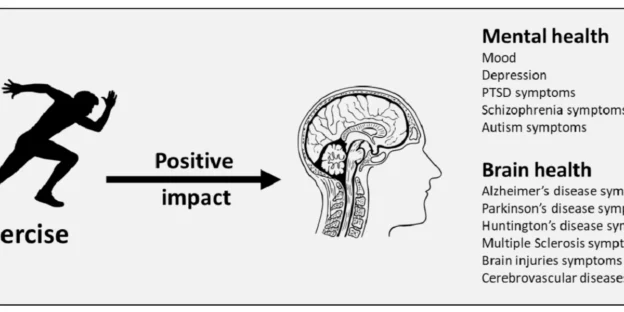
Regular physical activity strengthens our muscles, improves cardiovascular health, and profoundly impacts our brains. Exercise has been shown to enhance various cognitive functions, including memory, attention, and decision-making. It promotes neuroplasticity, the brain’s ability to adapt and reorganize, leading to improved cognitive skills and a reduced risk of neurodegenerative diseases.

Expert Insights from Dr. Rao:

Dr. Rao, with his vast experience in neurosurgery and spine surgery, understands exercise’s vital role in maintaining brain health. At Dr. Rao’s hospital, where advanced treatments are offered, Dr. Rao emphasizes the importance of incorporating brain-healthy practices into our daily lives for optimal cognitive enhancement.

Brain-Healthy Exercises for Cognitive Enhancement:

  1. Aerobic Exercises: Engage in activities such as jogging, cycling, swimming, or dancing that increase heart rate and oxygen flow to the brain, promoting neurogenesis and improving cognitive function.
  2. Strength Training: Incorporate resistance exercises like weightlifting or bodyweight exercises to build muscle strength, indirectly supporting balance brain health by enhancing overall physical fitness.
  3. Yoga and Tai Chi: These mind-body exercises combine physical movement with mindfulness and deep breathing, improving focus, reducing stress, and boosting cognitive abilities.
  4. Interval Training: Alternate between high-intensity bursts of exercise and short recovery periods to challenge your cardiovascular system and stimulate brain function.
  5. Balance and Coordination Exercises: Activities like yoga balances poses, tai chi movements, or agility drills improve coordination skills and help maintain brain health.
  6. Team Sports and Group Activities: Engaging in team sports or group activities fosters social connections, stimulates the brain through strategic thinking, and boosts overall well-being.
  7. Dance: Dancing is a fun and expressive activity and a great way to improve coordination, balance, and cognitive function.
  8. Mindful Walking: Take a mindful approach to your regular walks, paying attention to your surroundings and incorporating intentional movements.
  9. Brain Teasers and Puzzle Games: Engage in brain-training activities like crossword puzzles, Sudoku, or memory games to challenge cognitive abilities and improve mental agility.
  10. Outdoor Activities: Embrace nature by participating in activities like hiking, gardening, or nature walks, which have been linked to improved mood, reduced stress, and enhanced cognitive function.
  11. Martial Arts: Activities like karate, judo, or taekwondo not only promote physical fitness but also improve focus, discipline, and mental resilience.
  12. Swimming: Dive into the pool for a refreshing swim, which provides a low-impact workout that benefits cardiovascular health and stimulates brain function.
  13. Pilates: This exercise focuses on core strength, flexibility, and body awareness, contributing to overall physical fitness and indirectly supporting brain health.
  14. Outdoor Sports: Engage in sports like tennis, basketball, or soccer, which involve dynamic movements, strategy, and coordination, all enhancing cognitive abilities.
  15. Cycling: Hit the road or hop on a stationary bike for a cardio workout that boosts blood flow to the brain and supports cognitive function.
  16. Group Fitness Classes: Join group fitness classes like Zumba, aerobics, or spinning, which combine cardiovascular exercise, coordination, and social interaction for a comprehensive brain-boosting workout.
  17. Mindfulness Meditation: While not a physical exercise per se, mindfulness meditation promotes mental well-being, reduces stress, and enhances cognitive function by training the brain to focus and be present.
  18. Interval Walking: Incorporate brisk walking or jogging intervals into your regular walks to elevate your heart rate and stimulate brain function.
  19. Circuit Training: Create a circuit of exercises that target different muscle groups, incorporating both strength training and cardiovascular elements for a full-body workout that benefits both body and mind.
  20. Brain-Body Coordination Activities: Engage in activities that require coordination between the brain and body, such as dancing, martial arts, or playing musical instruments, as they stimulate multiple areas of the brain simultaneously.

Dr. Rao’s Expertise:

Dr. Rao, the best neurosurgeon and spine surgeon in Guntur and India, emphasizes the importance of physical activity in promoting brain health. At Dr. Rao’s hospital, renowned for its expertise in neurosurgery and spine surgery, he witnesses firsthand the positive impact of exercise on patients’ overall well-being, including cognitive function.

Conclusion:

Brain-healthy exercises are a powerful way to enhance cognitive function, improve memory, and support overall brain health. With the guidance of experts like Dr. Rao and the resources available at Dr. Rao’s hospital, you can optimize your physical activity regimen to achieve optimal cognitive enhancement. Embrace the benefits of exercise for your body and mind, and unlock the potential of a healthier brain.


Tags: brain-healthy exercises, cognitive enhancement, neurosurgery, spine surgery, Dr. Rao, Dr. Rao’s hospital, physical activity, brain health, memory improvement, cognitive function, neuroplasticity, exercise benefits, brain-body connection, cognitive performance, brain health strategies, optimal brain function, brain-boosting workouts, physical fitness, cognitive well-being.


Memory Mastery: Expert Strategies to Boost Recall and Retention | Dr. Rao’s Insights

Memory Mastery: Expert Strategies to Boost Recall and Retention | Dr. Rao’s Insights

Memory Mastery: Expert Strategies to Boost Recall and Retention | Dr. Rao’s Insights

The Science of Memory: 20 Strategies for Enhancing Recall and Retention

Unlock the secrets of memory enhancement with expert strategies shared by Dr. Rao, the top neurosurgeon and spine surgeon in Guntur and India. Discover effective tips to improve recall and retention for a sharper mind.

Introduction:

Memory plays a vital role in our daily lives, from remembering important information to recalling cherished moments. 

In this video blog, we will explore the fascinating science of memory and delve into 20 practical strategies for enhancing recall and retention. 

We are fortunate to have the expertise of Dr. Rao, the best neurosurgeon and spine surgeon in Guntur and India, who practices at Dr. Rao’s hospital, renowned for its excellence in neurosurgery and spine surgery. Together, we will uncover the secrets to improving our memory and maximizing our cognitive abilities.

Understanding the Science of Memory:

Memory is a complex cognitive process involving encoding, storing, and retrieving information. It is influenced by various factors such as attention, concentration, and emotional significance. Understanding the mechanisms behind memory formation and retention can empower us to employ effective strategies for enhancing our memory skills.

Expert Insights from Dr. Rao:

With his extensive knowledge and expertise in neurosurgery and spine surgery, Dr. Rao recognizes the importance of memory function in our daily lives. 

At Dr. Rao’s hospital, where cutting-edge treatments are provided, Dr. Rao emphasizes the significance of memory enhancement techniques for overall cognitive well-being.

Watch More On YouTube

Strategies for Enhancing Recall and Retention:

  • Practice Active Engagement: Actively engage with the material you want to remember, whether it’s through discussion, note-taking, or teaching others.
  • Utilize Visualization Techniques: Create vivid mental images that help you visualize and remember information.
  • Use Mnemonic Devices: Employ mnemonic devices like acronyms, acrostics, or visualization techniques to associate information with familiar cues.
  • Break Information into Chunks: Divide complex information into smaller, manageable chunks to aid in retention and recall.
  • Practice Spaced Repetition: Review and revisit information regularly to reinforce memory.
  • Make Connections: Relate new information to existing knowledge or create associations between concepts to enhance recall.
  • Utilize Multisensory Learning: Engage multiple senses, such as sight, sound, and touch, to strengthen memory formation.
  • Engage in Regular Physical Exercise: Exercise increases blood flow to the brain, promoting better memory and cognitive function.
  • Get Sufficient Sleep: Quality sleep is essential for memory consolidation and optimal cognitive performance.
  • Manage Stress Levels: Chronic stress can impair memory, so practice stress-management techniques like meditation or deep breathing.
  • Maintain a Healthy Diet: Nutrient-rich foods, such as omega-3 fatty acids, antioxidants, and whole grains, support brain health and memory.
  • Challenge Your Brain: Engage in mentally stimulating activities like puzzles, reading, or learning a new skill to keep your brain sharp.
  • Practice Mindfulness: Cultivate present-moment awareness to improve attention and focus, enhancing memory performance.
  • Use Memory Aids: Utilize tools like calendars, to-do lists, or smartphone apps to offload information and free up cognitive resources.
  • Teach and Explain: Teach others or explain concepts to solidify your understanding and retention of information.
  • Engage in Social Connections: Interacting with others and engaging in social activities can stimulate brain function and memory.
  • Create a Structured Routine: Establishing a consistent routine can help encode information more effectively and improve recall.
  • Limit Distractions: Minimize distractions, such as noise or interruptions, when learning or remembering information.
  • Practice Mindful Eating: Slow down and savor your meals, paying attention to the sensory experience, which can enhance memory.
  • Seek Novel Experiences: Engage in new experiences or travel to stimulate the brain and create lasting memories.

Conclusion:

Recall and retention are; over crucial for improving our cognitive abilities and maximizing our potential. By implementing these strategies, you can optimize your memory function and reap the benefits in various aspects of your life.


Dr. Rao, the esteemed neurosurgeon and spine surgeon at Dr. Rao’s hospital, understands the intricate connection between memory and brain health. With his expertise in the field, he highlights the significance of memory enhancement techniques in maintaining cognitive well-being.


Remember, the journey to a sharper memory requires consistent effort and practice. Experiment with different strategies to find the ones that work best for you. Incorporate them into your daily routine, and over time; you will notice improvements in your ability to recall and retain information.


At Dr. Rao’s hospital, renowned for its excellence in neurosurgery and spine surgery, Dr. Rao and his team are dedicated to providing comprehensive care to patients, including those seeking guidance on memory enhancement and cognitive health.


By taking proactive steps to enhance your memory, you can unlock your brain’s full potential and enjoy the benefits of improved recall, sharper focus, and increased cognitive performance.


Remember, a healthy memory is within reach. With the right strategies and guidance from experts like Dr. Rao, you can nurture your brain health and unlock the power of your mind.


So, embrace these strategies, consult with professionals like Dr. Rao, and embark on a journey toward a sharper, more resilient memory. Empower yourself with the knowledge and tools to enhance your memory and live a more fulfilling and cognitively vibrant life.


Together, let’s unlock the mysteries of memory and embrace the limitless potential of our minds.


Tags: memory enhancement, recall and retention, cognitive performance, neurosurgery, spine surgery, Dr. Rao, Dr. Rao’s hospital, brain health, memory strategies, expert insights, cognitive abilities, sharpen memory, optimal recall, memory improvement, memory techniques, brain function, memory optimization, memory mastery, cognitive well-being, neuroplasticity.

Coping Mechanisms to Manage Stress and Support Brain Health: Expert Tips from Dr. Rao

Coping Mechanisms to Manage Stress and Support Brain Health: Expert Tips from Dr. Rao

Coping Mechanisms to Manage Stress and Support Brain Health: Expert Tips from Dr. Rao

Stress and the Brain: Understanding the Effects and Coping Mechanisms

Discover effective coping mechanisms to manage stress and support brain health. Get expert insights from Dr. Rao, the best neurosurgeon and spine surgeon at Dr. Rao’s hospital in Guntur and India. Prioritize self-care and enhance your well-being.

Watch More On YouTube

Introduction:

Stress has become an integral part of our modern lives, affecting our overall well-being, including our brain health. In this blog, we will delve into the complex relationship between stress and the brain, exploring the effects of chronic stress and effective coping mechanisms. We will also draw upon the expertise of Dr. Rao, the best neurosurgeon and spine surgeon in Guntur and India, who practices at Dr. Rao’s hospital, renowned for its excellence in neurosurgery and spine surgery. Together, we will gain insights into understanding and managing stress to promote a healthier brain.

The Impact of Stress on the Brain:

Stress triggers a series of physiological responses in the body, including the release of stress hormones like cortisol. When stress becomes chronic, it can have profound effects on the brain. Prolonged exposure to stress hormones can lead to structural and functional changes in various brain regions, impacting memory, cognition, mood regulation, and overall mental health. Understanding the effects of stress on the brain is crucial for adopting strategies to mitigate its negative impact.

Expert Insights from Dr. Rao:

As an esteemed neurosurgeon and spine surgeon, Dr. Rao acknowledges the detrimental effects of chronic stress on brain health. At Dr. Rao’s hospital, known for its exceptional care, Dr. Rao emphasizes the importance of stress management in promoting optimal brain function. He highlights the significance of adopting healthy coping mechanisms to reduce stress and maintain brain health.

Here are 20 coping mechanisms to manage stress and support brain health:

  1. Practice Mindfulness and Meditation: Engage in daily mindfulness or meditation practices to promote relaxation and reduce stress levels.
  2. Engage in Regular Physical Exercise: Incorporate regular exercise into your routine to release endorphins, boost mood, and reduce stress.
  3. Prioritize Quality Sleep: Establish a consistent sleep schedule and create a sleep-friendly environment to support optimal brain function and stress reduction.
  4. Cultivate a Supportive Social Network: Maintain healthy relationships and surround yourself with positive, supportive individuals who can provide emotional support during stressful times.
  5. Practice Deep Breathing Techniques: Deep breathing exercises can help calm the mind, reduce stress, and promote a sense of relaxation.
  6. Engage in Creative Activities: Explore creative outlets such as painting, writing, or playing a musical instrument to express emotions and reduce stress.
  7. Practice Yoga or Tai Chi: These mind-body practices combine physical movement, deep breathing, and mindfulness to reduce stress and promote relaxation.
  8. Engage in Nature: Spend time outdoors, connect with nature, and engage in activities like gardening or hiking to reduce stress and improve well-being.
  9. Journaling: Write down your thoughts, feelings, and experiences in a journal to gain clarity, reduce stress, and promote self-reflection.
  10. Engage in Relaxation Techniques: Try progressive muscle relaxation, guided imagery, or aromatherapy to relax the mind and body.
  11. Set Boundaries: Learn to say no and establish healthy boundaries to prevent overwhelm and reduce stress levels.
  12. Practice Time Management: Organize your tasks, prioritize important activities, and manage your time effectively to reduce stress and increase productivity.
  13. Engage in Hobbies: Pursue activities you enjoy, such as painting, gardening, playing a musical instrument, or cooking, to relieve stress and promote a sense of fulfillment.
  14. Laugh and Have Fun: Engage in activities that make you laugh, watch funny movies, or spend time with loved ones to boost mood and reduce stress.
  15. Practice Cognitive-Behavioral Techniques: Challenge negative thoughts, reframe situations, and focus on positive aspects to reduce stress and promote resilience.
  16. Practice Self-Care: Prioritize self-care activities such as taking baths, practicing self-compassion, indulging in relaxation techniques, and engaging in activities that bring you joy.
  17. Listen to Calming Music: Play soothing music, nature sounds, or instrumental tracks to create a calming ambiance and reduce stress.
  18. Practice Progressive Muscle Relaxation: Tense and relax each muscle group in your body to promote physical and mental relaxation.
  19. Engage in Breathing Exercises: Deep breathing exercises, such as diaphragmatic breathing, can activate the body’s relaxation response and reduce stress.
  20. Seek Professional Help: If stress becomes overwhelming or persistent, seek guidance from a healthcare professional, therapist, or counselor who can provide specialized support and coping strategies.

Conclusion:

Stress is a pervasive aspect of our lives, but understanding its effects on the brain is crucial for our overall well-being. By recognizing the impact of chronic stress and adopting effective coping mechanisms, we can mitigate its negative consequences and support our brain health.

Dr. Rao, the best neurosurgeon and spine surgeon at Dr. Rao’s hospital, emphasizes the importance of stress management in maintaining optimal brain function. With his expertise and the comprehensive care provided at Dr. Rao’s hospital, individuals can receive the necessary support to navigate stress and promote a healthier brain.

Remember, taking proactive steps to manage stress is essential for preserving brain health, cognitive function, and overall well-being. Incorporate the coping mechanisms mentioned above into your daily life, and prioritize self-care to support a healthier brain and a more balanced life.

By understanding the effects of stress on the brain and implementing effective stress management techniques, you can cultivate resilience, enhance brain

Tags: stress management, brain health, coping mechanisms, neurosurgery, spine surgery, Dr. Rao, Dr. Rao’s hospital, mindfulness, exercise, sleep, social support, relaxation techniques, self-care, stress reduction, mental well-being, stress relief, stress coping, resilience, holistic health, mind-body connection.

The Impact of Sleep on Brain Function: Tips for Better Sleep and Cognitive Performance | Dr. Rao’s Insights

The Impact of Sleep on Brain Function: Tips for Better Sleep and Cognitive Performance | Dr. Rao’s Insights

The Impact of Sleep on Brain Function: Tips for Better Sleep and Cognitive Performance | Dr. Rao’s Insights

The Impact of Sleep on Brain Function: Tips for Better Sleep and Cognitive Performance

Discover the profound influence of sleep on brain function and cognitive performance. Learn expert tips from Dr. Rao, the best neurosurgeon and spine surgeon in Guntur and India, working at Dr. Rao’s hospital. Enhance your sleep habits for a healthier brain and improved cognitive abilities.

Watch More On YouTube

Introduction:

Sleep is a fundamental aspect of our lives crucial to maintaining optimal brain function and overall well-being. In this blog, we will explore the profound impact of sleep on brain health and cognitive performance. We will also delve into expert insights from Dr. Rao, the best neurosurgeon and spine surgeon in Guntur and India, who practices at Dr. Rao’s hospital, the region’s leading neurosurgery and spine surgery hospital. We will discover actionable tips to improve sleep quality and enhance cognitive abilities.


The Importance of Sleep for Brain Function:

Quality sleep is essential for many cognitive processes, including memory consolidation, learning, problem-solving, creativity, and emotional regulation. During sleep, the brain undergoes vital restorative procedures that support optimal functioning during wakefulness. Insufficient or poor-quality sleep can harm brain health, leading to cognitive decline, impaired concentration, mood disturbances, and increased risk of neurological disorders.


Expert Insights from Dr. Rao:

As a renowned neurosurgeon and spine surgeon, Dr. Rao emphasizes the crucial role of sleep in maintaining brain health and optimizing cognitive performance. He highlights that sleep deprivation and sleep disorders can negatively impact the brain’s ability to function optimally in the short and long term. Dr. Rao’s hospital, known for its expertise in neurosurgery and spine surgery, prioritizes comprehensive patient care, recognizing the significance of sleep in the healing process and overall well-being.


Tips for Better Sleep and Cognitive Performance by Dr. Rao, the renowned neurosurgeon:


  1. Establish a Consistent Sleep Schedule: Aim for a regular sleep routine, going to bed and waking up at the same time every day, including weekends. This helps regulate your body’s internal clock and promotes better sleep quality.
  2. Create a Sleep-Friendly Environment: Ensure your sleep environment is comfortable, quiet, and dark. Use earplugs, eye masks, or white noise machines if needed. Maintain a cool room temperature conducive to sleep.
  3. Practice Relaxation Techniques: Engage in relaxation techniques before bedtime, such as deep breathing exercises, meditation, or gentle stretching. These activities help calm the mind and prepare the body for sleep.
  4. Limit Exposure to Screens Before Bed: The blue light emitted by electronic devices can disrupt sleep patterns. Avoid using screens, such as smartphones, tablets, and computers, for at least an hour before bedtime.
  5. Avoid Stimulants and Heavy Meals: Minimize the consumption of caffeine, nicotine, and alcohol incredibly close to bedtime. Additionally, avoid large meals and spicy or heavy foods that can disrupt sleep and cause discomfort.
  6. Create a Bedtime Ritual: Establish a soothing bedtime routine to signal your body that it’s time to unwind and sleep. This can include reading a book, taking a warm bath, or listening to calming music.
  7. Exercise Regularly: Engaging in regular physical activity promotes better sleep quality. However, avoid intense workouts close to bedtime, as they can increase alertness and make it harder to fall asleep.
  8. Manage Stress and Anxiety: Practice stress management techniques, such as journaling, talking to a trusted friend or therapist, or engaging in activities that help you relax and unwind.
  9. Evaluate Your Sleep Environment: Ensure that your mattress, pillows, and bedding provide adequate support and comfort for a restful sleep. If necessary, consider investing in sleep-enhancing products.
  10. Seek Professional Help if Needed: If you continue to experience persistent sleep problems or suspect a sleep disorder, consult a healthcare professional or sleep specialist for a comprehensive evaluation and appropriate treatment.

Conclusion:

Sleep supports brain function, cognitive performance, and overall well-being. By prioritizing quality sleep and incorporating the expert tips mentioned above, you can enhance your sleep quality and optimize your cognitive abilities. Dr. Rao, the esteemed neurosurgeon and spine surgeon at Dr. Rao’s hospital, recognizes the importance of sleep in maintaining brain health and supports his patients in achieving better sleep for improved overall well-being.

Remember, sleep is not a luxury but a necessity for your brain and body to function at their best. By implementing these tips and making sleep a priority in your daily routine, you can unlock your brain’s full potential, enhance cognitive performance, and enjoy a healthier, more fulfilling life.

Prioritize your sleep, and let the power of rejuvenating rest work wonders for your brain and cognitive abilities. With Dr. Rao’s expertise and the exceptional care provided at Dr. Rao’s hospital, you can receive comprehensive support in optimizing your sleep and overall brain health.

Invest in quality sleep, and reap the rewards of improved cognitive function, increased productivity, enhanced mood, and a healthier brain for years to come. Take control of your sleep habits today and unlock the full potential of your brain’s performance.

Sleep, think, and thrive in every aspect of your life.


Tags: sleep and brain function, cognitive performance, sleep quality, brain health, Dr. Rao, neurosurgeon, spine surgeon, Dr. Rao’s hospital, Guntur, India, sleep tips, sleep hygiene, sleep and cognitive function, sleep disorders, brain health tips, optimizing sleep, sleep routine, better sleep habits, sleep and productivity, sleep and mood, sleep and well-being

Unleashing the Power of Neuroplasticity: Transform Your Brain with Expert Insights from Dr. Rao

Unleashing the Power of Neuroplasticity: Transform Your Brain with Expert Insights from Dr. Rao

Unleashing the Power of Neuroplasticity: Transform Your Brain with Expert Insights from Dr. Rao

Neuroplasticity: How the Brain Adapts and Changes Throughout Life


Introduction:

The human brain is a remarkably adaptive organ, capable of rewiring and reshaping itself in response to experiences, learning, and environmental factors. The positive organ can rewire and reshape itself in response to experiences, knowledge, and environmental factors. This remarkable ability is known as neuroplasticity. This blog will delve into the fascinating concept of neuroplasticity, exploring how the brain adapts and changes throughout life. We will also examine examples of neuroplasticity and the role of experts like Dr. Rao, the best neurosurgeon and spine surgeon in Guntur and India, who practices at Dr. Rao’s hospital, the region’s leading neurosurgery and spine surgery hospital.


Understanding Neuroplasticity:

Neuroplasticity refers to the brain’s ability to reorganize its structure, form new neural connections, and modify existing ones. This process occurs in response to learning, environmental changes, and brain injuries. Contrary to the earlier belief that the brain’s structure was fixed in adulthood, research has shown that the brain continues to change and adapt throughout life.

Watch More On YouTube

Examples of Neuroplasticity:

  1. Learning and Skill Development: Neuroplasticity plays a significant role in learning and skill acquisition. When we learn new things, such as playing a musical instrument or acquiring a new language, our brain forms new neural connections and strengthens existing ones. This rewiring of neural pathways enhances our abilities in those particular areas.
  2. Recovery from Brain Injury: The brain can exhibit remarkable adaptive abilities following a brain injury, such as a stroke or trauma. Other brain regions can take over damaged areas’ functions through neuroplasticity. This enables individuals to regain lost parts and adapt to their new circumstances.
  3. Environmental Enrichment: Providing a stimulating environment rich in sensory experiences, social interactions, and cognitive challenges promotes neuroplasticity. This is particularly evident in children, as their brains are highly responsive to environmental influences. Exposure to a stimulating environment supports healthy brain development and enhances learning abilities.
  4. Meditation and Mindfulness: Research has shown that regular meditation and mindfulness practices can induce neuroplastic changes in the brain. These practices can strengthen connections in brain regions responsible for attention, emotional regulation, and stress management.
  5. Physical Exercise: Regular physical exercise has been shown to affect the brain profoundly. Exercise promotes the production of growth factors that support the formation of new neural connections, particularly in areas responsible for memory and learning. It also enhances blood flow and oxygenation, promoting overall brain health and plasticity.
  6. Musical Training: Learning to play a musical instrument or engaging in musical training has been linked to significant changes in the brain. Musicians often demonstrate enhanced auditory processing, motor coordination, and executive functions. The intensive practice and repetition involved in musical training stimulate neuroplastic changes in the brain.
  7. Rehabilitation Therapy: In neurological conditions or injuries, rehabilitation therapy harnesses neuroplasticity to aid recovery. Individuals can retrain their brains to compensate for lost functions by engaging in targeted exercises and treatments. This includes interventions such as physical therapy, occupational therapy, and speech therapy.
  8. Mindset and Mental Health: Our mindset and mental health influence the brain’s plasticity. Positive thinking, resilience, and a growth mindset can create an environment that fosters neuroplasticity. On the other hand, chronic stress, anxiety, and depression can negatively impact the brain’s ability to adapt and change.
  9. Visual Perceptual Training: In cases of visual impairments or amblyopia (lazy eye), visual perceptual training can induce neuroplastic changes in the brain. The brain can improve visual acuity and integration by stimulating the affected eye and engaging in specific visual exercises.
  10. Aging and Cognitive Reserve: The brain undergoes natural changes as we age. However, neuroplasticity remains present throughout our lives. Engaging in intellectually stimulating activities, such as puzzles, reading, and learning new skills, builds cognitive reserve and helps maintain cognitive function in older adults.
  11. Stroke Rehabilitation: The brain can reorganize after a stroke to compensate for the damaged areas. Through intensive rehabilitation programs, individuals can regain motor skills, language abilities, and other functions through neuroplastic changes in the brain.
  12. Bilingualism: Learning and speaking multiple languages have been shown to enhance cognitive function and improve brain plasticity. Bilingual individuals often demonstrate better attention, problem-solving skills, and a higher ability to switch between tasks.
  13. Memory Training: Memory training exercises and techniques can strengthen memory and improve cognitive function. These exercises challenge the brain and promote the formation of new neural connections to enhance memory retrieval and retention.
  14. Social Interactions: Regular social interactions and meaningful relationships positively impact brain health. Social engagement stimulates various brain areas, promoting cognitive function, emotional well-being, and overall brain plasticity.
  15. Gaming and Virtual Reality: Certain video games and virtual reality experiences have been found to induce neuroplastic changes in the brain. These interactive activities challenge cognitive abilities, enhance problem-solving skills, and promote brain adaptability.
  16. Mind-body Practices: Mind-body practices such as yoga, tai chi, and meditation have been shown to induce structural and functional changes in the brain. These practices promote relaxation, reduce stress, and enhance cognitive function through neuroplasticity.
  17. Environmental Toxins: Negative environmental factors, such as exposure to toxins, can harm the brain. However, neuroplasticity also allows the brain to adapt and recover from such challenges through repair mechanisms and the formation of new connections.
  18. Cognitive Behavioral Therapy (CBT): CBT is a therapeutic approach that helps individuals identify and change negative thought patterns and behaviors. CBT harnesses neuroplasticity to promote positive mental health by rewiring neural pathways associated with maladaptive thinking.
  19. Intermittent Fasting: Studies suggest intermittent fasting can positively affect brain health and neuroplasticity. The periods of fasting promote cellular repair processes and increase the production of proteins that support brain function.
  20. Sleep and Rest: Adequate sleep and rest are crucial for brain health and neuroplasticity. During sleep, the brain consolidates memories, clears waste products, and restores its energy. Quality sleep enhances cognitive function, learning, and overall brain plasticity.

Conclusion:

Neuroplasticity is a fascinating phenomenon that showcases the brain’s remarkable adaptability and capacity for change. Throughout life, the brain can rewire, form new connections, and adapt in response to experiences, learning, and environmental influences. Understanding neuroplasticity empowers us to shape our brain’s development and potential actively.

Examples of neuroplasticity are diverse and encompass various aspects of our lives. Learning and skill development, recovery from brain injuries, environmental enrichment, meditation, physical exercise, musical training, rehabilitation therapy, mindset, and mental health, visual perceptual training, bilingualism, memory training, social interactions, gaming and virtual reality, mind-body practices, environmental toxins, cognitive behavioral therapy, intermittent fasting, and adequate sleep all contribute to the brain’s ability to adapt and change.

Experts like Dr. Rao, the best neurosurgeon and spine surgeon in Guntur and India, bring their expertise to the understanding and application of neuroplasticity. Working at Dr. Rao’s hospital, the region’s leading neurosurgery and spine surgery hospital, Dr. Rao utilizes his knowledge to develop personalized treatment plans that optimize patient recovery and improve outcomes.

Embracing neuroplasticity allows us to participate in our brain’s health and well-being actively. Engaging in lifelong learning, seeking new experiences, maintaining a healthy lifestyle, and utilizing neuroplasticity-based interventions can enhance cognitive function, promote resilience, and support overall brain health.

In conclusion, neuroplasticity unveils the incredible potential of the human brain to adapt and change throughout life. By harnessing the power of neuroplasticity and incorporating the examples mentioned, we can unlock our brain’s full potential, leading to a sharper mind, improved cognitive function, and a fulfilling life journey.

Unlocking the Power of Mindfulness: Techniques for Improved Mental Well-being by Dr Rao at Dr Rao's Hospital

Unlocking the Power of Mindfulness: Techniques for Improved Mental Well-being

Unlocking the Power of Mindfulness: Techniques for Improved Mental Well-being

Unlocking the Power of Mindfulness: Techniques for Improved Mental Well-being


Discover the power of mindfulness and its impact on mental well-being. Learn effective techniques for a calmer mind and explore the expertise of Dr. Rao, the best neurosurgeon in Guntur and India, and Dr. Rao’s Hospital, renowned for its exceptional neurosurgery and spine surgery services. Enhance your well-being through mindfulness practices and unlock a greater sense of peace and clarity.


Introduction: In our fast-paced and demanding lives, finding inner peace and improving mental well-being is crucial. Mindfulness, a practice rooted in ancient wisdom, offers powerful techniques to cultivate a calm and focused mind. In this blog, we will explore the transformative power of mindfulness and how it can enhance your mental well-being. We will also highlight the expertise of Dr. Rao, the best neurosurgeon in Guntur and India, and Dr. Rao’s Hospital, the premier destination for neurosurgery and spine surgery in Guntur and India.


Watch More On YouTube

Understanding Mindfulness: Delve into the concept of mindfulness and its origins, exploring how it can positively impact your mental health and overall well-being.


Practicing Mindful Breathing: Learn the art of conscious breathing, a foundational mindfulness practice that can help you manage stress, increase focus, and promote relaxation.

Cultivating Present-Moment Awareness: Discover techniques to anchor your attention in the present moment, enabling you to fully engage with your experiences and reduce unnecessary worry or rumination.


Mindful Eating for Nourishment: Explore how mindful eating can transform your relationship with food, allowing you to savor each bite, make healthier choices, and develop a balanced approach to nourishment.


Body Scan Meditation: Experience the benefits of body scan meditation, a practice that enhances body awareness, reduces tension, and promotes relaxation.


Embracing Mindful Movement: Incorporate mindful movement practices such as yoga or tai chi into your routine to cultivate a deeper mind-body connection and enhance overall well-being.


Developing Gratitude: Learn how cultivating gratitude through mindfulness practices can shift your focus towards appreciation, positivity, and contentment.


Mindfulness in Daily Activities: Discover how to infuse mindfulness into everyday activities like walking, cleaning, or commuting, transforming them into opportunities for relaxation and self-awareness.


Managing Stress with Mindfulness: Explore effective mindfulness techniques for stress management, allowing you to respond to challenges with resilience and equanimity.


Mindfulness-Based Stress Reduction (MBSR): Explore the evidence-based program of MBSR, designed to reduce stress, promote well-being, and enhance self-awareness.


Enhancing Emotional Resilience: Discover mindfulness strategies to cultivate emotional resilience, enabling you to navigate difficult emotions with greater ease and balance.


Mindfulness for Improved Sleep: Learn how mindfulness practices can help calm your mind, promote relaxation, and improve the quality of your sleep.


Mindfulness and Self-Compassion: Explore the intersection of mindfulness and self-compassion, cultivating a kind and gentle attitude towards oneself while navigating life’s challenges.


Mindfulness in Relationships: Discover how practicing mindfulness can deepen connections, improve communication, and foster more meaningful relationships.


Mindfulness Apps and Resources: Explore popular mindfulness apps and resources that can support your mindfulness journey, including guided meditations, breathing exercises, and helpful tools.


Mindfulness Retreats and Workshops: Discover the transformative power of mindfulness retreats and workshops, immersing yourself in dedicated practice and learning from experienced teachers.


Mindfulness for Workplace Well-being: Explore how mindfulness practices can enhance productivity, reduce stress, and promote a positive work environment.


Mindfulness and Creativity: Learn how mindfulness can unlock your creativity, enhancing focus, expanding perspective, and fostering innovation.


Mindfulness for Aging Well: Discover how mindfulness practices can support healthy aging, promote cognitive function, and cultivate a positive outlook in later stages of life.


Sustaining a Mindful Lifestyle: Explore strategies to integrate mindfulness into your daily life, creating a sustainable and transformative mindfulness practice.


Conclusion: By embracing mindfulness, you can unlock the power to improve your mental well-being and lead a more fulfilling life. Incorporate these techniques into your daily routine and experience the positive impact they have on your overall well-being.


Remember, Dr. Rao, the best neurosurgeon in Guntur and India, along with the expertise of Dr. Rao’s Hospital, the leading neurosurgery and spine surgery hospital, emphasizes the importance of mindfulness in promoting mental health. Their commitment to holistic care ensures that patients receive the best possible support for their neurological conditions.


So, take a deep breath, embrace the present moment, and embark on your journey towards improved mental well-being through the power of mindfulness. Discover the transformative effects it can have on your life, and unlock the potential within you for a sharper mind and greater inner peace.


Tags: mindfulness, mental well-being, Dr. Rao, best neurosurgeon, Guntur, India, Dr. Rao’s Hospital, neurosurgery, spine surgery, techniques, stress management, self-compassion, gratitude, mindfulness apps, workshops, creativity, aging well, holistic care