Tag Archives: cognitive health

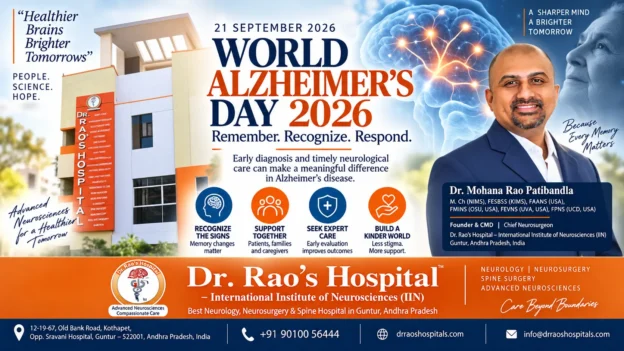
Dr. Mohana Rao Patibandla at Dr. Rao's Hospital – International Institute of Neurosciences (IIN), Guntur, promoting World Alzheimer's Day 2026 awareness about early diagnosis, memory loss, dementia care, and brain health in Andhra Pradesh, India.

Alzheimer’s Diagnosis Gap in India | Dr. Rao’s IIN Guntur


On World Alzheimer’s Day, Neurosurgeon Says India’s Real Alzheimer’s Gap Isn’t Access to New Drugs — It’s Access to Diagnosis


As at-home, subcutaneous formulations of anti-amyloid Alzheimer’s therapies advance in the U.S., Indian specialists say the more urgent problem for most of the country’s 8.8 million dementia patients is that they are never formally diagnosed at all.


GUNTUR, ANDHRA PRADESH, INDIA, September 21, 2026 /EINPresswire.com/ — Marking World Alzheimer’s Day, neurosurgeons in India are drawing attention to a growing disconnect: as Alzheimer’s treatment technology in the United States moves toward more convenient, at-home delivery — including a subcutaneous autoinjector formulation of the anti-amyloid drug lecanemab (marketed as Leqembi), approved by the U.S. FDA in 2025, with a once-weekly starting-dose option now under review — the vast majority of Indians living with dementia never receive a formal diagnosis in the first place.


An estimated 8.8 million Indians aged 60 and above are currently living with dementia, according to nationwide estimates published in Alzheimer’s & Dementia, with Alzheimer’s disease accounting for roughly 70 to 75 percent of these cases. That number is projected to rise sharply as India’s population of adults over 60 — currently around 138 million — is expected to nearly reach 194 million within the next five years.


According to Dr. Mohana Rao Patibandla, a neuro-oncology and skull base neurosurgeon and Founder & Director of Dr. Rao’s Hospital – International Institute of Neurosciences (IIN) in Guntur, the newer generation of anti-amyloid drugs represents genuine scientific progress — but one that will have limited real-world impact in India without a parallel push on early recognition.


“Anti-amyloid therapies like lecanemab work by targeting the disease in its earliest stages, before significant cognitive decline has occurred — that’s precisely where their benefit is greatest,” Dr. Rao said. “But in India, memory loss in an older adult is still very often dismissed by families as a normal part of ageing rather than investigated as a medical condition. By the time a family brings a patient in for evaluation, the disease has frequently progressed well past the stage where early-intervention therapies would have made the most difference.”


Dr. Rao noted that this pattern is compounded by geography. “A therapy delivered through a simple weekly injection is a meaningful convenience improvement for patients in cities with access to a memory clinic or neurologist,” he said. “But for a large share of India’s ageing population living outside major cities, the more basic barrier isn’t the format of the treatment — it’s whether a diagnostic pathway exists to identify the condition at all.”


Globally, dementia affects more than 55 million people, according to World Health Organization estimates, a figure expected to nearly double by 2050 amid population ageing, with low- and middle-income countries — including India — projected to bear an increasingly large share of that burden.


Dr. Rao pointed to early warning signs that families and primary care physicians should treat as prompts for evaluation rather than as normal ageing: difficulty recalling recent conversations or events, repeated questions within a short span of time, disorientation in familiar surroundings, and noticeable changes in judgment or personality. “None of these require a specialist to notice first,” he said. “They usually show up at home, long before anyone thinks to bring them to a doctor. Closing that gap in recognition, not just improving the drugs themselves, is what will actually change outcomes for the majority of Indian families dealing with this disease.”


IIN’s neuroscience program includes cognitive and neurological evaluation as part of its broader practice, alongside the institute’s core focus areas in cerebrovascular, skull base, pediatric, and oncologic neurosurgery.


About Dr. Mohana Rao Patibandla


Dr. Mohana Rao Patibandla is a minimally invasive neurosurgeon, pediatric neurosurgeon, cerebrovascular endovascular neurosurgeon, skull base neurosurgeon, neuro-oncologist, and stereotactic radiosurgeon. He completed his M.Ch in Neurosurgery at the Nizam’s Institute of Medical Sciences (NIMS), Hyderabad, followed by subspecialty fellowships at the University of Colorado Denver (pediatric neurosurgery), Ohio State University (endoscopic skull base surgery), and the University of Virginia Medical Center (surgical neuro-oncology, Gamma Knife, and endovascular neurosurgery). He has authored 66 publications indexed on Google Scholar and was recognized with the AANS/CNS Section on Tumors BrainLab Community Neurosurgery Award for outstanding brain tumor research in 2018. In 2026, his team received the Best Free Paper Award and a Gold Medal at MISSABCON-PASMISS, the Pacific Asia Society of Minimally Invasive Spine Surgery’s international congress in Chennai, for work on minimally invasive and endoscopic approaches to complex craniovertebral junction disorders.


About Dr. Rao’s Hospital – International Institute of Neurosciences (IIN)


Dr. Rao’s Hospital – International Institute of Neurosciences (IIN), based in Guntur, Andhra Pradesh, is a dedicated neuroscience center offering minimally invasive skull base surgery, endovascular surgery, stereotactic radiosurgery, neuro-oncology, and pediatric neurosurgery. The institute is equipped with intraoperative neurophysiological monitoring (IONM), functional brain mapping, neuronavigation, a biplane catheterisation laboratory, a hybrid operation theatre, and intraoperative CT imaging. IIN draws patients from across India and internationally and has been recognized by Forbes India.


Media Contact:

Dr. Rao’s Hospital – International Institute of Neurosciences (IIN)

Old Bank Street, besides AK Biryani Point, Kothapeta, Guntur, Andhra Pradesh, India

enquiries: 9010056444


BRAIN SURGERY LINKS


Functional Neurosurgery Internal Links


Certificate of Achievement presented to Dr. Mohana Rao Patibandla by Time Iconic as one of the Top 10 Inspiring Neurosurgeons 2025.

How Lifestyle Factors (Diet, Exercise, Screen Time) Impact Long-Term Brain Health

🧠 How Lifestyle Factors (Diet, Exercise, Screen Time) Impact Long-Term Brain Health

Insights from Dr. Rao’s Hospital, Guntur – India’s leading center for brain, spine, and nerve care

⚕️ Why Brain Health Matters Beyond Age

The brain is our body’s command center — regulating memory, emotions, movement, decision-making, and every vital function. Yet, in the fast-paced modern world, our lifestyle habits — from what we eat and how much we move to how long we stare at screens — profoundly affect how the brain functions and ages.

At Dr. Rao’s Hospital, our specialists emphasize that brain health is not determined by genetics alone; it’s heavily shaped by daily choices such as regular exercise for brain health, along with advanced therapies like deep brain stimulation when medically required. Prevention, therefore, begins long before disease appears.

“Your lifestyle today is your neurological insurance for tomorrow,” says Dr. Mohana Rao Patibandla, one of India’s most accomplished neurosurgeons and founder of Dr. Rao’s Hospital, Guntur.

—

🥗 The Role of Diet in Brain Health

The brain consumes nearly 20% of the body’s energy, relying on glucose, fatty acids, and micronutrients from a balanced brain health diet to function efficiently. Choosing the best food for brain recovery while avoiding a poor diet high in sugars, trans fats, and processed foods helps reduce inflammation and oxidative stress, both of which accelerate cognitive decline.

1. Foods That Nourish the Brain

  • Omega-3 fatty acids (found in fish, flaxseed, and walnuts) help maintain neuron integrity and reduce inflammation.
  • Antioxidant-rich foods like blueberries, leafy greens, and turmeric protect against oxidative damage.
  • Whole grains and legumes provide sustained energy and stabilize blood sugar — vital for focus and mental endurance.
  • Hydration supports blood flow and nutrient delivery to the brain.

2. The Mediterranean & DASH Diet Models

Studies for Brain Health Diet shows that the Mediterranean and DASH (Dietary Approaches to Stop Hypertension) diets — rich in vegetables, olive oil, whole grains, and lean protein — lower the risk of stroke, Alzheimer’s disease, and depression.

3. The Hidden Dangers: Processed Foods and Excess Sugar

Excess refined sugar can impair memory and learning by triggering insulin resistance in brain cells. Processed foods high in saturated fats cause neuroinflammation, linked to mood disorders and early cognitive decline.

“Brain nutrition is a form of daily neuroprotection. Balanced diets reduce the risk of stroke, dementia, and depression,” emphasizes Dr. Rao.

—

🏃‍♂️ Exercise: The Natural Brain Booster

Physical activity benefits the brain as much as it does the body. Exercise enhances blood circulation, increases oxygen flow, and stimulates the release of Brain-Derived Neurotrophic Factor (BDNF) — a protein that promotes neuron growth and repair.

1. Aerobic Exercise and Cognitive Health

Walking, swimming, or cycling for at least 30 minutes a day strengthens the hippocampus — the brain’s memory center — and reduces the risk of age-related cognitive decline.

2. Strength Training and Stress Reduction

Resistance exercises lower cortisol (the stress hormone), improving mood and sleep quality. Consistent activity enhances executive function, focus, and problem-solving skills.

3. Yoga and Mind-Body Balance

Mindful practices like yoga and meditation, promoted at Dr. Rao’s Hospital’s Neurology Department, regulate the autonomic nervous system, balancing emotional health and preventing chronic stress.

—

📱 Screen Time and Its Hidden Impact on the Brain

Digital dependence has made prolonged screen time an emerging neurological concern, clearly highlighting the excessive screen time effects on brain function. While technology improves access to information, the link between screen time and mental health is growing stronger, as excessive exposure strains vision, alters sleep cycles, and impacts memory and emotional well-being.

1. Blue Light and Sleep Disruption

Screens emit blue light that suppresses melatonin, delaying sleep onset and affecting deep REM sleep — essential for learning and memory consolidation.
At Dr. Rao’s Hospital, patients with chronic headaches, fatigue, or insomnia are often counseled on digital hygiene to restore circadian balance.

2. Attention Fatigue and Memory Impairment

Constant multitasking on screens fragments attention and reduces the brain’s ability to form long-term memories. Over time, this can mimic early cognitive dysfunction.

3. Screen Time in Children and Adolescents

Excessive screen exposure during brain development affects emotional regulation and social skills. Pediatric neurologists recommend limiting recreational screen time to under 2 hours a day.

“The brain thrives on rest, creativity, and real-world interaction — not constant stimulation,” says Dr. Rao.

—

💡 Lifestyle Integration: Small Changes, Lifelong Protection

1. Sleep Hygiene

Aim for 7–8 hours of quality sleep. Deep sleep clears toxins via the glymphatic system, reducing the risk of neurodegenerative diseases.

2. Stress Management

Chronic stress shrinks the hippocampus and accelerates brain aging. Incorporating mindfulness, relaxation, and therapy sessions enhances resilience.

3. Social and Cognitive Engagement

Socializing, reading, solving puzzles, and learning new skills strengthen neural connections. The “use it or lose it” principle applies directly to brain health.

4. Regular Medical Check-ups

Routine neurological assessments at Dr. Rao’s Hospital help detect early changes in cognitive or vascular function. Preventive check-ups reduce long-term neurological risks.

—

🧩 The Science Behind Lifestyle and Brain Longevity

Neuroscientific studies reveal that lifestyle factors directly influence neuroplasticity — the brain’s ability to reorganize itself. Healthy habits enhance plasticity, while poor habits lead to neuronal loss, oxidative stress, and inflammation.

For example, exercise increases hippocampal volume, diet supports neurotransmitter balance, and screen moderation preserves gray matter density.

At Dr. Rao’s Hospital, Guntur, neuro-wellness programs integrate diet counseling, physiotherapy, and stress management to optimize brain health across all age groups.

—

🌿 Preventive Care at Dr. Rao’s Hospital

Dr. Rao’s Hospital is one of the best neurology and neurosurgery hospitals in Andhra Pradesh, offering a unique blend of technology and lifestyle medicine for long-term neurological wellness.

Our Brain Health Services Include:

“Good brain health doesn’t happen by chance — it’s a lifelong commitment to balanced living,” says Dr. Rao, often regarded as the best neurologist in Guntur.

—

💬 Final Takeaway

Modern living exposes the brain to constant stressors — unhealthy diet, sedentary habits, and digital overload. Yet, the same environment offers opportunities to take control through regular exercise for brain health and, when medically indicated, advanced therapies like deep brain stimulation under the guidance of a trusted brain specialist in Guntur and an experienced brain specialist in Andhra Pradesh. Simple lifestyle shifts can profoundly influence how our brains age and perform.

By combining medical excellence with preventive education, Dr. Rao’s Hospital helps patients and families take proactive steps toward lifelong neurological well-being.

Your brain is your most valuable asset — protect it with smart habits, regular check-ups, and timely expert guidance.

—

📞 Contact Dr. Rao’s Hospital

Dr. Rao’s Hospital – Advanced Brain, Spine & Nerve Care
📍 12-19-67, Old Bank Road, Kothapet, Opp. Sravani Hospital, Guntur, Andhra Pradesh
📞 090100 56444
📧 info@drraoshospitals.com | drpatibandla@gmail.com
🌐 https://drraoshospitals.com
📺 YouTube |
📘 Facebook |
📸 Instagram |
💼 LinkedIn |
📍 Google Maps

🧩 Frequently Asked Questions About Brain Health

1. What lifestyle factors most strongly influence long-term brain health?

Diet quality, regular exercise, adequate sleep, stress control, limited alcohol or tobacco use,
and mindful screen time are the main pillars. Small daily improvements build lasting protection
for your brain.

2. Which diet is best for brain health?

The Mediterranean and DASH diets—rich in fruits, vegetables, whole grains,
nuts, olive oil, and fish—have been proven brain health diet options to support memory and reduce stroke and dementia risk.

3. What specific foods should I eat more often?

Include omega-3-rich fish, walnuts, flaxseed, berries, turmeric, leafy greens, lentils,
and plenty of water are the best food for brain recovery. These nutrients fuel neuron repair and help prevent oxidative stress.

4. How much exercise supports brain function?

Aim for at least 150 minutes of moderate aerobic activity weekly—like brisk walking or cycling—
plus two days of strength training. Exercise triggers BDNF, which enhances learning and memory.

5. Does yoga or meditation really help the brain?

Yes. Mind-body practices reduce chronic stress and improve emotional regulation and sleep quality. They complement physical workouts for a healthier nervous system.

6. How much screen time is healthy for adults and children?

Adults should limit recreational screen time to a few hours daily and avoid screens 1–2 hours before bed. For children and teens, experts recommend under 2 hours per day of non-academic screen exposure.

7. How do screens affect sleep and memory?

Blue light from phones and laptops delays melatonin release, disrupting deep sleep and REM cycles. Poor sleep reduces memory retention and focus. Using blue-light filters and digital curfews helps.

8. Are supplements necessary for brain health?

Generally not, if you maintain a balanced diet. Ask your doctor before taking omega-3, vitamin D, or B12 supplements, especially if you follow a restricted diet.

9. What red flags suggest I should see a neurologist?

Seek medical attention for new or worsening headaches, memory loss, sudden weakness, speech or vision problems, seizures, or dizziness. For any signs of stroke, use FAST—Face droop, Arm weakness, Speech trouble, Time to call emergency.

10. How can Dr. Rao’s Hospital help me improve brain health?

Dr. Rao’s Hospital, Guntur offers neurological consultations,
lifestyle and nutrition counseling, stroke prevention clinics, sleep and headache management, and neuro-rehabilitation—all under one roof.