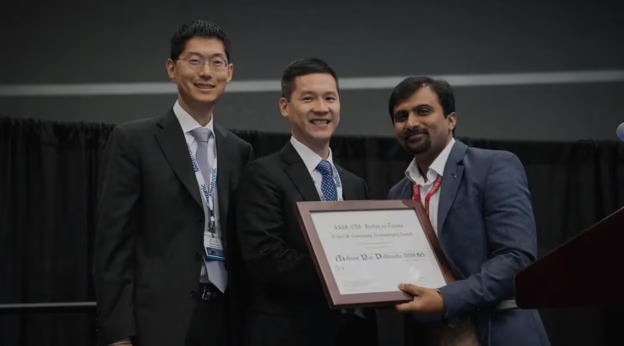
Brainlab Neurosurgery Award to Dr. Mohana Rao Patibandla at CNS 2018: Advancing Stereotactic Radiosurgery for Skull Base Meningiomas
Dr. Mohana Rao Patibandla, one of India’s leading neurosurgeons, received the prestigious Brainlab Neurosurgery Award at CNS 2018 (Congress of Neurological Surgeons) for his landmark scientific presentation titled:
“Stereotactic Radiosurgery for Skull Base Meningiomas: 20-year Long-term Outcomes with Volumetric Analysis.”
This international recognition placed Dr. Rao among an elite group of global neurosurgeons and marked a significant milestone for Indian neurosurgery on the world stage.
What Is the Brainlab Neurosurgery Award?
The Brainlab Neurosurgery Award is an internationally respected honor presented during the annual meeting of the Congress of Neurological Surgeons (CNS). It recognizes outstanding scientific contributions that advance neurosurgical knowledge, technology, and patient outcomes.
- Awarded to high-impact, peer-reviewed neurosurgical research
- Evaluated by the CNS Tumor Section and AANS/CNS Section on Tumors
- Highly competitive with global participation
Receiving this award as a nonacademic neurosurgeon is particularly rare and underscores the global relevance of Dr. Rao’s clinical research.
CNS 2018 and the Congress of Neurological Surgeons
The Congress of Neurological Surgeons (CNS) is one of the world’s most influential neurosurgical organizations, headquartered in the United States. The annual CNS meeting brings together thousands of neurosurgeons, researchers, and innovators from across the globe.
CNS 2018 showcased cutting-edge advances in:
- Brain tumor surgery
- Stereotactic radiosurgery
- Neuro-oncology and skull base surgery
- Artificial intelligence and volumetric imaging
Dr. Rao’s selection for the Brainlab Award at CNS 2018 reflects the scientific rigor and long-term clinical value of his work.
Understanding Skull Base Meningiomas
What Are Skull Base Meningiomas?
Skull base meningiomas are typically benign brain tumors that arise from the meninges near critical structures such as:
- Optic nerves
- Brainstem
- Cranial nerves
- Major blood vessels
Because of their location, surgical removal can carry significant risks, including vision loss, cranial nerve deficits, and neurological complications.
According to the World Health Organization (WHO), meningiomas account for nearly 30% of all primary brain tumors.
Stereotactic Radiosurgery: A Game-Changer
Stereotactic radiosurgery (SRS) is a non-invasive treatment that delivers highly focused radiation to brain tumors with sub-millimeter accuracy.
Common Radiosurgery Platforms
- Gamma Knife
- LINAC-based radiosurgery
- CyberKnife
For skull base meningiomas, SRS offers excellent tumor control with minimal risk to surrounding critical brain structures.
Studies published on PubMed and NIH consistently demonstrate tumor control rates exceeding 90% with radiosurgery.
The Award-Winning Research: 20-Year Long-Term Outcomes
Dr. Rao’s CNS 2018 presentation was unique because it focused on:
- 20-year long-term follow-up
- Volumetric tumor analysis rather than simple diameter measurements
- Clinical correlation with neurological outcomes
Why Volumetric Analysis Matters
Traditional tumor assessment relies on linear dimensions. Volumetric analysis provides a far more accurate representation of:
- Tumor shrinkage
- True response to radiosurgery
- Long-term tumor stability
This approach improves decision-making in meningioma treatment and follow-up protocols.
Key Findings from Dr. Rao’s Study
| Outcome Measure | Result |
|---|---|
| Long-term tumor control | >90% |
| Volumetric tumor reduction | Significant in majority of cases |
| Neurological preservation | Excellent |
| Need for repeat surgery | Minimal |
These outcomes support stereotactic radiosurgery as a first-line or adjuvant treatment for skull base meningiomas.
Why This Brainlab Award Is Significant
This recognition is significant for several reasons:
- Honors a nonacademic neurosurgeon award recipient
- Demonstrates long-term, real-world outcomes
- Bridges technology, clinical care, and patient safety
- Elevates Indian neurosurgery on a global platform
It also highlights how advanced radiosurgery techniques can be successfully implemented outside traditional academic centers.
Dr. Mohana Rao Patibandla: A Global Neurosurgeon from India
Dr. Mohana Rao Patibandla is the Founder and Chief Neurosurgeon of Dr. Rao’s Hospital, a dedicated center for brain, spine, and nerve care.
With advanced international training and decades of experience, Dr. Rao is widely recognized as one of the best neurosurgeons in Guntur and a pioneer in:
- Skull base surgery
- Stereotactic radiosurgery
- Gamma Knife procedures
- Endovascular neurosurgery
Learn more: About Dr. Mohana Rao Patibandla
Radiosurgery for Skull Base Tumors at Dr. Rao’s Hospital
At Dr. Rao’s Hospital, patients benefit from advanced radiosurgery protocols guided by global best practices.
Services include:
- Gamma Knife radiosurgery
- Multidisciplinary tumor boards
- Advanced imaging & volumetric follow-up
- Comprehensive neurology and spine surgery care
Frequently Asked Questions (FAQs)
What is stereotactic radiosurgery?
Stereotactic radiosurgery is a non-invasive treatment that delivers focused radiation to brain tumors with high precision, often in a single session.
Are skull base meningiomas dangerous?
They are usually benign but can cause serious symptoms due to pressure on vital brain structures. Early and appropriate treatment is essential.
Why is volumetric analysis important?
Volumetric analysis measures the true three-dimensional size of tumors, offering a more accurate assessment of treatment response.
Why choose Dr. Rao’s Hospital for radiosurgery?
At Dr. Rao’s Hospital, led by Dr. Mohana Rao Patibandla, one of the best neurosurgeons in Guntur, patients receive advanced, compassionate care using cutting-edge minimally invasive neurosurgery techniques.
Conclusion
The Brainlab Neurosurgery Award at CNS 2018 stands as a testament to Dr. Mohana Rao Patibandla’s dedication to advancing stereotactic radiosurgery and improving long-term outcomes for patients with skull base meningiomas.
This achievement not only honors individual excellence but also strengthens India’s position in international neurosurgery.
Call to Action
If you are searching for the best neurosurgeon in Guntur or expert care for complex brain tumors and skull base conditions, visit Dr. Rao’s Hospital.
📞 090100 56444
📧 info@drraoshospitals.com
📍 Guntur, Andhra Pradesh
CNS 2018లో డా. మోహన రావు పాటిబండ్లకు బ్రెయిన్ల్యాబ్ న్యూరోసర్జరీ అవార్డు: స్కల్ బేస్ మెనింజియోమాలపై స్టీరియోటాక్టిక్ రేడియోసర్జరీలో మైలురాయి
డా. మోహన రావు పాటిబండ్ల, భారతదేశానికి చెందిన ప్రముఖ న్యూరోసర్జన్, CNS 2018 (Congress of Neurological Surgeons)లో ప్రతిష్టాత్మకమైన Brainlab Neurosurgery Awardను అందుకున్నారు.
ఈ అవార్డు ఆయన సమర్పించిన పరిశోధన పత్రం కోసం ప్రదానం చేయబడింది:
“Stereotactic Radiosurgery for Skull Base Meningiomas: 20-year Long-term Outcomes with Volumetric Analysis”
ఈ అంతర్జాతీయ గౌరవం, భారతదేశ న్యూరోసర్జరీని ప్రపంచ వేదికపై మరింత గౌరవనీయంగా నిలిపిన ఘట్టంగా నిలిచింది.
బ్రెయిన్ల్యాబ్ న్యూరోసర్జరీ అవార్డు అంటే ఏమిటి?
Brainlab Neurosurgery Award అనేది ప్రపంచవ్యాప్తంగా న్యూరోసర్జరీ రంగంలో అత్యుత్తమ పరిశోధనలకు ఇచ్చే ప్రత్యేక గౌరవం. ఇది ప్రతి సంవత్సరం Congress of Neurological Surgeons (CNS) సమావేశంలో ప్రదానం చేయబడుతుంది.
- అత్యున్నత శాస్త్రీయ ప్రమాణాలు
- దీర్ఘకాలిక క్లినికల్ ఫలితాలు
- రోగి భద్రత మరియు చికిత్స ఫలితాలపై ప్రభావం
ప్రత్యేకంగా, ఒక నాన్-అకాడెమిక్ న్యూరోసర్జన్ ఈ అవార్డు పొందడం చాలా అరుదైన విషయం.
CNS 2018 – కాంగ్రెస్ ఆఫ్ న్యూరాలజికల్ సర్జన్స్
Congress of Neurological Surgeons (CNS) అనేది అమెరికాలో స్థాపితమైన, ప్రపంచంలో అత్యంత ప్రభావవంతమైన న్యూరోసర్జరీ సంస్థలలో ఒకటి.
CNS 2018 సమావేశంలో ప్రపంచవ్యాప్తంగా వేలాది న్యూరోసర్జన్లు పాల్గొన్నారు.
- బ్రెయిన్ ట్యూమర్ చికిత్సలు
- రేడియోసర్జరీ
- స్కల్ బేస్ సర్జరీ
- వాల్యూమెట్రిక్ అనాలిసిస్
ఇలాంటి వేదికపై డా. రావు పరిశోధనకు బ్రెయిన్ల్యాబ్ అవార్డు రావడం ఆయన కృషికి గొప్ప గుర్తింపు.
స్కల్ బేస్ మెనింజియోమాలు అంటే ఏమిటి?
స్కల్ బేస్ మెనింజియోమాలు మెదడుకు అడుగుభాగంలో (Skull Base) ఏర్పడే సాధారణంగా నిరపాయమైన ట్యూమర్లు.
ఇవి దగ్గరగా ఉండే ముఖ్యమైన భాగాలు:
- ఆప్టిక్ నర్వ్స్ (చూపు నరాలు)
- బ్రెయిన్ స్టెమ్
- క్రేనియల్ నర్వ్స్
- ప్రధాన రక్తనాళాలు
ఈ ప్రాంతంలో సర్జరీ చేయడం ప్రమాదకరమైనది కావడంతో, ప్రత్యామ్నాయ చికిత్సలు కీలకం.
WHO ప్రకారం, మెనింజియోమాలు మొత్తం మెదడు ట్యూమర్లలో దాదాపు 30% ఉంటాయి.
స్టీరియోటాక్టిక్ రేడియోసర్జరీ: ఆధునిక పరిష్కారం
Stereotactic Radiosurgery (SRS) అనేది శస్త్రచికిత్స లేకుండా, అత్యంత ఖచ్చితమైన రేడియేషన్ను ట్యూమర్పై ప్రయోగించే విధానం.
వాడే సాంకేతికతలు
- Gamma Knife
- LINAC ఆధారిత రేడియోసర్జరీ
- CyberKnife
ఇది స్కల్ బేస్ మెనింజియోమాలకు అత్యంత సురక్షితమైన చికిత్సగా గుర్తించబడింది.
20 సంవత్సరాల దీర్ఘకాలిక అధ్యయనం – ప్రత్యేకత ఏమిటి?
డా. మోహన రావు పాటిబండ్ల పరిశోధన ప్రత్యేకత:
- 20 సంవత్సరాల ఫాలోఅప్
- సాధారణ కొలతల బదులు Volumetric Analysis
- న్యూరోలాజికల్ ఫలితాల విశ్లేషణ
వాల్యూమెట్రిక్ అనాలిసిస్ ఎందుకు ముఖ్యం?
ట్యూమర్ నిజంగా ఎంత తగ్గిందో తెలుసుకోవడానికి ఇది అత్యంత ఖచ్చితమైన పద్ధతి.
- నిజమైన ట్యూమర్ తగ్గుదల
- దీర్ఘకాలిక నియంత్రణ
- పునఃచికిత్స అవసరం తగ్గింపు
ఈ అధ్యయనంలో ముఖ్యమైన ఫలితాలు
| పరిమాణం | ఫలితం |
|---|---|
| దీర్ఘకాలిక ట్యూమర్ నియంత్రణ | 90% కంటే ఎక్కువ |
| ట్యూమర్ పరిమాణం తగ్గుదల | చాలా కేసుల్లో స్పష్టంగా |
| న్యూరోలాజికల్ భద్రత | అత్యుత్తమం |
| మళ్లీ సర్జరీ అవసరం | అత్యల్పం |
ఈ అవార్డు ఎందుకు ప్రత్యేకం?
- నాన్-అకాడెమిక్ న్యూరోసర్జన్కు లభించిన గౌరవం
- ప్రపంచస్థాయి పరిశోధన
- భారత న్యూరోసర్జరీకి అంతర్జాతీయ గుర్తింపు
డా. మోహన రావు పాటిబండ్ల – భారతదేశం నుంచి ప్రపంచానికి
డా. మోహన రావు పాటిబండ్ల గారు డా. రావోస్ హాస్పిటల్ వ్యవస్థాపకులు మరియు చీఫ్ న్యూరోసర్జన్.
ఆయన ప్రత్యేకతలు:
- స్కల్ బేస్ సర్జరీ
- Gamma Knife రేడియోసర్జరీ
- బ్రెయిన్ ట్యూమర్ చికిత్స
డా. మోహన రావు పాటిబండ్ల గురించి
డా. రావోస్ హాస్పిటల్లో రేడియోసర్జరీ సేవలు
డా. రావోస్ హాస్పిటల్ న్యూరోసర్జరీ విభాగం ప్రపంచస్థాయి చికిత్సలను అందిస్తోంది.
- Gamma Knife చికిత్సలు
- బ్రెయిన్ & స్పైన్ సర్జరీ
- న్యూరాలజీ సేవలు
తరచూ అడిగే ప్రశ్నలు (FAQs)
స్టీరియోటాక్టిక్ రేడియోసర్జరీ అంటే ఏమిటి?
ఇది శస్త్రచికిత్స లేకుండా మెదడు ట్యూమర్లను ఖచ్చితంగా చికిత్స చేసే ఆధునిక విధానం.
స్కల్ బేస్ మెనింజియోమాలు ప్రమాదకరమా?
సాధారణంగా నిరపాయమైనవే కానీ ముఖ్యమైన నరాలపై ఒత్తిడి వల్ల సమస్యలు కలిగించవచ్చు.
ఎందుకు డా. రావోస్ హాస్పిటల్ను ఎంచుకోవాలి?
డా. రావోస్ హాస్పిటల్లో డా. మోహన రావు పాటిబండ్ల గారి ఆధ్వర్యంలో, గుంటూరులోని ఉత్తమ న్యూరోసర్జరీ సేవలు అందుబాటులో ఉన్నాయి.
ముగింపు
CNS 2018లో లభించిన బ్రెయిన్ల్యాబ్ న్యూరోసర్జరీ అవార్డు డా. మోహన రావు పాటిబండ్ల గారి పరిశోధనకు, సేవలకు గొప్ప గుర్తింపు.
ఇది భారతదేశ న్యూరోసర్జరీ స్థాయిని అంతర్జాతీయంగా మరింత ముందుకు తీసుకెళ్లింది.
సంప్రదించండి
మీకు గుంటూరులో ఉత్తమ న్యూరోసర్జన్ అవసరమైతే, డా. రావోస్ హాస్పిటల్ను సంప్రదించండి.
📞 090100 56444
📧 info@drraoshospitals.com
