Advanced Pediatric Neurosurgery in India: Innovations from INDSPNCON 2026 Transforming Child Brain Care
🧭 Introduction: A New Era in Pediatric Neurosurgery
Pediatric neurosurgery is one of the most delicate and demanding specialties in modern medicine. Unlike adult patients, children present unique anatomical, physiological, and developmental challenges that require highly specialized expertise, precision, and advanced technology.
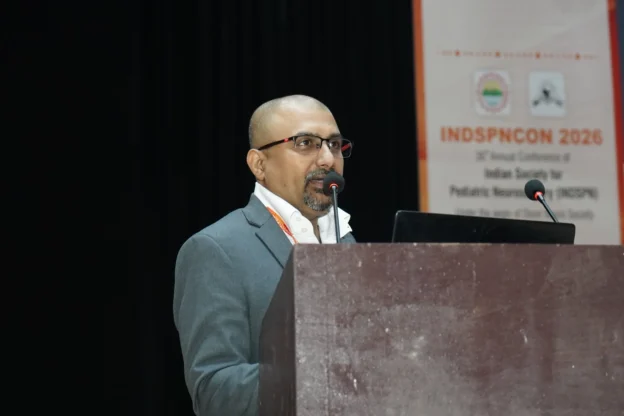
At Dr Rao’s International Institute of Neurosciences, a transformative shift is underway. Following key presentations at INDSPNCON 2026, cutting-edge techniques are being rapidly translated into clinical practice—bringing global standards of care to children in India.
This blog explores the three advanced pediatric neurosurgery techniques highlighted by Dr. Mohana Rao Patibandla and how they are reshaping outcomes, safety, and recovery for young patients.
Advanced Techniques presented at INDSPNCON 2026
🧠 Understanding Pediatric Neurosurgery: Why It Requires Specialized Care
Pediatric neurosurgery is fundamentally different from adult neurosurgery due to:
- Developing brain structures
- Higher sensitivity to trauma
- Long-term developmental implications
- Smaller anatomical spaces requiring precision
Conditions treated include:
- Brain tumors
- Hydrocephalus
- Epilepsy
- Congenital malformations
- Vascular abnormalities
👉 According to the World Federation of Neurosurgical Societies (WFNS), pediatric neurosurgery outcomes improve significantly when performed in specialized centers with advanced technology.
🔬 Technique 1: Minimally Invasive Pediatric Brain and Skull Base Surgery
🚀 What Is It?
Minimally invasive neurosurgery involves performing complex brain procedures using:
- Endoscopic approaches
- Keyhole surgeries
- Smaller incisions
Instead of large craniotomies, surgeons use natural corridors or tiny openings, significantly reducing trauma.
🎯 Key Benefits
- Reduced blood loss
- Faster recovery
- Less postoperative pain
- Minimal scarring
- Shorter hospital stays
🧩 Applications in Pediatric Cases
At Dr Rao’s IIN, these techniques are used for:
- Pediatric brain tumors
- Skull base lesions
- Pituitary disorders
- Ventricular surgeries
🌍 Global Perspective
Globally, institutions like Boston Children’s Hospital and Great Ormond Street Hospital have adopted minimally invasive techniques as standard care.
https://www.childrenshospital.org
https://www.gosh.nhs.uk
Learn more about advanced brain surgery:
https://drraoshospitals.com/brain-surgery
🧭 Technique 2: Advanced Neuro-navigation and Intraoperative Monitoring (IONM)
🧠 What Is Neuro-navigation?
Neuro-navigation is often described as the “GPS for the brain.”
It allows surgeons to:
- Map the brain in real time
- Identify critical structures
- Navigate safely during surgery
⚡ What Is Intraoperative Neurophysiological Monitoring (IONM)?
IONM involves continuous monitoring of:
- Brain function
- Spinal cord signals
- Nerve pathways
This ensures that no critical function is damaged during surgery.
🎯 Why It Matters in Children
In pediatric neurosurgery:
- Even minor damage can affect lifelong function
- Precision is absolutely critical
IONM helps preserve:
- Motor function
- Speech
- Vision
- Cognitive abilities
🏥 Real-World Impact at Dr Rao’s IIN
The integration of neuro-navigation and IONM enables:
- Safer tumor resections
- Improved epilepsy surgery outcomes
- Reduced neurological complications
📊 Evidence-Based Advantage
Studies published in Journal of Neurosurgery: Pediatrics show that IONM reduces surgical complications by up to 40% in complex cases.
Explore epilepsy care services:
https://drraoshospitals.com/epilepsy-treatment
🌐 Technique 3: Endovascular and Hybrid Pediatric Neurosurgery
🔬 What Is Endovascular Neurosurgery?
Endovascular procedures treat brain conditions from inside blood vessels, using:
- Catheters
- Stents
- Flow diverters
⚙️ Hybrid Neurosurgery Explained
Hybrid neurosurgery combines:
- Open surgery
- Endovascular techniques
This allows a customized, patient-specific approach.
🧩 Conditions Treated
- Pediatric aneurysms
- Arteriovenous malformations (AVMs)
- Stroke in children
- Vascular tumors
🎯 Advantages
- No large incisions
- Faster recovery
- Reduced ICU stay
- Better outcomes in complex vascular cases
🌍 Global Trend
Hybrid neurosurgery is considered the future of neurosurgical care, especially in pediatric vascular conditions.
Leading centers like Mayo Clinic and Cleveland Clinic have pioneered these approaches.
https://www.mayoclinic.org
https://my.clevelandclinic.org
Learn about vascular neurosurgery:
https://drraoshospitals.com/endovascular-neurosurgery
🧠 Translating Innovation into Safer Outcomes
A key message from INDSPNCON 2026 is:
Innovation must translate into better patient outcomes—not just technological advancement.
At Dr Rao’s IIN, this philosophy is reflected in:
- Evidence-based practice
- Personalized surgical planning
- Continuous monitoring and improvement
👶 Why These Innovations Matter for Children
🧩 Long-Term Impact
Children undergoing neurosurgery must live with the results for decades. These advancements ensure:
- Better quality of life
- Reduced disability
- Faster return to normal development
📈 Improved Recovery Metrics
With advanced techniques:
- ICU stays are reduced
- Hospital discharge is faster
- Complication rates are lower
🇮🇳 Advancing Pediatric Neurosurgery in India
India is rapidly emerging as a global hub for advanced neurosurgery.
Institutions like Dr Rao’s IIN are:
- Bringing global techniques locally
- Making advanced care accessible
- Reducing the need for medical travel abroad
🏥 Why Choose Dr Rao’s International Institute of Neurosciences?
🌟 Key Strengths
- Advanced surgical technology
- Expertise in pediatric neurosurgery
- Minimally invasive approaches
- Comprehensive neuro care
👨⚕️ Leadership Excellence
Dr. Mohana Rao Patibandla’s international training and experience ensure:
- Adoption of global best practices
- High surgical success rates
- Continuous innovation
🔍 Frequently Asked Questions (AEO Optimization)
❓ What is the safest type of pediatric brain surgery?
Minimally invasive and image-guided surgeries with IONM are considered the safest, as they reduce complications and preserve brain function.
❓ Can children recover fully after brain surgery?
Yes, with advanced techniques and early intervention, many children achieve excellent recovery and normal development.
❓ Is neuro-navigation necessary in pediatric neurosurgery?
Yes, it significantly improves surgical precision and reduces risk, especially in complex brain surgeries.
❓ What is hybrid neurosurgery?
Hybrid neurosurgery combines open and endovascular techniques for better outcomes in complex cases.
- Brain Surgery: https://drraoshospitals.com/brain-surgery
- Epilepsy Treatment: https://drraoshospitals.com/epilepsy-treatment
- Endovascular Neurosurgery: https://drraoshospitals.com/endovascular-neurosurgery
- Pediatric Neurosurgery: https://drraoshospitals.com/pediatric-neurosurgery
- WFNS: https://www.wfns.org
- Boston Children’s Hospital: https://www.childrenshospital.org
- Mayo Clinic: https://www.mayoclinic.org
- Journal of Neurosurgery: https://thejns.org
🚀 Future of Pediatric Neurosurgery
The future is driven by:
- AI-assisted surgery
- Robotics in neurosurgery
- Precision medicine
- Genetic-based treatments
Dr Rao’s IIN is actively aligning with these global trends to remain at the forefront of innovation.
🧠 Conclusion: Transforming Pediatric Brain Care
The advancements highlighted after INDSPNCON 2026 mark a turning point in pediatric neurosurgery in India.
Through:
- Minimally invasive techniques
- Advanced neuro-navigation and IONM
- Endovascular and hybrid approaches
Dr Rao’s International Institute of Neurosciences is redefining what is possible in pediatric brain care.
📢 Final Takeaway
If you are searching for:
- The best neurosurgeon in Guntur
- Advanced pediatric neurosurgery in India
- Safe and minimally invasive brain surgery for children
Dr Rao’s IIN stands as a center of excellence—bringing global expertise, advanced technology, and compassionate care together.
CONTACT US
Dr. Mohana Rao Patibandla, M. Ch (NIMS), FESBSS (KIMS), FAANS (USA), FMINS (OSU, USA), FEVNS (UVA, USA), FPNS (UCD, USA), FNOSRS (UVA, USA).
Dr. Rao’s Hospital / Patibandla Narayana Swamy Neurosciences LLP
12-19-67, Old Bank Road, Kothapet, Besides AK Khan Biryani point, Guntur, Andhra Pradesh, India 522001
Phone: +91 9010056444
Email: info@drraoshospitals.com; drpatibandla@gmail.com; Website: https://drraoshospitals.com