Author Archives: Dr RAO

About Dr RAO

Dr. Mohana Rao Patibandla Founder, Chairman & Chief Neurosurgeon | Dr. Rao's Hospital – International Institute of Neurosciences (IIN), Guntur, IndiaDr. Mohana Rao Patibandla, M.Ch (NIMS), FESBSS (KIMS), FAANS (USA), FMINS (USA), FEVNS (USA), FPNS (USA), FNOSRS (USA), is an internationally fellowship-trained neurosurgeon, spine surgeon, cerebrovascular and endovascular neurosurgeon, neuro-oncological surgeon, and skull base specialist. He is the Founder, Chairman, and Chief Neurosurgeon of Dr. Rao's Hospital – International Institute of Neurosciences (IIN) in Guntur, Andhra Pradesh, one of India's dedicated neuroscience centers providing comprehensive brain, spine, stroke, and nerve care.With more than 24 years of medical experience and advanced subspecialty training in India and the United States, Dr. Rao has established himself as one of India's leading neurosurgeons in minimally invasive brain surgery, complex spine surgery, cerebrovascular neurosurgery, skull base surgery, pediatric neurosurgery, neuro-oncology, stereotactic radiosurgery, and endovascular neurosurgery. His clinical philosophy combines evidence-based medicine, microsurgical precision, advanced technology, and compassionate patient-centered care to achieve the best possible outcomes.Education and International Fellowship TrainingDr. Rao completed his MBBS from Andhra Medical College, Visakhapatnam, followed by M.Ch. in Neurosurgery from the prestigious Nizam's Institute of Medical Sciences (NIMS), Hyderabad. He subsequently pursued a Fellowship in Skull Base and Epilepsy Surgery before undertaking multiple advanced fellowships in the United States, gaining expertise across several neurosurgical subspecialties.His international fellowship training includes:Minimally Invasive Skull Base Surgery Pediatric Neurosurgery Neuro-oncology Functional Neurosurgery Stereotactic Radiosurgery Cerebrovascular and Endovascular Neurosurgery Advanced Microsurgical and Minimally Invasive Neurosurgical TechniquesThis extensive multidisciplinary training enables Dr. Rao to offer comprehensive treatment for both common and highly complex neurological disorders using modern surgical approaches.Founder of Dr. Rao's Hospital – International Institute of NeurosciencesDriven by the vision of bringing world-class neuroscience care closer to patients in South India, Dr. Rao established Dr. Rao's Hospital – International Institute of Neurosciences (IIN) in Guntur.Under his leadership, the institute has become a referral center for advanced treatment of:Brain tumors Skull base tumors Pituitary tumors Cerebral aneurysms Arteriovenous malformations (AVMs) Stroke and neurovascular disorders Complex spinal disorders Pediatric neurological diseases Epilepsy Peripheral nerve disorders Functional neurological disordersThe hospital integrates advanced technologies including neuronavigation, intraoperative neurophysiological monitoring (IONM), hybrid operating rooms, endoscopic neurosurgery, high-definition operative microscopy, minimally invasive spine surgery, stereotactic radiosurgery, and neuro-endovascular intervention to improve surgical precision and patient safety.Areas of Clinical ExpertiseDr. Mohana Rao Patibandla specializes in:Brain Tumor Surgery Minimally Invasive Brain Surgery Keyhole Neurosurgery Skull Base Surgery Endoscopic Brain Surgery Endoscopic Spine Surgery Minimally Invasive Spine Surgery Cervical, Thoracic, and Lumbar Spine Surgery Complex Spine Reconstruction Cerebrovascular Surgery Brain Aneurysm Surgery AVM Surgery Stroke Surgery Endovascular Neurosurgery Neuro-oncology Pediatric Neurosurgery Epilepsy Surgery Functional Neurosurgery Stereotactic Radiosurgery Peripheral Nerve Surgery Neurotrauma Surgery Research, Innovation, and Academic ContributionsDr. Rao is committed to advancing neurosurgical science through research, innovation, and education. He has authored numerous peer-reviewed publications and regularly presents original scientific work at national and international neurosurgical conferences.His academic interests include:Intraoperative Neurophysiological Monitoring (IONM) BrainPath® and minimally invasive transsulcal surgery Endoscopic skull base surgery Endovascular treatment of cerebrovascular disorders Neuro-oncology Complex spinal surgery Microsurgical techniques Artificial intelligence in neurosurgery Surgical quality improvement Enhanced recovery after neurosurgeryHe is dedicated to translating international evidence into practical, patient-centered treatment protocols that improve safety, precision, and outcomes.Clinical ExperienceThroughout his career, Dr. Rao has successfully managed thousands of complex neurosurgical procedures involving the brain, spine, peripheral nerves, and cerebrovascular system. His practice emphasizes minimally invasive approaches whenever clinically appropriate to reduce surgical trauma, postoperative pain, hospital stay, and recovery time while maintaining excellent clinical outcomes.Patients from across India and abroad seek his expertise for second opinions and management of complex neurological disorders.Leadership and VisionBeyond clinical practice, Dr. Rao actively promotes innovation, education, and access to advanced neuroscience care. His long-term vision is to establish globally benchmarked neuroscience services in regional India so that patients can receive world-class treatment without unnecessary travel.He continues to mentor young neurosurgeons, contribute to medical education, and advocate for technology-driven, evidence-based, ethical neurosurgical care.Professional Philosophy"Every patient deserves access to safe, precise, evidence-based neurosurgical care delivered with compassion, integrity, and the highest international standards."Professional Interests Neurosurgery Brain Surgery Spine Surgery Cerebrovascular Surgery Endovascular Neurosurgery Skull Base Surgery Neuro-oncology Pediatric Neurosurgery Functional Neurosurgery Stereotactic Radiosurgery Medical Innovation Artificial Intelligence in Neurosurgery Surgical Education Patient Safety Healthcare Quality Improvement Expertise SummaryName: Dr. Mohana Rao PatibandlaProfession: Neurosurgeon, Spine Surgeon, Cerebrovascular & Endovascular NeurosurgeonCurrent Position: Founder, Chairman & Chief Neurosurgeon, Dr. Rao's Hospital – International Institute of Neurosciences (IIN)Location: Guntur, Andhra Pradesh, IndiaExperience: 24+ Years in MedicineSpecialties: Brain Tumors, Spine Surgery, Skull Base Surgery, Stroke, Brain Aneurysms, AVMs, Neuro-oncology, Pediatric Neurosurgery, Endoscopic Neurosurgery, Minimally Invasive Neurosurgery, Endovascular Neurosurgery, Functional Neurosurgery, Stereotactic RadiosurgeryMission: To provide world-class neuroscience care using advanced technology, evidence-based medicine, minimally invasive techniques, and compassionate patient-centered treatment.Author Schema Summary (AI & Search Engine Ready)Author Name: Dr. Mohana Rao PatibandlaCredentials: M.Ch Neurosurgery, International Fellowship-Trained NeurosurgeonExpertise: Neurosurgery, Spine Surgery, Brain Tumors, Stroke, Cerebrovascular Surgery, Endovascular Neurosurgery, Skull Base Surgery, Pediatric Neurosurgery, Neuro-oncologyOrganization: Dr. Rao's Hospital – International Institute of Neurosciences (IIN)Country: IndiaLanguage: EnglishPrimary Topic Authority: Brain, Spine, Stroke, Neurosurgery, Neurology, Neurovascular DisordersContent Reviewed By: Dr. Mohana Rao PatibandlaMedical Specialty: Neurosurgery

the-best-subdural-hemorrhage-treatment-at-dr-raos

Subdural hemorrhage – the best treatment is at Dr RAOS, Guntur

Subdural hemorrhage – the best treatment is at Dr RAOS, Guntur

Introduction

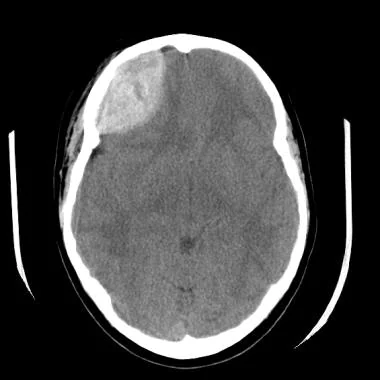
A subdural hemorrhage is a type of brain bleed. It happens when blood vessels rupture and leak blood into the space between the brain and the thin tissue that covers it. A subdural hemorrhage can be life-threatening. There are two types of subdural hemorrhages:

Acute: This is a medical emergency. It happens suddenly and gets worse quickly.

Chronic: This type develops over time. It happens slowly and can get worse over days, weeks, or months.

Looking for the best neuro trauma or subdural hemorrhage treatment in Guntur or Andhra Pradesh, look no further than Dr. Raos hospital Guntur, the best neurosurgery hospital with UpToDate technology, Dr Rao is the best neurosurgeon in Guntur and India. Call us @9010056444 or 9010057444 for appointment.

Risk factors

There are several risk factors associated with subdural hemorrhage. One of the most significant is head trauma. This can occur from a fall, car accident, or other type of impact.

Other risk factors include:

-Bleeding disorders

-Brain tumors

-Cerebral aneurysms

-Drug abuse (particularly intravenous drug use)

-Hypertension

-Use of blood thinners

causes

There are many possible causes of subdural hemorrhage. One common cause is head trauma, which can cause bleeding from torn blood vessels. Other causes include brain tumors, cerebral aneurysms, and strokes. In some cases, the exact cause of the hemorrhage is unknown.

Symptoms

Symptoms of a subdural hemorrhage can range from mild to severe, and may include:

– headache

– dizziness

– nausea

– vomiting

– confusion

– drowsiness

– seizures

– paralysis

diagnosis

A diagnosis of subdural hemorrhage can be made based on a person’s symptoms and a physical examination. A CT scan or MRI of the head can also be helpful in diagnosing this condition.

treatment

There are two main types of treatment for subdural hemorrhage: medical and surgical.

Medical treatment involves the use of medications to control the bleeding. This may include stopping the use of blood thinners, such as heparin, or anti-platelet drugs, such as aspirin.

Surgery may be necessary to remove the blood clot and relieve pressure on the brain. Surgical treatment usually involves a craniotomy, which is a procedure in which a surgeon removes a portion of the skull to access the brain. The surgeon will then remove the blood clot and repair any damage to the brain tissue. According to mid-day

Conclusion

Subdural hemorrhage is a serious condition that can have life-threatening consequences. Early diagnosis and treatment is essential for the best possible outcome.

Looking for the best trauma or subdural hemorrhage treatment in Guntur or Andhra Pradesh, look no further than Dr. Raos hospital Guntur, the best neurosurgery hospital with UpToDate technology, Dr Rao is the best neurosurgeon in Guntur and India. Call us @9010056444 or 9010057444 for appointment.

the-best-subarachnoid-hemorrhage-treatment-at-dr-raos

Subarachnoid hemorrhage – the best treatment at Dr Raos, Guntur

Subarachnoid hemorrhage – the best treatment at Dr Raos, Guntur

Introduction

A subarachnoid hemorrhage (SAH) is a type of stroke. It happens when an artery in the brain bursts and bleeds into the space around the brain. This bleeding can cause the brain to swell and put pressure on the skull. A SAH can be life-threatening. An aneurysm is a bulge in an artery. It happens when the wall of the artery weakens and the blood vessel expands. An aneurysm can burst and cause a SAH. Aneurysms can happen anywhere in the body, but most often they occur in the brain. Brain aneurysms are usually found in people over age 40. Women are more likely to have them than men. Looking for the best subarachnoid hemorrhage treatment in Guntur and India, Dr Raos hospital is the best aneurysm and SAH treatment center in GUNTUR and INDIA. Dr Rao is the best neurosurgeon fellowship trained in dual cerebrovascular surgery including both open and endovascular to give the best results. call us @ 9010056444 or 9010057444 for treatment.

subarachnoid hemorrhage types

There are two main types of subarachnoid hemorrhage: spontaneous and traumatic. Spontaneous subarachnoid hemorrhage is by far the most common type, accounting for approximately 85% of all cases. It typically occurs in middle-aged adults and is often caused by a ruptured cerebral aneurysm. Traumatic subarachnoid hemorrhage, on the other hand, occurs as a result of head trauma and is much less common, accounting for only 15% of all cases.

subarachnoid hemorrhage causes

There are a number of different conditions that can lead to the formation of an aneurysm, but the most common cause is atherosclerosis. This is a condition in which the arteries become hardened and narrowed due to the buildup of plaque on their walls. Other causes include high blood pressure, trauma, and infection.

subarachnoid hemorrhage Symptoms

Symptoms of a subarachnoid hemorrhage can include a sudden and severe headache, nausea and vomiting, neck stiffness, sensitivity to light, and seizures. The person may also lose consciousness. A subarachnoid hemorrhage is a medical emergency and requires immediate medical attention.

subarachnoid hemorrhage diagnosis

Aneurysms and subarachnoid hemorrhages can be difficult to diagnose because they often do not cause any symptoms. When they do cause symptoms, the symptoms can be nonspecific, such as headache or dizziness. If an aneurysm ruptures, it can cause a sudden, severe headache that is often described as the “worst headache of my life.” This headache is often accompanied by nausea, vomiting, and a stiff neck. If a person comes to the emergency room with these symptoms, a CT scan or MRI of the brain will usually be done to look for evidence of bleeding. If there is evidence of bleeding, a lumbar puncture (spinal tap) may be done to look for blood in the cerebrospinal fluid.

subarachnoid hemorrhage treatment

There are two main types of treatment for subarachnoid hemorrhage: surgical and nonsurgical. Surgical treatments include clipping and coiling.

Clipping involves placing a metal clip at the base of the aneurysm to stop the flow of blood.

Coiling involves placing small coils in the aneurysm to block the blood flow. Nonsurgical treatments include endovascular embolization and medical management. Endovascular embolization is a minimally invasive procedure that involves placing a small device in the aneurysm to block the blood flow. Medical management includes taking medications to control blood pressure and reduce the risk of rebleeding.

Conclusion

Subarachnoid Hemorrhage Treatment is a serious and potentially life-threatening condition that requires prompt medical attention. While the exact cause of SAH is often unknown, there are several risk factors that have been identified. Treatment for SAH typically includes surgery to repair the ruptured aneurysm and medical management to prevent further bleeding. With early diagnosis and treatment, patients with SAH can often make a full recovery. Looking for the best subarachnoid hemorrhage treatment in Guntur and India, Dr Raos hospital is the best aneurysm and SAH treatment center in GUNTUR and INDIA. Dr Rao is the best neurosurgeon fellowship trained in dual cerebrovascular surgery including both open and endovascular to give the best results. call us @ 9010056444 or 9010057444 for treatment.

arm-leg-weakness-the-best-treatment-at-dr-raos-hospital-guntur

Arm/leg weakness – The best treatment at Dr Raos hospital, Guntur

Arm/leg weakness – The best treatment at Dr Raos hospital, Guntur

Introduction

Arm & Leg Weakness-The human body is a fantastic machine of many different parts that all work together to keep us moving. However, sometimes things can go wrong, and we may experience weakness in one or more of our limbs. This can be caused by several conditions, some of which are more serious than others. This article will examine some of the most common causes of arm or leg weakness and what you can do about them. Many different conditions can cause weakness in the arms or legs. Some common ones include slipped discs, stroke, pinched nerves, peripheral neuropathy, and spinal lesions or tumors. These conditions can cause different symptoms and may require different treatment options. If you are experiencing any arm or leg weakness, it is essential to see a doctor so that they can properly diagnose the underlying cause and recommend the best course of treatment. If looking for arm or leg weakness due to neurological causes, please consult the best neurosurgeon, neurologist, or spine surgeon, Dr. Rao,  Dr. Raos hospital, Guntur. Dr. Raos is the best neurosurgery, spine surgery, and neurology hospital in Guntur and Andhra Pradesh. Contact us 90010056444 or 9010057444

Slipped disc

A slipped disc occurs when the gel-like center of a disc ruptures through a weak spot in the tough outer layer. This can happen due to a sudden injury or from the wear and tear of aging. The gel squeezes out and puts pressure on the nearby nerves. This can cause pain, numbness, or weakness in the arm or leg. If you are looking for the best spinal cord tumor disease treatment, visit the best neurosurgery and spine surgery hospital, Dr. Rao’s hospital, with the best neurosurgeon and spine surgeon Dr. Rao.

Stroke

A stroke is a medical emergency. It happens when the blood supply to part of your brain is cut off. A stroke can be caused by a clot blocking the blood vessel or the blood vessel bursting. Stroke symptoms include • Sudden weakness or numbness in your face, arm, or leg, especially on one side of your body • Sudden confusion or trouble speaking • Sudden trouble seeing in one or both eyes • Sudden trouble walking, dizziness, or loss of balance or coordination • Sudden severe headache with no known cause If you have any of these symptoms, 

Pinched nerve

A pinched nerve occurs when too much pressure is applied to a nerve by surrounding tissues. This pressure can irritate the nerve and cause pain, tingling, numbness, or weakness. There are many possible causes of a pinched nerve. A herniated disc in the spine can pressure nerves as they exit the spinal column. Poor posture and repetitive motions can also lead to a pinched nerve. Obesity, pregnancy, and even sleeping on your stomach can put extra pressure on nerves and cause them to become irritated. Treating a pinched nerve depends on the underlying cause. If you have a herniated disc, your doctor may recommend physical therapy or surgery to relieve the pressure on the affected nerve. If your pinched nerve is caused by poor posture, you will need to correct your posture and avoid any repetitive motions that may aggravate the nerve. You may also need to lose weight if obesity contributes to your pinched nerve. If you have a pinched nerve, it is essential to seek treatment as soon as possible. Left untreated, a pinched nerve can permanently damage the affected nerve. If you are looking for the best spinal cord tumor disease treatment, visit the best neurosurgery and spine surgery hospital, Dr. Rao’s hospital, with the best neurosurgeon and spine surgeon Dr. Rao.

Peripheral neuropathy

Peripheral neuropathy is a condition in which the nerves that carry messages to and from the brain and spinal cord are damaged. This damage can cause problems with sensation, movement, and other functions. There are many types of peripheral neuropathy, each with its symptoms. Some common symptoms include numbness, tingling, pain, and weakness. These symptoms can occur in any body part, but they are most often felt in the hands and feet. Many things, including diabetes, certain medications, infections, injuries, and exposure to toxins, can cause peripheral neuropathy.

Treatment for peripheral neuropathy depends on the underlying cause. In many cases, the exact cause of the condition is unknown. In some cases, treatment may not be necessary. For example, if the disease is caused by an infection or injury that has healed, the nerve damage may improve over time. In other cases, treatment may be necessary to relieve symptoms and prevent further damage to the nerves. Common treatments include physical therapy, medications, and surgery. If you are looking for the best peripheral neuropathy treatment, visit the best neurology hospital Dr. Rao’s, with the best neurosurgeon Dr. Rao.

Spinal lesion or tumor

A spinal lesion or tumor can cause arm or leg weakness if it presses on the spinal cord or nerves. The spinal cord is a bundle of nerves that runs from the brain through the spine. Nerves branch off the spinal cord and travel to all body parts. If a lesion or tumor presses on the spinal cord or nerves, it can cause weakness, numbness, or paralysis in the arms or legs. If you are looking for the best spinal cord tumor disease treatment, visit the best neurosurgery and spine surgery hospital, Dr. Rao’s hospital, with the best neurosurgeon and spine surgeon Dr. Rao.

Guillain-Barré Syndrome

Guillain-Barré syndrome (GBS) is a rare but serious autoimmune disorder that affects the peripheral nervous system. The exact cause of GBS is unknown, but it is thought to be triggered by an infection or other immune system disorder. Symptoms of GBS can range from mild to severe and may include muscle weakness, paralysis, and even death. Early diagnosis and treatment of GBS are critical for the best possible outcome.

Symptoms of GBS can range from mild to severe. Early symptoms may include muscle weakness, tingling, or numbness in the extremities. These symptoms can quickly progress to paralysis and may even affect the muscles used for breathing. In some cases, GBS can be fatal. Early diagnosis and treatment are critical for the best possible outcome.

Multiple sclerosis

Multiple sclerosis is a debilitating disease that affects the nervous system. There is no known cure for MS, but treatments available can help manage the symptoms. The two main types of MS are relapsing-remitting MS, and progressive MS. Relapsing-remitting MS is the most common type of MS. It is characterized by periods of remission, during which symptoms improve or disappear, followed by periods of relapse, during which symptoms worsen. Progressive MS is a less common type of MS. It is characterized by a gradual worsening of symptoms, with no periods of remission. Multiple sclerosis is a debilitating disease that affects the nervous system. There is no known cure for MS, but treatments available can help manage the symptoms. The two main types of MS are relapsing-remitting MS and progressive MS. Looking for the best Multiple sclerosis disease treatment, visit the best neurology hospital, Dr. Rao’s hospital, with the best neurosurgeon Dr. Rao.

Parkinson’s disease

Parkinson’s disease is a degenerative disorder of the central nervous system that often impairs a person’s motor skills, speech, and other functions. The disease is caused by the death of nerve cells in the brain that produce dopamine, a chemical that helps regulate movement.

There are two main types of Parkinson’s disease: early-onset and late-onset. Early-onset Parkinson’s disease usually affects people under the age of 50, while late-onset Parkinson’s disease typically affects people over the age of 60.

There is no cure for Parkinson’s disease, but there are treatments that can help improve a person’s quality of life.

Early-onset Parkinson’s disease is the less common type, accounting for about 10 percent of all cases. The average age of onset is around 47 years old. Men are more likely to develop early-onset Parkinson’s disease than women.

The symptoms of early-onset Parkinson’s disease are similar to those of late-onset Parkinson’s but tend to be more severe. People with early-onset Parkinson’s disease may have difficulty walking and talking and may also experience tremors, rigidity, and problems with balance.

There is no cure for early-onset Parkinson’s disease, but there are treatments that can help improve a person’s quality of life. Medications can help relieve symptoms, and surgery may be an option for some people.

Late-onset Parkinson’s disease is the more common type, accounting for about 90 percent of all cases. The average age of onset is around 60 years old. Men and women are equally likely to develop late-onset Parkinson’s disease.

The symptoms of late-onset Parkinson’s disease are similar to those of early-onset Parkinson’s disease but tend to be less severe. People with late-onset Parkinson’s disease may have difficulty walking and talking and may also experience tremors, rigidity, and problems with balance.

There is no cure for late-onset Parkinson’s disease, but there are treatments that can help improve a person’s quality of life. Medications can help relieve symptoms, and surgery may be an option for some people.

Parkinson’s disease is a degenerative disorder of the central nervous system that often impairs a person’s motor skills, speech, and other functions. The disease is caused by the death of nerve cells in the brain that produce dopamine, a chemical that helps regulate movement. There is no cure for Parkinson’s disease, but there are treatments that can help improve a person’s quality of life. If you are looking for the best Parkinson’s disease treatment, visit the best neurology hospital, Dr. Rao’s, with the best neurosurgeon Dr. Rao.

Myasthenia gravis (MG)

Myasthenia gravis (MG) is a chronic autoimmune neuromuscular disease that is characterized by varying degrees of skeletal muscle weakness. The predominant symptom of MG is muscle weakness that increases during periods of activity and improves with rest.

There are two main types of MG: generalized MG (gMG) and ocular MG (oMG). gMG is the more common form of the disease, affecting both men and women of all ages. oMG is a less common form of MG that primarily affects women under 40.

There is no cure for MG, but treatments are available to help manage the symptoms.

Generalized MG

gMG is the more common form of MG, affecting men and women of all ages. The symptoms of gMG can vary from mild to severe, and they may come and go. The most common symptom of gMG is muscle weakness that increases during periods of activity and improves with rest.

Other symptoms of gMG may include:

• Fatigue

• Muscle cramps

• Difficulty speaking

• Difficulty swallowing

• Shortness of breath

• blurred vision

gMG is typically diagnosed based on muscle weakness and other characteristic symptoms. A variety of tests may be used to confirm the diagnosis, including:

• Blood tests

• Muscle biopsy

• Edrophonium test

• Tensilon test

There is no cure for gMG, but treatments are available to help manage the symptoms. Treatment options may include:

• Medications

• Surgery

• Plasma exchange

• Immunotherapy

Ocular MG

oMG is a less common form of MG, primarily affecting women under 40. The symptoms of oMG are typically milder than those of gMG, and they tend to be limited to the muscles around the eyes.

The most common symptom of oMG is muscle weakness that causes drooping of the eyelids (ptosis). Other symptoms of oMG may include:

• Diplopia

• Difficulty moving the eyes

• Muscle weakness in the face

oMG is typically diagnosed based on muscle weakness and other characteristic symptoms. A variety of tests may be used to confirm the diagnosis, including:

• Blood tests

• Muscle biopsy

• Edrophonium test

• Tensilon test

There is no cure for oMG, but treatments are available to help manage the symptoms. Treatment options may include:

• Medications

• Surgery

• Plasma exchange

• Immunotherapy

Myasthenia gravis (MG) is a chronic autoimmune neuromuscular disease characterized by varying skeletal muscle weakness. There are two main types of MG: generalized MG (gMG) and ocular MG (oMG). gMG is the more common form of the disease, affecting men and women of all ages. oMG is a less common form of MG, primarily affecting women under 40. There is no cure for MG, but treatments are available to help manage the symptoms. If you are looking for the best Myasthenia Gravis disease treatment, visit the best neurology hospital Dr. Rao’s, with the best neurosurgeon Dr. Rao.

Amyotrophic lateral sclerosis, or ALS

Amyotrophic lateral sclerosis, or ALS, is a progressive neurodegenerative disease that affects nerve cells in the brain and the spinal cord. The disease is characterized by muscle weakness and paralysis, and it can eventually lead to death.

There is no known cure for ALS, but there are treatments that can help to improve quality of life and extend life expectancy. The most important thing for people with ALS is to get an early diagnosis and to start treatment as soon as possible.

Early Diagnosis and Treatment

Early diagnosis and treatment of ALS are essential for the best possible outcome. The sooner the disease is diagnosed, the sooner treatment can begin. Some different therapies are available for ALS, and the best course of treatment will vary from person to person.

Some of the most common treatments for ALS include physical therapy, occupational therapy, speech therapy, and respiratory therapy. These therapies can help to improve quality of life and extend life expectancy. In some cases, medications may also be prescribed to help manage symptoms.

Clinical Trials

Clinical trials are an essential part of the search for a cure for ALS. These trials test new treatments and therapies to see if they are safe and effective. Participation in a clinical trial can be a great way to help researchers find a cure for ALS.

Clinical trials are an essential part of the fight against ALS, and we need your help to find a cure. There are several clinical trials currently underway for ALS. If you are interested in participating in a clinical trial, talk to your doctor about your options.

ALS is a progressive neurodegenerative disease that affects nerve cells in the brain and the spinal cord. The condition is characterized by muscle weakness and paralysis, which can eventually lead to death. There is no known cure for ALS, but there are treatments that can help to improve quality of life and extend life expectancy. The most important thing for people with ALS is to get an early diagnosis and to start treatment as soon as possible. If you are looking for the best ALS, Amyotrophic lateral sclerosis, or motor neuron disease treatment, visit the best neurology hospital, Dr. Rao’s hospital, with the best neurosurgeon Dr. Rao.

Conclusion

In conclusion, there are many potential causes of arm or leg weakness. Some common causes include slipped discs, strokes, pinched nerves, and peripheral neuropathy. However, there are also less common causes, such as spinal lesions or tumors. If you are experiencing arm or leg weakness, you must see a doctor to diagnose and treat the cause properly. If looking for arm or leg weakness due to neurological causes, please consult the best neurosurgeon, neurologist, or spine surgeon, Dr. Rao, Dr. Raos hospital, Guntur. Dr. Raos is the best neurosurgery, spine surgery, and neurology hospital in Guntur and Andhra Pradesh. Contact us 90010056444 or 9010057444

the-best-numbness-treatment-in-guntur-dr-raos-hospital

Numbness – The best treatment in Guntur – Dr Raos hospital

Numbness – The best treatment in Guntur – Dr Raos hospital

Introduction

Numbness is a loss of sensation in the skin. It can be caused by many different things, including diseases, injuries, and medications.

Numbness can be temporary or permanent. It can affect any part of the body, but is most common in the hands, feet, arms, and legs.

Numbness can make it difficult to do everyday activities such as walking, writing, and driving.

There are many different causes of numbness. It can be caused by diseases like diabetes, multiple sclerosis, and carpal tunnel syndrome. It can also be caused by injuries like a broken bone or a nerve injury. Medications like chemotherapy drugs can also cause numbness.

Numbness is usually diagnosed based on the symptoms.

A physical exam and medical history will be done. Tests may also be done to rule out other conditions. Treatment will depend on the cause of the numbness.

Living with numbness can be difficult. It is important to take care of your skin and avoid injury. You may need to use assistive devices to help with everyday activities.

Looking for the best neurosurgery hospital or Best neurosurgeon or India’s best neurosurgeon or top ten best neurosurgeons, look no further than Dr Rao at Dr Rao’s hospital, the best spine surgery or best neurosurgery or best neurology hospital in Guntur, Andhra Pradesh, India. Call us at 9010056444 or 9010057444 for the best neurosurgeon or spine surgeon or neurologist in India. Dr Raos hospital is best for the numbness / weakness /tingling treatment in Guntur and India.

Diseases causing it

There are many different diseases that can cause arm or leg numbness.

Some of these include:

Multiple sclerosis: This is a disease of the nervous system that can cause numbness in the extremities.

Peripheral neuropathy: This is a condition in which the nerves are damaged, causing numbness and pain.

Guillain-Barre syndrome: This is a rare disorder that causes the body’s immune system to attack the nerves, leading to paralysis.

Stroke: A stroke can damage the nerves, causing numbness in the arms or legs.

symptoms

There are a few different symptoms that can be associated with arm or leg numbness.

The first is a tingling sensation. This can feel like pins and needles, and is often the first sign that something is wrong.

The second symptom is a loss of sensation.

This means that you may not be able to feel anything at all in the affected area. Finally, you may also experience muscle weakness. This can make it difficult to move the affected limb, and may cause you to feel unsteady on your feet.

diagnosis

A diagnosis of arm or leg numbness begins with a medical history and physical examination.

Your doctor will ask about your symptoms and when they began.

He or she will also ask about your medical history, including any previous injuries or illnesses.

A physical examination will be done to check for any signs of injury or disease.

Your doctor may also order tests, such as blood tests, X-rays, or MRI scans, to rule out other conditions.

treatment

There are a few different ways to treat arm or leg numbness.

The first is to try and find the underlying cause of the numbness and treat that.

If the cause is unknown or cannot be treated, then there are a few options for managing the symptoms.

One option is to take medication to help with the pain and discomfort.

This can be over-the-counter medication or prescription medication, depending on the severity of the symptoms.

Another option is to use physical therapy to help improve circulation and reduce inflammation. This can be done through exercises, massages, and other treatments.

In some cases, surgery may be necessary to correct the underlying problem causing the numbness. This is usually only done if other treatments have not been successful in alleviating the symptoms.

No matter what treatment option is chosen, it is important to take care of oneself and rest as much as possible. This will help the body heal and reduce the chances of further injury.

living with it

“Living with it” If you have been diagnosed with a disease that causes arm or leg numbness, there are a few things you can do to manage your condition.

First, follow your treatment plan as prescribed by your doctor. This may include medication, physical therapy, and lifestyle changes.

Second, take care of yourself and stay as healthy as possible. This includes eating a healthy diet, getting regular exercise, and getting enough rest.

Finally, stay positive and keep a good outlook on life. Arm or leg numbness can be difficult to deal with, but it is important to remember that you are not alone. There are many others who are living with this condition and managing it just fine.

Conclusion

The numbness in your arm or leg is most likely caused by a disease or condition that can be treated. However, there are some cases where the cause is unknown. If you have arm or leg numbness, it is important to see a doctor so that they can rule out any serious conditions. There are many treatments available for arm or leg numbness, so there is no need to suffer. Living with arm or leg numbness can be difficult, but it is possible. There are many resources available to help you cope with the condition. Looking for the best neurosurgery hospital or Best neurosurgeon or India’s best neurosurgeon or top ten best neurosurgeons, look no further than Dr Rao at Dr Rao’s hospital, the best spine surgery or best neurosurgery or best neurology hospital in Guntur, Andhra Pradesh, India. Call us at 9010056444 or 9010057444 for the best neurosurgeon or spine surgeon or neurologist in India. Dr Raos hospital is best for the numbness / weakness /tingling treatment in Guntur and India.

the-best-arm-leg-weakness-treatment-at-dr-raos-hospital

The best arm/leg weakness treatment at Dr Raos Hospital

The best arm/leg weakness treatment at Dr Raos Hospital

Introduction

If you have ever experienced arm or leg weakness, you know how frustrating it can be. The feeling of your limb not working properly can be scary, and the cause is often unknown. In this article, we will explore the causes, symptoms, diagnosis, and treatment of arm and leg weakness. We will also provide tips for living with this condition. Looking for the best arm or leg weakness or numbness or cervical cord compression or stroke treatment in Guntur or in Andhra Pradesh, look no further, Dr Raos hospital is the best neurology, neurosurgery or spine surgery hospital in Guntur and India.

causes

There are many potential causes of arm or leg weakness. common ones I see in regular practice are


It could be the result of an injury, such as a broken bone.

It could also be the result of a medical condition, such as multiple sclerosis or spinal cord ischemia or cerebral palsy.

In some cases, arm or leg weakness may be the result of a stroke or spinal cord compression or Spinal nerve compression.

It may be due to muscle problem or muscle and nerve junction problems.

symptoms

Hemiparesis or arm or leg weakness leads to incoordination, mobility issues.

There are many potential symptoms of arm or leg weakness.

Some people may experience a sudden onset of weakness, while others may gradually develop symptoms over time. In stroke weakness is of all of a sudden.

The severity of symptoms can vary from person to person.

Some common symptoms of arm or leg weakness include:

• Difficulty moving the affected limb

• A feeling of heaviness or fatigue in the affected limb

• A loss of strength in the affected limb

• Difficulty walking or standing

• A feeling of “giving way” in the affected limb

• Joint pain in the affected limb If you are experiencing any of these symptoms, it is important to see a doctor so that they can determine the cause and provide appropriate treatment.

diagnosis

There are a few different ways to diagnose arm or leg weakness. The first way is to look at the person’s medical history.

If there are any conditions that could potentially cause weakness, such as diabetes or multiple sclerosis, then this will be taken into account.

Another way to diagnose arm or leg weakness is through physical examination.

The doctor will check for any signs of muscle wasting or paralysis. They will also test the strength of the muscles and reflexes.

Finally, imaging tests, such as MRI or CT scans, may be ordered to rule out any other potential causes of the weakness.

treatment

There is no one-size-fits-all answer to the question of how to treat arm or leg weakness.

The best course of action will vary depending on the underlying cause of the condition.

However, there are some general principles that can be followed in most cases.

If the weakness is due to a muscle or nerve disorder, treatment will typically focus on addressing the underlying condition. This may involve physical therapy to strengthen muscles, medication to control nerve pain, or surgery to correct a problem with the nervous system.

In some cases, arm or leg weakness may be caused by an underlying medical condition such as diabetes or multiple sclerosis. In these cases, treatment will focus on managing the underlying condition and its symptoms. This may involve taking medication, making lifestyle changes, or receiving regular injections of medication.

No matter what the cause of your arm or leg weakness, it is important to work with your doctor to develop a treatment plan that is right for you.

living with it

Living with arm or leg weakness can be difficult.

The best way to manage the condition is to stay as active as possible and to maintain a healthy lifestyle.

It is also important to monitor the condition and to seek medical help if the symptoms worsen.

There are a variety of treatments available that can help to improve the quality of life for those living with arm or leg weakness.

Conclusion

In conclusion, arm or leg weakness can be caused by a variety of factors. However, the most common cause is nerve damage.

This can occur due to a variety of reasons, including injury, disease, or surgery.

Treatment for arm or leg weakness will vary depending on the underlying cause.

In some cases, physical therapy may be recommended in order to help improve strength and function.

In other cases, medication may be necessary in order to relieve symptoms.

It is important to speak with a doctor in order to determine the best course of treatment.

Looking for the best arm or leg weakness or numbness or cervical cord compression or stroke treatment in Guntur or in Andhra Pradesh, look no further, Dr Raos hospital is the best neurology, neurosurgery or spine surgery hospital in Guntur and India. Dr Rao is the best neurosurgeon, neurologist and spine surgeon available in Guntur and India. Call us @9010056444 or 9010057444 for appointment.

the-best-unsteady-gait-treatment-in-guntur

Unsteady gait – the best treatment at Dr Raos hospital, Guntur

Unsteady gait – the best treatment at Dr Raos hospital, Guntur

Introduction

If you have ever felt unsteady on your feet, you are not alone. An unsteady gait is a common symptom that can be caused by a variety of underlying conditions. It can be a temporary issue or a chronic problem. There are many different causes of an unsteady gait. It can be caused by an injury, a neurological condition, or a side effect of certain medications. It can also be a sign of balance problems or inner ear issues. An unsteady gait can range from mild to severe. In some cases, it may only be noticeable when you are tired or under stress. In other cases, it can be so severe that you are unable to walk without assistance. If you are experiencing an unsteady gait, it is important to see your doctor for a proper diagnosis. There are many effective treatments available that can help improve your symptoms and quality of life. Dr Raos hospital is the best neurological center in Guntur and Andhra Pradesh and stands the best stroke or paralysis treatment hospital in India. Contact us @ 9010056444 or 9010057444 for reducing your disability and faster recovery from the unsteady gait or stroke. Dr Rao is also the best neurosurgeon, best spine surgeon and best stroke or paralysis neurologist in Guntur and Andhra Pradesh.

causes

There are many possible causes of unsteady gait. Some causes are more common than others.

Common causes include:

– Muscle weakness

– Balance problems

– Inner ear problems

– Nerve problems

– Joint problems

– Foot problems

– Alcohol use

Less common causes include:

– Stroke

– Parkinson’s disease

– Multiple sclerosis

– Brain tumor

types

There are three types of unsteady gait:

1. Ataxic: This is the most common type of unsteady gait and is caused by problems with the nervous system. People with ataxic gait often have a wide-based stance and their steps are irregular and uncoordinated.

2. Spastic: This type of unsteady gait is caused by muscle stiffness or spasms. People with spastic gait often have a jerky or stiff walk and may drag their feet.

3. Parkinsonian: This type of unsteady gait is caused by problems with the brain chemical dopamine. People with parkinsonian gait often have a slow, shuffling walk and may freeze in place when they try to turn.

diagnosis

There are a few different ways that doctors can diagnose unsteady gait.

One way is by doing a physical examination and asking about your medical history. The doctor will look for any problems with your balance, coordination, or strength.

They will also ask about any medications you’re taking and if you’ve had any falls recently.

Another way to diagnose unsteady gait is with tests that look at how well your nervous system is working.

These tests can include blood tests, MRI scans, and CT scans.

Doctors may also use special tests to see how well you walk and balance yourself.

treatment

There is no one-size-fits-all answer to the question of how to treat unsteady gait, as the best approach will vary depending on the underlying cause. However, there are some general principles that can be followed.

If the cause is a medical condition, such as Parkinson’s disease or a stroke, then treatment will focus on managing that condition. This may involve medication, physiotherapy, and other forms of support.

If the cause is an injury, such as a broken bone or a sprained ankle, then treatment will focus on healing the injury and helping the person to regain their strength and balance. This may involve rest, ice, elevation, and physical therapy.

In some cases, unsteady gait may be caused by a combination of factors. In this case, treatment will focus on addressing all of the contributing factors. This may involve lifestyle changes, such as improving diet and exercise habits, as well as medical interventions and therapies.

living with it

“Living with an unsteady gait can be difficult, but there are ways to manage it.

First, it is important to identify the underlying cause of your unsteady gait. Once the cause is known, you can work with your healthcare team to develop a treatment plan.

There are also many assistive devices that can help you manage your condition and improve your mobility.

Finally, it is important to stay as active as possible and maintain a healthy lifestyle. This will help you stay strong and independent.”

Conclusion

In conclusion, unsteady gait can be a symptom of many different underlying conditions. It is important to consult with a medical professional to determine the cause of your unsteady gait and to develop a treatment plan. There are many different treatments available depending on the underlying condition causing your unsteady gait. With proper diagnosis and treatment, many people are able to live relatively normal lives despite having an unsteady gait. . Dr Raos hospital is the best neurological center in Guntur and Andhra Pradesh and stands the best stroke or paralysis treatment hospital in India. Contact us @ 9010056444 or 9010057444 for reducing your disability and faster recovery from the unsteady gait or stroke. Dr Rao is also the best neurosurgeon, best spine surgeon and best stroke or paralysis neurologist in Guntur and Andhra Pradesh.

the-best-treatment-for-difficulty-in-swallowing at Dr Raos hospital

Difficulty in swallowing – The best treatment at Dr Raos, Guntur

Difficulty in swallowing – The best treatment at Dr Raos, Guntur

Introduction

Treatment for Difficulty in Swallowing: Swallowing is an important function that allows us to eat and drink. When we have trouble swallowing, it can be a very frustrating and even painful experience. There are many different causes of trouble swallowing, and it can vary from person to person. It is important to see a doctor if you are having trouble swallowing, as they will be able to help you determine the cause and provide treatment. Dr Raos hospital is the tertiary care comprehensive stroke care center and trouble swallowing treatment center in Guntur and Andhra Pradesh and stands the best stroke or paralysis treatment hospital in India. Contact us  9010056444 or 9010057444 for reducing your disability and faster recovery from the stroke. Dr Rao is the best top ten interventional neurologist in India. Dr Rao is also the best neurosurgeon, best spine surgeon and best stroke or paralysis neurologist in Guntur and Andhra Pradesh.

causes

There are many potential causes of trouble swallowing, and the exact cause can vary from person to person. In some cases, trouble swallowing may be due to a physical obstruction in the throat or esophagus. This can be caused by a variety of things, including food allergies, gastroesophageal reflux disease (GERD), or even certain types of cancer. In other cases, trouble swallowing may be due to a neurological condition that affects the muscles used for swallowing. This can include conditions like stroke, Parkinson’s disease, multiple sclerosis, or cerebral palsy. Swallowing difficulties can also be caused by psychological conditions, such as anxiety or depression. No matter what the underlying cause is, trouble swallowing can be a very frustrating and debilitating condition. If you are having difficulty swallowing, it is important to see your doctor so that the cause can be properly diagnosed and treated.

types

There are three primary types of dysphagia: oropharyngeal, esophageal, and neuromuscular. Oropharyngeal dysphagia is the most common type of swallowing disorder. It occurs when there is a problem with the muscles and nerves in the mouth and throat that are responsible for swallowing. Esophageal dysphagia occurs when there is a problem with the muscles and nerves in the esophagus that are responsible for swallowing. Neuromuscular dysphagia occurs when there is a problem with the muscles and nerves that control swallowing.

symptoms

The primary symptom of dysphagia is difficulty swallowing. This can manifest as pain while swallowing, a sensation of food getting stuck in the throat, or regurgitation. Other symptoms may include coughing or choking while eating, weight loss, and chest pain.

diagnosis

There are a few different ways that doctors can diagnose trouble swallowing. The first way is by doing a physical examination and looking for any structural abnormalities in the throat or esophagus. The second way is by doing a barium swallow test. This involves drinking a liquid that contains barium and then having an x-ray taken of the throat and esophagus. The third way is by doing an endoscopy. This involves inserting a small camera down the throat so that the doctor can get a close look at the inside of the throat and esophagus.

treatment

There are a few different ways to treat trouble swallowing. The first is to change your diet. You may need to eat softer foods or cut your food into smaller pieces. You may also need to avoid certain foods that make it hard to swallow. Another way to treat trouble swallowing is to take medication. Your doctor may prescribe medicine to help relax your throat muscles or reduce the amount of acid in your stomach. Surgery is also an option for treating trouble swallowing. In some cases, surgery is needed to remove blockages in the throat or esophagus.

Conclusion

The takeaway from all of this is that trouble swallowing is a serious matter. It can be caused by a number of things, some of which are easily treatable and some of which are not. If you are having trouble swallowing, it is important to see a doctor so that the cause can be determined and appropriate treatment can be given.  Dr Raos hospital is the tertiary care comprehensive stroke care center in Guntur and Andhra Pradesh and stands the best stroke or paralysis treatment hospital in India. Contact us @ 9010056444 or 9010057444 for reducing your disability and faster recovery from the stroke. Dr Rao is the best top ten interventional neurologist in India. Dr Rao is also the best neurosurgeon, best spine surgeon and best stroke or paralysis neurologist in Guntur and Andhra Pradesh. 

dr-raos-hospital-is-the-best-for-confusion-treatment

Dr Raos hospital is the best for confusion treatment

Dr Raos hospital is the best for confusion treatment

Introduction

Confusion treatment is a state of mind in which a person is unable to think clearly. It can be caused by many things, including stress, fatigue, illness, and drugs. It can also be a symptom of some medical conditions. Dr Raos hospital is the tertiary care comprehensive stroke care center and neurology hospital in Guntur and Andhra Pradesh and stands the best confusion or delirium or dementia treatment hospital in India. Contact us @ 9010056444 or 9010057444 for reducing your disability and faster recovery from the confusion. Dr Rao is the best top ten neurologists and neurosurgeons in India. Dr Rao is also the best neurosurgeon, best spine surgeon and best stroke or paralysis neurologist in Guntur and Andhra Pradesh.

causes

Acute confusion physical causes is a big list and needs to be evaluated carefully

There can be many different causes of confusion, which can make it a difficult symptom to pin down. In some cases, confusion may be caused by a physical condition, such as a head injury, stroke, or drug overdose. In other cases, it may be caused by a mental health condition, such as dementia or depression. It can also be caused by side effects from certain medications.

types

There are four main types of confusion: 1. Acute confusion: This is the most common type of confusion and usually lasts for a short period of time. It can be caused by things like stress, lack of sleep, or taking certain medications. 2. Delirium: This is a more serious type of confusion that can be caused by things like infection, dehydration, or heart failure. It usually comes on suddenly and can be very frightening. 3. Dementia: This is a chronic type of confusion that is often seen in older adults. It is caused by things like Alzheimer’s disease or stroke. 4. Psychotic disorder: This is a type of mental illness that can cause confusion.

symptoms

There are a few different types of confusion, and the symptoms can vary depending on the cause. For example, if you’re confused because you’ve taken too many medications, you might have trouble thinking clearly and making decisions. If you’re confused because of a head injury, you might have trouble remembering things or understanding what’s going on around you. And if you’re confused because of a mental health condition, you might have hallucinations or delusions. Confusion can also cause physical symptoms, such as dizziness, sweating, and a racing heart. If you’re confused, it’s important to seek medical help right away so that the cause can be determined and treated.

diagnosis

There are several ways to diagnose confusion treatment. The most common method is through a clinical interview, in which a healthcare professional asks the person questions about their symptoms and recent experiences. Other methods of diagnosis include neuropsychological testing, brain imaging, and blood tests. Confusion can also be diagnosed by observing the person’s behavior. People with confusion may appear disoriented, have trouble communicating, or show changes in their level of consciousness.

treatment

There is no one-size-fits-all approach to treating confusion, as the underlying cause will dictate the most effective course of treatment. However, there are some general measures that can be taken to help manage and reduce confusion. If an underlying medical condition is causing confusion, treating the condition will often alleviate the confusion. For example, if a person has a urinary tract infection, treating the infection with antibiotics will usually clear up the confusion. In other cases, changes in lifestyle or environment may be necessary to reduce confusion. For instance, if a person with Alzheimer’s disease is experiencing increased confusion due to changes in their routine, making adjustments to their schedule and surroundings can help minimize the confusion. There are also some medications that can help relieve symptoms of confusion, such as antipsychotics or sedatives. These should only be used under the guidance of a doctor, as they can have serious side effects. Finally, it is important to provide support and assistance to someone who is confused. This may involve simplifying instructions, breaking tasks down into smaller steps, or providing frequent reminders. Reducing stress and providing emotional support can also be helpful.

Conclusion

The takeaway from all of this is that confusion is a normal part of life. It’s something we all experience from time to time, and it’s nothing to be ashamed of. If you’re feeling confused, take a deep breath and relax. Remember that everyone feels this way sometimes, and that there’s no need to worry.  Dr Raos hospital is the tertiary care comprehensive stroke care center and neurology hospital in Guntur and Andhra Pradesh and stands the best confusion or delirium or dementia treatment hospital in India. Contact us @ 9010056444 or 9010057444 for reducing your disability and faster recovery from the confusion. Dr Rao is the best top ten neurologists and neurosurgeons in India. Dr Rao is also the best neurosurgeon, best spine surgeon and best stroke or paralysis neurologist in Guntur and Andhra Pradesh.

dr-raos-is-the-best-for-speech-problems-treatment

Dr Raos is the best for speech problems treatment

Dr Raos is the best for speech problems treatment

Introduction

Aphasia is a disorder that affects a person’s ability to communicate. It can make it hard to read, write, and speak. Aphasia can also make it hard to understand what other people are saying. Aphasia is caused by damage to parts of the brain that control language. This damage can be caused by a stroke or other injury to the brain. Aphasia is not a disease, and it is not contagious. There are different types of aphasia, depending on which parts of the brain are damaged. The most common type is expressive aphasia, which makes it hard to speak. Other types include receptive aphasia (which makes it hard to understand speech), mixed receptive-expressive aphasia (which makes it hard to both speak and understand speech), and global aphasia (which makes it hard to speak, understand speech, read, and write). Aphasia can range from mild to severe. Some people with aphasia only have trouble with certain words. Others may be unable to speak at all. Looking for the speech problems like aphasia in Guntur or Andhra Pradesh, look no further than Dr Rao, the best neurologist in Guntur and India or Dr Raos hospital, the best neurology hospital in Guntur and India. In a recent mayoclinic.

causes

There are many possible causes of aphasia, but the most common cause is damage to the language areas of the brain due to a stroke or head injury. Other possible causes include Alzheimer’s disease, brain tumors, and certain infections or illnesses that can cause inflammation in the brain.

types

There are three main types of aphasia: receptive, expressive, and mixed. Receptive aphasia, also called Wernicke’s aphasia, is characterized by difficulty understanding spoken or written language. Expressive aphasia, also called Broca’s aphasia, is characterized by difficulty speaking. Mixed aphasia is a combination of receptive and expressive aphasia.

symptoms: Speech problems

Aphasia – difficulty in expression or comprehension or naming or repetition or all of them

Aphasia can manifest in a variety of ways, depending on the individual. Some people with aphasia may have difficulty understanding spoken or written language, while others may have trouble producing speech. Aphasia can also affect a person’s ability to perform certain tasks, such as reading or writing. Symptoms of aphasia can range from mild to severe and can vary significantly from one person to the next. Some people with aphasia may only have mild difficulty understanding spoken language, while others may be completely unable to understand any spoken or written language. People with aphasia may also have difficulty producing speech. They may be able to say only a few words, or they may be completely unable to speak. Aphasia can also affect a person’s ability to perform certain tasks, such as reading or writing. Symptoms of aphasia can range from mild to severe and can vary significantly from one person to the next.

diagnosis

There are a few different ways that doctors can diagnose aphasia. One way is by doing a neurological exam. This exam can help the doctor determine if there are any problems with the way the person’s brain is functioning. Another way to diagnose aphasia is by doing a language assessment. This assessment will test the person’s ability to understand and use language.

treatment

There is no one-size-fits-all treatment for aphasia, as the approach depends on the individual’s particular situation and needs. However, there are some general principles that can guide treatment. The first step is to assess the individual’s level of functioning and identify which specific language skills are impaired. This information is used to set goals for treatment. The goals should be realistic and achievable, and they should be tailored to the individual’s particular situation. Treatment typically involves a combination of approaches, including: * Speech therapy: This focuses on improving the individual’s ability to produce and understand speech. It may involve exercises to improve muscle control, as well as activities to help the individual practice using language. * Language therapy: This focuses on improving the individual’s ability to use and understand language. It may involve exercises to improve reading, writing, and other language skills. * Cognitive rehabilitation: This focuses on helping the individual compensate for cognitive impairments that affect language skills. It may involve strategies to help with memory, attention, and problem-solving. * Psychotherapy: This can help the individual deal with the emotional impact of aphasia. It may also help with communication difficulties that arise from aphasia.

Conclusion

Aphasia can be a debilitating condition that significantly impairs an individual’s ability to communicate. However, with the right treatment and support, many people with aphasia can improve their communication skills and quality of life. If you or someone you know has aphasia, don’t hesitate to seek out resources and support. Dr Raos hospital is the best aphasia treatment center in Guntur, Andhra Pradesh, India. Looking for the speech problems like aphasia in Guntur or Andhra Pradesh, look no further than Dr Rao, the best neurologist in Guntur and India or Dr Raos hospital, the best neurology hospital in Guntur and India. Call us @ 9010056444 or 9010057444 for appointments.

the-best-minimally-invasive-neurosurgery-at-dr-raos

The best Minimally invasive neurosurgery at Dr Raos

Dr. Rao’s Hospital: Pioneering Excellence in Neurosurgery and Spine Surgery for International Patients

Introduction

Minimally invasive neurosurgery (MIS) is a type of surgery that uses small incisions and specialized instruments to access the brain and spine. MIS procedures are typically performed using an endoscope, which is a long, thin tube with a light and camera attached to its end. This allows the surgeon to see inside the body without making a large incision. MIS procedures have many potential benefits over traditional open surgery, including less blood loss, shorter hospital stays, and quicker recovery times. In addition, MIS procedures are often less invasive and cause less damage to surrounding tissue. As a result, patients who undergo minimally invasive neurosurgery often experience fewer complications and a lower risk of infection. Despite these potential benefits, minimally invasive neurosurgery is not appropriate for all patients or all conditions. In some cases, open surgery may be the best option. Your surgeon will discuss all of your treatment options with you and help you decide if minimally invasive neurosurgery is right for you. According to mid-day

At Dr. Rao’s Hospital, one of the best neurology hospitals in Guntur, the endoscopic neurosurgery unit is equipped with state-of-the-art medical infrastructure and cutting-edge technology. Our medical head, Dr. Mohana Rao Patibandla, one of the best neurosurgeons in Guntur, holds years of experience in performing endoscopic neurosurgery in Guntur and had training from the USA. Dr. Rao’s hospital is known for the keyhole brain and spine surgeries.

Moreover, the hospital comprises a team of the best neurosurgeons and the best neurologists in Guntur. They are skilled in various advanced techniques for treating complex problems such as brain aneurysms, and spine and brain tumors that are difficult to reach with greater precision.

Conditions Treated Using minimally invasive neurosurgery Procedures

Minimally invasive neurosurgery can be used to treat a number of conditions affecting the brain and spine. These include:

Brain tumors

Meningiomas

Pituitary tumors

Trigeminal neuralgia

Arteriovenous malformations (AVMs)

Craniosynostosis

Epidermoid cysts

Hemangiomas

Hydrocephalus

Intracranial aneurysms

Spine conditions

  • Degenerative disc disease
  • Herniated disc
  • Lumbar spinal stenosis
  • Spinal deformities such as scoliosis
  • Spinal infections
  • Spinal instability including spondylolisthesis
  • Vertebral compression fractures
  • Spinal tumors

How Minimally Invasive Surgery Works

Minimally invasive neurosurgery (MIS) is a type of surgery that uses smaller incisions and less tissue disruption than traditional open surgery. MIS techniques can be used to treat a variety of conditions affecting the brain and spine. MIS procedures are typically performed using an endoscope, which is a long, thin tube equipped with a light and camera. The endoscope is inserted through a small incision in the skull or spine, and the surgeon uses the camera to guide the endoscope to the site of the surgery. However, percutaneous (meaning “through the skin”) placement typically involves inserting rods and screws through relatively small skin incisions without cutting or dissecting the underlying muscle. With the aid of x-ray images, guidewires are placed through the skin and into the spinal vertebrae along the desired paths for the screws. Then, screws are placed over the guidewires and follow the path of the wires. These screws have temporary extenders that extend outside of the skin and are subsequently removed after helping to guide passage of rods to connect and secure the screws. With the use of spinal navigation and robots, spinal instrumentation is being placed more safely and accurately.

During MIS surgery, the surgeon will make small incisions in the skin and muscle tissue to access the bones of the skull or spine. Once the endoscope is in place, the surgeon will use special instruments to remove or repair damaged tissue. MIS surgery is less invasive than traditional open surgery, and as a result, patients typically experience less pain and scarring. In addition, MIS surgery can often be performed on an outpatient basis, which means that patients can go home the same day as their procedure.

Common minimally invasive neurosurgery Surgery Treatment Options

There are many different types of minimally invasive neurosurgery procedures, each of which is designed to treat a specific condition. Some of the most common minimally invasive neurosurgery procedures include:

• Spinal cord stimulation: This procedure involves implanting a small device near the spinal cord that sends electrical impulses to the nerves in order to relieve pain.

• Deep brain stimulation: This procedure involves implanting a small device in the brain that sends electrical impulses to specific areas in order to relieve symptoms of conditions like Parkinson’s disease or dystonia.

• Intrathecal drug delivery: This procedure involves implantation of a small pump in the lower back that delivers medication directly to the spinal fluid. This is often used to treat pain or spasticity that is not responding to other forms of treatment.

• Peripheral nerve stimulation: This procedure involves implanting a small device near a peripheral nerve that sends electrical impulses to the nerve in order to relieve pain.

A number of specific techniques have been deployed for MIS surgery. Though the field continues to develop, the list below highlights some of the most common options.

Discectomy: Spinal discs are essentially elastic rings with soft material inside that serve as cushions between the vertebral bones. If the elastic ring becomes weakened, the soft tissue inside can extrude — or herniate — outside of the elastic ring. The herniated disc material can compress the nerves passing by, thus causing pain. If surgical treatment is recommended to trim or remove the herniated disc, it may be possible to perform this procedure with MIS surgery using tubular dilators and a microscope or endoscope.

Spinal decompression:Spinal stenosis, which is a narrowing of the vertebral canal, is a common condition that can result in compression of the nerves. This can produce a variety of symptoms, including pain, numbness and muscle weakness. If surgery is recommended, it may be possible to remove the bone and soft tissues causing the nerve compression through an MIS approach using tubular dilators and a microscope or endoscope. The more common decompressive procedures include laminectomy and foraminotomy.

Transforaminal Lumbar Interbody Fusion (TLIF): This is a MIS technique that is performed for patients with refractory mechanical low back and radicular pain associated with spondylolisthesis, degenerative disc disease and recurrent disc herniation. The procedure is performed from the back (posterior) with the patient on his or her stomach. Utilizing two small incisions, screws and rods are placed between two or more vertebral levels. The intervertebral disc is removed and a cage filled with bone is placed in that void with the goal of stabilizing the levels affected.

  • Minimally Invasive Lateral Interbody Fusion
  • Minimally Invasive Posterior Lumbar Interbody Fusion (PLIF)
  • Minimally Invasive Transforaminal Lumbar Interbody Fusion (TLIF)
  • Minimally Invasive Posterior Thoracic Fusion

Candidates for minimally invasive neurosurgery Surgery

Candidates for minimally invasive neurosurgery surgery are typically those who have conditions that require surgery but are not well suited for traditional, open surgery. These conditions can include tumors, aneurysms, and other conditions that require access to the brain or spine. In order to be a candidate for minimally invasive neurosurgery, you must first be evaluated by a neurosurgeon. During this evaluation, the neurosurgeon will determine if your condition is appropriate for this type of surgery. They will also take into account your overall health and any other factors that may impact your ability to tolerate the surgery.

minimally invasive neurosurgery Device Technology

One of the most important aspects of minimally invasive neurosurgery is the technology used to perform the procedures. This technology has evolved significantly over the past few years and has made these procedures much safer and more effective. Some of the most common devices used in minimally invasive neurosurgery include:

Microscopes: These are used to provide the surgeon with a magnified view of the area being operated on.

Endoscopes: These are long, thin tubes that are inserted into the body to allow the surgeon to see inside without making a large incision.

Lasers: Lasers are often used to remove tissue or to cauterize blood vessels.

Ultrasonic devices: These devices use sound waves to break up tissue so it can be removed more easily.

Conclusion

Minimally invasive neurosurgery is a type of surgery that uses small incisions and specialized instruments to treat conditions of the brain and spine. This type of surgery can be used to treat a variety of conditions, including tumors, herniated discs, and spinal stenosis. Minimally invasive neurosurgery is often used as an alternative to traditional open surgery, which can require large incisions and a longer recovery period. Candidates for minimally invasive neurosurgery include those who are seeking an alternative to traditional open surgery, have a condition that can be treated using minimally invasive techniques, and are in generally good health. The decision to undergo minimally invasive neurosurgery should be made in consultation with a qualified surgeon. Minimally invasive neurosurgery is a safe and effective treatment option for many conditions of the brain and spine. This type of surgery can offer patients a number of benefits, including a shorter recovery period, less pain, and a lower risk of complications. Taking every point into consideration, Dr. Rao is the best minimally invasive brain or spine surgeon in India as he has abroad experience, is a minimally invasive surgeon, fewer complication rate, compassionate to the patient, has the highest google rating for any neurosurgeon has in India, and is Best cutting edge technology at his Dr. Raos hospital/patibandla Narayana Swamy Neurosciences institute.