The Best Neurosurgery Hospital In India For Dysesthesia?
I. Introduction
Neurosurgery hospital in India- Dysesthesia is a condition characterized by a sensation of extreme heat or cold, painful, itchy, burning, or restrictive that is not matched by the physical environment. Dysesthesia means abnormal sensation. 12-28% of dysesthesia’s burning, tingling, or aching pain occurs in multiple sclerosis (MS). Dysesthesia can be caused by several factors, including genetics, medications, and underlying conditions. Looking for the best neurosurgery hospital in India for treatment of multiple sclerosis or trigeminal neuralgia? Look no further than Dr. Rao’s hospital in Guntur. The latest technology and medical care will get the best dysesthesia treatment.
A. Causes of dysesthesia: Dysesthesia results from nerve damage
The symptoms of dysesthesia differ between individuals, but they like to affect the face, skin, scalp, arms, mouth, torso, and legs.
an itching, burning sensation crawling under the skin
A restrictive feeling, “MS hug. “
radiating pain
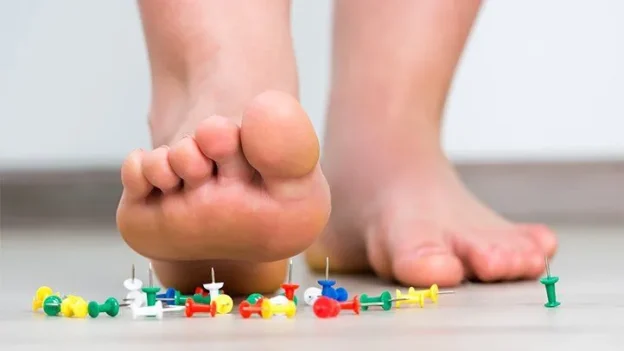
Tingling or “pins and needles.”
hot or cold sensation
a sense of hitting the funny bone
electric shock sensation
sharp, stabbing pain
pain or irritation from a light touch or wind breeze
an aching feeling like a sore muscle
They may be acute or chronic and most likely persist for a long time.
Linking with other conditions like:
Multiple Sclerosis
diabetes
Guillain-Barré syndrome
Lyme disease
withdrawal from or overuse of drugs
shingles
stroke
HIV
nerve injuries
alcohol use disorder
B12 deficiency
C. Diagnosis of dysesthesia
1. Physical exam
2. Tests: Oligoclonal antibodies, MRI, NCS
3. EEG
D. Treatment of dysesthesia
Medications: Antiepileptic like Gabapentin, Pregabalin, Oxcarbamazepine, Carbamazepine; Baclofen, antidepressants.
Surgery: Microvascular decompression or surgery of damaged nerves
Other:
warm or cool application
wearing pressurized stockings, pants, socks, or gloves
avoiding stress, getting enough sleep
staying hydrated
Aloe or calamine lotions
topical ointments
meditation
gentle stretching exercises
avoiding triggers
avoiding hot environments
wearing loose-fitting cotton clothing
biofeedback therapy
getting counseling
avoiding smoking
relaxation exercises
E. Follow-up of dysesthesia
1. In the case of medications
2. In case of surgery
3. In case of other
III. Conclusion
Dysesthesia is characterized by a sensation of extreme heat or cold that is not matched by the physical environment. Dysesthesia can be caused by many factors, including genetics, medications, and underlying conditions. If you experience dysesthesia or abnormal sensations, seek help from the best neurosurgeon, Dr. Mohana Rao Patibandla, at the best neurosurgery and spine surgery hospital in Guntur. Call us at 9010056444 or 9010057444 or write us at info@drraoshospitals.com
The best Spine Surgery Relief from Spinal Radiculopathy?
Spinal radiculopathy is a condition that affects the nerves in the spinal column. Spinal radiculopathy is a long-term condition that can cause pain, numbness, and weakness in the arms and legs. Irritation of neck spinal roots is called cervical radiculopathy, and those in the low back are called lumbar radiculopathy. The most commonly affected areas in the low back are L4-5 and L5-S1, and in the neck are C5-6 and C6-7. Dr. Rao’s hospital is the one of the best center for the spinal radiculopathy treatment.
A. Causes of spinal radiculopathy: Sitting and a sedentary lifestyle are risk factors. Other factors include Male gender, chronic cough, Pregnancy, Routine heavy lifting, and Smoking. 1. Trauma to the spine 2. Disease of the spine – Bone spurs, degenerative disc, tumors 3. Injuries to the nerves in the spine
B. Symptoms of spinal radiculopathy: Symptoms depend on the location of the compression. 1. Pain in the arm or leg or headache, sharp and shooting. 2. Numbness in the arm or leg 3. Weakness in the arm or leg – dropping of objects, slippage of slippers
C. Diagnosis of spinal radiculopathy 1. History and Physical exam: specific dermatome and myotome involvement. 2. X-rays – bony spurs, loss of curvature. 3. MRI – disc degeneration, annular tear, nerve root compression, and neural foramen narrowing.
D. Treatment of spinal radiculopathy: 8 out of 10 people with pain will improve without surgery. 1.Pain medication: Anti-inflammatory medications 2.Immobilization – cervical collar 3.Physical therapy – Neck strengthening exercises following the acute phase 4.Surgery:
Discectomy for the herniated disc if the pain lasts longer than six weeks of conservative management.
Discectomy with fusion – The fusion helps stabilization of the spinal column.
Disc replacement is a relatively new and less commonly used surgery. The advantage over fusion is the preservation of motion.
Posterior cervical laminoforaminotomy is indicated if the disc is outside the vertebral body.
E. Precautions following surgery: 1.Avoid activities that require excessive pressure or bending. 2.Avoid twisting 3.Avoid lifting heavy things 4.Avoid pushing or pulling things in any way 5.Avoid standing or sitting for more time 6.Avoid lifting anything above your head if you have spinal fusion 7.Avoid prolonged walking for the first two weeks 8.Avoid straining your body; you can go up or down the stairs once or twice a day.
F. Follow-up for spinal radiculopathy 1. Return to activity – Generally in 3 to 6 weeks. 2. Resuming activity – Generally in 3 to 6 weeks 3. Long-term care – MRI to check the progress, CT scan to check the fusion
Conclusion Spinal radiculopathy is a condition that affects the nerves in the spinal column. Spinal radiculopathy is a long-term condition that can cause pain, numbness, and weakness in the arms and legs. Visit the spine surgery center in Guntur if you experience these symptoms. If you’re searching for high-quality spine surgery in Guntur, Dr. Rao’s hospital is the perfect place for you! Our experienced best neurosurgeon in India, Dr. Mohana Rao Patibandla, can help relieve your pain and get you back to your life.
Dr. Rao’s Hospital The Best Spondylosis Treatment Center In Guntur
Introduction
Spondylosis Treatment: Osteoarthritis of the spine is called spondylosis. Spondylosis is caused by a buildup of calcium in the spine. It causes loss of normal curvature, structure, and function. Spondylosis can happen with age, and certain medical conditions or medications can also cause it. Spondylosis can occur in the intervertebral discs and facet joints of the spine’s cervical, dorsal and lumbar regions; the lumbar region is the most commonly affected area. Spondylosis causes the development of bone spurs and disc degeneration. These degenerative changes lead to spinal stenosis and cause nerve pinching. Dr. Rao’s hospital offer a variety of treatments for spondylosis, including medications, physical therapy, and surgery. For Spine surgery, spine surgeries, spinal surgery, Dr. Mohana Rao Patibandla is the best neurosurgeon, the best spine surgeon at Dr. Rao’s hospital, the best spine surgery hospital in India.
Pressure on the cervical part of the spinal cord may produce pain, tingling, or numbness in the upper limbs. Pressure on the dorsal or lumbar portion of the spinal cord may cause pain, tingling, or numbness in the legs. Pain or symptoms increase with lifting, sitting for a long time, or bending. Osteoarthritis of facet joints leads to slippage of one vertebra over the other. It is called Degenerative spondylolisthesis and most commonly occurs at L4 over L5 vertebral bodies. Symptoms include pain in the low back, claudicating pain, numbness in the thighs and legs, muscle spasms, weakness in the legs, and tight hamstring muscles. Spondylosis can lead to pain and stiffness in the spine and cause movement and balance problems. Treatment for spondylosis may include physical therapy, medication, and surgery.
A. Causes of spondylosis are unknown but generally following factors aggravate it: 1.Age 2.Heredity 3.Genetics 4.Inactivity 5.Being overweight 6.Joint injury 7.Nerve injury 8.Repeated overuse of specific joints 9.Lack of physical activity
B. Symptoms of spondylosis 1.Tingling or numbness in the fingers or toes 2.Pain and stiffness in the neck or low back 3.Radiating pain in arm or leg 4.Pain or morning stiffness that lasts for more than 30 min due to inactivity 5.Pain that worsens due to activity 6.pinching or pain in the neck or shoulders or legs 7.leg weakness or arm weakness 8.Claudicating distance and claudicating pain 9.Bowel and bladder involvement
C. Diagnosis of spondylosis 1. Physical examination 2. X-ray 3. MRI
D. Treatment of spondylosis 1. Medications: Anti-inflammatory drugs 2. Physical therapy: help stabilize the spine, build endurance and increase flexibility 3. Surgery: laminectomy or Decompression alone or decompression with fixation like ALIF or PLIF or TLIF. Minimally invasive spine surgery is better than open spine surgery and lacks the complications that occur secondary to the open surgery includes less scarring, less blood loss, less muscle injury, less hospital stay, less recovery period.
Conclusion Spondylosis is caused by a buildup of calcium in the spine. Spondylosis can be treated with medications, physical therapy, and surgery. Make sure to get regular physicals and check for signs of spondylosis. Please call us at 9010056444 or 9010057444 or e-mail us at info@drraoshospitals.com to get appointment. Dr. Mohana Rao Patibandla is the best spine surgeon in Guntur, and India does spine surgeries without deficits. Dr. Rao’s hospital is the best spine surgery, spinal surgery, or minimally invasive surgery hospital in India. We offer a variety of treatments for spondylosis, including medications, physical therapy, and surgery.
Hydrocephalus is a condition in which excess fluid accumulates in the brain. CSF has several vital functions in the brain, including a shock absorber for the brain and spinal cord, a vehicle for nutrients and removing wastes, and maintaining the constant flow between the skull and spine to regulate pressure. Hydrocephalus occurs due to an increase in the production of the fluid, a decreased rate of CSF absorption, or a block in normal flow through the ventricular system. Hydrocephalus can range from neonates to adults due to different conditions. Hydrocephalus can be caused by several factors, including genetic mutations, meningitis, brain tumors, injuries, etc.
Dr. Rao’s hospital is the best in the country for hydrocephalus treatment. He is also one of the best brain surgeons and neurosurgeons in Guntur. In addition to Dr. Mohana Rao Patibandla‘s excellent medical skills, he is compassionate and caring. He has helped many patients with hydrocephalus and is the best doctor for this condition in Guntur.
A. Causes of hydrocephalus: 1.Genetic mutations: Congenital Hydrocephalus 2.Infections – Communicating Hydrocephalus, Acquired Hydrocephalus 3.Injuries or tumors – Non-communication (Obstructive) Hydrocephalus 4.Normal Pressure Hydrocephalus
B. Symptoms of hydrocephalus: The symptoms vary from person to person and age. Infants and young children more often present with increased intracranial pressure like vomiting, and adults present with difficulty walking, peeing, or thinking. 1. Infants – increase in the size of the head, progressively increasing head circumference, Bulging fontanelle, prominent scalp veins, Sunset sign, Vomiting, Seizures, Sleepiness, Irritability 2. Children and adolescents: Nausea or vomiting, papilloedema, Blurred vision, double vision, Balance abnormalities, developmental delay, Changes in personality, concentration issues, Seizures, Poor appetite, incontinence 3. Adults: Headache, vomiting, gait apraxia, balance issues, incontinence, and vision issues, memory loss, dementia
C. Diagnosis of hydrocephalus: 1. Physical exam: We need to identify the cause and severity of the hydrocephalus. Thorough patient history, clinical examination, and diagnostic tests are essential in diagnosing hydrocephalus. 2. Imaging tests: Lumbar puncture (spinal tap) is contraindicated in obstructive hydrocephalus. Computed tomography scan (CT or CAT scan) Magnetic resonance imaging (MRI) ICP monitoring 3. Tests for genetic mutations
D. Treatment of hydrocephalus: Treatment of the cause of water retention is the priority. Removing the obstruction caused by the tumor or blood is a direct way of treating hydrocephalus. Indirect treatments for hydrocephalus are the most common mode of treatment, including shunt or endoscopic third ventriculostomy. The shunt will have a catheter and valve, and is flexible tube drains excessive CSF. The shunt stays for a lifetime and keeps the intracranial pressure within normal limits. Endoscopic third ventriculostomy is a new procedure that involves creating a new hole in the floor of the third ventricle as an alternative path for CSF flow. It avoids the presence of lifelong implants in the body. 1. Surgery: Shunting or Endoscopic third ventriculostomy or tumor removal. 2. Medication: Acetazolamide to decrease fluid production.
E. Follow-up Hydrocephalus is a persistent condition, so continuous follow-up and Follow-up diagnostic tests, including MRIs, CT scans, and x-rays, need to be done to check the shunt function. Alarming symptoms to see a doctor:
Tenderness, Redness, pain, or swelling of the skin at the incision or along the tube Fever Irritability Nausea, vomiting, Decreased vision Headache Double vision Drowsiness Abdominal pain Return of preoperative neurological symptoms
F. Prognosis The prognosis depends on the etiology, earlier diagnosis and treatment, and the extent of symptoms. Some patients show good improvement, while others do not. Elevated pressure symptoms will be relieved. In normal pressure hydrocephalus, dementia can be reversed.
The earlier the diagnosis and treatment of hydrocephalus will be, the better the outcome. Improvement of the condition varies significantly for each patient. 50% of the shunts fail at two years; the valve may be clogged and needs additional surgeries. Surgery is often necessary to replace the blocked or malfunctioning portion of the shunt system when a shunt malfunctions. Luckily, most of the complications can be dealt with successfully.
Conclusion
Hydrocephalus is a condition in which excess fluid accumulates in the brain. Hydrocephalus can be caused by several factors, including genetic mutations, infections, trauma, tumor, and injuries. Know the signs and symptoms of hydrocephalus so that you can get them diagnosed and treated early.
Dr. Rao’s hospital is the best Neurosurgery hospital in Guntur, and Dr. Mohana Rao Patibandla is the best Neurosurgeon for hydrocephalus, brain surgery, and neurosurgery in Guntur. He is very experienced and skilled in these fields, and he is also very compassionate and caring. If you need treatment for hydrocephalus or surgery for your brain or spine, you should go to Dr. Mohana Rao Patibandla.
Low Back Pain – Get The Best Spine Surgery In Guntur
Back pain is one of the most common health complaints, affecting up to 80% of people at some point in their lives. The low back is the area between the bottom of the ribcage and the top of the legs. Pain caused by several factors, including muscle strain, arthritis, disc problems, and spinal stenosis. Treatment for low back pain often includes pain medication, physical therapy, exercise, and Surgery. Dr. Rao’s hospital is the best spine surgery hospital in Guntur; it will efficiently deal with all your spine problems, including low back pain, either with conservative treatment or minimally invasive spine surgery.
Low back pain is not unique. Low back pain is called chronic low back pain if it persists for over three months. Low back pain is temporary in 90% of the cases and improves without Surgery. In 50% of low back pain patients, it is primarily recurrent during the first year. The lumbar spine (lower back) comprises five vertebral bones and five discs with five pairs of nerves. Discs work as shock absorbers. In a recent mayoclinic.
Causes of Low Back Pain
Trauma – Sprains & Strains, Fracture
Herniated Disc
Tumors
Infections
Degenerative disease – spondylosis
Lumbar Spinal Stenosis
Osteoarthritis
Scoliosis
Symptoms of Low Back Pain
It may constitute lower back pain only called lumbago or radiating down the buttocks, hips, and legs, which is called sciatica. The pain can vary from dull, sharp, burning, aching, or a combination. It can be intermittent, constant, or activity-related.
When to Seek Neurosurgeons advice
Even though low back pain is frequently common, some characteristics warrant the evaluation. Neurosurgeon advice is necessary when the pain is persistent or worsening for more than six weeks or; the presence of neurologic symptoms like weakness, numbness, or bowel or bladder incontinence (loss of voluntary control over the voiding or defecation).
Diagnosis of Low Back Pain
The neurosurgeon diagnoses low back pain based on patient history, symptoms, signs, and diagnostic radiological tests. Most patients are treated nonsurgically; Lowback pain needs imaging if the conservative management fails.
X-rays
Discography
Selective Nerve Root Block
Electromyography (EMG)
Nerve Conduction Studies (NCS)
CT or CAT scan
Magnetic Resonance Imaging (MRI)
Myelogram
Conservative Treatment
Physicians recommend six weeks of nonsurgical therapy before considering Surgery.
Physiotherapy,
Exercises,
Weight loss,
Local anesthetic and Steroid injections in epidural space or into facets
NSAIDS,
Three days of limited activity, but not bed rest.
All the options mentioned above are aimed at relieving inflammation and irritation of nerve roots.
Red flags for immediate treatment for low back pain are trauma due to accident, a fall, or sports injury or the presence of neurologic symptoms, including numbness, tingling, weakness, or bowel and bladder incontinence.
When Low back pain needs Surgery?
When red flag signs present as mentioned above or worsening low back pain with conservative treatment, it is an indication for Surgery.
Difficulty standing or walking
No comorbidities
Back and leg pain impairs quality of life
Medication and physical therapy are ineffective
Increasing neurologic deficits develop, including leg weakness, numbness, or tingling
The presence or absence of instability in the spine, the neurosurgeon would offer:
A minimally invasive spine surgery.
Open decompression.
Decompression and fusion with bone grafts and stabilization with instrumentation, including screws, rods, and different types of cages, based on the extent of the disease.
Following low back pain surgery , patients may regain the ability to bend over. Patients often require post-operative physiotherapy. Any surgical intervention should weigh the benefits and risks involved and explain to the patient to get proper consent in an understandable native language.
Follow-up
Suppose back pain resolves with nonsurgical, conservative treatment. In that case, follow-up will likely be on an as-needed basis or if symptoms return. If a patient undergoes Surgery, follow-up is initially for suture removal at 7 to 14 days, then six weeks, then three months, and doubling the interval later. The neurosurgeon should follow the instrumentation with a radiological workup.
Dr. Rao’s hospital has the best neurosurgeon in Guntur, the best spine specialist, and is the best spine surgery hospital. They offer minimally invasive spine surgery that is safe and effective. Call us at 9010056444 or 9010057444 for any back pain related complaints or to get an appointment.
Lumbar Canal Stenosis – Get Best MIS Spine Surgery In Guntur
Most people experience relief from their symptoms with nonsurgical treatments. However, surgery may be an option if your symptoms are severe and impact your quality of life. Surgery involves widening the spinal canal to relieve pressure on the spinal cord or nerves. In Guntur, the best spine surgery specialists available at Dr. Rao’s hospital will help you understand and deal with your spinal stenosis problem effectively in terms of medical and surgical management in a patient-centric environment.
Lumbar canal stenosis is a condition that narrows the spinal canal in your lower back. It can cause pain, numbness, and weakness in your legs. LCS has been seen in people over age 60. There are several treatment options available.
Causes:
The narrowing of the spinal canal causes lumbar canal stenosis. This can be due to several things, including:
-A herniated disc
-Bone spurs
-Thickening of the ligaments
-Tumors
Symptoms: Symptoms of lumbar canal stenosis include:
-Pain in the legs
-Numbness in the legs
-Weakness in the legs
-Difficulty walking
Treatment: There are many treatments available for lumbar canal stenosis. These include:
-Physical therapy
-Exercise
-Weight loss
-Surgery
Physiotherapy:
Physiotherapy is the first line of treatment option for lumbar canal stenosis. Physical therapy can help strengthen the spine’s muscles and improve the range of motion.
Exercise:
Exercise is another treatment option for lumbar canal stenosis. Exercise can help strengthen the spine’s muscles and improve the range of motion.
Weight loss:
Weight loss can also help to treat lumbar canal stenosis. Weight loss can help to reduce the amount of pressure on the spine.
Surgery:
Surgery is a treatment option for lumbar canal stenosis. Surgery can help to decompress the spine and relieve pressure on the nerves.
Laminotomy: Removal of the part of the lamina
Foraminotomy: Removal of small bone and making the neural foramina wider
Medial Facetectomy: Removal of the lamina and the medial facet joints.
Anterior Lumbar Interbody Fusion
Anterior lumbar interbody fusion, or ALIF, is a surgical procedure that relieves pain in the lower back and legs. The surgery involves fusing vertebrae in the spine using metal rods and screws. ALIF can help to stabilize the spine and reduce pain by preventing movement between the vertebrae. ALIF is typically performed as an outpatient procedure, meaning patients can go home the same day as their surgery. Recovery time varies depending on the individual, around four to six weeks.
Posterior Lumbar Interbody Fusion (PLIF): spine surgery that is performed through the back. This type of surgery aims to meld together the vertebrae to stabilize the spine. :
Transforaminal Lumbar Interbody Fusion(TLIF): A surgical procedure is performed to remove the degenerative disk from the back, and a structural device is placed to take the supportive role. This process can eventually lead to fusion between the bones above and below.
Posterolateral Fusion:
Instrumented Fusion:
Conclusion:
Lumbar canal stenosis is a condition that can cause pain, numbness, and weakness in the legs. Treatment options include physiotherapy, exercise, weight loss, and surgery. Are you looking for the best spine surgeon in Guntur? Look no further than Dr. Rao’s hospital. Our specialists are experts in minimally invasive spine surgery and can help you get relief from your symptoms quickly and effectively. Contact us today to learn more.
Cauda Equina Syndrome (CES) – The best treatment at Dr Rao’s Hospital
Get the best neurosurgeon in Guntur. Dr. Mohana Rao Patibandla is doing minimally invasive spine surgery with a fixation for a patient with cauda equine syndrome secondary to spine trauma.
Compression of the spinal cord results in Cauda Equina Syndrome, a severe neurological condition. Early diagnosis and treatment are essential to improving the chances of a good outcome. The cauda equina is a bundle of nerves at the base of the spinal cord that controls movement and sensation in the legs and lower body. When these nerves are compressed, it can cause pain, numbness, and weakness in the legs. Cauda Equina Syndrome is a medical emergency and requires immediate treatment. Guntur’s best spine surgery hospital offers round-the-clock emergency surgical services and care. In a recent India today article.
Causes:
Various factors, including a herniated disc, spinal tumors, or trauma to the spine, can cause this compression.
One of the most common causes of CES is a herniated disc. A herniated disc occurs when the outer layer of the disc ruptures, allowing the inner layer to bulge out and compress the nerves. This can happen due to various factors, including age-related wear and tear, injury, or lifting heavy objects.
Another common cause of CES is spinal tumors. Spinal tumors are growths that develop on or near the spine. They can be benign (non-cancerous) or malignant (cancerous). While benign tumors are not usually life-threatening, they can still compress the nerves and cause CES.
Symptoms
Symptoms of a herniated disc include pain, numbness, and weakness in the legs and lower body. These symptoms can vary depending on the location of the herniated disc. In some cases, a herniated disc can also cause urinary incontinence. Malignant tumors are more likely to cause CES because they grow quickly and can spread to other body parts. Spinal tumor symptoms include back pain, numbness, and weakness in the legs and lower body. In some cases, a spinal tumor can also cause paralysis.
Diagnosis and Treatment
Once the diagnosis of CES is made and the etiology is established through clinical history, physical examination, diagnostic tests like an MRI of the spine, CT myelogram, and emergent surgery are the treatments of choice. The goal of CES treatment is to free up the compressed nerve roots. if not treated in time, it will result in paralysis and incontinence. The duration of surgery symptoms is less than 48 hours, leading to a better prognosis and looking for the best neurosurgery or spine surgery hospital in Guntur. Look no further than Dr. Rao’s hospital! We’re the best in the business, and our neurosurgeon is the best in India!
Conclusion:
Cauda Equina Syndrome is a severe condition that can cause permanent nerve damage. The syndrome occurs when the cauda equina, a bundle of nerves at the base of the spine, is compressed. A herniated disc, spinal tumors, or spine trauma are just a few causes of this compression.
CES is a medical emergency and requires prompt treatment to prevent permanent nerve damage. Suppose you experience any of the symptoms of CES. In that case, it is essential to seek medical attention immediately and call Dr. Rao’s hospital at 9010056444 or 9010057444 for the best spine surgeon in India, Dr. Mohana Rao Patibandla.
Minimally Invasive Spine Surgery – When experiencing a spinal disc prolapse, it is essential to consult a neurosurgeon to ensure a safe and effective recovery. While some cases may resolve independently, more serious cases require surgical intervention. A neurosurgeon can evaluate the situation and determine the best course of action. In some cases, surgery may not be necessary if the disc prolapse is small and does not cause any pain or other symptoms. However, in more severe cases, surgery may be required to repair the damage and prevent further complications.
A. What is a spinal disc prolapse?
1. What are the symptoms of a spinal disc prolapse? A spinal disc prolapse, also known as a herniated disc, is a condition in which the inner gelatinous layer of an intervertebral disc bulges out through a tear in the outer layer. This can pressure the nerves and cause pain, numbness, or weakness in the affected area. Other symptoms may include tingling, muscle spasms, and difficulty moving. In severe cases, bladder or bowel control may be affected. If you experience any of these symptoms, you must see a doctor for diagnosis and treatment.
2. What causes a spinal disc prolapse? Spinal disc prolapse is caused by a herniation of the outer ring of the intervertebral disc, which results in a bulging or protrusion of the disc. This can happen due to various factors, including age-related wear and tear, injury, or obesity.
B. How is a spinal disc prolapse treated?
Thankfully, 8 out of 10 patients do not require disc surgery, and symptoms subside over time in a few days to weeks.
General Guidelines for disc prolapse are as follows: Activity limitation for 2 to 3 days but no bed rest, MRI is recommended only if symptoms have been present for six weeks or red flag signs in the history or physical examination. The neurosurgeon advises the MRI based on the need. Emergency evaluation and imaging only if red flags present like significant leg or arm power decrease, saddle anesthesia, bowel or bladder incontinence, Trauma or infection, or cancer in the history, and Persistent pain for more than six weeks.
1. Injections
2. Surgery
3. Other treatments
A thorough evaluation and discussion with a neurosurgeon will help you understand your options for treatment and ensure a successful recovery. Neurosurgeons in Guntur are the best spine surgeons and are experts in brain and nervous system disorders and can provide you with the latest information on treatments and procedures. Neurosurgeons can also answer any questions about your condition and its treatment. Meeting with a neurosurgeon is an important step in ensuring that you receive the best possible care for your condition.
Conclusion
When experiencing a spinal disc prolapse, it is important to consult a best neurosurgeon or best spine surgeon in Guntur to ensure a safe and effective recovery.
A thorough evaluation and discussion with our chief neurosurgeon and spine surgeon Dr. Mohana Rao Patibandla, who is fellowship trained in minimally invasive keyhole surgeries will help you understand your options for treatment, and ensure a successful recovery.
If you are experiencing symptoms of a spinal disc prolapse, don’t wait call Neurosurgery Today at 9010056444 or 9010057444 today!
The Biplane Cath Lab Hybrid operation theater at our hospital is equipped with the latest 4K endoscopy, neuromonitoring and neuronavigation technology. This state-of-the-art equipment allows us to provide our patients with the best possible care.
4K endoscopy provides superior image quality, which helps our doctors to more accurately diagnose and treat conditions.
The Best Neurosurgery Hospital in Guntur With The Latest State of the Art Technology
A hybrid operating theater is a type of operating room that combines the features of a traditional operating room and a catheterization lab. It is typically used for procedures that require both surgical and interventional radiology (IR) techniques. check more about drraohospitals on india today.
first biplane cath lab in Andhra Pradesh and Telangana diagnostic-tests-in-neurosurgery-the-best-at-dr-Rao’s hospital-Guntur
Hybrid operation theater @ Dr. Rao’s hospital.
Some of the benefits of using a hybrid operating theater include:
1. Increased efficiency: procedures typically requiring two separate rooms can be completed in one hybrid room, saving time and money.
2. Better patient outcomes—Having all of the necessary equipment and personnel in one room can help ensure that procedures are performed safely and effectively.
3. Enhanced safety: having a dedicated hybrid operating room can help reduce the risk of infection and other complications.
4. Improved patient comfort—Patients may feel more comfortable knowing that they will not have to be moved between two different rooms during their procedure.
Our hospital’s Biplane Cath Lab Hybrid operation theater is equipped with the latest 4K endoscopy and neuronavigation technology. This state-of-the-art equipment lets us provide our patients with the best possible care.
Our hospital’s Biplane Cath Lab Hybrid operation theater is equipped with the latest 4K endoscopy and neuronavigation technology. This state-of-the-art equipment lets us provide our patients with the best possible care. 4K endoscopy provides superior image quality, which helps our doctors diagnose and treat conditions more accurately.
This advanced equipment helps us to safely and effectively perform procedures such as brain surgery. Neuronavigation technology allows us to precisely target areas in the brain, while neuromonitoring helps us to monitor the patient’s neurological status during surgery. This information is essential to ensure that the procedure is being performed safely and effectively.
Conclusion: Our hospital’s Biplane Cath Lab Hybrid operation theater is equipped with the latest 4K endoscopy and neuronavigation technology. This state-of-the-art equipment lets us provide our patients with the best possible care. Neuronavigation and neuromonitoring technology help us to safely and effectively perform procedures such as brain surgery.
Spinal pain is one of the most common reasons for a visit to best spine doctor in Guntur. The spine is one of the most sensitive areas in the body and can be easily bruised or injured by falls, sports, accidents, and more.
Spinal Pain in your lower back or Lumbar Region is a pain that typically is caused by something disturbing the joints and the area of the spinal discs. It has been found that disturbing low back pain is associated with disorders of the spinal and peripheral nerves.
Conditions that can include sciatica, disc herniation, degenerative joint disease (osteoarthritis), degenerative disc disease, spondylolisthesis and facet joint syndrome in some cases.
Symptoms of Spinal Pain
In some cases, patients will experience no symptoms when suffering from spine injuries or diseases. However, in most cases a patient will have pain in their lower back or abdomen that can include:
• Sharp or Burning Sensation • Tenderness • Aches and Pains in the muscles and the bones where the spine meets the pelvis. This is usually found in your hips, buttocks and sometimes your shoulders. • Difficulty sleeping • Reduced range of motion or muscle strength or Stiffness in the Lower Back • Weakness and fatigue of muscles used to stabilize the spine, limbs, and torso • Numbness or tingling in certain areas of the body caused by nerve irritation. The most common are related to the legs (peroneal nerve).
Diagnosis and Testing Of Spinal Pain
Patients will first be referred for an X-ray and then an MRI to see what is going on with the spine. Patients will also have their symptoms and medical history recorded along with their physical findings. It can be done easily in Dr Rao Hospital which is the best spine surgery hospital in India.
X-Ray- X-rays are used by doctors to determine the position and size of bones, broken bones and abnormal changes in the normal structure of the spine. The X-ray is taken with different views so that it can identify any unusual changes in the spinal structure.
MRI (Magnetic Resonance Imaging) – A MRI is an advanced imaging technique that uses a magnetic field, radio waves, and a computer to take pictures of soft tissue structures in the body. It shows the spinal cord and nerve roots that help with signals being sent to the brain.
These are important to find out if something is wrong with the spinal cord and its actual position in the body. An MRI can also show bony abnormalities and damaged soft tissue. As well as problems within the discs and ligaments of the spine that are causing pain.
CT-Scan – A CT scan or CAT scan is a diagnostic imaging procedure that uses X-rays and computer technology to produce cross-sectional images (often called slices), both horizontally and vertically, of the body.
Once an accurate diagnosis has been made, the Best spine doctor in Guntur can formulate a treatment plan that is best suited to your needs. This plan may include different types of therapies such as Spinal Manipulation, Laser Therapy, Muscle Relaxants, Pain Medications and more.
Treatment Of Spinal Pain
Non-Surgical Treatment
Although there is no one cures for spinal pain, some causes of chronic back pain can be treated so that patients will not experience any more pain or symptoms. Some steps taken toward non-surgical treatment of chronic back pain include:
• Exercise program- Patients with chronic back pain should start an exercise program.
• Medications-Most spine specialists in Guntur will first recommend medication to relieve your symptoms so that you can endure other treatments when necessary. Drug treatment options include over-the-counter pain relievers, anti-inflammatory drugs, muscle relaxants, and even opiates when necessary. These medications ease the inflammation in your spine which allows you to perform physical therapy or other treatments that might be required without pain.
• Physical Therapy – Physical therapy is one of the most effective methods of treating spinal pain. Physical therapy helps strengthen and stabilize your muscles. Also, physical therapy will help you learn how to use your muscles more efficiently and effectively.
Surgical Treatment
When these techniques are not sufficient to treat back pain, the best spine surgeon in Andhra Pradesh may recommend surgery to correct the problem. Surgery for spinal pain usually takes place in locations like an Neurosurgeon’s office or a hospital operating room.
Spinal Fusion: Spinal Fusion is a surgery that helps stabilize the spine. During this procedure, the surgeon will fuse two or more vertebrae by inserting a bone graft between them and then holding it in place with metal screws. This procedure is an effective way of pain relief from symptoms of degenerative disc disease, spinal stenosis and scoliosis.
Discectomy: A discectomy is performed when a herniated disc presses on one or more nerves, causing back pain and/or sciatica.
During this surgery, the disc material that is pressing on a nerve will be removed to relieve any pressure along with removing any irritated tissue around the nerve itself.
A. Cervical Discectomy: During this procedure, the spine surgeon will remove any disc material that is causing pressure on the nerve roots, or at a level where it is pressing against and irritating one or more of those nerves. In some cases, depending on the severity of your condition, this surgery may be accompanied by a fusion.
Lumbar disc arthroplasty: This surgery is most frequently performed on patients who have lumbar spinal stenosis. The surgeon will remove the disc that is causing pressure on the nerve, along with the disc material within the spinal canal and then insert an artificial disc. This helps to maintain the normal spacing between vertebrae and relieve pressure on any nerves in your spine.
Cervical disc herniation and arthroplasty: This is performed when a herniated disc presses on the nerve roots or at a level where it is pressing against and irritating one or more of those nerves. During this procedure, the surgeon will remove that disc and then insert an artificial disc.
This helps to maintain the normal spacing between vertebrae and relieve pressure on any nerves in your spine. This surgery helps relieve pressure on the spinal cord and nerve roots in the cervical spine which are responsible for causing pain in the neck and upper back. A disc replacement and artificial disc are inserted.
Laminectomy: This procedure is done when there are multiple problems with the spine. Including bone spurs, bone malformations or disc problems that have caused degeneration of the vertebrae (spondylosis).
This can often cause pain and discomfort as well as degeneration in the spinal cord (nerve damage). During this surgery, the spine surgeon in Guntur will fuse two or more vertebrae by inserting a bone graft between them.
Microdiscectomy: A microdiscectomy is performed to remove only the portion of the disc that is compressing the nerve and causing pain. During this procedure, the spine surgeon will remove only that portion of the disc that is pressed against the nerve or spinal cord and then insert an artificial disc. This helps to maintain the normal spacing between vertebrae and relieve pressure on any nerves in your spine.
Minimally invasive keyhole spine surgery is always better than traditional open surgery. Minimally invasive MIS surgery have advantages of less scarring, less muscle damage, less pain, less blood loss, less hospital stay, immediate walking, less time to resume work e.t.c.
Post Surgery Precautions
Following spinal fusion surgery, certain precautions must be taken to help prevent complications. It is important to keep your back hydrated by drinking plenty of water and taking pain medication as prescribed by your doctor, during the first few days or weeks following surgery.
• The surgeon may suggest frequent follow-up visits with a Physical Therapist after surgery.
• Be sure to avoid any physical activity or work that will put extra strain on your back for some time.
• Take it easy. Don’t lift anything too heavy or carry anything too heavy more than 10 pounds. Especially when getting over the threshold of a doorway or through narrow spaces like a car trunk.
• Avoid driving and other activities that require you to twist your body while seated. Such as working at the computer while seated on an exercise ball.
• Be sure to take your pain medication as prescribed by your doctor. (usually according to how much pain you’re in). If you’re not taking pain medication because of side effects, Talk to your spine surgeon about the possibility of switching medications or lowering the dosage until side effects subside.
• If you’re having a lot of trouble sitting for long periods, talk to your doctor about wearing a back brace. Your surgeon may recommend that you wear this brace even after the surgery is complete.
• Avoid overusing the muscles in your legs, especially if you have weak abdominal muscles.
• Drink plenty of water throughout the day to keep yourself hydrated and avoid dehydration.