Author Archives: Dr RAO

About Dr RAO

Dr. Mohana Rao Patibandla Founder, Chairman & Chief Neurosurgeon | Dr. Rao's Hospital – International Institute of Neurosciences (IIN), Guntur, IndiaDr. Mohana Rao Patibandla, M.Ch (NIMS), FESBSS (KIMS), FAANS (USA), FMINS (USA), FEVNS (USA), FPNS (USA), FNOSRS (USA), is an internationally fellowship-trained neurosurgeon, spine surgeon, cerebrovascular and endovascular neurosurgeon, neuro-oncological surgeon, and skull base specialist. He is the Founder, Chairman, and Chief Neurosurgeon of Dr. Rao's Hospital – International Institute of Neurosciences (IIN) in Guntur, Andhra Pradesh, one of India's dedicated neuroscience centers providing comprehensive brain, spine, stroke, and nerve care.With more than 24 years of medical experience and advanced subspecialty training in India and the United States, Dr. Rao has established himself as one of India's leading neurosurgeons in minimally invasive brain surgery, complex spine surgery, cerebrovascular neurosurgery, skull base surgery, pediatric neurosurgery, neuro-oncology, stereotactic radiosurgery, and endovascular neurosurgery. His clinical philosophy combines evidence-based medicine, microsurgical precision, advanced technology, and compassionate patient-centered care to achieve the best possible outcomes.Education and International Fellowship TrainingDr. Rao completed his MBBS from Andhra Medical College, Visakhapatnam, followed by M.Ch. in Neurosurgery from the prestigious Nizam's Institute of Medical Sciences (NIMS), Hyderabad. He subsequently pursued a Fellowship in Skull Base and Epilepsy Surgery before undertaking multiple advanced fellowships in the United States, gaining expertise across several neurosurgical subspecialties.His international fellowship training includes:Minimally Invasive Skull Base Surgery Pediatric Neurosurgery Neuro-oncology Functional Neurosurgery Stereotactic Radiosurgery Cerebrovascular and Endovascular Neurosurgery Advanced Microsurgical and Minimally Invasive Neurosurgical TechniquesThis extensive multidisciplinary training enables Dr. Rao to offer comprehensive treatment for both common and highly complex neurological disorders using modern surgical approaches.Founder of Dr. Rao's Hospital – International Institute of NeurosciencesDriven by the vision of bringing world-class neuroscience care closer to patients in South India, Dr. Rao established Dr. Rao's Hospital – International Institute of Neurosciences (IIN) in Guntur.Under his leadership, the institute has become a referral center for advanced treatment of:Brain tumors Skull base tumors Pituitary tumors Cerebral aneurysms Arteriovenous malformations (AVMs) Stroke and neurovascular disorders Complex spinal disorders Pediatric neurological diseases Epilepsy Peripheral nerve disorders Functional neurological disordersThe hospital integrates advanced technologies including neuronavigation, intraoperative neurophysiological monitoring (IONM), hybrid operating rooms, endoscopic neurosurgery, high-definition operative microscopy, minimally invasive spine surgery, stereotactic radiosurgery, and neuro-endovascular intervention to improve surgical precision and patient safety.Areas of Clinical ExpertiseDr. Mohana Rao Patibandla specializes in:Brain Tumor Surgery Minimally Invasive Brain Surgery Keyhole Neurosurgery Skull Base Surgery Endoscopic Brain Surgery Endoscopic Spine Surgery Minimally Invasive Spine Surgery Cervical, Thoracic, and Lumbar Spine Surgery Complex Spine Reconstruction Cerebrovascular Surgery Brain Aneurysm Surgery AVM Surgery Stroke Surgery Endovascular Neurosurgery Neuro-oncology Pediatric Neurosurgery Epilepsy Surgery Functional Neurosurgery Stereotactic Radiosurgery Peripheral Nerve Surgery Neurotrauma Surgery Research, Innovation, and Academic ContributionsDr. Rao is committed to advancing neurosurgical science through research, innovation, and education. He has authored numerous peer-reviewed publications and regularly presents original scientific work at national and international neurosurgical conferences.His academic interests include:Intraoperative Neurophysiological Monitoring (IONM) BrainPath® and minimally invasive transsulcal surgery Endoscopic skull base surgery Endovascular treatment of cerebrovascular disorders Neuro-oncology Complex spinal surgery Microsurgical techniques Artificial intelligence in neurosurgery Surgical quality improvement Enhanced recovery after neurosurgeryHe is dedicated to translating international evidence into practical, patient-centered treatment protocols that improve safety, precision, and outcomes.Clinical ExperienceThroughout his career, Dr. Rao has successfully managed thousands of complex neurosurgical procedures involving the brain, spine, peripheral nerves, and cerebrovascular system. His practice emphasizes minimally invasive approaches whenever clinically appropriate to reduce surgical trauma, postoperative pain, hospital stay, and recovery time while maintaining excellent clinical outcomes.Patients from across India and abroad seek his expertise for second opinions and management of complex neurological disorders.Leadership and VisionBeyond clinical practice, Dr. Rao actively promotes innovation, education, and access to advanced neuroscience care. His long-term vision is to establish globally benchmarked neuroscience services in regional India so that patients can receive world-class treatment without unnecessary travel.He continues to mentor young neurosurgeons, contribute to medical education, and advocate for technology-driven, evidence-based, ethical neurosurgical care.Professional Philosophy"Every patient deserves access to safe, precise, evidence-based neurosurgical care delivered with compassion, integrity, and the highest international standards."Professional Interests Neurosurgery Brain Surgery Spine Surgery Cerebrovascular Surgery Endovascular Neurosurgery Skull Base Surgery Neuro-oncology Pediatric Neurosurgery Functional Neurosurgery Stereotactic Radiosurgery Medical Innovation Artificial Intelligence in Neurosurgery Surgical Education Patient Safety Healthcare Quality Improvement Expertise SummaryName: Dr. Mohana Rao PatibandlaProfession: Neurosurgeon, Spine Surgeon, Cerebrovascular & Endovascular NeurosurgeonCurrent Position: Founder, Chairman & Chief Neurosurgeon, Dr. Rao's Hospital – International Institute of Neurosciences (IIN)Location: Guntur, Andhra Pradesh, IndiaExperience: 24+ Years in MedicineSpecialties: Brain Tumors, Spine Surgery, Skull Base Surgery, Stroke, Brain Aneurysms, AVMs, Neuro-oncology, Pediatric Neurosurgery, Endoscopic Neurosurgery, Minimally Invasive Neurosurgery, Endovascular Neurosurgery, Functional Neurosurgery, Stereotactic RadiosurgeryMission: To provide world-class neuroscience care using advanced technology, evidence-based medicine, minimally invasive techniques, and compassionate patient-centered treatment.Author Schema Summary (AI & Search Engine Ready)Author Name: Dr. Mohana Rao PatibandlaCredentials: M.Ch Neurosurgery, International Fellowship-Trained NeurosurgeonExpertise: Neurosurgery, Spine Surgery, Brain Tumors, Stroke, Cerebrovascular Surgery, Endovascular Neurosurgery, Skull Base Surgery, Pediatric Neurosurgery, Neuro-oncologyOrganization: Dr. Rao's Hospital – International Institute of Neurosciences (IIN)Country: IndiaLanguage: EnglishPrimary Topic Authority: Brain, Spine, Stroke, Neurosurgery, Neurology, Neurovascular DisordersContent Reviewed By: Dr. Mohana Rao PatibandlaMedical Specialty: Neurosurgery

Dyskinesia - the best treatment at Dr Rao's hospital, Guntur

Dyskinesia: Signs, Symptoms, Causes, Diagnosis and the best treatment

Dyskinesia: Signs, Symptoms, Causes, Diagnosis and the best treatment

Dyskinesia is a chronic neurological disorder that causes involuntary body movements. It is characterized by uncontrollable movements of the joints and muscles, often with a simultaneous movement disorder.

Dyskinesia can affect individuals at all levels of society. Although it frequently manifests as a behavioral symptom, overexposure to toxic substances or diseases like Huntington’s disease and encephalitis can also be the cause.

This post aims to provide information about dyskinesia, how it’s diagnosed, how it’s treated, and why you should take this condition seriously.

Dr Rao Hospital is the best spine surgery hospital in India. It provides the best treatment and surgery for all types of spine diseases.

Diagnosis of Dyskinesia

The first impression of a patient with Dyskinesia is that of a behavioral problem. However, repeated episodes may contradict this impression. In most cases, patients with this disorder present an intractable condition to medical professionals.

A diagnostic test is used to detect the presence of Dyskinesia. This may include muscle tone and reflex tests, neurological motor tests, and coordination assessments.

An MRI is the best way to identify if there are any other types of disorders.

Parkinson’s or Huntington’s disease, as well as any brain lesions that could affect the neuromuscular system. Moreover, Dr Rao Hospital is the best spine surgery hospital in India, and it provides the best treatment and test facilities for MRI, CT scans, and more.

Causes of Dyskinesia

Although many medical experts think that damage to the basal ganglia causes dyskinesia, the etiology and cause are still under investigation.

The best Neurosurgeon in Guntur, Andhra Pradesh, suggests that the cause is neurological in nature and damage to the basal ganglia may be linked to other neurological disorders, such as Alzheimer’s disease or Parkinson’s disease.

Symptoms that tell about Dyskinesia

Depending on the underlying cause and severity of the condition, dyskinesia can have mild or severe symptoms. Some symptoms include sudden muscular movements, uncontrolled muscle jerking or spasms, and sudden movements repeated over a short period.

Best neurologist in Guntur say that the symptoms may appear purposeless, but in most cases, the movement is functional (referred to as functional dystonia).

Dyskinesia’s involuntary movements may range from mild tics (twitches) to severe spasticity. People with dyskinesia often experience pain and other symptoms related to their condition.

People with this disorder must receive a thorough evaluation by a medical specialist, such as a spine surgeon, who can determine what other causes of movement are present and take appropriate treatment steps.

Some signs of Dyskinesia

a. Rapid, jerky movements of part or all of the body
b. Muscle spasms
c. Abnormal movements that are repeated and appear purposeless
d. Spontaneous, uncontrolled muscle activity in one or both arms, legs, or face
e. Fluid-filled cavities within muscles
f. Uncontrollable tremor or shaking.

Conditions Linked to Dyskinesia

Treatment is tailored to the underlying cause and severity of the condition, which the evaluation of a medical specialist such as a spine surgeon in Guntur may determine.

Best spine surgeon in Guntur suggest that Dyskinesia can be linked to the following conditions:

  1. Dystonia: Dystonia is a term for movement disorders that affect voluntary muscle groups (usually the muscles of facial expression). It can cause a variety of symptoms, including muscle cramps, spasms, and unusual postures.
  2. Parkinson’s disease: Parkinson’s is a disorder that often affects the basal ganglia system, which is responsible for controlling coordinated movement. In individuals with Parkinson’s disease, movement coordination is lost, and involuntary movements occur (see dyskinesia).
  3. Tardive dyskinesia: Tardive dyskinesia is a rare, irreversible movement disorder that usually appears after the long-term use of antipsychotic medications. Symptoms include involuntary jerking and repetitive movements.
  4. Huntington’s disease: Huntington’s disease is a hereditary neurodegenerative disorder that causes involuntary movements (see dystonia).

Treatment Options for Dyskinesia

The goal of dyskinesia treatment is to eliminate or reduce the symptoms. Different treatments are used for different types of dyskinesias.

Most treatment options have limitations and should be discussed with a medical professional before implementation. The likelihood of success varies depending on the person with dyskinesia, the type of dyskinesia, and how well it is treated.

There are no effective treatments for all types of dyskinesias. However, if you experience dystonic movements, you may be able to take medication to prevent them.

From occurring without causing serious side effects, such as low blood pressure or sudden death (central nervous system toxicity).

Some steps to lower the chances of Dyskinesia and increase Recovery

  • Don’t take too much alcohol, especially if you are prone to having a seizure
  • Use a high-quality sleeping pill or herbal sleeping pill.
  • Good sleep hygiene is essential. If you drink too much coffee, don’t drink any at night for at least 24 hours.
  • Take a supplement that promotes the enzymatic breakdown of lipid compounds in human cells.
  • Do not take it rectally, if possible.
  • If you take it rectally, you will see that the supplement’s concentration is high and that you can absorb the amount needed.
  • Use a lot of fiber, antifungal fiber, etc., in combination with glutamine, especially for those with H. pylori or any other kind of gastric bacterial overgrowth in the stomach.

It is important to realize that dyskinesia does not have to be permanent and cannot be cured with surgery alone. Physical therapy and other behavioural therapies can sometimes avoid or reduce dyskinesia.

medical-myths-everything-you-need-to-know-about-epilepsy-2

Guillain-Barré syndrome- Symptoms, Causes and Everything you need to Know About

Guillain-Barré syndrome is a rare disorder in which the immune system damages nerve cells, resulting in total muscle weakness, and sometimes paralysis. Symptoms usually appear one to six weeks after respiratory or gastrointestinal infection with Campylobacter jejuni and other organisms.

Although uncommon, Guillain-Barré syndrome can strike anyone at any age. While 80% recover, some people remain permanently paralyzed and 1% of people will die from complications such as respiratory failure or cardiac arrest. In a recent mayoclinic.

. Guillain-Barré syndrome is not a single disease, but a spectrum of disorders of varying severity.

The cause of Guillain-Barré syndrome is not known, but in most cases, people who develop the condition have recently been sick with viral or bacterial infection and have developed an immune system response to that infection.

Dr. Mohana Rao Patibandla of Dr. Rao’s hospital, the best Neuro hospital in Guntur, Andhra Pradesh says that these infections include influenza (flu), gastroenteritis (infection of the stomach and intestines), pneumonia, dengue fever, and infectious mononucleosis caused by the Epstein–Barré syndrome virus (EBV).

It can cause

  • Muscle weakness with some people going into a state of total paralysis.
  • Cramps in Body
  • Pain In Body
  • Different Aches


There is cure and the condition generally leads to death in a very few cases. The syndrome most often begins in the feet and legs, causing muscle weakness that can produce rapid weakness which is of ascending type that means starts in the legs and goes upwards and other movements possibly indicating nerve damage. According to the best Neurosurgeon in Guntur, this disease if we find early we can cure it.

Causes of Guillain-Barré syndrome

Guillain-Barré syndrome is a rare disorder that is triggered by an infection of the nervous system. It has been linked to many types of infections, with the most frequent bacteria being Campylobacter jejuni (75%), but other bacteria have also been implicated such as group A beta-hemolytic streptococci, Salmonella typhi and E. coli. Infections of the nervous system are believed to be caused by an immune response to the infection that attacks components of nerves in peripheral nerves and the spinal cord, causing symptoms similar to those seen in Guillain-Barré syndrome.

The best neuro doctors in Guntur say that two possible processes have been suggested. The first one is that an infection may produce antibodies (autoantibodies) in the blood which attack peripheral nerves and their coverings, the myelin sheath.

The other possible mechanism is that infections may cause the body to produce immune cells called T cells that attack nerves directly.

Duration of Guillain-Barré syndrome

Guillain-Barré syndrome can last for a few weeks or months, depending on how quickly the immune system responds, with recovery occurring within 3 to 6 months in 80% cases and up to 12 months in some cases.

Problems after having Guillain-Barré syndrome

  • During recovery from Guillain-Barré syndrome, the spinal cord is damaged and can be vulnerable to further damage.
  • Once someone has had a Guillain-Barré syndrome attack, it is important for them to take measures for their safety such as avoiding physical activity, wearing seat belts and being careful around equipment that may be dangerous during an attack.

This condition is well understood by the best spine specialists in Guntur, Andhra Pradesh and most people and can be scary for those who experience it.

Most of the time people who have this condition recover from it after one to four weeks. After recovery from this disease, many people will not have any further problems with this illness.

The patient is admitted to hospital after diagnosis for monitoring of:

  • Respiratory Function
  • Cardiac Function
  • Motor Strength
  • Blood Pressure
  • Neurological Status
  • Mobility and gait pattern

Treatment

Guillain-Barré syndrome is treated with the use of immunoglobulins to help manage paralysis. The steroids or immunoglobulins IVIG are usually given by injection intravenously.

Antibiotics are also used to treat any concomitant infections that may be present and to reduce inflammation in the body. The best neurology hospital in Guntur suggested having good ICU care is important in proper recovery.

80% people will recover fully within six months or less, but some parts of the body can stay paralyzed permanently.

You should vigorously do the physiotherapy and occupational therapy in the severely involved patients can do the following

● Physical therapy to regain strength
● Walking and Moving for doing daily tasks

Can COVID-19 vaccine will cause Guillain-Barré Syndrome?

The risk of developing Guillain-Barré syndrome following a course of vaccination is small, with most affected people having documented prior exposure to the disease, and having had their vaccination sometime after infection (rather than concurrently). Nevertheless, there may be a small risk that an infected person could develop Guillain-Barré syndrome following immunization.

SYNOPSIS

Guillain-Barré syndrome (GBS) is a rare but serious autoimmune disorder that affects the peripheral nervous system. The exact cause of GBS is unknown, but it is thought to be triggered by an infection or other immune system disorder. Symptoms of GBS can range from mild to severe, and may include muscle weakness, paralysis, and even death. Early diagnosis and treatment of GBS is critical for the best possible outcome.

What is Guillain-Barré Syndrome?

Guillain-Barré syndrome (GBS) is a rare but serious autoimmune disorder that affects the peripheral nervous system. The exact cause of GBS is unknown, but it is thought to be triggered by an infection or other immune system disorder. Symptoms of GBS can range from mild to severe, and may include muscle weakness, paralysis, and even death. Early diagnosis and treatment of GBS is critical for the best possible outcome.

What are the symptoms of Guillain-Barré Syndrome?

Symptoms of GBS can range from mild to severe. Early symptoms may include muscle weakness, tingling, or numbness in the extremities. These symptoms can quickly progress to paralysis, and may even affect the muscles used for breathing. In some cases, GBS can be fatal. Early diagnosis and treatment is critical for the best possible outcome.

Conclusion:

Guillain-Barré syndrome is a rare but serious autoimmune disorder that can have devastating consequences. Early diagnosis and treatment is critical for the best possible outcome. If you or someone you know is experiencing symptoms of GBS, seek medical help immediately.


Looking for the best GBS or Guillain Barre syndrome treatment in Guntur, dont look further, visit Dr Raos hospital, Guntur, Andhra Pradesh, India – 522001. Contact us @9010056444 or 9010057444.

medical-myths-everything-you-need-to-know-about-epilepsy

Medical Myths: Everything You Need to Know About Epilepsy

Medical Myths: Everything You Need to Know About Epilepsy

Epilepsy is a brain disorder that causes recurrent seizures. It is often difficult for people living with epilepsy to understand what it means to have a seizure and the life-altering consequences of the condition.

Learning about medical myths can help patients decrease the confusion, uncertainty, and fear they may feel about their diagnosis.

Myths about epilepsy can lead to misunderstanding and misinformation. There is no one medical myth that revolves around epilepsy; rather, they are common misconceptions that can be found in different communities and organizations.

The myths surrounding epilepsy can lead to unnecessary fear and anxiety.

Medical myths are false beliefs about medicine that people believe despite the evidence against them. They can range from incorrect information about how a drug works, the proper dosage of a medication, or common side effects associated with a medication.

People will often continue to believe in these types of myths because they feel that their doctor has made a mistake when recommending these medications or treatments.

Dr Rao’s hospital in Guntur, Andhra Pradesh is the best center for the epilepsy surgery and epilepsy treatment. It also has epileptologist and neurosurgeon Dr. Mohana Rao Patibandla, who trained in epilepsy surgery in the united states  that participates in identification of the source of the epilepsy, its treatment and its management.

Myths About Epilepsy

Dr. Mohana Rao Patibandla, USA fellowship trained epilepsy surgeon explains the myths of epilepsy and need for the correct understanding about the epilepsy.Epilepsy affects anyone who has seizures:

All the Epilepsy is not a genetic condition with which people are born with it. The disease is caused by damage to the brain, and people who have seizures do not have an underlying brain problem.

Epilepsy is not contagious. It also does not mean that the person is likely to have another seizure in the future; they are only at higher risk of having another seizure, because they already have had one, or because their seizures are severe and difficult to control, requiring more treatment options.

All the patients of epilepsy have shaking body movements:

Epilepsy can affect more than one part of the body at the same time. But there are several different seizure patterns that epileptic individuals can experience. Some of them have the staring look, some of them stutter, some have flashing of light, some have laughter, some will have fear etc these are some examples of the seizures.

Although treatment varies from person to person, there is no single treatment for every type of epilepsy; rather, a combination of medications and lifestyle changes may be needed to achieve good seizure control for each patient.

Epileptics are unable to work:

People with uncontrolled seizures may be able to use medical leave and accommodations, such as flexible working schedules, that can help them continue to work.

Epileptics are dangerous:

Epilepsy is not a mental illness, and it does not cause someone to become violent or unpredictable. People with epilepsy are not likely to hurt themselves or others around them.

People with uncontrolled seizures may need additional medical care or supervision when they are having a seizure; however, in general, epileptics are able-bodied and safe to work alongside their coworkers.

Epilepsy is a contagious disease:

It is unlikely to become contagious from a healthy person to someone with epilepsy. It is possible to get a fever or infection from a person with epilepsy who has had an intense seizure and does not drink enough fluids.

However, it is unlikely for someone with epilepsy to pass this on to others through casual conversation.
Epilepsy can be caused by a variety of factors, including the following:

– After a head injury (See Traumatic brain injury)
– After a stroke
– Genetics
– Various infections, including meningitis, encephalitis, and abscesses in the brain
– Brain infections, including HIV
– Low oxygen levels before birth
– Worms or parasites inside or near the brain or spinal cord
– Complications from a difficult birth (See Prenatal conditions)

Epilepsy patients are emotionally unstable:

It is common for many people with epilepsy to have some degree of emotional instability. But this group of patients is not likely to be emotionally unstable. It is important to remember that while everyone experiences mood changes.

Depression and anxiety, which can cause emotional instability, these symptoms are usually not caused by epilepsy. Epilepsy patients are generally able to handle uncomfortable emotions healthily because they have been educated about the disease.

Epilepsy causes depression:

People with epilepsy are not more prone to developing depression than people who do not have the condition.

In addition, studies have shown that people with epilepsy may be less prone to depression or anxiety than non-epileptic individuals.

Epilepsy is a psychological condition:

Epilepsy is a neurological condition that is not caused by psychological disorders. However, epileptics often experience a great deal of fear and anxiety due to their condition.

They may develop depression or anxiety in response to the stress of living with a chronic illness. Epilepsy has also been linked to affective disorders such as schizophrenia and bipolar disorder. But these conditions are not caused by epilepsy itself.

During seizures, all the persons with epilepsy lose consciousness and convulse:

Not all people with epilepsy have seizures that cause loss of consciousness or loss of muscle control.

A seizure can have different characteristics, and people with epilepsy may experience seizures that cause loss of consciousness or convulsions.
Moreover, some people with epilepsy have seizures without warning, even during sleep (called “sleep seizures”) or withdrawal from medication “withdrawal seizures”.

Epileptics should not become pregnant:

People with epilepsy can safely become pregnant, and being pregnant does not worsen their condition. Getting pregnant and becoming a parent may help patients control their seizures by giving them something else to focus on.

However, if they have complex or refractory epilepsy, they may be advised to wait until the condition is well controlled.

It is dangerous for someone suffering from epilepsy to go out in public:

Seizures can have different types, and they can occur at any time of the day or night.

This myth may arise because some seizures are more likely to occur during particular times of the day with certain triggers such as stress, lack of sleep and fatigue.

During a seizure, people frequently swallow their tongue:

Most people with epilepsy do not swallow their tongue during a seizure. If they are near water, however, they may aspirate water into their lungs and experience drowning.

The likelihood of this happening is even lower in an epileptic individual with a functioning airway (for example, in someone who has recently had an episode).

In epileptic patients, strobe lights always cause seizures:

This myth is based upon a series of cases where epileptic patients were exposed to strobe lights. Seizures were observed in those patients, and no actual seizures were observed by those researchers who conducted the testing.

This is false, however, an epileptic patient should be extra careful when in the light of a strobe light.

Epileptics are impulsive, angry and prone to antisocial behaviour:

Many people with epilepsy are very calm and friendly.

This myth may arise because epileptic individuals often have difficulty controlling their impulses or behaviour because of the seizures and their medications.

If someone is suffering from a seizure, it is best to restrain them:

Restraint should always be done with care and great caution. Aside from the fact that restraint may cause injury to the patient.

It does not stop a seizure from the beginning or keeps it from spreading. The only way to prevent a seizure is with medication or surgery.

There are no effective therapies for epilepsy to cure or to control the seizures.

Several types of epilepsy syndromes have been identified:

The treatment of epilepsy varies according to the type of seizure, severity, whether it is part of a syndrome and overall condition of the patient. Some general principles for treatment are as follows.

66% of epilepsy patients seizures are controlled by the medication itself and this is medically treatable epilepsy.

33% of seizures patients are not controllable with medciation and need to identify the focus of seizures so that they can be cured or controlled, these are called drug resistant epilepsy.

Many people with epilepsy can control their seizures with medications. However, others are not so fortunate. If a person with epilepsy is still having seizures after trying two medications over a period of 2 years are called drug resistant epilepsy and these are candidates for evaluation for surgery..

They may be a candidate for surgery to remove part of the brain that causes seizures in their area of the brain (lesion surgery). Sometimes metal electrodes are placed directly on the surface of the brain and connected directly to an implanted pulse generator. The pulses from this device can shut down areas of the brain that are causing seizures if they occur in that area again (Deep brain stimulation or Neuromodulation).

People with uncontrolled seizures are often able to live fulfilling lives by learning to manage their condition through medication, dietary modification, and lifestyle changes.

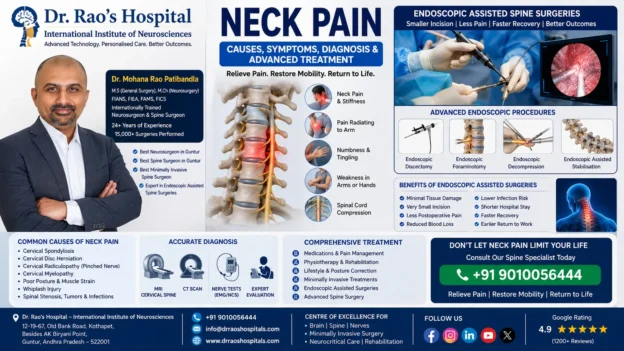
Dr. Mohana Rao Patibandla with advanced endoscopic-assisted spine surgery illustration for neck pain treatment, cervical disc herniation, cervical spondylosis, and minimally invasive spine surgery at Dr. Rao's Hospital – International Institute of Neurosciences, Guntur.

Best Minimally Invasive Spine Surgery (Neck Pain and Back Pain) Hospital In Guntur

Best Minimally Invasive Spine Surgery Hospital In Guntur


Neck Pain: Causes, Symptoms, Diagnosis, Treatment and Prevention


Neck pain is one of the most common musculoskeletal complaints worldwide and affects millions of people every year. While many episodes of neck pain resolve with rest and conservative treatment, persistent or progressive pain can significantly impact daily activities, work productivity, sleep, and overall quality of life. In some individuals, neck pain may indicate an underlying cervical spine disorder requiring specialized evaluation and treatment.


Modern lifestyles characterized by prolonged computer use, smartphone dependency, poor posture, sedentary habits, and increasing stress have contributed to a dramatic rise in cervical spine disorders across all age groups. Neck pain is no longer considered a condition affecting only older adults; it is increasingly seen in young professionals, students, healthcare workers, and individuals who spend extended hours using digital devices.


Fortunately, advances in spinal diagnostics, minimally invasive spine surgery, rehabilitation, and evidence-based treatment have significantly improved outcomes for patients with cervical spine disorders. Early diagnosis and appropriate management remain the key to preventing chronic pain and permanent neurological complications.


At Dr. Rao’s Hospital – International Institute of Neurosciences, Guntur, patients benefit from comprehensive cervical spine care provided by an experienced multidisciplinary team led by internationally trained neurosurgeon and spine surgeon Dr. Mohana Rao Patibandla. The hospital offers advanced diagnostic imaging, minimally invasive spine surgery, cervical disc replacement, microsurgical decompression, rehabilitation, and personalized treatment plans designed to restore function while preserving spinal mobility.


According to the World Health Organization (WHO), neck pain is among the leading causes of disability globally, emphasizing the importance of early diagnosis, rehabilitation, and appropriate specialist care.


Understanding the Cervical Spine


The cervical spine, commonly known as the neck, consists of seven vertebrae (C1–C7) that support the head, protect the spinal cord, and allow a wide range of movements including bending, rotation, and extension. Between these vertebrae are intervertebral discs that function as shock absorbers, while muscles, ligaments, tendons, facet joints, and nerves work together to provide stability and mobility.


The cervical spinal cord carries vital nerve signals between the brain and the rest of the body. Nerve roots exiting the cervical spine control sensation and movement in the shoulders, arms, and hands. Because of this complex anatomy, disorders affecting the cervical spine may produce symptoms extending far beyond the neck itself.


What Is Neck Pain?


Neck pain refers to discomfort arising from the cervical spine or surrounding soft tissues. It may be acute, developing suddenly after an injury or muscle strain, or chronic, persisting for more than three months. Pain can range from mild stiffness to severe, disabling discomfort associated with neurological symptoms.


Patients may experience:

  • Dull aching pain
  • Sharp stabbing pain
  • Muscle tightness
  • Reduced neck movement
  • Pain radiating into the shoulder or arm
  • Headaches originating from the neck
  • Numbness or tingling
  • Weakness in the upper limbs


The pattern of symptoms often provides valuable clues regarding the underlying cause and guides further evaluation.


Common Causes of Neck Pain


Neck pain may result from numerous conditions affecting bones, discs, muscles, ligaments, nerves, or joints. The most common causes include:

  • Muscle strain due to poor posture
  • Prolonged computer or smartphone use
  • Cervical spondylosis (age-related degeneration)
  • Cervical disc prolapse (slipped disc)
  • Cervical spinal stenosis
  • Cervical radiculopathy (pinched nerve)
  • Cervical myelopathy (spinal cord compression)
  • Whiplash injury
  • Trauma or fractures
  • Osteoporosis-related instability
  • Inflammatory arthritis
  • Spinal infections
  • Primary or metastatic spinal tumors
  • Congenital cervical spine abnormalities


Although many causes are benign and self-limiting, persistent pain or neurological symptoms require prompt evaluation by a spine specialist.


Risk Factors for Developing Neck Pain


Several factors increase the likelihood of cervical spine disorders:

  • Prolonged desk work
  • Excessive smartphone use (“Text Neck”)
  • Poor workstation ergonomics
  • Heavy lifting
  • Smoking
  • Obesity
  • Lack of exercise
  • Advancing age
  • Previous neck injury
  • Repetitive occupational activities
  • Psychological stress


Maintaining good posture, regular exercise, ergonomic workstations, and a healthy lifestyle can substantially reduce the risk of chronic neck pain.


Why Early Diagnosis Matters


Ignoring persistent neck pain may allow underlying cervical spine disorders to progress. Conditions such as cervical disc herniation or cervical myelopathy can gradually compress nerve roots or the spinal cord, leading to irreversible neurological damage if left untreated.


Early evaluation allows physicians to identify the underlying cause before permanent nerve injury develops. Modern diagnostic tools—including MRI, CT scans, digital X-rays, and neurophysiological testing—enable accurate diagnosis and personalized treatment planning.


International guidelines from organizations including the North American Spine Society (NASS) recommend timely assessment of patients with persistent neck pain, arm weakness, gait disturbance, bowel or bladder symptoms, or progressive neurological deficits.


Why a Multidisciplinary Spine Team Improves Outcomes


Modern cervical spine care extends beyond surgery alone. Successful treatment often requires collaboration among spine surgeons, neurologists, neuroradiologists, physiotherapists, pain specialists, rehabilitation experts, anesthesiologists, and nursing teams.


At Dr. Rao’s Hospital, each patient’s condition is evaluated individually to determine the most appropriate treatment strategy. Many patients improve with conservative management, while others may benefit from minimally invasive procedures or advanced cervical spine surgery. The goal is always to relieve pain, preserve neurological function, restore mobility, and enable patients to return safely to their normal lives.


Symptoms of Neck Pain


Neck pain can present in many different ways depending on the underlying condition. While some patients experience only localized discomfort, others develop symptoms involving the shoulders, arms, hands, spinal cord, or even balance and walking. Understanding these symptoms helps determine the severity of the problem and whether urgent medical attention is required.


Common symptoms include:

  • Persistent pain in the neck
  • Neck stiffness and reduced range of motion
  • Pain radiating to the shoulders
  • Arm pain
  • Numbness or tingling in the fingers
  • Weakness in the hands or arms
  • Difficulty lifting objects
  • Headaches originating from the neck (cervicogenic headaches)
  • Muscle spasms
  • Pain while turning the head
  • Difficulty sleeping due to neck discomfort
  • Loss of coordination in advanced spinal cord compression


Some symptoms indicate involvement of the spinal cord or nerve roots and require immediate evaluation by a spine specialist.


Warning Signs That Should Never Be Ignored


While many episodes of neck pain improve with conservative treatment, certain symptoms—commonly known as “red flag symptoms”—may indicate serious spinal disease requiring urgent medical attention.


Seek immediate medical evaluation if neck pain is associated with:

  • Progressive weakness in the arms or legs
  • Difficulty walking or loss of balance
  • Loss of bowel or bladder control
  • Persistent numbness affecting both hands
  • Sudden paralysis
  • History of significant trauma
  • Fever associated with severe neck pain
  • Unexplained weight loss
  • Night pain that disturbs sleep
  • Known history of cancer
  • Severe pain following an accident


These symptoms may suggest cervical spinal cord compression, spinal infection, fracture, tumor, or other serious neurological disorders that require prompt diagnosis and treatment.


Cervical Spondylosis: The Most Common Cause of Chronic Neck Pain


Cervical spondylosis refers to age-related wear and tear affecting the cervical spine. Over time, the intervertebral discs lose water content and elasticity, resulting in disc degeneration, bone spur formation (osteophytes), thickening of ligaments, and narrowing of the spinal canal.


Although cervical spondylosis becomes more common with advancing age, modern lifestyle factors such as prolonged computer work, poor posture, and repetitive neck strain may accelerate degenerative changes.


Symptoms include:

  • Chronic neck pain
  • Morning stiffness
  • Neck cracking sounds
  • Shoulder pain
  • Occasional headaches
  • Reduced flexibility


Many patients improve with physiotherapy, posture correction, medications, and lifestyle modifications. However, advanced degeneration causing nerve or spinal cord compression may require surgical intervention.


Cervical Disc Herniation (Slipped Disc)


The cervical intervertebral discs function as cushions between the vertebrae. Injury, degeneration, or excessive mechanical stress can cause the soft inner portion of a disc to protrude through its outer layer, compressing nearby nerve roots or the spinal cord.


Common symptoms include:

  • Sudden neck pain
  • Sharp pain radiating into the arm
  • Numbness in the fingers
  • Weakness of the hand or arm
  • Difficulty gripping objects
  • Pain aggravated by coughing or sneezing


Most patients initially receive conservative treatment. Persistent neurological deficits or severe compression may require minimally invasive cervical spine surgery.


Internal Link: Minimally Invasive Spine Surgery


Cervical Radiculopathy (Pinched Nerve)


Cervical radiculopathy occurs when one of the cervical nerve roots becomes compressed by a herniated disc, bone spur, or narrowing of the neural foramen. Because each nerve root supplies specific muscles and areas of skin, symptoms vary according to the affected level.


Typical symptoms include:

  • Radiating arm pain
  • Burning sensation
  • Tingling
  • Hand numbness
  • Loss of grip strength
  • Reduced reflexes
  • Muscle weakness


Early treatment often prevents permanent nerve damage and improves recovery.


Cervical Myelopathy: A Surgical Emergency in Many Patients


Unlike cervical radiculopathy, which affects individual nerve roots, cervical myelopathy results from compression of the spinal cord itself. It is one of the most serious cervical spine disorders and frequently requires surgical decompression to prevent permanent neurological deterioration.


Symptoms may include:

  • Hand clumsiness
  • Difficulty buttoning clothes
  • Poor handwriting
  • Loss of balance
  • Frequent falls
  • Difficulty walking
  • Leg stiffness
  • Weakness in all four limbs
  • Bowel or bladder dysfunction (advanced cases)


Because spinal cord damage may become irreversible, early diagnosis is critical. International guidelines recommend timely referral to an experienced spine surgeon when cervical myelopathy is suspected.


External Reference: American Association of Neurological Surgeons (AANS)


Whiplash Injury


Whiplash is a soft tissue injury caused by sudden forward and backward movement of the neck, most commonly following motor vehicle accidents. Although many patients recover completely, some develop persistent pain and chronic disability.


Symptoms include:

  • Neck pain
  • Stiffness
  • Headache
  • Dizziness
  • Shoulder pain
  • Reduced neck movement


Most patients improve with conservative management including pain control, physiotherapy, posture correction, and gradual return to activity.


How Neck Pain Is Diagnosed


Accurate diagnosis begins with a detailed medical history and comprehensive neurological examination. The physician evaluates pain characteristics, neurological symptoms, muscle strength, reflexes, gait, balance, and cervical spine mobility.


Depending on the clinical findings, investigations may include:

  • Digital X-rays
  • MRI Cervical Spine
  • CT Scan
  • CT Myelography (selected patients)
  • Electromyography (EMG)
  • Nerve Conduction Studies (NCS)
  • Laboratory investigations when infection or inflammatory disease is suspected


Magnetic Resonance Imaging (MRI) remains the gold standard for evaluating cervical discs, spinal cord compression, nerve root impingement, tumors, infections, and degenerative changes.


At Dr. Rao’s Hospital – International Institute of Neurosciences, advanced imaging and multidisciplinary evaluation help identify the precise cause of neck pain, allowing treatment plans to be tailored to each patient’s condition, lifestyle, and long-term goals.


Non-Surgical Treatment for Neck Pain


Fortunately, most patients with neck pain improve without surgery. Modern evidence-based treatment focuses on relieving pain, reducing inflammation, restoring mobility, strengthening the cervical spine, and preventing recurrence. Early intervention combined with patient education often leads to excellent outcomes and helps patients avoid chronic disability.


At Dr. Rao’s Hospital – International Institute of Neurosciences, treatment plans are individualized based on the underlying diagnosis, severity of symptoms, occupation, age, activity level, and patient expectations.


Conservative treatment options include:

  • Short-term activity modification
  • Pain-relieving medications
  • Anti-inflammatory medicines (when appropriate)
  • Muscle relaxants
  • Physiotherapy
  • Posture correction
  • Ergonomic workplace modifications
  • Heat or cold therapy
  • Home exercise programs
  • Lifestyle modification


The majority of patients experience significant improvement within a few weeks when conservative treatment is started early.


The Role of Physiotherapy


Physiotherapy plays a central role in the management of cervical spine disorders. A structured rehabilitation program not only reduces pain but also restores flexibility, strengthens supporting muscles, improves posture, and minimizes the risk of future episodes.


A comprehensive physiotherapy program may include:

  • Gentle stretching exercises
  • Cervical stabilization exercises
  • Postural correction
  • Shoulder strengthening
  • Range-of-motion exercises
  • Core muscle strengthening
  • Manual therapy when appropriate
  • Home exercise education


Patients are encouraged to continue prescribed exercises even after symptoms improve, as ongoing strengthening helps protect the cervical spine over the long term.


Lifestyle Changes That Reduce Neck Pain


Modern lifestyle habits are among the leading contributors to chronic neck pain. Small daily adjustments can significantly reduce stress on the cervical spine.


Helpful recommendations include:

  • Maintain good sitting posture
  • Keep computer monitors at eye level
  • Avoid prolonged smartphone use
  • Take stretching breaks every 30–45 minutes
  • Sleep with appropriate cervical support
  • Exercise regularly
  • Maintain a healthy body weight
  • Stop smoking
  • Practice stress reduction techniques


These simple modifications often prevent recurrent episodes of neck pain and improve overall spinal health.


Interventional Pain Management


For patients whose symptoms persist despite medications and physiotherapy, minimally invasive pain management procedures may provide relief while avoiding major surgery.


Depending on the diagnosis, options may include:

  • Cervical epidural steroid injections
  • Selective nerve root blocks
  • Facet joint injections
  • Medial branch blocks
  • Radiofrequency ablation for chronic facet pain


These procedures should be performed only after careful clinical evaluation and appropriate imaging to ensure the correct diagnosis.


When Is Surgery Necessary?


While most patients recover without surgery, certain cervical spine disorders require operative treatment to prevent permanent neurological damage or persistent disability.


Surgery may be recommended when patients have:

  • Persistent pain despite adequate conservative treatment
  • Progressive arm or hand weakness
  • Cervical myelopathy
  • Significant spinal cord compression
  • Large cervical disc herniation with neurological deficit
  • Spinal instability
  • Tumors affecting the cervical spine
  • Certain fractures or traumatic injuries


The primary goals of surgery are to decompress the spinal cord or nerves, relieve pain, preserve neurological function, restore spinal stability, and improve quality of life.


Minimally Invasive Cervical Spine Surgery


One of the most significant advances in spine surgery has been the development of minimally invasive techniques. These procedures use specialized instruments, operating microscopes, high-definition visualization, and smaller surgical corridors to minimize tissue disruption.


Potential advantages include:

  • Smaller skin incisions
  • Reduced muscle injury
  • Less blood loss
  • Reduced postoperative pain
  • Lower infection risk
  • Shorter hospitalization
  • Faster recovery
  • Earlier return to work


At Dr. Rao’s Hospital, minimally invasive techniques are used whenever appropriate, allowing many patients to recover more quickly while maintaining excellent surgical outcomes.


Internal Link: Minimally Invasive Spine Surgery


Anterior Cervical Discectomy and Fusion (ACDF)


Anterior Cervical Discectomy and Fusion (ACDF) remains one of the most commonly performed procedures for cervical disc disease, cervical radiculopathy, and selected cases of cervical myelopathy.


During the procedure:

  • The damaged disc is removed.
  • Pressure on the spinal cord or nerve roots is relieved.
  • A bone graft or spacer is inserted.
  • The vertebrae are stabilized using a plate and screws when necessary.


ACDF has demonstrated excellent long-term outcomes in carefully selected patients and remains the gold standard for many cervical spine disorders.


Cervical Artificial Disc Replacement


For selected patients, cervical disc replacement offers an alternative to fusion. Instead of permanently joining two vertebrae, the damaged disc is replaced with an artificial implant that preserves motion at the treated level.


Potential benefits include:

  • Preservation of neck movement
  • Reduced stress on adjacent discs
  • Earlier return to activity
  • Excellent pain relief
  • Maintenance of normal spinal biomechanics


Not every patient is a candidate for cervical disc replacement. Careful clinical and radiological evaluation helps determine the most appropriate procedure.


Posterior Cervical Spine Surgery


Certain cervical spine conditions are better treated through a posterior (back of the neck) approach.


These procedures may include:

  • Posterior cervical decompression
  • Laminectomy
  • Laminoplasty
  • Foraminotomy
  • Posterior cervical instrumentation and fusion


The choice of surgical approach depends upon spinal alignment, number of affected levels, location of compression, spinal stability, and the patient’s overall condition.


Recovery After Cervical Spine Surgery


Recovery varies depending on the procedure performed and the patient’s overall health. Most individuals are encouraged to begin walking shortly after surgery under medical supervision.


Recovery focuses on:

  • Pain control
  • Early mobilization
  • Wound care
  • Physiotherapy
  • Strengthening exercises
  • Posture correction
  • Gradual return to work
  • Long-term spinal protection


Patients who actively participate in rehabilitation generally experience faster recovery and better long-term functional outcomes.


According to the North American Spine Society (NASS) and the American Academy of Orthopaedic Surgeons (AAOS), individualized rehabilitation programs following cervical spine surgery improve mobility, reduce pain, and enhance overall quality of life.


Preventing Neck Pain: Protect Your Cervical Spine


Although not every cervical spine disorder can be prevented, many cases of neck pain are related to posture, repetitive strain, poor ergonomics, and unhealthy lifestyle habits. By adopting preventive measures, individuals can significantly reduce their risk of developing chronic neck pain and degenerative cervical spine disease.


Healthy cervical spine habits include:

  • Maintain proper posture while sitting and standing.
  • Keep computer monitors at eye level.
  • Avoid prolonged smartphone use (“Text Neck”).
  • Take frequent stretching breaks every 30–45 minutes.
  • Use an ergonomically designed workstation.
  • Sleep with a supportive cervical pillow.
  • Exercise regularly to strengthen neck and shoulder muscles.
  • Maintain a healthy body weight.
  • Avoid smoking, which accelerates disc degeneration.
  • Seek early medical evaluation for persistent symptoms.


Preventive care remains one of the most effective ways to maintain spinal health and avoid unnecessary surgery.


Why Choose Dr. Rao’s Hospital for Neck Pain Treatment in Guntur?


Neck pain may appear simple, but identifying its underlying cause requires specialized expertise. At Dr. Rao’s Hospital – International Institute of Neurosciences, every patient undergoes a comprehensive neurological and spinal evaluation before treatment recommendations are made.


Under the leadership of internationally trained neurosurgeon and spine surgeon Dr. Mohana Rao Patibandla, the hospital offers evidence-based cervical spine care using internationally accepted protocols and advanced technologies.


Patients benefit from:

  • Internationally trained spine surgeon
  • Comprehensive neurological evaluation
  • High-resolution MRI and CT imaging
  • Advanced cervical spine diagnostics
  • Microscope-assisted spine surgery
  • Neuronavigation-guided spinal procedures
  • Minimally invasive cervical spine surgery
  • Cervical Artificial Disc Replacement
  • Anterior Cervical Discectomy and Fusion (ACDF)
  • Posterior cervical decompression procedures
  • Neurophysiological monitoring during surgery
  • Dedicated Neuro ICU
  • Comprehensive rehabilitation and physiotherapy
  • Patient-centered multidisciplinary spine care


Our goal is not only to relieve pain but also to restore function, preserve spinal mobility whenever possible, and help patients return to work and daily life safely and confidently.


Conclusion


Neck pain is one of the most common reasons people seek medical attention, yet it should never be dismissed as a routine inconvenience when symptoms persist or worsen. While many cases are related to muscle strain or poor posture, others may indicate serious cervical spine disorders such as cervical disc herniation, cervical radiculopathy, cervical myelopathy, spinal stenosis, tumors, or traumatic injuries.


Fortunately, advances in diagnostic imaging, minimally invasive spine surgery, cervical disc replacement, microsurgical techniques, rehabilitation, and multidisciplinary spine care have transformed outcomes for patients with cervical spine disorders.


Early diagnosis, timely specialist evaluation, and personalized treatment remain the cornerstones of successful management. If neck pain is associated with arm pain, numbness, weakness, gait disturbance, or balance problems, consultation with an experienced spine specialist should not be delayed.


At Dr. Rao’s Hospital – International Institute of Neurosciences, our commitment is to deliver comprehensive, evidence-based, and patient-centered cervical spine care using advanced technology and internationally accepted treatment protocols to help every patient achieve the best possible outcome.


Frequently Asked Questions (FAQs)

1. What is the most common cause of neck pain?

The most common causes include muscle strain, poor posture, cervical spondylosis, cervical disc degeneration, and prolonged use of computers or smartphones.


2. Can neck pain cause arm numbness?

Yes. Compression of cervical nerve roots due to a herniated disc or cervical spondylosis can cause pain, numbness, tingling, and weakness that radiates into the shoulder, arm, or hand.


3. When is surgery recommended for neck pain?

Surgery may be necessary when conservative treatment fails or when patients develop progressive neurological deficits, cervical myelopathy, significant spinal cord compression, spinal instability, or severe cervical disc herniation.


4. What is cervical disc replacement?

Cervical disc replacement is a motion-preserving surgical procedure in which a damaged cervical disc is replaced with an artificial implant instead of performing spinal fusion.


5. Is minimally invasive spine surgery safe?

When performed by experienced spine surgeons in appropriately selected patients, minimally invasive spine surgery is a safe and effective technique associated with smaller incisions, less postoperative pain, reduced blood loss, and faster recovery.


6. How can I prevent neck pain?

Maintaining proper posture, exercising regularly, avoiding prolonged smartphone use, improving workplace ergonomics, and seeking early medical attention for persistent symptoms are among the most effective preventive measures.


Related Articles


Authoritative References


Contact Us

Dr. Rao’s Hospital – International Institute of Neurosciences
12-19-67, Old Bank Road,
Kothapet, Besides AK Biryani Point,
Guntur, Andhra Pradesh – 522001

📞 Phone: +91 9010056444

📧 Email: info@drraoshospitals.com

🌐 Website: https://drraoshospitals.com/

Schedule a consultation with our spine specialists for comprehensive evaluation, advanced imaging, minimally invasive cervical spine surgery, cervical disc replacement, rehabilitation, and personalized treatment for neck pain and cervical spine disorders.


Follow Us

Facebook | Instagram | LinkedIn | YouTube | X (Twitter) | Google Maps


Neck Pain Treatment in Guntur, Best Spine Surgeon in Guntur, Best Neurosurgeon in Guntur, Best Neurologist in Guntur, Cervical Spondylosis Treatment, Cervical Disc Herniation, Cervical Radiculopathy, Cervical Myelopathy, Cervical Spine Surgery India, Minimally Invasive Spine Surgery, Endoscopic Spine Surgery, Cervical Disc Replacement, ACDF Surgery, Neck Pain Specialist India, Spine Hospital in Guntur, Slipped Disc Treatment, Cervical Spine Disorders, Text Neck Syndrome, Spine Rehabilitation, Chronic Neck Pain, Neck Pain Causes, Neck Pain Symptoms, Neck Pain Prevention, Advanced Spine Care, Dr Mohana Rao Patibandla, Dr Rao’s Hospital, International Institute of Neurosciences


There are many different causes of neck pain, especially among adults and those who have spent a lot of time in front of a computer or phone. Consult the best spine doctor in Guntur, Dr. Mohana Rao Patibandla, who finished minimally invasive spine surgery fellowship in the USA, for a diagnosis and treatment plan for your neck pain.


Neck pain is caused by strain on your neck muscles and ligaments that occurs when you work out, lift objects, play sports, or do any other activities that require flexion.
Neck pain can occur from headaches.


As you may know, if you’re like most people, the tension in the nerves of your head often causes headaches. This can be caused by many factors including stress and depression but also by sleeping at odd times causing poor alignment.


Causes Of Neck Pain


These issues can cause neck pain as well:


A lot of people also suffer from persistent neck pain, which can be caused by several reasons such as accidents (such as whiplash), injuries at work, or degenerative diseases. Degenerative diseases include osteoarthritis and inflammatory diseases include Rhematoid Arthritis. While this type of chronic neck pain cannot be cured, it can be treated and managed so you can keep working and doing the things you enjoy. The spine surgeon in Guntur at Dr. Rao’s hospital, the best spine surgery hospital, best minimally invasive spine surgery hospital in Guntur, can help you with the treatment.


7 Reasons for Neck Pain


Sleeping in an awkward position due to sickness, pain or injury.

Poor posture for the same reason as above.

Stress, poor eating habits, alcohol and cigarettes because of mental problems.

Spinal disc damage from back injuries: slips or falls from height or sports such as basketball and soccer; wrestling; weightlifting; car accidents; etc.;

Degenerative diseases such as arthritis and osteoarthritis. Also known as “wear and tear”.

Muscle or nerve injuries, either from lifting heavy objects; sports injuries;

Trauma is caused by accidents such as a whiplash injury or a car accident.


Neck pain can be the result of any number of things. One of the most common reasons is poor posture, especially among those who sit at a desk all day. If you’re working out and lifting weights, the strain on your neck muscles can also cause neck pain.


Another common cause is sleeping at odd postures causing poor alignment. A bad night’s sleep or lack of sleep can also cause neck pain. This is especially true for those who are depressed and stressed out.


How is neck pain diagnosed?


The best Spine specialist Dr. Mohana Rao Patibandla at the best spine minimally invasive surgery hospital, Dr. Rao’s hospital in Guntur will take your history and examine it to determine the cause of your neck pain. This includes a careful and physical exam, physical examination of the spine and function of the autonomic nervous system, blood tests to measure levels of various hormones, nerve conduction studies (NCS), Magnetic Resonance Imaging (MRI). The doctor also may order a computed tomography (CT or CAT scan) or ultrasound to see what is causing the problem.


How to relieve neck pain at home?


The best way to relieve neck pain is to follow the Best minimally invasive or key hole spine surgeon’s (Dr. Mohana Rao Patibandla) instructions. These may include:


  • Maintain good posture. Remember, your neck is a complex piece of machinery. When you change something in one part of it, you are more likely to affect other parts in the process. – — Your head could be on the wrong side, for example, if you sleep at an odd angle during the night or relax too much when lifting weights or playing sports.


  • When lifting objects, keep your back flat and maintain good handgrip strength by gripping your object firmly.


  • If bending your head back is painful, it’s probably better to avoid trying to lift something heavy by bending your head down.


Treatment Of Neck Pain


In most cases, no treatment is necessary. But if you have persistent neck pain that doesn’t respond to conservative measures, you should consider consulting a Spine specialist in Guntur, Dr.  Mohana Rao Patibandla at Dr. Rao’s hospital, the best spine surgery hospital, a healthcare provider. who had extensive trainging in treating the spine disorders. There are many causes of neck pain, and difficulty discerning which specific cause caused your pain can be frustrating.


Sleep disorders: sleeping at odd times or too much can cause misalignment and contribute to neck pain. Staying awake all night can also trigger neck pain or stiffness in the morning.


Car accidents: whiplash injuries often cause neck pain. If you’ve been in a serious car accident, be sure to see a doctor as soon as possible if you have neck pain after the accident.


Back injuries: if you spend a lot of time bending your head back, tilting your head forward or lifting heavy objects which are difficult for your spine muscles to hold, this can strain your neck muscles or ligaments and can cause neck pain.


Weak muscles: if your neck muscles are weak, you may be more prone to back injury or strain. A good way to strengthen your neck muscles is to focus on the upper back.


Nerve injuries: muscle and nerve damage around the neck area can cause a lot of pain if they aren’t treated properly.


When Is Spine Surgery Needed?


Many non-surgical options for treating a patient’s pain are available through interventional pain treatment. Physical therapy, medicines, anti-inflammatories, and lifestyle changes are among the most common treatments. It is virtually always a good idea to explore more conservative non-surgical methods before considering spine surgery. 


At Dr. Rao’s Hospital, one of the best neurology hospital in Guntur, Andhra Pradesh, proficient spine surgeons can often aid when these therapeutic choices fail to offer relief. Epidural steroid injections, nerve blocks, nerve ablations, regenerative medicine (i.e., PRP and stem cell treatments), and spinal cord stimulation (SCS) are some of the treatments available.


If non-surgical treatments fail to relieve the back discomfort, our surgeons may recommend surgery. Our well-qualified and seasoned surgeons aim to provide the best spine surgery treatment in Guntur, Andhra Pradesh. Patients with ruptured discs, spondylolisthesis, spinal fractures, and degenerative disc disease are good candidates for surgery. The severity of your back surgery is determined by the type of surgery you had, Traditional open surgery or minimally invasive spine surgery (MISS) .  Minimally invasive surgery has many advantages over the traditional surgery like less post operative pain, less blood loss, less scarring, less hospital stay, less time to resume work. 


Besides, it is worth noting that, even in these cases, surgery should only be considered if the particular source of the discomfort has been identified, for example, herniated disc, scoliosis, or spinal stenosis. You may be a candidate for spinal surgery if the source of your pain has been identified and non-surgical treatments have failed.


If you have any neck pain or back pain you have the best neurosurgeon, spine surgeon or spine specialist available in Guntur, call 9010056444 or 9010057444 for appointment.
most-common-spinal-problems-in-elderly-how-to-treat-them

Most Common Spinal Problems in Elderly: How to Treat Them?

The spinal column is a complex system made up of bones, discs, and ligaments. The spine can become diseased or injured in numerous ways. Several different conditions affect the spinal column in elderly people, including scoliotic curvature, osteoporosis and disc degeneration. We are all aware of the most common spine problem or condition, back pain, but aside from this classical condition, many other spinal problems can occur in elderly people.

The spine is the support structure of our body and it provides stability to allow us to walk, stand, and are capable of maintain balance. Many conditions can affect a person’s spine in the elderly. These conditions may require surgery or treatment and some people may be at risk for these conditions as they age

The team of best spine surgeons in Guntur working in best spine hospital in Andhra Pradesh will be able to determine the underlying cause of a particular spine problem. And the extent of symptoms, and will be able to advise the patient on a course of treatment that best suits their needs. You can book a visit at the best spine surgery hospital in India here and find out the available treatment options here.

How do identify the most common problems that afflict the elderly?

Several common spinal conditions can affect the elderly. Many of these diseases or injuries can be prevented and treated with early detection and correct treatment also. Certain spine conditions may be detected or detected early enough to treat effectively.

Common Spinal Problems In the Elderly

  • Osteoporosis is caused by a parathyroid hormone deficiency, which is a deficiency in parathyroid Hormone (PTH). This condition causes low levels of osteoporosis, which is when the bones become weak and thin. Also called Paget’s Disease, osteoporosis affects the spine more than any other area of the body. Because vertebrae and discs are found between the ribs, pelvis and skull bones.
  • Vertebral fractures are another common muscle condition in elderly people. The vertebrae are made up of a hard, cord-like material called bone, which lies between your body’s discs. When these bones become weak they may crack or break apart, causing sharp pain and complications. Such as disc herniation (which occurs when a piece of the broken bone pushes against the spinal cord.
  • Degenerative disc disease is a common problem for about 80% of all people by the time they reach 70 years old. Disc disease is a condition that causes the discs in your spine to dry up, shrink and deteriorate. The spinal disc is made up of two parts: the outer hard part (annulus fibrosus) and the soft inner area (nucleus pulposus). As we age, our discs become less flexible and their ability to absorb shock and fit around our vertebrae decreases.
  • Sciatica is commonly found in the elderly population. It is a spinal condition that occurs when there is nerve compression in the lower back, resulting in pain. Some common symptoms of this problem are tingling and numbness that radiates down the legs and painful, burning sensations in the calf also.

How To Treat Spinal Problems in Elderly?

1. Physical Therapy

Physical therapy has proven to be an effective treatment for many conditions affecting the spine. The goal of physical therapy is to improve function, increase muscle strength and flexibility, and correct muscle imbalances in elderly people. If you have pain in your back or neck that interferes with your quality of life, you should see the best spine doctor in Guntur right away.

2. Self Treatment

You can take steps to reduce the risk of an injury to your back and neck. Advice from a qualified chiropractor or physical therapist may be useful. Other tips include avoiding excessive bending, lifting, twisting and pulling as well as making sure you are well hydrated before workouts.

3. Prevent

You can take steps to reduce your chances of falling in the first place. Always use caution when taking care of yourself at home, using lifts and avoiding stairs. If you plan on climbing outside this winter then make sure to wear proper clothing and shoes with good arch support that you can also use indoors while remaining safe.

4. Spinal Surgery

The most common type of spinal surgery for elderly citizens is the removal or fusion procedure; this process involves surgically cutting the discs from between vertebrae to remove pressure from the space between their bones. Spinal surgery is most often performed by using minimally invasive techniques. Spine specialists and best spine surgeons in Guntur can operate through very small openings in your body. Finally, this allows the Spine surgeon in Guntur to make incisions without affecting nearby nerve roots and organs.

Final Words

Diseases of the spine can cause many problems related to your quality of life; they can also affect your ability to do even basic tasks such as walking, standing or sitting up straight. This is why it is important to understand what these problems are and how best to deal with them.

spine-surgery-types-diagnosis-treatment

The best Spine Surgery in Guntur: Types, Diagnosis & Treatment

Best Spine Surgery in Guntur

Spine surgery is the surgical, or decompressive, process that restores movement or removes pressure on the spine. It may be used to correct the conditions of a spinal disorder in children and adults. The spine is made up of several bones called vertebrae stacked one on top of each other.

They have gaps between them called intervertebral spaces that allow nerves to pass through. Below these are discs which are cushions of thick jelly-like material that act as shock absorbers between the joints at each vertebral level (joints connect bone with ligament).

In India, Spine surgery is performed on large numbers of people (more than 3.5 lakh per year) and many more thousands are treated by doctors with spinal training alone.

Spine Surgeon

“A spinal surgeon is a medical specialist who performs operations on the spine.”

Dr Rao’s Hospital has the best spine surgeon in Andhra Pradesh. With the best training and experience. The hospital has the most experienced and well-qualified spine surgeon in Andhra Pradesh. Our hospital has a team of the best spine doctor in Guntur who has trained and worked for several years.

The spine surgeon has to diagnose the underlying causes of back, neck and other types of pain. The surgeons also work to restore functionality and intensity, including mobility, stability and strength. The treatment plan will involve many specialists in back care such as the physiotherapist, occupational therapists and others.

The spine surgeon will also decide whether any type of surgery is required or not.

What Spinal Conditions Require Surgery?

Spine surgery may be required for several spine conditions. The need for spine surgery is dependent on several factors, including age, previous injuries and quality of life issues. The more degenerative the condition, the more likely that it will be treated with surgery. Back pain (which is often caused by bad posture), neck pain (caused by muscle spasm) or bulging spinal discs can be treated using spinal fusion (an operation to fuse a segment of vertebrae).

Spinal surgery is performed to treat spinal disorders. It may also be used to treat complications from spinal disorders, such as stenosis or bone fractures. The primary goal of any spinal surgery is to relieve pain. And restore muscle strength in a shorter amount of time than conservative treatments, improve mobility and restore normal spinal function.

Most Common Spinal Surgeries

Many different types of implants are used in spine surgery.

• Spinal fusion surgery: In this procedure, the surgeon places a bone graft and a metal implant to strengthen the vertebrae. The fusion procedure is usually short and can be done through a small incision in the back rather than an incision across it. It can be performed on the lumbar (lower back), cervical (neck), thoracic (mid-back) or lumbar-thoracic (lumbar and thoracic) spine.

• Spinal decompression surgery: In this procedure, the surgeon takes out part of the spine (vertebrae) which is pressing on a nerve root. This relieves pain and restores movement. The back muscles help hold the spinal joints together safely after surgery.

• Laminectomy/Discectomy: In this method, the surgeon removes herniated or bulging disc tissue to decompress or relieve pressure on sensitive nerves. The surgeon may need to use a combination of these devices.

• Plates and Screws: A plate and screws help stabilize a ruptured vertebral disc or broken vertebrae. When used with a cage, plate and cage surgeries offer an additional level of stability for complex spinal conditions.

• Vertebroplasty: This minimally invasive procedure strengthens vertebrae weakened by compression fractures

• Kyphoplasty: This is similar to vertebroplasty, but can be used in the thoracic or lumbar spine in addition to the cervical spine. It uses a balloon to inflate weakened vertebrae.

The spinal surgery must be performed as early as possible after diagnosis, as successful healing and recovery are highly dependent on it. The recovery period is about two months for simple procedures like discectomy. And more than six months for complex operations like spinal fusion surgery.

About Hospital

The hospital has the best Spine surgeon in Guntur that are specialised in all kinds of spine surgeries. With well-trained and experienced staff who are specially trained in this field and provide the best care to the patients.

Dr Rao’s hospital is one of the best spine surgery hospitals in India with a team of top doctors that has specialization in different kinds of spine surgeries. With a well-equipped infrastructure and an expert team, we can offer a wide range of services.

Including minimally invasive procedures like implantation of rods, artificial caged and plates for fixation. As well as non-invasive procedures like injection treatments for pain management for our patients. The experience spanning more than three decades has helped us become one of the leading names offering state-of-the-art treatment options for spinal disorders.

Diagnosis Of Spinal Disease

Preliminary diagnosis This is usually done by a primary care doctor or general physician. He may refer the patient to an X-ray, MRI or CT scan to determine if there is any tissue damage.

Diagnosis of spinal disorders is done through several tests, including:

• X-ray: Used to check the shape and movement of the bones. A surgeon will order an X-ray to see if they can repair broken, badly damaged or displaced vertebrae. X-rays can show problems in the bones of the spine, but they are not as useful for diagnosing soft tissue problems like disc herniation or stenosis.

• MRI: Used to check the shape and movement of the bones. Also used to identify soft tissues, bone abnormalities, bony tumours, and blood vessel-related conditions.

• CT Scan: Used to look at abnormalities in the spine and brain. A surgeon will likely order a CT scan to check for spinal stenosis (narrowing) or herniated disc(s). The scan is usually performed with dye rather than radiation so it is less harmful.

Computed tomography (CT) scan and magnetic resonance imaging (MRI) is used to image the spine. These scans take high-resolution pictures of your spinal cord and vertebral column. So doctors can see any injuries, tumours or fractures in the vertebrae.

Treatment Of Spinal Disease

After diagnosis, treatment is based on the type of spinal disorder, with conservative and surgical treatments.
Conservative treatment is recommended before any surgery if possible because it may slow the progression of a spinal disorder. A Spine specialist in Guntur will suggest the best treatment for the patient depending on their condition and the type of surgery to be done.

Building on the success of conservative treatment and careful planning, spinal surgery can provide excellent results.

Medications

The medicines to reduce the pain of spine disorders are paracetamol (acetaminophen) and nonsteroidal anti-inflammatory drugs (NSAIDs). In addition, some special medications for nerve pain, back pain related to a pinched or inflamed nerve root, and back pain associated with spinal stenosis can also be prescribed.
Opioids are painkillers which are not recommended before surgery because they may slow down or stop the healing. Opioids can also cause problems called lung and breathing problems.

Physical Therapy

Activity programs and physical therapy can help reduce back pain related to spinal stenosis. Physical therapy can also correct muscle or joint problems caused by the injury.
For patients with severe spinal stenosis, certain back exercises are very helpful. These exercises are generally very helpful for patients whose pain usually gets better when they bend forward or move to the side.

Surgery

Depending on the type of procedure that is required and the severity of any condition affecting the spine. An orthopaedic spine surgeon in Guntur may perform one or more types of procedures. If a disc is herniated or the vertebrae are badly damaged or displaced, an orthopaedic surgeon will recommend fusion surgery.

Surgery may be need in more serious cases to remove a herniated disc or to remove bone spurs due to arthritis. Surgery for back pain generally involves removing bony pieces of the spine. That may be causing discomfort or narrowing the area where nerves and muscles are located (spinal stenosis).

Surgical Procedures for Spinal Disorders

The physiotherapist will plan out the treatments and determine the type of exercises that will be required to restore mobility, strength and posture. There are various ways to approach spine replacement surgery.

It may involve minimally invasive surgery using spinal implants like titanium rods, artificial discs or cages, which may be used to replace damaged cartilages or vertebrae. The use of plates and screws has also become common in spinal surgery procedures.

How Do You Know When It’s Time For Spine Surgery?

Neck pain is often the first symptom of spinal problems. But sometimes, it can also be noticed when a person experiences back or lower back pain or sudden discomfort. It’s vital to visit a doctor who will recommend an examination and let you know if you need to undergo surgery for spine disorders.

Spinal surgery is performed by a Neurosurgeon spine surgeon in Guntur. The surgeon will take a history of the patient’s health condition and symptoms before making a diagnosis and recommending treatment options. The procedure may either be done through open surgery or minimally invasive surgery with the help of a camera called an endoscope.

the-best-tips-that-can-reduce-your-back-pain

Is Swimming Beneficial To Back Pain?

Is Swimming Beneficial To Back Pain?

When you are dealing with back pain, it can be challenging to find workouts that do not make the condition worse. In many circumstances, low-impact activities are ideal, as they exert minimal pressure and strain on an already-sore portion of your body. 

Swimming is among the finest workouts you can undertake if you are looking for a low-impact exercise. 

Dr. Mohana Rao, the founder of Dr. Rao’s Hospital – a world-class neurology hospital in Andhra Pradesh, adds that the buoyancy of floating on water basically means there is less possibility of stressing your muscles. Water also provides terrific resistance that can strengthen your muscles without creating more pain. 

Read on to learn more about how swimming can benefit your back problem.

Does Swimming Help In Easing Back Pain?

Yes, swimming can help alleviate back pain.

The first thing you might think to do if you have neck or back pain is to lay low and get a lot of rest. However, if you do this, it can make the problem even worse and take you longer to get better. Resting too much can weaken your muscles and make it even more difficult for your body while it tries to stabilize your spine.

The best activity when dealing with your back pain is swimming. Following are some of the reasons:

Alleviates pressure and strain on your joints

D:\Digicore\UNOSEARCH\Dr Mohana Rao Neurosurgeon Guntur\Swimming for Back ache\Source Joint.jpg

Most exercises tend to put a lot of stress on your joints and usually concentrate on specific areas of your body. 

Swimming is a great way to get a full-body workout while not putting too much stress on your joints. The buoyancy in water eases the pressure on your joints and spine; this automatically relaxes the sore parts of your body.

Strengthens less-used muscles

D:\Digicore\UNOSEARCH\Dr Mohana Rao Neurosurgeon Guntur\Swimming for Back ache\Source less used.jpeg

When you swim, you engage a different set of muscles than required in your daily activities. Also due to the buoyancy, you are able to flex or move your body parts in a way that is difficult when on land. Thus the less exercised muscles in your body get strengthened, making your body stronger overall.

In fact, when you engage in swimming, almost all of your muscles are utilized, so it provides you with a complete body workout. And by making your less-used muscles stronger, swimming helps you balance and support yourself better when on land.

Improved physical stamina

If you can gradually up the period of time that you swim, you will most likely be able to use that same endurance in other parts of your life. The simple act of going for a swim can help you build up your stamina and strength over time, which in turn can help you when you play other sports or engage in other activities.

Improved physical stamina will improve your mobility and reduce the frequency of back pain.

It helps in losing weight

D:\Digicore\UNOSEARCH\Dr Mohana Rao Neurosurgeon Guntur\Swimming for Back ache\Source Overweight.jpg

Backache can be worse if you are overweight, as excess weight puts additional strain on your already burdened and sore back. An excellent way to stay fit if you are overweight is swimming, which lets you move freely without feeling pain from standing, taking a walk, or running. In addition, if you want to lose weight, swimming burns more calories than most land-based exercises. 

Dr. Mohana Rao, among the best neurosurgeons in Guntur, says because you have to use your whole body to swim properly, it burns more calories as compared to working out specific parts of your body.

Improves flexibility

Swimming is an excellent way to move, and it may cause your flexibility to also get better over time. Swimming requires movements that help you work and stretch your muscles in a more effective way than most forms of exercise.

When your body gets flexible, the strain on your back is significantly reduced.

An excellent cardio-based exercise

D:\Digicore\UNOSEARCH\Dr Mohana Rao Neurosurgeon Guntur\Swimming for Back ache\Source Heart.jpg

Swimming is a great way to get a lot of cardio-based exercise in a short amount of time. Try to remember when you last went swimming. After you did that, you most likely felt hungry. The exact reason for this is not known, but there are a few theories, one of which is that swimmers usually swim in colder water, which burns more calories.

The acclaimed neurosurgeon in Guntur, Dr. Mohana Rao, adds that your heart pumps faster and your body works harder to keep you warm when swimming in cold water. This results in more calories being burnt than if you were to swim in warmer conditions.

It can boost your mental health

Studies have shown that when you are in the water, the blood flow to your brain gets a significant boost. This positively impacts your brain due to the increase in oxygen, nutrients, and glucose supplied to it. Regular swimming, even for just 20 minutes at a time, is thought to help people with anxiety and depression and improve their sleep habits. 

When you swim, your nervous system feels relaxed and releases endorphins, your “feel-good” chemicals. They make you feel happier and better about yourself. This, in turn, lightens up your overall mood and aids in relieving the tense muscles. 

Conclusion

D:\Digicore\UNOSEARCH\Dr Mohana Rao Neurosurgeon Guntur\Swimming for Back ache\Source Endorphins.jpg

Back pain can be very discomforting and frustrating, making it difficult to follow a healthy workout regime. But do not worry! Swimming is an excellent workout if you suffer from back pain. It will help build your stamina and strength, as well as increase blood flow to all parts of your body. 

Dr. Mohana Rao says that you should swim as part of your exercise plan if a pool is accessible. Swimming is not only relaxing and refreshing, but the aerobic aspects of swimming can improve the movement, flexibility, and strength of your joints. It is fun, healthy, and can help open up your body’s muscles, joints, and back.

If your back pain is bothering you and interfering with your activities, do not wait for it to get worse. Reach out to Dr. Mohana Rao at Dr. Rao’s Hospital, among the top neurology hospitals in Andhra Pradesh.

Dr. Mohana Rao is one of the preferred neurosurgeons in Guntur and has over 20 years of expertise in the medical field. He can assess your condition and ensure that you get the best treatment possible.

Best Neurosurgeon in India

Glioblastoma –Symptoms, Causes, Diagnosis, And The best Treatment

Glioblastoma –Symptoms, Causes, Diagnosis, And The best Treatment

It is pretty normal for people to have mood changes and irritability once in a while. We all have one of those days when we just want to be left alone. However, if you notice changes in behavior accompanied by severe headaches, failing memory, and blurred eyesight, amongst other things, it is time to sit up and take notice.

Dr. Mohana Rao, Founder of Dr. Rao’s Hospital – a world-class neurology hospital in Guntur, says that these may be symptoms of a serious condition or brain ailment called Glioblastoma.

If you or a loved one has been suddenly experiencing sensations and having episodes that are out of the ordinary, please do not take it lightly. Get in touch with Dr. Mohana Rao, a renowned and respected neurosurgeon in Andhra Pradesh, to avail of his expertise in comprehensive nerve, brain, and spine care. 

What Is Glioblastoma?

D:\Digicore\UNOSEARCH\Dr Mohana Rao Neurosurgeon Guntur\All About Glioblastoma\Source Gioblast.jpg

Glioblastoma or glioblastoma multiforme (GBM) is a condition that strikes unexpectedly, usually with a sudden seizure or some days of headaches that get worse each day. It is cancer that can develop in your brain or spinal cord and is very destructive. Glioblastoma originates from astrocytes, which are cells that support your nerve cells.

This cancer can strike anyone at any age, but it affects older people more frequently. It can induce headaches, seizures, nausea, and vomiting that worsen with time.

What Are The Symptoms Of Glioblastoma?

D:\Digicore\UNOSEARCH\Dr Mohana Rao Neurosurgeon Guntur\All About Glioblastoma\Source Symp.png

Symptoms of GBM usually appear suddenly. As the tumor grows, it exerts pressure on your brain, resulting in:

  • Hazy or blurry vision
  • Headaches, which become more and more frequent and severe
  • Appetite loss
  • Memory problems
  • Mood swings or changes in personality
  • Weakness in the muscle, and trouble walking
  • Nausea and vomiting
  • Seizures
  • Speech difficulties
  • Numbness or tingling

If you have noticed any of the above symptoms, please consult with Dr. Mohana Rao, among the best neurosurgeons in Andhra Pradesh, to find out what may be causing it.

What Can Cause Glioblastoma?

Despite various studies and research, experts do not know why some people develop malignant brain tumors, including glioblastoma.

However, some risk factors have been observed and understood.

Who Is At Risk Of Glioblastoma?

GBM most typically affects persons between the ages of 45 – 70. Although men are at a little higher risk than women, the disease affects people of all genders and ages.

These variables may put you at a higher risk:

  • Exposure to chemicals like petroleum, synthetic rubber, pesticides, and vinyl chloride
  • Genetic tumor-causing disorders like neurofibromatosis (tumors that form in your nervous system), Turcot syndrome, and Li-Fraumeni syndrome (both of which are rare genetic disorders increasing the risk of cancer in your brain and spine)
  • Radiation therapy to the head had previously been used

How Is Glioblastoma Diagnosed?

There are several ways to diagnose a brain tumor, including-

Neurological exam:

Your doctor will discuss what changes you have observed, and experienced. He might examine your eyesight, hearing, coordination, reflexes, balance, and strength, among other things. Problems in any of these areas could indicate which section of your brain is being impacted by the tumor.

Imaging tests:

Imaging tests can enable your doctor to figure out where your brain tumor is and how big it is. Brain tumors are frequently diagnosed with MRI, which may be combined with specialized MRI imaging, like functional MRI and MRS (magnetic resonance spectroscopy).

The specialist may also conduct other imaging tests like CT scan (computed tomography) and PET (positron emission tomography).

Biopsy:

Depending on your situation and the position of your tumor, a needle biopsy can be performed before or during the surgery to remove some glioblastoma tissue. A laboratory examines the sample of suspicious tissue to assess the sort of cells present and the level of their aggressiveness.

The specialist can conduct specialized tests of the extracted tumor cells to determine and understand their mutation types. The types of mutation the cells have developed can provide information about the severity of your condition and the best treatment option.

If you suspect that the recent changes you have been undergoing are related to a brain condition, please visit Dr. Rao’s Hospital. It is among the leading neurology hospitals in Guntur with cutting-edge technology and sophisticated equipment. 

What are the treatment options available?

Glioblastoma is a cancer that is very hard to treat and often incurable. Treatments may help to decrease the growth of cancer and alleviate symptoms.

The primary treatment is surgery during which your neurosurgeon will operate and work on removing as much of the cancerous tissues as possible. Glioblastoma cannot be completely removed because it develops into normal brain tissue. As a result, the majority of patients undergo further treatments following surgery to address the leftover cells.

However, some people cannot undergo surgery due to health issues or the location of the tumor. In such cases, radiation therapy and chemotherapy will be the primary treatment.

The treatments for GBM include:

Radiation Therapy:

Radiation therapy employs high-energy beams such as protons or X-rays to damage the cancer cells and stop their growth. 

IMRT (Intensity-modulated radiation therapy):

IMRT enables the targeting of radiation to the tumor while limiting the exposure to healthy brain tissue in the surrounding area.

Stereotactic radiosurgery:

Stereotactic radiosurgery ( or gamma knife radiosurgery) is an advanced form of radiation therapy. This therapy uses highly focused X-ray beams to precisely target the tumor, resulting in minimal harm to healthy tissues. Providers may apply this approach when GBM increases after going through initial IMRT.

D:\Digicore\UNOSEARCH\Dr Mohana Rao Neurosurgeon Guntur\All About Glioblastoma\Source stereo.jpg

Targeted Drug Therapy:

Targeted medications target the specific defects in cancer cells that allow them to develop and flourish. The medicines focus on those abnormalities and cause them to die.

Chemotherapy:

Chemotherapy is a treatment that uses medications to kill cancerous cells. Fine, circular wafers filled with chemotherapy medicine could be inserted into your brain during the surgery in some cases. The slowly dissolving wafers release the medication to kill the cancer cells.

TTF (Tumor treatment fields):

TTF entails putting adhesive pads on your scalp. The pads are wired to a handheld device that produces an electrical field that disrupts the ability of tumor cells from multiplying.TTF is used in conjunction with chemotherapy and can be administered following radiation therapy.


What Is The Outlook Or Prognosis For Glioblastoma Patients?

GBM is a malignancy that is aggressive and difficult to treat. Suitable treatments help to reduce symptoms, make you more comfortable, and help you live longer. The condition does not have a cure yet but many clinical trials are being conducted to develop newer glioblastoma therapies. 

The average life expectancy is 15 months, with about 25% of patients surviving after 2 years and 7% for 5 years.

Conclusion

D:\Digicore\UNOSEARCH\Dr Mohana Rao Neurosurgeon Guntur\All About Glioblastoma\Source Caring.jpg

It can be tough to discover that you have GBM. The disease spreads swiftly, making therapy difficult. GBM researchers are still looking for novel ways to treat it. For the time being, treatments can help you manage your symptoms and enhance the quality of your life. 

It is critical to understand that there was nothing you might have done or avoided that would have led to the development of a brain tumor in you or someone you love.

Do watch out for any sudden behavioral changes or discomforts that you feel, or are expressed by a loved one. The faster you address the symptoms, the faster the treatment can begin to alleviate discomfort. 

Please schedule an appointment and seek medical attention from Dr. Mohana Rao, a top-notch neurosurgeon in Guntur, Hyderabad. Known for his integrity, professionalism, and expertise, he is passionate about improving the quality of people’s lives.

minimally-invasive-spine-tumor-surgery

Minimally Invasive Spine Tumor Surgery

Minimally Invasive Spine Tumor Surgery

Earlier, spinal tumors were challenging and sometimes impossible to operate upon without damaging the spinal nerves. 

But with minimally invasive spine surgery (MISS), it is now possible to remove spinal tumors successfully. This revolutionary surgical modality has pioneered new procedures and devices that enable an

expert neurosurgeon to reach and remove previously inaccessible tumors.

The purpose of MISS is to efficiently eliminate tumors from the spinal cord while keeping the spine stable. Some of the advanced procedures are corpectomy, mini open decompression and percutaneous fixation.

Dr. Mohana Rao Patibandla, one of the leading neurosurgical oncologists in Guntur, is an expert in performing minimally invasive spine tumor surgery with exceptional precision and safety.

The spinal cord is one of the most delicate and intricate parts of the body and he is adept in removing spinal cord tumors without damaging the surrounding muscles, vertebrae, nerves, or ligaments.

You can undergo these advanced surgeries at Dr. Rao’s Hospital, a premier neurology hospital in Guntur, Andhra Pradesh. 

Spinal cord tumors

Spinal cord tumors develop in the spinal cord itself or a region around the spinal cord. 

The tumors that start in the spinal cord are referred to as primary spinal cord tumors, which are mostly benign.

The secondary tumors begin elsewhere and spread to the spinal cord. They account for the majority of spinal cord tumors and are malignant.

The classification of a spinal cord tumor is determined by the location of cancer, which can be the vertebrae, protective membrane, or spinal cord itself.

EPOS™ - C-2112

Image Source: https://epos.myesr.org/poster/esr/ecr2013/C-2112

Extradural tumor:

These tumors develop outside the spine in the membrane that protects the cord and the bones surrounding the spinal cord. The majority of the spinal tumors are extradural tumors.

Intradural tumor:

These tumors form within the spinal cord or the covering of the spinal cord called the dura.

Intramedullary tumors:

They grow within the spinal cord.

Whether benign or cancerous, spinal cord tumors must be diagnosed and treated as soon as possible before they press against the spinal cord, obstructing neurological function and causing spinal cord damage.

What are the symptoms of spinal cord tumors?

  • Loss of sensation in the legs
  • Numbness, cold sensation, and tingling in the legs
  • Back pain that is not associated with physical activity, which usually gets worse while lying down
  • Loss of control over bladder movement
  • Muscle weakness in the legs leading to falls or difficulty in walking

If you or your loved ones are experiencing these symptoms, you should seek medical help. You can visit Dr. Mohana Rao, a well-known neurosurgeon in Guntur, Andhra Pradesh, for a consultation. He will provide accurate diagnosis and help devise a comprehensive treatment plan to remove the tumor effectively.

Minimally invasive spinal cord tumor removal surgery 

Minimally Invasive Spinal Surgery Southfield | Keyhole Spinal Surgery West  Bloomfield, Oakland County, MI

Before minimally invasive spine surgery, removing a spinal tumor was a difficult treatment rarely performed as patients would experience

disability, pain, or scoliosis in years following the surgery. Instead, they were treated with radiation and chemotherapy.

Surgeons can now remove spinal tumors with far less intrusive approaches thanks to advances in technology. Patients endure less pain and trauma as a result of the smaller incision.

Dr. Mohana Rao, a proficient neurosurgical oncologist in Guntur, uses a minimally invasive method to thoroughly resect a lesion without damaging the spine by making small incisions and using specialized instruments and imaging techniques. 

Nowadays, surgeons skilled in minimally invasive spine surgery usually use bone-saving methods to maintain spine integrity. These methods are a less intrusive option to more invasive operations, and they can help patients avoid having their bones fused with rods and screws. The majority of patients can go home the day after surgery without the requirement for a post-operative brace.

Procedure for minimally invasive spine surgery

  • The surgeon makes small incisions through which segmental tubular retractors and dilators are inserted to retract muscles and enable access to the spine by creating a working channel for the surgery.
  • This approach decreases the risk of muscular and soft tissue damage as well as blood loss during surgery. To make the surgery safer, the surgeon uses a camera or a microscope to magnify and display images of the operation field on a screen in the operating room.
  • The surgeon inserts special surgical instruments via the working channel to perform the surgery. Surgical microscopes are occasionally used to magnify the visual field. Once the surgeon removes the surgical devices, the muscles and tissues regain their position.

Advantages of minimally invasive spine surgery

Minimally invasive spine surgery provides the least amount of trauma to the muscles and surrounding areas. It offers several benefits such as:

  • Less bleeding
  • Minimal scarring
  • Reduced infection risks
  • Faster healing
  • Less post-surgical pain
  • Shorter hospital stay
  • Quicker recovery
  • Quicker return to normal activities

Suppose the tumor is cancerous and needs further treatment such as chemotherapy and radiation; minimally invasive spine surgery offers shorter recovery period and quicker healing, so that you can begin your post-operative treatment sooner.

If you have queries regarding minimally invasive spine tumor surgery, in that case, you can call Dr. Rao’s Hospital, one of the best neurology hospitals in Guntur, Andhra Pradesh, to book an appointment with Dr. Mohana Rao Patibandla.


si-joint-dysfunction-self-test - the best SI joint fusion surgery at Dr Rao's Hosptial, Guntur

Sacroiliac (SI) Joint Back Pain: Evaluation and the best Treatment

Dr Raos hospital is the best for MIS SI joint immobilization

Dr. Rao’s Hospital is a Neurology Hospital in Guntur that offers SI joint dysfunction treatment. Dr. Rao is a leading neurosurgeon in Guntur who focuses on providing comprehensive treatment of SI Joint. 

If you suffer from pain in the lower back accompanied by leg ache, you need to approach a neurosurgeon for a thorough check-up of your lower back, especially the sacroiliac joint, for dysfunction.

What is sacroiliac joint dysfunction?

The joints at the bottom of the spine that link the sacrum to the pelvis are called sacroiliac joint dysfunction. It can cause pain in the low back and legs, as well as sacroiliitis, or inflammation of the joints.

What and where is the sacroiliac joint located?

The sacroiliac joint is located on either side of the lower spine vertebrae. These joints connect the large bone or the sacrum, just above the tailbone and at the base of the spine to the pelvic bone. The main function of the sacroiliac joint is to bear the load of the upper body and shift it to the legs when the individual stands or moves. 

Sacroiliac Joint Pain

Dysfunction in the sacroiliac joint refers to improper movement resulting in pain in the lower back and legs. 

The patient is likely to suffer from inflammation of the joints, known as sacroiliitis. 

A patient affected with sacroiliitis cannot move as required and complains of low back pain with pain in the legs. The reason is that the sacroiliac joints are either overworked or underworked. In addition, there is loosening of the supporting ligament in case of excess movement of SI joint, while arthritis is the reason that causes issues in movement. 

Diagnosis of the sacroiliac joint function

Accurate identification of sacroiliac joint function or other musculoskeletal conditions is essential. Therefore, the treating neurosurgeon conducts a physical examination and observes the patient’s standing and walking pattern, followed by lying on the examination table for further diagnosis.

Sacroiliac Joint Dysfunction Treatment

Dr. Mohana Rao Patibandla is an internationally trained neurosurgeon with training in all subspecialties in the Neurosciences. He is an accomplished neurosurgeon who conducts extensive diagnosis and testing to ascertain the extent of inflammation in the sacroiliac joint function. Patients suffering from SI dysfunction can seek his consultation at Dr. Rao’s Hospital in Guntur, Andhra Pradesh. 

The neurosurgeon performs two reliable tests to detect SI dysfunction viz. 

Distraction Test –

The patient lies on the table while the doctor applies pressure to both sides of the pelvis. 

Thigh Thrust –

In the test, the doctor bends one knee towards the chest while the other leg is moved sideways from the table. 

If the patient complains of pain during these tests, the SI joint dysfunction condition is confirmed. A couple of tests along with these help in ascertaining the dysfunction of the SI, so on average positive result is considered adequate in its diagnosis. 

Treatments for sacroiliac joint dysfunction

Initially, the doctor will recommend conservative treatments such as rest, heat, and ice to bring relief from SI joint pain. If required, the doctor recommends 

Medication

The doctor can recommend ibuprofen or naproxen or other nonsteroidal anti-inflammatory drugs (NSAIDs) to relieve pain. It is advisable to seek proper medication to reduce the inflammation and the swelling in the joint while focusing on reducing the pain.

Physical Therapy

Physical therapy is suggested after the pain and inflammation of the SI joint have been considerably reduced. The main focus of physical therapy is to build the strength and flexibility of the SI joint. A healthy and strong SI joint enables more mobility in the patient. Also, the physical therapist will suggest correct walking gait and posture movement for better management of the SI joint.

The physical therapist can recommend wearing a special belt that supports the back and the SI joint for a temporary period. In case of discrepancy in leg length, insertion of special inserts or lifts is recommended. 

Nerve Block 

The doctor recommends a pain-relieving injection within the joint to relieve the pain and reduce the inflammation. It is an outpatient treatment, but an x-ray or an ultrasound is referred to select the right place to inject the steroid injection for relief. It takes at least 3 – 7 days for the steroids to start working and relieve the patient from pain. The doctor recommends a repeat dose after 2 – 4 months in case of recurring pain. Surgery is advisable for persistent pain experienced over a couple of years. 

Radiofrequency ablation in the SI joint

Radiofrequency ablation (RFA) is an injection procedure used to relieve pain in the sacroiliac joints of the hip. This treatment aims to improve the range of motion and functionality, reduce the intake of pain killers, and avoid or delay the surgery, which has its share of risks and complications. This treatment is recommended after steroids, and other injection treatments have been administered to relieve the pain in the SI joint. 

Ina radiofrequency ablation procedure, a heat lesion is created via a radiofrequency needle in the painful nerve. The heat lesion prevents the nerve from transmitting pain signals to the brain. A normal radiofrequency ablation procedure will relieve the patient from pain from six to eight months. 

SI joint fusion 

The goal of sacroiliac joint fusion surgery is to reduce pain and instability caused due to inflammation and dysfunction of the joint. The surgery will use a bone graft or instruments that encourage bone growth over the inflamed joint and provide stability in movement.

Dr. Rao’s hospital is one of the leading neurology hospitals in Guntur that offers consultation and treatment of sacroiliac joint dysfunction and a rehabilitation plan to ensure mobility of the joint.