Tag Archives: Brain Surgery

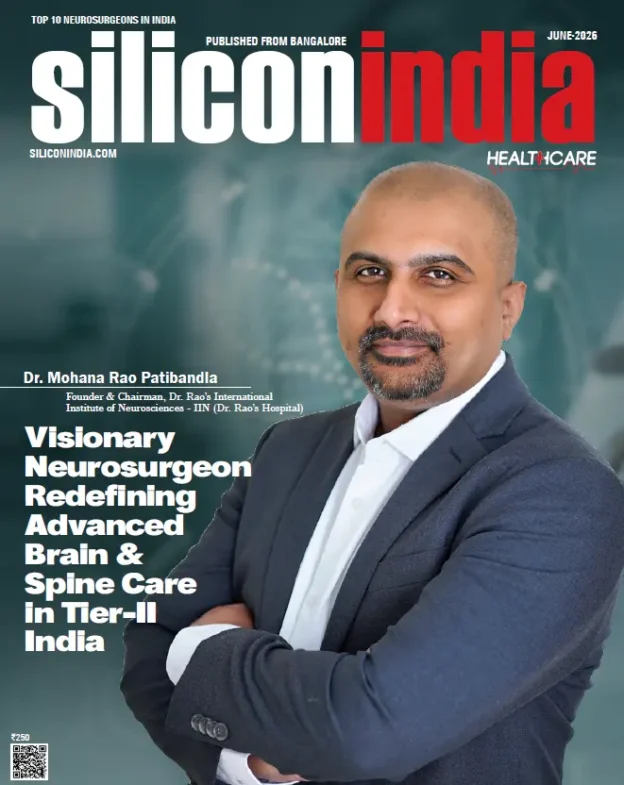
Dr. Mohana Rao Patibandla featured on SiliconIndia Healthcare Top 10 Neurosurgeons in India 2026 cover for advancing minimally invasive brain and spine surgery.

Dr. Mohana Rao Patibandla Featured Among SiliconIndia’s Top 10 Neurosurgeons in India 2026

Dr. Mohana Rao Patibandla Featured Among SiliconIndia’s Top 10 Neurosurgeons in India 2026: Advancing Minimally Invasive Brain and Spine Surgery


Dr. Mohana Rao Patibandla, Founder of Dr. Rao’s Hospital – International Institute of Neurosciences (IIN), Guntur, has been featured among SiliconIndia Healthcare’s Top 10 Neurosurgeons in India 2026. This recognition highlights his contributions to minimally invasive neurosurgery, advanced spine surgery, cerebrovascular neurosurgery, pediatric neurosurgery, neuro-oncology, and the development of a comprehensive neurosciences ecosystem in Andhra Pradesh.


As one of India’s internationally trained neurosurgeons, Dr. Mohana Rao Patibandla has dedicated his career to bringing world-class neurological and neurosurgical care closer to patients. Through Dr. Rao’s Hospital – International Institute of Neurosciences (IIN), he continues to transform the way brain, spine, and nerve disorders are diagnosed and treated in South India.


SiliconIndia’s Top 10 Neurosurgeons in India 2026


In its June 2026 special edition on neurosurgery, SiliconIndia Healthcare recognized ten distinguished neurosurgeons from leading institutions across India. The featured neurosurgeons include:


  • Dr. Mohana Rao Patibandla – Dr. Rao’s Hospital, Guntur
  • Dr. Ajay Hegde – Manipal Hospitals, Bengaluru
  • Dr. Amitabha Chanda – CMRI Hospital, Kolkata
  • Dr. Arun Saroha – Max Healthcare, New Delhi
  • Dr. Divya Goel – SSB Heart & Multispeciality Hospital, Faridabad
  • Dr. Mohit Bhatt – Kokilaben Dhirubhai Ambani Hospital, Mumbai
  • Dr. C. Nikhil Kumar – Gautam Neuro Care, Secunderabad
  • Dr. Nirav Mehta – Bombay Hospital, Mumbai
  • Dr. Satish Babu H.V. – Columbia Asia Hospital, Bengaluru
  • Dr. Shishir Kumar – Yashoda Hospital & Research Centre, Ghaziabad


The feature highlighted Dr. Rao’s extensive international training, leadership in minimally invasive neurosurgery, commitment to innovation, and vision of making advanced neuroscience care accessible beyond metropolitan India.


Who Is Dr. Mohana Rao Patibandla?
Dr. Mohana Rao Patibandla featured in SiliconIndia Healthcare Top 10 Neurosurgeons in India 2026 cover story highlighting minimally invasive brain and spine surgery innovation.

Dr. Mohana Rao Patibandla appears on SiliconIndia Dr. Mohana Rao Patibandla, Founder & Chairman of Dr. Rao’s Hospital – International Institute of Neurosciences (IIN), featured in SiliconIndia Healthcare’s Top 10 Neurosurgeons in India 2026 cover story.


Dr. Mohana Rao Patibandla is an internationally trained neurosurgeon and the Founder of Dr. Rao’s Hospital – International Institute of Neurosciences (IIN), one of India’s dedicated neuroscience centers located in Guntur, Andhra Pradesh.


After completing his MBBS from Andhra Medical College, Visakhapatnam, and M.Ch Neurosurgery from Nizam’s Institute of Medical Sciences (NIMS), Hyderabad, Dr. Rao pursued multiple advanced fellowships in the United States. His specialized training includes:


  • Minimally Invasive Skull Base Surgery
  • Pediatric Neurosurgery
  • Neuro-Oncology
  • Endovascular and Cerebrovascular Neurosurgery
  • Functional Neurosurgery
  • Stereotactic Radiosurgery
  • Minimally Invasive Brain Surgery
  • Minimally Invasive Spine Surgery


This extensive global exposure has enabled him to introduce advanced techniques and technologies that improve patient outcomes while minimizing surgical trauma.


Why Dr. Mohana Rao Patibandla Was Featured by SiliconIndia
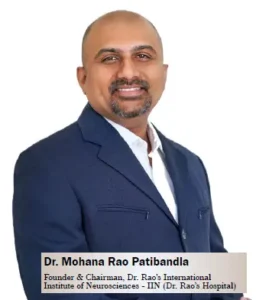
 

Dr. Mohana Rao Patibandla, internationally trained neurosurgeon and Founder of Dr. Rao's Hospital – International Institute of Neurosciences (IIN), Guntur.

Dr. Mohana Rao Patibandla, Founder & Chairman of Dr. Rao’s Hospital – International Institute of Neurosciences (IIN), Guntur, recognized for his contributions to minimally invasive brain and spine surgery.

According to SiliconIndia Healthcare, Dr. Rao represents a new generation of Indian medical leaders who combine global expertise with patient-centered care and healthcare innovation. His profile emphasized not only his surgical accomplishments but also his efforts to build a sustainable neurosciences ecosystem focused on clinical excellence, education, research, and technology.


Leadership in Minimally Invasive Neurosurgery


Minimally invasive neurosurgery has transformed the treatment of brain and spine disorders. By utilizing smaller incisions, advanced imaging, neuronavigation, intraoperative neuromonitoring, endoscopic techniques, and precision surgical planning, patients often experience:


  • Reduced pain after surgery
  • Shorter hospital stays
  • Less blood loss
  • Faster recovery
  • Earlier return to daily activities
  • Improved cosmetic outcomes


Dr. Rao has been a strong advocate of minimally invasive approaches whenever clinically appropriate, helping patients benefit from safer and more effective treatment options.


Dr. Rao’s Hospital – International Institute of Neurosciences (IIN)


Dr. Rao’s Hospital – International Institute of Neurosciences (IIN) was established with the vision of creating a world-class center dedicated to brain, spine, and nerve care. Today, it serves patients from Andhra Pradesh, Telangana, Tamil Nadu, Karnataka, Odisha, and other parts of India.


Comprehensive Neurosciences Services


The institute offers advanced treatment for a wide range of neurological and neurosurgical conditions, including:


  • Brain Tumors
  • Spine Disorders
  • Stroke and Cerebrovascular Diseases
  • Aneurysms
  • Epilepsy
  • Pediatric Neurological Disorders
  • Skull Base Tumors
  • Hydrocephalus
  • Trigeminal Neuralgia
  • Peripheral Nerve Disorders


Suggested Internal Links


Why Patients Across India Choose Dr. Mohana Rao Patibandla


When patients and families search for the best neurosurgeon in Guntur, the best neurologist in Guntur, or the best spine surgeon in Guntur, they are often looking for more than just surgical expertise. They seek experience, trust, advanced technology, personalized care, and successful outcomes.


Over the years, Dr. Mohana Rao Patibandla has built a reputation for combining internationally trained expertise with compassionate patient-centered care. His approach focuses on accurate diagnosis, evidence-based treatment, minimally invasive techniques whenever appropriate, and comprehensive rehabilitation.


Patient-Centered Neurosurgical Care


Every neurological condition is unique. Whether treating a complex brain tumor, spinal disorder, aneurysm, epilepsy, hydrocephalus, or pediatric neurological condition, Dr. Rao believes treatment should be tailored to the individual patient’s needs.


This philosophy has helped establish Dr. Rao’s Hospital – International Institute of Neurosciences (IIN) as a trusted destination for advanced neurological care in India.


Innovation in Brain and Spine Surgery


Modern neurosurgery is evolving rapidly. Today’s patients benefit from technologies that were unavailable just a decade ago.


At Dr. Rao’s Hospital – International Institute of Neurosciences (IIN), advanced technologies are utilized to improve surgical precision and patient outcomes.


Advanced Neurosurgical Technologies


  • High-Definition Operating Microscopes
  • Neuronavigation Systems
  • Intraoperative Neuromonitoring (IONM)
  • Endoscopic Neurosurgery
  • Minimally Invasive Spine Surgery
  • BrainPath-Assisted Surgery
  • Cerebrovascular and Endovascular Neurosurgery
  • Advanced Neuroimaging
  • Microsurgical Skull Base Techniques


These technologies allow surgeons to operate with greater accuracy while preserving healthy tissues and critical neurological structures.


Advancing Cerebrovascular and Endovascular Neurosurgery


Stroke remains one of the leading causes of disability and death worldwide. Early diagnosis and expert treatment can significantly improve outcomes.


Dr. Rao has received specialized international training in cerebrovascular and endovascular neurosurgery, enabling treatment of:


  • Brain Aneurysms
  • Arteriovenous Malformations (AVMs)
  • Stroke
  • Carotid Artery Disease
  • Cerebral Hemorrhage
  • Complex Cerebrovascular Disorders


The ability to offer both open microsurgical and endovascular treatment options allows patients to receive individualized care based on their specific condition.


Pediatric Neurosurgery Expertise


Children with neurological disorders require specialized expertise and compassionate care. Dr. Rao’s advanced training in pediatric neurosurgery helps provide comprehensive treatment for complex childhood neurological conditions.


Common pediatric neurosurgical conditions treated include:


  • Hydrocephalus
  • Brain Tumors
  • Spinal Dysraphism
  • Chiari Malformations
  • Craniosynostosis
  • Pediatric Epilepsy
  • Congenital Brain and Spine Disorders


Research, Education, and Academic Excellence


The SiliconIndia feature highlighted Dr. Rao’s commitment to academic medicine and continuous learning. Beyond the operating room, he actively contributes through scientific publications, presentations, national conferences, and international collaborations.


His academic contributions help advance neurosurgical knowledge while ensuring patients benefit from the latest evidence-based treatment approaches.


National and International Presentations


Dr. Rao regularly presents innovative surgical techniques and clinical experiences at leading neurosurgical conferences across India and internationally. Topics have included:


  • Endoscopic Skull Base Surgery
  • BrainPath Surgery for Deep-Seated Brain Lesions
  • Endovascular Neurosurgery
  • Advanced Spine Surgery
  • Intraoperative Neuromonitoring
  • Complex Cerebrovascular Reconstruction


The Future of Neurosurgery: AI, Robotics, and Precision Medicine


The future of neurosciences will increasingly be shaped by artificial intelligence, robotics, precision diagnostics, advanced imaging, and personalized medicine.


AI-assisted planning can help surgeons analyze complex anatomical structures, while advanced imaging technologies enable more precise diagnosis and treatment planning.


Dr. Rao believes that while technology will continue transforming medicine, the human element of healthcare remains essential.


“Technology should enhance patient care, not replace the human connection between doctor and patient. The goal is always better outcomes, safer treatment, and improved quality of life.”


Frequently Asked Questions About Dr. Mohana Rao Patibandla


Who is Dr. Mohana Rao Patibandla?

Dr. Mohana Rao Patibandla is an internationally trained neurosurgeon and Founder of Dr. Rao’s Hospital – International Institute of Neurosciences (IIN), Guntur, Andhra Pradesh.


Why was Dr. Mohana Rao Patibandla featured by SiliconIndia?

SiliconIndia Healthcare featured Dr. Rao among its Top 10 Neurosurgeons in India 2026 for his contributions to minimally invasive neurosurgery, advanced brain and spine surgery, innovation, research, and patient care.


What conditions does Dr. Rao treat?

Dr. Rao treats brain tumors, spine disorders, stroke, aneurysms, epilepsy, skull base tumors, hydrocephalus, pediatric neurological disorders, and many other brain and spine conditions.


What is minimally invasive neurosurgery?

Minimally invasive neurosurgery uses smaller incisions and advanced technologies to reduce surgical trauma, shorten recovery time, and improve patient outcomes.


Where is Dr. Rao’s Hospital located?

Dr. Rao’s Hospital – International Institute of Neurosciences (IIN) is located at Old Bank Street, Kothapet, Guntur, Andhra Pradesh, India.


SiliconIndia Recognition Reflects a Broader Vision


Being featured among SiliconIndia’s Top 10 Neurosurgeons in India 2026 represents more than individual recognition. It reflects a vision of delivering world-class neuroscience care through innovation, education, research, and patient-centered treatment.


The feature acknowledges Dr. Mohana Rao Patibandla’s efforts to bridge international expertise with local accessibility, ensuring patients can receive advanced brain, spine, and nerve care closer to home.


Schedule a Consultation with Dr. Mohana Rao Patibandla


If you or a loved one is experiencing a neurological condition and seeking expert evaluation, Dr. Rao’s Hospital – International Institute of Neurosciences (IIN) offers comprehensive diagnosis, treatment, and rehabilitation services.


Dr. Mohana Rao Patibandla
Founder of Dr. Rao’s Hospital – International Institute of Neurosciences (IIN), Guntur

Phone: +91 90100 56444
Email: info@drraoshospitals.com
Website: https://drraoshospitals.com


Conclusion


The recognition of Dr. Mohana Rao Patibandla among SiliconIndia Healthcare’s Top 10 Neurosurgeons in India 2026 underscores a career dedicated to surgical excellence, innovation, education, and compassionate patient care.


Through Dr. Rao’s Hospital – International Institute of Neurosciences (IIN), he continues to advance minimally invasive brain and spine surgery, complex cerebrovascular care, pediatric neurosurgery, and cutting-edge neuroscience services. As healthcare continues to evolve, Dr. Rao remains committed to delivering world-class outcomes while helping shape the future of neurosciences in India.

Primary Source URL (SiliconIndia Feature)
https://www.siliconindia.com/digital-magazine/neurosurgeons-in-india-june-2026/

Dr. Mohana Rao Patibandla Official Profile
https://drraoshospitals.com/dr-mohana-rao-patibandla-brief-bio-international-institute-of-neurosciencs-guntur/

Dr. Rao’s Hospital – International Institute of Neurosciences (IIN)
https://drraoshospitals.com/

Andhra Medical College
https://amcollege.edu.in/

Nizam’s Institute of Medical Sciences (NIMS)
https://www.nims.edu.in/

National Library of Medicine (PubMed)
https://pubmed.ncbi.nlm.nih.gov/

American Association of Neurological Surgeons
https://www.aans.org/

Congress of Neurological Surgeons
https://www.cns.org/

World Federation of Neurosurgical Societies
https://www.wfns.org/

Neurological Society of India
https://neurosocietyindia.com/
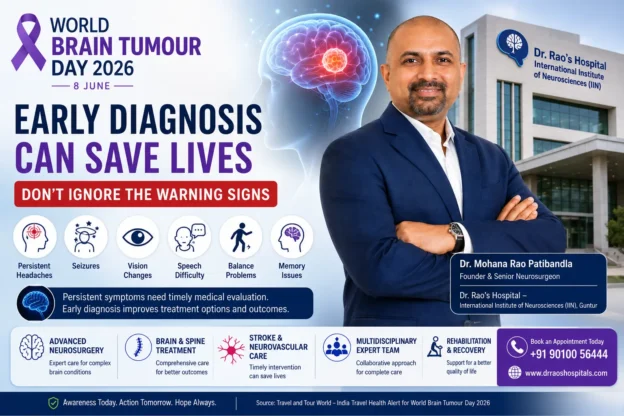
World Brain Tumour Day 2026 awareness campaign highlighting brain tumour symptoms, warning signs, and the importance of early diagnosis.

World Brain Tumour Day 2026: Early Diagnosis Can Save Lives

World Brain Tumour Day 2026: Early Diagnosis Can Save Lives

Primary Source: Travel and Tour World – India Travel Health Alert for World Brain Tumour Day 2026 as Dr. Mohana Rao Patibandla Sparks Life-Saving Early Diagnosis Call.


Every year, World Brain Tumour Day serves as a reminder that awareness, timely diagnosis, and access to expert medical care can make a significant difference in the lives of patients affected by brain tumours. In 2026, the message is particularly powerful: do not ignore persistent neurological symptoms, and do not delay seeking medical advice when warning signs appear.


A recent Travel and Tour World feature highlighted how World Brain Tumour Day 2026 has become an important public health awareness initiative in India. The article emphasized Dr. Mohana Rao Patibandla’s call for early diagnosis and urged patients, families, and travelers to take persistent neurological symptoms seriously rather than dismissing them as temporary health issues.


For many patients, symptoms such as headaches, dizziness, nausea, seizures, or vision changes are often attributed to stress, fatigue, travel, or lifestyle factors. However, persistent symptoms may sometimes indicate a more serious neurological condition requiring professional evaluation.


What Is World Brain Tumour Day?

World Brain Tumour Day is observed annually on June 8 to increase awareness about brain tumours, encourage early detection, support patients and caregivers, and promote access to quality neurological and neurosurgical care.


Brain tumours affect individuals of all ages, including children and adults. They can significantly impact neurological function, quality of life, and overall health. The goal of World Brain Tumour Day is to educate the public about symptoms, risk factors, diagnosis, treatment options, and the importance of seeking medical attention when symptoms persist.


The Travel and Tour World article emphasizes that awareness should not create fear. Instead, it should encourage individuals to recognize warning signs and seek timely medical evaluation. Early action often leads to better treatment planning and improved outcomes.


Understanding Brain Tumours

A brain tumour is an abnormal growth of cells within the brain or surrounding structures. Brain tumours may be benign (non-cancerous) or malignant (cancerous). Some originate in the brain itself, while others spread from cancers located elsewhere in the body.


The effects of a brain tumour depend on several factors:

  • Tumour size
  • Tumour location
  • Rate of growth
  • Tumour type
  • Impact on surrounding brain structures


Because different regions of the brain control different functions, symptoms can vary significantly from one patient to another.


Why Early Diagnosis Matters

One of the most important messages associated with World Brain Tumour Day 2026 is the value of early diagnosis. According to the Travel and Tour World report, Dr. Mohana Rao Patibandla emphasized that persistent neurological symptoms should not be ignored and that timely medical evaluation can help patients access appropriate care sooner.


Early diagnosis does not guarantee a cure in every case. However, it can:

  • Improve treatment planning
  • Expand available treatment options
  • Reduce delays in care
  • Improve quality of life
  • Support better decision-making for patients and families
  • Facilitate timely referral to specialists


Many neurological conditions can mimic one another. Therefore, a proper diagnosis requires evaluation by qualified healthcare professionals using clinical examination and appropriate diagnostic tests.


Common Brain Tumour Symptoms

Brain tumour symptoms can vary depending on the tumour’s location and size. Some symptoms may develop gradually, while others appear suddenly.


Symptoms Patients Should Not Ignore

  • Persistent headaches
  • Seizures
  • Vision problems
  • Speech difficulties
  • Balance problems
  • Weakness in the arms or legs
  • Numbness or tingling sensations
  • Memory difficulties
  • Personality or behavioral changes
  • Persistent nausea or vomiting
  • Excessive sleepiness
  • Confusion or cognitive decline


The Travel and Tour World article specifically highlights recurring headaches, seizures, vision changes, speech difficulties, balance problems, weakness, memory issues, personality changes, and persistent nausea as warning signs that warrant medical attention.


Warning Signs That Require Immediate Medical Attention

Certain neurological symptoms require urgent medical evaluation because they may indicate serious neurological conditions.


Red Flag Symptoms

  • A first-time seizure
  • Sudden weakness on one side of the body
  • Severe confusion
  • Sudden vision loss
  • Persistent vomiting with headache
  • Sudden difficulty speaking
  • Rapid changes in consciousness


According to the Travel and Tour World report, patients should not postpone medical evaluation simply because they are traveling, working, or managing other responsibilities. Timely assessment can be critical.


The Travel Health Perspective: Why Travelers Should Be Aware

One unique aspect of the World Brain Tumour Day 2026 discussion is its connection to travel health. The article points out that travelers frequently dismiss neurological symptoms as temporary discomfort associated with travel.


Examples include:

  • Headaches attributed to travel stress
  • Dizziness blamed on heat or fatigue
  • Nausea mistaken for motion sickness
  • Vision problems linked to lack of sleep
  • Weakness assumed to be exhaustion


While these explanations may sometimes be correct, persistent or worsening symptoms should never be ignored. Travelers often delay care because they are away from home, uncertain about local healthcare facilities, or focused on completing their journey.


The article emphasizes that health awareness should travel with the patient. Recognizing warning signs early and seeking timely medical evaluation can help prevent dangerous delays.


Global Statistics on Brain Tumours

Brain tumours remain a significant global health concern. According to the World Health Organization and international cancer registries:

  • Hundreds of thousands of new brain and central nervous system tumours are diagnosed globally each year.
  • Brain tumours affect both children and adults.
  • Early diagnosis improves access to treatment planning.
  • Advanced imaging technologies have improved diagnostic accuracy.
  • Multidisciplinary treatment approaches continue to improve patient outcomes.


Sources:


Expert Brain Tumour Care in Andhra Pradesh

Patients seeking specialized evaluation for brain tumours and other neurological conditions increasingly look for comprehensive neuroscience centers offering advanced diagnostic and treatment capabilities.


Learn more:


How Brain Tumours Are Diagnosed

Accurate diagnosis is the foundation of effective brain tumour treatment. While symptoms may raise suspicion, a definitive diagnosis requires a comprehensive neurological evaluation and advanced imaging studies.


The diagnostic process typically begins with a detailed medical history and neurological examination. Physicians assess symptoms, neurological function, cognitive abilities, vision, balance, coordination, muscle strength, and reflexes.


Common Diagnostic Tests for Brain Tumours

  • Magnetic Resonance Imaging (MRI)
  • Computed Tomography (CT Scan)
  • Functional MRI (fMRI)
  • MR Spectroscopy
  • Positron Emission Tomography (PET)
  • Neurological Examination
  • Biopsy when required


Advanced imaging technologies allow physicians to evaluate tumour size, location, growth characteristics, and potential involvement of surrounding brain structures. Early diagnosis enables more effective treatment planning and helps patients understand available treatment options.


Treatment Options for Brain Tumours

Brain tumour treatment is highly individualized. The best treatment strategy depends on the tumour type, location, size, growth rate, patient’s age, neurological condition, and overall health status.


Modern treatment often involves a multidisciplinary team that may include neurosurgeons, neurologists, neuro-oncologists, radiation oncologists, neuroradiologists, rehabilitation specialists, and nursing professionals.


Surgical Treatment

Surgery remains one of the most important treatment options for many brain tumours. Advances in microsurgical techniques, neuronavigation systems, intraoperative imaging, and minimally invasive approaches have improved surgical precision and safety.


The goals of surgery may include:

  • Removing the tumour completely when possible
  • Reducing tumour size
  • Relieving pressure within the skull
  • Obtaining tissue for diagnosis
  • Improving neurological function


Radiation Therapy

Radiation therapy uses carefully targeted radiation to destroy tumour cells while minimizing damage to surrounding healthy tissue. It may be used after surgery, as a primary treatment, or when surgery is not feasible.


Chemotherapy and Targeted Therapy

Certain brain tumours respond to chemotherapy or targeted medications. Treatment recommendations depend on tumour biology, molecular characteristics, and individual patient factors.


Advanced Treatment Technologies

  • Microsurgical techniques
  • Neuronavigation systems
  • Endoscopic neurosurgery
  • Intraoperative neuromonitoring
  • Precision radiation therapy
  • Molecular tumour profiling
  • Advanced neuroimaging


The Importance of Rehabilitation and Long-Term Follow-Up

Treatment does not end after surgery or radiation therapy. Many patients benefit from rehabilitation programs designed to improve neurological function, mobility, speech, cognition, and quality of life.


Depending on individual needs, rehabilitation may include:

  • Physical therapy
  • Occupational therapy
  • Speech and language therapy
  • Cognitive rehabilitation
  • Psychological support
  • Nutritional counseling


Long-term follow-up is also important because some tumours require ongoing monitoring through periodic imaging and neurological evaluations.


Why Awareness Campaigns Like World Brain Tumour Day Matter

World Brain Tumour Day helps bridge the gap between medical knowledge and public awareness. Many patients delay seeking care because they are unaware of warning signs or assume symptoms are minor.


The Travel and Tour World feature highlights how educational initiatives can empower patients to recognize neurological symptoms early and seek timely evaluation. Public awareness campaigns also support caregivers, encourage research, and promote access to specialized care.


By improving awareness, healthcare organizations can help reduce delays in diagnosis and ensure more patients receive appropriate treatment when it is most effective.


Why Choose Dr. Rao’s Hospital for Brain Tumour Treatment?

Patients searching for brain tumour treatment in Guntur, the best neurologist in Guntur, or the best neurosurgeon in Guntur often seek comprehensive neuroscience centers capable of providing advanced diagnosis, treatment, and rehabilitation services.


Dr. Rao’s Hospital – International Institute of Neurosciences (IIN) provides specialized brain, spine, nerve, and neurovascular care supported by advanced technology and multidisciplinary expertise.


Useful Internal Links


Frequently Asked Questions (FAQ)

What are the early symptoms of a brain tumour?

Common symptoms include persistent headaches, seizures, vision changes, weakness, balance problems, memory difficulties, personality changes, and persistent nausea or vomiting.


Can headaches always indicate a brain tumour?

No. Most headaches are not caused by brain tumours. However, persistent or unusual headaches accompanied by neurological symptoms should be evaluated by a healthcare professional.


How is a brain tumour diagnosed?

Diagnosis typically involves neurological examination, MRI scans, CT scans, and sometimes biopsy procedures to determine tumour type and characteristics.


Can brain tumours be treated successfully?

Many brain tumours can be effectively managed using surgery, radiation therapy, chemotherapy, targeted therapy, or combinations of these approaches depending on the tumour type.


Why choose Dr. Rao’s Hospital for brain tumour treatment?

Dr. Rao’s Hospital – International Institute of Neurosciences (IIN) provides advanced neurosurgical care, modern technology, multidisciplinary expertise, and patient-centered treatment for complex neurological conditions.


Image SEO Recommendations


Conclusion

World Brain Tumour Day 2026 serves as an important reminder that awareness, education, and early diagnosis can significantly influence patient outcomes. While not every headache or neurological symptom indicates a brain tumour, persistent symptoms should never be ignored.


As highlighted in the Travel and Tour World report, recognizing warning signs early and seeking prompt medical evaluation can help patients access appropriate care when it matters most. Increased awareness empowers individuals, families, and communities to make informed healthcare decisions.


Advances in diagnostic imaging, neurosurgery, radiation therapy, and multidisciplinary care continue to improve outcomes for patients with brain tumours. Access to specialized neuroscience services closer to home further strengthens the ability of patients to receive timely treatment and long-term support.


Call to Action

If you or a loved one experiences persistent headaches, seizures, vision changes, weakness, balance problems, or other neurological symptoms, do not delay seeking professional medical advice.


If you are searching for the best neurologist in Guntur, the best neurosurgeon in Guntur, or expert brain tumour treatment in Guntur, visit


Dr. Rao’s Hospital – International Institute of Neurosciences (IIN).

📞 +91 90100 56444

📧 [info@drraoshospitals.com]

🌐 https://drraoshospitals.com


Follow Dr. Rao’s Hospital


Keywords:
world brain tumour day 2026, brain tumour symptoms, brain tumour warning signs, brain tumour treatment in Guntur, best neurologist in Guntur, best neurosurgeon in Guntur, brain tumour diagnosis, brain surgery in Guntur, neurological symptoms, brain tumour awareness, Dr Mohana Rao Patibandla, advanced neurosurgery, neuroscience hospital Andhra Pradesh

Dr. Mohana Rao Patibandla, Top Neurosurgeon in India 2024, featured on The Enterprise World magazine cover for leadership in minimally invasive neurosurgery at Dr. Rao’s Hospital, Guntur.

Emerging Innovations in Neurosurgery: From Endoscopic to AI


Emerging Innovations in Neurosurgery: From Endoscopic Brain Surgery to AI-Guided Spine Procedures

The field of neurosurgery is undergoing a transformative evolution, driven by cutting-edge technologies that redefine what’s possible in brain and spine care. From endoscopic brain surgery to AI-guided spine procedures, these innovations promise more precise, less invasive, and highly personalized treatments.

At Dr. Rao’s Hospital, one of India’s most advanced centers for neurosurgical excellence, innovation meets compassion. Led by Dr. Mohana Rao Patibandla — one of the best neurosurgeons in Guntur — the hospital integrates artificial intelligence, robotics, and endoscopic techniques to deliver the highest standards of care.


1. Endoscopic Brain Surgery: A New Window into the Brain

What is Endoscopic Brain Surgery? It’s a minimally invasive approach where neurosurgeons use a small camera (endoscope) and micro-instruments to access deep-seated areas of the brain through tiny openings or natural pathways like the nasal cavity. This allows precise tumor removal with minimal disruption to healthy tissues.

Benefits of Endoscopic Brain Surgery

  • Smaller incisions and reduced scarring
  • Less blood loss and faster recovery
  • Shorter hospital stay and reduced infection risk

At the Neurosurgery Department of Dr. Rao’s Hospital, advanced endoscopic procedures are performed routinely for brain tumors, colloid cysts, hydrocephalus, and skull base lesions. These surgeries combine technology with surgical mastery for optimal patient outcomes.

[Source: WHO – Surgical Safety and Innovation]


2. AI-Guided Spine Surgery: Where Precision Meets Technology

How does AI improve spine surgery? Artificial Intelligence assists spine surgeons by analyzing preoperative imaging, planning precise screw placements, and guiding robotic systems during the procedure. AI tools reduce human error and optimize patient-specific surgical plans.

At the Spine Surgery Unit at Dr. Rao’s Hospital, AI-integrated navigation and robotic assistance are redefining complex spinal deformity corrections and fusion surgeries. Patients benefit from enhanced safety, accuracy, and quicker recovery times.

[Source: NIH – Artificial Intelligence in Neurosurgery]


3. Intraoperative Neuromonitoring (IONM): Real-Time Safety

Intraoperative Neuromonitoring (IONM) has become essential in modern neurosurgery. It allows continuous monitoring of nerve function during surgery, helping prevent permanent neurological damage.

  • Protects critical brain and spinal pathways
  • Detects early warning signals during operations
  • Reduces postoperative complications

Dr. Mohana Rao presented his clinical experience on the efficacy of IONM in over 1000 neurosurgical cases, showcasing its vital role in improving safety across brain and spine surgeries.


4. Minimally Invasive Skull Base Surgery: Access Without Trauma

Traditionally, skull base surgery involved large openings and long recoveries. Today, with endoscopic transnasal approaches, neurosurgeons can reach complex regions through the nasal passage, minimizing trauma and preserving facial structures.

These approaches are particularly effective for:

  • Pituitary tumors
  • Craniopharyngiomas
  • Meningiomas
  • Chordomas

Dr. Rao’s Hospital is among the few centers in India where such minimally invasive skull base surgeries are routinely performed — including advanced procedures like endoscopic transnasal odontoidectomy.

[Source: PubMed – Endoscopic Skull Base Surgery]


5. Neuro-navigation and 3D Brain Mapping: The GPS of Neurosurgery

Neuro-navigation systems use real-time imaging to create 3D brain maps, allowing surgeons to precisely locate and remove tumors while avoiding vital brain areas. This technology acts as a “GPS for the brain,” improving both precision and safety.

Combined with intraoperative MRI and 3D mapping, these systems allow Dr. Rao’s Hospital’s Neurosurgery Department to offer unmatched accuracy in delicate brain tumor resections and epilepsy surgeries.


6. Robotics in Neurosurgery: Precision Beyond the Human Hand

Robotics has made its mark in neurosurgery by enhancing accuracy and stability during intricate procedures. With robotic assistance, neurosurgeons can perform deep-brain and spinal stabilization surgeries with sub-millimeter precision.

At Dr. Rao’s Hospital’s Neurology and Neurosurgery Units, robotic-assisted procedures are revolutionizing patient safety and postoperative outcomes through automation and artificial intelligence.


7. AI in Predictive and Personalized Neurosurgery

Artificial Intelligence is not limited to the operating room — it now extends to predictive modeling, outcome forecasting, and personalized rehabilitation. AI helps doctors estimate patient recovery times, surgical risks, and long-term mobility outcomes with remarkable accuracy.

[Source: Mayo Clinic – AI in Personalized Medicine]


8. The Future of Neurosurgical Care at Dr. Rao’s Hospital

The integration of AI, robotics, and endoscopy marks a new era in neurosurgery — one that prioritizes precision, speed, and safety. Patients at Dr. Rao’s Hospital benefit from:

  • Real-time intraoperative neuromonitoring
  • Minimally invasive surgical techniques
  • Shorter hospital stays and faster recovery
  • Multidisciplinary neurological care under one roof

To book an appointment or consultation, visit the Contact Page or call 📞 090100 56444.


Conclusion: Pioneering the Future of Neurosurgery in India

Neurosurgery is evolving from open procedures to precision-guided, minimally invasive solutions powered by AI and robotics. At the forefront of this revolution is Dr. Mohana Rao Patibandla, one of the best neurosurgeons in Guntur.

Under his leadership, Dr. Rao’s Hospital stands as a national hub for advanced neurosurgical innovation, offering safer and smarter treatments for complex brain and spine disorders.

If you’re searching for the best neurosurgeon in Guntur or expert care for complex neurological conditions, visit Dr. Rao’s Hospital. Contact us at 📞 090100 56444 or 📧 info@drraoshospitals.com.


What is endoscopic brain surgery?

Endoscopic brain surgery is a minimally invasive technique using a small camera and instruments through tiny openings to treat brain tumors, cysts, and hydrocephalus with less recovery time.

How does AI assist in spine surgery?

AI analyzes scans and guides surgical tools to enhance precision and safety during spinal procedures. It reduces errors and improves postoperative outcomes.

Why choose Dr. Rao’s Hospital for advanced neurosurgery?

At Dr. Rao’s Hospital, led by Dr. Mohana Rao Patibandla, one of the best neurosurgeons in Guntur, patients receive world-class minimally invasive, AI-assisted, and compassionate neurosurgical care.


Follow Dr. Rao’s Hospital

Deep Brain Stimulation: Revolutionizing the Treatment of Movement Disorders

Deep Brain Stimulation: Transforming Lives with Advanced Neurosurgery

Deep Brain Stimulation: Transforming Lives with Advanced Neurosurgery—Dr. Rao at Dr. Rao’s Hospital

At the forefront of medical innovation, Dr. Rao and his team at Dr. Rao’s Hospital in Guntur, Andhra Pradesh, are pioneering advanced treatments for movement disorders through Deep Brain Stimulation (DBS). This revolutionary procedure has emerged as a beacon of hope for patients grappling with conditions like Parkinson’s disease, dystonia, and essential tremor.

Understanding Deep Brain Stimulation:

Deep Brain Stimulation is a cutting-edge neurosurgical technique that involves implanting electrodes into specific areas of the brain. These electrodes are connected to a small device called a neurostimulator, which is implanted under the skin, usually near the collarbone. The neurostimulator sends electrical impulses to the targeted brain regions, helping to regulate abnormal signals and alleviate symptoms.

The DBS Procedure:

  1. Pre-Surgical Evaluation: Dr. Rao conducts a comprehensive evaluation to determine if DBS is suitable for the patient. This includes neurological assessments, imaging studies, and discussions about the patient’s medical history and treatment goals.
  2. Surgical Planning: Precision is paramount in DBS. Using advanced imaging techniques, Dr. Rao meticulously plans the surgery to ensure accurate electrode placement. The goal is to target specific brain regions that control movement and other functions.
  3. Implantation: During the procedure, Dr. Rao implants the electrodes into the brain through small openings in the skull. The patient may be awake during part of the surgery to provide feedback, ensuring optimal electrode placement. The neurostimulator is then implanted under the skin.
  4. Programming and Follow-Up: After surgery, the neurostimulator is programmed to deliver the appropriate electrical impulses. Dr. Rao and his team provide ongoing support and adjustments to optimize the patient’s outcomes.

Life-Changing Benefits:

For many patients, DBS has been a life-altering treatment. It can significantly reduce symptoms such as tremors, stiffness, and difficulty with movement. Patients often experience improved quality of life, greater independence, and renewed hope for the future.

Meet Dr. Rao – A Pioneer in Neurosurgery:

Dr. Mohana Rao Patibandla is a highly respected neurosurgeon with extensive expertise in minimally invasive techniques. His commitment to patient care and surgical excellence has made him a trusted name in the field. At Dr. Rao’s Hospital, he leads a dedicated team that is passionate about delivering world-class medical care. According to The Times of India coverage.

Why Choose Dr. Rao’s Hospital?

  • State-of-the-Art Facilities: Dr. Rao’s Hospital is equipped with the latest technology and advanced surgical tools, ensuring the highest standards of care.
  • Personalized Care: Every patient is treated with compassion and respect, receiving individualized attention and support throughout their treatment journey.
  • Multidisciplinary Approach: Collaboration among specialists in neurology, neurosurgery, and rehabilitation ensures comprehensive care for each patient.

Contact Dr. Rao’s Hospital:

Discover the transformative power of Deep Brain Stimulation with Dr. Rao. Take the first step towards a brighter future and schedule your consultation today.

Explore the World of Neurosurgery with Dr. Rao, the Best Neurosurgeon in India | Dr. Rao’s Hospital

Explore the World of Neurosurgery with Dr. Rao, the Best Neurosurgeon in India | Dr. Rao’s Hospital

Explore the World of Neurosurgery with Dr. Rao, the Best Neurosurgeon in India | Dr. Rao’s Hospital

Summary:

This comprehensive guide will take you on a visual tour of neurosurgery, shedding light on its fundamental principles and procedures. Join Dr. Rao, the leading neurosurgeon in India, as we explore the remarkable advancements in neurosurgical techniques and the exceptional care provided at Dr. Rao’s Hospital in Guntur. Whether you’re curious about the intricacies of brain and spine surgeries or want to understand the dedication and precision required in this specialized field, this visual guide will provide valuable insights.

Introduction:

Neurosurgery is a specialized field of medicine that focuses on diagnosing and treating disorders affecting the brain, spine, and nervous system. It requires exceptional skill, precision, and dedication to provide patients with the best possible outcomes. In this visual guide, we invite you to join Dr. Rao, the best neurosurgeon in India, on a journey to understand the basics of neurosurgery and the remarkable advancements in this field.

I. What is Neurosurgery?

Neurosurgery involves surgical interventions on the brain, spine, and nerves to diagnose and treat various conditions. It aims to alleviate pain, restore function, and improve the quality of life for patients. With Dr. Rao as our guide, we will explore neurosurgical procedures’ intricacies and their critical role in addressing neurological disorders.

II. Meet Dr. Rao: The Best Neurosurgeon in India Dr. Rao,

renowned for his expertise and commitment to patient care, is considered the best neurosurgeon in India. With years of experience and a passion for innovation, Dr. Rao has performed numerous successful surgeries, earning him a reputation for excellence in the field. Learn about his journey, accomplishments, and the exceptional team at Dr. Rao’s Hospital in Guntur.

III. Advancements in Neurosurgical Techniques

In recent years, neurosurgery has witnessed remarkable advancements in techniques and technology. We will delve into minimally invasive procedures, which offer benefits such as reduced trauma, faster recovery, and improved patient outcomes. Discover how Dr. Rao and his team utilize these techniques to provide state-of-the-art neurosurgical care.

IV. The Remarkable Care at Dr. Rao’s Hospital

At Dr. Rao’s Hospital in Guntur, patients receive comprehensive care and personalized treatment plans. Dr. Rao and his team prioritize patient well-being and provide individualized care throughout the neurosurgical journey. From preoperative assessments to postoperative rehabilitation, Dr. Rao’s Hospital ensures patients receive the greatest attention and support.

V. Common Neurosurgical Procedures

Explore the most common neurosurgical procedures performed at Dr. Rao’s Hospital. From brain surgeries like tumor removal, aneurysm clipping, and epilepsy surgery to spine interventions such as spinal fusion, discectomy, and spinal tumor removal, we will walk you through these essential procedures. Understand the purpose, techniques, and potential benefits of each surgery.

VI. The Role of Neurosurgery

in Restoring Lives Neurosurgery profoundly impacts patients’ lives, often providing a new lease on life. We will share heartwarming stories of individuals who have benefited from neurosurgical interventions at Dr. Rao’s Hospital. Witness the transformative power of neurosurgery in restoring hope, function, and quality of life.

VII. The Future of Neurosurgery

As technology advances, the future holds immense promise. Dr. Rao and his team are at the forefront of integrating cutting-edge techniques and technologies, such as artificial intelligence and robotic-assisted surgery, into their practice. Discover how these innovations are revolutionizing the field and improving patient outcomes.

Conclusion:

Neurosurgery is a fascinating field that combines scientific knowledge, technical expertise, and compassionate care. With Dr. Rao, the best neurosurgeon in India, leading the way, patients at Dr. Rao’s Hospital in Guntur receive exceptional neurosurgical care. Whether you’re seeking to expand your knowledge or considering neurosurgery for yourself or a loved one, this visual guide has provided valuable insights into the world of neurosurgery and the remarkable work being done to restore health and happiness.

To learn more about Dr. Rao, the best neurosurgeon in India, and the exceptional neurosurgical services at Dr. Rao’s Hospital, visit our website at drraoshospitals or call 9010056444.


Tags: Neurosurgery, Dr. Rao, Best Neurosurgeon, India, Dr. Rao’s Hospital, Guntur, Brain Surgery, Spine Surgery, Surgical Precision, Patient Care, Medical Procedures, Visual Guide, Surgical Techniques, Medical Advancements, Neurosurgical Expertise

Dr. Mohana Rao Patibandla: The best neurosurgeon and spine surgeon in India and Founder-Director of Dr. Rao’s Hospitals

Dr. Mohana Rao Patibandla: The best neurosurgeon and spine surgeon in India and Founder-Director of Dr. Rao’s Hospitals

Dr. Mohana Rao Patibandla: The best neurosurgeon and spine surgeon in India and Founder-Director of Dr. Rao’s Hospitals


SUMMARY

Dr. Mohana Rao Patibandla is a distinguished neurosurgeon and visionary entrepreneur who founded Dr. Rao’s Hospitals. With over 19 years of experience, he’s a trailblazer in neurosurgery, specializing in minimally invasive techniques. His medical journey began with an MBBS from Andhra Medical College, followed by neurosurgery training at Nizam’s Institute of Medical Sciences and later in the United States of the America. His vision led to the establishment of Dr. Rao’s Hospitals, a center of excellence in neurosurgery, equipped with cutting-edge technology. Dr. Rao’s commitment to patient care, innovation, and education has transformed the landscape of neurosurgery, inspired professionals and impacting countless lives.

Dr. Mohana Rao Patibandla: The best neurosurgeon and spine surgeon in India and Founder-Director of Dr. Rao’s Hospitals

Introduction:

When it comes to the realm of neurosurgery, expertise, experience, and innovation are paramount. In this regard, Dr. Mohana Rao Patibandla (Dr. Rao) stands as a shining example of a distinguished neurosurgeon who has left an indelible mark on the field. With a career spanning over 19 years, Dr. Patibandla has earned his place as one of the top neurosurgeons in Andhra Pradesh and across India. As the founder-director of Dr. Rao’s Hospitals, he has revolutionized comprehensive brain, spine, and nerve care, delivering cutting-edge treatments and compassionate patient care.

Early Education and Training:

Dr. Rao’s journey to becoming a leading neurosurgeon began at the prestigious Andhra Medical College, Visakhapatnam, where he completed his MBBS degree. His thirst for knowledge and his passion for healing led him to pursue a specialization in neurosurgery at the renowned Nizam’s Institute of Medical Sciences, Hyderabad. Here, he honed his skills and developed a deep understanding of the complexities of the human brain and nervous system.

Advanced Fellowship Training in the USA:

In his pursuit of excellence, Dr. Rao embarked on a remarkable journey to the United States, where he underwent extensive fellowship training. His year-long fellowships covered a range of specialized areas, including Pediatric Neurosurgery, Minimally Invasive Neurosurgery, Brain Tumors (Neurooncology and Radiosurgery), Interventional Neurosurgery, and Endovascular Neurosurgery. This rigorous training at esteemed institutions in the USA further elevated his proficiency and broadened his horizons in neurosurgery.

Founder-Director of Dr. Rao’s Hospitals:

Dr. Rao’s vision and commitment to advancing neurosurgical care led to the establishment of Dr. Rao’s Hospitals, a premier healthcare institution with state-of-the-art facilities in both Telugu states. With a dedicated focus on brain, spine, and nerve care, the hospital stands as a beacon of hope for patients seeking specialized treatment. Under Dr. Rao’s leadership, the hospital has become synonymous with excellence, innovation, and compassionate patient care.

Innovative Approach and Accomplishments:

His innovative approach to complex cases marks Dr. Rao’s contributions to neurosurgery. His expertise spans various conditions, from epilepsy and skull base surgeries to minimally invasive techniques and interventional neurosurgery. His remarkable success in treating brain tumors through neurooncology and radiosurgery has earned him accolades and the trust of countless patients.

Conclusion:

Dr. Rao’s journey from his early education to becoming a top-tier neurosurgeon and the founder-director of Dr. Rao’s Hospitals is a testament to his unwavering dedication, relentless pursuit of knowledge, and deep compassion for his patients. His legacy as a pioneer in neurosurgery continues to impact lives, offering hope, healing, and a brighter future for those needing specialized care for brain, spine, and nerve conditions.

For those seeking the expertise of one of the best neurosurgeons in India, Dr. Mohana Rao Patibandla’s (Dr. Rao’s) name shines bright as a beacon of medical excellence, compassionate care, and a commitment to enhancing the quality of life for patients in need.

For appointments and consultations with Dr. Mohana Rao Patibandla (Dr. Rao), please get in touch with Dr. Rao’s Hospitals at 9010056444 or visit drraoshospitals.

Tags: Neurosurgeon, Dr. Mohana Rao Patibandla, Dr. Rao’s Hospitals, Brain Surgery, Spine Surgery, Nerve Care, Medical Excellence, Comprehensive Healthcare, Innovations in Neurosurgery, Compassionate Patient Care, Top Neurosurgeons in India, Brain Tumors, Minimally Invasive Neurosurgery, Pediatric Neurosurgery, Interventional Neurosurgery, Endovascular Neurosurgery, Andhra Pradesh Healthcare, Cutting-edge Treatments, Founder-Director, Medical Legacy

Best Neuro Doctor in India | Top 10 Neurosurgeon In India – Dr. Rao | Dr Rao’s Hospital

Best Neuro Doctor in India | Top 10 Neurosurgeon In India – Dr. Rao | Dr Rao’s Hospital

Best Neuro Doctor in India | Top 10 Neurosurgeon In India – Dr. Rao

Discover why Dr. Mohana Rao Patibandla is renowned as one of the top 10 neurosurgeons in India. With over 19 years of experience and extensive training, he leads neurosurgery at Dr. Rao’s Hospital.”

Introduction:

When it comes to the realm of neurosurgery, expertise, experience, and innovation are paramount. In this regard, Dr. Mohana Rao Patibandla stands as a shining example of a distinguished neurosurgeon who has left an indelible mark on the field. With a career spanning over 19 years, Dr. Patibandla has earned his place as one of the top neurosurgeons in Andhra Pradesh and across India. As the founder-director of Dr. Rao’s Hospitals, he has revolutionized comprehensive brain, spine, and nerve care by delivering cutting-edge treatments and compassionate patient care.

Early Education and Training:

Dr. Rao’s journey to becoming a leading neurosurgeon began at the prestigious Andhra Medical College, Visakhapatnam, where he completed his MBBS degree. His thirst for knowledge and his passion for healing led him to pursue a specialization in neurosurgery at the renowned Nizam’s Institute of Medical Sciences, Hyderabad. Here, he honed his skills and developed a deep understanding of the complexities of the human brain and nervous system.

Advanced Fellowship Training in the USA:

In his pursuit of excellence, Dr. Rao embarked on a remarkable journey to the United States, where he underwent extensive fellowship training. His year-long fellowships covered a range of specialized areas, including Pediatric Neurosurgery, Minimally Invasive Neurosurgery, Brain Tumors (Neurooncology and Radiosurgery), Interventional Neurosurgery, and Endovascular Neurosurgery. This rigorous training at esteemed institutions in the USA further elevated his proficiency and broadened his horizons in neurosurgery.

Founder-Director of Dr. Rao’s Hospitals:

Dr. Rao’s vision and commitment to advancing neurosurgical care led to the establishment of Dr. Rao’s Hospital, a premier healthcare institution with state-of-the-art facilities in both Telugu states. With a dedicated focus on brain, spine, and nerve care, the hospital stands as a beacon of hope for patients seeking specialized treatment. Under Dr. Patibandla’s leadership, the hospital has become synonymous with excellence, innovation, and compassionate patient care.

Innovative Approach and Accomplishments:

Dr. Patibandla’s innovative approach to challenging cases distinguishes his contributions to neurosurgery. His expertise spans various conditions, from epilepsy and skull base surgeries to minimally invasive techniques and interventional neurosurgery. His remarkable success in treating brain tumors through neurooncology and radiosurgery has earned him accolades and the trust of countless patients.

A Vision for the Future

Dr. Mohana Rao Patibandla’s journey is a testament to his unwavering commitment to advancing the field of neurosurgery. As a pioneer in neurosurgical care, he continues to inspire and set new standards of excellence. Patients seeking expert neurosurgical care can rely on Dr. Rao’s expertise, experience, and compassionate approach. In a recent deccanherald

Dr. Rao is the best neurosurgeon in India.

Dr. Mohana Rao Patibandla is a renowned neurosurgeon in Guntur, Andhra Pradesh. He founded Dr. Rao’s Hospital, the first independent state-of-the-art facility in Andhra Pradesh and India for the best brain, spine, and nerve care. He has over 19 years of experience and has performed over 10,000 surgeries for various neurological conditions. He also receives many prestigious awards, such as the Brain LAB Neurosurgery Award by the Congress of Neurological Surgeons, USA, and India’s Top Neurosurgeon of the Year by 9ine Planets Research and Media.

Some of the reasons why he is considered the best neurosurgeon in India are:

  • He has trained in all the subspecialties of neurosciences in the USA, such as skull base surgery, epilepsy surgery, pediatric neurosurgery, minimally invasive surgery, endovascular surgery, cerebrovascular surgery, neuro-oncology, and functional and stereotactic radiosurgery.
  • He has expertise in treating complex and rare neurological disorders, such as brain tumors, aneurysms, arteriovenous malformations, stroke, epilepsy, Parkinson’s disease, spinal cord injuries, and congenital anomalies. As reported by ahmedabadmirror
  • He uses the latest technology and equipment to provide the best possible care for his patients, such as hybrid operation theatre, biplane cath labs, neuronavigation, neuromonitoring, intraoperative CT scans, and navigated drills.
  • He has a compassionate bedside manner and is always very gentle with his patients. He listens to their concerns and explains everything clearly before proceeding with surgery.
  • He has received excellent feedback and reviews from his patients and their families for his successful outcomes and patient satisfaction.

There are many reasons why Dr. Rao is the best neurosurgeon in India. First, he is highly skilled and has a lot of experience. He has performed countless surgeries and has helped many people. He is also very knowledgeable about the latest neurosurgery advancements and is always up-to-date on the latest techniques.

Conclusion

Dr. Mohana Rao Patibandla’s journey from his educational foundation to his extensive fellowships and his role as the founder-director of Dr. Rao’s Hospitals speaks volumes about his dedication to providing exceptional neurosurgical care. His unwavering commitment to excellence and innovation has earned him a well-deserved place among the top 10 neurosurgeons in India. With Dr. Rao at the helm, patients can trust his expertise and experience for comprehensive brain, spine, and nerve care at Dr. Rao’s Hospitals.

Dr. Mohana Rao Patibandla’s journey from his early education to becoming a top-tier neurosurgeon and the founder-director of Dr. Rao’s Hospitals is a testament to his unwavering dedication, relentless pursuit of knowledge, and deep compassion for his patients. His legacy as a pioneer in neurosurgery continues to impact lives, offering hope, healing, and a brighter future for those needing specialized care for brain, spine, and nerve conditions.

For those seeking the expertise of one of the best neurosurgeons in India, Dr. Mohana Rao Patibandla’s name shines bright as a beacon of medical excellence, compassionate care, and a commitment to enhancing the quality of life for patients in need.

For appointments and consultations with Dr. Mohana Rao Patibandla, don’t hesitate to contact Dr. Rao’s Hospitals at 9010056444 or visit drraoshospitals.com.


Neurosurgery: 20 Most Common Neurosurgical Procedures at Dr. Raos

Neurosurgery: 20 Most Common Neurosurgical Procedures at Dr. Raos

Neurosurgery: 20 Most Common Neurosurgical Procedures at Dr. Raos

Explore the 20 most common neurosurgical procedures and learn how skilled neurosurgeon Dr. Rao at Dr. Rao’s Hospital provides excellent care in India.

Neurosurgery is a specialized field of medicine that focuses on diagnosing and treating conditions affecting the nervous system. From brain tumors to spinal cord injuries, neurosurgeons like Dr. Rao at Dr. Rao’s Hospital play a crucial role in improving patients’ lives. This blog will explore 20 of the most common neurosurgical procedures, shedding light on their purpose and how they are performed.

Craniotomy: Opening the Skull for Access

A craniotomy is a surgical procedure that involves removing a portion of the skull to gain access to the brain. It is performed to treat conditions such as brain tumors, aneurysms, or blood clots. Dr. Rao utilizes advanced techniques and tools to open and close the skull safely, ensuring minimal damage to surrounding tissues.

Brain Tumor Resection: Removing Abnormal Growths

Brain tumor resection is the surgical removal of a tumor from the brain. Dr. Rao employs sophisticated imaging technologies to locate and remove the tumor while preserving healthy brain tissue. This procedure aims to reduce tumor size, relieve symptoms, and improve the patient’s overall prognosis.

Spinal Fusion: Stabilizing the Spine

Spinal fusion uses bone grafts or implants to join two or more vertebrae. It is commonly used to treat spinal instability, fractures, or degenerative conditions. Dr. Rao utilizes surgical techniques to promote fusion and stability, alleviating pain and restoring spinal function, guided by the expertise of the best spine surgeon in India and supported by the experience of the best spine surgeon in Guntur.

Diskectomy: Relieving Nerve Compression

Diskectomy is a surgical procedure performed to remove a portion of a herniated or damaged spinal disk that is causing nerve compression and pain. Dr. Rao carefully removes the affected disk material, relieving pressure on the nerves and reducing symptoms such as pain, numbness, or weakness.

Deep Brain Stimulation: Managing Movement Disorders

Deep brain stimulation (DBS) manages movement disorders such as Parkinson’s disease or essential tremors. It involves implanting a neurostimulator device that delivers electrical impulses to specific brain areas. Dr. Rao precisely places the electrodes and adjusts the stimulation settings to help control symptoms and improve quality of life.

Endoscopic Brain Surgery: Minimally Invasive Approach

Endoscopic brain surgery is a minimally invasive procedure that allows access to the brain through small incisions. It is used for various conditions, including brain tumors, hydrocephalus, or cysts. Dr. Rao utilizes an endoscope, a thin tube with a camera and light source, to visualize and treat the affected area, resulting in less scarring and faster recovery.

Stereotactic Radiosurgery: Non-Invasive Tumor Treatment

Stereotactic radiosurgery is a non-invasive procedure that delivers precise radiation to target and treats tumors in the brain or spine. Dr. Rao utilizes advanced imaging techniques and specialized equipment to deliver high doses of radiation with minimal damage to surrounding healthy tissues. It is commonly used for small tumors or inoperable cases.

Shunt Placement: Managing Hydrocephalus

Shunt placement is a procedure used to treat hydrocephalus, a condition characterized by an accumulation of cerebrospinal fluid in the brain. Dr. Rao creates a pathway for excess fluid to be diverted from the brain to another part of the body, relieving pressure and managing the condition effectively.

Microdiscectomy: Minimally Invasive Spinal Surgery

Microdiscectomy is a minimally invasive surgical procedure used to remove a portion of a herniated disk in the spine that is causing nerve compression and pain. Dr. Rao utilizes small incisions and specialized tools to remove the disc through a small incision.

Carotid Endarterectomy: Restoring Blood Flow to the Brain

Carotid endarterectomy is a procedure performed to remove plaque buildup from the carotid arteries, which supply blood to the brain. It is used to prevent strokes caused by reduced blood flow. Dr. Rao carefully removes the plaque and restores proper blood flow, reducing the risk of stroke and improving overall brain health.

Ventriculoperitoneal Shunt: Treating Hydrocephalus

Ventriculoperitoneal (VP) shunt placement is a surgical procedure to treat hydrocephalus by diverting excess cerebrospinal fluid from the brain’s ventricles to the abdominal cavity. Dr. Rao inserts a shunt system consisting of a tube and valve to regulate the flow and relieve pressure on the brain.

Laminectomy: Decompressing the Spinal Canal

Laminectomy is a surgical procedure that involves removing the lamina, a portion of the vertebral bone, to relieve pressure on the spinal cord and nerves. It is commonly used to treat spinal stenosis or herniated disks. Dr. Rao carefully removes the affected bone or tissue, creating more space within the spinal canal.

Nerve Decompression Surgery: Relieving Nerve Compression

Nerve decompression surgery alleviates nerve compression and relieves symptoms such as pain, numbness, or weakness. It is commonly used to treat conditions like carpal tunnel syndrome or peripheral nerve entrapment. Dr. Rao carefully identifies and releases the compressed nerve from surrounding structures, restoring normal nerve function.

Cranioplasty: Restoring Skull Integrity

Cranioplasty is a surgical procedure performed to reconstruct or repair a defect in the skull. It may be necessary after a traumatic brain injury or a previous craniotomy. Dr. Rao uses specialized materials to restore the integrity and shape of the skull, protecting the brain and improving overall aesthetics.

Neuroendoscopy: Minimally Invasive Brain Exploration

Neuroendoscopy is a minimally invasive procedure to visualize and treat various brain conditions. It involves using an endoscope, a flexible tube with a camera and light source, to access the brain through small incisions. Dr. Rao uses this technique to diagnose and treat hydrocephalus, brain tumors, or cysts.

Transsphenoidal Surgery: Treating Pituitary Tumors

Transsphenoidal surgery is a specialized procedure to remove pituitary tumors through the nose. Dr. Rao accesses the tumor by creating a small opening in the sphenoid bone, allowing for precise tumor removal while minimizing damage to surrounding structures. This approach results in faster recovery and minimal scarring.

Radiofrequency Ablation: Targeted Pain Relief

Radiofrequency ablation (RFA) is a procedure used to provide targeted pain relief by disrupting nerve signals. It is commonly used for chronic back pain or trigeminal neuralgia. Dr. Rao uses heat generated by radiofrequency waves to selectively ablate the nerves responsible for transmitting pain signals.

Awake Brain Mapping: Preserving Brain Function

Awake brain mapping is a specialized technique used during brain surgery to map functional areas of the brain while the patient is awake. It allows Dr. Rao to identify critical areas responsible for language, movement, or sensory perception and avoid damage during tumor resection or other procedures.

Vertebral Augmentation: Treating Spinal Compression Fractures

Vertebral augmentation procedures, such as vertebroplasty and kyphoplasty, treat spinal compression fractures caused by osteoporosis or trauma. Dr. Rao injects bone cement into the fractured vertebra to augment and maintain strength to relieve pain.

Hemispherectomy: Treating Severe Epilepsy

Hemispherectomy is a complex surgical procedure to treat severe epilepsy unresponsive to medication. It involves the removal or disconnection of one hemisphere of the brain. Dr. Rao carefully evaluates the patient’s condition and determines if hemispherectomy is the most suitable option to control seizures and improve the patient’s quality of life, under the expertise of the best neurosurgeon in India and supported by specialized care from the best neurosurgeon in Guntur.

These are just a few examples of the many neurosurgical procedures performed by skilled neurosurgeons like Dr. Rao at Dr. Rao’s Hospital. Each procedure is tailored to the patient’s needs and requires a multidisciplinary approach involving imaging technologies, surgical techniques, and post-operative care.

Remember, it is essential to consult with a qualified neurosurgeon to determine the most appropriate treatment plan for your specific condition. Dr. Rao’s expertise and experience make him an excellent choice for patients seeking the best neurosurgical care in India.


Tags: neurosurgery, common procedures, brain surgery, spine surgery, Dr. Rao, best neurosurgeon, Dr. Rao’s Hospital, medical procedures, surgical treatments, YouTube Tags: neurosurgery, common procedures, brain surgery, spine surgery, Dr. Rao, best neurosurgeon, Dr. Rao’s Hospital, medical procedures, surgical treatments, neurosurgical techniques