Tag Archives: Minimally Invasive Spine Surgery India

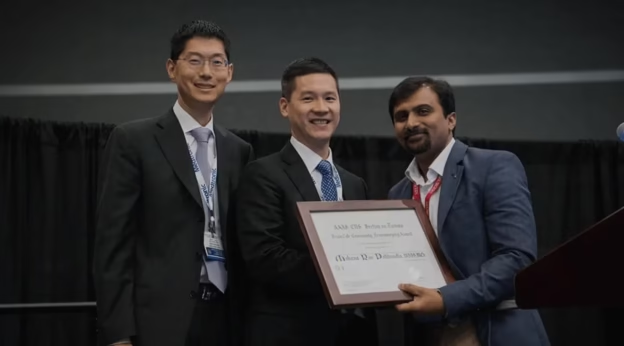
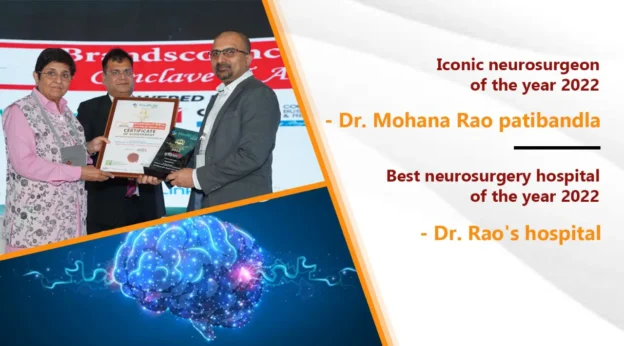
Dr. Mohana Rao Patibandla holding the Iconic Neurosurgeon of the Year 2022 certificate presented by KIRAN BEDI (Medilinks India & Brandscouncil)

Healing Minds and Hearts Through Advanced Neurosciences Care – Dr. Rao’s IIN


Healing Minds and Hearts: How Compassion and Advanced Neurosciences Are Transforming Healthcare in India


Modern healthcare is not defined solely by advanced technology, robotic systems, or sophisticated surgical procedures. At its core, medicine remains deeply human — built on compassion, trust, empathy, and a commitment to improving lives.


In highly specialized fields such as neurosciences, where patients often face emotionally overwhelming diagnoses involving the brain, spine, nerves, and neurological system, the human aspect of healthcare becomes even more important.


Patients struggling with stroke, brain tumors, epilepsy, spinal disorders, traumatic brain injuries, or neurological diseases frequently seek not only expert treatment but also reassurance, emotional support, and hope during vulnerable moments of life.


A recent Times of India feature highlighted the remarkable journey of Dr. Mohana Rao Patibandla and his broader vision of combining advanced neurosciences with compassionate patient-centered healthcare in Andhra Pradesh.


Times of India – Dr. Mohana Rao Patibandla: Healing Minds and Hearts


The Early Foundations of Compassionate Healthcare


According to the Times of India article, Dr. Mohana Rao Patibandla’s journey began in a humble village in Andhra Pradesh, where his upbringing was shaped by strong values of hard work, community care, and resilience.


The article describes how his parents, who were farmers, instilled values emphasizing service, discipline, and empathy toward others.


Growing up in a rural environment also exposed him to the healthcare challenges faced by smaller towns and underserved communities. Access to advanced medical facilities and specialized healthcare often remained limited outside metropolitan cities.


These early experiences later influenced a broader vision focused on improving advanced neurosciences accessibility in regional India.


WHO – Neurological Disorders


The Pursuit of Excellence in Medicine


The Times of India article highlights Dr. Patibandla’s academic journey, including his medical education at Andhra Medical College and subsequent specialization in neurosurgery at Nizam’s Institute of Medical Sciences (NIMS), Hyderabad.


Neurosurgery remains one of the most technically demanding branches of medicine because it involves delicate structures such as:


  • The brain
  • Spinal cord
  • Cranial nerves
  • Peripheral nerves
  • Critical vascular systems


Tiny surgical inaccuracies can potentially affect movement, memory, speech, cognition, sensation, and overall neurological function.


Therefore, successful neurosurgery requires:


  • Technical precision
  • Continuous learning
  • Advanced technology
  • Patient-centered judgment
  • Multidisciplinary teamwork


The article also describes how Dr. Patibandla pursued additional fellowships and training in the United States to gain advanced exposure in modern neurosciences.


The Importance of Global Exposure in Neurosciences


International training often allows neurosurgeons to experience:


  • Advanced operating systems
  • Minimally invasive surgical approaches
  • Research-based medicine
  • Complex multidisciplinary care
  • Technology-driven healthcare systems


Exposure to international healthcare standards frequently influences long-term institutional vision and patient care philosophies.


The article highlights that Dr. Patibandla’s training abroad expanded both his technical expertise and broader healthcare perspective.


Modern neurosciences today involve rapidly evolving fields such as:


  • Endovascular neurosurgery
  • Minimally invasive spine surgery
  • Functional neurosurgery
  • Neuro-oncology
  • Advanced neuroimaging


These advancements continue transforming neurological outcomes globally.


Dr. Rao’s Hospital: A Beacon of Hope


According to the Times of India article, Dr. Rao’s vision eventually materialized through the establishment of Dr. Rao’s Hospital – International Institute of Neurosciences in Guntur, Andhra Pradesh.


The institution was created with the goal of providing advanced neurosciences care while maintaining a strong focus on compassionate patient-centered treatment.


The article describes the hospital as a “beacon of hope,” emphasizing its advanced infrastructure and commitment to high-quality neurological care.


The hospital focuses on:


  • Brain surgery
  • Spine surgery
  • Stroke intervention
  • Neuro-oncology
  • Endovascular procedures
  • Pediatric neurosciences
  • Minimally invasive neurosurgery


Developing such advanced infrastructure outside metropolitan regions represents a major contribution toward healthcare accessibility in India.


Technology and Modern Neurosciences


The Times of India article mentions the hospital’s focus on state-of-the-art technology sourced internationally from countries including the USA, Germany, and the Netherlands.


Modern neurosciences depend heavily on advanced technologies such as:


  • Neuronavigation systems
  • Advanced MRI imaging
  • Endoscopic surgical systems
  • Microsurgical operating microscopes
  • Intraoperative monitoring
  • Minimally invasive surgical platforms


These technologies improve:


  • Surgical precision
  • Patient safety
  • Recovery outcomes
  • Rehabilitation speed
  • Long-term neurological function


Minimally Invasive Neurosurgery at Dr. Rao’s Hospital


Why International Patients Seek Care in India


One of the most interesting aspects highlighted in the article is the hospital’s ability to attract international patients from countries such as the United Kingdom and the Netherlands.


Patients increasingly travel internationally seeking:


  • Advanced expertise
  • Affordable treatment
  • Patient-centered care
  • Shorter waiting periods
  • High-quality medical infrastructure


India continues emerging as a major healthcare destination because of its growing combination of:


  • Specialized expertise
  • Advanced technology
  • Accessibility
  • Cost-effectiveness


The article emphasizes that compassionate care and trust remain among the hospital’s strongest distinguishing features.


The Human Side of Neurosurgery


Neurosurgery is not simply a technical specialty.


Every neurological disorder carries emotional consequences for patients and families.


Conditions such as:


  • Brain tumors
  • Stroke
  • Epilepsy
  • Spinal cord injuries
  • Neurodegenerative diseases


often create:


  • Fear
  • Anxiety
  • Financial stress
  • Concerns regarding disability
  • Emotional uncertainty


The Times of India article strongly reflects themes of compassion, empathy, and patient-centered communication.


In modern healthcare, technical expertise and emotional support must work together to create meaningful healing experiences.


A Hospital Beyond Borders


The article also highlights how healthcare service extends beyond hospital walls through:


  • Free medical camps
  • Health awareness initiatives
  • Community outreach programs
  • Free consultations


Public awareness remains critically important because neurological disorders are frequently diagnosed late due to:


  • Limited awareness
  • Delayed consultations
  • Healthcare accessibility gaps
  • Financial concerns


Community healthcare initiatives help improve:


  • Early diagnosis
  • Preventive awareness
  • Treatment accessibility
  • Long-term neurological outcomes


The Importance of Regional Healthcare Development


One of the strongest messages in the article is the importance of bringing world-class healthcare into smaller cities and regional areas.


Historically, advanced neurological treatment remained concentrated within metropolitan hospitals.


Patients from smaller towns often faced:


  • Travel burden
  • Financial stress
  • Treatment delays
  • Interrupted rehabilitation


The article emphasizes that Dr. Patibandla intentionally established the hospital in Guntur to help bridge this healthcare gap.


This reflects a broader movement toward decentralizing healthcare excellence across India.


Healing Beyond Surgery


The title “Healing Minds and Hearts” reflects a broader philosophy of healthcare that extends beyond surgical procedures alone.


Healing involves:


  • Trust
  • Compassion
  • Communication
  • Ethical treatment
  • Long-term rehabilitation
  • Emotional support


Patients frequently remember:


  • Kindness
  • Honesty
  • Empathy
  • Respect


long after medical treatment is completed.


Modern healthcare systems therefore require both technological sophistication and human-centered care.


The Future of Neurosciences in India


India’s neurosciences ecosystem continues evolving rapidly through:


  • AI-assisted diagnostics
  • Robotic surgery
  • Advanced imaging
  • Minimally invasive surgery
  • Precision medicine
  • Endovascular interventions


At the same time, future healthcare transformation will depend heavily on:


  • Accessibility
  • Ethical healthcare systems
  • Regional neuroscience centers
  • Compassionate patient care
  • Public awareness


Institutions that combine advanced technology with genuine empathy are likely to define the future of healthcare in India.


Conclusion


The Times of India feature presents the story of Dr. Mohana Rao Patibandla as more than a journey of professional success.


It reflects a broader philosophy of healing through compassion, innovation, accessibility, and patient-centered neurosciences care.


By combining international expertise, advanced medical technology, regional healthcare development, and humanitarian service, Dr. Rao’s Hospital – International Institute of Neurosciences

represents an important example of modern healthcare transformation in India.


Ultimately, true healing occurs not only through surgery or technology but through restoring hope, dignity, and trust in patients and families facing neurological challenges.


Frequently Asked Questions (FAQ)


1. Who is Dr. Mohana Rao Patibandla?

Dr. Mohana Rao Patibandla is an internationally trained neurosurgeon and founder of Dr. Rao’s Hospital – International Institute of Neurosciences.


2. Why is Dr. Rao’s Hospital internationally recognized?

The hospital is known for advanced neurosciences, minimally invasive surgery, patient-centered care, and international treatment standards.


3. What is minimally invasive neurosurgery?

It involves smaller incisions and advanced technologies that improve precision and reduce recovery time.


4. Why are regional neuroscience centers important?

They improve healthcare accessibility while reducing travel burden and treatment delays.


5. What services does Dr. Rao’s Hospital provide?

The hospital provides advanced brain, spine, stroke, neuro-oncology, pediatric neurosciences, and endovascular care.

Keywords

best neurosurgeon in Guntur, best neurologist in Guntur, best spine surgeon in Guntur, healing minds and hearts, Dr Mohana Rao Patibandla, advanced neurosciences India, compassionate healthcare India, Dr Rao Hospital Guntur, minimally invasive neurosurgery India, International Institute of Neurosciences, advanced brain surgery India, advanced spine surgery India, neurological healthcare India, patient centered neurological care India, brain spine and nerve care India, neuroscience hospital Andhra Pradesh, advanced stroke care India, neuro oncology India, pediatric neurosurgery India, endovascular neurosurgery India, advanced healthcare India, healthcare accessibility India, healthcare transformation India, ethical healthcare India, neuroscience excellence India, minimally invasive spine surgery India, advanced medical technology India, neuronavigation India, modern neurosurgery India, healthcare innovation India, regional neuroscience center India, top neurosurgery hospital India, advanced neurological treatment India, stroke treatment India, advanced rehabilitation India, neurocritical care India, compassionate neurological care India, global healthcare India, advanced neuroscience center Andhra Pradesh

Internal Links

Call To Action


If you or your loved one is experiencing neurological symptoms such as persistent headaches, seizures, stroke warning signs, spinal pain, weakness, or neurological disorders, timely expert evaluation is essential.


Dr. Rao’s Hospital – International Institute of Neurosciences
12-19-67, Old Bank Road, Kothapet, Besides AK Biryani Point, Guntur, Andhra Pradesh

Phone: +91 9010056444

Email: info@drraoshospitals.com

Website: https://drraoshospitals.com/


Connect With Us

“`

Dr. Rao, neurosurgeon, featured in Times of India, discusses advanced neurosurgery techniques for optimal patient outcomes.

Dr. Mohana Rao Patibandla and Transformative Healthcare in India


How Dr. Mohana Rao Patibandla Is Advancing Transformative Neurosciences Healthcare in India


India’s healthcare ecosystem is evolving rapidly, particularly in highly specialized fields such as neurosciences, neurosurgery, spine surgery, stroke care, and minimally invasive neurological interventions.


For decades, advanced neurological treatment remained concentrated primarily within major metropolitan cities. Patients from regional areas frequently traveled long distances seeking specialized care for brain tumors, spinal disorders, epilepsy, stroke, and complex neurosurgical diseases.


However, India’s modern healthcare transformation is gradually shifting toward decentralization, where advanced medical expertise and sophisticated neurological care are increasingly becoming accessible beyond metropolitan boundaries.


A recent Times of India feature highlighted the inspiring journey of Dr. Mohana Rao Patibandla and his commitment toward building transformative neurosciences healthcare infrastructure in Andhra Pradesh.


Primary Source: Times of India – Dr Mohana Rao Patibandla is committed to transformative healthcare


The Early Journey of a Neurosurgeon


Every remarkable healthcare institution begins with a vision, but behind every vision lies years of dedication, education, sacrifice, and relentless pursuit of excellence.


According to the Times of India article, Dr. Mohana Rao Patibandla was born and raised in Bhimavaram, Andhra Pradesh, where his early years were shaped by a strong sense of responsibility and commitment toward society.


His academic journey began at Andhra Medical College, Visakhapatnam, where he pursued MBBS and graduated in 2002.


The article emphasizes that even during his early educational years, Dr. Patibandla demonstrated strong academic commitment and a deep interest in healthcare service. This foundation later became instrumental in shaping his long-term mission of advancing neurosciences care in India.


American Association of Neurological Surgeons


Specialization in Neurosurgery


Following his undergraduate medical education, Dr. Patibandla pursued specialization in neurosurgery at Nizam’s Institute of Medical Sciences (NIMS), Hyderabad, completing his neurosurgical training in 2013.


Neurosurgery remains one of the most technically demanding specialties in medicine because it involves delicate structures including:


  • The brain
  • Spinal cord
  • Cranial nerves
  • Peripheral nerves
  • Critical vascular structures


Even small surgical inaccuracies may affect movement, speech, sensation, memory, cognition, or overall neurological function.


This level of complexity requires:


  • Technical precision
  • Advanced training
  • Continuous learning
  • Multidisciplinary collaboration
  • Patient-centered decision-making


International Training and Global Exposure


One of the defining aspects of Dr. Patibandla’s journey, as described in the Times of India feature, was his decision to pursue advanced international training across multiple neurosciences subspecialties.


His fellowships and training included:


  • Minimally invasive skull base surgery in Ohio, USA
  • Pediatric neurosurgery and minimally invasive neurosurgery in Colorado, USA
  • Neuro-oncology
  • Functional and stereotactic radiosurgery in Virginia, USA


International exposure often provides neurosurgeons with access to:


  • Advanced surgical technologies
  • Modern operating systems
  • Research-oriented practice
  • Evidence-based medicine
  • Multidisciplinary care models


These experiences frequently shape long-term institutional vision and healthcare leadership.


The Decision to Return to India


Many highly trained specialists choose to continue careers abroad because of access to infrastructure, research opportunities, and advanced medical systems.


However, the Times of India article highlights that Dr. Patibandla made the deliberate decision to return to India and establish advanced neurosciences care within his home state.


This decision reflected a broader healthcare philosophy focused on:


  • Accessibility
  • Regional healthcare development
  • Patient-centered care
  • Ethical medical systems
  • Long-term institutional growth


The article describes this decision not simply as a professional move but as a reflection of patriotism and commitment toward community healthcare improvement.


The Establishment of Dr. Rao’s Hospital


The return to India eventually led to the establishment of Dr. Rao’s Hospital – International Institute of Neurosciences in Guntur, Andhra Pradesh.


According to the Times of India feature, the institution was built with the goal of bringing advanced neurosurgical and neurological care closer to regional populations.


The hospital focuses on:


  • Brain surgery
  • Spine surgery
  • Stroke intervention
  • Endovascular neurosurgery
  • Neuro-oncology
  • Pediatric neurosciences
  • Minimally invasive neurosurgery


Advanced neurosciences infrastructure requires enormous commitment involving:


  • Technology acquisition
  • Specialized operating rooms
  • Critical care systems
  • Advanced imaging
  • Multidisciplinary teams


Building such infrastructure outside metropolitan regions represents one of the most challenging aspects of healthcare development.


The Role of Technology in Modern Neurosciences


Modern neurological care depends heavily on advanced technology.


The Times of India article highlights the institution’s focus on advanced neurosurgical systems and cutting-edge technologies.


Technologies transforming neurosciences include:


  • Neuronavigation systems
  • Advanced MRI imaging
  • Endoscopic brain surgery
  • Minimally invasive spine surgery
  • Endovascular procedures
  • Intraoperative neuromonitoring


These advancements improve:


  • Surgical precision
  • Patient safety
  • Recovery speed
  • Rehabilitation outcomes
  • Long-term neurological function


Minimally Invasive Neurosurgery at Dr. Rao’s Hospital


The Importance of Minimally Invasive Neurosurgery


One of the major transformations in modern neurosciences is the evolution of minimally invasive surgical approaches.


Traditional surgeries often required:


  • Larger incisions
  • Longer hospitalization
  • Greater tissue disruption
  • Extended recovery periods


Modern minimally invasive techniques now allow selected procedures through:


  • Smaller incisions
  • Endoscopic approaches
  • Image-guided systems
  • Microsurgical precision


These approaches may reduce:


  • Postoperative pain
  • Blood loss
  • Hospital stay duration
  • Rehabilitation time


Mayo Clinic – Minimally Invasive Surgery


Regional Healthcare Accessibility Matters


One of the strongest themes throughout the article is healthcare accessibility beyond metropolitan cities.


Patients with neurological emergencies often face:


  • Travel burden
  • Financial stress
  • Delayed diagnosis
  • Interrupted rehabilitation
  • Limited specialist access


Regional neuroscience centers help reduce these barriers significantly.


According to the Times of India feature, the hospital has emerged as an important healthcare destination for patients seeking advanced neurological care in Andhra Pradesh.


This decentralization reflects a broader transformation occurring across India’s healthcare landscape.


The Human Side of Healthcare


While technology remains critical, healthcare ultimately revolves around human trust and compassion.


The Times of India article repeatedly reflects themes of:


  • Service
  • Patriotism
  • Community commitment
  • Compassionate healthcare
  • Ethical leadership


Patients facing neurological disorders often experience:


  • Fear
  • Anxiety
  • Emotional stress
  • Financial uncertainty
  • Concerns regarding long-term recovery


Compassionate communication and patient-centered care therefore remain essential components of meaningful healthcare systems.


Recognition and Healthcare Excellence


The article also highlights the institution’s recognition through the Atal Achievement Awards 2023, where Dr. Rao’s Hospital received recognition as the Best Neurology and Neurosurgery Hospital.


Awards and institutional recognition help reinforce:


  • Clinical credibility
  • Healthcare quality standards
  • Public trust
  • Academic visibility


However, long-term healthcare excellence ultimately depends on sustained patient outcomes, ethical systems, and continuous innovation.


International Patients and Global Standards


According to the Times of India article, the hospital has also attracted international patients seeking advanced neurological treatment.


Global healthcare competitiveness increasingly depends on:


  • Advanced infrastructure
  • Specialized expertise
  • Technology integration
  • Patient safety systems
  • Affordable healthcare accessibility


India continues emerging as an important destination for advanced medical treatment because of its growing combination of expertise, innovation, and accessibility.


The Future of Neurosciences in India


India’s neurosciences ecosystem continues evolving rapidly through:


  • Artificial intelligence-based diagnostics
  • Robotic surgery
  • Endovascular stroke intervention
  • Advanced neuroimaging
  • Precision medicine
  • Minimally invasive neurosurgery


At the same time, future healthcare transformation will depend on ensuring these advancements become accessible across regional India rather than remaining concentrated solely within metro cities.


Healthcare systems that combine:


  • Advanced technology
  • Ethical care
  • Accessibility
  • Patient trust
  • Continuous innovation


will likely define the next era of neurosciences development in India.


Conclusion


The Times of India feature presents the journey of Dr. Mohana Rao Patibandla as more than a story of professional achievement alone.


It reflects a broader vision regarding the future of healthcare in India — one where advanced neurosciences, global expertise, ethical leadership, and patient-centered systems combine to improve accessibility and outcomes for patients beyond metropolitan regions.


As advanced neurological infrastructure continues evolving across India, institutions such as 
Dr. Rao’s Hospital – International Institute of Neurosciences

represent an important part of the country’s expanding healthcare transformation.


Ultimately, the true impact of transformative healthcare lies not only in technology or infrastructure but in improving lives through compassionate, accessible, and meaningful medical care.


Frequently Asked Questions (FAQ)

1. Who is Dr. Mohana Rao Patibandla?

Dr. Mohana Rao Patibandla is an internationally trained neurosurgeon and founder of Dr. Rao’s Hospital – International Institute of Neurosciences.


2. What services are offered at Dr. Rao’s Hospital?

The hospital provides advanced brain, spine, stroke, endovascular, pediatric neurosciences, and minimally invasive neurosurgical care.


3. What is minimally invasive neurosurgery?

It involves smaller incisions and advanced technologies to improve precision and reduce recovery time.


4. Why are regional neuroscience centers important?

Regional neuroscience systems improve healthcare accessibility while reducing travel burden and treatment delays.


5. How is technology transforming neurological care?

Technologies such as neuronavigation, endoscopy, advanced imaging, and minimally invasive systems improve diagnosis and patient outcomes.


Internal Links

Call To Action

If you or your loved one is experiencing neurological symptoms such as persistent headaches, seizures, spinal pain, weakness, stroke warning signs, or neurological disorders, timely expert evaluation is essential.


Dr. Rao’s Hospital – International Institute of Neurosciences
12-19-67, Old Bank Road, Kothapet, Besides AK Biryani Point, Guntur, Andhra Pradesh

Phone: +91 9010056444

Email: info@drraoshospitals.com

Website: https://drraoshospitals.com/

Connect With Us
“`

Dr. Mohana Rao Patibandla explaining DTI neuronavigation technology for advanced brain surgery at Dr. Rao’s Hospital in Guntur.

How Advanced Spine Surgery and Minimally Invasive Neurosurgery Are Transforming Healthcare in India – Dr. Rao’s IIN


How Advanced Spine Surgery and Minimally Invasive Neurosurgery Are Transforming Neurological Care in India


Spine disorders are becoming increasingly common worldwide because of aging populations, sedentary lifestyles, prolonged screen usage, occupational strain, obesity, trauma, and degenerative spinal conditions.


Back pain and spinal disorders now represent some of the leading causes of disability globally, affecting millions of people across all age groups.


Fortunately, modern neurosciences and spine surgery have evolved dramatically through minimally invasive surgical systems, precision-guided technologies, advanced imaging, and multidisciplinary rehabilitation approaches.


A recent Ahmedabad Mirror feature highlighted this transformation through recognition of leading neurosurgeons specializing in spine surgery and spinal disorders across India.


The article recognized Dr. Mohana Rao Patibandla among the “Top 10 Best Neurosurgeons in India for Spine Surgery and Spine Problems,” emphasizing his expertise in minimally invasive neurosurgery and advanced spine care.


Primary Source: Ahmedabad Mirror – Top 10 Best Neurosurgeons in India for Spine Surgery and Spine Problems


The Growing Burden of Spine Disorders


The spine plays a central role in supporting movement, posture, flexibility, and protection of the spinal cord.


Even minor spinal abnormalities may significantly affect:


  • Mobility
  • Balance
  • Nerve function
  • Daily activities
  • Quality of life


Common spinal conditions include:


  • Lumbar disc prolapse
  • Cervical spondylosis
  • Spinal stenosis
  • Sciatica
  • Degenerative spine disease
  • Spinal trauma
  • Spinal tumors


Many patients initially ignore symptoms such as chronic back pain, neck pain, numbness, tingling, or weakness, which may delay diagnosis and treatment.


WHO – Low Back Pain


Why Spine Disorders Require Specialized Care


The spinal cord contains highly delicate nerve pathways responsible for transmitting signals between the brain and body.


Compression or injury to these nerves may potentially affect:


  • Movement
  • Sensation
  • Bladder function
  • Balance
  • Coordination


Complex spinal disorders therefore require:


  • Accurate diagnosis
  • Advanced imaging
  • Precision-guided treatment
  • Multidisciplinary rehabilitation
  • Specialized surgical expertise


According to the Ahmedabad Mirror article, Dr. Mohana Rao Patibandla has extensive experience in advanced neurosurgery and minimally invasive spine procedures.


The Evolution of Minimally Invasive Spine Surgery


Traditional spine surgery often involved larger incisions, extensive muscle dissection, prolonged hospitalization, and longer rehabilitation periods.


Today, minimally invasive spine surgery has transformed treatment approaches for many selected spinal conditions.


Minimally invasive techniques focus on:


  • Smaller surgical incisions
  • Reduced muscle disruption
  • Microsurgical precision
  • Faster recovery
  • Improved postoperative mobility

Potential advantages may include:


  • Reduced blood loss
  • Less postoperative pain
  • Shorter hospitalization
  • Reduced infection risk
  • Faster rehabilitation


Minimally Invasive Neurosurgery at Dr. Rao’s Hospital


The Role of Advanced Imaging in Spine Surgery


Modern spine surgery increasingly depends on sophisticated imaging and neuronavigation technologies.


Advanced MRI and CT imaging help specialists evaluate:


  • Disc pathology
  • Nerve compression
  • Spinal instability
  • Tumors
  • Degenerative changes


Neuronavigation systems function similarly to GPS-guided surgery by helping surgeons identify safer surgical corridors and improve procedural precision.


The Ahmedabad Mirror article highlights Dr. Rao’s international training and expertise in advanced minimally invasive techniques and precision-guided surgery.


The Importance of International Training


Global exposure often allows neurosurgeons to gain experience in:


  • Advanced surgical technologies
  • Research-oriented healthcare systems
  • Evidence-based treatment
  • Complex multidisciplinary care
  • Innovation-driven medical systems


According to the Ahmedabad Mirror article, Dr. Mohana Rao Patibandla completed advanced fellowships and subspecialty training in the United States across several fields of neurosciences.


These experiences often shape institutional development and long-term patient-centered healthcare systems.


Spine Surgery Beyond Pain Relief


Modern spine surgery aims not only to relieve pain but also to preserve neurological function and improve long-term quality of life.


Untreated spinal disorders may sometimes lead to:


  • Chronic pain
  • Mobility limitations
  • Nerve weakness
  • Functional disability
  • Reduced independence


Advanced rehabilitation and physiotherapy therefore remain essential components of comprehensive spinal care.


Multidisciplinary treatment frequently involves:


  • Neurosurgeons
  • Spine surgeons
  • Neurologists
  • Pain specialists
  • Physiotherapists
  • Rehabilitation experts


Modern healthcare increasingly focuses on restoring both function and quality of life.


The Importance of Patient-Centered Care


The Ahmedabad Mirror article repeatedly reflects themes of compassionate patient-centered treatment and individualized care planning.


Patients with spine disorders often experience:


  • Fear of surgery
  • Anxiety regarding recovery
  • Concerns about mobility
  • Financial stress
  • Questions about long-term outcomes


Compassionate communication and patient education therefore remain critically important in neurological and spinal healthcare.


Meaningful healthcare requires:


  • Trust
  • Empathy
  • Ethical treatment planning
  • Clear communication
  • Long-term rehabilitation support


The Importance of Regional Neurosciences Infrastructure


Historically, advanced spine and neurological care remained concentrated primarily within metropolitan cities.


Patients from regional areas often traveled long distances seeking:


  • Complex spine surgery
  • Brain surgery
  • Stroke treatment
  • Neuro-oncology care
  • Advanced diagnostics


This frequently resulted in:


  • Treatment delays
  • Financial burden
  • Interrupted rehabilitation
  • Accessibility challenges


According to the Ahmedabad Mirror article, Dr. Rao’s Hospital – International Institute of Neurosciences has contributed significantly toward improving advanced neurological and spine care accessibility in Andhra Pradesh.


Regional healthcare systems improve:


  • Emergency care accessibility
  • Continuity of treatment
  • Patient convenience
  • Long-term rehabilitation support


Technology Is Reshaping Spine Surgery


Modern spine surgery increasingly integrates technologies such as:


  • Neuronavigation
  • Microsurgical systems
  • Endoscopic spine surgery
  • Intraoperative monitoring
  • Advanced imaging platforms


These technologies improve:


  • Surgical precision
  • Safety
  • Neurological preservation
  • Patient recovery
  • Long-term functional outcomes


Future spine surgery innovations may further improve minimally invasive approaches while enhancing patient safety and rehabilitation outcomes.


North American Spine Society


The Future of Neurosciences and Spine Care in India


India’s neurosciences ecosystem continues evolving rapidly through:


  • Artificial intelligence-assisted diagnostics
  • Advanced imaging systems
  • Minimally invasive surgery
  • Precision-guided technologies
  • Endovascular intervention
  • Robotic-assisted systems


At the same time, the future of healthcare will depend heavily on:


  • Regional accessibility
  • Advanced specialist training
  • Continuous innovation
  • Ethical healthcare systems
  • Patient-centered care


Institutions capable of combining technology with compassionate healthcare are likely to define the next generation of neurosciences and spine surgery across India.


Conclusion


The Ahmedabad Mirror feature recognizing Dr. Mohana Rao Patibandla among the top neurosurgeons in India for spine surgery reflects broader progress occurring within India’s neurosciences ecosystem.


Modern spine and neurological care increasingly depend on:


  • Minimally invasive surgery
  • Advanced imaging technologies
  • Precision-guided systems
  • Multidisciplinary rehabilitation
  • Patient-centered healthcare


Institutions such as Dr. Rao’s Hospital – International Institute of Neurosciences 
represent an important part of India’s growing commitment toward innovation-driven and accessible neurological care.


As neurosciences continue evolving globally, the integration of technology, expertise, ethics, and compassion will likely shape the future of spine surgery and neurological treatment across India.


Frequently Asked Questions (FAQ)


1. What is minimally invasive spine surgery?

It uses smaller incisions and advanced technologies to reduce tissue trauma and improve recovery.


2. What are common spine problems?

Common conditions include disc prolapse, spinal stenosis, cervical spondylosis, degenerative spine disease, and spinal trauma.


3. Why is early treatment important for spine disorders?

Early diagnosis may help prevent worsening pain, nerve damage, disability, and long-term complications.


4. What technologies are used in modern spine surgery?

Neuronavigation, endoscopic systems, advanced imaging, intraoperative monitoring, and microsurgical platforms are commonly used.


5. Who is Dr. Mohana Rao Patibandla?

Dr. Mohana Rao Patibandla is an internationally trained neurosurgeon and founder of Dr. Rao’s Hospital – International Institute of Neurosciences.


Internal Links

Call To Action

If you or your loved one is experiencing chronic back pain, neck pain, numbness, weakness, sciatica, spinal disorders, or neurological symptoms, timely expert evaluation is essential.


Dr. Rao’s Hospital – International Institute of Neurosciences
12-19-67, Old Bank Road, Kothapet, Besides AK Biryani Point, Guntur, Andhra Pradesh

Phone: +91 9010056444

Email: info@drraoshospitals.com

Website: https://drraoshospitals.com/


Connect With Us
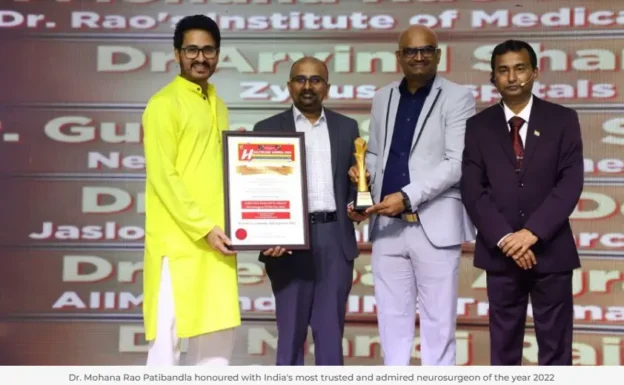
 

Dr Mohana Rao Patibandla - Leader behind the Dr Rao's International Institute of Neurosciences

Vision Behind a Rs 100 Crore Hospital—Dr. Rao’s International Institute of Neurosciences


Dr. Mohana Rao Patibandla: A Journey of Vision and Resilience That Led to the Foundation of a Rs 100 Crore Hospital


Healthcare transformation rarely happens overnight. Behind every major medical institution lies years of struggle, sacrifice, risk, resilience, and an unwavering commitment to patient care.


Across India, advanced healthcare infrastructure has historically remained concentrated within metropolitan cities. Patients from smaller towns and regional communities often faced significant challenges accessing highly specialized treatment for neurological disorders, brain tumors, spinal conditions, stroke, and complex neurosurgical diseases.


In Andhra Pradesh, one such transformational journey emerged through the work of Dr. Mohana Rao Patibandla — an internationally trained neurosurgeon whose vision helped establish a state-of-the-art neurosciences institution focused on advanced brain, spine, and neurological care.


A recent Financial Express feature explored the inspiring story behind Dr. Patibandla’s journey, leadership philosophy, financial resilience, and the establishment of a Rs 100 crore healthcare institution in Guntur.


Primary Source:

Financial Express – Dr Mohana Rao Patibandla: A Journey of Vision and Resilience That Led to Foundation of Rs 100 Crore Hospital


The Early Passion for Neurosciences


The foundation of every medical journey often begins with curiosity.According to the Financial Express article, Dr. Patibandla’s early years were marked by a deep fascination with the complexities of the human brain and nervous system. Financial Express – Dr Mohana Rao Patibandla: A Journey of Vision and Resilience That Led to Foundation of Rs 100 Crore Hospital 

Neurosurgery remains one of the most demanding fields in medicine because it deals with:


  • The brain
  • Spinal cord
  • Nerves
  • Critical neurological functions


Even small neurological injuries can profoundly affect movement, speech, sensation, memory, personality, and quality of life.


For many specialists, neurosurgery becomes more than a profession — it becomes a lifelong pursuit of precision, innovation, and responsibility.


External Source: American Association of Neurological Surgeons


The Need for Advanced Neurosciences in Regional India


For decades, patients from Andhra Pradesh and neighboring regions frequently traveled to metro cities seeking advanced neurological care.


Conditions such as:


  • Brain tumors
  • Stroke
  • Spinal disorders
  • Pediatric neurological conditions
  • Traumatic brain injuries
  • Cerebrovascular diseases


often required referral to distant hospitals in metropolitan regions.


The Financial Express article highlights that Dr. Patibandla recognized the urgent need for advanced neurosurgical infrastructure within Guntur and regional Andhra Pradesh. Financial Express – Dr Mohana Rao Patibandla: A Journey of Vision and Resilience That Led to Foundation of Rs 100 Crore Hospital


This recognition ultimately became the foundation for creating a comprehensive neurosciences center capable of delivering sophisticated treatment closer to patients’ homes.


Building a Vision Beyond Surgery


According to the article, the goal was never limited to creating only a surgical center.


The larger vision involved building:


  • A center of excellence
  • Advanced neurosciences infrastructure
  • Academic growth
  • Research-oriented systems
  • Comprehensive patient care


Healthcare institutions capable of long-term impact require far more than medical expertise alone. They require:

  • Leadership
  • Institutional planning
  • Technology integration
  • Human resource development
  • Financial sustainability


Creating advanced neurosciences systems outside metropolitan regions remains one of the most difficult challenges in healthcare development.


The Financial Challenges Behind Healthcare Infrastructure


One of the most compelling aspects of the Financial Express feature is its discussion of the financial realities behind building large-scale healthcare infrastructure.


Healthcare institutions require enormous investments in:


  • Land acquisition
  • Hospital construction
  • Advanced operation theaters
  • Neuroimaging systems
  • ICU infrastructure
  • Endovascular technology
  • Neuronavigation systems
  • Medical staffing


The article describes how Dr. Patibandla navigated substantial financial challenges involving secured and unsecured loans during the hospital’s development phase. Financial Express – Dr Mohana Rao Patibandla: A Journey of Vision and Resilience That Led to Foundation of Rs 100 Crore Hospital


Successfully managing these challenges required:


  • Strategic financial planning
  • Long-term institutional thinking
  • Operational discipline
  • Careful resource allocation


Healthcare entrepreneurship often involves balancing medical ideals with practical operational realities.


Technology and Continuous Innovation


Modern neurosciences depend heavily on advanced technology.


The Financial Express article highlights the hospital’s focus on introducing:


  • Advanced neurosurgical techniques
  • Modern technologies
  • Continuous learning systems
  • Innovation-driven care


Financial Express – Dr Mohana Rao Patibandla: A Journey of Vision and Resilience That Led to Foundation of Rs 100 Crore Hospital


Technologies transforming modern neurological care include:


  • Neuronavigation
  • Advanced MRI imaging
  • Minimally invasive spine surgery
  • Endoscopic neurosurgery
  • Endovascular interventions
  • Intraoperative monitoring


These advancements help improve:


  • Precision
  • Patient safety
  • Recovery outcomes
  • Rehabilitation speed
  • Long-term neurological function


Minimally Invasive Neurosurgery at Dr. Rao’s Hospital

The Human Side of Healthcare Leadership


Healthcare leadership extends far beyond infrastructure and technology.


According to the Financial Express feature, Dr. Patibandla’s influence extends into mentorship, academic guidance, and community healthcare initiatives. Financial Express – Dr Mohana Rao Patibandla: A Journey of Vision and Resilience That Led to Foundation of Rs 100 Crore Hospital


  • Ethical leadership
  • Team development
  • Training systems
  • Patient-centered care
  • Long-term institutional culture


Mentorship plays a particularly important role in medicine because healthcare systems evolve continuously through shared knowledge and training.


Future neurosciences growth in India will depend significantly on:


  • Academic collaboration
  • Training programs
  • Research development
  • Technological adaptation


The Importance of Regional Neuroscience Centers


India’s future healthcare systems cannot remain limited to metro cities alone.


Patients from smaller towns often experience:


  • Travel burden
  • Financial stress
  • Delayed diagnosis
  • Interrupted rehabilitation
  • Reduced access to specialists


Regional neuroscience centers help reduce these barriers while improving accessibility to advanced treatment.


The establishment of advanced neurosciences institutions in Tier-2 cities reflects a broader movement toward decentralizing medical excellence across India.


Dr. Rao’s Hospital – International Institute of Neurosciences


Minimally Invasive Neurosurgery and Modern Care


One of the most important transformations in modern neurosurgery is the rise of minimally invasive techniques.


Traditional procedures often involved:


  • Larger incisions
  • Extended hospitalization
  • Higher tissue disruption
  • Longer rehabilitation periods


Modern minimally invasive approaches focus on:


  • Smaller surgical corridors
  • Enhanced visualization
  • Reduced tissue trauma
  • Improved recovery
  • Faster mobilization


Advanced technologies now allow surgeons to perform selected procedures with greater precision and improved patient comfort.


Mayo Clinic – Minimally Invasive Surgery


The Role of Ethics in Healthcare Growth


Healthcare institutions ultimately succeed not only because of technology but because of trust.


The Financial Express article repeatedly reflects themes of:


  • Responsible leadership
  • Ethical growth
  • Patient-centered systems
  • Long-term credibility


Financial Express – Dr Mohana Rao Patibandla: A Journey of Vision and Resilience That Led to Foundation of Rs 100 Crore Hospital


Patients seek:


  • Honest communication
  • Ethical recommendations
  • Compassionate treatment
  • Transparency
  • Clinical competence


Modern healthcare systems must preserve humanity even as technology advances rapidly.


Community Impact Beyond the Hospital


Healthcare institutions influence communities in many ways beyond direct treatment alone.


The article highlights Dr. Patibandla’s contributions toward:


  • Community health programs
  • Medical education
  • Public awareness
  • Healthcare accessibility


Financial Express – Dr Mohana Rao Patibandla: A Journey of Vision and Resilience That Led to Foundation of Rs 100 Crore Hospital


Improving neurological awareness is particularly important because early diagnosis dramatically affects outcomes in conditions such as:


  • Stroke
  • Brain tumors
  • Spinal cord compression
  • Epilepsy
  • Neurovascular disorders


Educational outreach helps patients seek treatment earlier while reducing preventable disability.


The Future of Neurosciences in India


India’s neurosciences ecosystem continues evolving rapidly through:


  • AI-assisted diagnostics
  • Robotic surgery
  • Endovascular interventions
  • Advanced neuroimaging
  • Precision surgery
  • Multidisciplinary treatment systems


At the same time, accessibility remains one of the most important future healthcare priorities.


Advanced neuroscience care should become available:


  • Closer to patients
  • Within regional healthcare systems
  • Through ethically driven institutions
  • With long-term sustainability


The Financial Express feature demonstrates how vision, resilience, leadership, and commitment can help transform regional healthcare ecosystems meaningfully.


Conclusion


The story of Dr. Mohana Rao Patibandla reflects far more than the establishment of a hospital.


It reflects:


  • Vision
  • Resilience
  • Strategic leadership
  • Healthcare innovation
  • Commitment to accessibility
  • Dedication to patient-centered neurosciences care


The Financial Express article presents a broader message regarding the future of Indian healthcare: world-class medicine should not remain limited to metropolitan boundaries.


As advanced neurosciences continue expanding across regional India, patients may increasingly gain access to sophisticated brain, spine, and neurological treatment closer to home — supported by technology, ethics, compassion, and institutional excellence.


Frequently Asked Questions (FAQ)

1. Who is Dr. Mohana Rao Patibandla?

Dr. Mohana Rao Patibandla is an internationally trained neurosurgeon and founder of Dr. Rao’s Hospital – International Institute of Neurosciences.

2. Why is regional neurosciences care important?

Regional neuroscience centers improve healthcare accessibility while reducing travel burden and treatment delays.

3. What technologies improve modern neurosurgery?

Neuronavigation, minimally invasive surgery, advanced imaging, endoscopy, and endovascular techniques improve outcomes and precision.

4. What is minimally invasive neurosurgery?

It is an advanced surgical approach using smaller incisions and precision-guided technologies to reduce recovery time and surgical trauma.

5. Why are ethics important in healthcare?

Ethics ensure transparency, patient welfare, responsible treatment recommendations, and long-term trust.


Call To Action


If you or your loved one is experiencing neurological symptoms such as persistent headaches, seizures, stroke warning signs, spinal pain, weakness, or balance problems, timely expert evaluation is essential.


Dr. Rao’s Hospital – International Institute of Neurosciences
12-19-67, Old Bank Road, Kothapet, Besides AK Biryani Point, Guntur, Andhra Pradesh

Phone: +91 9010056444

Email: info@drraoshospitals.com

Website: https://drraoshospitals.com/


Connect With Us
 

the-best-minimally-invasive-neurosurgery-spine-surgery-at-dr-raos

How to Choose the Right Neurosurgeon – Dr. Rao’s International Institute of Neurosciences


How Patients Can Identify the Right Neurosurgeon: Trust, Ethics, Communication, and Advanced Care


Choosing a neurosurgeon is one of the most important healthcare decisions a patient or family may ever face. Neurological disorders involving the brain, spine, and nervous system often arrive unexpectedly and create tremendous emotional stress, uncertainty, and fear.


Unlike many routine medical decisions, neurological treatment frequently involves life-changing conversations regarding surgery, rehabilitation, long-term recovery, and quality of life. During such difficult moments, patients naturally search for reassurance, expertise, and guidance.


However, in today’s digital healthcare landscape, patients are often overwhelmed by online reviews, hospital advertisements, social media visibility, conflicting medical information, and unfamiliar technical terminology.


A recent FindATopDoc feature explored this growing challenge and presented an in-depth conversation with Dr. Mohana Rao Patibandla regarding how patients can identify the right neurosurgeon through trust, ethics, compassion, communication, and advanced patient-centered care.


Primary Source:

FindATopDoc – How Patients Can Identify the Right Neurosurgeon: A Conversation on Trust, Ethics, and Advanced Care


Why Choosing the Right Neurosurgeon Matters


Neurological disorders are often highly complex and emotionally overwhelming. Conditions such as brain tumors, stroke, spinal cord compression, aneurysms, epilepsy, traumatic brain injury, and degenerative spine diseases can affect:


  • Movement
  • Speech
  • Memory
  • Balance
  • Sensation
  • Quality of life


For patients and families, choosing the right doctor involves far more than simply selecting a hospital with advanced technology.


As highlighted in the FindATopDoc article, patients increasingly ask important questions:


  • Is the doctor experienced?
  • Will the doctor communicate honestly?
  • Are recommendations ethical?
  • Will the surgeon prioritize patient welfare?
  • Does the institution provide multidisciplinary care?


FindATopDoc – How Patients Can Identify the Right Neurosurgeon: A Conversation on Trust, Ethics, and Advanced Care


Ultimately, patients are not only looking for technical expertise. They are looking for trust.


Clinical Expertise and Specialized Training


One of the first factors patients should evaluate is the neurosurgeon’s training and experience.


Neurosurgery is one of the most technically demanding specialties in medicine. Brain and spine procedures often require extraordinary precision because even small errors can affect critical neurological functions.


According to the interview, patients should look for:


  • Advanced training
  • Experience with similar conditions
  • Specialized expertise
  • Multidisciplinary support systems
  • Access to advanced technologies


FindATopDoc – How Patients Can Identify the Right Neurosurgeon: A Conversation on Trust, Ethics, and Advanced Care


International exposure and subspecialty fellowships can also provide additional expertise in highly specialized areas such as:


  • Minimally invasive neurosurgery
  • Skull base surgery
  • Endovascular neurosurgery
  • Pediatric neurosurgery
  • Neuro-oncology
  • Functional neurosurgery


External Source: American Association of Neurological Surgeons


Communication Is as Important as Technology


One of the strongest themes throughout the interview is the importance of communication in neurological care.


Patients facing neurological disorders are often emotionally exhausted and frightened. Medical terminology can be confusing, and online information frequently increases anxiety rather than reducing it.


Dr. Mohana Rao Patibandla emphasized that patients should feel comfortable asking questions regarding:


  • Their diagnosis
  • Treatment options
  • Whether surgery is necessary
  • Risks and outcomes
  • Alternative treatments
  • Recovery expectations


FindATopDoc – How Patients Can Identify the Right Neurosurgeon: A Conversation on Trust, Ethics, and Advanced Care


A trustworthy doctor does not create fear. Instead, a good doctor creates clarity, understanding, and confidence.


Communication is not simply an administrative process in medicine. It is part of healing itself.


The Emotional Side of Neurosurgery


Neurosurgery is not only technically challenging; it is emotionally intense for patients and families.


People facing neurological conditions often experience:


  • Fear of disability
  • Anxiety about surgery
  • Financial stress
  • Uncertainty about recovery
  • Emotional exhaustion


The FindATopDoc feature highlights that compassion and empathy are essential qualities in modern healthcare. FindATopDoc – How Patients Can Identify the Right Neurosurgeon: A Conversation on Trust, Ethics, and Advanced Care


Patients frequently remember how they were treated emotionally long after they forget technical medical details.


Sometimes, reassurance, patience, and honest communication can reduce anxiety more effectively than medications.


Patient-centered care recognizes that healthcare is not merely about procedures and technology — it is about helping people navigate vulnerable moments with dignity and hope.


Why Ethics Matter in Modern Healthcare


Modern medicine has access to extraordinary technology and advanced treatment options. However, technology alone cannot define quality healthcare.


Ethics remains the foundation of medicine.


The interview strongly emphasizes that patients trust doctors with:


  • Their health
  • Their emotions
  • Their finances
  • Their future


That trust should never be misused.


According to Dr. Patibandla, ethical healthcare involves


  • Recommending only necessary treatments
  • Avoiding unnecessary interventions
  • Transparent communication
  • Respecting patient dignity
  • Prioritizing patient welfare


FindATopDoc – How Patients Can Identify the Right Neurosurgeon: A Conversation on Trust, Ethics, and Advanced Care


Patients should never feel pressured into treatment decisions. Instead, they should feel informed, respected, and supported.


The Rise of Minimally Invasive Neurosurgery


Modern neurosurgery has evolved dramatically through minimally invasive approaches.


Advanced techniques now allow selected procedures to be performed using:


  • Smaller incisions
  • Endoscopic approaches
  • Microsurgical techniques
  • Neuronavigation systems
  • Minimally invasive spine surgery


These advancements help:


  • Reduce tissue disruption
  • Improve recovery
  • Minimize postoperative pain
  • Shorten hospital stays
  • Enhance rehabilitation


The article highlights that technology should serve patients rather than becoming an end in itself. Treatment decisions must always be individualized based on the patient’s actual needs.

FindATopDoc – How Patients Can Identify the Right Neurosurgeon: A Conversation on Trust, Ethics, and Advanced Care


Minimally Invasive Neurosurgery at Dr. Rao’s Hospital


Advanced Neurosciences Beyond Metro Cities


One of the most important themes discussed in the interview is healthcare accessibility outside major metropolitan regions.


For decades, advanced neurological care remained concentrated primarily within major Indian metro cities. Patients from smaller towns often traveled long distances for specialized treatment.


The article explains that Dr. Patibandla returned to Andhra Pradesh after extensive international training to help bridge this gap and improve advanced neurosciences accessibility in regional India.


FindATopDoc – How Patients Can Identify the Right Neurosurgeon: A Conversation on Trust, Ethics, and Advanced Care


Today, advanced neuroscience centers are increasingly helping patients receive:


  • Brain tumor surgery
  • Stroke intervention
  • Spine surgery
  • Endovascular treatment
  • Neurocritical care
  • Pediatric neurosurgery


closer to home. Dr. Rao’s Hospital – International Institute of Neurosciences


Why Patients Should Ask Questions


The interview strongly encourages patients and families to actively participate in medical decision-making.


Patients should ask:


  • What is my diagnosis?
  • Why is this treatment necessary?
  • What are the risks?
  • Are there alternatives?
  • What is the recovery process?
  • What happens if treatment is delayed?


FindATopDoc – How Patients Can Identify the Right Neurosurgeon: A Conversation on Trust, Ethics, and Advanced Care


A trustworthy doctor welcomes informed questions and values patient understanding.


Clear communication helps reduce fear while improving confidence and treatment adherence.


Humility and Lifelong Learning in Medicine


Medicine constantly evolves.


New technologies, research, surgical techniques, rehabilitation methods, and treatment protocols continue to transform neurosciences every year.


The FindATopDoc interview highlights the importance of humility and lifelong learning in healthcare. FindATopDoc – How Patients Can Identify the Right Neurosurgeon: A Conversation on Trust, Ethics, and Advanced Care


A great doctor continues learning throughout life while remaining compassionate and grounded.


Technical skill alone is not enough. Integrity, empathy, communication, and ethical responsibility remain equally important.


The Human Side of Healthcare


The editorial reflection concluding the interview presents perhaps the most powerful message:


Patients are not merely searching for advanced technology. They are searching for humanity.


Families remember:


  • Kindness
  • Honesty
  • Reassurance
  • Transparency
  • Respect


long after medical treatment is completed.


Modern healthcare systems must balance:


  • Advanced technology
  • Surgical excellence
  • Ethics
  • Compassion
  • Patient-centered care


FindATopDoc – How Patients Can Identify the Right Neurosurgeon: A Conversation on Trust, Ethics, and Advanced Care


The Future of Neurosciences in India


India’s neurosciences ecosystem continues to evolve rapidly through:


  • Advanced minimally invasive surgery
  • Endovascular techniques
  • Robotic assistance
  • AI-assisted diagnostics
  • Improved neurocritical care
  • Regional neuroscience expansion


However, the future of healthcare will depend not only on technology but also on maintaining trust between doctors and patients.


As neurological care becomes increasingly sophisticated, compassion, ethics, transparency, and communication will remain central to meaningful healthcare delivery.


Conclusion


Choosing the right neurosurgeon is about much more than hospital advertisements or technological infrastructure alone.


Patients should look for a balance of:


  • Clinical expertise
  • Ethical decision-making
  • Transparent communication
  • Compassion
  • Patient-centered care
  • Advanced technology


The FindATopDoc feature reminds us that trust remains one of the most important foundations of medicine.


Ultimately, patients are not only seeking successful surgery. They are seeking reassurance, clarity, dignity, hope, and humane care during some of the most vulnerable moments of life.


Frequently Asked Questions (FAQ)

1. How do I choose the right neurosurgeon?

Evaluate expertise, communication, ethics, hospital infrastructure, patient-centered care, and experience with similar neurological conditions.

2. Why is communication important in neurosurgery?

Clear communication reduces anxiety and helps patients understand diagnoses, treatment options, and recovery expectations.

3. What is minimally invasive neurosurgery?

It involves advanced techniques using smaller incisions and precision-guided technologies to improve recovery and reduce tissue disruption.

4. Why is ethics important in healthcare?

Ethical medicine ensures patient welfare, transparency, informed decisions, and avoidance of unnecessary interventions.

5. What should patients ask before surgery?

Patients should understand the diagnosis, treatment necessity, risks, alternatives, expected outcomes, and recovery process.


Internal Links


Call To Action

If you or your loved one is facing a neurological condition involving the brain, spine, or nerves, timely specialist evaluation and trusted medical guidance are essential.


Dr. Rao’s Hospital – International Institute of Neurosciences
12-19-67, Old Bank Road, Kothapet, Besides AK Biryani Point, Guntur, Andhra Pradesh

Phone: +91 9010056444

Email: info@drraoshospitals.com

Website: https://drraoshospitals.com/


Connect With Us
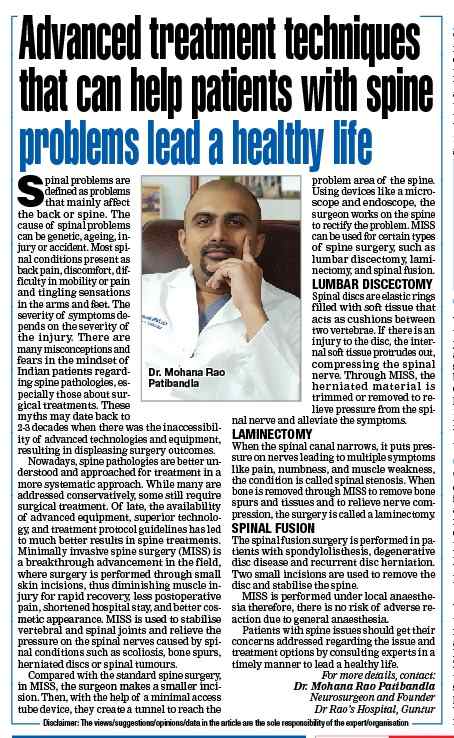
 

Why Choose Minimally Invasive Spine Surgery (MIS)? A Comprehensive Guide

International Neurosurgical Training in India – Dr Rao’s International Institute of Neurosciences


How International Neurosurgical Training Is Transforming Brain and Spine Care in India


India’s neurosciences landscape is undergoing a remarkable transformation. Over the last decade, advancements in neurosurgery, neurology, spine surgery, stroke intervention, and neurocritical care have expanded significantly beyond traditional metropolitan institutions.


Today, sophisticated brain and spine treatment options are becoming increasingly accessible to patients across India. One of the major driving forces behind this transformation has been the growing number of Indian neurosurgeons receiving advanced international training and integrating global expertise into local healthcare systems.


A recent Republic World feature explored how internationally trained neurosurgeons are reshaping modern neurosciences care in India and improving accessibility to advanced treatment options across regional healthcare ecosystems.


Primary Source: Republic World – Dr Mohana Rao Patibandla on How International Neurosurgical Training Is Transforming Brain and Spine Care in India


The Evolution of Neurosciences in India


Historically, patients with highly complex neurological disorders often had very limited treatment options within India. Advanced procedures involving skull base tumors, cerebrovascular diseases, pediatric neurological disorders, and minimally invasive spine surgery were largely concentrated within a few metropolitan centers.


Patients frequently had to travel:


  • To major Indian metro cities
  • To overseas medical centers
  • Across states for specialized surgery
  • Long distances for advanced stroke care


The Republic World article highlights how the gap between global neurosurgical innovation and Indian healthcare delivery is now steadily narrowing. Republic World – Dr Mohana Rao Patibandla on How International Neurosurgical Training Is Transforming Brain and Spine Care in India


Today, India is witnessing a broader decentralization of advanced neurosciences care, where sophisticated neurological treatment is increasingly available closer to patients’ homes.


External Source:

WHO – Neurological Disorders


The Impact of International Neurosurgical Training


International exposure has contributed significantly to modern Indian neurosciences.


Neurosurgeons trained in advanced global institutions bring back:


  • Advanced surgical techniques
  • Modern minimally invasive approaches
  • Multidisciplinary treatment models
  • Patient-centered care systems
  • Advanced technology integration
  • Evidence-based medical practices


This global training influences much more than technical expertise alone. Exposure to international healthcare systems also shapes perspectives regarding:


  • Patient safety
  • Precision surgery
  • Long-term rehabilitation
  • Neurocritical care
  • Clinical research
  • Interdisciplinary collaboration


According to the Republic World article, internationally trained specialists are increasingly helping modernize India’s neurological healthcare ecosystem. Republic World – Dr Mohana Rao Patibandla on How International Neurosurgical Training Is Transforming Brain and Spine Care in India


The Rise of Minimally Invasive Neurosurgery


One of the clearest examples of this transformation is the rapid evolution of minimally invasive neurosurgery and spine surgery.


Traditional brain and spine procedures often involved:


  • Large incisions
  • Extended hospitalization
  • Greater tissue disruption
  • Long recovery periods

Modern minimally invasive approaches focus on:


  • Smaller incisions
  • Reduced tissue damage
  • Faster recovery
  • Improved surgical precision
  • Reduced postoperative pain


The Republic World feature explains how technologies such as endoscopic assistance, image-guided navigation, and advanced operating microscopes have significantly changed the surgical experience for patients. Republic World – Dr Mohana Rao Patibandla on How International Neurosurgical Training Is Transforming Brain and Spine Care in India


Minimally Invasive Neurosurgery at Dr. Rao’s Hospital


Skull Base Surgery and Advanced Brain Tumor Care


Skull base surgery is another area that has evolved dramatically because of international collaboration and advanced neurosurgical training.


Tumors located deep within the skull were historically considered extremely difficult to access because of their proximity to delicate neurological structures.


Modern endoscopic skull base surgery now allows surgeons to approach selected lesions through minimally invasive pathways using:


  • Endoscopic visualization
  • Microsurgical precision
  • Advanced imaging guidance
  • Neuronavigation systems


These advancements reduce:


  • Complications
  • Recovery time
  • Hospital stay duration
  • Surgical morbidity


The adoption of these techniques within India has expanded treatment possibilities for patients who previously had limited options. Republic World – Dr Mohana Rao Patibandla on How International Neurosurgical Training Is Transforming Brain and Spine Care in India


The Revolution of Endovascular Neurosurgery


Endovascular neurosurgery has emerged as one of the fastest-growing areas within neurosciences.


Instead of conventional open surgery, many cerebrovascular conditions can now be treated using minimally invasive catheter-based techniques.


These procedures are used for:


  • Brain aneurysms
  • Vascular malformations
  • Acute ischemic stroke
  • Cerebrovascular blockages
  • Neurovascular diseases


The Republic World article highlights that international training in cerebrovascular and endovascular techniques is helping advanced stroke and vascular care become increasingly accessible within India. Republic World – Dr Mohana Rao Patibandla on How International Neurosurgical Training Is Transforming Brain and Spine Care in India


External Source: American Stroke Association – Stroke Information


Pediatric Neurosurgery and Specialized Care


Pediatric neurosurgery is another highly specialized field benefiting from global exposure and advanced training.


Neurological disorders in children require unique expertise because of developmental and anatomical considerations.


International training programs have exposed Indian neurosurgeons to:


  • Advanced pediatric surgical techniques
  • Neonatal neurosurgery
  • Epilepsy surgery
  • Complex congenital disorders
  • Multidisciplinary rehabilitation systems


These modern approaches are now increasingly being adapted into Indian neurosciences practice.


Republic World – Dr Mohana Rao Patibandla on How International Neurosurgical Training Is Transforming Brain and Spine Care in India


Functional Neurosurgery and Modern Neuromodulation


Functional neurosurgery is also gaining prominence across India.


Conditions such as:


  • Parkinson’s disease
  • Movement disorders
  • Epilepsy
  • Chronic pain syndromes


are increasingly being managed using advanced neurosurgical interventions including:

  • Deep brain stimulation (DBS)
  • Neuromodulation
  • Functional mapping
  • Advanced epilepsy surgery


These techniques were once available only in select global institutions but are gradually becoming part of India’s evolving neurosciences ecosystem.


Republic World – Dr Mohana Rao Patibandla on How International Neurosurgical Training Is Transforming Brain and Spine Care in India


Dr. Mohana Rao Patibandla and Regional Neurosciences Advancement


The Republic World feature specifically highlights the role of Dr. Mohana Rao Patibandla in advancing regional neurosciences development in India.


Through Dr. Rao’s Hospital – International Institute of Neurosciences , advanced neurological care is increasingly being brought closer to patients outside traditional metropolitan systems.


After receiving advanced training in multiple subspecialties in the United States, including:


  • Minimally invasive skull base surgery
  • Pediatric neurosurgery
  • Neuro-oncology
  • Functional neurosurgery
  • Endovascular neurosurgery


Dr. Patibandla has emphasized the importance of making advanced neurosciences accessible within regional India. Republic World – Dr Mohana Rao Patibandla on How International Neurosurgical Training Is Transforming Brain and Spine Care in India


This broader movement reflects a growing shift toward decentralized neuroscience excellence across the country.


The Growing Burden of Neurological Disorders in India


India’s neurological disease burden continues to rise steadily.


Conditions such as:

  • Stroke
  • Traumatic brain injuries
  • Spine disorders
  • Brain tumors
  • Epilepsy
  • Degenerative neurological diseases


are affecting larger populations than ever before.


At the same time, patients today are increasingly aware of advanced treatment options and prefer receiving high-quality care within India itself.


The Republic World report notes that internationally trained expertise combined with evolving healthcare technology is helping bridge some of the gaps in neurological healthcare accessibility. Republic World – Dr Mohana Rao Patibandla on How International Neurosurgical Training Is Transforming Brain and Spine Care in India


The Role of Technology in Modern Neurosciences


Technology adoption has further accelerated the transformation of Indian neurosciences.


Modern neuroscience systems now increasingly include:


  • Neuronavigation systems
  • Intraoperative neuromonitoring
  • Advanced neuroimaging
  • Robotic assistance
  • Artificial intelligence-based diagnostics


These technologies improve:


  • Surgical planning
  • Precision
  • Safety
  • Patient outcomes
  • Recovery speed


The integration of internationally trained expertise with evolving technologies is gradually reshaping brain and spine care delivery across India.


Regional Neuroscience Centers Are the Future


One of the most important healthcare transformations occurring in India today is the decentralization of advanced neurosciences care.


Increasingly, high-quality neurological and spine treatment is becoming available beyond major metro cities.


This shift helps:


  • Improve healthcare accessibility
  • Reduce travel burden
  • Lower emotional stress for families
  • Reduce treatment delays
  • Improve continuity of care


The Republic World article emphasizes that the future of Indian neurosciences will depend on continued investment in:


  • Training
  • Research
  • Infrastructure
  • Technology
  • Collaborative learning


Republic World – Dr Mohana Rao Patibandla on How International Neurosurgical Training Is Transforming Brain and Spine Care in India


Conclusion


India’s neurosciences ecosystem is evolving rapidly, and international neurosurgical training has become one of the key factors driving this transformation.


Globally trained neurosurgeons are helping integrate advanced surgical techniques, minimally invasive approaches, patient-centered systems, and modern technologies into Indian healthcare practice.


As highlighted in the Republic World feature, institutions such as Dr. Rao’s Hospital – International Institute of Neurosciences demonstrate how advanced neurological care can successfully expand beyond traditional metropolitan healthcare systems.


Ultimately, the greatest beneficiaries of this progress are patients, who now have greater access to sophisticated brain and spine care within India than ever before.


Frequently Asked Questions (FAQ)

1. Why is international neurosurgical training important?

It helps specialists bring advanced global techniques, modern technologies, and multidisciplinary approaches into Indian healthcare systems.

2. What is minimally invasive spine surgery?

It is an advanced surgical approach using smaller incisions and precision-guided technologies to improve recovery and reduce tissue damage.

3. What conditions are treated with endovascular neurosurgery?

Brain aneurysms, vascular malformations, stroke, and cerebrovascular diseases can often be treated using minimally invasive catheter-based procedures.

4. How is technology transforming neurosciences?

Neuronavigation, robotic assistance, advanced imaging, and AI-based diagnostics are improving precision and patient outcomes.

5. Why are regional neuroscience centers important?

They improve accessibility to advanced neurological care while reducing travel burden and treatment delays.


Internal Links


Call To Action

If you or your loved one is experiencing neurological symptoms such as stroke warning signs, seizures, persistent headaches, spinal pain, weakness, or balance problems, early specialist evaluation is essential.


Dr. Rao’s Hospital – International Institute of Neurosciences
12-19-67, Old Bank Road, Kothapet, Besides AK Biryani Point, Guntur, Andhra Pradesh
Phone: +91 9010056444
Email: info@drraoshospitals.com
Website: https://drraoshospitals.com/


Connect With Us


Dr. Mohana Rao Patibandla explaining DTI neuronavigation technology for advanced brain surgery at Dr. Rao’s Hospital in Guntur.

Early Diagnosis in Neurological Care India – International Institute of Neurosciences

Why Early Diagnosis Matters in Neurological Care: Improving Outcomes Through Timely Intervention


Neurological disorders are increasingly becoming one of India’s most significant healthcare challenges. Conditions affecting the brain, spine, and nervous system are rising across all age groups, creating an urgent need for improved awareness, timely diagnosis, and advanced treatment accessibility.Stroke, brain tumors, spinal disorders, epilepsy, traumatic brain injuries, and pediatric neurological conditions are no longer uncommon. Yet despite major advancements in neurosciences and medical technology, delayed diagnosis remains one of the biggest reasons for poor neurological outcomes in India. 

A recent article published by OneIndia highlighted the growing importance of early diagnosis in neurological care and the need for greater awareness regarding neurological symptoms across the country.


Primary Source: OneIndia – Dr. Mohana Rao Patibandla Highlights Importance of Early Diagnosis in Neurological Care


The Growing Burden of Neurological Disorders in India


India is witnessing a rapid increase in neurological diseases due to multiple factors including:


  • Increasing life expectancy
  • Hypertension and diabetes
  • Sedentary lifestyles
  • Road traffic accidents
  • Stress and urbanization
  • Improved awareness and diagnostics


Neurological diseases often affect quality of life significantly because they impact movement, speech, memory, balance, sensation, and cognitive functions.


Conditions such as stroke, brain tumors, spinal cord disorders, Parkinson’s disease, epilepsy, and neurodegenerative diseases require specialized evaluation and treatment.


According to the World Health Organization, neurological disorders are among the leading causes of disability worldwide.


External Source: WHO – Neurological Disorders


Why Delayed Diagnosis Is Dangerous


One of the biggest problems in neurological healthcare is that many symptoms initially appear mild or nonspecific.


As highlighted in the OneIndia article, symptoms such as:


  • Recurring headaches
  • Back pain
  • Dizziness
  • Weakness
  • Speech difficulty
  • Memory issues
  • Seizures


are often ignored until they become severe.  OneIndia – Dr. Mohana Rao Patibandla Highlights Importance of Early Diagnosis in Neurological Care


Many people assume these symptoms are caused by stress, aging, fatigue, or lifestyle issues. Unfortunately, delaying neurological evaluation can allow underlying diseases to progress significantly.


In neurosciences, timing frequently determines outcomes. Early diagnosis often means:


  • Better recovery
  • Reduced complications
  • Less invasive treatments
  • Improved survival
  • Lower disability rates


Stroke: The Importance of the Golden Hour


Stroke is one of the clearest examples of why early diagnosis matters.


Often referred to as a “brain attack,” stroke occurs when blood flow to part of the brain becomes blocked or interrupted.


The article explains that stroke cases are rapidly increasing in India due to:


  • Hypertension
  • Diabetes
  • Smoking
  • Stress
  • Sedentary lifestyles
  • Aging populations

OneIndia – Dr. Mohana Rao Patibandla Highlights Importance of Early Diagnosis in Neurological Care


Doctors frequently emphasize the concept of the “golden hour” — the critical early period when immediate treatment can dramatically reduce brain damage and disability.


Common stroke warning signs include:


  • Sudden facial drooping
  • Weakness in arms or legs
  • Speech difficulty
  • Confusion
  • Vision changes
  • Loss of balance


Every minute during a stroke results in the loss of millions of brain cells. Rapid treatment with clot-busting medications or endovascular stroke interventions can significantly improve outcomes.


External Source: American Stroke Association – Stroke Symptoms


Brain Tumors and Missed Warning Signs


Brain tumors present another major challenge where symptoms are often overlooked initially.


Persistent headaches, repeated vomiting, seizures, personality changes, visual disturbances, and unexplained neurological symptoms may indicate serious intracranial pathology.


The OneIndia article highlights that many patients delay neurological consultation because of fear, assumptions, or lack of awareness. By the time some patients reach specialized care, tumors may have progressed substantially, making treatment more complicated.  OneIndia – Dr. Mohana Rao Patibandla Highlights Importance of Early Diagnosis in Neurological Care


Not every headache is dangerous. However, headaches associated with neurological symptoms should always be evaluated carefully.


Modern neuroimaging technologies such as MRI and CT scans now allow earlier and more accurate diagnosis of brain tumors than ever before.


Spinal Disorders and Neurological Symptoms


Spinal disorders are increasingly affecting both younger working populations and the elderly.


Long sitting hours, poor posture, obesity, sedentary lifestyles, and physically demanding occupations contribute to rising spine-related problems across India.


While many cases of back pain are non-serious, certain warning signs should never be ignored:


  • Weakness in the legs
  • Numbness
  • Difficulty walking
  • Loss of bladder control
  • Severe radiating pain
  • Balance disturbances


OneIndia – Dr. Mohana Rao Patibandla Highlights Importance of Early Diagnosis in Neurological Care


These symptoms may indicate spinal cord compression or nerve root compression requiring urgent evaluation.


Early assessment often allows:


  • Conservative treatment
  • Physiotherapy
  • Pain management
  • Minimally invasive procedures
  • Faster recovery


Minimally Invasive Neurosurgery at Dr. Rao’s Hospital


Pediatric Neurological Disorders Need Early Attention


Neurological disorders in children are another area where early diagnosis can dramatically improve long-term outcomes.


The article emphasizes that symptoms such as:


  • Developmental delays
  • Seizures
  • Abnormal head growth
  • Behavioral changes
  • Weakness
  • Difficulty walking


should never be dismissed as “normal delays” without proper evaluation.  OneIndia – Dr. Mohana Rao Patibandla Highlights Importance of Early Diagnosis in Neurological Care


Timely neurological assessment in children allows early medical or surgical intervention that can improve development, learning, mobility, and quality of life.


The Challenge of Unequal Access to Neurological Care


One of the major reasons for delayed diagnosis in India is unequal access to specialized neurosciences care.


Patients from rural and semi-urban regions often travel long distances to seek neurological consultation. This results in:


  • Loss of critical treatment time
  • Financial burden
  • Delayed imaging and diagnosis
  • Progression of neurological disease
  • Reduced treatment options


However, advanced neurosciences infrastructure is gradually expanding beyond metropolitan cities.


The OneIndia article specifically highlights the role of Dr. Mohana Rao Patibandla and 
Dr. Rao’s Hospital – International Institute of Neurosciences

in improving access to advanced neurological care in regional India.  OneIndia – Dr. Mohana Rao Patibandla Highlights Importance of Early Diagnosis in Neurological Care


The Role of Advanced Technology in Early Diagnosis


Medical technology has transformed the diagnosis and management of neurological disorders.


Today’s advanced neuroscience systems include:


  • High-resolution MRI imaging
  • CT angiography
  • Neuronavigation systems
  • Endoscopic neurosurgery
  • Endovascular stroke interventions
  • Minimally invasive surgical techniques


These technologies improve:


  • Diagnostic accuracy
  • Surgical precision
  • Treatment planning
  • Patient safety
  • Recovery outcomes


Importantly, early diagnosis allows doctors to use these technologies more effectively and often less invasively.


OneIndia – Dr. Mohana Rao Patibandla Highlights Importance of Early Diagnosis in Neurological Care


Public Awareness Can Save Lives


One of the strongest messages in the OneIndia feature is that public awareness remains central to improving neurological outcomes in India.


People should seek medical attention immediately if neurological symptoms are:


  • Persistent
  • Progressive
  • Associated with weakness
  • Linked to seizures
  • Causing speech changes
  • Affecting walking or balance


Delays in neurological care can result in irreversible disability. In many cases, timely evaluation may completely change outcomes.


As the article concludes, “In neurosciences, timing often changes everything.”  OneIndia – Dr. Mohana Rao Patibandla Highlights Importance of Early Diagnosis in Neurological Care


The Future of Neurological Healthcare in India


India’s future neurological healthcare systems must focus on:


  • Early detection programs
  • Public education
  • Stroke awareness
  • Regional neuroscience centers
  • Tele-neurology
  • Advanced emergency response systems
  • AI-assisted diagnostics
  • Minimally invasive neurosurgery


The expansion of advanced neurosciences into regional India has the potential to reduce disability, improve recovery, and save thousands of lives every year.


Institutions such as Dr. Rao’s Hospital represent an important step toward making advanced neurological care more accessible outside major metropolitan corridors.


Conclusion

Neurological disorders are increasing rapidly across India, and delayed diagnosis remains one of the biggest obstacles to successful treatment.

Early diagnosis is often the difference between recovery and permanent disability. Whether it is stroke, brain tumors, spinal disorders, epilepsy, or pediatric neurological disease, recognizing symptoms early and seeking expert evaluation can dramatically improve outcomes.

The OneIndia feature rightly emphasizes that awareness, accessibility, technology, and timely medical intervention are essential pillars of future neurological healthcare in India.

As neurosciences continue to advance, improving early diagnosis may become one of the most powerful tools in reducing preventable neurological disability nationwide.


Frequently Asked Questions (FAQ)

1. Why is early diagnosis important in neurological disorders?

Early diagnosis improves treatment success and reduces complications and permanent neurological damage.

2. What are the warning signs of stroke?

Sudden weakness, facial drooping, speech difficulty, confusion, and loss of balance are major warning signs.

3. When should headaches be evaluated?

Persistent headaches associated with vomiting, seizures, weakness, or visual symptoms require neurological evaluation.

4. Can children develop neurological disorders?

Yes. Developmental delays, seizures, abnormal movements, and behavioral changes may indicate pediatric neurological conditions.

5. What technologies help diagnose neurological disorders?

MRI scans, CT angiography, neuro-navigation, advanced imaging, and minimally invasive techniques help improve diagnosis and treatment.


Internal Links


Call To Action

If you or your loved one experiences persistent headaches, weakness, seizures, spinal pain, speech changes, balance problems, or neurological symptoms, do not delay medical evaluation.

Dr. Rao’s Hospital – International Institute of Neurosciences
12-19-67, Old Bank Road, Kothapet, Guntur, Andhra Pradesh
Phone: +91 9010056444
Email: info@drraoshospitals.com
Website: https://drraoshospitals.com/


Connect With Us


Cover of Time Iconic Magazine 2025 featuring Dr. Mohana Rao Patibandla recognized for innovation, empathy, and leadership in neurosurgery.

Is Minimally Invasive Spine Surgery Really Safer?

Is Minimally Invasive Spine Surgery Really Safer?

With rapid advances in medical technology, many patients today are advised to consider minimally invasive spine surgery instead of traditional open spine procedures. This naturally leads to an important and often searched question: “Is minimally invasive spine surgery really safer?”

Safety is the top concern for patients undergoing any spine operation. People want to know whether minimally invasive techniques truly reduce risks, or if they are simply a newer trend.

This in-depth guide explains the safety of minimally invasive spine surgery, how it compares with open surgery, what the real risks are, and why modern spine care is shifting toward less invasive approaches.

What Is Minimally Invasive Spine Surgery?

Minimally invasive spine surgery (MISS) uses small incisions, specialized instruments, and image-guided technology to treat spinal problems while minimizing damage to muscles, bones, and surrounding tissues.

Unlike open spine surgery, which requires wide exposure of the spine, minimally invasive techniques work through natural tissue planes, preserving spinal stability and function.

Common minimally invasive spine procedures include:

  • Endoscopic spine surgery
  • Keyhole decompression procedures
  • Minimally invasive discectomy
  • Navigation-guided screw fixation

Is Minimally Invasive Spine Surgery Really Safer?

In appropriately selected patients, yes — minimally invasive spine surgery is generally safer
than traditional open spine surgery.

The improved safety profile comes from reduced tissue trauma, better visualization, and advanced monitoring technologies. However, safety also depends on surgeon experience and hospital infrastructure.

According to multiple outcome analyses indexed in PubMed, minimally invasive spine surgery is associated with lower complication rates for many common spinal conditions.

Minimally Invasive vs Open Spine Surgery: Safety Comparison

Safety FactorMinimally Invasive SurgeryOpen Spine Surgery
Incision sizeSmallLarge
Blood lossSignificantly lessHigher
Infection riskLowerHigher
Muscle damageMinimalExtensive
Hospital stayShorterLonger

Why Minimally Invasive Spine Surgery Is Considered Safer

1. Reduced Blood Loss

Smaller incisions and precise tissue handling result in significantly less blood loss, reducing the need for transfusions.

2. Lower Infection Risk

With less exposure of tissues, the risk of surgical site infection is reduced, an important safety advantage especially in elderly or diabetic patients.

3. Reduced Nerve Injury Risk

Modern minimally invasive procedures use magnification, endoscopes, and neuronavigation to avoid unnecessary nerve manipulation.

4. Faster Recovery and Mobilization

Patients experience less pain and are able to mobilize early, which further reduces complications such as blood clots.

How Technology Improves Safety in Spine Surgery

The safety of minimally invasive spine surgery is closely linked to advanced technology.

  • Image-guided navigation systems
  • Intraoperative neuromonitoring (IONM)
  • High-definition endoscopes
  • Precision surgical instruments

According to summaries from the National Institutes of Health (NIH), navigation-guided and monitored spine surgeries significantly reduce the risk of neurological complications.

Are There Risks in Minimally Invasive Spine Surgery?

While safer overall, minimally invasive spine surgery is not completely risk-free. Possible risks include:

  • Nerve irritation or injury (rare)
  • Incomplete decompression if improperly selected
  • Instrument-related complications

These risks are minimized when surgery is performed by an experienced spine surgeon in a well-equipped center.

Is Minimally Invasive Spine Surgery Safe for Elderly and Obese Patients?

Minimally invasive spine surgery is particularly advantageous for:

  • Elderly patients
  • Patients with obesity
  • Patients with medical comorbidities

Because there is less surgical stress, these patients tolerate minimally invasive procedures better than open surgery.

Recovery Time and Hospital Stay

One of the clearest safety indicators is recovery speed.

  • Less post-operative pain
  • Shorter hospital stay
  • Earlier return to daily activities

Faster recovery reduces complications related to prolonged bed rest and improves overall patient safety.

Evidence-Based Outcomes of Minimally Invasive Spine Surgery

Multiple studies published in peer-reviewed journals demonstrate:

  • Lower complication rates
  • Comparable or better success rates
  • High patient satisfaction

Reputed institutions such as the Mayo Clinic recognize minimally invasive spine surgery as a safe and effective option for selected spinal conditions.

Minimally Invasive Spine Surgery Safety in India and Guntur

In India, access to advanced minimally invasive spine surgery has improved significantly.

At Dr. Rao’s Hospital, led by Dr. Mohana Rao Patibandla, spine surgery safety is enhanced through:

  • Navigation-guided techniques
  • Intraoperative neuromonitoring
  • Advanced anesthesia protocols
  • Specialized Neuro ICU care

Under the leadership of Dr. Mohana Rao Patibandla, minimally invasive spine surgery is performed with a strong emphasis on patient safety and long-term outcomes.

Advanced Spine Care at Dr. Rao’s Hospital

Frequently Asked Questions

Is minimally invasive spine surgery safer than open surgery?


In many cases, yes. Minimally invasive spine surgery generally has
less blood loss, lower infection risk, and faster recovery when compared
to open spine surgery.


Does minimally invasive spine surgery have fewer complications?


Yes. When performed by experienced surgeons, complication rates
are typically lower than traditional open surgery.


Why choose Dr. Rao’s Hospital for minimally invasive spine surgery?


At Dr. Rao’s Hospital, led by Dr. Mohana Rao Patibandla, patients receive advanced, evidence-based spine care using safe, minimally invasive surgical techniques.

Looking for Safer Spine Surgery Options in Guntur?

If you are considering spine surgery and want to understand the safest and most advanced options available, expert evaluation is essential.

Visit Dr. Rao’s Hospital or contact us at 📞 090100 56444 | 📧 info@drraoshospitals.com

Who Is the Ideal Candidate for Minimally Invasive Spine Surgery?

Although minimally invasive spine surgery is safer for many patients, it is not automatically suitable for everyone. Proper patient selection is a key part of safety.

Patients who benefit most include:

  • Disc herniation causing nerve compression
  • Spinal stenosis requiring decompression
  • Degenerative spine conditions without major instability
  • Revision spine surgery where tissue preservation is important

A detailed clinical examination, imaging review, and correlation with symptoms are essential
before recommending any spine surgery approach.

What Makes a Minimally Invasive Spine Surgery Program Truly Safe?

Safety in minimally invasive spine surgery does not depend on technique alone. It depends on the entire ecosystem of care.

  • Surgeon experience with minimally invasive techniques
  • Availability of navigation and image guidance
  • Use of intraoperative neuromonitoring
  • Dedicated anesthesia and Neuro ICU support
  • Structured post-operative recovery protocols

When all these elements work together, the safety advantage of minimally invasive spine surgery becomes most evident.

Common Patient Concerns About Minimally Invasive Spine Surgery

“Is smaller surgery less effective?”

No. Minimally invasive surgery aims to achieve the same or better decompression and stabilization as open surgery, with less collateral tissue damage.

“Will the problem come back?”

Recurrence depends on the underlying spinal condition, not on incision size. Proper technique and follow-up care are key to long-term success.

“Is minimally invasive surgery only for simple cases?”

With modern technology, even complex spine problems can often be treated using minimally invasive approaches in experienced hands.

Long-Term Outcomes and Patient Satisfaction

Long-term studies show that patients undergoing minimally invasive spine surgery often report:

  • Comparable or better pain relief than open surgery
  • Faster return to work and daily activities
  • High overall satisfaction rates
  • Lower reoperation rates in selected conditions

These outcomes reinforce the role of minimally invasive techniques as a safe and effective standard of care.

So, Is Minimally Invasive Spine Surgery Really Safer?

For many spinal conditions, the answer is yes. When performed by experienced surgeons using modern technology, minimally invasive spine surgery offers:

  • Lower blood loss
  • Reduced infection risk
  • Less post-operative pain
  • Faster recovery
  • Improved overall patient safety

The key is choosing the right procedure for the right patient at the right time.

Looking for Safe, Minimally Invasive Spine Surgery in Guntur?

If you or a loved one is considering spine surgery and safety is your top priority, expert evaluation can help determine whether minimally invasive spine surgery is the right option.

At Dr. Rao’s Hospital, Guntur, advanced spine care is delivered using image-guided, navigation-assisted, and neuromonitoring-supported minimally invasive techniques with a strong focus on patient safety.

📞 090100 56444
📧 info@drraoshospitals.com
🌐 https://drraoshospitals.com

Follow Dr. Rao’s Hospital for Spine Health Updates

A Practical Safety Checklist Before Choosing Spine Surgery

Patients often ask, “How do I know if minimally invasive spine surgery is the safest option for me?” Before deciding, consider the following safety-focused checklist.

  • Are your symptoms clearly explained by MRI findings?
  • Have non-surgical options been adequately tried?
  • Is the procedure targeted to a specific nerve or level?
  • Will image guidance or navigation be used?
  • Is intraoperative neuromonitoring planned?
  • Does the hospital have a dedicated Neuro ICU?

When most of these answers are “yes,” minimally invasive spine surgery is generally a safe and logical choice.

Why a Second Opinion Improves Spine Surgery Safety

Seeking a second opinion is not a sign of doubt—it is a sign of responsible decision-making, especially for spine surgery.

A second opinion helps to:

  • Confirm whether surgery is truly required
  • Evaluate if a minimally invasive approach is feasible
  • Avoid unnecessary or overly extensive procedures
  • Improve confidence and peace of mind

Many patients referred to tertiary spine centers discover that safer, less invasive options were available.

How Post-Operative Care Influences Safety and Outcomes

Surgical safety does not end when the operation is over. Post-operative care plays a major role in preventing complications.

  • Early mobilization protocols
  • Pain control without overuse of opioids
  • Wound care and infection surveillance
  • Guided physiotherapy and activity progression

Minimally invasive spine surgery allows earlier movement, which itself reduces risks such as blood clots and lung infections.

The Future of Spine Surgery Safety (2025–2026)

Spine surgery safety continues to evolve with technology. Emerging trends include:

  • AI-assisted surgical planning
  • More precise navigation systems
  • Smaller endoscopic instruments
  • Enhanced neuromonitoring techniques

These advances further strengthen the safety advantage of minimally invasive spine surgery over traditional open approaches.

Key Takeaway for Patients

Minimally invasive spine surgery is not about “doing less surgery”— it is about doing the right amount of surgery in the safest possible way.

When performed for the right indication, by an experienced surgeon, in a well-equipped center, it represents one of the safest advances in modern spine care.

Thinking About Spine Surgery? Choose Safety First.

If you are experiencing back pain, leg pain, neck pain, or have been advised spine surgery, a careful evaluation can help determine whether a minimally invasive and safer approach is suitable for you.

At Dr. Rao’s Hospital, Guntur, spine surgery is planned with a strong emphasis on:

  • Patient safety
  • Minimally invasive techniques
  • Navigation & neuromonitoring support
  • Faster recovery with fewer complications

📞 090100 56444
📧 info@drraoshospitals.com
🌐 https://drraoshospitals.com

Stay Connected with Dr. Rao’s Hospital

Follow us for patient education, recovery tips, and updates on advanced brain & spine surgery.

Is minimally invasive spine surgery really safer than open surgery?

Yes, in appropriately selected patients, minimally invasive spine surgery is generally safer than traditional open surgery. It uses smaller incisions, causes less muscle damage, reduces blood loss, lowers infection risk, and results in faster recovery while achieving similar or better outcomes.


How safe is minimally invasive spine surgery?

Minimally invasive spine surgery is considered very safe when performed by an experienced spine surgeon using image guidance and neuromonitoring. Large clinical studies show lower complication rates compared to open spine surgery for many conditions.


Does minimally invasive spine surgery reduce complications?

Yes. Minimally invasive techniques significantly reduce complications such as excessive bleeding, wound infection, postoperative pain, and prolonged hospital stay because surrounding muscles and tissues are preserved.


What are the risks of minimally invasive spine surgery?

Like any surgery, risks exist but are generally lower. Possible risks include nerve irritation, infection, spinal fluid leak, or incomplete decompression. Proper case selection and advanced surgical guidance minimize these risks.


Who is a good candidate for minimally invasive spine surgery?

Patients with disc herniation, spinal stenosis, spondylolisthesis, selected spinal instability, and nerve compression are often suitable candidates. Final suitability depends on imaging findings, symptoms, and overall health.


Is minimally invasive spine surgery painful?

Most patients experience significantly less pain compared to open spine surgery. Because muscles are not cut extensively, postoperative pain is milder and pain medications are required for a shorter duration.


How long does recovery take after minimally invasive spine surgery?

Recovery is usually faster. Many patients walk within hours, are discharged in 1–3 days, and return to normal activities within 2–6 weeks, depending on the type of surgery and individual healing.


Is minimally invasive spine surgery safe for elderly patients?

Yes. Minimally invasive spine surgery is especially beneficial for elderly patients as it reduces surgical stress, blood loss, and recovery time, making it safer for those with diabetes, heart disease, or other medical conditions.


Is endoscopic spine surgery safer than open surgery?

Endoscopic spine surgery, a form of minimally invasive surgery, is often safer for selected conditions. It uses very small incisions, offers excellent visualization, and allows faster recovery with minimal tissue trauma.


Does minimally invasive spine surgery reduce blood loss?

Yes. Blood loss is significantly lower because muscles are gently dilated rather than cut, and precision instruments are used. Blood transfusions are rarely required.


What is the success rate of minimally invasive spine surgery?

Success rates typically range from 85% to 95% for properly selected conditions such as disc herniation and spinal stenosis, comparable or superior to open surgery when performed by experienced surgeons.


Can minimally invasive spine surgery damage nerves?

The risk of nerve injury is low. In fact, with the use of neuronavigation and intraoperative neuromonitoring, minimally invasive spine surgery often reduces nerve-related complications compared to open surgery.


When is open spine surgery better than minimally invasive surgery?

Open surgery may be preferred in cases of severe deformity, complex multi-level instability, large tumors, or infections where wider exposure is necessary. The choice depends on the condition, not just the technique.


Is minimally invasive spine surgery safe in India?

Yes. In advanced centers across India, minimally invasive spine surgery is performed with international standards, modern technology, and excellent safety records comparable to global benchmarks.


Which hospital offers safe minimally invasive spine surgery in Guntur?

Dr. Rao’s Hospital in Guntur provides safe minimally invasive spine surgery using advanced imaging, neuromonitoring, and endoscopic methods, all led by Dr. Mohana Rao Patibandla.

మినిమల్లి ఇన్వేసివ్ స్పైన్ సర్జరీ నిజంగా సురక్షితమా?

ఈ రోజుల్లో వెన్నెముక సమస్యలకు (Spine Problems) చికిత్స గురించి మాట్లాడినప్పుడు డాక్టర్లు ఎక్కువగా సూచించే పదం “మినిమల్లి ఇన్వేసివ్ స్పైన్ సర్జరీ”.

అయితే చాలా మంది రోగుల మనసులో సహజంగా వచ్చే ప్రశ్న: “ఈ మినిమల్లి ఇన్వేసివ్ స్పైన్ సర్జరీ నిజంగా సురక్షితమేనా?”

వెన్నెముక శస్త్రచికిత్స అంటేనే భయం, నరాలపై ప్రభావం, దీర్ఘకాలిక కోలుకోవడం వంటి ఆందోళనలు ఉంటాయి. అందుకే ఈ బ్లాగ్‌లో మినిమల్లి ఇన్వేసివ్ స్పైన్ సర్జరీ భద్రత (Safety), దాని లాభాలు, ప్రమాదాలు, మరియు ఓపెన్ సర్జరీతో పోలికను సులభంగా అర్థమయ్యే విధంగా వివరిస్తున్నాము.

మినిమల్లి ఇన్వేసివ్ స్పైన్ సర్జరీ అంటే ఏమిటి?

మినిమల్లి ఇన్వేసివ్ స్పైన్ సర్జరీ అనేది చిన్న చీరలు (small incisions), ప్రత్యేక పరికరాలు, మరియు ఆధునిక ఇమేజింగ్ టెక్నాలజీ ఉపయోగించి వెన్నెముక సమస్యలను చికిత్స చేసే విధానం.

సాంప్రదాయ ఓపెన్ స్పైన్ సర్జరీలో పెద్ద చీరలు వేసి మసిల్స్‌ను ఎక్కువగా విడదీయాల్సి వస్తుంది.
కానీ మినిమల్లి ఇన్వేసివ్ పద్ధతుల్లో మసిల్స్‌కు తక్కువ గాయం, నరాలపై తక్కువ ఒత్తిడి, వెన్నెముక స్థిరత్వం కాపాడటం అనే ప్రయోజనాలు ఉంటాయి.

మినిమల్లి ఇన్వేసివ్ స్పైన్ సర్జరీ నిజంగా సురక్షితమా?

సరైన రోగి ఎంపిక (Patient Selection) చేసినప్పుడు, అనుభవం ఉన్న స్పైన్ సర్జన్ చేత చేయబడినప్పుడు, మినిమల్లి ఇన్వేసివ్ స్పైన్ సర్జరీ ఓపెన్ స్పైన్ సర్జరీ కంటే ఎక్కువ సురక్షితమే.

దీనికి కారణాలు:

  • శరీరానికి తక్కువ శస్త్రచికిత్స గాయం
  • రక్తనష్టం తక్కువ
  • ఇన్ఫెక్షన్ ప్రమాదం తగ్గడం
  • త్వరగా నడవడం & కోలుకోవడం

అయితే భద్రత అనేది కేవలం టెక్నిక్‌పై మాత్రమే ఆధారపడదు. సర్జన్ అనుభవం, ఆసుపత్రి సదుపాయాలు, మరియు పోస్ట్-ఆపరేటివ్ కేర్ కూడా చాలా ముఖ్యం.

మినిమల్లి ఇన్వేసివ్ vs ఓపెన్ స్పైన్ సర్జరీ – భద్రత పోలిక

అంశంమినిమల్లి ఇన్వేసివ్ఓపెన్ సర్జరీ
చీర పరిమాణంచిన్నదిపెద్దది
రక్తనష్టంచాలా తక్కువఎక్కువ
ఇన్ఫెక్షన్ ప్రమాదంతక్కువఎక్కువ
మసిల్ నష్టంఅత్యల్పంఎక్కువ
ఆసుపత్రి లో ఉండే రోజులుతక్కువఎక్కువ

మినిమల్లి ఇన్వేసివ్ స్పైన్ సర్జరీ ఎందుకు సురక్షితం?

1. రక్తనష్టం తక్కువ

చిన్న చీరలు మరియు ఖచ్చితమైన పరికరాల వల్ల రక్తనష్టం గణనీయంగా తగ్గుతుంది.

2. ఇన్ఫెక్షన్ ప్రమాదం తగ్గడం

గాయం తక్కువగా ఉండటం వల్ల బాక్టీరియా ఇన్ఫెక్షన్ అవకాశం తగ్గుతుంది.

3. నరాల రక్షణ

ఎండోస్కోప్, నావిగేషన్, న్యూరోమానిటరింగ్ వలన నరాలపై అనవసర గాయం జరగకుండా జాగ్రత్త తీసుకుంటారు.

4. త్వరిత కోలుకోవడం

రోగులు త్వరగా నడవగలుగుతారు, దీంతో రక్త గడ్డలు, ఊపిరితిత్తుల సమస్యలు తగ్గుతాయి.

మినిమల్లి ఇన్వేసివ్ స్పైన్ సర్జరీలో ప్రమాదాలు ఉన్నాయా?

అవును. ఏ శస్త్రచికిత్సైనా 100% ప్రమాద రహితం కాదు.

  • నరాల తాత్కాలిక ఇరిటేషన్ (చాలా అరుదుగా)
  • తప్పు రోగి ఎంపిక అయితే పూర్తి ఉపశమనం రాకపోవడం
  • పరికర సంబంధిత సమస్యలు

అయితే అనుభవం ఉన్న సర్జన్ చేత చేయబడితే ఈ ప్రమాదాలు చాలా అరుదుగా ఉంటాయి.

వృద్ధులు & అధిక బరువు ఉన్నవారికి ఇది సురక్షితమా?

మినిమల్లి ఇన్వేసివ్ స్పైన్ సర్జరీ వృద్ధులు, షుగర్ లేదా అధిక బరువు ఉన్న రోగులకు మరింత సురక్షితంగా ఉంటుంది.

కారణం:

  • శరీరంపై ఒత్తిడి తక్కువ
  • పోస్ట్-ఆపరేటివ్ సమస్యలు తగ్గడం
  • త్వరగా సాధారణ జీవితం

స్పైన్ సర్జరీకి ముందు భద్రతా చెక్‌లిస్ట్

  • MRI రిపోర్ట్ లక్షణాలకు సరిపోతుందా?
  • ముందుగా శస్త్రచికిత్స లేని చికిత్సలు ప్రయత్నించారా?
  • నావిగేషన్ / న్యూరోమానిటరింగ్ ఉపయోగిస్తారా?
  • అనుభవం ఉన్న స్పైన్ సర్జన్ ఉన్నారా?

2025–2026లో స్పైన్ సర్జరీ భవిష్యత్తు

AI ఆధారిత ప్లానింగ్, అధునాతన నావిగేషన్, మరింత సూక్ష్మ ఎండోస్కోపిక్ పరికరాలు స్పైన్ సర్జరీని ఇంకా సురక్షితంగా మారుస్తున్నాయి.

సురక్షితమైన స్పైన్ సర్జరీ కోసం సరైన నిర్ణయం తీసుకోండి

మీకు నడుము నొప్పి, మెడ నొప్పి లేదా నరాల నొప్పి ఉంటే ముందుగా సరైన మూల్యాంకనం చేయించుకోవడం చాలా ముఖ్యం.

డా. రావు హాస్పిటల్, గుంటూరు లో మినిమల్లి ఇన్వేసివ్ స్పైన్ సర్జరీ రోగి భద్రతను ప్రథమ ప్రాధాన్యతగా తీసుకుని నిర్వహించబడుతుంది.

📞 090100 56444
📧 info@drraoshospitals.com
🌐 https://drraoshospitals.com

డా. రావు హాస్పిటల్‌ను అనుసరించండి

Three individuals on stage at the ET Health Conclave 2025 award ceremony, with one holding a framed award. The backdrop features the event logo, "ET Health" and "Conclave 2025," along with the Lexus sponsorship branding. The scene is illuminated with purple and blue lighting.

What to Expect After Minimally Invasive Spine Surgery: A Recovery Timeline


What to Expect After Minimally Invasive Spine Surgery: A Recovery Timeline

Minimally invasive spine surgery (MISS) has revolutionized how we treat back and neck disorders, offering faster healing, smaller incisions, and shorter hospital stays compared to traditional open surgery. However, patients often wonder, “What can I expect during recovery?” Understanding your minimally invasive spine surgery recovery timeline helps set realistic expectations and ensures smoother healing.

At Dr. Rao’s Hospital, the leading center for spine surgery in Guntur, Dr. Mohana Rao Patibandla—the best spine surgeon in Guntur—specializes in endoscopic and keyhole spine surgery, helping patients return to active life faster with minimal pain.


Understanding Minimally Invasive Spine Surgery (MISS)

MISS involves performing spinal procedures through tiny incisions using an endoscope or microscope. Unlike open surgery, muscles and tissues are gently separated rather than cut, which reduces tissue damage, postoperative pain, and recovery time.

Common procedures include:

  • Endoscopic discectomy (for slipped or herniated discs)
  • Keyhole laminectomy (for spinal stenosis)
  • Minimally invasive lumbar fusion
  • Microsurgical decompression for nerve compression

According to the Mayo Clinic, most patients resume light activities within 2–4 weeks and full activities in 6–12 weeks, depending on the type of surgery and overall health.


Recovery Timeline After Minimally Invasive Spine Surgery

While recovery varies for each individual, the general healing process can be divided into stages. Here’s what most patients can expect during their journey back to mobility and comfort.

📅 Day of Surgery to 24 Hours: Hospital Stay and Immediate Recovery

  • Hospital stay is usually less than 24–48 hours for most minimally invasive procedures.
  • Patients are encouraged to sit, stand, and walk within a few hours after surgery.
  • Pain is managed with mild analgesics or muscle relaxants.
  • Vital signs and neurological function are monitored closely.

At Dr. Rao’s Hospital, patients benefit from enhanced recovery protocols and early mobilization guided by physiotherapists.


🗓️ Week 1: Early Home Recovery

During the first week, mild back stiffness, fatigue, or incision-site soreness is common. Follow the discharge instructions carefully to avoid complications.

  • Use prescribed pain medications as directed.
  • Walk short distances several times a day to improve circulation.
  • Avoid bending, twisting, or lifting heavy objects.
  • Keep the incision clean and dry.

Patients undergoing endoscopic spine surgery recovery or keyhole spine surgery recovery typically experience faster pain reduction than traditional surgery.


🗓️ Weeks 2–4: Regaining Strength and Mobility

By the second week, most patients notice a significant decrease in pain and improved movement. Gradually, walking distance and daily activities can increase under medical guidance.

  • Light stretching and walking exercises can begin.
  • Office-based or desk work may resume in 2–3 weeks.
  • Pain and inflammation continue to decrease.
  • Follow-up appointments confirm proper healing.

At this stage, physiotherapy after spine surgery becomes crucial to regain flexibility, core strength, and posture alignment. Dr. Rao’s Hospital Neurology Services supports personalized rehab programs.


🗓️ Weeks 4–8: Returning to Normal Activity

During this phase, patients often return to daily routines and low-impact physical activities. Healing tissues regain strength, and energy levels improve.

  • Gradual return to light sports or yoga (as advised).
  • Driving may resume at 4–6 weeks once pain is controlled and mobility restored.
  • Heavier work or lifting is delayed until at least 8–10 weeks.

For those undergoing lumbar spine surgery recovery or cervical spine surgery recovery, recovery timelines may vary slightly. Consistent physiotherapy ensures a safe and successful return to work.


🗓️ 3–6 Months: Full Recovery and Long-Term Care

By three months, most patients are pain-free and back to normal life. The surgical site is fully healed, and spine strength improves with continued exercise.

  • Resume full physical activity under guidance.
  • Maintain ergonomic habits and core exercises.
  • Schedule periodic follow-ups for long-term spine health.

Dr. Rao emphasizes the importance of lifestyle modifications, such as maintaining good posture, avoiding prolonged sitting, and strengthening back muscles to prevent recurrence.


Recovery Tips After Minimally Invasive Spine Surgery

  • Follow your surgeon’s instructions and attend all follow-ups.
  • Begin physiotherapy early to rebuild strength.
  • Eat a high-protein, fiber-rich diet for faster healing.
  • Use proper posture while sitting, standing, and walking.
  • Stay hydrated and get enough rest.

For expert-guided recovery, contact Dr. Rao’s Hospital—the top spine surgery hospital in Guntur—for personalized post-surgery rehabilitation.


Why Choose Dr. Rao’s Hospital for Minimally Invasive Spine Surgery?

At Dr. Rao’s Hospital, Dr. Mohana Rao Patibandla—a U.S.-trained and fellowship-certified neurosurgeon—specializes in minimally invasive and endoscopic spine surgery in Guntur. With advanced technology and compassionate care, patients enjoy:

  • Shorter hospital stay and faster recovery
  • Minimal scarring and blood loss
  • High success rates and lower complication risks
  • Comprehensive post-operative physiotherapy

As the best minimally invasive spine surgeon in Andhra Pradesh, Dr. Rao and his team have successfully treated thousands of patients with chronic back and neck pain using modern, patient-centric methods.


Call to Action

If you’re searching for the best spine surgeon in Guntur or need recovery guidance after spine surgery, visit Dr. Rao’s Hospital today. Contact us at 📞 090100 56444 or 📧 info@drraoshospitals.com to book an appointment.


Frequently Asked Questions

How long does it take to recover from minimally invasive spine surgery?

Most patients recover within 4–6 weeks for light activity and 3–4 months for full physical function. However, recovery time after minimally invasive spine surgery can vary based on procedure type, patient fitness, and adherence to post-op care.

When can I walk or drive after spine surgery?

Walking begins within 24 hours post-surgery. Driving is generally safe after 4–6 weeks, once pain and reflexes normalize.

Is pain normal after minimally invasive spine surgery?

Mild soreness or muscle fatigue is expected during early recovery, but severe or worsening pain should be evaluated immediately.

How long does it take to recover from minimally invasive spine surgery?

Recovery typically takes 4–6 weeks for light activity and up to 3–4 months for complete recovery. Early walking and physiotherapy help speed up healing.

When can I drive after spine surgery?

Driving can usually resume after 4–6 weeks once you are pain-free, off pain medication, and can move comfortably without restrictions.

Why choose Dr. Rao’s Hospital for spine surgery?

At Dr. Rao’s Hospital, led by Dr. Mohana Rao Patibandla, one of the best spine surgeons in Guntur, patients receive world-class care using minimally invasive and endoscopic techniques for faster recovery.


Follow Dr. Rao’s Hospital


Dr. Rao the best neurosurgeon in Guntur, Andhra Pradesh, India and World

The Leading Edge of Neurosurgery and Spine Surgery in India: Dr. Rao’s Hospital

The Leading Edge of Neurosurgery and Spine Surgery in India: Dr. Rao’s Hospital

In recent years, India has emerged as a global hub for advanced medical care, particularly in the fields of neurosurgery and spine surgery. Among the many centers of excellence, Dr. Rao’s Hospital in Guntur has gained a reputation as one of the finest for comprehensive brain, spine, and endovascular treatments. Under the leadership of Dr. Mohana Rao Patibandla, a world-renowned neuro and spine surgeon, the hospital provides cutting-edge treatment options focusing on precision, minimally invasive techniques, and affordable medical care. This article will explore various spine and brain surgeries using essential keywords while highlighting why Dr. Rao and his hospital are among the best in the field.

Neuro and Spine Surgeons: Leaders in Specialized Care

A neuro and spine surgeon is a highly specialized physician focused on diagnosing and treating disorders related to the brain, spinal cord, nerves, and spine. This complex branch of medicine requires advanced skills, experience, and knowledge to address life-altering conditions such as spinal compression, tumors, and brain abnormalities. Dr. Rao is a top-rated neuro and spine surgeon recognized internationally for his contributions to minimally invasive neurosurgical and spinal techniques. His expertise has led to a high success rate in treating patients worldwide.

One of the best surgical teams in India, specializing in spine and brain conditions, provides comprehensive care to patients at Dr. Rao’s Hospital. The hospital is fully equipped with state-of-the-art technology for performing the most complex procedures.

Best Spine Specialist in Chennai: Minimally Invasive Techniques

When looking for the best spine specialist in Chennai, patients often look for doctors with vast experience in minimally invasive surgeries, which can drastically reduce recovery time and improve outcomes. Although Dr. Rao’s Hospital is based in Guntur, it attracts patients from all over India, including Chennai, due to its high success rates and specialized treatments. Dr. Rao has mastered a range of spinal surgeries that use the least invasive methods possible, which minimizes scarring, reduces pain, and leads to faster recovery. Patients from Chennai and surrounding areas frequently travel to Guntur for his exceptional care.

Surgeon Dr: Trust in Experience

The term surgeon Dr typically evokes thoughts of trust, professionalism, and expertise. Dr. Rao epitomizes these values, and his stellar record in treating complex neurosurgical and spinal conditions has earned him the trust of patients from India and globally. With numerous advanced certifications from the USA, his experience in traditional and modern surgical techniques makes him one of the most sought-after specialists in the country.

Spine Surgery Name: Understanding Different Types

When discussing spine surgery, it is essential to understand the various types of procedures available based on the patient’s condition. Some common spine surgery names include:

  • Discectomy: Removal of herniated disc material that presses on a nerve.
  • Spinal Fusion: Joining two or more vertebrae to eliminate motion and relieve pain.
  • Laminectomy: Removal of the lamina to decompress the spinal cord.
  • Vertebroplasty: Injection of bone cement to stabilize fractures.

Dr. Rao specializes in both traditional and minimally invasive spine surgery options, offering treatments for conditions such as herniated discs, spinal stenosis, and spinal fractures.

Surgical Surgeon Doctor: Precision and Care

The term surgical surgeon doctor refers to a physician trained in performing surgeries, particularly those requiring delicate, precise interventions. Neurosurgery and spine surgery are intricate procedures that demand the utmost precision, so having a surgeon like Dr. Rao, proficient in both open and minimally invasive techniques, is crucial. His vast expertise ensures that every procedure is handled with the utmost care, reducing the risk of complications and providing faster recovery times.

Spine Fusion Procedure: Restoring Functionality

A spine fusion procedure is a standard treatment for conditions like degenerative disc disease, scoliosis, or spinal fractures. The surgery involves fusing two or more vertebrae to stabilize the spine and alleviate pain. This procedure is often performed at Dr. Rao’s Hospital using minimally invasive techniques, which can significantly reduce hospital stays and enhance recovery outcomes. The hospital’s commitment to advanced technology, such as neuronavigation and robotic assistance, ensures the highest precision during surgeries.

Back Tumor Treatment: Specialized Care for Spinal Tumors

Back tumor treatment is a critical aspect of spine care, as tumors affecting the spine can lead to severe neurological impairment. Dr. Rao’s Hospital is equipped to handle complex tumor resections, often using minimally invasive or endoscopic techniques to remove tumors while preserving as much of the surrounding tissue and function as possible. Dr. Rao’s expertise in spine tumors ensures that patients receive the best possible care, even in the most challenging cases.

IONM Surgery: Enhancing Safety and Precision

Intraoperative neuromonitoring (IONM) is a technique used during spine and brain surgeries to monitor the functional integrity of nerves. This technology helps reduce the risk of nerve damage during delicate procedures. IONM surgery is a hallmark of advanced surgical care at Dr. Rao’s Hospital, ensuring enhanced patient safety during operations that involve critical neural structures.

Best Neuro Surgeon: A Title Well-Earned

When patients search for the best neuro surgeon, they seek a professional with a track record of success, compassion, and expertise. Dr. Rao has gained recognition as one of India’s top neurosurgeons due to his vast experience in minimally invasive brain and spine surgeries, high success rates, and dedication to patient care. His contributions to neurosurgery have positioned Dr. Rao’s Hospital as a center of excellence for neurosurgical care.

Neuro Surgeon Chennai: Trusted Across India

While patients often search for a neuro surgeon in Chennai, many travel to Guntur to consult with Dr. Rao due to his exceptional reputation. Dr. Rao’s expertise is trusted nationwide, whether it’s for brain surgeries, spinal procedures, or complex endovascular treatments. His hospital in Guntur offers a serene, patient-focused environment where people from all over India, including Chennai, receive world-class care.

Spinal Compression Surgery: Relief for Pinched Nerves

Spinal compression surgery is essential for patients suffering from conditions like herniated discs or spinal stenosis, where the nerves are compressed. This surgery aims to relieve pressure on the spinal cord or nerves to restore function and alleviate pain. Dr. Rao’s Hospital offers a variety of surgical options, including microdiscectomy and laminectomy, which are performed with precision and care to ensure the best outcomes for patients.

Best Brain Surgeon in India: Dr. Rao’s Expertise

When looking for the best brain surgeon in India, patients often turn to Dr. Rao for his unparalleled expertise in treating complex brain conditions such as tumors, aneurysms, and strokes. His background in both open and minimally invasive brain surgeries has made him one of India’s leading neurosurgeons. Patients can trust Dr. Rao’s Hospital to provide the best possible care, whether it’s a life-threatening condition or a benign brain tumor.

Surgeon Hospital: A Center of Excellence

Choosing the right surgeon hospital is crucial for successful outcomes, particularly in neurosurgery and spine surgery. Dr. Rao’s Hospital in Guntur is a leading center for brain and spine surgeries, with cutting-edge technology, a dedicated medical team, and a patient-first approach. The hospital has gained international recognition for its success in treating complex neurological and spinal conditions, making it one of the best neurosurgery hospitals in India.

Spinal Fracture Surgery: Advanced Treatment Options

Spinal fracture surgery is often required after traumatic injuries or in cases of osteoporosis-related fractures. Depending on the severity of the fracture, these surgeries can involve vertebroplasty, kyphoplasty, or spinal fusion. Dr. Rao specializes in treating spinal fractures with minimally invasive techniques, reducing recovery times and allowing patients to regain mobility faster.

Best Surgery Hospital in India: Why Dr. Rao’s Hospital Stands Out

Regarding finding the best surgery hospital in India, Dr. Rao’s Hospital in Guntur stands out due to its commitment to excellence in neurosurgery, spine surgery, and endovascular procedures. The hospital’s focus on minimally invasive techniques, patient-centric care, and the latest technology make it a leader in the field. Patients from India and worldwide seek treatment here due to the hospital’s high success rates and affordable care.

Conclusion: Dr. Rao’s Hospital: A Global Leader in Neurosurgery and Spine Care

Whether you are seeking treatment for a spinal condition, brain tumor, or complex neurological disorder, Dr. Rao’s Hospital in Guntur offers world-class care in a patient-focused environment. Dr. Mohana Rao Patibandla, a renowned neuro and spine surgeon, leads the hospital’s exceptional team, delivering high success rates with minimally invasive techniques and the latest surgical advancements. From spinal compression surgery to brain tumor treatments, Dr. Rao’s Hospital is one of the best surgery hospitals in India for neurosurgical and spinal care.

If you are considering neurosurgery or spine surgery in India, look no further than Dr. Rao’s Hospital for compassionate, expert care.

Dr. Rao’s Contact Information: