
Why Early Care for Pediatric Neurological Disorders Can Transform a Child’s Future
Childhood neurological disorders often present differently from neurological diseases seen in adults. In many cases, symptoms begin subtly and gradually, making them difficult for parents, teachers, and caregivers to recognize during the early stages.
A child struggling with delayed speech, poor school performance, abnormal movements, behavioral changes, developmental delays, or seizures may initially be assumed to simply “grow out of it.” However, specialists increasingly emphasize that early neurological evaluation can dramatically influence long-term outcomes in children.
Across India, awareness regarding pediatric neurological disorders is steadily increasing, but delayed diagnosis remains a major challenge, particularly in regional and semi-urban areas where specialized pediatric neuroscience services may still be limited.
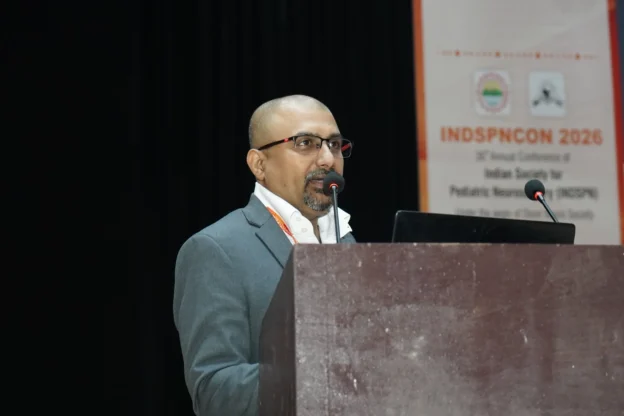
A recent OneIndia feature discussed the importance of recognizing early warning signs in children and highlighted how timely diagnosis and multidisciplinary pediatric neurological care can improve quality of life significantly.
Primary Source: OneIndia – Dr. Mohana Rao Patibandla on Early Care for Pediatric Neurological Disorders
Understanding Pediatric Neurological Disorders
Pediatric neurological disorders include a broad range of conditions affecting the brain, spinal cord, nerves, and developing nervous system in children.
According to the OneIndia article, pediatric neurological disorders may include:
- Epilepsy
- Hydrocephalus
- Congenital brain abnormalities
- Developmental disorders
- Pediatric brain tumors
- Spinal disorders
- Movement disorders
- Traumatic brain injuries
Some pediatric neurological disorders may require surgery, while others involve long-term medical management, rehabilitation, physiotherapy, developmental therapy, or multidisciplinary support systems.
Children’s brains remain highly dynamic and adaptable during development, which means timely intervention can significantly influence future neurological and developmental outcomes.
CDC – Developmental Disabilities and Child Development
Why Early Diagnosis Is So Important
One of the strongest themes throughout the OneIndia feature is the importance of early recognition and timely neurological evaluation.
The article explains that delayed diagnosis may sometimes lead to avoidable developmental setbacks or long-term disability.
In pediatric neurology, early intervention may help:
- Improve developmental milestones
- Enhance cognitive outcomes
- Reduce disability
- Improve motor function
- Enhance speech development
- Support long-term independence
Unlike adult neurological systems, the developing brain possesses significant neuroplasticity, meaning it may adapt and respond more effectively when treatment begins early.
This is why pediatric neurological symptoms should never be dismissed casually.
Seizures in Children Are Common but Often Misunderstood
Seizures remain one of the most common pediatric neurological concerns.
The article highlights that seizures can affect:
- Learning
- Memory
- Concentration
- Behavior
- Overall neurological development
Some seizures may appear dramatic with body jerking and loss of consciousness, while others may be subtle and difficult to recognize.
Symptoms can include:
- Blank staring episodes
- Sudden confusion
- Unusual repetitive movements
- Brief loss of awareness
- Sudden falls
Advancements in pediatric epilepsy management, diagnostics, medications, and epilepsy surgery have improved outcomes significantly over the years.
However, early neurological consultation remains critical.
Developmental Delays Require Attention
Developmental delays represent another major area where early recognition can dramatically improve outcomes.
Children may experience delays involving:
- Speech
- Motor development
- Social interaction
- Behavioral milestones
- Learning abilities
The OneIndia article emphasizes that developmental regression or delayed milestones should never be ignored.
In some cases, early intervention programs, therapy, specialized treatment, and rehabilitation may significantly improve developmental progress and quality of life.
Parents should seek evaluation if children:
- Do not meet age-appropriate milestones
- Lose previously acquired skills
- Show abnormal movements
- Develop unexplained weakness
- Display persistent behavioral changes
Hydrocephalus and Congenital Neurological Disorders
The article also discusses conditions such as hydrocephalus and congenital neurological abnormalities.
Hydrocephalus involves abnormal accumulation of fluid within the brain and may require prompt diagnosis and treatment.
Untreated hydrocephalus can affect:
- Brain development
- Vision
- Neurological function
- Cognitive growth
Similarly, congenital spinal abnormalities and pediatric brain tumors benefit greatly from early specialist evaluation before complications progress further.
Advanced imaging and modern pediatric neurosurgical techniques have significantly improved diagnosis and treatment planning in recent years.
Children May Struggle to Explain Symptoms
One of the major challenges in pediatric neurology is that children often cannot clearly describe their symptoms.
The article emphasizes warning signs such as:
- Persistent headaches
- Repeated vomiting
- Balance disturbances
- Difficulty concentrating
- Behavioral changes
These symptoms may occasionally indicate underlying neurological conditions requiring further evaluation.
Parents and caregivers therefore play a vital role in recognizing early warning signs and seeking timely medical consultation.
Pediatric Neurotrauma in India
Road traffic accidents and falls continue contributing significantly to pediatric neurotrauma in India.
The OneIndia feature notes that timely emergency care, imaging, and neurosurgical evaluation can significantly improve recovery outcomes in children with head or spinal injuries.
Pediatric neurotrauma may affect:
- Brain function
- Motor development
- Learning abilities
- Behavioral outcomes
- Long-term neurological function
Rapid specialist intervention often plays a major role in reducing long-term complications.
Modern Pediatric Neurosciences Are Transforming Outcomes
The article highlights how modern pediatric neurosciences have evolved significantly over the last decade.
Advancements now include:
- High-resolution imaging
- Minimally invasive neurosurgery
- Endoscopic procedures
- Neuronavigation systems
- Pediatric neurocritical care
- Advanced rehabilitation systems
These technologies improve:
- Surgical precision
- Recovery outcomes
- Safety
- Long-term neurological function
Minimally Invasive Neurosurgery at Dr. Rao’s Hospital
The Importance of Multidisciplinary Pediatric Care
Pediatric neurological care extends far beyond surgery alone.
According to the article, long-term support often involves:
- Neurologists
- Neurosurgeons
- Physiotherapists
- Speech therapists
- Occupational therapists
- Psychologists
- Rehabilitation specialists
- Educators
This multidisciplinary approach helps children achieve the best possible developmental and neurological outcomes.
Comprehensive pediatric care should focus not only on survival but also on:
- Education
- Social development
- Emotional wellbeing
- Functional independence
- Long-term quality of life
The Challenge of Accessibility in Regional India
One of the major healthcare challenges highlighted in the article is unequal access to pediatric neurosciences infrastructure across India.
Families in regional areas often travel long distances seeking specialized pediatric neurological care.
The article discusses how expanding pediatric neurological services and awareness programs in regional healthcare systems is becoming increasingly important.
Regional neuroscience systems help:
- Improve accessibility
- Reduce treatment delays
- Enhance continuity of care
- Support long-term rehabilitation
Improving accessibility may significantly influence childhood neurological outcomes over the coming decade.
Public Awareness Can Transform Outcomes
Public awareness remains one of the most powerful tools in improving pediatric neurological outcomes.
The article emphasizes that parents, schools, and caregivers should seek medical evaluation for:
- Unexplained seizures
- Developmental regression
- Persistent headaches
- Weakness
- Abnormal movements
- Speech delays
Not every symptom indicates serious disease, but timely assessment allows doctors to identify neurological conditions earlier and guide families appropriately.
Earlier diagnosis often creates opportunities for better recovery and improved long-term quality of life.
Conclusion
Pediatric neurological disorders require awareness, compassion, timely diagnosis, and specialized multidisciplinary care.
Children often present with subtle neurological symptoms that may initially appear harmless or temporary. However, delayed recognition may allow neurological conditions to progress during critical stages of development.
The OneIndia feature highlights a crucial healthcare message: early intervention can dramatically influence a child’s future.
With increasing awareness, expanding pediatric neurosciences infrastructure, and improving accessibility to specialized care, many children with neurological disorders can achieve better developmental, educational, and functional outcomes than ever before.
In pediatric neurosciences, recognizing symptoms early and acting at the right time can truly transform lives.
Frequently Asked Questions (FAQ)
1. What are common pediatric neurological disorders?
Common disorders include epilepsy, hydrocephalus, developmental delays, pediatric brain tumors, spinal disorders, and movement disorders.
2. Why is early diagnosis important in children?
Early diagnosis improves developmental outcomes and may reduce long-term neurological disability.
3. What symptoms in children require neurological evaluation?
Seizures, developmental delays, weakness, abnormal movements, speech delay, headaches, and behavioral regression require evaluation.
4. Can pediatric neurological disorders be treated successfully?
Many conditions improve significantly with early diagnosis, surgery, therapy, rehabilitation, and multidisciplinary care.
5. Why is multidisciplinary care important?
Children often benefit from coordinated treatment involving neurologists, therapists, rehabilitation specialists, psychologists, and educators.
Keywords
best neurosurgeon in Guntur, best neurologist in Guntur, best spine surgeon in Guntur, pediatric neurological disorders India, pediatric neurosurgery India, child neurological disorders, epilepsy in children India, developmental delay India, hydrocephalus treatment India, pediatric brain tumors India, pediatric spine disorders India, pediatric epilepsy surgery India, pediatric neurotrauma India, advanced pediatric neurosciences India, pediatric neurological symptoms, developmental regression children, childhood seizures India, speech delay neurological disorders, pediatric rehabilitation India, Dr Mohana Rao Patibandla, Dr Rao Hospital Guntur, International Institute of Neurosciences, pediatric neurological care Andhra Pradesh, pediatric brain surgery India, minimally invasive pediatric neurosurgery India, advanced neurological care India, regional pediatric neurosciences India, child brain disorders India, pediatric movement disorders India, pediatric neurological awareness India, neurological disorders in children India, pediatric stroke India, advanced pediatric brain surgery India, pediatric neurological rehabilitation India, brain spine and nerve hospital India, advanced neurosciences India, pediatric developmental disorders India, neurological healthcare accessibility India, pediatric neurocritical care India
Internal Links
Dr. Rao’s Hospital – International Institute of Neurosciences
Minimally Invasive Neurosurgery
Endoscopic Brain Surgery
About Dr. Mohana Rao Patibandla
Call To Action
If your child is experiencing seizures, delayed milestones, speech difficulties, persistent headaches, weakness, abnormal movements, or developmental concerns, early neurological evaluation is essential.
Dr. Rao’s Hospital – International Institute of Neurosciences
12-19-67, Old Bank Road, Kothapet, Besides AK Biryani Point, Guntur, Andhra Pradesh
Phone: +91 9010056444
Email: info@drraoshospitals.com
Website: https://drraoshospitals.com/
Connect With Us
“`