From Brain Surgery to Building an Institution: How Dr. Rao’s Hospital Is Bringing Advanced Neuroscience to Guntur
From Brain Surgery to Building an Institution: How Dr. Rao’s Hospital Is Bringing Advanced Neuroscience to Guntur
Featured in Forbes India – India’s Most Promising Companies Shaping the Future
India’s healthcare landscape is evolving rapidly. Advanced medical technology, specialised expertise, and sophisticated surgical techniques are increasingly becoming accessible beyond the country’s traditional metropolitan healthcare centres. A growing number of institutions are challenging the belief that patients must travel to major cities to access complex medical care.
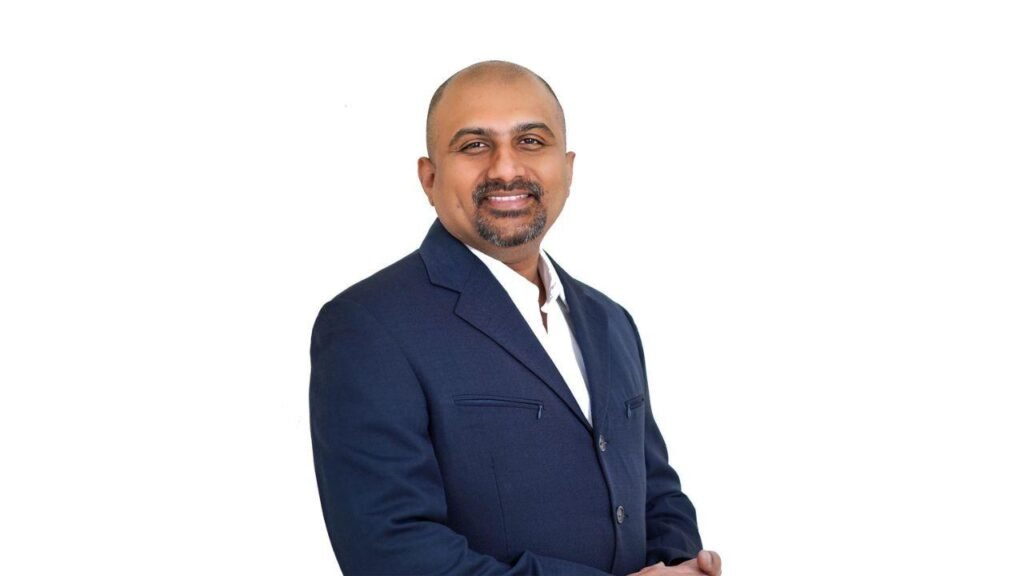
One such institution is Dr. Rao’s Hospital – International Institute of Neurosciences (IIN), Guntur, Andhra Pradesh, founded by neurosurgeon Dr. Mohana Rao Patibandla.
Featured in Forbes India in its coverage of India’s promising companies shaping the future, Dr. Rao’s Hospital represents a broader transformation in healthcare: bringing advanced neuroscience, specialised surgical expertise, and modern infrastructure closer to patients in regional India.
The institution’s story is not simply about establishing a hospital. It is about building a specialised neuroscience centre in a city outside India’s traditional metropolitan healthcare hubs.
The Vision: Advanced Neuroscience Beyond Metropolitan Cities
For decades, patients with complex brain, spine, and neurological disorders have often faced a difficult decision—seek treatment locally or travel to a major city for advanced care.
Conditions such as brain tumours, complex spinal disorders, cerebral aneurysms, vascular malformations, epilepsy, hydrocephalus, and neurological emergencies may require highly specialised evaluation, advanced imaging, multidisciplinary treatment, and surgical expertise.
Dr. Mohana Rao Patibandla established Dr. Rao’s Hospital with a vision of making advanced neurological care accessible without requiring patients to travel far from their families and communities.
Located in Guntur, Andhra Pradesh, the hospital was developed as a dedicated neuroscience institution focusing on brain, spine, nerve, and cerebrovascular disorders.
The guiding principle behind this vision is straightforward: advanced neurological care should be determined by the patient’s medical needs—not by the city in which the patient lives.
This approach is increasingly relevant to India’s Tier-II and Tier-III cities, where access to highly specialised healthcare continues to evolve.
Dr. Mohana Rao Patibandla: A Neurosurgeon With Broad Subspecialty Training
Dr. Mohana Rao Patibandla’s professional journey combines neurosurgical training in India with advanced fellowship training in the United States across multiple subspecialties of neurosciences.
His areas of expertise include:
- Minimally invasive neurosurgery
- Skull base surgery
- Pediatric neurosurgery
- Neuro-oncology
- Cerebrovascular neurosurgery
- Endovascular neurosurgery
- Epilepsy surgery
- Functional neurosurgery
- Stereotactic radiosurgery
- Complex brain and spine surgery
This broad subspecialty background reflects the increasingly complex nature of modern neurosurgical practice. A neurological condition may involve multiple anatomical, functional, vascular, and surgical considerations.
The ability to evaluate a patient from several neurosurgical perspectives can be particularly important when dealing with complex cases requiring individualised treatment planning.
Rather than approaching every condition through a single surgical technique, contemporary neurosurgery increasingly focuses on identifying the most appropriate treatment for each patient—whether that involves observation, medical treatment, conventional surgery, minimally invasive surgery, endoscopic intervention, endovascular treatment, or stereotactic radiosurgery.
Learn more about Dr. Mohana Rao Patibandla and his neurosurgical background.
Advanced Technology and the Evolution of Neurosurgical Care
Modern neurosurgery is increasingly dependent on technology that improves anatomical understanding, surgical planning, intraoperative precision, and neurological monitoring.
Dr. Rao’s Hospital – International Institute of Neurosciences incorporates advanced technology into its neurological and neurosurgical services, including:
- Intraoperative neurophysiological monitoring (IONM)
- Functional brain mapping
- Neuronavigation
- Advanced neuroimaging support
- Biplane catheterisation laboratory
- Hybrid operating theatre
- Intraoperative imaging
- Minimally invasive and endoscopic surgical systems
These technologies are not simply equipment additions. Their value lies in how they are incorporated into patient selection, surgical planning, operative decision-making, and monitoring.
Neuronavigation and Image-Guided Neurosurgery
Neuronavigation enables surgeons to use preoperative imaging as a reference during surgery. In selected brain and spine procedures, it helps establish spatial orientation and supports surgical planning around important anatomical structures.
This can be particularly useful in selected tumour surgeries, deep-seated brain lesions, complex spinal procedures, and other operations where anatomical precision is important.
Intraoperative Neurophysiological Monitoring
Intraoperative neurophysiological monitoring can help assess neurological pathways during selected operations. Depending on the procedure, monitoring may include motor, sensory, and other neurophysiological signals.
Monitoring provides additional information during surgery and can assist the surgical team in recognising changes in neurological function while a procedure is underway.
Hybrid Operating Rooms and Neurovascular Care
The management of cerebral aneurysms, stroke, vascular malformations, and other cerebrovascular disorders may involve both open surgical and endovascular approaches.
A hybrid operating environment and advanced neurovascular imaging infrastructure can support selected complex cases where coordinated imaging and procedural capabilities are important.
Explore advanced brain surgery and neurosurgical care at Dr. Rao’s Hospital.
Minimally Invasive Neurosurgery: Moving Toward Precision With Less Tissue Disruption
One of the defining changes in modern neurosurgery is the development of minimally invasive techniques.
Traditional surgical approaches remain essential for many conditions. However, in carefully selected patients, minimally invasive approaches may provide access to pathological lesions while reducing unnecessary disruption of surrounding tissues.
These techniques may include:
- Keyhole brain surgery
- Endoscopic brain surgery
- Endoscopic skull base surgery
- Minimally invasive spine surgery
- Endoscopic spinal procedures
- Microscopic neurosurgery
- Brain port-assisted procedures
The objective is not simply to make an incision smaller. The objective is to achieve the surgical goal while preserving normal anatomical structures as much as possible.
Depending on the underlying disease, the patient’s anatomy, and the surgical procedure, minimally invasive techniques may offer advantages such as reduced tissue disruption, less postoperative pain, shorter recovery periods, and earlier mobilisation.
However, minimally invasive surgery is not appropriate for every patient or every neurological condition. The safest and most effective approach must be determined through careful clinical assessment.
Read more about minimally invasive brain and spine surgery.
Comprehensive Brain, Spine, and Neurovascular Care Under One Roof
Neuroscience is a broad medical discipline that includes the diagnosis and treatment of disorders affecting the brain, spinal cord, peripheral nerves, and associated vascular structures.
At Dr. Rao’s Hospital – International Institute of Neurosciences, clinical services include several specialised areas.
Brain Tumour Surgery
Brain tumours require careful evaluation based on their location, size, imaging characteristics, neurological symptoms, and relationship to critical brain structures.
Treatment may involve observation, biopsy, microsurgery, minimally invasive approaches, or other therapies depending on the diagnosis.
Spine Surgery
Spinal conditions such as disc herniation, spinal stenosis, degenerative disease, spinal tumours, and complex spinal disorders may require conservative treatment or surgery.
Minimally invasive and endoscopic techniques may be considered when clinically appropriate.
Cerebrovascular and Endovascular Neurosurgery
Cerebrovascular neurosurgery involves the treatment of disorders affecting blood vessels of the brain and nervous system, including selected aneurysms, vascular malformations, and stroke-related conditions.
Endovascular procedures use catheter-based techniques to treat selected vascular disorders without requiring traditional open surgery.
Pediatric Neurosurgery
Children with neurological conditions require specialised assessment that accounts for their developing brain, spine, neurological function, and age-specific medical needs.
Pediatric neurosurgical services may involve conditions such as hydrocephalus, brain tumours, congenital disorders, epilepsy, craniospinal abnormalities, and traumatic injuries.
Stereotactic Radiosurgery
Stereotactic radiosurgery is a highly precise form of radiation treatment used for selected neurological conditions. Despite the term “surgery,” it generally does not involve a conventional surgical incision.
It may be used in appropriately selected patients with certain brain tumours, vascular abnormalities, and other neurological disorders.
Explore the hospital’s neuroscience services and treatment options.
Bringing Patients From Across India and Beyond
The Forbes India feature highlighted an important aspect of Dr. Rao’s Hospital: its patient base extends beyond Guntur.
Patients travel from different parts of India for specialised neurological evaluation and treatment. The institution also receives international patients seeking neurological and neurosurgical care in India.
This reflects a wider trend in healthcare. Patients increasingly evaluate hospitals based on a combination of:
- Subspecialty expertise
- Technology and infrastructure
- Treatment options
- Clinical experience
- Communication with doctors
- Accessibility
- Cost of treatment
- Continuity of care
India has become an important destination for international patients seeking advanced medical services. Institutions outside major metropolitan cities may also contribute to this ecosystem when they combine specialised expertise, infrastructure, and organised patient care.
For regional hospitals, the challenge is to build systems that support not only complex treatment but also patient communication, diagnostic coordination, postoperative care, rehabilitation, and follow-up.
12,000 Minimally Invasive Procedures: Experience and Surgical Practice
The Forbes India feature referenced Dr. Rao’s experience of performing 12,000 minimally invasive surgeries, including 4,000 procedures in Guntur.
Such experience reflects the increasing role of minimally invasive techniques in contemporary neurosurgical practice.
Minimally invasive neurosurgery involves a range of approaches, and the appropriate technique varies depending on the disease being treated. The decision to use a minimally invasive approach is influenced by clinical factors rather than the technique alone.
For patients, understanding the available treatment options is an important part of making informed decisions.
A consultation should explain:
- The diagnosis and its implications
- Whether treatment is necessary immediately
- Non-surgical and surgical alternatives
- Expected benefits of treatment
- Potential risks and complications
- The likely recovery process
- Follow-up and rehabilitation requirements
Patient-centred care requires that technology and surgical experience are combined with clear communication and realistic expectations.
Why the Development of Neuroscience Centres in Regional India Matters
Healthcare decentralisation has the potential to change how patients access specialised treatment.
When advanced medical institutions develop outside metropolitan centres, several opportunities emerge.
Reduced Travel Burden
Patients and families may avoid repeated long-distance travel for consultations, investigations, and treatment.
Earlier Access to Specialised Evaluation
Patients may have the opportunity to seek specialist advice sooner rather than postponing care because of travel or logistical difficulties.
Regional Medical Development
Specialised hospitals can contribute to the growth of local medical teams, nursing expertise, neurocritical care, rehabilitation, and supporting healthcare services.
Access to Advanced Technology
Modern infrastructure can bring specialised procedures and diagnostic capabilities closer to regional populations.
Medical Tourism Opportunities
Patients from other regions and countries may increasingly consider specialised centres in India when evaluating treatment options.
The growth of specialised healthcare institutions in cities such as Guntur illustrates the potential of regional India to participate in the future of advanced healthcare.
The Future: Building a Neuroscience Ecosystem, Not Just a Hospital
The future of neurological care will depend on more than individual surgical procedures.
It will increasingly involve integrated systems combining:
- Early diagnosis
- Advanced neuroimaging
- Neurosurgical expertise
- Neurocritical care
- Endovascular treatment
- Minimally invasive techniques
- Rehabilitation
- Long-term follow-up
- Patient education
- Clinical research and innovation
For institutions such as Dr. Rao’s Hospital – International Institute of Neurosciences, the challenge and opportunity lie in continuing to develop this comprehensive ecosystem.
The broader vision is to make specialised neurological care accessible, technologically advanced, clinically responsible, and patient-centred.
A Vision That Extends Beyond Geography
The Forbes India recognition of Dr. Rao’s Hospital in India’s Most Promising Companies Shaping the Future highlights a story that extends beyond the growth of an individual healthcare institution.
It reflects the changing expectations of patients and the evolving capabilities of healthcare in regional India.
The journey of Dr. Mohana Rao Patibandla and Dr. Rao’s Hospital – International Institute of Neurosciences demonstrates how specialised expertise, modern technology, and a clear institutional vision can contribute to expanding the boundaries of healthcare beyond metropolitan cities.
The future of neurosurgery in India will not be shaped only by the largest hospitals in the largest cities. It will also be shaped by specialised institutions that bring expertise, innovation, and access closer to the people who need them.
The vision is simple but significant: advanced neuroscience should not be limited by geography.
Frequently Asked Questions
What is Dr. Rao’s Hospital – International Institute of Neurosciences?
Dr. Rao’s Hospital – International Institute of Neurosciences is a specialised hospital in Guntur, Andhra Pradesh, providing neurological, neurosurgical, brain, spine, cerebrovascular, and related services.
Who is Dr. Mohana Rao Patibandla?
Dr. Mohana Rao Patibandla is a neurosurgeon and the Founder and Chief Neurosurgeon of Dr. Rao’s Hospital – International Institute of Neurosciences, Guntur. His areas of expertise include minimally invasive neurosurgery, skull base surgery, pediatric neurosurgery, neuro-oncology, cerebrovascular and endovascular neurosurgery, and stereotactic radiosurgery.
Does Dr. Rao’s Hospital perform minimally invasive brain and spine surgery?
Yes. Minimally invasive, endoscopic, microscopic, and image-guided techniques are available for selected brain and spine conditions. The appropriate approach depends on the patient’s diagnosis, anatomy, and treatment requirements.
What neurological conditions are treated at Dr. Rao’s Hospital?
The hospital provides evaluation and treatment for brain tumours, spine disorders, stroke and cerebrovascular conditions, epilepsy, pediatric neurological conditions, peripheral nerve disorders, neurotrauma, and other neurological diseases.
Where is Dr. Rao’s Hospital located?
Dr. Rao’s Hospital – International Institute of Neurosciences is located in Guntur, Andhra Pradesh, India.
Can patients from outside Guntur or outside India seek treatment?
Yes. Patients from other Indian states and international locations can contact the hospital for evaluation, consultation, and treatment planning.
About Dr. Rao’s Hospital – International Institute of Neurosciences
Dr. Rao’s Hospital – International Institute of Neurosciences (IIN), Guntur, is a specialised centre for brain, spine, nerve, and cerebrovascular care founded by Dr. Mohana Rao Patibandla. The hospital provides neurological evaluation, neurosurgery, minimally invasive procedures, spine surgery, pediatric neurosurgery, neurovascular care, and stereotactic radiosurgery using modern technology and specialised clinical expertise.
Location: Guntur, Andhra Pradesh, India
Website: drraoshospitals.com
Appointments & enquiries: +91 90100 56444
Featured in Forbes India: India’s Most Promising Companies Shaping the Future