Tag Archives: endoscopic brain surgery

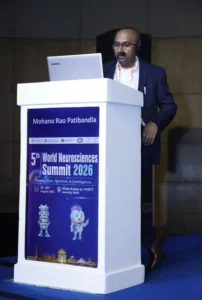
Dr. Mohana Rao Patibandla explaining DTI neuronavigation technology for advanced brain surgery at Dr. Rao’s Hospital in Guntur.

The Rise of Advanced Minimally Invasive Neurosurgery in India | Dr. Rao’s International Institute of Neurosciences

The Rise of Advanced Minimally Invasive Neurosurgery in India


Inspired by the Mid-Day feature article on advanced minimally invasive neurosurgery in India Original Mid-Day Feature Article


Neurosurgery has traditionally been viewed as one of the most complex and demanding fields in medicine. For decades, brain and spine surgeries were associated with large incisions, prolonged hospital stays, extensive recovery periods, and significant postoperative discomfort. However, modern medicine is undergoing a remarkable transformation.


Today, advanced minimally invasive neurosurgery is redefining how neurological and spinal disorders are treated across India. With innovations in endoscopic surgery, neuronavigation systems, intraoperative neuromonitoring, microsurgical techniques, and advanced imaging, many complex procedures can now be performed with greater precision and reduced tissue disruption.


India is rapidly emerging as an important center for advanced neurosciences care, and institutions such as Dr. Rao’s International Institute of Neurosciences in Guntur are contributing to this evolving landscape by integrating modern minimally invasive approaches into comprehensive neurological care.


What Is Minimally Invasive Neurosurgery?


Minimally invasive neurosurgery refers to advanced surgical techniques designed to treat brain, spine, and nerve disorders through smaller incisions and highly precise surgical pathways. Instead of large open exposures, surgeons utilize specialized technologies and instruments that minimize damage to surrounding tissues while maintaining surgical effectiveness.


The primary goals of minimally invasive neurosurgery include:


  • Reducing tissue trauma
  • Improving surgical precision
  • Shortening hospital stays
  • Reducing postoperative pain
  • Enhancing recovery speed
  • Lowering infection risks
  • Improving cosmetic outcomes
  • Preserving neurological function

Importantly, minimally invasive neurosurgery is not simply about smaller incisions. It represents a broader evolution toward precision-based and patient-centered care.


The Evolution of Neurosurgery in India


India’s neurosciences ecosystem has evolved dramatically over the past two decades. Advanced technologies that were once limited to select global centers are increasingly becoming accessible within India.


Modern Indian neurosurgery now incorporates:


  • Endoscopic skull base surgery
  • Endoscopic spine surgery
  • Microneurosurgery
  • Neuronavigation systems
  • Intraoperative neuro-monitoring
  • Advanced neuroimaging
  • Cerebrovascular interventions
  • Minimally invasive spinal stabilization


This transformation is improving patient outcomes while expanding treatment possibilities for many neurological conditions that were previously considered highly complex.


According to the Mid-Day feature article, minimally invasive neurosurgery is emerging as one of the most significant developments in modern neurosciences across India.


Endoscopic Skull Base Surgery: A Revolutionary Advancement


One of the most exciting developments in minimally invasive neurosurgery is endoscopic skull base surgery.


Traditionally, tumors located deep within the skull base often required extensive open surgical approaches involving significant tissue dissection and longer recovery periods. Modern endoscopic techniques now allow surgeons to access certain lesions through minimally invasive pathways using high-definition cameras and specialized instruments.


These advanced approaches may offer:


  • Reduced surgical trauma
  • Improved visualization
  • Enhanced precision
  • Shorter recovery times
  • Reduced hospital stays
  • Lower postoperative discomfort


Endoscopic skull base surgery is increasingly being utilized for:


  • Pituitary tumors
  • Skull base tumors
  • Certain cerebrospinal fluid leaks
  • Selected cranial lesions


At Dr. Rao’s International Institute of Neurosciences, advanced minimally invasive techniques continue to expand treatment possibilities for carefully selected patients.


The Growing Importance of Endoscopic Spine Surgery


Spine disorders are among the most common neurological conditions affecting patients today. Conditions such as slipped discs, spinal stenosis, degenerative spine disease, and nerve compression can severely impact mobility and quality of life.


Conventional spine surgery often required larger incisions and significant muscle dissection. Endoscopic spine surgery is changing this landscape.


Using specialized endoscopic systems, surgeons can perform certain spinal procedures through very small incisions while minimizing disruption to surrounding muscles and tissues.


Benefits for many patients may include:


  • Reduced postoperative pain
  • Earlier mobilization
  • Faster rehabilitation
  • Reduced blood loss
  • Smaller scars
  • Shorter hospitalization


Minimally invasive spine surgery has become increasingly popular among patients seeking safer and faster recovery options whenever clinically appropriate.


Neuronavigation: GPS for the Brain and Spine


One of the most remarkable innovations in modern neurosurgery is neuronavigation technology.


Often compared to a GPS system for the brain and spine, neuronavigation allows surgeons to map complex anatomical structures in real time using integrated imaging systems.


This technology is particularly valuable in:


  • Brain tumor surgery
  • Skull base procedures
  • Complex spinal operations
  • Cerebrovascular surgery
  • Deep-seated lesions


Millimeter-level accuracy is critical in neurosurgery. Neuronavigation significantly enhances surgical planning and precision while helping surgeons preserve vital neurological structures.


Advanced navigation-guided surgery represents one of the most important pillars of modern precision neurosurgery.


The Role of Intraoperative Neuro-Monitoring


Intraoperative neuro-monitoring is another major advancement improving surgical safety.


During complex neurological procedures, neuro-monitoring systems assess nerve and spinal cord function in real time. This allows surgical teams to monitor critical neurological pathways throughout surgery.


The advantages may include:


  • Improved surgical safety
  • Reduced risk of neurological injury
  • Better functional preservation
  • Enhanced surgical confidence


Neuro-monitoring is particularly valuable in:


  • Complex spine surgery
  • Brain tumor surgery
  • Skull base surgery
  • Cerebrovascular procedures
  • Pediatric neurosurgery


These technologies are helping modern neurosurgery become safer and more precise than ever before.


Microneurosurgery and Precision-Based Care


Microneurosurgery remains central to advanced neurosurgical care.


High-powered operating microscopes allow surgeons to work with extraordinary precision around delicate:


  • Blood vessels
  • Brain tissue
  • Cranial nerves
  • Spinal nerves


Combined with minimally invasive techniques and advanced imaging, microneurosurgery has dramatically expanded treatment possibilities for many neurological disorders.


The integration of:

  • Microscopes
  • Endoscopy
  • Neuronavigation
  • Advanced imaging
  • Neuro-monitoring


has created a new era of highly sophisticated precision neurosurgery.


Why Patients Prefer Minimally Invasive Approaches


Modern patients are increasingly informed about treatment options and recovery expectations.


Whenever medically appropriate, many patients now prefer minimally invasive procedures because they may offer:


  • Less pain
  • Reduced scarring
  • Shorter hospital stays
  • Faster return to work
  • Earlier rehabilitation
  • Lower complication risks


This shift is influencing how neuroscience centers across India approach patient-centered care.


However, experts emphasize that not every patient is suitable for minimally invasive surgery. Surgical decisions must always prioritize patient safety, disease characteristics, and long-term outcomes rather than technology alone.


The Importance of Ethical Patient Selection


While technology continues to evolve rapidly, experienced neurosurgeons consistently emphasize one important principle:


Technology should never replace clinical judgment.


Certain conditions may still require conventional open surgery depending on:


  • Tumor complexity
  • Trauma severity
  • Spinal deformity
  • Vascular anatomy
  • Patient-specific risk factors


Ethical neurosurgical care involves selecting the safest and most effective approach for each individual patient.


At Dr. Rao’s International Institute of Neurosciences, the philosophy continues to emphasize combining advanced technology with individualized, patient-centered treatment planning.


The Future of Neurosurgery in India


India’s neurosciences landscape is entering a highly exciting phase.


Future technologies expected to further transform neurosurgery include:


  • Artificial intelligence-assisted imaging
  • Robotic surgical systems
  • Augmented reality visualization
  • Advanced intraoperative imaging
  • Enhanced neuro-navigation systems
  • Precision-guided robotic spine surgery


As infrastructure and expertise continue expanding across India, advanced minimally invasive neurosurgery may become increasingly accessible in both metropolitan and regional healthcare systems.


Importantly, globally trained specialists are now helping bring advanced neurosciences care to Tier-2 cities like Guntur, making sophisticated treatment more accessible to regional populations.


Dr. Mohana Rao Patibandla and Advanced Neurosciences Care


According to the Mid-Day feature article, Dr. Mohana Rao Patibandla has been part of the broader movement toward integrating advanced minimally invasive techniques into regional neurosciences practice in India.


With international fellowship training across subspecialties including:


  • Minimally invasive skull base surgery
  • Pediatric neurosurgery
  • Neuro-oncology
  • Cerebrovascular surgery
  • Endovascular neurosurgery

Dr. Patibandla has consistently emphasized the importance of combining:


  • Modern technology
  • Ethical medicine
  • Precision surgery
  • Compassionate care
  • Patient-centered decision-making

This vision continues to help shape the development of advanced neurosciences services in Andhra Pradesh and regional India.


Conclusion


Minimally invasive neurosurgery represents one of the most important transformations in modern neurosciences.


By reducing tissue trauma and improving surgical precision, these advanced techniques are helping many patients experience:


  • Safer procedures
  • Faster recovery
  • Reduced pain
  • Shorter hospitalization
  • Earlier return to daily life

India is rapidly emerging as an important center for advanced neurosciences innovation. As technology, infrastructure, and expertise continue to evolve, the future of brain and spine care is becoming increasingly precise, patient-centered, and minimally invasive.


Institutions like Dr. Rao’s International Institute of Neurosciences demonstrate how world-class neurosciences care can successfully expand beyond metropolitan boundaries while maintaining high standards of ethics, innovation, and compassionate treatment.


Internal Links

External References


Contact Dr. Rao’s International Institute of Neurosciences

The Best Neurosurgeon in Guntur | The Best Neurologist in Guntur | The Best Spine Surgeon in Guntur

If you or your loved one is suffering from brain tumors, spinal disorders, stroke, nerve compression, or neurological conditions, early diagnosis and advanced treatment can significantly improve outcomes.

📍 Dr. Rao’s International Institute of Neurosciences
12-19-67, Old Bank Road, Kothapet,
Opposite Sravani Hospital,
Guntur, Andhra Pradesh – 522001

📞 Phone: +91 90100 56444
📧 Email: info@drraoshospitals.com
🌐 Website: https://drraoshospitals.com


Follow Dr. Mohana Rao Patibandla

📘 Facebook: Facebook
📸 Instagram: Instagram
📺 YouTube: YouTube
💼 LinkedIn: LinkedIn
🐦 X (Twitter): X / Twitter
📍 Google Maps: Location Map

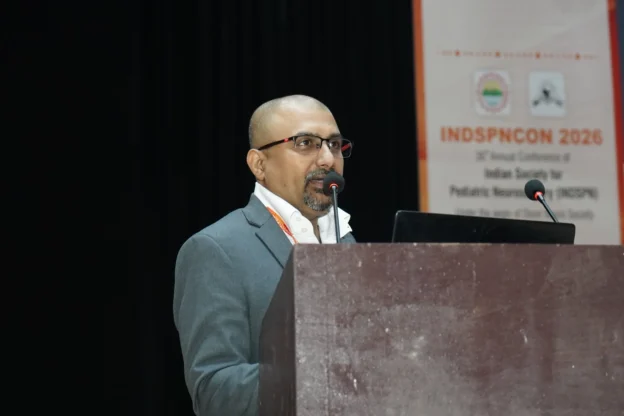
Dr. Mohana Rao Patibandla presenting on Percutaneous Endoscopic Lumbar Discectomy (PELD) at NEUROENDOCON 2026 conference in Jaipur

Why World-Class Neurosciences Care Must Reach Beyond Metro Cities | Dr. Rao’s International Institute of Neurosciences

Why World-Class Neurosciences Care Must Reach Beyond Metro Cities

For decades, advanced neurosciences care in India has remained heavily concentrated in major metropolitan cities such as Delhi, Mumbai, Chennai, Bengaluru, and Hyderabad. Patients from smaller towns and rural communities have often been forced to travel hundreds of kilometers seeking specialized neurological and neurosurgical treatment. This geographic imbalance has created enormous emotional, financial, and logistical burdens for families already facing serious medical crises.

However, a transformative shift is gradually taking place across India’s healthcare landscape. Internationally trained specialists are beginning to establish advanced medical ecosystems in Tier-2 and Tier-3 cities, bringing world-class healthcare closer to communities that have historically lacked access to specialized care.

One such example is Dr. Rao’s International Institute of Neurosciences, founded by internationally trained neurosurgeon Dr. Mohana Rao Patibandla in Guntur, Andhra Pradesh.

The institute’s journey reflects a larger and deeply important question for Indian healthcare:
Why should world-class neurosciences care remain limited only to metro cities?

The Growing Need for Advanced Neurosciences Care in India

Neurological diseases are rapidly increasing worldwide, and India is no exception. Conditions such as stroke, brain tumors, epilepsy, spinal disorders, traumatic brain injury, Parkinson’s disease, pediatric neurological disorders, and neurovascular diseases require highly specialized multidisciplinary treatment.

Modern neurosciences care today extends far beyond traditional surgery. It requires:

  • Advanced neuroimaging
  • Neuronavigation systems
  • Intraoperative neuromonitoring
  • Endovascular capabilities
  • Neurocritical care units
  • Multidisciplinary rehabilitation
  • Minimally invasive surgical technologies
  • Comprehensive stroke management

Unfortunately, many patients living outside metropolitan regions continue to face delayed diagnosis and delayed treatment due to lack of access to such advanced infrastructure.

In neurosurgery and neurology, time is often critical. Delays can significantly worsen outcomes in conditions such as:

  • Brain hemorrhage
  • Acute ischemic stroke
  • Spinal cord compression
  • Brain tumors
  • Hydrocephalus
  • Head injuries
  • Pediatric neurological emergencies

This is why decentralizing excellence in neurosciences care has become one of the most important healthcare priorities for India’s future.

Why Tier-2 Cities Need Advanced Neurosciences Ecosystems

Tier-2 cities like Guntur, Vijayawada, Visakhapatnam, Rajahmundry, and others represent millions of patients who deserve access to world-class healthcare close to home.

Historically, patients requiring advanced brain surgery or spine surgery often had no option except referral to large metro hospitals. Families faced:

  • Travel-related stress
  • Accommodation expenses
  • Loss of workdays
  • Emotional isolation
  • Delayed emergency treatment
  • Fragmented continuity of care

Building advanced neuroscience institutes within regional cities fundamentally changes this equation.

Patients can now receive:

  • Advanced neurosurgical procedures locally
  • Faster diagnosis and emergency response
  • Family-centered support systems
  • Long-term rehabilitation closer to home
  • Affordable treatment pathways
  • Continuity of postoperative care

This regional transformation is not merely about convenience. It directly improves patient outcomes and healthcare accessibility.

The Vision Behind Dr. Rao’s International Institute of Neurosciences

After completing extensive international fellowships in the United States across multiple subspecialties including:

  • Minimally invasive skull base surgery
  • Pediatric neurosurgery
  • Cerebrovascular surgery
  • Endovascular neurosurgery
  • Neuro-oncology
  • Functional neurosurgery

Dr. Mohana Rao Patibandla made a deliberate and courageous decision to return to Andhra Pradesh rather than pursue a career abroad or exclusively in metropolitan India.

That decision eventually led to the development of one of the region’s most recognized comprehensive neuroscience centers: Dr. Rao’s International Institute of Neurosciences.

The institution focuses on combining:

  • Advanced technology
  • Evidence-based treatment
  • Ethical medical practice
  • Compassionate patient care
  • Accessibility for regional populations

Today, patients travel not only from Andhra Pradesh but also from across India and overseas seeking specialized neurological and neurosurgical treatment.

Building Trust Beyond Technology

One of the greatest misconceptions in modern healthcare is that technology alone defines excellence.

In reality, patients judge healthcare systems based on:

  • Trust
  • Transparency
  • Communication
  • Compassion
  • Ethical decision-making
  • Consistency of outcomes

While advanced infrastructure remains essential, neuroscience care is deeply emotional. Patients and families facing brain surgery or spinal disorders often experience intense anxiety and uncertainty.

This is why compassionate communication matters immensely.

At Dr. Rao’s International Institute of Neurosciences, emphasis is placed not only on surgical precision but also on patient-centered care pathways designed to preserve dignity, trust, and emotional reassurance throughout treatment.

The Rise of Minimally Invasive Neurosurgery

Modern neurosurgery has evolved dramatically over the past two decades.

Minimally invasive techniques are now enabling:

  • Smaller incisions
  • Reduced tissue disruption
  • Faster recovery
  • Lower postoperative pain
  • Shorter hospital stays
  • Improved cosmetic outcomes

These techniques are increasingly being used in:

  • Spine surgery
  • Endoscopic skull base surgery
  • Brain tumor surgery
  • Pediatric neurosurgery
  • Cerebrovascular interventions

Importantly, advanced minimally invasive surgery is no longer limited to metropolitan institutions.

The availability of such sophisticated treatment options in regional India represents a major milestone in healthcare decentralization.

Stroke Care Beyond Metropolitan Borders

Stroke remains one of India’s leading causes of disability and death.

The first few hours after stroke onset are critically important. Rapid diagnosis and treatment can dramatically improve survival and long-term neurological outcomes.

Comprehensive stroke centers require:

  • 24/7 imaging capabilities
  • Neurology expertise
  • Neurosurgical backup
  • Endovascular intervention facilities
  • Neurocritical care

Regional neuroscience centers now play an increasingly vital role in ensuring that patients do not lose precious treatment time traveling to distant metro cities.

The expansion of advanced stroke care across Andhra Pradesh and other regional states will likely become one of the defining healthcare transformations of the next decade.

The Importance of Ethical Healthcare

Modern medicine possesses extraordinary technological capabilities. However, technology without ethics can become dangerous.

Ethical healthcare means:

  • Recommending only necessary interventions
  • Transparent communication
  • Prioritizing patient welfare
  • Avoiding overtreatment
  • Maintaining accountability
  • Building long-term patient trust

As healthcare systems become increasingly commercialized, institutions rooted in integrity and patient-centered decision-making become even more important.

This philosophy continues to guide the development of advanced neuroscience ecosystems outside India’s traditional metropolitan medical hubs.

The Future of Neurosciences in Regional India

India’s healthcare future cannot remain concentrated exclusively in major urban centers.

The next phase of healthcare transformation will depend heavily on the decentralization of excellence.

This includes:

  • Advanced specialty hospitals in Tier-2 cities
  • Research-oriented regional institutions
  • Academic collaborations
  • Training programs for young specialists
  • Technology-driven patient care
  • Telemedicine integration
  • Regional rehabilitation networks

Young doctors and healthcare entrepreneurs increasingly recognize that meaningful impact often exists beyond traditional metropolitan practice environments.

Building world-class healthcare systems in underserved regions may ultimately become one of the most important contributions to India’s healthcare evolution.

Why Patients Now Seek Neurosciences Care in Guntur

Today, Guntur is gradually emerging as an important regional hub for advanced neurosciences care.

Patients increasingly seek specialized treatment for:

  • Brain tumors
  • Complex spine disorders
  • Stroke management
  • Endoscopic brain surgery
  • Epilepsy treatment
  • Pediatric neurosurgery
  • Neurovascular disorders
  • Traumatic brain injury

Institutions like Dr. Rao’s International Institute of Neurosciences are helping redefine perceptions about what regional healthcare can achieve.

This transformation demonstrates that advanced neuroscience care can successfully exist outside metropolitan boundaries while maintaining high standards of ethics, infrastructure, technology, and patient care.

Conclusion

The future of Indian healthcare lies not only in expanding metropolitan hospitals but in creating sustainable ecosystems of excellence across regional India.

World-class neurosciences care should never be geographically exclusive.

Patients deserve access to advanced neurological and neurosurgical treatment regardless of whether they live in Delhi, Hyderabad, Mumbai, Chennai, or Guntur.

The emergence of comprehensive neuroscience institutes in Tier-2 cities represents more than institutional growth. It reflects a broader movement toward healthcare accessibility, ethical medicine, technological advancement, and compassionate patient-centered care.

As India moves forward, the decentralization of advanced neurosciences care may become one of the country’s most important healthcare achievements.


Related Internal Links

External References


Contact Dr. Rao’s International Institute of Neurosciences

The Best Neurosurgeon in Guntur | The Best Neurologist in Guntur | The Best Spine Surgeon in Guntur

If you or your loved one is experiencing neurological symptoms, stroke, spine problems, brain tumors, or other complex neurological conditions, early evaluation can make a major difference in outcomes.

📍 Dr. Rao’s International Institute of Neurosciences
12-19-67, Old Bank Road, Kothapet,
Opposite Sravani Hospital,
Guntur, Andhra Pradesh – 522001

📞 Phone: +91 90100 56444
📧 Email: info@drraoshospitals.com
🌐 Website: https://drraoshospitals.com


Follow Dr. Mohana Rao Patibandla

📘 Facebook: Facebook
📸 Instagram: Instagram
📺 YouTube: YouTube
💼 LinkedIn: LinkedIn
🐦 X (Twitter): X / Twitter
📍 Google Maps: Location Map

Dr Mohana Rao Patibandla speaking at Neurobharat Conclave 2026 Varanasi neurosurgery conference presentation

Complication Avoidance in Deep-Seated Brain Lesions

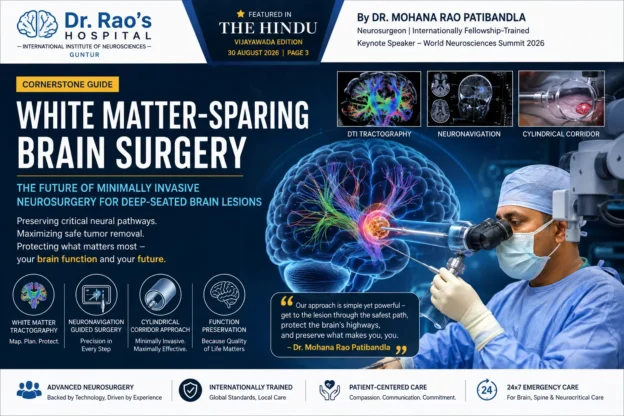
Complication Avoidance in Deep-Seated Brain Lesions: A Paradigm Shift in Modern Neurosurgery

Deep-seated brain lesions have historically represented one of the most challenging domains in neurosurgery. Located in critical and eloquent areas such as the basal ganglia, thalamus, insula, and brainstem, these lesions carry significant risks of neurological deficits, morbidity, and even mortality. However, recent advancements in neuroscience, imaging, and surgical techniques are transforming this landscape.

At the forefront of this evolution is Dr. Rao’s Hospital, recognized as a center of excellence for advanced brain and spine care in India. The recent presentation on “Complication Avoidance in Deep-Seated Brain Lesions: Current Concepts” at NeuroBharat Conclave 2026 highlights a groundbreaking shift—from aggressive lesion removal to precision, function-preserving neurosurgery.

👉 Learn more: https://drraoshospitals.com


Understanding Deep-Seated Brain Lesions

Deep-seated brain lesions include tumors, vascular malformations, cavernomas, and cystic lesions located far beneath the cortical surface. These regions are densely packed with critical neural pathways responsible for motor, sensory, cognitive, and language functions.

Traditionally, accessing these lesions required extensive brain retraction and cortical disruption, often leading to complications such as:

  • Motor weakness or paralysis
  • Speech disturbances
  • Cognitive impairment
  • Postoperative edema and hemorrhage

The challenge has always been balancing maximal lesion removal with minimal neurological damage.


The Core Principle: Complications Are Preventable

The central message of modern neurosurgery is simple yet revolutionary:

Complications are not inevitable—they are often the result of poor surgical planning and inappropriate trajectories.

This insight has led to a shift in surgical philosophy, focusing on preserving the brain’s natural architecture rather than disrupting it.


White Matter Preservation: The Game-Changer

The brain functions through intricate networks of white matter tracts that connect different regions. Damage to these pathways can result in severe functional deficits.

Modern neurosurgery emphasizes:

  • Respecting white matter tracts
  • Avoiding unnecessary fiber disruption
  • Using natural corridors between fibers
  • Promoting fiber splaying rather than cutting

This approach is known as parafascicular surgery, and it forms the cornerstone of complication avoidance.


Diffusion Tensor Imaging (DTI): Precision Mapping of the Brain

One of the most significant advancements enabling safer surgery is Diffusion Tensor Imaging (DTI).

DTI allows neurosurgeons to visualize white matter tracts preoperatively, including:

  • Corticospinal tract (motor function)
  • Arcuate fasciculus (language)
  • Optic radiation (vision)
  • Association fibers

By integrating DTI into surgical planning, surgeons can:

  • Choose trajectories parallel to fiber tracts
  • Avoid critical pathways
  • Minimize postoperative deficits

This represents a move toward connectome-based neurosurgery.


Trans-Sulcal and Parafascicular Approaches

Instead of creating new pathways through the brain, modern techniques utilize natural anatomical corridors such as sulci (grooves on the brain surface).

Key advantages include:

  • Reduced cortical injury
  • Minimal brain retraction
  • Better preservation of neurological function
  • Improved surgical precision

These approaches align with the concept of Minimally Disruptive Tubular (MDT) Surgery.


Technological Integration in Modern Neurosurgery

Advanced technology plays a crucial role in ensuring safer outcomes. At leading centers like Dr. Rao’s Hospital, the following tools are routinely utilized:

  • Neuronavigation systems for real-time guidance
  • Endoscopic assistance for enhanced visualization
  • Tubular retractors to minimize tissue damage
  • Intraoperative monitoring to preserve function

These technologies collectively reduce surgical trauma and improve outcomes.


Clinical Outcomes: Evidence of Progress

The adoption of these advanced techniques has led to measurable improvements in patient outcomes:

  • Reduced postoperative neurological deficits
  • Shorter hospital stays
  • Faster recovery times
  • Improved quality of life

This marks a significant advancement compared to traditional neurosurgical approaches.


From Aggressive Surgery to Precision Neurosurgery

Historically, neurosurgery prioritized complete lesion removal, often at the cost of function. Today, the focus has shifted to:

  • Function preservation
  • Precision targeting
  • Patient-specific surgical planning
  • Minimally invasive approaches

This transformation reflects a broader global trend toward personalized medicine.


Role of Dr. Rao’s Hospital in Advancing Neurosurgery in India

Dr. Rao’s Hospital in Guntur is among the leading centers in India adopting these cutting-edge techniques. The hospital integrates:

  • Advanced imaging technologies
  • Minimally invasive neurosurgical techniques
  • Global best practices
  • Patient-centric care

Recognized as one of the best centers for brain and spine care, it continues to set benchmarks in neurosurgical excellence.

👉 Visit: Dr. Rao’s Hospital


Case-Based Insights (Conceptual Overview)

Consider a deep-seated thalamic tumor:

  • Traditional approach: direct cortical incision → high risk of deficits
  • Modern approach: DTI-guided trans-sulcal route → minimal disruption

Similarly, basal ganglia lesions can now be accessed using parafascicular pathways, significantly reducing motor complications.


Future Directions in Deep Brain Surgery

The future of neurosurgery lies in further refinement of precision techniques, including:

  • Artificial intelligence–assisted planning
  • Augmented reality in the operating room
  • Robotic-assisted neurosurgery
  • Advanced intraoperative imaging

These innovations will continue to enhance safety and outcomes.


Why This Paradigm Shift Matters

The implications of these advancements are profound:

  • Patients can undergo complex brain surgery with reduced risk
  • Surgeons can achieve better outcomes with less invasiveness
  • Healthcare systems benefit from shorter hospital stays and lower costs

Most importantly, it transforms the patient experience—from fear of disability to confidence in recovery.


Frequently Asked Questions (FAQ)

What are deep-seated brain lesions?

They are abnormalities located deep within the brain, often near critical functional areas, making them challenging to treat.

How does DTI help in neurosurgery?

DTI maps white matter tracts, allowing surgeons to plan safer surgical pathways and avoid critical structures.

What is parafascicular surgery?

It is a technique that accesses brain lesions through natural pathways between fiber tracts, minimizing damage.

Is minimally invasive brain surgery safe?

Yes, when performed with advanced technology and expertise, it significantly reduces complications and improves recovery.

Where can I get advanced neurosurgical treatment in India?

Dr. Rao’s Hospital in Guntur is one of the leading centers offering advanced neurosurgical care.


Conclusion

The management of deep-seated brain lesions is undergoing a revolutionary transformation. With the integration of white matter preservation strategies, advanced imaging, and minimally invasive techniques, neurosurgery is becoming safer, more precise, and more effective.

The key takeaway is clear:

Modern neurosurgery is not just about removing lesions—it is about preserving life, function, and dignity.

As pioneers like Dr. Rao continue to advance these techniques in India, patients now have access to world-class neurosurgical care closer to home.

👉 For consultations and advanced treatment options, visit:
https://drraoshospitals.com


People Also Ask (PAA)

What are deep-seated brain lesions?

Deep-seated brain lesions are abnormalities located deep within the brain, such as in the basal ganglia, thalamus, or brainstem. These lesions can include tumors, vascular malformations, or cysts and are challenging to treat due to their proximity to critical functional areas.

What is the safest way to remove deep brain tumors?

The safest approach involves minimally invasive neurosurgery using advanced imaging techniques like Diffusion Tensor Imaging (DTI), neuronavigation, and parafascicular approaches. These methods preserve white matter tracts and reduce the risk of neurological deficits.

How does DTI help in brain surgery?

Diffusion Tensor Imaging (DTI) maps the brain’s white matter tracts, allowing surgeons to plan surgical pathways that avoid critical neural connections. This significantly reduces complications and improves surgical outcomes.

What is parafascicular surgery?

Parafascicular surgery is a minimally invasive technique that accesses brain lesions through natural pathways between white matter fibers, minimizing damage to critical brain structures and preserving function.

What are the risks of deep brain surgery?

Risks include neurological deficits, bleeding, infection, and swelling. However, with modern techniques like DTI-guided surgery and minimally invasive approaches, these risks are significantly reduced.

Is minimally invasive brain surgery effective?

Yes, minimally invasive brain surgery is highly effective when performed by experienced neurosurgeons using advanced technology. It reduces recovery time, minimizes complications, and improves patient outcomes.

Who is the best neurosurgeon in Guntur for deep brain lesions?

Dr. Mohana Rao Patibandla at Dr. Rao’s Hospital is widely recognized as one of the best neurosurgeons in Guntur, offering advanced minimally invasive and precision neurosurgical treatments for complex brain conditions.

Where can I get advanced brain surgery in India?

Advanced brain surgery is available at specialized centers like Dr. Rao’s Hospital in Guntur, which offers cutting-edge neurosurgical techniques, including DTI-guided and minimally invasive procedures.

YouTube

Facebook

Instagram

Google Business Page

LinkedIn

X / Twitter

Dr. Mohana Rao Patibandla presenting on Percutaneous Endoscopic Lumbar Discectomy (PELD) at NEUROENDOCON 2026 conference in Jaipur

Neuroendoscopy Revolution: Insights from NEUROENDOCON 2026

Neuroendoscopy Revolution: Insights from NEUROENDOCON 2026

The field of neurosurgery is undergoing a profound transformation—driven by precision, minimal invasiveness, and advanced technology. Neuroendoscopy is at the forefront of this revolution, redefining how complex brain and spine disorders are treated.
 

This shift was prominently showcased at NEUROENDOCON 2026, the 12th Annual Conference of the Neuroendoscopy Society of India held in Jaipur. The event brought together leading neurosurgeons, innovators, and researchers to discuss cutting-edge advancements in minimally invasive neurosurgery.

Among the distinguished faculty was Dr. Mohana Rao Patibandla, Founder of Dr. Rao’s Hospital, who shared key insights into modern neurosurgical techniques.

Learn more:
https://drraoshospitals.com


NEUROENDOCON 2026: A Platform for Innovation

The conference served as a hub for innovation, featuring:

  • Cadaveric hands-on workshops
  • Live surgical demonstrations
  • Case-based discussions
  • Expert panel sessions

The central theme was clear: Minimally invasive neurosurgery is the future.


The Rise of Neuroendoscopy

Traditional neurosurgery often involved large incisions and prolonged recovery. Neuroendoscopy has transformed this approach by offering:

  • Smaller incisions
  • Reduced tissue damage
  • Enhanced visualization
  • Faster recovery
  • Improved surgical precision

This aligns with modern neurosurgical philosophy—precision and individualized care.


Transforming Spine Surgery: PELD

One of the key highlights of Dr. Rao’s presentation was Percutaneous Endoscopic Lumbar Discectomy (PELD).

This minimally invasive spine surgery offers:

  • Tiny incision
  • Minimal muscle damage
  • Faster recovery
  • Early mobilization

Dr. Rao emphasized that patient selection and surgical planning are critical for success.


Trigeminal Neuralgia: Advanced Endoscopic Solutions

Trigeminal neuralgia, one of the most painful neurological conditions, can now be treated more effectively using endoscopic techniques.

Endoscopic-assisted microvascular decompression (MVD) allows:

  • Better visualization of nerve compression
  • Improved surgical precision
  • Reduced recurrence rates

Endoscopic Pituitary Surgery

Endoscopic transnasal surgery for pituitary tumors represents a major advancement in skull base surgery.

  • No external scars
  • Enhanced visualization
  • Shorter hospital stay
  • Better outcomes

Modern techniques include neuronavigation and high-definition imaging systems.


Technology Driving Neurosurgery

NEUROENDOCON 2026 highlighted the role of technology in neurosurgery:

  • Neuronavigation systems
  • Intraoperative imaging
  • High-definition endoscopy
  • Biplane cath labs

These innovations significantly improve surgical safety and outcomes.


Dr. Rao’s Hospital: A Center of Excellence

Dr. Rao’s Hospital in Guntur, Andhra Pradesh, is a leading center for:

  • Neurosurgery
  • Neurology
  • Spine surgery
  • Neuro-oncology
  • Endovascular procedures

The hospital is equipped with advanced infrastructure and follows globally accepted treatment protocols.

Visit:
https://drraoshospitals.com


The Future of Neurosurgery

The future is shifting toward:

  • Minimally invasive procedures
  • Personalized treatment
  • Function preservation
  • Technology-driven precision

Patients can expect faster recovery, less pain, and better outcomes.


Conclusion

NEUROENDOCON 2026 reinforced that neurosurgery is entering a new era—one defined by innovation, precision, and patient-centric care.

With experts like Dr. Mohana Rao Patibandla and institutions like Dr. Rao’s Hospital leading the way, patients now have access to world-class neurosurgical care in India.


Contact Dr. Rao’s Hospital

📞 Phone: +91 90100 56444
📧 Email: info@drraoshospitals.com
🌐 Website: https://drraoshospitals.com


Frequently Asked Questions (FAQs)

What is neuroendoscopy?

Neuroendoscopy is a minimally invasive surgical technique that uses a small camera (endoscope) to treat brain and spine conditions with high precision and minimal tissue damage.

What is PELD surgery?

Percutaneous Endoscopic Lumbar Discectomy (PELD) is a minimally invasive spine surgery used to treat slipped discs with faster recovery and less pain.

Is endoscopic brain surgery safe?

Yes, endoscopic brain surgery is considered safe when performed by experienced neurosurgeons, offering reduced complications and faster healing.

What conditions can be treated with neuroendoscopy?

Neuroendoscopy is used for conditions like pituitary tumors, hydrocephalus, trigeminal neuralgia, and spinal disc herniations.

Where can I get advanced neuroendoscopy treatment in India?

Dr. Rao’s Hospital in Guntur offers advanced neuroendoscopy and minimally invasive neurosurgery with state-of-the-art technology.

Dr. Mohana Rao Patibandla receiving Times ICONs of Healthcare 2026 award from Andhra Pradesh Health Minister Satya Kumar Yadav

Minimally Invasive vs Open Brain Surgery: Which Is Safer?


Minimally Invasive Brain Surgery vs Open Surgery: What Patients Should Know

If you or a loved one needs brain surgery, the first question that often comes up is:
“Which brain surgery is safer—minimally invasive or open surgery?”
This comparison matters because the choice can influence pain, recovery time, hospital stay,
and long-term neurological outcomes.

In this detailed guide, we compare minimally invasive brain surgery vs open brain surgery
in clear, patient-friendly language. You’ll learn the benefits, risks, recovery expectations,
and—most importantly—how neurosurgeons decide the best approach for your brain condition.

What Is Minimally Invasive Brain Surgery?

Minimally invasive brain surgery uses advanced technology to reach the brain through
smaller incisions and natural corridors, instead of a large skull opening.
Techniques include:

  • Keyhole brain surgery (small craniotomy)
  • Endoscopic brain surgery through the nose or small openings
  • Neuronavigation-guided microsurgery
  • Minimally invasive skull base approaches

These methods aim to reduce tissue damage while maintaining precision and safety.

Benefits of Minimally Invasive Neurosurgery

  • Smaller incision and less scarring after brain surgery
  • Less pain and faster recovery
  • Reduced hospital stay and ICU time
  • Lower infection risk compared to large openings
  • Reduced blood loss in brain surgery
  • Earlier return to work after brain surgery

According to studies indexed on
PubMed,
many minimally invasive approaches show comparable or better neurological outcomes
for selected conditions.

What Is Traditional Open Brain Surgery?

Open brain surgery, also known as open craniotomy,
involves removing a larger portion of the skull to directly access the brain.
It remains a critical and life-saving option for many complex conditions.

When Open Brain Surgery Is Needed

  • Complex brain tumors involving multiple regions
  • Large aneurysm clipping requiring wide exposure
  • Extensive brain swelling or bleeding
  • Trauma with multiple fractures
  • Conditions where minimally invasive access is unsafe

In such cases, open surgery allows maximum visibility and control,
which can be the safest option.

Minimally Invasive vs Open Brain Surgery: Side-by-Side Comparison

FactorMinimally Invasive Brain SurgeryOpen Brain Surgery
Incision sizeSmall (keyhole)Large skull opening
Blood lossLowerHigher
Infection riskLowerHigher
Hospital stayShorterLonger
Recovery timeFasterSlower
Best forSelected tumors, cysts, CSF disordersLarge, complex, or deep lesions

Which Brain Surgery Is Safer?

There is no one-size-fits-all answer. The safety of minimally invasive brain surgery
depends on:

  • The exact diagnosis
  • Size and location of the lesion
  • Patient age and overall health
  • Availability of advanced neuroimaging and technology
  • Experience of a board-certified neurosurgeon

For properly selected cases, minimally invasive approaches can be as safe or safer
than open surgery. However, in complex cases, open surgery remains the gold standard.

Authoritative guidance from
Mayo Clinic
and
NIH
emphasizes individualized surgical planning.

How Neurosurgeons Decide the Best Approach

An individualized brain surgery plan is created after reviewing:

  • High-resolution MRI and CT scans
  • Functional brain mapping
  • Intraoperative neuromonitoring requirements
  • Risk–benefit analysis for each technique

High-volume neurosurgery centers consistently report better outcomes due to experience,
technology, and team coordination.

Questions to Ask Your Brain Surgeon

  • Is minimally invasive surgery an option for my condition?
  • What are the risks and complications of brain surgery in my case?
  • How long will ICU and hospital stay after neurosurgery be?
  • What is the expected recovery time?
  • What are the long-term neurological outcomes?
  • How many similar surgeries have you performed?

Learn more about advanced care at
Dr. Rao’s Hospital Official Website,
our Neurosurgery Department,
Neurology Services,
and Spine Surgery.

Which brain surgery is safer?

Safety depends on the condition. Minimally invasive brain surgery is often safer for
selected cases, while open surgery is safer for complex or large lesions.

How long is recovery after brain surgery?

Recovery time varies. Minimally invasive surgery usually allows faster recovery,
while open surgery may require longer rehabilitation.

Why choose Dr. Rao’s Hospital for brain surgery?

At Dr. Rao’s Hospital, led by
Dr. Mohana Rao Patibandla,
one of the best neurosurgeons in Guntur, patients receive advanced,
compassionate care using both minimally invasive and open neurosurgery techniques.


If you’re searching for the best neurosurgeon in Guntur or expert care for complex
brain conditions, visit Dr. Rao’s Hospital.
Contact us at 📞 090100 56444 or 📧
info@drraoshospitals.com.

Follow us:
Facebook |
Instagram |
YouTube |
LinkedIn |
X (Twitter)

Rehabilitation and Life After Brain Surgery

Recovery does not end when surgery is over. Whether a patient undergoes minimally invasive
brain surgery or traditional open surgery, rehabilitation after brain surgery
plays a vital role in long-term outcomes.

Rehabilitation may include physiotherapy, speech therapy, occupational therapy,
and cognitive retraining depending on the area of the brain involved.
Patients who undergo smaller incision brain surgery often begin rehabilitation earlier,
but open surgery patients also achieve excellent recovery with structured programs.

ICU and Hospital Stay After Neurosurgery

One of the most common patient concerns is ICU and hospital stay.

  • Minimally invasive procedures often require shorter ICU monitoring
  • Hospital discharge is usually earlier when complications are minimal
  • Open surgery may need longer observation, especially for complex conditions

Importantly, length of stay is guided by patient safety—not by the surgical technique alone.

Why Experience and Technology Matter More Than the Incision Size

While comparisons between minimally invasive and open brain surgery are important,
outcomes depend most on who performs the surgery and where it is done.

An experienced, board-certified neurosurgeon working in a
high-volume neurosurgery center with access to advanced neuroimaging,
microsurgical tools, and intraoperative neuromonitoring consistently delivers safer results.

Equally important is open communication. Patients who understand their condition,
participate in decision making for brain surgery, and seek a second opinion when needed
often feel more confident and satisfied with their care.

Final Thoughts: Choosing the Right Brain Surgery for You

There is no universal answer to “Which brain surgery is safer?”
The safest approach is the one that is:

  • Scientifically appropriate for your condition
  • Performed by an experienced neurosurgeon
  • Backed by modern imaging, monitoring, and surgical planning
  • Aligned with your recovery goals and overall health

The goal is not just survival, but the best possible neurological outcome
with the fastest and safest recovery
.

If you are comparing brain surgery options or looking for expert guidance,
Dr. Rao’s Hospital offers advanced minimally invasive and open neurosurgery
tailored to each patient.

For patients searching for the best brain surgeon in Guntur or a trusted
Andhra Pradesh neurosurgery hospital, consult
Dr. Mohana Rao Patibandla
and his experienced team.

📞 Call: 090100 56444
📧 Email: info@drraoshospitals.com
🌐 Visit: https://drraoshospitals.com
📍 Location: Guntur, Andhra Pradesh, India


Stay connected with Dr. Rao’s Hospital:

Facebook |
Instagram |
YouTube |
LinkedIn |
X (Twitter)

మినిమల్ ఇన్వేసివ్ బ్రెయిన్ సర్జరీ vs ఓపెన్ బ్రెయిన్ సర్జరీ: రోగులు తెలుసుకోవలసినది

మీకు లేదా మీ కుటుంబ సభ్యుడికి బ్రెయిన్ సర్జరీ అవసరమని చెప్పినప్పుడు,
మొదటిగా వచ్చే ప్రశ్న —
“ఏ బ్రెయిన్ సర్జరీ సురక్షితం?”

ఈరోజుల్లో బ్రెయిన్ సర్జరీ రెండు ప్రధాన విధానాల్లో జరుగుతుంది:
మినిమల్ ఇన్వేసివ్ బ్రెయిన్ సర్జరీ మరియు
సాంప్రదాయ ఓపెన్ బ్రెయిన్ సర్జరీ (క్రానియోటమీ).
ఈ రెండు మధ్య తేడాలు తెలుసుకోవడం సరైన నిర్ణయం తీసుకోవడంలో ఎంతో ముఖ్యం.


మినిమల్ ఇన్వేసివ్ బ్రెయిన్ సర్జరీ అంటే ఏమిటి?

మినిమల్ ఇన్వేసివ్ బ్రెయిన్ సర్జరీ అనేది చిన్న కట్ (small incision) ద్వారా, అధునాతన పరికరాలు మరియు ఇమేజింగ్ సహాయంతో చేయబడే శస్త్రచికిత్స.

ఇందులో ఉపయోగించే ముఖ్యమైన పద్ధతులు:

  • కీహోల్ బ్రెయిన్ సర్జరీ (Keyhole surgery)
  • ఎండోస్కోపిక్ బ్రెయిన్ సర్జరీ
  • న్యూరోనావిగేషన్ ఆధారిత మైక్రోసర్జరీ
  • స్కల్ బేస్ మినిమల్ ఇన్వేసివ్ సర్జరీ

మినిమల్ ఇన్వేసివ్ న్యూరోసర్జరీ లాభాలు

  • చిన్న కట్ – తక్కువ మచ్చలు (less scarring)
  • తక్కువ నొప్పి, వేగవంతమైన రికవరీ
  • రక్తనష్టం తక్కువ
  • ఇన్ఫెక్షన్ ప్రమాదం తక్కువ
  • హాస్పిటల్ స్టే తక్కువ
  • త్వరగా ఉద్యోగానికి లేదా సాధారణ జీవితానికి తిరిగి వెళ్లడం

సరైన కేసుల్లో, మినిమల్ ఇన్వేసివ్ సర్జరీ న్యూరోలాజికల్ ఫలితాలు కూడా చాలా మంచి స్థాయిలో ఉంటాయి.


ఓపెన్ బ్రెయిన్ సర్జరీ అంటే ఏమిటి?

ఓపెన్ బ్రెయిన్ సర్జరీ లేదా క్రానియోటమీ అంటే,
తల ఎముకలో పెద్ద ఓపెనింగ్ చేసి మెదడుకు నేరుగా చేరే విధానం.

ఇది ఇప్పటికీ అనేక క్లిష్టమైన బ్రెయిన్ సమస్యలకు
అత్యంత సురక్షితమైన మరియు అవసరమైన పద్ధతి.

ఏ సందర్భాల్లో ఓపెన్ బ్రెయిన్ సర్జరీ అవసరం?

  • పెద్ద లేదా క్లిష్టమైన బ్రెయిన్ ట్యూమర్లు
  • పెద్ద అన్యూరిజం క్లిప్పింగ్
  • మెదడులో విస్తృతంగా రక్తస్రావం
  • తీవ్ర తల గాయాలు (head injury)
  • మినిమల్ ఇన్వేసివ్ పద్ధతితో చేరలేని ప్రాంతాలు

ఇలాంటి సందర్భాల్లో, ఓపెన్ సర్జరీనే రోగి భద్రతకు ఉత్తమ ఎంపిక.


మినిమల్ ఇన్వేసివ్ vs ఓపెన్ బ్రెయిన్ సర్జరీ – పోలిక

ప్రమాణంమినిమల్ ఇన్వేసివ్ఓపెన్ సర్జరీ
కట్ పరిమాణంచిన్నదిపెద్దది
రక్తనష్టంతక్కువఎక్కువ
ఇన్ఫెక్షన్ ప్రమాదంతక్కువఎక్కువ
హాస్పిటల్ స్టేతక్కువ రోజులుఎక్కువ రోజులు
రికవరీ టైమ్వేగంగామెల్లగా
ఉపయోగపడే కేసులుఎంచుకున్న కేసులుక్లిష్టమైన కేసులు

అయితే… ఏ బ్రెయిన్ సర్జరీ సురక్షితం?

ఈ ప్రశ్నకు ఒకే సమాధానం లేదు.
సురక్షితమైన బ్రెయిన్ సర్జరీ అనేది ఈ అంశాలపై ఆధారపడి ఉంటుంది:

  • మీకు ఉన్న బ్రెయిన్ సమస్య
  • ట్యూమర్ లేదా లెజన్ పరిమాణం, స్థానం
  • మీ వయసు మరియు ఆరోగ్య పరిస్థితి
  • అధునాతన ఇమేజింగ్ మరియు మానిటరింగ్ లభ్యత
  • న్యూరోసర్జన్ అనుభవం

కొన్ని కేసుల్లో మినిమల్ ఇన్వేసివ్ సర్జరీనే సురక్షితం. ఇంకొన్ని కేసుల్లో ఓపెన్ సర్జరీ తప్పనిసరి.


బ్రెయిన్ సర్జరీ నిర్ణయం ఎలా తీసుకుంటారు?

అనుభవజ్ఞుడైన న్యూరోసర్జన్ ఈ విషయాలు పరిశీలించి నిర్ణయం తీసుకుంటారు:

  • అధునాతన MRI / CT స్కాన్లు
  • ఫంక్షనల్ బ్రెయిన్ మ్యాపింగ్
  • ఇంట్రా-ఆపరేటివ్ న్యూరోమానిటరింగ్
  • రిస్క్ vs లాభం విశ్లేషణ

అందుకే “ఏ కట్ చిన్నది?” కంటే “ఏ పద్ధతి నాకు సురక్షితం?” అన్నదే ముఖ్యమైన ప్రశ్న.


రోగులు డాక్టర్‌ను అడగాల్సిన ప్రశ్నలు

  • నా సమస్యకు మినిమల్ ఇన్వేసివ్ సర్జరీ సాధ్యమా?
  • ఈ సర్జరీ రిస్కులు ఏమిటి?
  • హాస్పిటల్ మరియు ICU స్టే ఎంతకాలం?
  • రికవరీకి ఎంత సమయం పడుతుంది?
  • మీరు ఇలాంటి సర్జరీలు ఎన్ని చేశారు?

చివరి మాట

బ్రెయిన్ సర్జరీలో ముఖ్యమైనది
సరైన సర్జరీ + సరైన డాక్టర్ + సరైన హాస్పిటల్.

లక్ష్యం ఒక్కటే — రోగి భద్రత, మంచి న్యూరోలాజికల్ ఫలితం, మరియు త్వరిత రికవరీ.

నిపుణుల సలహా కావాలా?

మీరు గుంటూరులో ఉత్తమ న్యూరోసర్జన్ కోసం వెతుకుతున్నారా?
లేదా బ్రెయిన్ సర్జరీపై స్పష్టమైన నిర్ణయం తీసుకోవాలనుకుంటున్నారా?

At Dr. Rao’s Hospital, led by Dr. Mohana Rao Patibandlaనేతృత్వంలో మినిమల్ ఇన్వేసివ్ మరియు ఓపెన్ బ్రెయిన్ సర్జరీలు అధునాతన సాంకేతికతతో నిర్వహించబడుతున్నాయి.

📞 కాల్ చేయండి: 090100 56444
📧 ఈమెయిల్: info@drraoshospitals.com
🌐 వెబ్‌సైట్: https://drraoshospitals.com


Dr. Rao’s Hospital ను సోషల్ మీడియాలో ఫాలో అవ్వండి:

Facebook |
Instagram |
YouTube |
LinkedIn |
X (Twitter)

మినిమల్ ఇన్వేసివ్ బ్రెయిన్ సర్జరీ vs ఓపెన్ సర్జరీ – రోగులు ఎక్కువగా అడిగే ప్రశ్నలు (PAA)

బ్రెయిన్ సర్జరీ గురించి గూగుల్‌లో వెతికేటప్పుడు రోగులు మరియు వారి కుటుంబ సభ్యులు
కొన్ని ప్రశ్నలను పదే పదే అడుగుతుంటారు. ఈ PAA (People Also Ask) బ్లాగ్‌లో ఆ ప్రశ్నలకు సరళమైన, నమ్మకమైన సమాధానాలు అందిస్తున్నాం.


ఏ బ్రెయిన్ సర్జరీ సురక్షితం?

ఈ ప్రశ్నకు ఒకే సమాధానం లేదు. ఏ బ్రెయిన్ సర్జరీ సురక్షితం అనేది
రోగి సమస్య, ట్యూమర్ పరిమాణం, మెదడులోని స్థానం,
మరియు న్యూరోసర్జన్ అనుభవంపై ఆధారపడి ఉంటుంది.

కొన్ని ఎంపిక చేసిన కేసుల్లో మినిమల్ ఇన్వేసివ్ బ్రెయిన్ సర్జరీ చాలా సురక్షితం. కానీ పెద్ద లేదా క్లిష్టమైన సమస్యల్లో ఓపెన్ బ్రెయిన్ సర్జరీనే అత్యంత సురక్షిత మార్గం అవుతుంది.


మినిమల్ ఇన్వేసివ్ బ్రెయిన్ సర్జరీ అంటే ఏమిటి?

మినిమల్ ఇన్వేసివ్ బ్రెయిన్ సర్జరీ అంటే
చిన్న కట్ ద్వారా, అధునాతన కెమెరాలు మరియు మైక్రోస్కోప్స్ ఉపయోగించి
మెదడులో సమస్యను చికిత్స చేయడం.

ఇది సాధారణంగా కీహోల్ సర్జరీ, ఎండోస్కోపిక్ సర్జరీ లేదా న్యూరోనావిగేషన్ ఆధారిత సర్జరీ రూపంలో ఉంటుంది.


మినిమల్ ఇన్వేసివ్ బ్రెయిన్ సర్జరీ లాభాలు ఏమిటి?

  • చిన్న కట్ – తక్కువ మచ్చలు
  • తక్కువ నొప్పి
  • రక్తనష్టం తక్కువ
  • ఇన్ఫెక్షన్ ప్రమాదం తక్కువ
  • హాస్పిటల్ స్టే తక్కువ
  • వేగవంతమైన రికవరీ

ఈ కారణాల వల్ల, సరైన కేసుల్లో మినిమల్ ఇన్వేసివ్ న్యూరోసర్జరీ రోగులకు ఎంతో ఉపశమనం ఇస్తుంది.


ఓపెన్ బ్రెయిన్ సర్జరీ అంటే ఏమిటి?

ఓపెన్ బ్రెయిన్ సర్జరీ లేదా క్రానియోటమీ అంటే,
తల ఎముకలో పెద్ద ఓపెనింగ్ చేసి
మెదడును నేరుగా చూడగలిగే విధంగా చేసే సర్జరీ.

ఇది ఇప్పటికీ అనేక ప్రాణాపాయ పరిస్థితుల్లో
అత్యంత అవసరమైన మరియు సురక్షితమైన పద్ధతి.


ఏ సందర్భాల్లో ఓపెన్ బ్రెయిన్ సర్జరీ అవసరం?

  • పెద్ద బ్రెయిన్ ట్యూమర్లు
  • పెద్ద అన్యూరిజం క్లిప్పింగ్
  • తీవ్ర తల గాయాలు
  • ఈ సందర్భాల్లో చిన్న కట్ ద్వారా చేయడం ప్రమాదకరం కావచ్చు, అందుకే ఓపెన్ సర్జరీనే సరైన ఎంపిక అవుతుంది.

బ్రెయిన్ సర్జరీ తర్వాత రికవరీకి ఎంత సమయం పడుతుంది?

రికవరీ సమయం సర్జరీ రకం, రోగి వయసు,
మరియు మెదడులో ఏ భాగం ప్రభావితమైందనే దానిపై ఆధారపడి ఉంటుంది.

  • మినిమల్ ఇన్వేసివ్ సర్జరీ – సాధారణంగా వేగంగా రికవరీ
  • ఓపెన్ బ్రెయిన్ సర్జరీ – కొంచెం ఎక్కువ సమయం పడుతుంది

ఫిజియోథెరపీ, స్పీచ్ థెరపీ, మరియు రిహాబిలిటేషన్ రికవరీలో కీలక పాత్ర పోషిస్తాయి.


బ్రెయిన్ సర్జరీ ప్రమాదాలు ఏమిటి?

ప్రతి బ్రెయిన్ సర్జరీకి కొన్ని ప్రమాదాలు ఉంటాయి.

  • ఇన్ఫెక్షన్
  • రక్తస్రావం
  • న్యూరోలాజికల్ లోపాలు
  • తాత్కాలిక లేదా శాశ్వత బలహీనత

అయితే, అనుభవజ్ఞుడైన న్యూరోసర్జన్ మరియు అధునాతన సాంకేతికతతో ఈ ప్రమాదాలను గణనీయంగా తగ్గించవచ్చు.


బ్రెయిన్ సర్జరీ నిర్ణయం ఎలా తీసుకోవాలి?

బ్రెయిన్ సర్జరీ నిర్ణయం ఎప్పుడూ
వ్యక్తిగతంగా తీసుకోవాలి.

  • సరైన నిర్ధారణ
  • అధునాతన MRI / CT స్కాన్లు
  • రిస్క్ vs లాభం విశ్లేషణ
  • న్యూరోసర్జన్ అనుభవం

అవసరమైతే సెకండ్ ఒపీనియన్ తీసుకోవడం
మంచి నిర్ణయానికి దోహదపడుతుంది.


గుంటూరులో బ్రెయిన్ సర్జరీ కోసం ఎక్కడికి వెళ్లాలి?

మీరు గుంటూరులో ఉత్తమ న్యూరోసర్జన్ కోసం వెతుకుతున్నట్లయితే,
అనుభవం, ఫలితాలు, మరియు సాంకేతికత కలిగిన
హాస్పిటల్‌ను ఎంపిక చేయాలి.

At Dr. Rao’s Hospital, led by Dr. Mohana Rao Patibandla, నేతృత్వంలో,
మినిమల్ ఇన్వేసివ్ మరియు ఓపెన్ బ్రెయిన్ సర్జరీలు
అధునాతన ప్రమాణాలతో నిర్వహించబడుతున్నాయి.


మీకు సరైన బ్రెయిన్ సర్జరీ ఏదో తెలుసుకోవాలా?

బ్రెయిన్ సర్జరీపై సందేహాలుంటే,
లేదా సరైన నిర్ణయం తీసుకోవాలంటే,
నిపుణుల సలహా ఎంతో ముఖ్యం.

📞 కాల్ చేయండి: 090100 56444
📧 ఈమెయిల్: info@drraoshospitals.com
🌐 వెబ్‌సైట్: https://drraoshospitals.com


Dr. Rao’s Hospital ను సోషల్ మీడియాలో ఫాలో అవ్వండి:

Facebook |
Instagram |
YouTube |
LinkedIn |
X (Twitter)

Dr. Mohana Rao Patibandla, neurosurgeon and Founder of Dr. Rao’s Hospital in Guntur, India

Dr. Mohana Rao Patibandla: Redefining Neurosurgical Excellence in India

Dr. Mohana Rao Patibandla: Redefining Neurosurgical Excellence Through Innovation, Ethics, and Global Vision

Dr. Mohana Rao Patibandla is a senior Indian neurosurgeon and the Founder, Chairman, and Managing Director of Dr. Rao’s Hospital, a tertiary-care center for neurology, neurosurgery, and spine surgery in Guntur, Andhra Pradesh, India. Internationally trained across India and the United States, he specializes in minimally invasive brain and spine surgery, skull base surgery, pediatric neurosurgery, epilepsy surgery, neuro-oncology, functional neurosurgery, and stereotactic radiosurgery. Dr. Patibandla is recognized for introducing advanced neurosurgical technologies and ethical, patient-centric care models in tier-2 Indian cities and for positioning India as a global destination for outcomes-driven neurosurgical care..

His work and leadership have been internationally recognized, including a detailed editorial profile as profiled by Entrepreneur Prime (UK), highlighting his role in redefining neurosurgical excellence through innovation and entrepreneurial vision.

A Vision Shaped by Global Training and Indian Realities

With over two decades of experience across nearly every subspecialty of neuroscience, Dr. Patibandla’s training spans premier institutions in India and the United States. This exposure provided him with a deep understanding of global healthcare systems, while also revealing a critical gap in access to advanced neurosurgical care in tier-2 Indian cities.

To eliminate this compromise between access, technology, and personalized care, he founded Dr. Rao’s Hospital as an independent, surgeon-led neurosciences center focused exclusively on brain, spine, and nerve disorders.

Technological Innovation in Modern Neurosurgery

Dr. Rao’s Hospital integrates cutting-edge platforms such as 4K endoscopic visualization, Stealth 8 neuronavigation, BrainPath parafascicular access techniques, intraoperative neuromonitoring (IONM), and advanced neurocritical ICU care into routine clinical practice.

These technologies allow extraordinary anatomical precision, safer access to deep-seated and eloquent-area lesions, reduced operative morbidity, shorter hospital stays, and faster functional recovery.

Minimally Invasive Neurosurgery and Faster Recovery

Minimally invasive neurosurgery forms the foundation of Dr. Patibandla’s clinical philosophy. Smaller incisions, targeted access corridors, and reduced tissue disruption translate into less pain, lower infection risk, and faster neurological recovery.

Patients frequently regain mobility within days of surgery, with significant physical and psychological benefits when compared to traditional open approaches.

Pediatric Neurosurgery with Lifelong Impact

Recognizing that children are not small adults, Dr. Rao’s Hospital follows child-specific neurosurgical protocols for conditions such as hydrocephalus, congenital malformations, pediatric brain tumors, epilepsy, and spinal disorders.

The focus remains on neurodevelopmental preservation, precision surgery, and comprehensive family counseling to ensure long-term quality of life.

Ethical Medical Tourism and Global Trust

Dr. Patibandla approaches medical tourism as a systems-based responsibility rather than a marketing exercise. International patient care at Dr. Rao’s Hospital is supported by multilingual coordination teams, teleconsultation pathways, structured follow-up systems, and transparent ethical pricing.

Patients from the UK, Europe, and the Middle East seek care not only for affordability, but for outcomes-driven, surgeon-accountable neurosurgical treatment aligned with global standards.

Cultural Sensitivity and Ethical Integrity

Cultural sensitivity, transparency, and informed consent are core values at Dr. Rao’s Hospital. Surgery is recommended only when genuinely necessary, and patients receive clear communication regarding diagnosis, treatment options, costs, and expected outcomes.

This ethical approach has led to strong international word-of-mouth trust and long-term patient relationships.

India’s Role in Global Neurosurgical Care

Dr. Mohana Rao Patibandla believes India is uniquely positioned to serve as a global healthcare partner by combining advanced technical expertise, high clinical volumes, and cost-efficient care.

Specialized, surgeon-led centers such as Dr. Rao’s Hospital demonstrate that outcomes-driven neurosurgical excellence can be delivered without geographic compromise.

Conclusion

By uniting innovation, ethics, and entrepreneurial leadership, Dr. Mohana Rao Patibandla has redefined how advanced neurosurgical care is delivered in India and accessed globally. His work stands as proof that world-class brain and spine care is no longer limited by location, but guided by vision, precision, and compassion.

Contact details:

Dr. Rao’s Hospital / Patibandla Narayana Swamy Neurosciences LLP

12-19-67, Old Bank Road, Kothapet, Besides AK Khan Biryani point, Guntur, Andhra Pradesh, India 522001

Phone: +91 9010056444

Email: info@drraoshospitals.com; drpatibandla@gmail.com; Website: https://drraoshospitals.com

https://www.youtube.com/user/@mrpatiban

https://www.facebook.com/Dr.Raoshospital.Neurosurgeon/

https://www.instagram.com/dr_mohana_rao/

https://g.page/r/CSzUiYw6Fj7IEBE

https://www.linkedin.com/in/drpatibandla/

https://x.com/MohanaRaoPatib

Dr. Rao’s Hospital, Guntur

Dr. Mohana Rao Patibandla

About Dr. Rao’s Hospital

Advanced Neurosurgery in Guntur

Comprehensive Neurology Care in Guntur

Advanced Spine Surgery in Guntur

Minimally Invasive Brain and Spine Surgery

Pediatric Neurosurgery in Guntur

Advanced Epilepsy Surgery in Guntur

International Patients – Neurosurgery in India

Book an Appointment at Dr. Rao’s Hospital

Dr. Mohana Rao Patibandla, Top Neurosurgeon in India 2024, featured on The Enterprise World magazine cover for leadership in minimally invasive neurosurgery at Dr. Rao’s Hospital, Guntur.

Emerging Innovations in Neurosurgery: From Endoscopic to AI


Emerging Innovations in Neurosurgery: From Endoscopic Brain Surgery to AI-Guided Spine Procedures

The field of neurosurgery is undergoing a transformative evolution, driven by cutting-edge technologies that redefine what’s possible in brain and spine care. From endoscopic brain surgery to AI-guided spine procedures, these innovations promise more precise, less invasive, and highly personalized treatments.

At Dr. Rao’s Hospital, one of India’s most advanced centers for neurosurgical excellence, innovation meets compassion. Led by Dr. Mohana Rao Patibandla — one of the best neurosurgeons in Guntur — the hospital integrates artificial intelligence, robotics, and endoscopic techniques to deliver the highest standards of care.


1. Endoscopic Brain Surgery: A New Window into the Brain

What is Endoscopic Brain Surgery? It’s a minimally invasive approach where neurosurgeons use a small camera (endoscope) and micro-instruments to access deep-seated areas of the brain through tiny openings or natural pathways like the nasal cavity. This allows precise tumor removal with minimal disruption to healthy tissues.

Benefits of Endoscopic Brain Surgery

  • Smaller incisions and reduced scarring
  • Less blood loss and faster recovery
  • Shorter hospital stay and reduced infection risk

At the Neurosurgery Department of Dr. Rao’s Hospital, advanced endoscopic procedures are performed routinely for brain tumors, colloid cysts, hydrocephalus, and skull base lesions. These surgeries combine technology with surgical mastery for optimal patient outcomes.

[Source: WHO – Surgical Safety and Innovation]


2. AI-Guided Spine Surgery: Where Precision Meets Technology

How does AI improve spine surgery? Artificial Intelligence assists spine surgeons by analyzing preoperative imaging, planning precise screw placements, and guiding robotic systems during the procedure. AI tools reduce human error and optimize patient-specific surgical plans.

At the Spine Surgery Unit at Dr. Rao’s Hospital, AI-integrated navigation and robotic assistance are redefining complex spinal deformity corrections and fusion surgeries. Patients benefit from enhanced safety, accuracy, and quicker recovery times.

[Source: NIH – Artificial Intelligence in Neurosurgery]


3. Intraoperative Neuromonitoring (IONM): Real-Time Safety

Intraoperative Neuromonitoring (IONM) has become essential in modern neurosurgery. It allows continuous monitoring of nerve function during surgery, helping prevent permanent neurological damage.

  • Protects critical brain and spinal pathways
  • Detects early warning signals during operations
  • Reduces postoperative complications

Dr. Mohana Rao presented his clinical experience on the efficacy of IONM in over 1000 neurosurgical cases, showcasing its vital role in improving safety across brain and spine surgeries.


4. Minimally Invasive Skull Base Surgery: Access Without Trauma

Traditionally, skull base surgery involved large openings and long recoveries. Today, with endoscopic transnasal approaches, neurosurgeons can reach complex regions through the nasal passage, minimizing trauma and preserving facial structures.

These approaches are particularly effective for:

  • Pituitary tumors
  • Craniopharyngiomas
  • Meningiomas
  • Chordomas

Dr. Rao’s Hospital is among the few centers in India where such minimally invasive skull base surgeries are routinely performed — including advanced procedures like endoscopic transnasal odontoidectomy.

[Source: PubMed – Endoscopic Skull Base Surgery]


5. Neuro-navigation and 3D Brain Mapping: The GPS of Neurosurgery

Neuro-navigation systems use real-time imaging to create 3D brain maps, allowing surgeons to precisely locate and remove tumors while avoiding vital brain areas. This technology acts as a “GPS for the brain,” improving both precision and safety.

Combined with intraoperative MRI and 3D mapping, these systems allow Dr. Rao’s Hospital’s Neurosurgery Department to offer unmatched accuracy in delicate brain tumor resections and epilepsy surgeries.


6. Robotics in Neurosurgery: Precision Beyond the Human Hand

Robotics has made its mark in neurosurgery by enhancing accuracy and stability during intricate procedures. With robotic assistance, neurosurgeons can perform deep-brain and spinal stabilization surgeries with sub-millimeter precision.

At Dr. Rao’s Hospital’s Neurology and Neurosurgery Units, robotic-assisted procedures are revolutionizing patient safety and postoperative outcomes through automation and artificial intelligence.


7. AI in Predictive and Personalized Neurosurgery

Artificial Intelligence is not limited to the operating room — it now extends to predictive modeling, outcome forecasting, and personalized rehabilitation. AI helps doctors estimate patient recovery times, surgical risks, and long-term mobility outcomes with remarkable accuracy.

[Source: Mayo Clinic – AI in Personalized Medicine]


8. The Future of Neurosurgical Care at Dr. Rao’s Hospital

The integration of AI, robotics, and endoscopy marks a new era in neurosurgery — one that prioritizes precision, speed, and safety. Patients at Dr. Rao’s Hospital benefit from:

  • Real-time intraoperative neuromonitoring
  • Minimally invasive surgical techniques
  • Shorter hospital stays and faster recovery
  • Multidisciplinary neurological care under one roof

To book an appointment or consultation, visit the Contact Page or call 📞 090100 56444.


Conclusion: Pioneering the Future of Neurosurgery in India

Neurosurgery is evolving from open procedures to precision-guided, minimally invasive solutions powered by AI and robotics. At the forefront of this revolution is Dr. Mohana Rao Patibandla, one of the best neurosurgeons in Guntur.

Under his leadership, Dr. Rao’s Hospital stands as a national hub for advanced neurosurgical innovation, offering safer and smarter treatments for complex brain and spine disorders.

If you’re searching for the best neurosurgeon in Guntur or expert care for complex neurological conditions, visit Dr. Rao’s Hospital. Contact us at 📞 090100 56444 or 📧 info@drraoshospitals.com.


What is endoscopic brain surgery?

Endoscopic brain surgery is a minimally invasive technique using a small camera and instruments through tiny openings to treat brain tumors, cysts, and hydrocephalus with less recovery time.

How does AI assist in spine surgery?

AI analyzes scans and guides surgical tools to enhance precision and safety during spinal procedures. It reduces errors and improves postoperative outcomes.

Why choose Dr. Rao’s Hospital for advanced neurosurgery?

At Dr. Rao’s Hospital, led by Dr. Mohana Rao Patibandla, one of the best neurosurgeons in Guntur, patients receive world-class minimally invasive, AI-assisted, and compassionate neurosurgical care.


Follow Dr. Rao’s Hospital