Tag Archives: neuroscience infrastructure India

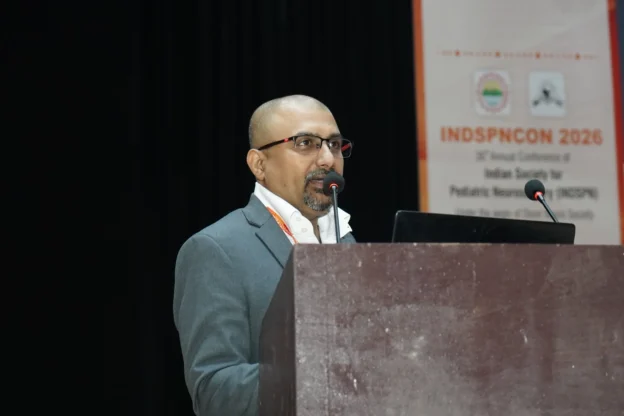
Dr Mohana Rao Patibandla speaking at INDSPNCON 2026 about advanced pediatric neurosurgery techniques including minimally invasive brain surgery and neuro-navigation at Dr Rao’s International Institute of Neurosciences

Independent Neurosciences Center in Andhra Pradesh – Dr. Rao’s International Institute of Neurosciences

Building Andhra Pradesh’s Independent Neurosciences Center: Vision, Challenges, and the Future of Advanced Neurological Care


India’s healthcare sector has witnessed tremendous growth over the last two decades. From robotic surgeries to advanced imaging and precision-based interventions, Indian medicine has rapidly evolved into one of the world’s fastest-growing healthcare ecosystems. Yet despite these advancements, access to specialized neurosciences care remains unevenly distributed across the country. 
Most advanced neurological and neurosurgical infrastructure continues to remain concentrated in metropolitan cities such as Delhi, Mumbai, Hyderabad, Chennai, and Bengaluru. For patients living in regional India, accessing advanced brain, spine, and nerve care often still involves long-distance travel, delayed diagnosis, financial hardship, and emotional strain.


A recent Outlook India feature explored this growing challenge and highlighted the efforts of Dr. Mohana Rao Patibandla in developing Andhra Pradesh’s independent neurosciences ecosystem through Dr. Rao’s Hospital – International Institute of Neurosciences in Guntur.


Primary Source: Outlook India – Dr. Mohana Rao Patibandla On Building Andhra Pradesh’s Independent Neurosciences Center


The Need for Advanced Neurosciences Beyond Metro Cities


India’s neurological disease burden is increasing rapidly. Stroke, brain tumors, traumatic brain injuries, epilepsy, spinal disorders, Parkinson’s disease, and neurodegenerative conditions are becoming more common due to:


  • Increased life expectancy
  • Urban lifestyles and stress
  • Road traffic accidents
  • Hypertension and diabetes
  • Improved awareness and diagnostics
  • An aging population


According to the World Health Organization, neurological disorders are among the leading causes of disability and death globally. In India, the challenge is amplified because advanced neuroscience services are not equally accessible across all regions.


External Source: WHO – Neurological Disorders


The Outlook India article emphasized that patients in regional India frequently face long travel distances, delayed treatment, and major financial burdens while seeking neurological care. Outlook India


Why Neurosciences Require Specialized Ecosystems


Unlike many other medical specialties, neurosciences are highly time-sensitive and multidisciplinary. Successful neurological treatment often depends on coordinated systems involving:


  • Advanced neuroimaging
  • Emergency stroke intervention
  • Neurocritical care
  • Operating microscopes
  • Neuronavigation systems
  • Intraoperative neuromonitoring
  • Rehabilitation teams
  • Specialized ICU care


Dedicated neuroscience centers are designed specifically around integrated neurological pathways. This improves precision, efficiency, continuity of care, and long-term patient outcomes.


Stroke care, for example, requires rapid imaging, neurologists, neurosurgeons, catheter-based thrombectomy systems, intensive care specialists, and rehabilitation services — all functioning together within critical time windows.


The Challenge of Building Independent Neuroscience Infrastructure


Building a comprehensive independent neurosciences center outside metropolitan India is an enormous undertaking. The Outlook India feature highlighted that such institutions require:


  • Large-scale investment
  • Advanced technology
  • Highly trained manpower
  • Long-term sustainability planning
  • Academic and research integration
  • Multidisciplinary coordination


Recruiting experienced specialists in regional locations can be difficult. Maintaining sophisticated technologies such as neuro-navigation, hybrid operating rooms, advanced imaging systems, and endovascular equipment requires both expertise and infrastructure.


Public awareness also remains a challenge. Many patients continue to ignore warning signs such as severe headaches, weakness, seizures, speech difficulty, or persistent spinal pain until the condition becomes advanced.


Dr. Mohana Rao Patibandla’s Vision for Regional Neurosciences


The Outlook India report describes Dr. Mohana Rao Patibandla as part of a broader movement transforming advanced neurosciences in regional India.


Through Dr. Rao’s Hospital – International Institute of Neurosciences

,
Dr. Patibandla has focused on building advanced neurological care systems outside traditional metropolitan healthcare corridors.


His international training across multiple subspecialties has contributed to this vision, including:


  • Minimally invasive skull base surgery
  • Pediatric neurosurgery
  • Neuro-oncology
  • Functional neurosurgery
  • Endovascular neurosurgery
  • Cerebrovascular surgery


Outlook India

This multidisciplinary expertise reflects the future direction of neurosciences globally, where integrated neurological systems play a crucial role in patient-centered care.


The Rise of Minimally Invasive Neurosurgery


Modern neurosurgery is rapidly shifting toward minimally invasive approaches. These advanced techniques help reduce:


  • Surgical trauma
  • Blood loss
  • Hospital stay duration
  • Postoperative pain
  • Recovery time


Today’s advanced neurosurgical technologies include:


  • Endoscopic brain surgery
  • Minimally invasive spine surgery
  • Endoscopic skull base surgery
  • Neuronavigation systems
  • Microscopic neurosurgery
  • Robotic assistance


Internal Link: Minimally Invasive Neurosurgery at Dr. Rao’s Hospital


These innovations are helping regional neuroscience centers provide world-class treatment standards closer to patients’ homes.


Artificial Intelligence and the Future of Neurosciences


One of the most important themes highlighted in the Outlook India article is the growing role of artificial intelligence and robotics in modern neurological care.


AI-assisted technologies are increasingly helping doctors with:


  • Early stroke detection
  • Brain tumor analysis
  • Neuroimaging interpretation
  • Surgical planning
  • Predictive analytics
  • Outcome forecasting


Meanwhile, robotic systems and navigation-assisted surgeries are improving surgical precision while reducing complications.


The article notes that these advanced technologies are gradually becoming accessible beyond global metropolitan centers and are being integrated into regional neuroscience institutions in India. Outlook India


Endovascular Neurosurgery and Stroke Revolution


Endovascular neurosurgery has revolutionized the management of stroke and cerebrovascular diseases.


Using catheter-based minimally invasive approaches, specialists can now treat:


  • Brain aneurysms
  • Arteriovenous malformations (AVMs)
  • Acute ischemic stroke
  • Vascular blockages
  • Cerebrovascular disorders


This technology allows faster recovery and reduced surgical morbidity compared to traditional open procedures in selected cases.


Stroke intervention systems are particularly important in India because stroke rates continue to rise significantly.


External Source: American Stroke Association – Stroke Information


Why Research and Education Matter


Advanced neuroscience centers are not just treatment facilities. They also serve as hubs for:


  • Medical education
  • Clinical research
  • Training programs
  • Innovation
  • Community outreach
  • Evidence-based medicine


The Outlook India feature emphasized the importance of academic ecosystems surrounding neurosciences institutions. Outlook India


Research in India is becoming increasingly important in areas such as:


  • Stroke prevention
  • Neuro-oncology
  • Neurotrauma
  • Pediatric neurological disorders
  • Minimally invasive surgery
  • Degenerative spine disease


Regional institutions can contribute valuable clinical data reflecting India’s unique disease patterns and demographics.


The Future of Neurosciences in Regional India


The future of Indian healthcare will depend heavily on decentralization. The traditional model of concentrating advanced care only in metropolitan cities is no longer sustainable.


Patients increasingly expect sophisticated treatment closer to home, and regional neuroscience institutions are beginning to fulfill that expectation.


The Outlook India article highlights that the development of independent neuroscience centers represents a broader transformation in healthcare philosophy — one focused on accessibility, expertise, equity, and patient-centered care. Outlook India


Over the coming decade, India is likely to witness:


  • Expansion of regional neuroscience hubs
  • AI-integrated neurological diagnostics
  • Growth of robotic surgery
  • Advanced tele-neurology systems
  • Improved stroke networks
  • Academic neuroscience collaborations
  • Increased focus on rehabilitation


This transition could dramatically improve neurological healthcare accessibility across the country.


Conclusion


India’s neurological healthcare demands are growing rapidly, and the need for advanced neuroscience ecosystems outside metropolitan cities has become increasingly urgent.


The development of independent neuroscience centers represents more than infrastructure alone. It reflects a larger commitment toward healthcare accessibility, technological advancement, research, education, and equitable treatment for regional populations.


As highlighted in the Outlook India feature, institutions such as Dr. Rao’s Hospital – International Institute of Neurosciences

demonstrate how advanced neurosciences can successfully evolve in regional India when expertise, vision, and patient-centered care converge.


The future of Indian neurosciences may ultimately depend not only on technological advancement but also on how effectively those innovations reach the millions of patients who need them most.


Frequently Asked Questions (FAQ)

1. Why are independent neuroscience centers important?

They improve access to specialized neurological care for patients living outside metropolitan cities.

2. What conditions are treated in advanced neuroscience centers?

Stroke, brain tumors, epilepsy, spinal disorders, neurovascular diseases, neurotrauma, and degenerative neurological conditions.

3. What is endovascular neurosurgery?

A minimally invasive catheter-based treatment used for stroke, aneurysms, and cerebrovascular diseases.

4. How does AI help neurosciences?

Artificial intelligence assists with neuroimaging, diagnostics, surgical planning, and predictive analytics.

5. Why is minimally invasive neurosurgery beneficial?

It reduces surgical trauma, shortens recovery time, and improves patient outcomes.


Internal Links


Call To Action

If you or your loved one is experiencing neurological symptoms such as stroke warning signs, seizures, spinal pain, weakness, severe headaches, or neurological deficits, early expert evaluation is critical.

Dr. Rao’s Hospital – International Institute of Neurosciences
12-19-67, Old Bank Road, Kothapet, Guntur, Andhra Pradesh
Phone: +91 9010056444
Email: info@drraoshospitals.com
Website: https://drraoshospitals.com


Connect With Us
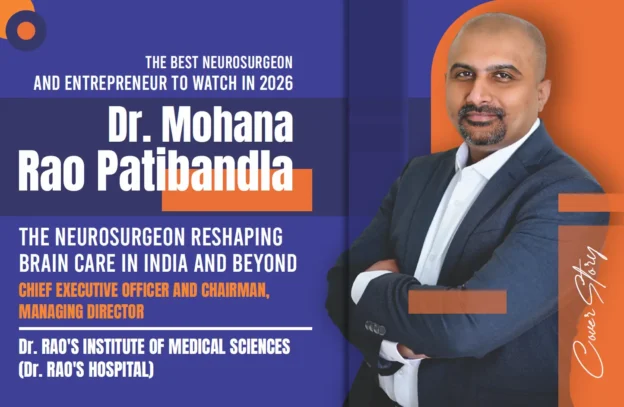
 

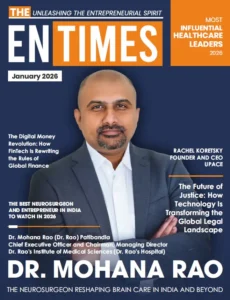
Dr. Mohana Rao Patibandla featured in EN TIMES 2026 cover story as a leading neurosurgeon advancing minimally invasive brain care in India.

EN TIMES Recognizes Dr. Mohana Rao Patibandla Among Influential Healthcare Leaders 2026

EN TIMES Recognizes Dr. Mohana Rao Patibandla Among Influential Healthcare Leaders 2026

Published: February 2026 | Dr. Rao’s Hospital, Guntur

International business and healthcare publication EN TIMES has recognized Dr. Mohana Rao Patibandla among the “Most Influential Healthcare Leaders 2026,” highlighting his contributions to advancing minimally invasive neurosurgery and strengthening independent neuroscience infrastructure in India.

This recognition reflects not only individual achievement, but also the growing role of advanced, technology-driven neurosurgical centers outside metropolitan cities.

Dr. Mohana Rao Patibandla neurosurgeon in India recognized by EN TIMES 2026 for minimally invasive brain and spine surgery leadership.

Dr. Mohana Rao Patibandla, neurosurgeon and Founder of Dr. Rao’s Institute of Medical Sciences (Dr. Rao’s Hospital), featured in EN TIMES 2026 for leadership in minimally invasive brain and spine surgery in India.


Addressing India’s Growing Neurological Disease Burden

Neurological disorders are among the leading causes of disability and mortality worldwide. According to findings from the
Global Burden of Disease (GBD) Study, stroke and other neurological conditions contribute significantly to India’s disease burden.

As life expectancy increases and diagnostic capabilities improve, the demand for advanced brain and spine care continues to grow across Andhra Pradesh and neighboring states.

At Dr. Rao’s Institute of Medical Sciences (Dr. Rao’s Hospital), our mission has been clear: bring world-class neurology and neurosurgery care closer to patients.


Expanding Advanced Neurosurgical Access in Andhra Pradesh

Historically, complex neurosurgical procedures required patients to travel to metro cities. Dr. Rao’s Hospital was established to decentralize this access and create a dedicated neuroscience center in Guntur.

Over the years, thousands of patients from Andhra Pradesh and neighboring regions have received advanced neurosurgical care at our center, reducing the need for outbound referrals.


Advancing Minimally Invasive Brain and Spine Surgery

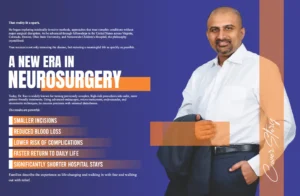
Dr. Mohana Rao Patibandla featured in EN TIMES 2026 discussing minimally invasive neurosurgery advancements in India.

Dr. Mohana Rao Patibandla featured in EN TIMES 2026 highlighting a new era in minimally invasive neurosurgery and advancements in brain and spine surgery in India.

Dr. Mohana Rao Patibandla has undergone advanced subspecialty training in India and the United States across:

  • Minimally invasive skull base surgery
  • Pediatric neurosurgery
  • Neuro-oncology
  • Functional and stereotactic radiosurgery
  • Endovascular and cerebrovascular neurosurgery

Modern minimally invasive techniques allow:

  • Smaller incisions
  • Reduced blood loss
  • Lower complication risk
  • Shorter hospital stays
  • Faster recovery

To learn more, visit our
Brain Tumor Surgery page.


Integrating Technology with Ethical Clinical Governance

At Dr. Rao’s Hospital, technology is integrated with clinical responsibility. Advanced imaging systems, neuronavigation platforms, and precision-guided surgical tools support safer and more effective procedures.

“Technology must enhance clinical judgment—not replace it.”

This philosophy reinforces our commitment to ethical, patient-centered care.


Education, Mentorship, and Public Awareness

Beyond surgery, Dr. Rao actively contributes to medical education and awareness initiatives. As a TEDx speaker and mentor, he emphasizes early diagnosis and combating misinformation.

Learn more about his journey on our
About Dr. Mohana Rao Patibandla page.


Strengthening India’s Neuroscience Infrastructure

India’s healthcare ecosystem is undergoing rapid modernization. Independent specialty centers are playing a critical role in expanding tertiary care access beyond metro cities.

The EN TIMES recognition highlights the growing importance of decentralized neuroscience infrastructure and technology-integrated surgical excellence.

Dr. Rao’s Hospital remains committed to:

  • Expanding minimally invasive neurosurgical services
  • Strengthening training programs
  • Enhancing advanced surgical planning technologies
  • Serving patients across Andhra Pradesh and beyond

About Dr. Rao’s Hospital

Dr. Rao’s Institute of Medical Sciences (Dr. Rao’s Hospital) is a leading neurology, neurosurgery, and spine surgery center located in Guntur, Andhra Pradesh.

12-19-67, Old Bank Road, Kothapet
Opposite Sravani Hospital
Guntur, Andhra Pradesh – 522001

Phone: +91 90100 56444
Email: info@drraoshospitals.com
Website: https://drraoshospitals.com


People Also Ask (PAA)

Who is Dr. Mohana Rao Patibandla?

Dr. Mohana Rao Patibandla is a neurosurgeon based in Guntur, Andhra Pradesh, and the Founder of Dr. Rao’s Institute of Medical Sciences (Dr. Rao’s Hospital). He is recognized for advancing minimally invasive brain and spine surgery and strengthening independent neuroscience infrastructure in India.

Why was Dr. Mohana Rao Patibandla recognized by EN TIMES?

EN TIMES recognized Dr. Mohana Rao Patibandla among the Most Influential Healthcare Leaders 2026 for his contributions to minimally invasive neurosurgery, technology-integrated surgical care, and expanding advanced neuroscience services beyond metropolitan cities.

What is minimally invasive neurosurgery?

Minimally invasive neurosurgery involves performing brain and spine procedures using smaller incisions and advanced imaging guidance. This approach reduces blood loss, lowers complication risk, shortens hospital stays, and promotes faster recovery compared to traditional open surgery.

Where is Dr. Rao’s Hospital located?

Dr. Rao’s Hospital is located at 12-19-67, Old Bank Road, Kothapet, Opposite Sravani Hospital, Guntur, Andhra Pradesh, India. It is a dedicated neurology, neurosurgery, and spine surgery center serving patients across Andhra Pradesh and neighboring states.

What services are offered at Dr. Rao’s Hospital?

Dr. Rao’s Hospital offers minimally invasive brain surgery, advanced spine surgery, endovascular neurosurgery, epilepsy surgery, pediatric neurosurgery, and treatment for complex brain tumors and neurological disorders.

Why is decentralized neuroscience care important in India?

Decentralized neuroscience care reduces the need for patients to travel to metropolitan cities for complex brain and spine procedures. It strengthens regional healthcare capacity, improves access to advanced treatment, and supports faster emergency response for neurological conditions.


Best Neurosurgeon in Guntur – Frequently Asked Questions

Who is considered the best neurosurgeon in Guntur?

Dr. Mohana Rao Patibandla is widely recognized as one of the leading neurosurgeons in Guntur for his expertise in minimally invasive brain and spine surgery. He is the Founder of Dr. Rao’s Institute of Medical Sciences (Dr. Rao’s Hospital) and has undergone advanced training in India and the United States across multiple neurosurgical subspecialties.

Why do patients choose Dr. Mohana Rao Patibandla in Guntur?

Patients choose Dr. Mohana Rao Patibandla for his experience in complex brain tumors, spine disorders, epilepsy surgery, pediatric neurosurgery, and endovascular procedures. His approach emphasizes minimally invasive techniques, reduced complications, shorter hospital stays, and faster recovery.

What makes Dr. Rao’s Hospital one of the leading neuroscience centers in Guntur?

Dr. Rao’s Hospital is a dedicated neurology, neurosurgery, and spine surgery center equipped with advanced imaging systems, neuronavigation technology, and minimally invasive surgical platforms. The hospital focuses on precision-based treatment, ethical care, and patient-centered recovery protocols.

Does Dr. Mohana Rao perform minimally invasive brain surgery in Guntur?

Yes, Dr. Mohana Rao Patibandla specializes in minimally invasive brain and spine surgery. These procedures use smaller incisions and advanced surgical guidance systems to reduce blood loss, minimize complications, and promote faster healing compared to traditional open surgery.

Where is Dr. Rao’s Hospital located in Guntur?

Dr. Rao’s Hospital is located at 12-19-67, Old Bank Road, Kothapet, Opposite Sravani Hospital, Guntur, Andhra Pradesh. The hospital serves patients from across Andhra Pradesh and neighboring states.

How can I consult the best neurosurgeon in Guntur?

You can schedule an appointment with Dr. Mohana Rao Patibandla by calling +91 90100 56444 or visiting the official website at https://drraoshospitals.com. Early consultation is recommended for symptoms such as severe headaches, seizures, weakness, spine pain, or neurological deficits.


YouTube

Facebook  

Instagram 

Google GMB 

LinkedIn 

X / Twitter