
Tag Archives: Minimally Invasive Spine Surgery

TEDx banner featuring Dr. Rao highlighting his innovative ideas and expertise.

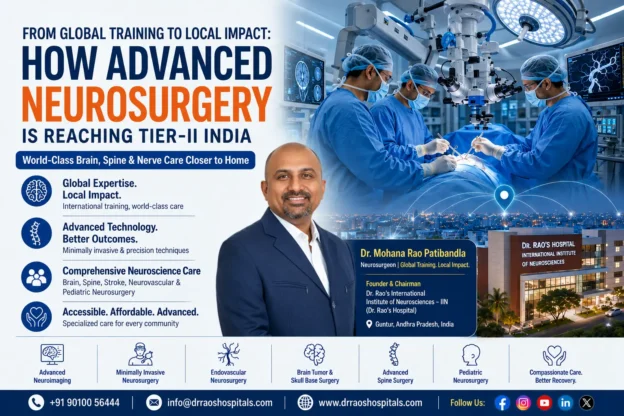
Why Dr. Rao’s Hospital Is Emerging as a Global Destination for Advanced Neurosurgery and Spine Care

Why Dr. Rao’s Hospital Is Emerging as a Global Destination

In the rapidly evolving world of neurosciences, only a few institutions successfully combine cutting-edge technology, internationally trained expertise, compassionate patient care, and affordability. Dr. Rao’s Hospital in Guntur has emerged as one of India’s most recognized centers for neurology, neurosurgery, spine surgery, and minimally invasive brain and spine care.


Founded by internationally trained neurosurgeon Dr. Mohana Rao Patibandla, the hospital has steadily transformed the healthcare landscape of Andhra Pradesh by bringing world-class neuro care closer to patients who previously had to travel to metro cities or abroad for advanced treatment.

According to the official hospital website, Dr. Rao’s Hospital is among the first dedicated neurosciences facilities in Andhra Pradesh equipped with advanced technologies such as intraoperative neuronavigation, hybrid cath lab systems, intraoperative imaging, neuromonitoring, and minimally invasive neurosurgical platforms.


A Vision to Bring World-Class Neurosurgery to Andhra Pradesh

The journey of Dr. Rao’s Hospital began with a mission: to create an internationally comparable neuroscience institute in Andhra Pradesh that prioritizes innovation, precision, safety, and compassionate healing.


After extensive training across India and the United States in skull base surgery, pediatric neurosurgery, minimally invasive neurosurgery, cerebrovascular surgery, neuro-oncology, and endovascular surgery, Dr. Mohana Rao Patibandla returned to India with a vision to establish a center of excellence in neurosciences.


Today, that vision has evolved into a highly respected institution serving patients from across:


  • Andhra Pradesh
  • Telangana
  • Tamil Nadu
  • Karnataka
  • Odisha
  • International medical tourism destinations
  •  

The hospital has become especially known for:

  • Brain tumor surgery
  • Complex spine surgery
  • Endoscopic skull base surgery
  • Endovascular neurosurgery
  • Pediatric neurosurgery
  • Epilepsy surgery
  • Functional neurosurgery
  • Stroke and aneurysm management
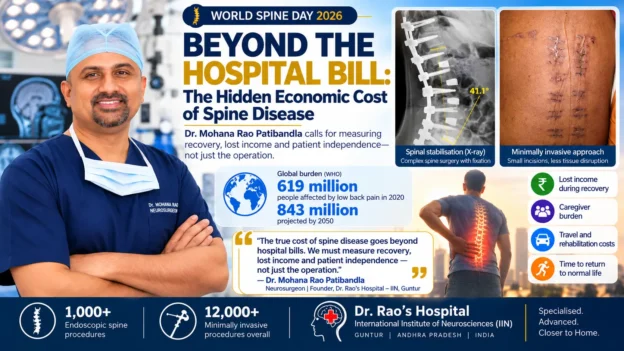
  • Minimally invasive spine surgery

Advanced Technology That Defines Precision Neurosurgery

Modern neurosurgery depends heavily on precision.

Even a millimeter can determine neurological outcomes. That is why advanced technology plays a central role at Dr. Rao’s Hospital.


According to the hospital’s official information, the facility includes:

  • Advanced neuronavigation systems
  • Hybrid vascular cath lab technology
  • Intraoperative neuromonitoring
  • High-end endoscopic neurosurgical systems
  • Advanced neuroimaging platforms
  • Minimally invasive surgical technologies
  •  

These technologies help surgeons:

  • Improve surgical accuracy
  • Reduce complications
  • Minimize blood loss
  • Preserve neurological function
  • Enable faster patient recovery
  •  

The hospital’s emphasis on minimally invasive and endoscopic approaches aligns with global neurosurgical trends promoted by organizations such as the American Association of Neurological Surgeons and the Congress of Neurological Surgeons.


Expertise in Brain Tumor Surgery

Brain tumors require a multidisciplinary approach involving neurosurgeons, neurologists, neuro-anesthesiologists, neurocritical care teams, radiologists, and rehabilitation experts.


Dr. Rao’s Hospital provides advanced management for:

  • Gliomas
  • Meningiomas
  • Pituitary tumors
  • Skull base tumors
  • Metastatic brain tumors
  • Pediatric brain tumors
  • Acoustic neuromas
  •  

Using minimally invasive and image-guided techniques, surgeons can often access deep-seated tumors while minimizing damage to healthy brain tissue.

The hospital’s expertise in skull base surgery is particularly notable because these surgeries involve delicate structures including cranial nerves, blood vessels, and the brainstem.


The importance of specialized neuro-oncology centers has also been highlighted by the National Cancer Institute, which emphasizes multidisciplinary care and precision-based treatment for improved outcomes.


Comprehensive Spine Surgery and Minimally Invasive Spine Care

Spinal disorders are increasingly common due to modern sedentary lifestyles, aging populations, trauma, and degenerative disease.


Dr. Rao’s Hospital offers advanced treatment for:


  • Cervical spondylosis
  • Lumbar disc prolapse
  • Sciatica
  • Spinal tumors
  • Spinal trauma
  • Scoliosis
  • Spinal instability
  • Craniovertebral junction disorders
  • Degenerative spine disease
  •  

The hospital is especially recognized for minimally invasive spine surgery, which offers several benefits:


  • Smaller incisions
  • Less muscle injury
  • Reduced postoperative pain
  • Faster mobilization
  • Shorter hospital stay
  • Quicker return to work
  •  

The growing importance of minimally invasive spine techniques is also recognized globally by organizations like the North American Spine Society.


Stroke, Aneurysm, and Endovascular Neurosurgery

Stroke remains one of the leading causes of disability and death worldwide. Rapid diagnosis and intervention are critical.


Dr. Rao’s Hospital provides emergency neurovascular care for:

  • Brain stroke
  • Aneurysms
  • Arteriovenous malformations (AVMs)
  • Intracranial hemorrhage
  • Carotid artery disease
  • Complex cerebrovascular disorders
  •  

The hospital’s advanced neurovascular and endovascular capabilities allow minimally invasive treatment approaches for many vascular conditions.


The World Health Organization notes that timely stroke management significantly improves outcomes and reduces long-term disability. World Health Organization – Stroke Information


Pediatric Neurosurgery with Compassionate Care

Children with neurological disorders require highly specialized treatment and emotional support.


Dr. Rao’s Hospital offers pediatric neurosurgical care for:


  • Hydrocephalus
  • Pediatric brain tumors
  • Congenital spine disorders
  • Craniosynostosis
  • Neural tube defects
  • Epilepsy
  • Traumatic brain injury
  •  

The hospital’s approach combines surgical expertise with family-centered care, ensuring parents remain informed and supported throughout treatment.


The importance of specialized pediatric neurosurgery has been emphasized by institutions such as Boston Children’s Hospital and Johns Hopkins Medicine.


International Recognition and Academic Contributions

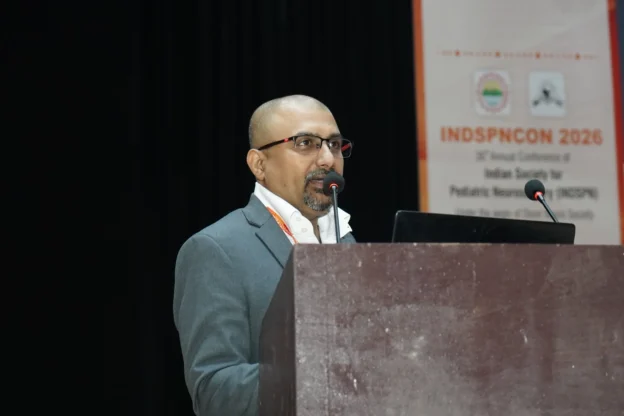
One of the distinguishing aspects of Dr. Mohana Rao Patibandla’s career is his active participation in global neurosurgical academia.


He has presented advanced neurosurgical techniques at multiple national and international conferences, including presentations related to:


  • Endoscopic craniovertebral junction surgery
  • Advanced cerebrovascular procedures
  • Intraoperative neuromonitoring
  • Skull base surgery
  • Endovascular neurosurgery
  •  

International academic participation reflects not only surgical expertise but also commitment to advancing the field of neurosciences globally.

The hospital’s growing international visibility has contributed to increasing medical tourism interest from patients seeking affordable yet world-class neurological care.


Why Patients Choose Dr. Rao’s Hospital


Patients often choose Dr. Rao’s Hospital because of its combination of:

  • Internationally trained expertise
  • Advanced infrastructure
  • Personalized care
  • Affordable treatment
  • Ethical approach
  • Comprehensive neurosciences focus
  •  

The hospital emphasizes individualized treatment planning rather than a one-size-fits-all approach.


According to publicly available hospital information and patient feedback platforms, the institution has gained recognition for:


  • Rapid diagnosis
  • Emergency neuro care
  • Surgical precision
  • Patient communication
  • Postoperative rehabilitation
  • Compassionate nursing care
  •  

Medical Tourism in India and the Rise of Specialized Neuroscience Centers

India has become one of the world’s leading destinations for medical tourism due to:


  • Highly trained specialists
  • Advanced infrastructure
  • Cost-effective treatment
  • English-speaking healthcare professionals
  • Reduced waiting periods
  •  

Dr. Rao’s Hospital is increasingly becoming part of this medical tourism ecosystem, particularly for patients seeking advanced neurosurgical and spine procedures.


The hospital’s comprehensive medical tourism support includes:

  • Consultation coordination
  • Surgical planning
  • Postoperative follow-up
  • Rehabilitation guidance
  • International patient assistance
  •  

India’s growing role in medical tourism has been recognized by the Medical Tourism Association.


Community Outreach and Expanding Access to Neuro Care

Dr. Rao’s Hospital has also expanded neuro and spine outpatient access across multiple cities in Andhra Pradesh. Recent reports highlighted the launch of neuro and spine OPD centers in several Andhra cities to improve accessibility for patients outside Guntur.


This expansion reflects an important healthcare principle:


Specialized care should not be limited to metropolitan cities alone.

By extending consultations and outreach services, the hospital is helping bridge the gap between advanced neuroscience care and underserved populations.


Research, Innovation, and Future Directions

The future of neurosciences lies in:


  • Artificial intelligence-assisted diagnostics
  • Robotic surgery
  • Advanced neuroimaging
  • Precision medicine
  • Minimally invasive interventions
  • Personalized rehabilitation
  •  

Dr. Rao’s Hospital continues to evolve alongside these innovations, integrating advanced technology and evidence-based treatment approaches into daily practice.


The hospital’s long-term vision includes:


  • Expanded neuroscience education
  • Research collaborations
  • International partnerships
  • Advanced fellowship programs
  • Broader accessibility to high-end neuro care

Patient-Centered Care at the Core

While technology and expertise are essential, compassionate care remains central to healing.


At Dr. Rao’s Hospital, the philosophy of care emphasizes:


  • Clear communication
  • Transparency
  • Ethical decision-making
  • Emotional support
  • Family involvement
  • Holistic recovery
  •  

This patient-first approach has helped the institution build trust among thousands of families across India and internationally.


Internal Links

Learn more about:


Contact Dr. Rao’s Hospital

Dr. Rao’s Hospital

📍 Address:
12-19-67 / 12-19-97 Old Bank Road, Kothapet, Opposite Sravani Hospital, Besides AK Biryani point, Guntur, Andhra Pradesh, India
📞 Phone:
+91 9010056444
+91 9010057444

📧 Email:
info@drraoshospitals.com
drpatibandla@gmail.com

🌐 Website:
Official Website

📍 Google Maps:
Google Maps Location


Follow Dr. Rao’s Hospital on Social Media

📺 YouTube
Dr. Rao’s Hospital YouTube Channel

📘 Facebook
Dr. Rao’s Hospital Facebook

📸 Instagram
Dr. Mohana Rao Instagram

💼 LinkedIn
Dr. Mohana Rao LinkedIn

🐦 X (Twitter)
Dr. Mohana Rao on X


Conclusion

As neuroscience continues to advance rapidly, institutions that combine innovation, expertise, ethics, and compassion will define the future of neurological care.


Dr. Rao’s Hospital stands as a powerful example of how world-class neurosciences can thrive outside traditional metropolitan centers. Through advanced technology, internationally trained expertise, minimally invasive approaches, and a deep commitment to patient care, the hospital is redefining neurological and spine care in India.


For patients seeking advanced treatment for brain, spine, nerve, stroke, or complex neurological disorders, Dr. Rao’s Hospital continues to emerge as one of the most trusted destinations for comprehensive neurosciences care in India.

Dr. Mohana Rao Patibandla presenting on Percutaneous Endoscopic Lumbar Discectomy (PELD) at NEUROENDOCON 2026 conference in Jaipur

Neuroendoscopy Revolution: Insights from NEUROENDOCON 2026

Neuroendoscopy Revolution: Insights from NEUROENDOCON 2026

The field of neurosurgery is undergoing a profound transformation—driven by precision, minimal invasiveness, and advanced technology. Neuroendoscopy is at the forefront of this revolution, redefining how complex brain and spine disorders are treated.
 

This shift was prominently showcased at NEUROENDOCON 2026, the 12th Annual Conference of the Neuroendoscopy Society of India held in Jaipur. The event brought together leading neurosurgeons, innovators, and researchers to discuss cutting-edge advancements in minimally invasive neurosurgery.

Among the distinguished faculty was Dr. Mohana Rao Patibandla, Founder of Dr. Rao’s Hospital, who shared key insights into modern neurosurgical techniques.

Learn more:
https://drraoshospitals.com


NEUROENDOCON 2026: A Platform for Innovation

The conference served as a hub for innovation, featuring:

  • Cadaveric hands-on workshops
  • Live surgical demonstrations
  • Case-based discussions
  • Expert panel sessions

The central theme was clear: Minimally invasive neurosurgery is the future.


The Rise of Neuroendoscopy

Traditional neurosurgery often involved large incisions and prolonged recovery. Neuroendoscopy has transformed this approach by offering:

  • Smaller incisions
  • Reduced tissue damage
  • Enhanced visualization
  • Faster recovery
  • Improved surgical precision

This aligns with modern neurosurgical philosophy—precision and individualized care.


Transforming Spine Surgery: PELD

One of the key highlights of Dr. Rao’s presentation was Percutaneous Endoscopic Lumbar Discectomy (PELD).

This minimally invasive spine surgery offers:

  • Tiny incision
  • Minimal muscle damage
  • Faster recovery
  • Early mobilization

Dr. Rao emphasized that patient selection and surgical planning are critical for success.


Trigeminal Neuralgia: Advanced Endoscopic Solutions

Trigeminal neuralgia, one of the most painful neurological conditions, can now be treated more effectively using endoscopic techniques.

Endoscopic-assisted microvascular decompression (MVD) allows:

  • Better visualization of nerve compression
  • Improved surgical precision
  • Reduced recurrence rates

Endoscopic Pituitary Surgery

Endoscopic transnasal surgery for pituitary tumors represents a major advancement in skull base surgery.

  • No external scars
  • Enhanced visualization
  • Shorter hospital stay
  • Better outcomes

Modern techniques include neuronavigation and high-definition imaging systems.


Technology Driving Neurosurgery

NEUROENDOCON 2026 highlighted the role of technology in neurosurgery:

  • Neuronavigation systems
  • Intraoperative imaging
  • High-definition endoscopy
  • Biplane cath labs

These innovations significantly improve surgical safety and outcomes.


Dr. Rao’s Hospital: A Center of Excellence

Dr. Rao’s Hospital in Guntur, Andhra Pradesh, is a leading center for:

  • Neurosurgery
  • Neurology
  • Spine surgery
  • Neuro-oncology
  • Endovascular procedures

The hospital is equipped with advanced infrastructure and follows globally accepted treatment protocols.

Visit:
https://drraoshospitals.com


The Future of Neurosurgery

The future is shifting toward:

  • Minimally invasive procedures
  • Personalized treatment
  • Function preservation
  • Technology-driven precision

Patients can expect faster recovery, less pain, and better outcomes.


Conclusion

NEUROENDOCON 2026 reinforced that neurosurgery is entering a new era—one defined by innovation, precision, and patient-centric care.

With experts like Dr. Mohana Rao Patibandla and institutions like Dr. Rao’s Hospital leading the way, patients now have access to world-class neurosurgical care in India.


Contact Dr. Rao’s Hospital

📞 Phone: +91 90100 56444
📧 Email: info@drraoshospitals.com
🌐 Website: https://drraoshospitals.com


Frequently Asked Questions (FAQs)

What is neuroendoscopy?

Neuroendoscopy is a minimally invasive surgical technique that uses a small camera (endoscope) to treat brain and spine conditions with high precision and minimal tissue damage.

What is PELD surgery?

Percutaneous Endoscopic Lumbar Discectomy (PELD) is a minimally invasive spine surgery used to treat slipped discs with faster recovery and less pain.

Is endoscopic brain surgery safe?

Yes, endoscopic brain surgery is considered safe when performed by experienced neurosurgeons, offering reduced complications and faster healing.

What conditions can be treated with neuroendoscopy?

Neuroendoscopy is used for conditions like pituitary tumors, hydrocephalus, trigeminal neuralgia, and spinal disc herniations.

Where can I get advanced neuroendoscopy treatment in India?

Dr. Rao’s Hospital in Guntur offers advanced neuroendoscopy and minimally invasive neurosurgery with state-of-the-art technology.

A promotional image for Dr. Rao's Hospital featuring Dr. Mohana Rao Patibandla receiving the Economic Times Excellence in Neurology, Neurosurgery, and Spine Surgery Award 2025. The image includes photos of the award ceremony, a portrait of Dr. Patibandla, and details about his qualifications (MCh, FESBS, FAANS, etc.) and contact information. The hospital's locations (Guntur, Vijayawada, Bhimavaram, Rajahmundry, Kakinada, Eluru, Ongole, Nellore) and the slogan "Act Fast - Save Brain and Spine" are highlighted, along with a map and phone number.

Children and Spine-Related Disorders: What Parents Should Know


Children and Spine-Related Disorders: What Parents Should Know

Parents often associate spine problems with adults or aging; however, spine-related disorders can also affect children. sWhen detected early, these conditions can be effectively managed or corrected to prevent long-term complications. Awareness is key—understanding pediatric spine disorders helps parents identify symptoms early and seek timely expert care.

At Dr. Rao’s Hospital in Guntur, a leading center for advanced spine surgery and neurology services, specialists emphasize the importance of early diagnosis and minimally invasive treatments for children with spinal deformities or developmental spine conditions.

Understanding Spine Health in Children

The spine plays a vital role in a child’s growth, posture, and movement. Pediatric spine disorders can arise from congenital defects, infections, trauma, or developmental issues during growth. According to the World Health Organization (WHO), musculoskeletal disorders, including spinal deformities, affect millions of children globally — but many are treatable when identified early.

In growing children, even minor spinal misalignments can progress over time, leading to curvature, back pain, or neurological symptoms. Regular pediatric check-ups and early orthopedic or neurosurgical consultations can make a life-changing difference.


Common Spine Disorders in Children

1. Scoliosis (Abnormal Curvature of the Spine)

What is scoliosis? Scoliosis is a sideways curvature of the spine often noticed during the growth spurt before puberty. It may appear as uneven shoulders or hips, or a visible curve when a child bends forward.

  • Causes: Genetic factors, idiopathic (unknown), neuromuscular diseases
  • Symptoms: Uneven posture, tilted shoulders, back pain
  • Treatment: Bracing, physical therapy, or surgery for severe cases

2. Kyphosis

Kyphosis refers to an excessive forward rounding of the upper back, leading to a hunched appearance. It can be caused by developmental issues, poor posture, or structural deformities.

  • Causes: Scheuermann’s disease, congenital malformation
  • Symptoms: Rounded back, back fatigue, pain, and stiffness
  • Treatment: Postural correction, physical therapy, and surgical intervention in advanced cases

3. Spina Bifida

Spina bifida is a congenital condition where the spinal cord and vertebrae do not form properly during fetal development. This can result in neurological deficits, weakness, or paralysis depending on severity.

  • Causes: Genetic and environmental factors (e.g., folate deficiency during pregnancy)
  • Symptoms: Visible spinal opening, weakness, bladder or bowel issues.
  • Treatment: Neurosurgical repair and long-term rehabilitative support

4. Pediatric Disc Problems and Back Pain

Though rare, children can develop herniated discs or mechanical back pain due to trauma, sports, or obesity. Persistent back pain in children should never be ignored, as it may signal an underlying spinal issue.

Recognizing Early Warning Signs

Children may not always express discomfort clearly, so it’s crucial for parents to recognize physical signs and behavioral changes that might indicate a spine disorder.

  • Uneven shoulders or hips
  • Visible spinal curvature or hump
  • Frequent back or neck pain
  • Unsteady walking or imbalance
  • Weakness, numbness, or tingling in legs
  • Difficulty standing straight or bending

If you observe any of these symptoms, it’s important to consult a pediatric neurosurgeon. Early diagnosis can often prevent progression and the need for complex surgery later.

Diagnosis: How Spine Disorders Are Detected in Children

At Dr. Rao’s Hospital’s Neurosurgery Department, evaluation begins with a detailed physical examination, medical history review, and imaging studies. Common diagnostic tests include:

  • X-rays — to visualize spine alignment and curvature
  • MRI — to examine spinal cord, nerves, and discs
  • CT scan — for bone and structural assessment
  • Genetic or developmental screening (for congenital disorders)

[Reference: Mayo Clinic – Pediatric Spine Disorders]

Treatment Options for Pediatric Spine Disorders

Treatment depends on the severity, cause, and child’s age. At Dr. Rao’s Hospital, minimally invasive spine surgery and advanced rehabilitation techniques are used to ensure safer recovery and optimal growth outcomes.

Non-Surgical Treatments:

  • Physiotherapy and posture correction
  • Spinal bracing for scoliosis and kyphosis
  • Nutritional guidance and lifestyle modifications
  • Regular follow-ups for curve monitoring

Surgical Treatments (When Needed):

  • Minimally invasive spine correction surgery
  • Endoscopic spinal decompression
  • Spinal fusion or stabilization procedures

[Source: PubMed – Pediatric Spine Surgery Outcomes]

Why Choose Dr. Rao’s Hospital for Pediatric Spine Care?

Dr. Mohana Rao Patibandla, one of the best neurosurgeons in Guntur, has extensive experience in pediatric neurosurgery and minimally invasive spine surgery. His approach combines precision, innovation, and compassion — ensuring that young patients receive world-class care with minimal discomfort.

Dr. Rao’s Hospital offers:

  • Dedicated pediatric neurosurgery and spine team
  • State-of-the-art neuro-navigation and imaging technology
  • Comprehensive rehabilitation and physiotherapy
  • Family counseling and long-term follow-up

How Parents Can Support Their Child’s Spine Health

  • Encourage good posture and ergonomics during study or screen time
  • Promote regular physical activity and a balanced diet
  • Use ergonomic school bags to prevent back strain
  • Ensure proper calcium and vitamin D intake for bone health
  • Monitor growth spurts and consult if postural changes occur

Call to Action

If your child shows signs of spinal deformity, persistent back pain, or posture problems, visit Dr. Rao’s Hospital for expert evaluation. Contact us at 📞 090100 56444 or 📧 info@drraoshospitals.com to book an appointment with our pediatric spine specialists.

What are the symptoms of spine disorders in children?

Common symptoms include uneven shoulders, visible spinal curve, frequent back pain, imbalance while walking, and difficulty bending. Early consultation is vital.

How are spine disorders diagnosed in children?

Diagnosis involves physical exams, X-rays, and MRI scans. At Dr. Rao’s Hospital, experts use advanced imaging and neuro-navigation tools for accurate diagnosis and management.

Why choose Dr. Rao’s Hospital for pediatric spine treatment?

At Dr. Rao’s Hospital, led by Dr. Mohana Rao Patibandla, one of the few pediatric neurosurgeons in the USA trained in fellowship and one of the best neurosurgeons in Guntur, children receive advanced, minimally invasive, and compassionate spine care.


Follow Dr. Rao’s Hospital


Cover of Time Iconic Magazine 2025 featuring Dr. Mohana Rao Patibandla recognized for innovation, empathy, and leadership in neurosurgery.

Brain & Spine Surgery in the Age of Telemedicine: What’s Changed?

Brain & Spine Surgery in the Age of Telemedicine: What’s Changed?

Over the last decade, telemedicine has transformed how people access complex care—especially in brain and spine surgery. Today, patients can share MRI/CT scans, get second opinions, plan surgery, and complete post-op reviews from home. At Dr. Rao’s Hospital, Guntur, led by Dr. Mohana Rao Patibandla, this digital shift means faster access, fewer travel burdens, and more personalized recovery—all while maintaining the highest standards of safety.

What is Telemedicine in Neurosurgery?

Telemedicine uses secure video, messaging, and image-sharing tools to deliver care remotely. In neurosurgery and spine surgery, it enables virtual evaluations, triage for emergencies, pre-op planning, and structured follow-ups. Authoritative organizations note telemedicine can expand specialist access and reduce delays in care. [Source: WHO]

How Telemedicine Has Changed Brain & Spine Care

1) Faster Access to Experts

Patients from any city or town can connect with experienced specialists such as Dr. Mohana Rao Patibandla in minutes. Early guidance often prevents deterioration and directs patients to the right tests and next steps.

2) Remote Review of Imaging and Pre-Op Planning

Securely shared MRI and CT images allow surgeons to assess lesions, spinal compression, or vascular anomalies remotely. This speeds up decision-making and supports minimally invasive planning—often reducing hospital time and costs.

3) Post-Operative Follow-Ups and Rehabilitation

Virtual reviews help track wound healing, manage symptoms, and optimize rehabilitation programs. Patients benefit from frequent touchpoints without repeated travel—useful after complex cranial or spine procedures.

4) Multidisciplinary Collaboration

Tele-discussion rooms bring together neurologists, neuroradiologists, anesthesiologists, and spine surgeons to review cases efficiently. This team approach supports individualized recommendations and shared decision-making. [Background reading: PubMed]

5) Guidance for Peripheral Hospitals

In select scenarios, senior surgeons can provide intraoperative suggestions via secure video—supporting teams in remote centers when time is critical.

Key Benefits for Patients

  • Rapid access to subspecialty opinions in skull base, neuro-oncology, functional, and spine disorders
  • Lower travel/time burden for families and caregivers
  • Structured follow-up with early detection of red flags
  • Greater adherence to rehab and medication plans
  • Continuity of care for elderly and mobility-limited patients

Important Limits to Know

Telemedicine complements but doesn’t replace in-person evaluation when neurological examination, emergency stabilization, or imaging is required. Connectivity, data privacy, and device literacy also matter—though these are improving steadily with better infrastructure and encryption standards. (See NIH and Mayo Clinic resources for patient guidance.)

How Dr. Rao’s Hospital Delivers Tele-Neurosurgery

  • Tele-triage & second opinions: Upload prior reports and scans for structured review before deciding on travel.
  • Virtual pre-op consults: Counseling, risk discussion, and enhanced recovery planning done remotely.
  • Hybrid care pathways: When surgery is needed, inpatient time is optimized; routine checks continue via video.
  • Rehabilitation continuity: Remote physiotherapy guidance and medication adjustments for brain and spine recovery.

Explore our departments and services:

Real-World Example (Illustrative)

A patient from Odisha with cervical canal stenosis began with a tele-consult for numbness and gait imbalance. Imaging review confirmed severe compression; the patient traveled for a scheduled minimally invasive decompression. Discharged in 48 hours, they continued remote physio and virtual reviews—regaining daily function within weeks.

The Future: AI, Wearables, and Remote Robotics

Emerging tools—AI-assisted image triage, wearable gait/balance trackers, and remote robotic support—are making follow-up smarter and more proactive. Combined with expert surgical judgment, these advances promise better outcomes and fewer avoidable admissions.

When Telemedicine Is Not Enough

  • Acute stroke symptoms or rapidly progressive weakness
  • Severe trauma, uncontrolled seizures, or suspected infection
  • New bowel/bladder incontinence with back pain (possible cauda equina)

In these scenarios, seek immediate in-person care. Our emergency team coordinates rapid imaging and surgical evaluation when indicated.

Why Choose Dr. Rao’s Hospital?

  • Expertise in minimally invasive brain and spine surgery
  • Advanced neuronavigation, endoscopy, and IONM
  • Hybrid tele-to-inpatient workflow for continuity
  • Patient-centric counseling and transparent decisions

Learn more about our approach to complex cases on the official website or connect via our contact page.

Helpful Resources


Frequently Asked Questions

What problems can telemedicine address in neurosurgery?

Remote second opinions, pre-op planning, discharge counseling, rehab check-ins, and monitoring of chronic spine or nerve pain—while ensuring urgent cases are fast-tracked for in-person care.

How do I prepare for a tele-consult?

Keep your reports ready (MRI/CT, blood tests), note your symptoms and duration, ensure a quiet space with good lighting, and test your camera/audio. A family member can join to help discuss medications and history.

Is telemedicine safe for post-operative follow-up?

Yes—most routine checks are suitable online. Red flags (fever, wound issues, new weakness, severe headaches/incontinence) warrant an immediate in-person review.

What are the symptoms of a spine or brain issue that warrant a consult?

Red flags include sudden severe headache, recurrent seizures, progressive limb weakness or numbness, gait imbalance, severe neck/back pain with radiating pain, and bowel/bladder changes. Book an online consult for guidance and triage.

How are brain and spine conditions diagnosed through telemedicine?

Tele-consults guide the right tests: neurological examination (in-clinic when necessary), MRI/CT imaging, and blood panels. You can upload scans securely for remote review; urgent signs trigger expedited in-person assessment.

Why choose Dr. Rao’s Hospital for tele-neurosurgery and spine care?

At Dr. Rao’s Hospital, led by Dr. Mohana Rao Patibandla, one of the best neurosurgeons in Guntur, patients receive advanced, compassionate care using cutting-edge minimally invasive neurosurgery and structured tele-follow-ups.

Call to Action

If you’re searching for the best neurosurgeon in Guntur or expert telemedicine support for complex brain and spine conditions, visit Dr. Rao’s Hospital. Contact us at 📞 090100 56444 or 📧 info@drraoshospitals.com.


Neurosurgery, Spine Surgery, Neurology Services, and Contact


The Knowledge review cover of Dr. Mohana Rao patibandla

Discover Unparalleled Neurosurgery with Dr. Mohana Rao Patibandla

Discover Unparalleled Neurosurgery with Dr. Mohana Rao Patibandla

At Dr. Rao’s Hospital, we don’t just offer neurosurgery—we deliver life-changing transformations through our Brain & Spine Precision Care System. Led by Dr. Mohana Rao Patibandla, a globally trained neurosurgeon with expertise in minimally invasive techniques, we redefine what world-class care means.

Why Choose Dr. Rao’s Hospital?

Unlike others who compete on price, we make cost irrelevant by offering unmatched expertise, cutting-edge technology, and a structured approach to care as per times of india. Here’s how we stand out:

1. The Brain & Spine Precision Care System

Our proprietary 5-Step Care Framework ensures every patient receives personalized, high-precision treatment:

  • Diagnosis: Advanced imaging and AI-driven analysis for pinpoint accuracy.

  • Planning: Tailored surgical or non-surgical strategies by Dr. Patibandla.

  • Procedure: Minimally invasive techniques for faster recovery.

  • Recovery: Comprehensive post-op care with dedicated neuro-rehabilitation.

  • Follow-Up: Long-term monitoring to ensure lasting results.

This isn’t just surgery—it’s a system designed to restore your quality of life.

2. Tailored Care Packages

We’ve productized our services to suit your needs, ensuring transparency and value. Choose from three levels of care:

  • Essential Care: Core neurosurgical intervention with expert oversight.

  • Advanced Care: Includes enhanced diagnostics and personalized rehab plans.

  • Comprehensive Care: Full-spectrum treatment with priority scheduling, advanced therapies, and concierge-level support.

Each package is designed to deliver outcomes, not just procedures, so you invest in results.

3. Proven Transformations

Don’t take our word for it—our patients’ lives speak for themselves:

  • Over 95% of our spine surgery patients walk within 24 hours post-operation.

  • We’ve helped 100+ patients with complex brain tumors regain independence using minimally invasive techniques.

  • From chronic pain to restored mobility, our system has transformed lives across India and beyond.

When you choose Dr. Rao’s Hospital, you’re not buying a procedure—you’re investing in a future free from pain and limitations.

Ready to Experience the Difference?

Don’t settle for generic care or compete on price. With Dr. Mohana Rao Patibandla, you get incomparable expertise and a system built for your success.

📞 Contact us today at Dr. Rao’s Hospital, Guntur, to schedule your consultation.
🌐 Visit  drraoshospitals for more details.

Your health deserves the best. Choose transformation over transaction.

A team of surgeons in blue scrubs performing a surgery in a high-tech, modern operating room with advanced medical equipment and lighting.

Top 10 Spine Surgery Hospitals in India

Top 10 Spine Surgery Hospitals in India

India is a global leader in healthcare, particularly for advanced spine surgery, offering world-class facilities, highly skilled surgeons, and cost-effective treatments. Spine Surgery Hospitals in India attract patients worldwide for conditions like herniated discs, scoliosis, spinal stenosis, and spinal tumors.

This blog highlights the top 10 Spine Surgery Hospitals in India, including Dr. Rao’s Hospital in Guntur, known for their cutting-edge technology, experienced specialists, and exceptional patient outcomes. Whether you need minimally invasive procedures or complex deformity corrections, these hospitals deliver unparalleled care.

Why Choose India for Spine Surgery?

Spine surgery demands precision, advanced technology, and comprehensive post-operative care. India excels due to:

  • Expert Surgeons: Many surgeons have international training from top institutions in the US, UK, and Europe.

  • Advanced Technology: Hospitals use robotic-assisted systems, neuromonitoring, O-arm navigation, and 3rd-generation spinal implants.

  • Affordability: Procedures cost 60–80% less than in Western countries, ranging from $5,000–$15,000 compared to $50,000–$100,000 abroad.

  • Holistic Care: Multidisciplinary teams, including neurosurgeons, orthopedic surgeons, physiotherapists, and pain specialists, ensure comprehensive treatment.

  • Medical Tourism Support: Agencies like IndiCure and Dheeraj Bojwani Consultants streamline visas, travel, and hospital coordination for international patients.

Below is a curated list of the top 10 spine surgery hospitals in India, selected based on reputation, infrastructure, surgeon expertise, and patient reviews.

1. Apollo Hospitals, Greams Road, Chennai

  • Overview: A pioneer in spine surgery, Apollo performed India’s first lumbar disc replacement and introduced 3rd-generation spinal implants.

  • Key Features:

    • Expertise in minimally invasive spine surgery (MISS), robotic surgery (Excelsis GPS Spine Robot), and complex deformity corrections.

    • Led by Dr. Sajan K. Hegde, a leader in robotic-assisted and non-fusion scoliosis correction.

    • JCI and NABH accredited with 750 beds and 22 operation theaters.

  • Specializations: Scoliosis correction, spinal tumors, disc replacements, and revision spine surgeries.

  • Why Choose?: Apollo’s high-volume complex case experience and focus on precision ensure excellent outcomes.

2. Ganga Hospital, Coimbatore

  • Overview: One of Asia’s top spine surgery centers, with over 12,000 spine surgeries performed.

  • Key Features:

    • Led by Prof. S. Rajasekaran, with a team including Dr. Ajoy Prasad Shetty and Dr. Rishi M. Kanna.

    • First in Asia-Pacific to install the BrainLab CT AIRO navigation system for high-precision surgeries.

    • Advanced intraoperative neuromonitoring and 1.5 Tesla MRI.

  • Specializations: Spinal deformity corrections, trauma surgeries, and minimally invasive procedures.

  • Why Choose?: Ganga’s dedicated spine unit and high success rates make it ideal for complex cases.

3. Dr. Rao’s Hospital, Guntur

best-minimally-invasive-spine-surgery-hospital-in-guntur

best-minimally-invasive-spine-surgery-hospital-in-guntur

  • Overview: A premier neurosurgery and spine surgery center in Andhra Pradesh, led by Dr. Mohana Rao Patibandla, recognized as one of the best spine surgeon in India with extensive global training and experience.

  • Key Features:

    • Equipped with Stealth 8 Neuronavigation, intraoperative Xper dual CT, and full Storz endoscopic 4K technology, making it the first in South India with these capabilities.

    • Dr. Rao has performed over 10,000 surgeries, specializing in minimally invasive and endoscopic spine procedures, and is widely regarded as the best spine surgeon in Guntur.

    • NABH accredited, with a flat-panel biplane vascular hybrid cath lab for advanced interventions.

  • Specializations: Minimally invasive spine surgery, endoscopic discectomies, spinal tumors, and complex reconstructions.

  • Why Choose?: Dr. Rao’s international training (USA fellowships in minimally invasive and pediatric neurosurgery) and patient-centric care make it a top destination for affordable, high-quality spine surgery. The hospital also offers comprehensive brain and nerve care with access to the best neurosurgeon in India and best neurologist in India, including specialized treatment from the best neurosurgeon in Guntur and best neurologist in Guntur.

4. Artemis Hospital, Gurgaon

  • Overview: Known for advanced infrastructure and surgeons like Dr. Hitesh Garg, who has performed over 8,800 spine surgeries.

  • Key Features:

    • Features O-arm, neuromonitoring, and navigation technology for precision.

    • JCI and NABH accredited with 400 beds.

    • Comprehensive pediatric and adult spine programs.

  • Specializations: Pediatric spine surgery, scoliosis correction, and minimally invasive procedures.

  • Why Choose?: Artemis blends cutting-edge technology with a patient-focused approach.

5. Max Super Speciality Hospital, Saket, Delhi

  • Overview: Renowned for its minimally invasive spine surgery program, led by surgeons like Dr. Arun Saroha.

  • Key Features:

    • Uses robotic-assisted systems and Novalis TX radiosurgery for precision.

    • NABH accredited with 750 beds and 22 operation theaters.

    • Dedicated rehabilitation and physiotherapy units.

  • Specializations: Discectomy, spinal fusion, decompression surgery, and artificial disc replacement.

  • Why Choose?: Max’s focus on faster recovery and successful outcomes is ideal for spine patients.

6. Fortis Memorial Research Institute, Gurgaon

  • Overview: A global leader in spine surgery, featuring surgeons like Dr. Sandeep Vaishya, with over 15,000 surgeries.

  • Key Features:

    • Equipped with CyberKnife VSI, precision-guided MRI, and intraoperative O-arm suite.

    • JCI and NABH accredited with 1,000 beds across its network.

    • Serves patients from 55+ countries.

  • Specializations: Minimally invasive surgery, spinal trauma, and brachial plexus injuries.

  • Why Choose?: Fortis offers personalized care and advanced diagnostics for international patients.

7. Indian Spinal Injuries Centre (ISIC), New Delhi

  • Overview: India’s most advanced center for spine, orthopedic, and neuromuscular surgeries, founded by Maj. HPS Ahluwalia.

  • Key Features:

    • Led by surgeons like Dr. Rajat Mahajan, specializing in complex spine surgeries.

    • State-of-the-art diagnostics and minimally invasive technology.

    • NABH accredited with a focus on spinal rehabilitation.

  • Specializations: Spinal tumors, deformities, infections, and trauma surgeries.

  • Why Choose?: ISIC’s spine-specific focus and rehabilitation programs ensure optimal recovery.

8. Medanta The Medicity, Gurgaon

  • Overview: A top destination for spine surgery, with surgeons like Dr. Vineesh Mathur, who has performed over 5,000 spine procedures.

  • Key Features:

    • Uses robotic systems, Leica microscopes, and intraoperative neuromonitoring (IONM).

    • JCI and NABH accredited with 1,250 beds.

    • Multidisciplinary approach for complex cases.

  • Specializations: Degenerative spine disorders, disc replacements, and spinal fusions.

  • Why Choose?: Medanta’s advanced infrastructure supports comprehensive spine care.

9. Manipal Hospital, Old Airport Road, Bangalore

  • Overview: A Centre of Excellence in Spine Care, known for innovative treatments.

  • Key Features:

    • Led by surgeons like Dr. Hamza Shaikh and Dr. Bharat P. Sarkar, specializing in endoscopic surgeries.

    • Offers stem cell therapy for spinal cord injuries and vertebroplasty.

    • NABH accredited with 600 beds.

  • Specializations: Scoliosis, kyphosis, spinal infections, and endoscopic surgeries.

  • Why Choose?: Manipal’s innovative approach and recovery focus make it a top choice.

10. Nanavati Max Super Speciality Hospital, Mumbai

  • Overview: A premier spine surgery center, led by Dr. Mihir Bapat.

  • Key Features:

    • Specializes in microscopic and endoscopic disc surgeries with a multidisciplinary approach.

    • Equipped with advanced imaging and intraoperative monitoring.

    • NABH accredited with 350 beds.

  • Specializations: Spinal fusion, disc surgeries, and back pain management.

  • Why Choose?: Nanavati’s high success rates and comprehensive care attract diverse patients.

Factors to Consider When Choosing a Spine Surgery Hospital

  1. Surgeon Expertise: Verify credentials and specialization (e.g., Dr. Mohana Rao Patibandla for minimally invasive spine surgery or Dr. Sajan K. Hegde for scoliosis).

  2. Technology: Choose hospitals with robotic systems, neuromonitoring, and intraoperative imaging for better outcomes.

  3. Accreditation: JCI and NABH certifications ensure high standards.

  4. Cost: Confirm costs, typically $5,500–$9,500 for robotic or minimally invasive surgeries.

  5. Patient Reviews: Check testimonials on hospital websites or platforms like Vaidam Health.

  6. Location: Major cities like Delhi, Chennai, and Guntur offer top facilities; consider travel logistics.

Why These Hospitals Stand Out

These hospitals lead due to:

  • Innovation: Pioneering techniques like robotic surgery (Apollo, Dr. Rao’s) and BrainLab navigation (Ganga).

  • Global Recognition: Serving patients from 50+ countries with multilingual support.

  • Comprehensive Care: Offering diagnostics, surgery, and rehabilitation under one roof.

  • Affordability: High-quality care at a fraction of Western costs, supported by medical tourism agencies.

Conclusion

India’s top Spine Surgery Hospitals in India, including Dr. Rao’s Hospital in Guntur, Apollo Hospitals, and Ganga Hospital, offer unmatched expertise, technology, and affordability. From minimally invasive discectomies to complex scoliosis corrections, these institutions ensure optimal outcomes with personalized care. For international patients, medical tourism facilitators like IndiCure or Dheeraj Bojwani Consultants simplify the process, from visas to post-operative care.

When comparing Spine Surgery Hospitals in India, it’s essential to consult experienced and the best spine surgeon in India , review patient testimonials, and verify hospital accreditations. These steps help ensure that you receive the highest standard of care.

To begin your recovery journey, reach out to one of the leading Spine Surgery Hospitals in India. For Dr. Rao’s Hospital, visit drraoshospitals.com or call 9010056444.

Disclaimer: This blog is for informational purposes only. Consult a healthcare professional for personalized advice before making medical decisions.

Best Neurosurgeon in India

Understanding Brain Tumors: Innovations in Treatment

Understanding Brain Tumors: Innovations in Treatment at Dr. Rao’s Hospital

Brain tumors are among the most complex medical conditions, requiring specialized expertise and cutting-edge technology for successful treatment.

Dr. Rao, a distinguished neuro-oncologist and neurosurgeon trained at the University of Virginia, has led the field. With extensive experience in neuro-oncology and radiosurgery, he has brought advanced brain tumor surgery techniques to Dr. Rao’s Hospital, revolutionizing patient outcomes.

The Complexity of Brain Tumors

Brain tumors are abnormal growths of cells within the brain or its surrounding structures. They can be classified as benign or malignant, each presenting unique challenges for diagnosis and treatment. Symptoms vary but often include headaches, seizures, cognitive changes, or neurological deficits, emphasizing the need for precise and effective interventions. In a recent mayoclinic.

Dr. Rao’s Expertise in Neuro-Oncology and Radiosurgery

Dr. Rao’s extensive training at the University of Virginia, a global hub for neurooncology and radiosurgery, has equipped him with unparalleled skills in managing brain tumors. He specializes in minimally invasive techniques and radiosurgery, enabling patients to undergo targeted tumor treatment with reduced recovery times and enhanced safety profiles.

The Six-Pillar Approach at Dr. Rao’s Hospital

At Dr. Rao’s Hospital, brain tumor surgery is performed with a meticulously designed six-pillar approach. This advanced methodology combines innovation, precision, and patient-centric care:

  1. Advanced Imaging
    • Diffusion Tensor Imaging (DTI): Enables visualization of white matter tracts for safer surgical planning.
    • Neuronavigation: Acts as a GPS for the brain, ensuring pinpoint accuracy during tumor resection.
  2. BrainPath Technology
    • This minimally invasive technique allows access to deep-seated tumors through natural brain corridors, reducing trauma and improving recovery.
  3. Leica Provido Microscope and Endoscopes
    • The Leica Provido Microscope provides unparalleled clarity and depth perception, enabling precise excision of tumors.
    • Endoscopes offer enhanced visualization in narrow spaces, which is essential for minimally invasive surgeries.
  4. Sonostar CUSA
    • The Cavitron Ultrasonic Surgical Aspirator (CUSA) allows for the precise removal of tumor tissue while preserving healthy brain structures.
  5. Neuromonitoring
    • Advanced neuromonitoring techniques such as direct cortical stimulation, subcortical stimulation, Motor Evoked Potentials (MEP), and Somatosensory Evoked Potentials (SSEP) protect critical brain functions during surgery.
  6. Holistic Patient Care
    • From pre-surgical counseling to post-operative rehabilitation, the team at Dr. Rao’s Hospital focuses on delivering comprehensive, compassionate care tailored to each patient’s needs.

Transforming Lives with Innovation

Integrating these advanced tools and techniques reflects Dr. Rao’s commitment to excellence. The six-pillar approach ensures maximum tumor resection and minimizes complications, preserving the patient’s quality of life.

Conclusion

Under Dr. Rao’s leadership, Dr. Rao’s Hospital has become a beacon of hope for brain tumor patients. With a focus on innovation, precision, and patient well-being, the hospital continues to set new standards in neurosurgery. Patients benefit from cutting-edge technology and Dr. Rao’s expertise, transforming daunting diagnoses into opportunities for recovery and a brighter future.

If you or your loved one is facing a brain tumor diagnosis, Dr. Rao’s Hospital offers world-class care rooted in expertise, compassion, and technology.

Dr. Rao’s Contact Information:

anterior-cervical-discectomy-and-fusion-acdf-the-best-at-dr-raos-guntur

Anterior Cervical Discectomy: Expert Neck Pain Relief at Dr. Rao’s Hospital Guntur

Anterior Cervical Discectomy: Expert Neck Pain Relief at Dr. Rao’s Hospital Guntur

Meta Description: Learn about anterior cervical discectomy at Dr. Rao’s Hospital in Guntur, performed by Dr. Mohana Rao Patibandla. Discover how this surgery can relieve neck pain caused by herniated discs.

Anterior Cervical Discectomy: Removing Herniated Discs in the Neck at Dr. Rao’s Hospital Guntur

Anterior cervical discectomy is a highly effective surgical procedure aimed at removing herniated discs in the neck to relieve nerve pressure and alleviate pain. At Dr. Rao’s Hospital in Guntur, Dr. Mohana Rao Patibandla, a distinguished minimally invasive neurosurgeon and spine surgeon, performs this procedure with precision and expertise.

Understanding Anterior Cervical Discectomy

A herniated disc in the cervical spine can cause significant pain, numbness, and weakness in the neck, shoulders, and arms. Anterior cervical discectomy involves removing the damaged disc through a small incision in the front of the neck, relieving pressure on the spinal nerves, and restoring normal function.

Why Choose Dr. Rao’s Hospital for Anterior Cervical Discectomy?

  • Expertise: Dr. Mohana Rao Patibandla is a highly experienced neurosurgeon specializing in minimally invasive spine surgery.
  • Advanced Technology: Our hospital has state-of-the-art surgical tools and imaging systems, ensuring precise and effective treatment.
  • Patient-centered Care: We provide personalized care tailored to each patient’s unique needs, ensuring the best possible outcomes.

The Anterior Cervical Discectomy Procedure

  1. Pre-Operative Assessment: Comprehensive evaluation using MRI and CT scans to diagnose the herniated disc and plan the surgery accurately.
  2. Surgical Process: The patient is anesthetized, and a small incision is made in the front of the neck. The herniated disc is carefully removed, and a spinal fusion or artificial disc replacement may be performed to maintain spine stability.
  3. Post-Operative Care: The patient is monitored for recovery, focusing on pain management and rehabilitation to restore strength and function.

Benefits of Anterior Cervical Discectomy

  • Pain Relief: Alleviates chronic neck, shoulder, and arm pain caused by herniated discs.
  • Improved Mobility: Enhances the ability to perform daily activities without discomfort.
  • Minimally Invasive: Smaller incisions lead to less scarring and quicker recovery.
  • Reduced Recovery Time: Patients typically experience faster recovery compared to traditional open surgery.

Recovery and Follow-Up

Recovery from anterior cervical discectomy involves a brief hospital stay, followed by a tailored rehabilitation program to restore spinal strength and flexibility. Regular follow-up appointments are essential to monitor progress and ensure a smooth recovery.

Conclusion

Choosing Dr. Rao’s Hospital in Guntur for your anterior cervical discectomy ensures access to advanced medical technology and expert surgical care. Dr. Mohana Rao Patibandla and his team are dedicated to improving patient outcomes and quality of life through specialized spinal procedures.

SEO Optimized Tags: anterior cervical discectomy, Dr. Rao’s Hospital Guntur, neck pain relief surgery, herniated disc removal, minimally invasive spine surgery, Dr. Mohana Rao Patibandla, advanced spinal surgery Guntur, cervical spine surgery, pain relief surgery, expert neurosurgeon Guntur

Dr. Rao’s Contact Information:

Illustration of a microdiscectomy procedure showing a patient's skull partially opened to expose the brain, performed in a modern operating room.

Microdiscectomy: Relieving Nerve Pressure with Precision at Dr. Rao’s Hospital Guntur

Microdiscectomy: Relieving Nerve Pressure with Precision at Dr. Rao’s Hospital Guntur

Meta Description: Discover the advanced microdiscectomy procedure at Dr. Rao’s Hospital in Guntur, led by Dr. Mohana Rao Patibandla. Learn about this minimally invasive surgery to relieve nerve pressure and improve patient outcomes.

Microdiscectomy: Removing Herniated Disc Fragments to Relieve Nerve Pressure

Microdiscectomy is a minimally invasive surgical procedure that involves removing fragments of a herniated disc to relieve pressure on the spinal nerves. At Dr. Rao’s Hospital in Guntur, Dr. Mohana Rao Patibandla, a renowned neurosurgeon and spine surgeon, performs this procedure with precision and expertise, providing significant relief for patients suffering from debilitating back and leg pain.

Why Choose Dr. Rao’s Hospital for Microdiscectomy?

Dr. Rao’s Hospital offers exceptional care and cutting-edge technology for patients requiring microdiscectomy. Dr. Mohana Rao Patibandla’s extensive experience and dedication to minimally invasive techniques ensure optimal outcomes and faster patient recovery times.

Understanding Microdiscectomy

A herniated disc occurs when the soft inner gel of the disc leaks out and compresses nearby nerves, causing pain and discomfort. Microdiscectomy involves removing the herniated disc fragments to decompress the affected nerves, alleviating pain and improving mobility.

The Microdiscectomy Procedure

  1. Pre-Operative Assessment: Comprehensive evaluation using MRI or CT scans to diagnose the herniated disc and plan the surgery accurately.
  2. Surgical Process: The patient is anesthetized, and a small incision is made to access the spine. The surgeon carefully removes the herniated disc fragments using a microscope or endoscope.
  3. Post-operative Care: The patient is monitored for recovery, emphasizing pain management and rehabilitation to restore strength and function.

Benefits of Microdiscectomy

  • Minimally Invasive: Smaller incisions lead to less scarring and quicker recovery.
  • Pain Relief: Alleviates chronic back and leg pain caused by nerve compression.
  • Improved Mobility: Enhances the ability to perform daily activities without discomfort.
  • Reduced Recovery Time: Patients typically experience faster recovery compared to traditional open surgery.

Recovery and Follow-Up

Recovery from a microdiscectomy involves a brief hospital stay, followed by a tailored rehabilitation program to restore spinal strength and flexibility. Regular follow-up appointments are essential to monitor progress and ensure a smooth recovery.

Conclusion

Choosing Dr. Rao’s Hospital in Guntur for your microdiscectomy ensures access to advanced medical technology and expert surgical care. Dr. Mohana Rao Patibandla and his team are dedicated to improving patient outcomes and quality of life through specialized spinal procedures.

SEO Optimized Tags: Microdiscectomy surgery, Dr. Rao’s Hospital Guntur, herniated disc removal, nerve pressure relief, minimally invasive spine surgery, Dr. Mohana Rao Patibandla, advanced spine surgery Guntur, spinal decompression, pain relief surgery, expert neurosurgeon Guntur

Dr. Rao’s Contact Information:

minimally-invasive-spine-surgery-all-you-need-to-know

Spinal Fusion: Stabilizing Your Spine at Dr. Rao’s Hospital Guntur

Spinal Fusion: Stabilizing Your Spine at Dr. Rao’s Hospital Guntur

Meta Description: Learn about spinal fusion surgery at Dr. Rao’s Hospital in Guntur, led by Dr. Mohana Rao Patibandla. Discover how this procedure stabilizes the spine and improves patient outcomes.

Spinal Fusion: Joining Vertebrae to Stabilize the Spine

Spinal fusion is a surgical procedure designed to join two or more vertebrae, eliminating movement between them and providing stability to the spine. At Dr. Rao’s Hospital in Guntur, Dr. Mohana Rao Patibandla, a highly skilled minimally invasive neurosurgeon and spine surgeon, provides this essential surgery. In a recent mayoclinic.

Why Choose Dr. Rao’s Hospital for Spinal Fusion?

Dr. Rao’s Hospital offers unparalleled expertise and advanced technology, ensuring optimal outcomes for patients requiring spinal fusion. Dr. Mohana Rao Patibandla’s extensive experience in neurosurgery and spine surgery and the hospital’s state-of-the-art facilities guarantee comprehensive and compassionate care.

Understanding Spinal Fusion

Spinal fusion is often recommended for patients suffering from conditions such as degenerative disc disease, scoliosis, spinal stenosis, or spinal fractures. Fusing the affected vertebrae stabilizes the spine, reduces pain, and improves overall function.


Read more:  Spine Surgery in Guntur | Neurologist in Narasaraopet


The Spinal Fusion Procedure

  1. Pre-Operative Assessment: A thorough evaluation, including imaging tests like X-rays, MRIs, and CT scans, to plan the surgery.
  2. Surgical Process: The patient is anesthetized, and an incision is made to access the spine. Bone grafts, metal rods, screws, or cages are used to fuse the vertebrae.
  3. Post-Operative Care: The patient is monitored for recovery, focusing on pain management, physical therapy, and rehabilitation.

Benefits of Spinal Fusion

  • Pain Relief: Alleviates chronic back pain caused by unstable vertebrae.
  • Improved Stability: enhances the structural integrity of the spine.
  • Increased Functionality: Enables better movement and daily activities.
  • Minimally Invasive Options: Reduces recovery time and surgical risks.

Recovery and Follow-Up

Recovery from spinal fusion involves a hospital stay for initial monitoring and a comprehensive rehabilitation program to restore strength and mobility. Regular follow-up appointments are essential to track progress and ensure a smooth recovery.

Conclusion

Choosing Dr. Rao’s Hospital in Guntur for your spinal fusion ensures access to advanced medical technology and expert surgical care. Dr. Mohana Rao Patibandla and his team are dedicated to improving patient outcomes and quality of life through specialized spinal procedures.

SEO Optimized Tags: Spinal fusion surgery, Dr. Rao’s Hospital Guntur, spinal stability, neurosurgery Guntur, Dr. Mohana Rao Patibandla, minimally invasive spine surgery, pain relief spine surgery, degenerative disc disease treatment, scoliosis surgery, advanced spine care Guntur

Dr. Rao’s Contact Information: