Multidisciplinary Neuro-Oncology Care: The Future of Brain Tumor Treatment in India
A diagnosis of a brain or spinal tumor is often life-changing—not only for patients but also for their families. Beyond the emotional impact, these conditions present some of the most complex challenges in modern medicine. Every tumor differs in its location, biology, behavior, and relationship to critical neurological structures, meaning that no two patients require exactly the same treatment strategy. Modern neuro-oncology has therefore evolved far beyond traditional surgery alone. Today, successful treatment depends on a carefully coordinated, multidisciplinary approach that integrates neurosurgery, neurology, neuroradiology, pathology, stereotactic radiosurgery, neurocritical care, rehabilitation, and long-term survivorship planning. This collaborative philosophy has become the international standard for achieving optimal outcomes in patients with brain and spine tumors.
At Dr. Rao’s Hospital – International Institute of Neurosciences, Guntur, multidisciplinary neuro-oncology has become the cornerstone of patient care. Under the leadership of internationally trained neurosurgeon Dr. Mohana Rao Patibandla, the hospital has established a comprehensive neuroscience ecosystem where specialists from multiple disciplines work together to evaluate every complex brain and spine tumor before treatment begins. Rather than focusing solely on tumor removal, the team aims to preserve neurological function, maximize quality of life, minimize treatment-related complications, and provide comprehensive support throughout every stage of recovery. This patient-centered philosophy reflects the growing international movement toward integrated cancer care.
The increasing complexity of modern neuro-oncology has transformed the way physicians approach tumors of the brain and spine. Advanced imaging techniques, molecular pathology, minimally invasive surgical approaches, stereotactic radiosurgery, precision medicine, and rehabilitation have dramatically improved outcomes over the past two decades. These advances have also highlighted the importance of collaboration between multiple specialties. International organizations such as the National Comprehensive Cancer Network (NCCN), the National Cancer Institute (NCI), and the World Health Organization (WHO) recommend multidisciplinary evaluation for patients with complex neurological tumors because collaborative decision-making consistently improves treatment planning and patient outcomes.
Understanding Neuro-Oncology
Neuro-oncology is a highly specialized branch of neurosciences dedicated to the diagnosis, treatment, and long-term management of tumors affecting the brain, spinal cord, skull base, meninges, pituitary gland, peripheral nerves, and surrounding neurological structures. It encompasses both benign and malignant tumors and integrates expertise from multiple disciplines to deliver personalized, evidence-based care.
Conditions commonly managed through neuro-oncology include:
- Glioblastoma (GBM)
- Diffuse Gliomas
- Low-grade Gliomas
- Meningiomas
- Pituitary Adenomas
- Vestibular Schwannomas (Acoustic Neuromas)
- Brain Metastases
- Skull Base Tumors
- Pediatric Brain Tumors
- Spinal Cord Tumors
- Intraventricular Tumors
- Primary Central Nervous System Lymphoma
Each of these tumors presents unique clinical challenges. Some require urgent surgery because of raised intracranial pressure, while others may be managed with stereotactic radiosurgery, observation, chemotherapy, targeted therapies, or a carefully planned combination of multiple treatment modalities. Selecting the most appropriate strategy requires expertise that extends beyond a single specialty.
Why Brain Tumor Treatment Requires More Than Surgery
For many years, brain tumor treatment was viewed primarily as a surgical discipline. While surgery remains one of the most important components of treatment, advances in neuroscience have demonstrated that successful neuro-oncology depends on far more than simply removing a tumor. Modern care emphasizes preserving neurological function, protecting cognition, minimizing disability, reducing recurrence, and maintaining long-term quality of life. These goals can only be achieved through coordinated care delivered by multiple specialists working together from diagnosis through rehabilitation. This philosophy is central to the multidisciplinary model implemented at Dr. Rao’s Hospital.
Patients with brain tumors frequently require input from neurologists to manage seizures, neuroradiologists to interpret advanced imaging, neuropathologists to establish precise molecular diagnoses, neurocritical care physicians to optimize postoperative recovery, rehabilitation specialists to restore function, and radiation experts to determine the role of stereotactic radiosurgery or radiotherapy. Instead of sequential consultations occurring over several weeks, multidisciplinary evaluation allows these experts to collaborate simultaneously, accelerating treatment decisions while ensuring that every aspect of the patient’s condition is considered.
The Importance of Multidisciplinary Tumor Boards
One of the defining features of modern neuro-oncology is the multidisciplinary tumor board. Rather than a single physician making treatment recommendations independently, complex cases are presented before a panel of experts representing neurosurgery, neurology, neuroradiology, neuropathology, neuro-oncology, neurocritical care, rehabilitation, anesthesiology, and stereotactic radiosurgery. Together, they review imaging, pathology, neurological examination findings, molecular markers, patient preferences, surgical feasibility, rehabilitation goals, and expected quality-of-life outcomes before recommending an individualized treatment pathway.
This collaborative decision-making process reduces variability in treatment planning, aligns care with international guidelines, encourages evidence-based discussions, and helps ensure that patients receive the safest and most effective therapies available. Research consistently demonstrates that multidisciplinary tumor boards improve diagnostic accuracy, optimize surgical planning, increase adherence to international treatment guidelines, and enhance patient satisfaction. For patients facing one of the most challenging diagnoses in medicine, the reassurance that multiple experts have reviewed their case provides invaluable confidence during a difficult journey.
Advanced Technology: Transforming Modern Neuro-Oncology
Technology has fundamentally transformed the diagnosis and treatment of brain and spinal tumors. Decades ago, neurosurgeons relied primarily on anatomical landmarks and conventional imaging during surgery. Today, sophisticated digital technologies allow surgeons to visualize tumors with remarkable precision, navigate safely through delicate brain structures, preserve critical neurological pathways, and maximize tumor removal while minimizing complications. These innovations have significantly improved surgical outcomes, patient safety, and postoperative recovery. At Dr. Rao’s Hospital – International Institute of Neurosciences, advanced technology is integrated into every stage of neuro-oncology care, from diagnosis and surgical planning to rehabilitation and long-term follow-up.
Modern neuro-oncology is no longer defined solely by surgical expertise. Instead, successful outcomes result from the seamless integration of clinical judgment, multidisciplinary collaboration, advanced imaging, precision surgical tools, minimally invasive techniques, stereotactic radiosurgery, and comprehensive rehabilitation. This technology-enabled approach allows physicians to individualize treatment while protecting neurological function and quality of life.
Neuronavigation: The GPS of Brain Surgery
One of the most significant innovations in contemporary neurosurgery is neuronavigation. Often compared to a GPS navigation system, neuronavigation combines high-resolution MRI and CT images with real-time surgical guidance, allowing surgeons to accurately locate tumors and identify nearby functional brain structures during surgery.
Neuronavigation provides several important advantages:
- Accurate localization of deep-seated tumors
- Precise surgical planning before skin incision
- Smaller craniotomies
- Reduced disruption of healthy brain tissue
- Improved preservation of speech, movement, and vision pathways
- Enhanced surgical precision for skull base tumors
By improving intraoperative orientation, neuronavigation contributes to safer surgery, particularly when tumors are located near eloquent regions of the brain responsible for language, motor function, memory, or sensation.
External Reference:
American Association of Neurological Surgeons (AANS)
Intraoperative Neurophysiological Monitoring (IONM)
Protecting neurological function is one of the highest priorities during complex brain and spine surgery. Intraoperative Neurophysiological Monitoring (IONM) continuously evaluates the integrity of critical neural pathways while surgery is being performed.
Depending on the procedure, monitoring may include:
- Motor Evoked Potentials (MEP)
- Somatosensory Evoked Potentials (SSEP)
- Brainstem Auditory Evoked Responses (BAER)
- Visual Evoked Potentials (VEP)
- Cranial Nerve Monitoring
- Electromyography (EMG)
Real-time monitoring alerts the surgical team if neurological pathways are placed at risk, allowing immediate modification of the surgical approach before permanent injury occurs. This technology has become particularly valuable during skull base surgery, intramedullary spinal cord tumors, pediatric neurosurgery, and complex spinal deformity correction.
High-Definition Surgical Visualization
Modern operating microscopes and high-definition endoscopic visualization systems have revolutionized microsurgical precision. Superior illumination and magnification allow surgeons to distinguish tumor tissue from normal neural structures more accurately than ever before.
Enhanced visualization contributes to:
- Greater extent of tumor removal
- Improved preservation of normal brain tissue
- Reduced operative complications
- Improved management of vascular structures
- Higher surgical precision in confined anatomical spaces
For skull base tumors and ventricular lesions, high-definition endoscopy provides panoramic visualization through minimally invasive surgical corridors that would previously have required much larger cranial openings.
Minimally Invasive Neurosurgery: Less Trauma, Faster Recovery
The philosophy of minimally invasive neurosurgery is simple: achieve the same or better surgical outcomes while minimizing trauma to normal tissues. Rather than relying on extensive exposures, modern minimally invasive techniques utilize carefully planned surgical corridors, tubular retractors, endoscopes, and microsurgical instruments to reach deep-seated pathology with minimal disruption.
Potential benefits include:
- Smaller skin incisions
- Reduced blood loss
- Less postoperative pain
- Shorter intensive care stay
- Reduced hospitalization
- Earlier mobilization
- Faster return to daily activities
- Improved cosmetic outcomes
Dr. Rao’s Hospital has incorporated minimally invasive principles across brain, spine, skull base, and neurovascular surgery whenever clinically appropriate. This commitment reflects the broader international trend toward safer, tissue-preserving neurosurgical techniques.
Minimally Invasive Neurosurgery at Dr. Rao’s Hospital
Endoscopic Skull Base Surgery
Many skull base tumors—including pituitary adenomas, selected meningiomas, chordomas, and other lesions—can now be approached through the natural nasal corridor using advanced endoscopic techniques.
Compared with traditional open skull base procedures, endoscopic surgery may offer:
- No large facial incisions
- Reduced manipulation of normal brain tissue
- Excellent illumination and magnification
- Earlier recovery
- Reduced postoperative discomfort
- Shorter hospital stay in appropriately selected patients
The choice between endoscopic and open surgery depends on tumor location, size, vascular involvement, pathology, and individual patient factors. Careful multidisciplinary planning ensures that every patient receives the most appropriate surgical approach.
Stereotactic Radiosurgery: Precision Without an Incision
Not every brain tumor requires open surgery. For selected patients, stereotactic radiosurgery (SRS) provides a highly precise, non-invasive treatment option that delivers focused radiation to tumors while minimizing exposure to surrounding healthy brain tissue.
Stereotactic radiosurgery may be considered for:
- Brain metastases
- Vestibular schwannomas
- Small meningiomas
- Residual tumor following surgery
- Recurrent tumors
- Selected pituitary tumors
- Arteriovenous malformations (AVMs)
Because SRS is performed without a surgical incision, many patients can return home the same day while avoiding the recovery associated with open cranial surgery. When combined with microsurgery, chemotherapy, rehabilitation, and long-term surveillance, stereotactic radiosurgery becomes an integral component of comprehensive neuro-oncology care. This multidisciplinary integration is one of the defining strengths of the treatment model described in Dr. Rao’s Hospital’s recent neuro-oncology initiative.
Internal Link: Stereotactic Radiosurgery at Dr. Rao’s Hospital
Technology Alone Is Not Enough
Although technological innovation has dramatically improved the treatment of brain and spinal tumors, the most advanced equipment cannot replace thoughtful clinical decision-making. The greatest benefits arise when experienced neurosurgeons, neurologists, neuroradiologists, neuropathologists, radiation specialists, neurocritical care physicians, rehabilitation experts, and oncology teams work together to interpret clinical information and tailor treatment for each individual patient.
At Dr. Rao’s Hospital – International Institute of Neurosciences, advanced technology serves as an extension of multidisciplinary expertise—not a substitute for it. Every treatment decision is guided by the principles of precision, personalization, safety, and compassion, ensuring that patients receive evidence-based care aligned with international standards while remaining close to home in South India.
Brain Tumors Managed Through a Multidisciplinary Neuro-Oncology Program
Modern neuro-oncology encompasses a broad spectrum of diseases, ranging from slow-growing benign tumors to highly aggressive malignant cancers. Every tumor differs in its biological behavior, growth pattern, molecular profile, anatomical location, and effect on surrounding brain tissue. Consequently, treatment strategies must be individualized rather than standardized. The multidisciplinary neuro-oncology program at Dr. Rao’s Hospital evaluates each patient comprehensively before determining the most appropriate treatment pathway.
Some tumors require immediate surgery because of increased intracranial pressure or progressive neurological deterioration, whereas others may benefit from stereotactic radiosurgery, targeted medical therapy, chemotherapy, or careful observation with serial imaging. The ultimate objective is to maximize tumor control while preserving neurological function and maintaining the patient’s quality of life.
Gliomas: The Most Common Primary Brain Tumors
Gliomas arise from the supportive glial cells of the brain and account for a significant proportion of primary brain tumors. They range from relatively slow-growing low-grade gliomas to highly aggressive glioblastoma multiforme (GBM).
Patients commonly present with:
- Persistent headaches
- Seizures
- Progressive weakness
- Speech disturbances
- Visual impairment
- Memory difficulties
- Behavioral changes
Treatment typically involves maximal safe surgical resection followed by individualized recommendations based on pathology, molecular markers, patient age, neurological status, and tumor location. Additional therapies may include radiation therapy, chemotherapy, targeted agents, or enrollment in clinical trials when appropriate.
Meningiomas: Often Benign but Sometimes Challenging
Meningiomas originate from the meninges, the protective membranes surrounding the brain and spinal cord. Although most are benign, their location near critical blood vessels, cranial nerves, or the skull base can make treatment technically demanding.
Management options include:
- Observation with serial MRI
- Microsurgical excision
- Endoscopic skull base surgery for selected lesions
- Stereotactic radiosurgery
- Combined multimodality treatment
Multidisciplinary evaluation helps determine whether surgery, radiosurgery, or observation offers the greatest long-term benefit while minimizing treatment-related risks.
Pituitary Tumors and Skull Base Lesions
Pituitary adenomas and skull base tumors require close collaboration between neurosurgeons, endocrinologists, neuroradiologists, ophthalmologists, anesthesiologists, and rehabilitation specialists.
Symptoms may include:
- Visual field defects
- Hormonal imbalance
- Headache
- Double vision
- Facial numbness
- Endocrine dysfunction
Advanced endoscopic skull base surgery allows many of these tumors to be removed through the nasal passages without external facial incisions, reducing recovery time while preserving surrounding neurological structures.
Internal Link: Pituitary Tumor Treatment
Vestibular Schwannomas and Cranial Nerve Tumors
Vestibular schwannomas, also known as acoustic neuromas, arise from the vestibular portion of the eighth cranial nerve. Because these tumors affect hearing and balance, treatment planning requires collaboration among neurosurgeons, neurotologists, audiologists, neuroradiologists, and radiation specialists.
Management depends upon:
- Tumor size
- Growth rate
- Patient age
- Hearing status
- Neurological symptoms
- General health
Treatment options include observation, microsurgery, stereotactic radiosurgery, or a carefully planned combination of these approaches.
Metastatic Brain Tumors
Brain metastases occur when cancers originating elsewhere in the body spread to the brain. Advances in systemic cancer therapy have increased survival, resulting in more patients requiring specialized neuro-oncology care.
Management often requires collaboration among:
- Neurosurgeons
- Medical oncologists
- Radiation oncologists
- Neuroradiologists
- Neurologists
- Palliative care specialists
Treatment strategies may include surgical resection, stereotactic radiosurgery, whole-brain radiation therapy, systemic targeted therapy, immunotherapy, or supportive care depending on the patient’s overall condition and cancer biology.
Pediatric Brain Tumors
Brain tumors remain among the most common solid tumors affecting children. Pediatric neuro-oncology requires specialized expertise because developing brains respond differently to surgery, radiation, chemotherapy, and rehabilitation than adult brains.
The multidisciplinary team considers not only immediate tumor control but also long-term cognitive development, educational progress, endocrine function, and quality of life throughout childhood and adolescence.
The Patient Journey: From Diagnosis to Recovery
Comprehensive neuro-oncology extends far beyond surgery. Every patient follows a structured pathway designed to optimize outcomes and ensure continuity of care.
The patient journey generally includes:
- Initial neurological consultation
- Advanced MRI and diagnostic imaging
- Multidisciplinary tumor board discussion
- Individualized treatment planning
- Microsurgery, minimally invasive surgery, stereotactic radiosurgery, or medical therapy
- Neurocritical care when required
- Early rehabilitation
- Long-term surveillance with periodic imaging
- Survivorship support and follow-up
This coordinated approach minimizes treatment delays and ensures that every clinical decision reflects the combined expertise of multiple specialists. As highlighted in the recent neuro-oncology initiative at Dr. Rao’s Hospital, multidisciplinary coordination has become one of the defining strengths of modern brain tumor management.
Neurorehabilitation: An Essential Component of Recovery
Recovery following brain tumor treatment extends well beyond successful surgery. Many patients require structured rehabilitation to regain independence and maximize neurological function.
Depending on individual needs, rehabilitation may include:
- Physiotherapy
- Occupational therapy
- Speech and language therapy
- Swallowing rehabilitation
- Cognitive rehabilitation
- Neuropsychological counseling
- Nutritional support
- Pain management
- Family education
Early rehabilitation has been shown to improve mobility, communication, cognition, emotional well-being, and overall quality of life. By integrating rehabilitation into the treatment pathway rather than viewing it as a separate service, multidisciplinary neuro-oncology programs help patients return to meaningful daily activities sooner.
Survivorship: Supporting Patients Beyond Treatment
Advances in neuro-oncology have significantly increased survival for many patients with brain and spinal tumors. Consequently, survivorship has become an increasingly important aspect of comprehensive care.
Long-term follow-up focuses on:
- Monitoring for tumor recurrence
- Managing treatment-related side effects
- Cognitive health
- Hormonal assessment
- Psychological support
- Return to work and social reintegration
- Lifestyle counseling
- Regular MRI surveillance
The multidisciplinary philosophy adopted at Dr. Rao’s Hospital emphasizes continuity of care from diagnosis through survivorship, ensuring that patients remain supported long after active treatment has been completed.
Why Choose Dr. Rao’s Hospital – International Institute of Neurosciences?
Dr. Rao’s Hospital has developed one of South India’s comprehensive multidisciplinary neuro-oncology programs by combining internationally trained expertise, advanced technology, evidence-based practice, and compassionate patient-centered care.
Patients benefit from:
- Internationally trained multidisciplinary team
- Comprehensive neuro-oncology tumor board
- Advanced neuronavigation technology
- High-definition microsurgical visualization
- Intraoperative neurophysiological monitoring
- Minimally invasive brain and skull base surgery
- Stereotactic radiosurgery
- Dedicated Neuro ICU
- Comprehensive rehabilitation services
- Long-term survivorship care
By integrating surgery, radiosurgery, neurology, pathology, neuroradiology, rehabilitation, neurocritical care, and ongoing follow-up, Dr. Rao’s Hospital strives to provide world-class neuro-oncology care closer to home for patients across Andhra Pradesh, Telangana, and India.
Signs You Shouldn’t Ignore: Early Symptoms of Brain Tumors
Brain tumour symptoms in adults are often subtle and easy to ignore in the early stages. Many patients in India delay seeking medical help because symptoms like headaches, dizziness, or vision problems are mistaken for stress or routine health issues. However, early detection of a brain tumour can be life-saving and can significantly improve treatment outcomes.
This comprehensive guide explains the early signs of brain tumour, when to worry about headaches, and when to see a neurosurgeon. It is especially relevant for patients searching for brain tumour treatment in Guntur, Vijayawada, and across Andhra Pradesh.
At Dr. Rao’s Hospital, Guntur, advanced neurology and neurosurgery services are led by Dr. Mohana Rao Patibandla, one of the best neurosurgeons in Guntur, with extensive expertise in brain tumour diagnosis and minimally invasive treatment.
What Is a Brain Tumour?
A brain tumour is an abnormal growth of cells within the brain or surrounding structures. Tumours can be:
- Benign brain tumours – non-cancerous but potentially dangerous due to pressure on the brain
- Malignant brain tumours – cancerous and fast-growing
Common types include glioblastoma, meningioma, and pituitary tumours. According to global estimates, brain and central nervous system tumours account for nearly 300,000 new cases annually worldwide.
Source: World Health Organization (WHO)
What Are the First Signs of a Brain Tumour?
One of the most common patient questions is: “What are the first signs of a brain tumour?” Early symptoms vary depending on the tumour’s size, type, and location, but certain warning signs should never be ignored.
1. Persistent Headaches
Brain tumour headache is often described as:
- Worse in the early morning
- Progressively increasing in intensity
- Associated with nausea or vomiting
- Unrelieved by usual painkillers
If you are wondering when should I worry about headaches, the answer is simple: persistent headaches lasting weeks or worsening over time require neurological evaluation.
2. Seizures in Adults
Can seizures be a sign of brain tumour? Yes. New-onset seizures in adults—especially without a prior history of epilepsy—are a major red flag and warrant urgent consultation with a brain tumour specialist in Guntur.
3. Vision Problems
Vision problems and brain tumour are commonly linked. Warning signs include blurred vision, double vision, tunnel vision, or sudden loss of sight in one eye.
4. Nausea and Vomiting
Frequent nausea, especially in the morning, along with vomiting not related to food intake, may indicate increased intracranial pressure.
5. Balance Problems and Dizziness
Brain tumour balance problems may present as unsteadiness, frequent falls, or difficulty walking straight.
6. Personality or Behavioral Changes
Subtle changes such as irritability, memory loss, confusion, or personality shifts can be early symptoms of brain tumour in adults, particularly when the frontal lobe is involved.
7. Speech and Hearing Difficulties
Difficulty finding words, slurred speech, or hearing loss may indicate tumours affecting language or auditory centers.
Early Brain Cancer Symptoms vs Benign Tumour Signs
| Benign Brain Tumour Signs | Malignant Brain Tumour Symptoms |
|---|---|
| Slowly progressive headaches | Rapidly worsening headaches |
| Mild neurological deficits | Sudden weakness or paralysis |
| Seizures controlled with medication | Frequent or refractory seizures |
| Gradual vision changes | Sudden vision loss |
Source: Mayo Clinic
When Should You See a Neurosurgeon?
When to consult a neurosurgeon for headache? You should seek expert care if you experience:
- Headaches with seizures or vomiting
- Progressive neurological symptoms
- Sudden weakness, speech, or vision problems
- New-onset seizures in adulthood
Early consultation with the best neurosurgeon in Guntur can prevent complications and enable minimally invasive treatment options.
Learn more about our Neurosurgery Department and Neurology Services.
Diagnosis of Brain Tumours
Diagnosis typically includes:
- MRI or CT brain imaging
- Advanced neuroimaging techniques
- Biopsy (when required)
- Multidisciplinary evaluation
At Dr. Rao’s Hospital, Guntur, cutting-edge imaging and navigation-guided diagnosis ensure accuracy and safety.
Source: PubMed
Why Choose Dr. Rao’s Hospital for Brain Tumour Treatment in Guntur?
- Led by Dr. Mohana Rao Patibandla, renowned brain tumour surgeon
- Advanced minimally invasive neurosurgery
- Comprehensive ICU and neuro-rehabilitation care
- Trusted neurology hospital in Guntur
Explore our Spine Surgery and integrated neuroscience services.
Frequently Asked Questions
What are the early symptoms of a brain tumour in adults?
Early symptoms include persistent headaches, seizures, vision problems, balance issues, nausea, and personality changes. Early diagnosis improves outcomes.
Can headaches alone indicate a brain tumour?
Most headaches are benign, but persistent or worsening headaches with neurological symptoms should be evaluated by a neurosurgeon.
Why choose Dr. Rao’s Hospital for brain tumour treatment?
At Dr. Rao’s Hospital, led by Dr. Mohana Rao Patibandla, patients receive expert care from one of the best neurosurgeons in Guntur using advanced technology.
Call to Action: If you or a loved one are experiencing warning signs of a brain tumour, do not delay care. For expert brain tumour treatment in Guntur, consult the best neurosurgeon in Guntur at Dr. Rao’s Hospital.
 090100 56444


Facebook |
Instagram |
YouTube |
LinkedIn |
X (Twitter) |
Google Maps
Brain Tumour Symptoms by Location in the Brain
Brain tumour symptoms often depend on where the tumour is located. Understanding location-based symptoms helps patients seek timely care.
Frontal Lobe Tumours
- Personality and behavior changes
- Poor judgment or decision-making
- Memory and concentration difficulties
- Weakness on one side of the body
Temporal Lobe Tumours
- Seizures (often focal seizures)
- Speech and language problems
- Emotional disturbances
- Memory loss
Parietal Lobe Tumours
- Difficulty understanding speech or writing
- Loss of spatial awareness
- Numbness or tingling in limbs
Occipital Lobe Tumours
- Visual field defects
- Difficulty recognizing objects
- Visual hallucinations
Cerebellar Tumours
- Coordination and balance problems
- Unsteady gait
- Difficulty with fine motor skills
These location-specific signs are critical indicators to consult a brain tumour specialist in Guntur without delay.
Brain Tumour Symptoms in Adults vs Children
While this article focuses on adults, it is important to understand that symptoms differ by age.
| Adults | Children |
|---|---|
| Persistent headaches | Delayed growth or development |
| New-onset seizures | Bulging fontanelle (infants) |
| Personality changes | Behavioral regression |
| Vision or speech problems | Balance and coordination issues |
Early evaluation at a specialized brain tumor hospital in Guntur ensures age-appropriate diagnosis and treatment planning.
Common Misconceptions About Brain Tumour Symptoms
“All Brain Tumours Cause Severe Headache”
Not true. Some tumours cause minimal pain initially, which is why neurological symptoms should never be ignored even in the absence of headache.
“Seizures Always Mean Epilepsy”
In adults, seizures can be an early sign of structural brain disease, including tumours.
“Benign Tumours Are Not Dangerous”
Even non-cancerous tumours can be life-threatening due to pressure on critical brain structures.
How Early Diagnosis Improves Survival and Quality of Life
Early diagnosis of brain tumours allows:
- Greater possibility of complete tumour removal
- Use of minimally invasive surgical techniques
- Lower risk of neurological deficits
- Improved survival rates, especially in malignant tumours
According to the National Cancer Institute (NIH), early-stage detection significantly improves functional outcomes and treatment success.
Advanced Brain Tumour Care at Dr. Rao’s Hospital, Guntur
Dr. Rao’s Hospital, Guntur, is a leading center for comprehensive brain tumour care in Andhra Pradesh. The hospital offers:
- High-resolution MRI and neuronavigation
- Intraoperative neuromonitoring for safety
- Minimally invasive and endoscopic brain surgery
- Multidisciplinary tumour board approach
- Post-operative neuro-rehabilitation
Under the leadership of Dr. Mohana Rao Patibandla, patients benefit from evidence-based care aligned with international standards.
When Should You Seek an Urgent Consultation?
Seek immediate neurosurgical evaluation if you or a loved one experiences:
- Sudden onset seizures
- Rapid neurological deterioration
- Severe headache with vomiting or drowsiness
- Loss of consciousness or sudden vision loss
Timely access to the best brain tumour doctor in Andhra Pradesh can make a critical difference.
Conclusion: Listen to Your Brain, Act Early
Brain tumours do not always announce themselves dramatically. Subtle, persistent symptoms are often the body’s early warning system. Recognizing these signs and seeking expert care early can save lives, preserve neurological function, and improve long-term outcomes.
If you are searching for trusted brain tumour treatment in Guntur, expert diagnosis, and compassionate care, Dr. Rao’s Hospital stands as a center of excellence in neurology and neurosurgery.
brain tumour symptoms, early signs of brain tumour, brain cancer symptoms, headache and brain tumour,
brain tumour treatment Guntur, best neurosurgeon in Guntur, Dr Mohana Rao Patibandla,
neurology hospital Guntur, brain tumor hospital in Andhra Pradesh
Dr. Rao’s Hospital offers the best brain tumor treatment in Andhra Pradesh. When you choose Dr. Rao’s Hospital for brain tumor treatment, you get access to experts who focus on brain tumors in a minimally invasive way.
Dr. Rao’s Hospital is the first of its kind in India, with only FDA-approved critical care equipment in the Neuro ICUs. Moreover, it is the first neurology hospital in India to offer all the neurosurgical treatment options under one roof.
Our Medical Head, Dr. Mohana Rao Patibandla, is an expert brain tumor doctor in Andhra Pradesh. He is among the few Neurosurgeons who are adept in all the subspecialties in the Neurosciences and trained in the USA.
Our hospital is the first in south India to have a total solution of the Stealth 8 Neuronavigation system. This system includes Stealth DTI and Frame Link, Intra-operative Xper Dual CT, Intra-operative neuromonitoring for precision and accuracy in the Neurosurgical treatment.
Since brain tumors account for only 1% to 2% of all cancer, most oncologists have limited experience treating and managing their symptoms.
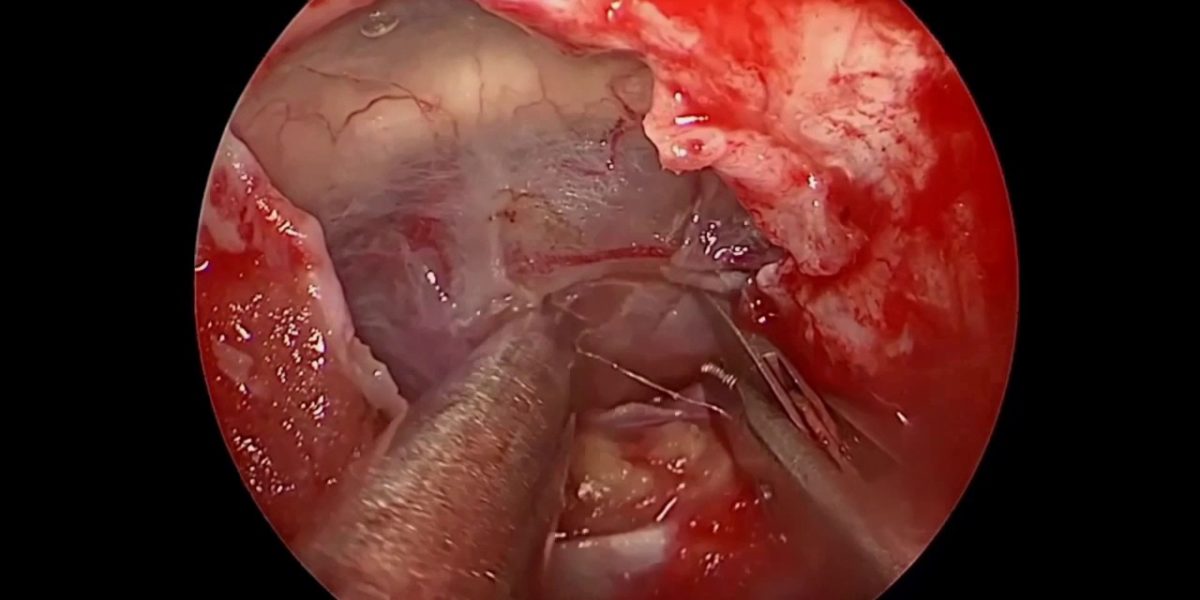
However, our neuro team includes neurologists, neurosurgeons, nurses, social workers, nutritionists. They exclusively examine patients with neuro-oncologic disorders and remain updated on the full range of standard and experimental strategies.
Read on more to know about Brain tumors, their types, symptoms, diagnosis, brain tumor treatment, etc.
What is a Brain Tumor?
The abnormal growth of cells in the brain forms a mass or lump termed a brain tumour. The growth rate and location of your brain tumour determine how it will affect your nervous system’s function.
What are the Types of Brain tumors?
1. Primary Brain Tumors:
The primary tumours develop when normal cells acquire errors (mutations) in their DNA. The mutations allow cells to grow and divide at increased rates and continue living when healthy cells die. It results in the growth of a mass of abnormal cells, which forms a tumour.
The primary tumours originate in the brain or the surrounding tissues, including the brain-covering membrane (meninges), cranial nerves, pituitary gland, or pineal gland.
Primary tumours are rare as compared to other cancers of the body. However, it constitutes about 1% to 2% of the total cancers. But it is responsible for around 20% of deaths due to cancer-related causes. The incidence is about 2/10000 people in India.
Primary tumours are both benign and malignant. About 33% of primary brain tumours are malignant. No age group is saved from brain tumours. It affects all from pediatric age groups to elderly patients.
There are various types of primary brain tumours. Each gets its name from the variety of cells involved. Examples include:
- Gliomas
- Meningiomas
- Acoustic neuromas (schwannomas)
- Pituitary adenomas
- Medulloblastomas
- Germ cell tumours
- Craniopharyngiomas
2. Secondary Brain Tumors:
Secondary tumours are metastatic from malignancies of other body parts. These tumours emerge from cancer that originates elsewhere in the body and then spreads to your brain.
These tumours most often develop in people with a history of cancer. But in rare conditions, a metastatic brain tumour may be the initial sign of cancer that originated elsewhere in your body.
The common types of cancer that can spread to the brain include:
- Breast cancer
- Colon cancer
- Kidney cancer
- Lung cancer
- Melanoma
Symptoms of Brain Tumor
- Change in the headache patterns
- Frequent and severe headaches
- Unexplained nausea or vomiting
- Vision problems
- A gradual loss of sensation or mobility in an arm or a leg
- Difficulty with balance or speech
- Confusion in everyday matters
- Personality or behaviour changes
- Seizures
- Hearing problems
When to consult a doctor?
Contact your doctor if you have persistent signs and symptoms that concern you. Book an Appointment at Dr. Rao’s Hospital
Diagnosis of Brain Tumor
Your doctor may recommend the below tests and procedures to diagnose a brain tumour:
1. Neurological exam:
A neurological exam may include testing your vision, hearing, strength, balance, coordination, and reflexes. Problems in one or more areas may give signs about the part of your brain that may have a tumour.
2. Imaging tests:
- Magnetic Resonance Imaging (MRI)
- Computerized Tomography (CT)
- Positron Emission Tomography (PET)
3. Biopsy:
A biopsy can be implemented as part of surgery to remove the brain tumour.
Your surgeon may perform a stereotactic needle biopsy for brain tumours in hard-to-reach areas or susceptible areas within your brain that a more extensive surgery might damage. The biopsy sample is then observed under a microscope to find if it is cancerous or benign.
Brain Tumor Treatment in Andhra Pradesh
The treatment depends on the kind of brain tumour you have and its size and location.
1. Surgery
Surgery aims to remove the mass effect, obtain tissue for histopathological examination and excision of mass to cure the condition. The surgery focuses on total or gross total excision. But in the case of inoperable tumours, near-total excision or simple decompression is also done. Surgery causes immediate relief in mass effect.
The surgery usually cures benign tumours. But malignant tumours also require chemotherapy or radiotherapy as an adjuvant. Recurrence is the rule in the case of malignant brain tumours. But recurrence-free survival depends on the kind and grade of the brain tumour. Moreover, even after recurrence, surgery is the first line of management.


Enquiry Now
