Category Archives: Uncategorized

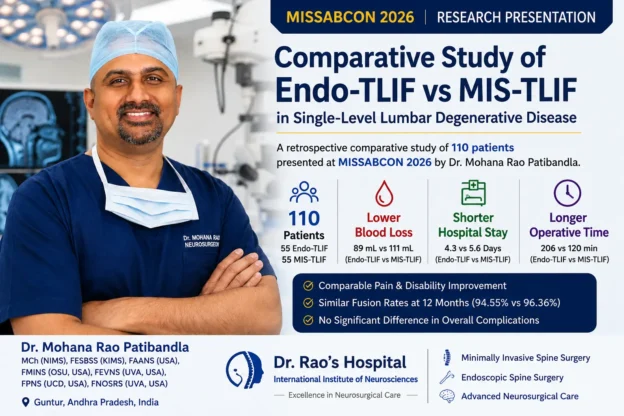
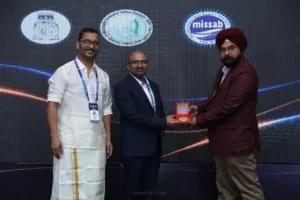
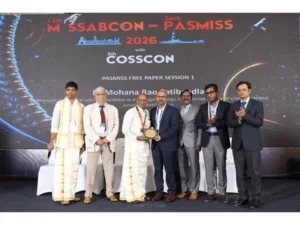
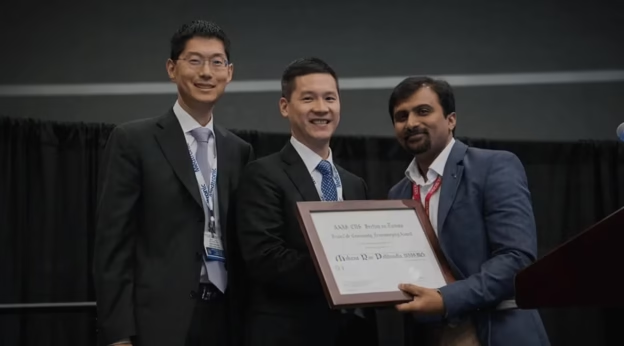
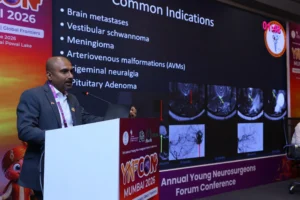
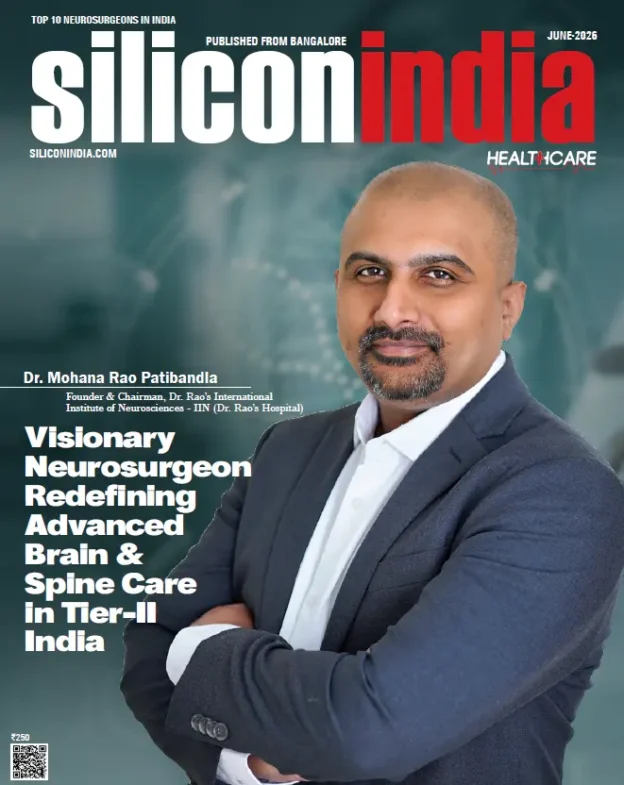
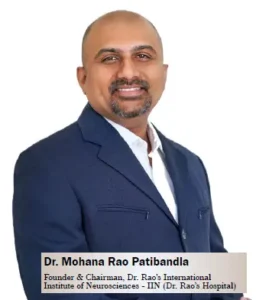
Dr. Mohana Rao Patibandla receiving Times ICONs of Healthcare 2026 award from Andhra Pradesh Health Minister Satya Kumar Yadav

Minimally Invasive Spine Surgery: Smaller Cuts, Faster Walking


Minimally Invasive Spine Surgery: Smaller Cuts, Faster Walking

Fear of spine surgery is common. Many patients worry about pain, long hospital stays,
and being unable to walk for weeks. The good news is that minimally invasive spine surgery
has transformed modern spine care. With smaller cuts, less muscle damage, and faster recovery, many patients are now able to walk the very same day or the next day after spine surgery.

In this detailed, patient-friendly guide, we explain how minimally invasive spine surgery works,
its benefits over traditional open surgery, recovery timelines, and how to decide
which spine surgery is safer for your condition.


What Is Minimally Invasive Spine Surgery?

Minimally invasive spine surgery (MISS) is a modern surgical approach that treats spine problems through small incisions using specialized instruments and imaging guidance.
Instead of cutting through large muscles, surgeons gently separate muscle fibers,
preserving normal anatomy.

Common minimally invasive spine surgery techniques include:

  • Keyhole spine surgery
  • Endoscopic spine surgery
  • Tubular retractor spine surgery
  • Muscle-sparing spine surgery

These techniques reduce tissue injury while achieving the same surgical goals as open surgery.


Why Smaller Cuts Make a Big Difference

Traditional open spine surgery requires a long incision and extensive muscle stripping.
This muscle damage is a major reason for pain and delayed recovery.

With small incision spine surgery:

  • Muscle damage is minimal
  • Blood loss during spine surgery is significantly lower
  • Postoperative pain is reduced
  • Infection risk is lower

According to studies indexed on PubMed, muscle-sparing techniques are strongly associated with faster mobilization and shorter hospital stays.


Benefits of Minimally Invasive Spine Surgery

1. Faster Recovery and Early Walking

One of the biggest advantages is early mobilization after spine surgery.
Many patients are able to:

  • Stand within 24 hours
  • Walk the next day after spine surgery
  • Climb stairs within a few days

2. Less Pain After Surgery

Because muscles are preserved, patients experience less pain after minimally invasive spine surgery, reducing the need for strong pain medications.

3. Shorter Hospital Stay

Most minimally invasive procedures involve:

  • 1–3 days of hospital stay
  • Some cases as day care spine surgery

4. Faster Return to Work

Patients often return to work and daily activities much sooner compared to open spine surgery.


Conditions Treated with Minimally Invasive Spine Surgery

Modern minimally invasive techniques can effectively treat many spine conditions:

  • Slipped disc (minimally invasive microdiscectomy)
  • Sciatica and leg pain relief surgery
  • Spinal stenosis (minimally invasive decompression surgery)
  • Neck and back pain due to nerve compression
  • Degenerative spine disease
  • Minimally invasive lumbar fusion
  • Minimally invasive laminectomy

Not every patient needs surgery, but when surgery is indicated, minimally invasive options are considered first.


Minimally Invasive vs Open Spine Surgery: A Comparison

Feature Minimally Invasive Spine Surgery Open Spine Surgery
Incision size Small Large
Muscle damage Minimal Significant
Blood loss Lower Higher
Infection risk Reduced Higher
Hospital stay Shorter Longer
Recovery time Faster Slower

Is Minimally Invasive Spine Surgery Safe?

Patients often ask: “Which spine surgery is safer?”

For appropriately selected patients, minimally invasive spine surgery is as safe or safer than open surgery. Safety improves further when surgery is performed in a high-volume spine center by an experienced, board-certified spine surgeon.

Organizations such as Mayo Clinic and NIH recognize minimally invasive techniques as a major advancement in spine care.


Advanced Technology Behind Safer Spine Surgery

Modern minimally invasive spine surgery relies on:

  • High-resolution MRI and CT imaging
  • Navigation-guided spine surgery
  • Intraoperative neuromonitoring
  • High-definition microscopes and endoscopes

These technologies improve precision and protect nerves, making surgery safer and outcomes more predictable.


Recovery Timeline After Minimally Invasive Spine Surgery

  • Day 1: Sitting and walking with support
  • Day 2–3: Discharge from hospital
  • Week 2: Light daily activities
  • Week 4–6: Return to work (depending on job)

Recovery varies, but most patients experience quicker improvement than with traditional open spine surgery.


How Minimally Invasive Surgery Reduces Fear of Spine Surgery

Fear often comes from outdated ideas about spine surgery.
Knowing that modern procedures involve:

  • Smaller cuts
  • Less pain
  • Early walking
  • Short hospital stays

has helped many patients overcome hesitation and seek timely treatment, preventing long-term nerve damage.


Learn more at Dr. Rao’s Hospital Official Website, our Spine Surgery Department, Neurosurgery Services, and Neurology Department.


What spine problems need minimally invasive surgery?

Slipped disc, sciatica, spinal stenosis, nerve compression,
and some spine instability conditions can be treated
using minimally invasive spine surgery.

How soon can I walk after spine surgery?

Many patients are able to walk within 24 hours
and sometimes the next day after minimally invasive spine surgery.

Why choose Dr. Rao’s Hospital for spine surgery?

At Dr. Rao’s Hospital, led by Dr. Mohana Rao Patibandla , one of the best spine surgeons in Guntur, patients receive advanced, compassionate care using state-of-the-art minimally invasive spine surgery techniques.


Take the First Step Toward Pain-Free Movement

If you are suffering from back or neck pain and are worried about surgery, modern minimally invasive spine surgery may be the solution.

For those searching for the best spine surgeon in Guntur or a trusted Andhra Pradesh spine specialist, consult Dr. Rao’s Hospital, led by Dr. Mohana Rao Patibandla

📞 Call: 090100 56444
📧 Email: info@drraoshospitals.com
🌐 Visit: https://drraoshospitals.com


Follow Dr. Rao’s Hospital:

Facebook |
Instagram |
YouTube |
LinkedIn |
X (Twitter)

Who Is an Ideal Candidate for Minimally Invasive Spine Surgery?

Not every spine condition requires surgery, and not every surgery must be minimally invasive.
The ideal candidates are patients whose symptoms persist despite medications, physiotherapy, and lifestyle modification.

Minimally invasive spine surgery is commonly recommended when:

  • Leg pain (sciatica) is more severe than back pain
  • MRI shows a localized disc prolapse or nerve compression
  • Spinal stenosis is limited to one or two levels
  • There is no major spinal deformity or instability
  • The goal is early mobilization and faster return to routine life

A detailed clinical examination and imaging review by an experienced spine surgeon is essential before finalizing the surgical plan.


What Patients Often Notice After Surgery

Patients frequently report that recovery is much easier than expected.
Common early observations include:

  • Immediate relief of leg pain
  • Able to sit and stand within hours
  • Walking comfortably within a day
  • Minimal wound discomfort
  • Confidence that fear of spine surgery was unnecessary

These improvements are a direct result of reduced muscle injury, precise nerve decompression, and modern anesthesia protocols.


The Role of Experience in Safer Spine Surgery

Technology alone does not guarantee success.
The outcome of minimally invasive spine surgery depends heavily on:

  • Surgeon experience with MISS techniques
  • Proper patient selection
  • Use of navigation and neuromonitoring when needed
  • Structured postoperative rehabilitation

When performed in a dedicated spine center with a high surgical volume, minimally invasive spine surgery consistently delivers predictable, safe, and durable outcomes.


Final Takeaway for Patients

Modern spine surgery is no longer something to fear. With smaller cuts, less pain, faster walking, and shorter hospital stays, minimally invasive spine surgery has changed how patients recover and return to life.

The safest spine surgery is not defined by the size of the incision, but by the right technique, right surgeon, and right hospital.

Ready to Move Freely Again?

If you are suffering from persistent back pain, leg pain, or spine-related disability and are worried about surgery, expert guidance can make all the difference.

At Dr. Rao’s Hospital, led by Dr. Mohana Rao Patibandla , patients receive advanced minimally invasive spine surgery with a strong focus on safety, early walking, and faster recovery.

Consult
Dr. Mohana Rao Patibandla , one of the most experienced neurosurgeons and spine specialists in Andhra Pradesh, for a personalized spine care plan.

📞 Call: 090100 56444
📧 Email: info@drraoshospitals.com
🌐 Website: https://drraoshospitals.com
📍 Location: Guntur, Andhra Pradesh, India


Connect with Dr. Rao’s Hospital:

🌐 Official Website |
📘 Facebook |
📸 Instagram |
📺 YouTube |
💼 LinkedIn |
🐦 X (Twitter) |
📍 Google Maps

మినిమల్ ఇన్వేసివ్ స్పైన్ సర్జరీ: చిన్న కట్, వేగంగా నడక

స్పైన్ (వెన్నెముక) సర్జరీ అంటే చాలా మందికి భయం ఉంటుంది. “ఎక్కువ నొప్పి ఉంటుందేమో”, “నెలల తరబడి మంచానికే పరిమితమవ్వాలేమో” అనే ఆలోచనలు సహజం.

కానీ ఆధునిక వైద్య సాంకేతికతతో మినిమల్ ఇన్వేసివ్ స్పైన్ సర్జరీ ఈ భయాన్ని చాలా వరకు తగ్గించింది. చిన్న కట్, తక్కువ నొప్పి, వేగంగా రికవరీ — చాలా మంది రోగులు సర్జరీ తర్వాతి రోజే నడవగలుగుతున్నారు.

ఈ బ్లాగ్‌లో మినిమల్ ఇన్వేసివ్ స్పైన్ సర్జరీ అంటే ఏమిటి, దాని లాభాలు, ఏ సమస్యలకు ఇది ఉపయోగపడుతుంది, మరియు ఏ స్పైన్ సర్జరీ సురక్షితం అనే విషయాలను సరళమైన భాషలో తెలుసుకుందాం.


మినిమల్ ఇన్వేసివ్ స్పైన్ సర్జరీ అంటే ఏమిటి?

మినిమల్ ఇన్వేసివ్ స్పైన్ సర్జరీ అనేది చిన్న కట్ (small incision) ద్వారా, ప్రత్యేకమైన పరికరాలు మరియు కెమెరాల సహాయంతో వెన్నెముక సమస్యలను చికిత్స చేసే ఆధునిక విధానం.

సాంప్రదాయ ఓపెన్ స్పైన్ సర్జరీలో పెద్ద కట్ చేసి మసిల్స్‌ను ఎక్కువగా కట్ చేయాల్సి వస్తుంది.
కానీ మినిమల్ ఇన్వేసివ్ పద్ధతిలో మసిల్స్‌ను కట్ చేయకుండా పక్కకు జరిపి సర్జరీ చేస్తారు.

ఈ సర్జరీలో సాధారణంగా ఉపయోగించే పద్ధతులు:

  • కీహోల్ స్పైన్ సర్జరీ
  • ఎండోస్కోపిక్ స్పైన్ సర్జరీ
  • ట్యూబ్యులర్ రిట్రాక్టర్ స్పైన్ సర్జరీ
  • మసిల్-స్పేరింగ్ స్పైన్ సర్జరీ

చిన్న కట్ ఎందుకు అంత ముఖ్యమైనది?

స్పైన్ సర్జరీ తర్వాత నొప్పి మరియు ఆలస్యమైన రికవరీకి ప్రధాన కారణం మసిల్స్‌కు కలిగే నష్టం.

చిన్న కట్ స్పైన్ సర్జరీ వల్ల:

  • మసిల్స్‌కు నష్టం చాలా తక్కువ
  • రక్తనష్టం తగ్గుతుంది
  • ఇన్ఫెక్షన్ ప్రమాదం తక్కువ
  • శరీరం త్వరగా కోలుకుంటుంది

అందుకే మినిమల్ ఇన్వేసివ్ సర్జరీ చేసిన రోగులు తక్కువ నొప్పితో త్వరగా నడవగలుగుతారు.


మినిమల్ ఇన్వేసివ్ స్పైన్ సర్జరీ లాభాలు

1. వేగవంతమైన రికవరీ & త్వరగా నడక

చాలా మంది రోగులు:

  • 24 గంటల్లోనే నిలబడగలుగుతారు
  • సర్జరీ తర్వాతి రోజే నడవగలుగుతారు
  • కొన్ని రోజుల్లోనే మెట్లు ఎక్కగలుగుతారు

2. తక్కువ నొప్పి

మసిల్స్‌ను ఎక్కువగా కట్ చేయకపోవడం వల్ల సర్జరీ తర్వాత నొప్పి చాలా తక్కువగా ఉంటుంది.

3. హాస్పిటల్ స్టే తక్కువ

చాలా సందర్భాల్లో:

  • 1–3 రోజుల్లో డిశ్చార్జ్
  • కొన్ని కేసుల్లో డే కేర్ స్పైన్ సర్జరీ

4. ఉద్యోగానికి త్వరగా తిరిగి వెళ్లడం

ఓపెన్ స్పైన్ సర్జరీతో పోలిస్తే ఉద్యోగం మరియు రోజువారీ పనులకు చాలా త్వరగా తిరిగి వెళ్లవచ్చు.


ఏ స్పైన్ సమస్యలకు మినిమల్ ఇన్వేసివ్ సర్జరీ ఉపయోగపడుతుంది?

  • స్లిప్ డిస్క్ (మినిమల్ ఇన్వేసివ్ మైక్రోడిస్కెక్టమీ)
  • సయాటికా – కాళ్లకు వెళ్లే నొప్పి
  • స్పైనల్ స్టెనోసిస్
  • నరాలపై ఒత్తిడి వల్ల వచ్చే మెడ, నడుము నొప్పి
  • మినిమల్ ఇన్వేసివ్ లామినెక్టమీ
  • మినిమల్ ఇన్వేసివ్ లంబార్ ఫ్యూజన్

అయితే ప్రతి రోగికి సర్జరీ అవసరం ఉండకపోవచ్చు. సర్జరీ అవసరమైనప్పుడు, ముందుగా మినిమల్ ఇన్వేసివ్ ఎంపికను పరిశీలిస్తారు.


మినిమల్ ఇన్వేసివ్ vs ఓపెన్ స్పైన్ సర్జరీ – పోలిక

అంశం మినిమల్ ఇన్వేసివ్ ఓపెన్ స్పైన్ సర్జరీ
కట్ పరిమాణం చిన్నది పెద్దది
మసిల్ డ్యామేజ్ తక్కువ ఎక్కువ
రక్తనష్టం తక్కువ ఎక్కువ
హాస్పిటల్ స్టే తక్కువ ఎక్కువ
రికవరీ వేగంగా మెల్లగా

ఏ స్పైన్ సర్జరీ సురక్షితం?

రోగులు తరచూ అడిగే ప్రశ్న — “ఏ స్పైన్ సర్జరీ సురక్షితం?”

సరైన రోగులను ఎంపిక చేస్తే, మినిమల్ ఇన్వేసివ్ స్పైన్ సర్జరీ ఓపెన్ సర్జరీతో సమానంగా లేదా మరింత సురక్షితంగా ఉంటుంది.

అయితే, కొన్ని క్లిష్టమైన సమస్యల్లో ఓపెన్ స్పైన్ సర్జరీ తప్పనిసరి కావచ్చు.

అందుకే సురక్షితమైన సర్జరీ అనేది కట్ పరిమాణంపై కాదు, సరైన సర్జన్, సరైన టెక్నిక్, సరైన హాస్పిటల్ మీద ఆధారపడి ఉంటుంది.


స్పైన్ సర్జరీ భయం ఎలా తగ్గుతుంది?

నేటి స్పైన్ సర్జరీ:

  • చిన్న కట్లు
  • తక్కువ నొప్పి
  • త్వరగా నడక
  • తక్కువ రోజుల్లో ఇంటికి డిశ్చార్జ్

ఈ వాస్తవాలు తెలుసుకున్న తర్వాత చాలా మంది రోగులలో స్పైన్ సర్జరీపై ఉన్న భయం తగ్గిపోతుంది
మరియు సరైన సమయంలో చికిత్స తీసుకుంటారు.


నడుము లేదా మెడ నొప్పితో బాధపడుతున్నారా?

మీరు స్పైన్ సర్జరీ గురించి భయపడుతున్నట్లయితే, ఆధునిక మినిమల్ ఇన్వేసివ్ స్పైన్ సర్జరీ
మీకు సరైన పరిష్కారం కావచ్చు.

Dr. Rao’s Hospital, led by Dr. Mohana Rao Patibandla  నేతృత్వంలో, అధునాతన స్పైన్ సర్జరీలు
భద్రతతో మరియు ఉత్తమ ఫలితాలతో నిర్వహించబడుతున్నాయి.

📞 కాల్ చేయండి: 090100 56444
📧 ఈమెయిల్: info@drraoshospitals.com
🌐 వెబ్‌సైట్: https://drraoshospitals.com


Dr. Rao’s Hospital ను సోషల్ మీడియాలో ఫాలో అవ్వండి:

🌐 Website |
📘 Facebook |
📸 Instagram |
📺 YouTube |
💼 LinkedIn |
🐦 X (Twitter) |
📍 Google Maps

మినిమల్ ఇన్వేసివ్ స్పైన్ సర్జరీ – రోగులు ఎక్కువగా అడిగే ప్రశ్నలు (PAA)

వెన్నెముక (స్పైన్) సమస్యలపై గూగుల్‌లో వెతికేటప్పుడు రోగులు మరియు వారి కుటుంబ సభ్యులు కొన్ని ప్రశ్నలను పునరావృతంగా అడుగుతుంటారు. ఈ PAA (People Also Ask) బ్లాగ్‌లో ఆ ప్రశ్నలకు స్పష్టమైన, భయాన్ని తగ్గించే సమాధానాలు ఇస్తున్నాం.


మినిమల్ ఇన్వేసివ్ స్పైన్ సర్జరీ అంటే ఏమిటి?

మినిమల్ ఇన్వేసివ్ స్పైన్ సర్జరీ అంటే చిన్న కట్ ద్వారా, ప్రత్యేక పరికరాలు మరియు కెమెరాల సహాయంతో వెన్నెముక సమస్యలను చికిత్స చేయడం.

ఈ విధానంలో మసిల్స్‌ను ఎక్కువగా కట్ చేయరు, అందువల్ల నొప్పి తక్కువగా ఉంటుంది మరియు రికవరీ వేగంగా జరుగుతుంది.


మినిమల్ ఇన్వేసివ్ స్పైన్ సర్జరీ నిజంగా సురక్షితమేనా?

ఇది రోగులు అడిగే అత్యంత సాధారణ ప్రశ్న. సరైన రోగులను ఎంపిక చేసినప్పుడు,
మినిమల్ ఇన్వేసివ్ స్పైన్ సర్జరీ ఓపెన్ స్పైన్ సర్జరీతో సమానంగా లేదా మరింత సురక్షితంగా ఉంటుంది.

భద్రత అనేది కట్ పరిమాణం మీద కాకుండా, సర్జన్ అనుభవం, టెక్నాలజీ, మరియు సరైన ప్లానింగ్ మీద ఆధారపడి ఉంటుంది.


స్పైన్ సర్జరీ తర్వాత ఎంత త్వరగా నడవగలను?

చాలా మంది రోగులు ఆశ్చర్యపోతారు, కానీ నిజం ఏమిటంటే —

  • చాలా కేసుల్లో 24 గంటల్లోనే నిలబడవచ్చు
  • సర్జరీ తర్వాతి రోజే నడవడం సాధ్యం
  • కొన్ని రోజుల్లోనే సాధారణ నడక

ఇది తక్కువ మసిల్ డ్యామేజ్ వల్ల సాధ్యమవుతుంది.


మినిమల్ ఇన్వేసివ్ స్పైన్ సర్జరీ తర్వాత నొప్పి ఎంత ఉంటుంది?

సాంప్రదాయ ఓపెన్ స్పైన్ సర్జరీతో పోలిస్తే, మినిమల్ ఇన్వేసివ్ సర్జరీ తర్వాత నొప్పి చాలా తక్కువగా ఉంటుంది.

చాలా మంది రోగులు తక్కువ పెయిన్ కిల్లర్స్‌తోనే సౌకర్యంగా ఉంటారు.


హాస్పిటల్‌లో ఎంత రోజులు ఉండాలి?

మినిమల్ ఇన్వేసివ్ స్పైన్ సర్జరీలో:

  • సాధారణంగా 1–3 రోజులు హాస్పిటల్ స్టే
  • కొన్ని కేసుల్లో డే కేర్ స్పైన్ సర్జరీ

ఇది రోగి త్వరగా ఇంటికి వెళ్లి ఆత్మవిశ్వాసంతో కదలడానికి సహాయపడుతుంది.


ఏ స్పైన్ సమస్యలకు ఈ సర్జరీ ఉపయోగపడుతుంది?

  • స్లిప్ డిస్క్
  • సయాటికా (కాళ్లకు వెళ్లే నొప్పి)
  • స్పైనల్ స్టెనోసిస్
  • నరాలపై ఒత్తిడి వల్ల వచ్చే నడుము నొప్పి
  • కొన్ని రకాల మెడ నొప్పులు

అయితే ప్రతి రోగికి ఇదే సర్జరీ సరిపోదు. స్పైన్ సర్జన్ పరీక్షించిన తర్వాతే సరైన విధానం నిర్ణయిస్తారు.


మినిమల్ ఇన్వేసివ్ vs ఓపెన్ స్పైన్ సర్జరీ – ఏది మంచిది?

ఈ ప్రశ్నకు ఒకే సమాధానం లేదు.

  • సాధారణ మరియు పరిమిత సమస్యలు → మినిమల్ ఇన్వేసివ్
  • క్లిష్టమైన లేదా పెద్ద సమస్యలు → ఓపెన్ సర్జరీ

అందుకే “ఏ స్పైన్ సర్జరీ సురక్షితం?” అనే ప్రశ్నకు సమాధానం వ్యక్తిగతంగా ఉండాలి.


స్పైన్ సర్జరీ గురించి భయం ఎలా తగ్గుతుంది?

నేటి ఆధునిక స్పైన్ సర్జరీ:

  • చిన్న కట్లు
  • తక్కువ నొప్పి
  • త్వరగా నడక
  • తక్కువ రోజుల్లో ఇంటికి డిశ్చార్జ్

ఈ వాస్తవాలు తెలుసుకున్న తర్వాత చాలా మంది రోగులలో స్పైన్ సర్జరీపై ఉన్న భయం తగ్గిపోతుంది.


స్పైన్ సర్జరీ కోసం గుంటూరులో ఎక్కడికి వెళ్లాలి?

మీరు గుంటూరులో నమ్మకమైన స్పైన్ సర్జన్
మరియు అధునాతన చికిత్స కోసం చూస్తున్నట్లయితే,
అనుభవం మరియు ఫలితాలు ఉన్న హాస్పిటల్‌ను ఎంపిక చేయాలి.

Dr. Rao’s Hospital, led by Dr. Mohana Rao Patibandla  నేతృత్వంలో, మినిమల్ ఇన్వేసివ్ స్పైన్ సర్జరీలు భద్రతతో నిర్వహించబడుతున్నాయి.


నడుము లేదా మెడ నొప్పితో ఇంకా బాధపడుతున్నారా?

స్పైన్ సర్జరీ గురించి భయపడకుండా, సరైన సమాచారం మరియు నిపుణుల సలహాతో మీ జీవితాన్ని మళ్లీ చురుకుగా మార్చుకోవచ్చు.

📞 కాల్ చేయండి: 090100 56444
📧 ఈమెయిల్: info@drraoshospitals.com
🌐 వెబ్‌సైట్: https://drraoshospitals.com


Dr. Rao’s Hospital ను సోషల్ మీడియాలో ఫాలో అవ్వండి:

🌐 Website |
📘 Facebook |
📸 Instagram |
📺 YouTube |
💼 LinkedIn |
🐦 X (Twitter) |
📍 Google Maps

Dr. Mohana Rao Patibandla receiving Times ICONs of Healthcare 2026 award from Andhra Pradesh Health Minister Satya Kumar Yadav

Minimally Invasive vs Open Brain Surgery: Which Is Safer?


Minimally Invasive Brain Surgery vs Open Surgery: What Patients Should Know

If you or a loved one needs brain surgery, the first question that often comes up is:
“Which brain surgery is safer—minimally invasive or open surgery?”
This comparison matters because the choice can influence pain, recovery time, hospital stay,
and long-term neurological outcomes.

In this detailed guide, we compare minimally invasive brain surgery vs open brain surgery
in clear, patient-friendly language. You’ll learn the benefits, risks, recovery expectations,
and—most importantly—how neurosurgeons decide the best approach for your brain condition.

What Is Minimally Invasive Brain Surgery?

Minimally invasive brain surgery uses advanced technology to reach the brain through
smaller incisions and natural corridors, instead of a large skull opening.
Techniques include:

  • Keyhole brain surgery (small craniotomy)
  • Endoscopic brain surgery through the nose or small openings
  • Neuronavigation-guided microsurgery
  • Minimally invasive skull base approaches

These methods aim to reduce tissue damage while maintaining precision and safety.

Benefits of Minimally Invasive Neurosurgery

  • Smaller incision and less scarring after brain surgery
  • Less pain and faster recovery
  • Reduced hospital stay and ICU time
  • Lower infection risk compared to large openings
  • Reduced blood loss in brain surgery
  • Earlier return to work after brain surgery

According to studies indexed on
PubMed,
many minimally invasive approaches show comparable or better neurological outcomes
for selected conditions.

What Is Traditional Open Brain Surgery?

Open brain surgery, also known as open craniotomy,
involves removing a larger portion of the skull to directly access the brain.
It remains a critical and life-saving option for many complex conditions.

When Open Brain Surgery Is Needed

  • Complex brain tumors involving multiple regions
  • Large aneurysm clipping requiring wide exposure
  • Extensive brain swelling or bleeding
  • Trauma with multiple fractures
  • Conditions where minimally invasive access is unsafe

In such cases, open surgery allows maximum visibility and control,
which can be the safest option.

Minimally Invasive vs Open Brain Surgery: Side-by-Side Comparison

Factor Minimally Invasive Brain Surgery Open Brain Surgery
Incision size Small (keyhole) Large skull opening
Blood loss Lower Higher
Infection risk Lower Higher
Hospital stay Shorter Longer
Recovery time Faster Slower
Best for Selected tumors, cysts, CSF disorders Large, complex, or deep lesions

Which Brain Surgery Is Safer?

There is no one-size-fits-all answer. The safety of minimally invasive brain surgery
depends on:

  • The exact diagnosis
  • Size and location of the lesion
  • Patient age and overall health
  • Availability of advanced neuroimaging and technology
  • Experience of a board-certified neurosurgeon

For properly selected cases, minimally invasive approaches can be as safe or safer
than open surgery. However, in complex cases, open surgery remains the gold standard.

Authoritative guidance from
Mayo Clinic
and
NIH
emphasizes individualized surgical planning.

How Neurosurgeons Decide the Best Approach

An individualized brain surgery plan is created after reviewing:

  • High-resolution MRI and CT scans
  • Functional brain mapping
  • Intraoperative neuromonitoring requirements
  • Risk–benefit analysis for each technique

High-volume neurosurgery centers consistently report better outcomes due to experience,
technology, and team coordination.

Questions to Ask Your Brain Surgeon

  • Is minimally invasive surgery an option for my condition?
  • What are the risks and complications of brain surgery in my case?
  • How long will ICU and hospital stay after neurosurgery be?
  • What is the expected recovery time?
  • What are the long-term neurological outcomes?
  • How many similar surgeries have you performed?

Learn more about advanced care at
Dr. Rao’s Hospital Official Website,
our Neurosurgery Department,
Neurology Services,
and Spine Surgery.

Which brain surgery is safer?

Safety depends on the condition. Minimally invasive brain surgery is often safer for
selected cases, while open surgery is safer for complex or large lesions.

How long is recovery after brain surgery?

Recovery time varies. Minimally invasive surgery usually allows faster recovery,
while open surgery may require longer rehabilitation.

Why choose Dr. Rao’s Hospital for brain surgery?

At Dr. Rao’s Hospital, led by
Dr. Mohana Rao Patibandla,
one of the best neurosurgeons in Guntur, patients receive advanced,
compassionate care using both minimally invasive and open neurosurgery techniques.


If you’re searching for the best neurosurgeon in Guntur or expert care for complex
brain conditions, visit Dr. Rao’s Hospital.
Contact us at 📞 090100 56444 or 📧
info@drraoshospitals.com.

Follow us:
Facebook |
Instagram |
YouTube |
LinkedIn |
X (Twitter)

Rehabilitation and Life After Brain Surgery

Recovery does not end when surgery is over. Whether a patient undergoes minimally invasive
brain surgery or traditional open surgery, rehabilitation after brain surgery
plays a vital role in long-term outcomes.

Rehabilitation may include physiotherapy, speech therapy, occupational therapy,
and cognitive retraining depending on the area of the brain involved.
Patients who undergo smaller incision brain surgery often begin rehabilitation earlier,
but open surgery patients also achieve excellent recovery with structured programs.

ICU and Hospital Stay After Neurosurgery

One of the most common patient concerns is ICU and hospital stay.

  • Minimally invasive procedures often require shorter ICU monitoring
  • Hospital discharge is usually earlier when complications are minimal
  • Open surgery may need longer observation, especially for complex conditions

Importantly, length of stay is guided by patient safety—not by the surgical technique alone.

Why Experience and Technology Matter More Than the Incision Size

While comparisons between minimally invasive and open brain surgery are important,
outcomes depend most on who performs the surgery and where it is done.

An experienced, board-certified neurosurgeon working in a
high-volume neurosurgery center with access to advanced neuroimaging,
microsurgical tools, and intraoperative neuromonitoring consistently delivers safer results.

Equally important is open communication. Patients who understand their condition,
participate in decision making for brain surgery, and seek a second opinion when needed
often feel more confident and satisfied with their care.

Final Thoughts: Choosing the Right Brain Surgery for You

There is no universal answer to “Which brain surgery is safer?”
The safest approach is the one that is:

  • Scientifically appropriate for your condition
  • Performed by an experienced neurosurgeon
  • Backed by modern imaging, monitoring, and surgical planning
  • Aligned with your recovery goals and overall health

The goal is not just survival, but the best possible neurological outcome
with the fastest and safest recovery
.

If you are comparing brain surgery options or looking for expert guidance,
Dr. Rao’s Hospital offers advanced minimally invasive and open neurosurgery
tailored to each patient.

For patients searching for the best brain surgeon in Guntur or a trusted
Andhra Pradesh neurosurgery hospital, consult
Dr. Mohana Rao Patibandla
and his experienced team.

📞 Call: 090100 56444
📧 Email: info@drraoshospitals.com
🌐 Visit: https://drraoshospitals.com
📍 Location: Guntur, Andhra Pradesh, India


Stay connected with Dr. Rao’s Hospital:

Facebook |
Instagram |
YouTube |
LinkedIn |
X (Twitter)

మినిమల్ ఇన్వేసివ్ బ్రెయిన్ సర్జరీ vs ఓపెన్ బ్రెయిన్ సర్జరీ: రోగులు తెలుసుకోవలసినది

మీకు లేదా మీ కుటుంబ సభ్యుడికి బ్రెయిన్ సర్జరీ అవసరమని చెప్పినప్పుడు,
మొదటిగా వచ్చే ప్రశ్న —
“ఏ బ్రెయిన్ సర్జరీ సురక్షితం?”

ఈరోజుల్లో బ్రెయిన్ సర్జరీ రెండు ప్రధాన విధానాల్లో జరుగుతుంది:
మినిమల్ ఇన్వేసివ్ బ్రెయిన్ సర్జరీ మరియు
సాంప్రదాయ ఓపెన్ బ్రెయిన్ సర్జరీ (క్రానియోటమీ).
ఈ రెండు మధ్య తేడాలు తెలుసుకోవడం సరైన నిర్ణయం తీసుకోవడంలో ఎంతో ముఖ్యం.


మినిమల్ ఇన్వేసివ్ బ్రెయిన్ సర్జరీ అంటే ఏమిటి?

మినిమల్ ఇన్వేసివ్ బ్రెయిన్ సర్జరీ అనేది చిన్న కట్ (small incision) ద్వారా, అధునాతన పరికరాలు మరియు ఇమేజింగ్ సహాయంతో చేయబడే శస్త్రచికిత్స.

ఇందులో ఉపయోగించే ముఖ్యమైన పద్ధతులు:

  • కీహోల్ బ్రెయిన్ సర్జరీ (Keyhole surgery)
  • ఎండోస్కోపిక్ బ్రెయిన్ సర్జరీ
  • న్యూరోనావిగేషన్ ఆధారిత మైక్రోసర్జరీ
  • స్కల్ బేస్ మినిమల్ ఇన్వేసివ్ సర్జరీ

మినిమల్ ఇన్వేసివ్ న్యూరోసర్జరీ లాభాలు

  • చిన్న కట్ – తక్కువ మచ్చలు (less scarring)
  • తక్కువ నొప్పి, వేగవంతమైన రికవరీ
  • రక్తనష్టం తక్కువ
  • ఇన్ఫెక్షన్ ప్రమాదం తక్కువ
  • హాస్పిటల్ స్టే తక్కువ
  • త్వరగా ఉద్యోగానికి లేదా సాధారణ జీవితానికి తిరిగి వెళ్లడం

సరైన కేసుల్లో, మినిమల్ ఇన్వేసివ్ సర్జరీ న్యూరోలాజికల్ ఫలితాలు కూడా చాలా మంచి స్థాయిలో ఉంటాయి.


ఓపెన్ బ్రెయిన్ సర్జరీ అంటే ఏమిటి?

ఓపెన్ బ్రెయిన్ సర్జరీ లేదా క్రానియోటమీ అంటే,
తల ఎముకలో పెద్ద ఓపెనింగ్ చేసి మెదడుకు నేరుగా చేరే విధానం.

ఇది ఇప్పటికీ అనేక క్లిష్టమైన బ్రెయిన్ సమస్యలకు
అత్యంత సురక్షితమైన మరియు అవసరమైన పద్ధతి.

ఏ సందర్భాల్లో ఓపెన్ బ్రెయిన్ సర్జరీ అవసరం?

  • పెద్ద లేదా క్లిష్టమైన బ్రెయిన్ ట్యూమర్లు
  • పెద్ద అన్యూరిజం క్లిప్పింగ్
  • మెదడులో విస్తృతంగా రక్తస్రావం
  • తీవ్ర తల గాయాలు (head injury)
  • మినిమల్ ఇన్వేసివ్ పద్ధతితో చేరలేని ప్రాంతాలు

ఇలాంటి సందర్భాల్లో, ఓపెన్ సర్జరీనే రోగి భద్రతకు ఉత్తమ ఎంపిక.


మినిమల్ ఇన్వేసివ్ vs ఓపెన్ బ్రెయిన్ సర్జరీ – పోలిక

ప్రమాణం మినిమల్ ఇన్వేసివ్ ఓపెన్ సర్జరీ
కట్ పరిమాణం చిన్నది పెద్దది
రక్తనష్టం తక్కువ ఎక్కువ
ఇన్ఫెక్షన్ ప్రమాదం తక్కువ ఎక్కువ
హాస్పిటల్ స్టే తక్కువ రోజులు ఎక్కువ రోజులు
రికవరీ టైమ్ వేగంగా మెల్లగా
ఉపయోగపడే కేసులు ఎంచుకున్న కేసులు క్లిష్టమైన కేసులు

అయితే… ఏ బ్రెయిన్ సర్జరీ సురక్షితం?

ఈ ప్రశ్నకు ఒకే సమాధానం లేదు.
సురక్షితమైన బ్రెయిన్ సర్జరీ అనేది ఈ అంశాలపై ఆధారపడి ఉంటుంది:

  • మీకు ఉన్న బ్రెయిన్ సమస్య
  • ట్యూమర్ లేదా లెజన్ పరిమాణం, స్థానం
  • మీ వయసు మరియు ఆరోగ్య పరిస్థితి
  • అధునాతన ఇమేజింగ్ మరియు మానిటరింగ్ లభ్యత
  • న్యూరోసర్జన్ అనుభవం

కొన్ని కేసుల్లో మినిమల్ ఇన్వేసివ్ సర్జరీనే సురక్షితం. ఇంకొన్ని కేసుల్లో ఓపెన్ సర్జరీ తప్పనిసరి.


బ్రెయిన్ సర్జరీ నిర్ణయం ఎలా తీసుకుంటారు?

అనుభవజ్ఞుడైన న్యూరోసర్జన్ ఈ విషయాలు పరిశీలించి నిర్ణయం తీసుకుంటారు:

  • అధునాతన MRI / CT స్కాన్లు
  • ఫంక్షనల్ బ్రెయిన్ మ్యాపింగ్
  • ఇంట్రా-ఆపరేటివ్ న్యూరోమానిటరింగ్
  • రిస్క్ vs లాభం విశ్లేషణ

అందుకే “ఏ కట్ చిన్నది?” కంటే “ఏ పద్ధతి నాకు సురక్షితం?” అన్నదే ముఖ్యమైన ప్రశ్న.


రోగులు డాక్టర్‌ను అడగాల్సిన ప్రశ్నలు

  • నా సమస్యకు మినిమల్ ఇన్వేసివ్ సర్జరీ సాధ్యమా?
  • ఈ సర్జరీ రిస్కులు ఏమిటి?
  • హాస్పిటల్ మరియు ICU స్టే ఎంతకాలం?
  • రికవరీకి ఎంత సమయం పడుతుంది?
  • మీరు ఇలాంటి సర్జరీలు ఎన్ని చేశారు?

చివరి మాట

బ్రెయిన్ సర్జరీలో ముఖ్యమైనది
సరైన సర్జరీ + సరైన డాక్టర్ + సరైన హాస్పిటల్.

లక్ష్యం ఒక్కటే — రోగి భద్రత, మంచి న్యూరోలాజికల్ ఫలితం, మరియు త్వరిత రికవరీ.

నిపుణుల సలహా కావాలా?

మీరు గుంటూరులో ఉత్తమ న్యూరోసర్జన్ కోసం వెతుకుతున్నారా?
లేదా బ్రెయిన్ సర్జరీపై స్పష్టమైన నిర్ణయం తీసుకోవాలనుకుంటున్నారా?

At Dr. Rao’s Hospital, led by Dr. Mohana Rao Patibandlaనేతృత్వంలో మినిమల్ ఇన్వేసివ్ మరియు ఓపెన్ బ్రెయిన్ సర్జరీలు అధునాతన సాంకేతికతతో నిర్వహించబడుతున్నాయి.

📞 కాల్ చేయండి: 090100 56444
📧 ఈమెయిల్: info@drraoshospitals.com
🌐 వెబ్‌సైట్: https://drraoshospitals.com


Dr. Rao’s Hospital ను సోషల్ మీడియాలో ఫాలో అవ్వండి:

Facebook |
Instagram |
YouTube |
LinkedIn |
X (Twitter)

మినిమల్ ఇన్వేసివ్ బ్రెయిన్ సర్జరీ vs ఓపెన్ సర్జరీ – రోగులు ఎక్కువగా అడిగే ప్రశ్నలు (PAA)

బ్రెయిన్ సర్జరీ గురించి గూగుల్‌లో వెతికేటప్పుడు రోగులు మరియు వారి కుటుంబ సభ్యులు
కొన్ని ప్రశ్నలను పదే పదే అడుగుతుంటారు. ఈ PAA (People Also Ask) బ్లాగ్‌లో ఆ ప్రశ్నలకు సరళమైన, నమ్మకమైన సమాధానాలు అందిస్తున్నాం.


ఏ బ్రెయిన్ సర్జరీ సురక్షితం?

ఈ ప్రశ్నకు ఒకే సమాధానం లేదు. ఏ బ్రెయిన్ సర్జరీ సురక్షితం అనేది
రోగి సమస్య, ట్యూమర్ పరిమాణం, మెదడులోని స్థానం,
మరియు న్యూరోసర్జన్ అనుభవంపై ఆధారపడి ఉంటుంది.

కొన్ని ఎంపిక చేసిన కేసుల్లో మినిమల్ ఇన్వేసివ్ బ్రెయిన్ సర్జరీ చాలా సురక్షితం. కానీ పెద్ద లేదా క్లిష్టమైన సమస్యల్లో ఓపెన్ బ్రెయిన్ సర్జరీనే అత్యంత సురక్షిత మార్గం అవుతుంది.


మినిమల్ ఇన్వేసివ్ బ్రెయిన్ సర్జరీ అంటే ఏమిటి?

మినిమల్ ఇన్వేసివ్ బ్రెయిన్ సర్జరీ అంటే
చిన్న కట్ ద్వారా, అధునాతన కెమెరాలు మరియు మైక్రోస్కోప్స్ ఉపయోగించి
మెదడులో సమస్యను చికిత్స చేయడం.

ఇది సాధారణంగా కీహోల్ సర్జరీ, ఎండోస్కోపిక్ సర్జరీ లేదా న్యూరోనావిగేషన్ ఆధారిత సర్జరీ రూపంలో ఉంటుంది.


మినిమల్ ఇన్వేసివ్ బ్రెయిన్ సర్జరీ లాభాలు ఏమిటి?

  • చిన్న కట్ – తక్కువ మచ్చలు
  • తక్కువ నొప్పి
  • రక్తనష్టం తక్కువ
  • ఇన్ఫెక్షన్ ప్రమాదం తక్కువ
  • హాస్పిటల్ స్టే తక్కువ
  • వేగవంతమైన రికవరీ

ఈ కారణాల వల్ల, సరైన కేసుల్లో మినిమల్ ఇన్వేసివ్ న్యూరోసర్జరీ రోగులకు ఎంతో ఉపశమనం ఇస్తుంది.


ఓపెన్ బ్రెయిన్ సర్జరీ అంటే ఏమిటి?

ఓపెన్ బ్రెయిన్ సర్జరీ లేదా క్రానియోటమీ అంటే,
తల ఎముకలో పెద్ద ఓపెనింగ్ చేసి
మెదడును నేరుగా చూడగలిగే విధంగా చేసే సర్జరీ.

ఇది ఇప్పటికీ అనేక ప్రాణాపాయ పరిస్థితుల్లో
అత్యంత అవసరమైన మరియు సురక్షితమైన పద్ధతి.


ఏ సందర్భాల్లో ఓపెన్ బ్రెయిన్ సర్జరీ అవసరం?

  • పెద్ద బ్రెయిన్ ట్యూమర్లు
  • పెద్ద అన్యూరిజం క్లిప్పింగ్
  • తీవ్ర తల గాయాలు
  • ఈ సందర్భాల్లో చిన్న కట్ ద్వారా చేయడం ప్రమాదకరం కావచ్చు, అందుకే ఓపెన్ సర్జరీనే సరైన ఎంపిక అవుతుంది.

బ్రెయిన్ సర్జరీ తర్వాత రికవరీకి ఎంత సమయం పడుతుంది?

రికవరీ సమయం సర్జరీ రకం, రోగి వయసు,
మరియు మెదడులో ఏ భాగం ప్రభావితమైందనే దానిపై ఆధారపడి ఉంటుంది.

  • మినిమల్ ఇన్వేసివ్ సర్జరీ – సాధారణంగా వేగంగా రికవరీ
  • ఓపెన్ బ్రెయిన్ సర్జరీ – కొంచెం ఎక్కువ సమయం పడుతుంది

ఫిజియోథెరపీ, స్పీచ్ థెరపీ, మరియు రిహాబిలిటేషన్ రికవరీలో కీలక పాత్ర పోషిస్తాయి.


బ్రెయిన్ సర్జరీ ప్రమాదాలు ఏమిటి?

ప్రతి బ్రెయిన్ సర్జరీకి కొన్ని ప్రమాదాలు ఉంటాయి.

  • ఇన్ఫెక్షన్
  • రక్తస్రావం
  • న్యూరోలాజికల్ లోపాలు
  • తాత్కాలిక లేదా శాశ్వత బలహీనత

అయితే, అనుభవజ్ఞుడైన న్యూరోసర్జన్ మరియు అధునాతన సాంకేతికతతో ఈ ప్రమాదాలను గణనీయంగా తగ్గించవచ్చు.


బ్రెయిన్ సర్జరీ నిర్ణయం ఎలా తీసుకోవాలి?

బ్రెయిన్ సర్జరీ నిర్ణయం ఎప్పుడూ
వ్యక్తిగతంగా తీసుకోవాలి.

  • సరైన నిర్ధారణ
  • అధునాతన MRI / CT స్కాన్లు
  • రిస్క్ vs లాభం విశ్లేషణ
  • న్యూరోసర్జన్ అనుభవం

అవసరమైతే సెకండ్ ఒపీనియన్ తీసుకోవడం
మంచి నిర్ణయానికి దోహదపడుతుంది.


గుంటూరులో బ్రెయిన్ సర్జరీ కోసం ఎక్కడికి వెళ్లాలి?

మీరు గుంటూరులో ఉత్తమ న్యూరోసర్జన్ కోసం వెతుకుతున్నట్లయితే,
అనుభవం, ఫలితాలు, మరియు సాంకేతికత కలిగిన
హాస్పిటల్‌ను ఎంపిక చేయాలి.

At Dr. Rao’s Hospital, led by Dr. Mohana Rao Patibandla, నేతృత్వంలో,
మినిమల్ ఇన్వేసివ్ మరియు ఓపెన్ బ్రెయిన్ సర్జరీలు
అధునాతన ప్రమాణాలతో నిర్వహించబడుతున్నాయి.


మీకు సరైన బ్రెయిన్ సర్జరీ ఏదో తెలుసుకోవాలా?

బ్రెయిన్ సర్జరీపై సందేహాలుంటే,
లేదా సరైన నిర్ణయం తీసుకోవాలంటే,
నిపుణుల సలహా ఎంతో ముఖ్యం.

📞 కాల్ చేయండి: 090100 56444
📧 ఈమెయిల్: info@drraoshospitals.com
🌐 వెబ్‌సైట్: https://drraoshospitals.com


Dr. Rao’s Hospital ను సోషల్ మీడియాలో ఫాలో అవ్వండి:

Facebook |
Instagram |
YouTube |
LinkedIn |
X (Twitter)

Dr. Mohana Rao Patibandla receiving Times ICONs of Healthcare 2026 award from Andhra Pradesh Health Minister Satya Kumar Yadav

How to Choose the Right Spine Surgeon in Your City

How to Choose the Right Spine Surgeon in Your City

Back pain, neck pain, sciatica, or spinal stenosis can deeply affect daily life. When conservative treatments fail, many patients face a difficult and emotional decision: choosing the right spine surgeon in their city. This choice can influence not only surgical success, but also long-term mobility, quality of life, and peace of mind.

With so much information online—and conflicting opinions—it’s easy to feel overwhelmed. This spine surgeon decision guide is designed to help you make a confident, informed choice based on evidence, ethics, and patient-centered care.


Why Choosing the Right Spine Surgeon Matters

Spine surgery is different from many other procedures. The spine protects the spinal cord and nerves that control movement, sensation, and organ function. A small error can have lifelong consequences.

According to the World Health Organization (WHO), musculoskeletal conditions—including spinal disorders—are among the leading causes of disability worldwide. Choosing the right specialist can significantly reduce complications and improve outcomes.


Start With the Right Type of Specialist

Neurosurgeon vs Orthopedic Spine Surgeon

Patients often wonder whether to choose a neurosurgeon or an orthopedic surgeon for spine problems.

  • Neurosurgeons specialize in the brain, spinal cord, and nerves
  • Orthopedic spine surgeons focus on bones, joints, and spinal alignment

For conditions involving nerves—such as slipped disc, sciatica, spinal stenosis, or cervical myelopathy—many patients prefer a neurosurgeon for spine surgery.


Verify Credentials and Training

Board Certification and Fellowship Training

A board certified spine surgeon has met nationally recognized standards of training and competence.

Look for:

  • Recognized medical degrees
  • Formal neurosurgery or orthopedic training
  • Fellowship-trained spine surgeon experience

Advanced fellowship training often means exposure to complex cases and modern techniques.


Experience Matters More Than You Think

High-Volume Spine Surgery Centers

Multiple studies on PubMed show that surgeons and hospitals performing a higher volume of spine surgeries tend to have:

  • Lower complication rates
  • Shorter hospital stays
  • Better functional outcomes

An experienced spine surgeon near me who regularly performs your specific procedure is often safer than someone who does it occasionally.


Ask the Right Questions Before Surgery

One of the most practical spine specialist selection tips is asking clear, direct questions.

Questions to Ask Your Spine Surgeon

  • Is surgery absolutely necessary right now?
  • What non-surgical options are still available?
  • How many similar surgeries have you performed?
  • What are the success and complication rates?
  • What will recovery realistically look like?

A surgeon who welcomes questions and explains patiently is a strong positive sign.


Look for an Ethical, Evidence-Based Approach

An ethical spine surgeon prioritizes your long-term well-being over procedures.

Red flags include:

  • Rushing into surgery without adequate evaluation
  • Dismissing conservative treatment options
  • Guaranteeing outcomes

Evidence-based spine care emphasizes avoiding unnecessary spine surgery whenever possible.


Conservative Treatment Before Surgery

Reputable spine surgeons recommend exhausting non-surgical treatments first, unless there is neurological emergency.

These may include:

  • Physiotherapy
  • Medications and injections
  • Lifestyle and ergonomic changes

A surgeon who discusses these options demonstrates balanced judgment.


Evaluate the Hospital, Not Just the Surgeon

Hospital Quality and Accreditation

Spine surgery outcomes depend on the entire system—not just one doctor.

Look for:

  • NABH accredited hospital
  • Advanced MRI and imaging facilities
  • Dedicated spine operation theaters
  • 24/7 emergency and ICU support

A safe spine surgery center improves both surgical safety and recovery.


Minimally Invasive and Advanced Spine Options

Modern spine care has moved toward less invasive approaches.

Ask whether your surgeon offers:

  • Minimally invasive spine surgery
  • Endoscopic spine surgery
  • Robotic-assisted spine surgery (when appropriate)

A minimally invasive spine surgery expert can reduce pain, blood loss, and recovery time in selected patients.


Importance of Clear Communication

Technical skill alone is not enough. A good spine surgeon:

  • Listens carefully to your concerns
  • Explains imaging findings clearly
  • Sets realistic expectations

Shared decision making in spine care leads to higher patient satisfaction and trust.


Patient Reviews and Testimonials: How to Interpret Them

Patient reviews of spine surgeons can provide insight—but should be interpreted carefully.

Focus on:

  • Consistency of feedback
  • Comments on communication and follow-up
  • Recovery and rehabilitation support

Avoid basing decisions on isolated extreme reviews.


Recovery, Rehabilitation, and Follow-Up Care

Spine surgery does not end in the operating room.

Ask about:

  • Physiotherapy after spine surgery
  • Pain management plans
  • Scheduled follow-up visits

Strong post-operative care is essential for durable results.


Second Opinions Are a Strength, Not a Weakness

Seeking a second opinion for spine surgery is a responsible step, especially for major procedures.

Ethical surgeons encourage second opinions and support informed choices.


Choosing a Local Spine Expert

When possible, selecting a spine surgeon in your city offers advantages:

  • Easier follow-up visits
  • Better continuity of care
  • Faster response to complications

This is particularly important for elderly patients and those with chronic spine conditions.


Spine Care at Dr. Rao’s Hospital

At Dr. Rao’s Hospital, spine care focuses on accurate diagnosis, conservative-first treatment, and advanced minimally invasive surgery when needed.

Care is led by :contentReference[oaicite:1]{index=1}, recognized as one of the best spine surgeons in Guntur, with a patient-first, evidence-based approach.


Frequently Asked Questions

What are common symptoms that require a spine surgeon?

Persistent back or neck pain, leg pain (sciatica), numbness, weakness, or difficulty walking despite conservative treatment may require specialist evaluation.

How are spine problems diagnosed?

Diagnosis includes clinical examination, MRI or CT imaging, and correlation with symptoms to identify nerve or spinal cord compression.

Why choose Dr. Rao’s Hospital for spine treatment?

At Dr. Rao’s Hospital, led by Dr. Mohana Rao Patibandla, patients receive ethical, advanced spine care using minimally invasive techniques when appropriate.


Call to Action

If you are searching for the best spine surgeon in Guntur or need guidance on safe, ethical spine care, consult the experts at Dr. Rao’s Hospital.

📞 090100 56444
📧 info@drraoshospitals.com


Connect With Us

Facebook |
Instagram |
YouTube |
LinkedIn |
X (Twitter)

Dr. Rao’s Hospital – Trusted spine, brain, and nerve care in Guntur, Andhra Pradesh.


Making a Confident Decision: Trust Your Instincts Too

After reviewing qualifications, experience, hospital infrastructure, and treatment philosophy, there is one final factor that should not be ignored: your comfort level with the surgeon. Trust and confidence play an important role in recovery, especially for spine conditions that require long-term follow-up.

If you feel rushed, unheard, or pressured into a decision, it is reasonable to pause and reassess. A good spine surgeon understands that surgery is a major life decision and supports patients in taking the time they need.

When patients feel informed, respected, and involved, outcomes—both physical and emotional—are consistently better.


What a Responsible Spine Surgeon Will Always Do

Before recommending surgery, a responsible spine surgeon will:

  • Clearly explain the diagnosis and imaging findings
  • Discuss all reasonable treatment options, including non-surgical care
  • Set realistic expectations about pain relief and recovery
  • Explain possible risks and how they are minimized
  • Provide a clear plan for rehabilitation and follow-up

This transparency is a hallmark of ethical, patient-centered spine care.


Long-Term Spine Health Matters More Than a Single Procedure

Choosing the right spine surgeon is not just about one operation—it is about long-term spinal health. Conditions like degenerative disc disease, spinal stenosis, or chronic back pain often require ongoing care, lifestyle guidance, and periodic monitoring.

A surgeon who emphasizes prevention, rehabilitation, and long-term outcomes helps patients maintain mobility and independence well beyond the initial treatment.


Final Takeaway

The right spine surgeon is one who combines experience with ethics, advanced skills with clear communication, and technology with compassion. By asking the right questions and choosing a center that prioritizes evidence-based care, patients can avoid unnecessary surgery and achieve safer, more durable results.

Your spine deserves thoughtful, personalized care—not rushed decisions.


Need Expert Guidance for Spine Problems?

If you are looking for a trusted opinion on back pain, neck pain, sciatica, or spinal surgery—and want a clear, ethical recommendation—consult the spine specialists at Dr. Rao’s Hospital.

📞 Call: 090100 56444
📧 Email: info@drraoshospitals.com
🌐 Website: https://drraoshospitals.com

Book a Spine Consultation


Connect With Dr. Rao’s Hospital

Facebook |
Instagram |
YouTube |
LinkedIn |
X (Twitter)

Dr. Rao’s Hospital – Ethical, advanced spine, brain, and nerve care in Guntur, Andhra Pradesh.

<


మీ నగరంలో సరైన స్పైన్ సర్జన్‌ను ఎలా ఎంచుకోవాలి?

బ్యాక్ పెయిన్, మెడ నొప్పి, సియాటికా, స్లిప్డ్ డిస్క్ లేదా స్పైనల్ స్టెనోసిస్ వంటి సమస్యలు జీవన నాణ్యతను తీవ్రంగా ప్రభావితం చేస్తాయి. మందులు, ఫిజియోథెరపీ వంటి చికిత్సలు పనిచేయకపోతే, చాలా మంది రోగులు ఒక క్లిష్టమైన నిర్ణయాన్ని ఎదుర్కొంటారు — స్పైన్ సర్జరీ అవసరమా? అయితే ఎవరు సరైన సర్జన్?

ఇది కేవలం ఒక ఆపరేషన్ ఎంపిక కాదు. సరైన స్పైన్ సర్జన్ ఎంపిక మీ భవిష్యత్తు నడక, పని సామర్థ్యం, స్వతంత్ర జీవితం అన్నింటినీ నిర్ణయిస్తుంది. అందుకే ఈ వ్యాసం మీకు స్పైన్ సర్జన్ ఎంపికకు పూర్తి నిర్ణయ మార్గదర్శినిగా ఉపయోగపడుతుంది.


స్పైన్ సర్జన్ ఎంపిక ఎందుకు అంత ముఖ్యము?

మన వెన్నెముక (స్పైన్) శరీరానికి కేంద్రంగా ఉంటుంది. ఇందులోని నరాలు మన చేతులు, కాళ్లు, మూత్ర నియంత్రణ, నడక, సంభాషణ అన్నింటినీ నియంత్రిస్తాయి.

స్పైన్ సర్జరీలో చిన్న తప్పిదం కూడా శాశ్వత వైకల్యానికి దారి తీసే అవకాశం ఉంటుంది. అందుకే సర్జన్ ఎంపికలో జాగ్రత్త తప్పనిసరి.

ప్రపంచ ఆరోగ్య సంస్థ (WHO) ప్రకారం, వెన్నెముక సమస్యలు ప్రపంచవ్యాప్తంగా ప్రధాన వైకల్య కారణాలలో ఒకటి.


మొదట సరైన నిపుణుడిని ఎంచుకోండి

న్యూరోసర్జన్ లేదా ఆర్థోపెడిక్ స్పైన్ సర్జన్?

చాలా మందికి ఇది గందరగోళంగా ఉంటుంది.

  • న్యూరోసర్జన్: మెదడు, స్పైనల్ కార్డ్, నరాలపై నిపుణుడు
  • ఆర్థోపెడిక్ స్పైన్ సర్జన్: ఎముకలు, జాయింట్లు, స్పైన్ నిర్మాణంపై నిపుణుడు

నరాలకు సంబంధించిన సమస్యలు — స్లిప్డ్ డిస్క్, సియాటికా, స్పైనల్ స్టెనోసిస్, మెడ నరాల ఒత్తిడి — ఉన్నవారికి చాలాసార్లు న్యూరోసర్జన్ సరైన ఎంపికగా ఉంటుంది.


అర్హతలు & శిక్షణ తప్పనిసరిగా పరిశీలించండి

బోర్డ్ సర్టిఫికేషన్ & ఫెలోషిప్ ట్రైనింగ్

మంచి స్పైన్ సర్జన్:

  • గుర్తింపు పొందిన మెడికల్ డిగ్రీ కలిగి ఉండాలి
  • న్యూరోసర్జరీ లేదా ఆర్థోపెడిక్ స్పెషలైజేషన్ పూర్తి చేసి ఉండాలి
  • ఫెలోషిప్ ట్రైనింగ్ (అడ్వాన్స్డ్ స్పైన్ ట్రైనింగ్) ఉండటం మంచిది

ఫెలోషిప్ ట్రైనింగ్ ఉన్న సర్జన్లు క్లిష్టమైన కేసులను నిర్వహించే అనుభవం కలిగి ఉంటారు.


అనుభవం ఎందుకు అత్యంత కీలకం?

హై వాల్యూమ్ స్పైన్ సెంటర్ అంటే ఏమిటి?

ఎక్కువ సంఖ్యలో స్పైన్ సర్జరీలు చేసే సర్జన్లు మరియు హాస్పిటల్స్‌లో:

  • కాంప్లికేషన్లు తక్కువగా ఉంటాయి
  • ఫలితాలు మెరుగ్గా ఉంటాయి
  • రికవరీ వేగంగా జరుగుతుంది

మీ సమస్యకు సంబంధించి అనుభవం ఉన్న స్పైన్ సర్జన్ను ఎంచుకోవడం అత్యంత ముఖ్యం.


సర్జన్‌ను కలిసేటప్పుడు తప్పక అడగాల్సిన ప్రశ్నలు

  • నాకు నిజంగా శస్త్రచికిత్స అవసరమా?
  • ఇంకా నాన్-సర్జికల్ చికిత్సలు ఉన్నాయా?
  • ఈ సర్జరీ మీరు ఎన్ని సార్లు చేశారు?
  • విజయ శాతం & ప్రమాదాలు ఏమిటి?
  • రికవరీకి ఎంత సమయం పడుతుంది?

స్పష్టంగా వివరించే, ప్రశ్నలకు ఓపికగా సమాధానం చెప్పే సర్జన్ మంచి ఎంపిక.


నైతికత (Ethics) ఉన్న స్పైన్ సర్జన్ లక్షణాలు

మంచి స్పైన్ సర్జన్:

  • తక్షణమే సర్జరీకి ఒత్తిడి చేయడు
  • ముందుగా కన్‌సర్వేటివ్ చికిత్సలు సూచిస్తాడు
  • అవసరం లేకుండా సర్జరీ చేయడు
  • వాస్తవమైన అంచనాలు ఇస్తాడు

“100% గ్యారెంటీ” చెప్పే సర్జన్ల పట్ల జాగ్రత్త.


సర్జరీకి ముందు నాన్-సర్జికల్ చికిత్సలు

సర్జరీకి ముందు సాధారణంగా ఇవి ప్రయత్నించాలి:

  • ఫిజియోథెరపీ
  • మందులు
  • ఇంజెక్షన్లు
  • జీవనశైలి మార్పులు

నరాలకు తీవ్రమైన నష్టం లేకపోతే, చాలామందికి ఇవే సరిపోతాయి.


హాస్పిటల్ నాణ్యత కూడా అంతే ముఖ్యం

సర్జన్ మాత్రమే కాదు — హాస్పిటల్ కూడా కీలకం.

  • NABH అక్స్రెడిటేషన్
  • అడ్వాన్స్డ్ MRI, CT సదుపాయాలు
  • డెడికేటెడ్ స్పైన్ OT
  • 24/7 ICU & ఎమర్జెన్సీ

మినిమల్ ఇన్వేసివ్ స్పైన్ సర్జరీ

ఆధునిక స్పైన్ చికిత్సలో:

  • ఎండోస్కోపిక్ స్పైన్ సర్జరీ
  • మినిమల్ ఇన్వేసివ్ టెక్నిక్స్
  • రోబోటిక్ సహాయం (అవసరమైతే)

ఈ విధానాలు నొప్పి, రక్తనష్టం, రికవరీ సమయాన్ని తగ్గిస్తాయి.


కమ్యూనికేషన్ & నమ్మకం

మంచి స్పైన్ సర్జన్:

  • రోగిని శ్రద్ధగా వింటాడు
  • MRI నివేదికను అర్థమయ్యేలా చెబుతాడు
  • నిర్ణయంలో రోగిని భాగస్వామి చేస్తాడు

సెకండ్ ఓపీనియన్ తీసుకోవడం తప్పు కాదు

పెద్ద స్పైన్ సర్జరీకి ముందు సెకండ్ ఓపీనియన్ తీసుకోవడం తెలివైన నిర్ణయం.

నైతిక సర్జన్లు దీనిని ప్రోత్సహిస్తారు.


డా. రావోస్ హాస్పిటల్‌లో స్పైన్ కేర్

డా. రావోస్ హాస్పిటల్లో స్పైన్ చికిత్సలో:

ఈ సేవలు డా. మోహన రావు పాటిబండ్ల గారి నేతృత్వంలో అందించబడుతున్నాయి.


CALL TO ACTION

మీకు బ్యాక్ పెయిన్, మెడ నొప్పి లేదా స్పైన్ సర్జరీపై సందేహాలు ఉంటే, నైతికంగా సరైన మార్గనిర్దేశం కోసం డా. రావోస్ హాస్పిటల్‌ను సంప్రదించండి.

📞 090100 56444
📧 info@drraoshospitals.com


మమ్మల్ని ఫాలో అవ్వండి

Facebook |
Instagram |
YouTube |
LinkedIn |
X (Twitter)

డా. రావోస్ హాస్పిటల్ – గుంటూరులో విశ్వసనీయ స్పైన్, బ్రెయిన్ & నర్వ్ కేర్.


How do I choose the right spine surgeon in my city?

Choose a spine surgeon based on proper qualifications, experience in spine procedures, ethical approach, hospital quality, clear communication, and willingness to explore non-surgical options before surgery.

మీ నగరంలో సరైన స్పైన్ సర్జన్‌ను ఎలా ఎంచుకోవాలి?
స్పైన్ సర్జన్‌ను ఎంపిక చేసేటప్పుడు అర్హతలు, అనుభవం, నైతికత, హాస్పిటల్ నాణ్యత, స్పష్టమైన కమ్యూనికేషన్ మరియు సర్జరీకి ముందు నాన్-సర్జికల్ చికిత్సలపై దృష్టి పెట్టే విధానాన్ని పరిశీలించాలి.


What questions should I ask a spine surgeon before surgery?

Ask whether surgery is necessary, what non-surgical options exist, the surgeon’s experience with your condition, success rates, risks, recovery time, and follow-up care plan.

స్పైన్ సర్జన్‌ను కలిసేటప్పుడు ఏ ప్రశ్నలు అడగాలి?
సర్జరీ నిజంగా అవసరమా, ఇతర చికిత్సలు ఉన్నాయా, ఈ సర్జరీ అనుభవం ఎంత, ప్రమాదాలు ఏమిటి, రికవరీకి ఎంత సమయం పడుతుంది, ఫాలో-అప్ ఎలా ఉంటుందో అడగాలి.


Is it better to choose a neurosurgeon or orthopedic surgeon for spine problems?

Both treat spine conditions, but neurosurgeons are often preferred for nerve-related problems such as slipped disc, sciatica, spinal stenosis, and spinal cord compression.

స్పైన్ సమస్యలకు న్యూరోసర్జన్ మంచిదా లేదా ఆర్థోపెడిక్ సర్జనా?
నరాలకు సంబంధించిన సమస్యలు ఉన్నప్పుడు (స్లిప్డ్ డిస్క్, సియాటికా, స్టెనోసిస్) సాధారణంగా న్యూరోసర్జన్ ఉత్తమ ఎంపికగా ఉంటుంది.


How important is a surgeon’s experience in spine surgery?

Very important. Surgeons who perform spine surgeries frequently tend to have lower complication rates and better long-term outcomes.

స్పైన్ సర్జరీలో అనుభవం ఎంత ముఖ్యము?
చాలా ముఖ్యము. ఎక్కువ సంఖ్యలో స్పైన్ సర్జరీలు చేసే సర్జన్ల వద్ద ప్రమాదాలు తక్కువగా ఉండి ఫలితాలు మెరుగ్గా ఉంటాయి.


Should spine surgery be the first treatment option?

No. Most ethical spine surgeons recommend conservative treatments like physiotherapy, medications, and injections before considering surgery unless there is nerve damage or paralysis.

స్పైన్ సర్జరీనే మొదటి చికిత్సగా తీసుకోవాలా?
కాదు. నరాల నష్టం లేదా పక్షవాతం లేకపోతే, ముందుగా ఫిజియోథెరపీ, మందులు వంటి చికిత్సలు ప్రయత్నించాలి.


What are red flags when choosing a spine surgeon?

Red flags include rushing into surgery, avoiding questions, promising guaranteed results, or discouraging second opinions.

స్పైన్ సర్జన్ ఎంపికలో హెచ్చరిక సంకేతాలు ఏమిటి?
తక్షణమే సర్జరీకి ఒత్తిడి చేయడం, ప్రశ్నలకు సమాధానం ఇవ్వకపోవడం, గ్యారెంటీ ఫలితాలు చెప్పడం, సెకండ్ ఓపీనియన్ వద్దనడం ప్రమాద సూచకాలు.


Why is hospital quality important for spine surgery?

Spine surgery outcomes depend on advanced imaging, operation theaters, ICU support, rehabilitation services, and overall safety standards of the hospital.

స్పైన్ సర్జరీకి హాస్పిటల్ నాణ్యత ఎందుకు ముఖ్యం?
సర్జరీ విజయవంతంగా ఉండాలంటే MRI, ఆధునిక OT, ICU, రిహాబిలిటేషన్ వంటి సదుపాయాలు తప్పనిసరి.


Is it okay to take a second opinion for spine surgery?

Yes. Taking a second opinion is wise and responsible, especially for major spine surgery. Ethical surgeons encourage it.

స్పైన్ సర్జరీకి సెకండ్ ఓపీనియన్ తీసుకోవచ్చా?
అవును. పెద్ద సర్జరీలకు ముందు సెకండ్ ఓపీనియన్ తీసుకోవడం తెలివైన నిర్ణయం. మంచి సర్జన్లు దీనిని ప్రోత్సహిస్తారు.


How do patient reviews help in choosing a spine surgeon?

Patient reviews help understand communication style, recovery experience, and follow-up care, but decisions should not be based on a single review.

పేషెంట్ రివ్యూస్ స్పైన్ సర్జన్ ఎంపికలో ఎలా సహాయపడతాయి?
సర్జన్ కమ్యూనికేషన్, రికవరీ, ఫాలో-అప్ గురించి అవగాహన ఇస్తాయి. కానీ ఒకే రివ్యూపై ఆధారపడకూడదు.


Why choose Dr. Rao’s Hospital for spine treatment?

Dr. Rao’s Hospital in Guntur offers ethical, evidence-based spine care with advanced diagnostics, conservative-first treatment, and minimally invasive surgery when needed.

స్పైన్ చికిత్సకు డా. రావోస్ హాస్పిటల్ ఎందుకు ఎంచుకోవాలి?
డా. రావోస్ హాస్పిటల్‌లో నైతికమైన, ఆధునిక స్పైన్ కేర్, సరైన నిర్ధారణ, అవసరమైతే మినిమల్ ఇన్వేసివ్ సర్జరీ అందుబాటులో ఉంది.

Dr. Mohana Rao Patibandla receiving Times ICONs of Healthcare 2026 award from Andhra Pradesh Health Minister Satya Kumar Yadav

Endovascular Stroke Treatment: Saving Brain Function

Endovascular Treatment for Stroke: How It Saves Brain Function

Stroke is one of the leading causes of death and long-term disability worldwide. Every year, millions of people experience a sudden loss of brain function due to interrupted blood flow. In this critical situation, a single principle guides modern stroke care: “Time is Brain.”

Over the past decade, endovascular treatment for stroke has revolutionized how doctors manage acute ischemic stroke. By rapidly restoring blood flow through minimally invasive, catheter-based techniques, this approach can save brain tissue, preserve neurological function, and dramatically reduce long-term disability.

This article explains how endovascular stroke therapy works, who benefits most, why speed is crucial, and how advanced stroke centers are changing outcomes for patients.


Understanding Stroke: Why Brain Function Is at Risk

A stroke occurs when blood flow to a part of the brain is interrupted. Without oxygen and glucose, brain cells begin to die within minutes.

Types of Stroke

  • Ischemic stroke: Caused by a blood clot blocking an artery (about 85% of strokes)
  • Hemorrhagic stroke: Caused by bleeding in or around the brain

Endovascular treatment is primarily used for acute ischemic stroke, especially when large arteries are blocked.

According to the World Health Organization, stroke remains a major global health burden, but early and effective treatment can significantly reduce disability and mortality.

[Source: WHO]


What Is Endovascular Treatment for Stroke?

Endovascular stroke therapy is a minimally invasive procedure performed through blood vessels rather than open surgery. Using thin catheters inserted through the groin or wrist, doctors navigate to the blocked brain artery and remove the clot directly.

This approach is also known as:

  • Mechanical thrombectomy
  • Clot retrieval procedure
  • Catheter-based stroke treatment

The primary goal is simple but powerful: restore blood flow to the brain as quickly as possible.


Mechanical Thrombectomy: The Core of Endovascular Stroke Therapy

Mechanical thrombectomy for stroke is the most effective endovascular treatment for patients with large vessel occlusion (LVO).

How the Procedure Works

  1. A catheter is guided to the blocked artery under X-ray imaging
  2. A stent retriever or aspiration device captures the clot
  3. The clot is removed, restoring blood flow

This procedure is performed in a specialized catheterization laboratory (cath lab) by trained endovascular specialists.


Large Vessel Occlusion Stroke: Why It Matters

Not all strokes are the same. Large vessel occlusion stroke treatment is particularly urgent because blockages in major brain arteries cause extensive brain damage.

Without thrombectomy, these strokes often result in severe disability or death.

Clinical trials published on PubMed have shown that mechanical thrombectomy significantly improves outcomes in LVO strokes compared to medical therapy alone.

[Source: PubMed]


How Endovascular Treatment Saves Brain Function

The brain does not die all at once during a stroke. There is a central core of irreversible damage surrounded by an area called the ischemic penumbra.

Stroke penumbra salvage is the key concept behind modern stroke therapy.

  • Core: Permanently damaged tissue
  • Penumbra: Threatened but salvageable brain tissue

Endovascular reperfusion therapy restores blood flow before the penumbra becomes irreversibly damaged, thereby preserving brain tissue after stroke.


Stroke Treatment Time Window: Why Speed Is Critical

The phrase “time is brain” reflects a harsh reality: nearly 1.9 million neurons are lost every minute during an untreated ischemic stroke.

Current Time Windows

  • IV thrombolysis: Within 4.5 hours of symptom onset
  • Mechanical thrombectomy: Up to 6 hours (standard)
  • Extended window: Up to 24 hours in selected patients

Advanced imaging such as CT perfusion allows doctors to identify patients who still have salvageable brain tissue, even beyond traditional time limits.


IV Thrombolysis and Thrombectomy: Combined Stroke Therapy

Many patients benefit from combined stroke therapy, which includes:

  • IV clot-busting drugs (thrombolysis)
  • Mechanical thrombectomy

This approach maximizes the chances of restoring blood flow and improving outcomes, especially when started early.


Minimally Invasive Stroke Treatment: Advantages

Compared to open brain surgery, endovascular stroke treatment offers multiple benefits:

  • No large incisions
  • Reduced procedural risk
  • Faster recovery
  • Shorter hospital stay

Most patients begin neurological recovery within hours to days after successful reperfusion.


Who Is a Candidate for Endovascular Stroke Therapy?

Patients most likely to benefit include those with:

  • Acute ischemic stroke
  • Large vessel occlusion on imaging
  • Significant neurological deficits
  • Evidence of salvageable brain tissue

Rapid evaluation at a comprehensive stroke care center is essential.


Advanced Stroke Imaging: Guiding Treatment Decisions

Modern stroke centers use advanced imaging to guide therapy:

  • CT angiography
  • CT perfusion imaging
  • MRI diffusion-perfusion mismatch

These tools help doctors determine whether endovascular treatment will save brain function.


Stroke Rehabilitation and Quality of Life

Successful reperfusion is only the first step. Stroke rehabilitation outcomes improve significantly when brain tissue is preserved.

Patients who undergo timely thrombectomy often experience:

  • Better mobility
  • Improved speech and cognition
  • Greater independence

This directly contributes to reducing disability after stroke.


Emergency Stroke Treatment: Act Fast

Recognizing stroke warning signs and acting quickly can be lifesaving.

Common Warning Signs

  • Sudden weakness of face, arm, or leg
  • Speech difficulty
  • Vision loss
  • Severe headache

Immediate transport to a stroke-ready hospital dramatically improves outcomes.


Stroke Care at Dr. Rao’s Hospital

Dr. Rao’s Hospital provides comprehensive, advanced stroke care with rapid evaluation and treatment.

Stroke care is led by Dr. Mohana Rao Patibandla, an experienced endovascular neurosurgeon dedicated to brain-saving stroke therapy.


Frequently Asked Questions

What are the symptoms of stroke?

Sudden weakness, speech difficulty, vision loss, facial droop, or loss of balance are common stroke symptoms that require emergency care.

How is stroke diagnosed?

Stroke is diagnosed using clinical examination and brain imaging such as CT scans, CT angiography, or MRI.

Why choose Dr. Rao’s Hospital for stroke treatment?

At Dr. Rao’s Hospital, led by Dr. Mohana Rao Patibandla, one of the best neurosurgeons in Guntur, patients receive rapid, advanced endovascular stroke care focused on saving brain function.


Call to Action

If you or a loved one experiences stroke symptoms, every minute matters. For expert endovascular treatment for stroke and comprehensive emergency care, contact Dr. Rao’s Hospital immediately.

📞 090100 56444
📧 info@drraoshospitals.com


Connect With Us

Facebook |
Instagram |
YouTube |
LinkedIn |
X (Twitter)

Dr. Rao’s Hospital – Advanced Stroke, Brain, and Spine Care in Guntur, Andhra Pradesh.


Why Organized Stroke Systems Save More Lives

Successful endovascular stroke treatment does not depend on technology alone. Outcomes improve dramatically when patients are treated within an organized stroke system that integrates emergency response, rapid imaging, trained intervention teams, and post-procedure care.

Hospitals with dedicated stroke protocols can reduce critical delays such as imaging time, decision-making time, and door-to-puncture time. Every minute saved translates into more brain tissue preserved and better long-term neurological recovery.

This coordinated approach is why comprehensive stroke centers consistently achieve lower disability rates after stroke.


The Role of Follow-Up and Secondary Stroke Prevention

After successful endovascular therapy, preventing a second stroke becomes a priority. Follow-up care focuses on identifying the cause of the stroke and correcting underlying risk factors.

  • Blood pressure and diabetes control
  • Antiplatelet or anticoagulant therapy
  • Management of heart rhythm disorders
  • Lifestyle changes including diet, exercise, and smoking cessation

Long-term follow-up and rehabilitation play a crucial role in sustaining recovery and improving quality of life.


What Patients and Families Should Remember

Stroke is a medical emergency, but it is also one of the most treatable neurological conditions when managed early. Endovascular treatment has shifted the focus from disability to recovery.

Recognizing symptoms early, reaching a stroke-ready hospital quickly, and receiving timely intervention can mean the difference between dependence and independence.


Key Takeaway

Endovascular stroke therapy has transformed modern stroke care. By rapidly restoring blood flow, it protects vulnerable brain tissue, improves functional outcomes, and offers patients a second chance at a meaningful life.

The greatest benefit is achieved when advanced treatment is delivered quickly, safely, and by experienced specialists.


Act Fast – Brain Function Can Be Saved

If you or someone around you shows signs of stroke, do not wait. Immediate evaluation and endovascular treatment for stroke can save brain function and reduce lifelong disability.

For advanced emergency stroke care and rapid intervention, contact Dr. Rao’s Hospital without delay.

📞 Emergency Contact: 090100 56444
📧 Email: info@drraoshospitals.com
🌐 Website: https://drraoshospitals.com

Get Immediate Stroke Care


Connect With Dr. Rao’s Hospital

Facebook |
Instagram |
YouTube |
LinkedIn |
X (Twitter)

Dr. Rao’s Hospital – Advanced Stroke, Brain, and Spine Care in Guntur, Andhra Pradesh.


స్ట్రోక్‌కు ఎండోవాస్కులర్ చికిత్స: మెదడు పనితీరును ఎలా కాపాడుతుంది?

స్ట్రోక్ అనేది అత్యవసర వైద్య పరిస్థితి. ఇది నిమిషాల్లోనే జీవితాన్ని మార్చివేసే ప్రభావాన్ని చూపిస్తుంది. స్ట్రోక్ వచ్చిన సమయంలో మెదడుకు రక్త సరఫరా ఆగిపోతే, మెదడు కణాలు వేగంగా నశించడం ప్రారంభమవుతుంది. అందుకే ఆధునిక స్ట్రోక్ వైద్యంలో ఒకే ఒక సూత్రం చాలా కీలకం — “Time is Brain”.

గత దశాబ్దంలో స్ట్రోక్‌కు ఎండోవాస్కులర్ చికిత్స వైద్య రంగాన్ని పూర్తిగా మార్చింది. రక్తనాళాల ద్వారా చిన్న క్యాథెటర్లతో గడ్డను (క్లాట్) నేరుగా తొలగించడం ద్వారా, ఈ విధానం మెదడు పనితీరును కాపాడడంలో అద్భుతమైన ఫలితాలను అందిస్తోంది.

ఈ వ్యాసంలో, ఎండోవాస్కులర్ స్ట్రోక్ థెరపీ అంటే ఏమిటి, ఎవరికీ ఉపయోగపడుతుంది, ఎందుకు వేగం ముఖ్యమో, మరియు ఇది ఎలా శాశ్వత వైకల్యాన్ని తగ్గిస్తుందో తెలుసుకుందాం.


స్ట్రోక్ అంటే ఏమిటి? ఎందుకు మెదడు ప్రమాదంలో పడుతుంది?

మెదడుకు వెళ్లే రక్త ప్రవాహం అకస్మాత్తుగా ఆగిపోతే దాన్ని స్ట్రోక్ అంటారు. రక్తం లేకుండా మెదడు కణాలు ఆక్సిజన్ పొందలేక కొన్ని నిమిషాల్లోనే నశించిపోతాయి.

స్ట్రోక్ రకాలు

  • ఇస్కేమిక్ స్ట్రోక్: రక్త గడ్డ వల్ల నాళం మూసుకుపోవడం (సుమారు 85%)
  • హెమరేజిక్ స్ట్రోక్: మెదడులో రక్తస్రావం

ఎండోవాస్కులర్ చికిత్స ప్రధానంగా ఇస్కేమిక్ స్ట్రోక్లో ఉపయోగపడుతుంది, ముఖ్యంగా పెద్ద రక్తనాళాలు మూసుకుపోయినప్పుడు.


ఎండోవాస్కులర్ స్ట్రోక్ చికిత్స అంటే ఏమిటి?

ఎండోవాస్కులర్ స్ట్రోక్ థెరపీ అనేది మెదడును తెరవకుండా, రక్తనాళాల ద్వారా చేసే మినిమల్ ఇన్వేసివ్ చికిత్స.

సాధారణంగా కాలి లేదా చేతి రక్తనాళం ద్వారా ఒక సన్నని క్యాథెటర్‌ను మెదడు వరకు తీసుకెళ్లి, గడ్డను నేరుగా తొలగిస్తారు.

ఇదే విధానాన్ని:

  • మెకానికల్ థ్రాంబెక్టమీ
  • క్లాట్ రిట్రీవల్ ప్రొసీజర్
  • క్యాథెటర్ ఆధారిత స్ట్రోక్ చికిత్స

అని కూడా పిలుస్తారు.


మెకానికల్ థ్రాంబెక్టమీ: స్ట్రోక్ చికిత్సలో కీలక ఆయుధం

మెకానికల్ థ్రాంబెక్టమీ అనేది పెద్ద రక్తనాళం మూసుకుపోయిన స్ట్రోక్‌లకు అత్యంత ప్రభావవంతమైన చికిత్స.

ప్రొసీజర్ ఎలా జరుగుతుంది?

  1. ఇమేజింగ్ సహాయంతో గడ్డ ఉన్న చోటుకు క్యాథెటర్ తీసుకెళ్తారు
  2. ప్రత్యేక స్టెంట్ లేదా సక్షన్ పరికరంతో గడ్డను పట్టుకుంటారు
  3. గడ్డను పూర్తిగా బయటకు తీస్తారు

ఈ ప్రక్రియను అత్యాధునిక క్యాథ్ ల్యాబ్‌లో అనుభవజ్ఞులైన ఎండోవాస్కులర్ నిపుణులు చేస్తారు.


పెద్ద రక్తనాళం మూసుకుపోయిన స్ట్రోక్ (LVO) ఎందుకు ప్రమాదకరం?

పెద్ద మెదడు నాళాలు మూసుకుపోతే, విస్తృత ప్రాంతం ప్రభావితమవుతుంది. థ్రాంబెక్టమీ చేయకపోతే:

  • తీవ్రమైన వైకల్యం
  • మాట, నడక, జ్ఞాపకశక్తి నష్టం
  • మరణం కూడా సంభవించవచ్చు

అందుకే LVO స్ట్రోక్‌లలో ఎండోవాస్కులర్ చికిత్స ప్రాణ రక్షకంగా మారింది.


ఎండోవాస్కులర్ చికిత్స మెదడును ఎలా కాపాడుతుంది?

స్ట్రోక్ సమయంలో మెదడు పూర్తిగా ఒకేసారి నశించదు. మధ్యలో పూర్తిగా నష్టపోయిన భాగం చుట్టూ స్ట్రోక్ పెనుంబ్రా అనే జీవించగల ప్రాంతం ఉంటుంది.

  • కోర్: తిరిగి రాని నష్టం
  • పెనుంబ్రా: సకాలంలో చికిత్స చేస్తే రక్షించగల భాగం

ఎండోవాస్కులర్ చికిత్స ఈ పెనుంబ్రాను రక్షించి మెదడు కణజాలాన్ని కాపాడుతుంది.


స్ట్రోక్ చికిత్సలో సమయ పరిమితి (Time Window)

స్ట్రోక్ వచ్చిన ప్రతి నిమిషానికి సుమారు 19 లక్షల న్యూరాన్లు నశిస్తాయి.

చికిత్సకు సమయాలు

  • IV థ్రోంబోలిసిస్: 4.5 గంటల లోపు
  • థ్రాంబెక్టమీ: సాధారణంగా 6 గంటలు
  • ఎక్స్‌టెండెడ్ విండో: ఎంపిక చేసిన రోగుల్లో 24 గంటల వరకు

CT పర్ఫ్యూషన్ స్కాన్ ద్వారా ఇప్పటికీ రక్షించగల మెదడు ఉందో లేదో గుర్తిస్తారు.


IV ఇంజెక్షన్ + థ్రాంబెక్టమీ: కలిపిన చికిత్స

కొన్ని సందర్భాల్లో ముందుగా క్లాట్ కరిగించే ఇంజెక్షన్ (IV థ్రోంబోలిసిస్), తరువాత థ్రాంబెక్టమీ చేస్తారు.

ఇది కాంబైన్డ్ స్ట్రోక్ థెరపీగా పిలవబడుతుంది.


మినిమల్ ఇన్వేసివ్ స్ట్రోక్ చికిత్స లాభాలు

  • మెదడు తెరవాల్సిన అవసరం లేదు
  • త్వరిత రికవరీ
  • వైకల్యం తక్కువ
  • ఆసుపత్రి గడువు తగ్గుతుంది

ఎవరికి ఈ చికిత్స సరిపోతుంది?

  • ఇస్కేమిక్ స్ట్రోక్ ఉన్నవారు
  • పెద్ద రక్తనాళం మూసుకుపోయిన వారు
  • ఇమేజింగ్‌లో రక్షించగల మెదడు ఉన్నవారు

డా. రావోస్ హాస్పిటల్‌లో స్ట్రోక్ కేర్

డా. రావోస్ హాస్పిటల్లో వేగవంతమైన, ఆధునిక స్ట్రోక్ చికిత్స అందుబాటులో ఉంది.

ఈ సేవలు డా. మోహన రావు పాటిబండ్ల గారి నేతృత్వంలో అందించబడుతున్నాయి.


CALL TO ACTION

స్ట్రోక్ లక్షణాలు కనిపిస్తే ఒక్క నిమిషం కూడా ఆలస్యం చేయకండి. ఎండోవాస్కులర్ స్ట్రోక్ చికిత్స ద్వారా మెదడును కాపాడుకోవచ్చు.

📞 090100 56444
📧 info@drraoshospitals.com


మమ్మల్ని ఫాలో అవ్వండి

Facebook |
Instagram |
YouTube |
LinkedIn |
X (Twitter)

డా. రావోస్ హాస్పిటల్ – గుంటూరులో ఆధునిక స్ట్రోక్, బ్రెయిన్ & స్పైన్ కేర్.

Endovascular Treatment for Stroke

What is endovascular treatment for stroke?

Endovascular treatment for stroke is a minimally invasive procedure where doctors use catheters to remove a blood clot from a blocked brain artery. This restores blood flow quickly, helping save brain tissue and reduce long-term disability.


How does mechanical thrombectomy save brain function?

Mechanical thrombectomy removes the clot blocking a major brain artery, restoring circulation before irreversible brain damage occurs. By rescuing the ischemic penumbra, it preserves speech, movement, and cognitive function.


Who is eligible for endovascular stroke therapy?

Patients with acute ischemic stroke caused by large vessel occlusion, significant neurological symptoms, and evidence of salvageable brain tissue on imaging are ideal candidates for endovascular therapy.


What is the time window for thrombectomy in stroke?

Mechanical thrombectomy is most effective within 6 hours of stroke onset. With advanced imaging, selected patients can benefit up to 24 hours after symptoms begin.


Is endovascular stroke treatment better than clot-busting injections?

For large vessel strokes, endovascular treatment is more effective than IV thrombolysis alone. Often, both treatments are combined to maximize brain recovery.


Is endovascular stroke treatment safe?

Yes. When performed at a specialized stroke center by trained experts, endovascular stroke treatment is safe and significantly reduces disability compared to medical treatment alone.


Does endovascular treatment cure stroke completely?

Endovascular treatment does not reverse already damaged brain tissue, but it can prevent further damage, improve recovery, and greatly reduce long-term disability when done early.


What happens if stroke treatment is delayed?

Delayed treatment leads to progressive brain cell death. Each minute of untreated stroke causes loss of nearly two million neurons, increasing the risk of permanent disability or death.


Can stroke patients walk again after thrombectomy?

Many patients regain walking ability and independence after successful thrombectomy, especially when treatment is given early and followed by proper rehabilitation.


Why is ‘time is brain’ important in stroke treatment?

The phrase “time is brain” highlights that faster treatment saves more brain cells. Shorter door-to-puncture time directly improves survival and functional recovery.


Where should stroke patients go for endovascular treatment?

Stroke patients should be taken immediately to a comprehensive stroke center with advanced imaging, cath lab facilities, and experienced endovascular specialists.


Why choose Dr. Rao’s Hospital for stroke care?

Dr. Rao’s Hospital in Guntur offers rapid emergency stroke evaluation, advanced endovascular treatment, and comprehensive rehabilitation under expert neurosurgical care.

Dr. Mohana Rao Patibandla receiving Times ICONs of Healthcare 2026 award from Andhra Pradesh Health Minister Satya Kumar Yadav

Can Brain Tumors Be Treated Without Open Surgery?

Can Brain Tumors Be Treated Without Open Surgery?

A diagnosis of a brain tumor is overwhelming, and for many patients, the fear of open brain surgery—also known as craniotomy—is one of the greatest concerns. A common and very valid question patients ask today is: “Can brain tumors be treated without surgery?”

The answer, in many cases, is yes. Thanks to major advances in neuroscience over the last two decades, several non-surgical brain tumor treatment options now exist. These approaches can treat or control certain brain tumors without opening the skull, reducing risks, recovery time, and hospital stay.

This article explains when brain tumors without open surgery can be treated safely, what options are available, and how doctors decide the best approach for each patient.


Understanding Brain Tumors

Brain tumors are abnormal growths of cells within or around the brain. They can be:

  • Benign (non-cancerous), such as meningiomas
  • Malignant (cancerous), such as glioblastomas
  • Primary (originating in the brain)
  • Secondary (metastatic tumors spreading from other organs)

According to the World Health Organization (WHO), early diagnosis and appropriate treatment planning significantly improve outcomes and quality of life for brain tumor patients.


Why Open Brain Surgery Is Not Always Necessary

Traditionally, open surgery was the primary treatment for most brain tumors. However, not all tumors require immediate removal, and not all tumors are safely accessible through open surgery.

Today, treatment decisions are based on:

  • Tumor type and grade
  • Size and growth rate
  • Location (especially deep-seated tumors)
  • Patient age and neurological status

For selected cases, alternatives to brain tumor surgery can offer excellent tumor control with fewer risks.


Non-Surgical and Minimally Invasive Brain Tumor Treatments

1. Stereotactic Radiosurgery (SRS)

Stereotactic radiosurgery (SRS) is one of the most widely used non-invasive treatments for brain tumors. Despite its name, it does not involve surgery.

SRS delivers highly focused radiation beams to the tumor with sub-millimeter accuracy, sparing surrounding healthy brain tissue.

Common indications include:

  • Small to medium-sized tumors
  • Brain metastases
  • Vestibular schwannomas
  • Selected meningiomas

2. Gamma Knife for Brain Tumors

Gamma Knife is a specialized form of stereotactic radiosurgery used worldwide.

Gamma Knife brain tumors treatment is particularly effective for:

  • Deep-seated tumors
  • Tumors near critical brain structures
  • Patients unfit for open surgery

Most Gamma Knife procedures are performed as outpatient brain tumor treatment, allowing patients to return home the same day.


3. CyberKnife Treatment

CyberKnife is a robotic radiosurgery system that delivers radiation over multiple sessions.

Advantages include:

  • No head frame
  • Ability to treat irregularly shaped tumors
  • Flexible fractionated treatment

CyberKnife is often used when tumors are close to sensitive brain areas.


4. Laser Interstitial Thermal Therapy (LITT)

Laser interstitial thermal therapy (LITT) is a minimally invasive option that uses laser-generated heat to destroy tumor tissue.

LITT is especially useful for:

  • Deep-seated brain tumors
  • Recurrent tumors
  • Tumors resistant to radiation

The procedure is MRI-guided, providing real-time temperature control.


5. Focused Ultrasound for Brain Tumors

Focused ultrasound brain tumors treatment is an emerging, completely non-invasive technology.

It uses ultrasound waves to:

  • Ablate tumor tissue
  • Disrupt the blood–brain barrier
  • Improve drug delivery

Clinical trials supported by the NIH show promising early results.


6. Radiation Therapy Without Surgery

Radiation therapy for brain tumors without surgery includes:

  • Conventional external beam radiation
  • Intensity-modulated radiation therapy (IMRT)
  • Proton therapy brain tumors

Proton therapy allows precise radiation delivery with minimal exit dose, reducing side effects.


7. Chemotherapy and Targeted Therapy

Chemotherapy brain tumors non-surgical treatment uses drugs to destroy tumor cells or stop their growth.

Newer targeted therapy brain tumors focus on specific genetic mutations, improving effectiveness and reducing toxicity.

According to studies published on PubMed, molecular profiling now plays a major role in treatment selection.


8. Immunotherapy and Viral Therapy

Immunotherapy glioblastoma non-surgical approaches aim to activate the patient’s immune system against tumor cells.

Experimental options include:

  • Checkpoint inhibitors
  • Viral immunotherapy glioblastoma
  • Nasal nanotherapy delivery systems

These treatments are often part of clinical trials.


9. Watchful Waiting (Active Surveillance)

Watchful waiting for brain tumors is recommended for selected benign, slow-growing tumors.

This involves:

  • Regular MRI scans
  • Neurological monitoring
  • Delayed intervention if growth occurs

Many patients can avoid craniotomy for years or permanently.


10. Endoscopic and Keyhole Alternatives

While still surgical, endoscopic endonasal brain surgery and keyhole approaches are alternatives to traditional open craniotomy.

They use natural corridors (such as the nasal passages) to reach tumors with minimal disruption.


Who Is a Good Candidate for Non-Surgical Treatment?

Non-invasive brain tumor relief is most suitable for patients who:

  • Have small or medium-sized tumors
  • Have deep-seated or inoperable tumors
  • Are medically unfit for open surgery
  • Prefer to avoid craniotomy when safe

When Is Open Surgery Still Necessary?

Despite advances, open surgery may still be required when:

  • The tumor causes life-threatening pressure
  • Large tissue samples are needed for diagnosis
  • Rapid neurological deterioration occurs

Even then, surgery is often combined with non-surgical therapies for optimal results.


Brain Tumor Care at Dr. Rao’s Hospital

At Dr. Rao’s Hospital, treatment planning focuses on achieving the best outcome with the least invasiveness.

Care is led by Dr. Mohana Rao Patibandla, one of the best neurosurgeons in Guntur, with expertise in both surgical and non-surgical brain tumor management.


Frequently Asked Questions

What are the symptoms of brain tumors?

Common symptoms include headaches, seizures, vision problems, weakness, speech difficulty, and changes in behavior or memory.

How are brain tumors diagnosed?

Diagnosis involves MRI or CT scans, advanced imaging, and sometimes biopsy to determine tumor type and grade.

Why choose Dr. Rao’s Hospital for brain tumor treatment?

At Dr. Rao’s Hospital, led by Dr. Mohana Rao Patibandla, one of the best neurosurgeons in Guntur, patients receive advanced, compassionate care using cutting-edge minimally invasive neurosurgery techniques.


Call to Action

If you are exploring ways to avoid open brain surgery and want expert advice on non-surgical and minimally invasive options, consult the specialists at Dr. Rao’s Hospital.

📞 090100 56444
📧 info@drraoshospitals.com
📍 Guntur, Andhra Pradesh


Connect With Us

Facebook |
Instagram |
YouTube |
LinkedIn |
X (Twitter)

Dr. Rao’s Hospital – Advanced Brain, Spine, and Nerve Care in Guntur, Andhra Pradesh.

Choosing the Right Approach: Why Individual Evaluation Is Crucial

While modern medicine offers multiple ways to treat brain tumors without open surgery, not every option is suitable for every patient. The success of non-surgical or minimally invasive treatment depends on careful, individualized evaluation.

Factors such as tumor biology, growth pattern, proximity to critical brain structures, patient age, overall health, and prior treatments all play a role in determining the safest and most effective approach. What works well for one patient may not be appropriate for another.

This is why treatment planning by an experienced neurosurgeon—who understands both surgical and non-surgical options—is essential for achieving the best outcomes.


How Long Do Non-Surgical Brain Tumor Treatments Take to Work?

Patients often ask when they will see results after choosing a non-open surgery approach. The timeline varies based on the treatment used:

  • Stereotactic radiosurgery (Gamma Knife / CyberKnife): Tumor control occurs gradually over months
  • Radiation or proton therapy: Effects build up over weeks to months
  • LITT or focused ultrasound: Tumor response may be seen earlier on follow-up imaging
  • Medical therapies: Response depends on tumor type and molecular profile

Regular imaging and neurological follow-up are critical to monitor response and guide next steps.


When Should You Seek Immediate Specialist Advice?

Even when pursuing non-surgical treatment, urgent specialist evaluation is necessary if you experience:

  • Sudden worsening of headaches
  • New or increasing seizures
  • Progressive weakness, speech difficulty, or vision loss
  • Changes in consciousness or behavior

Early intervention can prevent complications and preserve neurological function.


Key Takeaway

Today, many brain tumors can be effectively treated or controlled without open brain surgery. Advances in radiosurgery, laser therapy, focused ultrasound, and targeted medical treatments have expanded options for patients who wish to avoid craniotomy.

The most important step is choosing a care team that prioritizes safety, evidence-based decision-making, and personalized treatment planning.


Explore Non-Surgical Options for Brain Tumor Treatment

If you or a loved one is searching for ways to avoid open brain surgery and wants expert guidance on non-surgical or minimally invasive brain tumor treatments, consult the specialists at Dr. Rao’s Hospital.

📞 Call: 090100 56444
📧 Email: info@drraoshospitals.com
🌐 Website: https://drraoshospitals.com

Book a Consultation


Connect With Dr. Rao’s Hospital

Facebook |
Instagram |
YouTube |
LinkedIn |
X (Twitter)

Dr. Rao’s Hospital – Advanced Brain, Spine, and Nerve Care in Guntur, Andhra Pradesh.

ఓపెన్ బ్రెయిన్ సర్జరీ లేకుండా బ్రెయిన్ ట్యూమర్లకు చికిత్స సాధ్యమా?

బ్రెయిన్ ట్యూమర్ అనే నిర్ధారణ వినగానే చాలా మంది రోగులు, వారి కుటుంబ సభ్యులు భయపడతారు. ముఖ్యంగా ఓపెన్ బ్రెయిన్ సర్జరీ (క్రానియోటమీ) అనే మాట వినగానే ఆందోళన మరింత పెరుగుతుంది. “తల తెరవకుండా చికిత్స చేయలేమా?” అనే ప్రశ్న సహజంగా ప్రతి ఒక్కరి మనసులో వస్తుంది.

ఆశాజనకమైన విషయం ఏమిటంటే — ప్రతి బ్రెయిన్ ట్యూమర్‌కు ఓపెన్ సర్జరీ తప్పనిసరి కాదు. ఆధునిక న్యూరోసైన్స్‌లో జరిగిన విప్లవాత్మక అభివృద్ధుల వల్ల, నేడు అనేక నాన్-సర్జికల్ మరియు మినిమల్ ఇన్వేసివ్ బ్రెయిన్ ట్యూమర్ చికిత్సలు అందుబాటులో ఉన్నాయి.

ఈ వ్యాసంలో, ఓపెన్ సర్జరీ లేకుండా బ్రెయిన్ ట్యూమర్లకు చికిత్స చేసే మార్గాలు ఏమిటి, ఎవరికీ అవి సరిపోతాయి, ఎప్పుడు సర్జరీ అవసరం అవుతుంది అనే విషయాలను సులభమైన భాషలో తెలుసుకుందాం.


బ్రెయిన్ ట్యూమర్లు అంటే ఏమిటి?

బ్రెయిన్ ట్యూమర్లు అనేవి మెదడులో లేదా దాని చుట్టూ అసాధారణంగా పెరిగే కణ సమూహాలు. ఇవి ప్రధానంగా రెండు రకాలుగా ఉంటాయి:

  • నిరపాయమైనవి (Benign): నెమ్మదిగా పెరుగుతాయి, సాధారణంగా క్యాన్సర్ కావు
  • దుష్టమైనవి (Malignant): వేగంగా పెరుగుతాయి, క్యాన్సర్ లక్షణాలు ఉంటాయి

అలాగే, ఇవి మెదడులోనే మొదలయ్యే ట్యూమర్లు కావచ్చు లేదా శరీరంలోని ఇతర భాగాల నుంచి మెదడుకు వ్యాపించినవి కావచ్చు.

ట్యూమర్ రకం, పరిమాణం, ఉన్న స్థానం ఆధారంగా చికిత్స విధానం నిర్ణయించబడుతుంది.


ఎందుకు ప్రతి బ్రెయిన్ ట్యూమర్‌కు ఓపెన్ సర్జరీ అవసరం ఉండదు?

మునుపటి కాలంలో, ఎక్కువ శాతం బ్రెయిన్ ట్యూమర్లకు ఓపెన్ సర్జరీనే ప్రధాన చికిత్సగా భావించేవారు. కానీ నేడు వైద్యులు ఈ అంశాలను పరిగణనలోకి తీసుకుంటారు:

  • ట్యూమర్ చిన్నదా లేదా పెద్దదా?
  • నెమ్మదిగా పెరుగుతుందా లేదా వేగంగా?
  • మెదడులో లోతైన ప్రాంతంలో ఉందా?
  • రోగికి ఇతర ఆరోగ్య సమస్యలున్నాయా?

ఈ అంశాల ఆధారంగా, కొన్ని సందర్భాల్లో ఓపెన్ సర్జరీ కన్నా సురక్షితమైన ప్రత్యామ్నాయాలు ఎంపిక చేయవచ్చు.


ఓపెన్ సర్జరీ లేకుండా బ్రెయిన్ ట్యూమర్ చికిత్సా మార్గాలు

1. స్టీరియోటాక్టిక్ రేడియోసర్జరీ (SRS)

స్టీరియోటాక్టిక్ రేడియోసర్జరీ అనేది సర్జరీ అన్న పేరున్నా, ఇందులో ఎటువంటి కోతలు ఉండవు. ఇది అత్యంత ఖచ్చితమైన రేడియేషన్‌ను ట్యూమర్‌పై మాత్రమే కేంద్రీకరించే చికిత్స.

ఇది ముఖ్యంగా ఉపయోగపడేది:

  • చిన్న మరియు మధ్యస్థ పరిమాణ ట్యూమర్లు
  • లోతైన ప్రాంతాల్లో ఉన్న ట్యూమర్లు
  • ఓపెన్ సర్జరీకి అనర్హులైన రోగులు

2. గామా నైఫ్ (Gamma Knife)

గామా నైఫ్ అనేది ప్రపంచవ్యాప్తంగా విస్తృతంగా ఉపయోగించే రేడియోసర్జరీ విధానం.

దీని ప్రత్యేకతలు:

  • తల తెరవాల్సిన అవసరం లేదు
  • అత్యంత ఖచ్చితమైన చికిత్స
  • చాలా సందర్భాల్లో ఒకే రోజులో ఇంటికి వెళ్లవచ్చు

వెస్టిబ్యులర్ ష్వానోమా, మెనింజియోమా, బ్రెయిన్ మెటాస్టాసిస్‌లలో ఇది చాలా ప్రభావవంతం.


3. సైబర్ నైఫ్ (CyberKnife)

సైబర్ నైఫ్ అనేది రోబోటిక్ రేడియోసర్జరీ సిస్టమ్. ఇది ట్యూమర్ కదలికలను కూడా గుర్తించి చికిత్స చేస్తుంది.

ఇది అసమాన ఆకారంలో ఉన్న ట్యూమర్లకు అనుకూలంగా ఉంటుంది.


4. లేజర్ ఇంటర్‌స్టీషియల్ థర్మల్ థెరపీ (LITT)

LITT అనేది మినిమల్ ఇన్వేసివ్ విధానం. చిన్న రంధ్రం ద్వారా లేజర్ ప్రోబ్‌ను ప్రవేశపెట్టి ట్యూమర్‌ను వేడితో నాశనం చేస్తారు.

ఇది ముఖ్యంగా ఉపయోగపడేది:

  • లోతైన ట్యూమర్లు
  • మళ్లీ వచ్చిన ట్యూమర్లు

5. ఫోకస్డ్ అల్ట్రాసౌండ్

Focused Ultrasound పూర్తిగా నాన్-ఇన్వేసివ్ విధానం. శస్త్రచికిత్స లేకుండా అల్ట్రాసౌండ్ తరంగాలతో చికిత్స చేస్తారు.

ఇది భవిష్యత్తులో మరింత విస్తృతంగా ఉపయోగంలోకి వచ్చే అవకాశముంది.


6. రేడియేషన్ థెరపీ (సర్జరీ లేకుండా)

కొన్ని సందర్భాల్లో రేడియేషన్ థెరపీ మాత్రమే సరిపోతుంది.

  • ఎక్స్‌టర్నల్ బీమ్ రేడియేషన్
  • ప్రోటాన్ థెరపీ

ప్రోటాన్ థెరపీ ద్వారా చుట్టుపక్కల మెదడు భాగాలకు తక్కువ నష్టం జరుగుతుంది.


7. కెమోథెరపీ మరియు టార్గెటెడ్ థెరపీ

కెమోథెరపీ మరియు టార్గెటెడ్ థెరపీ ట్యూమర్ కణాల పెరుగుదలను అడ్డుకుంటాయి.

ఇవి తరచూ రేడియేషన్‌తో కలిపి ఉపయోగిస్తారు.


8. ఇమ్యూనోథెరపీ మరియు వైరల్ థెరపీ

ఇమ్యూనోథెరపీ ద్వారా శరీర రోగనిరోధక శక్తినే ట్యూమర్‌పై దాడి చేసేలా చేస్తారు.

వైరల్ థెరపీ వంటి ప్రయోగాత్మక చికిత్సలు ప్రస్తుతం పరిశోధన దశలో ఉన్నాయి.


9. వాచ్‌ఫుల్ వెయిటింగ్ (Watchful Waiting)

నెమ్మదిగా పెరిగే, లక్షణాలు లేని ట్యూమర్లలో తక్షణ చికిత్స అవసరం ఉండకపోవచ్చు.

నియమిత MRI స్కాన్లతో పర్యవేక్షణ చేస్తారు.


10. ఎండోస్కోపిక్ & కీహోల్ విధానాలు

ఇవి పూర్తిగా నాన్-సర్జికల్ కాకపోయినా, సంప్రదాయ ఓపెన్ సర్జరీకి మంచి ప్రత్యామ్నాయాలు.

ముక్కు ద్వారా చేసే ఎండోస్కోపిక్ సర్జరీలు కొన్నిట్యూమర్లకు ఉపయోగపడతాయి.


ఎవరికి ఓపెన్ సర్జరీ లేకుండా చికిత్స సరిపోతుంది?

  • చిన్న లేదా మధ్యస్థ ట్యూమర్లు ఉన్నవారు
  • లోతైన ప్రాంతాల్లో ట్యూమర్లు ఉన్నవారు
  • వయస్సు లేదా ఇతర వ్యాధుల కారణంగా సర్జరీ చేయలేని వారు

ఎప్పుడు ఓపెన్ సర్జరీ తప్పనిసరి అవుతుంది?

  • మెదడుపై తీవ్రమైన ఒత్తిడి ఉన్నప్పుడు
  • తక్షణ ప్రమాదకర లక్షణాలు ఉన్నప్పుడు
  • ట్యూమర్ స్వభావాన్ని నిర్ధారించడానికి పెద్ద బయోప్సీ అవసరమైనప్పుడు

డా. రావోస్ హాస్పిటల్‌లో బ్రెయిన్ ట్యూమర్ చికిత్స

డా. రావోస్ హాస్పిటల్లో ప్రతి రోగికి వ్యక్తిగతంగా చికిత్స ప్రణాళిక రూపొందిస్తారు.

ఈ సేవలను డా. మోహన రావు పాటిబండ్ల గారి నాయకత్వంలో అందిస్తున్నారు — గుంటూరులోని ఉత్తమ న్యూరోసర్జన్‌లలో ఒకరు.


తరచూ అడిగే ప్రశ్నలు

బ్రెయిన్ ట్యూమర్ లక్షణాలు ఏమిటి?

తలనొప్పి, ఫిట్స్, చూపు సమస్యలు, చేతులు కాళ్ల బలహీనత, జ్ఞాపకశక్తి మార్పులు.

బ్రెయిన్ ట్యూమర్‌కు సర్జరీ లేకుండా చికిత్స సాధ్యమా?

అవును. ట్యూమర్ రకం, పరిమాణం ఆధారంగా అనేక నాన్-సర్జికల్ చికిత్సలు అందుబాటులో ఉన్నాయి.

ఎందుకు డా. రావోస్ హాస్పిటల్‌ను ఎంచుకోవాలి?

డా. మోహన రావు పాటిబండ్ల గారి ఆధ్వర్యంలో ఆధునిక, సురక్షితమైన బ్రెయిన్ ట్యూమర్ చికిత్సలు అందుబాటులో ఉన్నాయి.


సంప్రదించండి

మీరు ఓపెన్ బ్రెయిన్ సర్జరీ తప్పించుకోవాలనుకుంటే, సరైన చికిత్స మార్గాన్ని తెలుసుకోవడానికి డా. రావోస్ హాస్పిటల్ను సంప్రదించండి.

📞 090100 56444
📧 info@drraoshospitals.com


మమ్మల్ని ఫాలో అవ్వండి

Facebook |
Instagram |
YouTube |
LinkedIn |
X (Twitter)

డా. రావోస్ హాస్పిటల్ – గుంటూరు, ఆంధ్రప్రదేశ్‌లో ఆధునిక బ్రెయిన్, స్పైన్ & నర్వ్ కేర్.

Dr. Mohana Rao Patibandla receiving Times ICONs of Healthcare 2026 award from Andhra Pradesh Health Minister Satya Kumar Yadav

Spinal Stenosis Treatment Without Major Surgery: What Are the Options?

Spinal Stenosis Treatment Without Major Surgery: What Are the Options?

If you’ve been diagnosed with spinal stenosis and told you might need surgery, you’re not alone in feeling anxious or hesitant. One of the most common questions patients ask today is: “Can spinal stenosis be treated without surgery?”

The encouraging news is that for many patients, spinal stenosis without surgery is not only possible but highly effective. Advances in pain management, rehabilitation, and minimally invasive techniques now offer multiple non-surgical spinal stenosis treatment options that can relieve pain, improve walking ability, and restore quality of life—often as outpatient procedures.

This comprehensive guide explains the best alternatives to spinal stenosis surgery, who they are suitable for, and when surgery can safely be avoided.


What Is Spinal Stenosis?

Spinal stenosis occurs when the spaces within the spine narrow, placing pressure on the spinal cord or nerves. It most commonly affects the lumbar spine (lower back) and is frequently related to age-related degeneration.

According to the National Institutes of Health (NIH), lumbar spinal stenosis is one of the leading causes of pain and disability in adults over 50.

Common Causes

  • Degenerative disc disease
  • Thickened ligaments (ligamentum flavum)
  • Arthritis and bone spurs
  • Disc bulges or herniations

Symptoms of Spinal Stenosis

Symptoms often develop gradually and may worsen with standing or walking.

  • Lower back pain
  • Leg pain or numbness
  • Tingling or weakness in the legs
  • Neurogenic claudication (pain while walking, relieved by sitting)

Many patients notice relief when bending forward—such as leaning on a shopping cart.


Can Spinal Stenosis Be Treated Without Surgery?

Yes. In fact, the majority of patients with mild to moderate lumbar spinal stenosis are initially managed with conservative treatment.

Guidelines from institutions like the Mayo Clinic recommend non-surgical approaches as the first line of treatment unless there is severe neurological deficit or bowel/bladder involvement.


Non-Surgical and Minimally Invasive Treatment Options

1. Physical Therapy for Spinal Stenosis

Physical therapy is often the cornerstone of non-surgical spinal stenosis treatment.

Benefits include:

  • Improved flexibility and posture
  • Strengthening of core and back muscles
  • Reduced nerve compression symptoms

Customized programs focus on flexion-based exercises that naturally widen the spinal canal.

Alt-text suggestion: “Physical therapy exercises for lumbar spinal stenosis relief”


2. Exercise and Lifestyle Changes

Regular, low-impact exercise can significantly reduce symptoms.

  • Walking on flat surfaces
  • Stationary cycling
  • Swimming and water therapy

Lifestyle modifications such as weight management, ergonomic corrections, and smoking cessation also play a critical role in long-term relief.


3. Medications for Spinal Stenosis

Medications for spinal stenosis aim to control pain and inflammation.

  • NSAIDs (ibuprofen, naproxen)
  • Neuropathic pain medications
  • Short-term muscle relaxants

These medications are typically used alongside therapy rather than as standalone treatments.


4. Epidural Steroid Injections

Epidural steroid injections for stenosis deliver anti-inflammatory medication directly around compressed nerves.

Benefits:

  • Reduced inflammation
  • Pain relief lasting weeks to months
  • Improved mobility

They are especially useful for patients with acute flare-ups.


5. Radiofrequency Ablation (RFA)

Radiofrequency ablation targets pain-transmitting nerves using heat, providing longer-lasting relief compared to injections.

RFA is often recommended when facet joint arthritis contributes to stenosis-related pain.


6. Minimally Invasive Lumbar Decompression (MILD Procedure)

The MILD procedure for spinal stenosis is an outpatient, image-guided technique that removes excess ligament tissue without major surgery.

MILD procedure benefits include:

  • No implants
  • No general anesthesia
  • Same-day discharge

It is particularly effective for patients with ligamentum flavum hypertrophy.


7. Endoscopic Spine Surgery (Minimally Invasive)

Endoscopic spine surgery uses tiny instruments and cameras through small incisions.

While technically a surgical technique, it is often considered a non-major surgery option due to:

  • Minimal tissue disruption
  • Faster recovery
  • Lower complication rates

8. Vertiflex / Interspinous Spacer Alternatives

Interspinous spacers (such as Vertiflex-type devices) help relieve nerve compression by maintaining space between vertebrae.

These procedures are minimally invasive and preserve spinal motion.


9. Regenerative Therapy for Spinal Stenosis

Regenerative therapy aims to improve tissue health rather than remove structures.

  • PRP injections for spine
  • Stem cell therapy spinal stenosis

While promising, these therapies are still under active research and should be used selectively.


10. Acupuncture and Chiropractic Care

Complementary therapies such as acupuncture and chiropractic care may help selected patients by reducing muscle spasm and improving mobility.

They should always be supervised by spine specialists to avoid worsening nerve compression.


Who Is a Good Candidate for Non-Surgical Treatment?

Non-invasive spinal stenosis relief is most effective in patients who:

  • Have mild to moderate symptoms
  • Can still walk short distances
  • Do not have progressive weakness
  • Do not have bowel or bladder dysfunction

When Is Surgery Necessary?

Surgery may be recommended if:

  • Symptoms worsen despite conservative care
  • There is progressive neurological deficit
  • Quality of life is severely impaired

Even then, minimally invasive spine surgery is often preferred over traditional open surgery.


Spinal Stenosis Care at Dr. Rao’s Hospital

At Dr. Rao’s Hospital, spinal stenosis treatment is personalized and evidence-based.

Care is led by Dr. Mohana Rao Patibandla, one of the best neurosurgeons in Guntur, with a strong focus on avoiding unnecessary surgery.


Frequently Asked Questions

What are the symptoms of spinal stenosis?

Common symptoms include back pain, leg pain, numbness, tingling, weakness, and difficulty walking due to nerve compression.

How is spinal stenosis diagnosed?

Diagnosis involves clinical evaluation, MRI or CT scans, and sometimes nerve conduction studies.

Why choose Dr. Rao’s Hospital for spinal stenosis treatment?

At Dr. Rao’s Hospital, led by Dr. Mohana Rao Patibandla, one of the best neurosurgeons in Guntur, patients receive advanced, compassionate care using cutting-edge minimally invasive neurosurgery techniques.


Call to Action

If you are trying to avoid back surgery for spinal stenosis and want expert guidance on non-surgical and minimally invasive options, consult the specialists at Dr. Rao’s Hospital.

📞 090100 56444
📧 info@drraoshospitals.com
📍 Guntur, Andhra Pradesh


Connect With Us

Facebook |
Instagram |
YouTube |
LinkedIn |
X (Twitter)

Dr. Rao’s Hospital – Advanced Brain, Spine, and Nerve Care in Guntur, Andhra Pradesh.


Making the Right Choice: Individualized Care Matters

Spinal stenosis does not affect every patient in the same way. Some individuals experience mild discomfort that responds well to exercise and lifestyle changes, while others struggle with walking limitations and persistent pain. Because of this variability, a one-size-fits-all approach does not work.

The key to successful treatment without major surgery lies in individualized evaluation. Factors such as age, activity level, spinal anatomy, severity of nerve compression, and overall health all influence which non-surgical or minimally invasive option will provide the best outcome.

With proper assessment and stepwise care, many patients can delay or completely avoid major back surgery while maintaining an active and independent life.


How Long Do Non-Surgical Treatments Take to Work?

Patients often ask how soon they can expect relief. The timeline varies depending on the treatment approach:

  • Physical therapy & exercises: Improvement usually begins within 4–6 weeks
  • Medications & injections: Relief may occur within days to weeks
  • MILD or minimally invasive procedures: Walking tolerance often improves within weeks
  • Pain management techniques: Gradual but sustained improvement over months

Regular follow-up and adjustments to the treatment plan are essential for long-term success.


When to Seek Specialist Care

You should consult a spine specialist if:

  • Leg pain or numbness limits daily activities
  • Walking distance continues to decrease
  • Symptoms return despite initial improvement
  • You want to explore options to avoid major spine surgery

Early expert evaluation helps prevent progression and expands the range of non-surgical choices available.


Final Takeaway

Modern spine care has changed the outlook for patients with spinal stenosis. Today, many people can achieve meaningful relief through conservative and minimally invasive treatments without undergoing major surgery.

The most important step is choosing a center that prioritizes safe, evidence-based care and focuses on preserving mobility, independence, and quality of life.


Explore Non-Surgical Options for Spinal Stenosis

If you are searching for expert guidance on spinal stenosis treatment without major surgery or want to avoid unnecessary back surgery, consult the specialists at Dr. Rao’s Hospital.

📞 Call: 090100 56444
📧 Email: info@drraoshospitals.com
🌐 Website: https://drraoshospitals.com

Book a Consultation


Connect With Dr. Rao’s Hospital

Facebook |
Instagram |
YouTube |
LinkedIn |
X (Twitter)

Dr. Rao’s Hospital – Trusted care for spine, brain, and nerve conditions in Guntur, Andhra Pradesh.

సరైన చికిత్సను ఎంచుకోవడం ఎందుకు ముఖ్యం?

స్పైనల్ స్టెనోసిస్ ప్రతి రోగిలో ఒకే విధంగా ఉండదు. కొందరికి స్వల్ప నొప్పి మాత్రమే ఉండవచ్చు, మరికొందరికి నడవలేని స్థాయికి సమస్యలు రావచ్చు. అందుకే ప్రతి రోగికి ఒకే విధమైన చికిత్స సరిపోదు.

మేజర్ సర్జరీ లేకుండా స్పైనల్ స్టెనోసిస్ చికిత్స విజయవంతం కావాలంటే, వ్యక్తిగతంగా మూల్యాంకనం చేయడం చాలా అవసరం. వయస్సు, రోజువారీ కార్యకలాపాలు, నరాలపై ఒత్తిడి తీవ్రత, ఇతర ఆరోగ్య సమస్యలు—ఈ అన్ని అంశాలు చికిత్స నిర్ణయంలో కీలక పాత్ర పోషిస్తాయి.

సరైన సమయంలో, సరైన చికిత్స ప్రారంభిస్తే చాలా మంది రోగులు పెద్ద వెన్నెముక శస్త్రచికిత్సను పూర్తిగా నివారించగలుగుతున్నారు.


నాన్-సర్జికల్ చికిత్సల ఫలితాలు ఎంత కాలంలో కనిపిస్తాయి?

చికిత్స ఫలితాలు కనిపించే సమయం వ్యక్తి నుంచి వ్యక్తికి మారుతుంది. సాధారణంగా:

  • ఫిజికల్ థెరపీ & వ్యాయామాలు: 4–6 వారాల్లో మెరుగుదల
  • మందులు & ఇంజెక్షన్లు: కొన్ని రోజులు నుంచి కొన్ని వారాలు
  • MILD లేదా మినిమల్ ఇన్వేసివ్ విధానాలు: కొన్ని వారాల్లో నడక సామర్థ్యం పెరుగుతుంది
  • పెయిన్ మేనేజ్‌మెంట్ చికిత్సలు: క్రమంగా దీర్ఘకాలిక ఉపశమనం

నిరంతర ఫాలోఅప్‌తో చికిత్సను సరిచేసుకుంటూ ముందుకు వెళ్లడం చాలా ముఖ్యం.


ఎప్పుడు స్పైన్ స్పెషలిస్ట్‌ను సంప్రదించాలి?

క్రింది పరిస్థితుల్లో తప్పనిసరిగా స్పైన్ నిపుణుడిని సంప్రదించాలి:

  • కాళ్ల నొప్పి లేదా మంట రోజువారీ పనులను అడ్డుకుంటే
  • నడవగలిగే దూరం క్రమంగా తగ్గిపోతుంటే
  • మొదట మెరుగుదల వచ్చినా మళ్లీ లక్షణాలు పెరిగితే
  • పెద్ద శస్త్రచికిత్సను తప్పించుకోవాలనుకుంటే

ముందుగానే నిపుణుల సలహా తీసుకుంటే, నాన్-సర్జికల్ చికిత్సల అవకాశాలు మరింత విస్తృతంగా ఉంటాయి.


చివరి సందేశం

ఈరోజు ఆధునిక వైద్య విధానాల వల్ల, స్పైనల్ స్టెనోసిస్‌కు మేజర్ సర్జరీ తప్పనిసరి కాదు. చాలా మంది రోగులు నాన్-సర్జికల్ లేదా మినిమల్ ఇన్వేసివ్ చికిత్సలతోనే మంచి ఉపశమనం పొందుతున్నారు.

అనుభవజ్ఞులైన వైద్యులు, ఆధునిక సాంకేతికత, వ్యక్తిగత చికిత్స ప్రణాళిక—ఈ మూడు కలిసినప్పుడే ఉత్తమ ఫలితాలు సాధ్యమవుతాయి.


మేజర్ సర్జరీ లేకుండా స్పైనల్ స్టెనోసిస్ చికిత్స తెలుసుకోండి

మీరు స్పైనల్ స్టెనోసిస్‌కు శస్త్రచికిత్స తప్పించుకోవాలనుకుంటే, నాన్-సర్జికల్ మరియు మినిమల్ ఇన్వేసివ్ చికిత్సలపై నిపుణుల సలహా కోసం డా. రావోస్ హాస్పిటల్ను సంప్రదించండి.

📞 ఫోన్: 090100 56444
📧 ఈమెయిల్: info@drraoshospitals.com
🌐 వెబ్‌సైట్: https://drraoshospitals.com

కన్సల్టేషన్ బుక్ చేయండి


డా. రావోస్ హాస్పిటల్‌ను ఫాలో అవ్వండి

Facebook |
Instagram |
YouTube |
LinkedIn |
X (Twitter)

డా. రావోస్ హాస్పిటల్ – గుంటూరు, ఆంధ్రప్రదేశ్‌లో విశ్వసనీయమైన బ్రెయిన్, స్పైన్ & నర్వ్ కేర్.

Dr. Mohana Rao Patibandla receiving Times ICONs of Healthcare 2026 award from Andhra Pradesh Health Minister Satya Kumar Yadav

Brain Tumor Surgery Today: Advances in the Last 5 Years

Brain Tumor Surgery Today: What Has Changed in the Last 5 Years?

Brain tumor surgery has undergone a remarkable transformation over the last five years. Between 2021 and 2026, advances in imaging, artificial intelligence, minimally invasive techniques, and precision-guided technologies have fundamentally changed how neurosurgeons approach tumor removal.

Today’s goal is no longer just tumor removal—it is maximal safe resection: removing as much tumor as possible while preserving neurological function, quality of life, and long-term outcomes.

This article explores the most important brain tumor surgery advances of the last five years and explains how these innovations benefit patients.


Why Brain Tumor Surgery Needed Innovation

Brain tumors—both benign and malignant—pose unique challenges because they often lie close to critical brain areas responsible for speech, movement, vision, and memory.

According to the World Health Organization (WHO), brain and central nervous system tumors account for a significant share of cancer-related disability worldwide.

Traditional surgery relied heavily on the surgeon’s experience and preoperative scans. However, tumors can shift during surgery (a phenomenon known as brain shift), making accuracy difficult. This limitation led to the rapid adoption of new technologies.


Major Advances in Brain Tumor Surgery (2021–2026)

1. Minimally Invasive Brain Surgery

Minimally invasive brain surgery has become a cornerstone of modern neurosurgery. Smaller incisions, targeted corridors, and reduced brain retraction now allow surgeons to reach deep-seated tumors with less trauma.

  • Faster recovery
  • Reduced hospital stay
  • Lower infection risk

Technologies like tubular retractors and BrainPath guided resection enable safe access to tumors once considered inoperable.


2. Fluorescence-Guided Surgery (5-ALA)

Fluorescence-guided surgery using 5-ALA has revolutionized malignant brain tumor removal, especially for glioblastoma.

Patients ingest 5-ALA before surgery. Tumor cells fluoresce under blue light, allowing surgeons to:

  • Differentiate tumor from healthy brain tissue
  • Achieve higher rates of complete resection

Clinical trials published on PubMed show improved progression-free survival with 5-ALA–guided surgery.


3. Laser Interstitial Thermal Therapy (LITT)

Laser Interstitial Thermal Therapy (LITT) is a minimally invasive technique that uses heat to destroy tumor tissue.

LITT is especially useful for:

  • Deep-seated tumors
  • Recurrent brain tumors
  • Patients unfit for open surgery

The procedure is MRI-guided, offering real-time temperature monitoring for safety.


4. Intraoperative MRI (iMRI)

Intraoperative MRI (iMRI) allows surgeons to scan the brain during surgery, not just before or after.

This innovation helps to:

  • Detect residual tumor immediately
  • Compensate for brain shift
  • Improve extent of resection

Studies from the Mayo Clinic demonstrate higher tumor removal rates with iMRI-guided surgery.


5. Awake Craniotomy Updates

Awake craniotomy has evolved significantly in the last five years. Modern protocols use improved anesthesia, patient comfort strategies, and real-time functional testing.

During surgery, patients may:

  • Speak
  • Move limbs
  • Perform cognitive tasks

This ensures preservation of critical brain functions while achieving maximal tumor removal.


6. Endoscopic Endonasal Surgery for Skull Base Tumors

Endoscopic endonasal surgery allows surgeons to remove skull base tumors through the nasal passages, avoiding large skull openings.

This approach is commonly used for:

  • Pituitary tumors
  • Clival tumors
  • Selected skull base meningiomas

It reduces pain, scarring, and recovery time.


7. Focused Ultrasound and Blood-Brain Barrier Disruption

Focused ultrasound (FUS) is emerging as a promising tool in neuro-oncology.

Key applications include:

  • Non-invasive tumor ablation
  • Blood-brain barrier disruption to enhance chemotherapy delivery

Early trials reported by the NIH suggest improved drug penetration in brain tumors.


8. Artificial Intelligence (AI) in Brain Tumor Resection

AI in brain tumor resection is one of the most transformative recent innovations in neurosurgery.

AI assists with:

  • Preoperative tumor segmentation
  • Predicting tumor margins
  • Intraoperative decision-making

Machine learning algorithms analyze imaging data to guide surgeons toward precision neurosurgery.


9. Advanced Navigation Systems and Brain Shift Compensation

Modern navigation systems now integrate real-time imaging, iMRI, and intraoperative ultrasound to correct for brain shift.

This ensures navigation accuracy throughout surgery, not just at the beginning.


10. GammaTile Radiation Therapy

GammaTile radiation is a form of surgically targeted radiation therapy placed directly into the tumor cavity.

Benefits include:

  • Immediate radiation delivery
  • Reduced exposure to healthy tissue
  • Improved local tumor control

11. Volumetric Analysis in Meningiomas

Volumetric analysis has replaced simple diameter measurements for assessing tumor response, particularly in meningiomas.

It provides:

  • Accurate assessment of tumor shrinkage
  • Better long-term follow-up

12. Glioblastoma Resection Improvements

Glioblastoma remains one of the most aggressive brain tumors. Advances such as 5-ALA, iMRI, and AI have improved:

  • Extent of resection
  • Progression-free survival
  • Quality of life

Maximal safe resection is now a proven predictor of survival.


Personalized Brain Tumor Treatment

Modern neuro-oncology emphasizes personalized brain tumor treatment. Surgery is tailored based on:

  • Tumor genetics
  • Functional brain mapping
  • Patient-specific anatomy

Technologies like nTMS (navigated transcranial magnetic stimulation) and intraoperative ultrasound (IOUS) enable individualized surgical planning.


Robotic-Assisted Neurosurgery

Robotic-assisted neurosurgery enhances precision, stability, and consistency during complex procedures.

Robotics is particularly useful for:

  • Biopsies
  • Deep-seated tumor access
  • Stereotactic procedures

How These Advances Benefit Patients

Benefit Impact
Maximal safe resection Improved survival
Minimally invasive approaches Faster recovery
Real-time imaging Greater surgical accuracy
Functional mapping Preserved brain function

Brain Tumor Surgery at Dr. Rao’s Hospital

At Dr. Rao’s Hospital, patients benefit from advanced neurosurgical techniques aligned with global standards.

Services include:

Care is led by Dr. Mohana Rao Patibandla, one of the best neurosurgeons in Guntur.


Frequently Asked Questions

What are the symptoms of brain tumors?

Common symptoms include headaches, seizures, vision problems, weakness, speech difficulty, and cognitive changes.

How are brain tumors diagnosed?

Diagnosis involves MRI, CT scans, functional imaging, and sometimes biopsy for histological confirmation.

Why choose Dr. Rao’s Hospital for brain tumor surgery?

At Dr. Rao’s Hospital, led by Dr. Mohana Rao Patibandla, one of the best neurosurgeons in Guntur, patients receive advanced, compassionate care using cutting-edge minimally invasive neurosurgery techniques.


Call to Action

If you’re searching for the best neurosurgeon in Guntur or expert care for complex brain tumors, visit Dr. Rao’s Hospital.

📞 090100 56444
📧 info@drraoshospitals.com
📍 Guntur, Andhra Pradesh


Connect With Us

Facebook |
Instagram |
YouTube |
LinkedIn |
X (Twitter)

The Future of Brain Tumor Surgery: What Comes Next?

As we move beyond 2026, brain tumor surgery is expected to become even more precise, personalized, and less invasive. The integration of artificial intelligence with real-time imaging, robotics, and molecular tumor profiling is reshaping how neurosurgeons plan and execute surgery.

Future directions in brain tumor surgery include:

  • AI-driven real-time margin detection during tumor resection
  • Wider use of focused ultrasound for non-invasive tumor treatment
  • Targeted drug delivery using blood–brain barrier disruption
  • Greater adoption of robotic-assisted neurosurgery
  • Personalized surgical strategies based on tumor genetics

These innovations are not only improving survival rates but also helping patients retain neurological function, independence, and quality of life.


Why Experience and Technology Must Work Together

Advanced technology alone cannot guarantee good outcomes. The real impact of modern brain tumor surgery comes from the combination of cutting-edge tools and the experience of a skilled neurosurgeon who understands functional brain anatomy, tumor biology, and patient-specific risks.

At specialized neuroscience centers, multidisciplinary collaboration between neurosurgeons, neurologists, oncologists, radiologists, and rehabilitation teams ensures comprehensive care from diagnosis through recovery.

This integrated approach is now considered the global standard for managing complex brain tumors.


Final Thoughts

Brain tumor surgery today is vastly different from what it was just five years ago. Innovations such as minimally invasive approaches, fluorescence-guided surgery, intraoperative MRI, AI-assisted navigation, and personalized treatment planning have transformed outcomes for patients worldwide.

For patients and families, these advances mean safer surgeries, better tumor control, faster recovery, and preserved brain function. Choosing the right center and the right neurosurgeon remains the most critical decision in this journey.


Consult a Specialist in Advanced Brain Tumor Surgery

If you or your loved one is searching for the best neurosurgeon in Guntur or expert care for complex brain tumors, advanced skull base tumors, or minimally invasive brain surgery, consult the experienced team at Dr. Rao’s Hospital.

📞 Call: 090100 56444
📧 Email: info@drraoshospitals.com
🌐 Website: https://drraoshospitals.com

Book an Appointment


Follow Dr. Rao’s Hospital

Facebook |
Instagram |
YouTube |
LinkedIn |
X (Twitter)

Dr. Rao’s Hospital – Advanced Brain, Spine, and Nerve Care in Guntur, Andhra Pradesh.

నేటి బ్రెయిన్ ట్యూమర్ సర్జరీ: గత 5 సంవత్సరాల్లో ఏమి మారింది?

గత ఐదు సంవత్సరాల్లో (2021–2026) బ్రెయిన్ ట్యూమర్ సర్జరీ రంగంలో విప్లవాత్మక మార్పులు చోటు చేసుకున్నాయి. ఒకప్పుడు కేవలం ట్యూమర్ తొలగించడమే లక్ష్యంగా ఉండేది. ఇప్పుడు అయితే, మాక్సిమల్ సేఫ్ రిసెక్షన్ — అంటే మెదడు పనితీరును కాపాడుతూ గరిష్టంగా ట్యూమర్‌ను తొలగించడం — ప్రధాన లక్ష్యంగా మారింది.

ఆధునిక ఇమేజింగ్, ఆర్టిఫిషియల్ ఇంటెలిజెన్స్ (AI), మినిమల్ ఇన్వేసివ్ సర్జరీలు, రియల్ టైమ్ మానిటరింగ్ వంటివి న్యూరోసర్జరీని పూర్తిగా కొత్త దశకు తీసుకువెళ్లాయి.


బ్రెయిన్ ట్యూమర్ సర్జరీకి ఈ మార్పులు ఎందుకు అవసరమయ్యాయి?

మెదడులోని ట్యూమర్లు సాధారణంగా మాట, కదలిక, చూపు, జ్ఞాపకశక్తి వంటి కీలక కేంద్రాల దగ్గర ఉంటాయి. అందువల్ల సర్జరీ సమయంలో చిన్న తప్పు కూడా శాశ్వత న్యూరోలాజికల్ సమస్యలకు దారితీయవచ్చు.

WHO ప్రకారం, బ్రెయిన్ మరియు సెంట్రల్ నర్వస్ సిస్టం ట్యూమర్లు ప్రపంచవ్యాప్తంగా గణనీయమైన వైకల్యానికి కారణమవుతున్నాయి.

ఇదే కారణంగా, అత్యంత ఖచ్చితమైన మరియు సురక్షితమైన సర్జరీ పద్ధతుల అవసరం పెరిగింది.


గత 5 సంవత్సరాల్లో ముఖ్యమైన బ్రెయిన్ ట్యూమర్ సర్జరీ అభివృద్ధులు

1. మినిమల్ ఇన్వేసివ్ బ్రెయిన్ సర్జరీ

మినిమల్ ఇన్వేసివ్ బ్రెయిన్ సర్జరీ వల్ల చిన్న కోతలతో, మెదడుకు తక్కువ గాయం కలిగేలా సర్జరీ చేయడం సాధ్యమైంది.

  • త్వరిత కోలుకోవడం
  • తక్కువ ఆసుపత్రి గడువు
  • ఇన్ఫెక్షన్ ప్రమాదం తగ్గింపు

BrainPath guided resection వంటి టెక్నాలజీలు లోతైన ట్యూమర్లకు కూడా సురక్షిత మార్గాన్ని అందిస్తున్నాయి.


2. 5-ALA ఫ్లోరోసెన్స్ గైడెడ్ సర్జరీ

5-ALA ఫ్లోరోసెన్స్ గైడెడ్ సర్జరీ ముఖ్యంగా గ్లియోబ్లాస్టోమా వంటి దుష్ట ట్యూమర్లలో విప్లవాత్మక మార్పును తీసుకొచ్చింది.

ఈ విధానంలో:

  • ట్యూమర్ కణాలు నీలి కాంతిలో వెలుగుతాయి
  • సాధారణ మెదడు కణాల నుంచి స్పష్టంగా వేరు చేయవచ్చు

PubMed అధ్యయనాల ప్రకారం, ఇది ట్యూమర్ పూర్తిగా తొలగించే అవకాశాన్ని పెంచుతుంది.


3. లేజర్ ఇంటర్‌స్టీషియల్ థర్మల్ థెరపీ (LITT)

LITT అనేది లేజర్ వేడి ద్వారా ట్యూమర్‌ను నాశనం చేసే ఆధునిక విధానం.

ఇది ముఖ్యంగా ఉపయోగపడేది:

  • లోతైన ట్యూమర్లు
  • మళ్లీ వచ్చిన ట్యూమర్లు
  • ఓపెన్ సర్జరీకి అనర్హులైన రోగులు

4. ఇన్‌ట్రా ఆపరేటివ్ MRI (iMRI)

iMRI ద్వారా సర్జరీ జరుగుతూనే మెదడును స్కాన్ చేయవచ్చు.

  • మిగిలిన ట్యూమర్‌ను వెంటనే గుర్తించడం
  • బ్రెయిన్ షిఫ్ట్ సమస్యను అధిగమించడం

ఇది సర్జరీ ఖచ్చితత్వాన్ని గణనీయంగా పెంచింది.


5. అవేక్ క్రానియోటమీ – ఆధునిక రూపం

Awake Craniotomy ఇప్పుడు మరింత సురక్షితంగా, సౌకర్యంగా మారింది.

సర్జరీ సమయంలో రోగి:

  • మాట్లాడగలడు
  • చేతులు కాళ్లు కదిలించగలడు

దీని ద్వారా కీలక బ్రెయిన్ ఫంక్షన్లు కాపాడబడతాయి.


6. ఎండోస్కోపిక్ ఎండోనాసల్ స్కల్ బేస్ సర్జరీ

ముక్కు ద్వారా చేసే ఎండోస్కోపిక్ ఎండోనాసల్ సర్జరీ వల్ల స్కల్ బేస్ ట్యూమర్లకు పెద్ద కోతలు అవసరం లేకుండా చికిత్స సాధ్యమైంది.


7. ఫోకస్డ్ అల్ట్రాసౌండ్ & బ్లడ్–బ్రెయిన్ బ్యారియర్ డిస్రప్షన్

Focused Ultrasound (FUS) ద్వారా:

  • నాన్-ఇన్వేసివ్ ట్యూమర్ చికిత్స
  • కీమోథెరపీ మందులు మెదడులోకి బాగా చేరేలా చేయడం

NIH పరిశోధనలు దీనిపై కొనసాగుతున్నాయి.


8. AI ఆధారిత బ్రెయిన్ ట్యూమర్ రిసెక్షన్

ఆర్టిఫిషియల్ ఇంటెలిజెన్స్ సర్జరీ ప్లానింగ్ మరియు ట్యూమర్ మార్జిన్ గుర్తింపులో కీలక పాత్ర పోషిస్తోంది.


9. గామాటైల్ (GammaTile) రేడియేషన్

GammaTile ద్వారా ట్యూమర్ తొలగించిన వెంటనే రేడియేషన్ అందించడం సాధ్యమైంది.


10. వాల్యూమెట్రిక్ అనాలిసిస్ – మెనింజియోమాలలో

Volumetric Analysis ద్వారా ట్యూమర్ నిజంగా ఎంత తగ్గిందో ఖచ్చితంగా తెలుసుకోవచ్చు.


డా. రావోస్ హాస్పిటల్‌లో బ్రెయిన్ ట్యూమర్ సర్జరీ

డా. రావోస్ హాస్పిటల్లో ఆధునిక బ్రెయిన్ ట్యూమర్ సర్జరీలు, గ్లోబల్ స్టాండర్డ్స్‌కు అనుగుణంగా అందుబాటులో ఉన్నాయి.

ఈ సేవలను డా. మోహన రావు పాటిబండ్ల గారి నాయకత్వంలో అందిస్తున్నారు — గుంటూరులోని ఉత్తమ న్యూరోసర్జన్‌లలో ఒకరు.


తరచూ అడిగే ప్రశ్నలు

బ్రెయిన్ ట్యూమర్ లక్షణాలు ఏమిటి?

తలనొప్పి, ఫిట్స్, చూపు సమస్యలు, మాట తడబాటు, చేతులు కాళ్ల బలహీనత ప్రధాన లక్షణాలు.

బ్రెయిన్ ట్యూమర్ ఎలా నిర్ధారిస్తారు?

MRI, CT స్కాన్, అవసరమైతే బయోప్సీ ద్వారా నిర్ధారణ చేస్తారు.

ఎందుకు డా. రావోస్ హాస్పిటల్‌ను ఎంచుకోవాలి?

డా. రావోస్ హాస్పిటల్లో డా. మోహన రావు పాటిబండ్ల గారి నేతృత్వంలో ఆధునిక, సురక్షిత బ్రెయిన్ ట్యూమర్ సర్జరీలు అందుబాటులో ఉన్నాయి.


సంప్రదించండి

మీకు లేదా మీ కుటుంబ సభ్యులకు గుంటూరులో ఉత్తమ న్యూరోసర్జన్ అవసరమైతే, వెంటనే డా. రావోస్ హాస్పిటల్ను సంప్రదించండి.

📞 090100 56444
📧 info@drraoshospitals.com


మమ్మల్ని ఫాలో అవ్వండి

Facebook |
Instagram |
YouTube |
LinkedIn |
X (Twitter)

డా. రావోస్ హాస్పిటల్ – గుంటూరు, ఆంధ్రప్రదేశ్‌లో ఆధునిక బ్రెయిన్ & స్పైన్ కేర్.

Dr. Mohana Rao Patibandla (right) accepting the BrainLab Neurosurgery Award at the CNS 2018 meeting in Houston

Brainlab Neurosurgery Award | Dr. Mohana Rao Patibandla

Brainlab Neurosurgery Award to Dr. Mohana Rao Patibandla at CNS 2018: Advancing Stereotactic Radiosurgery for Skull Base Meningiomas

Dr. Mohana Rao Patibandla, one of India’s leading neurosurgeons, received the prestigious Brainlab Neurosurgery Award at CNS 2018 (Congress of Neurological Surgeons) for his landmark scientific presentation titled:

“Stereotactic Radiosurgery for Skull Base Meningiomas: 20-year Long-term Outcomes with Volumetric Analysis.”

This international recognition placed Dr. Rao among an elite group of global neurosurgeons and marked a significant milestone for Indian neurosurgery on the world stage.


What Is the Brainlab Neurosurgery Award?

The Brainlab Neurosurgery Award is an internationally respected honor presented during the annual meeting of the Congress of Neurological Surgeons (CNS). It recognizes outstanding scientific contributions that advance neurosurgical knowledge, technology, and patient outcomes.

  • Awarded to high-impact, peer-reviewed neurosurgical research
  • Evaluated by the CNS Tumor Section and AANS/CNS Section on Tumors
  • Highly competitive with global participation

Receiving this award as a nonacademic neurosurgeon is particularly rare and underscores the global relevance of Dr. Rao’s clinical research.


CNS 2018 and the Congress of Neurological Surgeons

The Congress of Neurological Surgeons (CNS) is one of the world’s most influential neurosurgical organizations, headquartered in the United States. The annual CNS meeting brings together thousands of neurosurgeons, researchers, and innovators from across the globe.

CNS 2018 showcased cutting-edge advances in:

  • Brain tumor surgery
  • Stereotactic radiosurgery
  • Neuro-oncology and skull base surgery
  • Artificial intelligence and volumetric imaging

Dr. Rao’s selection for the Brainlab Award at CNS 2018 reflects the scientific rigor and long-term clinical value of his work.


Understanding Skull Base Meningiomas

What Are Skull Base Meningiomas?

Skull base meningiomas are typically benign brain tumors that arise from the meninges near critical structures such as:

  • Optic nerves
  • Brainstem
  • Cranial nerves
  • Major blood vessels

Because of their location, surgical removal can carry significant risks, including vision loss, cranial nerve deficits, and neurological complications.

According to the World Health Organization (WHO), meningiomas account for nearly 30% of all primary brain tumors.


Stereotactic Radiosurgery: A Game-Changer

Stereotactic radiosurgery (SRS) is a non-invasive treatment that delivers highly focused radiation to brain tumors with sub-millimeter accuracy.

Common Radiosurgery Platforms

  • Gamma Knife
  • LINAC-based radiosurgery
  • CyberKnife

For skull base meningiomas, SRS offers excellent tumor control with minimal risk to surrounding critical brain structures.

Studies published on PubMed and NIH consistently demonstrate tumor control rates exceeding 90% with radiosurgery.


The Award-Winning Research: 20-Year Long-Term Outcomes

Dr. Rao’s CNS 2018 presentation was unique because it focused on:

  • 20-year long-term follow-up
  • Volumetric tumor analysis rather than simple diameter measurements
  • Clinical correlation with neurological outcomes

Why Volumetric Analysis Matters

Traditional tumor assessment relies on linear dimensions. Volumetric analysis provides a far more accurate representation of:

  • Tumor shrinkage
  • True response to radiosurgery
  • Long-term tumor stability

This approach improves decision-making in meningioma treatment and follow-up protocols.


Key Findings from Dr. Rao’s Study

Outcome Measure Result
Long-term tumor control >90%
Volumetric tumor reduction Significant in majority of cases
Neurological preservation Excellent
Need for repeat surgery Minimal

These outcomes support stereotactic radiosurgery as a first-line or adjuvant treatment for skull base meningiomas.


Why This Brainlab Award Is Significant

This recognition is significant for several reasons:

  • Honors a nonacademic neurosurgeon award recipient
  • Demonstrates long-term, real-world outcomes
  • Bridges technology, clinical care, and patient safety
  • Elevates Indian neurosurgery on a global platform

It also highlights how advanced radiosurgery techniques can be successfully implemented outside traditional academic centers.


Dr. Mohana Rao Patibandla: A Global Neurosurgeon from India

Dr. Mohana Rao Patibandla is the Founder and Chief Neurosurgeon of Dr. Rao’s Hospital, a dedicated center for brain, spine, and nerve care.

With advanced international training and decades of experience, Dr. Rao is widely recognized as one of the best neurosurgeons in Guntur and a pioneer in:

  • Skull base surgery
  • Stereotactic radiosurgery
  • Gamma Knife procedures
  • Endovascular neurosurgery

Learn more: About Dr. Mohana Rao Patibandla


Radiosurgery for Skull Base Tumors at Dr. Rao’s Hospital

At Dr. Rao’s Hospital, patients benefit from advanced radiosurgery protocols guided by global best practices.

Services include:

  • Gamma Knife radiosurgery
  • Multidisciplinary tumor boards
  • Advanced imaging & volumetric follow-up
  • Comprehensive neurology and spine surgery care

Frequently Asked Questions (FAQs)

What is stereotactic radiosurgery?

Stereotactic radiosurgery is a non-invasive treatment that delivers focused radiation to brain tumors with high precision, often in a single session.

Are skull base meningiomas dangerous?

They are usually benign but can cause serious symptoms due to pressure on vital brain structures. Early and appropriate treatment is essential.

Why is volumetric analysis important?

Volumetric analysis measures the true three-dimensional size of tumors, offering a more accurate assessment of treatment response.

Why choose Dr. Rao’s Hospital for radiosurgery?

At Dr. Rao’s Hospital, led by Dr. Mohana Rao Patibandla, one of the best neurosurgeons in Guntur, patients receive advanced, compassionate care using cutting-edge minimally invasive neurosurgery techniques.


Conclusion

The Brainlab Neurosurgery Award at CNS 2018 stands as a testament to Dr. Mohana Rao Patibandla’s dedication to advancing stereotactic radiosurgery and improving long-term outcomes for patients with skull base meningiomas.

This achievement not only honors individual excellence but also strengthens India’s position in international neurosurgery.


Call to Action

If you are searching for the best neurosurgeon in Guntur or expert care for complex brain tumors and skull base conditions, visit Dr. Rao’s Hospital.

📞 090100 56444
📧 info@drraoshospitals.com
📍 Guntur, Andhra Pradesh


CNS 2018లో డా. మోహన రావు పాటిబండ్లకు బ్రెయిన్‌ల్యాబ్ న్యూరోసర్జరీ అవార్డు: స్కల్ బేస్ మెనింజియోమాలపై స్టీరియోటాక్టిక్ రేడియోసర్జరీలో మైలురాయి

డా. మోహన రావు పాటిబండ్ల, భారతదేశానికి చెందిన ప్రముఖ న్యూరోసర్జన్, CNS 2018 (Congress of Neurological Surgeons)లో ప్రతిష్టాత్మకమైన Brainlab Neurosurgery Awardను అందుకున్నారు.

ఈ అవార్డు ఆయన సమర్పించిన పరిశోధన పత్రం కోసం ప్రదానం చేయబడింది:

“Stereotactic Radiosurgery for Skull Base Meningiomas: 20-year Long-term Outcomes with Volumetric Analysis”

ఈ అంతర్జాతీయ గౌరవం, భారతదేశ న్యూరోసర్జరీని ప్రపంచ వేదికపై మరింత గౌరవనీయంగా నిలిపిన ఘట్టంగా నిలిచింది.


బ్రెయిన్‌ల్యాబ్ న్యూరోసర్జరీ అవార్డు అంటే ఏమిటి?

Brainlab Neurosurgery Award అనేది ప్రపంచవ్యాప్తంగా న్యూరోసర్జరీ రంగంలో అత్యుత్తమ పరిశోధనలకు ఇచ్చే ప్రత్యేక గౌరవం. ఇది ప్రతి సంవత్సరం Congress of Neurological Surgeons (CNS) సమావేశంలో ప్రదానం చేయబడుతుంది.

  • అత్యున్నత శాస్త్రీయ ప్రమాణాలు
  • దీర్ఘకాలిక క్లినికల్ ఫలితాలు
  • రోగి భద్రత మరియు చికిత్స ఫలితాలపై ప్రభావం

ప్రత్యేకంగా, ఒక నాన్-అకాడెమిక్ న్యూరోసర్జన్ ఈ అవార్డు పొందడం చాలా అరుదైన విషయం.


CNS 2018 – కాంగ్రెస్ ఆఫ్ న్యూరాలజికల్ సర్జన్స్

Congress of Neurological Surgeons (CNS) అనేది అమెరికాలో స్థాపితమైన, ప్రపంచంలో అత్యంత ప్రభావవంతమైన న్యూరోసర్జరీ సంస్థలలో ఒకటి.

CNS 2018 సమావేశంలో ప్రపంచవ్యాప్తంగా వేలాది న్యూరోసర్జన్లు పాల్గొన్నారు.

  • బ్రెయిన్ ట్యూమర్ చికిత్సలు
  • రేడియోసర్జరీ
  • స్కల్ బేస్ సర్జరీ
  • వాల్యూమెట్రిక్ అనాలిసిస్

ఇలాంటి వేదికపై డా. రావు పరిశోధనకు బ్రెయిన్‌ల్యాబ్ అవార్డు రావడం ఆయన కృషికి గొప్ప గుర్తింపు.


స్కల్ బేస్ మెనింజియోమాలు అంటే ఏమిటి?

స్కల్ బేస్ మెనింజియోమాలు మెదడుకు అడుగుభాగంలో (Skull Base) ఏర్పడే సాధారణంగా నిరపాయమైన ట్యూమర్లు.

ఇవి దగ్గరగా ఉండే ముఖ్యమైన భాగాలు:

  • ఆప్టిక్ నర్వ్స్ (చూపు నరాలు)
  • బ్రెయిన్ స్టెమ్
  • క్రేనియల్ నర్వ్స్
  • ప్రధాన రక్తనాళాలు

ఈ ప్రాంతంలో సర్జరీ చేయడం ప్రమాదకరమైనది కావడంతో, ప్రత్యామ్నాయ చికిత్సలు కీలకం.

WHO ప్రకారం, మెనింజియోమాలు మొత్తం మెదడు ట్యూమర్లలో దాదాపు 30% ఉంటాయి.


స్టీరియోటాక్టిక్ రేడియోసర్జరీ: ఆధునిక పరిష్కారం

Stereotactic Radiosurgery (SRS) అనేది శస్త్రచికిత్స లేకుండా, అత్యంత ఖచ్చితమైన రేడియేషన్‌ను ట్యూమర్‌పై ప్రయోగించే విధానం.

వాడే సాంకేతికతలు

  • Gamma Knife
  • LINAC ఆధారిత రేడియోసర్జరీ
  • CyberKnife

ఇది స్కల్ బేస్ మెనింజియోమాలకు అత్యంత సురక్షితమైన చికిత్సగా గుర్తించబడింది.


20 సంవత్సరాల దీర్ఘకాలిక అధ్యయనం – ప్రత్యేకత ఏమిటి?

డా. మోహన రావు పాటిబండ్ల పరిశోధన ప్రత్యేకత:

  • 20 సంవత్సరాల ఫాలోఅప్
  • సాధారణ కొలతల బదులు Volumetric Analysis
  • న్యూరోలాజికల్ ఫలితాల విశ్లేషణ

వాల్యూమెట్రిక్ అనాలిసిస్ ఎందుకు ముఖ్యం?

ట్యూమర్ నిజంగా ఎంత తగ్గిందో తెలుసుకోవడానికి ఇది అత్యంత ఖచ్చితమైన పద్ధతి.

  • నిజమైన ట్యూమర్ తగ్గుదల
  • దీర్ఘకాలిక నియంత్రణ
  • పునఃచికిత్స అవసరం తగ్గింపు

ఈ అధ్యయనంలో ముఖ్యమైన ఫలితాలు

పరిమాణం ఫలితం
దీర్ఘకాలిక ట్యూమర్ నియంత్రణ 90% కంటే ఎక్కువ
ట్యూమర్ పరిమాణం తగ్గుదల చాలా కేసుల్లో స్పష్టంగా
న్యూరోలాజికల్ భద్రత అత్యుత్తమం
మళ్లీ సర్జరీ అవసరం అత్యల్పం

ఈ అవార్డు ఎందుకు ప్రత్యేకం?

  • నాన్-అకాడెమిక్ న్యూరోసర్జన్‌కు లభించిన గౌరవం
  • ప్రపంచస్థాయి పరిశోధన
  • భారత న్యూరోసర్జరీకి అంతర్జాతీయ గుర్తింపు

డా. మోహన రావు పాటిబండ్ల – భారతదేశం నుంచి ప్రపంచానికి

డా. మోహన రావు పాటిబండ్ల గారు డా. రావోస్ హాస్పిటల్ వ్యవస్థాపకులు మరియు చీఫ్ న్యూరోసర్జన్.

ఆయన ప్రత్యేకతలు:

  • స్కల్ బేస్ సర్జరీ
  • Gamma Knife రేడియోసర్జరీ
  • బ్రెయిన్ ట్యూమర్ చికిత్స

డా. మోహన రావు పాటిబండ్ల గురించి


డా. రావోస్ హాస్పిటల్‌లో రేడియోసర్జరీ సేవలు

డా. రావోస్ హాస్పిటల్ న్యూరోసర్జరీ విభాగం ప్రపంచస్థాయి చికిత్సలను అందిస్తోంది.

  • Gamma Knife చికిత్సలు
  • బ్రెయిన్ & స్పైన్ సర్జరీ
  • న్యూరాలజీ సేవలు

తరచూ అడిగే ప్రశ్నలు (FAQs)

స్టీరియోటాక్టిక్ రేడియోసర్జరీ అంటే ఏమిటి?

ఇది శస్త్రచికిత్స లేకుండా మెదడు ట్యూమర్లను ఖచ్చితంగా చికిత్స చేసే ఆధునిక విధానం.

స్కల్ బేస్ మెనింజియోమాలు ప్రమాదకరమా?

సాధారణంగా నిరపాయమైనవే కానీ ముఖ్యమైన నరాలపై ఒత్తిడి వల్ల సమస్యలు కలిగించవచ్చు.

ఎందుకు డా. రావోస్ హాస్పిటల్‌ను ఎంచుకోవాలి?

డా. రావోస్ హాస్పిటల్లో డా. మోహన రావు పాటిబండ్ల గారి ఆధ్వర్యంలో, గుంటూరులోని ఉత్తమ న్యూరోసర్జరీ సేవలు అందుబాటులో ఉన్నాయి.


ముగింపు

CNS 2018లో లభించిన బ్రెయిన్‌ల్యాబ్ న్యూరోసర్జరీ అవార్డు డా. మోహన రావు పాటిబండ్ల గారి పరిశోధనకు, సేవలకు గొప్ప గుర్తింపు.

ఇది భారతదేశ న్యూరోసర్జరీ స్థాయిని అంతర్జాతీయంగా మరింత ముందుకు తీసుకెళ్లింది.


సంప్రదించండి

మీకు గుంటూరులో ఉత్తమ న్యూరోసర్జన్ అవసరమైతే, డా. రావోస్ హాస్పిటల్ను సంప్రదించండి.

📞 090100 56444
📧 info@drraoshospitals.com


Dr. Mohana Rao Patibandla receiving Times ICONs of Healthcare 2026 award from Andhra Pradesh Health Minister Satya Kumar Yadav

Dr. Rao’s Hospital Wins Big at Times ICONs of Healthcare 2026

Dr. Rao’s Hospital Wins Big at Times ICONs of Healthcare 2026: A Milestone for Advanced Neurosurgery in Andhra Pradesh

Introduction

In a proud moment for healthcare in Andhra Pradesh, Dr. Rao’s Hospital, Guntur, achieved national recognition at the Times ICONs of Healthcare 2026 awards. The prestigious event, organised by The Times of India, celebrated excellence in healthcare leadership, innovation, and patient outcomes.

At the ceremony held at Taj Vivanta, Vijayawada, two senior neurosurgeons from Dr. Rao’s Hospital were honoured, reinforcing the institution’s reputation as home to the best neurosurgeon in Guntur, the best neurologist in Guntur, and the best spine surgeon in Guntur.


Times ICONs of Healthcare 2026: Recognising Medical Excellence

The Times ICONs of Healthcare awards are among the most respected recognitions in India’s healthcare ecosystem. Institutions and clinicians are evaluated based on:

  • Clinical outcomes

  • Innovation and advanced techniques

  • Ethical medical practice

  • Patient-centric care

  • Contribution to regional and national healthcare

The Vijayawada edition of the 2026 awards highlighted Andhra Pradesh’s growing role as a hub for tertiary and quaternary medical care.


Triple Honour for Dr. Mohana Rao Patibandla

At the centre of this achievement was Dr. Mohana Rao Patibandla, Founder, Chairman, and Chief Neurosurgeon of Dr. Rao’s Hospital, who received three major state-level honours:

  • Best Neurosurgeon of Andhra Pradesh

  • Best Spine Surgeon of Andhra Pradesh

  • Best Endovascular Neurosurgeon of Andhra Pradesh

The awards were presented by Shri Satya Kumar Yadav, Hon’ble Minister for Health, Family Welfare, and Medical Education, Government of Andhra Pradesh.

This rare triple recognition reflects Dr. Rao’s leadership in complex brain surgery, advanced spine surgery, and endovascular neurosurgical procedures such as stroke intervention and cerebrovascular treatments.

Today, Dr. Mohana Rao Patibandla is widely regarded by patients and peers alike as the best neurosurgeon in Guntur, known for combining global expertise with compassionate, ethical care.


Best Neurosurgeon Award for Dr. Amit Kumar Thotakura

Adding to the celebrations, Dr. Amit Kumar Thotakura, Senior Consultant Neurosurgeon at Dr. Rao’s Hospital, was honoured with the Best Neurosurgeon Award at the same event.

Dr. Amit Kumar Thotakura has been recognised for his expertise in cranial and spinal neurosurgery, precision-driven surgical techniques, and consistent patient outcomes. His recognition further strengthens Dr. Rao’s Hospital’s position as a centre with a strong, team-based neurosurgical practice.

The recognition of two neurosurgeons from the same hospital at the Times ICONs of Healthcare 2026 highlights the depth of clinical excellence and mentorship culture within Dr. Rao’s Hospital.

Dr Amit Kumar Thotakura receiving Times ICONs of Healthcare 2026 award from Andhra Pradesh Health Minister Satya Kumar Yadav

Dr. Amit Kumar Thotakura receives the Times ICONs of Healthcare 2026 Best Neurosurgeon Award in Vijayawada.


Why This Recognition Matters for Patients

For patients and families, awards like the Times ICONs of Healthcare are more than accolades—they are indicators of trust, quality, and safety.

Being recognised at a state and national level reassures patients that they are receiving care from:

  • The best neurosurgeon in Guntur

  • A hospital known for advanced brain and spine care

  • Specialists trained in global best practices

  • A team focused on ethical, evidence-based medicine

This recognition also reinforces Dr. Rao’s Hospital’s role in reducing the need for patients to travel to metro cities for complex neurological treatments.


Dr. Rao’s Hospital: A Centre for Advanced Brain and Spine Care

Located in Guntur, Andhra Pradesh, Dr. Rao’s Hospital is a dedicated centre for neurology, neurosurgery, spine surgery, and endovascular care. The hospital is among the first independent, state-of-the-art neuroscience facilities in the region.

Patients seek care at Dr. Rao’s Hospital for conditions such as:

  • Brain tumors

  • Stroke and cerebrovascular disorders

  • Spine degeneration and complex spine disorders

  • Epilepsy and seizure disorders

  • Pediatric neurosurgical conditions

  • Endovascular neurosurgery

The hospital’s multidisciplinary approach, advanced infrastructure, and experienced team have made it a trusted destination for patients from across Andhra Pradesh, India, and abroad.


Best Neurologist, Best Spine Surgeon, Best Neurosurgeon in Guntur

Over the years, Dr. Rao’s Hospital has earned a reputation for excellence across the full spectrum of neurosciences. Patients frequently choose the hospital when searching for:

  • Best neurosurgeon in Guntur

  • Best neurologist in Guntur

  • Best spine surgeon in Guntur

The Times ICONs of Healthcare 2026 awards further validate this trust and reaffirm the hospital’s commitment to delivering world-class outcomes close to home.


A Vision for the Future

Speaking after the awards, Dr. Mohana Rao Patibandla emphasised that the recognition reflects teamwork and long-term vision rather than individual achievement alone. The hospital remains focused on:

  • Expanding minimally invasive neurosurgical techniques

  • Advancing endovascular stroke care

  • Improving access to high-quality neurological treatment

  • Maintaining ethical, patient-first medical practice

As Andhra Pradesh continues to strengthen its healthcare infrastructure, institutions like Dr. Rao’s Hospital play a key role in shaping the future of advanced medical care in the state.

టైమ్స్ ఐకాన్స్ ఆఫ్ హెల్త్‌కేర్ 2026లో డా. రావోస్ హాస్పిటల్ ఘన విజయం: ఆంధ్రప్రదేశ్‌లో న్యూరోసర్జరీకి మైలురాయి

పరిచయం

ఆంధ్రప్రదేశ్ వైద్య రంగానికి గర్వకారణంగా నిలిచే ఘట్టంగా, డా. రావోస్ హాస్పిటల్, గుంటూరు ప్రతిష్టాత్మక టైమ్స్ ఐకాన్స్ ఆఫ్ హెల్త్‌కేర్ 2026 అవార్డ్స్‌లో విశేష గౌరవాన్ని అందుకుంది.
ది టైమ్స్ ఆఫ్ ఇండియా ఆధ్వర్యంలో నిర్వహించిన ఈ కార్యక్రమం, వైద్య రంగంలో ఉత్తమత, నవీనత మరియు రోగి కేంద్రిత సేవలను గుర్తించేందుకు ఉద్దేశించబడింది.

విజయవాడ – తాజ్ వివాంటాలో నిర్వహించిన ఈ వేడుకలో, డా. రావోస్ హాస్పిటల్‌కు చెందిన ఇద్దరు ప్రముఖ న్యూరోసర్జన్లు జాతీయ స్థాయిలో సత్కరించబడ్డారు. ఇది గుంటూరులో ఉత్తమ న్యూరోసర్జన్, ఉత్తమ న్యూరాలజిస్ట్, ఉత్తమ స్పైన్ సర్జన్గా డా. రావోస్ హాస్పిటల్‌కు ఉన్న విశ్వసనీయతను మరింత బలపరిచింది.

Neurosurgery & Neurology


టైమ్స్ ఐకాన్స్ ఆఫ్ హెల్త్‌కేర్ 2026: వైద్య ఉత్తమతకు గుర్తింపు

టైమ్స్ ఐకాన్స్ ఆఫ్ హెల్త్‌కేర్ అవార్డులు భారతదేశంలో అత్యంత ప్రతిష్టాత్మకమైన వైద్య గౌరవాలలో ఒకటి. ఈ అవార్డులు కింది ప్రమాణాల ఆధారంగా నిర్ణయించబడతాయి:

  • చికిత్స ఫలితాలు (Clinical Outcomes)

  • ఆధునిక వైద్య సాంకేతికతల వినియోగం

  • నైతిక వైద్య విధానం

  • రోగి కేంద్రిత సేవలు

  • సమాజానికి చేసిన సేవ

2026 విజయవాడ ఎడిషన్, ఆంధ్రప్రదేశ్‌ను అధునాతన వైద్య సేవల కేంద్రంగా అభివృద్ధి చెందుతున్న రాష్ట్రంగా మరింత ముందుకు తెచ్చింది.

Spine & Endovascular Care


డా. మోహన రావు పాటిబండ్లకు మూడు రాష్ట్రస్థాయి అవార్డులు

ఈ ఘనతలో ప్రధాన ఆకర్షణగా నిలిచింది డా. మోహన రావు పాటిబండ్ల, డా. రావోస్ హాస్పిటల్ వ్యవస్థాపకులు, చైర్మన్ మరియు చీఫ్ న్యూరోసర్జన్. ఆయనకు ఒకేసారి మూడు ప్రధాన అవార్డులు లభించాయి:

  • ఆంధ్రప్రదేశ్ ఉత్తమ న్యూరోసర్జన్

  • ఆంధ్రప్రదేశ్ ఉత్తమ స్పైన్ సర్జన్

  • ఆంధ్రప్రదేశ్ ఉత్తమ ఎండోవాస్కులర్ న్యూరోసర్జన్

ఈ అవార్డులను ఆంధ్రప్రదేశ్ ఆరోగ్య, కుటుంబ సంక్షేమం మరియు వైద్య విద్యా శాఖ మంత్రి శ్రీ సత్య కుమార్ యాదవ్ గారు ప్రదానం చేశారు.

ఈ అరుదైన త్రిపుల్ గౌరవం, డా. మోహన రావు పాటిబండ్ల గారి సేవలను స్పష్టంగా ప్రతిబింబిస్తుంది. బ్రెయిన్ సర్జరీ, క్లిష్టమైన స్పైన్ సర్జరీలు, స్ట్రోక్ చికిత్సలు మరియు ఎండోవాస్కులర్ న్యూరోసర్జరీ రంగాల్లో ఆయన చేసిన కృషి వల్ల నేడు గుంటూరులోనే ప్రపంచ స్థాయి చికిత్సలు అందుబాటులోకి వచ్చాయి.

నేడు అనేక మంది రోగులు ఆయనను గుంటూరులో ఉత్తమ న్యూరోసర్జన్గా విశ్వసిస్తున్నారు.

Doctors & Appointments


డా. అమిత్ కుమార్ థోటకూరకు ‘ఉత్తమ న్యూరోసర్జన్’ అవార్డు

డా. రావోస్ హాస్పిటల్‌కు మరొక గర్వకారణంగా, సీనియర్ కన్సల్టెంట్ న్యూరోసర్జన్ అయిన డా. అమిత్ కుమార్ థోటకూర గారికి కూడా ఉత్తమ న్యూరోసర్జన్ అవార్డు లభించింది.

క్రానియల్ మరియు స్పైనల్ న్యూరోసర్జరీలో ఆయన నైపుణ్యం, శస్త్రచికిత్సల్లో ఖచ్చితత్వం, రోగుల పట్ల చూపించే అంకితభావం ఈ గౌరవానికి కారణం.

ఒకే హాస్పిటల్‌కు చెందిన ఇద్దరు న్యూరోసర్జన్లు ఒకే వేడుకలో సత్కరించబడటం, డా. రావోస్ హాస్పిటల్‌లో ఉన్న బలమైన వైద్య బృందం మరియు మార్గదర్శకత్వాన్ని స్పష్టంగా చూపిస్తుంది.


రోగులకు ఈ గుర్తింపు ఎందుకు ముఖ్యము?

రోగులు మరియు వారి కుటుంబాలకు, ఇలాంటి అవార్డులు కేవలం ప్రశంసలే కాదు —
వీటి ద్వారా నమ్మకం, భద్రత, నాణ్యత స్పష్టంగా తెలుస్తాయి.

టైమ్స్ ఐకాన్స్ ఆఫ్ హెల్త్‌కేర్ వంటి గుర్తింపు అంటే:

  • గుంటూరులో ఉత్తమ న్యూరోసర్జన్ సేవలు

  • ఆధునిక బ్రెయిన్ & స్పైన్ చికిత్సలు

  • మెట్రో నగరాలకు వెళ్లాల్సిన అవసరం లేకుండా చికిత్స

  • నైతిక, శాస్త్రీయ ఆధారిత వైద్యం


డా. రావోస్ హాస్పిటల్: బ్రెయిన్ & స్పైన్ చికిత్సలో ప్రత్యేక కేంద్రం

గుంటూరు, ఆంధ్రప్రదేశ్లో ఉన్న డా. రావోస్ హాస్పిటల్, న్యూరాలజీ, న్యూరోసర్జరీ, స్పైన్ సర్జరీ మరియు ఎండోవాస్కులర్ చికిత్సలకు పూర్తిగా అంకితమైన ప్రత్యేక కేంద్రం.

ఇక్కడ చికిత్స పొందే ముఖ్య సమస్యలు:

  • బ్రెయిన్ ట్యూమర్లు

  • స్ట్రోక్ మరియు మెదడు రక్తనాళ సమస్యలు

  • వెన్నెముక వ్యాధులు

  • ఎపిలెప్సీ (Fits)

  • పిల్లల న్యూరోసర్జరీ సమస్యలు

ఆంధ్రప్రదేశ్‌తో పాటు దేశ విదేశాల నుంచి కూడా రోగులు ఇక్కడికి వస్తున్నారు.


గుంటూరులో ఉత్తమ న్యూరోసర్జన్ | ఉత్తమ న్యూరాలజిస్ట్ | ఉత్తమ స్పైన్ సర్జన్

కాలక్రమంలో డా. రావోస్ హాస్పిటల్‌కు లభించిన నమ్మకం వల్ల, రోగులు తరచుగా ఈ విధంగా వెతుకుతున్నారు:

  • గుంటూరులో ఉత్తమ న్యూరోసర్జన్

  • గుంటూరులో ఉత్తమ న్యూరాలజిస్ట్

  • గుంటూరులో ఉత్తమ స్పైన్ సర్జన్

టైమ్స్ ఐకాన్స్ ఆఫ్ హెల్త్‌కేర్ 2026 అవార్డులు ఈ విశ్వసనీయతకు మరింత ముద్ర వేశాయి.


భవిష్యత్తుపై దృష్టి

ఈ అవార్డులు వ్యక్తిగత గౌరవం కంటే, బృంద కృషికి గుర్తింపని డా. మోహన రావు పాటిబండ్ల గారు పేర్కొన్నారు. భవిష్యత్తులో డా. రావోస్ హాస్పిటల్ లక్ష్యాలు:

  • మినిమల్ ఇన్వేసివ్ న్యూరోసర్జరీ విస్తరణ

  • అధునాతన స్ట్రోక్ చికిత్సలు

  • అందరికీ అందుబాటులో ఉన్న నాణ్యమైన వైద్యం

  • రోగి కేంద్రిత వైద్య విధానం

Hospital Information


ముగింపు

టైమ్స్ ఐకాన్స్ ఆఫ్ హెల్త్‌కేర్ 2026లో లభించిన బహుళ అవార్డులు, డా. రావోస్ హాస్పిటల్ ప్రయాణంలో ఒక కీలక మైలురాయిగా నిలిచాయి.
ఆంధ్రప్రదేశ్‌లో బ్రెయిన్ మరియు స్పైన్ చికిత్సలకు డా. రావోస్ హాస్పిటల్ ఒక నమ్మకమైన చిరునామాగా నిలుస్తోంది.


సంప్రదించండి

మీకు లేదా మీ కుటుంబ సభ్యులకు గుంటూరులో ఉత్తమ న్యూరోసర్జన్,
ఉత్తమ న్యూరాలజిస్ట్,
ఉత్తమ స్పైన్ సర్జన్ అవసరమైతే, డా. రావోస్ హాస్పిటల్‌ను సంప్రదించండి.

🌐 వెబ్‌సైట్: https://drraoshospitals.com
📧 ఇమెయిల్: info@drraoshospitals.com
📍 స్థలం: గుంటూరు, ఆంధ్రప్రదేశ్


Conclusion

The multiple honours received at the Times ICONs of Healthcare 2026 mark a significant milestone for Dr. Rao’s Hospital and for neuroscience care in Andhra Pradesh. With national recognition for its leadership, expertise, and patient outcomes, the hospital continues to set benchmarks in brain and spine care.
For patients seeking trusted, advanced neurological treatment, Dr. Rao’s Hospital stands as a symbol of excellence, innovation, and compassionate care.


Call to Action

If you or your loved ones are looking for the best neurosurgeon in Guntur, the best neurologist in Guntur, or the best spine surgeon in Guntur, consult the expert team at Dr. Rao’s Hospital.

🌐 Website: https://drraoshospitals.com
📧 Email: info@drraoshospitals.com
📍 Location: Guntur, Andhra Pradesh

https://drraoshospitals.com

YouTube

Facebook  

Instagram 

Google GMB 

LinkedIn 

X / Twitter

Dr Mohana Rao Patibandla featured on The Enterprise World magazine cover as the best neurosurgeon to watch in India 2025

Best Neurosurgeon Near Me: 7 Questions Patients Should Ask

Best Neurosurgeon Near Me: 7 Questions Patients Should Ask

మీ దగ్గర ఉన్న ఉత్తమ న్యూరోసర్జన్: రోగులు తప్పక అడగాల్సిన 7 ప్రశ్నలు

మీరు గూగుల్‌లో “best neurosurgeon near me” లేదా “నాకు దగ్గర ఉన్న ఉత్తమ న్యూరోసర్జన్” అని వెతుకుతున్నారంటే – అది సాధారణ వైద్య సమస్య కాదు.

మెదడు, వెన్నెముక లేదా నరాల సమస్యల విషయంలో సరైన న్యూరోసర్జన్‌ను ఎంచుకోవడం జీవితాన్నే మార్చే నిర్ణయం. ఈ వ్యాసం మీకు సరైన న్యూరోసర్జన్‌ను ఎంచుకోవడానికి అవసరమైన
7 అత్యంత కీలక ప్రశ్నలను సులభంగా అర్థమయ్యేలా వివరిస్తుంది.


సరైన న్యూరోసర్జన్‌ను ఎంచుకోవడం ఎందుకు అంత ముఖ్యము?

న్యూరోసర్జరీ అనేది శరీరంలోని అత్యంత సున్నితమైన భాగాలైన మెదడు, వెన్నెముక, నరాలు తో సంబంధం కలిగి ఉంటుంది.

తప్పు నిర్ణయం వల్ల:

  • శాశ్వత నరాల నష్టం
  • దీర్ఘకాలిక వైకల్యం
  • జీవిత నాణ్యత తగ్గిపోవడం

వంటివి సంభవించవచ్చు.
అందుకే “దగ్గరలో ఉన్నారా?” కంటే “నమ్మకంగా ఉన్నారా?” అనేదే ముఖ్యం.


ప్రశ్న 1: నా సమస్యకు ఈ న్యూరోసర్జన్‌కు ఎంత అనుభవం ఉంది?

ప్రతి న్యూరోసర్జన్ అన్ని సమస్యలకూ నిపుణుడు కాడు.

మీరు అడగాల్సిన ప్రశ్నలు:

  • నా సమస్యను మీరు ఎంతమంది రోగుల్లో చికిత్స చేశారు?
  • ఇది మీరు తరచుగా చూసే సమస్యేనా?

మీ సమస్యను తరచుగా చికిత్స చేసే న్యూరోసర్జన్‌కి సంక్లిష్ట పరిస్థితులను ఎదుర్కొనే అనుభవం ఎక్కువగా ఉంటుంది.


ప్రశ్న 2: శస్త్రచికిత్స తప్పనిసరేనా? ఇతర మార్గాలు ఉన్నాయా?

నమ్మకమైన న్యూరోసర్జన్ ఎప్పుడూ మొదట శస్త్రచికిత్స కాకుండా ఉన్న చికిత్సలను వివరిస్తారు.

  • మందులు సరిపోతాయా?
  • ఫిజియోథెరపీ ఉపయోగమా?
  • ఇప్పుడే ఆపరేషన్ చేయాలా?

సర్జరీ అనేది చివరి మార్గం కావాలి – మొదటి నిర్ణయం కాదు.


ప్రశ్న 3: ఈ చికిత్స ఫలితాలు ఎలా ఉంటాయి?

ఈ ప్రశ్న అడగడం తప్పు కాదు – చాలా అవసరం.

  • నొప్పి ఎంతవరకు తగ్గుతుంది?
  • బలహీనత పూర్తిగా తగ్గుతుందా?
  • సాధారణ జీవితానికి ఎప్పుడు తిరిగొస్తాను?

నిజాయితీగా సమాధానం చెప్పే న్యూరోసర్జన్‌ను ఎంచుకోండి.


ప్రశ్న 4: ప్రమాదాలు లేదా సంక్లిష్టతలు ఏమిటి?

ప్రతి శస్త్రచికిత్సకు కొంత ప్రమాదం ఉంటుంది.

అడగాల్సినవి:

  • సాధారణంగా వచ్చే సమస్యలు ఏమిటి?
  • తీవ్రమైన సమస్యలు ఎంత శాతం వస్తాయి?
  • వచ్చినపుడు ఎలా నిర్వహిస్తారు?

స్పష్టంగా చెప్పే వైద్యుడే నిజమైన నిపుణుడు.


ప్రశ్న 5: ఆసుపత్రిలో ఆధునిక సౌకర్యాలు ఉన్నాయా?

న్యూరోసర్జన్ ఎంత మంచి వాడైనా ఆసుపత్రి సదుపాయాలు లేకపోతే ప్రమాదం పెరుగుతుంది.

  • న్యూరో నావిగేషన్
  • మినిమల్లి ఇన్వేసివ్ సర్జరీ
  • న్యూరో ICU

ఉన్న ఆసుపత్రి అయితేనే ఫలితాలు మెరుగ్గా ఉంటాయి.


ప్రశ్న 6: సర్జరీ తర్వాత రికవరీ ఎలా ఉంటుంది?

సర్జరీ తర్వాత ఏమవుతుందో ముందే తెలుసుకోవాలి.

  • ఎన్ని రోజులు ఆసుపత్రిలో ఉండాలి?
  • ఎప్పుడు నడవగలను?
  • ఫిజియోథెరపీ అవసరమా?

స్పష్టమైన రికవరీ ప్లాన్ ఉంటే భయం తగ్గుతుంది.


ప్రశ్న 7: రెండో అభిప్రాయం తీసుకోవచ్చా?

నైతికమైన న్యూరోసర్జన్ ఎప్పుడూ సెకండ్ ఒపీనియన్‌కు ఒప్పుకుంటారు.

ఇది వైద్యుడిపై అనుమానం కాదు – మీ భద్రత కోసం తీసుకునే సరైన నిర్ణయం.


గుంటూరులో నమ్మకమైన న్యూరోసర్జన్‌ను ఎలా ఎంచుకోవాలి?

గుంటూరు మరియు ఆంధ్రప్రదేశ్‌లో చాలా మంది రోగులు నమ్మకం ఉంచే కేంద్రం:

డా. రావు హాస్పిటల్ ఇక్కడ న్యూరోసర్జరీ సేవలు Dr. Mohana Rao Patibandla, నాయకత్వంలో జరుగుతున్నాయి.

విభాగాలు:


మీ దగ్గర ఉన్న ఉత్తమ న్యూరోసర్జన్‌ను ఎంచుకోవడానికి ఆలస్యం చేయవద్దు

మీరు లేదా మీ కుటుంబ సభ్యులు మెదడు లేదా వెన్నెముక సమస్యతో బాధపడుతున్నారా?

సరైన ప్రశ్నలు అడిగితేనే సరైన వైద్యుడు దొరుకుతాడు.

📞 090100 56444
📧 info@drraoshospitals.com
📍 అపాయింట్‌మెంట్ కోసం సంప్రదించండి

గుర్తుంచుకోండి: దగ్గరలో ఉన్నవాడు కాదు – సరైనవాడే ఉత్తముడు.


Facebook |
Instagram |
YouTube |
LinkedIn |
X (Twitter)

When someone types “best neurosurgeon near me” into Google, it usually means one thing—
a serious brain, spine, or nerve problem that cannot be ignored.

Choosing the right neurosurgeon is one of the most important healthcare decisions a patient or family will ever make.
Unlike routine medical visits, neurosurgery often involves high-risk conditions where experience, judgment, and infrastructure matter as much as skill.

This guide will help you make an informed decision by outlining the 7 essential questions every patient should ask before choosing a neurosurgeon near them.


Why Choosing the Right Neurosurgeon Matters

Neurosurgery deals with the most delicate structures in the human body—the brain, spinal cord, and nerves.
Even small differences in expertise or planning can significantly affect:

  • Safety during surgery
  • Long-term neurological function
  • Recovery time and quality of life

According to data from major neurosurgical centers, outcomes improve when patients are treated by
high-volume, well-trained neurosurgeons working in advanced hospitals
[Source: Mayo Clinic].


Question 1: What Is the Neurosurgeon’s Experience With My Condition?

Not all neurosurgeons treat the same problems with equal frequency.
Some specialize more in brain tumors, others in spine surgery, and some in vascular or endovascular procedures.

You should ask:

  • How many cases like mine have you treated?
  • Is my condition something you manage regularly?

Experience with your specific condition is often more important than total years of practice.
A neurosurgeon who frequently treats your problem is more likely to anticipate challenges and avoid complications.


Question 2: What Are the Available Treatment Options—Is Surgery the Only Choice?

A trustworthy neurosurgeon will never rush you into surgery without explaining alternatives.

Ask clearly:

  • Are non-surgical treatments possible?
  • What happens if we wait or try conservative care?

Many spine and brain conditions can initially be managed with medications, physiotherapy, or minimally invasive procedures.
Surgery should be recommended only when benefits clearly outweigh risks.


Question 3: What Are the Expected Outcomes and Success Rates?

Patients often hesitate to ask about outcomes—but they shouldn’t.

Important questions include:

  • What improvement can I realistically expect?
  • How long does recovery usually take?
  • What percentage of patients do well after this procedure?

A good neurosurgeon will explain outcomes honestly, without exaggeration, and tailor expectations to your condition.


Question 4: What Are the Risks and Possible Complications?

Every neurosurgical procedure carries some risk.
Transparency is a sign of professionalism.

You should ask:

  • What are the common complications?
  • How often do serious complications occur?
  • How are complications managed if they arise?

According to published data, complication rates are lower in centers with structured protocols and experienced teams [Source: PubMed].


Question 5: What Technology and Infrastructure Does the Hospital Have?

Even the best neurosurgeon needs the right tools.
Advanced technology improves safety and precision.

Ask about:

  • Intraoperative navigation or imaging
  • Minimally invasive or endoscopic options
  • Dedicated neuro-ICU and stroke care

A well-equipped neurosurgery hospital can significantly improve outcomes and reduce recovery time.


Question 6: What Does Recovery and Follow-Up Care Look Like?

Surgery is only one part of treatment—recovery is equally important.

Ask:

  • How long will I stay in the hospital?
  • When can I return to normal activities?
  • Will physiotherapy or rehabilitation be needed?

Clear post-operative planning reflects a patient-centered approach.


Question 7: Can I Seek a Second Opinion—and Will You Support It?

A confident and ethical neurosurgeon will welcome a second opinion.

Encouraging another expert review shows:

  • Transparency
  • Patient-first mindset
  • Confidence in the treatment plan

Never hesitate to seek clarity when making major medical decisions.


How Online Reviews and “Near Me” Searches Should Be Interpreted

When searching for a top neurosurgeon near me, reviews can be helpful—but should not be the sole deciding factor.

Look for patterns rather than isolated comments:

  • Consistent mention of communication and care
  • Transparency and ethical guidance
  • Long-term follow-up experiences

Combine reviews with credentials, experience, and hospital capability.


Choosing a Trusted Neurosurgeon in Guntur & Andhra Pradesh

Patients searching for the best neurosurgeon in Guntur or Andhra Pradesh often look for:

  • Comprehensive brain and spine care
  • Advanced technology
  • Ethical, patient-centric decision making

At Dr. Rao’s Hospital, neurosurgical care is guided by Dr. Mohana Rao Patibandla
with a focus on precision, safety, and long-term outcomes.

Services include:


How do I know if I need a neurosurgeon?

If you have persistent headaches, weakness, numbness, seizures, severe back or neck pain, or MRI findings involving the brain or spine, a neurosurgeon consultation is recommended.

Is surgery always required after seeing a neurosurgeon?

No. Many conditions are treated without surgery. A good neurosurgeon will recommend surgery only when clearly necessary.

Why choose Dr. Rao’s Hospital for neurosurgery?

At Dr. Rao’s Hospital, patients receive individualized care using advanced neurosurgical techniques under experienced leadership.


Looking for the Best Neurosurgeon Near You?

If you or your loved one is facing a brain or spine condition, do not rely on online searches alone.
Choose clarity, experience, and ethical guidance.

For expert neurosurgical care in Guntur:

📞 090100 56444
📧 info@drraoshospitals.com
📍 Contact Dr. Rao’s Hospital

The right questions lead to the right surgeon—and the right outcome.


Facebook |
Instagram |
YouTube |
LinkedIn |
X (Twitter)


Final Takeaway: “Near Me” Is About Trust, Not Just Distance

When patients search for the best neurosurgeon near me, they are not only looking for proximity.
They are looking for trust, clarity, safety, and outcomes.

The right neurosurgeon is one who:

  • Explains your condition clearly and honestly
  • Offers all possible treatment options—not just surgery
  • Has experience with your specific brain or spine problem
  • Practices in a hospital with advanced infrastructure
  • Stays involved in your recovery and long-term follow-up

Asking the right questions empowers patients and families to make confident, informed decisions—especially when facing complex neurological conditions.


Why Many Patients Choose Dr. Rao’s Hospital

Patients from Guntur, Andhra Pradesh, and surrounding regions often choose
Dr. Rao’s Hospital because of its patient-first neurosurgical philosophy.

What patients value most:

  • Ethical decision-making and transparent communication
  • Advanced minimally invasive brain and spine surgery options
  • Comprehensive care—from diagnosis to recovery
  • Dedicated neurosurgery, neurology, and spine teams

Care is structured to ensure that patients are not just treated—but guided, supported, and followed up at every stage.


When Should You Seek a Neurosurgeon Consultation Immediately?

Do not delay consultation if you or your loved one has:

  • Severe or persistent headaches
  • Weakness, numbness, or paralysis
  • Seizures or blackouts
  • Severe neck or back pain with limb symptoms
  • Brain or spine findings on MRI or CT

Early consultation often prevents complications and may reduce the need for major surgery.


Looking for a Trusted Neurosurgeon Near You?

If you are searching for the best neurosurgeon in Guntur or a reliable
neurosurgery hospital near you, expert guidance is just one step away.

Visit Dr. Rao’s Hospital for compassionate,
evidence-based care in brain and spine conditions.

📞 090100 56444
📧 info@drraoshospitals.com
📍 Book an Appointment or Consultation

The right neurosurgeon doesn’t just operate—he helps you choose wisely.


🌐 Official Website – Dr. Rao’s Hospital
🧠 Neurosurgery Department
🦴 Spine Surgery Services
🧬 Neurology Services
👨‍⚕️ About Dr. Mohana Rao Patibandla
📍 Contact & Appointments


Facebook |
Instagram |
YouTube |
LinkedIn |
X (Twitter)


People Also Ask: Choosing the Best Neurosurgeon Near You

How do I find the best neurosurgeon near me?

Look for a neurosurgeon with experience in your specific condition, transparent communication, good outcomes, and practice in a well-equipped neurosurgery hospital near you.

Is experience more important than location when choosing a neurosurgeon?

Yes. While location matters in emergencies, experience with similar cases and access to advanced technology are far more important for safe outcomes.

Should I choose a neurosurgeon or a neurologist?

Neurologists manage medical treatment, while neurosurgeons handle surgical conditions of the brain and spine. Many patients benefit from seeing both as part of a team.

How many surgeries should a neurosurgeon perform each year?

Higher case volume generally correlates with better outcomes, especially for complex brain and spine surgeries.

Are minimally invasive brain and spine surgeries safer?

Minimally invasive techniques often reduce pain, blood loss, hospital stay, and recovery time when used for appropriate conditions.

Is it okay to ask a neurosurgeon about complication rates?

Yes. Ethical neurosurgeons welcome informed questions and explain risks and benefits clearly.

How do I know if surgery is really necessary?

A good neurosurgeon will discuss non-surgical options first and recommend surgery only when it offers clear benefit over conservative care.

Can I get a second opinion from another neurosurgeon?

Absolutely. Second opinions are encouraged, especially for major neurosurgical decisions.

What should I bring to my neurosurgeon appointment?

Bring all imaging reports (MRI/CT), previous medical records, medication lists, and a written list of questions.

How long does recovery take after neurosurgery?

Recovery varies depending on the procedure and patient health. Your neurosurgeon should outline realistic recovery timelines before treatment.

Do neurosurgeons handle emergency cases?

Yes. Neurosurgeons are trained to manage emergencies such as head injury, stroke complications, spinal cord compression, and brain bleeding.

Why is hospital infrastructure important in neurosurgery?

Advanced imaging, navigation systems, neuro-ICU care, and trained support staff significantly improve safety and outcomes.

Who is a trusted neurosurgeon in Guntur?

Many patients seek care at Dr. Rao’s Hospital under the guidance of :contentReference[oaicite:0]{index=0} for comprehensive brain and spine treatment.


Looking for a Trusted Neurosurgeon Near You?

If you or your loved one is facing a brain or spine condition, choosing the right neurosurgeon is critical.

For ethical, evidence-based neurosurgical care in Guntur, visit Dr. Rao’s Hospital.

📞 090100 56444
📧 info@drraoshospitals.com
📍 Book a Consultation

The right questions lead to the right surgeon—and better outcomes.


🌐 Dr. Rao’s Hospital – Official Website
🧠 Neurosurgery Department
🦴 Spine Surgery Services
🧬 Neurology Services
👨‍⚕️ About Dr. Mohana Rao Patibandla
📍 Contact & Appointments


Facebook |
Instagram |
YouTube |
LinkedIn |
X (Twitter)