
Tag Archives: diabetes nerve damage spine

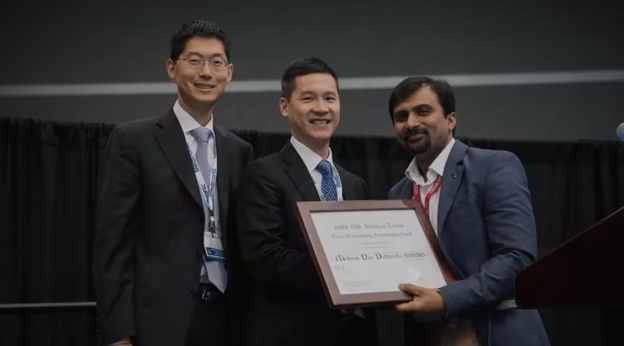
Dr. Mohana Rao Patibandla (right) accepting the BrainLab Neurosurgery Award at the CNS 2018 meeting in Houston

Best Neurotrauma Treatment in Guntur | Dr Rao’s Hospital

The Best Neurotrauma Treatment in Guntur | Dr. Rao’s Hospital

When an accident, fall, or sudden impact injures the brain or spinal cord, immediate care can make the difference between life and long-term disability. At Dr. Rao’s Hospital in Guntur, neurotrauma treatment integrates rapid diagnosis, precision neurosurgery, and advanced rehabilitation — led by Dr. Mohana Rao Patibandla, one of India’s leading neurotrauma and spine surgery experts.

Our hospital offers 24/7 emergency services for traumatic brain injury (TBI) and spinal cord injury (SCI) patients, with specialized care units for decompressive craniectomy, endoscopic spine stabilization, neurointensive monitoring, and rehabilitation.


🧠 What Is Neurotrauma?

Neurotrauma refers to injuries affecting the brain, spinal cord, or peripheral nerves. These may result from road accidents, falls, sports injuries, or violence. Depending on severity, neurotrauma can cause loss of consciousness, paralysis, cognitive impairment, or even coma.

  • Traumatic Brain Injury (TBI): Damage to brain tissue from impact or penetration.
  • Spinal Cord Injury (SCI): Damage disrupting nerve communication between brain and body.
  • Cranial or Spinal Fractures: Bone injuries affecting the protective skull or vertebrae.

According to the WHO, traumatic brain and spinal cord injuries account for nearly 50 million hospitalizations annually worldwide. In India, road accidents are the leading cause of neurotrauma, emphasizing the need for hyperacute neurotrauma management centers like Dr. Rao’s Hospital.


🚑 Emergency Neurotrauma Care in Guntur

When a patient arrives with a head or spine injury, every second counts. Our neurotrauma emergency protocol ensures a streamlined pathway from ER to operating room:

  1. Immediate triage and airway stabilization (ATLS protocol)
  2. CT/MRI brain and spine for precision imaging
  3. Neurosurgical evaluation within minutes
  4. Rapid ICP monitoring and decompression when required
  5. Admission to specialized Neuro ICU for close observation

We follow the latest PubMed-referenced guidelines for hyperacute TBI and SCI care, including early decompressive surgery, neuroprotection strategies, and AI-assisted diagnosis for optimal outcomes.


💥 Traumatic Brain Injury (TBI) Treatment by Dr. Mohana Rao Patibandla

As a fellowship-trained cranial trauma surgeon with international experience in the USA, Dr. Mohana Rao Patibandla specializes in treating complex TBIs using minimally invasive and functional neurosurgery approaches.

Common Procedures for TBI:

  • Decompressive Craniectomy for TBI (Guntur): Removes part of the skull to relieve pressure after severe brain swelling.
  • Subdural/Epidural Hematoma Evacuation: Life-saving surgery to remove clots compressing the brain.
  • Awake Craniotomy for Brain Trauma: Enables real-time functional monitoring during surgery.
  • Endovascular Neurotrauma Intervention: Treats bleeding or vascular injuries through microcatheters, avoiding open surgery.
  • Cerebral Angiography for Penetrating Injuries: Detects vascular tears or aneurysms post-trauma.

Post-surgery, patients are monitored in a dedicated Neuro ICU equipped for ICP (Intracranial Pressure) management, advanced ventilation, and real-time neuro-monitoring.


🦴 Spinal Cord Injury (SCI) Treatment in Andhra Pradesh

Spinal trauma requires precision to preserve mobility and prevent paralysis. Dr. Rao’s Hospital Spine Department handles both acute and chronic SCI with cutting-edge techniques.

Advanced SCI Procedures:

  • Minimally Invasive Spine Trauma Surgery: Endoscopic or keyhole approaches to stabilize fractures with minimal tissue damage.
  • Early Decompression: Surgery within 24 hours improves outcomes in SCI (as per NIH studies).
  • Spinal Cord Repair & Neuroprotection: Techniques include cooling therapy, intrathecal drug delivery, and polymer nanogels for SCI (experimental).
  • AI-Guided Spinal Cord Imaging: Enhances diagnostic accuracy for complex fractures or cord edema.

Our spinal trauma specialists in Guntur collaborate with physiatrists and rehabilitation experts to help patients regain maximum function post-injury.


🔬 Innovations in Neurotrauma at Dr. Rao’s Hospital

  • Non-invasive Brain Stimulation (TMS): Used for neuroplastic recovery post-TBI.
  • AI-assisted Imaging: Identifies subtle lesions and micro-bleeds faster than traditional scans.
  • Virtual Reality Rehabilitation: Helps TBI patients retrain balance, memory, and coordination.
  • Stem Cell & Regenerative Therapies: Emerging options for chronic SCI (research-stage under observation).
  • Intrathecal Drug Delivery: For pain and spasticity management in spinal cord injury patients.

Our integration of AI diagnostics, robotics, and functional imaging has positioned Dr. Rao’s Hospital among the top neurotrauma centers in India.


🧩 Rehabilitation After Brain & Spine Trauma

Rehabilitation is critical to restoring independence and confidence after neurotrauma. The TBI and SCI Rehabilitation Unit at Dr. Rao’s Hospital offers a full spectrum of recovery therapies:

  • Physiotherapy: For motor strength and coordination
  • Occupational Therapy: To restore daily living skills
  • Speech and Cognitive Therapy: For language, attention, and memory
  • Transcranial Magnetic Stimulation (TMS): To enhance brain plasticity
  • Virtual Reality Rehabilitation: Innovative neuro-feedback based recovery tools

Our multidisciplinary team works closely with each patient to develop a personalized neurorehabilitation plan, improving the success rate of TBI and SCI recovery in Andhra Pradesh.


🏥 Why Choose Dr. Rao’s Hospital for Neurotrauma Treatment?

  • 24/7 Neurotrauma Emergency Response: Immediate care by trauma-trained neurosurgeons.
  • Expert Team: Led by Dr. Mohana Rao Patibandla, a U.S.-trained neurosurgeon specializing in skull base, spine, and vascular trauma.
  • Comprehensive Care: From initial stabilization to surgery, ICU care, and rehabilitation — all under one roof.
  • Advanced Technology: 3D neuronavigation, intraoperative neuromonitoring, and high-definition endoscopy.
  • High Success Rate: Outstanding outcomes in decompressive craniectomy and spinal cord repair cases.

Patients from Guntur, Vijayawada, and across Andhra Pradesh trust Dr. Rao’s Hospital as the best neurotrauma center in South India.


🩺 Real Case Insight

A 27-year-old male with a severe TBI and midline shift underwent emergency decompressive craniectomy at our center. Post-surgery ICP normalized, and after 4 weeks of neurorehabilitation, the patient regained independent walking ability. Such success stories highlight the precision and dedication of our neurotrauma team.


💬 Patient FAQs

What are the symptoms of neurotrauma?

Neurotrauma symptoms include severe headache, vomiting, confusion, weakness or paralysis, loss of consciousness, vision changes, and neck/back pain after injury. Immediate care is crucial.

How is neurotrauma diagnosed?

Diagnosis involves CT/MRI brain and spine scans, neurological examination, and sometimes cerebral angiography or AI-based imaging to detect bleeding, fractures, or spinal cord damage.

Why choose Dr. Rao’s Hospital for neurotrauma treatment?

At Dr. Rao’s Hospital, led by Dr. Mohana Rao Patibandla, one of the best neurosurgeons in Guntur, patients receive compassionate, evidence-based care with minimally invasive and endovascular approaches.


🌍 External Sources & References


📍 Internal Links


📞 Call to Action

If you or your loved one has suffered a head or spine injury, get expert help immediately. Visit Dr. Rao’s Hospital, Guntur — the leading center for neurotrauma and spine injury treatment in Andhra Pradesh.
📞 090100 56444 | 📧 info@drraoshospitals.com


Follow Dr. Rao’s Hospital


🧒 Pediatric Neurotrauma: Child-Specific Protocols

Children are not “small adults.” Their skull and spine biomechanics, swelling response, and seizure risk differ. Our pediatric pathway prioritizes low-radiation imaging, early seizure prophylaxis, and child-friendly sedation protocols to minimize distress and improve outcomes.

  • Age-appropriate airway and cervical spine care
  • Rapid screening for non-accidental trauma when indicated
  • Dedicated pediatric ICU beds and family-centric counseling
  • Neuropsychology support for school reintegration

🏈 Concussion & Mild TBI: Return-to-Play/Work Roadmap

Even “mild” brain injuries need structure. We use a graded, symptom-limited approach with objective neurocognitive testing before clearance.

  1. 24–48 hours of relative rest (no screen strain, no heavy exertion)
  2. Light aerobic activity → sport-specific drills → non-contact practice
  3. Full-contact practice only when symptom-free off medication
  4. Return-to-work with staged cognitive load and vision therapy if needed

Headache flares, photophobia, or brain fog during progression mean stepping back one stage. For education resources, see Mayo Clinic – Concussion.


💰 Costs, Insurance & Transparent Care Pathways

We provide clear estimates for neurotrauma episodes—from ER evaluation to ICU, surgery, and rehabilitation—along with insurance desk support. Packages vary by complexity (e.g., hematoma evacuation vs. decompressive craniectomy vs. endovascular repair). Ask our team for a written plan before admission whenever clinically feasible.

  • Cashless/TPA coordination
  • Line-item billing transparency
  • Post-acute rehab package options

📊 Outcomes & Quality Metrics (What We Track)

  • Door-to-scan time and OR activation time
  • ICU length of stay, ventilator days, infection rates
  • Functional independence (mRS/FIM) at discharge and 90 days
  • Unplanned returns to OR and readmissions

These metrics shape our continuous improvement cycles and shared decision-making with families.


🧪 ICU Protocol Highlights (Neurocritical Care)

  • Tiered intracranial pressure management with sedation targets
  • Early tracheostomy/PEG when appropriate for long ICU courses
  • VTE, ulcer, and seizure prophylaxis; frequent glucose checks
  • Daily “wake-and-assess” for early mobilization and delirium prevention

🦾 Pain, Spasticity & Autonomic Issues After SCI/TBI

Chronic neuropathic pain and spasticity can block progress. We combine medication, interventional techniques, and therapy to restore function.

  • Neuropathic pain agents; targeted nerve blocks when needed
  • Spasticity programs (oral meds, chemodenervation, splinting)
  • Intrathecal therapy evaluation for refractory cases

🏡 Discharge Planning & Caregiver Training

Safe discharge begins on day one. We train caregivers in transfers, pressure sore prevention, tube and catheter care, and emergency red flags.

DomainHome SetupGoal
MobilityWheelchair, ramps, grab barsFalls prevention
Skin CareAir mattress, 2-hour turnsPressure injury avoidance
NutritionHigh-protein, thickened fluids if advisedHealing & aspiration safety
Follow-upScheduled reviews & therapyContinuity of recovery

🛡️ Injury Prevention: What Families Can Do

  • Quality helmets for two-wheelers; no drunk driving
  • Seatbelts, child restraints, and defensive driving habits
  • Workplace PPE and fall-proofing for seniors
  • Sports safety: certified gear, neck-strength routines, rule adherence

Community education reduces preventable neurotrauma. Learn more at the WHO – Road Safety.


🔭 Research, Training & Innovation at Our Center

We participate in device evaluations, imaging AI audits, and rehabilitation technology pilots. Our simulation lab trains EMTs and nurses in hyperacute neurotrauma drills, shrinking delays during the most critical minutes.


🌐 Tele-Neurotrauma & Second Opinions

For remote hospitals in Andhra Pradesh, our specialists provide tele-triage based on scans and vitals, advising stabilization, transfer, or time-critical procedures. Families can request structured second opinions with imaging review for complex decisions.


🧭 Quick Guide: TBI vs. Concussion vs. SCI

ConditionTypical SignsKey TestsInitial Priorities
Concussion (mTBI)Headache, dizziness, brain fog, photophobiaClinical exam ± imagingRest, symptom-guided pacing, graded return
Moderate–Severe TBILOC, vomiting, focal deficits, ICP riskCT/MRI, neuro-monitoringAirway/ICP control, hematoma evacuation/DC
Spinal Cord InjuryWeakness/paralysis, sensory loss, autonomic issuesSpine CT/MRI, ASIA gradingImmobilization, decompression, stabilization

🖼️ Image Alt-Text Suggestions (for Google Images)

  • “Neurotrauma team at Dr. Rao’s Hospital Guntur performing emergency decompressive craniectomy for TBI.”
  • “Minimally invasive spinal trauma stabilization using endoscopic technique in Andhra Pradesh.”
  • “Virtual reality–based neurorehabilitation session after spinal cord injury at Dr. Rao’s Hospital.”

📌 Patient Navigation: One-Call Neurotrauma Access

For ambulance coordination, bed availability, and direct ER activation, use our Contact page. Bringing prior scans or reports speeds decisions, but never delay arrival in emergencies—care first, paperwork later.


📣 Community & Corporate Programs

We run helmet-awareness drives, corporate road-safety workshops, sports concussion seminars, and fall-prevention screenings for seniors’ clubs. To host a session at your school, company, or community group, reach out via our official website.


🧭 Where to Start if You’re Unsure

Not sure if symptoms require ER care or clinic evaluation? Call our helpdesk for triage guidance. Red flags include severe headache after impact, repeated vomiting, unequal pupils, weakness or numbness, neck pain after fall, or any loss of consciousness.


Next Step

For time-critical injuries, come straight to Dr. Rao’s Hospital, Guntur. For second opinions or rehab planning, book a consult with our Neurosurgery or Neurology teams, or speak to our Spine Surgery unit for SCI-focused care. Appointments: 📞 090100 56444 | 📧 info@drraoshospitals.com

Dr. Mohana Rao Patibandla (right) accepting the BrainLab Neurosurgery Award at the CNS 2018 meeting in Houston

Best Stroke Treatment in Andhra Pradesh | Dr Rao’s Hospital

The Best Stroke & Cerebrovascular Treatment in Andhra Pradesh

Time is Brain. When a stroke strikes, every minute can save nearly two million neurons. If you’re searching for the best stroke treatment in Guntur or a 24/7 hyperacute stroke center in Andhra Pradesh, this guide explains what to do, which treatments help most, and how Dr. Rao’s Hospital delivers world-class cerebrovascular care—from IV thrombolysis and mechanical thrombectomy to aneurysm coiling, AVM therapy, and advanced neuro-ICU support.

Globally, stroke remains a leading cause of death and disability. The World Stroke Organization reports that nearly one in four adults may experience a stroke in their lifetime, underscoring the need for rapid, guideline-driven care and prevention. [Source: WSO Global Stroke Fact Sheet 2025]


What Is a Stroke? (AEO Quick Answer)

A stroke (brain attack) happens when part of the brain is deprived of blood flow (ischemic stroke) or when a blood vessel ruptures and bleeds (hemorrhagic stroke). Fast diagnosis and treatment can limit brain damage and improve recovery.

  • Ischemic stroke: Caused by a clot; treated with IV tPA (clot-busting medicine) in eligible patients and/or mechanical thrombectomy for large-vessel occlusions.
  • Hemorrhagic stroke: Bleeding in the brain; treated with blood pressure control, reversal of anticoagulation, surgery when needed, and aneurysm/AVM procedures.

Learn more symptoms and causes at Mayo Clinic – Stroke Treatment.


Recognise Stroke FAST (When to Call the Stroke Team)

  • Face drooping
  • Arm weakness
  • Speech difficulty
  • Time to call emergency

If you notice these signs, head to Dr. Rao’s Hospital immediately. The golden hour stroke treatment principle saves brain tissue and expands treatment options.


Why Dr. Rao’s Hospital Is a Top Stroke Hospital in Andhra Pradesh

At our 24/7 stroke center in Guntur, led by Dr. Mohana Rao Patibandla, patients receive integrated care across Neurology, Neurosurgery, Interventional Neuroradiology, and Neuro-ICU—ensuring rapid imaging, eligibility assessment, and evidence-based intervention.

  • Hyperacute door-to-needle pathways: Streamlined IV thrombolysis for eligible ischemic strokes.
  • Endovascular suite: Mechanical thrombectomy with stent retrievers (e.g., Solitaire) or aspiration systems (e.g., Penumbra), tailored to anatomy and clot characteristics.
  • Comprehensive hemorrhage care: Aneurysm coiling, flow diverters, AVM embolisation, minimally invasive hematoma evacuation, and decompressive craniectomy when indicated.
  • Neuro-ICU: Continuous neuromonitoring, blood pressure/ICP control, and post-stroke complication prevention.
  • Rehabilitation: Early mobilisation and multidisciplinary stroke recovery programs.

Ischemic Stroke Treatment: IV tPA and Mechanical Thrombectomy

IV Thrombolysis (tPA)

Eligible patients may receive IV alteplase (tPA) within established time windows to dissolve the clot and restore blood flow. Research and clinical guidance support treatment up to 4.5 hours from onset in carefully selected patients, with the best outcomes when given as early as possible. [References: NINDS/NIH, AHA/ASA Guidance Summary, Mayo Clinic Proceedings]

  • Services at Dr. Rao’s Hospital: Rapid CT/MRI, lab work, eligibility checklists, and protocolised stroke thrombolysis in Guntur.
  • Local SEO: IV tPA stroke treatment Dr Rao | stroke treatment within 4.5 hours Guntur | hyperacute stroke care Dr Rao’s Hospital

Mechanical Thrombectomy (MT)

For large-vessel occlusions (e.g., MCA/ICA), mechanical thrombectomy with stent retrievers or aspiration catheters significantly improves outcomes when performed within guideline-supported time windows. Landmark trials (e.g., DAWN, DEFUSE 3) extended selection up to 16–24 hours in appropriately imaged patients. [References: NEJM – DEFUSE 3; NCBI Table – AHA/ASA MT Recommendations]

  • At our center: Penumbra aspiration thrombectomy in Guntur and Solitaire stent-retriever thrombectomy by Dr. Mohana Rao Patibandla.
  • Pathway: Immediate CT/CTA ± CT perfusion to identify core/penumbra, rapid groin-to-recanalisation metrics, and neuro-ICU admission.

Hemorrhagic Stroke: Intracerebral & Subarachnoid Hemorrhage

Intracerebral Hemorrhage (ICH)

Management focuses on blood pressure control, reversal of anticoagulation, neuro-ICU care, and surgical evacuation in selected cases. Decompressive craniectomy is considered when malignant edema threatens life.

Subarachnoid Hemorrhage (SAH) from Aneurysm

The goals are to secure the aneurysm and prevent rebleeding/vasospasm. Our cerebrovascular team offers aneurysm coiling, flow diverters for complex wide-neck aneurysms, and microsurgical clipping where appropriate.

  • Subarachnoid hemorrhage treatment Dr Rao | brain hemorrhage treatment Dr Patibandla | intracerebral hemorrhage surgery Guntur

General epidemiology and treatment principles are outlined by the WHO and patient-facing summaries at Mayo Clinic.


Endovascular & Cerebrovascular Procedures at Dr. Rao’s Hospital

  • Endovascular thrombectomy (EVT): Stent retriever/aspiration for LVO stroke.
  • Cerebral angiography & coiling: For aneurysms; cerebral angiography and coiling Dr Patibandla.
  • Flow diverters: For select wide-neck aneurysms in Guntur.
  • AVM treatment: Embolisation ± surgery/radiosurgery based on Spetzler-Martin grade.
  • Carotid solutions: Carotid artery stenting and endarterectomy for stroke prevention.
  • Moyamoya disease: Bypass/revascularisation planning with perfusion imaging.
  • Pediatric stroke: Protocols for imaging and targeted management.

Stroke Timelines: What Happens Step-by-Step

PhaseKey ActionsGoal
0–60 minutes (Arrival)FAST triage, CT/CTA ± CTP, labs, NIHSS, BP controlConfirm stroke type, determine eligibility
Within 4.5 hoursIV tPA in eligible AIS patientsRecanalise early (door-to-needle)
Up to 24 hours (Selected LVO)Endovascular thrombectomy per imaging criteriaRestore flow (door-to-groin, groin-to-recanalisation)
Neuro-ICUNeuromonitoring, edema/ICP control, complication preventionStabilise and protect brain
RehabEarly mobilisation, physio/OT/speech therapyFunctional recovery and reintegration

Time windows and selection are based on widely adopted guidance, including AHA/ASA recommendations and trial criteria for MT. [Refs: AHA/ASA Guidance; NEJM DEFUSE 3]


Costs, Access, and 24/7 Stroke Hotline

Our team provides transparent counselling on stroke treatment cost in Guntur, insurance support, and rehabilitation planning. For emergencies, use the Dr. Rao stroke emergency number listed on our Contact page. We prioritise rapid access for rural and semi-urban patients across Andhra Pradesh.


Prevention & “Second-Stroke” Risk Reduction

  • Control risk factors: Hypertension, diabetes, lipids, smoking cessation.
  • Antiplatelets/anticoagulation: Based on stroke subtype and cardiac evaluation.
  • Carotid disease: Carotid stenting or endarterectomy to prevent recurrent events.
  • Lifestyle: Diet, exercise, sleep, and adherence to medications.

Foundations and statistics: WSO 2025 Fact Sheet; Mayo Clinic.


Stroke Recovery in Guntur: Multidisciplinary Rehabilitation

Recovery is a journey. Our stroke rehabilitation in Guntur blends early mobilisation, physio/OT/speech therapy, spasticity management, mood/cognition screening, and caregiver education. Tailored programs help patients return to work and independent living faster.

  • Goal-oriented plans and periodic reassessment
  • Home-exercise kits and fall-prevention training
  • Driving and return-to-work counselling

Meet Your Stroke & Cerebrovascular Team

Under the leadership of Dr. Mohana Rao Patibandla—a fellowship-trained cerebrovascular and endovascular neurosurgeon—our team covers the entire spectrum from hyperacute stroke to complex aneurysm/AVM care.


Patient Pathways & Local SEO (What Patients Search For)

  • Stroke hospital Guntur Dr Rao | best stroke specialist Guntur
  • Endovascular thrombectomy Andhra Pradesh | stroke clot retrieval Guntur
  • Subarachnoid hemorrhage treatment Dr Rao | cerebral aneurysm coiling Guntur
  • Carotid artery stenting stroke prevention Guntur | stroke recovery Guntur Dr Patibandla

External Sources & Further Reading


Alt-Text Suggestions for Images

  • Hero: “24/7 stroke team at Dr. Rao’s Hospital Guntur preparing for emergency mechanical thrombectomy.”
  • Procedure: “Stent-retriever clot retrieval (Solitaire) during large-vessel ischemic stroke in Andhra Pradesh.”
  • Hemorrhage: “Endovascular coil placement for ruptured cerebral aneurysm at Dr. Rao’s Hospital.”
  • Rehab: “Patient in post-stroke rehabilitation walking with therapist in Guntur.”

Internal Links (Patient Shortcuts)


Call to Action

If you need hyperacute stroke care—from IV tPA to mechanical thrombectomy—trust Dr. Rao’s Hospital, the top stroke hospital in Andhra Pradesh. Book now: 📞 090100 56444 | 📧 info@drraoshospitals.com.


What are the symptoms of stroke?

Sudden face droop, arm weakness, speech troubles, severe headache, vision loss, imbalance, or one-sided numbness. Act FAST and reach a 24/7 stroke center.

How is stroke diagnosed?

Rapid triage with neurological exam, CT/CTA ± perfusion or MRI to confirm ischemic vs hemorrhagic stroke and determine eligibility for IV tPA or thrombectomy.

Why choose Dr. Rao’s Hospital for stroke treatment?

At Dr. Rao’s Hospital, led by Dr. Mohana Rao Patibandla, one of the best neurosurgeons in Guntur, patients receive advanced, compassionate care using cutting-edge minimally invasive and endovascular techniques.


Follow Dr. Rao’s Hospital


🧩 Real-Life Case Insights: Stroke Treatment Success at Dr. Rao’s Hospital

Each minute saved during stroke management can make the difference between independence and long-term disability. At Dr. Rao’s Hospital, our 24/7 stroke response protocols have helped hundreds of patients across Andhra Pradesh regain function through timely intervention. Here are a few anonymized, educational examples:

✅ Case 1: Ischemic Stroke with Large Vessel Occlusion

A 58-year-old man presented with right-sided weakness and speech slurring. Within 45 minutes, imaging confirmed an M1 middle cerebral artery occlusion. He received IV tPA followed by mechanical thrombectomy using a Solitaire stent retriever. Recanalization (TICI 3) was achieved within 60 minutes of groin puncture. The patient walked independently within five days and was discharged with minimal deficits.

✅ Case 2: Aneurysmal Subarachnoid Hemorrhage

A 42-year-old woman with a ruptured anterior communicating artery aneurysm underwent endovascular coiling by Dr. Mohana Rao Patibandla. Early vasospasm was managed in the Neuro-ICU, and she was discharged after rehabilitation. This case highlights how flow diverters and coiling reduce the need for open craniotomy in selected patients.

✅ Case 3: Pediatric Stroke

An 11-year-old child with sickle cell disease developed left-sided weakness due to an internal carotid artery occlusion. With early thrombolysis and intensive neurorehabilitation, functional recovery reached 90% at three months. Our team offers specialized pediatric protocols and neuroplasticity-focused rehabilitation for young patients.

These outcomes demonstrate why Dr. Rao’s Hospital is recognized as a top stroke hospital in Andhra Pradesh, with exceptional success rates in both ischemic and hemorrhagic stroke cases.


🧠 Advanced Neuroimaging & Diagnostic Capabilities

Accurate, rapid diagnosis is the foundation of effective stroke management. Our hospital uses the latest neuroimaging and perfusion technology to guide real-time decision-making:

  • CT & MRI perfusion imaging: Differentiates salvageable brain tissue (penumbra) from infarcted core.
  • CT Angiography (CTA): Identifies large vessel occlusions and collateral flow.
  • Digital Subtraction Angiography (DSA): Gold standard for aneurysm, AVM, and vessel mapping.
  • Transcranial Doppler & Duplex Ultrasound: Monitors vasospasm and carotid stenosis non-invasively.

Such technologies are essential for endovascular thrombectomy, aneurysm coiling, and stroke prevention interventions like carotid artery stenting.


🌐 Stroke Prevention Strategies: Protecting Your Brain

Prevention is the most effective stroke treatment. According to the World Health Organization, up to 80% of strokes can be prevented with proper risk factor control and lifestyle modification.

🔹 Manage Underlying Conditions

  • Maintain blood pressure below 130/80 mmHg
  • Control blood sugar to avoid diabetic vasculopathy
  • Maintain cholesterol (LDL < 100 mg/dL)
  • Quit smoking and limit alcohol

🔹 Exercise and Diet

  • Engage in 30 minutes of moderate activity five days per week
  • Adopt a Mediterranean or DASH diet (fruits, vegetables, whole grains)
  • Stay hydrated and avoid processed foods

🔹 Regular Screening

  • Annual carotid Doppler for patients above 50 years
  • Blood sugar, lipid, and ECG monitoring
  • Consult a neurologist if you experience transient weakness or visual changes (possible Transient Ischemic Attack – TIA)

🩺 The Role of Dr. Mohana Rao Patibandla in Stroke Innovation

Dr. Mohana Rao Patibandla is a U.S.-trained neurosurgeon and stroke intervention specialist with extensive expertise in neurovascular, endovascular, and cerebrovascular surgery. His training across Ohio, Colorado, and Virginia focused on minimally invasive and robotic neurosurgery, neuro-oncology, and endovascular stroke interventions.

Under his leadership, Dr. Rao’s Hospital introduced:

  • 24/7 Neuro Cath Lab for emergency thrombectomy and aneurysm coiling
  • Hyperacute Stroke Code Activation System reducing door-to-needle times
  • Patient-first tele-stroke consultation network for remote hospitals in Andhra Pradesh
  • Dedicated Neuro-ICU with IONM (Intraoperative Neuro Monitoring) for complex vascular surgeries

Dr. Rao’s multidisciplinary team has positioned the hospital as the best cerebrovascular and stroke treatment center in Andhra Pradesh with consistent, evidence-based outcomes.


🧩 Stroke Rehabilitation & Long-Term Care

After the acute phase, recovery depends on structured rehabilitation. Our stroke recovery unit in Guntur offers comprehensive programs combining:

  • Physiotherapy and occupational therapy to regain movement and daily skills
  • Speech and swallowing therapy for post-stroke aphasia
  • Neuropsychological evaluation and emotional support
  • Spasticity and tone management with medications or botulinum therapy

Stroke Recovery Tips

  • Start rehabilitation within 48–72 hours if medically stable
  • Practice daily exercise routines prescribed by your therapist
  • Maintain balanced nutrition to aid neural repair
  • Join patient support groups to stay motivated

Our neuro-rehabilitation programs are tailored to each patient’s goals—whether it’s walking again, returning to work, or achieving full independence.


💬 Patient Education: Understanding “The Golden Hour”

One of the most critical elements in stroke care is awareness. Many patients in rural India arrive late due to a lack of knowledge about stroke warning signs. Dr. Rao’s Hospital runs awareness programs across Andhra Pradesh to teach “BE FAST”: Balance, Eyes, Face, Arm, Speech, Time to call emergency services.

We emphasize that stroke is a medical emergency, not a condition to wait out. Every second counts in saving brain cells and preventing permanent disability.


🏥 Comprehensive Stroke & Cerebrovascular Services

ConditionTreatmentAvailability
Ischemic StrokeIV Thrombolysis (tPA), Mechanical Thrombectomy24/7 Emergency
Hemorrhagic StrokeAneurysm Coiling, Flow Diverter, Decompressive CraniectomyRound-the-clock Neurosurgery
AVM / MoyamoyaEndovascular Embolization, Bypass SurgerySpecialized Center
Carotid Artery DiseaseCarotid Stenting, EndarterectomyPreventive/Planned
Stroke RehabilitationPhysio, Speech, Occupational TherapyIntegrated Department

These comprehensive capabilities make Dr. Rao’s Hospital the best stroke and cerebrovascular hospital in Guntur and Andhra Pradesh.


🎯 Why Patients Choose Dr. Rao’s Hospital

  • 24/7 Stroke Emergency Team with rapid triage and imaging
  • Specialists in both ischemic and hemorrhagic stroke
  • One of India’s top success rates in mechanical thrombectomy
  • Endovascular and minimally invasive surgery expertise
  • Integrated Neuro-ICU + Rehabilitation Unit
  • Transparent care, insurance support, and compassionate environment

From acute stroke thrombolysis to stroke recovery programs, every step at Dr. Rao’s Hospital follows global best practices tailored for Indian patients.


🧩 Our Mission: Saving Time, Saving Brain

Our hospital’s stroke mission—“Saving Time, Saving Brain”—drives every clinical decision. With a door-to-needle time of under 45 minutes, continuous staff training, and simulation-based emergency protocols, we ensure no opportunity for recovery is lost.

Dr. Rao’s team participates in national and international neurosurgical conferences, including presentations on endovascular thrombectomy, IONM in stroke surgery, and cerebral aneurysm management—helping advance stroke science in India.


🌟 Testimonials & Patient Stories

“I was rushed to Dr. Rao’s Hospital after a stroke. Within 30 minutes, I was in the Cath Lab. Thanks to Dr. Mohana Rao and his team, I can walk again and live normally. Their care saved my life.” — R. Srinivas, 62, Vijayawada

“My father had a brain hemorrhage. The doctors explained every step clearly and performed coiling within hours. The recovery was amazing. I’m forever thankful to the team.” — S. Lakshmi, Guntur


🌐 External Resources for Stroke Education


Call to Action

If you’re searching for the best stroke treatment in Guntur or need emergency care for a loved one, visit Dr. Rao’s Hospital immediately. Call our 24/7 stroke emergency line at 📞 090100 56444 or email 📧 info@drraoshospitals.com.

As the leading cerebrovascular and neuro-endovascular hospital in Andhra Pradesh, we are here to protect your brain and your future.


Follow Dr. Rao’s Hospital


Dr. Mohana Rao Patibandla (right) accepting the BrainLab Neurosurgery Award at the CNS 2018 meeting in Houston

How Diabetes Affects Your Spine & Nerves | Dr Rao’s Guntur

How Diabetes Affects Your Spine and Nerves: Understanding Neuropathy & Prevention

Most people think of diabetes as a condition that affects blood sugar, eyes, or kidneys—but few realize how profoundly it can impact the spine and nervous system. High blood sugar levels over time can damage nerves and blood vessels that nourish the spinal cord, leading to back pain, numbness, tingling, or even weakness. This condition, known as diabetic neuropathy, can significantly affect mobility and quality of life if not detected early.

At Dr. Rao’s Hospital in Guntur, one of the best neurology and spine hospitals in Andhra Pradesh, Dr. Mohana Rao Patibandla—a leading neurosurgeon and neurologist—specializes in diagnosing and treating diabetic neuropathy and diabetic spine complications with a combination of advanced neuroimaging, minimally invasive techniques, and personalized care.


🧠 Understanding the Connection Between Diabetes and the Spine

Diabetes affects the body’s ability to regulate blood sugar, leading to nerve damage (neuropathy) and reduced blood flow to critical organs—including the spine and brain. Over time, this can weaken the small blood vessels (vasa nervorum) that supply oxygen and nutrients to spinal nerves, leading to:

  • Chronic back pain or neck stiffness
  • Nerve compression due to weakened discs and joints
  • Loss of balance or coordination
  • Numbness and tingling in the legs (neuropathy symptoms)

According to the World Health Organization (WHO), nearly 50% of people with diabetes experience some form of peripheral neuropathy during their lifetime.


⚠️ How Diabetes Affects the Nerves and Spine

1. Peripheral Neuropathy

This is the most common form of diabetic nerve damage. It affects the sensory nerves in your legs, feet, and hands—causing burning, tingling, and pain. Over time, it can spread upward to affect the spine and lower limbs, reducing reflexes and increasing the risk of falls.

2. Diabetic Radiculopathy (Nerve Root Involvement)

Diabetes can inflame or irritate the nerve roots that branch from the spinal cord, especially in the lumbar and thoracic regions. This leads to shooting pain, weakness, or numbness radiating to the hips, thighs, or legs—similar to sciatica.

3. Diabetic Myelopathy

In severe or uncontrolled diabetes, spinal cord tissue itself may be affected (known as diabetic myelopathy). This can cause progressive weakness, gait disturbance, and difficulty walking.

4. Diabetic Autonomic Neuropathy

This form affects involuntary functions—such as bladder control, heart rate, and blood pressure—sometimes complicating spine surgeries or recovery due to reduced body regulation.

5. Spine Degeneration and Disc Problems

Chronic hyperglycemia accelerates degenerative disc disease, leading to cervical spondylosis and lumbar disc herniation. Studies suggest that high glucose weakens collagen, increasing disc wear and tear. (Source: PubMed – Diabetes and Spine Degeneration)


🩺 Common Symptoms of Diabetic Neuropathy and Spine Problems

Recognizing early symptoms of diabetic neuropathy is key to preventing long-term nerve and spine damage. Early detection allows timely treatment and lifestyle modification.

  • Burning or tingling sensation in hands or feet
  • Numbness or loss of sensation (especially in feet)
  • Sharp pain radiating to legs (diabetic radiculopathy)
  • Unexplained back pain due to diabetes
  • Weakness in limbs or loss of balance
  • Muscle cramps, fatigue, or stiffness in the spine
  • Frequent falls or difficulty walking

If you notice these symptoms, visit the Neurology Department at Dr. Rao’s Hospital for a detailed evaluation by the best neurologist for diabetic neuropathy in Guntur.


💉 Diagnosis: How Dr. Rao’s Hospital Evaluates Diabetic Nerve & Spine Issues

Diagnosis involves a comprehensive evaluation to identify the extent and cause of nerve damage:

  • Electromyography (EMG) & Nerve Conduction Studies (NCS) – Assess electrical activity and nerve function.
  • MRI or CT scans – Detect disc degeneration, compression, or myelopathy.
  • HbA1c blood tests – Measure long-term blood sugar control and its link to nerve health.
  • Neurological examination – Evaluate reflexes, strength, and coordination.

💊 Treatment Options for Diabetic Neuropathy & Spine Problems

1. Blood Sugar Control

Maintaining an HbA1c below 7% can prevent or slow down neuropathy progression. Good glycemic control reduces inflammation and improves blood flow to the nerves and spine.

2. Medications for Nerve Pain

  • Gabapentin or pregabalin for nerve pain relief
  • Duloxetine or amitriptyline for chronic pain management
  • Alpha-lipoic acid and B-complex vitamins for nerve repair support

3. Physiotherapy and Rehabilitation

At Dr. Rao’s Hospital Spine Department, personalized rehabilitation programs improve mobility, balance, and posture. Physiotherapy is key to managing stiffness and strengthening weak spinal muscles.

4. Advanced Neurosurgical Interventions

For severe nerve compression or diabetic spinal stenosis, minimally invasive spine surgery or endoscopic decompression may be required. These procedures relieve pressure on nerves with smaller incisions and faster recovery.

5. Lifestyle & Preventive Care

  • Quit smoking and limit alcohol
  • Exercise regularly to improve circulation
  • Maintain healthy body weight
  • Wear diabetic-friendly footwear to prevent injuries
  • Regularly monitor blood sugar and blood pressure

🧩 Prevention of Diabetic Neuropathy and Spine Complications

Preventing neuropathy begins with early diabetes control and proactive spinal care. Here are key steps:

  • Monitor your HbA1c levels every 3–6 months.
  • Do diabetes neuropathy exercises like light walking, yoga, or swimming.
  • Keep your posture upright while sitting or using digital devices.
  • Get yearly nerve conduction tests if you’ve had diabetes for over 5 years.
  • Visit a diabetic neuropathy specialist in Guntur for early intervention.

As Dr. Rao advises, “Prevention starts with awareness. Controlling blood sugar early protects not just your heart or kidneys—but your spine and nerves, too.”


🏥 Why Choose Dr. Rao’s Hospital for Diabetic Neuropathy and Spine Care?

At Dr. Rao’s Hospital, we provide a multidisciplinary approach to diabetic nerve and spine care in Guntur, combining neurology, endocrinology, and physiotherapy. Led by Dr. Mohana Rao Patibandla—a U.S.-trained neurosurgeon with expertise in diabetic neuropathy and spine surgery—our team offers:

  • Accurate diagnosis using advanced neuroimaging and EMG/NCS studies
  • Tailored diabetic neuropathy treatment plans
  • Minimally invasive spine surgery for nerve compression
  • Comprehensive post-surgery rehabilitation
  • Patient-centered care with long-term monitoring

We are recognized as the best neurology hospital in Guntur for diabetes complications and have helped hundreds of patients regain mobility and quality of life.


Call to Action

If you’re experiencing numbness, burning feet, or back pain related to diabetes, visit Dr. Rao’s Hospital today. Contact us at 📞 090100 56444 or 📧 info@drraoshospitals.com to schedule an appointment with Dr. Mohana Rao Patibandla, the best neurosurgeon for diabetic neuropathy and spine issues in Guntur.


How does diabetes affect the spine and nerves?

High blood sugar damages blood vessels and nerves, leading to diabetic neuropathy, back pain, and even spinal degeneration over time.

Can diabetes cause back pain?

Yes. Diabetes can cause inflammation, disc degeneration, and nerve compression, leading to chronic back pain and diabetic radiculopathy.

Why choose Dr. Rao’s Hospital for diabetic neuropathy treatment?

At Dr. Rao’s Hospital, led by Dr. Mohana Rao Patibandla, patients receive advanced, minimally invasive care for diabetic neuropathy and spine problems with comprehensive rehabilitation support.


Follow Dr. Rao’s Hospital