Tag Archives: neurosurgical innovation

Dr. Mohana Rao Patibandla featured in Forbes India’s Dynamic Leaders Powering India’s Future

Dr. Mohana Rao Patibandla Featured in Forbes India: A Journey of International Neurosurgical Training, Research and Healthcare Leadership

Dr. Mohana Rao Patibandla Featured in Forbes India’s “Dynamic Leaders Powering India’s Future”


Guntur, Andhra Pradesh — October 2026

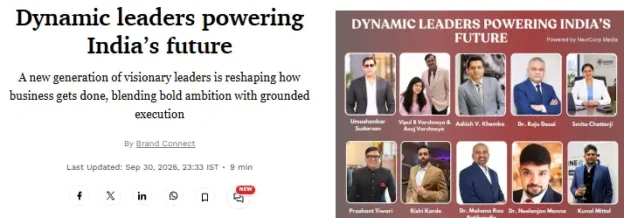
The journey of building advanced neurosurgical care in India is increasingly being shaped by doctors who combine clinical expertise, international training, research and healthcare leadership. Dr. Mohana Rao Patibandla, Founder & CEO of Dr. Rao’s Hospital – International Institute of Neurosciences (IIN), Guntur, has been featured in the Forbes India Brand Connect feature “Dynamic leaders powering India’s future.”


The feature brings together leaders from different sectors who are contributing to India’s evolving economic and professional landscape. Within the healthcare sector, Dr. Mohana Rao Patibandla is profiled for his work in advancing specialized neurosurgical care from Guntur, Andhra Pradesh.

FORBES FEATURED ARTICLE: Dynamic leaders powering India’s future.”

From Neurosurgical Training to Building an Institution


Dr. Mohana Rao Patibandla’s profile reflects a career built around advanced neurosurgical training and the development of specialized healthcare infrastructure.


According to the Forbes India profile, Dr. Rao completed his neurosurgery training at Nizam’s Institute of Medical Sciences (NIMS), Hyderabad, before pursuing fellowship training in the United States across multiple neurosurgical subspecialties. His international training included skull base surgery, pediatric neurosurgery, neuro-oncology, cerebrovascular and endovascular neurosurgery, functional stereotactic radiosurgery, and minimally invasive techniques.


This multidisciplinary exposure has been an important part of his approach to neurosurgery, where complex neurological conditions may require expertise extending across several subspecialties.


Today, he leads Dr. Rao’s Hospital – International Institute of Neurosciences (IIN), Guntur, which the profile describes as a standalone institute dedicated to advanced brain, spine, stroke and nerve care.


FORBES FEATURED ARTICLE: Dynamic leaders powering India’s future.


Bringing Internationally Benchmarked Neurosurgery to Guntur


One of the central themes of Dr. Rao’s professional journey has been the effort to make advanced neurosurgical expertise available closer to patients in India.


International training can provide exposure to different surgical techniques, technologies, multidisciplinary systems and approaches to complex neurological disorders. Translating that experience into an Indian healthcare environment, however, requires more than individual surgical expertise. It requires infrastructure, trained teams, technology, research and a sustained commitment to patient outcomes.


The Forbes India profile describes Dr. Rao’s continuing focus as bringing “globally benchmarked, evidence-based neurosurgical care to India” while advancing innovation, education and patient outcomes.


For a healthcare institution based in Guntur, this vision carries particular significance. It reflects a broader shift in Indian healthcare in which sophisticated specialty care is increasingly being developed outside the country’s traditional metropolitan medical centres.


FORBES FEATURED ARTICLE: Dynamic leaders powering India’s future.


Research as an Integral Part of Neurosurgical Practice


The Forbes India profile also highlights Dr. Rao’s research achievements.


His work has received recognition including the Brainlab Neurosurgery Best Paper Award at the Congress of Neurological Surgeons (CNS), USA, as well as Best Paper honours at MISSABCON and PASMISSCON. The profile also notes the COSSCON Gold Medal for spine surgery research.


These recognitions add another dimension to his professional journey.


Modern neurosurgery is not limited to performing operations. It also involves continually evaluating techniques, studying outcomes, presenting clinical experience, participating in academic meetings and contributing to the wider body of medical knowledge.


For Dr. Rao, research and clinical practice are therefore closely connected.


FORBES FEATURED ARTICLE: Dynamic leaders powering India’s future.


A Healthcare Entrepreneur With a Neurosurgical Focus


The Forbes India profile identifies Dr. Rao not only as a neurosurgeon but also as a healthcare entrepreneur.


This distinction is important.


Building a specialized neuroscience institution involves bringing together clinical expertise with healthcare infrastructure, technology, people, systems and long-term institutional planning.


The objective is not simply to create a hospital building. It is to create an environment in which patients with complex neurological and neurosurgical conditions can receive coordinated care.


This combination of medicine and institution-building forms an important part of Dr. Rao’s professional identity.


FORBES FEATURED ARTICLE: Dynamic leaders powering India’s future.


A Broader Vision for Neurosurgical Care in India


The profile places Dr. Rao among a wider group of professionals described under the theme “Dynamic leaders powering India’s future.” The feature discusses leaders across sectors including technology, architecture, pharmaceuticals, manufacturing, real estate and healthcare.


Within that broader context, Dr. Rao’s story represents the role that specialized healthcare can play in India’s development.


India’s healthcare needs are changing rapidly. Patients increasingly seek access to sophisticated diagnostic and treatment options, while advances in technology are expanding what can be achieved in neurosurgery.


The challenge is to translate those advances into safe, evidence-based and accessible care.


That is the direction reflected in Dr. Rao’s stated commitment to globally benchmarked neurosurgical care, innovation, education and patient outcomes.


FORBES FEATURED ARTICLE: Dynamic leaders powering India’s future.


Why the Forbes India Feature Matters


Being included in a national leadership feature provides an opportunity to place a regional healthcare story within a larger national narrative.


For Dr. Mohana Rao Patibandla, the feature brings together several aspects of his professional journey:


International training.
Advanced fellowship exposure across multiple neurosurgical subspecialties in the United States.


Institution building.
Leadership of Dr. Rao’s Hospital – International Institute of Neurosciences in Guntur.


Research.
Recognition through international and national neurosurgical research awards.


Innovation.
A professional focus that includes minimally invasive and advanced neurosurgical techniques.


Evidence-based care.
A stated commitment to globally benchmarked, evidence-based neurosurgical practice and improved patient outcomes.


Together, these elements provide a picture of a neurosurgeon whose work extends beyond the operating room into research, education, innovation and healthcare institution building.


FORBES FEATURED ARTICLE: Dynamic leaders powering India’s future.


Looking Ahead


The future of neurosurgery in India will depend not only on technological advancement but also on the ability to develop skilled teams, research-driven clinical practice and specialized institutions capable of managing increasingly complex neurological disorders.


Dr. Mohana Rao Patibandla’s journey from advanced neurosurgical training to building a dedicated neuroscience institution in Guntur reflects this broader evolution.


His Forbes India profile highlights a simple but important idea: world-class healthcare does not have to be limited to the largest metropolitan centres.


With the right combination of expertise, infrastructure, research and commitment to patient outcomes, advanced neurosurgical care can continue to develop across India.


For Dr. Rao and Dr. Rao’s Hospital – International Institute of Neurosciences, the focus remains on advancing neurological and neurosurgical care while contributing to innovation, education and better patient outcomes.


FORBES FEATURED ARTICLE: Dynamic leaders powering India’s future.


About Dr. Mohana Rao Patibandla


Dr. Mohana Rao Patibandla is an internationally trained neurosurgeon and healthcare entrepreneur and the Founder & CEO of Dr. Rao’s Hospital – International Institute of Neurosciences (IIN), Guntur. His training includes neurosurgery at NIMS, Hyderabad, followed by fellowship exposure in skull base surgery, pediatric neurosurgery, neuro-oncology, cerebrovascular and endovascular neurosurgery, functional stereotactic radiosurgery and minimally invasive techniques in the United States. His research has received recognition including the Brainlab Neurosurgery Best Paper Award at CNS, USA, Best Paper honours at MISSABCON and PASMISSCON, and the COSSCON Gold Medal for spine surgery research.


About the Forbes India Feature


The profile “Dynamic leaders powering India’s future” was published under Forbes India Brand Connect and includes profiles of leaders from multiple sectors. Forbes India explicitly notes that Brand Connect pages are equivalent to advertisements and are not written or produced by Forbes India journalists.

YouTube

Facebook  

Instagram 

Google GMB 

LinkedIn 

X / Twitter

Dr Mohana Rao Patibandla Wiki

Dr Mohana Rao Patibandla

The best Minimally Invasive Keyhole Endoscopic Spine Surgery in Guntur

How Keyhole Neurosurgery Is Transforming Brain and Spine Care in India – Dr. Rao’s IIN


How Minimally Invasive Keyhole Neurosurgery Is Revolutionizing Brain and Spine Care in India


Modern neurosurgery has entered an era of remarkable transformation driven by advanced imaging, precision-guided technologies, minimally invasive surgical systems, and sophisticated neurosciences innovation.


Historically, many neurological and spine surgeries required large surgical openings and extensive tissue manipulation to reach delicate structures deep within the brain or spine.


While traditional surgical techniques saved countless lives, they were often associated with longer hospitalization, greater tissue disruption, postoperative pain, and extended rehabilitation periods.


Today, minimally invasive keyhole neurosurgery is changing this landscape by enabling surgeons to perform selected procedures through smaller openings while preserving surrounding neurological structures and improving recovery outcomes.


A recent Times of India feature highlighted this transformation through the recognition awarded to Dr. Mohana Rao Patibandla as the Best Minimally Invasive Keyhole Neurosurgeon and Spine Surgeon at the prestigious Radiocity FM 91.1 Icon Awards.


Primary Source: Times of India – Dr. Mohana Rao Patibandla Honoured as Best Minimally Invasive Keyhole Neurosurgeon and Spine Surgeon


The Complexity of Brain and Spine Surgery


Neurosurgery remains one of the most technically demanding specialties in medicine because it involves structures responsible for:


  • Movement
  • Speech
  • Memory
  • Vision
  • Cognition
  • Sensory function


The brain and spinal cord contain highly delicate neural pathways and vascular structures where even small surgical inaccuracies may potentially affect long-term neurological function.


Conditions commonly requiring neurosurgical or spine intervention include:


  • Brain tumors
  • Spinal cord compression
  • Disc prolapse
  • Stroke-related disorders
  • Traumatic injuries
  • Neurovascular diseases
  • Degenerative spine disease


Modern neurosurgery therefore depends heavily on precision, technology integration, multidisciplinary collaboration, and continuous innovation.


American Association of Neurological Surgeons


What Is Minimally Invasive Keyhole Neurosurgery?


Keyhole neurosurgery is an advanced minimally invasive surgical technique that allows surgeons to access neurological pathology through smaller surgical openings using specialized instruments, microscopes, endoscopes, and neuronavigation systems.


According to the Times of India article, Dr. Mohana Rao Patibandla has become widely recognized for advancing minimally invasive keyhole neurosurgery and spine surgery in India.


Unlike traditional open surgery, keyhole approaches focus on:


  • Smaller incisions
  • Microsurgical precision
  • Reduced tissue disruption
  • Enhanced visualization
  • Function preservation


These techniques often utilize:


  • Operating microscopes
  • Endoscopic systems
  • Advanced neuroimaging
  • Neuronavigation
  • Intraoperative monitoring


Modern keyhole surgery represents one of the most important advancements in contemporary neurosciences.


The Benefits of Minimally Invasive Neurosurgery


The evolution of minimally invasive surgery has significantly improved patient care in selected neurological and spinal conditions.


Potential advantages may include:


  • Reduced blood loss
  • Less postoperative pain
  • Shorter hospitalization
  • Smaller surgical scars
  • Faster recovery
  • Reduced tissue trauma


The Times of India article emphasizes Dr. Rao’s dedication toward advancing minimally invasive surgery to improve patient outcomes and accessibility.


Modern healthcare increasingly prioritizes preserving function while minimizing surgical disruption.


Minimally Invasive Neurosurgery at Dr. Rao’s Hospital


The Evolution of Minimally Invasive Spine Surgery


Spine surgery has also undergone major transformation through minimally invasive approaches.


Traditional spine procedures often involved:


  • Larger muscle dissection
  • Greater blood loss
  • Longer recovery time
  • Extended rehabilitation


Modern minimally invasive spine surgery now enables selected procedures through smaller corridors while preserving muscles and surrounding tissues.


Conditions commonly treated using minimally invasive spine techniques may include:


  • Lumbar disc prolapse
  • Cervical disc disease
  • Spinal stenosis
  • Degenerative spine disorders
  • Selected spinal tumors


These advancements have significantly improved postoperative rehabilitation and patient mobility.


North American Spine Society


International Training and Global Exposure


The Times of India feature highlights Dr. Rao’s international training experience in the United States, Europe, and Japan.


Global exposure often provides neurosurgeons experience with:


  • Advanced surgical technologies
  • Research-oriented healthcare systems
  • Complex multidisciplinary care
  • Modern operating room infrastructure
  • Evidence-based medicine


Such international training frequently influences long-term institutional vision and innovation-driven healthcare development.


The article emphasizes how these experiences shaped Dr. Rao’s patient-centered approach focused on precision and innovation.


The Importance of Regional Neurosciences Infrastructure


One of the most important themes reflected throughout the article is the expansion of advanced neurological care beyond metropolitan cities.


Historically, many patients from smaller towns traveled long distances seeking:


  • Complex brain surgery
  • Advanced spine surgery
  • Stroke intervention
  • Neuro-oncology care
  • Endovascular treatment


This often created:


  • Financial burden
  • Treatment delays
  • Interrupted rehabilitation
  • Accessibility challenges


According to the Times of India article, Dr. Rao’s dedication toward accessible and high-quality care has benefited patients from Andhra Pradesh, Telangana, and neighboring states.


Regional neuroscience systems improve:


  • Emergency accessibility
  • Continuity of treatment
  • Patient convenience
  • Long-term rehabilitation support


Technology Is Transforming Neurosciences


Modern neurological care increasingly depends on sophisticated technologies including:


  • Neuronavigation systems
  • Advanced MRI imaging
  • Microsurgical operating microscopes
  • Endoscopic systems
  • Intraoperative neuromonitoring
  • Precision-guided surgical platforms


These technologies improve:


  • Surgical planning
  • Precision
  • Safety
  • Neurological preservation
  • Patient recovery


The future of neurosurgery will increasingly depend on integrating technology with human expertise and ethical patient-centered care.


The Human Side of Neurosurgery


Despite technological advancements, neurological care remains deeply human.


Patients facing brain or spine disorders often experience:


  • Fear
  • Anxiety
  • Concerns regarding disability
  • Emotional uncertainty
  • Questions about long-term recovery


Modern healthcare therefore requires not only technical expertise but also:


  • Compassion
  • Communication
  • Empathy
  • Trust
  • Long-term rehabilitation support


The Times of India article repeatedly reflects themes of dedication toward innovation, patient care, and medical excellence.


Recognition and Healthcare Leadership


Healthcare awards frequently recognize broader contributions toward innovation, accessibility, and patient-centered care.


The article notes several recognitions associated with Dr. Rao’s contributions, including:


  • Brain Lab Neurosurgery Award
  • Leaders Award
  • Atal Achievement Award


Such recognitions highlight the growing importance of innovation-driven neurological care within India’s healthcare ecosystem.


The Future of Keyhole Neurosurgery in India


India’s neurosciences ecosystem continues evolving rapidly through:


  • Artificial intelligence-assisted diagnostics
  • Robotic surgery
  • Advanced neuroimaging
  • Precision-guided surgery
  • Minimally invasive systems
  • Endovascular intervention


At the same time, future healthcare transformation will depend heavily on:


  • Regional accessibility
  • Advanced training
  • Ethical healthcare systems
  • Continuous innovation
  • Patient-centered treatment


Institutions capable of combining advanced technology with compassionate care are likely to shape the future of neurological treatment across India.


Conclusion


The recognition awarded to Dr. Mohana Rao Patibandla as Best Minimally Invasive Keyhole Neurosurgeon and Spine Surgeon reflects a broader transformation occurring within India’s neurosciences ecosystem.


Modern neurological and spinal care increasingly depends on:


  • Minimally invasive surgery
  • Advanced imaging technologies
  • Precision-guided systems
  • Multidisciplinary expertise
  • Patient-centered care


Institutions such as Dr. Rao’s Hospital – International Institute of Neurosciences represent an important part of India’s expanding commitment toward accessible, innovation-driven, and ethically focused neurosciences care.


As minimally invasive surgery continues evolving globally, the integration of precision technology, surgical expertise, and compassionate healthcare will likely define the next era of brain and spine treatment in India.


Frequently Asked Questions (FAQ)


1. What is keyhole neurosurgery?

Keyhole neurosurgery is a minimally invasive surgical technique using smaller openings and advanced imaging systems to reduce tissue disruption.


2. What are the benefits of minimally invasive spine surgery?

Benefits may include smaller incisions, less pain, shorter hospitalization, and faster recovery.


3. Why is neuronavigation important in neurosurgery?

Neuronavigation helps surgeons identify safer surgical pathways and improve precision during brain and spine surgery.


4. Why are regional neuroscience centers important?

They improve accessibility to advanced neurological and spine care outside major metropolitan cities.


5. Who is Dr. Mohana Rao Patibandla?

Dr. Mohana Rao Patibandla is an internationally trained neurosurgeon and founder of Dr. Rao’s Hospital – International Institute of Neurosciences.


Internal Links


Call To Action

If you or your loved one is experiencing neurological symptoms such as persistent headaches, seizures, spinal pain, weakness, stroke warning signs, or neurological disorders, timely expert evaluation is essential.


Dr. Rao’s Hospital – International Institute of Neurosciences
12-19-67, Old Bank Road, Kothapet, Besides AK Biryani Point, Guntur, Andhra Pradesh

Phone: +91 9010056444

Email: info@drraoshospitals.com

Website: https://drraoshospitals.com/


Connect With Us

“`