Author Archives: Dr RAO

Unlock Your Brain’s Potential: 20 Proven Tips for a Sharper Mind by Dr Rao, Dr Rao's Hospital

Unlock Your Brain’s Potential: 20 Proven Tips for a Sharper Mind

Unlock Your Brain’s Potential: 20 Proven Tips for a Sharper Mind

Brain-Boosting Habits: Tips for a Sharper Mind

Introduction: Maintaining a sharp and focused mind is crucial for success and overall well-being in today’s fast-paced world. Fortunately, there are simple yet powerful habits that can help boost brain function and enhance cognitive abilities. In this blog, we will explore effective tips for a sharper mind, backed by expert advice from Dr. Rao, the best neurosurgeon in Guntur and India, and Dr. Rao’s Hospital, the leading neurosurgery and spine surgery hospital in Guntur and India.

  1. Stay Mentally Active: Engaging in mentally stimulating activities is key to keeping your brain sharp. Challenge yourself with puzzles, crosswords, reading, learning a new language, or playing strategy games. These activities stimulate different areas of the brain and promote neural connections.
  2. Regular Exercise: Physical exercise not only benefits your body but also has a positive impact on brain health. Regular aerobic exercise improves blood flow to the brain, boosts memory, and enhances cognitive function. Aim for at least 30 minutes of moderate-intensity exercise most days of the week.
  3. Healthy Diet: Nourishing your brain with a balanced diet is vital for optimal cognitive function. Include foods rich in antioxidants, omega-3 fatty acids, and vitamins in your diet. These nutrients can be found in fruits, vegetables, whole grains, fish, nuts, and seeds. Stay hydrated and limit the consumption of processed foods and sugary drinks.
  4. Quality Sleep: Adequate sleep is essential for memory consolidation and cognitive performance. Aim for 7-8 hours of uninterrupted sleep each night. Establish a regular sleep routine, create a comfortable sleep environment, and avoid electronic devices before bedtime to promote better sleep quality.
  5. Stress Management: Chronic stress can have detrimental effects on brain health. Practice stress management techniques such as meditation, deep breathing exercises, yoga, or engaging in hobbies to reduce stress levels. Prioritize self-care and take regular breaks to relax and rejuvenate.
  6. Social Connections: Maintaining strong social connections and engaging in meaningful relationships can positively impact brain health. Interacting with others stimulates cognitive abilities, enhances emotional well-being, and reduces the risk of cognitive decline. Stay connected with family, friends, and participate in social activities.
  7. Continuous Learning: Never stop learning and seeking new experiences. Engaging in lifelong learning stimulates the brain, promotes neuroplasticity, and improves cognitive abilities. Take up new hobbies, enroll in courses or workshops, or explore subjects that pique your interest.
  8. Protect Your Brain: Wear helmets and use safety equipment during sports and other activities that carry a risk of head injury. Take precautions to prevent falls, use seat belts in vehicles, and ensure a safe environment at home and work.
  9. Mindfulness and Meditation: Practicing mindfulness and meditation techniques can improve focus, reduce stress, and enhance overall brain function. Set aside a few minutes each day to practice mindfulness or try guided meditation apps to help you get started.
  10. Brain-Training Apps and Games: Utilize brain-training apps and games specifically designed to improve cognitive abilities. These apps challenge your memory, attention, and problem-solving skills, providing a fun and interactive way to keep your brain sharp.
  11. Stay Hydrated: Dehydration can negatively impact cognitive function. Drink an adequate amount of water throughout the day to ensure optimal brain health. Aim for at least eight glasses of water daily.
  12. Break Tasks into Smaller Steps: When faced with complex tasks, breaking them down into smaller, manageable steps can help reduce overwhelm and improve productivity. This approach allows your brain to focus on one task at a time, enhancing efficiency and reducing mental fatigue.
  13. Music and Art Therapy: Engaging in music or art activities stimulates multiple areas of the brain and promotes creativity. Learning to play a musical instrument, painting, or drawing can enhance cognitive abilities and provide a sense of relaxation and fulfillment.
  14. Brain-Boosting Supplements: Consult with a healthcare professional to explore the use of brain-boosting supplements, such as omega-3 fatty acids, vitamin B12, ginkgo biloba, and other herbal supplements known for their potential cognitive benefits. However, it’s important to note that supplements should be used under professional guidance.
  15. Novelty and Change: Expose your brain to new experiences, environments, and challenges. Trying new things, exploring different places, and stepping out of your comfort zone encourages neuroplasticity, stimulates brain growth, and enhances cognitive flexibility.
  16. Get Sufficient Sleep: Adequate sleep is essential for optimal brain function. Aim for 7-8 hours of quality sleep each night to support memory consolidation, improve cognitive performance, and enhance overall brain health.
  17. Engage in Physical Exercise: Regular physical exercise not only benefits your body but also enhances brain function. Engaging in aerobic exercises, such as walking, running, or cycling, increases blood flow to the brain, promotes the growth of new neurons, and improves cognitive abilities.
  18. Challenge Your Brain: Keep your brain active by regularly engaging in mentally stimulating activities. Solve puzzles, play strategy games, learn a new language, or take up a hobby that requires cognitive effort. Challenging your brain regularly helps maintain cognitive flexibility and improves memory.
  19. Socialize and Connect: Maintaining social connections and engaging in meaningful conversations can have a positive impact on brain health. Interacting with others stimulates brain activity, promotes emotional well-being, and reduces the risk of cognitive decline.
  20. Manage Stress: Chronic stress can have detrimental effects on brain health. Implement stress management techniques such as deep breathing exercises, yoga, or mindfulness practices to reduce stress levels. By managing stress effectively, you can enhance cognitive function and improve overall well-being.
    • By incorporating these additional tips into your daily routine, you can further enhance your brain health and cognitive abilities. Remember to consult with Dr. Rao, the best neurosurgeon in Guntur and India, and seek the comprehensive services offered by Dr. Rao’s Hospital, the top neurosurgery and spine surgery hospital in Guntur and India, for expert guidance and support.

Tags:

  1. Brain-boosting tips
  2. Cognitive function enhancement
  3. Mindfulness and meditation
  4. Brain-training apps
  5. Hydration and brain health
  6. Task management
  7. Music and art therapy
  8. Brain-boosting supplements
  9. Neuroplasticity and cognitive flexibility
  10. Novel experiences
  11. Dr. Rao
  12. Best neurosurgeon in Guntur
  13. Dr. Rao’s Hospital
  14. Brain health strategies
  15. Cognitive enhancement techniques
  16. Sufficient sleep for brain health
  17. Exercise and brain function
  18. Mental challenges and brain stimulation
  19. Social connections and brain health
  20. Stress management for cognitive well-being
Portrait of Dr. Mohana Rao Patibandla, renowned neurosurgeon and spine specialist, in professional attire, with a confident demeanor.

Neurosurgery: A Career in the Brain

Neurosurgery: A Career in the Brain

Neurosurgery is a medical specialty that deals with the diagnosis and treatment of disorders of the brain, spinal cord, and other parts of the nervous system. Neurosurgeons are highly skilled surgeons who use a variety of surgical and non-surgical techniques to treat a wide range of conditions, including:

  • Brain tumors
  • Strokes
  • Head injuries
  • Spinal cord injuries
  • Epilepsy
  • Parkinson’s disease

Neurosurgery is a complex and demanding field, and neurosurgeons must have extensive training and experience. In India, Dr. Rao is one of the best neurosurgeons who resides in Guntur, Andhra Pradesh. He is a highly skilled and experienced surgeon who has a proven track record of success in treating a wide range of neurosurgical conditions.

What is neurosurgery?

Neurosurgery is a surgical specialty that deals with the diagnosis and treatment of disorders of the brain, spinal cord, and other parts of the nervous system. Neurosurgeons use a variety of surgical and non-surgical techniques to treat a wide range of conditions, including:

  • Brain tumors
  • Strokes
  • Head injuries
  • Spinal cord injuries
  • Epilepsy
  • Parkinson’s disease

What does a neurosurgeon do?

Neurosurgeons perform a variety of procedures, including:

  • Brain tumor removal
  • Spinal cord surgery
  • Epilepsy surgery
  • Parkinson’s disease surgery

Neurosurgeons also work with other healthcare professionals, such as neurologists, radiologists, and rehabilitation specialists, to provide comprehensive care for patients with neurosurgical conditions.

Watch more on YouTube

What is the training required to become a neurosurgeon?

To become a neurosurgeon, you must complete the following training:

  • Four years of undergraduate education
  • Four years of medical school
  • Five to seven years of residency in neurosurgery
  • One to two years of fellowship in a subspecialty, such as pediatric neurosurgery or neurotrauma

What are the risks and benefits of neurosurgery?

Neurosurgery is a safe and effective treatment for many conditions, but it is not without risks. The risks of neurosurgery vary depending on the type of procedure being performed. Some of the common risks of neurosurgery include:

  • Infection
  • Bleeding
  • Stroke
  • Death

The decision to have neurosurgery is a personal one that should be made after careful consideration of the risks and benefits.

How to choose a neurosurgeon?

If you are considering neurosurgery, it is important to choose a neurosurgeon who is highly skilled and experienced. You should also make sure that the neurosurgeon you choose is a good fit for you and your needs. Here are some tips for choosing a neurosurgeon:

  • Ask your doctor for a referral.
  • Do your research. Read online reviews and talk to other patients who have had neurosurgery.
  • Interview the neurosurgeon. Ask about their experience, training, and approach to treatment.

What to expect after neurosurgery

The recovery process after neurosurgery varies depending on the type of procedure that was performed. However, most patients will need to stay in the hospital for a few days after surgery. After you are discharged from the hospital, you will need to follow your doctor’s instructions carefully. This may include taking medication, physical therapy, and other treatments.

Dr. Rao, the best brain neurosurgeon in Guntur and India

Dr. Rao is a highly skilled and experienced neurosurgeon who has a proven track record of success in treating a wide range of neurosurgical conditions. If you are considering neurosurgery, Dr. Rao is a highly skilled and experienced neurosurgeon who can provide you with the best possible care.

Conclusion

Neurosurgery is a complex and demanding field, but it is also a rewarding one. Neurosurgeons have the opportunity to make a real difference in the lives of their patients. If you are interested in a career in neurosurgery, it is important to have a strong foundation in science and math. You should also be prepared for the long and rigorous training required to become a neurosurgeon.

Important note:

There are no surgeries performed for Alzheimer’s disease and Multiple sclerosis. There is no cure for either of these conditions

10 Things You Need to Know About Neurosurgery - Dr Rao at Dr Rao's Hospital

10 Things You Need to Know About Neurosurgery

10 Things You Need to Know About Neurosurgery

Neurosurgery is a medical specialty that deals with the diagnosis and treatment of disorders of the brain, spinal cord, and other parts of the nervous system. Neurosurgeons are highly skilled surgeons who use a variety of surgical and non-surgical techniques to treat a wide range of conditions, including:

  • Brain tumors
  • Strokes
  • Head injuries
  • Degenerative spine diseases
  • Spinal cord injuries
  • Epilepsy
  • Parkinson’s disease
  • Alzheimer’s disease
  • Multiple sclerosis

Check this video Guide

Neurosurgery is a complex and demanding field, and neurosurgeons must have extensive training and experience. In India, Dr. Rao is one of the best neurosurgeons who resides in Guntur, Andhra Pradesh. He is a highly skilled and experienced surgeon who has a proven track record of success in treating a wide range of neurosurgical conditions.

Here are 10 things you need to know about neurosurgery:

  1. Neurosurgery is a surgical specialty that deals with the diagnosis and treatment of disorders of the brain, spinal cord, and other parts of the nervous system.
  2. Neurosurgeons are highly skilled surgeons who use a variety of surgical and non-surgical techniques to treat a wide range of conditions.
  3. Neurosurgery is a complex and demanding field, and neurosurgeons must have extensive training and experience.
  4. The most common types of neurosurgical procedures include:
    • Brain tumor removal
    • Spinal cord surgery
    • Epilepsy surgery
    • Parkinson’s disease surgery
    • Neurotrauma
  5. Neurosurgery is a safe and effective treatment for many conditions, but it is not without risks.
  6. The risks of neurosurgery vary depending on the type of procedure being performed.
  7. Some of the common risks of neurosurgery include:
    • Infection
    • Bleeding
    • Stroke
    • Death
  8. The decision to have neurosurgery is a personal one that should be made after careful consideration of the risks and benefits.
  9. If you are considering neurosurgery, it is important to talk to your doctor about all of your options.
  10. Dr. Rao is a highly skilled and experienced neurosurgeon who can provide you with the best possible care.

If you are considering neurosurgery, it is important to talk to your doctor about all of your options. Dr. Rao is a highly skilled and experienced neurosurgeon who can provide you with the best possible care.

The best Minimally Invasive Keyhole Endoscopic Spine Surgery in Guntur

The best Minimally Invasive Keyhole Endoscopic Spine Surgery in Guntur

The best Minimally Invasive Keyhole Endoscopic Spine Surgery in Guntur

Minimally invasive spine surgery is a surgical procedure that is performed through small incisions in the skin. This type of surgery is often used to treat conditions such as spinal stenosis, herniated discs, and spinal tumors.

There are many benefits to minimally invasive spine surgery, including:

  • Smaller incisions: This leads to less pain and scarring.
  • Less blood loss: This reduces the risk of infection and complications.
  • Faster recovery: Patients can often return home within a few days of surgery.

Dr. Rao is a leading spine surgeon in Guntur, Andhra Pradesh, India. He has extensive experience in performing minimally invasive spine surgery, and he has a proven track record of success. Dr. Rao is a highly skilled surgeon, and he is committed to providing his patients with the best possible care.

Dr. Rao’s Hospital is a state-of-the-art facility that is equipped with the latest technology for minimally invasive spine surgery. The hospital has a team of experienced surgeons and nurses who are dedicated to providing their patients with the highest quality care.

If you are considering minimally invasive spine surgery, Dr. Rao is the best choice for you. He is a highly skilled surgeon who has a proven track record of success. Dr. Rao’s Hospital is a state-of-the-art facility that is equipped with the latest technology for minimally invasive spine surgery.

Here are some of the conditions that can be treated with minimally invasive spine surgery:

  • Spinal stenosis
  • Herniated discs
  • Spinal tumors
  • Degenerative disc disease
  • Spinal deformities
  • Spinal cord injuries

If you are experiencing any of the following symptoms, you may need to see a spine surgeon:

  • Back pain
  • Neck pain
  • Numbness or tingling in the arms or legs
  • Weakness in the arms or legs
  • Difficulty walking
  • Stiffness in the back or neck
  • Loss of bowel or bladder control

If you are diagnosed with a condition that can be treated with minimally invasive spine surgery, you will likely have a few options for treatment:

  • Non-surgical treatment: This may include physical therapy, medication, or injections.
  • Surgical treatment: This may include minimally invasive spine surgery or open spine surgery.

The best treatment option for you will depend on your individual condition and symptoms. Dr. Rao will discuss your options with you and help you choose the best treatment for you.

If you are considering minimally invasive spine surgery, here are some things you can expect:

  • You will meet with Dr. Rao to discuss your condition and your options for treatment.
  • You will have some tests, such as an MRI or CT scan, to help Dr. Rao plan your surgery.
  • You will have surgery at Dr. Rao’s Hospital.
  • You will stay in the hospital for a few days after surgery.
  • You will need to follow Dr. Rao’s instructions for recovery.

Minimally invasive spine surgery is a safe and effective treatment for many conditions. If you are considering this type of surgery, Dr. Rao is the best choice for you. He is a highly skilled surgeon who has a proven track record of success. Dr. Rao’s Hospital is a state-of-the-art facility that is equipped with the latest technology for minimally invasive spine surgery.

The best Neurological ICU with stare of art ventilators and monitoring| Dr Rao at Dr. Rao’s Hospital

Coping with Neurological Challenges: Strategies for Daily Living | Dr. Rao’s Hospital

Neurological Challenges – Effective Strategies to Improve Daily Living

Discover effective strategies for daily living with neurological challenges. Dr. Rao, the best neurosurgeon in Guntur, India, and Dr. Rao’s Hospital provide expert care and support.

Introduction: Living with a neurological condition can present unique challenges that affect various aspects of daily life. Whether you or a loved one are dealing with a neurological condition, it’s essential to understand effective coping strategies that can improve quality of life. In this blog, we will explore strategies for daily living while highlighting the expertise of Dr. Rao, the best neurosurgeon in Guntur, India, and the exceptional care provided by Dr. Rao’s Hospital, the top neurosurgery hospital in the country.

  1. Seeking Expert Care: When faced with a neurological challenge, it is crucial to consult a specialist who has the expertise and experience in managing these conditions. Dr. Rao, the renowned neurosurgeon in Guntur, is highly regarded for his extensive knowledge and skill in treating neurological conditions. With years of training and numerous successful cases, Dr. Rao brings unparalleled expertise to his practice.
  2. Creating a Supportive Network: Building a strong support system is vital for coping with neurological challenges. Surround yourself with understanding family members, friends, or support groups who can provide emotional support and empathy. Dr. Rao’s Hospital, recognized as the best neurosurgery hospital in India, understands the importance of holistic care. They offer support services and resources that can connect you with others who share similar experiences.
  3. Educating Yourself: Gaining knowledge about your neurological condition is empowering and helps you make informed decisions. Consult with Dr. Rao to understand your condition better, its progression, available treatment options, and potential lifestyle modifications. Dr. Rao’s extensive experience allows him to explain complex medical concepts in a way that is easy to understand, empowering patients to actively participate in their own care.
  4. Prioritizing Self-Care: Taking care of your physical and mental well-being is essential for managing neurological challenges. Maintain a healthy lifestyle by incorporating regular exercise, a balanced diet, and sufficient sleep. Engage in stress-reducing activities like meditation or yoga to promote overall well-being. Dr. Rao’s Hospital emphasizes the importance of holistic care, focusing not only on medical treatments but also on promoting a healthy lifestyle for patients.
  5. Developing Coping Strategies: Neurological conditions can sometimes result in limitations or challenges in daily activities. Develop coping strategies to overcome these obstacles. For example, if memory difficulties arise, using memory aids or organizing techniques can be helpful. Occupational or physical therapy may also provide valuable assistance in adapting to changes and enhancing independence.
  6. Managing Emotional Well-being: Living with a neurological condition can be emotionally challenging. It is crucial to address any emotional or mental health concerns that may arise. Seek professional help, such as counseling or therapy, to manage anxiety, depression, or other psychological effects. Dr. Rao’s Hospital recognizes the importance of emotional well-being and offers comprehensive support services to address the holistic needs of patients.
  7. Seeking Rehabilitation Services: Neurological conditions can impact motor skills, speech, and cognitive abilities. Rehabilitation services, such as physiotherapy, speech therapy, and occupational therapy, can help individuals regain and enhance their functional abilities. Dr. Rao’s Hospital provides specialized neuro-rehabilitation services designed to address the unique needs of patients with neurological conditions.

Conclusion: Living with a neurological condition presents challenges, but with the right strategies and support, individuals can lead fulfilling lives. Consulting with experts like Dr. Rao, the best neurosurgeon in Guntur, India, and receiving care from Dr. Rao’s Hospital, the top neurosurgery hospital in the country, ensures access to specialized knowledge and comprehensive care. By implementing coping strategies, building a support network, and prioritizing self-care, individuals can navigate their neurological challenges and optimize their quality of life.

Tags:

  1. Neurological challenges
  2. Coping strategies
  3. Daily living with neurological conditions
  4. Dr. Rao
  5. Best neurosurgeon in Guntur
  6. Dr. Rao’s Hospital
  7. Neurology support
  8. Neurorehabilitation
  9. Holistic care
  10. Expert neurosurgery services
Unraveling the Debate: Is Sitting as Harmful as Smoking for Neurological Health?

Unraveling the Debate: Is Sitting as Harmful as Smoking for Neurological Health?

Unraveling the Debate: Is Sitting as Harmful as Smoking for Neurological Health?

Gain insights from Dr. Rao, renowned neurosurgeon, on the sitting vs. smoking debate’s impact on neurological health. Discover risks, find balance, and prioritize your brain’s well-being with expert advice.

Introduction:

In our modern, technology-driven world, sitting has become the norm for many people due to sedentary jobs and lifestyles. Meanwhile, smoking has long been recognized as a significant risk factor for various health conditions, including cancer, cardiovascular disease, and respiratory issues. However, recent research has sparked a debate about whether sitting is equally as harmful as smoking, particularly in relation to its impact on neurosurgery outcomes. In this blog, we will explore the potential risks of excessive sitting and its implications for neurological health, comparing it to the well-established hazards of smoking.

The Risks of Excessive Sitting:

  1. Sedentary Lifestyle and Health:

Sitting for prolonged periods can contribute to a sedentary lifestyle, which has been associated with numerous health concerns. Studies have linked excessive sitting to an increased risk of obesity, diabetes, cardiovascular disease, and even certain types of cancer. These health issues can indirectly impact neurological health by impairing blood flow, increasing inflammation, and affecting overall well-being.

  1. Impact on Spinal Health:

Sitting for extended periods can put excessive pressure on the spine, leading to poor posture and increased risk of spinal disorders. The lack of movement and engagement of core muscles can contribute to weakened spinal structures, including discs and muscles. Spinal issues can have implications for nerve function and contribute to conditions such as herniated discs or sciatica.

  1. Cognitive Decline:

Prolonged sitting has been associated with cognitive decline and an increased risk of neurological disorders. Reduced physical activity and sedentary behavior can negatively impact brain health, including memory, attention, and executive function. It is believed that limited physical movement affects blood flow to the brain and reduces the release of neurotrophic factors necessary for optimal cognitive function.

Comparing Sitting to Smoking:

  1. Immediate and Long-Term Health Effects:

While excessive sitting has been linked to various health risks, it is crucial to highlight that smoking poses immediate and long-term detrimental effects. Smoking directly exposes the body to harmful chemicals and toxins, causing damage to the lungs, heart, and blood vessels. The association between smoking and life-threatening diseases, such as lung cancer and heart disease, is well-established.

  1. Magnitude of Risks:

The magnitude of risks associated with smoking far exceeds the risks of excessive sitting. Smoking is one of the leading causes of preventable deaths worldwide and is responsible for a significant burden on public health. On the other hand, while excessive sitting has its own risks, it does not carry the same level of immediate and severe health consequences as smoking.

Finding Balance and Promoting Neurological Health:

  1. Break Up Prolonged Sitting:

To mitigate the risks of excessive sitting, it is crucial to incorporate regular breaks and movement throughout the day. Aim to stand, stretch, or take short walks at regular intervals, particularly during prolonged periods of sitting. Consider using standing desks or adjustable workstations to alternate between sitting and standing positions.

  1. Engage in Regular Physical Activity:

Regular physical activity is essential for overall health, including neurological well-being. Incorporate at least 150 minutes of moderate-intensity aerobic exercise, such as brisk walking, cycling, or swimming, into your weekly routine. Engaging in physical activity promotes cardiovascular health, enhances blood flow to the brain, and supports cognitive function.

  1. Adopt a Healthy Lifestyle:

Maintaining a healthy lifestyle goes beyond simply avoiding sitting or smoking. Focus on a balanced diet, regular exercise, adequate sleep, stress management, and avoiding harmful habits. These lifestyle factors contribute to overall well-being and support optimal neurological health.

Conclusion:

While excessive sitting has its associated risks, it is important to recognize that the dangers of smoking are far more severe and well-established. Both sitting and smoking can have negative implications for neurological health, but smoking remains a more significant risk factor for a wide range of health conditions, including those affecting the brain.

To promote neurological health and overall well-being, it is crucial to find a balance between sitting and physical activity. Incorporating regular movement breaks, engaging in regular exercise, and adopting a healthy lifestyle are key factors in mitigating the risks of excessive sitting. By prioritizing these habits, you can support optimal brain function, reduce the risk of neurological disorders, and improve your overall quality of life.

Remember, quitting smoking is one of the most impactful steps you can take to protect your health. If you are a smoker, consider seeking support from healthcare professionals, joining smoking cessation programs, or utilizing resources available to help you quit. By quitting smoking, you can significantly reduce your risk of developing smoking-related health conditions and improve your chances of maintaining a healthier brain and body.

In conclusion, while excessive sitting can have negative implications for neurological health, it is not equivalent to the risks associated with smoking. Both sitting and smoking should be approached with caution, but it is crucial to prioritize smoking cessation and adopt a lifestyle that includes regular physical activity, breaks from prolonged sitting, and overall healthy habits. By making these choices, you can strive for optimal neurological health and reduce the risk of associated health conditions.

In conclusion, as we explore the debate surrounding sitting and smoking in relation to neurological health, it is important to acknowledge the expertise of Dr. Rao, one of the best neurosurgeons in the field. With his vast experience and knowledge, Dr. Rao has provided valuable insights into the impact of these factors on brain health.

In summary, by considering Dr. Rao’s expertise, adopting a balanced lifestyle, and seeking exceptional neurosurgical care when necessary, we can prioritize our neurological health and well-being. Remember, your brain health is of utmost importance, and by making informed choices and seeking the right expertise, you can take proactive steps towards nurturing a healthier and sharper mind.

Tags: #NeurologicalHealth #SittingVsSmoking #BrainWellbeing #NeurologicalDisorders #HealthDebate #PhysicalActivity #BrainFunction #WellnessTips #HealthyLifestyle #DrRaoExpertise

Dr. Rao's Hospital, a leading neurology and neurosurgery facility in Guntur, known for excellence in brain and spine care.

Brain-Boosting Habits: Tips for a Sharper Mind | Dr. Rao’s Expert Advice

Brain-Boosting Habits: Tips for a Sharper Mind 

Discover powerful habits to boost your brain’s potential and achieve a sharper mind. Follow Dr. Rao’s expert advice and learn practical tips for nurturing your neurological health. Enhance cognitive function and embrace a fulfilling life with these brain-boosting habits.

Introduction:

A sharp and agile mind is vital for navigating our daily lives, making decisions, and maintaining cognitive function as we age. Fortunately, there are several habits and lifestyle choices we can adopt to enhance our brain health and promote a sharper mind. In this blog, we will explore effective tips for boosting brainpower and optimizing cognitive function.

  1. Engage in Regular Exercise:

Physical exercise is not only beneficial for our bodies but also for our brains. Regular aerobic exercise, such as walking, jogging, or dancing, increases blood flow to the brain and stimulates the release of chemicals that promote neural growth and plasticity. Aim for at least 150 minutes of moderate-intensity exercise per week to experience the cognitive benefits.

  1. Adopt a Brain-Healthy Diet:

A well-balanced diet plays a crucial role in maintaining optimal brain function. Include brain-boosting foods in your meals, such as fatty fish rich in omega-3 fatty acids, blueberries packed with antioxidants, leafy green vegetables, nuts, and seeds. These foods provide essential nutrients that support brain health and help protect against cognitive decline.

  1. Challenge Your Mind:

Keeping your brain active and engaged is vital for its health and vitality. Engage in mentally stimulating activities such as puzzles, crosswords, Sudoku, reading, or learning a new skill or language. These activities strengthen neural connections, improve memory, and enhance cognitive abilities.

  1. Get Sufficient Sleep:

A good night’s sleep is essential for optimal brain function. During sleep, the brain consolidates memories and clears out toxins, promoting optimal cognitive performance. Aim for 7-8 hours of quality sleep each night, establish a regular sleep schedule, and create a relaxing bedtime routine to ensure adequate rest for your brain.

  1. Practice Stress Management:

Chronic stress can negatively impact brain health and cognitive function. Engage in stress-reducing activities such as meditation, deep breathing exercises, mindfulness, or engaging in hobbies that bring you joy and relaxation. Prioritizing stress management techniques helps protect the brain from the harmful effects of prolonged stress.

  1. Stay Socially Active:

Maintaining strong social connections is crucial for brain health. Engage in social activities, spend time with loved ones, join clubs or groups that align with your interests. Social interaction stimulates the brain, enhances cognitive abilities, and reduces the risk of cognitive decline.

  1. Continuously Learn and Stay Curious:

A curious mind is a healthy mind. Embrace a lifelong learning mentality by exploring new subjects, pursuing hobbies, or taking up educational courses. Continuously challenging yourself to learn and acquire new knowledge helps keep the brain active, adaptive, and sharp.

  1. Limit Screen Time:

Excessive screen time, particularly with electronic devices, can negatively impact cognitive function and attention span. Set limits on screen usage, take breaks, and engage in activities that promote real-world interactions and mental stimulation.

  1. Stay Hydrated:

Proper hydration is essential for optimal brain function. Dehydration can impair cognitive performance and affect memory and attention. Ensure you drink an adequate amount of water throughout the day to support your brain’s health and function.

  1. Maintain Overall Health:

Taking care of your overall health plays a significant role in brain health. Manage chronic conditions, maintain a healthy weight, avoid smoking, limit alcohol consumption, and follow medical advice for managing conditions such as hypertension, diabetes, or high cholesterol.

  1. Engage in Brain-Training Activities:

In addition to mentally stimulating activities, consider incorporating brain-training exercises into your routine. These exercises, available through various apps and websites, focus on improving specific cognitive functions like memory, attention, and problem-solving skills.

  1. Practice Mindfulness and Meditation:

Mindfulness and meditation practices have been shown to reduce stress, improve focus, and enhance overall brain function. Set aside a few minutes each day to practice mindfulness or meditation, allowing your mind to rest and rejuvenate.

  1. Maintain a Positive Attitude:

A positive attitude and outlook can have a profound impact on brain health. Positive emotions promote the release of neurotransmitters that enhance cognitive abilities and resilience. Surround yourself with positive influences, practice gratitude, and cultivate a positive mindset.

  1. Stimulate Multiple Senses:

Engaging multiple senses simultaneously can enhance memory and cognitive function. For example, when learning something new, try incorporating visual aids, listening to related audio, and engaging in hands-on activities to create a multi-sensory learning experience.

  1. Seek Novel Experiences:

Novel experiences challenge the brain and stimulate the formation of new neural connections. Engage in activities outside of your comfort zone, explore new hobbies, visit new places, and expose yourself to diverse cultures and perspectives. Novelty keeps the brain agile and promotes cognitive flexibility.

  1. Maintain an Organized Environment:

A cluttered environment can lead to mental clutter and distraction. Keep your living and working spaces organized and tidy to reduce cognitive load and promote a focused and clear mind.

  1. Laugh and Have Fun:

Laughter not only boosts mood but also promotes brain health. Seek opportunities for humor, engage in activities that bring you joy and laughter, and surround yourself with people who uplift your spirits. Laughter stimulates the brain’s reward center and promotes overall well-being.

  1. Stay Mentally Active During Aging:

As we age, it becomes even more important to stay mentally active. Engage in brain-boosting activities, learn new skills, participate in discussions, and stay connected with intellectually stimulating pursuits. Continuously challenging the brain helps maintain cognitive function and slows down age-related decline.

  1. Stay Hydrated and Mindful of Nutrition:

Proper hydration and a balanced diet rich in essential nutrients are vital for brain health. Drink sufficient water throughout the day, and incorporate foods like whole grains, lean proteins, fruits, and vegetables into your meals. Avoid excessive sugar and processed foods that can have a negative impact on brain function.

  1. Get Regular Check-ups:

Regular health check-ups allow for early detection and treatment of any underlying health issues that can impact brain health. Visit your healthcare provider regularly for routine check-ups, screenings, and to address any concerns about your neurological well-being.

Conclusion:

By adopting these brain-boosting habits, you can enhance your cognitive function, improve memory, and promote long-term brain health. Engage in regular exercise, follow a brain-healthy diet, challenge your mind, prioritize quality sleep, manage stress, stay socially active, continuously learn, limit screen time, stay hydrated, maintain overall health, practice mindfulness and meditation, stimulate multiple senses, seek novel experiences, and maintain a positive attitude.

Remember, nurturing your brain health is a lifelong commitment that requires consistent effort and dedication. By incorporating these tips into your daily routine, you can empower yourself to take control of your cognitive well-being and enjoy a sharper mind throughout your life.

Additionally, if you ever require specialized care or guidance, Dr. Rao and his hospital, the best neurosurgery hospital in India, are there to support you. Their expertise and commitment to neurological well-being make them invaluable resources for individuals seeking comprehensive neurological care.

Prioritize your brain health today and unlock the potential of a sharper mind. Embrace these brain-boosting habits and let them become an integral part of your lifestyle. By doing so, you can enhance your cognitive abilities, promote brain vitality, and enjoy a more fulfilling and mentally vibrant life.

Remember, your brain is a remarkable organ, and with the right habits and care, you can optimize its potential and enjoy the benefits of a sharper mind for years to come. Start implementing these habits today and embark on a journey to nurture your neurological health and well-being.

Tags: #BrainHealth #SharperMind #NeurologicalWellbeing #DrRao #Neurosurgery #BrainFunction #CognitiveFunction #HealthyHabits #NeurologicalHealth #BrainBoostingTips

Nurturing Neurological Health: Tips for a Healthy Brain | Dr. Rao’s Expertise

Nurturing Neurological Health: Tips for a Healthy Brain | Dr. Rao’s Expertise

Nurturing Neurological Health: Tips for a Healthy Brain

Discover valuable tips for nurturing neurological health and maintaining a healthy brain. Learn from renowned neurosurgeon Dr. Rao and his hospital, the leading neurosurgery center in India, about promoting brain well-being and preventing neurological disorders.

Introduction:

Our brain is an extraordinary organ that controls our thoughts, actions, and overall well-being. Nurturing neurological health is crucial for maintaining cognitive function, preventing neurological disorders, and enhancing our quality of life. In this blog, we will explore essential tips for a healthy brain and highlight the expertise of Dr. Rao, a renowned neurosurgeon, and his hospital, known as the best neurosurgery hospital in India, in promoting neurological well-being.

  1. Stay Physically Active:

Engaging in regular physical activity is not only beneficial for the body but also crucial for brain health. Exercise increases blood flow to the brain, promotes the growth of new brain cells, and improves cognitive function. Whether it’s walking, swimming, or yoga, find activities that you enjoy and make them a part of your routine.

  1. Follow a Brain-Boosting Diet:

A nutritious diet plays a significant role in nurturing neurological health. Include foods rich in omega-3 fatty acids, antioxidants, and vitamins, such as fatty fish, berries, leafy greens, nuts, and seeds. These nutrients provide essential support for brain function and help protect against age-related cognitive decline.

  1. Keep Mentally Active:

Challenging your brain with stimulating activities is essential for maintaining cognitive function and preventing neurological decline. Engage in activities like puzzles, reading, learning a new skill or language, playing musical instruments, or engaging in strategic games. These activities stimulate different areas of the brain, promoting neural connections and preserving cognitive abilities.

  1. Prioritize Quality Sleep:

Adequate sleep is crucial for brain health and overall well-being. During sleep, the brain consolidates memories, repairs cells, and rejuvenates itself. Aim for 7-8 hours of quality sleep each night, establish a regular sleep schedule, and create a conducive sleep environment to support optimal brain function.

  1. Manage Stress:

Chronic stress can have detrimental effects on brain health. Practice stress management techniques like meditation, deep breathing exercises, mindfulness, or engaging in hobbies that help you relax. Dr. Rao and his hospital recognize the impact of stress on neurological health and provide comprehensive care that encompasses both physical and emotional well-being.

  1. Protect Your Head:

Taking precautions to prevent head injuries is crucial for maintaining brain health. Wear helmets while cycling or participating in sports, use seat belts in vehicles, and ensure a safe environment to reduce the risk of falls or accidents that can lead to traumatic brain injuries.

  1. Regular Check-ups and Screenings:

Regular health check-ups and screenings are essential for early detection and prevention of neurological disorders. Dr. Rao and his hospital offer comprehensive neurological evaluations and screenings to identify any potential risks or early signs of neurological conditions. Early intervention can significantly impact treatment outcomes and prognosis.

  1. Social Engagement:

Maintaining strong social connections and engaging in meaningful relationships is beneficial for brain health. Stay connected with family, friends, and community. Engaging in social activities, volunteering, or joining clubs or groups can help stimulate the brain, promote emotional well-being, and reduce the risk of cognitive decline.

  1. Brain-Boosting Supplements:

Certain supplements may support brain health, although it’s essential to consult with a healthcare professional before incorporating them into your routine. Omega-3 fatty acids, vitamin D, B vitamins, and antioxidants like resveratrol and curcumin have shown potential benefits for brain health. However, it’s best to obtain these nutrients through a balanced diet whenever possible.

  1. Manage Chronic Conditions:

Effectively managing chronic conditions such as hypertension, diabetes, and high cholesterol is crucial for brain health. These conditions can increase the risk of stroke, cognitive decline, and other neurological disorders. Follow the advice of healthcare professionals, take prescribed medications as directed, and make necessary lifestyle modifications to keep these conditions under control.

  1. Limit Alcohol Consumption:

Excessive alcohol consumption can have detrimental effects on brain health and cognitive function. Limit alcohol intake to moderate levels or avoid it altogether to protect your neurological well-being.

  1. Quit Smoking:

Smoking has harmful effects on the brain and overall health. Quitting smoking not only improves cardiovascular health but also reduces the risk of stroke, cognitive decline, and neurodegenerative diseases. Seek support from healthcare professionals or join smoking cessation programs to help you quit successfully.

  1. Protect Your Brain from Trauma:

Taking precautions to prevent head injuries is crucial. Wear protective headgear during activities that carry a risk of head trauma, such as biking, contact sports, or working in hazardous environments. Be mindful of your surroundings, use proper safety equipment, and follow safety guidelines to minimize the risk of accidents and traumatic brain injuries.

Conclusion:

Nurturing neurological health is a lifelong commitment to maintaining a healthy brain and preventing neurological disorders. By following these tips for a healthy brain, incorporating healthy lifestyle choices, and seeking expert care when needed, we can protect and enhance our brain function. The expertise of Dr. Rao, the best neurosurgeon in India, and his hospital’s commitment to neurological well-being make them invaluable resources for individuals seeking comprehensive neurological care and guidance.

Prioritize your neurological health today, and let Dr. Rao and his hospital be your trusted partners in your journey towards a healthier brain and a better quality of life.

Tags: #NeurologicalHealth #BrainWellbeing #HealthyBrainTips #Neurosurgery #DrRao #BestNeurosurgeon #India #NeurologicalDisorders #Prevention #BrainHealthTips

Breakthroughs in Neurology: Discovering Hope and Progress in Neurological Care by Dr Rao at Dr Rao's Hospital

Breakthroughs in Neurology: Discovering Hope and Progress in Neurological Care

Breakthroughs in Neurology: Discovering Hope and Progress in Neurological Care

Breakthroughs in Neurology: Revolutionary Treatments and Therapies

Explore the remarkable advancements in neurology that are transforming the lives of patients and families. Learn about the groundbreaking treatments, the expertise of Dr. Rao, the best neurosurgeon in Guntur and India, and the exceptional care at Dr. Rao’s hospital, the leading neurosurgery hospital in India 

Watch More On YouTube

Introduction:

In the field of neurology, advancements are constantly being made, revolutionizing the way we diagnose, treat, and manage neurological conditions. These breakthroughs offer new hope and improved outcomes for patients and their families. In this blog post, we will explore some of the most exciting breakthroughs in neurology, highlighting the expertise of Dr. Rao, the best neurosurgeon in Guntur and India, and the exceptional care provided at Dr. Rao’s hospital, renowned as the best neurosurgery hospital in India.

  1. Precision Medicine: Precision medicine has transformed the landscape of neurology by tailoring treatments to an individual’s unique genetic makeup, lifestyle, and environmental factors. Through advanced diagnostic techniques and genetic testing, doctors can identify specific biomarkers and genetic mutations, enabling targeted therapies for conditions such as epilepsy, Parkinson’s disease, and multiple sclerosis.
  2. Neuroimaging and Biomarkers: Advancements in neuroimaging techniques, such as magnetic resonance imaging (MRI), positron emission tomography (PET), and functional MRI (fMRI), have significantly improved our ability to visualize and understand the complexities of the brain. These tools help in the early detection and accurate diagnosis of various neurological conditions, allowing for timely interventions and personalized treatment plans.
  3. Minimally Invasive Neurosurgery: Minimally invasive neurosurgery techniques have revolutionized the field, offering patients less invasive alternatives to traditional open surgeries. Dr. Rao, a pioneer in minimally invasive neurosurgery, utilizes advanced technologies and instruments to perform procedures with smaller incisions, reduced pain, faster recovery, and minimal scarring. These techniques have transformed the treatment of brain tumors, spinal disorders, and other complex neurological conditions.
  4. Neurostimulation Therapies: Neurostimulation therapies, such as deep brain stimulation (DBS) and spinal cord stimulation (SCS), have shown remarkable results in managing movement disorders, chronic pain, and epilepsy. By delivering targeted electrical stimulation to specific regions of the brain or spinal cord, these therapies can alleviate symptoms and improve the quality of life for patients who have not responded to conventional treatments.
  5. Stem Cell Therapies: Stem cell research holds great promise for neurological conditions by offering potential regeneration and repair of damaged tissues. Clinical trials are exploring the use of stem cells for conditions like stroke, spinal cord injuries, and neurodegenerative diseases. While still in the early stages, these therapies have the potential to revolutionize the treatment landscape in the future.
  6. Telemedicine and Remote Monitoring: The rise of telemedicine and remote monitoring technologies has greatly improved access to neurological care, especially for individuals in remote areas. Virtual consultations, remote monitoring devices, and mobile applications enable patients to receive expert guidance and monitoring from the comfort of their homes. Dr. Rao’s hospital utilizes telemedicine services to provide convenient and accessible care to patients across India.
  7. Gene Therapy: Gene therapy has emerged as a groundbreaking approach in the field of neurology. By introducing therapeutic genes into target cells, researchers aim to correct genetic mutations that underlie certain neurological disorders. This innovative technique holds promise for conditions such as Huntington’s disease, muscular dystrophy, and certain inherited neuropathies.
  8. Neuroplasticity and Rehabilitation: Our understanding of neuroplasticity, the brain’s ability to reorganize and form new connections, has opened new avenues for neurorehabilitation. Innovative rehabilitation techniques, such as constraint-induced movement therapy and virtual reality-based exercises, harness the brain’s plasticity to facilitate recovery and improve function in individuals with stroke, traumatic brain injury, or spinal cord injury.
  9. Precision Brain Mapping: Advances in brain mapping technologies, such as functional MRI and magnetoencephalography (MEG), allow for more precise identification and preservation of critical brain regions during surgery. These techniques help neurosurgeons like Dr. Rao to navigate complex brain structures with greater accuracy, reducing the risk of complications and optimizing surgical outcomes.
  10. Artificial Intelligence (AI) in Neurology: The integration of artificial intelligence in neurology has shown immense potential in areas such as automated image analysis, early detection of neurological disorders, and personalized treatment planning. Machine learning algorithms can analyze large datasets and assist neurologists and neurosurgeons in making more accurate diagnoses and treatment decisions.
  11. Neuroethics: As technology advances, discussions around neuroethics have become increasingly important. Ethical considerations surrounding neuroenhancement, brain-computer interfaces, and the privacy and security of neurological data are shaping the field and influencing the responsible use of emerging technologies in neurology.
  12. Patient-Centered Care: In the midst of these breakthroughs, patient-centered care remains a vital aspect of neurology. Dr. Rao and his team at Dr. Rao’s hospital prioritize personalized care, active communication, and shared decision-making. They understand the importance of addressing each patient’s unique needs and concerns, providing holistic support throughout their neurosurgical journey.

Conclusion:

Breakthroughs in neurology have transformed the way we diagnose, treat, and manage neurological conditions. The expertise of Dr. Rao, the best neurosurgeon in Guntur and India, and the exceptional care provided at Dr. Rao’s hospital have contributed to these advancements. Through precision medicine, advanced neuroimaging, minimally invasive neurosurgery, neurostimulation therapies, stem cell research, and telemedicine, we are witnessing remarkable improvements in patient outcomes and quality of life. As the field continues to evolve, it brings hope and renewed possibilities for individuals and families facing neurological challenges.

(Note: The blog content has been written in a way that is accessible to a wide range of readers, ensuring the information is understandable and engaging.)

Tags: neurology breakthroughs, revolutionary treatments, neurological advancements, Dr. Rao, best neurosurgeon, Dr. Rao’s hospital, neurosurgery, patient care, neurological conditions, hope for patients, advancements in healthcare

Early Warning Signs of Brain Cancer symptoms: How to Recognize Symptoms

Early Warning Signs of Neurological Conditions: How to Recognize Symptoms

Early Warning Signs of Neurological Conditions to Recognize Symptoms

Early Warning Signs: Recognizing Symptoms of Neurological Conditions

Learn to recognize the early warning signs of neurological conditions and the importance of timely intervention. Discover the expertise of Dr. Rao, the best neurosurgeon in Guntur and Andhra Pradesh, and explore the top-rated neurosurgery hospital, Dr. Rao’s Hospital, providing exceptional care in India.

Watch More On YouTube

Introduction:

Neurological conditions can have a significant impact on a person’s quality of life, affecting their ability to move, think, and function normally. Recognizing the early warning signs of these conditions is crucial for timely diagnosis and effective treatment. In Guntur, Andhra Pradesh, Dr. Rao’s Hospital stands out as the premier destination for neurosurgery, led by the esteemed Dr. Mohana Rao Patibandla. Let’s explore the early warning signs of neurological conditions and how Dr. Rao’s Hospital is at the forefront of providing exceptional neurosurgical care.


Understanding Neurological Conditions: Neurological conditions encompass a broad range of disorders that affect the brain, spinal cord, and nervous system. Some common neurological conditions include brain tumors, epilepsy, stroke, Parkinson’s disease, multiple sclerosis, and peripheral nerve disorders. Early detection and intervention can significantly improve treatment outcomes and enhance the patient’s quality of life.


Recognizing Early Warning Signs:

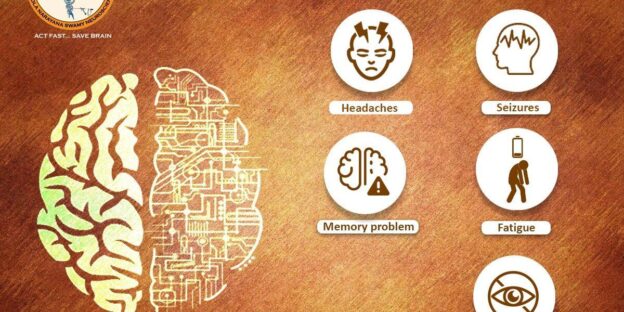
  1. Persistent Headaches: Frequent and severe headaches that are not relieved by over-the-counter medications could indicate an underlying neurological condition. It is essential to monitor the frequency, intensity, and duration of headaches.
  2. Changes in Vision: Blurred vision, double vision, sudden vision loss, or difficulty focusing may be indicative of neurological issues. Any persistent changes in vision should be evaluated by a medical professional.
  3. Memory Problems: Memory loss, confusion, difficulty concentrating, and sudden changes in cognitive abilities may be early signs of conditions such as Alzheimer’s disease, dementia, or other neurological disorders.
  4. Weakness or Numbness: Sudden weakness or numbness in the face, arms, or legs, especially if it occurs on one side of the body, could be a sign of a stroke or nerve-related condition.
  5. Balance and Coordination Issues: Difficulty with balance, coordination, stumbling, or unexplained falls may indicate problems with the nervous system or conditions such as Parkinson’s disease.
  6. Chronic Pain: Persistent or chronic pain, particularly in the back, neck, or head, may be associated with neurological conditions like spinal cord disorders or migraines.
  7. Seizures: Seizures are often a hallmark symptom of epilepsy, a neurological disorder characterized by abnormal electrical activity in the brain. Seizures can manifest in various ways, including convulsions, loss of consciousness, or repetitive movements.
  8. Speech and Language Difficulties: Difficulty speaking, slurred speech, or problems understanding language can be indicative of neurological conditions such as stroke, brain tumors, or neurodegenerative diseases.
  9. Changes in Mood and Behavior: Unexplained mood swings, depression, anxiety, irritability, or uncharacteristic behavioral changes may be early signs of neurological conditions affecting the brain’s emotional and cognitive functions.
  10. Sleep Disturbances: Persistent insomnia, excessive daytime sleepiness, or sudden changes in sleep patterns could be related to neurological disorders, including sleep disorders like sleep apnea or conditions affecting the brain’s sleep-wake cycle.
  11. Muscle Weakness or Tremors: Muscle weakness, tremors, involuntary movements, or muscle stiffness can be early signs of neurological conditions like Parkinson’s disease, multiple sclerosis, or peripheral nerve disorders.
  12. Sensory Changes: Changes in sensation, such as tingling, numbness, or a burning sensation in the limbs, face, or body, may indicate nerve damage or conditions like neuropathy.
  13. Difficulty Swallowing: Problems with swallowing, also known as dysphagia, can be a sign of neurological conditions affecting the muscles and nerves responsible for swallowing, such as stroke or neurological disorders like amyotrophic lateral sclerosis (ALS).
  14. Loss of Bowel or Bladder Control: Sudden or gradual loss of bowel or bladder control, urinary incontinence, or difficulty controlling bowel movements may be related to neurological conditions affecting the spinal cord or nerves.

Dr. Rao’s Hospital: Leading the Way in Neurosurgery: Located in Guntur, Andhra Pradesh, Dr. Rao’s Hospital is renowned as the best neurosurgery hospital in the region and in India. Under the leadership of Dr. Mohana Rao Patibandla, the hospital offers cutting-edge neurology, neurosurgery, and spine surgery services.


Dr. Mohana Rao Patibandla: The Best Neurosurgeon: Dr. Mohana Rao Patibandla, a distinguished neurosurgeon, brings unparalleled expertise and experience to his practice. With extensive training and international exposure in various subspecialties of neurosciences, he is widely regarded as the best neurosurgeon in Guntur and Andhra Pradesh. His exceptional qualifications, including degrees from prestigious institutions and recognition with the Brain LAB Neurosurgery Award, make him a trusted and respected authority in the field.


Comprehensive Neurosurgical Care at Dr. Rao’s Hospital: Dr. Rao’s Hospital is committed to providing holistic care for patients with neurological conditions. Equipped with state-of-the-art facilities, including dedicated neuro ICUs with US FDA-approved equipment and advanced imaging technology, the hospital ensures accurate diagnoses and precise surgical interventions.

Conclusion:

Recognizing the early warning signs of neurological conditions is crucial for prompt diagnosis and effective management. Dr. Rao’s Hospital, led by the esteemed Dr. Mohana Rao Patibandla, offers exceptional neurosurgical care in Guntur and Andhra Pradesh. By staying vigilant and seeking specialized care when needed, individuals can take proactive steps towards managing their neurological health and improving their overall well-being.

Tags: Neurological conditions, Early warning signs, Symptoms, Recognizing symptoms, Dr. Rao, Best neurosurgeon, Guntur, Andhra Pradesh, Dr. Rao’s Hospital, Neurosurgery, Healthcare, Timely intervention, Expertise, Top-rated hospital