Author Archives: Dr RAO

Expert neurosurgeons at Dr. Rao’s Hospital offer advanced surgical treatments for neurological deficits.

The best Neurosurgical Interventions for Neurological Deficits | Dr. Rao’s Hospital

The best Neurosurgical Interventions for Neurological Deficits | Dr. Rao’s Hospital

Discover how Dr. Rao, the best neurosurgeon in Guntur and India, and his team at Dr. Rao’s Hospital employ cutting-edge neurosurgical interventions to restore function and independence in patients with neurological deficits. Explore spinal cord stimulation, deep brain stimulation, brain tumor resection, and cerebrovascular interventions.

Watch More On YouTube

Introduction

Neurological deficits can have a significant impact on a person’s quality of life, affecting their ability to perform daily activities and maintain independence. Fortunately, advancements in neurosurgery have paved the way for innovative interventions that aim to restore function and improve the lives of individuals with neurological deficits. Dr. Rao, renowned as the best neurosurgeon in Guntur and India, and his team at Dr. Rao’s Hospital, the premier neurosurgery hospital in Guntur and India, are at the forefront of providing state-of-the-art neurosurgical interventions to address various neurological deficits. In this blog, we will explore the cutting-edge procedures and treatments available to restore function and independence for patients with neurological deficits.

  1. Spinal Cord Stimulation

Spinal cord stimulation is a neurosurgical intervention used to alleviate chronic pain and improve function in individuals with neurological deficits caused by conditions like failed back surgery syndrome, neuropathic pain, or spinal cord injuries. This minimally invasive procedure involves the implantation of a small device that delivers mild electrical impulses to the spinal cord, modulating pain signals and restoring function. Dr. Rao’s expertise in spinal cord stimulation ensures precise placement of the device and optimal pain relief for patients.

  1. Deep Brain Stimulation

Deep brain stimulation (DBS) is a revolutionary neurosurgical technique that offers hope for individuals with movement disorders such as Parkinson’s disease, essential tremor, or dystonia. It involves the implantation of electrodes in specific regions of the brain that are responsible for motor control. These electrodes deliver controlled electrical impulses, effectively modulating abnormal brain activity and reducing symptoms. Dr. Rao, being the best neurosurgeon, has extensive experience in performing DBS surgeries with utmost precision, leading to remarkable improvements in motor function and overall quality of life for patients.

  1. Brain Tumor Resection

Brain tumors can cause various neurological deficits depending on their location and size. Neurosurgical interventions like brain tumor resection play a vital role in restoring function and relieving symptoms associated with these tumors. Dr. Rao’s expertise in neuro-oncology and brain tumor resection ensures accurate diagnosis, surgical planning, and meticulous removal of brain tumors while preserving critical brain functions. With the support of advanced imaging techniques and intraoperative mapping, Dr. Rao and his team navigate the complexities of brain surgery, aiming to maximize tumor removal and minimize neurological deficits.

  1. Cerebrovascular Interventions

Cerebrovascular interventions are vital in addressing neurological deficits caused by conditions like cerebral aneurysms, arteriovenous malformations (AVMs), or ischemic strokes. Dr. Rao, being a skilled cerebrovascular neurosurgeon, utilizes advanced techniques like endovascular coiling or embolization to treat aneurysms and AVMs, restoring normal blood flow and preventing future complications. Additionally, surgical interventions such as bypass surgeries or thrombectomy procedures are employed to restore blood flow in cases of ischemic strokes. Dr. Rao’s expertise and multidisciplinary approach ensure the best possible outcomes for patients with cerebrovascular conditions.


Conclusion

Neurosurgical interventions have revolutionized the field of neurology by offering innovative treatments to restore function and independence for individuals with neurological deficits. Dr. Rao, the best neurosurgeon in Guntur and India, and his team at Dr. Rao’s Hospital, the top neurosurgery hospital in the region, are committed to providing exceptional care and utilizing cutting-edge techniques to improve the lives of their patients. With a patient-centered approach and a focus on precision and innovation, Dr. Rao and his team continue to be at the forefront of neurosurgical interventions, offering hope and restoring function.


#Neurosurgery #NeurologicalDeficits #FunctionRestoration #DrRao #BestNeurosurgeon #DrRaosHospital #SpinalCordStimulation #DeepBrainStimulation #BrainTumorResection #CerebrovascularInterventions

Advanced surgical options for Chiari Malformation treatment at Dr. Rao's Hospital, Guntur, Andhra Pradesh.

The best Neurosurgical Treatments for Chiari Malformation at Dr Raos

The best Neurosurgical Treatments for Chiari Malformation at Dr Raos

Discover how Dr. Rao, the best neurosurgeon in Guntur and India, and Dr. Rao’s Hospital, the leading neurosurgery hospital, provide advanced treatments for Chiari Malformation, alleviating symptoms and restoring normal cerebrospinal fluid flow.

Watch More On YouTube
The best Neurosurgical Treatments for Chiari Malformation: Alleviating Symptoms and Restoring CSF flow

Introduction: Chiari Malformation is a neurological condition characterized by the abnormal positioning of the cerebellar tonsils, leading to compression and obstruction of the cerebrospinal fluid (CSF) flow. This condition can cause a variety of symptoms, including headaches, neck pain, dizziness, and even neurological deficits. However, there is hope for individuals with Chiari Malformation through neurosurgical treatments. In Guntur, India, Dr. Rao, the best neurosurgeon, and Dr. Rao’s Hospital, the best neurosurgery hospital, offer advanced and effective interventions to alleviate symptoms and restore normal CSF flow, improving the lives of patients.

Understanding Chiari Malformation: Chiari Malformation occurs when the cerebellar tonsils, located in the lower part of the brain, extend into the spinal canal instead of remaining within the skull. This abnormality can interfere with the normal flow of cerebrospinal fluid, leading to a buildup of pressure and compression on the brainstem and spinal cord. As a result, individuals may experience a range of symptoms, such as chronic headaches, neck pain, difficulty swallowing, balance problems, and even weakness or numbness in the limbs.

Dr. Rao: The Best Neurosurgeon in Guntur and India: Dr. Rao is renowned as the best neurosurgeon in Guntur and India, with extensive experience and expertise in treating Chiari Malformation. His commitment to delivering exceptional patient care, combined with his surgical skills and in-depth knowledge, has earned him a reputation for excellence. Dr. Rao takes a personalized approach, considering each patient’s unique circumstances and tailoring the treatment plan accordingly. With his compassionate care and dedication to achieving optimal outcomes, Dr. Rao is a trusted choice for individuals seeking relief from Chiari Malformation.

Dr. Rao’s Hospital: The Best Neurosurgery Hospital in Guntur and India: Dr. Rao’s Hospital stands as the best neurosurgery hospital in Guntur and India, providing state-of-the-art facilities and a multidisciplinary team of experts. The hospital is equipped with cutting-edge technology and diagnostic tools, ensuring accurate diagnoses and comprehensive treatment options for Chiari Malformation. Dr. Rao’s Hospital prides itself on delivering the highest quality of care, prioritizing patient safety, comfort, and successful outcomes. With a patient-centric approach and a supportive environment, the hospital creates an optimal setting for individuals seeking neurosurgical treatments for Chiari Malformation.

Neurosurgical Treatments for Chiari Malformation:

  1. Posterior Fossa Decompression: Posterior fossa decompression is a primary neurosurgical procedure for Chiari Malformation. Dr. Rao performs this surgery with precision and expertise, aiming to alleviate symptoms and restore normal CSF flow. The procedure involves removing a small portion of the bone at the back of the skull to create more space for the cerebellum. By relieving the pressure on the cerebellar tonsils, CSF flow improves, and symptoms are alleviated. Dr. Rao’s surgical skills and attention to detail ensure a safe and successful outcome for patients.
  2. Duraplasty: In some cases, Dr. Rao may recommend duraplasty as an additional procedure during posterior fossa decompression. Duraplasty involves expanding the covering of the brain (dura mater) using a synthetic patch or the patient’s own tissues. This creates more space and allows for better CSF flow, relieving the compression and improving symptoms associated with Chiari Malformation. Dr. Rao carefully evaluates each patient’s condition and determines the suitability of duraplasty as part of the treatment plan
  3. Cervical Spinal Fusion: In certain instances where Chiari Malformation is associated with instability or cervical spinal abnormalities, Dr. Rao may recommend cervical spinal fusion. This surgical procedure aims to stabilize the affected area of the spine by fusing two or more vertebrae together. By restoring stability and alignment, spinal fusion helps alleviate pressure on the spinal cord and improves CSF flow. Dr. Rao’s expertise in spinal surgeries ensures precise and effective fusion procedures, promoting long-term relief and improved functionality.
  4. Intraoperative Neurophysiological Monitoring: To ensure the safety and accuracy of neurosurgical procedures for Chiari Malformation, Dr. Rao and his team employ intraoperative neurophysiological monitoring techniques. These monitoring methods involve real-time assessment of the electrical activity in the brain, spinal cord, and nerves during surgery. By closely monitoring these signals, any potential damage or changes in nerve function can be detected promptly, allowing for immediate corrective measures. This approach helps minimize the risk of postoperative complications and preserves neurological function.

Conclusion: Neurosurgical treatments play a crucial role in alleviating symptoms and restoring normal CSF flow for individuals with Chiari Malformation. With Dr. Rao, the best neurosurgeon in Guntur and India, at the helm and the exceptional facilities and expertise offered by Dr. Rao’s Hospital, patients can find hope and relief from the debilitating effects of this condition. Through procedures such as posterior fossa decompression, duraplasty, cervical spinal fusion, and intraoperative neurophysiological monitoring, Dr. Rao and his team ensure personalized care and optimal outcomes. With their commitment to patient well-being, Dr. Rao and Dr. Rao’s Hospital stand as the premier choice for neurosurgical treatments for Chiari Malformation in Guntur and India.

Chiari Malformation is a neurological condition characterized by the abnormal positioning of the cerebellar tonsils, which can cause compression and obstruction of the cerebrospinal fluid (CSF) flow. This can lead to a range of symptoms, including headaches, neck pain, dizziness, and even neurological deficits. Fortunately, neurosurgical interventions can effectively alleviate these symptoms and restore normal CSF flow, improving the quality of life for individuals with Chiari Malformation.

Dr. Rao, the best neurosurgeon in Guntur and India, and his team at Dr. Rao’s Hospital are highly experienced in the neurosurgical management of Chiari Malformation. With their expertise and the advanced facilities at the hospital, they provide comprehensive and individualized treatment options to address the unique needs of each patient.

One of the primary neurosurgical treatments for Chiari Malformation is posterior fossa decompression. During this procedure, Dr. Rao creates more space in the back of the skull by removing a small portion of the bone. This relieves the pressure on the cerebellar tonsils and allows for improved CSF flow. Dr. Rao’s precise surgical techniques ensure the safety and effectiveness of the procedure, minimizing the risk of complications.

In some cases, Dr. Rao may also recommend duraplasty, which involves expanding the covering of the brain (dura mater) to create additional space for the cerebellum. This further facilitates the restoration of normal CSF flow and alleviates the symptoms associated with Chiari Malformation.

Dr. Rao and his team understand that every patient’s case is unique, and they take a personalized approach to determine the most appropriate treatment plan. They carefully evaluate the severity of the Chiari Malformation, the presence of associated conditions, and the individual’s specific symptoms. This comprehensive assessment allows them to tailor the neurosurgical interventions to achieve the best possible outcomes.

At Dr. Rao’s Hospital, the best neurosurgery hospital in Guntur and India, patients receive exceptional care throughout their treatment journey. The hospital is equipped with state-of-the-art facilities, advanced imaging technologies, and a dedicated team of medical professionals specialized in neurosurgery. The focus is on providing comprehensive, compassionate, and patient-centered care, ensuring optimal results for individuals with Chiari Malformation.

In conclusion, neurosurgical treatments for Chiari Malformation, performed by Dr. Rao, the best neurosurgeon in Guntur and India, and his team at Dr. Rao’s Hospital, offer hope for individuals suffering from this condition. Through posterior fossa decompression, duraplasty, and other advanced techniques, symptoms can be alleviated, and normal CSF flow can be restored, leading to improved quality of life. If you or a loved one is dealing with Chiari Malformation, consult with Dr. Rao to explore the available treatment options and embark on the path to recovery.

#ChiariMalformation #NeurosurgicalTreatments #DrRao #DrRaosHospital #Guntur #India #CerebrospinalFluidFlow #Neurosurgery #ChiariMalformationTreatment #Neurosurgery #DrRao #BestNeurosurgeon #GunturHospital #ChiariMalformationAwareness #CSFFlowRestoration #NeurosurgicalInterventions

Neuro-Oncology: State-of-the-Art Treatments for Brain and Spinal Tumors

Neuro-Oncology: State-of-the-Art Treatments for Brain and Spinal Tumors

Neuro-Oncology: State-of-the-Art Treatments for Brain and Spinal Tumors

Explore the latest advancements in neuro-oncology and learn about the state-of-the-art treatments for brain and spinal tumors. Discover the expertise of Dr. Rao, the best neurosurgeon in Guntur and India, and the exceptional care provided at Dr. Rao’s Hospital, the leading neurosurgery hospital.

Watch More On YouTube

Introduction:

Neuro-oncology is a specialized field of medicine that focuses on the diagnosis, treatment, and management of brain and spinal tumors. These tumors can significantly impact a person’s neurological function and overall well-being. Fortunately, advancements in medical technology and surgical techniques have revolutionized the field of neuro-oncology, providing patients with state-of-the-art treatments and improved outcomes. At Dr. Rao’s Hospital, the best neurosurgery hospital in Guntur and India, patients have access to the expertise of Dr. Rao, the leading neurosurgeon in the region, who is dedicated to providing exceptional care for individuals with brain and spinal tumors.


Understanding Brain and Spinal Tumors: Brain and spinal tumors are abnormal growths of cells that can develop in various parts of the central nervous system. These tumors can be benign (non-cancerous) or malignant (cancerous), and their impact on the body depends on their location, size, and aggressiveness. Common types of brain tumors include gliomas, meningiomas, pituitary adenomas, and metastatic tumors, while spinal tumors can be classified as intramedullary, extramedullary, or extradural. Early detection and accurate diagnosis of these tumors are essential for developing an appropriate treatment plan.


State-of-the-Art Treatments for Brain and Spinal Tumors:

  1. Surgical Interventions: Surgery is often the primary treatment option for brain and spinal tumors. Dr. Rao, the best neurosurgeon in Guntur and India, specializes in intricate neurosurgical procedures, including minimally invasive techniques and skull base approaches. These advanced surgical interventions aim to remove the tumor while preserving as much healthy tissue as possible, thus minimizing the risk of complications and maximizing functional outcomes.
  2. Radiation Therapy: Radiation therapy utilizes high-energy radiation to target and destroy cancer cells. It is a critical component of comprehensive treatment plans for brain and spinal tumors. Dr. Rao’s Hospital is equipped with state-of-the-art radiation therapy technologies, including stereotactic radiosurgery and intensity-modulated radiation therapy (IMRT), which deliver precise and targeted radiation to the tumor while minimizing damage to surrounding healthy tissues.
  3. Chemotherapy: Chemotherapy involves the use of powerful drugs to kill cancer cells or inhibit their growth. It can be administered orally, intravenously, or directly into the cerebrospinal fluid. Dr. Rao works closely with a multidisciplinary team of oncologists to determine the most effective chemotherapy regimen tailored to each patient’s specific needs.
  4. Targeted Therapies: Targeted therapies are a newer approach in neuro-oncology that focuses on attacking specific molecular targets within cancer cells. These therapies can disrupt the tumor’s growth and survival mechanisms while sparing healthy cells. Dr. Rao’s Hospital stays at the forefront of advancements in targeted therapies, offering patients access to innovative treatment options.

Comprehensive Care and Support: At Dr. Rao’s Hospital, patient-centered care is a top priority. The multidisciplinary team of experts collaborates to create personalized treatment plans that address not only the medical needs of patients but also their emotional and psychological well-being. Supportive care services, such as pain management, rehabilitation, and counseling, are integrated into the treatment process to ensure comprehensive care and optimal outcomes.


Advancements in Neuro-Oncology: The Role of Research and Innovation: Dr. Rao, being at the forefront of neurosurgery, actively participates in research and clinical trials to advance the field of neuro-oncology. His commitment to staying abreast of the latest research and incorporating innovative techniques ensures that patients at Dr. Rao’s Hospital receive the highest standard of care and have access to cutting-edge treatment options. Through ongoing research and collaboration with renowned institutions, Dr. Rao and his team contribute to the development of novel therapies, targeted drug delivery systems, and precision medicine approaches in neuro-oncology.


The Importance of Early Detection and Regular Monitoring: Early detection of brain and spinal tumors is crucial for successful treatment outcomes. Regular check-ups and screenings enable early identification of any abnormal changes in the central nervous system, allowing for timely intervention. Dr. Rao emphasizes the significance of routine monitoring and encourages individuals with a family history of brain or spinal tumors or those experiencing concerning symptoms to seek medical attention promptly.


Promoting Awareness and Education: Dr. Rao and his team are dedicated to raising awareness about neuro-oncology, its signs and symptoms, and the importance of early intervention. They actively participate in community outreach programs, educational seminars, and support groups to provide information and support to patients, families, and caregivers affected by brain and spinal tumors. By promoting awareness and knowledge, they aim to empower individuals to make informed decisions regarding their healthcare.


Conclusion:

Neuro-oncology has witnessed significant advancements in the diagnosis and treatment of brain and spinal tumors. At Dr. Rao’s Hospital, the best neurosurgery hospital in Guntur and India, patients benefit from the expertise of Dr. Rao, the top neurosurgeon in the region, who utilizes state-of-the-art technologies and innovative techniques to provide personalized, comprehensive care. With a focus on precision, advanced surgical interventions, radiation therapy, chemotherapy, targeted therapies, and comprehensive support services, Dr. Rao and his team strive to enhance the quality of life for patients with brain and spinal tumors. By fostering research and promoting awareness, they remain at the forefront of neuro-oncology, continuously improving treatment outcomes and offering hope to individuals and families affected by these conditions.


#NeuroOncology #BrainTumors #SpinalTumors #CancerTreatment #DrRao #NeurosurgeryHospital #DrRaoshospital

Minimally Invasive Neurosurgery: Enhancing Precision and Recovery in Brain Surgery

Minimally Invasive Neurosurgery: Enhancing Precision and Recovery in Brain Surgery

Minimally Invasive Neurosurgery: Enhancing Precision and Recovery in Brain Surgery

Discover the benefits of minimally invasive neurosurgery in enhancing precision, reducing trauma, and promoting faster recovery. Dr. Rao, the best neurosurgeon in India, and Dr. Rao’s Hospital offer cutting-edge techniques for superior outcomes.

Watch More On YouTube

Minimally Invasive Neurosurgery: Enhancing Precision and Recovery l Brain Surgery – Dr Raos Hospital

Introduction: 

In the field of neurosurgery, advancements in technology have revolutionized the way brain surgeries are performed. One such groundbreaking approach is minimally invasive neurosurgery, which offers numerous benefits in terms of precision, reduced trauma, faster recovery, and improved outcomes. Dr. Rao, the best neurosurgeon in India, and Dr. Rao’s Hospital, the leading neurosurgery hospital, have embraced this innovative technique to provide patients with the highest level of care and optimal results.


What is Minimally Invasive Neurosurgery?

Minimally invasive neurosurgery involves utilizing advanced surgical techniques and tools to access and treat the brain while minimizing damage to surrounding tissues. Unlike traditional open surgeries that require large incisions, minimally invasive procedures involve smaller incisions, specialized instruments, and real-time imaging guidance. This approach allows neurosurgeons like Dr. Rao to navigate intricate brain structures with precision, enhancing safety and reducing risks.


Benefits of Minimally Invasive Neurosurgery:

  1. Precision: Minimally invasive techniques enable neurosurgeons to target specific areas of the brain with high accuracy, minimizing the risk of damage to healthy tissue. Dr. Rao’s exceptional surgical skills, combined with advanced imaging technologies, ensure precise and targeted interventions.
  2. Reduced Trauma: Compared to traditional open surgeries, minimally invasive procedures cause less trauma to the surrounding tissues. This leads to less bleeding, reduced post-operative pain, and a lower risk of complications. Patients experience shorter hospital stays and faster recovery times.
  3. Faster Recovery: Minimally invasive neurosurgery offers quicker recovery times due to smaller incisions, decreased tissue disruption, and reduced post-operative discomfort. Patients can return to their daily activities and enjoy an improved quality of life sooner than with traditional open surgeries.
  4. Less Scarring: Smaller incisions result in minimal scarring, contributing to better cosmetic outcomes. This is particularly important for patients who value aesthetic considerations and wish to minimize visible surgical scars.

Applications of Minimally Invasive Neurosurgery:

  1. Brain Tumor Resection: Minimally invasive techniques can be employed for the removal of brain tumors, allowing for precise tumor localization and safe resection while preserving critical brain functions. Dr. Rao’s expertise in this field ensures the best possible outcomes for patients.
  2. Deep Brain Stimulation (DBS): DBS is a minimally invasive procedure used to treat movement disorders such as Parkinson’s disease and essential tremor. It involves the implantation of electrodes in specific brain regions to modulate abnormal neural activity and improve symptoms. Dr. Rao’s extensive experience in DBS ensures optimal patient selection, electrode placement, and post-operative management.
  3. Endoscopic Brain Surgery: Endoscopic techniques enable neurosurgeons to access and treat certain brain conditions through small incisions and the use of specialized tools and cameras. This approach is particularly valuable in treating hydrocephalus, intraventricular tumors, and certain vascular abnormalities.
  4. Vascular Interventions: Minimally invasive procedures are employed in the treatment of various cerebrovascular conditions, including aneurysms and arteriovenous malformations (AVMs). Techniques such as endovascular coiling and embolization allow for the repair of blood vessel abnormalities without the need for open surgery.

Conclusion:

Minimally invasive neurosurgery, with its focus on precision, reduced trauma, and faster recovery, has revolutionized the field of brain surgery. Dr. Rao, the best neurosurgeon in India, and Dr. Rao’s Hospital, the premier neurosurgery hospital, are at the forefront of this innovative approach. Through their expertise, advanced technology, and patient-centric care, they are providing patients with the best possible outcomes and a higher quality of life.

If you or a loved one are in need of brain surgery, consider the benefits of minimally invasive neurosurgery offered by Dr. Rao and the exceptional team at Dr. Rao’s Hospital. Their commitment to innovation, precision, and patient care ensures that you receive the most advanced treatment options and personalized attention.

Take the first step towards a healthier future by scheduling a consultation with Dr. Rao, the best neurosurgeon in India. Together, you can explore the possibilities of minimally invasive neurosurgery and how it can enhance precision, promote faster recovery, and improve your overall quality of life.

#MinimallyInvasiveNeurosurgery #PrecisionSurgery #FasterRecovery #BrainSurgery #DrRaosHospital #BestNeurosurgeon #neurosurgery #spinesurgery #surgery #neurosurgeon #doctor #neurology #surgeon #spine #medicine #medical #neuroscience #neuro #brain #orthopedicsurgery #surgicalinstruments #brainsurgery #medstudent #neurocirurgia #anatomy #neurocirugia #health #neurochirurgie #surgical #dentalinstruments #gynecology #surgeryinstruments #healthcare #entinstruments #neckpain #nurse

The best Post-Operative Neurosurgical Care at Dr. Rao’s Hospital

The best Post-Operative Neurosurgical Care at Dr. Rao’s Hospital

Vertigo – the best treatment is at Dr Raos, Guntur


Discover comprehensive post-operative neurosurgical care at Dr. Rao’s Hospital, led by Dr. Rao, the best neurosurgeon in India. Explore expert leadership, state-of-the-art facilities, and personalized patient-centric approaches that ensure optimal recovery and exceptional outcomes.

Watch More On YouTube .
Post-Operative Neurosurgical Care: Ensuring Optimal Recovery at Dr. Rao’s Hospital

Introduction: Neurosurgical procedures are complex and delicate, requiring specialized expertise and comprehensive post-operative care to ensure a successful recovery. In India, Dr. Rao’s Hospital, led by Dr. Rao, stands as a renowned institution offering exceptional neurosurgical care. With a team of highly skilled professionals and state-of-the-art facilities, Dr. Rao’s Hospital prioritizes patient well-being and strives to provide the best possible outcomes for neurosurgical patients.


Expert Leadership: Dr. Rao, the Best Neurosurgeon in India At the helm of Dr. Rao’s Hospital is Dr. Rao, widely recognized as one of the best neurosurgeons in India. With extensive experience and expertise in the field, Dr. Rao brings a compassionate and patient-centric approach to neurosurgical care. His commitment to excellence and innovative techniques has earned him a reputation for delivering exceptional surgical outcomes.


Comprehensive Post-Operative Care:

  1. Intensive Monitoring: Following neurosurgical procedures, patients at Dr. Rao’s Hospital receive intensive monitoring in specialized post-operative units. This ensures close observation of vital signs, neurological status, and any potential complications, allowing prompt intervention if necessary.
  2. Pain Management: Effective pain management is crucial for the comfort and recovery of neurosurgical patients. Dr. Rao’s Hospital employs various strategies, including medication, physical therapy, and alternative therapies, to alleviate post-operative pain and enhance the healing process.
  3. Neurological Assessment: Continuous neurological assessment is performed by a dedicated team of neurosurgeons and neurologists to monitor the patient’s brain function and detect any potential changes or complications promptly. This assessment includes evaluating motor skills, sensation, cognition, and cranial nerve function.
  4. Infection Prevention: Dr. Rao’s Hospital follows strict protocols to prevent surgical site infections and other healthcare-associated infections. These protocols include meticulous surgical techniques, sterile practices, antibiotic administration, and regular monitoring for signs of infection.
  5. Rehabilitation Services: To facilitate a successful recovery, Dr. Rao’s Hospital offers comprehensive rehabilitation services tailored to each patient’s needs. This includes physical therapy, occupational therapy, and speech therapy to aid in regaining strength, mobility, and cognitive abilities.
  6. Neurological Changes: Any sudden or significant changes in neurological function, such as weakness, numbness, difficulty speaking, vision changes, or worsening headaches, should be reported immediately to the healthcare team. These changes may indicate a potential complication that requires immediate evaluation and intervention.
  7. Medication Side Effects: Some medications prescribed during the recovery period may have side effects. Patients should be aware of the potential side effects and promptly inform their healthcare providers if they experience any unusual symptoms or reactions.

State-of-the-Art Facilities and Technology: Dr. Rao’s Hospital boasts advanced facilities and cutting-edge technology to support optimal patient care. The hospital is equipped with modern operating theaters, specialized neuro-intensive care units, advanced imaging systems, and dedicated neurosurgical rehabilitation units. This infrastructure enables accurate diagnosis, precise surgical interventions, and seamless post-operative monitoring.

Patient-Centric Approach: Dr. Rao’s Hospital places great emphasis on patient satisfaction and personalized care. The hospital’s compassionate and dedicated staff provide constant support, education, and guidance to patients and their families throughout the post-operative phase. This patient-centric approach ensures that all concerns are addressed and promotes a positive healing experience.


Conclusion: Post-operative care following neurosurgical procedures plays a vital role in ensuring a successful recovery. At Dr. Rao’s Hospital, under the expert leadership of Dr. Rao, patients receive comprehensive and compassionate care, leveraging advanced technology and a multidisciplinary approach. With a commitment to excellence and patient-centricity, Dr. Rao’s Hospital continues to set new benchmarks in neurosurgical care in India, providing hope and healing to countless patients.

Dr. Rao’s Hospital is a trusted institution that prioritizes patient well-being and delivers exceptional post-operative neurosurgical care. Under the guidance of Dr. Rao, a renowned neurosurgeon in India, the hospital offers comprehensive monitoring, pain management, neurological assessment, infection prevention, and rehabilitation services. The state-of-the-art facilities and advanced technology further enhance the quality of care provided.

Patients and their families can have peace of mind knowing that they are in the hands of a highly skilled and compassionate team of professionals. The patient-centric approach ensures that individual needs are addressed, fostering a positive healing experience.

In addition to providing outstanding care, Dr. Rao’s Hospital also emphasizes patient education and guidance. Patients and their families are well-informed about the post-operative care process, including expectations, potential complications, and strategies for a successful recovery. This approach promotes active participation and empowers patients to take an active role in their healing journey.

Dr. Rao’s Hospital stands as a beacon of excellence in the field of neurosurgery in India. With a track record of successful outcomes and a commitment to providing the best possible care, patients can trust that they are receiving world-class treatment in a supportive and nurturing environment.

If you or a loved one requires post-operative neurosurgical care, Dr. Rao’s Hospital is a leading choice that combines expertise, innovation, and personalized attention. The hospital’s dedication to patient well-being, coupled with Dr. Rao’s exceptional leadership, ensures that patients receive the highest standard of care and the best chances of a successful recovery.


Disclaimer: The information provided in this blog is for educational purposes only and should not replace professional medical advice. It is recommended to consult with a qualified healthcare provider for personalized guidance and treatment options.

#postopcare #bbl #lipo #plasticsurgery #tummytuck #mommymakeover #liposuction #cosmeticsurgery #bodycontouring #postop #lymphaticdrainage #bodysculpting #woodtherapy #brazilianbuttlift #breastaugmentation #lymphaticmassage #bblrecovery #cavitation #lymphaticdrainagemassage #cosmeticsurgeon #laserlipo #postsurgical #liposculpture #bblpillow #postoprecovery #postopsupplies #tummytucksurgery #breastlift #bblsurgery #medicaltourism


Recognize stroke signs early for timely care at Dr. Rao’s Hospital: speech slurring, sudden weakness, facial drooping. Act fast for treatment!

First Aid For the STROKE

First Aid For the STROKE

Watch More On YouTube

First aid for a stroke involves recognizing the signs of a stroke and acting quickly to get medical help. Here are the steps to follow:

  1. Recognize the Signs:
    • Be aware of the common signs of a stroke, which can be remembered using the acronym FAST:
      • Face: Ask the person to smile and check if one side of their face droops.
      • Arms: Ask the person to raise both arms and see if one arm drifts downward.
      • Speech: Ask the person to repeat a simple sentence and observe if their speech is slurred or difficult to understand.
      • Time: If you notice any of these signs, it’s time to call emergency services immediately.
  2. Call Emergency Services:
    • Dial the emergency number in your country (such as 911) to request an ambulance.
    • Provide clear and accurate information about the situation, including the possibility of a stroke.
  3. Stay with the Person:
    • Stay with the person experiencing the stroke and offer reassurance.
    • Keep them calm and encourage them to stay still.
  4. Do Not Give Anything to Eat or Drink:
    • It’s important not to give the person anything to eat or drink, including medications, as it may interfere with medical treatments.
  5. Monitor Vital Signs:
    • Check the person’s breathing, pulse, and consciousness level.
    • If necessary, perform CPR (cardiopulmonary resuscitation) if the person becomes unresponsive or stops breathing.
  6. Note the Time:
    • If possible, note the time when the symptoms first started. This information is crucial for medical professionals in determining treatment options.
  7. Provide Information to Medical Professionals:
    • When paramedics arrive, provide them with relevant information about the person’s symptoms, including when they started and any other observations.

Remember, the most critical step in responding to a stroke is to seek immediate medical attention. Time is of the essence, as prompt treatment can significantly improve the chances of recovery and minimize potential complications.

Dr Raos hospital is the best comprehensive stroke center led by Dr Rao the best dural trained cerebrovascular neurosurgeon.

Intraventricular hemorrhage treatment at Dr. Rao's Hospital: Advanced care for brain bleeding. Contact us for expert neurosurgical treatment.

First aid for a Neurological Emergency

First aid for a Neurological Emergency

Watch More On YouTube
First aid for the neurological emergencies

First aid for a neurological emergency will depend on the specific condition or situation. However, here are some general steps to follow when faced with a neurological emergency:

  1. Assess the Situation:
    • Ensure your safety and the safety of the person experiencing the emergency.
    • Determine if the person is conscious and responsive.
    •  
  2. Call for Emergency Medical Assistance:
    • Dial the emergency number in your country (such as 9010056444 or 9010057444) to request an ambulance.
    • Provide clear and accurate information about the situation, including the nature of the neurological emergency.
    •  
  3. Stay with the Person:
    • Remain with the person and provide reassurance.
    • Keep them calm and help them feel as comfortable as possible.
    •  
  4. Protect the Person from Further Injury:
    • Ensure the person is in a safe environment, free from hazards or objects that may cause harm.
    • If necessary, gently guide or support the person to prevent falls or further injury.
    •  
  5. Preserve the Person’s Airway:
    • If the person is conscious but having difficulty breathing or their airway is compromised, assist them in maintaining an open airway.
    • Do not force anything into their mouth.
    •  
  6. Control Bleeding, if Present:
    • If there is bleeding due to a head injury or other trauma, apply direct pressure to the bleeding area using a clean cloth or your hand, if necessary.
    •  
  7. Minimize Movement:
    • Depending on the situation, it may be best to minimize the person’s movement to prevent exacerbation of any potential spinal or neurological injury.
    •  
  8. Do Not Provide Food or Drink:
    • Unless directed by medical professionals, avoid giving the person anything to eat or drink.
    •  
  9. Provide Relevant Information to Medical Professionals:
    • When emergency medical personnel arrive, provide them with accurate information about the person’s symptoms, any known medical conditions, and any first aid measures you have taken.

It’s important to note that first aid for a neurological emergency should only be provided within your level of training and capabilities. It’s always recommended to seek immediate medical attention in these situations and follow the guidance of healthcare professionals.

If you are looking for a neurological emergency care please contact Dr Raos hospital, led by Dr Rao for the best treatment and care.

First aid for seizures: Dr. Rao at Dr. Rao's Hospital demonstrates emergency care for seizures, ensuring patient safety and comfort.

First aid for the Seizures

First aid for the Seizures

Watch More On YouTube
First aid for the seizures

First aid for seizures can help ensure the safety of the person experiencing the seizure and minimize potential complications. Here are the steps to follow:

  1. Stay Calm and Stay with the Person:
    • Remain calm and try to stay composed during the seizure.
    • Stay with the person and provide reassurance.
  2. Ensure Safety:
    • Clear the area around the person of any sharp objects or furniture that may pose a risk.
    • Create a safe space by removing obstacles or hazards.
  3. Protect the Head:
    • If possible, place something soft, like a folded jacket or pillow, under the person’s head to cushion it.
    • Do not restrain or hold the person down during the seizure, as it may cause injury.
  4. Time the Seizure:
    • Note the start time of the seizure. If the seizure lasts longer than five minutes, or if the person has difficulty breathing or suffers injuries, call for emergency medical assistance immediately.
  5. Do Not Insert Anything into the Mouth:
    • Contrary to popular belief, it is not necessary to place anything in the person’s mouth during a seizure.
    • Avoid attempting to hold the person’s tongue or jaw.
  6. Loosen Tight Clothing:
    • If the person is wearing any tight clothing around the neck or chest, gently loosen it to facilitate breathing.
  7. Turn the Person onto their Side:
    • Once the seizure activity subsides and the person is no longer convulsing, turn them gently onto their side.
    • This helps prevent choking on saliva or vomit and allows for better airway clearance.
  8. Offer Comfort and Reassurance:
    • Speak calmly and offer comfort to the person as they recover from the seizure.
    • Allow them time to rest and regain their strength.
  9. Stay with the Person until Recovery:
    • Remain with the person until they have fully regained consciousness and are alert.
    • Offer support and assistance as needed.
  10. Seek Medical Attention, if Necessary:
  • If it is the person’s first seizure, if the seizure lasts longer than five minutes, or if there are any concerns about their well-being, seek medical attention promptly.

Remember, it is important to consult with a medical professional regarding any recurring seizures or if there are specific concerns or questions about a person’s seizure management and treatment.

If your loved one is seizing and not stopped please consult at Dr Raos hospital the best neurosurgery hospital in India, led by Dr Rao the best neurosurgeon in India and Guntur

lumbar-disc-disease-causes-symptoms-and-effective-management-dr-raos-hospital

Lumbar Disc Disease: Causes, Symptoms, and Effective Management | Dr. Rao’s Hospital

Lumbar Disc Disease: Causes, Symptoms, and Effective Management | Dr. Rao’s Hospital

Discover the causes, symptoms, and effective management options for lumbar disc disease, a common condition affecting the spinal discs. Learn how Dr. Rao, the best neurosurgeon in Guntur and India, and his expert team at Dr. Rao’s Hospital provide comprehensive care and innovative treatments for lumbar disc disease, restoring spinal health and relieving pain.


Watch More On YouTube

Introduction:

Lumbar disc disease is a prevalent condition that affects the spinal discs in the lower back, leading to pain, discomfort, and reduced mobility. Understanding the causes, symptoms, and effective management options for lumbar disc disease is crucial for individuals seeking relief and improved spinal health. In this blog, we will explore the various aspects of lumbar disc disease and how Dr. Rao, the renowned neurosurgeon at Dr. Rao’s Hospital, offers exceptional care and innovative treatments to manage this condition.


Understanding Lumbar Disc Disease: The spinal discs are cushion-like structures that separate the vertebrae, acting as shock absorbers and allowing flexibility in the spine. Lumbar disc disease refers to the degeneration, herniation, or damage to these discs in the lumbar region of the spine. Common causes of lumbar disc disease include age-related wear and tear, repetitive stress, injuries, and poor posture.


Signs and Symptoms: Individuals with lumbar disc disease may experience a range of symptoms, including:

  • Lower back pain that radiates to the buttocks and legs
  • Numbness or tingling in the legs
  • Weakness or loss of sensation in the lower extremities
  • Difficulty in standing, walking, or performing daily activities
  •  

Effective Management Options: Dr. Rao and his expert team at Dr. Rao’s Hospital offer comprehensive and personalized management strategies to alleviate the symptoms and improve the quality of life for individuals with lumbar disc disease. The treatment plan may include the following approaches:


  1. Non-Surgical Management: In many cases, conservative treatments are effective in managing lumbar disc disease. These may include:
  • Pain medications and anti-inflammatory drugs
  • Physical therapy and targeted exercises
  • Hot or cold therapy
  • Lifestyle modifications, such as maintaining a healthy weight and improving posture
  • Epidural steroid injections for pain relief
  •  
  1. Minimally Invasive Procedures: For individuals with severe or persistent symptoms, minimally invasive procedures may be recommended. These innovative techniques aim to alleviate pain and restore spinal function, including:
  • Endoscopic discectomy: A minimally invasive procedure to remove the damaged portion of the disc
  • Microdiscectomy: Removal of the herniated disc through a small incision
  • Percutaneous disc decompression: The use of specialized instruments to remove or reduce disc material causing compression
  •  
  1. Surgical Intervention: In rare cases when non-surgical and minimally invasive approaches do not provide adequate relief, surgical intervention may be necessary. Dr. Rao is highly skilled in performing various surgical procedures, such as:
  • Spinal fusion: Joining two or more vertebrae to stabilize the spine
  • Artificial disc replacement: Replacing the damaged disc with an artificial one
  • Laminectomy: Removal of the back portion of the vertebra to create more space and relieve pressure on the nerves
  •  

Dr. Rao’s Expertise and Commitment: Dr. Rao, known as the best neurosurgeon in Guntur and India, brings extensive experience, expertise, and a patient-centered approach to the management of lumbar disc disease. With his deep understanding of spinal disorders and cutting-edge surgical techniques, Dr. Rao ensures the highest level of care and optimal outcomes for his patients at Dr. Rao’s Hospital.


At Dr. Rao’s Hospital, the best neurosurgery hospital in Guntur and India, a multidisciplinary team of specialists works together to develop personalized treatment plans for each patient. They leverage state-of-the-art diagnostic tools and advanced imaging techniques to accurately assess the severity of the condition and determine the most suitable course of action.


The hospital is equipped with modern facilities and a supportive environment that promotes healing and recovery. From the initial consultation to postoperative care and rehabilitation, patients receive compassionate and comprehensive support at every step of their journey towards improved spinal health.

In addition to surgical expertise, Dr. Rao and his team emphasize the importance of non-surgical approaches and lifestyle modifications. They provide education and guidance to help patients manage their condition effectively, including ergonomic practices, physical therapy exercises, and pain management strategies.


The focus of the treatment is not only on alleviating symptoms but also on restoring function and enhancing the quality of life for individuals with lumbar disc disease. Dr. Rao’s goal is to empower his patients to regain their mobility, regain their independence, and engage in activities they enjoy.


With his dedication to patient care, innovative techniques, and a multidisciplinary approach, Dr. Rao has earned a reputation as the best neurosurgeon in Guntur and India. His expertise combined with the state-of-the-art facilities at Dr. Rao’s Hospital ensures that patients receive the highest standard of care and achieve successful outcomes.


If you or your loved one is experiencing symptoms of lumbar disc disease, don’t let the condition limit your life. Seek the expertise of Dr. Rao and his team at Dr. Rao’s Hospital to explore the most effective treatment options and regain control over your spinal health.


Conclusion:

Lumbar disc disease can significantly impact a person’s quality of life, causing pain, discomfort, and limitations in daily activities. However, with the expertise of Dr. Rao, the best neurosurgeon in Guntur and India, and the comprehensive care provided at Dr. Rao’s Hospital, there is hope for relief and restoration.

Through a combination of non-surgical approaches, minimally invasive procedures, and surgical interventions, Dr. Rao and his team tailor treatment plans to the unique needs of each patient. Their focus on precision, advanced technology, and patient-centered care ensures that individuals with lumbar disc disease receive the best possible outcomes.

Don’t let lumbar disc disease hold you back. Consult with Dr. Rao and his team at Dr. Rao’s Hospital to discover effective management options, regain your mobility, and improve your quality of life. With their expertise and commitment, you can embark on a journey towards a pain-free and active life.

#LumbarDiscDisease #SpinalHealth #Neurosurgery #DrRaosHospital #BestNeurosurgeon #Guntur #India

understanding-migraine-effective-strategies-for-prevention-and-relief

Understanding Migraine: Effective Strategies for Prevention and Relief

Understanding Migraine: Effective Strategies for Prevention and Relief

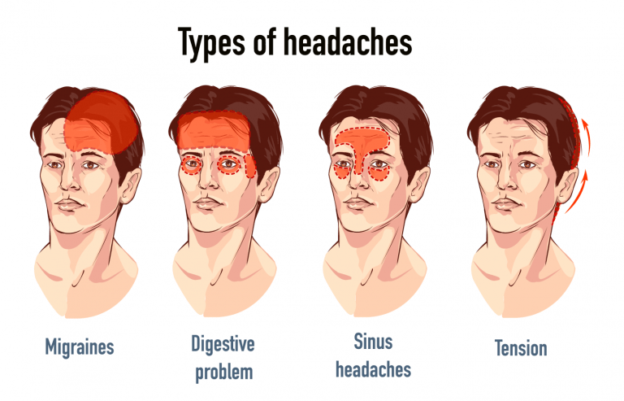
Discover the causes, symptoms, and effective measures for preventing and managing migraines. Explore lifestyle modifications, self-care practices, and medical interventions to alleviate migraine pain and improve your overall quality of life.

Watch More On YouTube
Understanding Migraine

Introduction:

Migraine is a debilitating neurological condition that affects millions of people worldwide. Characterized by severe headaches, pulsating pain, and accompanying symptoms such as nausea, sensitivity to light and sound, migraines can significantly impact a person’s daily life and well-being. While there is no known cure for migraines, there are various measures that can be taken to prevent their occurrence and minimize their impact when they do occur. In this blog, we will explore effective strategies for migraine prevention and relief.


Understanding Migraine:


Migraine is a complex neurological disorder that involves abnormal brain activity, changes in blood flow, and chemical imbalances. The exact cause of migraines is still not fully understood, but certain triggers and factors are known to contribute to their onset. These triggers can vary from person to person and may include hormonal changes, certain foods and drinks, stress, sleep disturbances, environmental factors, and more.


Measures for Migraine Prevention:


  1. Identify Triggers: Keep a migraine diary to track potential triggers and patterns. Note down details about your diet, sleep patterns, stress levels, and any other factors that may be associated with the onset of migraines. By identifying triggers, you can take proactive steps to avoid or minimize their impact.
  2. Maintain a Regular Sleep Schedule: Establish a consistent sleep routine by going to bed and waking up at the same time every day. Prioritize quality sleep and create a relaxing environment in your bedroom to promote restful sleep.
  3. Manage Stress: Stress is a common trigger for migraines. Practice stress management techniques such as deep breathing exercises, meditation, yoga, or engaging in hobbies and activities that help you relax and unwind.
  4. Stay Hydrated: Dehydration can trigger migraines in some individuals. Make sure to drink an adequate amount of water throughout the day and limit your consumption of caffeine and alcohol, as they can contribute to dehydration.
  5. Maintain a Healthy Diet: Certain foods and additives, such as processed foods, aged cheeses, chocolate, and artificial sweeteners, have been associated with migraines. Consider maintaining a balanced diet rich in fruits, vegetables, whole grains, and lean proteins.
  6. Regular Exercise: Engage in regular physical activity, such as walking, jogging, swimming, or cycling, to promote overall well-being and reduce the frequency and severity of migraines. Consult with your healthcare provider before starting any exercise regimen.
  7. Avoid Sensory Overload: Bright lights, loud noises, strong odors, and intense visual stimuli can trigger migraines in some individuals. Take measures to minimize exposure to such stimuli and create a calm and soothing environment.

Medical Interventions for Migraine Prevention:


In some cases, lifestyle modifications alone may not be sufficient to prevent migraines. If you experience frequent or severe migraines, consult with a healthcare professional, such as Dr. Rao, the best neurosurgeon in Guntur and India, at Dr. Rao’s Hospital. They may recommend medical interventions tailored to your specific needs, including:


  1. Medications: Certain medications, such as beta-blockers, antidepressants, anticonvulsants, and triptans, may be prescribed to prevent or alleviate migraines. These medications work by modulating brain chemicals and reducing the frequency and intensity of migraines.
  2. Botox Injections: In some cases, Botox injections may be recommended for chronic migraines. Botox helps to relax the muscles and prevent the release of pain-triggering chemicals in the brain.
  3. Nerve Blocks: Nerve blocks involve the injection of anesthetic agents near specific nerves to block pain signals and provide temporary relief from migraines.

Conclusion:

Living with migraines can be challenging, but with the right strategies and interventions, it is possible to prevent and manage migraines effectively. By identifying triggers, adopting a healthy lifestyle, managing stress, and seeking medical guidance when needed, individuals can significantly reduce the frequency and severity of migraines, improving their overall quality of life. Consult with Dr. Rao, the best neurosurgeon in Guntur and India, at Dr. Rao’s Hospital for personalized guidance and comprehensive care for managing migraines. Remember, you are not alone, and there is hope for relief and a better future with the right support and measures in place.

#MigrainePrevention #MigraineRelief #HeadacheManagement #HealthyLifestyle #WellnessTips #neurosurgeon #spinesurgeon #headache #migraine