Tag Archives: Brain tumor symptoms

the-best-tension-headache-treatment-is-at-dr-raos-hospital

Why Recurrent Headaches Should Never Be Ignored | Dr. Mohana Rao Patibandla


Why Recurrent Headaches Should Never Be Ignored


Headaches are among the most common health complaints worldwide. While occasional headaches are often linked to stress, dehydration, sleep disturbances, or fatigue, doctors increasingly advise families not to ignore recurrent headaches, especially when symptoms become persistent, progressive, or associated with neurological symptoms.


According to specialists at Dr. Rao’s International Institute of Neurosciences (Dr. Rao’s Hospital), increasing public health awareness regarding headache warning signs and brain health may help patients seek timely evaluation before symptoms worsen.


Recent medical awareness discussions have emphasized that although many headaches are manageable and non-life-threatening, some persistent headache patterns may occasionally indicate underlying neurological conditions requiring medical attention.


Understanding Recurrent Headaches


Recurrent headaches refer to headaches that repeatedly occur over weeks, months, or years. These headaches may vary in intensity, frequency, and associated symptoms.


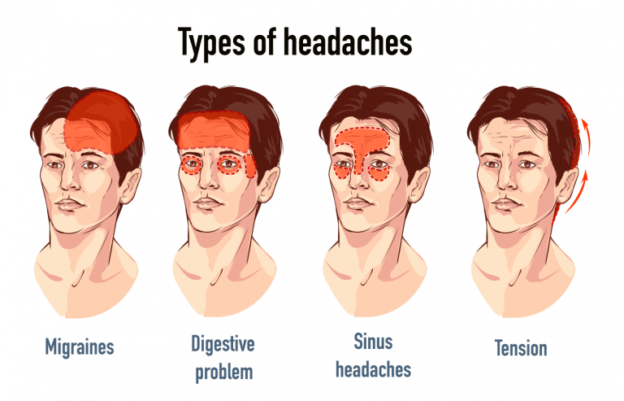
Common Types of Recurrent Headaches


  • Migraine headaches
  • Tension headaches
  • Cluster headaches
  • Cervicogenic headaches
  • Sinus-related headaches
  • Secondary headaches associated with neurological disorders


Doctors say migraine awareness remains important because migraines are often misunderstood as routine headaches. In reality, migraines are neurological conditions that may significantly affect emotional health, work productivity, sleep, and daily quality of life.


When Headaches May Require Medical Evaluation


Healthcare professionals explain that not every headache indicates a dangerous condition. However, certain headache warning signs should not be repeatedly ignored.


Important Neurological Symptoms Families Should Watch For


  • Sudden severe headaches
  • Headaches associated with vomiting
  • Speech difficulty
  • Weakness or numbness
  • Vision disturbances
  • Headaches waking patients from sleep
  • Confusion or personality changes
  • Seizures
  • Balance problems while walking


According to medical experts, these neurological symptoms do not automatically indicate severe disease, but they should encourage timely medical consultation rather than prolonged self-medication.


Common Causes of Recurrent Headaches


Several factors may contribute to recurrent headaches and migraine symptoms.


Lifestyle-Related Triggers


  • Stress and anxiety
  • Sleep deprivation
  • Excessive screen exposure
  • Dehydration
  • Irregular meals
  • Poor posture
  • Hormonal changes
  • High blood pressure


Neurological Conditions That May Occasionally Cause Headaches


  • Migraine disorders
  • Brain tumors
  • Hydrocephalus
  • Neurovascular conditions
  • Intracranial bleeding
  • Spine-related disorders
  • Infections affecting the brain


Doctors advise patients to avoid unnecessary panic because most headaches are treatable and manageable. However, persistent symptoms should not be continuously neglected.


The Importance of Brain Health Awareness


Public health awareness regarding brain health has become increasingly important as modern lifestyles continue affecting neurological wellness across different age groups.


How Lifestyle Habits Affect Brain Health


Experts emphasize that brain health is closely connected with everyday lifestyle habits.


Healthy Lifestyle Practices That May Reduce Headache Frequency


  • Adequate sleep
  • Regular hydration
  • Balanced nutrition
  • Physical activity
  • Stress reduction
  • Blood pressure management
  • Reduced screen time
  • Avoiding smoking and excessive alcohol intake

Read more about brain health and neurological wellness from the
World Health Organization.


Headaches in Children Should Not Be Ignored


Doctors at Dr. Rao’s International Institute of Neurosciences (Dr. Rao’s Hospital) also emphasize that recurrent headaches in children and adolescents deserve careful attention.


Symptoms Parents Should Watch For


  • Repeated headaches
  • Nausea or vomiting
  • Behavioral changes
  • Poor concentration
  • Visual discomfort
  • Sleep disturbances
  • Changes in school performance


Early pediatric neurological evaluation may help identify underlying causes and provide reassurance to families.


Why Self-Medication Can Be Risky


Healthcare specialists caution against excessive unsupervised use of pain medications for recurrent headaches.


Long-term self-medication may:


  • Delay proper diagnosis
  • Worsen headache frequency
  • Cause medication-overuse headaches
  • Mask important neurological symptoms


Doctors Recommend Maintaining a Headache Diary


Tracking headache patterns may help healthcare professionals understand triggers and recommend individualized treatment approaches.


  • Frequency
  • Severity
  • Duration
  • Sleep patterns
  • Dietary habits
  • Associated symptoms
  • Medication use


When to Seek Emergency Medical Attention


Doctors emphasize that certain symptoms require immediate emergency evaluation.


Emergency Warning Signs Include


  • Sudden collapse
  • Seizures
  • Stroke-like symptoms
  • Sudden vision loss
  • Persistent vomiting
  • Severe confusion
  • Head injury associated with headache


Learn more about stroke warning signs from the American Stroke Association.


Modern Neurology Care and Early Diagnosis


Advances in neurology care India have improved early diagnosis and management of neurological disorders through:


  • MRI imaging
  • CT scans
  • Neurological examinations
  • Advanced neurovascular imaging
  • Minimally invasive neurosurgery


Importantly, specialists emphasize that neurological evaluation does not automatically mean surgery. Many patients improve through lifestyle modification, migraine management, physiotherapy, medication adjustment, and preventive care.


Supporting Public Health Awareness About Neurological Symptoms


Doctors say one of the most important goals of public health awareness is helping families understand that neurological symptoms should not carry fear or stigma.


Encouraging timely evaluation, open conversations, and preventive neurological care may improve long-term brain health outcomes across communities.


Learn More About Neurology and Neurosurgery Care


Conclusion


Most recurrent headaches are manageable and treatable. However, persistent headaches associated with neurological symptoms deserve timely medical attention and professional evaluation.


Recognizing headache warning signs early, improving migraine awareness, maintaining healthy lifestyle practices, and seeking reliable medical guidance can help support better brain health and quality of life.


Contact Information

Dr. Rao’s International Institute of Neurosciences (Dr. Rao’s Hospital)

12-19-67, Old Bank Road, Kothapet, Besides AK biryani point,
Guntur, Andhra Pradesh, India

📞 +91 9010056444

📧 info@drraoshospitals.com

🌐

Home 2


Follow Dr. Mohana Rao Patibandla

📘 Facebook:
Facebook

📸 Instagram:
Instagram

📺 YouTube:
YouTube

💼 LinkedIn:
LinkedIn

🐦 X (Twitter):
X

Frequently Asked Questions About Recurrent Headaches


1. When should recurrent headaches become a medical concern?

Recurrent headaches should be medically evaluated if they become frequent, progressively severe, associated with vomiting, weakness, speech difficulty, seizures, balance problems, or visual disturbances. Persistent neurological symptoms should not be ignored.


2. What are the warning signs of serious headaches?

Headache warning signs may include sudden severe headache, headaches waking patients from sleep, vomiting, confusion, numbness, seizures, sudden vision changes, or stroke-like symptoms. These symptoms may require urgent neurological evaluation.


3. Can migraines affect brain health?

Migraines are neurological conditions that can significantly affect quality of life, emotional health, sleep, concentration, and productivity. Early migraine awareness and medical management may help reduce symptoms and improve daily functioning.


4. What causes recurrent headaches?

Common causes of recurrent headaches include stress, dehydration, poor sleep, excessive screen exposure, anxiety, migraine disorders, high blood pressure, hormonal changes, and certain neurological conditions.


5. Are recurrent headaches common in children?

Yes. Children and adolescents may experience recurrent headaches due to migraines, stress, sleep disturbances, vision problems, or neurological conditions. Parents should seek medical advice if headaches become severe, frequent, or associated with vomiting or behavioral changes.


6. Can stress and screen time trigger headaches?

Stress, sleep deprivation, excessive mobile phone usage, prolonged screen exposure, and poor posture may contribute to recurrent headaches and migraine symptoms in many individuals.


7. When should I seek emergency care for headaches?

Emergency medical attention is important if headaches are associated with sudden collapse, seizures, weakness, slurred speech, severe confusion, sudden vision loss, or head injury.


8. How are recurrent headaches diagnosed?

Neurological evaluation may include clinical examination, medical history review, MRI scans, CT scans, and other advanced imaging studies depending on symptoms and associated neurological findings.


9. Can recurrent headaches be prevented?

Many headaches may improve with preventive measures including adequate sleep, hydration, regular exercise, stress management, balanced nutrition, blood pressure control, and reduced screen exposure.


10. Where can patients seek neurological evaluation for recurrent headaches in Andhra Pradesh?

Patients experiencing persistent headaches, migraine symptoms, or neurological symptoms may seek evaluation at Dr. Rao’s International Institute of Neurosciences (Dr. Rao’s Hospital), Guntur, Andhra Pradesh, India.


Keywords: recurrent headaches, migraine awareness, brain health, neurological symptoms, headache warning signs, public health awareness, neurology care India, persistent headaches, migraine symptoms, brain tumor symptoms, stroke warning signs, headache treatment India


Source Reference

This article is based on the public health awareness press release:Why Recurrent Headaches Should Not Be Ignored, Doctors Advise Families


Source publication featured via EINPresswire distribution and referenced by The National Law Review.


Medical insights and expert commentary provided by Dr. Mohana Rao Patibandla, Neurosurgeon and Founder of Dr. Rao’s International Institute of Neurosciences (Dr. Rao’s Hospital), Guntur, Andhra Pradesh, India.


A promotional image for Dr. Rao's Hospital featuring Dr. Mohana Rao Patibandla receiving the Economic Times Excellence in Neurology, Neurosurgery, and Spine Surgery Award 2025. The image includes photos of the award ceremony, a portrait of Dr. Patibandla, and details about his qualifications (MCh, FESBS, FAANS, etc.) and contact information. The hospital's locations (Guntur, Vijayawada, Bhimavaram, Rajahmundry, Kakinada, Eluru, Ongole, Nellore) and the slogan "Act Fast - Save Brain and Spine" are highlighted, along with a map and phone number.

Recognising Early Signs of Brain Tumours in Adults: When to Seek a Neurosurgeon


Recognizing early signs of brain tumors in adults

Brain tumours can affect anyone, but their symptoms often develop subtly and are easily mistaken for more common conditions such as migraines, anxiety, or stress. However, recognising the early signs of a brain tumour can make a life-saving difference. Early diagnosis allows for timely intervention and better treatment outcomes.

At Dr. Rao’s Hospital in Guntur, led by Dr. Mohana Rao Patibandla—one of the best neurosurgeons in Guntur—patients receive world-class care for brain tumours, combining advanced neuroimaging, minimally invasive neurosurgery, and personalized treatment planning.


Understanding Brain Tumours

A brain tumour is an abnormal growth of cells within the brain or surrounding tissues. Tumours can be benign (non-cancerous) or malignant (cancerous), and their effects depend on their size, location, and growth rate. According to the World Health Organization (WHO), brain and nervous system tumours account for nearly 2% of all cancers worldwide.

Common Types of Brain Tumours in Adults

  • Glioblastoma: A highly aggressive malignant brain tumour.
  • Meningioma: Usually benign; arises from the membranes covering the brain.
  • Pituitary Tumours: Affect hormone production and vision.
  • Astrocytoma and Oligodendroglioma: Intermediate-grade tumours of the brain’s supporting cells.

[Source: PubMed – Epidemiology of Brain Tumours]


What Are the Early Signs of Brain Tumour in Adults?

Brain tumour symptoms in adults vary depending on the affected area of the brain. Many symptoms mimic other conditions, making awareness critical for early detection.

1. Persistent Headaches That Don’t Respond to Usual Medication

One of the most common early signs of a brain tumour is a persistent headache that is different from usual tension or migraine headaches. These headaches often:

  • Are worse in the morning or after waking up.
  • Get progressively more intense over time.
  • Occur with nausea or vomiting.

If you have a persistent headache and nausea that lasts beyond a few days or does not respond to medication, it’s time to consult a neurosurgeon.

2. Seizures (Fits)

Even a single seizure episode in an adult without a prior history of epilepsy could indicate a brain tumour. Tumours can irritate nearby brain tissue, causing electrical disturbances that lead to seizures.

3. Vision and Hearing Changes

Blurry vision, double vision, loss of peripheral vision, or sudden hearing loss can occur when tumours affect the optic or auditory nerves. For instance, pituitary tumours commonly cause vision problems due to pressure on the optic chiasm.

4. Personality and Behavioural Changes

Subtle shifts in behaviour, irritability, or memory problems may indicate a tumour in the frontal lobe—the brain’s area responsible for reasoning and emotional control. Family members often notice these changes first.

5. Balance and Coordination Problems

Tumours in the cerebellum can lead to unsteady walking, dizziness, and balance difficulties. These symptoms are often accompanied by headaches or nausea.

6. Speech and Cognitive Difficulties

Difficulty finding words, slurred speech, or confusion in understanding language can occur in tumours affecting the temporal or parietal lobes.

7. Weakness or Numbness in Limbs

If you notice weakness, tingling, or numbness on one side of the body, it could signify a tumour compressing motor pathways in the brain. These symptoms should not be ignored, especially if they develop gradually.


When to See a Neurosurgeon for Headaches or Neurological Symptoms

Not every headache means a tumour—but certain “red flag” symptoms indicate the need to see a neurosurgeon urgently:

  • Persistent or worsening headaches despite medication
  • Headaches accompanied by vomiting or visual disturbances
  • New-onset seizures or fainting spells
  • Changes in personality, mood, or memory
  • Weakness, speech problems, or coordination issues

At Dr. Rao’s Hospital Neurology Department, patients undergo detailed neurological assessments and advanced imaging like MRI and CT scans for early detection and accurate diagnosis.


Diagnosis and Tests for Brain Tumours

Accurate diagnosis is the cornerstone of successful treatment. The diagnostic approach includes:

  • Neurological Examination: Checks reflexes, coordination, and sensory function.
  • Neuroimaging: MRI or CT scan to locate and assess tumour characteristics.
  • Biopsy: For confirming tumour type and grade.
  • Hormone and Vision Tests: For pituitary or optic nerve involvement.

[Source: Mayo Clinic – Brain Tumour Diagnosis]


Brain Tumour Treatment in Guntur at Dr. Rao’s Hospital

Dr. Rao’s Hospital is recognized as one of the best neurosurgery hospitals in Guntur and Andhra Pradesh for brain tumour treatment. Led by Dr. Mohana Rao Patibandla, a fellowship-trained neurosurgeon with expertise in minimally invasive and skull base brain surgery, the hospital provides:

  • Advanced neuro-navigation and intraoperative imaging
  • Microsurgical and endoscopic tumour removal
  • Comprehensive neuro-oncology and rehabilitation
  • Personalized care for benign and malignant brain tumours
  • Stereotactic Radiosurgery for knife less tumor surgery

Patients across Andhra Pradesh trust Dr. Rao’s Hospital Guntur for safe and precise brain tumour surgeries.


Living with a Brain Tumour: Hope with Early Detection

While the term “brain tumour” sounds alarming, advances in neurosurgery have dramatically improved outcomes. Many benign tumours can be fully removed, and even malignant types can be controlled with surgery, radiation, and targeted therapy.

Awareness of brain tumour warning signs—such as persistent headaches, seizures, and vision problems—can help detect issues early, when treatment is most effective. Early consultation with a qualified neurosurgeon in Guntur ensures the best possible recovery.


Call to Action

If you or someone you know is experiencing persistent headaches, seizures, or neurological changes, don’t ignore them. Visit Dr. Rao’s Hospital—the leading brain tumour hospital in Guntur—for expert evaluation and treatment by Dr. Mohana Rao Patibandla, one of the best neurosurgeons in Andhra Pradesh. Contact us at 📞 090100 56444 or 📧 info@drraoshospitals.com.


What are the first signs of a brain tumour?

Early signs include persistent headaches, seizures, vision changes, memory issues, and personality changes. Seek immediate evaluation if symptoms persist.

When should I consult a neurosurgeon for headaches?

If headaches are persistent, severe, or accompanied by nausea, vision issues, or seizures, it’s essential to consult a neurosurgeon for timely diagnosis.

Why choose Dr. Rao’s Hospital for brain tumour treatment?

At Dr. Rao’s Hospital, led by Dr. Mohana Rao Patibandla, one of the best neurosurgeons in Guntur, patients receive advanced, minimally invasive, and compassionate care using modern neurosurgical techniques.


Follow Dr. Rao’s Hospital


the-best-brain-tumor-treatment-types-symptoms-and-available-options by Dr Rao at Dr Rao's Hospital

How Long Before Brain Tumor Symptoms Show?

How Long Before Brain Tumor Symptoms Show?

Brain tumors are abnormal growths of cells in the brain that can cause a wide range of symptoms depending on their size, location, and growth rate. One of the most common questions patients and their families have is: “How long before brain tumor symptoms show?” Understanding the factors influencing symptom onset can help with early detection and treatment.

Factors Influencing Symptom Onset

  1. Type of Brain Tumor:
    • Benign Tumors: These are usually slower-growing and may take longer to produce noticeable symptoms.
    • Malignant Tumors: These tend to grow more rapidly and are more likely to cause symptoms sooner.
  2. Location of the Tumor:
    • Tumors in different parts of the brain can cause different symptoms based on the functions controlled by that area.
    • For example, a tumor in the frontal lobe might affect personality and behavior, while one in the occipital lobe could impact vision.
  3. Size of the Tumor:
    • Smaller tumors may not cause symptoms until they grow large enough to press on surrounding brain tissue.
    • Larger tumors or those that grow quickly can cause symptoms more rapidly.
  4. Rate of Growth:
    • Tumors that grow slowly might not cause symptoms for a long time.
    • Rapidly growing tumors can lead to a sudden onset of symptoms.

Common Symptoms of Brain Tumors

1. Headaches:
  • Persistent headaches that are often worse in the morning or when lying down.
  • Headaches that do not respond to usual pain relievers.
2. Seizures:
  • New onset of seizures in someone with no history of epilepsy.
  • Different types of seizures can occur depending on the tumor’s location.
3. Cognitive or Personality Changes:
  • Memory problems, confusion, and difficulty concentrating.
  • Changes in behavior or personality, such as increased aggression or apathy.
4. Neurological Deficits:
  • Weakness or numbness in one part of the body.
  • Difficulty with speech or understanding language.
  • Vision problems, such as double vision or loss of peripheral vision.
  • Balance issues and dizziness.
5. Nausea and Vomiting:
  • Unexplained nausea and vomiting, especially in the morning.
6. Other Symptoms:
  • Hearing problems.
  • Difficulty swallowing.
  • Changes in taste or smell.

Timeline of Symptom Development

The timeline for when symptoms of a brain tumor appear can vary widely:

  • Slow-Growing Tumors: Symptoms may develop gradually over months or even years. In some cases, these tumors are discovered incidentally during imaging for other reasons.
  • Fast-Growing Tumors: Symptoms can develop quickly, sometimes over a few weeks or months. Rapid symptom progression often leads to a quicker diagnosis and treatment.

Importance of Early Detection

Early detection of a brain tumor can significantly impact treatment options and outcomes. If you experience persistent or unusual symptoms, it is crucial to seek medical evaluation. Brain imaging techniques, such as MRI or CT scans, are essential tools for diagnosing brain tumors.

When to See a Doctor

You should see a doctor if you experience:

  • Persistent, unexplained headaches.
  • New onset of seizures.
  • Noticeable changes in personality or cognitive function.
  • Any neurological deficits, such as weakness or vision problems.

Conclusion

The time it takes for brain tumor symptoms to appear can vary greatly depending on the type, location, size, and growth rate of the tumor. Recognizing the early signs and seeking prompt medical attention is crucial for early diagnosis and effective treatment. If you or a loved one experience any concerning symptoms, do not hesitate to consult with a healthcare professional.

Consider consulting with a specialist at Dr. Rao’s Hospital for comprehensive care and expert diagnosis. Our team is equipped with advanced technology and extensive experience in treating brain tumors, ensuring you receive the best possible care.

Contact Information:

Your health is our priority. Reach out to us for expert care and support.

20 FAQs about Brain Tumors by the best brain tumor surgeon Dr. Rao

20 FAQs about Brain Tumors by the best brain tumor surgeon Dr. Rao

20 FAQs about Brain Tumors by the best brain tumor surgeon Dr. Rao

What is a brain tumor?

A brain tumor is an abnormal growth of cells within the brain.

What are the common symptoms of a brain tumor?

Symptoms can include headaches, seizures, cognitive changes, and motor disturbances.

What are the types of brain tumors?

Brain tumors can be classified as benign (non-cancerous) or malignant (cancerous), and they can originate from different brain tissues.

When is brain tumor surgery recommended?

Surgery is usually recommended to remove or biopsy tumors that are causing symptoms or have the potential to grow.

What is minimally invasive brain tumor surgery?

Minimally invasive surgery uses small incisions and specialized tools to access and remove brain tumors, reducing damage to surrounding tissue.

Are all brain tumors treatable with minimally invasive techniques?

Not all tumors are suitable for minimally invasive approaches; it depends on the location, size, and type of tumor.

How does minimally invasive brain tumor surgery work?

Minimally invasive techniques use advanced imaging and surgical instruments to access and remove tumors through small incisions.

What are the benefits of minimally invasive brain tumor surgery?

Benefits include smaller incisions, reduced blood loss, shorter hospital stays, and faster recovery compared to traditional open surgery. In a recent deccanherald

Is Dr. Rao experienced in minimally invasive brain tumor surgery?

Yes, Dr. Rao is an experienced neurosurgeon skilled in various minimally invasive techniques.

Is Dr. Rao’s hospital equipped for complex brain tumors surgeries?

Yes, Dr. Rao’s hospital has cutting-edge technology and a skilled team to perform advanced brain tumor surgeries.

What is the success rate of brain tumors surgery?

Success rates vary based on the type and stage of the tumor, as well as individual patient factors.

What are the risks associated with brain tumors surgery?

Risks include infection, bleeding, neurological deficits, and complications related to anesthesia.

Can minimally invasive brain tumor surgery be performed on elderly patients?

Yes, minimally invasive techniques can be beneficial for older adults due to their reduced impact on the body.

How long does the recovery period typically last after brain tumors surgery?

Recovery times vary, but minimally invasive surgery often leads to faster healing and shorter hospital stays.

Are there alternative treatments to surgery for brain tumors?

Depending on the tumor type, size, and location, alternatives like radiation therapy or chemotherapy might be considered.

Can minimally invasive techniques address recurrent brain tumors?

In some cases, minimally invasive approaches can be used for recurrent tumors, depending on individual circumstances.

How can I consult Dr. Rao for brain tumor evaluation?

To consult Dr. Rao, you can call 9010056444 or visit Dr. Rao’s hospital website at drraoshospitals.

What is the process for diagnosing brain tumor?

Diagnosis involves imaging tests like MRI or CT scans and sometimes a biopsy for accurate identification.

Is insurance going to cover minimally invasive brain tumor surgery?

Coverage varies by insurance provider and policy; it’s best to check with your insurance company.

Where can I learn more about Dr. Rao’s expertise in brain tumor surgery?

For more information about Dr. Rao’s experience and minimally invasive brain tumor surgery, visit drraoshospitals or call 9010056444.

Always consult a medical professional like Dr. Rao for personalized advice and recommendations based on your specific medical condition.