Tag Archives: neurological disorders treatment India

the-best-tension-headache-treatment-is-at-dr-raos-hospital

Why Recurrent Headaches Should Never Be Ignored | Dr. Mohana Rao Patibandla


Why Recurrent Headaches Should Never Be Ignored


Headaches are among the most common health complaints worldwide. While occasional headaches are often linked to stress, dehydration, sleep disturbances, or fatigue, doctors increasingly advise families not to ignore recurrent headaches, especially when symptoms become persistent, progressive, or associated with neurological symptoms.


According to specialists at Dr. Rao’s International Institute of Neurosciences (Dr. Rao’s Hospital), increasing public health awareness regarding headache warning signs and brain health may help patients seek timely evaluation before symptoms worsen.


Recent medical awareness discussions have emphasized that although many headaches are manageable and non-life-threatening, some persistent headache patterns may occasionally indicate underlying neurological conditions requiring medical attention.


Understanding Recurrent Headaches


Recurrent headaches refer to headaches that repeatedly occur over weeks, months, or years. These headaches may vary in intensity, frequency, and associated symptoms.


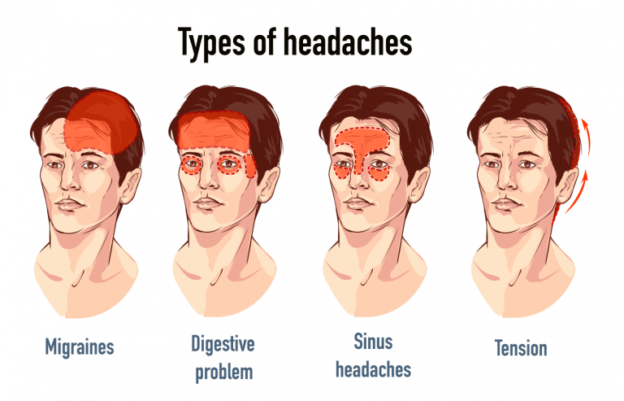
Common Types of Recurrent Headaches


  • Migraine headaches
  • Tension headaches
  • Cluster headaches
  • Cervicogenic headaches
  • Sinus-related headaches
  • Secondary headaches associated with neurological disorders


Doctors say migraine awareness remains important because migraines are often misunderstood as routine headaches. In reality, migraines are neurological conditions that may significantly affect emotional health, work productivity, sleep, and daily quality of life.


When Headaches May Require Medical Evaluation


Healthcare professionals explain that not every headache indicates a dangerous condition. However, certain headache warning signs should not be repeatedly ignored.


Important Neurological Symptoms Families Should Watch For


  • Sudden severe headaches
  • Headaches associated with vomiting
  • Speech difficulty
  • Weakness or numbness
  • Vision disturbances
  • Headaches waking patients from sleep
  • Confusion or personality changes
  • Seizures
  • Balance problems while walking


According to medical experts, these neurological symptoms do not automatically indicate severe disease, but they should encourage timely medical consultation rather than prolonged self-medication.


Common Causes of Recurrent Headaches


Several factors may contribute to recurrent headaches and migraine symptoms.


Lifestyle-Related Triggers


  • Stress and anxiety
  • Sleep deprivation
  • Excessive screen exposure
  • Dehydration
  • Irregular meals
  • Poor posture
  • Hormonal changes
  • High blood pressure


Neurological Conditions That May Occasionally Cause Headaches


  • Migraine disorders
  • Brain tumors
  • Hydrocephalus
  • Neurovascular conditions
  • Intracranial bleeding
  • Spine-related disorders
  • Infections affecting the brain


Doctors advise patients to avoid unnecessary panic because most headaches are treatable and manageable. However, persistent symptoms should not be continuously neglected.


The Importance of Brain Health Awareness


Public health awareness regarding brain health has become increasingly important as modern lifestyles continue affecting neurological wellness across different age groups.


How Lifestyle Habits Affect Brain Health


Experts emphasize that brain health is closely connected with everyday lifestyle habits.


Healthy Lifestyle Practices That May Reduce Headache Frequency


  • Adequate sleep
  • Regular hydration
  • Balanced nutrition
  • Physical activity
  • Stress reduction
  • Blood pressure management
  • Reduced screen time
  • Avoiding smoking and excessive alcohol intake

Read more about brain health and neurological wellness from the
World Health Organization.


Headaches in Children Should Not Be Ignored


Doctors at Dr. Rao’s International Institute of Neurosciences (Dr. Rao’s Hospital) also emphasize that recurrent headaches in children and adolescents deserve careful attention.


Symptoms Parents Should Watch For


  • Repeated headaches
  • Nausea or vomiting
  • Behavioral changes
  • Poor concentration
  • Visual discomfort
  • Sleep disturbances
  • Changes in school performance


Early pediatric neurological evaluation may help identify underlying causes and provide reassurance to families.


Why Self-Medication Can Be Risky


Healthcare specialists caution against excessive unsupervised use of pain medications for recurrent headaches.


Long-term self-medication may:


  • Delay proper diagnosis
  • Worsen headache frequency
  • Cause medication-overuse headaches
  • Mask important neurological symptoms


Doctors Recommend Maintaining a Headache Diary


Tracking headache patterns may help healthcare professionals understand triggers and recommend individualized treatment approaches.


  • Frequency
  • Severity
  • Duration
  • Sleep patterns
  • Dietary habits
  • Associated symptoms
  • Medication use


When to Seek Emergency Medical Attention


Doctors emphasize that certain symptoms require immediate emergency evaluation.


Emergency Warning Signs Include


  • Sudden collapse
  • Seizures
  • Stroke-like symptoms
  • Sudden vision loss
  • Persistent vomiting
  • Severe confusion
  • Head injury associated with headache


Learn more about stroke warning signs from the American Stroke Association.


Modern Neurology Care and Early Diagnosis


Advances in neurology care India have improved early diagnosis and management of neurological disorders through:


  • MRI imaging
  • CT scans
  • Neurological examinations
  • Advanced neurovascular imaging
  • Minimally invasive neurosurgery


Importantly, specialists emphasize that neurological evaluation does not automatically mean surgery. Many patients improve through lifestyle modification, migraine management, physiotherapy, medication adjustment, and preventive care.


Supporting Public Health Awareness About Neurological Symptoms


Doctors say one of the most important goals of public health awareness is helping families understand that neurological symptoms should not carry fear or stigma.


Encouraging timely evaluation, open conversations, and preventive neurological care may improve long-term brain health outcomes across communities.


Learn More About Neurology and Neurosurgery Care


Conclusion


Most recurrent headaches are manageable and treatable. However, persistent headaches associated with neurological symptoms deserve timely medical attention and professional evaluation.


Recognizing headache warning signs early, improving migraine awareness, maintaining healthy lifestyle practices, and seeking reliable medical guidance can help support better brain health and quality of life.


Contact Information

Dr. Rao’s International Institute of Neurosciences (Dr. Rao’s Hospital)

12-19-67, Old Bank Road, Kothapet, Besides AK biryani point,
Guntur, Andhra Pradesh, India

📞 +91 9010056444

📧 info@drraoshospitals.com

🌐

Home 2


Follow Dr. Mohana Rao Patibandla

📘 Facebook:
Facebook

📸 Instagram:
Instagram

📺 YouTube:
YouTube

💼 LinkedIn:
LinkedIn

🐦 X (Twitter):
X

Frequently Asked Questions About Recurrent Headaches


1. When should recurrent headaches become a medical concern?

Recurrent headaches should be medically evaluated if they become frequent, progressively severe, associated with vomiting, weakness, speech difficulty, seizures, balance problems, or visual disturbances. Persistent neurological symptoms should not be ignored.


2. What are the warning signs of serious headaches?

Headache warning signs may include sudden severe headache, headaches waking patients from sleep, vomiting, confusion, numbness, seizures, sudden vision changes, or stroke-like symptoms. These symptoms may require urgent neurological evaluation.


3. Can migraines affect brain health?

Migraines are neurological conditions that can significantly affect quality of life, emotional health, sleep, concentration, and productivity. Early migraine awareness and medical management may help reduce symptoms and improve daily functioning.


4. What causes recurrent headaches?

Common causes of recurrent headaches include stress, dehydration, poor sleep, excessive screen exposure, anxiety, migraine disorders, high blood pressure, hormonal changes, and certain neurological conditions.


5. Are recurrent headaches common in children?

Yes. Children and adolescents may experience recurrent headaches due to migraines, stress, sleep disturbances, vision problems, or neurological conditions. Parents should seek medical advice if headaches become severe, frequent, or associated with vomiting or behavioral changes.


6. Can stress and screen time trigger headaches?

Stress, sleep deprivation, excessive mobile phone usage, prolonged screen exposure, and poor posture may contribute to recurrent headaches and migraine symptoms in many individuals.


7. When should I seek emergency care for headaches?

Emergency medical attention is important if headaches are associated with sudden collapse, seizures, weakness, slurred speech, severe confusion, sudden vision loss, or head injury.


8. How are recurrent headaches diagnosed?

Neurological evaluation may include clinical examination, medical history review, MRI scans, CT scans, and other advanced imaging studies depending on symptoms and associated neurological findings.


9. Can recurrent headaches be prevented?

Many headaches may improve with preventive measures including adequate sleep, hydration, regular exercise, stress management, balanced nutrition, blood pressure control, and reduced screen exposure.


10. Where can patients seek neurological evaluation for recurrent headaches in Andhra Pradesh?

Patients experiencing persistent headaches, migraine symptoms, or neurological symptoms may seek evaluation at Dr. Rao’s International Institute of Neurosciences (Dr. Rao’s Hospital), Guntur, Andhra Pradesh, India.



Keywords: recurrent headaches, migraine awareness, brain health, neurological symptoms, headache warning signs, public health awareness, neurology care India, persistent headaches, migraine symptoms, brain tumor symptoms, stroke warning signs, headache treatment India


Source Reference

This article is based on the public health awareness press release:Why Recurrent Headaches Should Not Be Ignored, Doctors Advise Families


Source publication featured via EINPresswire distribution and referenced by The National Law Review.


Medical insights and expert commentary provided by Dr. Mohana Rao Patibandla, Neurosurgeon and Founder of Dr. Rao’s International Institute of Neurosciences (Dr. Rao’s Hospital), Guntur, Andhra Pradesh, India.


the-best-minimally-invasive-neurosurgery-spine-surgery-at-dr-raos

How to Choose the Right Neurosurgeon – Dr. Rao’s International Institute of Neurosciences


How Patients Can Identify the Right Neurosurgeon: Trust, Ethics, Communication, and Advanced Care


Choosing a neurosurgeon is one of the most important healthcare decisions a patient or family may ever face. Neurological disorders involving the brain, spine, and nervous system often arrive unexpectedly and create tremendous emotional stress, uncertainty, and fear.


Unlike many routine medical decisions, neurological treatment frequently involves life-changing conversations regarding surgery, rehabilitation, long-term recovery, and quality of life. During such difficult moments, patients naturally search for reassurance, expertise, and guidance.


However, in today’s digital healthcare landscape, patients are often overwhelmed by online reviews, hospital advertisements, social media visibility, conflicting medical information, and unfamiliar technical terminology.


A recent FindATopDoc feature explored this growing challenge and presented an in-depth conversation with Dr. Mohana Rao Patibandla regarding how patients can identify the right neurosurgeon through trust, ethics, compassion, communication, and advanced patient-centered care.


Primary Source:

FindATopDoc – How Patients Can Identify the Right Neurosurgeon: A Conversation on Trust, Ethics, and Advanced Care


Why Choosing the Right Neurosurgeon Matters


Neurological disorders are often highly complex and emotionally overwhelming. Conditions such as brain tumors, stroke, spinal cord compression, aneurysms, epilepsy, traumatic brain injury, and degenerative spine diseases can affect:


  • Movement
  • Speech
  • Memory
  • Balance
  • Sensation
  • Quality of life


For patients and families, choosing the right doctor involves far more than simply selecting a hospital with advanced technology.


As highlighted in the FindATopDoc article, patients increasingly ask important questions:


  • Is the doctor experienced?
  • Will the doctor communicate honestly?
  • Are recommendations ethical?
  • Will the surgeon prioritize patient welfare?
  • Does the institution provide multidisciplinary care?


FindATopDoc – How Patients Can Identify the Right Neurosurgeon: A Conversation on Trust, Ethics, and Advanced Care


Ultimately, patients are not only looking for technical expertise. They are looking for trust.


Clinical Expertise and Specialized Training


One of the first factors patients should evaluate is the neurosurgeon’s training and experience.


Neurosurgery is one of the most technically demanding specialties in medicine. Brain and spine procedures often require extraordinary precision because even small errors can affect critical neurological functions.


According to the interview, patients should look for:


  • Advanced training
  • Experience with similar conditions
  • Specialized expertise
  • Multidisciplinary support systems
  • Access to advanced technologies


FindATopDoc – How Patients Can Identify the Right Neurosurgeon: A Conversation on Trust, Ethics, and Advanced Care


International exposure and subspecialty fellowships can also provide additional expertise in highly specialized areas such as:


  • Minimally invasive neurosurgery
  • Skull base surgery
  • Endovascular neurosurgery
  • Pediatric neurosurgery
  • Neuro-oncology
  • Functional neurosurgery


External Source: American Association of Neurological Surgeons


Communication Is as Important as Technology


One of the strongest themes throughout the interview is the importance of communication in neurological care.


Patients facing neurological disorders are often emotionally exhausted and frightened. Medical terminology can be confusing, and online information frequently increases anxiety rather than reducing it.


Dr. Mohana Rao Patibandla emphasized that patients should feel comfortable asking questions regarding:


  • Their diagnosis
  • Treatment options
  • Whether surgery is necessary
  • Risks and outcomes
  • Alternative treatments
  • Recovery expectations


FindATopDoc – How Patients Can Identify the Right Neurosurgeon: A Conversation on Trust, Ethics, and Advanced Care


A trustworthy doctor does not create fear. Instead, a good doctor creates clarity, understanding, and confidence.


Communication is not simply an administrative process in medicine. It is part of healing itself.


The Emotional Side of Neurosurgery


Neurosurgery is not only technically challenging; it is emotionally intense for patients and families.


People facing neurological conditions often experience:


  • Fear of disability
  • Anxiety about surgery
  • Financial stress
  • Uncertainty about recovery
  • Emotional exhaustion


The FindATopDoc feature highlights that compassion and empathy are essential qualities in modern healthcare. FindATopDoc – How Patients Can Identify the Right Neurosurgeon: A Conversation on Trust, Ethics, and Advanced Care


Patients frequently remember how they were treated emotionally long after they forget technical medical details.


Sometimes, reassurance, patience, and honest communication can reduce anxiety more effectively than medications.


Patient-centered care recognizes that healthcare is not merely about procedures and technology — it is about helping people navigate vulnerable moments with dignity and hope.


Why Ethics Matter in Modern Healthcare


Modern medicine has access to extraordinary technology and advanced treatment options. However, technology alone cannot define quality healthcare.


Ethics remains the foundation of medicine.


The interview strongly emphasizes that patients trust doctors with:


  • Their health
  • Their emotions
  • Their finances
  • Their future


That trust should never be misused.


According to Dr. Patibandla, ethical healthcare involves


  • Recommending only necessary treatments
  • Avoiding unnecessary interventions
  • Transparent communication
  • Respecting patient dignity
  • Prioritizing patient welfare


FindATopDoc – How Patients Can Identify the Right Neurosurgeon: A Conversation on Trust, Ethics, and Advanced Care


Patients should never feel pressured into treatment decisions. Instead, they should feel informed, respected, and supported.


The Rise of Minimally Invasive Neurosurgery


Modern neurosurgery has evolved dramatically through minimally invasive approaches.


Advanced techniques now allow selected procedures to be performed using:


  • Smaller incisions
  • Endoscopic approaches
  • Microsurgical techniques
  • Neuronavigation systems
  • Minimally invasive spine surgery


These advancements help:


  • Reduce tissue disruption
  • Improve recovery
  • Minimize postoperative pain
  • Shorten hospital stays
  • Enhance rehabilitation


The article highlights that technology should serve patients rather than becoming an end in itself. Treatment decisions must always be individualized based on the patient’s actual needs.

FindATopDoc – How Patients Can Identify the Right Neurosurgeon: A Conversation on Trust, Ethics, and Advanced Care


Minimally Invasive Neurosurgery at Dr. Rao’s Hospital


Advanced Neurosciences Beyond Metro Cities


One of the most important themes discussed in the interview is healthcare accessibility outside major metropolitan regions.


For decades, advanced neurological care remained concentrated primarily within major Indian metro cities. Patients from smaller towns often traveled long distances for specialized treatment.


The article explains that Dr. Patibandla returned to Andhra Pradesh after extensive international training to help bridge this gap and improve advanced neurosciences accessibility in regional India.


FindATopDoc – How Patients Can Identify the Right Neurosurgeon: A Conversation on Trust, Ethics, and Advanced Care


Today, advanced neuroscience centers are increasingly helping patients receive:


  • Brain tumor surgery
  • Stroke intervention
  • Spine surgery
  • Endovascular treatment
  • Neurocritical care
  • Pediatric neurosurgery


closer to home. Dr. Rao’s Hospital – International Institute of Neurosciences


Why Patients Should Ask Questions


The interview strongly encourages patients and families to actively participate in medical decision-making.


Patients should ask:


  • What is my diagnosis?
  • Why is this treatment necessary?
  • What are the risks?
  • Are there alternatives?
  • What is the recovery process?
  • What happens if treatment is delayed?


FindATopDoc – How Patients Can Identify the Right Neurosurgeon: A Conversation on Trust, Ethics, and Advanced Care


A trustworthy doctor welcomes informed questions and values patient understanding.


Clear communication helps reduce fear while improving confidence and treatment adherence.


Humility and Lifelong Learning in Medicine


Medicine constantly evolves.


New technologies, research, surgical techniques, rehabilitation methods, and treatment protocols continue to transform neurosciences every year.


The FindATopDoc interview highlights the importance of humility and lifelong learning in healthcare. FindATopDoc – How Patients Can Identify the Right Neurosurgeon: A Conversation on Trust, Ethics, and Advanced Care


A great doctor continues learning throughout life while remaining compassionate and grounded.


Technical skill alone is not enough. Integrity, empathy, communication, and ethical responsibility remain equally important.


The Human Side of Healthcare


The editorial reflection concluding the interview presents perhaps the most powerful message:


Patients are not merely searching for advanced technology. They are searching for humanity.


Families remember:


  • Kindness
  • Honesty
  • Reassurance
  • Transparency
  • Respect


long after medical treatment is completed.


Modern healthcare systems must balance:


  • Advanced technology
  • Surgical excellence
  • Ethics
  • Compassion
  • Patient-centered care


FindATopDoc – How Patients Can Identify the Right Neurosurgeon: A Conversation on Trust, Ethics, and Advanced Care


The Future of Neurosciences in India


India’s neurosciences ecosystem continues to evolve rapidly through:


  • Advanced minimally invasive surgery
  • Endovascular techniques
  • Robotic assistance
  • AI-assisted diagnostics
  • Improved neurocritical care
  • Regional neuroscience expansion


However, the future of healthcare will depend not only on technology but also on maintaining trust between doctors and patients.


As neurological care becomes increasingly sophisticated, compassion, ethics, transparency, and communication will remain central to meaningful healthcare delivery.


Conclusion


Choosing the right neurosurgeon is about much more than hospital advertisements or technological infrastructure alone.


Patients should look for a balance of:


  • Clinical expertise
  • Ethical decision-making
  • Transparent communication
  • Compassion
  • Patient-centered care
  • Advanced technology


The FindATopDoc feature reminds us that trust remains one of the most important foundations of medicine.


Ultimately, patients are not only seeking successful surgery. They are seeking reassurance, clarity, dignity, hope, and humane care during some of the most vulnerable moments of life.


Frequently Asked Questions (FAQ)

1. How do I choose the right neurosurgeon?

Evaluate expertise, communication, ethics, hospital infrastructure, patient-centered care, and experience with similar neurological conditions.

2. Why is communication important in neurosurgery?

Clear communication reduces anxiety and helps patients understand diagnoses, treatment options, and recovery expectations.

3. What is minimally invasive neurosurgery?

It involves advanced techniques using smaller incisions and precision-guided technologies to improve recovery and reduce tissue disruption.

4. Why is ethics important in healthcare?

Ethical medicine ensures patient welfare, transparency, informed decisions, and avoidance of unnecessary interventions.

5. What should patients ask before surgery?

Patients should understand the diagnosis, treatment necessity, risks, alternatives, expected outcomes, and recovery process.


Internal Links


Call To Action

If you or your loved one is facing a neurological condition involving the brain, spine, or nerves, timely specialist evaluation and trusted medical guidance are essential.


Dr. Rao’s Hospital – International Institute of Neurosciences
12-19-67, Old Bank Road, Kothapet, Besides AK Biryani Point, Guntur, Andhra Pradesh

Phone: +91 9010056444

Email: info@drraoshospitals.com

Website: https://drraoshospitals.com/


Connect With Us


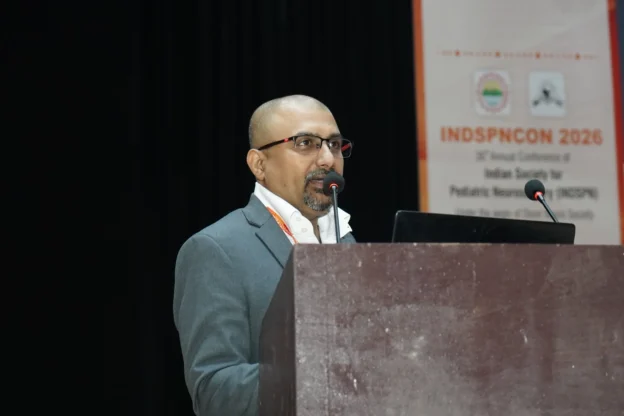
Dr Mohana Rao Patibandla speaking at INDSPNCON 2026 about advanced pediatric neurosurgery techniques including minimally invasive brain surgery and neuro-navigation at Dr Rao’s International Institute of Neurosciences

Independent Neurosciences Center in Andhra Pradesh – Dr. Rao’s International Institute of Neurosciences

Building Andhra Pradesh’s Independent Neurosciences Center: Vision, Challenges, and the Future of Advanced Neurological Care


India’s healthcare sector has witnessed tremendous growth over the last two decades. From robotic surgeries to advanced imaging and precision-based interventions, Indian medicine has rapidly evolved into one of the world’s fastest-growing healthcare ecosystems. Yet despite these advancements, access to specialized neurosciences care remains unevenly distributed across the country. 
Most advanced neurological and neurosurgical infrastructure continues to remain concentrated in metropolitan cities such as Delhi, Mumbai, Hyderabad, Chennai, and Bengaluru. For patients living in regional India, accessing advanced brain, spine, and nerve care often still involves long-distance travel, delayed diagnosis, financial hardship, and emotional strain.


A recent Outlook India feature explored this growing challenge and highlighted the efforts of Dr. Mohana Rao Patibandla in developing Andhra Pradesh’s independent neurosciences ecosystem through Dr. Rao’s Hospital – International Institute of Neurosciences in Guntur.


Primary Source: Outlook India – Dr. Mohana Rao Patibandla On Building Andhra Pradesh’s Independent Neurosciences Center


The Need for Advanced Neurosciences Beyond Metro Cities


India’s neurological disease burden is increasing rapidly. Stroke, brain tumors, traumatic brain injuries, epilepsy, spinal disorders, Parkinson’s disease, and neurodegenerative conditions are becoming more common due to:


  • Increased life expectancy
  • Urban lifestyles and stress
  • Road traffic accidents
  • Hypertension and diabetes
  • Improved awareness and diagnostics
  • An aging population


According to the World Health Organization, neurological disorders are among the leading causes of disability and death globally. In India, the challenge is amplified because advanced neuroscience services are not equally accessible across all regions.


External Source: WHO – Neurological Disorders


The Outlook India article emphasized that patients in regional India frequently face long travel distances, delayed treatment, and major financial burdens while seeking neurological care. Outlook India


Why Neurosciences Require Specialized Ecosystems


Unlike many other medical specialties, neurosciences are highly time-sensitive and multidisciplinary. Successful neurological treatment often depends on coordinated systems involving:


  • Advanced neuroimaging
  • Emergency stroke intervention
  • Neurocritical care
  • Operating microscopes
  • Neuronavigation systems
  • Intraoperative neuromonitoring
  • Rehabilitation teams
  • Specialized ICU care


Dedicated neuroscience centers are designed specifically around integrated neurological pathways. This improves precision, efficiency, continuity of care, and long-term patient outcomes.


Stroke care, for example, requires rapid imaging, neurologists, neurosurgeons, catheter-based thrombectomy systems, intensive care specialists, and rehabilitation services — all functioning together within critical time windows.


The Challenge of Building Independent Neuroscience Infrastructure


Building a comprehensive independent neurosciences center outside metropolitan India is an enormous undertaking. The Outlook India feature highlighted that such institutions require:


  • Large-scale investment
  • Advanced technology
  • Highly trained manpower
  • Long-term sustainability planning
  • Academic and research integration
  • Multidisciplinary coordination


Recruiting experienced specialists in regional locations can be difficult. Maintaining sophisticated technologies such as neuro-navigation, hybrid operating rooms, advanced imaging systems, and endovascular equipment requires both expertise and infrastructure.


Public awareness also remains a challenge. Many patients continue to ignore warning signs such as severe headaches, weakness, seizures, speech difficulty, or persistent spinal pain until the condition becomes advanced.


Dr. Mohana Rao Patibandla’s Vision for Regional Neurosciences


The Outlook India report describes Dr. Mohana Rao Patibandla as part of a broader movement transforming advanced neurosciences in regional India.


Through Dr. Rao’s Hospital – International Institute of Neurosciences

,
Dr. Patibandla has focused on building advanced neurological care systems outside traditional metropolitan healthcare corridors.


His international training across multiple subspecialties has contributed to this vision, including:


  • Minimally invasive skull base surgery
  • Pediatric neurosurgery
  • Neuro-oncology
  • Functional neurosurgery
  • Endovascular neurosurgery
  • Cerebrovascular surgery


Outlook India

This multidisciplinary expertise reflects the future direction of neurosciences globally, where integrated neurological systems play a crucial role in patient-centered care.


The Rise of Minimally Invasive Neurosurgery


Modern neurosurgery is rapidly shifting toward minimally invasive approaches. These advanced techniques help reduce:


  • Surgical trauma
  • Blood loss
  • Hospital stay duration
  • Postoperative pain
  • Recovery time


Today’s advanced neurosurgical technologies include:


  • Endoscopic brain surgery
  • Minimally invasive spine surgery
  • Endoscopic skull base surgery
  • Neuronavigation systems
  • Microscopic neurosurgery
  • Robotic assistance


Internal Link: Minimally Invasive Neurosurgery at Dr. Rao’s Hospital


These innovations are helping regional neuroscience centers provide world-class treatment standards closer to patients’ homes.


Artificial Intelligence and the Future of Neurosciences


One of the most important themes highlighted in the Outlook India article is the growing role of artificial intelligence and robotics in modern neurological care.


AI-assisted technologies are increasingly helping doctors with:


  • Early stroke detection
  • Brain tumor analysis
  • Neuroimaging interpretation
  • Surgical planning
  • Predictive analytics
  • Outcome forecasting


Meanwhile, robotic systems and navigation-assisted surgeries are improving surgical precision while reducing complications.


The article notes that these advanced technologies are gradually becoming accessible beyond global metropolitan centers and are being integrated into regional neuroscience institutions in India. Outlook India


Endovascular Neurosurgery and Stroke Revolution


Endovascular neurosurgery has revolutionized the management of stroke and cerebrovascular diseases.


Using catheter-based minimally invasive approaches, specialists can now treat:


  • Brain aneurysms
  • Arteriovenous malformations (AVMs)
  • Acute ischemic stroke
  • Vascular blockages
  • Cerebrovascular disorders


This technology allows faster recovery and reduced surgical morbidity compared to traditional open procedures in selected cases.


Stroke intervention systems are particularly important in India because stroke rates continue to rise significantly.


External Source: American Stroke Association – Stroke Information


Why Research and Education Matter


Advanced neuroscience centers are not just treatment facilities. They also serve as hubs for:


  • Medical education
  • Clinical research
  • Training programs
  • Innovation
  • Community outreach
  • Evidence-based medicine


The Outlook India feature emphasized the importance of academic ecosystems surrounding neurosciences institutions. Outlook India


Research in India is becoming increasingly important in areas such as:


  • Stroke prevention
  • Neuro-oncology
  • Neurotrauma
  • Pediatric neurological disorders
  • Minimally invasive surgery
  • Degenerative spine disease


Regional institutions can contribute valuable clinical data reflecting India’s unique disease patterns and demographics.


The Future of Neurosciences in Regional India


The future of Indian healthcare will depend heavily on decentralization. The traditional model of concentrating advanced care only in metropolitan cities is no longer sustainable.


Patients increasingly expect sophisticated treatment closer to home, and regional neuroscience institutions are beginning to fulfill that expectation.


The Outlook India article highlights that the development of independent neuroscience centers represents a broader transformation in healthcare philosophy — one focused on accessibility, expertise, equity, and patient-centered care. Outlook India


Over the coming decade, India is likely to witness:


  • Expansion of regional neuroscience hubs
  • AI-integrated neurological diagnostics
  • Growth of robotic surgery
  • Advanced tele-neurology systems
  • Improved stroke networks
  • Academic neuroscience collaborations
  • Increased focus on rehabilitation


This transition could dramatically improve neurological healthcare accessibility across the country.


Conclusion


India’s neurological healthcare demands are growing rapidly, and the need for advanced neuroscience ecosystems outside metropolitan cities has become increasingly urgent.


The development of independent neuroscience centers represents more than infrastructure alone. It reflects a larger commitment toward healthcare accessibility, technological advancement, research, education, and equitable treatment for regional populations.


As highlighted in the Outlook India feature, institutions such as Dr. Rao’s Hospital – International Institute of Neurosciences

demonstrate how advanced neurosciences can successfully evolve in regional India when expertise, vision, and patient-centered care converge.


The future of Indian neurosciences may ultimately depend not only on technological advancement but also on how effectively those innovations reach the millions of patients who need them most.


Frequently Asked Questions (FAQ)

1. Why are independent neuroscience centers important?

They improve access to specialized neurological care for patients living outside metropolitan cities.

2. What conditions are treated in advanced neuroscience centers?

Stroke, brain tumors, epilepsy, spinal disorders, neurovascular diseases, neurotrauma, and degenerative neurological conditions.

3. What is endovascular neurosurgery?

A minimally invasive catheter-based treatment used for stroke, aneurysms, and cerebrovascular diseases.

4. How does AI help neurosciences?

Artificial intelligence assists with neuroimaging, diagnostics, surgical planning, and predictive analytics.

5. Why is minimally invasive neurosurgery beneficial?

It reduces surgical trauma, shortens recovery time, and improves patient outcomes.


Internal Links


Call To Action

If you or your loved one is experiencing neurological symptoms such as stroke warning signs, seizures, spinal pain, weakness, severe headaches, or neurological deficits, early expert evaluation is critical.

Dr. Rao’s Hospital – International Institute of Neurosciences
12-19-67, Old Bank Road, Kothapet, Guntur, Andhra Pradesh
Phone: +91 9010056444
Email: info@drraoshospitals.com
Website: https://drraoshospitals.com


Connect With Us