Tag Archives: BrainPath surgery India

Dr Mohana Rao Patibandla presenting India’s first BrainPath-assisted parafascicular intraventricular tumor surgery series at NSI 2025

BrainPath Minimally Invasive Brain Surgery Revolution in India – Dr. Rao’s International Institute of Neurosciences


How BrainPath Minimally Invasive Brain Surgery Is Transforming Neurosurgical Care in India


Modern neurosurgery is evolving rapidly through the integration of advanced technology, precision-guided surgical systems, minimally invasive approaches, and sophisticated neuroimaging techniques.


Traditionally, many brain surgeries required large surgical openings and extensive manipulation of surrounding brain tissue to reach deep-seated lesions. While such approaches often saved lives, they could also involve longer recovery periods, greater tissue disruption, and increased postoperative challenges.


Today, minimally invasive neurosurgery is transforming this landscape by allowing surgeons to access difficult brain regions using smaller, safer, and more precise pathways.


A recent ET HealthWorld feature highlighted a major milestone in Indian neurosciences: Dr. Mohana Rao Patibandla leading the introduction of BrainPath minimally invasive brain surgery technology at Dr. Rao’s Hospital – International Institute of Neurosciences in Guntur, Andhra Pradesh.

Primary Source: ET HealthWorld – Dr. Mohana Rao Patibandla Leads Dr. Rao’s Hospital in Pioneering Minimally Invasive Brain Surgery with BrainPath System


Understanding the Challenges of Traditional Brain Surgery


The human brain is one of the most delicate and complex organs in the body.


Deep brain lesions often lie within areas surrounded by:


  • Critical nerve pathways
  • Motor centers
  • Speech regions
  • Memory circuits
  • Vital blood vessels


Traditional surgical approaches sometimes required surgeons to navigate through healthy brain tissue to reach deeply located tumors, hemorrhages, or lesions.


Although modern microsurgical techniques significantly improved safety over decades, reducing tissue disruption remained a major goal in neurosurgery.


The ET HealthWorld article emphasizes how BrainPath technology represents a major advancement in achieving safer access to deep-seated brain pathology.


American Association of Neurological Surgeons


What Is BrainPath Minimally Invasive Brain Surgery?


BrainPath is an advanced minimally invasive neurosurgical system designed to create a gentle and minimally disruptive pathway through the brain to reach deep lesions.


According to the ET HealthWorld article, the technology enables surgeons to access difficult brain regions with reduced trauma to surrounding tissues.


The BrainPath system works through:


  • Image-guided navigation
  • Tubular access systems
  • Minimally disruptive tissue corridors
  • Microsurgical precision


Instead of cutting through brain tissue extensively, the system gently displaces surrounding tissue along natural pathways to create access toward deep lesions.


This approach may reduce surgical trauma while improving precision and visualization.


The Importance of Minimally Invasive Neurosurgery


Minimally invasive neurosurgery represents one of the most important evolutions in modern brain and spine surgery.


The ET HealthWorld article highlights several advantages associated with minimally invasive procedures performed using BrainPath technology.


Potential benefits may include:


  • Reduced trauma to surrounding tissue
  • Less blood loss
  • Shorter hospital stay
  • Faster recovery
  • Reduced postoperative discomfort
  • Enhanced surgical precision


In modern neurosurgery, preserving neurological function remains one of the highest priorities.


Technologies that minimize tissue disruption may therefore significantly influence postoperative outcomes and rehabilitation.


Minimally Invasive Neurosurgery at Dr. Rao’s Hospital


Advanced Imaging and Neuronavigation


The ET HealthWorld article also highlights the integration of advanced neuronavigation and neuromonitoring systems alongside BrainPath surgery.


Modern neuronavigation systems function similarly to GPS-guided surgery by helping surgeons identify:


  • Lesion location
  • Critical brain structures
  • Safe surgical corridors
  • Important vascular anatomy


Combined with high-resolution MRI imaging and intraoperative monitoring, these technologies improve:


  • Surgical planning
  • Precision
  • Safety
  • Neurological preservation


Advanced neurotechnology continues reshaping how complex brain surgeries are performed globally.


Applications of BrainPath Technology


BrainPath minimally invasive systems may be used in selected patients with:


  • Deep brain tumors
  • Intracerebral hemorrhage
  • Metastatic lesions
  • Colloid cysts
  • Deep-seated neurological abnormalities


The technology is particularly valuable when lesions are located within regions that are traditionally difficult to access safely.


However, patient selection remains extremely important because not every lesion or condition is suitable for minimally invasive approaches.


Treatment planning typically depends on:


  • Lesion location
  • Tumor type
  • Brain anatomy
  • Neurological status
  • Overall patient condition


Why This Innovation Matters in India


The ET HealthWorld feature describes the BrainPath milestone at Dr. Rao’s Hospital as a pioneering advancement for Guntur and India.


Historically, many advanced neurosurgical technologies became available primarily within major metropolitan centers.


Patients from regional areas frequently faced:


  • Travel burden
  • Financial stress
  • Treatment delays
  • Limited specialist accessibility


The availability of advanced minimally invasive neurosurgical systems within regional India represents a major step toward decentralizing healthcare excellence.


Regional neuroscience centers can help improve:


  • Accessibility
  • Emergency care
  • Continuity of rehabilitation
  • Patient convenience


Dr. Mohana Rao Patibandla’s Vision


According to the ET HealthWorld article, Dr. Mohana Rao Patibandla emphasized that introducing BrainPath technology reflects an ongoing commitment toward innovation and advanced patient care.


Modern neurosciences require continuous adaptation because surgical technologies evolve rapidly.


The article highlights how innovation-driven healthcare systems help provide patients with access to cutting-edge treatments previously unavailable in many regions.


Internationally trained neurosurgeons increasingly combine:


  • Advanced technology
  • Precision surgery
  • Evidence-based medicine
  • Minimally invasive systems
  • Patient-centered treatment


to improve neurological outcomes.


The Future of Brain Surgery


Neurosurgery continues evolving toward:


  • Smaller surgical corridors
  • Higher precision
  • Enhanced visualization
  • AI-assisted planning
  • Robotic integration
  • Function-preserving surgery


Future innovations may further reduce surgical trauma while improving patient recovery and long-term neurological outcomes.


Technologies such as BrainPath represent part of a broader global shift toward minimally disruptive neurosurgery.


Mayo Clinic – Minimally Invasive Surgery


The Human Side of Innovation


While technology remains essential, successful neurological care still depends heavily on:


  • Clinical judgment
  • Patient communication
  • Ethical treatment planning
  • Multidisciplinary teamwork
  • Long-term rehabilitation support


Every neurological condition affects not only the brain but also the emotional wellbeing of patients and families.


Patients facing brain surgery often experience:


  • Anxiety
  • Fear
  • Uncertainty
  • Concerns regarding recovery
  • Questions regarding neurological function


Compassionate care and clear communication therefore remain central to modern neurosciences.


India’s Growing Role in Advanced Neurosciences


India is increasingly emerging as an important global destination for advanced medical care because of:


  • Highly trained specialists
  • Advanced infrastructure
  • Technology integration
  • Affordable treatment accessibility


The introduction of advanced technologies such as BrainPath in regional India further strengthens the country’s growing neurosciences ecosystem.


Future healthcare development will likely depend on:


  • Accessibility beyond metro cities
  • Advanced training
  • Innovation-driven institutions
  • Ethical healthcare systems
  • Continuous technological adaptation


Conclusion


The ET HealthWorld feature highlights an important milestone in Indian neurosciences through the introduction of BrainPath minimally invasive brain surgery technology at Dr. Rao’s Hospital – International Institute of Neurosciences

.

Modern brain surgery continues evolving toward greater precision, smaller surgical corridors, reduced tissue trauma, and improved patient recovery.


Technologies such as BrainPath demonstrate how innovation can potentially improve neurosurgical safety while expanding access to advanced care within regional India.


As neurosciences continue advancing globally, institutions that combine technology, expertise, compassion, and patient-centered care are likely to shape the future of neurological healthcare across India.


Frequently Asked Questions (FAQ)


1. What is BrainPath surgery?

BrainPath surgery is a minimally invasive neurosurgical technique designed to access deep brain lesions using minimally disruptive pathways.


2. What are the advantages of minimally invasive brain surgery?

Advantages may include reduced tissue trauma, less blood loss, shorter hospitalization, and faster recovery.


3. What conditions may be treated using BrainPath technology?

Selected deep brain tumors, intracerebral hemorrhages, and deep-seated lesions may be approached using BrainPath systems.


4. Why is neuronavigation important?

Neuronavigation helps surgeons identify precise lesion location and safer surgical corridors during brain surgery.


5. Who is Dr. Mohana Rao Patibandla?

Dr. Mohana Rao Patibandla is an internationally trained neurosurgeon and founder of Dr. Rao’s Hospital – International Institute of Neurosciences.


Keywords

best neurosurgeon in Guntur, best neurologist in Guntur, best spine surgeon in Guntur, BrainPath surgery India, minimally invasive brain surgery India, Dr Mohana Rao Patibandla, Dr Rao Hospital Guntur, advanced neurosurgery India, BrainPath system Guntur, International Institute of Neurosciences, minimally invasive neurosurgery India, neuronavigation India, advanced brain surgery India, deep brain tumor surgery India, minimally invasive brain tumor surgery India, neurotechnology India, advanced neurosciences India, brain spine and nerve hospital India, advanced healthcare India, endoscopic brain surgery India, microsurgical brain surgery India, brain hemorrhage surgery India, intracerebral hemorrhage surgery India, neuro oncology India, modern neurosurgery India, advanced neurological treatment India, minimally invasive surgery India, precision brain surgery India, stroke intervention India, advanced spine surgery India, healthcare innovation India, neuroscience excellence India, advanced medical technology India, regional neuroscience center India, advanced rehabilitation India, neurocritical care India, patient centered neurological care India, top neurosurgery hospital India, advanced neuroscience center Andhra Pradesh


Internal Links


Call To Action

If you or your loved one is experiencing neurological symptoms such as persistent headaches, seizures, weakness, stroke warning signs, brain tumors, or spinal disorders, timely expert evaluation is essential.


Dr. Rao’s Hospital – International Institute of Neurosciences
12-19-67, Old Bank Road, Kothapet, Besides AK Biryani Point, Guntur, Andhra Pradesh

Phone: +91 9010056444

Email: info@drraoshospitals.com

Website: https://drraoshospitals.com/


Connect With Us

“`
Sardar patel award 2025

How Minimally Invasive Neurosurgery Is Transforming Neurological Care in India – Dr. Rao’s International Institute of Neurosciences


How Minimally Invasive Neurosurgery Is Transforming Brain and Spine Care Across India


Modern neurosurgery is evolving rapidly through advanced technologies, precision-guided systems, minimally invasive techniques, and sophisticated neuroimaging innovations.


For decades, many neurological and spinal surgeries required larger incisions, greater tissue manipulation, prolonged hospitalization, and extended rehabilitation periods.


Today, minimally invasive neurosurgery is reshaping neurological care by enabling surgeons to treat selected brain and spine disorders through smaller surgical corridors while preserving critical neurological structures.


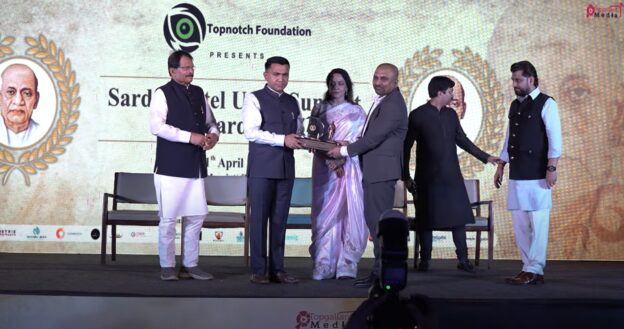
A recent ET CISO / Economic Times feature highlighted this transformation through the national recognition awarded to Dr. Mohana Rao Patibandla at the Sardar Patel Unity Summit & Awards 2025, where he was honored as India’s Best Minimally Invasive Neurosurgeon.


Primary Source: Economic Times / ET CISO – Dr. Mohana Rao Patibandla Honored as India’s Best Minimally Invasive Neurosurgeon at Sardar Patel Unity Summit & Awards 2025


The Evolution of Neurosurgery


Neurosurgery remains one of the most technically demanding fields in modern medicine because it involves delicate structures including:


  • The brain
  • Spinal cord
  • Cranial nerves
  • Peripheral nerves
  • Critical vascular systems


Even minor surgical inaccuracies may potentially affect:


  • Movement
  • Speech
  • Memory
  • Vision
  • Cognition
  • Long-term neurological independence


Historically, neurosurgical procedures often required larger surgical exposures to access deeply located lesions or spinal pathologies.


Modern minimally invasive technologies now allow selected procedures to be performed through smaller and more precise approaches while minimizing disruption to surrounding tissues.


American Association of Neurological Surgeons


What Is Minimally Invasive Neurosurgery?


Minimally invasive neurosurgery involves advanced surgical techniques designed to reduce tissue disruption while improving surgical precision and patient recovery.


According to the Economic Times article, Dr. Mohana Rao Patibandla has played an important role in introducing advanced minimally invasive technologies and procedures to regional India.


Modern minimally invasive neurosurgical systems may involve:


  • Endoscopic surgery
  • Neuronavigation systems
  • Microsurgical techniques
  • Tubular access systems
  • Advanced neuroimaging
  • Intraoperative monitoring


These approaches aim to preserve normal neurological structures while improving treatment precision.


Advantages of Minimally Invasive Brain and Spine Surgery


The shift toward minimally invasive surgery has significantly transformed modern neurological care.


Potential advantages may include:


  • Smaller incisions
  • Reduced blood loss
  • Less postoperative pain
  • Shorter hospitalization
  • Faster rehabilitation
  • Reduced tissue trauma


The article highlights how Dr. Patibandla’s work in minimally invasive neurosurgery has helped improve patient outcomes and accessibility to advanced treatments.


Modern surgical philosophy increasingly focuses on preserving function while maximizing precision.


Minimally Invasive Neurosurgery at Dr. Rao’s Hospital


BrainPath and Advanced Neurosurgical Innovation


The Economic Times article also references the introduction of advanced BrainPath minimally invasive surgery systems at Dr. Rao’s Hospital – International Institute of Neurosciences.


BrainPath technology allows surgeons to create minimally disruptive pathways toward deep brain lesions using advanced tubular access systems and neuronavigation guidance.


This technology may help reduce trauma to surrounding brain tissue while improving visualization and surgical access.


Advanced innovations such as:


  • BrainPath systems
  • Endoscopic surgery
  • Microsurgical navigation
  • Intraoperative imaging


are gradually transforming modern neurosurgical care globally.


The Importance of Neuronavigation and Advanced Imaging


Modern neurosurgery depends heavily on precision-guided technologies.


Neuronavigation systems function similarly to GPS-guided surgical mapping by helping surgeons identify:


  • Precise lesion location
  • Safe surgical corridors
  • Critical vascular anatomy
  • Functional brain regions


Combined with advanced MRI imaging and intraoperative monitoring, these technologies improve:


  • Surgical planning
  • Safety
  • Precision
  • Neurological preservation


Modern neuroscience centers increasingly rely on integrated technology-driven surgical systems.


The Journey of Dr. Mohana Rao Patibandla


According to the article, Dr. Mohana Rao Patibandla’s professional journey reflects extensive international training, advanced expertise, and a commitment toward improving healthcare accessibility in regional India.


The article describes his exposure to advanced neurosurgical and endovascular techniques abroad, including training opportunities in the United States.


International exposure often provides specialists with experience in:


  • Research-oriented healthcare
  • Advanced surgical systems
  • Evidence-based medicine
  • Complex multidisciplinary treatment
  • Technology-driven innovation


Such training frequently shapes long-term healthcare leadership and institutional vision.


The Importance of Regional Healthcare Accessibility


One of the strongest themes highlighted in the article is the importance of bringing advanced neurosciences care to underserved communities and regional India.


Historically, patients requiring advanced neurological care often traveled to metropolitan cities for:


  • Complex brain surgery
  • Stroke intervention
  • Spine surgery
  • Neuro-oncology care
  • Endovascular procedures


This frequently created:


  • Financial burden
  • Treatment delays
  • Interrupted rehabilitation
  • Accessibility challenges


Regional neuroscience systems help improve:


  • Emergency care accessibility
  • Continuity of treatment
  • Long-term rehabilitation
  • Patient convenience


The article highlights how Dr. Rao’s Hospital has helped establish advanced neurosciences infrastructure within Guntur and Andhra Pradesh.


The Human Side of Neurosurgery


While technology continues advancing rapidly, healthcare remains deeply human.


Patients facing neurological disorders frequently experience:


  • Fear
  • Anxiety
  • Uncertainty
  • Concerns regarding disability
  • Questions about long-term recovery


Modern healthcare therefore requires not only surgical expertise but also:


  • Compassion
  • Communication
  • Empathy
  • Ethical treatment planning
  • Long-term rehabilitation support


The article emphasizes patient-centered care and commitment toward improving lives through innovation and compassionate treatment.


The Future of Neurosciences in India


India’s neurosciences ecosystem continues evolving rapidly through:


  • Artificial intelligence-assisted diagnostics
  • Advanced neuroimaging
  • Robotic surgery
  • Minimally invasive procedures
  • Precision-guided systems
  • Endovascular intervention


Future healthcare transformation will depend heavily on:


  • Technology integration
  • Advanced training
  • Ethical healthcare systems
  • Regional accessibility
  • Continuous innovation


Institutions capable of combining advanced technology with compassionate care are likely to define the future of neurological healthcare in India.


The Role of Innovation in Patient Outcomes


The Economic Times article highlights that minimally invasive techniques may significantly reduce recovery time and complications while making high-quality healthcare more accessible.


Innovation-driven healthcare systems increasingly focus on:


  • Function preservation
  • Enhanced recovery
  • Reduced hospital stay
  • Improved rehabilitation
  • Patient quality of life


The continued expansion of advanced neurosciences technology across India represents a major milestone in improving neurological care accessibility nationwide.


Conclusion


The recognition awarded to Dr. Mohana Rao Patibandla at the Sardar Patel Unity Summit & Awards 2025 reflects a broader transformation occurring within India’s neurosciences ecosystem.


Modern neurological and spine care increasingly depends on:


  • Advanced minimally invasive technologies
  • Precision-guided systems
  • Multidisciplinary expertise
  • Regional healthcare accessibility
  • Patient-centered care


Institutions such as Dr. Rao’s Hospital – International Institute of Neurosciences represent an important part of India’s growing commitment toward innovation-driven and accessible neurological healthcare.


As neurosciences continue advancing globally, minimally invasive surgery, technological innovation, compassionate care, and ethical healthcare systems are likely to shape the future of neurological treatment across India.


Frequently Asked Questions (FAQ)


1. What is minimally invasive neurosurgery?

It uses advanced surgical systems and smaller corridors to reduce tissue trauma and improve recovery.


2. What are the advantages of minimally invasive brain surgery?

Advantages may include smaller incisions, reduced blood loss, faster recovery, and shorter hospitalization.


3. What is BrainPath technology?

BrainPath is an advanced minimally invasive surgical system designed to access deep brain lesions with reduced tissue disruption.


4. Why are regional neuroscience centers important?

They improve accessibility to advanced neurological and spine care closer to patients’ homes.


5. Who is Dr. Mohana Rao Patibandla?

Dr. Mohana Rao Patibandla is an internationally trained neurosurgeon and founder of Dr. Rao’s Hospital – International Institute of Neurosciences.


Internal Links


Call To Action

If you or your loved one is experiencing neurological symptoms such as persistent headaches, seizures, spinal pain, weakness, stroke warning signs, or neurological disorders, timely expert evaluation is essential.


Dr. Rao’s Hospital – International Institute of Neurosciences
12-19-67, Old Bank Road, Kothapet, Besides AK Biryani Point, Guntur, Andhra Pradesh

Phone: +91 9010056444

Email: info@drraoshospitals.com

Website: https://drraoshospitals.com/


Connect With Us

“`

Dr. Mohana Rao Patibandla featured in Forbes India April 2026 as a game-changing leader in healthcare for advanced brain and spine treatments.

Dr. Mohana Rao Patibandla – Brief Bio – International Institute of Neurosciences, Guntur

Dr. Mohana Rao Patibandla

Dr. Mohana Rao Patibandla is a renowned neurosurgeon and the founder of Dr. Rao’s Hospital in Guntur, Andhra Pradesh. With extensive training across India and the United States, he has established one of India’s leading centers for neurology, neurosurgery, and spine surgery.

Education & Training

  • MBBS – Andhra Medical College, Visakhapatnam (2002)
  • MCh Neurosurgery – Nizam’s Institute of Medical Sciences, Hyderabad (2013)
  • Fellowship in Skull Base and Epilepsy Surgery – Hyderabad (2014)
  • Minimally Invasive Skull Base Surgery – Ohio, USA
  • Pediatric Neurosurgery – Colorado and Ohio, USA
  • Neuro-oncology, Functional & Stereotactic Radiosurgery – Virginia, USA
  • Endovascular and Cerebrovascular Surgery – Virginia, USA

Professional Journey

Dr. Patibandla returned to India to establish Dr. Rao’s Hospital, the first independent facility of its kind in Andhra Pradesh dedicated exclusively to neurosciences. The hospital offers advanced treatment in brain tumors, spine disorders, epilepsy, stroke, pediatric neurosurgery, and minimally invasive and robotic neurosurgery.

Awards & Recognitions

Personal Awards

Hospital Recognitions

Contact

To book an appointment or learn more about Dr. Rao’s Hospital services, please visit our Services page or Contact page.

Dr. Mohana Rao Patibandla – Detailed Biography in Bullet Points

  • Dr. Mohana Rao Patibandla is one of India’s leading neurosurgeons, spine surgeons, and minimally invasive brain surgeons.


  • He is the founder and chairman of Dr. Rao’s Hospital, one of the first dedicated neuroscience hospitals in Andhra Pradesh focusing exclusively on brain, spine, and nerve care.


  • Dr. Rao is internationally trained in multiple neurosurgical subspecialties, making him one of the few neurosurgeons in India with advanced fellowship exposure across several fields of neurosciences.

Early Life and Inspiration

  • Born and raised in Andhra Pradesh, Dr. Rao developed an early passion for science, medicine, and helping people suffering from serious illnesses.


  • From childhood, he demonstrated:
    • Strong academic dedication
    • Leadership qualities
    • Compassion toward patients and society
    • Interest in human anatomy and neuroscience


  • He believed medicine was not just a profession but a lifelong mission to save lives and restore hope.


  • His journey from a middle-class background to becoming an internationally recognized neurosurgeon reflects:
    • Discipline
    • Hard work
    • Vision
    • Persistence
    • Commitment to excellence

Medical Education

MBBS – Andhra Medical College

  • Dr. Rao completed his MBBS from:
    • Andhra Medical College
    • Graduated in 2002


  • Andhra Medical College is one of the oldest and most prestigious medical colleges in India.
  • During MBBS:
    • He excelled academically
    • Developed strong surgical skills
    • Became deeply interested in the nervous system and brain sciences


  • He chose neurosurgery because:
    • It combines precision, innovation, and life-saving impact
    • It is one of the most challenging specialties in medicine

Neurosurgery Training in India

Nizam’s Institute of Medical Sciences (NIMS)

  • Dr. Rao pursued his specialization in Neurosurgery at:
    • Nizam’s Institute of Medical Sciences


  • He completed his neurosurgical training in 2013.
  • His residency at NIMS involved:
    • Complex brain surgeries
    • Spine surgeries
    • Neurotrauma management
    • Stroke care
    • Microsurgical techniques
    • Emergency neurosurgical interventions


  • During training, he gained expertise in:
    • Brain tumors
    • Skull base surgery
    • Spinal disorders
    • Hydrocephalus
    • Pediatric neurosurgery
    • Vascular neurosurgery


  • NIMS played a crucial role in shaping:
    • His surgical confidence
    • His technical excellence
    • His patient-centered philosophy

Fellowship Training in India

Skull Base and Epilepsy Surgery Fellowship

  • In 2014, Dr. Rao completed advanced fellowship training in:
    • Skull Base Surgery
    • Epilepsy Surgery
  • This training strengthened his expertise in:
    • Deep brain lesions
    • Endoscopic brain surgery
    • Functional neurosurgery
    • Complex cranial procedures

International Fellowships and Advanced Training (USA)

Minimally Invasive Skull Base Surgery – Ohio, USA

  • Dr. Rao pursued advanced training in:
    • Minimally invasive skull base surgery
    • Endoscopic brain surgery
    • Keyhole neurosurgery
  • He learned techniques that reduce:
    • Surgical trauma
    • Blood loss
    • Hospital stay
    • Recovery time

Pediatric Neurosurgery – Colorado & Ohio, USA

  • He underwent specialized pediatric neurosurgery training in:
    • Colorado, USA
    • Ohio, USA
  • He gained expertise in:
    • Pediatric brain tumors
    • Congenital anomalies
    • Hydrocephalus
    • Craniosynostosis
    • Pediatric epilepsy
    • Pediatric spine disorders

Neuro-Oncology & Radiosurgery – Virginia, USA

  • Dr. Rao received advanced training in:
    • Neuro-oncology
    • Functional neurosurgery
    • Stereotactic radiosurgery


  • His expertise expanded into:
    • Brain tumor management
    • Precision targeting techniques
    • Image-guided surgery
    • Gamma Knife concepts
    • Radiosurgical planning

Endovascular & Cerebrovascular Fellowship – Virginia, USA

  • He also trained in:
    • Endovascular neurosurgery
    • Cerebrovascular surgery


  • Areas of expertise include:
    • Brain aneurysms
    • Stroke treatment
    • AVMs
    • Flow diverters
    • Coiling procedures
    • Neurovascular reconstruction

Vision to Return to India

  • Despite opportunities abroad, Dr. Rao decided to return to India.


  • His goal was:
    • To provide world-class neuroscience care in Andhra Pradesh
    • To prevent patients from traveling to metro cities for advanced treatment
    • To bring international neurosurgical standards to regional India


  • He strongly believed:
    • Advanced healthcare should be accessible and affordable
    • Rural and regional patients deserve the same quality of care as metropolitan patients

Establishment of Dr. Rao’s Hospital

Founding Vision

  • Dr. Rao founded:
    • Dr. Rao’s Hospital


  • The hospital became:
    • One of the first independent neuroscience hospitals in Andhra Pradesh
    • A dedicated center for neurology, neurosurgery, and spine surgery


  • Located at:
    • Kothapet, Guntur, Andhra Pradesh

Hospital Achievements

  • Under Dr. Rao’s leadership, the hospital introduced:
    • Advanced neuronavigation
    • Intraoperative neuro-monitoring
    • Minimally invasive brain surgery
    • Endoscopic spine surgery
    • Advanced ICU care
    • Stroke intervention services
    • BrainPath technology
    • Endoscopic skull base surgery


  • The hospital became known for:
    • High surgical success rates
    • Ethical medical practices
    • Patient-centric care
    • Technological innovation

Contributions to Neurosurgery

Minimally Invasive Neurosurgery Pioneer

  • Dr. Rao is widely recognized as:
    • A pioneer of minimally invasive neurosurgery in Andhra Pradesh


  • He specializes in:
    • Keyhole brain surgery
    • Endoscopic neurosurgery
    • Minimally invasive spine surgery
    • Skull base surgery


  • Benefits of his techniques:
    • Smaller incisions
    • Faster recovery
    • Reduced pain
    • Less blood loss
    • Better cosmetic outcomes

BrainPath Surgery in India

  • Dr. Rao introduced BrainPath-assisted surgery techniques.


  • BrainPath technology allows:
    • Safer access to deep brain tumors
    • Minimal damage to healthy brain tissue
    • Better neurological outcomes


  • This positioned his hospital among advanced neurosurgical centers in India.

Areas of Expertise

  • Brain Tumor Surgery
  • Skull Base Surgery
  • Endoscopic Brain Surgery
  • Spine Surgery
  • Pediatric Neurosurgery
  • Stroke Surgery
  • Endovascular Neurosurgery
  • Cerebrovascular Surgery
  • Epilepsy Surgery
  • Functional Neurosurgery
  • Stereotactic Neurosurgery
  • Neuro-oncology
  • Minimally Invasive Neurosurgery

Academic and Conference Contributions

  • Dr. Rao is an active speaker at:
    • National conferences
    • International neurosurgical meetings
    • Academic workshops


  • He has presented on:
    • IONM in spine surgery
    • Endoscopic transnasal odontoidectomy
    • Pediatric neurosurgery techniques
    • Minimally invasive skull base surgery
    • Endovascular neurosurgery


  • He is known for:
    • Sharing surgical innovations
    • Training younger neurosurgeons
    • Promoting evidence-based medicine

Google Scholar – Dr. Mohana Rao Patibandla

PUBMED – PATIBANDLA MR


Awards and Honors

Brainlab Neurosurgery Award (2018)

  • Recognized for:
    • Innovation in neurosurgery
    • Advanced surgical techniques
    • Excellence in minimally invasive procedures

Atal Achievement Award (2023)

  • Honored for:
    • Contributions to healthcare
    • Neurosurgical excellence
    • Transforming neuroscience care in Andhra Pradesh

India’s Best Minimally Invasive Neurosurgeon (2025)

  • Received at:
    • Sardar Patel Unity Summit Awards
  • Recognized for:
    • Advanced brain surgery
    • Spine surgery
    • Innovation in neurosurgery

Dr. A.P.J. Abdul Kalam Inspiration Awards (2025)

  • Honored as:
    • Best Minimally Invasive Neurosurgeon
    • Best Spine Surgeon
    • Best Stereotactic Neurosurgeon

ET Health Conclave Recognition (2025)

  • Recognized among India’s:
    • Leading minimally invasive neurosurgeons
    • Top spine surgeons
    • Advanced endovascular neurosurgeons

Leadership and Vision

  • Dr. Rao is not only a surgeon but also:
    • Healthcare entrepreneur
    • Innovator
    • Mentor
    • TEDx speaker
    • Medical educator


  • His leadership philosophy focuses on:
    • Compassion
    • Technology
    • Ethics
    • Innovation
    • Accessibility


  • He advocates for:
    • Affordable advanced healthcare
    • AI in medicine
    • Robotics in neurosurgery
    • Modern neuroscience infrastructure in India


Personal Qualities

  • Known for:
    • Precision
    • Calmness under pressure
    • Compassion toward patients
    • Continuous learning
    • Surgical perfectionism


  • Patients appreciate:
    • His clear explanations
    • Honest communication
    • Personalized treatment approach
    • Dedication to patient outcomes


Legacy and Impact

  • Dr. Mohana Rao Patibandla transformed neurological care in Andhra Pradesh.


  • He proved that:
    • World-class neuroscience care can exist outside metro cities
    • Advanced technology can be brought to regional India
    • International-quality healthcare can be accessible locally


  • His work continues to inspire:
    • Young doctors
    • Neurosurgeons
    • Medical students
    • Healthcare entrepreneurs


  • Today, he stands as:
    • One of India’s prominent neurosurgical innovators
    • A leader in minimally invasive brain and spine surgery
    • A symbol of modern neuroscience advancement in India