Tag Archives: Dr Rao's Hospital

Minimally Invasive Techniques for Treating Spinal Disorders: Unveiling Dr. Rao’s Expertise and Dr. Rao’s Hospital

Minimally Invasive Spine Surgery: A Gateway to Pain-Free Living

Minimally Invasive Spine Surgery: A Gateway to Pain-Free Living

Are you seeking relief from spine-related discomfort? Look no further than Dr. Rao’s Hospital, your advanced and effective spine care destination. Led by the eminent Dr. Rao, a renowned neurosurgeon, our hospital is committed to providing top-notch treatments, including minimally invasive spine surgery, to enhance your quality of life.

Back and neck pain can be life-disrupting. If medications and physiotherapy haven’t helped, minimally invasive spine surgery (MISS) can relieve nerve compression with tiny incisions, less pain, and faster recovery. At Dr. Rao’s Hospital—the top spine hospital in Guntur—Dr. Mohana Rao Patibandla performs endoscopic, keyhole, and microsurgical procedures tailored to herniated discs, spinal stenosis, spondylolisthesis, and degenerative disc disease. This guide explains the types of MISS, candidacy, benefits, recovery timelines, and costs in Guntur & Andhra Pradesh.


What Is Minimally Invasive Spine Surgery?

MISS uses tubular retractors, endoscopes, or microscopes through 8–20 mm incisions to reach the spine without cutting through large muscle planes. By preserving muscles and ligaments, MISS reduces blood loss, post-operative pain, infection risk, and hospital stay. Many procedures are now outpatient spine surgery with same-day discharge.

Common goals include decompressing pinched nerves, removing herniated disc fragments, and stabilizing segments with minimally invasive lumbar fusion when needed. (Background reading: Mayo Clinic)


Procedures We Offer in Guntur (Tailored to Your Diagnosis)

Endoscopic Discectomy (Keyhole)

Best for herniated discs and select spinal stenosis. Using a 7–8 mm endoscope, Dr. Rao removes the offending disc fragment through a tiny incision. Many patients walk the same day. Ideal for those seeking endoscopic spine surgery in Andhra Pradesh with rapid return to work.

Microdiscectomy

The gold standard for radiculopathy from a lumbar disc. Under high-magnification microscopy, a small window relieves nerve pressure while preserving stabilizing structures. Ask about microdiscectomy recovery time (Dr Rao Guntur) during consultation.

Minimally Invasive Decompression (Micro-Laminectomy/Foraminotomy)

For spinal stenosis, we enlarge the canal/foramen via keyhole access to restore space for nerves—frequently done as same-day spine surgery.

Minimally Invasive Fusion

  • TLIF (Transforaminal Lumbar Interbody Fusion)—stabilizes slipped segments; reduces back/leg pain.
  • LLIF (Lateral Lumbar Interbody Fusion)—side approach to insert a large graft with minimal posterior muscle trauma.
  • Percutaneous Pedicle Screws—stabilization via skin punctures, less muscle damage.

Special Programs

  • Robotic spine surgery (Guntur)—sub-millimetre accuracy for complex instrumentation.
  • Pediatric minimally invasive spine surgery—for select deformities and pars lesions.
  • Laser-assisted discectomy—in carefully chosen cases; Dr. Rao will discuss indications and alternatives.

Learn more on our Spine Surgery page and Neurosurgery Department overview.


Minimally Invasive vs Open Spine Surgery

FeatureMISS (Keyhole/Endoscopic)Traditional Open
Incision size8–20 mm (often single portal)15–30 cm or more
Muscle dissectionMinimal (muscle-splitting)Extensive detachment
Blood lossLowModerate–High
Hospital stayDay care to 1–2 days5 – 7 days (typical)
Pain & recoveryLess pain, faster recoveryMore pain, longer recovery
Return to work1–3 weeks (procedure-dependent)4–8+ weeks

[Reference: PubMed – Outcomes of Minimally Invasive vs Open Spine Surgery]


Who Is a Candidate for Minimally Invasive Spine Surgery?

You may be a candidate if you have:

  • Herniated disc with sciatica or arm pain failing conservative care
  • Spinal stenosis with walking intolerance or neurogenic claudication
  • Spondylolisthesis/instability needing fusion (TLIF/LLIF)
  • Recurrent disc herniation or foraminal stenosis

During your visit to Dr. Rao’s Hospital, we review MRI, neurological exam, and prior treatments to confirm if minimally invasive back surgery is right for you. Some complex deformities, infections, or tumors may still require open approaches for safety.


Benefits Patients Notice (Why Choose MISS)

  • Faster recovery: Early walking; many resume desk work in 1–3 weeks.
  • Less pain & blood loss: Reduced tissue trauma and anaesthetic requirements.
  • Smaller scars: Better cosmesis and lower wound complications.
  • Lower infection risk: Shorter exposure and hospital stay.
  • High success rates: Comparable to open surgery in carefully selected cases.

(General context: NIH – Evidence on Minimally Invasive Techniques)


Procedures in Detail (Dr. Rao’s Techniques)

Endoscopic Discectomy at Dr. Rao’s Hospital

Through an 8 mm portal, the endoscope visualizes the disc and nerve. Saline irrigation keeps the view clear. The herniated fragment is removed precisely, decompressing the nerve root. Most patients walk within hours and go home the same day. This is our popular endoscopic discectomy (Guntur) program for working professionals.

Microdiscectomy by Dr. Mohana Rao Patibandla

Using a microscope, a tiny laminotomy is created, the nerve gently mobilized, and the fragment extracted. Indicated for large paracentral herniations causing severe sciatica. Ask about microdiscectomy recovery time (Dr Rao – Guntur).

TLIF & LLIF Fusion (Stabilization)

TLIF places a cage and bone graft after cleaning disc space via a small posterior window; LLIF approaches from the side, allowing a larger graft for indirect decompression. Both use percutaneous screws to minimize muscle damage. Ideal for instability with back/leg pain and for degenerative disc disease surgery (Guntur).

Robotic & Navigation-Assisted Spine Surgery

Robotics can aid screw placement accuracy, reduce radiation, and shorten operative time—especially in complex multi-level cases. Dr. Rao uses navigation to enhance precision for spine fusion surgery (Guntur).


Recovery Timeline: What to Expect After MISS

Day 0–1 (Hospital)

  • Mobilization within hours; discharge same day or next morning.
  • Oral pain relief; wound care education.
  • Physiotherapist teaches safe log-rolling, sitting, and walking.

Week 1–2

  • Short walks 3–5 times/day; avoid bending/twisting/heavy lifting.
  • Desk work in 7–14 days (procedure-dependent).
  • Shower after 48–72 hours if wound is dry.

Week 3–6

  • Increase walking distance; begin core activation exercises.
  • Driving after 2–4 weeks when pain-free and off sedatives.
  • Light yoga or stationery cycling if advised.

Week 6–12

  • Gradual return to full activity; sport-specific rehab for athletes.
  • Fusion cases (TLIF/LLIF) follow a slower curve; imaging checks integration.

For program details, see Neurology Services and Spine Surgery recovery resources. (General recovery data: Mayo Clinic)


Cost, Insurance & Value in Guntur

The cost of minimally invasive spine surgery in Guntur varies by procedure (endoscopic discectomy, TLIF/LLIF), implants, hospital stay, and insurance coverage. Our team provides transparent estimates and cashless facilitation when possible. MISS can be cost-effective due to shorter admissions, quicker return to work, and fewer wound complications.

For a personalized quote, contact us via the Contact page or call the hospital directly.


Safety & Success Rates

Is minimally invasive spine surgery safe? In experienced hands, yes. Complication rates are similar or lower than open surgery for indicated cases, with faster recovery. Success depends on diagnosis, imaging correlation, surgical expertise, and rehabilitation adherence.

Global literature supports MISS outcomes comparable to open surgery for discectomy and stenosis, with reduced morbidity. [Context: WHO, PubMed]


Why Choose Dr. Rao’s Hospital (Guntur) for MISS?

  • Top endoscopic spine surgeon: Dr. Mohana Rao Patibandla—US-trained; extensive MISS portfolio.
  • Comprehensive spectrum: Endoscopic discectomy, microdiscectomy, TLIF, LLIF, percutaneous screws, robotic assistance.
  • Enhanced recovery: Same-day ambulation, evidence-based pain control, structured rehab.
  • Patient-centric care: Clear counselling, transparent costs, outcome tracking.

Explore our Neurosurgery Department and Spine Surgery pages, or learn about the surgeon here.


Frequently Asked Questions About MISS 

What symptoms suggest I might need MISS?

Leg or arm pain from a herniated disc, numbness/tingling, weakness, neurogenic claudication (leg heaviness while walking), or persistent back pain with radiological compression often respond well to MISS.

How do I prepare?

Bring prior MRIs, list of medications, and comorbidity details (diabetes, BP). Stop smoking, optimize sugars (HbA1c), and practice prehab exercises if advised.

Will I need fusion?

Only if instability, high-grade spondylolisthesis, or recurrent stenosis warrants it. Otherwise, decompression or discectomy alone may suffice.

When can I return to work?

Desk work often in 1–3 weeks (discectomy/decompression). Fusion (TLIF/LLIF) patients may need 4–8+ weeks, guided by healing and the job’s physical demands.


  • Call to Action

If you’re searching for the best minimally invasive spine surgeon in Guntur or need a second opinion, visit Dr. Rao’s Hospital. Book your consultation with Dr. Mohana Rao Patibandla today. Contact us at 📞 090100 56444 or 📧 info@drraoshospitals.com.


What are the symptoms of spinal stenosis or a herniated disc?

Common symptoms include back or neck pain radiating to the arm/leg, numbness, tingling, electric-shock pain on coughing or sneezing, and walking intolerance (heaviness in legs). If symptoms persist despite rest, consult our Spine Surgery team.

How is a herniated disc or stenosis diagnosed?

Diagnosis includes clinical examination and MRI/CT scans to locate the compression. We correlate imaging with your symptoms and neurological findings to decide between endoscopic discectomy, microdecompression, or fusion if instability exists. Learn more at our Neurosurgery Department.

Why choose Dr. Rao’s Hospital for minimally invasive spine surgery?

At Dr. Rao’s Hospital, led by Dr. Mohana Rao Patibandla, one of the best neurosurgeons in Guntur, patients receive advanced, compassionate care using cutting-edge minimally invasive and endoscopic spine techniques with fast-track recovery.


Trusted Sources


Quick Links


Follow Dr. Rao’s Hospital


Conclusion: Your Pathway to Pain-Free Living

Living with chronic back or neck pain doesn’t have to be your reality. With today’s technological advancements, minimally invasive spine surgery (MISS) has become the gold standard for treating complex spine disorders with greater precision, safety, and faster recovery. At Dr. Rao’s Hospital in Guntur, Dr. Mohana Rao Patibandla—a top endoscopic and minimally invasive spine surgeon in Andhra Pradesh—offers world-class expertise backed by years of international training and innovation.

Whether you need a microdiscectomy for a herniated disc, endoscopic decompression for spinal stenosis, or TLIF/LLIF for spine stabilization, our mission is to restore your mobility, relieve pain, and help you return to an active life—safely and swiftly.

Visit the Spine Surgery department to learn more about robotic, laser, and keyhole spine surgery options at Dr. Rao’s Hospital.


✨ Why Patients Choose Dr. Rao’s Hospital for Spine Surgery in Guntur

  • Led by Dr. Mohana Rao Patibandla—renowned for excellence in minimally invasive neurosurgery.
  • State-of-the-art operation theatres equipped for endoscopic and robotic spine surgery.
  • Shorter hospital stay and faster discharge for working professionals.
  • Comprehensive multidisciplinary team for pain management, physiotherapy, and rehabilitation.
  • Transparent costs and ethical medical care.

Patients from across Andhra Pradesh, Telangana, and South India visit Dr. Rao’s Hospital for advanced spine and neurosurgical treatments.


⭐ Patient Experience Highlight

“After suffering severe back pain for months, I underwent an endoscopic discectomy at Dr. Rao’s Hospital. Within two days, I was walking pain-free. Dr. Mohana Rao and his team were compassionate and professional throughout. Highly recommend their expertise!” – Mr. Srinivas, Guntur

Read more patient success stories on our Testimonials page.


📞 Book Your Consultation Today

Take the first step towards a pain-free spine. Schedule an appointment with Dr. Mohana Rao Patibandla—the best minimally invasive spine surgeon in Guntur—and discover your options for modern, safe, and effective spine care.

Contact Us:
📍 Dr. Rao’s Hospital, 12-19-67, Old Bank Road, Kothapet, Guntur, Andhra Pradesh
📞 090100 56444
📧 info@drraoshospitals.com

Visit drraoshospitals.com to explore our Neurosurgery and Spine Surgery specialties.


🧩 Quick Recap of Key Points

  • What is MISS? – Keyhole spine surgery using endoscopic or microscopic tools for precision and minimal trauma.
  • Who benefits? – Patients with herniated disc, spinal stenosis, spondylolisthesis, or nerve compression.
  • Why choose MISS? – Less pain, faster healing, smaller scars, and early mobility.
  • Where to get treated? – Dr. Rao’s Hospital, Guntur, led by Dr. Mohana Rao Patibandla.

🧠 Related Blog Articles You May Like


🔗 External References


📲 Stay Connected with Dr. Rao’s Hospital


Final Thoughts

Minimally invasive spine surgery represents not just a medical innovation, but a profound shift in patient recovery and quality of life. Whether you’re struggling with a herniated disc, spinal stenosis, or degenerative changes, Dr. Rao’s Hospital in Guntur offers advanced, compassionate, and evidence-based care to help you reclaim your comfort and mobility.

Let your journey toward a pain-free spine begin today. Trust Dr. Mohana Rao Patibandla—a pioneer in minimally invasive spine surgery in Andhra Pradesh—to deliver precision, safety, and long-term results.


Minimally Invasive Spine Surgery: Benefits & Recovery Expectations

Chronic back pain, sciatica, and spine-related nerve problems can severely affect quality of life. Traditionally, spine surgery involved large incisions, muscle damage, and prolonged recovery. Today, minimally invasive spine surgery has transformed spinal care by offering effective relief with less pain, faster recovery, and smaller incisions.

This comprehensive guide explains the benefits of minimally invasive spine surgery, who is an ideal candidate, and realistic recovery time expectations. It is especially useful for patients searching for endoscopic spine surgery in India, keyhole spine surgery in Guntur, and expert care at a top spine hospital in Andhra Pradesh.

At Dr. Rao’s Hospital, advanced spine care is led by Dr. Mohana Rao Patibandla, a highly experienced neurosurgeon and spine expert known for complex and minimally invasive spine procedures.


What Is Minimally Invasive Spine Surgery?

Minimally invasive spine surgery (MISS) refers to surgical techniques that treat spinal disorders through very small incisions using specialized instruments, microscopes, or endoscopes. Instead of cutting muscles, surgeons gently separate them, preserving normal anatomy.

These techniques are widely used for:

  • Herniated disc (slip disc)
  • Spinal stenosis
  • Sciatica and nerve compression
  • Degenerative spine disorders
  • Selected spinal fusion cases

MISS is now considered the gold standard for many spine conditions.


Key Benefits of Minimally Invasive Spine Surgery

The advantages of minimally invasive techniques over traditional open surgery are significant.

1. Smaller Incisions & Less Tissue Damage

Spine surgery small incision recovery means minimal muscle injury, leading to less post-operative pain and faster healing.

2. Less Pain After Surgery

Patients experience less pain spine surgery recovery, often requiring fewer pain medications.

3. Faster Recovery & Early Mobilization

Most patients walk within hours or the next day, enabling faster recovery spine surgery.

4. Reduced Blood Loss & Infection Risk

Smaller incisions significantly lower complications.

5. Shorter Hospital Stay

Many patients are discharged within 24–72 hours.

Source: Mayo Clinic


Endoscopic & Keyhole Spine Surgery in Guntur

Endoscopic spine surgery in India, also known as keyhole spine surgery, is one of the most advanced forms of MISS. It uses a high-definition camera inserted through an incision as small as 8–10 mm.

At Dr. Rao’s Hospital spine care unit, endoscopic techniques are used for:

  • Endoscopic discectomy in Guntur
  • Foraminotomy and decompression
  • Sciatica minimally invasive relief

These procedures allow precise nerve decompression with minimal disruption.


Conditions Treated with Minimally Invasive Spine Surgery

Herniated Disc

Herniated disc minimally invasive surgery relieves nerve compression and leg pain with rapid recovery.

Spinal Stenosis

Spinal stenosis minimally invasive treatment involves targeted decompression without destabilizing the spine.

Degenerative Disc Disease

Stabilization or decompression using MISS techniques reduces chronic back pain.

Spinal Fusion

Spinal fusion minimally invasive advantages include less blood loss, smaller scars, and faster rehabilitation.

Scoliosis

Scoliosis correction minimally invasive in Guntur is possible in selected adult cases.


Recovery Timeline: What Patients Can Expect

Minimally invasive spine surgery recovery time depends on procedure type and patient health.

Desk Jobs

  • Light work: 1–2 weeks
  • Full-time work: 2–4 weeks

Moderate Physical Work

  • Return: 4–6 weeks

Heavy Labor / Agriculture

  • Return: 6–12 weeks with precautions

These timelines are much shorter than conventional surgery.


Why Choose Dr. Rao’s Hospital for Minimally Invasive Spine Surgery?

  • Led by Dr Mohana Rao Patibandla, renowned spine expert
  • Advanced endoscopic and microscopic spine technology
  • High success rates with patient-centric care
  • Trusted Dr Rao’s Hospital reviews for spine surgery

This makes it one of the best minimally invasive spine surgery centers in Vijayawada–Guntur region.

Explore Spine Surgery and Neurosurgery Department.


Affordability & Value of Minimally Invasive Spine Surgery in India

Affordable minimally invasive spine surgery in India offers world-class outcomes at a fraction of international costs.

Though initial costs may seem higher, faster recovery and reduced complications lower overall expenses.


Frequently Asked Questions

What are the benefits of minimally invasive spine surgery?

Benefits include smaller incisions, less pain, faster recovery, reduced blood loss, and shorter hospital stay.

How long does recovery take after minimally invasive spine surgery?

Most patients resume daily activities within weeks, much faster than traditional open surgery.

Why choose Dr. Rao’s Hospital for spine surgery?

At Dr. Rao’s Hospital, led by Dr. Mohana Rao Patibandla, one of the best spine surgeons in Guntur, patients receive advanced minimally invasive spine care with excellent outcomes.

https://youtu.be/IWhtBIIa8C8

Technological Edge Behind Modern Minimally Invasive Spine Surgery

The success of minimally invasive spine surgery is closely linked to technology. Over the last decade, rapid advancements have allowed surgeons to operate with extraordinary precision while minimizing tissue trauma.

  • High-definition endoscopes: Provide magnified visualization of nerves and discs through tiny incisions.
  • Operating microscopes: Enhance accuracy during keyhole decompressions and fusions.
  • Image-guided navigation: Ensures correct level identification and implant placement.
  • Intraoperative neuromonitoring: Protects spinal cord and nerve roots during surgery.

At Dr. Rao’s Hospital spine care unit, these technologies are integrated into routine practice, allowing safer surgeries even in complex cases.


How Minimally Invasive Surgery Preserves Spinal Stability

A major concern for patients is whether smaller surgeries compromise long-term spine strength. In fact, minimally invasive approaches often preserve stability better than open surgery.

  • Natural ligaments are preserved
  • Muscle attachments remain intact
  • Targeted bone removal avoids unnecessary weakening

This preservation translates into reduced post-operative pain and lower risk of adjacent segment degeneration.


Patient Selection: Who Benefits the Most?

Not every spine condition requires surgery, and not every surgery must be minimally invasive. Careful patient selection is essential.

Ideal candidates include patients with:

  • Single or two-level disc herniation
  • Localized spinal stenosis
  • Sciatica unresponsive to conservative treatment
  • Degenerative conditions without severe deformity

A thorough evaluation by a spine specialist near Guntur ensures the right approach is chosen.


Minimally Invasive Spine Surgery vs Conservative Treatment

Patients often ask whether surgery can be avoided entirely. In many cases, conservative care is tried first.

TreatmentRoleOutcome
PhysiotherapyFirst-line for most back painImproves mobility and strength
MedicationsPain and inflammation controlSymptomatic relief
InjectionsTemporary nerve pain reliefShort-term benefit
MISSDefinitive treatment for structural problemsLong-term relief

Surgery is recommended when structural compression causes persistent pain or neurological deficits.


Role of Endoscopic Spine Surgery in Sciatica Relief

Sciatica minimally invasive relief is one of the most successful applications of endoscopic techniques.

  • Direct removal of disc fragments
  • Minimal nerve handling
  • Immediate leg pain relief in many cases

Patients often report dramatic improvement within days, making endoscopic discectomy a preferred option.


Minimally Invasive Lumbar Decompression: Long-Term Results

Lumbar decompression surgery benefits extend beyond pain relief.

  • Improved walking distance
  • Better posture and balance
  • Reduced dependency on pain medications

Studies show durable outcomes when decompression is performed before severe nerve damage occurs.

Source: PubMed


Minimally Invasive Spinal Fusion: Myths and Reality

Spinal fusion often raises anxiety. Minimally invasive techniques have changed this perception.

  • Smaller incisions reduce muscle injury
  • Percutaneous screws minimize blood loss
  • Earlier mobilization compared to open fusion

Spinal fusion minimally invasive advantages include faster rehabilitation and reduced hospital stay.


Post-Operative Care: The First 6 Weeks

Recovery after MISS follows a structured plan.

Week 1–2

  • Walking encouraged
  • Basic daily activities allowed
  • Wound care and pain control

Week 3–6

  • Physiotherapy initiation
  • Gradual return to work
  • Posture and ergonomics training

Adherence to guidance ensures optimal healing.


Return to Work & Lifestyle After MISS

One of the biggest advantages is early return to normal life.

  • Office workers: 2–4 weeks
  • Drivers and shop owners: 4–6 weeks
  • Manual laborers/agriculture: 8–12 weeks

Customized advice is provided based on occupation.


Long-Term Spine Health After Surgery

Surgery corrects the problem, but long-term success depends on lifestyle.

  • Maintain healthy weight
  • Strengthen core muscles
  • Avoid prolonged bending and poor posture

Patients who follow these principles enjoy sustained relief.


Complication Rates: Minimally Invasive vs Open Surgery

Multiple studies have shown:

  • Lower infection rates
  • Reduced blood transfusion needs
  • Shorter ICU and hospital stays

These findings support the growing global preference for MISS.

Source: NIH


Why Experience Matters in Minimally Invasive Spine Surgery

MISS has a learning curve. Outcomes are directly related to surgeon expertise.

  • Accurate patient selection
  • Mastery of endoscopic anatomy
  • Ability to convert safely if required

This is why choosing a best minimally invasive spine surgeon in Guntur is critical.


Dr. Rao’s Hospital: A Center of Excellence for MISS

Dr Rao’s Hospital reviews for spine surgery consistently highlight:

  • Clear communication and counseling
  • Advanced technology and safety
  • Excellent functional recovery

The hospital has emerged as a top spine hospital in Guntur, India, serving patients from across Andhra Pradesh.


Future of Minimally Invasive Spine Surgery

The future points toward even less invasive solutions.

  • Day-care spine surgeries
  • Robotic-assisted spine procedures
  • AI-guided surgical planning

These innovations aim to further reduce recovery time and improve precision.


Key Takeaways for Patients

  • Minimally invasive spine surgery offers faster recovery with less pain
  • Not all back pain requires surgery, but structural problems often do
  • Expert evaluation ensures the right treatment at the right time

Final Word

Minimally invasive spine surgery represents a major advancement in spinal care—combining science, technology, and surgical expertise to restore mobility and quality of life.

If back pain, sciatica, or spinal nerve compression is affecting your daily activities, modern solutions are available that do not require prolonged suffering or long hospital stays.

Early consultation, expert hands, and advanced technology make all the difference.

Call to Action: If chronic back pain or sciatica is limiting your life, expert help is available.

For consultation with the best spine surgeon in Guntur and advanced minimally invasive spine surgery in Andhra Pradesh, visit Dr. Rao’s Hospital.

📞 090100 56444
📧 info@drraoshospitals.com
📍 Contact Dr. Rao’s Hospital

Facebook | Instagram | YouTube | LinkedIn | X (Twitter) | Google Maps

Real-World Patient Scenarios: How MISS Changes Outcomes

Understanding how minimally invasive spine surgery (MISS) works in real life helps patients make confident decisions. Below are common scenarios seen in daily practice.

Scenario 1: Young Professional With Sciatica

A 32-year-old software engineer with severe leg pain due to lumbar disc herniation failed physiotherapy and medications. Endoscopic discectomy relieved pain within 48 hours, allowing a return to desk work in two weeks—without long-term restrictions.

Scenario 2: Elderly Patient With Spinal Stenosis

A 68-year-old farmer with walking difficulty and leg numbness underwent minimally invasive lumbar decompression. Reduced blood loss and early mobilization minimized complications, restoring walking endurance within weeks.

Scenario 3: Manual Laborer With Recurrent Back Pain

A construction worker with recurrent disc prolapse benefited from keyhole spine surgery, avoiding prolonged hospital stay and enabling graded return to physical work with spine-protection strategies.


Minimally Invasive Spine Surgery in Elderly Patients

Age alone is not a contraindication for surgery. In fact, MISS offers unique advantages for elderly patients.

  • Lower anesthesia-related stress
  • Reduced blood loss
  • Lower infection risk
  • Faster mobilization prevents complications like pneumonia or clots

Careful preoperative assessment ensures safety and good outcomes.


MISS for Patients With Diabetes, Hypertension & Comorbidities

Patients with medical comorbidities often fear surgery. Minimally invasive approaches significantly reduce surgical stress.

  • Shorter operative time
  • Smaller wounds aid faster healing
  • Better blood sugar and blood pressure control post-op

This makes MISS particularly suitable for patients with controlled chronic conditions.


Psychological Impact of Faster Recovery

Recovery is not only physical—it is psychological.

  • Early pain relief reduces anxiety
  • Faster independence improves confidence
  • Quicker return to work reduces financial stress

Patients who recover faster often show better long-term satisfaction and adherence to lifestyle advice.


Decision-Making: How Surgeons Choose the Right MISS Technique

Not all minimally invasive techniques are the same. Selection depends on:

  • Exact pathology (disc, bone, ligament)
  • Spinal level (cervical, thoracic, lumbar)
  • Stability and alignment
  • Patient occupation and activity demands

This individualized planning ensures maximum benefit with minimal risk.


Minimally Invasive Spine Surgery in Cervical Spine Disorders

MISS is not limited to the lower back.

  • Cervical disc prolapse
  • Cervical radiculopathy
  • Selected cases of cervical myelopathy

Keyhole anterior or posterior approaches can decompress nerves while preserving neck mobility.


Role of Rehabilitation After MISS

Surgery corrects anatomy; rehabilitation restores function.

Phase 1: Early Mobilization

  • Walking from day one
  • Breathing and circulation exercises

Phase 2: Functional Strengthening

  • Core muscle activation
  • Hip and pelvic stability exercises

Phase 3: Return-to-Work Conditioning

  • Job-specific movements
  • Ergonomic retraining

This structured approach minimizes recurrence.


Preventing Recurrence After Spine Surgery

MISS significantly reduces recurrence risk, but patient participation is vital.

  • Avoid smoking and tobacco
  • Maintain optimal body weight
  • Practice correct lifting techniques
  • Continue prescribed exercises

Long-term spine health is a shared responsibility.


Cost-Effectiveness Over the Long Term

While minimally invasive surgery may appear costlier initially, overall economics favor MISS.

  • Shorter hospital stay
  • Earlier return to work
  • Lower complication and reoperation rates

For working adults and families, this translates into substantial indirect savings.


Missed Opportunities: Risks of Delaying Surgery

Ignoring surgical indications can worsen outcomes.

  • Permanent nerve damage
  • Muscle weakness or foot drop
  • Reduced surgical success later

Timely intervention often converts a simple MISS into a successful long-term solution.


Frequently Asked Concerns Addressed

“Will implants limit my movement?”

No. When indicated, implants stabilize only the affected segment while preserving overall spine mobility.

“Is endoscopic surgery suitable for everyone?”

No. Careful selection ensures safety and effectiveness.

“Can surgery be repeated if needed?”

Yes. MISS preserves anatomy, making future interventions easier if required.


Community Awareness & Patient Education

Education reduces fear and misinformation.

  • Understanding that surgery is not always the first step
  • Knowing that modern surgery is safer than before
  • Recognizing red flags that need timely care

Well-informed patients make better decisions.


Global Standards, Local Expertise

Minimally invasive spine surgery practiced at high-volume centers in India, like Dr. Rao’s hospital, now matches international standards.

  • Evidence-based protocols
  • Continuous skill upgradation
  • Outcomes comparable to global centers

This allows patients to receive world-class care close to home.


The Road Ahead for Spine Care in Andhra Pradesh

The future of spine care is shifting toward:

  • Earlier diagnosis
  • Motion-preserving surgeries
  • Personalized rehabilitation programs

Minimally invasive techniques will remain central to this evolution.


Empowering Patients to Choose Wisely

The most successful outcomes occur when patients:

  • Seek timely expert opinions
  • Understand all available options
  • Act before irreversible nerve damage

Informed choice leads to confident recovery.


Closing Perspective

Minimally invasive spine surgery is not just about smaller cuts—it is about smarter surgery. By combining precision, technology, and experience, it offers relief with dignity, speed, and safety.

For patients suffering from persistent back pain, sciatica, or spinal nerve compression, modern spine care provides hope without prolonged disability.

The right time, the right technique, and the right team can restore movement—and life itself.

Call to Action: If chronic back pain or sciatica is limiting your life, expert help is available.

For consultation with the best spine surgeon in Guntur and advanced minimally invasive spine surgery in Andhra Pradesh, visit Dr. Rao’s Hospital.

📞 090100 56444
📧 info@drraoshospitals.com
📍 Contact Dr. Rao’s Hospital

Facebook | Instagram | YouTube | LinkedIn | X (Twitter) | Google Maps

https://youtu.be/7GqIeL3AULM

Inside the Operating Room: How MISS Is Actually Performed

Many patients imagine spine surgery as complex and intimidating. Understanding the actual steps of minimally invasive spine surgery often reduces fear and builds trust.

Step 1: Precise Localization

Using real-time imaging, the exact spinal level and pathology are identified before any incision is made. This prevents wrong-level surgery and unnecessary exposure.

Step 2: Small, Targeted Incision

An incision usually measuring 1–2 cm is made. Tubular retractors or endoscopic ports gently separate muscles instead of cutting them.

Step 3: Magnified Visualization

High-definition microscopes or endoscopes provide clear, magnified views of nerves, discs, and ligaments, allowing millimeter-level precision.

Step 4: Problem-Specific Correction

The surgeon removes only the offending disc fragment, bone spur, or thickened ligament—nothing more.

Step 5: Closure With Minimal Trauma

Because tissue damage is minimal, closure is quick and cosmetic, often with absorbable sutures.


Anesthesia in Minimally Invasive Spine Surgery

Advances in anesthesia play a key role in faster recovery.

  • Shorter anesthesia duration
  • Better pain control protocols
  • Early awakening and mobilization

In selected cases, certain endoscopic spine surgeries can even be performed under regional anesthesia, reducing systemic stress.


Blood Loss, Transfusion & Safety Profile

One of the most reassuring aspects of MISS is minimal blood loss.

  • Most procedures involve negligible blood loss
  • Blood transfusion is rarely required
  • Lower postoperative anemia risk

This makes MISS safer for elderly patients and those with medical comorbidities.


Infection Prevention & Wound Healing

Smaller incisions significantly reduce infection risk.

  • Minimal tissue exposure
  • Shorter operative time
  • Faster wound healing

Patients often report excellent cosmetic outcomes with barely visible scars.


Minimally Invasive Spine Surgery for Recurrent Disc Herniation

Recurrent disc prolapse is a challenging condition. MISS offers clear advantages.

  • Preserves previously operated tissues
  • Reduces scar-related complications
  • Allows focused re-decompression

This approach minimizes the need for larger revision surgeries.


MISS in Trauma & Selected Emergency Situations

While open surgery is still required in unstable trauma, MISS has a role in selected cases.

  • Stable fractures with nerve compression
  • Minimally displaced vertebral injuries
  • Early stabilization with percutaneous techniques

These methods reduce hospital stay and speed up rehabilitation.


Understanding Pain After MISS: What Is Normal?

Some discomfort is expected after any surgery, but the pattern matters.

  • Mild incision-site soreness for a few days
  • Rapid reduction in leg or arm pain
  • Minimal need for strong painkillers

Persistent or worsening pain is uncommon and should prompt evaluation.


Nerve Recovery: Why Patience Matters

Nerves heal more slowly than skin or muscle.

  • Tingling or numbness may take weeks to months to resolve
  • Strength improves gradually with rehabilitation
  • Early surgery improves nerve recovery potential

This gradual improvement is normal and expected.


Role of Nutrition in Post-Surgery Recovery

Nutrition significantly influences healing.

  • Adequate protein supports tissue repair
  • Vitamin D and calcium aid bone health
  • Hydration reduces muscle stiffness

Patients are counseled on simple dietary modifications to support recovery.


Driving, Travel & Daily Activities After MISS

Returning to normal routines is faster with MISS.

  • Driving: Usually after 1–2 weeks (once pain-free)
  • Short travel: Within days
  • Long journeys: After medical clearance

Proper posture and breaks during travel are emphasized.


Sexual Activity & Intimacy After Spine Surgery

This topic is rarely discussed but important.

  • Usually safe after pain subsides
  • Avoid positions causing strain initially
  • Gradual return based on comfort

Open communication with the care team helps address concerns.


MISS vs Alternative “Non-Surgical” Claims

Patients often encounter claims of permanent cures without surgery.

  • Structural nerve compression cannot be reversed by medication alone
  • Delaying necessary surgery may worsen outcomes
  • Evidence-based care ensures lasting relief

MISS bridges the gap between conservative care and major surgery.


Ethical Decision-Making in Spine Surgery

Responsible spine care prioritizes patient benefit over procedures.

  • Surgery recommended only when clearly indicated
  • Conservative options discussed transparently
  • Shared decision-making with patients and families

This ethical approach builds long-term trust.


Follow-Up Schedule After Minimally Invasive Spine Surgery

Structured follow-up ensures sustained success.

  • Early wound check (7–10 days)
  • Functional review at 4–6 weeks
  • Long-term assessment at 3–6 months

Follow-ups focus on function, not just imaging.


Imaging After Surgery: When Is It Needed?

Routine scans are not always required.

  • Imaging reserved for new symptoms
  • Clinical recovery is the primary measure
  • Avoids unnecessary radiation and cost

This patient-centered approach prevents over-investigation.


Comparing Outcomes: What Patients Value Most

Studies show patients prioritize:

  • Pain relief
  • Ability to return to work
  • Long-term durability

MISS consistently scores high on all three parameters.


Role of Family Support in Recovery

Recovery improves with a supportive environment.

  • Assistance during first few days
  • Encouragement for walking and exercises
  • Emotional reassurance

Educated families reduce anxiety and promote adherence.


Minimally Invasive Spine Surgery: A Paradigm Shift

The shift from large incisions to keyhole techniques represents a paradigm change in spine care.

  • From prolonged bed rest to early mobility
  • From fear of surgery to confidence in outcomes
  • From disability to rapid reintegration into life

Final Thoughts for Patients Considering MISS

Choosing spine surgery is a major decision. Understanding modern minimally invasive options empowers patients to choose relief without unnecessary suffering.

With the right indication, experienced surgeon, and structured rehabilitation, minimally invasive spine surgery offers not just pain relief—but a return to normalcy.

Modern spine care is about precision, compassion, and restoring life—not just fixing the spine.

Quality Metrics That Define Successful Minimally Invasive Spine Surgery

Beyond pain relief, high-quality minimally invasive spine surgery (MISS) is measured using objective and patient-centered outcomes.

  • Functional improvement: Ability to walk, sit, and work without limitation
  • Neurological recovery: Improvement in strength, sensation, and reflexes
  • Low complication rates: Infection, CSF leak, or reoperation
  • Patient-reported outcomes: Satisfaction, confidence, and quality of life

Tracking these metrics ensures continuous improvement and accountability in spine care.


Importance of a Dedicated Spine Team

MISS outcomes depend not only on the surgeon but also on a coordinated multidisciplinary team.

  • Spine-trained anesthesiologists
  • Intraoperative neuromonitoring specialists
  • Dedicated spine nursing staff
  • Physiotherapists trained in post-spine surgery rehabilitation

This team-based approach reduces variability and enhances safety.


Training & Skill Development in Minimally Invasive Spine Surgery

MISS requires specialized training beyond conventional spine surgery.

  • Cadaveric dissection workshops
  • Endoscopic and microscopic simulation
  • Mentorship under high-volume MISS surgeons
  • Continuous skill upgradation with evolving technology

Surgeons trained in these techniques deliver consistently better outcomes.


Why High-Volume Centers Matter

Evidence shows that high-volume spine centers achieve:

  • Lower complication rates
  • Shorter operative times
  • Better functional outcomes

Regular exposure to complex cases improves decision-making and technical precision.


Standardized Protocols vs Individualized Care

Modern spine care balances protocols with personalization.

  • Standardized safety checklists
  • Individualized surgical planning
  • Customized rehabilitation pathways

This hybrid model ensures safety without sacrificing patient-specific needs.


Data-Driven Spine Care: Using Outcomes to Improve Practice

Outcome tracking is central to excellence.

  • Pre- and post-operative functional scores
  • Complication audits
  • Long-term follow-up data

Analyzing these data points helps refine techniques and improve future care.


Role of Patient Education in Surgical Success

Informed patients recover better.

  • Clear understanding of diagnosis
  • Realistic expectations from surgery
  • Active participation in rehabilitation

Education transforms patients from passive recipients into partners in care.


Prehabilitation: Preparing the Body Before Surgery

Prehabilitation improves surgical readiness.

  • Core strengthening exercises
  • Optimization of nutrition
  • Control of blood sugar and blood pressure

Patients who undergo prehabilitation often experience smoother recovery.


Missed Red Flags: When MISS Should Not Be Delayed

Certain symptoms demand urgent surgical attention.

  • Progressive weakness
  • Loss of bladder or bowel control
  • Severe unrelenting nerve pain

Early intervention prevents permanent neurological damage.


Addressing Fear & Anxiety Around Spine Surgery

Fear is natural but often fueled by outdated perceptions.

  • Modern MISS is far less traumatic
  • Most patients walk the same or next day
  • Recovery timelines are predictable

Open discussion and counseling help patients approach surgery with confidence.


Ethics of Indication: Knowing When Not to Operate

Ethical spine care includes saying no to unnecessary surgery.

  • Back pain without nerve compression
  • Non-structural pain syndromes
  • Conditions responding well to conservative care

Trust is built when surgery is recommended only when clearly beneficial.


Long-Term Surveillance After Minimally Invasive Spine Surgery

Spine health is lifelong.

  • Periodic functional assessment
  • Monitoring adjacent spinal segments
  • Reinforcement of ergonomic habits

This proactive approach reduces recurrence and degeneration.


Return to Sports & Fitness After MISS

Many patients wish to resume active lifestyles.

  • Walking and swimming: Early
  • Yoga and cycling: Gradual reintroduction
  • High-impact sports: After clearance

Guided progression prevents injury and builds confidence.


Women’s Health & Spine Surgery

Women may experience spine issues related to:

  • Pregnancy-related biomechanical changes
  • Osteoporosis
  • Postural stress

MISS offers safer options with faster recovery and minimal disruption.


Occupational Spine Care: Desk Workers vs Manual Laborers

Recovery plans are tailored to occupational demands.

  • Desk workers: Focus on posture and ergonomics
  • Drivers: Emphasis on core strength and breaks
  • Manual laborers: Gradual load reintroduction

This customization ensures sustainable return to work.


Global Evidence Supporting Minimally Invasive Spine Surgery

International studies consistently demonstrate:

  • Equivalent or superior outcomes compared to open surgery
  • Lower complication rates
  • Higher patient satisfaction

This evidence underpins the global shift toward MISS.


Building Trust Through Transparency

Transparency strengthens patient trust.

  • Clear explanation of risks and benefits
  • Open discussion of alternatives
  • Honest communication about recovery timelines

Trust enhances adherence and outcomes.


From Pain to Performance: Redefining Success

Success is not merely absence of pain—it is restored performance.

  • Ability to work productively
  • Participation in family and social life
  • Confidence in movement

MISS aims to restore function, not just anatomy.


The Patient’s Role in Long-Term Spine Health

Surgery is a milestone, not the finish line.

  • Adherence to exercise programs
  • Mindful posture and movement
  • Regular health check-ups

Active participation ensures lasting benefits.


Looking Forward: The Evolution Continues

The field of spine surgery continues to evolve.

  • Smaller instruments
  • Enhanced visualization
  • More motion-preserving solutions

Minimally invasive spine surgery will remain at the heart of this progress.


Enduring Message for Patients

Back pain and spine disorders need not dictate your life. With timely evaluation, ethical guidance, and modern minimally invasive solutions, recovery is achievable.

Choose knowledge over fear, precision over trauma, and recovery over resignation.

Call to Action: If chronic back pain or sciatica is limiting your life, expert help is available.

For consultation with the best spine surgeon in Guntur and advanced minimally invasive spine surgery in Andhra Pradesh, visit Dr. Rao’s Hospital.

📞 090100 56444
📧 info@drraoshospitals.com
📍 Contact Dr. Rao’s Hospital

Facebook | Instagram | YouTube | LinkedIn | X (Twitter) | Google Maps


Explore the World of Neurosurgery with Dr. Rao, the Best Neurosurgeon in India | Dr. Rao’s Hospital

Explore the World of Neurosurgery with Dr. Rao, the Best Neurosurgeon in India | Dr. Rao’s Hospital

Explore the World of Neurosurgery with Dr. Rao, the Best Neurosurgeon in India | Dr. Rao’s Hospital

Summary:

This comprehensive guide will take you on a visual tour of neurosurgery, shedding light on its fundamental principles and procedures. Join Dr. Rao, the leading neurosurgeon in India, as we explore the remarkable advancements in neurosurgical techniques and the exceptional care provided at Dr. Rao’s Hospital in Guntur. Whether you’re curious about the intricacies of brain and spine surgeries or want to understand the dedication and precision required in this specialized field, this visual guide will provide valuable insights.

Introduction:

Neurosurgery is a specialized field of medicine that focuses on diagnosing and treating disorders affecting the brain, spine, and nervous system. It requires exceptional skill, precision, and dedication to provide patients with the best possible outcomes. In this visual guide, we invite you to join Dr. Rao, the best neurosurgeon in India, on a journey to understand the basics of neurosurgery and the remarkable advancements in this field.

I. What is Neurosurgery?

Neurosurgery involves surgical interventions on the brain, spine, and nerves to diagnose and treat various conditions. It aims to alleviate pain, restore function, and improve the quality of life for patients. With Dr. Rao as our guide, we will explore neurosurgical procedures’ intricacies and their critical role in addressing neurological disorders.

II. Meet Dr. Rao: The Best Neurosurgeon in India Dr. Rao,

renowned for his expertise and commitment to patient care, is considered the best neurosurgeon in India. With years of experience and a passion for innovation, Dr. Rao has performed numerous successful surgeries, earning him a reputation for excellence in the field. Learn about his journey, accomplishments, and the exceptional team at Dr. Rao’s Hospital in Guntur.

III. Advancements in Neurosurgical Techniques

In recent years, neurosurgery has witnessed remarkable advancements in techniques and technology. We will delve into minimally invasive procedures, which offer benefits such as reduced trauma, faster recovery, and improved patient outcomes. Discover how Dr. Rao and his team utilize these techniques to provide state-of-the-art neurosurgical care.

IV. The Remarkable Care at Dr. Rao’s Hospital

At Dr. Rao’s Hospital in Guntur, patients receive comprehensive care and personalized treatment plans. Dr. Rao and his team prioritize patient well-being and provide individualized care throughout the neurosurgical journey. From preoperative assessments to postoperative rehabilitation, Dr. Rao’s Hospital ensures patients receive the greatest attention and support.

V. Common Neurosurgical Procedures

Explore the most common neurosurgical procedures performed at Dr. Rao’s Hospital. From brain surgeries like tumor removal, aneurysm clipping, and epilepsy surgery to spine interventions such as spinal fusion, discectomy, and spinal tumor removal, we will walk you through these essential procedures. Understand the purpose, techniques, and potential benefits of each surgery.

VI. The Role of Neurosurgery

in Restoring Lives Neurosurgery profoundly impacts patients’ lives, often providing a new lease on life. We will share heartwarming stories of individuals who have benefited from neurosurgical interventions at Dr. Rao’s Hospital. Witness the transformative power of neurosurgery in restoring hope, function, and quality of life.

VII. The Future of Neurosurgery

As technology advances, the future holds immense promise. Dr. Rao and his team are at the forefront of integrating cutting-edge techniques and technologies, such as artificial intelligence and robotic-assisted surgery, into their practice. Discover how these innovations are revolutionizing the field and improving patient outcomes.

Conclusion:

Neurosurgery is a fascinating field that combines scientific knowledge, technical expertise, and compassionate care. With Dr. Rao, the best neurosurgeon in India, leading the way, patients at Dr. Rao’s Hospital in Guntur receive exceptional neurosurgical care. Whether you’re seeking to expand your knowledge or considering neurosurgery for yourself or a loved one, this visual guide has provided valuable insights into the world of neurosurgery and the remarkable work being done to restore health and happiness.

To learn more about Dr. Rao, the best neurosurgeon in India, and the exceptional neurosurgical services at Dr. Rao’s Hospital, visit our website at drraoshospitals or call 9010056444.


Tags: Neurosurgery, Dr. Rao, Best Neurosurgeon, India, Dr. Rao’s Hospital, Guntur, Brain Surgery, Spine Surgery, Surgical Precision, Patient Care, Medical Procedures, Visual Guide, Surgical Techniques, Medical Advancements, Neurosurgical Expertise

Expert Insights on Acromegaly by Dr. Rao: Leading Pituitary Tumor Surgeon

Expert Insights on Acromegaly by Dr. Rao: Leading Pituitary Tumor Surgeon

Frequently Asked Questions About Acromegaly

Summary: Explore the intricacies of acromegaly and its treatment options through the eyes of Dr. Rao, a renowned pituitary tumor surgeon. Get valuable insights into this rare hormonal disorder and discover how Dr. Rao’s Hospital is pioneering advanced treatments.

Expert Insights on Acromegaly by Dr. Rao: Leading Pituitary Tumor Surgeon

What is Acromegaly?

Acromegaly is a rare hormonal disorder that results in the enlargement of bones, tissues, and organs in adulthood due to excessive growth hormone (GH) production.

What Causes Acromegaly?

Pituitary adenomas, which develop in the pituitary gland, are benign tumors that account for most acromegaly cases. These tumors secrete excess growth hormone.

What Are the Symptoms of Acromegaly?

Common symptoms include enlarged hands and feet, facial changes like a protruding jaw and enlarged nose, joint pain, fatigue, and thickened skin.

How Is Acromegaly Diagnosed?

Blood tests measure insulin-like growth factor 1 (IGF-1) levels and growth hormone. Imaging tests such as MRIs help locate pituitary tumors.

How Is Acromegaly Different from Gigantism?

Gigantism occurs in childhood due to excessive GH before growth plate closure, leading to excessive height. Acromegaly occurs after growth plate closure, resulting in bone enlargement.

Can Acromegaly Be Inherited?

In most cases, acromegaly is not inherited. It usually develops sporadically due to pituitary tumors.

What Complications Are Associated with Acromegaly?

Acromegaly can lead to serious health issues like cardiovascular disease, diabetes, joint problems, sleep apnea, and an increased risk of certain cancers.

How Is Acromegaly Treated?

Treatment aims to reduce GH production or block its effects. Options include surgery to remove tumors, medication to lower GH levels, and radiation therapy in some cases.

What Is Transsphenoidal Surgery?

Transsphenoidal surgery involves removing pituitary tumors through the nasal passages. It is a minimally invasive approach with shorter recovery times.

What Are the Medications Used for Acromegaly?

Medications like somatostatin analogs and growth hormone receptor antagonists lower GH levels and control symptoms.

Can Acromegaly Be Cured?

A complete cure is possible if the pituitary tumor is successfully removed through surgery. However, lifelong follow-up is essential.

How Does Acromegaly Affect Organs?

Excess growth hormone can lead to the enlargement of organs like the heart, leading to cardiovascular issues.

Can Acromegaly Affect Vision?

Pituitary tumors can press on the optic nerve, causing vision problems.

Is Acromegaly Life-Threatening?

If left untreated, acromegaly can lead to severe complications. However, with proper management, patients can lead healthy lives.

What Specialists Treat Acromegaly?

Endocrinologists, neurosurgeons, and sometimes radiation oncologists collaborate to manage acromegaly.

Can Acromegaly Be Prevented?

Prevention isn’t possible, but early diagnosis and treatment can prevent complications.

How Does Acromegaly Impact Quality of Life?

Untreated acromegaly can impact the quality of life due to physical changes and health issues. Effective treatment improves overall well-being.

Is Acromegaly Common?

No, acromegaly is a rare disorder, affecting about 3 to 4 people per million per year.

Are There Support Groups for Acromegaly Patients?

Yes, support groups provide information, resources, and a platform to connect with others facing similar challenges.

How Can I Contact Dr. Rao for Acromegaly Treatment?

For expert guidance and treatment, you can contact Dr. Rao, a skilled neurosurgeon specializing in pituitary disorders, at Dr. Rao’s hospital. Call 9010056444 or visit drraoshospitals for more information. Uncover the mysteries of acromegaly with insights from Dr. Rao, the leading pituitary tumor surgeon. Delve into treatment options and discover the excellence of Dr. Rao’s Hospital in neurosurgery. Your guide to understanding and conquering acromegaly awaits.

Advantages of Minimally Invasive Neurosurgery | Dr. Rao’s Hospital

Advantages of Minimally Invasive Neurosurgery | Dr. Rao’s Hospital

Neurosurgery

Summary: Embark on a captivating exploration of Minimally Invasive Neurosurgery with Dr. Rao, a pioneering neurosurgeon at Dr. Rao’s Hospital. Uncover the revolutionary benefits that enhance precision and care in neurosurgical procedures through minimally invasive techniques.

Neurosurgery is a branch of medicine that deals with diagnosing and treating disorders affecting the brain, spinal cord, and peripheral nerves. Neurosurgery can be performed using different techniques, depending on the type and location of the problem. One of the most advanced and effective techniques is minimally invasive neurosurgery, which uses small incisions, specialized instruments, and high-definition imaging to access and operate on the affected areas.

The Benefits of Minimally Invasive Neurosurgery: Advancing Precision and Care

Introduction:

In neurosurgery, technological advancements have paved the way for innovative techniques that revolutionize patient care. Minimally invasive neurosurgery is one such breakthrough that offers numerous advantages over traditional open surgeries. Led by the expertise of Dr. Rao at Dr. Rao’s Hospital, we explore the benefits of these advanced techniques that have transformed the landscape of neurological treatments.

Smaller Incisions, Faster Recovery:

Minimally invasive neurosurgery involves smaller incisions, reducing tissue damage and postoperative pain. Patients experience a faster recovery, shorter hospital stays, and a quicker return to daily activities.

Precise Targeting with Endoscopic Surgeries:

Endoscopic procedures utilize small cameras and specialized instruments, enabling neurosurgeons to visualize and treat neurological conditions with high precision. It ensures minimal disruption to healthy brain tissue, enhancing patient outcomes.

Microscopic Techniques for Unmatched Precision:

Dr. Rao harnesses the power of microscopic neurosurgery, magnifying brain structures for intricate procedures. The enhanced visualization allows for precise tumor removal and treatment of vascular malformations.

Brain Port Surgeries – A Gateway to Progress:

Brain port surgeries offer a minimally invasive entry point to reach deep-seated brain lesions. This technique preserves healthy brain tissue and reduces the risk of complications, promoting better patient safety.

Reduced Risk of Infection:

With smaller incisions and shorter hospital stays, minimally invasive neurosurgery lowers the risk of surgical site infections, promoting quicker wound healing.

Enhanced Cosmetic Outcomes:

The more minor scars from minimally invasive procedures lead to improved cosmetic outcomes, alleviating concerns about visible post-surgery marks.

Effective Treatment for Various Neurological Conditions:

Minimally invasive techniques have proven highly effective in treating neurological conditions, including brain tumors, epilepsy, vascular malformations, and spinal disorders.

Faster Return to Normal Life:

Patients undergoing minimally invasive neurosurgery can resume their daily activities sooner, leading to a quicker return to everyday life and improved quality of life.

State-of-the-Art Facilities:

Dr. Rao’s Hospital is equipped with cutting-edge technology, including advanced endoscopic and microscopic instruments, ensuring patients receive the highest standard of care.

Personalized Treatment Plans:

Dr. Rao and his team tailor treatment plans to individual patient needs, ensuring the best possible outcomes for every case.


At Dr. Rao’s Hospitals, we are proud to offer minimally invasive neurosurgery for various neurological conditions, such as:

  • Endoscopic surgery: This technique uses a thin tube with a camera and light (endoscope) to view and operate on the inside of the skull or spine. Endoscopic surgery can treat hydrocephalus, pituitary tumors, skull base tumors, and spinal stenosis.
  • Microscopic surgery: This technique uses a powerful microscope to magnify and illuminate the surgical field. Microscopic surgery can treat brain aneurysms, arteriovenous malformations, brain tumors, and trigeminal neuralgia.
  • Brain port surgery: This technique uses a small tube (port) inserted through a tiny hole in the skull to access deep-seated brain lesions. Brain port surgery can treat conditions such as intracerebral hemorrhage, gliomas, cavernomas, and colloid cysts.

Our team of expert neurosurgeons at Dr. Rao’s Hospitals is well-trained and experienced in performing minimally invasive neurosurgery using state-of-the-art equipment and facilities. We strive to provide the best possible care and outcomes for our patients with neurological disorders.

Conclusion:

The benefits of minimally invasive neurosurgery are transforming how neurological conditions are treated, bringing unprecedented precision and care to patients. Under the guidance of Dr. Rao, Dr. Rao’s Hospital is at the forefront of these advancements, providing patients with state-of-the-art facilities and personalized treatment plans. Embracing minimally invasive techniques, the hospital continues to deliver exceptional care, empowering patients on their journey to better neurological health.

To experience the advantages of minimally invasive neurosurgery, consult Dr. Rao at Dr. Rao’s Hospital today. Contact us at 9010056444 or visit drraoshospitals to schedule an appointment. Your journey to optimal neurological health starts here.

If you or your loved ones are suffering from any neurological condition that may require neurosurgery, please get in touch with us today to schedule an appointment. We will evaluate your condition and recommend the most suitable treatment option.

Dr. Rao’s Hospitals: Your trusted partner in neurology and neurosurgery.

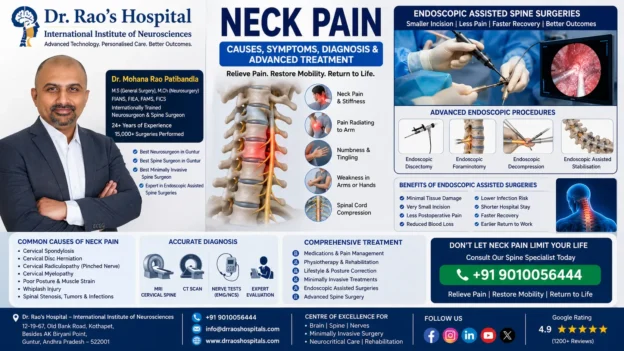
Dr. Mohana Rao Patibandla with advanced endoscopic-assisted spine surgery illustration for neck pain treatment, cervical disc herniation, cervical spondylosis, and minimally invasive spine surgery at Dr. Rao's Hospital – International Institute of Neurosciences, Guntur.

Best Minimally Invasive Spine Surgery (Neck Pain and Back Pain) Hospital In Guntur

Best Minimally Invasive Spine Surgery Hospital In Guntur


Neck Pain: Causes, Symptoms, Diagnosis, Treatment and Prevention


Neck pain is one of the most common musculoskeletal complaints worldwide and affects millions of people every year. While many episodes of neck pain resolve with rest and conservative treatment, persistent or progressive pain can significantly impact daily activities, work productivity, sleep, and overall quality of life. In some individuals, neck pain may indicate an underlying cervical spine disorder requiring specialized evaluation and treatment.


Modern lifestyles characterized by prolonged computer use, smartphone dependency, poor posture, sedentary habits, and increasing stress have contributed to a dramatic rise in cervical spine disorders across all age groups. Neck pain is no longer considered a condition affecting only older adults; it is increasingly seen in young professionals, students, healthcare workers, and individuals who spend extended hours using digital devices.


Fortunately, advances in spinal diagnostics, minimally invasive spine surgery, rehabilitation, and evidence-based treatment have significantly improved outcomes for patients with cervical spine disorders. Early diagnosis and appropriate management remain the key to preventing chronic pain and permanent neurological complications.


At Dr. Rao’s Hospital – International Institute of Neurosciences, Guntur, patients benefit from comprehensive cervical spine care provided by an experienced multidisciplinary team led by internationally trained neurosurgeon and spine surgeon Dr. Mohana Rao Patibandla. The hospital offers advanced diagnostic imaging, minimally invasive spine surgery, cervical disc replacement, microsurgical decompression, rehabilitation, and personalized treatment plans designed to restore function while preserving spinal mobility.


According to the World Health Organization (WHO), neck pain is among the leading causes of disability globally, emphasizing the importance of early diagnosis, rehabilitation, and appropriate specialist care.


Understanding the Cervical Spine


The cervical spine, commonly known as the neck, consists of seven vertebrae (C1–C7) that support the head, protect the spinal cord, and allow a wide range of movements including bending, rotation, and extension. Between these vertebrae are intervertebral discs that function as shock absorbers, while muscles, ligaments, tendons, facet joints, and nerves work together to provide stability and mobility.


The cervical spinal cord carries vital nerve signals between the brain and the rest of the body. Nerve roots exiting the cervical spine control sensation and movement in the shoulders, arms, and hands. Because of this complex anatomy, disorders affecting the cervical spine may produce symptoms extending far beyond the neck itself.


What Is Neck Pain?


Neck pain refers to discomfort arising from the cervical spine or surrounding soft tissues. It may be acute, developing suddenly after an injury or muscle strain, or chronic, persisting for more than three months. Pain can range from mild stiffness to severe, disabling discomfort associated with neurological symptoms.


Patients may experience:

  • Dull aching pain
  • Sharp stabbing pain
  • Muscle tightness
  • Reduced neck movement
  • Pain radiating into the shoulder or arm
  • Headaches originating from the neck
  • Numbness or tingling
  • Weakness in the upper limbs


The pattern of symptoms often provides valuable clues regarding the underlying cause and guides further evaluation.


Common Causes of Neck Pain


Neck pain may result from numerous conditions affecting bones, discs, muscles, ligaments, nerves, or joints. The most common causes include:

  • Muscle strain due to poor posture
  • Prolonged computer or smartphone use
  • Cervical spondylosis (age-related degeneration)
  • Cervical disc prolapse (slipped disc)
  • Cervical spinal stenosis
  • Cervical radiculopathy (pinched nerve)
  • Cervical myelopathy (spinal cord compression)
  • Whiplash injury
  • Trauma or fractures
  • Osteoporosis-related instability
  • Inflammatory arthritis
  • Spinal infections
  • Primary or metastatic spinal tumors
  • Congenital cervical spine abnormalities


Although many causes are benign and self-limiting, persistent pain or neurological symptoms require prompt evaluation by a spine specialist.


Risk Factors for Developing Neck Pain


Several factors increase the likelihood of cervical spine disorders:

  • Prolonged desk work
  • Excessive smartphone use (“Text Neck”)
  • Poor workstation ergonomics
  • Heavy lifting
  • Smoking
  • Obesity
  • Lack of exercise
  • Advancing age
  • Previous neck injury
  • Repetitive occupational activities
  • Psychological stress


Maintaining good posture, regular exercise, ergonomic workstations, and a healthy lifestyle can substantially reduce the risk of chronic neck pain.


Why Early Diagnosis Matters


Ignoring persistent neck pain may allow underlying cervical spine disorders to progress. Conditions such as cervical disc herniation or cervical myelopathy can gradually compress nerve roots or the spinal cord, leading to irreversible neurological damage if left untreated.


Early evaluation allows physicians to identify the underlying cause before permanent nerve injury develops. Modern diagnostic tools—including MRI, CT scans, digital X-rays, and neurophysiological testing—enable accurate diagnosis and personalized treatment planning.


International guidelines from organizations including the North American Spine Society (NASS) recommend timely assessment of patients with persistent neck pain, arm weakness, gait disturbance, bowel or bladder symptoms, or progressive neurological deficits.


Why a Multidisciplinary Spine Team Improves Outcomes


Modern cervical spine care extends beyond surgery alone. Successful treatment often requires collaboration among spine surgeons, neurologists, neuroradiologists, physiotherapists, pain specialists, rehabilitation experts, anesthesiologists, and nursing teams.


At Dr. Rao’s Hospital, each patient’s condition is evaluated individually to determine the most appropriate treatment strategy. Many patients improve with conservative management, while others may benefit from minimally invasive procedures or advanced cervical spine surgery. The goal is always to relieve pain, preserve neurological function, restore mobility, and enable patients to return safely to their normal lives.


Symptoms of Neck Pain


Neck pain can present in many different ways depending on the underlying condition. While some patients experience only localized discomfort, others develop symptoms involving the shoulders, arms, hands, spinal cord, or even balance and walking. Understanding these symptoms helps determine the severity of the problem and whether urgent medical attention is required.


Common symptoms include:

  • Persistent pain in the neck
  • Neck stiffness and reduced range of motion
  • Pain radiating to the shoulders
  • Arm pain
  • Numbness or tingling in the fingers
  • Weakness in the hands or arms
  • Difficulty lifting objects
  • Headaches originating from the neck (cervicogenic headaches)
  • Muscle spasms
  • Pain while turning the head
  • Difficulty sleeping due to neck discomfort
  • Loss of coordination in advanced spinal cord compression


Some symptoms indicate involvement of the spinal cord or nerve roots and require immediate evaluation by a spine specialist.


Warning Signs That Should Never Be Ignored


While many episodes of neck pain improve with conservative treatment, certain symptoms—commonly known as “red flag symptoms”—may indicate serious spinal disease requiring urgent medical attention.


Seek immediate medical evaluation if neck pain is associated with:

  • Progressive weakness in the arms or legs
  • Difficulty walking or loss of balance
  • Loss of bowel or bladder control
  • Persistent numbness affecting both hands
  • Sudden paralysis
  • History of significant trauma
  • Fever associated with severe neck pain
  • Unexplained weight loss
  • Night pain that disturbs sleep
  • Known history of cancer
  • Severe pain following an accident


These symptoms may suggest cervical spinal cord compression, spinal infection, fracture, tumor, or other serious neurological disorders that require prompt diagnosis and treatment.


Cervical Spondylosis: The Most Common Cause of Chronic Neck Pain


Cervical spondylosis refers to age-related wear and tear affecting the cervical spine. Over time, the intervertebral discs lose water content and elasticity, resulting in disc degeneration, bone spur formation (osteophytes), thickening of ligaments, and narrowing of the spinal canal.


Although cervical spondylosis becomes more common with advancing age, modern lifestyle factors such as prolonged computer work, poor posture, and repetitive neck strain may accelerate degenerative changes.


Symptoms include:

  • Chronic neck pain
  • Morning stiffness
  • Neck cracking sounds
  • Shoulder pain
  • Occasional headaches
  • Reduced flexibility


Many patients improve with physiotherapy, posture correction, medications, and lifestyle modifications. However, advanced degeneration causing nerve or spinal cord compression may require surgical intervention.


Cervical Disc Herniation (Slipped Disc)


The cervical intervertebral discs function as cushions between the vertebrae. Injury, degeneration, or excessive mechanical stress can cause the soft inner portion of a disc to protrude through its outer layer, compressing nearby nerve roots or the spinal cord.


Common symptoms include:

  • Sudden neck pain
  • Sharp pain radiating into the arm
  • Numbness in the fingers
  • Weakness of the hand or arm
  • Difficulty gripping objects
  • Pain aggravated by coughing or sneezing


Most patients initially receive conservative treatment. Persistent neurological deficits or severe compression may require minimally invasive cervical spine surgery.


Internal Link: Minimally Invasive Spine Surgery


Cervical Radiculopathy (Pinched Nerve)


Cervical radiculopathy occurs when one of the cervical nerve roots becomes compressed by a herniated disc, bone spur, or narrowing of the neural foramen. Because each nerve root supplies specific muscles and areas of skin, symptoms vary according to the affected level.


Typical symptoms include:

  • Radiating arm pain
  • Burning sensation
  • Tingling
  • Hand numbness
  • Loss of grip strength
  • Reduced reflexes
  • Muscle weakness


Early treatment often prevents permanent nerve damage and improves recovery.


Cervical Myelopathy: A Surgical Emergency in Many Patients


Unlike cervical radiculopathy, which affects individual nerve roots, cervical myelopathy results from compression of the spinal cord itself. It is one of the most serious cervical spine disorders and frequently requires surgical decompression to prevent permanent neurological deterioration.


Symptoms may include:

  • Hand clumsiness
  • Difficulty buttoning clothes
  • Poor handwriting
  • Loss of balance
  • Frequent falls
  • Difficulty walking
  • Leg stiffness
  • Weakness in all four limbs
  • Bowel or bladder dysfunction (advanced cases)


Because spinal cord damage may become irreversible, early diagnosis is critical. International guidelines recommend timely referral to an experienced spine surgeon when cervical myelopathy is suspected.


External Reference: American Association of Neurological Surgeons (AANS)


Whiplash Injury


Whiplash is a soft tissue injury caused by sudden forward and backward movement of the neck, most commonly following motor vehicle accidents. Although many patients recover completely, some develop persistent pain and chronic disability.


Symptoms include:

  • Neck pain
  • Stiffness
  • Headache
  • Dizziness
  • Shoulder pain
  • Reduced neck movement


Most patients improve with conservative management including pain control, physiotherapy, posture correction, and gradual return to activity.


How Neck Pain Is Diagnosed


Accurate diagnosis begins with a detailed medical history and comprehensive neurological examination. The physician evaluates pain characteristics, neurological symptoms, muscle strength, reflexes, gait, balance, and cervical spine mobility.


Depending on the clinical findings, investigations may include:

  • Digital X-rays
  • MRI Cervical Spine
  • CT Scan
  • CT Myelography (selected patients)
  • Electromyography (EMG)
  • Nerve Conduction Studies (NCS)
  • Laboratory investigations when infection or inflammatory disease is suspected


Magnetic Resonance Imaging (MRI) remains the gold standard for evaluating cervical discs, spinal cord compression, nerve root impingement, tumors, infections, and degenerative changes.


At Dr. Rao’s Hospital – International Institute of Neurosciences, advanced imaging and multidisciplinary evaluation help identify the precise cause of neck pain, allowing treatment plans to be tailored to each patient’s condition, lifestyle, and long-term goals.


Non-Surgical Treatment for Neck Pain


Fortunately, most patients with neck pain improve without surgery. Modern evidence-based treatment focuses on relieving pain, reducing inflammation, restoring mobility, strengthening the cervical spine, and preventing recurrence. Early intervention combined with patient education often leads to excellent outcomes and helps patients avoid chronic disability.


At Dr. Rao’s Hospital – International Institute of Neurosciences, treatment plans are individualized based on the underlying diagnosis, severity of symptoms, occupation, age, activity level, and patient expectations.


Conservative treatment options include:

  • Short-term activity modification
  • Pain-relieving medications
  • Anti-inflammatory medicines (when appropriate)
  • Muscle relaxants
  • Physiotherapy
  • Posture correction
  • Ergonomic workplace modifications
  • Heat or cold therapy
  • Home exercise programs
  • Lifestyle modification


The majority of patients experience significant improvement within a few weeks when conservative treatment is started early.


The Role of Physiotherapy


Physiotherapy plays a central role in the management of cervical spine disorders. A structured rehabilitation program not only reduces pain but also restores flexibility, strengthens supporting muscles, improves posture, and minimizes the risk of future episodes.


A comprehensive physiotherapy program may include:

  • Gentle stretching exercises
  • Cervical stabilization exercises
  • Postural correction
  • Shoulder strengthening
  • Range-of-motion exercises
  • Core muscle strengthening
  • Manual therapy when appropriate
  • Home exercise education


Patients are encouraged to continue prescribed exercises even after symptoms improve, as ongoing strengthening helps protect the cervical spine over the long term.


Lifestyle Changes That Reduce Neck Pain


Modern lifestyle habits are among the leading contributors to chronic neck pain. Small daily adjustments can significantly reduce stress on the cervical spine.


Helpful recommendations include:

  • Maintain good sitting posture
  • Keep computer monitors at eye level
  • Avoid prolonged smartphone use
  • Take stretching breaks every 30–45 minutes
  • Sleep with appropriate cervical support
  • Exercise regularly
  • Maintain a healthy body weight
  • Stop smoking
  • Practice stress reduction techniques


These simple modifications often prevent recurrent episodes of neck pain and improve overall spinal health.


Interventional Pain Management


For patients whose symptoms persist despite medications and physiotherapy, minimally invasive pain management procedures may provide relief while avoiding major surgery.


Depending on the diagnosis, options may include:

  • Cervical epidural steroid injections
  • Selective nerve root blocks
  • Facet joint injections
  • Medial branch blocks
  • Radiofrequency ablation for chronic facet pain


These procedures should be performed only after careful clinical evaluation and appropriate imaging to ensure the correct diagnosis.


When Is Surgery Necessary?


While most patients recover without surgery, certain cervical spine disorders require operative treatment to prevent permanent neurological damage or persistent disability.


Surgery may be recommended when patients have:

  • Persistent pain despite adequate conservative treatment
  • Progressive arm or hand weakness
  • Cervical myelopathy
  • Significant spinal cord compression
  • Large cervical disc herniation with neurological deficit
  • Spinal instability
  • Tumors affecting the cervical spine
  • Certain fractures or traumatic injuries


The primary goals of surgery are to decompress the spinal cord or nerves, relieve pain, preserve neurological function, restore spinal stability, and improve quality of life.


Minimally Invasive Cervical Spine Surgery


One of the most significant advances in spine surgery has been the development of minimally invasive techniques. These procedures use specialized instruments, operating microscopes, high-definition visualization, and smaller surgical corridors to minimize tissue disruption.


Potential advantages include:

  • Smaller skin incisions
  • Reduced muscle injury
  • Less blood loss
  • Reduced postoperative pain
  • Lower infection risk
  • Shorter hospitalization
  • Faster recovery
  • Earlier return to work


At Dr. Rao’s Hospital, minimally invasive techniques are used whenever appropriate, allowing many patients to recover more quickly while maintaining excellent surgical outcomes.


Internal Link: Minimally Invasive Spine Surgery


Anterior Cervical Discectomy and Fusion (ACDF)


Anterior Cervical Discectomy and Fusion (ACDF) remains one of the most commonly performed procedures for cervical disc disease, cervical radiculopathy, and selected cases of cervical myelopathy.


During the procedure:

  • The damaged disc is removed.
  • Pressure on the spinal cord or nerve roots is relieved.
  • A bone graft or spacer is inserted.
  • The vertebrae are stabilized using a plate and screws when necessary.


ACDF has demonstrated excellent long-term outcomes in carefully selected patients and remains the gold standard for many cervical spine disorders.


Cervical Artificial Disc Replacement


For selected patients, cervical disc replacement offers an alternative to fusion. Instead of permanently joining two vertebrae, the damaged disc is replaced with an artificial implant that preserves motion at the treated level.


Potential benefits include:

  • Preservation of neck movement
  • Reduced stress on adjacent discs
  • Earlier return to activity
  • Excellent pain relief
  • Maintenance of normal spinal biomechanics


Not every patient is a candidate for cervical disc replacement. Careful clinical and radiological evaluation helps determine the most appropriate procedure.


Posterior Cervical Spine Surgery


Certain cervical spine conditions are better treated through a posterior (back of the neck) approach.


These procedures may include:

  • Posterior cervical decompression
  • Laminectomy
  • Laminoplasty
  • Foraminotomy
  • Posterior cervical instrumentation and fusion


The choice of surgical approach depends upon spinal alignment, number of affected levels, location of compression, spinal stability, and the patient’s overall condition.


Recovery After Cervical Spine Surgery


Recovery varies depending on the procedure performed and the patient’s overall health. Most individuals are encouraged to begin walking shortly after surgery under medical supervision.


Recovery focuses on:

  • Pain control
  • Early mobilization
  • Wound care
  • Physiotherapy
  • Strengthening exercises
  • Posture correction
  • Gradual return to work
  • Long-term spinal protection


Patients who actively participate in rehabilitation generally experience faster recovery and better long-term functional outcomes.


According to the North American Spine Society (NASS) and the American Academy of Orthopaedic Surgeons (AAOS), individualized rehabilitation programs following cervical spine surgery improve mobility, reduce pain, and enhance overall quality of life.


Preventing Neck Pain: Protect Your Cervical Spine


Although not every cervical spine disorder can be prevented, many cases of neck pain are related to posture, repetitive strain, poor ergonomics, and unhealthy lifestyle habits. By adopting preventive measures, individuals can significantly reduce their risk of developing chronic neck pain and degenerative cervical spine disease.


Healthy cervical spine habits include:

  • Maintain proper posture while sitting and standing.
  • Keep computer monitors at eye level.
  • Avoid prolonged smartphone use (“Text Neck”).
  • Take frequent stretching breaks every 30–45 minutes.
  • Use an ergonomically designed workstation.
  • Sleep with a supportive cervical pillow.
  • Exercise regularly to strengthen neck and shoulder muscles.
  • Maintain a healthy body weight.
  • Avoid smoking, which accelerates disc degeneration.
  • Seek early medical evaluation for persistent symptoms.


Preventive care remains one of the most effective ways to maintain spinal health and avoid unnecessary surgery.


Why Choose Dr. Rao’s Hospital for Neck Pain Treatment in Guntur?


Neck pain may appear simple, but identifying its underlying cause requires specialized expertise. At Dr. Rao’s Hospital – International Institute of Neurosciences, every patient undergoes a comprehensive neurological and spinal evaluation before treatment recommendations are made.


Under the leadership of internationally trained neurosurgeon and spine surgeon Dr. Mohana Rao Patibandla, the hospital offers evidence-based cervical spine care using internationally accepted protocols and advanced technologies.


Patients benefit from:

  • Internationally trained spine surgeon
  • Comprehensive neurological evaluation
  • High-resolution MRI and CT imaging
  • Advanced cervical spine diagnostics
  • Microscope-assisted spine surgery
  • Neuronavigation-guided spinal procedures
  • Minimally invasive cervical spine surgery
  • Cervical Artificial Disc Replacement
  • Anterior Cervical Discectomy and Fusion (ACDF)
  • Posterior cervical decompression procedures
  • Neurophysiological monitoring during surgery
  • Dedicated Neuro ICU
  • Comprehensive rehabilitation and physiotherapy
  • Patient-centered multidisciplinary spine care


Our goal is not only to relieve pain but also to restore function, preserve spinal mobility whenever possible, and help patients return to work and daily life safely and confidently.


Conclusion


Neck pain is one of the most common reasons people seek medical attention, yet it should never be dismissed as a routine inconvenience when symptoms persist or worsen. While many cases are related to muscle strain or poor posture, others may indicate serious cervical spine disorders such as cervical disc herniation, cervical radiculopathy, cervical myelopathy, spinal stenosis, tumors, or traumatic injuries.


Fortunately, advances in diagnostic imaging, minimally invasive spine surgery, cervical disc replacement, microsurgical techniques, rehabilitation, and multidisciplinary spine care have transformed outcomes for patients with cervical spine disorders.


Early diagnosis, timely specialist evaluation, and personalized treatment remain the cornerstones of successful management. If neck pain is associated with arm pain, numbness, weakness, gait disturbance, or balance problems, consultation with an experienced spine specialist should not be delayed.


At Dr. Rao’s Hospital – International Institute of Neurosciences, our commitment is to deliver comprehensive, evidence-based, and patient-centered cervical spine care using advanced technology and internationally accepted treatment protocols to help every patient achieve the best possible outcome.


Frequently Asked Questions (FAQs)

1. What is the most common cause of neck pain?

The most common causes include muscle strain, poor posture, cervical spondylosis, cervical disc degeneration, and prolonged use of computers or smartphones.


2. Can neck pain cause arm numbness?

Yes. Compression of cervical nerve roots due to a herniated disc or cervical spondylosis can cause pain, numbness, tingling, and weakness that radiates into the shoulder, arm, or hand.


3. When is surgery recommended for neck pain?

Surgery may be necessary when conservative treatment fails or when patients develop progressive neurological deficits, cervical myelopathy, significant spinal cord compression, spinal instability, or severe cervical disc herniation.


4. What is cervical disc replacement?

Cervical disc replacement is a motion-preserving surgical procedure in which a damaged cervical disc is replaced with an artificial implant instead of performing spinal fusion.


5. Is minimally invasive spine surgery safe?

When performed by experienced spine surgeons in appropriately selected patients, minimally invasive spine surgery is a safe and effective technique associated with smaller incisions, less postoperative pain, reduced blood loss, and faster recovery.


6. How can I prevent neck pain?

Maintaining proper posture, exercising regularly, avoiding prolonged smartphone use, improving workplace ergonomics, and seeking early medical attention for persistent symptoms are among the most effective preventive measures.


Related Articles


Authoritative References


Contact Us

Dr. Rao’s Hospital – International Institute of Neurosciences
12-19-67, Old Bank Road,
Kothapet, Besides AK Biryani Point,
Guntur, Andhra Pradesh – 522001

📞 Phone: +91 9010056444

📧 Email: info@drraoshospitals.com

🌐 Website: https://drraoshospitals.com/

Schedule a consultation with our spine specialists for comprehensive evaluation, advanced imaging, minimally invasive cervical spine surgery, cervical disc replacement, rehabilitation, and personalized treatment for neck pain and cervical spine disorders.


Follow Us

Facebook | Instagram | LinkedIn | YouTube | X (Twitter) | Google Maps


Neck Pain Treatment in Guntur, Best Spine Surgeon in Guntur, Best Neurosurgeon in Guntur, Best Neurologist in Guntur, Cervical Spondylosis Treatment, Cervical Disc Herniation, Cervical Radiculopathy, Cervical Myelopathy, Cervical Spine Surgery India, Minimally Invasive Spine Surgery, Endoscopic Spine Surgery, Cervical Disc Replacement, ACDF Surgery, Neck Pain Specialist India, Spine Hospital in Guntur, Slipped Disc Treatment, Cervical Spine Disorders, Text Neck Syndrome, Spine Rehabilitation, Chronic Neck Pain, Neck Pain Causes, Neck Pain Symptoms, Neck Pain Prevention, Advanced Spine Care, Dr Mohana Rao Patibandla, Dr Rao’s Hospital, International Institute of Neurosciences


There are many different causes of neck pain, especially among adults and those who have spent a lot of time in front of a computer or phone. Consult the best spine doctor in Guntur, Dr. Mohana Rao Patibandla, who finished minimally invasive spine surgery fellowship in the USA, for a diagnosis and treatment plan for your neck pain.


Neck pain is caused by strain on your neck muscles and ligaments that occurs when you work out, lift objects, play sports, or do any other activities that require flexion.
Neck pain can occur from headaches.


As you may know, if you’re like most people, the tension in the nerves of your head often causes headaches. This can be caused by many factors including stress and depression but also by sleeping at odd times causing poor alignment.


Causes Of Neck Pain


These issues can cause neck pain as well:


A lot of people also suffer from persistent neck pain, which can be caused by several reasons such as accidents (such as whiplash), injuries at work, or degenerative diseases. Degenerative diseases include osteoarthritis and inflammatory diseases include Rhematoid Arthritis. While this type of chronic neck pain cannot be cured, it can be treated and managed so you can keep working and doing the things you enjoy. The spine surgeon in Guntur at Dr. Rao’s hospital, the best spine surgery hospital, best minimally invasive spine surgery hospital in Guntur, can help you with the treatment.


7 Reasons for Neck Pain


Sleeping in an awkward position due to sickness, pain or injury.

Poor posture for the same reason as above.

Stress, poor eating habits, alcohol and cigarettes because of mental problems.

Spinal disc damage from back injuries: slips or falls from height or sports such as basketball and soccer; wrestling; weightlifting; car accidents; etc.;

Degenerative diseases such as arthritis and osteoarthritis. Also known as “wear and tear”.

Muscle or nerve injuries, either from lifting heavy objects; sports injuries;

Trauma is caused by accidents such as a whiplash injury or a car accident.


Neck pain can be the result of any number of things. One of the most common reasons is poor posture, especially among those who sit at a desk all day. If you’re working out and lifting weights, the strain on your neck muscles can also cause neck pain.


Another common cause is sleeping at odd postures causing poor alignment. A bad night’s sleep or lack of sleep can also cause neck pain. This is especially true for those who are depressed and stressed out.


How is neck pain diagnosed?


The best Spine specialist Dr. Mohana Rao Patibandla at the best spine minimally invasive surgery hospital, Dr. Rao’s hospital in Guntur will take your history and examine it to determine the cause of your neck pain. This includes a careful and physical exam, physical examination of the spine and function of the autonomic nervous system, blood tests to measure levels of various hormones, nerve conduction studies (NCS), Magnetic Resonance Imaging (MRI). The doctor also may order a computed tomography (CT or CAT scan) or ultrasound to see what is causing the problem.


How to relieve neck pain at home?


The best way to relieve neck pain is to follow the Best minimally invasive or key hole spine surgeon’s (Dr. Mohana Rao Patibandla) instructions. These may include:


  • Maintain good posture. Remember, your neck is a complex piece of machinery. When you change something in one part of it, you are more likely to affect other parts in the process. – — Your head could be on the wrong side, for example, if you sleep at an odd angle during the night or relax too much when lifting weights or playing sports.


  • When lifting objects, keep your back flat and maintain good handgrip strength by gripping your object firmly.


  • If bending your head back is painful, it’s probably better to avoid trying to lift something heavy by bending your head down.


Treatment Of Neck Pain


In most cases, no treatment is necessary. But if you have persistent neck pain that doesn’t respond to conservative measures, you should consider consulting a Spine specialist in Guntur, Dr.  Mohana Rao Patibandla at Dr. Rao’s hospital, the best spine surgery hospital, a healthcare provider. who had extensive trainging in treating the spine disorders. There are many causes of neck pain, and difficulty discerning which specific cause caused your pain can be frustrating.


Sleep disorders: sleeping at odd times or too much can cause misalignment and contribute to neck pain. Staying awake all night can also trigger neck pain or stiffness in the morning.


Car accidents: whiplash injuries often cause neck pain. If you’ve been in a serious car accident, be sure to see a doctor as soon as possible if you have neck pain after the accident.


Back injuries: if you spend a lot of time bending your head back, tilting your head forward or lifting heavy objects which are difficult for your spine muscles to hold, this can strain your neck muscles or ligaments and can cause neck pain.


Weak muscles: if your neck muscles are weak, you may be more prone to back injury or strain. A good way to strengthen your neck muscles is to focus on the upper back.


Nerve injuries: muscle and nerve damage around the neck area can cause a lot of pain if they aren’t treated properly.


When Is Spine Surgery Needed?


Many non-surgical options for treating a patient’s pain are available through interventional pain treatment. Physical therapy, medicines, anti-inflammatories, and lifestyle changes are among the most common treatments. It is virtually always a good idea to explore more conservative non-surgical methods before considering spine surgery. 


At Dr. Rao’s Hospital, one of the best neurology hospital in Guntur, Andhra Pradesh, proficient spine surgeons can often aid when these therapeutic choices fail to offer relief. Epidural steroid injections, nerve blocks, nerve ablations, regenerative medicine (i.e., PRP and stem cell treatments), and spinal cord stimulation (SCS) are some of the treatments available.


If non-surgical treatments fail to relieve the back discomfort, our surgeons may recommend surgery. Our well-qualified and seasoned surgeons aim to provide the best spine surgery treatment in Guntur, Andhra Pradesh. Patients with ruptured discs, spondylolisthesis, spinal fractures, and degenerative disc disease are good candidates for surgery. The severity of your back surgery is determined by the type of surgery you had, Traditional open surgery or minimally invasive spine surgery (MISS) .  Minimally invasive surgery has many advantages over the traditional surgery like less post operative pain, less blood loss, less scarring, less hospital stay, less time to resume work. 


Besides, it is worth noting that, even in these cases, surgery should only be considered if the particular source of the discomfort has been identified, for example, herniated disc, scoliosis, or spinal stenosis. You may be a candidate for spinal surgery if the source of your pain has been identified and non-surgical treatments have failed.


If you have any neck pain or back pain you have the best neurosurgeon, spine surgeon or spine specialist available in Guntur, call 9010056444 or 9010057444 for appointment.

Unlocking the Gut-Brain Axis: Enhancing Brain Function with Dr. Rao

Physical symptoms of Depression


Physical symptoms of depression: Dr. Rao at Dr Rao’s Hospital

Physical Symptoms of Depression is a mood disorder, and it disrupts a person’s routine life. Depression is becoming common for people in Guntur. They look for the best neurology hospital in Guntur to solve their condition. They find Rao Hospital Guntur effective in solving their condition. The hospital has successfully treated several patients with depression. Do you want to know whether you have depression or not? Here, we have discussed physical symptoms that lead to depression. Continue reading to learn more.

  1.  Sleep Problems

Depression can harm your physical and mental health. Specific individuals with depression are perpetually sleepy and tired.

2. Chest Pain

Various conditions can cause pain in the chest, including digestive tract issues, lung, and other difficulties. Chest pain is not the only sign of this condition. It can also indicate anxiety, panic attack, or depression. First and foremost, consult with a cardiologist.

Depression increases the likelihood of developing heart disease. Patients who have had a heart attack are more likely to suffer from depression.

3. Exhaustion and Fatigue

Despite getting enough at night, you still feel tired, lethargic, and sluggish the whole day. Such experiences can be a warning sign of depression. Depression and fatigue can occur at the same time, making your condition severe.

4. Joints and Muscles Aching

Have you been suffering from chronic discomforts, such as joint pain, muscle aches, and headaches? These are the signs of depression. Further, ongoing pain can increase depression risk.

If you suffer from chronic pain, you may also suffer from depression or anxiety. Both painful conditions and depression share chemical messengers in your brain. Depressed people are three to four times more likely to suffer from pain every day.

5. Digestive Issues

Conditions like chronic migraines can lead to Nausea, vomiting, and stomach pain. Similarly, if you are overly anxious, terrified, or depressed, you may face the same conditions. This is because our digestive system and brain are closely associated.

6. Back pain

It is possible to develop impatience, restlessness, anxiety, and depression if you suffer from back pain consistently. Furthermore, those depressed individuals are four times more likely to suffer from significant, crippling neck and back pain – notably lower back pain – than the general population.

7. Restlessness and Irritation

Restlessness, irritation, and agitation are some of the most noticeable signs of depression. When it comes to depression, men are more prone than women to experience this type of problem. Sleep issues, such as insomnia and restless leg syndrome, are common among those suffering from depression. People who suffer from sleep disorders are more prone to be disturbed or restless than those who do not.

8. Sexual Difficulties

People who are depressed may experience a loss of interest in sex. You may experience ejaculatory difficulties, erectile dysfunction, and poor sex performance. Antidepressant drugs can affect libido and sex drive. Additionally, they affect the ejaculation process—the drugs make it premature or too long. Hence, if you are taking anti-depressants, speak with your doctor about the proper medication to consider. Low testosterone levels are associated with depression as well.

How can you improve Physical Symptoms of Depression?

Exercise

There is no simple guideline or prescription that shows that exercise can help overcome depression. Still, it allows you to reduce the symptoms if you exercise for an extended period. Further, substantial research has shown that frequent exercise enhances mood, lowers pain sensitivity, and makes you feel good. Your brain releases healthy chemicals when you exercise.

Remember! Returning from the ramp to the couch can be challenging for people who are depressed. Getting the energy to exercise is challenging, but exercising helps you feel less tired.

To sum it all up,

It is difficult to recognize the symptoms of body depression when you are not suffering from depression. Hence, many people seek relief from muscular and joint pain through medications. They address their symptoms rather than the underlying reason for their symptoms, which is depression.

So, visit the best neurologist hospital in Guntur to solve your condition.

Dr. Rao’s Contact Information:

Treatment-of-Brain-Tumours by Stereotactic radiosurgery at Dr Rao's Hospital by Dr Rao

Stereotactic Radiosurgery: the best Knife less treatment of Brain Tumors

Stereotactic Radiosurgery: the best knife-less treatment for Brain Tumors

Stereotactic radiotherapy is a technique for precisely targeting radiotherapy at a tumor. This kind of treatment is not accessible at all hospitals, as it requires specialized equipment and skills.

However, it is available in some of the best neurology hospitals in Guntur, which have skilled neurosurgeons. 

You might hear the term stereotactic radiosurgery, but it isn’t a type of brain surgery. It involves administering a very high dose of stereotactic radiotherapy to a small area, often in a single treatment.

Now, let’s overview stereotactic radiosurgery for treating various tumors.

What is Stereotactic Radiosurgery?

It is a non-invasive radiation therapy where a focused beam of radiation kills tumors and treats defects in the brain while sparing healthy tissues. Stereotactic radiosurgery is not a surgery; it is just a non-invasive procedure similar to receiving a standard X-ray.

Who is Eligible for Stereotactic Radiosurgery?

A neurosurgeon and radiation oncologist decide if one can undergo the procedure.

The eligibility depends upon:

  • Type of tumour
  • Size of the tumour
  • Location of the tumour

Advantages of Stereotactic Radiosurgery

  • No pain
  • No bleeding
  • No surgical cuts or wounds
  • Minimal exposure to radiation
  • Minimal harm to the surrounding healthy tissues
  • Extremely accurate
  • Effective in elderly patients
  • Quick procedure
  • Fewer side effects

How is Stereotactic Radiosurgery performed?

Step 1: A frameless thermoplastic mask is attached to the head to keep the head in place.

Step 2: CT and MRI scans are performed to determine the precise location of the tumor.

Step 3: Radiation doses are calculated per the tumor size and location.

Step 4: Treatment is delivered in calculated doses.

Why is Stereotactic Radiosurgery required?

Traditional methods are ineffective in treating deep-seated spine and brain tumours due to their inability to reach the tumour. Stereotactic Radiosurgery can access distant tumors and break them effectively. Besides tumors in the brain and spine, skilled specialists implement stereotactic radiosurgery to treat tumors in the Neck, lung and Liver.

How does Stereotactic Radiosurgery Differ from External Beam Radiotherapy?

Stereotactic radiosurgery differs from external beam radiation in several ways. First, and primarily, the equipment is considerably more complex and sophisticated in design and implementation.

Our technologies for accurately identifying the targets are very similar to those used by neurosurgeons when planning complicated surgery. 

Only in this instance do we combine the technology with a high-spec irradiation delivery system, thereby preventing the need for a scalpel. As some of the best neurosurgeons in Andhra Pradesh administer radiation treatment with submillimeter accuracy, the risk of injuring surrounding healthy tissue is significantly lower. 

So, in many instances, the treatment can be employed very safely with minimal risk of side effects, both in the short and long term. However, the treatment is complex by design, but the patient’s journey throughout the delivery of stereotactic radiosurgery is effortless. 

Any Side-effects?

Stereotactic Radiosurgery can cause minimal side effects, like:

  • Headache
  • Dizziness
  • Fatigue
  • Hair loss
  • Itchy skin

How Long is the Procedure?

Experts conveniently execute the treatment in one half- to an hour-long session, or occasionally, your treatment may extend over five separate visits over one calendar week.

How Long is the Hospital Stay?

Treatment is painless without injections or cutting and can be given in an ambulatory setting without hospitalization or anesthesia.

Why Choose Dr. Rao and Dr. Rao’s Hospital for Stereotactic Radiosurgery?

Choosing the right medical professional and facility is critical when it comes to advanced and precise treatments like stereotactic radiosurgery. Dr. Rao and Dr. Rao’s Hospital are premier choices for this cutting-edge procedure. Here’s why:

1. Expertise and Experience

Dr. Rao:
  • Highly Qualified: Dr. Rao is a leading neurologist and neurosurgeon with extensive training in stereotactic radiosurgery.
  • Proven Track Record: With years of experience, Dr. Rao has successfully treated numerous patients with various neurological conditions, utilizing stereotactic radiosurgery to deliver effective and minimally invasive treatment.

2. State-of-the-Art Technology

Dr. Rao’s Hospital:
  • Advanced Equipment: The hospital has the latest stereotactic radiosurgery systems, ensuring precise targeting of tumors and other abnormalities with minimal impact on surrounding healthy tissue.
  • Innovative Techniques: Dr. Rao employs the most advanced and proven techniques, ensuring that patients receive the best possible care.

3. Comprehensive and Personalized Care

Patient-Centered Approach:
  • Tailored Treatment Plans: Dr. Rao develops customized treatment plans based on each patient’s unique condition, medical history, and overall health.
  • Multidisciplinary Team: The hospital boasts a team of specialists who work collaboratively to provide holistic care, addressing all aspects of the patient’s health and well-being.

4. Minimally Invasive with Maximum Precision

Benefits of Stereotactic Radiosurgery:
  • Non-Surgical Option: This procedure offers a non-invasive alternative to traditional surgery, reducing risks and recovery time.
  • High Precision: The technology allows for highly accurate targeting, which is crucial for treating small or difficult-to-reach brain lesions.

5. Proven Success in Treating Various Conditions

Wide Range of Applications:
  • Brain Tumors: Effective in treating both benign and malignant brain tumors.
  • Arteriovenous Malformations (AVMs): Used to treat abnormal tangles of blood vessels in the brain.
  • Functional Disorders: Helpful in managing conditions such as trigeminal neuralgia and tremors.

6. Outstanding Patient Support and Aftercare

Comprehensive Support System:
  • Pre-Treatment Counseling: Patients receive detailed information and support to prepare for the procedure.
  • Post-Treatment Follow-Up: Regular monitoring and follow-up care ensure that any issues are promptly addressed and that patients recover best.

7. Accessibility and Convenience

Location and Accessibility:
  • Strategic Location: Dr. Rao’s Hospital is conveniently located in Guntur, making it easily accessible for patients from the region and beyond.
  • Efficient Service: The hospital is known for its streamlined processes, ensuring minimal wait times and efficient handling of appointments and procedures.

8. Positive Patient Outcomes

Patient Testimonials:
  • High Satisfaction Rates: Many patients have reported significant improvements and positive outcomes following their treatments with Dr. Rao.
  • Trust and Reliability: Dr. Rao’s commitment to excellence has earned the trust of his patients and the community.

In Summary

Choosing Dr. Rao and Dr. Rao’s Hospital for stereotactic radiosurgery means opting for unparalleled expertise, cutting-edge technology, personalized care, and a proven track record of success. If you or a loved one need this advanced treatment, you can trust Dr. Rao to provide the highest standard of care.

Contact Information:

Take the first step towards better neurological health with Dr. Rao and Dr. Rao’s Hospital. Your well-being is our top priority.