Tag Archives: Dr Rao's Hospital

Dr. Mohana Rao Patibandla, Founder of Dr. Rao's Hospital – International Institute of Neurosciences (IIN), bringing world-class brain, spine, stroke, and neurovascular care to Guntur through advanced neuroscience services and international expertise.

Best Neurologist in Guntur: How World-Class Neuroscience Care Is Transforming Healthcare in Andhra Pradesh

Best Neurologist in Guntur: How World-Class Neuroscience Care Is Transforming Healthcare in Andhra Pradesh

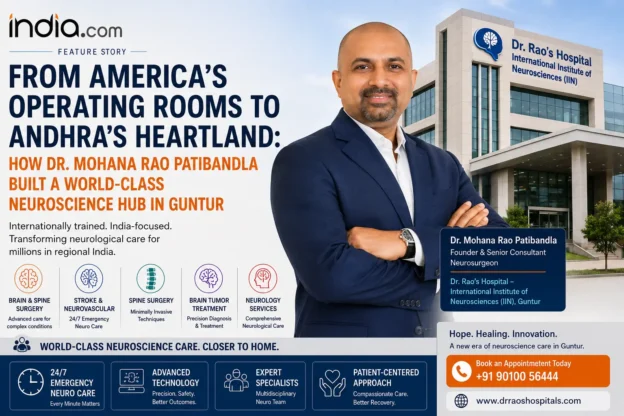
Primary Source: India.com – From America’s Operating Rooms to Andhra’s Heartland: How Dr. Mohana Rao Patibandla Built a World-Class Neuroscience Hub in Guntur.


Healthcare transformation does not happen overnight. It requires vision, expertise, infrastructure, innovation, and a commitment to bringing advanced medical care closer to patients. Across India, a new generation of healthcare leaders is helping reshape how specialized treatment is delivered, ensuring that world-class medical services are no longer limited to metropolitan cities.


One remarkable example of this transformation can be found in Guntur, Andhra Pradesh. Through years of international training, clinical excellence, and institution building, Dr. Mohana Rao Patibandla has helped establish advanced neuroscience services that are changing how patients access neurological, neurosurgical, and spine care.


According to a recent India.com feature, Dr. Mohana Rao Patibandla returned to India after extensive neurosurgical training in the United States and chose to build advanced neuroscience infrastructure in Andhra Pradesh rather than pursue opportunities exclusively in larger metropolitan healthcare centers. This decision represents a broader movement toward strengthening healthcare access in regional India.


Why Neurological Disorders Are a Growing Public Health Challenge

Neurological disorders are among the leading causes of disability and mortality worldwide. Conditions affecting the brain, spinal cord, nerves, and muscles impact millions of individuals every year and often require highly specialized diagnosis and treatment.


According to the World Health Organization (WHO), neurological disorders affect more than one billion people globally and account for a substantial portion of the global disease burden.


Source:
World Health Organization (WHO)


Common Neurological Conditions

  • Stroke
  • Brain tumors
  • Epilepsy
  • Parkinson’s disease
  • Alzheimer’s disease
  • Dementia
  • Peripheral neuropathy
  • Spinal disorders
  • Traumatic brain injury
  • Neurovascular diseases


Many of these conditions require rapid intervention. Delays in diagnosis or treatment can lead to irreversible neurological damage, disability, or death. Access to experienced specialists and advanced healthcare facilities therefore plays a critical role in improving patient outcomes.


The Historical Challenge of Access to Specialist Care

For many years, advanced neurological care in India remained concentrated in a small number of metropolitan centers. Patients from smaller cities frequently traveled to Delhi, Mumbai, Chennai, Bengaluru, or Hyderabad seeking specialized treatment.


This model created several challenges:

  • Travel-related expenses
  • Delayed treatment
  • Long waiting periods
  • Disruption to family life
  • Difficulty accessing follow-up care
  • Reduced emergency care accessibility


The India.com article highlights that patients from neighboring states and districts often had limited options when seeking advanced brain and spine care. This reality contributed to significant disparities in healthcare access across different regions.


The Importance of Reverse Brain Drain in Healthcare

One of the most significant trends shaping India’s healthcare future is reverse brain drain. Traditionally, many highly skilled physicians pursued advanced education and careers abroad. While this contributed to global medical progress, it also created challenges for countries seeking to retain specialized expertise.


Today, increasing numbers of internationally trained physicians are returning to India to establish advanced healthcare institutions and contribute to national healthcare development.


Reverse brain drain brings several advantages:

  • Transfer of advanced clinical expertise
  • Introduction of new technologies
  • Improved patient safety systems
  • Development of research programs
  • Training of future specialists
  • Expansion of regional healthcare services
  • Improved healthcare accessibility


According to the India.com feature, the significance of this movement extends beyond individual physicians. It represents the transfer of knowledge, innovation, and institutional excellence back into Indian healthcare systems.


Building a World-Class Neuroscience Hub in Guntur

The India.com article describes how extensive international training across multiple neurosurgical subspecialties provided exposure to advanced treatment techniques, multidisciplinary care models, and sophisticated healthcare systems. Rather than remaining abroad or relocating exclusively to a major metropolitan center, Dr. Mohana Rao Patibandla chose to return to Andhra Pradesh and establish advanced neuroscience services closer to underserved communities.


This decision reflects an important healthcare principle: advanced medical care should not be determined by geography. Patients living in regional cities deserve access to the same level of expertise and technology available in major urban centers.


Core Areas of Neuroscience Care

  • Neurology
  • Neurosurgery
  • Spine Surgery
  • Stroke Care
  • Neurocritical Care
  • Neurovascular Services
  • Brain Tumor Treatment
  • Pediatric Neurosurgery
  • Minimally Invasive Neurosurgery
  • Endovascular Neurosurgery


The Role of Technology in Modern Neurosciences

Modern neuroscience care increasingly depends on advanced technology. Diagnostic precision, surgical accuracy, and improved outcomes are often driven by innovations that were unavailable just a few decades ago.


The India.com article highlights several technologies that are reshaping neurology and neurosurgery, including advanced imaging systems, intraoperative navigation, minimally invasive techniques, and specialized monitoring systems.


Important Technologies in Neurosciences

  • Neuronavigation systems
  • Intraoperative imaging
  • Microsurgical platforms
  • Advanced MRI technology
  • CT angiography
  • Endoscopic neurosurgery
  • Intraoperative neuromonitoring
  • Artificial intelligence-assisted diagnostics
  • Robotic-assisted surgery
  • Endovascular intervention systems


These innovations enable surgeons to operate with greater precision, reduce complications, shorten recovery times, and improve patient outcomes.


Why Patients Search for the Best Neurologist in Guntur

Patients searching online for the best neurologist in Guntur are often looking for more than a physician. They seek comprehensive neurological care, access to advanced technology, multidisciplinary expertise, and a healthcare team capable of managing complex conditions.


Factors patients should consider include:

  • Clinical experience
  • International training
  • Technology and infrastructure
  • Multidisciplinary support
  • Emergency services
  • Patient outcomes
  • Rehabilitation services


Advanced Stroke Care and Neurovascular Treatment

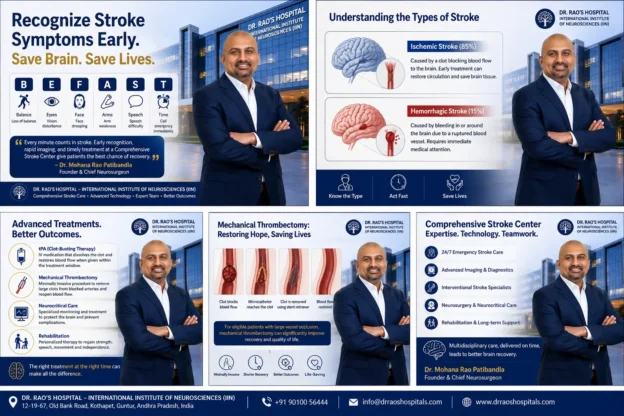
Stroke remains one of the leading causes of death and long-term disability worldwide. According to the World Stroke Organization, one in four adults over the age of 25 is expected to experience a stroke during their lifetime. Early diagnosis and immediate intervention are critical because every minute during a stroke can result in the loss of millions of brain cells.


Patients searching for the best neurologist in Guntur often do so because stroke symptoms require urgent evaluation and treatment. Rapid access to specialized stroke care can dramatically improve recovery and reduce long-term disability.


Common Stroke Symptoms

  • Sudden weakness or numbness on one side of the body
  • Difficulty speaking or understanding speech
  • Sudden loss of vision
  • Facial drooping
  • Loss of balance or coordination
  • Severe sudden headache


Modern stroke treatment includes advanced neuroimaging, clot-busting medications, mechanical thrombectomy, neurocritical care, and long-term rehabilitation. The availability of these services closer to home can significantly improve outcomes for patients across Andhra Pradesh and neighboring states.


The India.com feature highlights the importance of advanced neurovascular capabilities and specialized neuroscience infrastructure in improving healthcare accessibility beyond major metropolitan cities.


Advanced Spine Surgery: Transforming Quality of Life

Spinal disorders are among the most common neurological and musculoskeletal problems affecting individuals across all age groups. Chronic back pain, neck pain, sciatica, spinal instability, and degenerative spine disease can significantly impact mobility, productivity, and overall quality of life.


Patients increasingly seek treatment from the best spine surgeon in Guntur to access modern surgical techniques that offer faster recovery and improved outcomes.


Common Spine Conditions

  • Herniated discs
  • Sciatica
  • Cervical spondylosis
  • Lumbar canal stenosis
  • Spinal tumors
  • Spinal trauma
  • Scoliosis
  • Degenerative spine disease
  • Spinal cord compression
  • Failed back surgery syndrome


Advances in minimally invasive spine surgery have transformed patient care. These procedures often result in smaller incisions, reduced blood loss, shorter hospital stays, lower infection rates, and faster return to daily activities.


Learn more:
Spine Surgery Department


Artificial Intelligence and the Future of Neurosciences

Artificial Intelligence (AI) is rapidly becoming one of the most influential technologies in modern medicine. Neurosciences, in particular, are benefiting from AI-driven diagnostic tools, predictive analytics, advanced imaging interpretation, and surgical planning systems.


According to the National Institutes of Health (NIH), AI has the potential to improve diagnostic accuracy, accelerate treatment decisions, and support personalized medicine approaches.


Source:
National Institutes of Health (NIH)


Applications of AI in Neurology and Neurosurgery

  • Stroke detection and triage
  • Brain tumor imaging analysis
  • Neurodegenerative disease prediction
  • Clinical decision support systems
  • Surgical planning and simulation
  • Outcome prediction models
  • Remote neurological monitoring
  • Precision medicine strategies


The future of neuroscience care will increasingly depend on integrating advanced technologies with expert clinical judgment. Regional centers capable of adopting these innovations will play a critical role in improving healthcare accessibility.


Why Regional Neuroscience Centers Matter

One of the key messages highlighted in the India.com article is that advanced healthcare should not be restricted to a few metropolitan locations. India’s healthcare needs require strong regional institutions capable of delivering world-class specialty care closer to patients’ homes.


Regional neuroscience centers provide several advantages:

  • Reduced travel burden
  • Faster access to emergency care
  • Improved continuity of treatment
  • Enhanced rehabilitation services
  • Local employment and training opportunities
  • Strengthened healthcare ecosystems
  • Greater healthcare equity


Why Choose Dr. Rao’s Hospital – International Institute of Neurosciences (IIN)


Patients seeking the best neurologist in Guntur, the best neurosurgeon in Guntur, or the best spine surgeon in Guntur increasingly look for comprehensive neuroscience centers that combine expertise, technology, innovation, and compassionate patient care.


Dr. Rao’s Hospital – International Institute of Neurosciences (IIN) offers advanced neurological, neurosurgical, spine, stroke, and neurovascular services using modern technology and evidence-based treatment approaches.


Internal Links


Authoritative Medical References


Frequently Asked Questions

Who is considered the best neurologist in Guntur?


The best neurologist in Guntur is typically identified based on experience, advanced training, technology, patient outcomes, and comprehensive neurological care services.


When should I consult a neurologist?


You should consult a neurologist if you experience persistent headaches, seizures, memory loss, dizziness, weakness, numbness, speech difficulties, or other neurological symptoms.


What conditions does a neurosurgeon treat?


A neurosurgeon treats conditions involving the brain, spine, and nervous system, including brain tumors, stroke complications, spinal disorders, neurovascular diseases, and traumatic injuries.


What are the benefits of minimally invasive spine surgery?


Minimally invasive spine surgery often results in less pain, shorter hospital stays, faster recovery, reduced blood loss, and smaller incisions compared with traditional surgery.


Why choose Dr. Rao’s Hospital for neurological treatment?


Dr. Rao’s Hospital – International Institute of Neurosciences (IIN) offers advanced neurology, neurosurgery, spine surgery, stroke care, neurovascular interventions, and minimally invasive treatment options delivered by internationally trained specialists.


Conclusion

The future of healthcare in India depends on expanding access to advanced specialty services beyond traditional metropolitan centers. The development of world-class neuroscience infrastructure in regional cities demonstrates that excellence is not defined by geography but by vision, expertise, technology, and commitment to patient care.


As highlighted by the India.com feature, institution building, reverse brain drain, and investment in advanced healthcare infrastructure can help transform patient outcomes and strengthen regional healthcare systems.


For patients seeking the best neurologist in Guntur, the best neurosurgeon in Guntur, or the best spine surgeon in Guntur, access to comprehensive neuroscience care has never been more important. Advanced diagnostics, modern treatment technologies, multidisciplinary expertise, and compassionate patient-centered care continue to shape the future of neurological healthcare in Andhra Pradesh and beyond.


Call to Action

If you or a loved one is experiencing symptoms of stroke, epilepsy, brain tumors, spinal disorders, neurovascular disease, or other neurological conditions, early diagnosis and expert treatment can make a significant difference.


If you are searching for the best neurologist in Guntur, the best neurosurgeon in Guntur, or expert brain and spine care, visit Dr. Rao’s Hospital – International Institute of Neurosciences (IIN).


📞 +91 90100 56444

📧 [info@drraoshospitals.com](mailto:info@drraoshospitals.com)

🌐 https://drraoshospitals.com


Follow Dr. Rao’s Hospital


Primary Source: From America’s Operating Rooms to Andhra’s Heartland: How Dr. Mohana Rao Patibandla Built a World-Class Neuroscience Hub in Guntur – India.com.

Stroke comprehensive center

Early Warning Signs of Stroke in Elderly Patients: Every Minute Matters | Dr. Rao’s Hospital

Early Warning Signs of Stroke in Elderly Patients: Every Minute Matters

Reviewed by: Dr. Mohana Rao Patibandla, M.Ch (Neurosurgery), FAANS (USA), FMINS, FEVNS, FPNS, FNOSRS
Chief Neurosurgeon & Founder
Dr. Rao’s Hospital – International Institute of Neurosciences, Guntur, India

Last Updated: July 2026

Early warning signs of stroke in elderly patients showing FAST symptoms and emergency stroke care


Stroke Awareness Saves Lives


Stroke is one of the leading causes of death and long-term disability worldwide, particularly among older adults. Every year, millions of people experience a stroke, and the majority occur in individuals over the age of 60. While age is one of the strongest risk factors, recognizing the early warning signs of stroke and seeking immediate medical attention can dramatically improve survival and recovery.


Recent educational efforts have emphasized that “Time is Brain.” Every minute a stroke goes untreated, nearly 1.9 million brain cells are lost, making rapid diagnosis and treatment essential for preserving neurological function and quality of life. This message has been reinforced in recent educational initiatives highlighting the importance of recognizing stroke symptoms early and reaching a Comprehensive Stroke Center without delay.


At Dr. Rao’s Hospital – International Institute of Neurosciences, our comprehensive stroke team combines advanced neuroimaging, minimally invasive endovascular procedures, emergency neurosurgery, neurocritical care, and rehabilitation to provide evidence-based stroke care for patients across Andhra Pradesh and India.

Stroke Feature in Press


🚨 Stroke is a Medical Emergency

If you notice sudden weakness, facial drooping, slurred speech, loss of vision, or difficulty walking, do not wait for symptoms to improve.
Seek emergency medical attention immediately.

Every minute matters.


Table of Contents


What is a Stroke?


A stroke occurs when blood flow to a part of the brain is suddenly interrupted. Without oxygen and nutrients, brain cells begin dying within minutes. Depending on the area affected, stroke can impair movement, speech, memory, vision, swallowing, balance, or even consciousness.


Stroke is not simply a disease of aging—it is a neurological emergency that requires immediate diagnosis and treatment. Modern stroke care has evolved significantly over the last decade, and many patients who receive treatment within the appropriate time window can regain independence and return to normal life.


The most important determinant of recovery is how quickly treatment begins.


Key Fact

Every minute after a large vessel stroke begins, approximately:

  • 1.9 million neurons die
  • 14 billion synapses are lost
  • 12 km of nerve fibers are damaged

This is why neurologists and neurosurgeons often say:

“Time is Brain.”


Why Are Elderly Patients at Higher Risk of Stroke?


Although stroke can occur at any age, advancing age significantly increases the likelihood of both ischemic and hemorrhagic stroke. Aging causes structural and functional changes in blood vessels, while chronic medical conditions become more common over time.


Older adults also tend to have multiple risk factors occurring simultaneously, increasing both the likelihood of stroke and the severity of neurological injury.


Common reasons include:

  • High blood pressure (Hypertension)
  • Diabetes mellitus
  • High cholesterol
  • Atrial fibrillation
  • Coronary artery disease
  • Carotid artery narrowing
  • Smoking history
  • Obesity
  • Sedentary lifestyle
  • Chronic kidney disease
  • Sleep apnea


In addition, elderly patients often have reduced physiological reserve, making recovery more challenging if treatment is delayed.


The Three Main Types of Stroke


Understanding the different types of stroke helps patients appreciate why emergency imaging is necessary before treatment begins.


1. Ischemic Stroke


Approximately 87% of all strokes are ischemic strokes. They occur when an artery supplying blood to the brain becomes blocked by a clot.


Large vessel occlusions involving the internal carotid artery or middle cerebral artery often require advanced treatments such as mechanical thrombectomy.


Common causes include:

  • Atherosclerosis
  • Blood clots from the heart
  • Atrial fibrillation
  • Carotid artery disease
  • Small vessel disease


2. Hemorrhagic Stroke


A hemorrhagic stroke occurs when a blood vessel ruptures, causing bleeding inside or around the brain.


These strokes often require emergency neurosurgical intervention and intensive care management.


Common causes include:


  • High blood pressure
  • Brain aneurysm rupture
  • Arteriovenous malformation (AVM)
  • Blood-thinning medications
  • Head injury


3. Transient Ischemic Attack (TIA)


A transient ischemic attack, commonly called a mini-stroke, results from temporary interruption of blood flow to the brain.


Symptoms usually resolve within minutes, but a TIA should never be ignored. It is a warning sign that a major stroke may occur within hours or days.


Clinical Pearl

Many patients mistakenly wait for symptoms to disappear before seeking medical attention. Even if symptoms resolve completely, immediate evaluation by a stroke specialist is essential because early treatment can prevent a devastating future stroke.


Recognize Stroke FAST


The FAST method is the simplest and most effective way for families to recognize a stroke quickly.


FAST: The Four Most Important Stroke Warning Signs


The FAST acronym is recognized worldwide as a quick and reliable method for identifying the most common symptoms of stroke. It enables family members, caregivers, and bystanders to recognize a stroke within seconds and seek emergency medical care without delay.

🧠 F – Face Drooping

Ask the person to smile.

  • One side of the face droops
  • Uneven smile
  • Facial numbness
  • Difficulty closing one eye

💪 A – Arm Weakness

Ask the person to raise both arms.

  • One arm drifts downward
  • Sudden weakness
  • Numbness on one side
  • Loss of grip strength

🗣 S – Speech Difficulty

Ask the person to repeat a simple sentence.

  • Slurred speech
  • Difficulty finding words
  • Unable to speak
  • Confused language

⏰ T – Time to Call Emergency Services

If any of these signs are present—even if they disappear—seek emergency medical care immediately. Rapid transportation to a Comprehensive Stroke Center offers the best chance of preserving brain tissue and improving recovery.


BE-FAST: An Even Better Way to Recognize Stroke


Although FAST identifies many strokes, some patients—particularly those with posterior circulation strokes—may initially present with balance problems or sudden vision loss. To improve recognition, many stroke specialists recommend the BE-FAST approach.


LetterMeaningSymptoms
BBalanceSudden dizziness, loss of balance, inability to walk
EEyesSudden vision loss or double vision
FFaceFacial drooping
AArmsArm weakness or numbness
SSpeechDifficulty speaking or understanding
TTimeSeek emergency stroke care immediately


Additional Early Warning Signs of Stroke


Not every stroke presents with classic FAST symptoms. Some patients, particularly elderly individuals, experience less obvious neurological changes that are easily mistaken for fatigue, dehydration, or aging.


Other symptoms include:


  • Sudden confusion
  • Difficulty understanding conversations
  • Loss of vision in one eye
  • Double vision
  • Sudden severe headache
  • Persistent dizziness
  • Difficulty walking
  • Loss of coordination
  • Sudden numbness of the face, arm, or leg
  • Difficulty swallowing
  • Sudden loss of consciousness
  • Unexpected falls
  • Memory disturbance
  • Behavioral changes
  • Sudden urinary incontinence associated with neurological symptoms


Important Note for Families

Many elderly patients do not complain of pain during a stroke. Instead, they may simply appear confused, unusually sleepy, weak, or unable to communicate normally. These subtle symptoms should never be ignored.


Stroke Symptoms in Elderly Patients May Be Different


Compared with younger adults, older patients frequently present with atypical symptoms. Family members often attribute these changes to dementia, aging, or medication side effects, delaying treatment during the most critical therapeutic window.


Watch for:


  • Sudden personality change
  • New confusion
  • Unexpected falls
  • Difficulty following conversations
  • Reduced alertness
  • Inability to recognize family members
  • Sudden worsening of memory
  • Difficulty swallowing food or liquids
  • Unexplained imbalance
  • Generalized weakness affecting one side more than the other


Any sudden neurological change in an older adult should be treated as a potential stroke until proven otherwise.


Conditions That Can Mimic a Stroke


Several medical conditions produce symptoms similar to stroke. Although these disorders may not involve interrupted blood flow to the brain, distinguishing them from stroke requires urgent medical evaluation and brain imaging.


Stroke mimics include:


  • Low blood sugar (Hypoglycemia)
  • Seizures with postictal weakness (Todd’s paralysis)
  • Migraine with aura
  • Brain tumors
  • Inner ear disorders
  • Bell’s palsy
  • Medication toxicity
  • Electrolyte disturbances
  • Brain infections


Because these conditions may closely resemble stroke, emergency physicians perform neurological examinations and brain imaging before determining the correct diagnosis.


What Should You Do If Someone Has Stroke Symptoms?


Immediate action saves brain tissue. Never wait for symptoms to improve.


Follow these steps:


  1. Call emergency medical services immediately (9010056444).
  2. Note the exact time symptoms began.
  3. Keep the patient calm.
  4. Do not give food or water if swallowing is impaired.
  5. Do not allow the patient to drive.
  6. Bring previous medical records if readily available.
  7. Inform doctors about blood thinners or previous stroke history.


Why the Time of Onset Matters

Many stroke treatments, including intravenous thrombolysis and mechanical thrombectomy, are only effective within specific treatment windows. Knowing when symptoms started helps physicians determine which therapies are appropriate.


Emergency Stroke Diagnosis


Modern stroke care begins with rapid diagnosis. Within minutes of arriving at a Comprehensive Stroke Center, patients undergo neurological assessment and advanced imaging to determine the type, location, and severity of the stroke.


Initial Evaluation Includes:


  • Complete neurological examination
  • Blood pressure assessment
  • Blood glucose testing
  • Electrocardiogram (ECG)
  • Blood investigations


Advanced Brain Imaging


InvestigationPurpose
Non-contrast CT BrainDetects brain hemorrhage rapidly
CT Angiography (CTA)Identifies blocked blood vessels
CT PerfusionDetermines salvageable brain tissue
MRI BrainDetects early ischemic stroke with high sensitivity
Carotid DopplerEvaluates narrowing of neck arteries


Modern imaging enables physicians to distinguish ischemic stroke from hemorrhagic stroke and rapidly determine whether a patient is a candidate for advanced therapies such as intravenous thrombolysis or mechanical thrombectomy.


Modern Stroke Treatments That Save Lives

Stroke treatment has advanced dramatically over the past two decades. Today, many patients who once would have faced permanent disability can recover remarkably well when treated rapidly at a Comprehensive Stroke Center. The key to successful treatment is early diagnosis, rapid brain imaging, and timely intervention by an experienced multidisciplinary stroke team.


Treatment depends on:


  • Whether the stroke is ischemic or hemorrhagic
  • The location of the blocked or bleeding vessel
  • The time since symptoms began
  • The patient’s age and overall health
  • Brain imaging findings


Intravenous Thrombolysis (Clot-Busting Medication)


Intravenous thrombolysis for acute ischemic stroke

For eligible patients with an acute ischemic stroke, intravenous thrombolysis using tissue plasminogen activator (tPA) or tenecteplase can dissolve the blood clot and restore blood flow to the brain.


Who May Benefit?


  • Patients with ischemic stroke
  • Symptoms beginning within the recommended treatment window
  • No evidence of brain hemorrhage on CT scan
  • No major contraindications such as active bleeding


Timely administration of thrombolytic therapy significantly improves the likelihood of functional recovery and reduces long-term disability.


Mechanical Thrombectomy: A Revolutionary Stroke Treatment


Mechanical thrombectomy removing clot from brain artery


Mechanical thrombectomy has revolutionized the treatment of acute ischemic stroke caused by large vessel occlusion (LVO). This minimally invasive endovascular procedure physically removes the clot from the blocked artery, restoring blood flow to the brain.


The procedure is performed through a tiny puncture in the groin or wrist using advanced catheter-based technology under fluoroscopic guidance.


Benefits of Mechanical Thrombectomy


  • Rapid restoration of blood flow
  • Reduced disability
  • Improved independence after stroke
  • Higher survival rates
  • Minimally invasive approach
  • Shorter hospital stay in appropriate patients


Why Experience Matters

Mechanical thrombectomy requires highly specialized expertise in cerebrovascular and endovascular neurosurgery. Outcomes are best when patients are treated at centers equipped with dedicated neurointerventional specialists, advanced imaging, and comprehensive neurocritical care.


Treatment for Hemorrhagic Stroke

Emergency neurosurgery for hemorrhagic stroke

Unlike ischemic stroke, hemorrhagic stroke results from bleeding within or around the brain. Rapid diagnosis is critical because treatment focuses on controlling the bleeding, reducing pressure within the skull, and preventing secondary brain injury.


Available Treatments Include

  • Blood pressure control
  • Reversal of anticoagulant medications
  • Neurocritical care monitoring
  • Emergency craniotomy
  • Minimally invasive hematoma evacuation
  • Endoscopic clot evacuation
  • Brain aneurysm clipping
  • Endovascular coiling
  • Decompressive craniectomy


Each patient requires individualized treatment based on the location, size, and cause of the hemorrhage.


Why a Comprehensive Stroke Center Saves Lives


Comprehensive Stroke Center providing 24-hour stroke care


Not all hospitals provide advanced stroke care. A Comprehensive Stroke Center offers specialized expertise, technology, and around-the-clock availability to diagnose and treat both ischemic and hemorrhagic stroke rapidly.


A Comprehensive Stroke Center Offers:


  • 24/7 emergency stroke response
  • Stroke neurologists
  • Neurosurgeons
  • Endovascular neurosurgeons
  • Advanced CT and MRI imaging
  • CT Angiography and CT Perfusion
  • Mechanical thrombectomy capability
  • Hybrid operating theatre
  • Neurocritical care ICU
  • Dedicated stroke rehabilitation


Evidence consistently demonstrates that patients treated at Comprehensive Stroke Centers experience lower mortality, fewer complications, and better long-term functional outcomes.


Stroke Rehabilitation Begins on Day One

Stroke rehabilitation with physiotherapy and occupational therapy

Recovery from stroke does not end after emergency treatment. Early rehabilitation plays a vital role in restoring independence, mobility, communication, and quality of life.


Stroke Rehabilitation May Include


  • Physiotherapy
  • Occupational therapy
  • Speech and language therapy
  • Swallowing rehabilitation
  • Neuropsychological assessment
  • Cognitive rehabilitation
  • Balance training
  • Home exercise programs

The brain possesses an extraordinary ability known as neuroplasticity, allowing healthy brain regions to compensate for damaged areas through intensive rehabilitation.


Can Stroke Be Prevented?


The encouraging news is that many strokes are preventable. Managing vascular risk factors significantly lowers the likelihood of experiencing a first or recurrent stroke.


Stroke Prevention Checklist


  • ✔ Maintain blood pressure below recommended targets
  • ✔ Control diabetes
  • ✔ Treat high cholesterol
  • ✔ Stop smoking
  • ✔ Exercise regularly
  • ✔ Maintain a healthy weight
  • ✔ Follow a Mediterranean-style diet
  • ✔ Limit alcohol intake
  • ✔ Treat atrial fibrillation
  • ✔ Take prescribed medications consistently
  • ✔ Attend regular health checkups


Healthy Lifestyle Tip

Even modest improvements in blood pressure, physical activity, nutrition, and smoking cessation can substantially reduce stroke risk over time.


Why Choose Dr. Rao’s Hospital for Stroke Care?

Dr. Rao’s Hospital – International Institute of Neurosciences is dedicated to delivering advanced stroke care using evidence-based protocols and state-of-the-art technology. Our multidisciplinary team is committed to providing rapid diagnosis, minimally invasive treatment, comprehensive neurocritical care, and personalized rehabilitation.


Our Stroke Services Include

  • Emergency stroke evaluation
  • Advanced neuroimaging
  • Intravenous thrombolysis
  • Mechanical thrombectomy
  • Brain aneurysm treatment
  • Hemorrhagic stroke surgery
  • Neurocritical care ICU
  • Stroke rehabilitation
  • Long-term stroke prevention programs

Frequently Asked Questions


1. What are the first warning signs of stroke?

The earliest warning signs include facial drooping, arm weakness, slurred speech, sudden confusion, vision loss, severe dizziness, or loss of balance. These symptoms require immediate emergency medical evaluation.


2. Can elderly patients recover after a stroke?

Yes. Recovery depends on the severity of the stroke, how quickly treatment begins, and participation in rehabilitation. Many elderly patients regain significant independence with timely care.


3. What is the FAST test?

FAST stands for Face drooping, Arm weakness, Speech difficulty, and Time to call emergency services. It is a simple tool to recognize stroke symptoms quickly.


4. What is mechanical thrombectomy?

Mechanical thrombectomy is a minimally invasive endovascular procedure that removes blood clots from blocked brain arteries, restoring circulation in selected patients with acute ischemic stroke.


5. Is every stroke preventable?

Not every stroke can be prevented, but controlling blood pressure, diabetes, cholesterol, atrial fibrillation, and lifestyle factors can substantially reduce the risk.


🚨 Suspect a Stroke? Every Minute Matters.

Stroke is a true medical emergency. Early recognition and immediate treatment can save brain function, reduce disability, and save lives.

If you or a loved one develops sudden facial drooping, arm weakness, speech difficulty, loss of vision, severe dizziness, or sudden confusion, seek emergency medical attention immediately.

Dr. Rao’s Hospital – International Institute of Neurosciences

📍 12-19-67, Old Bank Road, Kothapet,
Beside AK Biryani Point,
Guntur, Andhra Pradesh – 522001

📞 +91 9010056444

📧 info@drraoshospitals.com

🌐 https://drraoshospitals.com


Authoritative References


Share This Article


People Also Ask (PAA)

  • What are the first symptoms of stroke in elderly people?
  • How do I know if someone is having a stroke?
  • Can stroke symptoms go away on their own?
  • What is the FAST test for stroke?
  • What is the BE-FAST stroke assessment?
  • Can stroke be prevented?
  • How effective is mechanical thrombectomy?
  • What is the treatment window for ischemic stroke?
  • Which hospital should I choose for emergency stroke treatment?
  • Can elderly patients fully recover after stroke?

stroke symptoms,
stroke treatment,
early warning signs of stroke,
stroke in elderly,
FAST stroke,
BE FAST,
mechanical thrombectomy,
brain stroke,
hemorrhagic stroke,
ischemic stroke,
neurologist,
neurosurgeon,
stroke rehabilitation,
stroke prevention,
stroke hospital India,
best stroke hospital,
best neurosurgeon in India,
Dr Rao Hospital,
stroke emergency,
brain health


  1. FAST Stroke Infographic
  2. Brain blood vessel illustration
  3. Mechanical thrombectomy procedure
  4. CT angiography of stroke
  5. Stroke neurologist examining elderly patient
  6. Comprehensive Stroke Center workflow
  7. Stroke rehabilitation physiotherapy session
  8. Blood clot removal illustration

  • Early warning signs of stroke in elderly patients
  • FAST stroke recognition infographic
  • Mechanical thrombectomy procedure illustration
  • Emergency CT scan for stroke diagnosis
  • Stroke rehabilitation after ischemic stroke
  • Comprehensive Stroke Center emergency care
  • Neurosurgeon treating acute stroke patient
  • Stroke prevention in older adults

Medical Disclaimer

This article is intended solely for educational and informational purposes and should not be considered medical advice. Stroke is a medical emergency. If you or someone you know develops sudden facial drooping, arm weakness, speech difficulty, vision changes, severe headache, loss of balance, or confusion, seek emergency medical care immediately. Diagnosis and treatment should always be provided by qualified healthcare professionals.


© 2026 Dr. Rao’s Hospital – International Institute of Neurosciences

Advancing Brain, Spine, Stroke & Endovascular Care Through Innovation, Expertise, and Compassion.

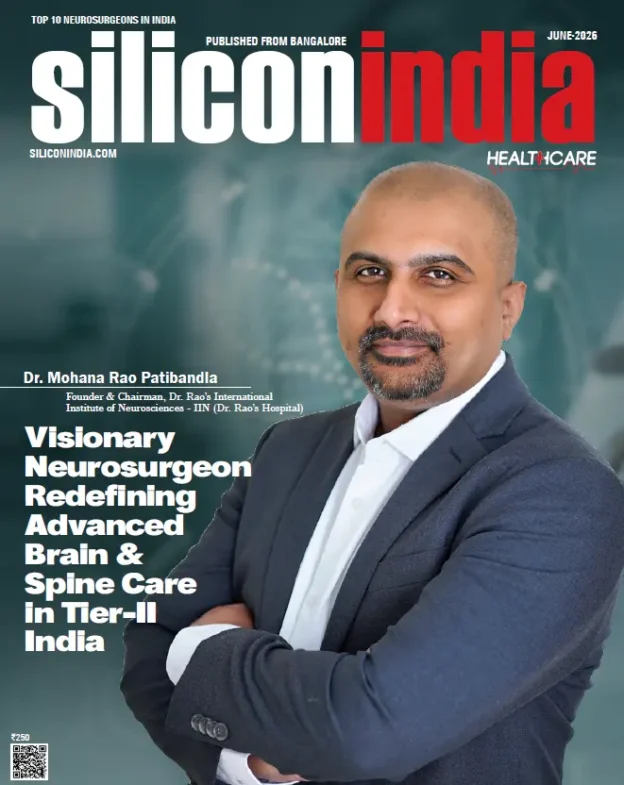
Dr. Mohana Rao Patibandla featured on SiliconIndia Healthcare Top 10 Neurosurgeons in India 2026 cover for advancing minimally invasive brain and spine surgery.

Dr. Mohana Rao Patibandla Featured Among SiliconIndia’s Top 10 Neurosurgeons in India 2026

Dr. Mohana Rao Patibandla Featured Among SiliconIndia’s Top 10 Neurosurgeons in India 2026: Advancing Minimally Invasive Brain and Spine Surgery


Dr. Mohana Rao Patibandla, Founder of Dr. Rao’s Hospital – International Institute of Neurosciences (IIN), Guntur, has been featured among SiliconIndia Healthcare’s Top 10 Neurosurgeons in India 2026. This recognition highlights his contributions to minimally invasive neurosurgery, advanced spine surgery, cerebrovascular neurosurgery, pediatric neurosurgery, neuro-oncology, and the development of a comprehensive neurosciences ecosystem in Andhra Pradesh.


As one of India’s internationally trained neurosurgeons, Dr. Mohana Rao Patibandla has dedicated his career to bringing world-class neurological and neurosurgical care closer to patients. Through Dr. Rao’s Hospital – International Institute of Neurosciences (IIN), he continues to transform the way brain, spine, and nerve disorders are diagnosed and treated in South India.


SiliconIndia’s Top 10 Neurosurgeons in India 2026


In its June 2026 special edition on neurosurgery, SiliconIndia Healthcare recognized ten distinguished neurosurgeons from leading institutions across India. The featured neurosurgeons include:


  • Dr. Mohana Rao Patibandla – Dr. Rao’s Hospital, Guntur
  • Dr. Ajay Hegde – Manipal Hospitals, Bengaluru
  • Dr. Amitabha Chanda – CMRI Hospital, Kolkata
  • Dr. Arun Saroha – Max Healthcare, New Delhi
  • Dr. Divya Goel – SSB Heart & Multispeciality Hospital, Faridabad
  • Dr. Mohit Bhatt – Kokilaben Dhirubhai Ambani Hospital, Mumbai
  • Dr. C. Nikhil Kumar – Gautam Neuro Care, Secunderabad
  • Dr. Nirav Mehta – Bombay Hospital, Mumbai
  • Dr. Satish Babu H.V. – Columbia Asia Hospital, Bengaluru
  • Dr. Shishir Kumar – Yashoda Hospital & Research Centre, Ghaziabad


The feature highlighted Dr. Rao’s extensive international training, leadership in minimally invasive neurosurgery, commitment to innovation, and vision of making advanced neuroscience care accessible beyond metropolitan India.


Who Is Dr. Mohana Rao Patibandla?

Dr. Mohana Rao Patibandla featured in SiliconIndia Healthcare Top 10 Neurosurgeons in India 2026 cover story highlighting minimally invasive brain and spine surgery innovation.

Dr. Mohana Rao Patibandla appears on SiliconIndia Dr. Mohana Rao Patibandla, Founder & Chairman of Dr. Rao’s Hospital – International Institute of Neurosciences (IIN), featured in SiliconIndia Healthcare’s Top 10 Neurosurgeons in India 2026 cover story.


Dr. Mohana Rao Patibandla is an internationally trained neurosurgeon and the Founder of Dr. Rao’s Hospital – International Institute of Neurosciences (IIN), one of India’s dedicated neuroscience centers located in Guntur, Andhra Pradesh.


After completing his MBBS from Andhra Medical College, Visakhapatnam, and M.Ch Neurosurgery from Nizam’s Institute of Medical Sciences (NIMS), Hyderabad, Dr. Rao pursued multiple advanced fellowships in the United States. His specialized training includes:


  • Minimally Invasive Skull Base Surgery
  • Pediatric Neurosurgery
  • Neuro-Oncology
  • Endovascular and Cerebrovascular Neurosurgery
  • Functional Neurosurgery
  • Stereotactic Radiosurgery
  • Minimally Invasive Brain Surgery
  • Minimally Invasive Spine Surgery


This extensive global exposure has enabled him to introduce advanced techniques and technologies that improve patient outcomes while minimizing surgical trauma.


Why Dr. Mohana Rao Patibandla Was Featured by SiliconIndia


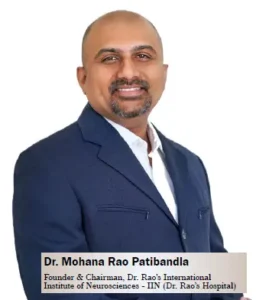
Dr. Mohana Rao Patibandla, internationally trained neurosurgeon and Founder of Dr. Rao's Hospital – International Institute of Neurosciences (IIN), Guntur.

Dr. Mohana Rao Patibandla, Founder & Chairman of Dr. Rao’s Hospital – International Institute of Neurosciences (IIN), Guntur, recognized for his contributions to minimally invasive brain and spine surgery.

According to SiliconIndia Healthcare, Dr. Rao represents a new generation of Indian medical leaders who combine global expertise with patient-centered care and healthcare innovation. His profile emphasized not only his surgical accomplishments but also his efforts to build a sustainable neurosciences ecosystem focused on clinical excellence, education, research, and technology.


Leadership in Minimally Invasive Neurosurgery


Minimally invasive neurosurgery has transformed the treatment of brain and spine disorders. By utilizing smaller incisions, advanced imaging, neuronavigation, intraoperative neuromonitoring, endoscopic techniques, and precision surgical planning, patients often experience:


  • Reduced pain after surgery
  • Shorter hospital stays
  • Less blood loss
  • Faster recovery
  • Earlier return to daily activities
  • Improved cosmetic outcomes


Dr. Rao has been a strong advocate of minimally invasive approaches whenever clinically appropriate, helping patients benefit from safer and more effective treatment options.


Dr. Rao’s Hospital – International Institute of Neurosciences (IIN)


Dr. Rao’s Hospital – International Institute of Neurosciences (IIN) was established with the vision of creating a world-class center dedicated to brain, spine, and nerve care. Today, it serves patients from Andhra Pradesh, Telangana, Tamil Nadu, Karnataka, Odisha, and other parts of India.


Comprehensive Neurosciences Services


The institute offers advanced treatment for a wide range of neurological and neurosurgical conditions, including:


  • Brain Tumors
  • Spine Disorders
  • Stroke and Cerebrovascular Diseases
  • Aneurysms
  • Epilepsy
  • Pediatric Neurological Disorders
  • Skull Base Tumors
  • Hydrocephalus
  • Trigeminal Neuralgia
  • Peripheral Nerve Disorders


Suggested Internal Links


Why Patients Across India Choose Dr. Mohana Rao Patibandla


When patients and families search for the best neurosurgeon in Guntur, the best neurologist in Guntur, or the best spine surgeon in Guntur, they are often looking for more than just surgical expertise. They seek experience, trust, advanced technology, personalized care, and successful outcomes.


Over the years, Dr. Mohana Rao Patibandla has built a reputation for combining internationally trained expertise with compassionate patient-centered care. His approach focuses on accurate diagnosis, evidence-based treatment, minimally invasive techniques whenever appropriate, and comprehensive rehabilitation.


Patient-Centered Neurosurgical Care


Every neurological condition is unique. Whether treating a complex brain tumor, spinal disorder, aneurysm, epilepsy, hydrocephalus, or pediatric neurological condition, Dr. Rao believes treatment should be tailored to the individual patient’s needs.


This philosophy has helped establish Dr. Rao’s Hospital – International Institute of Neurosciences (IIN) as a trusted destination for advanced neurological care in India.


Innovation in Brain and Spine Surgery


Modern neurosurgery is evolving rapidly. Today’s patients benefit from technologies that were unavailable just a decade ago.


At Dr. Rao’s Hospital – International Institute of Neurosciences (IIN), advanced technologies are utilized to improve surgical precision and patient outcomes.


Advanced Neurosurgical Technologies


  • High-Definition Operating Microscopes
  • Neuronavigation Systems
  • Intraoperative Neuromonitoring (IONM)
  • Endoscopic Neurosurgery
  • Minimally Invasive Spine Surgery
  • BrainPath-Assisted Surgery
  • Cerebrovascular and Endovascular Neurosurgery
  • Advanced Neuroimaging
  • Microsurgical Skull Base Techniques


These technologies allow surgeons to operate with greater accuracy while preserving healthy tissues and critical neurological structures.


Advancing Cerebrovascular and Endovascular Neurosurgery


Stroke remains one of the leading causes of disability and death worldwide. Early diagnosis and expert treatment can significantly improve outcomes.


Dr. Rao has received specialized international training in cerebrovascular and endovascular neurosurgery, enabling treatment of:


  • Brain Aneurysms
  • Arteriovenous Malformations (AVMs)
  • Stroke
  • Carotid Artery Disease
  • Cerebral Hemorrhage
  • Complex Cerebrovascular Disorders


The ability to offer both open microsurgical and endovascular treatment options allows patients to receive individualized care based on their specific condition.


Pediatric Neurosurgery Expertise


Children with neurological disorders require specialized expertise and compassionate care. Dr. Rao’s advanced training in pediatric neurosurgery helps provide comprehensive treatment for complex childhood neurological conditions.


Common pediatric neurosurgical conditions treated include:


  • Hydrocephalus
  • Brain Tumors
  • Spinal Dysraphism
  • Chiari Malformations
  • Craniosynostosis
  • Pediatric Epilepsy
  • Congenital Brain and Spine Disorders


Research, Education, and Academic Excellence


The SiliconIndia feature highlighted Dr. Rao’s commitment to academic medicine and continuous learning. Beyond the operating room, he actively contributes through scientific publications, presentations, national conferences, and international collaborations.


His academic contributions help advance neurosurgical knowledge while ensuring patients benefit from the latest evidence-based treatment approaches.


National and International Presentations


Dr. Rao regularly presents innovative surgical techniques and clinical experiences at leading neurosurgical conferences across India and internationally. Topics have included:


  • Endoscopic Skull Base Surgery
  • BrainPath Surgery for Deep-Seated Brain Lesions
  • Endovascular Neurosurgery
  • Advanced Spine Surgery
  • Intraoperative Neuromonitoring
  • Complex Cerebrovascular Reconstruction


The Future of Neurosurgery: AI, Robotics, and Precision Medicine


The future of neurosciences will increasingly be shaped by artificial intelligence, robotics, precision diagnostics, advanced imaging, and personalized medicine.


AI-assisted planning can help surgeons analyze complex anatomical structures, while advanced imaging technologies enable more precise diagnosis and treatment planning.


Dr. Rao believes that while technology will continue transforming medicine, the human element of healthcare remains essential.


“Technology should enhance patient care, not replace the human connection between doctor and patient. The goal is always better outcomes, safer treatment, and improved quality of life.”


Frequently Asked Questions About Dr. Mohana Rao Patibandla


Who is Dr. Mohana Rao Patibandla?

Dr. Mohana Rao Patibandla is an internationally trained neurosurgeon and Founder of Dr. Rao’s Hospital – International Institute of Neurosciences (IIN), Guntur, Andhra Pradesh.


Why was Dr. Mohana Rao Patibandla featured by SiliconIndia?

SiliconIndia Healthcare featured Dr. Rao among its Top 10 Neurosurgeons in India 2026 for his contributions to minimally invasive neurosurgery, advanced brain and spine surgery, innovation, research, and patient care.


What conditions does Dr. Rao treat?

Dr. Rao treats brain tumors, spine disorders, stroke, aneurysms, epilepsy, skull base tumors, hydrocephalus, pediatric neurological disorders, and many other brain and spine conditions.


What is minimally invasive neurosurgery?

Minimally invasive neurosurgery uses smaller incisions and advanced technologies to reduce surgical trauma, shorten recovery time, and improve patient outcomes.


Where is Dr. Rao’s Hospital located?

Dr. Rao’s Hospital – International Institute of Neurosciences (IIN) is located at Old Bank Street, Kothapet, Guntur, Andhra Pradesh, India.


SiliconIndia Recognition Reflects a Broader Vision


Being featured among SiliconIndia’s Top 10 Neurosurgeons in India 2026 represents more than individual recognition. It reflects a vision of delivering world-class neuroscience care through innovation, education, research, and patient-centered treatment.


The feature acknowledges Dr. Mohana Rao Patibandla’s efforts to bridge international expertise with local accessibility, ensuring patients can receive advanced brain, spine, and nerve care closer to home.


Schedule a Consultation with Dr. Mohana Rao Patibandla


If you or a loved one is experiencing a neurological condition and seeking expert evaluation, Dr. Rao’s Hospital – International Institute of Neurosciences (IIN) offers comprehensive diagnosis, treatment, and rehabilitation services.


Dr. Mohana Rao Patibandla
Founder of Dr. Rao’s Hospital – International Institute of Neurosciences (IIN), Guntur

Phone: +91 90100 56444
Email: info@drraoshospitals.com
Website: https://drraoshospitals.com


Conclusion


The recognition of Dr. Mohana Rao Patibandla among SiliconIndia Healthcare’s Top 10 Neurosurgeons in India 2026 underscores a career dedicated to surgical excellence, innovation, education, and compassionate patient care.


Through Dr. Rao’s Hospital – International Institute of Neurosciences (IIN), he continues to advance minimally invasive brain and spine surgery, complex cerebrovascular care, pediatric neurosurgery, and cutting-edge neuroscience services. As healthcare continues to evolve, Dr. Rao remains committed to delivering world-class outcomes while helping shape the future of neurosciences in India.

Primary Source URL (SiliconIndia Feature)
https://www.siliconindia.com/digital-magazine/neurosurgeons-in-india-june-2026/

Dr. Mohana Rao Patibandla Official Profile
https://drraoshospitals.com/dr-mohana-rao-patibandla-brief-bio-international-institute-of-neurosciencs-guntur/

Dr. Rao’s Hospital – International Institute of Neurosciences (IIN)
https://drraoshospitals.com/

Andhra Medical College
https://amcollege.edu.in/

Nizam’s Institute of Medical Sciences (NIMS)
https://www.nims.edu.in/

National Library of Medicine (PubMed)
https://pubmed.ncbi.nlm.nih.gov/

American Association of Neurological Surgeons
https://www.aans.org/

Congress of Neurological Surgeons
https://www.cns.org/

World Federation of Neurosurgical Societies
https://www.wfns.org/

Neurological Society of India
https://neurosocietyindia.com/

Dr. Mohana Rao Patibandla featured on SiliconIndia Healthcare Top 10 Neurosurgeons in India 2026 cover for advancing minimally invasive brain and spine surgery.

Dr. Mohana Rao Patibandla Named Among Top 10 Neurosurgeons in India by SiliconIndia

Dr. Mohana Rao Patibandla Named Among Top 10 Neurosurgeons in India by SiliconIndia


Dr. Mohana Rao Patibandla, Founder and Chairman of Dr. Rao’s Hospital – International Institute of Neurosciences (IIN), Guntur, has been recognized among the Top 10 Neurosurgeons in India by SiliconIndia Healthcare for his pioneering contributions to minimally invasive brain and spine surgery, advanced neuroscience care, and healthcare innovation.

Source: Silicon India

News Article: The National Legal Review


This prestigious recognition highlights a remarkable journey that spans international neurosurgical training, cutting-edge surgical innovation, academic excellence, and a steadfast commitment to improving patient outcomes through advanced neurological and neurosurgical care.


As neurosurgery continues to evolve through artificial intelligence, robotics, neuro-navigation, endovascular techniques, and minimally invasive procedures, leaders such as Dr. Mohana Rao Patibandla are helping shape the future of neuroscience in India while bringing world-class treatment closer to patients across Andhra Pradesh, Telangana, and the rest of the country.


Source: Silicon India


Recognition by SiliconIndia Healthcare


SiliconIndia Healthcare’s recognition of Dr. Mohana Rao Patibandla among the Top 10 Neurosurgeons in India acknowledges his contributions to modern neurosurgery, minimally invasive brain surgery, spine surgery, cerebrovascular surgery, skull base surgery, pediatric neurosurgery, neuro-oncology, and endovascular neurosurgery.


The feature highlights how Dr. Rao has successfully combined advanced technology, evidence-based medicine, international expertise, and patient-centered care to establish one of India’s most advanced neuroscience centers.


According to the publication, Dr. Rao’s work has been instrumental in transforming neurological care through innovative surgical techniques designed to reduce tissue trauma, shorten hospital stays, minimize complications, and improve recovery outcomes.


Read more about our neurosurgical expertise here:


The Journey of Dr. Mohana Rao Patibandla


The story behind this recognition is one of dedication, innovation, and relentless pursuit of excellence.


After completing his MBBS from Andhra Medical College, Visakhapatnam, Dr. Rao pursued specialization in Neurosurgery at Nizam’s Institute of Medical Sciences (NIMS), Hyderabad. However, his vision extended far beyond traditional neurosurgical training.


Recognizing the rapid evolution of neuroscience globally, he pursued advanced fellowships across multiple subspecialties in the United States, gaining expertise in:


  • Minimally Invasive Skull Base Surgery
  • Pediatric Neurosurgery
  • Neuro-Oncology
  • Functional Neurosurgery
  • Stereotactic Radiosurgery
  • Endovascular Neurosurgery
  • Cerebrovascular Neurosurgery
  • Minimally Invasive Spine Surgery


This extensive international training allowed him to bring advanced neurosurgical techniques back to India, helping bridge the gap between global innovation and regional accessibility.


Today, patients from across India and abroad seek treatment at Dr. Rao’s Hospital because of its commitment to excellence, innovation, and personalized care.


Source: Silicon India


Dr. Mohana Rao Patibandla featured in SiliconIndia Healthcare Top 10 Neurosurgeons in India 2026 cover story highlighting minimally invasive brain and spine surgery innovation.

Dr. Mohana Rao Patibandla appears on SiliconIndia Dr. Mohana Rao Patibandla, Founder & Chairman of Dr. Rao’s Hospital – International Institute of Neurosciences (IIN), featured in SiliconIndia Healthcare’s Top 10 Neurosurgeons in India 2026 cover story.


Building Dr. Rao’s Hospital – International Institute of Neurosciences (IIN)


Upon returning to India, Dr. Rao founded Dr. Rao’s Hospital – International Institute of Neurosciences (IIN) in Guntur with a vision of creating a comprehensive neuroscience ecosystem capable of delivering world-class neurological care.


Unlike conventional hospitals that focus on isolated specialties, IIN was designed as an integrated center dedicated exclusively to diseases of the brain, spine, nerves, and cerebrovascular system.


The institute combines:


  • Advanced neurosurgical operating rooms
  • State-of-the-art neuroimaging
  • Comprehensive neurocritical care
  • Endovascular treatment facilities
  • Intraoperative neuromonitoring
  • Neuro-rehabilitation services
  • Multidisciplinary neuroscience expertise


The goal has always remained simple yet ambitious: provide patients access to the same level of care available at leading neuroscience centers worldwide.


Learn more about the institute: About Dr. Rao’s Hospital – International Institute of Neurosciences


Advancing Minimally Invasive Neurosurgery in India


One of the primary reasons for SiliconIndia’s recognition is Dr. Rao’s leadership in advancing minimally invasive neurosurgery.


Traditional neurosurgical procedures often required large incisions, extensive tissue dissection, prolonged hospitalization, and lengthy recovery periods.


Modern minimally invasive neurosurgery has fundamentally changed this paradigm.


Using specialized surgical microscopes, endoscopes, neuronavigation systems, high-definition imaging, and precision instruments, neurosurgeons can now access complex brain and spinal pathologies through significantly smaller openings.


The benefits include:

  • Reduced surgical trauma
  • Lower risk of infection
  • Reduced blood loss
  • Less postoperative pain
  • Shorter hospital stays
  • Faster return to daily activities
  • Improved cosmetic outcomes


Dr. Rao has been at the forefront of adopting and refining these techniques across multiple neurosurgical disciplines.


Patients suffering from brain tumors, spinal disorders, cerebrovascular diseases, and skull base lesions increasingly benefit from these advanced approaches.


Expertise Across the Full Spectrum of Neurosciences


What distinguishes Dr. Mohana Rao Patibandla from many neurosurgeons is the breadth of his subspecialty expertise.


At Dr. Rao’s Hospital, patients receive comprehensive treatment for:


Brain Tumors


Advanced surgical management of benign and malignant brain tumors using modern neuro-navigation, intraoperative monitoring, and minimally invasive approaches.


Brain Tumor Treatment


Cerebrovascular Disorders


Treatment of aneurysms, arteriovenous malformations (AVMs), stroke-related conditions, and complex vascular pathologies.


Stroke and Cerebrovascular Care


Spine Surgery


Management of cervical, thoracic, and lumbar spine disorders through minimally invasive and motion-preserving techniques.


Advanced Spine Surgery


Pediatric Neurosurgery


Specialized care for children with congenital neurological disorders, hydrocephalus, brain tumors, epilepsy, and spinal abnormalities.


Skull Base Surgery


Treatment of complex tumors located at the base of the skull using advanced microsurgical and endoscopic approaches.


Endovascular Neurosurgery


Minimally invasive treatment of aneurysms and vascular disorders through catheter-based procedures that often avoid open surgery.


Technology Driving Better Patient Outcomes


The future of neurosurgery is increasingly dependent on technology, and Dr. Rao has consistently emphasized the importance of integrating innovation into clinical practice.


Modern neuroscience care at IIN incorporates:


  • Neuronavigation systems
  • Advanced surgical microscopes
  • Intraoperative neuromonitoring
  • High-resolution MRI and CT imaging
  • Endoscopic neurosurgical equipment
  • Biplane neurovascular imaging systems
  • Artificial intelligence-assisted diagnostics


However, Dr. Rao’s philosophy remains centered on the patient. Source: Silicon India


“The ultimate goal of innovation is not technology itself—it is improving outcomes, preserving neurological function, and helping patients return to their lives as quickly and safely as possible.”


This patient-first approach has earned the trust of thousands of patients and families seeking advanced neurological and neurosurgical care.


Academic Contributions and Leadership in Neurosciences


Beyond his clinical accomplishments, Dr. Mohana Rao Patibandla has established himself as a respected educator, researcher, speaker, and advocate for innovation in neuroscience. His contributions extend beyond the operating room into academic medicine, training, research, and healthcare leadership.


Over the years, Dr. Rao has presented scientific papers, participated in national and international conferences, and contributed to advancing knowledge in minimally invasive neurosurgery, neuro-oncology, cerebrovascular surgery, pediatric neurosurgery, and spine surgery.


His commitment to education has helped inspire the next generation of neurosurgeons while promoting evidence-based clinical practices across India and internationally.


By integrating research, technology, and patient care, Dr. Rao continues to help shape the future of neuroscience and neurological surgery.

Dr. Mohana Rao Patibandla, internationally trained neurosurgeon and Founder of Dr. Rao's Hospital – International Institute of Neurosciences (IIN), Guntur.

Dr. Mohana Rao Patibandla, Founder & Chairman of Dr. Rao’s Hospital – International Institute of Neurosciences (IIN), Guntur, recognized for his contributions to minimally invasive brain and spine surgery.


The Future of Neurosurgery in India


India is rapidly emerging as a global hub for advanced healthcare and medical innovation. Neurosurgery, in particular, is experiencing remarkable transformation driven by artificial intelligence, robotics, precision medicine, neuro-navigation, augmented reality, and minimally invasive surgical techniques.


Dr. Mohana Rao Patibandla believes that the future of neurosurgery lies in delivering safer, more precise, and less invasive treatments while improving quality of life for patients.


Several developments are expected to shape the next decade of neurological care:


  • Artificial intelligence-assisted diagnosis and treatment planning
  • Robot-assisted neurosurgical procedures
  • Advanced neuro-navigation systems
  • Enhanced endovascular treatments for stroke and aneurysms
  • Personalized medicine and genomics
  • Expanded use of minimally invasive surgical approaches
  • Greater integration of neuro-rehabilitation technologies


Through Dr. Rao’s Hospital – International Institute of Neurosciences (IIN), Dr. Patibandla continues to champion these innovations while ensuring that patient safety and outcomes remain at the center of every advancement. Source: Silicon India


Why Patients Choose Dr. Rao’s Hospital – International Institute of Neurosciences (IIN)


Patients from Andhra Pradesh, Telangana, Karnataka, Tamil Nadu, Odisha, and international locations increasingly choose Dr. Rao’s Hospital because of its unique combination of expertise, technology, and patient-centered care.


Comprehensive Neuroscience Care


The hospital offers integrated services covering neurology, neurosurgery, spine surgery, stroke care, neuro-oncology, pediatric neurosurgery, endovascular neurosurgery, and rehabilitation.


Internationally Trained Expertise


Patients benefit from the extensive international training and multidisciplinary experience of Dr. Mohana Rao Patibandla.


Advanced Infrastructure


The institute features modern operating rooms, advanced imaging systems, neuro-navigation technologies, neurocritical care units, and specialized rehabilitation services.


Patient-Focused Approach


Every treatment plan is customized to meet the specific needs of each patient, emphasizing safety, recovery, and long-term quality of life.


Source: Silicon India


A Recognition That Reflects a Larger Vision


Being named among SiliconIndia Healthcare’s Top 10 Neurosurgeons in India is more than an individual achievement. It reflects a broader vision of transforming neuroscience care in India through innovation, accessibility, education, and excellence.


This recognition highlights the impact of building a dedicated neuroscience ecosystem capable of providing advanced neurological care closer to patients while maintaining international standards.


For Dr. Mohana Rao Patibandla, the honor reinforces a lifelong commitment to advancing neurosurgery, improving patient outcomes, and creating sustainable healthcare solutions for future generations.


As neuroscience continues to evolve, Dr. Rao remains focused on integrating innovation with compassion, ensuring that patients receive world-class care without compromising accessibility or affordability.


Schedule a Consultation with Dr. Mohana Rao Patibandla

If you or a loved one requires expert evaluation or treatment for neurological, neurosurgical, spine, stroke, or cerebrovascular conditions, connect with Dr. Rao’s Hospital – International Institute of Neurosciences (IIN).

Phone: +91 90100 56444
Website: https://drraoshospitals.com
Email: info@drraoshospitals.com
Location: Old Bank Road, Kothapet, Guntur, Andhra Pradesh, India

Book an Appointment |
Visit Dr. Rao’s Hospital


Follow Dr. Rao’s Hospital on Social Media

Stay updated with the latest advancements in neurosurgery, patient success stories, educational content, and healthcare innovations.


Frequently Asked Questions (FAQs)


Who is Dr. Mohana Rao Patibandla?

Dr. Mohana Rao Patibandla is an internationally trained neurosurgeon, spine surgeon, and endovascular neurosurgeon who founded Dr. Rao’s Hospital – International Institute of Neurosciences (IIN) in Guntur, Andhra Pradesh.


Why was Dr. Mohana Rao Patibandla recognized by SiliconIndia?

He was recognized among the Top 10 Neurosurgeons in India for his contributions to minimally invasive brain surgery, spine surgery, advanced neuroscience care, and healthcare innovation.


What specialties does Dr. Rao focus on?

His expertise includes brain tumors, spine surgery, stroke treatment, cerebrovascular surgery, skull base surgery, pediatric neurosurgery, and endovascular neurosurgery.


Where is Dr. Rao’s Hospital located?

Dr. Rao’s Hospital – International Institute of Neurosciences is located in Guntur, Andhra Pradesh, India.


What makes Dr. Rao’s Hospital unique?

The hospital is dedicated exclusively to neurosciences and combines advanced technology, international expertise, multidisciplinary care, and patient-centered treatment.


Does Dr. Rao perform minimally invasive brain surgery?

Yes. Dr. Rao is recognized for his expertise in minimally invasive neurosurgical techniques designed to reduce surgical trauma and improve recovery outcomes.


About the Author:
Dr. Mohana Rao Patibandla, MBBS, MCh, iFAANS, FESBS, FMINS, FPNS, FNOSRS, FEVNS, is an internationally trained neurosurgeon and Founder of Dr. Rao’s Hospital – International Institute of Neurosciences (IIN), Guntur, India. His work focuses on minimally invasive brain surgery, spine surgery, cerebrovascular neurosurgery, pediatric neurosurgery, skull base surgery, and advanced neuroscience innovation.

The best Minimally Invasive Keyhole Endoscopic Spine Surgery in Guntur

How Keyhole Neurosurgery Is Transforming Brain and Spine Care in India – Dr. Rao’s IIN


How Minimally Invasive Keyhole Neurosurgery Is Revolutionizing Brain and Spine Care in India


Modern neurosurgery has entered an era of remarkable transformation driven by advanced imaging, precision-guided technologies, minimally invasive surgical systems, and sophisticated neurosciences innovation.


Historically, many neurological and spine surgeries required large surgical openings and extensive tissue manipulation to reach delicate structures deep within the brain or spine.


While traditional surgical techniques saved countless lives, they were often associated with longer hospitalization, greater tissue disruption, postoperative pain, and extended rehabilitation periods.


Today, minimally invasive keyhole neurosurgery is changing this landscape by enabling surgeons to perform selected procedures through smaller openings while preserving surrounding neurological structures and improving recovery outcomes.


A recent Times of India feature highlighted this transformation through the recognition awarded to Dr. Mohana Rao Patibandla as the Best Minimally Invasive Keyhole Neurosurgeon and Spine Surgeon at the prestigious Radiocity FM 91.1 Icon Awards.


Primary Source: Times of India – Dr. Mohana Rao Patibandla Honoured as Best Minimally Invasive Keyhole Neurosurgeon and Spine Surgeon


The Complexity of Brain and Spine Surgery


Neurosurgery remains one of the most technically demanding specialties in medicine because it involves structures responsible for:


  • Movement
  • Speech
  • Memory
  • Vision
  • Cognition
  • Sensory function


The brain and spinal cord contain highly delicate neural pathways and vascular structures where even small surgical inaccuracies may potentially affect long-term neurological function.


Conditions commonly requiring neurosurgical or spine intervention include:


  • Brain tumors
  • Spinal cord compression
  • Disc prolapse
  • Stroke-related disorders
  • Traumatic injuries
  • Neurovascular diseases
  • Degenerative spine disease


Modern neurosurgery therefore depends heavily on precision, technology integration, multidisciplinary collaboration, and continuous innovation.


American Association of Neurological Surgeons


What Is Minimally Invasive Keyhole Neurosurgery?


Keyhole neurosurgery is an advanced minimally invasive surgical technique that allows surgeons to access neurological pathology through smaller surgical openings using specialized instruments, microscopes, endoscopes, and neuronavigation systems.


According to the Times of India article, Dr. Mohana Rao Patibandla has become widely recognized for advancing minimally invasive keyhole neurosurgery and spine surgery in India.


Unlike traditional open surgery, keyhole approaches focus on:


  • Smaller incisions
  • Microsurgical precision
  • Reduced tissue disruption
  • Enhanced visualization
  • Function preservation


These techniques often utilize:


  • Operating microscopes
  • Endoscopic systems
  • Advanced neuroimaging
  • Neuronavigation
  • Intraoperative monitoring


Modern keyhole surgery represents one of the most important advancements in contemporary neurosciences.


The Benefits of Minimally Invasive Neurosurgery


The evolution of minimally invasive surgery has significantly improved patient care in selected neurological and spinal conditions.


Potential advantages may include:


  • Reduced blood loss
  • Less postoperative pain
  • Shorter hospitalization
  • Smaller surgical scars
  • Faster recovery
  • Reduced tissue trauma


The Times of India article emphasizes Dr. Rao’s dedication toward advancing minimally invasive surgery to improve patient outcomes and accessibility.


Modern healthcare increasingly prioritizes preserving function while minimizing surgical disruption.


Minimally Invasive Neurosurgery at Dr. Rao’s Hospital


The Evolution of Minimally Invasive Spine Surgery


Spine surgery has also undergone major transformation through minimally invasive approaches.


Traditional spine procedures often involved:


  • Larger muscle dissection
  • Greater blood loss
  • Longer recovery time
  • Extended rehabilitation


Modern minimally invasive spine surgery now enables selected procedures through smaller corridors while preserving muscles and surrounding tissues.


Conditions commonly treated using minimally invasive spine techniques may include:


  • Lumbar disc prolapse
  • Cervical disc disease
  • Spinal stenosis
  • Degenerative spine disorders
  • Selected spinal tumors


These advancements have significantly improved postoperative rehabilitation and patient mobility.


North American Spine Society


International Training and Global Exposure


The Times of India feature highlights Dr. Rao’s international training experience in the United States, Europe, and Japan.


Global exposure often provides neurosurgeons experience with:


  • Advanced surgical technologies
  • Research-oriented healthcare systems
  • Complex multidisciplinary care
  • Modern operating room infrastructure
  • Evidence-based medicine


Such international training frequently influences long-term institutional vision and innovation-driven healthcare development.


The article emphasizes how these experiences shaped Dr. Rao’s patient-centered approach focused on precision and innovation.


The Importance of Regional Neurosciences Infrastructure


One of the most important themes reflected throughout the article is the expansion of advanced neurological care beyond metropolitan cities.


Historically, many patients from smaller towns traveled long distances seeking:


  • Complex brain surgery
  • Advanced spine surgery
  • Stroke intervention
  • Neuro-oncology care
  • Endovascular treatment


This often created:


  • Financial burden
  • Treatment delays
  • Interrupted rehabilitation
  • Accessibility challenges


According to the Times of India article, Dr. Rao’s dedication toward accessible and high-quality care has benefited patients from Andhra Pradesh, Telangana, and neighboring states.


Regional neuroscience systems improve:


  • Emergency accessibility
  • Continuity of treatment
  • Patient convenience
  • Long-term rehabilitation support


Technology Is Transforming Neurosciences


Modern neurological care increasingly depends on sophisticated technologies including:


  • Neuronavigation systems
  • Advanced MRI imaging
  • Microsurgical operating microscopes
  • Endoscopic systems
  • Intraoperative neuromonitoring
  • Precision-guided surgical platforms


These technologies improve:


  • Surgical planning
  • Precision
  • Safety
  • Neurological preservation
  • Patient recovery


The future of neurosurgery will increasingly depend on integrating technology with human expertise and ethical patient-centered care.


The Human Side of Neurosurgery


Despite technological advancements, neurological care remains deeply human.


Patients facing brain or spine disorders often experience:


  • Fear
  • Anxiety
  • Concerns regarding disability
  • Emotional uncertainty
  • Questions about long-term recovery


Modern healthcare therefore requires not only technical expertise but also:


  • Compassion
  • Communication
  • Empathy
  • Trust
  • Long-term rehabilitation support


The Times of India article repeatedly reflects themes of dedication toward innovation, patient care, and medical excellence.


Recognition and Healthcare Leadership


Healthcare awards frequently recognize broader contributions toward innovation, accessibility, and patient-centered care.


The article notes several recognitions associated with Dr. Rao’s contributions, including:


  • Brain Lab Neurosurgery Award
  • Leaders Award
  • Atal Achievement Award


Such recognitions highlight the growing importance of innovation-driven neurological care within India’s healthcare ecosystem.


The Future of Keyhole Neurosurgery in India


India’s neurosciences ecosystem continues evolving rapidly through:


  • Artificial intelligence-assisted diagnostics
  • Robotic surgery
  • Advanced neuroimaging
  • Precision-guided surgery
  • Minimally invasive systems
  • Endovascular intervention


At the same time, future healthcare transformation will depend heavily on:


  • Regional accessibility
  • Advanced training
  • Ethical healthcare systems
  • Continuous innovation
  • Patient-centered treatment


Institutions capable of combining advanced technology with compassionate care are likely to shape the future of neurological treatment across India.


Conclusion


The recognition awarded to Dr. Mohana Rao Patibandla as Best Minimally Invasive Keyhole Neurosurgeon and Spine Surgeon reflects a broader transformation occurring within India’s neurosciences ecosystem.


Modern neurological and spinal care increasingly depends on:


  • Minimally invasive surgery
  • Advanced imaging technologies
  • Precision-guided systems
  • Multidisciplinary expertise
  • Patient-centered care


Institutions such as Dr. Rao’s Hospital – International Institute of Neurosciences represent an important part of India’s expanding commitment toward accessible, innovation-driven, and ethically focused neurosciences care.


As minimally invasive surgery continues evolving globally, the integration of precision technology, surgical expertise, and compassionate healthcare will likely define the next era of brain and spine treatment in India.


Frequently Asked Questions (FAQ)


1. What is keyhole neurosurgery?

Keyhole neurosurgery is a minimally invasive surgical technique using smaller openings and advanced imaging systems to reduce tissue disruption.


2. What are the benefits of minimally invasive spine surgery?

Benefits may include smaller incisions, less pain, shorter hospitalization, and faster recovery.


3. Why is neuronavigation important in neurosurgery?

Neuronavigation helps surgeons identify safer surgical pathways and improve precision during brain and spine surgery.


4. Why are regional neuroscience centers important?

They improve accessibility to advanced neurological and spine care outside major metropolitan cities.


5. Who is Dr. Mohana Rao Patibandla?

Dr. Mohana Rao Patibandla is an internationally trained neurosurgeon and founder of Dr. Rao’s Hospital – International Institute of Neurosciences.


Internal Links


Call To Action

If you or your loved one is experiencing neurological symptoms such as persistent headaches, seizures, spinal pain, weakness, stroke warning signs, or neurological disorders, timely expert evaluation is essential.


Dr. Rao’s Hospital – International Institute of Neurosciences
12-19-67, Old Bank Road, Kothapet, Besides AK Biryani Point, Guntur, Andhra Pradesh

Phone: +91 9010056444

Email: info@drraoshospitals.com

Website: https://drraoshospitals.com/


Connect With Us

“`

Dr. Mohana Rao Patibandla explaining DTI neuronavigation technology for advanced brain surgery at Dr. Rao’s Hospital in Guntur.

From Brain Surgery to Institution Building: Dr. Mohana Rao Patibandla and the Future of Regional Neurosciences in India

From Brain Surgery to Institution Building: Dr. Mohana Rao Patibandla

India’s healthcare transformation is no longer limited to metropolitan cities like Delhi, Mumbai, Chennai, or Hyderabad. Increasingly, highly specialized healthcare ecosystems are emerging in regional cities, bringing advanced medical care closer to patients who once had to travel long distances for treatment.


One of the strongest examples of this transformation is being built in Guntur, Andhra Pradesh, through the vision of Dr. Rao’s Hospital and the upcoming International Institute of Neurosciences.


What began as a mission to provide advanced neurosurgical care has gradually evolved into a broader institutional vision — one focused not only on surgery, but also on education, research, innovation, accessibility, and the future of neurosciences in regional India.


Recently, this evolving vision was featured in an international press release published by  EINPresswire , highlighting Dr. Mohana Rao Patibandla’s contributions toward advanced neurosciences care and institution building in India.


Today, Dr. Rao’s Hospital has become recognized as one of the leading destinations for neurology, neurosurgery, and spine care in Andhra Pradesh, serving patients from across India and abroad.


The Journey from Surgeon to Institution Builder

The journey of Dr. Mohana Rao Patibandla reflects a larger shift happening in Indian healthcare. Traditionally, many specialist doctors focused primarily on individual clinical practice. However, modern healthcare increasingly demands institution-building — creating systems that can sustain excellence across generations.


Dr. Mohana Rao Patibandla completed his MBBS from Andhra Medical College, followed by specialization in Neurosurgery at Nizam’s Institute of Medical Sciences (NIMS), Hyderabad. He further pursued advanced international fellowships in multiple subspecialties of neurosciences, including:


  • Skull base surgery
  • Epilepsy surgery
  • Pediatric neurosurgery
  • Neuro-oncology
  • Functional neurosurgery
  • Cerebrovascular and endovascular surgery
  • Minimally invasive neurosurgery

These experiences across the United States exposed him to high-end neuroscience ecosystems where patient care, innovation, research, and education worked together seamlessly.


Rather than limiting that experience to personal advancement, Dr. Rao envisioned creating similar standards in Andhra Pradesh.


Learn more about Dr. Rao’s international training and expertise here: About Dr. Mohana Rao Patibandla


Why Regional Neurosciences Matter in India


India faces a growing burden of neurological disorders, including:


  • Stroke
  • Brain tumors
  • Epilepsy
  • Spine disorders
  • Parkinson’s disease
  • Neurotrauma
  • Pediatric neurological conditions

According to the World Health Organization (WHO), neurological disorders are among the leading causes of disability worldwide.


For many years, patients from Andhra Pradesh often had to travel to Hyderabad, Chennai, Bengaluru, or Delhi for advanced neurosurgical procedures. This created multiple challenges:


  • Delayed treatment
  • Financial burden
  • Emotional stress for families
  • Difficult postoperative follow-up
  • Reduced accessibility for rural patients

The development of advanced neuroscience centers in regional cities addresses these gaps directly.


Dr. Rao’s Hospital was built around this philosophy — bringing world-class neuroscience care closer to patients.


Building a Modern Neurosciences Ecosystem in Guntur


Over the years, Dr. Rao’s Hospital has expanded beyond a conventional hospital model into a specialized neuroscience ecosystem.


The hospital focuses on:


  • Advanced brain surgery
  • Spine surgery
  • Stroke management
  • Neurocritical care
  • Neuroimaging
  • Endovascular procedures
  • Minimally invasive techniques
  • Pediatric neurosurgery
  • Functional neurosurgery


The institution has also invested significantly in modern operating microscopes, neuronavigation systems, neuro-monitoring technologies, and minimally invasive surgical platforms.

Explore advanced neurosurgery services here: Advanced Brain Surgery at Dr. Rao’s Hospital

Explore spine surgery services here:Spine Surgery in Guntur


The Rise of Minimally Invasive Neurosurgery

One of the major shifts in modern neurosurgery is the adoption of minimally invasive approaches.


Traditional neurosurgery often involved larger incisions, longer hospital stays, and extended recovery periods. Today, advanced minimally invasive techniques allow surgeons to perform highly complex procedures with greater precision and reduced tissue disruption.


Dr. Mohana Rao Patibandla has been actively involved in advancing:


  • Endoscopic brain surgery
  • Endoscopic skull base surgery
  • Minimally invasive spine surgery
  • Endoscopic transnasal procedures
  • Microscopic neurosurgery


These approaches can offer several advantages:

  • Smaller incisions
  • Reduced blood loss
  • Faster recovery
  • Shorter hospital stay
  • Lower postoperative pain
  • Earlier rehabilitation


Read more about minimally invasive neurosurgery from the American Association of Neurological Surgeons (AANS)
.


Technology and Innovation in Neurosciences


Modern neurosciences increasingly rely on technological integration.


The future of neurosurgery is no longer only about surgical skill — it also depends on:


  • Artificial intelligence
  • Precision imaging
  • Robotics
  • Intraoperative navigation
  • Neuro-monitoring
  • Endovascular technologies
  • Radiosurgery
  • Data-driven healthcare systems


Dr. Rao’s vision for the International Institute of Neurosciences includes building a future-ready ecosystem where technology enhances both patient outcomes and clinical efficiency.


The goal is not simply to replicate metro-city hospitals, but to create a modern regional neuroscience model tailored for India’s evolving healthcare needs.


The Importance of Education and Research

Great medical institutions are built not only through patient care but also through education and academic contribution.


Dr. Mohana Rao Patibandla has actively participated in national and international conferences, presenting advanced neurosurgical techniques and innovations in spine surgery, skull base surgery, and cerebrovascular procedures.


Academic participation strengthens:

  • Clinical standards
  • Surgical innovation
  • Knowledge exchange
  • International collaboration
  • Institutional credibility


The future International Institute of Neurosciences aims to contribute toward:

  • Neuroscience education
  • Fellowship programs
  • Research collaborations
  • Surgical training
  • Innovation platforms


Patient-Centered Neurosciences Care

Despite advances in technology, patient-centered care remains the foundation of meaningful healthcare.


Neurological diseases often affect:

  • Mobility
  • Speech
  • Memory
  • Independence
  • Quality of life


Families dealing with brain or spine disorders frequently experience significant emotional stress.


Dr. Rao’s Hospital emphasizes:

  • Ethical treatment planning
  • Transparent communication
  • Personalized care
  • Long-term rehabilitation
  • Multidisciplinary collaboration


Patients who once traveled to distant metropolitan centers can now access advanced neuroscience care closer to home in Andhra Pradesh.


Transforming Andhra Pradesh into a Neurosciences Destination


Healthcare infrastructure plays a major role in regional development.

Advanced specialty hospitals not only improve patient care but also:


  • Generate employment
  • Attract talent
  • Encourage medical tourism
  • Support medical education
  • Improve regional healthcare confidence


The long-term vision behind the International Institute of Neurosciences is larger than a single hospital. It represents an effort to position Andhra Pradesh as an emerging center for advanced neurosciences in India.


The Future of Neurosciences in India


The future of Indian neurosciences will likely depend on several key factors:

1. Regional Centers of Excellence

High-quality neuroscience institutes in tier-2 cities can significantly improve healthcare accessibility.

2. Technology Integration

Artificial intelligence, robotics, and precision imaging will increasingly support diagnosis and surgery.

3. Minimally Invasive Techniques

Smaller, safer, and more precise surgeries will continue to evolve.

4. Multidisciplinary Care

Integrated care involving neurologists, neurosurgeons, rehabilitation specialists, intensivists, and therapists will become standard.

5. Education and Research

Institutional growth requires continuous academic development.

Dr. Mohana Rao Patibandla’s vision aligns closely with these emerging trends.


Conclusion


The future of Indian healthcare may not be built exclusively in metro cities. Increasingly, it will emerge from visionary regional institutions capable of combining global expertise with local accessibility.


Dr. Mohana Rao Patibandla’s journey from neurosurgeon to institution builder represents this transformation.


Through advanced clinical care, minimally invasive surgery, education, research, and long-term institutional development, Dr. Rao’s Hospital and the International Institute of Neurosciences are contributing toward a new chapter in regional neurosciences care in India.


For patients and families across Andhra Pradesh and beyond, this evolution means something profoundly important — access to advanced neuroscience care closer to home.


Frequently Asked Questions (FAQs)

Who is Dr. Mohana Rao Patibandla?

Dr. Mohana Rao Patibandla is an internationally trained neurosurgeon and the founder of Dr. Rao’s Hospital in Guntur, Andhra Pradesh.


What is the International Institute of Neurosciences?

The International Institute of Neurosciences is the evolving vision behind Dr. Rao’s Hospital, focused on advanced neurosciences care, research, innovation, and education.


What conditions are treated at Dr. Rao’s Hospital?

The hospital treats brain tumors, stroke, epilepsy, spine disorders, neurotrauma, pediatric neurological conditions, and other complex neurological diseases.


Is minimally invasive brain surgery available in Guntur?

Yes. Dr. Rao’s Hospital offers advanced minimally invasive neurosurgical procedures in Guntur, Andhra Pradesh.


Consult Dr. Mohana Rao Patibandla at Dr. Rao’s Hospital, Guntur

If you or your loved one is experiencing neurological or spine-related symptoms, early evaluation can make a significant difference.

Dr. Rao’s Hospital – Advanced Neurosciences Care in Andhra Pradesh

📍 12-19-67, Old Bank Road, Kothapet, Opposite Sravani Hospital, Guntur, Andhra Pradesh

📞 090100 56444

🌐

Home 2


📧
info@drraoshospitals.com

📍
View on Google Maps


Follow Dr. Rao’s Hospital on Social Media

📘 Facebook:

https://www.facebook.com/Dr.Raoshospital.Neurosurgeon/

📸 Instagram:

https://www.instagram.com/dr_mohana_rao/

📺 YouTube:

https://www.youtube.com/user/mrpatiban

💼 LinkedIn:

https://www.linkedin.com/in/drpatibandla/

🐦 X (Twitter):

https://x.com/MohanaRaoPatib


TEDx banner featuring Dr. Rao highlighting his innovative ideas and expertise.

Why Dr. Rao’s Hospital Is Emerging as a Global Destination for Advanced Neurosurgery and Spine Care

Why Dr. Rao’s Hospital Is Emerging as a Global Destination

In the rapidly evolving world of neurosciences, only a few institutions successfully combine cutting-edge technology, internationally trained expertise, compassionate patient care, and affordability. Dr. Rao’s Hospital in Guntur has emerged as one of India’s most recognized centers for neurology, neurosurgery, spine surgery, and minimally invasive brain and spine care.


Founded by internationally trained neurosurgeon Dr. Mohana Rao Patibandla, the hospital has steadily transformed the healthcare landscape of Andhra Pradesh by bringing world-class neuro care closer to patients who previously had to travel to metro cities or abroad for advanced treatment.

According to the official hospital website, Dr. Rao’s Hospital is among the first dedicated neurosciences facilities in Andhra Pradesh equipped with advanced technologies such as intraoperative neuronavigation, hybrid cath lab systems, intraoperative imaging, neuromonitoring, and minimally invasive neurosurgical platforms.


A Vision to Bring World-Class Neurosurgery to Andhra Pradesh

The journey of Dr. Rao’s Hospital began with a mission: to create an internationally comparable neuroscience institute in Andhra Pradesh that prioritizes innovation, precision, safety, and compassionate healing.


After extensive training across India and the United States in skull base surgery, pediatric neurosurgery, minimally invasive neurosurgery, cerebrovascular surgery, neuro-oncology, and endovascular surgery, Dr. Mohana Rao Patibandla returned to India with a vision to establish a center of excellence in neurosciences.


Today, that vision has evolved into a highly respected institution serving patients from across:


  • Andhra Pradesh
  • Telangana
  • Tamil Nadu
  • Karnataka
  • Odisha
  • International medical tourism destinations
  •  

The hospital has become especially known for:

  • Brain tumor surgery
  • Complex spine surgery
  • Endoscopic skull base surgery
  • Endovascular neurosurgery
  • Pediatric neurosurgery
  • Epilepsy surgery
  • Functional neurosurgery
  • Stroke and aneurysm management
  • Minimally invasive spine surgery

Advanced Technology That Defines Precision Neurosurgery

Modern neurosurgery depends heavily on precision.

Even a millimeter can determine neurological outcomes. That is why advanced technology plays a central role at Dr. Rao’s Hospital.


According to the hospital’s official information, the facility includes:

  • Advanced neuronavigation systems
  • Hybrid vascular cath lab technology
  • Intraoperative neuromonitoring
  • High-end endoscopic neurosurgical systems
  • Advanced neuroimaging platforms
  • Minimally invasive surgical technologies
  •  

These technologies help surgeons:

  • Improve surgical accuracy
  • Reduce complications
  • Minimize blood loss
  • Preserve neurological function
  • Enable faster patient recovery
  •  

The hospital’s emphasis on minimally invasive and endoscopic approaches aligns with global neurosurgical trends promoted by organizations such as the American Association of Neurological Surgeons and the Congress of Neurological Surgeons.


Expertise in Brain Tumor Surgery

Brain tumors require a multidisciplinary approach involving neurosurgeons, neurologists, neuro-anesthesiologists, neurocritical care teams, radiologists, and rehabilitation experts.


Dr. Rao’s Hospital provides advanced management for:

  • Gliomas
  • Meningiomas
  • Pituitary tumors
  • Skull base tumors
  • Metastatic brain tumors
  • Pediatric brain tumors
  • Acoustic neuromas
  •  

Using minimally invasive and image-guided techniques, surgeons can often access deep-seated tumors while minimizing damage to healthy brain tissue.

The hospital’s expertise in skull base surgery is particularly notable because these surgeries involve delicate structures including cranial nerves, blood vessels, and the brainstem.


The importance of specialized neuro-oncology centers has also been highlighted by the National Cancer Institute, which emphasizes multidisciplinary care and precision-based treatment for improved outcomes.


Comprehensive Spine Surgery and Minimally Invasive Spine Care

Spinal disorders are increasingly common due to modern sedentary lifestyles, aging populations, trauma, and degenerative disease.


Dr. Rao’s Hospital offers advanced treatment for:


  • Cervical spondylosis
  • Lumbar disc prolapse
  • Sciatica
  • Spinal tumors
  • Spinal trauma
  • Scoliosis
  • Spinal instability
  • Craniovertebral junction disorders
  • Degenerative spine disease
  •  

The hospital is especially recognized for minimally invasive spine surgery, which offers several benefits:


  • Smaller incisions
  • Less muscle injury
  • Reduced postoperative pain
  • Faster mobilization
  • Shorter hospital stay
  • Quicker return to work
  •  

The growing importance of minimally invasive spine techniques is also recognized globally by organizations like the North American Spine Society.


Stroke, Aneurysm, and Endovascular Neurosurgery

Stroke remains one of the leading causes of disability and death worldwide. Rapid diagnosis and intervention are critical.


Dr. Rao’s Hospital provides emergency neurovascular care for:

  • Brain stroke
  • Aneurysms
  • Arteriovenous malformations (AVMs)
  • Intracranial hemorrhage
  • Carotid artery disease
  • Complex cerebrovascular disorders
  •  

The hospital’s advanced neurovascular and endovascular capabilities allow minimally invasive treatment approaches for many vascular conditions.


The World Health Organization notes that timely stroke management significantly improves outcomes and reduces long-term disability. World Health Organization – Stroke Information


Pediatric Neurosurgery with Compassionate Care

Children with neurological disorders require highly specialized treatment and emotional support.


Dr. Rao’s Hospital offers pediatric neurosurgical care for:


  • Hydrocephalus
  • Pediatric brain tumors
  • Congenital spine disorders
  • Craniosynostosis
  • Neural tube defects
  • Epilepsy
  • Traumatic brain injury
  •  

The hospital’s approach combines surgical expertise with family-centered care, ensuring parents remain informed and supported throughout treatment.


The importance of specialized pediatric neurosurgery has been emphasized by institutions such as Boston Children’s Hospital and Johns Hopkins Medicine.


International Recognition and Academic Contributions

One of the distinguishing aspects of Dr. Mohana Rao Patibandla’s career is his active participation in global neurosurgical academia.


He has presented advanced neurosurgical techniques at multiple national and international conferences, including presentations related to:


  • Endoscopic craniovertebral junction surgery
  • Advanced cerebrovascular procedures
  • Intraoperative neuromonitoring
  • Skull base surgery
  • Endovascular neurosurgery
  •  

International academic participation reflects not only surgical expertise but also commitment to advancing the field of neurosciences globally.

The hospital’s growing international visibility has contributed to increasing medical tourism interest from patients seeking affordable yet world-class neurological care.


Why Patients Choose Dr. Rao’s Hospital


Patients often choose Dr. Rao’s Hospital because of its combination of:

  • Internationally trained expertise
  • Advanced infrastructure
  • Personalized care
  • Affordable treatment
  • Ethical approach
  • Comprehensive neurosciences focus
  •  

The hospital emphasizes individualized treatment planning rather than a one-size-fits-all approach.


According to publicly available hospital information and patient feedback platforms, the institution has gained recognition for:


  • Rapid diagnosis
  • Emergency neuro care
  • Surgical precision
  • Patient communication
  • Postoperative rehabilitation
  • Compassionate nursing care
  •  

Medical Tourism in India and the Rise of Specialized Neuroscience Centers

India has become one of the world’s leading destinations for medical tourism due to:


  • Highly trained specialists
  • Advanced infrastructure
  • Cost-effective treatment
  • English-speaking healthcare professionals
  • Reduced waiting periods
  •  

Dr. Rao’s Hospital is increasingly becoming part of this medical tourism ecosystem, particularly for patients seeking advanced neurosurgical and spine procedures.


The hospital’s comprehensive medical tourism support includes:

  • Consultation coordination
  • Surgical planning
  • Postoperative follow-up
  • Rehabilitation guidance
  • International patient assistance
  •  

India’s growing role in medical tourism has been recognized by the Medical Tourism Association.


Community Outreach and Expanding Access to Neuro Care

Dr. Rao’s Hospital has also expanded neuro and spine outpatient access across multiple cities in Andhra Pradesh. Recent reports highlighted the launch of neuro and spine OPD centers in several Andhra cities to improve accessibility for patients outside Guntur.


This expansion reflects an important healthcare principle:


Specialized care should not be limited to metropolitan cities alone.

By extending consultations and outreach services, the hospital is helping bridge the gap between advanced neuroscience care and underserved populations.


Research, Innovation, and Future Directions

The future of neurosciences lies in:


  • Artificial intelligence-assisted diagnostics
  • Robotic surgery
  • Advanced neuroimaging
  • Precision medicine
  • Minimally invasive interventions
  • Personalized rehabilitation
  •  

Dr. Rao’s Hospital continues to evolve alongside these innovations, integrating advanced technology and evidence-based treatment approaches into daily practice.


The hospital’s long-term vision includes:


  • Expanded neuroscience education
  • Research collaborations
  • International partnerships
  • Advanced fellowship programs
  • Broader accessibility to high-end neuro care

Patient-Centered Care at the Core

While technology and expertise are essential, compassionate care remains central to healing.


At Dr. Rao’s Hospital, the philosophy of care emphasizes:


  • Clear communication
  • Transparency
  • Ethical decision-making
  • Emotional support
  • Family involvement
  • Holistic recovery
  •  

This patient-first approach has helped the institution build trust among thousands of families across India and internationally.


Internal Links

Learn more about:


Contact Dr. Rao’s Hospital

Dr. Rao’s Hospital

📍 Address:
12-19-67 / 12-19-97 Old Bank Road, Kothapet, Opposite Sravani Hospital, Besides AK Biryani point, Guntur, Andhra Pradesh, India

📞 Phone:
+91 9010056444
+91 9010057444

📧 Email:
info@drraoshospitals.com
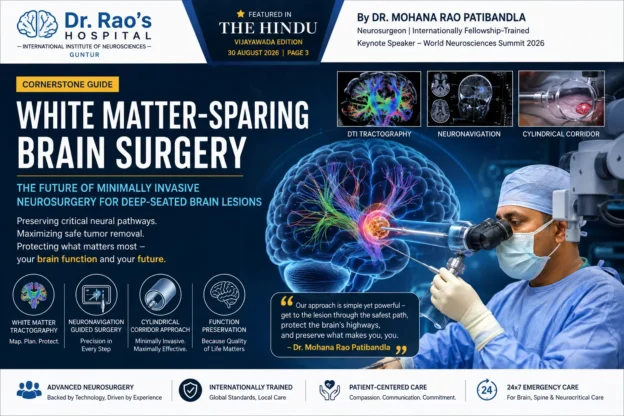
drpatibandla@gmail.com

🌐 Website:
Official Website

📍 Google Maps:
Google Maps Location


Follow Dr. Rao’s Hospital on Social Media

📺 YouTube
Dr. Rao’s Hospital YouTube Channel

📘 Facebook
Dr. Rao’s Hospital Facebook

📸 Instagram
Dr. Mohana Rao Instagram

💼 LinkedIn
Dr. Mohana Rao LinkedIn

🐦 X (Twitter)
Dr. Mohana Rao on X


Conclusion

As neuroscience continues to advance rapidly, institutions that combine innovation, expertise, ethics, and compassion will define the future of neurological care.


Dr. Rao’s Hospital stands as a powerful example of how world-class neurosciences can thrive outside traditional metropolitan centers. Through advanced technology, internationally trained expertise, minimally invasive approaches, and a deep commitment to patient care, the hospital is redefining neurological and spine care in India.


For patients seeking advanced treatment for brain, spine, nerve, stroke, or complex neurological disorders, Dr. Rao’s Hospital continues to emerge as one of the most trusted destinations for comprehensive neurosciences care in India.

India Today Health Eminent Doctors South 2025 feature showing Dr. Mohana Rao Patibandla listed among selected doctors from Andhra Pradesh and Telangana.

Dr. Mohana Rao Patibandla | India Today Eminent Doctor South 2025

Dr. Mohana Rao Patibandla Recognized Among India Today Health’s Eminent Doctors South 2025

In a significant recognition of clinical excellence and leadership in neurosciences, Dr. Mohana Rao Patibandla, Founder and Chief Neurosurgeon of Dr. Rao’s Hospital, Guntur, has been featured in India Today Health’s “Eminent Doctors South 2025”—a special editorial listing published as part of India Today Group’s 50th Anniversary edition.

This prestigious inclusion highlights doctors from Southern India who have demonstrated sustained excellence, peer recognition, and meaningful contributions to patient care across their respective specialties.

LEARN MORE HERE

A Mark of Editorial Credibility, Not Just an Award

Unlike conventional awards or paid rankings, India Today Health’s Eminent Doctors list is an editorially curated feature, based on a combination of:

  • Peer surveys

  • Professional reputation

  • Clinical experience

  • Editorial assessment by the India Today Health team

The listing spans leading clinicians from Andhra Pradesh, Telangana, Tamil Nadu, Kerala, and Karnataka, making it one of the most credible regional recognitions in Indian healthcare journalism.

Dr. Mohana Rao Patibandla’s inclusion reflects his long-standing commitment to advanced neurosurgical care, ethical medical practice, and patient-centric outcomes.

Dr. Mohana Rao Patibandla: A Leader in Modern Neurosurgery

With over two decades of experience in the field of neurosciences, Dr. Mohana Rao Patibandla is widely regarded as one of the best neurosurgeons in Guntur and a trusted name in brain and spine care across Andhra Pradesh.

His academic and professional journey includes:

  • MBBS from Andhra Medical College, Visakhapatnam

  • MCh in Neurosurgery from Nizam’s Institute of Medical Sciences (NIMS), Hyderabad

  • Advanced fellowships and international training in:

    • Minimally invasive skull base surgery

    • Pediatric neurosurgery

    • Neuro-oncology

    • Functional and stereotactic radiosurgery

    • Endovascular and cerebrovascular procedures (USA)

This diverse exposure enables him to offer evidence-based, globally aligned neurosurgical care tailored to Indian patients.

Building Dr. Rao’s Hospital: A Dedicated Neurosciences Institution

Dr. Rao’s Hospital was established with a clear vision:
👉 To create a focused, state-of-the-art center for brain, spine, and nerve care outside metropolitan cities.

Today, the hospital is recognized as:

  • One of the best neurology and neurosurgery hospitals in Guntur

  • A referral center for complex brain and spine surgeries

  • A facility known for ethical practice, surgical safety, and transparent care

The hospital integrates advanced diagnostics, modern operating theaters, neuro-ICU support, and multidisciplinary expertise—ensuring comprehensive care from diagnosis to rehabilitation.

Why This Recognition Matters for Patients

For patients and families navigating complex neurological conditions, recognitions like India Today Health’s Eminent Doctors provide trusted validation.

Dr. Rao’s inclusion reassures patients that:

  • Their care is led by a nationally acknowledged expert

  • Clinical decisions are grounded in experience and evidence

  • Treatment protocols meet national and international standards

It also reinforces Dr. Rao’s Hospital’s position as a center where expertise meets empathy.

A Continuing Commitment to Excellence

Reacting to the recognition, Dr. Mohana Rao Patibandla emphasized that such acknowledgements are not endpoints, but responsibilities.

“This recognition belongs to every patient who trusted us and every team member who works tirelessly to deliver safe, ethical, and advanced neurosurgical care. Our focus remains on improving outcomes and expanding access to quality neurosciences in our region.”

Looking Ahead

As Dr. Rao’s Hospital continues to expand its services and outreach, this feature in India Today Health further strengthens its mission to deliver world-class neurology, neurosurgery, and spine care in Andhra Pradesh.

For patients seeking the best neurosurgeon in Guntur, the best neurologist in Guntur, or the best spine surgeon in Guntur, this recognition stands as an independent editorial endorsement of trust and excellence.


📍 Dr. Rao’s Hospital, Guntur
Advanced Brain, Spine & Nerve Care
🌐 https://drraoshospitals.com
📧 info@drraoshospitals.com

Who is Dr. Mohana Rao Patibandla?

Dr. Mohana Rao Patibandla is a senior neurosurgeon and the Founder of Dr. Rao’s Hospital, Guntur, a dedicated center for advanced brain, spine, and nerve care. He has over two decades of experience and international training in complex neurosurgical procedures.
🔗 Learn more: https://drraoshospitals.com


Why is Dr. Mohana Rao Patibandla featured in India Today Health?

Dr. Mohana Rao Patibandla was featured in India Today Health’s Eminent Doctors South 2025 for his sustained excellence in neurosurgery, peer recognition, and leadership in building a focused neurosciences hospital in Andhra Pradesh.


Is the India Today Eminent Doctors listing a paid award?

No. The India Today Eminent Doctors list is an editorially curated recognition, based on peer surveys, professional standing, and editorial review. It is not a paid award or competitive ranking.


Which hospital does Dr. Mohana Rao Patibandla work at?

Dr. Mohana Rao Patibandla is the Founder and Chief Neurosurgeon at Dr. Rao’s Hospital, Guntur, which specializes in neurology, neurosurgery, and spine surgery.
🔗 Official website: https://drraoshospitals.com


What treatments are offered at Dr. Rao’s Hospital?

Dr. Rao’s Hospital offers comprehensive care for:

  • Brain tumors

  • Spine disorders

  • Stroke and cerebrovascular diseases

  • Pediatric neurosurgery

  • Minimally invasive brain and spine surgery

🔗 View services: https://drraoshospitals.com


Why is Dr. Rao considered one of the best neurosurgeons in Guntur?

Dr. Rao is considered one of the best neurosurgeons in Guntur due to his advanced international training, experience in complex neurosurgical cases, and patient-centric approach supported by modern infrastructure at Dr. Rao’s Hospital.


Where is Dr. Rao’s Hospital located?

Dr. Rao’s Hospital is located in Guntur, Andhra Pradesh, and serves patients from across Andhra Pradesh and neighboring states.
🔗 Contact & directions: https://drraoshospitals.com

YouTube

Facebook  

Instagram 

Google GMB 

LinkedIn 

X / Twitter

Dr. Mohana Rao Patibandla (right) accepting the BrainLab Neurosurgery Award at the CNS 2018 meeting in Houston

Brainlab Neurosurgery Award | Dr. Mohana Rao Patibandla

Brainlab Neurosurgery Award to Dr. Mohana Rao Patibandla at CNS 2018: Advancing Stereotactic Radiosurgery for Skull Base Meningiomas

Dr. Mohana Rao Patibandla, one of India’s leading neurosurgeons, received the prestigious Brainlab Neurosurgery Award at CNS 2018 (Congress of Neurological Surgeons) for his landmark scientific presentation titled:

“Stereotactic Radiosurgery for Skull Base Meningiomas: 20-year Long-term Outcomes with Volumetric Analysis.”

This international recognition placed Dr. Rao among an elite group of global neurosurgeons and marked a significant milestone for Indian neurosurgery on the world stage.


What Is the Brainlab Neurosurgery Award?

The Brainlab Neurosurgery Award is an internationally respected honor presented during the annual meeting of the Congress of Neurological Surgeons (CNS). It recognizes outstanding scientific contributions that advance neurosurgical knowledge, technology, and patient outcomes.

  • Awarded to high-impact, peer-reviewed neurosurgical research
  • Evaluated by the CNS Tumor Section and AANS/CNS Section on Tumors
  • Highly competitive with global participation

Receiving this award as a nonacademic neurosurgeon is particularly rare and underscores the global relevance of Dr. Rao’s clinical research.


CNS 2018 and the Congress of Neurological Surgeons

The Congress of Neurological Surgeons (CNS) is one of the world’s most influential neurosurgical organizations, headquartered in the United States. The annual CNS meeting brings together thousands of neurosurgeons, researchers, and innovators from across the globe.

CNS 2018 showcased cutting-edge advances in:

  • Brain tumor surgery
  • Stereotactic radiosurgery
  • Neuro-oncology and skull base surgery
  • Artificial intelligence and volumetric imaging

Dr. Rao’s selection for the Brainlab Award at CNS 2018 reflects the scientific rigor and long-term clinical value of his work.


Understanding Skull Base Meningiomas

What Are Skull Base Meningiomas?

Skull base meningiomas are typically benign brain tumors that arise from the meninges near critical structures such as:

  • Optic nerves
  • Brainstem
  • Cranial nerves
  • Major blood vessels

Because of their location, surgical removal can carry significant risks, including vision loss, cranial nerve deficits, and neurological complications.

According to the World Health Organization (WHO), meningiomas account for nearly 30% of all primary brain tumors.


Stereotactic Radiosurgery: A Game-Changer

Stereotactic radiosurgery (SRS) is a non-invasive treatment that delivers highly focused radiation to brain tumors with sub-millimeter accuracy.

Common Radiosurgery Platforms

  • Gamma Knife
  • LINAC-based radiosurgery
  • CyberKnife

For skull base meningiomas, SRS offers excellent tumor control with minimal risk to surrounding critical brain structures.

Studies published on PubMed and NIH consistently demonstrate tumor control rates exceeding 90% with radiosurgery.


The Award-Winning Research: 20-Year Long-Term Outcomes

Dr. Rao’s CNS 2018 presentation was unique because it focused on:

  • 20-year long-term follow-up
  • Volumetric tumor analysis rather than simple diameter measurements
  • Clinical correlation with neurological outcomes

Why Volumetric Analysis Matters

Traditional tumor assessment relies on linear dimensions. Volumetric analysis provides a far more accurate representation of:

  • Tumor shrinkage
  • True response to radiosurgery
  • Long-term tumor stability

This approach improves decision-making in meningioma treatment and follow-up protocols.


Key Findings from Dr. Rao’s Study

Outcome MeasureResult
Long-term tumor control>90%
Volumetric tumor reductionSignificant in majority of cases
Neurological preservationExcellent
Need for repeat surgeryMinimal

These outcomes support stereotactic radiosurgery as a first-line or adjuvant treatment for skull base meningiomas.


Why This Brainlab Award Is Significant

This recognition is significant for several reasons:

  • Honors a nonacademic neurosurgeon award recipient
  • Demonstrates long-term, real-world outcomes
  • Bridges technology, clinical care, and patient safety
  • Elevates Indian neurosurgery on a global platform

It also highlights how advanced radiosurgery techniques can be successfully implemented outside traditional academic centers.


Dr. Mohana Rao Patibandla: A Global Neurosurgeon from India

Dr. Mohana Rao Patibandla is the Founder and Chief Neurosurgeon of Dr. Rao’s Hospital, a dedicated center for brain, spine, and nerve care.

With advanced international training and decades of experience, Dr. Rao is widely recognized as one of the best neurosurgeons in Guntur and a pioneer in:

  • Skull base surgery
  • Stereotactic radiosurgery
  • Gamma Knife procedures
  • Endovascular neurosurgery

Learn more: About Dr. Mohana Rao Patibandla


Radiosurgery for Skull Base Tumors at Dr. Rao’s Hospital

At Dr. Rao’s Hospital, patients benefit from advanced radiosurgery protocols guided by global best practices.

Services include:

  • Gamma Knife radiosurgery
  • Multidisciplinary tumor boards
  • Advanced imaging & volumetric follow-up
  • Comprehensive neurology and spine surgery care

Frequently Asked Questions (FAQs)

What is stereotactic radiosurgery?

Stereotactic radiosurgery is a non-invasive treatment that delivers focused radiation to brain tumors with high precision, often in a single session.

Are skull base meningiomas dangerous?

They are usually benign but can cause serious symptoms due to pressure on vital brain structures. Early and appropriate treatment is essential.

Why is volumetric analysis important?

Volumetric analysis measures the true three-dimensional size of tumors, offering a more accurate assessment of treatment response.

Why choose Dr. Rao’s Hospital for radiosurgery?

At Dr. Rao’s Hospital, led by Dr. Mohana Rao Patibandla, one of the best neurosurgeons in Guntur, patients receive advanced, compassionate care using cutting-edge minimally invasive neurosurgery techniques.


Conclusion

The Brainlab Neurosurgery Award at CNS 2018 stands as a testament to Dr. Mohana Rao Patibandla’s dedication to advancing stereotactic radiosurgery and improving long-term outcomes for patients with skull base meningiomas.

This achievement not only honors individual excellence but also strengthens India’s position in international neurosurgery.


Call to Action

If you are searching for the best neurosurgeon in Guntur or expert care for complex brain tumors and skull base conditions, visit Dr. Rao’s Hospital.

📞 090100 56444
📧 info@drraoshospitals.com
📍 Guntur, Andhra Pradesh


CNS 2018లో డా. మోహన రావు పాటిబండ్లకు బ్రెయిన్‌ల్యాబ్ న్యూరోసర్జరీ అవార్డు: స్కల్ బేస్ మెనింజియోమాలపై స్టీరియోటాక్టిక్ రేడియోసర్జరీలో మైలురాయి

డా. మోహన రావు పాటిబండ్ల, భారతదేశానికి చెందిన ప్రముఖ న్యూరోసర్జన్, CNS 2018 (Congress of Neurological Surgeons)లో ప్రతిష్టాత్మకమైన Brainlab Neurosurgery Awardను అందుకున్నారు.

ఈ అవార్డు ఆయన సమర్పించిన పరిశోధన పత్రం కోసం ప్రదానం చేయబడింది:

“Stereotactic Radiosurgery for Skull Base Meningiomas: 20-year Long-term Outcomes with Volumetric Analysis”

ఈ అంతర్జాతీయ గౌరవం, భారతదేశ న్యూరోసర్జరీని ప్రపంచ వేదికపై మరింత గౌరవనీయంగా నిలిపిన ఘట్టంగా నిలిచింది.


బ్రెయిన్‌ల్యాబ్ న్యూరోసర్జరీ అవార్డు అంటే ఏమిటి?

Brainlab Neurosurgery Award అనేది ప్రపంచవ్యాప్తంగా న్యూరోసర్జరీ రంగంలో అత్యుత్తమ పరిశోధనలకు ఇచ్చే ప్రత్యేక గౌరవం. ఇది ప్రతి సంవత్సరం Congress of Neurological Surgeons (CNS) సమావేశంలో ప్రదానం చేయబడుతుంది.

  • అత్యున్నత శాస్త్రీయ ప్రమాణాలు
  • దీర్ఘకాలిక క్లినికల్ ఫలితాలు
  • రోగి భద్రత మరియు చికిత్స ఫలితాలపై ప్రభావం

ప్రత్యేకంగా, ఒక నాన్-అకాడెమిక్ న్యూరోసర్జన్ ఈ అవార్డు పొందడం చాలా అరుదైన విషయం.


CNS 2018 – కాంగ్రెస్ ఆఫ్ న్యూరాలజికల్ సర్జన్స్

Congress of Neurological Surgeons (CNS) అనేది అమెరికాలో స్థాపితమైన, ప్రపంచంలో అత్యంత ప్రభావవంతమైన న్యూరోసర్జరీ సంస్థలలో ఒకటి.

CNS 2018 సమావేశంలో ప్రపంచవ్యాప్తంగా వేలాది న్యూరోసర్జన్లు పాల్గొన్నారు.

  • బ్రెయిన్ ట్యూమర్ చికిత్సలు
  • రేడియోసర్జరీ
  • స్కల్ బేస్ సర్జరీ
  • వాల్యూమెట్రిక్ అనాలిసిస్

ఇలాంటి వేదికపై డా. రావు పరిశోధనకు బ్రెయిన్‌ల్యాబ్ అవార్డు రావడం ఆయన కృషికి గొప్ప గుర్తింపు.


స్కల్ బేస్ మెనింజియోమాలు అంటే ఏమిటి?

స్కల్ బేస్ మెనింజియోమాలు మెదడుకు అడుగుభాగంలో (Skull Base) ఏర్పడే సాధారణంగా నిరపాయమైన ట్యూమర్లు.

ఇవి దగ్గరగా ఉండే ముఖ్యమైన భాగాలు:

  • ఆప్టిక్ నర్వ్స్ (చూపు నరాలు)
  • బ్రెయిన్ స్టెమ్
  • క్రేనియల్ నర్వ్స్
  • ప్రధాన రక్తనాళాలు

ఈ ప్రాంతంలో సర్జరీ చేయడం ప్రమాదకరమైనది కావడంతో, ప్రత్యామ్నాయ చికిత్సలు కీలకం.

WHO ప్రకారం, మెనింజియోమాలు మొత్తం మెదడు ట్యూమర్లలో దాదాపు 30% ఉంటాయి.


స్టీరియోటాక్టిక్ రేడియోసర్జరీ: ఆధునిక పరిష్కారం

Stereotactic Radiosurgery (SRS) అనేది శస్త్రచికిత్స లేకుండా, అత్యంత ఖచ్చితమైన రేడియేషన్‌ను ట్యూమర్‌పై ప్రయోగించే విధానం.

వాడే సాంకేతికతలు

  • Gamma Knife
  • LINAC ఆధారిత రేడియోసర్జరీ
  • CyberKnife

ఇది స్కల్ బేస్ మెనింజియోమాలకు అత్యంత సురక్షితమైన చికిత్సగా గుర్తించబడింది.


20 సంవత్సరాల దీర్ఘకాలిక అధ్యయనం – ప్రత్యేకత ఏమిటి?

డా. మోహన రావు పాటిబండ్ల పరిశోధన ప్రత్యేకత:

  • 20 సంవత్సరాల ఫాలోఅప్
  • సాధారణ కొలతల బదులు Volumetric Analysis
  • న్యూరోలాజికల్ ఫలితాల విశ్లేషణ

వాల్యూమెట్రిక్ అనాలిసిస్ ఎందుకు ముఖ్యం?

ట్యూమర్ నిజంగా ఎంత తగ్గిందో తెలుసుకోవడానికి ఇది అత్యంత ఖచ్చితమైన పద్ధతి.

  • నిజమైన ట్యూమర్ తగ్గుదల
  • దీర్ఘకాలిక నియంత్రణ
  • పునఃచికిత్స అవసరం తగ్గింపు

ఈ అధ్యయనంలో ముఖ్యమైన ఫలితాలు

పరిమాణంఫలితం
దీర్ఘకాలిక ట్యూమర్ నియంత్రణ90% కంటే ఎక్కువ
ట్యూమర్ పరిమాణం తగ్గుదలచాలా కేసుల్లో స్పష్టంగా
న్యూరోలాజికల్ భద్రతఅత్యుత్తమం
మళ్లీ సర్జరీ అవసరంఅత్యల్పం

ఈ అవార్డు ఎందుకు ప్రత్యేకం?

  • నాన్-అకాడెమిక్ న్యూరోసర్జన్‌కు లభించిన గౌరవం
  • ప్రపంచస్థాయి పరిశోధన
  • భారత న్యూరోసర్జరీకి అంతర్జాతీయ గుర్తింపు

డా. మోహన రావు పాటిబండ్ల – భారతదేశం నుంచి ప్రపంచానికి

డా. మోహన రావు పాటిబండ్ల గారు డా. రావోస్ హాస్పిటల్ వ్యవస్థాపకులు మరియు చీఫ్ న్యూరోసర్జన్.

ఆయన ప్రత్యేకతలు:

  • స్కల్ బేస్ సర్జరీ
  • Gamma Knife రేడియోసర్జరీ
  • బ్రెయిన్ ట్యూమర్ చికిత్స

డా. మోహన రావు పాటిబండ్ల గురించి


డా. రావోస్ హాస్పిటల్‌లో రేడియోసర్జరీ సేవలు

డా. రావోస్ హాస్పిటల్ న్యూరోసర్జరీ విభాగం ప్రపంచస్థాయి చికిత్సలను అందిస్తోంది.

  • Gamma Knife చికిత్సలు
  • బ్రెయిన్ & స్పైన్ సర్జరీ
  • న్యూరాలజీ సేవలు

తరచూ అడిగే ప్రశ్నలు (FAQs)

స్టీరియోటాక్టిక్ రేడియోసర్జరీ అంటే ఏమిటి?

ఇది శస్త్రచికిత్స లేకుండా మెదడు ట్యూమర్లను ఖచ్చితంగా చికిత్స చేసే ఆధునిక విధానం.

స్కల్ బేస్ మెనింజియోమాలు ప్రమాదకరమా?

సాధారణంగా నిరపాయమైనవే కానీ ముఖ్యమైన నరాలపై ఒత్తిడి వల్ల సమస్యలు కలిగించవచ్చు.

ఎందుకు డా. రావోస్ హాస్పిటల్‌ను ఎంచుకోవాలి?

డా. రావోస్ హాస్పిటల్లో డా. మోహన రావు పాటిబండ్ల గారి ఆధ్వర్యంలో, గుంటూరులోని ఉత్తమ న్యూరోసర్జరీ సేవలు అందుబాటులో ఉన్నాయి.


ముగింపు

CNS 2018లో లభించిన బ్రెయిన్‌ల్యాబ్ న్యూరోసర్జరీ అవార్డు డా. మోహన రావు పాటిబండ్ల గారి పరిశోధనకు, సేవలకు గొప్ప గుర్తింపు.

ఇది భారతదేశ న్యూరోసర్జరీ స్థాయిని అంతర్జాతీయంగా మరింత ముందుకు తీసుకెళ్లింది.


సంప్రదించండి

మీకు గుంటూరులో ఉత్తమ న్యూరోసర్జన్ అవసరమైతే, డా. రావోస్ హాస్పిటల్ను సంప్రదించండి.

📞 090100 56444
📧 info@drraoshospitals.com


Dr. Mohana Rao Patibandla receiving Times ICONs of Healthcare 2026 award from Andhra Pradesh Health Minister Satya Kumar Yadav

Dr. Rao’s Hospital Wins Big at Times ICONs of Healthcare 2026

Dr. Rao’s Hospital Wins Big at Times ICONs of Healthcare 2026: A Milestone for Advanced Neurosurgery in Andhra Pradesh

Introduction

In a proud moment for healthcare in Andhra Pradesh, Dr. Rao’s Hospital, Guntur, achieved national recognition at the Times ICONs of Healthcare 2026 awards. The prestigious event, organised by The Times of India, celebrated excellence in healthcare leadership, innovation, and patient outcomes.

At the ceremony held at Taj Vivanta, Vijayawada, two senior neurosurgeons from Dr. Rao’s Hospital were honoured, reinforcing the institution’s reputation as home to the best neurosurgeon in Guntur, the best neurologist in Guntur, and the best spine surgeon in Guntur.


Times ICONs of Healthcare 2026: Recognising Medical Excellence

The Times ICONs of Healthcare awards are among the most respected recognitions in India’s healthcare ecosystem. Institutions and clinicians are evaluated based on:

  • Clinical outcomes

  • Innovation and advanced techniques

  • Ethical medical practice

  • Patient-centric care

  • Contribution to regional and national healthcare

The Vijayawada edition of the 2026 awards highlighted Andhra Pradesh’s growing role as a hub for tertiary and quaternary medical care.


Triple Honour for Dr. Mohana Rao Patibandla

At the centre of this achievement was Dr. Mohana Rao Patibandla, Founder, Chairman, and Chief Neurosurgeon of Dr. Rao’s Hospital, who received three major state-level honours:

  • Best Neurosurgeon of Andhra Pradesh

  • Best Spine Surgeon of Andhra Pradesh

  • Best Endovascular Neurosurgeon of Andhra Pradesh

The awards were presented by Shri Satya Kumar Yadav, Hon’ble Minister for Health, Family Welfare, and Medical Education, Government of Andhra Pradesh.

This rare triple recognition reflects Dr. Rao’s leadership in complex brain surgery, advanced spine surgery, and endovascular neurosurgical procedures such as stroke intervention and cerebrovascular treatments.

Today, Dr. Mohana Rao Patibandla is widely regarded by patients and peers alike as the best neurosurgeon in Guntur, known for combining global expertise with compassionate, ethical care.


Best Neurosurgeon Award for Dr. Amit Kumar Thotakura

Adding to the celebrations, Dr. Amit Kumar Thotakura, Senior Consultant Neurosurgeon at Dr. Rao’s Hospital, was honoured with the Best Neurosurgeon Award at the same event.

Dr. Amit Kumar Thotakura has been recognised for his expertise in cranial and spinal neurosurgery, precision-driven surgical techniques, and consistent patient outcomes. His recognition further strengthens Dr. Rao’s Hospital’s position as a centre with a strong, team-based neurosurgical practice.

The recognition of two neurosurgeons from the same hospital at the Times ICONs of Healthcare 2026 highlights the depth of clinical excellence and mentorship culture within Dr. Rao’s Hospital.

Dr Amit Kumar Thotakura receiving Times ICONs of Healthcare 2026 award from Andhra Pradesh Health Minister Satya Kumar Yadav

Dr. Amit Kumar Thotakura receives the Times ICONs of Healthcare 2026 Best Neurosurgeon Award in Vijayawada.


Why This Recognition Matters for Patients

For patients and families, awards like the Times ICONs of Healthcare are more than accolades—they are indicators of trust, quality, and safety.

Being recognised at a state and national level reassures patients that they are receiving care from:

  • The best neurosurgeon in Guntur

  • A hospital known for advanced brain and spine care

  • Specialists trained in global best practices

  • A team focused on ethical, evidence-based medicine

This recognition also reinforces Dr. Rao’s Hospital’s role in reducing the need for patients to travel to metro cities for complex neurological treatments.


Dr. Rao’s Hospital: A Centre for Advanced Brain and Spine Care

Located in Guntur, Andhra Pradesh, Dr. Rao’s Hospital is a dedicated centre for neurology, neurosurgery, spine surgery, and endovascular care. The hospital is among the first independent, state-of-the-art neuroscience facilities in the region.

Patients seek care at Dr. Rao’s Hospital for conditions such as:

  • Brain tumors

  • Stroke and cerebrovascular disorders

  • Spine degeneration and complex spine disorders

  • Epilepsy and seizure disorders

  • Pediatric neurosurgical conditions

  • Endovascular neurosurgery

The hospital’s multidisciplinary approach, advanced infrastructure, and experienced team have made it a trusted destination for patients from across Andhra Pradesh, India, and abroad.


Best Neurologist, Best Spine Surgeon, Best Neurosurgeon in Guntur

Over the years, Dr. Rao’s Hospital has earned a reputation for excellence across the full spectrum of neurosciences. Patients frequently choose the hospital when searching for:

  • Best neurosurgeon in Guntur

  • Best neurologist in Guntur

  • Best spine surgeon in Guntur

The Times ICONs of Healthcare 2026 awards further validate this trust and reaffirm the hospital’s commitment to delivering world-class outcomes close to home.


A Vision for the Future

Speaking after the awards, Dr. Mohana Rao Patibandla emphasised that the recognition reflects teamwork and long-term vision rather than individual achievement alone. The hospital remains focused on:

  • Expanding minimally invasive neurosurgical techniques

  • Advancing endovascular stroke care

  • Improving access to high-quality neurological treatment

  • Maintaining ethical, patient-first medical practice

As Andhra Pradesh continues to strengthen its healthcare infrastructure, institutions like Dr. Rao’s Hospital play a key role in shaping the future of advanced medical care in the state.

టైమ్స్ ఐకాన్స్ ఆఫ్ హెల్త్‌కేర్ 2026లో డా. రావోస్ హాస్పిటల్ ఘన విజయం: ఆంధ్రప్రదేశ్‌లో న్యూరోసర్జరీకి మైలురాయి

పరిచయం

ఆంధ్రప్రదేశ్ వైద్య రంగానికి గర్వకారణంగా నిలిచే ఘట్టంగా, డా. రావోస్ హాస్పిటల్, గుంటూరు ప్రతిష్టాత్మక టైమ్స్ ఐకాన్స్ ఆఫ్ హెల్త్‌కేర్ 2026 అవార్డ్స్‌లో విశేష గౌరవాన్ని అందుకుంది.
ది టైమ్స్ ఆఫ్ ఇండియా ఆధ్వర్యంలో నిర్వహించిన ఈ కార్యక్రమం, వైద్య రంగంలో ఉత్తమత, నవీనత మరియు రోగి కేంద్రిత సేవలను గుర్తించేందుకు ఉద్దేశించబడింది.

విజయవాడ – తాజ్ వివాంటాలో నిర్వహించిన ఈ వేడుకలో, డా. రావోస్ హాస్పిటల్‌కు చెందిన ఇద్దరు ప్రముఖ న్యూరోసర్జన్లు జాతీయ స్థాయిలో సత్కరించబడ్డారు. ఇది గుంటూరులో ఉత్తమ న్యూరోసర్జన్, ఉత్తమ న్యూరాలజిస్ట్, ఉత్తమ స్పైన్ సర్జన్గా డా. రావోస్ హాస్పిటల్‌కు ఉన్న విశ్వసనీయతను మరింత బలపరిచింది.

Neurosurgery & Neurology


టైమ్స్ ఐకాన్స్ ఆఫ్ హెల్త్‌కేర్ 2026: వైద్య ఉత్తమతకు గుర్తింపు

టైమ్స్ ఐకాన్స్ ఆఫ్ హెల్త్‌కేర్ అవార్డులు భారతదేశంలో అత్యంత ప్రతిష్టాత్మకమైన వైద్య గౌరవాలలో ఒకటి. ఈ అవార్డులు కింది ప్రమాణాల ఆధారంగా నిర్ణయించబడతాయి:

  • చికిత్స ఫలితాలు (Clinical Outcomes)

  • ఆధునిక వైద్య సాంకేతికతల వినియోగం

  • నైతిక వైద్య విధానం

  • రోగి కేంద్రిత సేవలు

  • సమాజానికి చేసిన సేవ

2026 విజయవాడ ఎడిషన్, ఆంధ్రప్రదేశ్‌ను అధునాతన వైద్య సేవల కేంద్రంగా అభివృద్ధి చెందుతున్న రాష్ట్రంగా మరింత ముందుకు తెచ్చింది.

Spine & Endovascular Care


డా. మోహన రావు పాటిబండ్లకు మూడు రాష్ట్రస్థాయి అవార్డులు

ఈ ఘనతలో ప్రధాన ఆకర్షణగా నిలిచింది డా. మోహన రావు పాటిబండ్ల, డా. రావోస్ హాస్పిటల్ వ్యవస్థాపకులు, చైర్మన్ మరియు చీఫ్ న్యూరోసర్జన్. ఆయనకు ఒకేసారి మూడు ప్రధాన అవార్డులు లభించాయి:

  • ఆంధ్రప్రదేశ్ ఉత్తమ న్యూరోసర్జన్

  • ఆంధ్రప్రదేశ్ ఉత్తమ స్పైన్ సర్జన్

  • ఆంధ్రప్రదేశ్ ఉత్తమ ఎండోవాస్కులర్ న్యూరోసర్జన్

ఈ అవార్డులను ఆంధ్రప్రదేశ్ ఆరోగ్య, కుటుంబ సంక్షేమం మరియు వైద్య విద్యా శాఖ మంత్రి శ్రీ సత్య కుమార్ యాదవ్ గారు ప్రదానం చేశారు.

ఈ అరుదైన త్రిపుల్ గౌరవం, డా. మోహన రావు పాటిబండ్ల గారి సేవలను స్పష్టంగా ప్రతిబింబిస్తుంది. బ్రెయిన్ సర్జరీ, క్లిష్టమైన స్పైన్ సర్జరీలు, స్ట్రోక్ చికిత్సలు మరియు ఎండోవాస్కులర్ న్యూరోసర్జరీ రంగాల్లో ఆయన చేసిన కృషి వల్ల నేడు గుంటూరులోనే ప్రపంచ స్థాయి చికిత్సలు అందుబాటులోకి వచ్చాయి.

నేడు అనేక మంది రోగులు ఆయనను గుంటూరులో ఉత్తమ న్యూరోసర్జన్గా విశ్వసిస్తున్నారు.

Doctors & Appointments


డా. అమిత్ కుమార్ థోటకూరకు ‘ఉత్తమ న్యూరోసర్జన్’ అవార్డు

డా. రావోస్ హాస్పిటల్‌కు మరొక గర్వకారణంగా, సీనియర్ కన్సల్టెంట్ న్యూరోసర్జన్ అయిన డా. అమిత్ కుమార్ థోటకూర గారికి కూడా ఉత్తమ న్యూరోసర్జన్ అవార్డు లభించింది.

క్రానియల్ మరియు స్పైనల్ న్యూరోసర్జరీలో ఆయన నైపుణ్యం, శస్త్రచికిత్సల్లో ఖచ్చితత్వం, రోగుల పట్ల చూపించే అంకితభావం ఈ గౌరవానికి కారణం.

ఒకే హాస్పిటల్‌కు చెందిన ఇద్దరు న్యూరోసర్జన్లు ఒకే వేడుకలో సత్కరించబడటం, డా. రావోస్ హాస్పిటల్‌లో ఉన్న బలమైన వైద్య బృందం మరియు మార్గదర్శకత్వాన్ని స్పష్టంగా చూపిస్తుంది.


రోగులకు ఈ గుర్తింపు ఎందుకు ముఖ్యము?

రోగులు మరియు వారి కుటుంబాలకు, ఇలాంటి అవార్డులు కేవలం ప్రశంసలే కాదు —
వీటి ద్వారా నమ్మకం, భద్రత, నాణ్యత స్పష్టంగా తెలుస్తాయి.

టైమ్స్ ఐకాన్స్ ఆఫ్ హెల్త్‌కేర్ వంటి గుర్తింపు అంటే:

  • గుంటూరులో ఉత్తమ న్యూరోసర్జన్ సేవలు

  • ఆధునిక బ్రెయిన్ & స్పైన్ చికిత్సలు

  • మెట్రో నగరాలకు వెళ్లాల్సిన అవసరం లేకుండా చికిత్స

  • నైతిక, శాస్త్రీయ ఆధారిత వైద్యం


డా. రావోస్ హాస్పిటల్: బ్రెయిన్ & స్పైన్ చికిత్సలో ప్రత్యేక కేంద్రం

గుంటూరు, ఆంధ్రప్రదేశ్లో ఉన్న డా. రావోస్ హాస్పిటల్, న్యూరాలజీ, న్యూరోసర్జరీ, స్పైన్ సర్జరీ మరియు ఎండోవాస్కులర్ చికిత్సలకు పూర్తిగా అంకితమైన ప్రత్యేక కేంద్రం.

ఇక్కడ చికిత్స పొందే ముఖ్య సమస్యలు:

  • బ్రెయిన్ ట్యూమర్లు

  • స్ట్రోక్ మరియు మెదడు రక్తనాళ సమస్యలు

  • వెన్నెముక వ్యాధులు

  • ఎపిలెప్సీ (Fits)

  • పిల్లల న్యూరోసర్జరీ సమస్యలు

ఆంధ్రప్రదేశ్‌తో పాటు దేశ విదేశాల నుంచి కూడా రోగులు ఇక్కడికి వస్తున్నారు.


గుంటూరులో ఉత్తమ న్యూరోసర్జన్ | ఉత్తమ న్యూరాలజిస్ట్ | ఉత్తమ స్పైన్ సర్జన్

కాలక్రమంలో డా. రావోస్ హాస్పిటల్‌కు లభించిన నమ్మకం వల్ల, రోగులు తరచుగా ఈ విధంగా వెతుకుతున్నారు:

  • గుంటూరులో ఉత్తమ న్యూరోసర్జన్

  • గుంటూరులో ఉత్తమ న్యూరాలజిస్ట్

  • గుంటూరులో ఉత్తమ స్పైన్ సర్జన్

టైమ్స్ ఐకాన్స్ ఆఫ్ హెల్త్‌కేర్ 2026 అవార్డులు ఈ విశ్వసనీయతకు మరింత ముద్ర వేశాయి.


భవిష్యత్తుపై దృష్టి

ఈ అవార్డులు వ్యక్తిగత గౌరవం కంటే, బృంద కృషికి గుర్తింపని డా. మోహన రావు పాటిబండ్ల గారు పేర్కొన్నారు. భవిష్యత్తులో డా. రావోస్ హాస్పిటల్ లక్ష్యాలు:

  • మినిమల్ ఇన్వేసివ్ న్యూరోసర్జరీ విస్తరణ

  • అధునాతన స్ట్రోక్ చికిత్సలు

  • అందరికీ అందుబాటులో ఉన్న నాణ్యమైన వైద్యం

  • రోగి కేంద్రిత వైద్య విధానం

Hospital Information


ముగింపు

టైమ్స్ ఐకాన్స్ ఆఫ్ హెల్త్‌కేర్ 2026లో లభించిన బహుళ అవార్డులు, డా. రావోస్ హాస్పిటల్ ప్రయాణంలో ఒక కీలక మైలురాయిగా నిలిచాయి.
ఆంధ్రప్రదేశ్‌లో బ్రెయిన్ మరియు స్పైన్ చికిత్సలకు డా. రావోస్ హాస్పిటల్ ఒక నమ్మకమైన చిరునామాగా నిలుస్తోంది.


సంప్రదించండి

మీకు లేదా మీ కుటుంబ సభ్యులకు గుంటూరులో ఉత్తమ న్యూరోసర్జన్,
ఉత్తమ న్యూరాలజిస్ట్,
ఉత్తమ స్పైన్ సర్జన్ అవసరమైతే, డా. రావోస్ హాస్పిటల్‌ను సంప్రదించండి.

🌐 వెబ్‌సైట్: https://drraoshospitals.com
📧 ఇమెయిల్: info@drraoshospitals.com
📍 స్థలం: గుంటూరు, ఆంధ్రప్రదేశ్


Conclusion

The multiple honours received at the Times ICONs of Healthcare 2026 mark a significant milestone for Dr. Rao’s Hospital and for neuroscience care in Andhra Pradesh. With national recognition for its leadership, expertise, and patient outcomes, the hospital continues to set benchmarks in brain and spine care.

For patients seeking trusted, advanced neurological treatment, Dr. Rao’s Hospital stands as a symbol of excellence, innovation, and compassionate care.


Call to Action

If you or your loved ones are looking for the best neurosurgeon in Guntur, the best neurologist in Guntur, or the best spine surgeon in Guntur, consult the expert team at Dr. Rao’s Hospital.

🌐 Website: https://drraoshospitals.com
📧 Email: info@drraoshospitals.com
📍 Location: Guntur, Andhra Pradesh

https://drraoshospitals.com

YouTube

Facebook  

Instagram 

Google GMB 

LinkedIn 

X / Twitter