Tag Archives: endovascular neurosurgery India

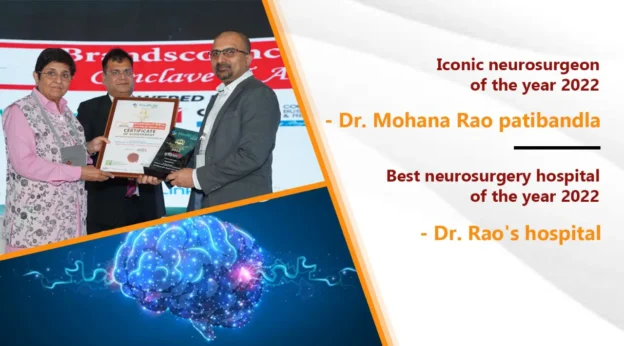
Dr. Mohana Rao Patibandla holding the Iconic Neurosurgeon of the Year 2022 certificate presented by KIRAN BEDI (Medilinks India & Brandscouncil)

Healing Minds and Hearts Through Advanced Neurosciences Care – Dr. Rao’s IIN


Healing Minds and Hearts: How Compassion and Advanced Neurosciences Are Transforming Healthcare in India


Modern healthcare is not defined solely by advanced technology, robotic systems, or sophisticated surgical procedures. At its core, medicine remains deeply human — built on compassion, trust, empathy, and a commitment to improving lives.


In highly specialized fields such as neurosciences, where patients often face emotionally overwhelming diagnoses involving the brain, spine, nerves, and neurological system, the human aspect of healthcare becomes even more important.


Patients struggling with stroke, brain tumors, epilepsy, spinal disorders, traumatic brain injuries, or neurological diseases frequently seek not only expert treatment but also reassurance, emotional support, and hope during vulnerable moments of life.


A recent Times of India feature highlighted the remarkable journey of Dr. Mohana Rao Patibandla and his broader vision of combining advanced neurosciences with compassionate patient-centered healthcare in Andhra Pradesh.


Times of India – Dr. Mohana Rao Patibandla: Healing Minds and Hearts


The Early Foundations of Compassionate Healthcare


According to the Times of India article, Dr. Mohana Rao Patibandla’s journey began in a humble village in Andhra Pradesh, where his upbringing was shaped by strong values of hard work, community care, and resilience.


The article describes how his parents, who were farmers, instilled values emphasizing service, discipline, and empathy toward others.


Growing up in a rural environment also exposed him to the healthcare challenges faced by smaller towns and underserved communities. Access to advanced medical facilities and specialized healthcare often remained limited outside metropolitan cities.


These early experiences later influenced a broader vision focused on improving advanced neurosciences accessibility in regional India.


WHO – Neurological Disorders


The Pursuit of Excellence in Medicine


The Times of India article highlights Dr. Patibandla’s academic journey, including his medical education at Andhra Medical College and subsequent specialization in neurosurgery at Nizam’s Institute of Medical Sciences (NIMS), Hyderabad.


Neurosurgery remains one of the most technically demanding branches of medicine because it involves delicate structures such as:


  • The brain
  • Spinal cord
  • Cranial nerves
  • Peripheral nerves
  • Critical vascular systems


Tiny surgical inaccuracies can potentially affect movement, memory, speech, cognition, sensation, and overall neurological function.


Therefore, successful neurosurgery requires:


  • Technical precision
  • Continuous learning
  • Advanced technology
  • Patient-centered judgment
  • Multidisciplinary teamwork


The article also describes how Dr. Patibandla pursued additional fellowships and training in the United States to gain advanced exposure in modern neurosciences.


The Importance of Global Exposure in Neurosciences


International training often allows neurosurgeons to experience:


  • Advanced operating systems
  • Minimally invasive surgical approaches
  • Research-based medicine
  • Complex multidisciplinary care
  • Technology-driven healthcare systems


Exposure to international healthcare standards frequently influences long-term institutional vision and patient care philosophies.


The article highlights that Dr. Patibandla’s training abroad expanded both his technical expertise and broader healthcare perspective.


Modern neurosciences today involve rapidly evolving fields such as:


  • Endovascular neurosurgery
  • Minimally invasive spine surgery
  • Functional neurosurgery
  • Neuro-oncology
  • Advanced neuroimaging


These advancements continue transforming neurological outcomes globally.


Dr. Rao’s Hospital: A Beacon of Hope


According to the Times of India article, Dr. Rao’s vision eventually materialized through the establishment of Dr. Rao’s Hospital – International Institute of Neurosciences in Guntur, Andhra Pradesh.


The institution was created with the goal of providing advanced neurosciences care while maintaining a strong focus on compassionate patient-centered treatment.


The article describes the hospital as a “beacon of hope,” emphasizing its advanced infrastructure and commitment to high-quality neurological care.


The hospital focuses on:


  • Brain surgery
  • Spine surgery
  • Stroke intervention
  • Neuro-oncology
  • Endovascular procedures
  • Pediatric neurosciences
  • Minimally invasive neurosurgery


Developing such advanced infrastructure outside metropolitan regions represents a major contribution toward healthcare accessibility in India.


Technology and Modern Neurosciences


The Times of India article mentions the hospital’s focus on state-of-the-art technology sourced internationally from countries including the USA, Germany, and the Netherlands.


Modern neurosciences depend heavily on advanced technologies such as:


  • Neuronavigation systems
  • Advanced MRI imaging
  • Endoscopic surgical systems
  • Microsurgical operating microscopes
  • Intraoperative monitoring
  • Minimally invasive surgical platforms


These technologies improve:


  • Surgical precision
  • Patient safety
  • Recovery outcomes
  • Rehabilitation speed
  • Long-term neurological function


Minimally Invasive Neurosurgery at Dr. Rao’s Hospital


Why International Patients Seek Care in India


One of the most interesting aspects highlighted in the article is the hospital’s ability to attract international patients from countries such as the United Kingdom and the Netherlands.


Patients increasingly travel internationally seeking:


  • Advanced expertise
  • Affordable treatment
  • Patient-centered care
  • Shorter waiting periods
  • High-quality medical infrastructure


India continues emerging as a major healthcare destination because of its growing combination of:


  • Specialized expertise
  • Advanced technology
  • Accessibility
  • Cost-effectiveness


The article emphasizes that compassionate care and trust remain among the hospital’s strongest distinguishing features.


The Human Side of Neurosurgery


Neurosurgery is not simply a technical specialty.


Every neurological disorder carries emotional consequences for patients and families.


Conditions such as:


  • Brain tumors
  • Stroke
  • Epilepsy
  • Spinal cord injuries
  • Neurodegenerative diseases


often create:


  • Fear
  • Anxiety
  • Financial stress
  • Concerns regarding disability
  • Emotional uncertainty


The Times of India article strongly reflects themes of compassion, empathy, and patient-centered communication.


In modern healthcare, technical expertise and emotional support must work together to create meaningful healing experiences.


A Hospital Beyond Borders


The article also highlights how healthcare service extends beyond hospital walls through:


  • Free medical camps
  • Health awareness initiatives
  • Community outreach programs
  • Free consultations


Public awareness remains critically important because neurological disorders are frequently diagnosed late due to:


  • Limited awareness
  • Delayed consultations
  • Healthcare accessibility gaps
  • Financial concerns


Community healthcare initiatives help improve:


  • Early diagnosis
  • Preventive awareness
  • Treatment accessibility
  • Long-term neurological outcomes


The Importance of Regional Healthcare Development


One of the strongest messages in the article is the importance of bringing world-class healthcare into smaller cities and regional areas.


Historically, advanced neurological treatment remained concentrated within metropolitan hospitals.


Patients from smaller towns often faced:


  • Travel burden
  • Financial stress
  • Treatment delays
  • Interrupted rehabilitation


The article emphasizes that Dr. Patibandla intentionally established the hospital in Guntur to help bridge this healthcare gap.


This reflects a broader movement toward decentralizing healthcare excellence across India.


Healing Beyond Surgery


The title “Healing Minds and Hearts” reflects a broader philosophy of healthcare that extends beyond surgical procedures alone.


Healing involves:


  • Trust
  • Compassion
  • Communication
  • Ethical treatment
  • Long-term rehabilitation
  • Emotional support


Patients frequently remember:


  • Kindness
  • Honesty
  • Empathy
  • Respect


long after medical treatment is completed.


Modern healthcare systems therefore require both technological sophistication and human-centered care.


The Future of Neurosciences in India


India’s neurosciences ecosystem continues evolving rapidly through:


  • AI-assisted diagnostics
  • Robotic surgery
  • Advanced imaging
  • Minimally invasive surgery
  • Precision medicine
  • Endovascular interventions


At the same time, future healthcare transformation will depend heavily on:


  • Accessibility
  • Ethical healthcare systems
  • Regional neuroscience centers
  • Compassionate patient care
  • Public awareness


Institutions that combine advanced technology with genuine empathy are likely to define the future of healthcare in India.


Conclusion


The Times of India feature presents the story of Dr. Mohana Rao Patibandla as more than a journey of professional success.


It reflects a broader philosophy of healing through compassion, innovation, accessibility, and patient-centered neurosciences care.


By combining international expertise, advanced medical technology, regional healthcare development, and humanitarian service, Dr. Rao’s Hospital – International Institute of Neurosciences

represents an important example of modern healthcare transformation in India.


Ultimately, true healing occurs not only through surgery or technology but through restoring hope, dignity, and trust in patients and families facing neurological challenges.


Frequently Asked Questions (FAQ)


1. Who is Dr. Mohana Rao Patibandla?

Dr. Mohana Rao Patibandla is an internationally trained neurosurgeon and founder of Dr. Rao’s Hospital – International Institute of Neurosciences.


2. Why is Dr. Rao’s Hospital internationally recognized?

The hospital is known for advanced neurosciences, minimally invasive surgery, patient-centered care, and international treatment standards.


3. What is minimally invasive neurosurgery?

It involves smaller incisions and advanced technologies that improve precision and reduce recovery time.


4. Why are regional neuroscience centers important?

They improve healthcare accessibility while reducing travel burden and treatment delays.


5. What services does Dr. Rao’s Hospital provide?

The hospital provides advanced brain, spine, stroke, neuro-oncology, pediatric neurosciences, and endovascular care.

Keywords

best neurosurgeon in Guntur, best neurologist in Guntur, best spine surgeon in Guntur, healing minds and hearts, Dr Mohana Rao Patibandla, advanced neurosciences India, compassionate healthcare India, Dr Rao Hospital Guntur, minimally invasive neurosurgery India, International Institute of Neurosciences, advanced brain surgery India, advanced spine surgery India, neurological healthcare India, patient centered neurological care India, brain spine and nerve care India, neuroscience hospital Andhra Pradesh, advanced stroke care India, neuro oncology India, pediatric neurosurgery India, endovascular neurosurgery India, advanced healthcare India, healthcare accessibility India, healthcare transformation India, ethical healthcare India, neuroscience excellence India, minimally invasive spine surgery India, advanced medical technology India, neuronavigation India, modern neurosurgery India, healthcare innovation India, regional neuroscience center India, top neurosurgery hospital India, advanced neurological treatment India, stroke treatment India, advanced rehabilitation India, neurocritical care India, compassionate neurological care India, global healthcare India, advanced neuroscience center Andhra Pradesh

Internal Links

Call To Action


If you or your loved one is experiencing neurological symptoms such as persistent headaches, seizures, stroke warning signs, spinal pain, weakness, or neurological disorders, timely expert evaluation is essential.


Dr. Rao’s Hospital – International Institute of Neurosciences
12-19-67, Old Bank Road, Kothapet, Besides AK Biryani Point, Guntur, Andhra Pradesh

Phone: +91 9010056444

Email: info@drraoshospitals.com

Website: https://drraoshospitals.com/


Connect With Us

“`

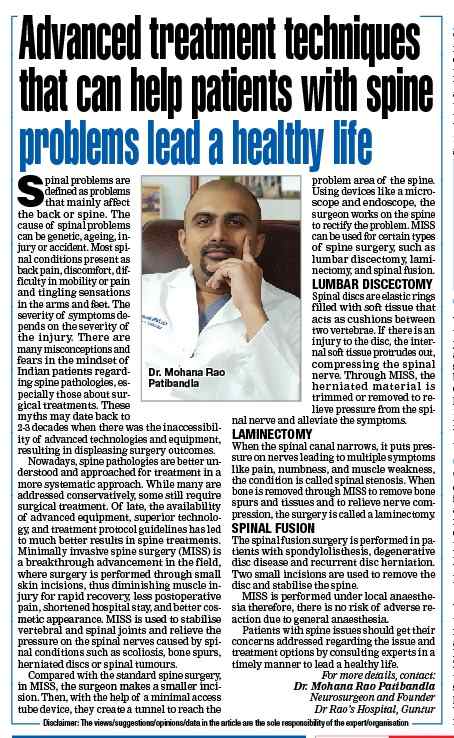
Dr. Rao, neurosurgeon, featured in Times of India, discusses advanced neurosurgery techniques for optimal patient outcomes.

Dr. Mohana Rao Patibandla and Transformative Healthcare in India


How Dr. Mohana Rao Patibandla Is Advancing Transformative Neurosciences Healthcare in India


India’s healthcare ecosystem is evolving rapidly, particularly in highly specialized fields such as neurosciences, neurosurgery, spine surgery, stroke care, and minimally invasive neurological interventions.


For decades, advanced neurological treatment remained concentrated primarily within major metropolitan cities. Patients from regional areas frequently traveled long distances seeking specialized care for brain tumors, spinal disorders, epilepsy, stroke, and complex neurosurgical diseases.


However, India’s modern healthcare transformation is gradually shifting toward decentralization, where advanced medical expertise and sophisticated neurological care are increasingly becoming accessible beyond metropolitan boundaries.


A recent Times of India feature highlighted the inspiring journey of Dr. Mohana Rao Patibandla and his commitment toward building transformative neurosciences healthcare infrastructure in Andhra Pradesh.


Primary Source: Times of India – Dr Mohana Rao Patibandla is committed to transformative healthcare


The Early Journey of a Neurosurgeon


Every remarkable healthcare institution begins with a vision, but behind every vision lies years of dedication, education, sacrifice, and relentless pursuit of excellence.


According to the Times of India article, Dr. Mohana Rao Patibandla was born and raised in Bhimavaram, Andhra Pradesh, where his early years were shaped by a strong sense of responsibility and commitment toward society.


His academic journey began at Andhra Medical College, Visakhapatnam, where he pursued MBBS and graduated in 2002.


The article emphasizes that even during his early educational years, Dr. Patibandla demonstrated strong academic commitment and a deep interest in healthcare service. This foundation later became instrumental in shaping his long-term mission of advancing neurosciences care in India.


American Association of Neurological Surgeons


Specialization in Neurosurgery


Following his undergraduate medical education, Dr. Patibandla pursued specialization in neurosurgery at Nizam’s Institute of Medical Sciences (NIMS), Hyderabad, completing his neurosurgical training in 2013.


Neurosurgery remains one of the most technically demanding specialties in medicine because it involves delicate structures including:


  • The brain
  • Spinal cord
  • Cranial nerves
  • Peripheral nerves
  • Critical vascular structures


Even small surgical inaccuracies may affect movement, speech, sensation, memory, cognition, or overall neurological function.


This level of complexity requires:


  • Technical precision
  • Advanced training
  • Continuous learning
  • Multidisciplinary collaboration
  • Patient-centered decision-making


International Training and Global Exposure


One of the defining aspects of Dr. Patibandla’s journey, as described in the Times of India feature, was his decision to pursue advanced international training across multiple neurosciences subspecialties.


His fellowships and training included:


  • Minimally invasive skull base surgery in Ohio, USA
  • Pediatric neurosurgery and minimally invasive neurosurgery in Colorado, USA
  • Neuro-oncology
  • Functional and stereotactic radiosurgery in Virginia, USA


International exposure often provides neurosurgeons with access to:


  • Advanced surgical technologies
  • Modern operating systems
  • Research-oriented practice
  • Evidence-based medicine
  • Multidisciplinary care models


These experiences frequently shape long-term institutional vision and healthcare leadership.


The Decision to Return to India


Many highly trained specialists choose to continue careers abroad because of access to infrastructure, research opportunities, and advanced medical systems.


However, the Times of India article highlights that Dr. Patibandla made the deliberate decision to return to India and establish advanced neurosciences care within his home state.


This decision reflected a broader healthcare philosophy focused on:


  • Accessibility
  • Regional healthcare development
  • Patient-centered care
  • Ethical medical systems
  • Long-term institutional growth


The article describes this decision not simply as a professional move but as a reflection of patriotism and commitment toward community healthcare improvement.


The Establishment of Dr. Rao’s Hospital


The return to India eventually led to the establishment of Dr. Rao’s Hospital – International Institute of Neurosciences in Guntur, Andhra Pradesh.


According to the Times of India feature, the institution was built with the goal of bringing advanced neurosurgical and neurological care closer to regional populations.


The hospital focuses on:


  • Brain surgery
  • Spine surgery
  • Stroke intervention
  • Endovascular neurosurgery
  • Neuro-oncology
  • Pediatric neurosciences
  • Minimally invasive neurosurgery


Advanced neurosciences infrastructure requires enormous commitment involving:


  • Technology acquisition
  • Specialized operating rooms
  • Critical care systems
  • Advanced imaging
  • Multidisciplinary teams


Building such infrastructure outside metropolitan regions represents one of the most challenging aspects of healthcare development.


The Role of Technology in Modern Neurosciences


Modern neurological care depends heavily on advanced technology.


The Times of India article highlights the institution’s focus on advanced neurosurgical systems and cutting-edge technologies.


Technologies transforming neurosciences include:


  • Neuronavigation systems
  • Advanced MRI imaging
  • Endoscopic brain surgery
  • Minimally invasive spine surgery
  • Endovascular procedures
  • Intraoperative neuromonitoring


These advancements improve:


  • Surgical precision
  • Patient safety
  • Recovery speed
  • Rehabilitation outcomes
  • Long-term neurological function


Minimally Invasive Neurosurgery at Dr. Rao’s Hospital


The Importance of Minimally Invasive Neurosurgery


One of the major transformations in modern neurosciences is the evolution of minimally invasive surgical approaches.


Traditional surgeries often required:


  • Larger incisions
  • Longer hospitalization
  • Greater tissue disruption
  • Extended recovery periods


Modern minimally invasive techniques now allow selected procedures through:


  • Smaller incisions
  • Endoscopic approaches
  • Image-guided systems
  • Microsurgical precision


These approaches may reduce:


  • Postoperative pain
  • Blood loss
  • Hospital stay duration
  • Rehabilitation time


Mayo Clinic – Minimally Invasive Surgery


Regional Healthcare Accessibility Matters


One of the strongest themes throughout the article is healthcare accessibility beyond metropolitan cities.


Patients with neurological emergencies often face:


  • Travel burden
  • Financial stress
  • Delayed diagnosis
  • Interrupted rehabilitation
  • Limited specialist access


Regional neuroscience centers help reduce these barriers significantly.


According to the Times of India feature, the hospital has emerged as an important healthcare destination for patients seeking advanced neurological care in Andhra Pradesh.


This decentralization reflects a broader transformation occurring across India’s healthcare landscape.


The Human Side of Healthcare


While technology remains critical, healthcare ultimately revolves around human trust and compassion.


The Times of India article repeatedly reflects themes of:


  • Service
  • Patriotism
  • Community commitment
  • Compassionate healthcare
  • Ethical leadership


Patients facing neurological disorders often experience:


  • Fear
  • Anxiety
  • Emotional stress
  • Financial uncertainty
  • Concerns regarding long-term recovery


Compassionate communication and patient-centered care therefore remain essential components of meaningful healthcare systems.


Recognition and Healthcare Excellence


The article also highlights the institution’s recognition through the Atal Achievement Awards 2023, where Dr. Rao’s Hospital received recognition as the Best Neurology and Neurosurgery Hospital.


Awards and institutional recognition help reinforce:


  • Clinical credibility
  • Healthcare quality standards
  • Public trust
  • Academic visibility


However, long-term healthcare excellence ultimately depends on sustained patient outcomes, ethical systems, and continuous innovation.


International Patients and Global Standards


According to the Times of India article, the hospital has also attracted international patients seeking advanced neurological treatment.


Global healthcare competitiveness increasingly depends on:


  • Advanced infrastructure
  • Specialized expertise
  • Technology integration
  • Patient safety systems
  • Affordable healthcare accessibility


India continues emerging as an important destination for advanced medical treatment because of its growing combination of expertise, innovation, and accessibility.


The Future of Neurosciences in India


India’s neurosciences ecosystem continues evolving rapidly through:


  • Artificial intelligence-based diagnostics
  • Robotic surgery
  • Endovascular stroke intervention
  • Advanced neuroimaging
  • Precision medicine
  • Minimally invasive neurosurgery


At the same time, future healthcare transformation will depend on ensuring these advancements become accessible across regional India rather than remaining concentrated solely within metro cities.


Healthcare systems that combine:


  • Advanced technology
  • Ethical care
  • Accessibility
  • Patient trust
  • Continuous innovation


will likely define the next era of neurosciences development in India.


Conclusion


The Times of India feature presents the journey of Dr. Mohana Rao Patibandla as more than a story of professional achievement alone.


It reflects a broader vision regarding the future of healthcare in India — one where advanced neurosciences, global expertise, ethical leadership, and patient-centered systems combine to improve accessibility and outcomes for patients beyond metropolitan regions.


As advanced neurological infrastructure continues evolving across India, institutions such as 
Dr. Rao’s Hospital – International Institute of Neurosciences

represent an important part of the country’s expanding healthcare transformation.


Ultimately, the true impact of transformative healthcare lies not only in technology or infrastructure but in improving lives through compassionate, accessible, and meaningful medical care.


Frequently Asked Questions (FAQ)

1. Who is Dr. Mohana Rao Patibandla?

Dr. Mohana Rao Patibandla is an internationally trained neurosurgeon and founder of Dr. Rao’s Hospital – International Institute of Neurosciences.


2. What services are offered at Dr. Rao’s Hospital?

The hospital provides advanced brain, spine, stroke, endovascular, pediatric neurosciences, and minimally invasive neurosurgical care.


3. What is minimally invasive neurosurgery?

It involves smaller incisions and advanced technologies to improve precision and reduce recovery time.


4. Why are regional neuroscience centers important?

Regional neuroscience systems improve healthcare accessibility while reducing travel burden and treatment delays.


5. How is technology transforming neurological care?

Technologies such as neuronavigation, endoscopy, advanced imaging, and minimally invasive systems improve diagnosis and patient outcomes.


Internal Links

Call To Action

If you or your loved one is experiencing neurological symptoms such as persistent headaches, seizures, spinal pain, weakness, stroke warning signs, or neurological disorders, timely expert evaluation is essential.


Dr. Rao’s Hospital – International Institute of Neurosciences
12-19-67, Old Bank Road, Kothapet, Besides AK Biryani Point, Guntur, Andhra Pradesh

Phone: +91 9010056444

Email: info@drraoshospitals.com

Website: https://drraoshospitals.com/

Connect With Us

“`

Dr Mohana Rao Patibandla - Leader behind the Dr Rao's International Institute of Neurosciences

Vision Behind a Rs 100 Crore Hospital—Dr. Rao’s International Institute of Neurosciences


Dr. Mohana Rao Patibandla: A Journey of Vision and Resilience That Led to the Foundation of a Rs 100 Crore Hospital


Healthcare transformation rarely happens overnight. Behind every major medical institution lies years of struggle, sacrifice, risk, resilience, and an unwavering commitment to patient care.


Across India, advanced healthcare infrastructure has historically remained concentrated within metropolitan cities. Patients from smaller towns and regional communities often faced significant challenges accessing highly specialized treatment for neurological disorders, brain tumors, spinal conditions, stroke, and complex neurosurgical diseases.


In Andhra Pradesh, one such transformational journey emerged through the work of Dr. Mohana Rao Patibandla — an internationally trained neurosurgeon whose vision helped establish a state-of-the-art neurosciences institution focused on advanced brain, spine, and neurological care.


A recent Financial Express feature explored the inspiring story behind Dr. Patibandla’s journey, leadership philosophy, financial resilience, and the establishment of a Rs 100 crore healthcare institution in Guntur.


Primary Source:

Financial Express – Dr Mohana Rao Patibandla: A Journey of Vision and Resilience That Led to Foundation of Rs 100 Crore Hospital


The Early Passion for Neurosciences


The foundation of every medical journey often begins with curiosity.According to the Financial Express article, Dr. Patibandla’s early years were marked by a deep fascination with the complexities of the human brain and nervous system. Financial Express – Dr Mohana Rao Patibandla: A Journey of Vision and Resilience That Led to Foundation of Rs 100 Crore Hospital 

Neurosurgery remains one of the most demanding fields in medicine because it deals with:


  • The brain
  • Spinal cord
  • Nerves
  • Critical neurological functions


Even small neurological injuries can profoundly affect movement, speech, sensation, memory, personality, and quality of life.


For many specialists, neurosurgery becomes more than a profession — it becomes a lifelong pursuit of precision, innovation, and responsibility.


External Source: American Association of Neurological Surgeons


The Need for Advanced Neurosciences in Regional India


For decades, patients from Andhra Pradesh and neighboring regions frequently traveled to metro cities seeking advanced neurological care.


Conditions such as:


  • Brain tumors
  • Stroke
  • Spinal disorders
  • Pediatric neurological conditions
  • Traumatic brain injuries
  • Cerebrovascular diseases


often required referral to distant hospitals in metropolitan regions.


The Financial Express article highlights that Dr. Patibandla recognized the urgent need for advanced neurosurgical infrastructure within Guntur and regional Andhra Pradesh. Financial Express – Dr Mohana Rao Patibandla: A Journey of Vision and Resilience That Led to Foundation of Rs 100 Crore Hospital


This recognition ultimately became the foundation for creating a comprehensive neurosciences center capable of delivering sophisticated treatment closer to patients’ homes.


Building a Vision Beyond Surgery


According to the article, the goal was never limited to creating only a surgical center.


The larger vision involved building:


  • A center of excellence
  • Advanced neurosciences infrastructure
  • Academic growth
  • Research-oriented systems
  • Comprehensive patient care


Healthcare institutions capable of long-term impact require far more than medical expertise alone. They require:

  • Leadership
  • Institutional planning
  • Technology integration
  • Human resource development
  • Financial sustainability


Creating advanced neurosciences systems outside metropolitan regions remains one of the most difficult challenges in healthcare development.


The Financial Challenges Behind Healthcare Infrastructure


One of the most compelling aspects of the Financial Express feature is its discussion of the financial realities behind building large-scale healthcare infrastructure.


Healthcare institutions require enormous investments in:


  • Land acquisition
  • Hospital construction
  • Advanced operation theaters
  • Neuroimaging systems
  • ICU infrastructure
  • Endovascular technology
  • Neuronavigation systems
  • Medical staffing


The article describes how Dr. Patibandla navigated substantial financial challenges involving secured and unsecured loans during the hospital’s development phase. Financial Express – Dr Mohana Rao Patibandla: A Journey of Vision and Resilience That Led to Foundation of Rs 100 Crore Hospital


Successfully managing these challenges required:


  • Strategic financial planning
  • Long-term institutional thinking
  • Operational discipline
  • Careful resource allocation


Healthcare entrepreneurship often involves balancing medical ideals with practical operational realities.


Technology and Continuous Innovation


Modern neurosciences depend heavily on advanced technology.


The Financial Express article highlights the hospital’s focus on introducing:


  • Advanced neurosurgical techniques
  • Modern technologies
  • Continuous learning systems
  • Innovation-driven care


Financial Express – Dr Mohana Rao Patibandla: A Journey of Vision and Resilience That Led to Foundation of Rs 100 Crore Hospital


Technologies transforming modern neurological care include:


  • Neuronavigation
  • Advanced MRI imaging
  • Minimally invasive spine surgery
  • Endoscopic neurosurgery
  • Endovascular interventions
  • Intraoperative monitoring


These advancements help improve:


  • Precision
  • Patient safety
  • Recovery outcomes
  • Rehabilitation speed
  • Long-term neurological function


Minimally Invasive Neurosurgery at Dr. Rao’s Hospital

The Human Side of Healthcare Leadership


Healthcare leadership extends far beyond infrastructure and technology.


According to the Financial Express feature, Dr. Patibandla’s influence extends into mentorship, academic guidance, and community healthcare initiatives. Financial Express – Dr Mohana Rao Patibandla: A Journey of Vision and Resilience That Led to Foundation of Rs 100 Crore Hospital


  • Ethical leadership
  • Team development
  • Training systems
  • Patient-centered care
  • Long-term institutional culture


Mentorship plays a particularly important role in medicine because healthcare systems evolve continuously through shared knowledge and training.


Future neurosciences growth in India will depend significantly on:


  • Academic collaboration
  • Training programs
  • Research development
  • Technological adaptation


The Importance of Regional Neuroscience Centers


India’s future healthcare systems cannot remain limited to metro cities alone.


Patients from smaller towns often experience:


  • Travel burden
  • Financial stress
  • Delayed diagnosis
  • Interrupted rehabilitation
  • Reduced access to specialists


Regional neuroscience centers help reduce these barriers while improving accessibility to advanced treatment.


The establishment of advanced neurosciences institutions in Tier-2 cities reflects a broader movement toward decentralizing medical excellence across India.


Dr. Rao’s Hospital – International Institute of Neurosciences


Minimally Invasive Neurosurgery and Modern Care


One of the most important transformations in modern neurosurgery is the rise of minimally invasive techniques.


Traditional procedures often involved:


  • Larger incisions
  • Extended hospitalization
  • Higher tissue disruption
  • Longer rehabilitation periods


Modern minimally invasive approaches focus on:


  • Smaller surgical corridors
  • Enhanced visualization
  • Reduced tissue trauma
  • Improved recovery
  • Faster mobilization


Advanced technologies now allow surgeons to perform selected procedures with greater precision and improved patient comfort.


Mayo Clinic – Minimally Invasive Surgery


The Role of Ethics in Healthcare Growth


Healthcare institutions ultimately succeed not only because of technology but because of trust.


The Financial Express article repeatedly reflects themes of:


  • Responsible leadership
  • Ethical growth
  • Patient-centered systems
  • Long-term credibility


Financial Express – Dr Mohana Rao Patibandla: A Journey of Vision and Resilience That Led to Foundation of Rs 100 Crore Hospital


Patients seek:


  • Honest communication
  • Ethical recommendations
  • Compassionate treatment
  • Transparency
  • Clinical competence


Modern healthcare systems must preserve humanity even as technology advances rapidly.


Community Impact Beyond the Hospital


Healthcare institutions influence communities in many ways beyond direct treatment alone.


The article highlights Dr. Patibandla’s contributions toward:


  • Community health programs
  • Medical education
  • Public awareness
  • Healthcare accessibility


Financial Express – Dr Mohana Rao Patibandla: A Journey of Vision and Resilience That Led to Foundation of Rs 100 Crore Hospital


Improving neurological awareness is particularly important because early diagnosis dramatically affects outcomes in conditions such as:


  • Stroke
  • Brain tumors
  • Spinal cord compression
  • Epilepsy
  • Neurovascular disorders


Educational outreach helps patients seek treatment earlier while reducing preventable disability.


The Future of Neurosciences in India


India’s neurosciences ecosystem continues evolving rapidly through:


  • AI-assisted diagnostics
  • Robotic surgery
  • Endovascular interventions
  • Advanced neuroimaging
  • Precision surgery
  • Multidisciplinary treatment systems


At the same time, accessibility remains one of the most important future healthcare priorities.


Advanced neuroscience care should become available:


  • Closer to patients
  • Within regional healthcare systems
  • Through ethically driven institutions
  • With long-term sustainability


The Financial Express feature demonstrates how vision, resilience, leadership, and commitment can help transform regional healthcare ecosystems meaningfully.


Conclusion


The story of Dr. Mohana Rao Patibandla reflects far more than the establishment of a hospital.


It reflects:


  • Vision
  • Resilience
  • Strategic leadership
  • Healthcare innovation
  • Commitment to accessibility
  • Dedication to patient-centered neurosciences care


The Financial Express article presents a broader message regarding the future of Indian healthcare: world-class medicine should not remain limited to metropolitan boundaries.


As advanced neurosciences continue expanding across regional India, patients may increasingly gain access to sophisticated brain, spine, and neurological treatment closer to home — supported by technology, ethics, compassion, and institutional excellence.


Frequently Asked Questions (FAQ)

1. Who is Dr. Mohana Rao Patibandla?

Dr. Mohana Rao Patibandla is an internationally trained neurosurgeon and founder of Dr. Rao’s Hospital – International Institute of Neurosciences.

2. Why is regional neurosciences care important?

Regional neuroscience centers improve healthcare accessibility while reducing travel burden and treatment delays.

3. What technologies improve modern neurosurgery?

Neuronavigation, minimally invasive surgery, advanced imaging, endoscopy, and endovascular techniques improve outcomes and precision.

4. What is minimally invasive neurosurgery?

It is an advanced surgical approach using smaller incisions and precision-guided technologies to reduce recovery time and surgical trauma.

5. Why are ethics important in healthcare?

Ethics ensure transparency, patient welfare, responsible treatment recommendations, and long-term trust.


Call To Action


If you or your loved one is experiencing neurological symptoms such as persistent headaches, seizures, stroke warning signs, spinal pain, weakness, or balance problems, timely expert evaluation is essential.


Dr. Rao’s Hospital – International Institute of Neurosciences
12-19-67, Old Bank Road, Kothapet, Besides AK Biryani Point, Guntur, Andhra Pradesh

Phone: +91 9010056444

Email: info@drraoshospitals.com

Website: https://drraoshospitals.com/


Connect With Us


Why Choose Minimally Invasive Spine Surgery (MIS)? A Comprehensive Guide

International Neurosurgical Training in India – Dr Rao’s International Institute of Neurosciences


How International Neurosurgical Training Is Transforming Brain and Spine Care in India


India’s neurosciences landscape is undergoing a remarkable transformation. Over the last decade, advancements in neurosurgery, neurology, spine surgery, stroke intervention, and neurocritical care have expanded significantly beyond traditional metropolitan institutions.


Today, sophisticated brain and spine treatment options are becoming increasingly accessible to patients across India. One of the major driving forces behind this transformation has been the growing number of Indian neurosurgeons receiving advanced international training and integrating global expertise into local healthcare systems.


A recent Republic World feature explored how internationally trained neurosurgeons are reshaping modern neurosciences care in India and improving accessibility to advanced treatment options across regional healthcare ecosystems.


Primary Source: Republic World – Dr Mohana Rao Patibandla on How International Neurosurgical Training Is Transforming Brain and Spine Care in India


The Evolution of Neurosciences in India


Historically, patients with highly complex neurological disorders often had very limited treatment options within India. Advanced procedures involving skull base tumors, cerebrovascular diseases, pediatric neurological disorders, and minimally invasive spine surgery were largely concentrated within a few metropolitan centers.


Patients frequently had to travel:


  • To major Indian metro cities
  • To overseas medical centers
  • Across states for specialized surgery
  • Long distances for advanced stroke care


The Republic World article highlights how the gap between global neurosurgical innovation and Indian healthcare delivery is now steadily narrowing. Republic World – Dr Mohana Rao Patibandla on How International Neurosurgical Training Is Transforming Brain and Spine Care in India


Today, India is witnessing a broader decentralization of advanced neurosciences care, where sophisticated neurological treatment is increasingly available closer to patients’ homes.


External Source:

WHO – Neurological Disorders


The Impact of International Neurosurgical Training


International exposure has contributed significantly to modern Indian neurosciences.


Neurosurgeons trained in advanced global institutions bring back:


  • Advanced surgical techniques
  • Modern minimally invasive approaches
  • Multidisciplinary treatment models
  • Patient-centered care systems
  • Advanced technology integration
  • Evidence-based medical practices


This global training influences much more than technical expertise alone. Exposure to international healthcare systems also shapes perspectives regarding:


  • Patient safety
  • Precision surgery
  • Long-term rehabilitation
  • Neurocritical care
  • Clinical research
  • Interdisciplinary collaboration


According to the Republic World article, internationally trained specialists are increasingly helping modernize India’s neurological healthcare ecosystem. Republic World – Dr Mohana Rao Patibandla on How International Neurosurgical Training Is Transforming Brain and Spine Care in India


The Rise of Minimally Invasive Neurosurgery


One of the clearest examples of this transformation is the rapid evolution of minimally invasive neurosurgery and spine surgery.


Traditional brain and spine procedures often involved:


  • Large incisions
  • Extended hospitalization
  • Greater tissue disruption
  • Long recovery periods

Modern minimally invasive approaches focus on:


  • Smaller incisions
  • Reduced tissue damage
  • Faster recovery
  • Improved surgical precision
  • Reduced postoperative pain


The Republic World feature explains how technologies such as endoscopic assistance, image-guided navigation, and advanced operating microscopes have significantly changed the surgical experience for patients. Republic World – Dr Mohana Rao Patibandla on How International Neurosurgical Training Is Transforming Brain and Spine Care in India


Minimally Invasive Neurosurgery at Dr. Rao’s Hospital


Skull Base Surgery and Advanced Brain Tumor Care


Skull base surgery is another area that has evolved dramatically because of international collaboration and advanced neurosurgical training.


Tumors located deep within the skull were historically considered extremely difficult to access because of their proximity to delicate neurological structures.


Modern endoscopic skull base surgery now allows surgeons to approach selected lesions through minimally invasive pathways using:


  • Endoscopic visualization
  • Microsurgical precision
  • Advanced imaging guidance
  • Neuronavigation systems


These advancements reduce:


  • Complications
  • Recovery time
  • Hospital stay duration
  • Surgical morbidity


The adoption of these techniques within India has expanded treatment possibilities for patients who previously had limited options. Republic World – Dr Mohana Rao Patibandla on How International Neurosurgical Training Is Transforming Brain and Spine Care in India


The Revolution of Endovascular Neurosurgery


Endovascular neurosurgery has emerged as one of the fastest-growing areas within neurosciences.


Instead of conventional open surgery, many cerebrovascular conditions can now be treated using minimally invasive catheter-based techniques.


These procedures are used for:


  • Brain aneurysms
  • Vascular malformations
  • Acute ischemic stroke
  • Cerebrovascular blockages
  • Neurovascular diseases


The Republic World article highlights that international training in cerebrovascular and endovascular techniques is helping advanced stroke and vascular care become increasingly accessible within India. Republic World – Dr Mohana Rao Patibandla on How International Neurosurgical Training Is Transforming Brain and Spine Care in India


External Source: American Stroke Association – Stroke Information


Pediatric Neurosurgery and Specialized Care


Pediatric neurosurgery is another highly specialized field benefiting from global exposure and advanced training.


Neurological disorders in children require unique expertise because of developmental and anatomical considerations.


International training programs have exposed Indian neurosurgeons to:


  • Advanced pediatric surgical techniques
  • Neonatal neurosurgery
  • Epilepsy surgery
  • Complex congenital disorders
  • Multidisciplinary rehabilitation systems


These modern approaches are now increasingly being adapted into Indian neurosciences practice.


Republic World – Dr Mohana Rao Patibandla on How International Neurosurgical Training Is Transforming Brain and Spine Care in India


Functional Neurosurgery and Modern Neuromodulation


Functional neurosurgery is also gaining prominence across India.


Conditions such as:


  • Parkinson’s disease
  • Movement disorders
  • Epilepsy
  • Chronic pain syndromes


are increasingly being managed using advanced neurosurgical interventions including:

  • Deep brain stimulation (DBS)
  • Neuromodulation
  • Functional mapping
  • Advanced epilepsy surgery


These techniques were once available only in select global institutions but are gradually becoming part of India’s evolving neurosciences ecosystem.


Republic World – Dr Mohana Rao Patibandla on How International Neurosurgical Training Is Transforming Brain and Spine Care in India


Dr. Mohana Rao Patibandla and Regional Neurosciences Advancement


The Republic World feature specifically highlights the role of Dr. Mohana Rao Patibandla in advancing regional neurosciences development in India.


Through Dr. Rao’s Hospital – International Institute of Neurosciences , advanced neurological care is increasingly being brought closer to patients outside traditional metropolitan systems.


After receiving advanced training in multiple subspecialties in the United States, including:


  • Minimally invasive skull base surgery
  • Pediatric neurosurgery
  • Neuro-oncology
  • Functional neurosurgery
  • Endovascular neurosurgery


Dr. Patibandla has emphasized the importance of making advanced neurosciences accessible within regional India. Republic World – Dr Mohana Rao Patibandla on How International Neurosurgical Training Is Transforming Brain and Spine Care in India


This broader movement reflects a growing shift toward decentralized neuroscience excellence across the country.


The Growing Burden of Neurological Disorders in India


India’s neurological disease burden continues to rise steadily.


Conditions such as:

  • Stroke
  • Traumatic brain injuries
  • Spine disorders
  • Brain tumors
  • Epilepsy
  • Degenerative neurological diseases


are affecting larger populations than ever before.


At the same time, patients today are increasingly aware of advanced treatment options and prefer receiving high-quality care within India itself.


The Republic World report notes that internationally trained expertise combined with evolving healthcare technology is helping bridge some of the gaps in neurological healthcare accessibility. Republic World – Dr Mohana Rao Patibandla on How International Neurosurgical Training Is Transforming Brain and Spine Care in India


The Role of Technology in Modern Neurosciences


Technology adoption has further accelerated the transformation of Indian neurosciences.


Modern neuroscience systems now increasingly include:


  • Neuronavigation systems
  • Intraoperative neuromonitoring
  • Advanced neuroimaging
  • Robotic assistance
  • Artificial intelligence-based diagnostics


These technologies improve:


  • Surgical planning
  • Precision
  • Safety
  • Patient outcomes
  • Recovery speed


The integration of internationally trained expertise with evolving technologies is gradually reshaping brain and spine care delivery across India.


Regional Neuroscience Centers Are the Future


One of the most important healthcare transformations occurring in India today is the decentralization of advanced neurosciences care.


Increasingly, high-quality neurological and spine treatment is becoming available beyond major metro cities.


This shift helps:


  • Improve healthcare accessibility
  • Reduce travel burden
  • Lower emotional stress for families
  • Reduce treatment delays
  • Improve continuity of care


The Republic World article emphasizes that the future of Indian neurosciences will depend on continued investment in:


  • Training
  • Research
  • Infrastructure
  • Technology
  • Collaborative learning


Republic World – Dr Mohana Rao Patibandla on How International Neurosurgical Training Is Transforming Brain and Spine Care in India


Conclusion


India’s neurosciences ecosystem is evolving rapidly, and international neurosurgical training has become one of the key factors driving this transformation.


Globally trained neurosurgeons are helping integrate advanced surgical techniques, minimally invasive approaches, patient-centered systems, and modern technologies into Indian healthcare practice.


As highlighted in the Republic World feature, institutions such as Dr. Rao’s Hospital – International Institute of Neurosciences demonstrate how advanced neurological care can successfully expand beyond traditional metropolitan healthcare systems.


Ultimately, the greatest beneficiaries of this progress are patients, who now have greater access to sophisticated brain and spine care within India than ever before.


Frequently Asked Questions (FAQ)

1. Why is international neurosurgical training important?

It helps specialists bring advanced global techniques, modern technologies, and multidisciplinary approaches into Indian healthcare systems.

2. What is minimally invasive spine surgery?

It is an advanced surgical approach using smaller incisions and precision-guided technologies to improve recovery and reduce tissue damage.

3. What conditions are treated with endovascular neurosurgery?

Brain aneurysms, vascular malformations, stroke, and cerebrovascular diseases can often be treated using minimally invasive catheter-based procedures.

4. How is technology transforming neurosciences?

Neuronavigation, robotic assistance, advanced imaging, and AI-based diagnostics are improving precision and patient outcomes.

5. Why are regional neuroscience centers important?

They improve accessibility to advanced neurological care while reducing travel burden and treatment delays.


Internal Links


Call To Action

If you or your loved one is experiencing neurological symptoms such as stroke warning signs, seizures, persistent headaches, spinal pain, weakness, or balance problems, early specialist evaluation is essential.


Dr. Rao’s Hospital – International Institute of Neurosciences
12-19-67, Old Bank Road, Kothapet, Besides AK Biryani Point, Guntur, Andhra Pradesh
Phone: +91 9010056444
Email: info@drraoshospitals.com
Website: https://drraoshospitals.com/


Connect With Us


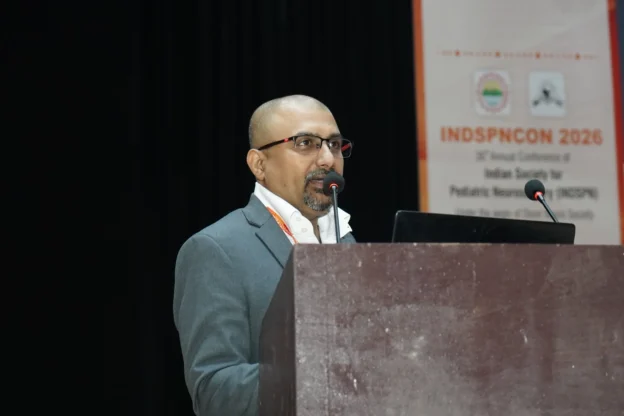
Dr Mohana Rao Patibandla speaking at INDSPNCON 2026 about advanced pediatric neurosurgery techniques including minimally invasive brain surgery and neuro-navigation at Dr Rao’s International Institute of Neurosciences

Independent Neurosciences Center in Andhra Pradesh – Dr. Rao’s International Institute of Neurosciences

Building Andhra Pradesh’s Independent Neurosciences Center: Vision, Challenges, and the Future of Advanced Neurological Care


India’s healthcare sector has witnessed tremendous growth over the last two decades. From robotic surgeries to advanced imaging and precision-based interventions, Indian medicine has rapidly evolved into one of the world’s fastest-growing healthcare ecosystems. Yet despite these advancements, access to specialized neurosciences care remains unevenly distributed across the country. 
Most advanced neurological and neurosurgical infrastructure continues to remain concentrated in metropolitan cities such as Delhi, Mumbai, Hyderabad, Chennai, and Bengaluru. For patients living in regional India, accessing advanced brain, spine, and nerve care often still involves long-distance travel, delayed diagnosis, financial hardship, and emotional strain.


A recent Outlook India feature explored this growing challenge and highlighted the efforts of Dr. Mohana Rao Patibandla in developing Andhra Pradesh’s independent neurosciences ecosystem through Dr. Rao’s Hospital – International Institute of Neurosciences in Guntur.


Primary Source: Outlook India – Dr. Mohana Rao Patibandla On Building Andhra Pradesh’s Independent Neurosciences Center


The Need for Advanced Neurosciences Beyond Metro Cities


India’s neurological disease burden is increasing rapidly. Stroke, brain tumors, traumatic brain injuries, epilepsy, spinal disorders, Parkinson’s disease, and neurodegenerative conditions are becoming more common due to:


  • Increased life expectancy
  • Urban lifestyles and stress
  • Road traffic accidents
  • Hypertension and diabetes
  • Improved awareness and diagnostics
  • An aging population


According to the World Health Organization, neurological disorders are among the leading causes of disability and death globally. In India, the challenge is amplified because advanced neuroscience services are not equally accessible across all regions.


External Source: WHO – Neurological Disorders


The Outlook India article emphasized that patients in regional India frequently face long travel distances, delayed treatment, and major financial burdens while seeking neurological care. Outlook India


Why Neurosciences Require Specialized Ecosystems


Unlike many other medical specialties, neurosciences are highly time-sensitive and multidisciplinary. Successful neurological treatment often depends on coordinated systems involving:


  • Advanced neuroimaging
  • Emergency stroke intervention
  • Neurocritical care
  • Operating microscopes
  • Neuronavigation systems
  • Intraoperative neuromonitoring
  • Rehabilitation teams
  • Specialized ICU care


Dedicated neuroscience centers are designed specifically around integrated neurological pathways. This improves precision, efficiency, continuity of care, and long-term patient outcomes.


Stroke care, for example, requires rapid imaging, neurologists, neurosurgeons, catheter-based thrombectomy systems, intensive care specialists, and rehabilitation services — all functioning together within critical time windows.


The Challenge of Building Independent Neuroscience Infrastructure


Building a comprehensive independent neurosciences center outside metropolitan India is an enormous undertaking. The Outlook India feature highlighted that such institutions require:


  • Large-scale investment
  • Advanced technology
  • Highly trained manpower
  • Long-term sustainability planning
  • Academic and research integration
  • Multidisciplinary coordination


Recruiting experienced specialists in regional locations can be difficult. Maintaining sophisticated technologies such as neuro-navigation, hybrid operating rooms, advanced imaging systems, and endovascular equipment requires both expertise and infrastructure.


Public awareness also remains a challenge. Many patients continue to ignore warning signs such as severe headaches, weakness, seizures, speech difficulty, or persistent spinal pain until the condition becomes advanced.


Dr. Mohana Rao Patibandla’s Vision for Regional Neurosciences


The Outlook India report describes Dr. Mohana Rao Patibandla as part of a broader movement transforming advanced neurosciences in regional India.


Through Dr. Rao’s Hospital – International Institute of Neurosciences

,
Dr. Patibandla has focused on building advanced neurological care systems outside traditional metropolitan healthcare corridors.


His international training across multiple subspecialties has contributed to this vision, including:


  • Minimally invasive skull base surgery
  • Pediatric neurosurgery
  • Neuro-oncology
  • Functional neurosurgery
  • Endovascular neurosurgery
  • Cerebrovascular surgery


Outlook India

This multidisciplinary expertise reflects the future direction of neurosciences globally, where integrated neurological systems play a crucial role in patient-centered care.


The Rise of Minimally Invasive Neurosurgery


Modern neurosurgery is rapidly shifting toward minimally invasive approaches. These advanced techniques help reduce:


  • Surgical trauma
  • Blood loss
  • Hospital stay duration
  • Postoperative pain
  • Recovery time


Today’s advanced neurosurgical technologies include:


  • Endoscopic brain surgery
  • Minimally invasive spine surgery
  • Endoscopic skull base surgery
  • Neuronavigation systems
  • Microscopic neurosurgery
  • Robotic assistance


Internal Link: Minimally Invasive Neurosurgery at Dr. Rao’s Hospital


These innovations are helping regional neuroscience centers provide world-class treatment standards closer to patients’ homes.


Artificial Intelligence and the Future of Neurosciences


One of the most important themes highlighted in the Outlook India article is the growing role of artificial intelligence and robotics in modern neurological care.


AI-assisted technologies are increasingly helping doctors with:


  • Early stroke detection
  • Brain tumor analysis
  • Neuroimaging interpretation
  • Surgical planning
  • Predictive analytics
  • Outcome forecasting


Meanwhile, robotic systems and navigation-assisted surgeries are improving surgical precision while reducing complications.


The article notes that these advanced technologies are gradually becoming accessible beyond global metropolitan centers and are being integrated into regional neuroscience institutions in India. Outlook India


Endovascular Neurosurgery and Stroke Revolution


Endovascular neurosurgery has revolutionized the management of stroke and cerebrovascular diseases.


Using catheter-based minimally invasive approaches, specialists can now treat:


  • Brain aneurysms
  • Arteriovenous malformations (AVMs)
  • Acute ischemic stroke
  • Vascular blockages
  • Cerebrovascular disorders


This technology allows faster recovery and reduced surgical morbidity compared to traditional open procedures in selected cases.


Stroke intervention systems are particularly important in India because stroke rates continue to rise significantly.


External Source: American Stroke Association – Stroke Information


Why Research and Education Matter


Advanced neuroscience centers are not just treatment facilities. They also serve as hubs for:


  • Medical education
  • Clinical research
  • Training programs
  • Innovation
  • Community outreach
  • Evidence-based medicine


The Outlook India feature emphasized the importance of academic ecosystems surrounding neurosciences institutions. Outlook India


Research in India is becoming increasingly important in areas such as:


  • Stroke prevention
  • Neuro-oncology
  • Neurotrauma
  • Pediatric neurological disorders
  • Minimally invasive surgery
  • Degenerative spine disease


Regional institutions can contribute valuable clinical data reflecting India’s unique disease patterns and demographics.


The Future of Neurosciences in Regional India


The future of Indian healthcare will depend heavily on decentralization. The traditional model of concentrating advanced care only in metropolitan cities is no longer sustainable.


Patients increasingly expect sophisticated treatment closer to home, and regional neuroscience institutions are beginning to fulfill that expectation.


The Outlook India article highlights that the development of independent neuroscience centers represents a broader transformation in healthcare philosophy — one focused on accessibility, expertise, equity, and patient-centered care. Outlook India


Over the coming decade, India is likely to witness:


  • Expansion of regional neuroscience hubs
  • AI-integrated neurological diagnostics
  • Growth of robotic surgery
  • Advanced tele-neurology systems
  • Improved stroke networks
  • Academic neuroscience collaborations
  • Increased focus on rehabilitation


This transition could dramatically improve neurological healthcare accessibility across the country.


Conclusion


India’s neurological healthcare demands are growing rapidly, and the need for advanced neuroscience ecosystems outside metropolitan cities has become increasingly urgent.


The development of independent neuroscience centers represents more than infrastructure alone. It reflects a larger commitment toward healthcare accessibility, technological advancement, research, education, and equitable treatment for regional populations.


As highlighted in the Outlook India feature, institutions such as Dr. Rao’s Hospital – International Institute of Neurosciences

demonstrate how advanced neurosciences can successfully evolve in regional India when expertise, vision, and patient-centered care converge.


The future of Indian neurosciences may ultimately depend not only on technological advancement but also on how effectively those innovations reach the millions of patients who need them most.


Frequently Asked Questions (FAQ)

1. Why are independent neuroscience centers important?

They improve access to specialized neurological care for patients living outside metropolitan cities.

2. What conditions are treated in advanced neuroscience centers?

Stroke, brain tumors, epilepsy, spinal disorders, neurovascular diseases, neurotrauma, and degenerative neurological conditions.

3. What is endovascular neurosurgery?

A minimally invasive catheter-based treatment used for stroke, aneurysms, and cerebrovascular diseases.

4. How does AI help neurosciences?

Artificial intelligence assists with neuroimaging, diagnostics, surgical planning, and predictive analytics.

5. Why is minimally invasive neurosurgery beneficial?

It reduces surgical trauma, shortens recovery time, and improves patient outcomes.


Internal Links


Call To Action

If you or your loved one is experiencing neurological symptoms such as stroke warning signs, seizures, spinal pain, weakness, severe headaches, or neurological deficits, early expert evaluation is critical.

Dr. Rao’s Hospital – International Institute of Neurosciences
12-19-67, Old Bank Road, Kothapet, Guntur, Andhra Pradesh
Phone: +91 9010056444
Email: info@drraoshospitals.com
Website: https://drraoshospitals.com


Connect With Us


TEDx banner featuring Dr. Rao highlighting his innovative ideas and expertise.

Why Dr. Rao’s Hospital Is Emerging as a Global Destination for Advanced Neurosurgery and Spine Care

Why Dr. Rao’s Hospital Is Emerging as a Global Destination

In the rapidly evolving world of neurosciences, only a few institutions successfully combine cutting-edge technology, internationally trained expertise, compassionate patient care, and affordability. Dr. Rao’s Hospital in Guntur has emerged as one of India’s most recognized centers for neurology, neurosurgery, spine surgery, and minimally invasive brain and spine care.


Founded by internationally trained neurosurgeon Dr. Mohana Rao Patibandla, the hospital has steadily transformed the healthcare landscape of Andhra Pradesh by bringing world-class neuro care closer to patients who previously had to travel to metro cities or abroad for advanced treatment.

According to the official hospital website, Dr. Rao’s Hospital is among the first dedicated neurosciences facilities in Andhra Pradesh equipped with advanced technologies such as intraoperative neuronavigation, hybrid cath lab systems, intraoperative imaging, neuromonitoring, and minimally invasive neurosurgical platforms.


A Vision to Bring World-Class Neurosurgery to Andhra Pradesh

The journey of Dr. Rao’s Hospital began with a mission: to create an internationally comparable neuroscience institute in Andhra Pradesh that prioritizes innovation, precision, safety, and compassionate healing.


After extensive training across India and the United States in skull base surgery, pediatric neurosurgery, minimally invasive neurosurgery, cerebrovascular surgery, neuro-oncology, and endovascular surgery, Dr. Mohana Rao Patibandla returned to India with a vision to establish a center of excellence in neurosciences.


Today, that vision has evolved into a highly respected institution serving patients from across:


  • Andhra Pradesh
  • Telangana
  • Tamil Nadu
  • Karnataka
  • Odisha
  • International medical tourism destinations
  •  

The hospital has become especially known for:

  • Brain tumor surgery
  • Complex spine surgery
  • Endoscopic skull base surgery
  • Endovascular neurosurgery
  • Pediatric neurosurgery
  • Epilepsy surgery
  • Functional neurosurgery
  • Stroke and aneurysm management
  • Minimally invasive spine surgery

Advanced Technology That Defines Precision Neurosurgery

Modern neurosurgery depends heavily on precision.

Even a millimeter can determine neurological outcomes. That is why advanced technology plays a central role at Dr. Rao’s Hospital.


According to the hospital’s official information, the facility includes:

  • Advanced neuronavigation systems
  • Hybrid vascular cath lab technology
  • Intraoperative neuromonitoring
  • High-end endoscopic neurosurgical systems
  • Advanced neuroimaging platforms
  • Minimally invasive surgical technologies
  •  

These technologies help surgeons:

  • Improve surgical accuracy
  • Reduce complications
  • Minimize blood loss
  • Preserve neurological function
  • Enable faster patient recovery
  •  

The hospital’s emphasis on minimally invasive and endoscopic approaches aligns with global neurosurgical trends promoted by organizations such as the American Association of Neurological Surgeons and the Congress of Neurological Surgeons.


Expertise in Brain Tumor Surgery

Brain tumors require a multidisciplinary approach involving neurosurgeons, neurologists, neuro-anesthesiologists, neurocritical care teams, radiologists, and rehabilitation experts.


Dr. Rao’s Hospital provides advanced management for:

  • Gliomas
  • Meningiomas
  • Pituitary tumors
  • Skull base tumors
  • Metastatic brain tumors
  • Pediatric brain tumors
  • Acoustic neuromas
  •  

Using minimally invasive and image-guided techniques, surgeons can often access deep-seated tumors while minimizing damage to healthy brain tissue.

The hospital’s expertise in skull base surgery is particularly notable because these surgeries involve delicate structures including cranial nerves, blood vessels, and the brainstem.


The importance of specialized neuro-oncology centers has also been highlighted by the National Cancer Institute, which emphasizes multidisciplinary care and precision-based treatment for improved outcomes.


Comprehensive Spine Surgery and Minimally Invasive Spine Care

Spinal disorders are increasingly common due to modern sedentary lifestyles, aging populations, trauma, and degenerative disease.


Dr. Rao’s Hospital offers advanced treatment for:


  • Cervical spondylosis
  • Lumbar disc prolapse
  • Sciatica
  • Spinal tumors
  • Spinal trauma
  • Scoliosis
  • Spinal instability
  • Craniovertebral junction disorders
  • Degenerative spine disease
  •  

The hospital is especially recognized for minimally invasive spine surgery, which offers several benefits:


  • Smaller incisions
  • Less muscle injury
  • Reduced postoperative pain
  • Faster mobilization
  • Shorter hospital stay
  • Quicker return to work
  •  

The growing importance of minimally invasive spine techniques is also recognized globally by organizations like the North American Spine Society.


Stroke, Aneurysm, and Endovascular Neurosurgery

Stroke remains one of the leading causes of disability and death worldwide. Rapid diagnosis and intervention are critical.


Dr. Rao’s Hospital provides emergency neurovascular care for:

  • Brain stroke
  • Aneurysms
  • Arteriovenous malformations (AVMs)
  • Intracranial hemorrhage
  • Carotid artery disease
  • Complex cerebrovascular disorders
  •  

The hospital’s advanced neurovascular and endovascular capabilities allow minimally invasive treatment approaches for many vascular conditions.


The World Health Organization notes that timely stroke management significantly improves outcomes and reduces long-term disability. World Health Organization – Stroke Information


Pediatric Neurosurgery with Compassionate Care

Children with neurological disorders require highly specialized treatment and emotional support.


Dr. Rao’s Hospital offers pediatric neurosurgical care for:


  • Hydrocephalus
  • Pediatric brain tumors
  • Congenital spine disorders
  • Craniosynostosis
  • Neural tube defects
  • Epilepsy
  • Traumatic brain injury
  •  

The hospital’s approach combines surgical expertise with family-centered care, ensuring parents remain informed and supported throughout treatment.


The importance of specialized pediatric neurosurgery has been emphasized by institutions such as Boston Children’s Hospital and Johns Hopkins Medicine.


International Recognition and Academic Contributions

One of the distinguishing aspects of Dr. Mohana Rao Patibandla’s career is his active participation in global neurosurgical academia.


He has presented advanced neurosurgical techniques at multiple national and international conferences, including presentations related to:


  • Endoscopic craniovertebral junction surgery
  • Advanced cerebrovascular procedures
  • Intraoperative neuromonitoring
  • Skull base surgery
  • Endovascular neurosurgery
  •  

International academic participation reflects not only surgical expertise but also commitment to advancing the field of neurosciences globally.

The hospital’s growing international visibility has contributed to increasing medical tourism interest from patients seeking affordable yet world-class neurological care.


Why Patients Choose Dr. Rao’s Hospital


Patients often choose Dr. Rao’s Hospital because of its combination of:

  • Internationally trained expertise
  • Advanced infrastructure
  • Personalized care
  • Affordable treatment
  • Ethical approach
  • Comprehensive neurosciences focus
  •  

The hospital emphasizes individualized treatment planning rather than a one-size-fits-all approach.


According to publicly available hospital information and patient feedback platforms, the institution has gained recognition for:


  • Rapid diagnosis
  • Emergency neuro care
  • Surgical precision
  • Patient communication
  • Postoperative rehabilitation
  • Compassionate nursing care
  •  

Medical Tourism in India and the Rise of Specialized Neuroscience Centers

India has become one of the world’s leading destinations for medical tourism due to:


  • Highly trained specialists
  • Advanced infrastructure
  • Cost-effective treatment
  • English-speaking healthcare professionals
  • Reduced waiting periods
  •  

Dr. Rao’s Hospital is increasingly becoming part of this medical tourism ecosystem, particularly for patients seeking advanced neurosurgical and spine procedures.


The hospital’s comprehensive medical tourism support includes:

  • Consultation coordination
  • Surgical planning
  • Postoperative follow-up
  • Rehabilitation guidance
  • International patient assistance
  •  

India’s growing role in medical tourism has been recognized by the Medical Tourism Association.


Community Outreach and Expanding Access to Neuro Care

Dr. Rao’s Hospital has also expanded neuro and spine outpatient access across multiple cities in Andhra Pradesh. Recent reports highlighted the launch of neuro and spine OPD centers in several Andhra cities to improve accessibility for patients outside Guntur.


This expansion reflects an important healthcare principle:


Specialized care should not be limited to metropolitan cities alone.

By extending consultations and outreach services, the hospital is helping bridge the gap between advanced neuroscience care and underserved populations.


Research, Innovation, and Future Directions

The future of neurosciences lies in:


  • Artificial intelligence-assisted diagnostics
  • Robotic surgery
  • Advanced neuroimaging
  • Precision medicine
  • Minimally invasive interventions
  • Personalized rehabilitation
  •  

Dr. Rao’s Hospital continues to evolve alongside these innovations, integrating advanced technology and evidence-based treatment approaches into daily practice.


The hospital’s long-term vision includes:


  • Expanded neuroscience education
  • Research collaborations
  • International partnerships
  • Advanced fellowship programs
  • Broader accessibility to high-end neuro care

Patient-Centered Care at the Core

While technology and expertise are essential, compassionate care remains central to healing.


At Dr. Rao’s Hospital, the philosophy of care emphasizes:


  • Clear communication
  • Transparency
  • Ethical decision-making
  • Emotional support
  • Family involvement
  • Holistic recovery
  •  

This patient-first approach has helped the institution build trust among thousands of families across India and internationally.


Internal Links

Learn more about:


Contact Dr. Rao’s Hospital

Dr. Rao’s Hospital

📍 Address:
12-19-67 / 12-19-97 Old Bank Road, Kothapet, Opposite Sravani Hospital, Besides AK Biryani point, Guntur, Andhra Pradesh, India

📞 Phone:
+91 9010056444
+91 9010057444

📧 Email:
info@drraoshospitals.com
drpatibandla@gmail.com

🌐 Website:
Official Website

📍 Google Maps:
Google Maps Location


Follow Dr. Rao’s Hospital on Social Media

📺 YouTube
Dr. Rao’s Hospital YouTube Channel

📘 Facebook
Dr. Rao’s Hospital Facebook

📸 Instagram
Dr. Mohana Rao Instagram

💼 LinkedIn
Dr. Mohana Rao LinkedIn

🐦 X (Twitter)
Dr. Mohana Rao on X


Conclusion

As neuroscience continues to advance rapidly, institutions that combine innovation, expertise, ethics, and compassion will define the future of neurological care.


Dr. Rao’s Hospital stands as a powerful example of how world-class neurosciences can thrive outside traditional metropolitan centers. Through advanced technology, internationally trained expertise, minimally invasive approaches, and a deep commitment to patient care, the hospital is redefining neurological and spine care in India.


For patients seeking advanced treatment for brain, spine, nerve, stroke, or complex neurological disorders, Dr. Rao’s Hospital continues to emerge as one of the most trusted destinations for comprehensive neurosciences care in India.

Dr Mohana Rao Patibandla best neurosurgeon in Guntur ThreeBestRated 2026 award Dr Rao Hospital IIN

Best Neurosurgeon in Guntur – Dr. Mohana Rao Patibandla | #1 Ranked 5 Years

Dr. Mohana Rao Patibandla – Ranked #1 Neurosurgeon in Guntur for 5 Consecutive Years by ThreeBestRated

In the ever-evolving field of neurosurgery, where precision, expertise, and patient trust define success, Dr. Mohana Rao Patibandla stands as a benchmark of excellence. Recognized as the #1 Neurosurgeon in Guntur for five consecutive years by ThreeBestRated, this achievement reflects not just clinical expertise but a relentless commitment to world-class patient care.

At Dr. Rao’s Hospital – Dr. Rao’s International Institute of Neurosciences (IIN), patients
receive advanced, evidence-based, and compassionate care for complex neurological and spinal conditions.

This consistent top ranking since the inception of the hospital highlights a rare combination of
clinical excellence, innovation, and patient satisfaction.


What Makes This Recognition Truly Significant?

Being ranked by ThreeBestRated is not a simple listing—it is the result of a rigorous 50-Point Inspection process. This includes evaluation of:

  • Reputation and patient reviews
  • Clinical expertise and outcomes
  • Professional certifications and training
  • Service consistency and accessibility
  • Overall patient experience

Achieving the #1 position consistently for five years signifies unmatched trust among patients and peers. It places Dr. Mohana Rao Patibandla among the most reliable and respected neurosurgeons not only in Guntur but across Andhra Pradesh and India.


A Vision Beyond Rankings – The Rise of IIN

The foundation of this success lies in the vision behind Dr. Rao’s International Institute of Neurosciences (IIN)—a state-of-the-art facility dedicated exclusively to brain, spine, and nerve care.

Unlike conventional hospitals, IIN is built on a specialized model focusing entirely on neurosciences. This enables:

  • Faster diagnosis with advanced imaging
  • Minimally invasive surgical techniques
  • Precision-driven outcomes
  • Dedicated neuro ICU care

Learn more about our infrastructure here: About Dr. Rao’s Hospital


International Training – Global Expertise Brought to Guntur

Dr. Mohana Rao Patibandla’s journey is marked by extensive international training across the United States, covering multiple subspecialties:

  • Minimally Invasive Skull Base Surgery
  • Pediatric Neurosurgery
  • Neuro-oncology
  • Functional and Stereotactic Radiosurgery
  • Endovascular Neurosurgery

This global exposure ensures that patients in Guntur have access to international standards of neurosurgical care without traveling abroad.


Comprehensive Neurosurgical Services

At Dr. Rao’s Hospital (IIN), we provide a full spectrum of advanced neurosurgical services:

1. Brain Tumor Surgery

Advanced techniques for safe and precise removal of brain tumors.
Learn more

2. Spine Surgery

Minimally invasive spine procedures for faster recovery.
Explore spine care

3. Stroke & Neurovascular Care

Emergency stroke management and endovascular interventions.
Stroke care details

4. Pediatric Neurosurgery

Specialized care for neurological conditions in children.
Pediatric services

5. Epilepsy Surgery

Advanced surgical solutions for drug-resistant epilepsy.
Epilepsy care


Why Patients Choose Dr. Rao’s Hospital

  • #1 Ranked Neurosurgeon for 5 Years
  • Internationally trained neurosurgeon
  • Advanced minimally invasive techniques
  • High success rates and patient satisfaction
  • Dedicated neurocritical care unit
  • Transparent and ethical treatment approach

These factors collectively position Dr. Rao’s Hospital as one of the best neurology, neurosurgery, and spine care centers in India.


Patient-Centric Approach – The Core Philosophy

Beyond technology and rankings, the hospital focuses on a deeply human aspect of care:

  • Clear communication with patients and families
  • Personalized treatment plans
  • Emotional and psychological support
  • Post-operative rehabilitation guidance

Every patient is treated with dignity, compassion, and respect—ensuring holistic healing.


Impact on Healthcare in Andhra Pradesh

The presence of a globally trained neurosurgeon and a specialized institute like IIN in Guntur
has significantly improved access to advanced neurological care in the region.

Patients who once had to travel to metro cities or abroad can now receive
world-class treatment locally, reducing both financial and emotional burden.


Recognition That Builds Trust

The consistent #1 ranking by ThreeBestRated serves as a powerful trust signal for:

  • New patients seeking reliable care
  • Medical tourists evaluating treatment options
  • Families looking for second opinions

It reinforces the hospital’s commitment to excellence and continuous improvement.


Future Vision – Expanding the International Institute of Neurosciences

The journey does not stop here. The vision is to expand IIN into a leading global destination for neuroscience care, integrating:

  • Research and innovation
  • Advanced training programs
  • AI-driven diagnostics
  • Global collaborations

This forward-looking approach ensures that Dr. Rao’s Hospital continues to lead in the
evolving landscape of neurosurgery.


Book an Appointment with the Best Neurosurgeon in Guntur

If you or your loved ones are experiencing neurological or spine-related conditions,
trust the expertise of a globally trained and consistently top-ranked specialist.

Contact Details:
📞 Phone: 090100 56444 / 9010056444
📧 Email: info@drraoshospitals.com
🌐 Website: https://drraoshospitals.com
📍 Location: 12-19-97, Old Bank Road, Kothapet, Guntur, Andhra Pradesh – 522001


Follow Dr. Rao’s Hospital on Social Media

Stay updated with the latest advancements, patient stories, and health awareness initiatives:


Conclusion

Being ranked as the #1 Neurosurgeon in Guntur for five consecutive years is not just an award— it is a reflection of unwavering dedication, clinical excellence, and patient trust.

At Dr. Rao’s Hospital (IIN), the mission remains clear: to deliver world-class brain, spine, and nerve care with compassion and precision.

When it comes to your neurological health, choose experience, choose innovation, choose trust.
Choose Dr. Mohana Rao Patibandla.

Top 10 Spine Surgeons in India—Dr. Rao at Dr. Rao's Hospital

Best Neurosurgeon in India 2024

Best Neurosurgeon in India 2024: A Comprehensive Guide to Neurosurgery Excellence

India has become a global hub for advanced neurosurgery due to its high-quality medical care, world-renowned neurosurgeons, and state-of-the-art hospitals. Neurosurgery is a highly specialized field, and finding the right neurosurgeon is crucial, especially when dealing with delicate brain and spine conditions. In this comprehensive guide, we will cover the top factors that make a neurosurgeon stand out in India, focusing on the best neurosurgeons in India for brain tumor surgery, spine surgery, and other complex neurological conditions in 2024.

1. Best Neurosurgeon in India 2024

When searching for the top neurosurgeon in India, factors like experience, success rate, advanced techniques, and patient care are vital. Dr. Mohana Rao Patibandla, one of the leading neurosurgeons in India, has consistently been at the forefront of neurosurgery. In a recent deccanherald

2. Top-Rated Neurosurgeons in India

India boasts several top-rated neurosurgeons specializing in different areas, such as brain tumor surgery, minimally invasive spine surgery, and pediatric neurosurgery. These surgeons have received extensive training in India and abroad.

3. Best Brain Tumor Surgeons in India

Brain tumor surgery is one of the most delicate procedures in neurosurgery. India’s best neurosurgeons, like Dr. Rao, utilize the latest techniques like minimally invasive surgery and stereotactic radiosurgery to treat brain tumors effectively.

4. Top Neurosurgery Hospitals in India

India’s top neurosurgery hospitals, such as AIIMS, Apollo Hospitals, and Dr. Rao’s Hospital in Guntur, are equipped with cutting-edge technology and are renowned for their neurosurgical expertise.

5. Minimally Invasive Brain Surgery in India

Minimally invasive brain surgery reduces recovery time and postoperative complications. Neurosurgeons in India are trained in advanced techniques, making India a leading destination for such surgeries. In a recent India today article.

6. Best Neurosurgeon for Brain Tumor Surgery

Finding the best neurosurgeon for brain tumor surgery is critical. With his extensive experience and state-of-the-art techniques, Dr. Rao has helped numerous patients recover from brain tumors.

7. Pediatric Neurosurgeon India

Pediatric neurosurgery requires specialized skills. India’s leading pediatric neurosurgeons, including those at Dr. Rao’s Hospital, are highly experienced in treating children with neurological disorders.

8. Best Spine Surgeon in India

India’s top spine surgeons are proficient in traditional and minimally invasive surgeries. Dr. Rao is one of the leading spine surgeons offering cutting-edge treatments for spine conditions. According to dnaindia

9. Endovascular Neurosurgery in India

Endovascular neurosurgery is a non-invasive treatment for brain aneurysms and strokes. Dr. Rao is one of the few neurosurgeons in India who excels in this technique.

10. Minimally Invasive Spine Surgery in India

India is a preferred destination for minimally invasive spine surgery. These surgeries are performed using advanced technology, ensuring quicker recovery and less pain for patients.

11. Affordable Neurosurgery in India

One of the reasons patients from around the world come to India is the affordability of neurosurgery. The cost of neurosurgery in India is significantly lower compared to Western countries without compromising on quality.

12. Best Brain Tumor Treatment in India

India’s hospitals are equipped with advanced technologies like MRI-guided surgeries and Gamma Knife radiosurgery, providing world-class brain tumor treatment options.

13. Advanced Neurosurgery Techniques in India

Neurosurgeons in India are trained in advanced techniques like robotic surgery, endoscopic brain surgery, and stereotactic radiosurgery, which offer more precise outcomes and faster recovery times.

14. Top Neurology Hospitals in India

India’s top neurology hospitals offer comprehensive care for brain and spine conditions. Hospitals like Dr. Rao’s Hospital in Guntur provide cutting-edge technology and personalized patient care.

15. Best Neurosurgeon for Spine Surgery in India

For patients suffering from spine-related issues, India offers some of the best neurosurgeons specializing in spine surgery. These surgeons use advanced techniques like keyhole surgery to treat spine conditions.

16. Best Hospitals for Brain Tumor Surgery in India

India is home to some of the world’s best hospitals for brain tumor surgery. These hospitals have the latest diagnostic and surgical tools to ensure precise treatment.

17. Keyhole Neurosurgery in India

Keyhole neurosurgery is one of the most advanced and minimally invasive procedures. This technique allows for quicker recovery and fewer complications; top neurosurgeons in India widely use it.

18. Best Spine Hospitals in India

India’s spine hospitals are equipped with cutting-edge technology, offering various surgical and non-surgical treatments for spine disorders, including minimally invasive techniques.

19. Brain and Spine Surgery in India

India’s neurosurgeons specialize in brain and spine surgeries, offering a comprehensive treatment approach for complex neurological conditions.

20. Top Neurologist in India

Besides neurosurgeons, India is also home to top neurologists who work alongside neurosurgeons to provide a multidisciplinary approach to neurological disorders.

21. Best Neurosurgical Spine Center in India

India has several renowned neurosurgical spine centers where experienced spine surgeons and neurosurgeons collaborate to provide comprehensive care for spinal conditions.

22. Best Back Doctors in India

For back pain and spine-related disorders, India offers some of the best back doctors specializing in surgical and non-surgical treatments.

23. Best Hospital for Back Problems in India

Back problems can severely affect the quality of life. India’s best hospitals, like Dr. Rao’s Hospital, provide state-of-the-art treatments for all spine and back issues.

24. Best Neurosurgeon in India for Brain Tumor Surgery

Dr. Rao is widely regarded as one of the best neurosurgeons in India for brain tumor surgery, providing advanced and effective treatment options.

25. Best Neurosurgeon in India for Spine Surgery

Dr. Rao is among the top neurosurgeons for patients with spinal conditions, offering advanced surgical options, including minimally invasive spine surgery.

26. Best Neurosurgeon in India for Brain Surgeries

Dr. Rao has extensive experience in performing complex brain surgeries, including those for brain tumors, aneurysms, and other neurological conditions.

27. Minimally Invasive Neurosurgery in India

India has become a leader in minimally invasive neurosurgery, offering patients quicker recovery times and fewer complications than traditional surgeries. According to The Times of India coverage.

28. Affordable Medical Tourism in India for Neurosurgery

India is a top destination for medical tourism, offering world-class neurosurgery at a fraction of the cost compared to Western countries. Patients from across the globe come to India for affordable and high-quality care.

29. Dr. Rao’s Hospital in Guntur: The Best Brain, Spine, and Endovascular Center

Dr. Rao’s Hospital in Guntur is renowned for its brain, spine, and endovascular surgery expertise. Dr. Rao, one of India’s top neurosurgeons, is in charge of the hospital with the most recent technology.

30. Why Choose India for Neurosurgery in 2024

India’s combination of skilled surgeons, advanced technology, and affordable healthcare makes it one of the best destinations for neurosurgery in 2024. Patients receive world-class care at a fraction of the cost, with access to some of the best neurosurgeons in the world.

Conclusion

India has established itself as a global leader in neurosurgery thanks to its world-class hospitals and expert neurosurgeons. From minimally invasive brain and spine surgeries to complex procedures like keyhole neurosurgery, India offers a wide range of advanced treatment options. Whether you are seeking treatment for a brain tumor, spine disorder, or any other neurological condition, India’s top neurosurgeons, including Dr. Rao, are ready to provide the best possible care. The affordability of medical care, combined with state-of-the-art technology, makes India an ideal destination for neurosurgery in 2024.

Dr. Rao’s Contact Information:

Dr. Rao, top neurosurgeon at Dr. Rao's Hospital, Guntur, performing surgery with precision and expertise, leading healthcare in India.

Best Neurosurgeon in India for Brain Tumor Surgery: An In-Depth Guide

Best Neurosurgeon in India for Brain Tumor Surgery: An In-Depth Guide

India has become a global hub for advanced neurosurgery, offering world-class expertise, state-of-the-art facilities, and affordable treatment options. Brain tumor surgery is among the most sought-after procedures, a highly specialized field requiring exceptional skills and precision. Dr. Mohana Rao Patibandla, a renowned neurosurgeon at Dr. Rao’s Hospital, Guntur, stands out as one of the best in this domain. This comprehensive guide will explore why Dr. Rao and India are leading choices for brain tumor surgery, alongside other essential insights into the field. In a recent deccanherald

1. Best Neurosurgeon in India for Brain Tumor Surgery

Expertise and experience are crucial when it comes to complex brain tumor surgeries. Dr. Mohana Rao Patibandla, with his extensive training in India and abroad, ranks among the best neurosurgeons in India. His expertise in handling complex brain tumor cases and his access to cutting-edge technology at Dr. Rao’s Hospital, Guntur, ensure successful patient outcomes.

2. Advanced Brain Tumor Surgery Techniques in India

India’s top hospitals are equipped with the latest technologies to perform minimally invasive brain tumor surgeries, stereotactic radiosurgery, and endoscopic procedures. These advanced techniques minimize risks and enhance recovery times, providing patients with better outcomes.

3. Stereotactic Radiosurgery for Brain Tumors

Stereotactic radiosurgery (SRS) is a non-invasive procedure that targets brain tumors with high precision. This method uses focused radiation beams to shrink or destroy tumors, making it an effective alternative for patients who may not be suitable for open surgery. India’s best hospitals, including Dr. Rao’s Hospital, offer this advanced treatment.

4. Endoscopic Brain Tumor Surgery

Endoscopic brain tumor surgery is a minimally invasive technique that allows surgeons to remove tumors through small incisions, reducing trauma to the brain and accelerating recovery. Dr. Rao’s expertise in this technique makes him a top choice for patients seeking less invasive options.

5. Best Hospitals in India for Brain Tumor Surgery

India is home to several top-tier hospitals specializing in brain tumor surgery, including Dr. Rao’s Hospital, Apollo Hospital, and Manipal Hospital. These hospitals offer world-class care and are equipped with the latest technology, such as neuronavigation systems, intraoperative MRI, and robotic surgery platforms.

6. Minimally Invasive Neurosurgery in India

Minimally invasive neurosurgery involves smaller incisions and less disruption to surrounding tissues, resulting in faster recovery times and fewer complications. India’s leading neurosurgeons, including Dr. Rao, are pioneers in this field, providing excellent outcomes for patients with brain tumors. In a recent India today article.

7. Affordable Brain Tumor Surgery in India

One of the key reasons India is a popular medical tourism destination is its affordable healthcare service. Brain tumor surgery in India costs a fraction of what it does in Western countries, making it accessible to international patients without compromising quality.

8. Brain Tumor Surgery Success Rates in India

Thanks to highly skilled surgeons, advanced technologies, and comprehensive post-operative care, the success rates for brain tumor surgeries in India are exceptionally high. Patients worldwide travel to India to benefit from these successful outcomes.

9. Neurosurgery for Malignant Brain Tumors

Malignant brain tumors require immediate attention and often aggressive treatment. India’s best neurosurgeons, such as Dr. Rao, are adept at handling such cases with a multidisciplinary approach, including surgery, radiation therapy, and chemotherapy.

10. Top Neurosurgical Centers in India

India’s top neurosurgical centers, such as Dr. Rao’s Hospital, NIMHANS (Bangalore), and AIIMS (Delhi), are renowned for their excellence in treating brain tumors. The most recent technologies are available at these facilities, and highly skilled neurosurgeons work there.

11. Best Neurology Hospitals in India

In addition to specialized neurosurgery centers, India also boasts some of the best neurology hospitals in the world, such as Fortis, Apollo, and Dr. Rao’s Hospital, Guntur. These hospitals provide a comprehensive range of neurological and neurosurgical services.

12. Leading Neurosurgeon for Keyhole Brain Tumor Surgery

Keyhole brain tumor surgery, also known as minimally invasive craniotomy, is a technique that uses small incisions to access and remove brain tumors. Dr. Rao is a leading expert in this field, offering patients a less invasive option with quicker recovery times.

13. Best Pediatric Neurosurgeon in India

Children with brain tumors require specialized care, and India is home to some of the best pediatric neurosurgeons in the world. Dr. Rao has extensive experience in treating pediatric cases, making him a trusted name for families seeking brain tumor surgery for children.

14. Advanced Imaging for Brain Tumor Diagnosis in India

Accurate diagnosis is the cornerstone of successful brain tumor treatment. India’s top hospitals are equipped with advanced imaging technologies, such as MRI, CT, and PET scans, enabling neurosurgeons to locate and assess brain tumors before surgery precisely.

15. Best Brain Cancer Hospitals in India

India’s best brain cancer hospitals, such as Tata Memorial Hospital and Dr. Rao’s Hospital, are at the forefront of cancer treatment. These institutions provide comprehensive care, including surgery, radiation therapy, and chemotherapy, for patients with brain cancer.

16. The Role of Neuro-Oncology in Brain Tumor Treatment

Neuro-oncology is a specialized field that treats brain and spinal cord tumors. India’s leading neuro-oncologists work closely with neurosurgeons to ensure the best possible outcomes for patients undergoing brain tumor surgery.

17. Brain Tumor Treatment with CyberKnife in India

The CyberKnife system is a cutting-edge radiosurgery tool used to treat brain tumors non-invasively. Several hospitals in India, including Dr. Rao’s Hospital, offer CyberKnife treatment as a precise and effective option for patients with brain tumors.

18. Post-Surgical Rehabilitation for Brain Tumor Patients

Post-surgical rehabilitation plays a crucial role in the recovery of brain tumor patients. India’s top hospitals provide comprehensive rehabilitation programs, including physical therapy, speech therapy, and cognitive rehabilitation, to help patients regain their abilities.

19. Best Neurosurgical Spine Center in India

Dr. Rao’s Hospital is also recognized for its expertise in spinal neurosurgery, offering advanced treatments for spinal tumors and other complex spine conditions. The hospital’s spine center is equipped with the latest technologies for both minimally invasive and open spine surgeries.

20. Minimally Invasive Spine Surgery in India

In addition to brain surgery, India is a leading destination for minimally invasive spine surgery. Dr. Rao is renowned for his expertise in treating spinal conditions with the least invasive techniques, ensuring faster recovery and fewer patient complications.

21. Affordable Medical Tourism for Neurosurgery in India

India is a top destination for medical tourists seeking high-quality neurosurgery at affordable prices. Patients from around the world, especially from the US, UK, and Africa, come to India for complex brain and spine surgeries. Dr. Rao’s Hospital offers comprehensive medical tourism packages, including pre-surgery consultations, treatment, post-operative care, and rehabilitation.

22. Best Neurosurgery Hospitals in the World

While India has some of the best neurosurgery hospitals, it is also recognized on a global scale. Hospitals like Dr. Rao’s Hospital are known for offering advanced neurosurgical procedures with success rates comparable to those in Western countries.

23. Neurosurgical Innovations in India

India has seen significant innovations in neurosurgery, including robotic surgery, intraoperative MRI, and advanced neuronavigation systems. These technologies have revolutionized brain tumor surgery, providing patients with safer and more effective treatment options.

24. Best Spine Hospital in India

In addition to brain tumor surgeries, Dr. Rao’s Hospital is one of India’s best spine hospitals. The hospital offers advanced spine surgeries, including minimally invasive procedures for conditions such as herniated discs, spinal stenosis, and tumors.

25. Neurosurgery for Brain Tumor Recurrence

Brain tumors can sometimes recur after initial treatment. India’s leading neurosurgeons, like Dr. Rao, are experienced in handling recurrent brain tumors with advanced surgical and non-surgical treatments, ensuring the best possible outcomes.

26. Top Neurologists and Neurosurgeons in India

India is home to the world’s best neurologists and neurosurgeons, providing top-notch care for brain and spine conditions. Dr. Rao is a leading figure in this field, known for his expertise in brain and spine surgery.

27. Affordable Brain Tumor Surgery Packages in India

India offers some of the world’s most affordable brain tumor surgery packages without compromising on quality. Patients can expect world-class care, advanced technology, and highly skilled surgeons at a fraction of the cost compared to Western countries.

28. Best Neurosurgeon in India for Brain Surgeries

Dr. Rao, with his extensive training in India and abroad, ranks as one of the best neurosurgeons in India for a variety of brain surgeries, including tumor removal, vascular malformations, and trauma surgery.

29. Keyhole Neurosurgery in India

Keyhole neurosurgery is a revolutionary technique that minimizes trauma during brain surgery. Dr. Rao’s expertise in this minimally invasive method makes him one of the most sought-after neurosurgeons for patients seeking a quicker recovery with minimal risks.

30. Why Choose Dr. Rao’s Hospital for Brain Tumor Surgery?

Dr. Rao’s Hospital, Guntur, is India’s leading center for brain and spine surgery. With advanced technology, highly skilled medical professionals, and a patient-centered approach, the hospital provides world-class care for brain tumor patients. Whether you are an international patient or seeking the best neurosurgical care in India, Dr. Rao’s Hospital is a top choice.

Conclusion

Thanks to its world-class neurosurgeons, cutting-edge technology, and affordable healthcare services, India is fast becoming the global destination for advanced brain tumor surgery. Dr. Rao’s Hospital in Guntur, under the leadership of Dr. Mohana Rao Patibandla, is at the forefront of providing exceptional care to patients with brain and spine conditions. Whether you are seeking minimally invasive brain tumor surgery, pediatric neurosurgery, or advanced spine treatment, India offers unmatched medical expertise at a fraction of the cost compared to Western countries.

For those considering medical tourism in India, rest assured that you will be in the hands of some of the best neurosurgeons in the world, with facilities that rival global standards.

Dr. Rao’s Contact Information: