Tag Archives: healthcare transformation India

Dr. Mohana Rao Patibandla receiving Times ICONs of Healthcare 2026 award from Andhra Pradesh Health Minister Satya Kumar Yadav

Recognition for Excellence in Neurosciences and Spine Care at Times ICONs of Healthcare 2026 – Dr. Rao’s IIN


How Recognition at Times ICONs of Healthcare Reflects the Growing Transformation of Neurosciences and Spine Care in India


India’s healthcare landscape is undergoing rapid transformation, particularly in advanced specialties such as neurosciences, neurosurgery, spine surgery, stroke intervention, and minimally invasive neurological treatment.


For many years, highly specialized neurological and spine care remained concentrated primarily within metropolitan cities, forcing patients from regional areas to travel long distances for advanced treatment.


Today, however, healthcare innovation, advanced surgical systems, international training, and regional healthcare development are gradually reshaping accessibility across India.


A recent Mid-Day feature highlighted this transformation through the recognition of Dr. Mohana Rao Patibandla and Dr. Amit Kumar Thotakura at the prestigious Times ICONs of Healthcare 2026 awards for their contributions to neurosciences and spine care.


Primary Source: Mid-Day – Dr. Mohana Rao Patibandla and Dr. Amit Kumar Thotakura Honoured at Times ICONs of Healthcare 2026


The Importance of Recognition in Modern Healthcare


Healthcare awards and professional recognitions are not simply ceremonial achievements. They often reflect years of dedication, innovation, research, patient service, and institutional development.


According to the Mid-Day article, the Times ICONs of Healthcare Awards recognize individuals and institutions demonstrating sustained excellence, innovation, and commitment toward quality healthcare delivery.


Such recognition helps highlight:


  • Clinical excellence
  • Patient-centered care
  • Advanced healthcare systems
  • Innovation-driven medicine
  • Institutional credibility


In neurosciences especially, where treatment involves highly complex disorders affecting the brain, spine, and nervous system, continuous innovation and precision become critically important.


WHO – Neurological Disorders


Neurosciences: One of Medicine’s Most Complex Fields


Neurosciences involve the diagnosis and treatment of disorders affecting:


  • The brain
  • Spinal cord
  • Nerves
  • Cerebrovascular systems
  • Neurological function


Conditions such as:


  • Brain tumors
  • Stroke
  • Epilepsy
  • Spinal disorders
  • Neurovascular diseases
  • Traumatic brain injuries


often require highly specialized multidisciplinary care.


Even minor surgical inaccuracies can potentially affect:


  • Movement
  • Speech
  • Memory
  • Cognition
  • Vision
  • Long-term neurological independence


This level of complexity makes continuous training, advanced technology, and patient-centered planning essential in modern neurosciences.


The Journey of Dr. Mohana Rao Patibandla


The Mid-Day article highlights Dr. Mohana Rao Patibandla’s longstanding contributions toward advanced neurosurgery and minimally invasive neurological care in Andhra Pradesh.


Dr. Patibandla’s professional journey includes extensive international fellowships and advanced training across multiple neurosurgical subspecialties including:


  • Minimally invasive skull base surgery
  • Pediatric neurosurgery
  • Neuro-oncology
  • Functional neurosurgery
  • Endovascular neurosurgery


International training often exposes specialists to:


  • Advanced surgical systems
  • Modern operating technologies
  • Evidence-based healthcare models
  • Research-oriented medicine
  • Complex multidisciplinary care


Such exposure frequently shapes long-term institutional vision and innovation-driven healthcare systems.


The Role of Dr. Amit Kumar Thotakura in Advanced Spine Care


The Mid-Day feature also recognizes Dr. Amit Kumar Thotakura for contributions toward advanced spine surgery and minimally invasive spinal treatment.


Spinal disorders remain among the leading causes of disability worldwide.


Common conditions include:


  • Lumbar disc disease
  • Cervical spondylosis
  • Spinal stenosis
  • Spinal trauma
  • Spinal tumors
  • Degenerative spinal disorders


Modern spine surgery increasingly focuses on:


  • Motion preservation
  • Minimally invasive techniques
  • Early mobilization
  • Precision-guided procedures
  • Enhanced rehabilitation


These advancements aim to reduce:


  • Tissue trauma
  • Blood loss
  • Hospital stay duration
  • Recovery time


North American Spine Society


The Evolution of Minimally Invasive Neurosurgery


One of the strongest themes reflected throughout the article is the growing importance of minimally invasive techniques in modern healthcare.


Traditional neurological and spinal surgeries often required:


  • Larger incisions
  • Greater tissue disruption
  • Longer hospitalization
  • Extended rehabilitation


Today, minimally invasive systems allow surgeons to perform selected procedures through:


  • Smaller incisions
  • Endoscopic approaches
  • Image-guided systems
  • Microsurgical precision


According to the Mid-Day article, Dr. Patibandla has been closely associated with expanding minimally invasive neurosurgical approaches within Andhra Pradesh.


Minimally Invasive Neurosurgery at Dr. Rao’s Hospital


The Importance of Regional Healthcare Development


Historically, advanced neurosciences and spine care were concentrated largely within major metropolitan hospitals.


Patients from smaller towns often experienced:


  • Travel burden
  • Financial stress
  • Treatment delays
  • Interrupted rehabilitation
  • Limited specialist accessibility


The Mid-Day article emphasizes that institutions such as Dr. Rao’s Hospital – International Institute of Neurosciences have helped expand advanced neurological and spine care accessibility within regional India.


Regional neuroscience systems help improve:


  • Emergency care access
  • Continuity of treatment
  • Rehabilitation support
  • Patient convenience
  • Long-term healthcare accessibility


Technology Is Reshaping Neurosciences


Modern neurosciences now integrate highly sophisticated technologies including:


  • Neuronavigation systems
  • Advanced MRI imaging
  • Endoscopic surgery
  • Microsurgical operating microscopes
  • Intraoperative monitoring
  • AI-assisted diagnostics


These technologies improve:


  • Surgical planning
  • Precision
  • Safety
  • Recovery outcomes
  • Long-term neurological preservation


The future of neurosciences will increasingly depend on combining:


  • Technology
  • Human expertise
  • Ethical care
  • Patient-centered systems


The Human Side of Neurosciences


Neurological disorders affect far more than anatomy alone.


Patients facing brain or spine disorders often experience:


  • Fear
  • Anxiety
  • Concerns regarding disability
  • Financial uncertainty
  • Questions about long-term recovery


The Mid-Day article reflects themes of patient-centered care, ethical practice, and multidisciplinary healthcare delivery.


In modern medicine, technology alone is not enough.


Meaningful healthcare also requires:


  • Compassion
  • Clear communication
  • Trust
  • Empathy
  • Long-term rehabilitation support


The Importance of Multidisciplinary Care


Modern neurosciences increasingly rely on multidisciplinary collaboration.


Comprehensive care frequently involves:


  • Neurosurgeons
  • Neurologists
  • Spine surgeons
  • Neuro-anesthesiologists
  • Neurocritical care specialists
  • Physiotherapists
  • Rehabilitation experts


This collaborative approach helps optimize:


  • Surgical outcomes
  • Neurological recovery
  • Functional rehabilitation
  • Long-term quality of life


The article emphasizes that modern healthcare systems increasingly focus on evidence-based multidisciplinary practice and patient-centered outcomes.


The Future of Neurosciences and Spine Care in India


India’s neurosciences ecosystem continues evolving rapidly through:


  • AI-assisted imaging
  • Minimally invasive surgery
  • Endovascular intervention
  • Precision-guided systems
  • Advanced rehabilitation
  • Function-preserving surgery


At the same time, future healthcare transformation will depend heavily on:


  • Regional accessibility
  • Advanced training
  • Technology integration
  • Ethical healthcare systems
  • Continuous innovation


Healthcare institutions capable of combining technology with compassion are likely to shape the next era of neurosciences in India.


Conclusion


The Mid-Day feature recognizing Dr. Mohana Rao Patibandla and Dr. Amit Kumar Thotakura at the Times ICONs of Healthcare 2026 reflects a broader transformation occurring within India’s neurosciences and spine care ecosystem.


Modern neurological and spinal healthcare increasingly depends on:


  • Advanced technology
  • Minimally invasive approaches
  • Regional healthcare accessibility
  • Multidisciplinary expertise
  • Compassionate patient-centered care


Institutions such as Dr. Rao’s Hospital – International Institute of Neurosciences

represent an important part of India’s growing commitment toward accessible, innovation-driven, and ethically focused healthcare systems.


As neurosciences continue evolving globally, healthcare excellence will increasingly be defined not only by technology but also by humanity, trust, and meaningful patient outcomes.


Frequently Asked Questions (FAQ)


1. What are the Times ICONs of Healthcare Awards?

The awards recognize healthcare professionals and institutions for excellence, innovation, and contributions toward quality healthcare delivery.


2. Who is Dr. Mohana Rao Patibandla?

Dr. Mohana Rao Patibandla is an internationally trained neurosurgeon and founder of Dr. Rao’s Hospital – International Institute of Neurosciences.


3. What is minimally invasive neurosurgery?

It uses smaller surgical corridors and advanced technologies to reduce tissue trauma and improve recovery.


4. Why are regional neuroscience centers important?

They improve access to specialized neurological and spine care closer to patients’ homes.


5. What technologies are transforming neurosciences?

Neuronavigation, endoscopy, advanced imaging, minimally invasive systems, and AI-assisted diagnostics are reshaping modern neurological care.


Internal Links


Call To Action

If you or your loved one is experiencing neurological symptoms such as headaches, seizures, spinal pain, weakness, stroke warning signs, or neurological disorders, timely expert evaluation is essential.


Dr. Rao’s Hospital – International Institute of Neurosciences
12-19-67, Old Bank Road, Kothapet, Besides AK Biryani Point, Guntur, Andhra Pradesh

Phone: +91 9010056444

Email: info@drraoshospitals.com

Website: https://drraoshospitals.com/


Connect With Us

“`

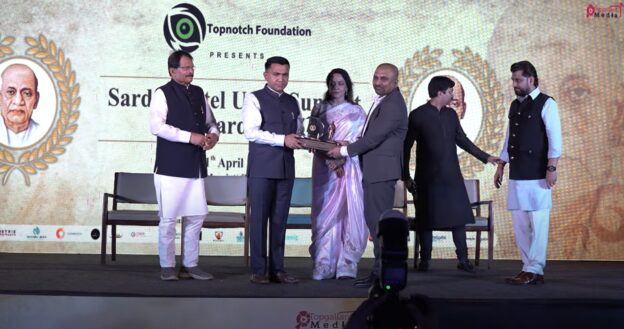
Sardar patel award 2025

How Minimally Invasive Neurosurgery Is Transforming Neurological Care in India – Dr. Rao’s International Institute of Neurosciences


How Minimally Invasive Neurosurgery Is Transforming Brain and Spine Care Across India


Modern neurosurgery is evolving rapidly through advanced technologies, precision-guided systems, minimally invasive techniques, and sophisticated neuroimaging innovations.


For decades, many neurological and spinal surgeries required larger incisions, greater tissue manipulation, prolonged hospitalization, and extended rehabilitation periods.


Today, minimally invasive neurosurgery is reshaping neurological care by enabling surgeons to treat selected brain and spine disorders through smaller surgical corridors while preserving critical neurological structures.


A recent ET CISO / Economic Times feature highlighted this transformation through the national recognition awarded to Dr. Mohana Rao Patibandla at the Sardar Patel Unity Summit & Awards 2025, where he was honored as India’s Best Minimally Invasive Neurosurgeon.


Primary Source: Economic Times / ET CISO – Dr. Mohana Rao Patibandla Honored as India’s Best Minimally Invasive Neurosurgeon at Sardar Patel Unity Summit & Awards 2025


The Evolution of Neurosurgery


Neurosurgery remains one of the most technically demanding fields in modern medicine because it involves delicate structures including:


  • The brain
  • Spinal cord
  • Cranial nerves
  • Peripheral nerves
  • Critical vascular systems


Even minor surgical inaccuracies may potentially affect:


  • Movement
  • Speech
  • Memory
  • Vision
  • Cognition
  • Long-term neurological independence


Historically, neurosurgical procedures often required larger surgical exposures to access deeply located lesions or spinal pathologies.


Modern minimally invasive technologies now allow selected procedures to be performed through smaller and more precise approaches while minimizing disruption to surrounding tissues.


American Association of Neurological Surgeons


What Is Minimally Invasive Neurosurgery?


Minimally invasive neurosurgery involves advanced surgical techniques designed to reduce tissue disruption while improving surgical precision and patient recovery.


According to the Economic Times article, Dr. Mohana Rao Patibandla has played an important role in introducing advanced minimally invasive technologies and procedures to regional India.


Modern minimally invasive neurosurgical systems may involve:


  • Endoscopic surgery
  • Neuronavigation systems
  • Microsurgical techniques
  • Tubular access systems
  • Advanced neuroimaging
  • Intraoperative monitoring


These approaches aim to preserve normal neurological structures while improving treatment precision.


Advantages of Minimally Invasive Brain and Spine Surgery


The shift toward minimally invasive surgery has significantly transformed modern neurological care.


Potential advantages may include:


  • Smaller incisions
  • Reduced blood loss
  • Less postoperative pain
  • Shorter hospitalization
  • Faster rehabilitation
  • Reduced tissue trauma


The article highlights how Dr. Patibandla’s work in minimally invasive neurosurgery has helped improve patient outcomes and accessibility to advanced treatments.


Modern surgical philosophy increasingly focuses on preserving function while maximizing precision.


Minimally Invasive Neurosurgery at Dr. Rao’s Hospital


BrainPath and Advanced Neurosurgical Innovation


The Economic Times article also references the introduction of advanced BrainPath minimally invasive surgery systems at Dr. Rao’s Hospital – International Institute of Neurosciences.


BrainPath technology allows surgeons to create minimally disruptive pathways toward deep brain lesions using advanced tubular access systems and neuronavigation guidance.


This technology may help reduce trauma to surrounding brain tissue while improving visualization and surgical access.


Advanced innovations such as:


  • BrainPath systems
  • Endoscopic surgery
  • Microsurgical navigation
  • Intraoperative imaging


are gradually transforming modern neurosurgical care globally.


The Importance of Neuronavigation and Advanced Imaging


Modern neurosurgery depends heavily on precision-guided technologies.


Neuronavigation systems function similarly to GPS-guided surgical mapping by helping surgeons identify:


  • Precise lesion location
  • Safe surgical corridors
  • Critical vascular anatomy
  • Functional brain regions


Combined with advanced MRI imaging and intraoperative monitoring, these technologies improve:


  • Surgical planning
  • Safety
  • Precision
  • Neurological preservation


Modern neuroscience centers increasingly rely on integrated technology-driven surgical systems.


The Journey of Dr. Mohana Rao Patibandla


According to the article, Dr. Mohana Rao Patibandla’s professional journey reflects extensive international training, advanced expertise, and a commitment toward improving healthcare accessibility in regional India.


The article describes his exposure to advanced neurosurgical and endovascular techniques abroad, including training opportunities in the United States.


International exposure often provides specialists with experience in:


  • Research-oriented healthcare
  • Advanced surgical systems
  • Evidence-based medicine
  • Complex multidisciplinary treatment
  • Technology-driven innovation


Such training frequently shapes long-term healthcare leadership and institutional vision.


The Importance of Regional Healthcare Accessibility


One of the strongest themes highlighted in the article is the importance of bringing advanced neurosciences care to underserved communities and regional India.


Historically, patients requiring advanced neurological care often traveled to metropolitan cities for:


  • Complex brain surgery
  • Stroke intervention
  • Spine surgery
  • Neuro-oncology care
  • Endovascular procedures


This frequently created:


  • Financial burden
  • Treatment delays
  • Interrupted rehabilitation
  • Accessibility challenges


Regional neuroscience systems help improve:


  • Emergency care accessibility
  • Continuity of treatment
  • Long-term rehabilitation
  • Patient convenience


The article highlights how Dr. Rao’s Hospital has helped establish advanced neurosciences infrastructure within Guntur and Andhra Pradesh.


The Human Side of Neurosurgery


While technology continues advancing rapidly, healthcare remains deeply human.


Patients facing neurological disorders frequently experience:


  • Fear
  • Anxiety
  • Uncertainty
  • Concerns regarding disability
  • Questions about long-term recovery


Modern healthcare therefore requires not only surgical expertise but also:


  • Compassion
  • Communication
  • Empathy
  • Ethical treatment planning
  • Long-term rehabilitation support


The article emphasizes patient-centered care and commitment toward improving lives through innovation and compassionate treatment.


The Future of Neurosciences in India


India’s neurosciences ecosystem continues evolving rapidly through:


  • Artificial intelligence-assisted diagnostics
  • Advanced neuroimaging
  • Robotic surgery
  • Minimally invasive procedures
  • Precision-guided systems
  • Endovascular intervention


Future healthcare transformation will depend heavily on:


  • Technology integration
  • Advanced training
  • Ethical healthcare systems
  • Regional accessibility
  • Continuous innovation


Institutions capable of combining advanced technology with compassionate care are likely to define the future of neurological healthcare in India.


The Role of Innovation in Patient Outcomes


The Economic Times article highlights that minimally invasive techniques may significantly reduce recovery time and complications while making high-quality healthcare more accessible.


Innovation-driven healthcare systems increasingly focus on:


  • Function preservation
  • Enhanced recovery
  • Reduced hospital stay
  • Improved rehabilitation
  • Patient quality of life


The continued expansion of advanced neurosciences technology across India represents a major milestone in improving neurological care accessibility nationwide.


Conclusion


The recognition awarded to Dr. Mohana Rao Patibandla at the Sardar Patel Unity Summit & Awards 2025 reflects a broader transformation occurring within India’s neurosciences ecosystem.


Modern neurological and spine care increasingly depends on:


  • Advanced minimally invasive technologies
  • Precision-guided systems
  • Multidisciplinary expertise
  • Regional healthcare accessibility
  • Patient-centered care


Institutions such as Dr. Rao’s Hospital – International Institute of Neurosciences represent an important part of India’s growing commitment toward innovation-driven and accessible neurological healthcare.


As neurosciences continue advancing globally, minimally invasive surgery, technological innovation, compassionate care, and ethical healthcare systems are likely to shape the future of neurological treatment across India.


Frequently Asked Questions (FAQ)


1. What is minimally invasive neurosurgery?

It uses advanced surgical systems and smaller corridors to reduce tissue trauma and improve recovery.


2. What are the advantages of minimally invasive brain surgery?

Advantages may include smaller incisions, reduced blood loss, faster recovery, and shorter hospitalization.


3. What is BrainPath technology?

BrainPath is an advanced minimally invasive surgical system designed to access deep brain lesions with reduced tissue disruption.


4. Why are regional neuroscience centers important?

They improve accessibility to advanced neurological and spine care closer to patients’ homes.


5. Who is Dr. Mohana Rao Patibandla?

Dr. Mohana Rao Patibandla is an internationally trained neurosurgeon and founder of Dr. Rao’s Hospital – International Institute of Neurosciences.


Internal Links


Call To Action

If you or your loved one is experiencing neurological symptoms such as persistent headaches, seizures, spinal pain, weakness, stroke warning signs, or neurological disorders, timely expert evaluation is essential.


Dr. Rao’s Hospital – International Institute of Neurosciences
12-19-67, Old Bank Road, Kothapet, Besides AK Biryani Point, Guntur, Andhra Pradesh

Phone: +91 9010056444

Email: info@drraoshospitals.com

Website: https://drraoshospitals.com/


Connect With Us
“`

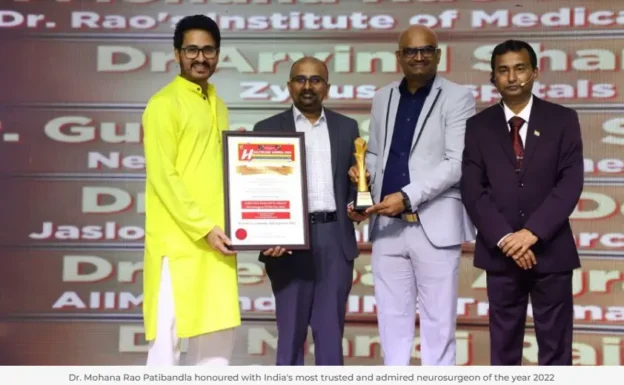
Dr. Mohana Rao Patibandla honored with India’s Most Trusted and Admired Neurosurgeon of the Year 2022 award at a national healthcare recognition event.

How Innovation and Compassion Are Transforming Neurosciences in India


How Innovation, Precision, and Compassion Are Transforming Neurosciences in India


Modern neurosciences are evolving rapidly through technological innovation, minimally invasive surgery, advanced imaging systems, and patient-centered healthcare models.


For decades, complex neurological and spine disorders posed major treatment challenges because of limited accessibility to specialized care, particularly outside major metropolitan cities.


Today, however, the integration of advanced neurosurgical technologies, precision-guided systems, and multidisciplinary treatment approaches is reshaping neurological healthcare across India.


A recent Ahmedabad Mirror feature highlighted this transformation by recognizing Dr. Mohana Rao Patibandla as India’s Most Trusted and Admired Best Neurosurgeon of the Year 2022.


The article also emphasized the growing importance of innovation-driven healthcare systems, compassionate patient care, minimally invasive surgery, and advanced neurosciences infrastructure.


Primary Source: Ahmedabad Mirror – Dr. Mohana Rao Patibandla Honoured with India’s Most Trusted and Admired Best Neurosurgeon of the Year 2022


The Complexity of Neurosciences


Neurosciences remain among the most demanding specialties in medicine because they involve structures responsible for nearly every essential human function.


The brain and spinal cord control:


  • Movement
  • Speech
  • Memory
  • Vision
  • Emotions
  • Cognition
  • Sensory processing


Even small neurological abnormalities may significantly affect a patient’s independence and quality of life.


Conditions commonly requiring advanced neurosciences care include:


  • Brain tumors
  • Stroke
  • Spinal disorders
  • Epilepsy
  • Traumatic brain injuries
  • Neurovascular diseases
  • Peripheral nerve disorders


The complexity of these conditions requires:


  • Precision-guided treatment
  • Multidisciplinary collaboration
  • Advanced imaging
  • Continuous innovation
  • Patient-centered planning


WHO – Neurological Disorders


The Evolution of Minimally Invasive Neurosurgery


Traditional neurological surgeries often required larger surgical openings and extensive tissue manipulation to access deep or complex lesions.


While these approaches saved countless lives, they were frequently associated with:


  • Longer hospitalization
  • Greater tissue trauma
  • Higher postoperative discomfort
  • Extended rehabilitation periods


Modern minimally invasive neurosurgery has significantly transformed this landscape.


According to the Ahmedabad Mirror article, Dr. Rao’s expertise in minimally invasive neurosurgery and spine surgery has earned recognition nationally for improving patient care outcomes.


Minimally invasive techniques focus on:


  • Smaller surgical corridors
  • Reduced tissue disruption
  • Precision-guided surgery
  • Enhanced visualization
  • Faster rehabilitation


Minimally Invasive Neurosurgery at Dr. Rao’s Hospital


The Importance of Compassionate Patient Care


One of the strongest themes highlighted throughout the Ahmedabad Mirror article is compassionate patient-centered care.


The article describes Dr. Rao’s bedside manner as compassionate, patient-focused, and deeply committed to helping patients understand their conditions and treatment plans.


In neurosciences, compassionate communication becomes particularly important because patients facing neurological illnesses often experience:


  • Fear
  • Anxiety
  • Concerns regarding disability
  • Emotional uncertainty
  • Questions about recovery


Meaningful healthcare therefore depends not only on technology but also on:


  • Empathy
  • Trust
  • Clear communication
  • Emotional support
  • Long-term rehabilitation guidance


The article also highlights how positive patient experiences and compassionate care contribute significantly toward building trust in healthcare systems.


Advanced Neurosciences Infrastructure


The Ahmedabad Mirror feature discusses several advanced technologies introduced at Dr. Rao’s Hospital – International Institute of Neurosciences , including:


  • Hybrid operating theatre
  • Biplane Cath labs
  • Neuronavigation systems
  • Neuromonitoring
  • Intraoperative CT scans


Modern neurosciences increasingly depend on integrated technology-driven systems designed to improve surgical precision, safety, and patient outcomes.


What Is a Hybrid Operating Theatre?


A hybrid operating theatre combines advanced imaging technologies and surgical systems within a single operating room environment.


According to the Ahmedabad Mirror article, hybrid operating theatres help improve:


  • Efficiency
  • Surgical precision
  • Patient safety
  • Workflow integration


The article notes several potential advantages of hybrid operating systems, including:


  • Reduced need for patient transfers
  • Improved treatment coordination
  • Enhanced procedural efficiency
  • Better integration of surgical and imaging systems


Hybrid operating environments are increasingly becoming important in:


  • Complex brain surgery
  • Endovascular procedures
  • Stroke intervention
  • Neurovascular surgery


The Role of Biplane Cath Labs


The article also discusses the use of biplane Cath labs for advanced neurological and neurovascular treatment.


Biplane imaging systems provide highly detailed vascular visualization that may assist in:


  • Stroke intervention
  • Aneurysm treatment
  • Endovascular procedures
  • Complex neurovascular diagnostics


Advanced imaging technologies help improve procedural precision and treatment planning.


American Stroke Association


Neuronavigation and Neuromonitoring


Modern neurosurgery increasingly relies on neuronavigation systems and intraoperative neuromonitoring technologies.


Neuronavigation functions similarly to GPS-guided surgery by helping surgeons identify:


  • Precise lesion location
  • Critical vascular anatomy
  • Functional brain regions
  • Safer surgical corridors


Meanwhile, neuromonitoring systems help monitor neurological function during surgery to reduce the risk of injury to critical pathways.


According to the Ahmedabad Mirror article, these technologies improve overall patient care quality and surgical safety.


The Importance of Regional Healthcare Accessibility


Historically, many advanced neurological treatments were available primarily within metropolitan cities.


Patients from smaller towns frequently faced:


  • Travel burden
  • Financial stress
  • Treatment delays
  • Interrupted rehabilitation


The Ahmedabad Mirror article emphasizes how advanced neurosciences infrastructure within Guntur has improved accessibility for patients across Andhra Pradesh and neighboring regions.


Regional neuroscience systems improve:


  • Emergency care accessibility
  • Continuity of treatment
  • Long-term rehabilitation support
  • Patient convenience


The Human Side of Innovation


Technology alone cannot define meaningful healthcare.


The future of neurosciences depends equally on:


  • Compassion
  • Ethical treatment planning
  • Communication
  • Trust
  • Long-term rehabilitation


The Ahmedabad Mirror article repeatedly reflects themes of compassionate bedside manner, patient understanding, and ethical patient-centered care.


In modern medicine, the combination of advanced technology with human-centered healthcare remains essential for improving long-term neurological outcomes.


The Future of Neurosciences in India


India’s neurosciences ecosystem continues evolving rapidly through:


  • Advanced imaging systems
  • Artificial intelligence-assisted diagnostics
  • Minimally invasive surgery
  • Precision-guided intervention
  • Endovascular treatment
  • Robotic-assisted technologies


At the same time, the future of neurological healthcare will depend heavily on:


  • Regional accessibility
  • Advanced specialist training
  • Innovation-driven systems
  • Ethical healthcare models
  • Patient-centered care


Healthcare institutions capable of integrating technology with compassion and accessibility are likely to shape the next generation of neurosciences care across India.


Conclusion

The Ahmedabad Mirror recognition honoring Dr. Mohana Rao Patibandla as India’s Most Trusted and Admired Best Neurosurgeon of the Year 2022 reflects broader progress occurring within India’s neurosciences ecosystem.


Modern neurological and spine care increasingly depends on:


  • Minimally invasive surgery
  • Advanced imaging technologies
  • Hybrid operating systems
  • Precision-guided treatment
  • Compassionate patient-centered care


Institutions such as Dr. Rao’s Hospital – International Institute of Neurosciences 
represent an important part of India’s growing commitment toward innovation-driven and accessible neurosciences healthcare.


As healthcare continues evolving globally, the integration of technology, expertise, ethics, and compassion will likely define the future of neurological treatment across India.


Frequently Asked Questions (FAQ)


1. What is minimally invasive neurosurgery?

It uses smaller surgical corridors and advanced technologies to reduce tissue disruption and improve recovery.


2. Why is compassionate care important in neurosurgery?

Compassionate care improves patient trust, emotional wellbeing, communication, and long-term rehabilitation outcomes.


3. What is a hybrid operating theatre?

A hybrid operating theatre combines advanced imaging and surgical technologies within one integrated operating room.


4. What are biplane Cath labs used for?

They are used for advanced neurovascular imaging and endovascular neurological procedures.


5. Who is Dr. Mohana Rao Patibandla?

Dr. Mohana Rao Patibandla is an internationally trained neurosurgeon and founder of Dr. Rao’s Hospital – International Institute of Neurosciences.


Internal Links


Call To Action


If you or your loved one is experiencing neurological symptoms such as headaches, seizures, weakness, stroke warning signs, spinal pain, or neurological disorders, timely expert evaluation is essential.


Dr. Rao’s Hospital – International Institute of Neurosciences
12-19-67, Old Bank Road, Kothapet, Besides AK Biryani Point, Guntur, Andhra Pradesh

Phone: +91 9010056444

Email: info@drraoshospitals.com

Website: https://drraoshospitals.com/


Connect With Us
“`

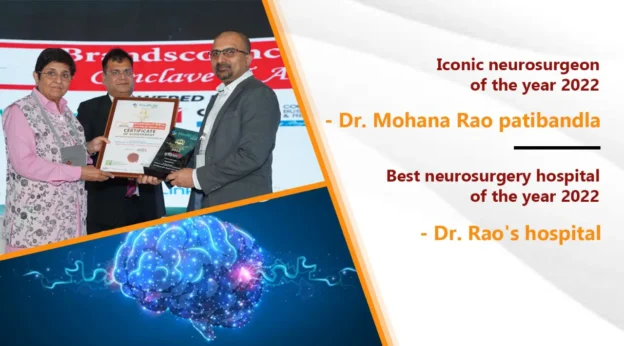
Dr. Mohana Rao Patibandla holding the Iconic Neurosurgeon of the Year 2022 certificate presented by KIRAN BEDI (Medilinks India & Brandscouncil)

Healing Minds and Hearts Through Advanced Neurosciences Care – Dr. Rao’s IIN


Healing Minds and Hearts: How Compassion and Advanced Neurosciences Are Transforming Healthcare in India


Modern healthcare is not defined solely by advanced technology, robotic systems, or sophisticated surgical procedures. At its core, medicine remains deeply human — built on compassion, trust, empathy, and a commitment to improving lives.


In highly specialized fields such as neurosciences, where patients often face emotionally overwhelming diagnoses involving the brain, spine, nerves, and neurological system, the human aspect of healthcare becomes even more important.


Patients struggling with stroke, brain tumors, epilepsy, spinal disorders, traumatic brain injuries, or neurological diseases frequently seek not only expert treatment but also reassurance, emotional support, and hope during vulnerable moments of life.


A recent Times of India feature highlighted the remarkable journey of Dr. Mohana Rao Patibandla and his broader vision of combining advanced neurosciences with compassionate patient-centered healthcare in Andhra Pradesh.


Times of India – Dr. Mohana Rao Patibandla: Healing Minds and Hearts


The Early Foundations of Compassionate Healthcare


According to the Times of India article, Dr. Mohana Rao Patibandla’s journey began in a humble village in Andhra Pradesh, where his upbringing was shaped by strong values of hard work, community care, and resilience.


The article describes how his parents, who were farmers, instilled values emphasizing service, discipline, and empathy toward others.


Growing up in a rural environment also exposed him to the healthcare challenges faced by smaller towns and underserved communities. Access to advanced medical facilities and specialized healthcare often remained limited outside metropolitan cities.


These early experiences later influenced a broader vision focused on improving advanced neurosciences accessibility in regional India.


WHO – Neurological Disorders


The Pursuit of Excellence in Medicine


The Times of India article highlights Dr. Patibandla’s academic journey, including his medical education at Andhra Medical College and subsequent specialization in neurosurgery at Nizam’s Institute of Medical Sciences (NIMS), Hyderabad.


Neurosurgery remains one of the most technically demanding branches of medicine because it involves delicate structures such as:


  • The brain
  • Spinal cord
  • Cranial nerves
  • Peripheral nerves
  • Critical vascular systems


Tiny surgical inaccuracies can potentially affect movement, memory, speech, cognition, sensation, and overall neurological function.


Therefore, successful neurosurgery requires:


  • Technical precision
  • Continuous learning
  • Advanced technology
  • Patient-centered judgment
  • Multidisciplinary teamwork


The article also describes how Dr. Patibandla pursued additional fellowships and training in the United States to gain advanced exposure in modern neurosciences.


The Importance of Global Exposure in Neurosciences


International training often allows neurosurgeons to experience:


  • Advanced operating systems
  • Minimally invasive surgical approaches
  • Research-based medicine
  • Complex multidisciplinary care
  • Technology-driven healthcare systems


Exposure to international healthcare standards frequently influences long-term institutional vision and patient care philosophies.


The article highlights that Dr. Patibandla’s training abroad expanded both his technical expertise and broader healthcare perspective.


Modern neurosciences today involve rapidly evolving fields such as:


  • Endovascular neurosurgery
  • Minimally invasive spine surgery
  • Functional neurosurgery
  • Neuro-oncology
  • Advanced neuroimaging


These advancements continue transforming neurological outcomes globally.


Dr. Rao’s Hospital: A Beacon of Hope


According to the Times of India article, Dr. Rao’s vision eventually materialized through the establishment of Dr. Rao’s Hospital – International Institute of Neurosciences in Guntur, Andhra Pradesh.


The institution was created with the goal of providing advanced neurosciences care while maintaining a strong focus on compassionate patient-centered treatment.


The article describes the hospital as a “beacon of hope,” emphasizing its advanced infrastructure and commitment to high-quality neurological care.


The hospital focuses on:


  • Brain surgery
  • Spine surgery
  • Stroke intervention
  • Neuro-oncology
  • Endovascular procedures
  • Pediatric neurosciences
  • Minimally invasive neurosurgery


Developing such advanced infrastructure outside metropolitan regions represents a major contribution toward healthcare accessibility in India.


Technology and Modern Neurosciences


The Times of India article mentions the hospital’s focus on state-of-the-art technology sourced internationally from countries including the USA, Germany, and the Netherlands.


Modern neurosciences depend heavily on advanced technologies such as:


  • Neuronavigation systems
  • Advanced MRI imaging
  • Endoscopic surgical systems
  • Microsurgical operating microscopes
  • Intraoperative monitoring
  • Minimally invasive surgical platforms


These technologies improve:


  • Surgical precision
  • Patient safety
  • Recovery outcomes
  • Rehabilitation speed
  • Long-term neurological function


Minimally Invasive Neurosurgery at Dr. Rao’s Hospital


Why International Patients Seek Care in India


One of the most interesting aspects highlighted in the article is the hospital’s ability to attract international patients from countries such as the United Kingdom and the Netherlands.


Patients increasingly travel internationally seeking:


  • Advanced expertise
  • Affordable treatment
  • Patient-centered care
  • Shorter waiting periods
  • High-quality medical infrastructure


India continues emerging as a major healthcare destination because of its growing combination of:


  • Specialized expertise
  • Advanced technology
  • Accessibility
  • Cost-effectiveness


The article emphasizes that compassionate care and trust remain among the hospital’s strongest distinguishing features.


The Human Side of Neurosurgery


Neurosurgery is not simply a technical specialty.


Every neurological disorder carries emotional consequences for patients and families.


Conditions such as:


  • Brain tumors
  • Stroke
  • Epilepsy
  • Spinal cord injuries
  • Neurodegenerative diseases


often create:


  • Fear
  • Anxiety
  • Financial stress
  • Concerns regarding disability
  • Emotional uncertainty


The Times of India article strongly reflects themes of compassion, empathy, and patient-centered communication.


In modern healthcare, technical expertise and emotional support must work together to create meaningful healing experiences.


A Hospital Beyond Borders


The article also highlights how healthcare service extends beyond hospital walls through:


  • Free medical camps
  • Health awareness initiatives
  • Community outreach programs
  • Free consultations


Public awareness remains critically important because neurological disorders are frequently diagnosed late due to:


  • Limited awareness
  • Delayed consultations
  • Healthcare accessibility gaps
  • Financial concerns


Community healthcare initiatives help improve:


  • Early diagnosis
  • Preventive awareness
  • Treatment accessibility
  • Long-term neurological outcomes


The Importance of Regional Healthcare Development


One of the strongest messages in the article is the importance of bringing world-class healthcare into smaller cities and regional areas.


Historically, advanced neurological treatment remained concentrated within metropolitan hospitals.


Patients from smaller towns often faced:


  • Travel burden
  • Financial stress
  • Treatment delays
  • Interrupted rehabilitation


The article emphasizes that Dr. Patibandla intentionally established the hospital in Guntur to help bridge this healthcare gap.


This reflects a broader movement toward decentralizing healthcare excellence across India.


Healing Beyond Surgery


The title “Healing Minds and Hearts” reflects a broader philosophy of healthcare that extends beyond surgical procedures alone.


Healing involves:


  • Trust
  • Compassion
  • Communication
  • Ethical treatment
  • Long-term rehabilitation
  • Emotional support


Patients frequently remember:


  • Kindness
  • Honesty
  • Empathy
  • Respect


long after medical treatment is completed.


Modern healthcare systems therefore require both technological sophistication and human-centered care.


The Future of Neurosciences in India


India’s neurosciences ecosystem continues evolving rapidly through:


  • AI-assisted diagnostics
  • Robotic surgery
  • Advanced imaging
  • Minimally invasive surgery
  • Precision medicine
  • Endovascular interventions


At the same time, future healthcare transformation will depend heavily on:


  • Accessibility
  • Ethical healthcare systems
  • Regional neuroscience centers
  • Compassionate patient care
  • Public awareness


Institutions that combine advanced technology with genuine empathy are likely to define the future of healthcare in India.


Conclusion


The Times of India feature presents the story of Dr. Mohana Rao Patibandla as more than a journey of professional success.


It reflects a broader philosophy of healing through compassion, innovation, accessibility, and patient-centered neurosciences care.


By combining international expertise, advanced medical technology, regional healthcare development, and humanitarian service, Dr. Rao’s Hospital – International Institute of Neurosciences

represents an important example of modern healthcare transformation in India.


Ultimately, true healing occurs not only through surgery or technology but through restoring hope, dignity, and trust in patients and families facing neurological challenges.


Frequently Asked Questions (FAQ)


1. Who is Dr. Mohana Rao Patibandla?

Dr. Mohana Rao Patibandla is an internationally trained neurosurgeon and founder of Dr. Rao’s Hospital – International Institute of Neurosciences.


2. Why is Dr. Rao’s Hospital internationally recognized?

The hospital is known for advanced neurosciences, minimally invasive surgery, patient-centered care, and international treatment standards.


3. What is minimally invasive neurosurgery?

It involves smaller incisions and advanced technologies that improve precision and reduce recovery time.


4. Why are regional neuroscience centers important?

They improve healthcare accessibility while reducing travel burden and treatment delays.


5. What services does Dr. Rao’s Hospital provide?

The hospital provides advanced brain, spine, stroke, neuro-oncology, pediatric neurosciences, and endovascular care.

Keywords

best neurosurgeon in Guntur, best neurologist in Guntur, best spine surgeon in Guntur, healing minds and hearts, Dr Mohana Rao Patibandla, advanced neurosciences India, compassionate healthcare India, Dr Rao Hospital Guntur, minimally invasive neurosurgery India, International Institute of Neurosciences, advanced brain surgery India, advanced spine surgery India, neurological healthcare India, patient centered neurological care India, brain spine and nerve care India, neuroscience hospital Andhra Pradesh, advanced stroke care India, neuro oncology India, pediatric neurosurgery India, endovascular neurosurgery India, advanced healthcare India, healthcare accessibility India, healthcare transformation India, ethical healthcare India, neuroscience excellence India, minimally invasive spine surgery India, advanced medical technology India, neuronavigation India, modern neurosurgery India, healthcare innovation India, regional neuroscience center India, top neurosurgery hospital India, advanced neurological treatment India, stroke treatment India, advanced rehabilitation India, neurocritical care India, compassionate neurological care India, global healthcare India, advanced neuroscience center Andhra Pradesh

Internal Links

Call To Action


If you or your loved one is experiencing neurological symptoms such as persistent headaches, seizures, stroke warning signs, spinal pain, weakness, or neurological disorders, timely expert evaluation is essential.


Dr. Rao’s Hospital – International Institute of Neurosciences
12-19-67, Old Bank Road, Kothapet, Besides AK Biryani Point, Guntur, Andhra Pradesh

Phone: +91 9010056444

Email: info@drraoshospitals.com

Website: https://drraoshospitals.com/


Connect With Us
“`

Dr Mohana Rao Patibandla - Leader behind the Dr Rao's International Institute of Neurosciences

Vision Behind a Rs 100 Crore Hospital—Dr. Rao’s International Institute of Neurosciences


Dr. Mohana Rao Patibandla: A Journey of Vision and Resilience That Led to the Foundation of a Rs 100 Crore Hospital


Healthcare transformation rarely happens overnight. Behind every major medical institution lies years of struggle, sacrifice, risk, resilience, and an unwavering commitment to patient care.


Across India, advanced healthcare infrastructure has historically remained concentrated within metropolitan cities. Patients from smaller towns and regional communities often faced significant challenges accessing highly specialized treatment for neurological disorders, brain tumors, spinal conditions, stroke, and complex neurosurgical diseases.


In Andhra Pradesh, one such transformational journey emerged through the work of Dr. Mohana Rao Patibandla — an internationally trained neurosurgeon whose vision helped establish a state-of-the-art neurosciences institution focused on advanced brain, spine, and neurological care.


A recent Financial Express feature explored the inspiring story behind Dr. Patibandla’s journey, leadership philosophy, financial resilience, and the establishment of a Rs 100 crore healthcare institution in Guntur.


Primary Source:

Financial Express – Dr Mohana Rao Patibandla: A Journey of Vision and Resilience That Led to Foundation of Rs 100 Crore Hospital


The Early Passion for Neurosciences


The foundation of every medical journey often begins with curiosity.According to the Financial Express article, Dr. Patibandla’s early years were marked by a deep fascination with the complexities of the human brain and nervous system. Financial Express – Dr Mohana Rao Patibandla: A Journey of Vision and Resilience That Led to Foundation of Rs 100 Crore Hospital 

Neurosurgery remains one of the most demanding fields in medicine because it deals with:


  • The brain
  • Spinal cord
  • Nerves
  • Critical neurological functions


Even small neurological injuries can profoundly affect movement, speech, sensation, memory, personality, and quality of life.


For many specialists, neurosurgery becomes more than a profession — it becomes a lifelong pursuit of precision, innovation, and responsibility.


External Source: American Association of Neurological Surgeons


The Need for Advanced Neurosciences in Regional India


For decades, patients from Andhra Pradesh and neighboring regions frequently traveled to metro cities seeking advanced neurological care.


Conditions such as:


  • Brain tumors
  • Stroke
  • Spinal disorders
  • Pediatric neurological conditions
  • Traumatic brain injuries
  • Cerebrovascular diseases


often required referral to distant hospitals in metropolitan regions.


The Financial Express article highlights that Dr. Patibandla recognized the urgent need for advanced neurosurgical infrastructure within Guntur and regional Andhra Pradesh. Financial Express – Dr Mohana Rao Patibandla: A Journey of Vision and Resilience That Led to Foundation of Rs 100 Crore Hospital


This recognition ultimately became the foundation for creating a comprehensive neurosciences center capable of delivering sophisticated treatment closer to patients’ homes.


Building a Vision Beyond Surgery


According to the article, the goal was never limited to creating only a surgical center.


The larger vision involved building:


  • A center of excellence
  • Advanced neurosciences infrastructure
  • Academic growth
  • Research-oriented systems
  • Comprehensive patient care


Healthcare institutions capable of long-term impact require far more than medical expertise alone. They require:

  • Leadership
  • Institutional planning
  • Technology integration
  • Human resource development
  • Financial sustainability


Creating advanced neurosciences systems outside metropolitan regions remains one of the most difficult challenges in healthcare development.


The Financial Challenges Behind Healthcare Infrastructure


One of the most compelling aspects of the Financial Express feature is its discussion of the financial realities behind building large-scale healthcare infrastructure.


Healthcare institutions require enormous investments in:


  • Land acquisition
  • Hospital construction
  • Advanced operation theaters
  • Neuroimaging systems
  • ICU infrastructure
  • Endovascular technology
  • Neuronavigation systems
  • Medical staffing


The article describes how Dr. Patibandla navigated substantial financial challenges involving secured and unsecured loans during the hospital’s development phase. Financial Express – Dr Mohana Rao Patibandla: A Journey of Vision and Resilience That Led to Foundation of Rs 100 Crore Hospital


Successfully managing these challenges required:


  • Strategic financial planning
  • Long-term institutional thinking
  • Operational discipline
  • Careful resource allocation


Healthcare entrepreneurship often involves balancing medical ideals with practical operational realities.


Technology and Continuous Innovation


Modern neurosciences depend heavily on advanced technology.


The Financial Express article highlights the hospital’s focus on introducing:


  • Advanced neurosurgical techniques
  • Modern technologies
  • Continuous learning systems
  • Innovation-driven care


Financial Express – Dr Mohana Rao Patibandla: A Journey of Vision and Resilience That Led to Foundation of Rs 100 Crore Hospital


Technologies transforming modern neurological care include:


  • Neuronavigation
  • Advanced MRI imaging
  • Minimally invasive spine surgery
  • Endoscopic neurosurgery
  • Endovascular interventions
  • Intraoperative monitoring


These advancements help improve:


  • Precision
  • Patient safety
  • Recovery outcomes
  • Rehabilitation speed
  • Long-term neurological function


Minimally Invasive Neurosurgery at Dr. Rao’s Hospital

The Human Side of Healthcare Leadership


Healthcare leadership extends far beyond infrastructure and technology.


According to the Financial Express feature, Dr. Patibandla’s influence extends into mentorship, academic guidance, and community healthcare initiatives. Financial Express – Dr Mohana Rao Patibandla: A Journey of Vision and Resilience That Led to Foundation of Rs 100 Crore Hospital


  • Ethical leadership
  • Team development
  • Training systems
  • Patient-centered care
  • Long-term institutional culture


Mentorship plays a particularly important role in medicine because healthcare systems evolve continuously through shared knowledge and training.


Future neurosciences growth in India will depend significantly on:


  • Academic collaboration
  • Training programs
  • Research development
  • Technological adaptation


The Importance of Regional Neuroscience Centers


India’s future healthcare systems cannot remain limited to metro cities alone.


Patients from smaller towns often experience:


  • Travel burden
  • Financial stress
  • Delayed diagnosis
  • Interrupted rehabilitation
  • Reduced access to specialists


Regional neuroscience centers help reduce these barriers while improving accessibility to advanced treatment.


The establishment of advanced neurosciences institutions in Tier-2 cities reflects a broader movement toward decentralizing medical excellence across India.


Dr. Rao’s Hospital – International Institute of Neurosciences


Minimally Invasive Neurosurgery and Modern Care


One of the most important transformations in modern neurosurgery is the rise of minimally invasive techniques.


Traditional procedures often involved:


  • Larger incisions
  • Extended hospitalization
  • Higher tissue disruption
  • Longer rehabilitation periods


Modern minimally invasive approaches focus on:


  • Smaller surgical corridors
  • Enhanced visualization
  • Reduced tissue trauma
  • Improved recovery
  • Faster mobilization


Advanced technologies now allow surgeons to perform selected procedures with greater precision and improved patient comfort.


Mayo Clinic – Minimally Invasive Surgery


The Role of Ethics in Healthcare Growth


Healthcare institutions ultimately succeed not only because of technology but because of trust.


The Financial Express article repeatedly reflects themes of:


  • Responsible leadership
  • Ethical growth
  • Patient-centered systems
  • Long-term credibility


Financial Express – Dr Mohana Rao Patibandla: A Journey of Vision and Resilience That Led to Foundation of Rs 100 Crore Hospital


Patients seek:


  • Honest communication
  • Ethical recommendations
  • Compassionate treatment
  • Transparency
  • Clinical competence


Modern healthcare systems must preserve humanity even as technology advances rapidly.


Community Impact Beyond the Hospital


Healthcare institutions influence communities in many ways beyond direct treatment alone.


The article highlights Dr. Patibandla’s contributions toward:


  • Community health programs
  • Medical education
  • Public awareness
  • Healthcare accessibility


Financial Express – Dr Mohana Rao Patibandla: A Journey of Vision and Resilience That Led to Foundation of Rs 100 Crore Hospital


Improving neurological awareness is particularly important because early diagnosis dramatically affects outcomes in conditions such as:


  • Stroke
  • Brain tumors
  • Spinal cord compression
  • Epilepsy
  • Neurovascular disorders


Educational outreach helps patients seek treatment earlier while reducing preventable disability.


The Future of Neurosciences in India


India’s neurosciences ecosystem continues evolving rapidly through:


  • AI-assisted diagnostics
  • Robotic surgery
  • Endovascular interventions
  • Advanced neuroimaging
  • Precision surgery
  • Multidisciplinary treatment systems


At the same time, accessibility remains one of the most important future healthcare priorities.


Advanced neuroscience care should become available:


  • Closer to patients
  • Within regional healthcare systems
  • Through ethically driven institutions
  • With long-term sustainability


The Financial Express feature demonstrates how vision, resilience, leadership, and commitment can help transform regional healthcare ecosystems meaningfully.


Conclusion


The story of Dr. Mohana Rao Patibandla reflects far more than the establishment of a hospital.


It reflects:


  • Vision
  • Resilience
  • Strategic leadership
  • Healthcare innovation
  • Commitment to accessibility
  • Dedication to patient-centered neurosciences care


The Financial Express article presents a broader message regarding the future of Indian healthcare: world-class medicine should not remain limited to metropolitan boundaries.


As advanced neurosciences continue expanding across regional India, patients may increasingly gain access to sophisticated brain, spine, and neurological treatment closer to home — supported by technology, ethics, compassion, and institutional excellence.


Frequently Asked Questions (FAQ)

1. Who is Dr. Mohana Rao Patibandla?

Dr. Mohana Rao Patibandla is an internationally trained neurosurgeon and founder of Dr. Rao’s Hospital – International Institute of Neurosciences.

2. Why is regional neurosciences care important?

Regional neuroscience centers improve healthcare accessibility while reducing travel burden and treatment delays.

3. What technologies improve modern neurosurgery?

Neuronavigation, minimally invasive surgery, advanced imaging, endoscopy, and endovascular techniques improve outcomes and precision.

4. What is minimally invasive neurosurgery?

It is an advanced surgical approach using smaller incisions and precision-guided technologies to reduce recovery time and surgical trauma.

5. Why are ethics important in healthcare?

Ethics ensure transparency, patient welfare, responsible treatment recommendations, and long-term trust.


Call To Action


If you or your loved one is experiencing neurological symptoms such as persistent headaches, seizures, stroke warning signs, spinal pain, weakness, or balance problems, timely expert evaluation is essential.


Dr. Rao’s Hospital – International Institute of Neurosciences
12-19-67, Old Bank Road, Kothapet, Besides AK Biryani Point, Guntur, Andhra Pradesh

Phone: +91 9010056444

Email: info@drraoshospitals.com

Website: https://drraoshospitals.com/


Connect With Us