Tag Archives: Pediatric Neurosurgery

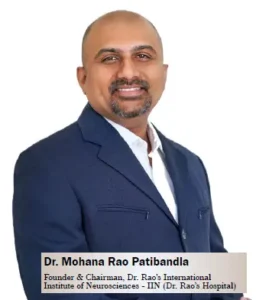
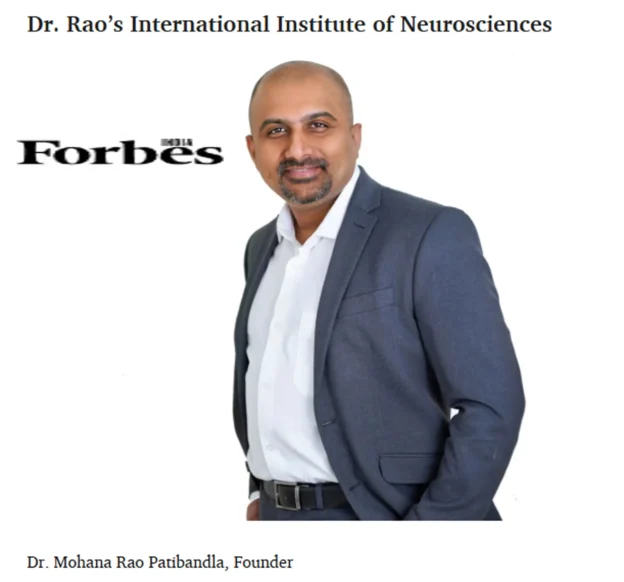
Dr. Mohana Rao Patibandla, Founder of Dr. Rao's International Institute of Neurosciences (IIN), featured in Forbes India for advancing brain, spine, stroke, and neurovascular care in Andhra Pradesh.

Featured in Forbes India: Dr. Mohana Rao Patibandla’s Vision

Featured in Forbes India: How Dr. Mohana Rao Patibandla Is Bringing World-Class Neuroscience Care to Andhra Pradesh


Healthcare transformation rarely happens overnight. It is usually the result of a long-term vision, years of training, technological innovation, and an unwavering commitment to improving patient care. Across India, a new generation of healthcare leaders is helping bridge the gap between metropolitan medical excellence and regional healthcare accessibility. Among them is Dr. Mohana Rao Patibandla, Founder of Dr. Rao’s Hospital – International Institute of Neurosciences (IIN) , whose work in advanced brain, spine, stroke, and neurovascular care recently gained national attention through a feature in Forbes India.


The recognition highlights more than the achievements of a single institution. It reflects a broader healthcare movement—one in which highly specialized medical services are becoming increasingly available outside traditional metropolitan centers. For patients in Andhra Pradesh and neighboring regions, this shift has profound implications. It means access to advanced neurological care closer to home, reduced treatment delays, and improved opportunities for timely intervention in complex neurological disorders.


At a time when neurological diseases are emerging as one of the most significant healthcare challenges worldwide, institutions dedicated exclusively to neurosciences play an increasingly important role. Dr. Rao’s Hospital – International Institute of Neurosciences (IIN) was founded with precisely this purpose: to create a center capable of delivering comprehensive, evidence-based, internationally informed neurological and neurosurgical care while remaining accessible to patients across India.


Why the Featured in Forbes India Matters


Recognition by a respected national publication provides an opportunity to examine the broader significance of an institution’s work. The Forbes India Brand Connect feature highlighted Dr. Rao’s Hospital – International Institute of Neurosciences (IIN) as part of its Emerging Companies in India initiative, drawing attention to the institute’s contributions to advanced neuroscience care and healthcare accessibility.


What makes this recognition noteworthy is the context in which it occurs. Historically, advanced neurosurgical treatment in India has been concentrated within a limited number of metropolitan hospitals located in cities such as Delhi, Mumbai, Bengaluru, Chennai, and Hyderabad. While these centers continue to play a critical role in healthcare delivery, patients from smaller cities and rural areas have often faced substantial barriers in accessing specialized treatment.


Traveling long distances for medical care can introduce significant challenges. Families may encounter financial strain, prolonged absences from work, disruption to education, and delays in seeking treatment. For neurological disorders, where early diagnosis and timely intervention frequently influence outcomes, such delays can be particularly consequential.


The emergence of advanced neuroscience centers in Tier-2 cities represents one of the most important developments in Indian healthcare. By bringing specialized expertise closer to patients, these institutions help reduce disparities in healthcare access while improving opportunities for timely treatment.


The Journey of Dr. Mohana Rao Patibandla


Behind every specialized medical institution is a story of professional development, clinical experience, and a vision for improving patient care. Dr. Mohana Rao Patibandla’s journey reflects a commitment to acquiring expertise across multiple subspecialties within neurosciences before returning to apply that knowledge in India.


After completing his MBBS from Andhra Medical College, Visakhapatnam, Dr. Patibandla pursued advanced training in neurosurgery at Nizam’s Institute of Medical Sciences (NIMS), Hyderabad. Recognizing the rapidly evolving nature of neurosciences, he continued his education through multiple fellowship programs in the United States, gaining exposure to leading institutions and advanced treatment methodologies.


Unlike many specialists who focus narrowly on a single area of practice, Dr. Patibandla sought comprehensive exposure across several subspecialties. This multidisciplinary approach enabled him to develop expertise in a broad range of neurological conditions while understanding how different branches of neurosciences intersect in clinical practice.


International Training Across Multiple Neurosurgical Subspecialties


Modern neurosciences encompass a diverse range of disciplines, each requiring highly specialized knowledge and technical expertise. Dr. Patibandla’s international training included exposure to several critical areas:


Minimally invasive skull base surgery

Pediatric neurosurgery

Neuro-oncology

Functional neurosurgery

Stereotactic radiosurgery

Cerebrovascular neurosurgery

Endovascular neurosurgery

Advanced spine surgery


This breadth of training provides a unique perspective on the management of neurological diseases. Rather than viewing conditions through the lens of a single subspecialty, multidisciplinary training encourages comprehensive evaluation and individualized treatment planning.


The insights gained through these experiences would later influence the development of Dr. Rao’s Hospital – International Institute of Neurosciences (IIN), shaping its emphasis on integrated neuroscience care.


Why Return to Andhra Pradesh?


One of the most significant questions often faced by internationally trained specialists is where to apply their expertise. Many choose to remain within major metropolitan healthcare systems. Others pursue opportunities abroad. A smaller number return to regions where specialized medical services remain limited despite significant patient need.


For Dr. Mohana Rao Patibandla, the decision was guided by a clear objective: to improve access to advanced neuroscience care in Andhra Pradesh.


At the time, many patients requiring complex neurological treatment routinely traveled outside the state. Families frequently journeyed to Hyderabad, Chennai, Bengaluru, or Mumbai seeking specialized consultations, surgery, and long-term neurological management.


The vision behind Dr. Rao’s Hospital – International Institute of Neurosciences (IIN) was to create a dedicated neuroscience center capable of providing advanced brain, spine, stroke, and neurovascular care within Andhra Pradesh itself.


This vision continues to define the institution’s mission today.


The Birth of Dr. Rao’s Hospital – International Institute of Neurosciences (IIN)


Establishing a dedicated neuroscience institute requires more than infrastructure. It requires a long-term commitment to building systems, assembling multidisciplinary teams, adopting advanced technologies, and creating clinical pathways tailored specifically to neurological disorders.


Dr. Rao’s Hospital – International Institute of Neurosciences (IIN) was developed with the goal of creating a focused center for neurological care rather than a general hospital with neurology and neurosurgery departments as secondary services.


This distinction is important. Dedicated neuroscience institutes are designed around the unique needs of patients with neurological disorders. They emphasize coordinated care involving neurologists, neurosurgeons, neuro-anesthesiologists, neurointensivists, rehabilitation specialists, radiologists, and other healthcare professionals.


The result is an integrated approach that supports diagnosis, treatment, recovery, and long-term management within a single coordinated framework.


The Growing Burden of Neurological Disorders in India


Neurological diseases represent one of the most significant healthcare challenges of the modern era. As populations age and healthcare systems improve diagnostic capabilities, the prevalence of many neurological conditions continues to increase.


Common conditions affecting patients across India include stroke, brain tumors, spinal disorders, epilepsy, traumatic brain injury, aneurysms, neurodegenerative diseases, and pediatric neurological disorders.


These conditions often require specialized expertise, advanced imaging technologies, surgical intervention, neurocritical care, and long-term rehabilitation. The complexity of such care underscores the importance of dedicated neuroscience centers capable of delivering comprehensive treatment pathways.


Transforming Neurosurgery in Tier-2 India


One of the most significant healthcare developments in India during the past decade has been the rise of specialized medical centers in Tier-2 cities. Traditionally, patients requiring advanced neurological treatment often traveled to major metropolitan centers. While these hospitals continue to provide exceptional care, the concentration of expertise in a limited number of cities created significant challenges for patients from smaller towns and rural communities.


Traveling long distances for healthcare can delay diagnosis, increase treatment costs, and create emotional and logistical burdens for families. In neurological disorders, where early intervention often determines outcomes, such delays can be particularly impactful.


The emergence of advanced neuroscience institutions in regional cities is helping reshape this landscape. By bringing specialized expertise closer to patients, these centers improve accessibility while maintaining high standards of care.


Dr. Rao’s Hospital – International Institute of Neurosciences (IIN) was established with this vision in mind. Located in Guntur, Andhra Pradesh, the institute was designed to provide comprehensive brain, spine, stroke, pediatric neuroscience, and neurovascular care without requiring patients to travel outside the state for every complex neurological condition.


This approach reflects a broader healthcare trend in which excellence is increasingly defined not only by technological sophistication but also by accessibility and patient-centered care.


Advancing Brain Tumor Surgery Through Precision and Innovation


Brain tumors remain among the most challenging conditions encountered in neuroscience. Every tumor is unique, not only in its pathology but also in its location, relationship to surrounding structures, and impact on neurological function.


Modern brain tumor surgery extends far beyond the traditional objective of tumor removal. Today’s treatment strategies emphasize preservation of neurological function, quality of life, and long-term outcomes.


Successful management often requires collaboration among multiple specialists, including neurosurgeons, neuro-oncologists, radiation oncologists, neuroradiologists, neuropathologists, and rehabilitation experts.


Advances in imaging technologies have dramatically improved the ability to plan and perform complex neurosurgical procedures. High-resolution MRI, functional imaging, and neuronavigation systems enable surgeons to visualize critical structures with unprecedented precision.


Dr. Rao’s Hospital – International Institute of Neurosciences (IIN), the emphasis remains on individualized treatment planning. Each patient’s condition, symptoms, imaging findings, and overall health profile contribute to decision-making, ensuring that treatment strategies are tailored to specific clinical needs.


For patients seeking advanced treatment options for brain tumors, access to dedicated neuroscience expertise plays a crucial role in achieving optimal outcomes.


The Evolution of Minimally Invasive Brain Surgery


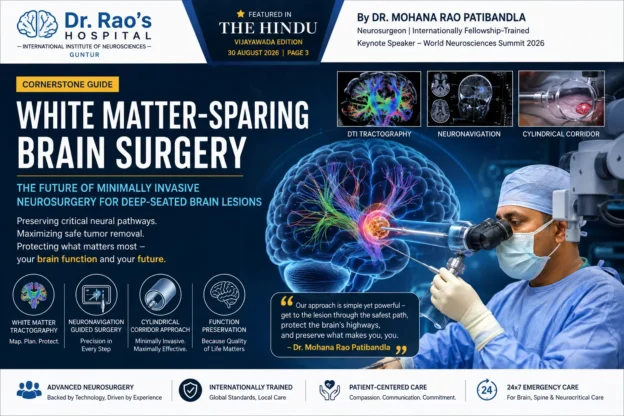
One of the most remarkable advances in modern neurosurgery has been the development of minimally invasive surgical techniques.


Historically, many neurological procedures required large surgical exposures to access deep-seated lesions within the brain or skull base. While effective, these approaches could involve greater tissue disruption and longer recovery periods.


The evolution of endoscopic technology, microsurgical instrumentation, advanced imaging, and navigation systems has enabled surgeons to perform increasingly complex procedures through smaller and more targeted approaches.


Minimally invasive neurosurgery focuses on achieving treatment goals while reducing unnecessary disruption to surrounding tissues.


Potential advantages may include:


Smaller incisions

Reduced postoperative discomfort

Lower blood loss

Shorter hospital stays

Faster recovery

Earlier return to normal activities


These techniques are now applied across multiple areas of neurosurgery, including selected brain tumors, skull base lesions, hydrocephalus, and cerebrospinal fluid disorders.


International training in minimally invasive skull base surgery has contributed significantly to Dr. Mohana Rao Patibandla’s approach to complex neurosurgical conditions, helping bring globally recognized techniques to patients in Andhra Pradesh.


Comprehensive Spine Surgery for Modern India


Spinal disorders represent one of the most common reasons patients seek neurosurgical consultation. As populations age and lifestyles change, conditions affecting the spine have become increasingly prevalent.


Many individuals experience neck pain, back pain, radiating limb symptoms, numbness, weakness, or mobility limitations related to spinal pathology.


Common spinal conditions include:


Lumbar disc herniation

Cervical disc disease

Spinal stenosis

Spondylolisthesis

Degenerative spinal disorders

Spinal tumors

Traumatic spinal injuries

Spinal deformities


Not every spinal condition requires surgery. In fact, many patients benefit from conservative treatments such as physical therapy, medications, lifestyle modifications, and pain management strategies.


When surgery becomes necessary, however, advances in spinal techniques have transformed patient experiences.


Modern spine surgery increasingly emphasizes minimally invasive approaches designed to reduce tissue disruption while maintaining surgical effectiveness.


The goal is not simply to address anatomical abnormalities but to restore function, improve quality of life, and support long-term recovery.


Patients frequently search online for the best spine surgeon in Guntur when seeking solutions for complex spinal conditions. Beyond marketing claims, the most important considerations often include training, experience, multidisciplinary support, technological capabilities, and patient-centered treatment planning.


Stroke Care: The Race Against Time


Stroke remains one of the most urgent medical emergencies in modern healthcare. It is also among the leading causes of disability and mortality worldwide.


Neurologists and neurosurgeons frequently emphasize a simple but powerful phrase:


Time is Brain.


Every minute of untreated stroke can result in the loss of millions of neurons. Rapid recognition and intervention therefore play a critical role in determining outcomes.


Common warning signs of stroke may include:


Sudden facial drooping

Weakness in the arm or leg

Difficulty speaking

Loss of coordination

Sudden vision changes

Severe headache


Public awareness remains one of the most important factors in improving stroke outcomes. Early recognition enables patients to reach specialized centers more quickly, allowing timely evaluation and intervention.


Comprehensive stroke care requires coordination across multiple disciplines and technologies. Advanced neuroimaging, emergency assessment, neurocritical care, endovascular intervention, rehabilitation, and long-term follow-up all contribute to patient recovery.


The continued expansion of stroke services within regional neuroscience centers represents a major advancement in Indian healthcare.


The Rise of Endovascular Neurosurgery and Neurovascular Care


Few developments have transformed neuroscience as dramatically as endovascular neurosurgery.


Traditionally, many vascular disorders affecting the brain required open surgical procedures. Today, selected conditions can often be treated through minimally invasive catheter-based approaches that navigate blood vessels from within.


Endovascular neurosurgery has become an essential component of modern neurovascular care.


Conditions commonly addressed include:


Brain aneurysms

Acute ischemic stroke

Arteriovenous malformations (AVMs)

Dural arteriovenous fistulas

Carotid artery disease

Complex cerebrovascular disorders


These procedures often involve navigating microcatheters through the vascular system to reach lesions deep within the brain, allowing treatment without the need for large surgical exposures.


Advances in endovascular technology continue to expand treatment possibilities, improving outcomes for patients with complex vascular disorders.


Dr. Mohana Rao Patibandla’s fellowship training in cerebrovascular and endovascular neurosurgery contributes to the institute’s focus on comprehensive neurovascular care and stroke management.


Pediatric Neurosurgery: Specialized Care for Children


Children present unique neurological challenges that differ significantly from those encountered in adult practice.


The developing brain and nervous system require specialized expertise, dedicated equipment, and treatment strategies tailored to the needs of young patients.


Pediatric neurosurgery encompasses a broad range of conditions, including:


Hydrocephalus

Brain tumors

Congenital malformations

Spinal dysraphism

Epilepsy

Craniosynostosis

Pediatric trauma


Families facing neurological disorders in children often experience significant emotional stress. Access to specialized pediatric neuroscience services closer to home can help reduce these burdens while ensuring timely diagnosis and treatment.


International fellowship training in pediatric neurosurgery has enabled Dr. Mohana Rao Patibandla to bring specialized expertise to the management of complex neurological disorders affecting infants and children.


Technology, Innovation, and the Future of Neurosciences


The future of neurological care will be shaped by continued innovation.


Modern neuroscience increasingly relies on technologies such as:


High-resolution MRI

Advanced CT imaging

Neuronavigation systems

Intraoperative neurophysiological monitoring

Microsurgical techniques

Endoscopic surgery

Artificial intelligence-assisted diagnostics

Robotic technologies


These tools enhance precision and support evidence-based decision-making. However, technology alone does not define excellence. Its value ultimately depends upon the expertise, judgment, and experience of the healthcare professionals utilizing it.


The combination of advanced technology with specialized clinical expertise remains central to the future of neuroscience care.


Forbes India  Recognition: A Reflection of a Larger Mission


The recent feature in Forbes India Brand Connect’s Emerging Companies in India special edition serves as an important milestone in the journey of Dr. Rao’s Hospital – International Institute of Neurosciences (IIN). More importantly, it highlights a broader mission that extends far beyond institutional recognition.


The healthcare story behind the feature is ultimately about accessibility, innovation, and the democratization of advanced neuroscience care.


For decades, highly specialized neurological treatment remained concentrated within a relatively small number of metropolitan centers. While these hospitals continue to play an essential role in healthcare delivery, the need for regional centers of excellence has become increasingly apparent.


The Forbes India feature recognized an institution that has focused on bringing advanced neurosciences closer to patients, helping reduce the need for extensive travel while maintaining a commitment to evidence-based medicine and international standards of care.


In many ways, the recognition reflects the evolution of Indian healthcare itself—where excellence is no longer defined solely by geography, but by expertise, innovation, outcomes, and patient-centered care.


The Future Vision for Neuroscience Care in Andhra Pradesh


The future of healthcare in India will depend upon institutions capable of combining specialized expertise with accessibility.


As neurological disorders become increasingly prevalent, demand for advanced neurosciences services is expected to grow significantly. Conditions such as stroke, degenerative spine disease, brain tumors, aneurysms, epilepsy, neurodegenerative disorders, and pediatric neurological conditions will require comprehensive and coordinated care pathways.


Meeting these challenges requires more than infrastructure alone. It requires:


Continuous medical education

Research and innovation

Technology adoption

Multidisciplinary collaboration

Community awareness programs

Advanced diagnostics

Specialized rehabilitation services


The long-term vision of Dr. Rao’s Hospital – International Institute of Neurosciences (IIN) aligns closely with these priorities, focusing on comprehensive neuroscience care that remains accessible to patients throughout Andhra Pradesh and beyond.


Why Patients Travel to Guntur for Advanced Neuroscience Care


One of the most interesting developments in modern Indian healthcare is the reverse referral pattern increasingly observed in specialized medicine.


Historically, patients traveled from smaller cities to metropolitan centers seeking advanced treatment. Today, highly specialized centers in Tier-2 cities increasingly attract patients from across India and even from international locations.


Several factors contribute to this shift:


Specialized expertise

Advanced technologies

Personalized patient care

Reduced treatment costs

Improved accessibility

Shorter waiting times


Patients seeking treatment for brain tumors, spinal disorders, stroke, aneurysms, pediatric neurological conditions, and other complex disorders increasingly evaluate expertise and outcomes rather than focusing solely on geographic location.


This shift reflects growing confidence in specialized institutions operating outside traditional metropolitan healthcare hubs.


Building a Culture of Innovation and Continuous Learning


Medicine evolves continuously. New technologies, research findings, treatment protocols, and surgical techniques emerge every year.


Healthcare institutions that aspire to maintain high standards must embrace a culture of continuous learning.


At Dr. Rao’s Hospital – International Institute of Neurosciences (IIN), emphasis is placed on:


Professional education

Scientific conferences

Academic collaboration

Research participation

Technology adoption

Quality improvement initiatives


This commitment to lifelong learning supports the institute’s ability to remain aligned with evolving best practices in neurosciences.


Why Dedicated Neuroscience Centers Matter


Neurological disorders often involve multiple systems and require collaboration among various specialists.


Dedicated neuroscience centers provide unique advantages because they bring together:


Neurosurgeons

Neurologists

Neuro-anesthesiologists

Neurointensivists

Radiologists

Rehabilitation specialists

Pediatric specialists

Pain management experts


This integrated model supports comprehensive care throughout every stage of the patient journey—from diagnosis and treatment to rehabilitation and long-term follow-up.


As neuroscience continues to become increasingly specialized, multidisciplinary collaboration will remain one of the most important determinants of successful patient outcomes.


Internal Resources for Patients and Families


Learn more about neurological and neurosurgical services at Dr. Rao’s Hospital – International Institute of Neurosciences (IIN):

Dr. Mohana Rao Patibandla

About Dr. Rao’s Hospital

Advanced Neurosurgery in Guntur

Comprehensive Neurology Care in Guntur

Advanced Spine Surgery in Guntur

Minimally Invasive Brain and Spine Surgery

Pediatric Neurosurgery in Guntur

Advanced Epilepsy Surgery in Guntur

International Patients – Neurosurgery in India

Book an Appointment at Dr. Rao’s Hospital


Frequently Asked Questions


Who is Dr. Mohana Rao Patibandla?

Dr. Mohana Rao Patibandla is an internationally trained neurosurgeon and Founder of Dr. Rao’s Hospital – International Institute of Neurosciences (IIN), Guntur.


Why was Dr. Rao’s Hospital featured in Forbes India?

The institute was featured in Forbes India Brand Connect’s Emerging Companies in India special feature for its contribution to advanced neuroscience care and healthcare accessibility.


What conditions does a neurosurgeon treat?

Neurosurgeons treat disorders affecting the brain, spine, nerves, and cerebrovascular system, including tumors, stroke, trauma, aneurysms, epilepsy, and spinal disorders.


What is minimally invasive neurosurgery?

Minimally invasive neurosurgery uses advanced techniques designed to reduce tissue disruption while maintaining effective treatment outcomes.


What is endovascular neurosurgery?

Endovascular neurosurgery uses catheter-based techniques to treat aneurysms, stroke, and vascular abnormalities affecting the brain.


What are the symptoms of a brain tumor?

Symptoms may include headaches, seizures, weakness, balance problems, vision changes, memory issues, and speech difficulties.


What are the warning signs of stroke?

Facial drooping, arm weakness, speech difficulties, sudden vision changes, and loss of coordination may indicate stroke and require immediate medical attention.


What conditions require spine surgery?

Disc prolapse, spinal stenosis, instability, tumors, trauma, and deformities may require surgical evaluation.


What is pediatric neurosurgery?

Pediatric neurosurgery focuses on neurological disorders affecting infants, children, and adolescents.


What is a brain aneurysm?

A brain aneurysm is a weakened area within a blood vessel wall that may enlarge and potentially rupture if untreated.


What is hydrocephalus?

Hydrocephalus involves abnormal accumulation of cerebrospinal fluid within the brain and may require surgical management.


What is skull base surgery?

Skull base surgery addresses tumors and lesions located at the base of the skull using specialized surgical approaches.


What technologies are used in modern neurosurgery?

Neuronavigation, intraoperative monitoring, advanced MRI, microsurgery, endoscopy, and artificial intelligence-assisted imaging are increasingly utilized.


Can brain aneurysms be treated without open surgery?

Many aneurysms may be treated using minimally invasive endovascular techniques depending on their anatomy and clinical characteristics.


Why should patients choose a dedicated neuroscience institute?

Dedicated neuroscience institutes provide specialized expertise, multidisciplinary teams, advanced technology, and integrated neurological care.


Why was Dr. Rao’s Hospital featured in Forbes India?

The institute was featured in Forbes India Brand Connect’s Emerging Companies in India special feature for its contribution to advanced neuroscience care and healthcare innovation.


What conditions are treated at a neuroscience institute?

Common conditions include brain tumors, stroke, spinal disorders, epilepsy, aneurysms, pediatric neurological disorders, and traumatic brain injuries.


What is minimally invasive neurosurgery?

Minimally invasive neurosurgery uses advanced technologies and smaller incisions to treat neurological conditions while reducing recovery times and surgical trauma.


Why is early stroke treatment important?

Prompt stroke treatment can significantly reduce disability and improve long-term outcomes. Rapid diagnosis and intervention are critical.


About the Author


Dr. Mohana Rao Patibandla is an internationally trained neurosurgeon and Founder of Dr. Rao’s Hospital – International Institute of Neurosciences (IIN), Guntur. He has advanced fellowship training in minimally invasive skull base surgery, pediatric neurosurgery, neuro-oncology, cerebrovascular surgery, functional neurosurgery, stereotactic radiosurgery, and endovascular neurosurgery from leading institutions in the United States.


His work focuses on advancing neuroscience care through innovation, education, evidence-based medicine, and patient-centered treatment.


Trusted Medical References


Trusted Medical References


Follow Us

YouTube

Facebook

Instagram

Google Business Page

LinkedIn

X / Twitter


Final Thoughts


The story behind the Forbes India recognition is ultimately a story about healthcare accessibility, innovation, and the pursuit of excellence in neurosciences. Through advanced training, multidisciplinary collaboration, and a commitment to patient-centered care, Dr. Mohana Rao Patibandla and Dr. Rao’s Hospital – International Institute of Neurosciences (IIN) continue to contribute to the evolving landscape of neurological care in India.


As neuroscience advances through technology, research, and clinical innovation, the ability to provide world-class care closer to patients will remain one of the defining healthcare priorities of the coming decades. The growth of specialized neuroscience centers in regions such as Andhra Pradesh represents an important step toward achieving that vision.


Dr. Rao’s Hospital, Guntur


Dr. Mohana Rao Patibandla

Founder of Dr. Rao’s Hospital – International Institute of Neurosciences (IIN)

India’s Leading Minimally Invasive Brain & Spine Surgeon

Internationally Trained • Neurosurgery • Spine Surgery • Endovascular Neurosurgery

📞 +91 90100 56444

📧 info@drraoshospitals.com

📧 drpatibandla@gmail.com

🌐 https://drraoshospitals.com

Dr. Rao’s Hospital – International Institute of Neurosciences (IIN)

12-19-97, Old Bank Street,

Kothapet, Beside AK Khan Biryani Point,

Guntur – 522001,

Andhra Pradesh, India

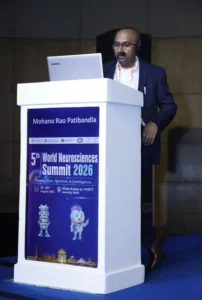
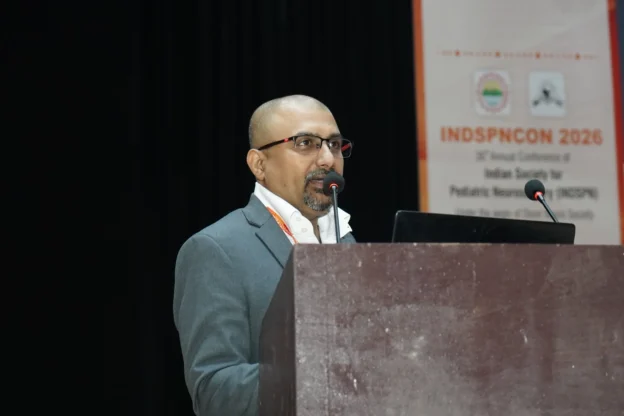
Dr Mohana Rao Patibandla speaking at INDSPNCON 2026 about advanced pediatric neurosurgery techniques including minimally invasive brain surgery and neuro-navigation at Dr Rao’s International Institute of Neurosciences

Pediatric Brain Disorders – A Neurosurgeon’s Overview

Pediatric Brain Disorders – A Neurosurgeon’s Overview

Pediatric brain disorders are among the most complex and emotionally challenging conditions affecting children and their families. These neurological disorders can impact brain development, movement, learning, speech, and overall quality of life. Early diagnosis and timely intervention by experienced specialists can significantly improve outcomes.At Dr. Rao’s Hospital, now evolving as Dr. Rao’s International Institute of Neurosciences (IIN), advanced pediatric neurosurgery and neurology services are available for children suffering from congenital and acquired brain disorders. Led by Dr. Mohana Rao Patibandla, one of the best neurosurgeons in Guntur, the hospital provides comprehensive and minimally invasive care for complex neurological conditions in children.EINpresswire

What Are Pediatric Brain Disorders?

Pediatric brain disorders refer to neurological conditions affecting infants, children, and adolescents. These disorders may be congenital (present at birth) or acquired later due to infections, trauma, tumors, or genetic conditions.

Common pediatric brain disorders include:

  • Hydrocephalus
  • Pediatric brain tumors
  • Epilepsy
  • Cerebral palsy
  • Spina bifida
  • Chiari malformations
  • Traumatic brain injury
  • Developmental brain abnormalities

According to the World Health Organization (WHO), neurological disorders are among the leading causes of disability in children worldwide.

Why Early Diagnosis Matters in Children

The developing brain is highly sensitive but also highly adaptable. Early detection of pediatric neurological disorders allows doctors to intervene before irreversible damage occurs.

Parents should seek immediate medical attention if a child experiences:

  • Persistent headaches
  • Seizures
  • Developmental delays
  • Difficulty walking
  • Poor balance or coordination
  • Visual disturbances
  • Abnormal head size
  • Speech or learning difficulties

Advanced imaging such as MRI, CT scans, and neurophysiological studies help neurosurgeons identify the exact cause and create a personalized treatment plan.

Common Pediatric Brain Disorders Explained

1. Pediatric Brain Tumors

Brain tumors are among the most serious neurological conditions in children. Pediatric brain tumors may be benign or malignant and can affect behavior, coordination, vision, and memory.

Symptoms may include:

  • Morning headaches
  • Vomiting
  • Balance problems
  • Seizures
  • Vision changes

Modern pediatric neurosurgery techniques, including minimally invasive and neuronavigation-guided surgery, improve surgical precision and reduce complications.

Source:
National Cancer Institute (NIH)

2. Hydrocephalus

Hydrocephalus occurs when cerebrospinal fluid accumulates within the brain, causing increased pressure. In infants, it may lead to enlarged head size and delayed development.

Treatment options include:

  • VP shunt surgery
  • Endoscopic Third Ventriculostomy (ETV)
  • Minimally invasive neuroendoscopic procedures

At Dr. Rao’s Hospital Neurosurgery Department, advanced neuroendoscopy techniques help many children recover faster with minimal surgical trauma.

3. Pediatric Epilepsy

Epilepsy is a neurological disorder characterized by recurrent seizures. While medications help many children, some patients develop drug-resistant epilepsy requiring surgical evaluation.

Pediatric epilepsy surgery may include:

  • Lesionectomy
  • Corpus callosotomy
  • Hemispherectomy
  • Laser ablation procedures

Studies published on PubMed show that early epilepsy surgery can significantly improve cognitive development and seizure control in selected children.

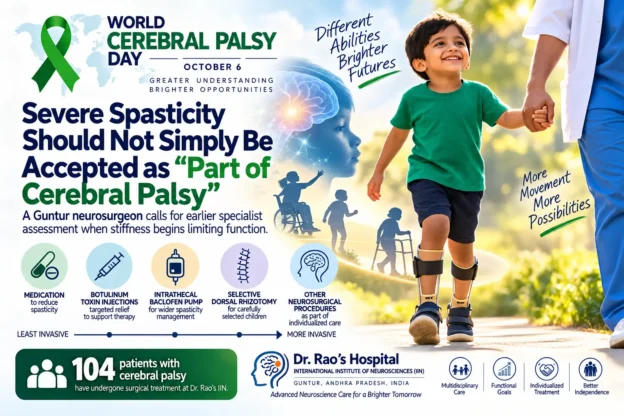
4. Cerebral Palsy

Cerebral palsy affects movement, posture, and muscle coordination. It usually results from injury to the developing brain before or shortly after birth.

Children with cerebral palsy may benefit from:

  • Physical therapy
  • Occupational therapy
  • Spasticity management
  • Selective dorsal rhizotomy
  • Rehabilitation programs

How Are Pediatric Brain Disorders Diagnosed?

Accurate diagnosis is critical for successful treatment. Pediatric neurosurgeons and neurologists use advanced technologies to evaluate neurological function.

Diagnostic TestPurpose
MRI BrainDetect tumors, abnormalities, hydrocephalus
CT ScanEmergency brain evaluation
EEGDetect seizure activity
Genetic TestingIdentify inherited neurological disorders
Neuropsychological TestingAssess cognitive function

Explore advanced Neurology Services for comprehensive neurological evaluation and treatment.

Modern Advances in Pediatric Neurosurgery

Technological advancements have transformed pediatric neurosurgery. Minimally invasive techniques reduce pain, shorten hospital stays, and improve recovery.

Innovations include:

  • Neuronavigation systems
  • Intraoperative MRI
  • Neuroendoscopy
  • Microsurgical techniques
  • Intraoperative neuro-monitoring
  • Robotic-assisted procedures

Dr. Mohana Rao Patibandla has extensive international training in pediatric neurosurgery and minimally invasive skull base surgery in the United States, bringing advanced global expertise to Andhra Pradesh.

What Makes Pediatric Brain Surgery Different?

Children are not simply “small adults.” Their brains are still developing, making pediatric neurosurgery uniquely specialized. Surgeons must protect delicate neurological structures while supporting future cognitive and developmental growth.

Special considerations include:

  • Brain development stages
  • Smaller anatomy
  • Long-term developmental outcomes
  • Emotional and family-centered care

Role of Rehabilitation After Pediatric Neurosurgery

Recovery does not end after surgery. Rehabilitation plays a vital role in helping children regain independence and developmental milestones.

Rehabilitation may involve:

  • Speech therapy
  • Physiotherapy
  • Occupational therapy
  • Behavioral therapy
  • Nutritional counseling

Comprehensive post-operative care improves long-term neurological outcomes and quality of life.

Why Choose Dr. Rao’s Hospital for Pediatric Neurosurgery?

Dr. Rao’s Hospital is recognized as one of the leading centers for brain, spine, and nerve care in Andhra Pradesh. The hospital combines advanced technology with compassionate pediatric care.

Advantages include:

  • Advanced minimally invasive neurosurgery
  • Dedicated pediatric neurological care
  • High-end neuroimaging and diagnostics
  • Internationally trained neurosurgeons
  • Comprehensive rehabilitation support
  • Patient-centered multidisciplinary care

Patients seeking expert Spine Surgery and neurological care can also access integrated pediatric spine and neuro-rehabilitation services.

AEO: Frequently Asked Questions About Pediatric Brain Disorders

What are the symptoms of pediatric brain disorders?

Symptoms may include seizures, headaches, developmental delay, abnormal head growth, difficulty walking, weakness, balance problems, and behavioral changes. Early evaluation by a pediatric neurosurgeon is important.

How are pediatric brain disorders diagnosed?

Pediatric brain disorders are diagnosed using MRI scans, CT scans, EEG tests, neurological examinations, and sometimes genetic testing. Early diagnosis improves treatment success and long-term development.

What causes pediatric brain tumors?

Pediatric brain tumors may result from genetic mutations, inherited syndromes, or unknown causes. Advanced imaging and neurosurgical evaluation help determine the best treatment approach.

Can epilepsy in children be cured with surgery?

Some children with drug-resistant epilepsy benefit significantly from epilepsy surgery. Procedures can reduce or eliminate seizures and improve quality of life.

Why choose Dr. Rao’s Hospital for pediatric neurosurgery?

At Dr. Rao’s Hospital, led by Dr. Mohana Rao Patibandla, one of the best neurosurgeons in Guntur, patients receive advanced, compassionate care using cutting-edge minimally invasive neurosurgery techniques.

Conclusion

Pediatric brain disorders require specialized expertise, timely diagnosis, and multidisciplinary care. Modern pediatric neurosurgery offers hope and improved outcomes for children suffering from complex neurological conditions.

With advanced technologies, minimally invasive surgical approaches, and compassionate patient-centered care, Dr. Rao’s Hospital continues to provide world-class treatment for pediatric neurological disorders in Andhra Pradesh and India.

If you’re searching for the best neurosurgeon in Guntur or expert care for complex brain and spine conditions, visit Dr. Rao’s Hospital. Contact us at 📞 090100 56444 or 📧 info@drraoshospitals.com.

Contact & Social Media

Dr. Mohana Rao Patibandla, neurosurgeon and Founder of Dr. Rao’s Hospital in Guntur, India

Dr. Mohana Rao Patibandla: Redefining Neurosurgical Excellence in India

Dr. Mohana Rao Patibandla: Redefining Neurosurgical Excellence Through Innovation, Ethics, and Global Vision

Dr. Mohana Rao Patibandla is a senior Indian neurosurgeon and the Founder, Chairman, and Managing Director of Dr. Rao’s Hospital, a tertiary-care center for neurology, neurosurgery, and spine surgery in Guntur, Andhra Pradesh, India. Internationally trained across India and the United States, he specializes in minimally invasive brain and spine surgery, skull base surgery, pediatric neurosurgery, epilepsy surgery, neuro-oncology, functional neurosurgery, and stereotactic radiosurgery. Dr. Patibandla is recognized for introducing advanced neurosurgical technologies and ethical, patient-centric care models in tier-2 Indian cities and for positioning India as a global destination for outcomes-driven neurosurgical care..

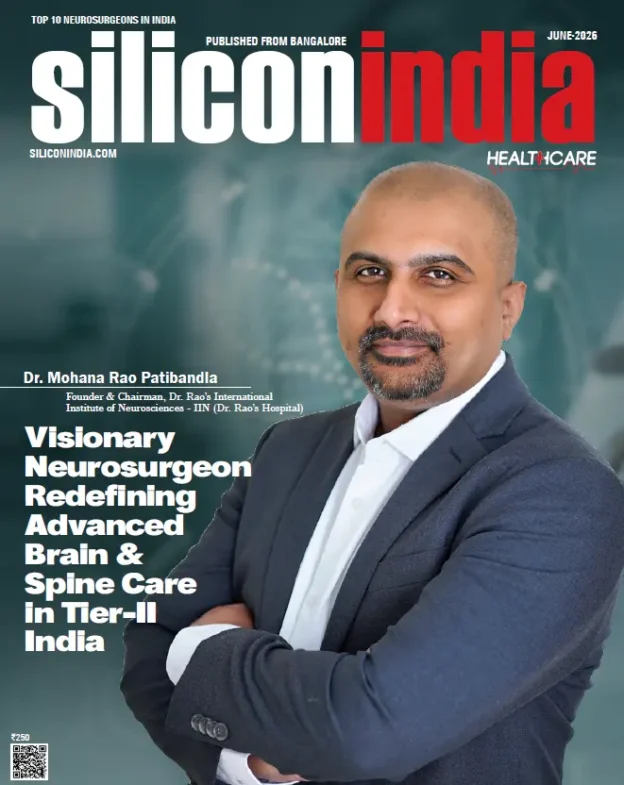
His work and leadership have been internationally recognized, including a detailed editorial profile as profiled by Entrepreneur Prime (UK), highlighting his role in redefining neurosurgical excellence through innovation and entrepreneurial vision.

A Vision Shaped by Global Training and Indian Realities

With over two decades of experience across nearly every subspecialty of neuroscience, Dr. Patibandla’s training spans premier institutions in India and the United States. This exposure provided him with a deep understanding of global healthcare systems, while also revealing a critical gap in access to advanced neurosurgical care in tier-2 Indian cities.

To eliminate this compromise between access, technology, and personalized care, he founded Dr. Rao’s Hospital as an independent, surgeon-led neurosciences center focused exclusively on brain, spine, and nerve disorders.

Technological Innovation in Modern Neurosurgery

Dr. Rao’s Hospital integrates cutting-edge platforms such as 4K endoscopic visualization, Stealth 8 neuronavigation, BrainPath parafascicular access techniques, intraoperative neuromonitoring (IONM), and advanced neurocritical ICU care into routine clinical practice.

These technologies allow extraordinary anatomical precision, safer access to deep-seated and eloquent-area lesions, reduced operative morbidity, shorter hospital stays, and faster functional recovery.

Minimally Invasive Neurosurgery and Faster Recovery

Minimally invasive neurosurgery forms the foundation of Dr. Patibandla’s clinical philosophy. Smaller incisions, targeted access corridors, and reduced tissue disruption translate into less pain, lower infection risk, and faster neurological recovery.

Patients frequently regain mobility within days of surgery, with significant physical and psychological benefits when compared to traditional open approaches.

Pediatric Neurosurgery with Lifelong Impact

Recognizing that children are not small adults, Dr. Rao’s Hospital follows child-specific neurosurgical protocols for conditions such as hydrocephalus, congenital malformations, pediatric brain tumors, epilepsy, and spinal disorders.

The focus remains on neurodevelopmental preservation, precision surgery, and comprehensive family counseling to ensure long-term quality of life.

Ethical Medical Tourism and Global Trust

Dr. Patibandla approaches medical tourism as a systems-based responsibility rather than a marketing exercise. International patient care at Dr. Rao’s Hospital is supported by multilingual coordination teams, teleconsultation pathways, structured follow-up systems, and transparent ethical pricing.

Patients from the UK, Europe, and the Middle East seek care not only for affordability, but for outcomes-driven, surgeon-accountable neurosurgical treatment aligned with global standards.

Cultural Sensitivity and Ethical Integrity

Cultural sensitivity, transparency, and informed consent are core values at Dr. Rao’s Hospital. Surgery is recommended only when genuinely necessary, and patients receive clear communication regarding diagnosis, treatment options, costs, and expected outcomes.

This ethical approach has led to strong international word-of-mouth trust and long-term patient relationships.

India’s Role in Global Neurosurgical Care

Dr. Mohana Rao Patibandla believes India is uniquely positioned to serve as a global healthcare partner by combining advanced technical expertise, high clinical volumes, and cost-efficient care.

Specialized, surgeon-led centers such as Dr. Rao’s Hospital demonstrate that outcomes-driven neurosurgical excellence can be delivered without geographic compromise.

Conclusion

By uniting innovation, ethics, and entrepreneurial leadership, Dr. Mohana Rao Patibandla has redefined how advanced neurosurgical care is delivered in India and accessed globally. His work stands as proof that world-class brain and spine care is no longer limited by location, but guided by vision, precision, and compassion.

Contact details:

Dr. Rao’s Hospital / Patibandla Narayana Swamy Neurosciences LLP

12-19-67, Old Bank Road, Kothapet, Besides AK Khan Biryani point, Guntur, Andhra Pradesh, India 522001

Phone: +91 9010056444

Email: info@drraoshospitals.com; drpatibandla@gmail.com; Website: https://drraoshospitals.com

https://www.youtube.com/user/@mrpatiban

https://www.facebook.com/Dr.Raoshospital.Neurosurgeon/

https://www.instagram.com/dr_mohana_rao/

https://g.page/r/CSzUiYw6Fj7IEBE

https://www.linkedin.com/in/drpatibandla/

https://x.com/MohanaRaoPatib

Dr. Rao’s Hospital, Guntur

Dr. Mohana Rao Patibandla

About Dr. Rao’s Hospital

Advanced Neurosurgery in Guntur

Comprehensive Neurology Care in Guntur

Advanced Spine Surgery in Guntur

Minimally Invasive Brain and Spine Surgery

Pediatric Neurosurgery in Guntur

Advanced Epilepsy Surgery in Guntur

International Patients – Neurosurgery in India

Book an Appointment at Dr. Rao’s Hospital

A promotional image for Dr. Rao's Hospital featuring Dr. Mohana Rao Patibandla receiving the Economic Times Excellence in Neurology, Neurosurgery, and Spine Surgery Award 2025. The image includes photos of the award ceremony, a portrait of Dr. Patibandla, and details about his qualifications (MCh, FESBS, FAANS, etc.) and contact information. The hospital's locations (Guntur, Vijayawada, Bhimavaram, Rajahmundry, Kakinada, Eluru, Ongole, Nellore) and the slogan "Act Fast - Save Brain and Spine" are highlighted, along with a map and phone number.

Children and Spine-Related Disorders: What Parents Should Know


Children and Spine-Related Disorders: What Parents Should Know

Parents often associate spine problems with adults or aging; however, spine-related disorders can also affect children. sWhen detected early, these conditions can be effectively managed or corrected to prevent long-term complications. Awareness is key—understanding pediatric spine disorders helps parents identify symptoms early and seek timely expert care.

At Dr. Rao’s Hospital in Guntur, a leading center for advanced spine surgery and neurology services, specialists emphasize the importance of early diagnosis and minimally invasive treatments for children with spinal deformities or developmental spine conditions.

Understanding Spine Health in Children

The spine plays a vital role in a child’s growth, posture, and movement. Pediatric spine disorders can arise from congenital defects, infections, trauma, or developmental issues during growth. According to the World Health Organization (WHO), musculoskeletal disorders, including spinal deformities, affect millions of children globally — but many are treatable when identified early.

In growing children, even minor spinal misalignments can progress over time, leading to curvature, back pain, or neurological symptoms. Regular pediatric check-ups and early orthopedic or neurosurgical consultations can make a life-changing difference.


Common Spine Disorders in Children

1. Scoliosis (Abnormal Curvature of the Spine)

What is scoliosis? Scoliosis is a sideways curvature of the spine often noticed during the growth spurt before puberty. It may appear as uneven shoulders or hips, or a visible curve when a child bends forward.

  • Causes: Genetic factors, idiopathic (unknown), neuromuscular diseases
  • Symptoms: Uneven posture, tilted shoulders, back pain
  • Treatment: Bracing, physical therapy, or surgery for severe cases

2. Kyphosis

Kyphosis refers to an excessive forward rounding of the upper back, leading to a hunched appearance. It can be caused by developmental issues, poor posture, or structural deformities.

  • Causes: Scheuermann’s disease, congenital malformation
  • Symptoms: Rounded back, back fatigue, pain, and stiffness
  • Treatment: Postural correction, physical therapy, and surgical intervention in advanced cases

3. Spina Bifida

Spina bifida is a congenital condition where the spinal cord and vertebrae do not form properly during fetal development. This can result in neurological deficits, weakness, or paralysis depending on severity.

  • Causes: Genetic and environmental factors (e.g., folate deficiency during pregnancy)
  • Symptoms: Visible spinal opening, weakness, bladder or bowel issues.
  • Treatment: Neurosurgical repair and long-term rehabilitative support

4. Pediatric Disc Problems and Back Pain

Though rare, children can develop herniated discs or mechanical back pain due to trauma, sports, or obesity. Persistent back pain in children should never be ignored, as it may signal an underlying spinal issue.

Recognizing Early Warning Signs

Children may not always express discomfort clearly, so it’s crucial for parents to recognize physical signs and behavioral changes that might indicate a spine disorder.

  • Uneven shoulders or hips
  • Visible spinal curvature or hump
  • Frequent back or neck pain
  • Unsteady walking or imbalance
  • Weakness, numbness, or tingling in legs
  • Difficulty standing straight or bending

If you observe any of these symptoms, it’s important to consult a pediatric neurosurgeon. Early diagnosis can often prevent progression and the need for complex surgery later.

Diagnosis: How Spine Disorders Are Detected in Children

At Dr. Rao’s Hospital’s Neurosurgery Department, evaluation begins with a detailed physical examination, medical history review, and imaging studies. Common diagnostic tests include:

  • X-rays — to visualize spine alignment and curvature
  • MRI — to examine spinal cord, nerves, and discs
  • CT scan — for bone and structural assessment
  • Genetic or developmental screening (for congenital disorders)

[Reference: Mayo Clinic – Pediatric Spine Disorders]

Treatment Options for Pediatric Spine Disorders

Treatment depends on the severity, cause, and child’s age. At Dr. Rao’s Hospital, minimally invasive spine surgery and advanced rehabilitation techniques are used to ensure safer recovery and optimal growth outcomes.

Non-Surgical Treatments:

  • Physiotherapy and posture correction
  • Spinal bracing for scoliosis and kyphosis
  • Nutritional guidance and lifestyle modifications
  • Regular follow-ups for curve monitoring

Surgical Treatments (When Needed):

  • Minimally invasive spine correction surgery
  • Endoscopic spinal decompression
  • Spinal fusion or stabilization procedures

[Source: PubMed – Pediatric Spine Surgery Outcomes]

Why Choose Dr. Rao’s Hospital for Pediatric Spine Care?

Dr. Mohana Rao Patibandla, one of the best neurosurgeons in Guntur, has extensive experience in pediatric neurosurgery and minimally invasive spine surgery. His approach combines precision, innovation, and compassion — ensuring that young patients receive world-class care with minimal discomfort.

Dr. Rao’s Hospital offers:

  • Dedicated pediatric neurosurgery and spine team
  • State-of-the-art neuro-navigation and imaging technology
  • Comprehensive rehabilitation and physiotherapy
  • Family counseling and long-term follow-up

How Parents Can Support Their Child’s Spine Health

  • Encourage good posture and ergonomics during study or screen time
  • Promote regular physical activity and a balanced diet
  • Use ergonomic school bags to prevent back strain
  • Ensure proper calcium and vitamin D intake for bone health
  • Monitor growth spurts and consult if postural changes occur

Call to Action

If your child shows signs of spinal deformity, persistent back pain, or posture problems, visit Dr. Rao’s Hospital for expert evaluation. Contact us at 📞 090100 56444 or 📧 info@drraoshospitals.com to book an appointment with our pediatric spine specialists.

What are the symptoms of spine disorders in children?

Common symptoms include uneven shoulders, visible spinal curve, frequent back pain, imbalance while walking, and difficulty bending. Early consultation is vital.

How are spine disorders diagnosed in children?

Diagnosis involves physical exams, X-rays, and MRI scans. At Dr. Rao’s Hospital, experts use advanced imaging and neuro-navigation tools for accurate diagnosis and management.

Why choose Dr. Rao’s Hospital for pediatric spine treatment?

At Dr. Rao’s Hospital, led by Dr. Mohana Rao Patibandla, one of the few pediatric neurosurgeons in the USA trained in fellowship and one of the best neurosurgeons in Guntur, children receive advanced, minimally invasive, and compassionate spine care.


Follow Dr. Rao’s Hospital


Dr. Mohana Rao Patibandla standing at the podium at SIONCON 2025 in Bengaluru, with a large screen displaying his professional profile, qualifications, and fellowships from leading global neurosurgery centers.

How Intraoperative Neuromonitoring (IONM) Is Transforming Brain and Spine Surgery in India: Insights from Dr. Mohana Rao’s 1008-Case Study Presented at SIONCON 2025, NIMHANS Bengaluru

Advancing Surgery with Intraoperative Neuromonitoring (IONM) in India

By Dr. Mohana Rao Patibandla, Chief Neurosurgeon, Dr. Rao’s Hospital, Guntur


Introduction: The Future of Neurosurgery Is Here

Brain and spine surgeries are among the most delicate and high-risk procedures in all of medicine. Surgeons work within millimeters of the structures that control movement, speech, vision, memory, and breathing. Even a minor surgical disruption can lead to paralysis, speech loss, or permanent disability.

For decades, neurosurgeons relied solely on their anatomical knowledge, experience, and the microscope to navigate these high-risk regions. But in the last few years, a revolutionary tool has transformed neurosurgical safety worldwide:
Intraoperative Neuromonitoring (IONM).

In November 2025, at SIONCON 2025, held at the prestigious NIMHANS Convention Centre, Bengaluru, I had the honor of presenting one of India’s most comprehensive IONM datasets—a 1008-case analysis covering diverse brain and spine surgeries performed over 5 years at Dr. Rao’s Hospital, Guntur.

Find the news on the Business World:

Guntur Neurosurgeon Presents India’s Largest IONM Dataset, Sets New Benchmark In Brain & Spine Safety

https://www.businessworld.in/article/guntur-neurosurgeon-presents-india-s-largest-ionm-dataset-sets-new-benchmark-in-brain-spine-safety-583438

The presentation demonstrated how real-time neuromonitoring can significantly reduce neurological complications and improve outcomes, even in the most complex neurosurgical cases.

This blog explains the entire study in a clear, patient-friendly way, detailing how IONM protects patients, helps surgeons make safer decisions, and is shaping the future of neurosurgery in India.


Chapter 1: What Exactly Is Intraoperative Neuromonitoring (IONM)?

Imagine having a real-time safety system during surgery that continuously checks how your brain, spine, and nerves are functioning—even while under anesthesia.
That is the power of IONM.

IONM monitors:

  • Motor function

  • Sensory pathways

  • Cranial nerve function

  • Language and speech centers (in awake surgeries)

  • Brainstem responses

  • Electrical activity of nerves and muscles

If anything harmful begins to happen—such as nerve stretching or decreased blood supply—the system alerts the surgical team immediately.

It is like having a “nerve safety alarm” during surgery.


Why IONM Is Critical in Modern Neurosurgery

Without IONM, nerve injury might be detected only after surgery, when it is too late to reverse the damage.
With IONM, however, risks are identified immediately, allowing the surgeon to respond and prevent permanent injury.

This simple concept can save movement, speech, vision, swallowing ability, and quality of life.


Chapter 2: Why This 1008-Case Study Is a Landmark for India

IONM is still growing in India.
Most hospitals use it only for select cases.
Very few centers have standardized, protocol-driven multimodal IONM across multiple years of surgical work.

At Dr. Rao’s Hospital, we took a different approach:

We used IONM in over 1000 surgeries across:

  • Brain tumors (including eloquent cortex tumors)

  • Skull base and brainstem lesions

  • Spine surgeries

  • Pediatric neurosurgery

  • Epilepsy surgery

  • Awake craniotomy

  • Vascular and endovascular neurosurgery

We also implemented a strict, step-by-step protocol to ensure quality, accuracy, and meaningful intervention whenever signals changed.

This dataset is among the largest single-center IONM studies from India, and the presentation at SIONCON 2025 highlighted the clinical impact of every modality.


Chapter 3: Study Results Explained Simply

Below is a simplified explanation of the key results we presented at SIONCON:


1. Diagnostic Accuracy: IONM Predicts Danger Early

Sensitivity: 85.7%

This means IONM correctly detected 85.7% of cases where something was going wrong.

Specificity: 98.8%

This means IONM rarely gave false alarms.

These numbers show the system is both reliable and precise. Out of 1008 surgeries:

  • True Positives (TP): 186

  • True Negatives (TN): 781

  • False Positives (FP): 10

  • False Negatives (FN): 31

IONM accurately predicted neurological outcomes in 967 out of 1008 cases.


2. Neurological Recovery & Complication Reduction

Key highlights:

  • 78.5% prevention rate for neurological deficits

  • 94% of temporary deficits recovered within 3 months

  • Only 2.1% permanent deficits, mostly in complex eloquent tumors

  • Permanent signal loss: 0.7%

  • Functional independence (KPS ≥80): 91.6% at 3 months

These outcomes match or exceed global neurosurgical benchmarks—reinforcing that India can deliver world-class results.


Chapter 4: Pathology-Wise Outcomes

Eloquent Area Brain Tumors (Movement/Speech Regions)

  • Very high risk surgeries

  • Permanent deficits only 2.1%

  • Safe maximal tumor removal possible

Epilepsy Surgery

  • 88.4% deficit prevention

  • Excellent long-term functional outcomes

Spine Surgery

  • 83.1% deficit prevention rate

  • EMG and MEP monitoring prevented nerve-root injury

Brainstem and Posterior Fossa Surgeries

  • Extremely high-risk surgeries

  • 76.9% neurological protection

Vascular Lesions (AVMs, Aneurysms)

  • 74.2% prevention rate

This shows IONM’s benefit across all neurosurgical domains.


Chapter 5: Pediatric Neurosurgery—Why Children Benefit More

Children’s brains have an amazing ability to recover—known as neuroplasticity.

With IONM:

  • Surgeons can safely operate on epilepsy-causing lesions

  • Brain tumors near critical regions can be removed precisely

  • Early intervention improves long-term development

The study showed better recovery rates in children than adults.


Chapter 6: Awake Brain Surgery—Speaking or Moving During Surgery

Awake craniotomy is a specialized surgery where:

  • The patient is awake during part of the operation

  • They speak, count, or move their hands/legs

  • The surgeon maps critical functions using DES/DCS stimulation

  • Tumors near speech/motor regions can be removed more safely

Results from 227 Awake Surgeries:

  • 11% transient problems

  • 0% long-term complications

  • Best outcomes achieved with DES/DCS mapping

This is among the largest awake craniotomy series in the region.


Chapter 7: What Happens When the Signal Drops?

A small percentage of patients show irreversible signal loss during surgery.

At our hospital, we follow a 5-step Signal Loss Protocol:

  1. Recheck connections, anesthesia, temperature

  2. Increase blood pressure (MAP >90 mmHg)

  3. Reduce traction, decompression

  4. Re-monitor for 3–5 minutes

  5. If no recovery → Staged closure

Results:

  • 26 staged closures (2.6%)

  • Planned re-interventions

  • 73% regained neurological function

This approach prevents permanent disability.


Chapter 8: Why Structured Protocols Matter

IONM isn’t just equipment—it’s a full system.

We use:

  • Standard stimulation thresholds

  • Validated alert criteria

  • Multimodal monitoring (MEP, SSEP, EMG, DES, BAER)

  • Collaboration with anesthesia

  • Checklists for every signal change

Our structured approach ensures maximum safety.


Chapter 9: Why India Needs Wider IONM Adoption

In India, many surgeries are still performed without IONM due to cost, lack of trained personnel, or limited awareness.

But the consequences of nerve injury—lifelong disability—are far more expensive.

Our study clearly shows:

  • Fewer complications

  • Better functional outcomes

  • Safer maximal resection

  • Higher quality of life

  • Lower long-term costs for families

IONM must become a standard of care, not a luxury.


Chapter 10: About Dr. Rao’s Hospital, Guntur

Dr. Rao’s Hospital is one of India’s leading centers for:

  • Advanced neurosurgery

  • Pediatric neurosurgery

  • Epilepsy surgery

  • Endoscopic skull base surgery

  • Minimally invasive spine surgery

  • Neuro-oncology

  • Endovascular neurosurgery

  • Full-scale IONM-supported neurosurgery

We strongly believe in precision, safety, and functional preservation.

With international training from the USA (UVA, OSU, NCH, Colorado), and over 70 publications and 50+ invited lectures,
Dr. Mohana Rao is widely known as:

  • The best neurosurgeon in Guntur

  • The best neurologist in Guntur

  • The best spine surgeon in Guntur


Conclusion: A New Era of Safe Neurosurgery in India

The 1008-case IONM study presented at SIONCON 2025 is more than just academic research—it is proof that:

  • Indian hospitals can match global neurosurgical standards

  • Structured IONM can prevent disability

  • Safe maximal resection is achievable

  • Pediatric and awake surgeries benefit enormously

  • Neuromonitoring must become routine across centers

At Dr. Rao’s Hospital, we continue to advance neurosurgical care with innovation, precision, and compassion.


Contact Us

📞 90100 56444
🌐 https://drraoshospitals.com
📧 info@drraoshospitals.com
📍 Guntur, Andhra Pradesh

For Consultations or Appointments

📍 Dr. Rao’s Hospital
12-19-67, Old Bank Road, Kothapet,
Opp. Sravani Hospital, Guntur, Andhra Pradesh

📞 Phone: +9190100 56444
📧 Email: info@drraoshospitals.com | drpatibandla@gmail.com
🌐 Website: https://drraoshospitals.com

📺 YouTube: https://www.youtube.com/user/mrpatiban
📘 Facebook: https://www.facebook.com/Dr.Raoshospital.Neurosurgeon/
📸 Instagram: https://www.instagram.com/dr_mohana_rao/
📍 Google Maps: https://g.page/r/CSzUiYw6Fj7IEBE
💼 LinkedIn: https://www.linkedin.com/in/drpatibandla/
🐦 X (Twitter): https://x.com/MohanaRaoPatib

Cover story of Time Iconic Magazine featuring Dr. Mohana Rao Patibandla, Top 10 Inspiring Neurosurgeon 2025, honoring his excellence in minimally invasive neurosurgery and compassionate patient care at Dr. Rao’s Hospital, Guntur.

November Epilepsy Awareness Month – Dr Rao’s

🧠 Epilepsy Awareness Month: Hope, Healing & Advanced Neurosurgical Excellence at Dr. Rao’s Hospital, Guntur

By Dr. Mohana Rao Patibandla, Senior Consultant Neurosurgeon, Dr. Rao’s Hospital, Guntur

Every November, the world comes together to observe Epilepsy Awareness Month — a time to educate, empower, and eliminate stigma surrounding one of the most misunderstood neurological disorders.
At Dr. Rao’s Hospital, Guntur, we dedicate this month to every patient, family, and child living with epilepsy — reaffirming our mission to offer world-class, compassionate, and curative neurological care.

Epilepsy affects millions globally, but in India, awareness and access to specialized care remain limited. That’s where Dr. Rao’s Hospital, founded by Dr. Mohana Rao Patibandla, steps in — blending clinical precision, cutting-edge neurosurgical technology, and humanity-driven care to deliver hope where it’s needed most.


Understanding Epilepsy: A Neurological Condition That Can Be Controlled

Epilepsy is a chronic neurological condition characterized by recurrent seizures — sudden surges of electrical activity in the brain that affect behavior, movement, or consciousness.
Contrary to common belief, epilepsy is treatable, and many patients can live seizure-free lives with the right medical or surgical intervention.

At Dr. Rao’s Hospital, the diagnostic process begins with detailed EEG (Electroencephalogram) and MRI evaluations to identify abnormal brain activity and pinpoint the source of seizures. Each patient’s journey is unique — some respond to medication, while others require advanced surgical procedures to achieve lasting relief.


Recognizing the Warning Signs of Seizures

Seizures don’t always mean violent shaking or collapse. Some patients experience brief episodes of staring, confusion, sudden fear, or muscle twitching without awareness.
Recognizing early warning signs such as frequent daydreaming, unexplained falls, or jerking movements can help in early diagnosis — especially in children.

Dr. Rao’s Hospital emphasizes public awareness of subtle seizure patterns, as timely evaluation prevents complications and improves long-term outcomes.


Dispelling Myths: Epilepsy Is Not Contagious

One of the biggest challenges epilepsy patients face is social stigma.
Many still believe epilepsy is contagious, a mental illness, or a life-long disability — myths that isolate patients and delay care.

In truth, epilepsy is simply a neurological disorder, not a curse, and it is fully manageable under expert medical supervision.
By spreading awareness and empathy, we can replace fear with understanding and give patients the dignity they deserve.


The Role of Accurate Diagnosis in Seizure Control

Accurate diagnosis is the cornerstone of effective epilepsy treatment.
At Dr. Rao’s Hospital, our neurodiagnostic suite features state-of-the-art EEG, Video EEG, MRI Brain Imaging, Functional Mapping, and 3D Neuronavigation.

These tools allow Dr. Mohana Rao Patibandla and his team to locate the seizure focus — the part of the brain responsible for abnormal electrical discharges.
Once identified, a personalized treatment plan is crafted, combining medical therapy and, when necessary, minimally invasive epilepsy surgery for maximum safety and success.


Minimally Invasive Epilepsy Surgery: Precision with Compassion

When medications fail to control seizures, surgery offers a cure — not just control.
At Dr. Rao’s Hospital, Guntur, we specialize in Minimally Invasive Epilepsy Surgery (MIES) — a modern approach that uses tiny incisions, advanced endoscopes, and neuronavigation systems to access the brain with exceptional accuracy.

This technique minimizes trauma, reduces recovery time, and enhances safety.
Dr. Rao’s expertise — honed through fellowships in the USA and years of neurosurgical excellence — ensures every patient receives precision-driven, compassionate care.

“A small incision can lead to a big transformation — from a life of seizures to a life of freedom.”
Dr. Mohana Rao Patibandla


Childhood Epilepsy: Giving Kids Their Childhood Back

Childhood epilepsy is often misunderstood and underdiagnosed.
Some children are labeled as inattentive or slow learners when, in reality, they may be experiencing frequent minor seizures.

Dr. Rao’s Hospital provides comprehensive pediatric epilepsy care, blending expertise and empathy.
The hospital’s pediatric neuro team evaluates each child’s case through EEG, MRI, and neuropsychological assessments to determine the best path forward — whether it’s medication adjustment or minimally invasive surgery.

Our mission is simple: to give children their childhood back, free from the shadow of seizures.


Women and Epilepsy: Understanding Hormonal Impact

Hormonal changes can influence seizure patterns, particularly during puberty, menstruation, pregnancy, and menopause.
At Dr. Rao’s Hospital, we offer personalized epilepsy management for women, ensuring safety during conception, pregnancy, and breastfeeding.

Women with epilepsy can lead perfectly healthy lives — with expert care, proper medication, and continuous monitoring.


Emergency Response: What to Do During a Seizure

Knowing what to do during a seizure can save lives.
If someone experiences a seizure:

  1. Stay calm and protect them from injury.

  2. Turn them on their side to prevent choking.

  3. Don’t insert anything into their mouth.

  4. Time the seizure.

  5. Call for medical help if it lasts longer than 5 minutes.

Dr. Rao’s Hospital operates a 24×7 Neuro Emergency Care Unit, ensuring rapid response to all seizure emergencies with on-site neurosurgical readiness.


The Importance of Lifestyle and Diet in Epilepsy Management

Epilepsy management extends beyond medication and surgery — it’s a holistic journey.
Proper sleep, stress control, hydration, and a balanced ketogenic or modified Atkins diet can help reduce seizure frequency in many cases.

At Dr. Rao’s Hospital, dieticians and neurologists work together to design lifestyle programs that complement medical therapy and improve brain health.


Post-Surgery Success Stories: From Seizures to Smiles

Over the years, hundreds of patients have found renewed hope through Dr. Rao’s Hospital’s epilepsy treatment programs.
Many, once dependent on multiple medications, are now living seizure-free after surgery.

Our success stories are not just medical outcomes — they are emotional journeys of courage, trust, and healing.


Epilepsy and Driving: Safety Through Awareness

Patients who achieve seizure control often ask about resuming driving.
At Dr. Rao’s Hospital, every patient receives counseling on driving safety, occupational guidance, and lifestyle management, ensuring they re-enter life safely and confidently.


Advanced Technology Meets Expertise at Dr. Rao’s Hospital

Dr. Rao’s Hospital is one of India’s leading independent neuroscience centers.
Our infrastructure includes:

  • Advanced 3-Tesla MRI for neuroimaging

  • 32-channel EEG and Video EEG monitoring

  • Intraoperative Neuro-Monitoring (IONM)

  • Endoscopic and minimally invasive neurosurgical suites

  • Neuro ICU and post-operative care facilities

This technology is complemented by Dr. Rao’s multi-fellowship training in:

  • Minimally Invasive Skull Base Surgery (USA)

  • Pediatric Neurosurgery (Colorado & Ohio, USA)

  • Neuro-Oncology and Radiosurgery (Virginia, USA)

  • Endovascular and Cerebrovascular Neurosurgery (Virginia, USA)


Breaking the Stigma: Epilepsy Awareness Begins with Us

Despite medical advances, social stigma remains one of epilepsy’s greatest challenges.
Fear and misinformation prevent many from seeking timely care.
Through awareness drives, school programs, and community health talks, Dr. Rao’s Hospital is working tirelessly to break myths and replace fear with understanding.


Emotional Support and Family Counseling

Epilepsy affects not just patients but entire families.
Our team provides emotional support, psychological counseling, and caregiver guidance, helping families manage the journey with strength and optimism.

We believe healing the mind is as important as healing the brain.


Restoring Confidence, Redefining Possibility

With modern medical science, epilepsy no longer needs to define anyone’s life.
Many patients return to work, education, and sports after successful treatment.
Dr. Rao’s Hospital celebrates each milestone — every seizure-free day is a victory for science and compassion.


Epilepsy and Brain Health Awareness in Guntur and Andhra Pradesh

Dr. Rao’s Hospital has positioned Guntur as a regional hub for advanced neuroscience, attracting patients from across Andhra Pradesh and India.
Our hospital’s commitment to affordable, high-quality epilepsy and brain surgery ensures that world-class care is no longer limited to metropolitan cities.


Hope Through Innovation: The Future of Epilepsy Care

From artificial intelligence-assisted EEG analysis to intraoperative brain mapping, the future of epilepsy care is transforming rapidly.
Dr. Rao’s Hospital is continuously upgrading to adopt these technologies, ensuring precision-driven and patient-centered treatment outcomes.


Living Beyond Epilepsy: A New Beginning

Epilepsy Awareness Month reminds us that every person living with epilepsy deserves empathy, education, and expert care.
At Dr. Rao’s Hospital, we stand committed to making every patient’s dream of a seizure-free life a reality through advanced diagnostics, minimally invasive neurosurgery, and lifelong support.


Why Choose Dr. Rao’s Hospital, Guntur?

✅ Led by Dr. Mohana Rao Patibandla, one of India’s top neurosurgeons
✅ Expertise in minimally invasive, epilepsy, and skull base surgeries
✅ 24×7 emergency neuro and trauma care
✅ Dedicated pediatric and adult neurology departments
✅ Personalized patient care and rehabilitation programs


Contact Dr. Rao’s Hospital

📍 Dr. Rao’s Hospital
12-19-67, Old Bank Road, Kothapet, Opp. Sravani Hospital, Guntur, Andhra Pradesh
📞 9010056444
🌐 www.drraoshospitals.com
📧 info@drraoshospitals.com | drpatibandla@gmail.com

Follow us:
📘 Facebook | 📸 Instagram | 🐦 X | 💼 LinkedIn | 📍 Google Maps

Back Surgeons Near Me - Dr. Rao at Dr. Rao's Hospital

Top Neurosurgery & Spine Care in India | Dr. Rao’s Hospital Guntur

Top Neurosurgery & Spine Care in India | Dr. Rao’s Hospital Guntur


Spine and Brain: An Intricate Relationship

The spine and brain form a complex network vital for everyday functioning. The brain controls all bodily functions, while the spine serves as a communication highway, transmitting signals from the brain to the rest of the body. Neurosurgery involving the spine and brain requires a deep understanding of both structures and the ability to perform precise, minimally invasive procedures to ensure patient recovery. Dr. Rao’s Hospital in Guntur is a leader in these advanced treatments, offering world-class care.

Spine & Disc: Understanding Degeneration and Treatment

Spinal discs, the cushion-like structures between the vertebrae, can wear down over time due to age, injury, or disease. This degeneration often leads to pain, restricted mobility, and the need for surgical intervention. At Dr. Rao’s Hospital, spine and disc surgeries use minimally invasive techniques, allowing faster recovery, less scarring, and fewer complications than traditional surgeries.

Scoliosis Surgery: Correcting Spine Deformities

Scoliosis, an abnormal curvature of the spine, can be debilitating if not treated. Scoliosis surgery is one of the most effective treatments, helping patients regain normal posture and reduce pain. Dr. Rao’s Hospital is equipped with advanced technology and a team of highly skilled spine specialists to provide top-notch scoliosis surgery in India. Using minimally invasive methods for scoliosis treatment ensures a quicker recovery and less trauma to the surrounding tissues.

Spine Fusion: Stability and Strength for the Spine

Spine fusion surgery is often recommended for patients suffering from spinal instability or chronic pain. This procedure involves fusing two or more vertebrae to create a single, solid bone, which helps stabilize the spine. With cutting-edge techniques available at Dr. Rao’s Hospital, patients experience reduced post-operative pain and a quicker return to normal activities.

Best Neurosurgery Hospital in India: Dr. Rao’s Hospital Guntur

Dr. Rao’s Hospital has established itself as one of the best neurosurgery hospitals in India, thanks to its state-of-the-art facilities and highly trained surgical team. The hospital is recognized for its expertise in handling complex brain, spine, and endovascular surgeries. The high success rates, affordable medical tourism packages, and compassionate care of the staff draw patients worldwide to this top hospital.

Neurosurgery Doctor: Expertise that Makes a Difference

Choosing the right neurosurgery doctor is crucial when dealing with delicate brain or spine issues. Dr. Rao is a renowned neurosurgeon and a leading expert in minimally invasive spine and endovascular surgery. His extensive training in India and abroad ensures that patients receive top-quality care for common and complex neurosurgical issues.

Best Neurological Surgery: Advanced Care for Brain and Spine Conditions

Neurological surgery has evolved rapidly with the advent of minimally invasive techniques and robotics. At Dr. Rao’s Hospital, patients benefit from the latest technological advancements, ensuring that the best neurological surgery options are available. Whether it’s a brain tumor or a spinal issue, the hospital’s multidisciplinary team provides comprehensive care focusing on the patient’s well-being.

Pediatric Surgery: Specialized Care for Children

Children with neurological disorders require specialized care. At Dr. Rao’s Hospital, a team skilled in handling the delicate nervous systems of young patients performs pediatric neurosurgery. From congenital spine deformities to pediatric brain tumors, the hospital ensures that each child receives the best possible care.

Spine Specialist: Experts in Spine Care

A spine specialist is a doctor trained to diagnose and treat spine-related problems. At Dr. Rao’s Hospital, a team of spine specialists provides individualized treatment plans for conditions such as herniated discs, spinal stenosis, and scoliosis. Their expertise in minimally invasive procedures ensures better outcomes and faster patient recovery.

Spine Dr: Dedicated Spine Care Professionals

A spine doctor, also known as a spine surgeon, plays a crucial role in diagnosing and treating disorders affecting the spinal cord and vertebral column. At Dr. Rao’s Hospital, patients benefit from the expertise of spine doctors trained in traditional and minimally invasive surgical techniques.

Minimally Invasive Surgery: Faster Recovery, Less Pain

Minimally invasive surgery has revolutionized neurosurgery. With smaller incisions, less tissue damage, and faster recovery times, these techniques have become the preferred choice for spine and brain surgeries. Dr. Rao’s Hospital is at the forefront of minimally invasive surgery in India, offering patients the latest and most effective treatments.

Surgery Doctor: Professionals Committed to Your Recovery

A surgery doctor, or surgeon, is a key figure in any medical operation. The surgeons at Dr. Rao’s Hospital are among the best in India, specializing in brain, spine, and endovascular surgery. Their expertise ensures that patients receive the highest standard of care, emphasizing precision, safety, and post-surgical recovery.

Specialist for the Spine: Tailored Treatments for Complex Conditions

Finding a spine specialist is crucial when treating complex conditions. Dr. Rao’s Hospital offers tailored treatments that address each patient’s needs. Whether it’s degenerative disc disease or spinal trauma, the hospital’s spine specialists ensure the best possible outcomes through personalized treatment plans.

Surgical Doctor: Leading the Way in Complex Procedures

Surgical doctors at Dr. Rao’s Hospital are leaders in their field, with extensive experience in performing complex brain and spine surgeries. Whether you require a spine fusion or a brain tumor removal, these surgical doctors ensure that every procedure is carried out with the utmost care and precision.

Spine Hospital: A Center for Excellence in Spine Care

Dr. Rao’s Hospital is widely regarded as one of the best spine hospitals in India. The facility is equipped with cutting-edge technology and offers a wide range of spine surgeries, from minimally invasive procedures to complex reconstructive surgeries. Patients can expect world-class care from a team of specialists who are committed to improving their quality of life.

Best Neurosurgeon: Trustworthy and Experienced

Finding the best neurosurgeon for your condition can be daunting. At Dr. Rao’s Hospital, you can rest assured that you are in good hands. Dr. Rao is one of the best neurosurgeons in India, with a reputation for excellence in brain and spine surgeries. His commitment to patient care and surgical expertise has earned him recognition on both national and international platforms.

Surgery Operation: A Critical Step Towards Recovery

Every surgery operation at Dr. Rao’s Hospital is planned meticulously to ensure the best outcomes for patients. From pre-operative consultations to post-surgical follow-ups, the hospital’s team works together to provide seamless care for those undergoing surgery for brain or spine conditions.

Surgical Operation: Precision and Expertise

A surgical operation, whether for the brain or spine, requires high precision and expertise. The surgeons at Dr. Rao’s Hospital are trained in advanced techniques that minimize risks and enhance patient recovery. With years of experience, these doctors ensure that every surgical operation is carried out with the highest standards of medical care.

Dr. Surgeons: Leaders in Neurosurgery

Dr. Rao’s team of surgeons is among the best in India. They offer expertise in areas such as spine surgery, brain tumor surgery, and endovascular neurosurgery. Their patient-centered approach ensures that every individual receives personalized care from diagnosis to recovery.

Spine & Scoliosis: Comprehensive Care for Spine Conditions

Scoliosis and other spine conditions require specialized treatment plans. Dr. Rao’s Hospital offers comprehensive care for patients with spine and scoliosis issues, utilizing the latest advancements in minimally invasive spine surgery to achieve optimal outcomes.

Spine Surgeon: Experts in Spine Reconstruction

A spine surgeon plays a vital role in restoring spinal function. Dr. Rao’s Hospital has a team of highly skilled spine surgeons specializing in both minimally invasive and traditional spine surgeries, offering patients the best possible care for their conditions.


Best Neurosurgeon in India for Spine Surgery

Regarding spine surgery, Dr. Rao is recognized as one of the best neurosurgeons in India. His minimally invasive spine surgery expertise has helped countless patients regain their mobility and lead pain-free lives.

Best Neurosurgeon in India for Brain Tumor Surgery

Dr. Rao’s Hospital is a top choice for brain tumor surgery in India. Using advanced imaging and navigation techniques, Dr. Rao and his team offer safe and effective tumor removal procedures, ensuring patients’ highest chances of recovery.

Best Neurosurgeon in India for Brain Surgeries

For complex brain surgeries, Dr. Rao’s Hospital stands out as a leader in the field. Whether it’s a brain aneurysm, tumor, or trauma, Dr. Rao’s experience and innovative approach have made him one of the best neurosurgeons in India for brain surgeries.

Keyhole Neurosurgery: Small Incisions, Big Results

Keyhole neurosurgery is a groundbreaking technique that allows surgeons to access the brain or spine with minimal incisions. This results in less pain, shorter hospital stays, and quicker recovery. Dr. Rao’s Hospital specializes in this advanced technique and offers patients cutting-edge treatments.


Best Interventional Neurologist in Guntur

Dr. Rao is also regarded as the best interventional neurologist in Guntur. He is known for his expertise in treating stroke and other cerebrovascular conditions using noninvasive techniques.

Best Endovascular Neurosurgeon in Guntur

Endovascular surgery is a subspecialty of neurosurgery that treats blood vessel disorders of the brain and blood vessels.

Dr. Rao: Neurosurgeon, Spine Surgeon & Endovascular Surgeon at Dr Rao’s Hospital

Dr. Rao the best neurosurgeon in Guntur, Andhra Pradesh, India and World

Dr. Rao the best neurosurgeon in Guntur, Andhra Pradesh, India and World

Dr. Mohana Rao Patibandla, known simply as Dr. Rao, is a highly esteemed neurosurgeon, spine surgeon, and endovascular specialist based in Guntur, India. With an impressive career spanning several neurosurgery subspecialties, Dr. Rao is renowned for his advanced techniques in minimally invasive spine surgery, pediatric neurosurgery, neuro-oncology, and functional and stereotactic radiosurgery. His dedication to offering cutting-edge medical care has positioned him as a leader in neurosurgery, not just in India but internationally.

Education and Training

Dr. Rao’s educational background is both extensive and prestigious. After completing his MBBS at Andhra Medical College, Visakhapatnam, he pursued his specialization in Neurosurgery at the Nizam’s Institute of Medical Sciences (NIMS), Hyderabad, where he received his M.Ch. in Neurosurgery in 2013. To further hone his skills, he undertook advanced training in a variety of subspecialties in the United States, including:

  • Fellowship in Minimally Invasive Skull Base Surgery—Ohio, USA
  • Pediatric Neurosurgery: Colorado, USA and Ohio, USA
  • Neuro-Oncology and Minimally Invasive Neurosurgery – Virginia, USA
  • Functional and Stereotactic Radiosurgery – Virginia, USA
  • Endovascular and Cerebrovascular Neurosurgery – Virginia, USA

This global training has allowed Dr. Rao to integrate international best practices into his work, making him a versatile and highly skilled neurosurgeon.

Areas of Expertise

Dr. Rao specializes in several critical areas within neurosurgery:

  1. Minimally Invasive Neurosurgery and Spine Surgery: Dr. Rao is exceptionally skilled in performing surgeries that require minimal incisions, leading to reduced recovery times, fewer complications, and less postoperative pain. This is especially beneficial for spine and brain surgeries, where precision is critical, and recovery can be lengthy.
  2. Skull Base and Epilepsy Surgery: As a Fellow in Skull Base Surgery, Dr. Rao has developed a keen understanding of complex skull base tumors and abnormalities, offering safe and effective surgical solutions for epilepsy and related conditions.
  3. Pediatric Neurosurgery: Neurosurgical care for children requires specialized techniques and sensitivity. Dr. Rao’s fellowship in pediatric neurosurgery has equipped him with the knowledge and expertise to handle delicate brain and spine conditions in young patients.
  4. Endovascular Surgery: Dr. Rao is also an expert in endovascular techniques, using minimally invasive methods to treat cerebrovascular conditions like aneurysms, arteriovenous malformations (AVMs), and strokes. These procedures involve threading small catheters through blood vessels to reach the brain, providing a noninvasive alternative to open surgery.
  5. Neuro-Oncology: Dr. Rao is highly skilled in the management and surgical treatment of brain tumors. He provides patients with innovative, minimally invasive options for tumor removal and care. He is committed to using advanced imaging and neuronavigation tools for safer and more precise brain tumor surgeries.

Dr. Rao’s Hospital: A Premier Neurosurgery Center

Dr. Rao is the founder of Dr. Rao’s Hospital, located in Guntur, Andhra Pradesh. It is one of India’s most advanced neurosurgery, spine surgery, and endovascular care centers. The hospital boasts state-of-the-art technology, including 3D imaging, robotic-assisted surgery, and high-end diagnostic tools, making it a brain and spine care leader.

Some of the key features of Dr. Rao’s Hospital include:

  • Multidisciplinary Care: A team of highly trained neurosurgeons, neurologists, spine specialists, and interventional radiologists work together to provide comprehensive treatment.
  • Cutting-Edge Technology: The hospital has the latest medical technology, enabling precise, minimally invasive procedures.
  • Affordable Medical Tourism: The hospital offers affordable neurosurgical and spine surgery packages for international patients, making it a popular destination for medical tourism in India.
  • 24/7 Emergency Care: Dr. Rao’s Hospital can handle critical cases anytime, thanks to the round-the-clock availability of neurosurgeons and emergency care specialists.

Achievements and Recognition

Dr. Rao’s contributions to neuroscience have earned him numerous accolades. He is recognized as one of the best neurosurgeons in India for brain, brain tumor, and spine surgeries. His emphasis on patient safety, the use of advanced technology, and compassionate care have made him a trusted name in neurosurgical circles.

Medical Philosophy

Dr. Rao is deeply committed to patient-centric care, which means he focuses on providing individualized treatment plans that cater to each patient’s specific needs and health conditions. He believes in minimizing the physical and emotional trauma associated with surgeries, and this philosophy is reflected in his extensive use of minimally invasive techniques.

International Collaboration

Dr. Rao has maintained strong ties with international neurosurgical communities, regularly attending and speaking at global conferences. His international collaborations help him stay updated with the latest advancements in neurosurgery and bring those innovations back to India.

Why Choose Dr. Rao?

  1. Comprehensive Expertise: With training across several continents, Dr. Rao brings a wealth of experience and knowledge in various neurosurgery subspecialties.
  2. Minimally Invasive Focus: He pioneered using minimally invasive techniques, ensuring quicker recoveries, less pain, and shorter hospital stays.
  3. World-Class Facilities: His hospital has cutting-edge technology that rivals some of the best medical facilities worldwide.
  4. Personalized Care: Dr. Rao takes the time to understand each patient’s condition and concerns, offering customized treatment options that best suit their needs.
  5. Global Experience: His exposure to international best practices and techniques makes him a sought-after neurosurgeon for domestic and international patients.

In summary, Dr. Mohana Rao Patibandla is not just a highly skilled neurosurgeon but a visionary leader in brain, spine, and endovascular surgery. Through his hospital in Guntur, he is committed to providing affordable, high-quality neurosurgical care to patients from India and worldwide.

Dr. Rao’s Contact Information:

Dr. Mohana Rao Patibandla: The best neurosurgeon and spine surgeon in India and Founder-Director of Dr. Rao’s Hospitals

Dr. Mohana Rao Patibandla: The best neurosurgeon and spine surgeon in India and Founder-Director of Dr. Rao’s Hospitals

Dr. Mohana Rao Patibandla: The best neurosurgeon and spine surgeon in India and Founder-Director of Dr. Rao’s Hospitals


SUMMARY

Dr. Mohana Rao Patibandla is a distinguished neurosurgeon and visionary entrepreneur who founded Dr. Rao’s Hospitals. With over 19 years of experience, he’s a trailblazer in neurosurgery, specializing in minimally invasive techniques. His medical journey began with an MBBS from Andhra Medical College, followed by neurosurgery training at Nizam’s Institute of Medical Sciences and later in the United States of the America. His vision led to the establishment of Dr. Rao’s Hospitals, a center of excellence in neurosurgery, equipped with cutting-edge technology. Dr. Rao’s commitment to patient care, innovation, and education has transformed the landscape of neurosurgery, inspired professionals and impacting countless lives.

Dr. Mohana Rao Patibandla: The best neurosurgeon and spine surgeon in India and Founder-Director of Dr. Rao’s Hospitals

Introduction:

When it comes to the realm of neurosurgery, expertise, experience, and innovation are paramount. In this regard, Dr. Mohana Rao Patibandla (Dr. Rao) stands as a shining example of a distinguished neurosurgeon who has left an indelible mark on the field. With a career spanning over 19 years, Dr. Patibandla has earned his place as one of the top neurosurgeons in Andhra Pradesh and across India. As the founder-director of Dr. Rao’s Hospitals, he has revolutionized comprehensive brain, spine, and nerve care, delivering cutting-edge treatments and compassionate patient care.

Early Education and Training:

Dr. Rao’s journey to becoming a leading neurosurgeon began at the prestigious Andhra Medical College, Visakhapatnam, where he completed his MBBS degree. His thirst for knowledge and his passion for healing led him to pursue a specialization in neurosurgery at the renowned Nizam’s Institute of Medical Sciences, Hyderabad. Here, he honed his skills and developed a deep understanding of the complexities of the human brain and nervous system.

Advanced Fellowship Training in the USA:

In his pursuit of excellence, Dr. Rao embarked on a remarkable journey to the United States, where he underwent extensive fellowship training. His year-long fellowships covered a range of specialized areas, including Pediatric Neurosurgery, Minimally Invasive Neurosurgery, Brain Tumors (Neurooncology and Radiosurgery), Interventional Neurosurgery, and Endovascular Neurosurgery. This rigorous training at esteemed institutions in the USA further elevated his proficiency and broadened his horizons in neurosurgery.

Founder-Director of Dr. Rao’s Hospitals:

Dr. Rao’s vision and commitment to advancing neurosurgical care led to the establishment of Dr. Rao’s Hospitals, a premier healthcare institution with state-of-the-art facilities in both Telugu states. With a dedicated focus on brain, spine, and nerve care, the hospital stands as a beacon of hope for patients seeking specialized treatment. Under Dr. Rao’s leadership, the hospital has become synonymous with excellence, innovation, and compassionate patient care.

Innovative Approach and Accomplishments:

His innovative approach to complex cases marks Dr. Rao’s contributions to neurosurgery. His expertise spans various conditions, from epilepsy and skull base surgeries to minimally invasive techniques and interventional neurosurgery. His remarkable success in treating brain tumors through neurooncology and radiosurgery has earned him accolades and the trust of countless patients.

Conclusion:

Dr. Rao’s journey from his early education to becoming a top-tier neurosurgeon and the founder-director of Dr. Rao’s Hospitals is a testament to his unwavering dedication, relentless pursuit of knowledge, and deep compassion for his patients. His legacy as a pioneer in neurosurgery continues to impact lives, offering hope, healing, and a brighter future for those needing specialized care for brain, spine, and nerve conditions.

For those seeking the expertise of one of the best neurosurgeons in India, Dr. Mohana Rao Patibandla’s (Dr. Rao’s) name shines bright as a beacon of medical excellence, compassionate care, and a commitment to enhancing the quality of life for patients in need.

For appointments and consultations with Dr. Mohana Rao Patibandla (Dr. Rao), please get in touch with Dr. Rao’s Hospitals at 9010056444 or visit drraoshospitals.

Tags: Neurosurgeon, Dr. Mohana Rao Patibandla, Dr. Rao’s Hospitals, Brain Surgery, Spine Surgery, Nerve Care, Medical Excellence, Comprehensive Healthcare, Innovations in Neurosurgery, Compassionate Patient Care, Top Neurosurgeons in India, Brain Tumors, Minimally Invasive Neurosurgery, Pediatric Neurosurgery, Interventional Neurosurgery, Endovascular Neurosurgery, Andhra Pradesh Healthcare, Cutting-edge Treatments, Founder-Director, Medical Legacy

Best Neuro Doctor in India | Top 10 Neurosurgeon In India – Dr. Rao | Dr Rao’s Hospital

Best Neuro Doctor in India | Top 10 Neurosurgeon In India – Dr. Rao | Dr Rao’s Hospital

Best Neuro Doctor in India | Top 10 Neurosurgeon In India – Dr. Rao

Discover why Dr. Mohana Rao Patibandla is renowned as one of the top 10 neurosurgeons in India. With over 19 years of experience and extensive training, he leads neurosurgery at Dr. Rao’s Hospital.”

Introduction:

When it comes to the realm of neurosurgery, expertise, experience, and innovation are paramount. In this regard, Dr. Mohana Rao Patibandla stands as a shining example of a distinguished neurosurgeon who has left an indelible mark on the field. With a career spanning over 19 years, Dr. Patibandla has earned his place as one of the top neurosurgeons in Andhra Pradesh and across India. As the founder-director of Dr. Rao’s Hospitals, he has revolutionized comprehensive brain, spine, and nerve care by delivering cutting-edge treatments and compassionate patient care.

Early Education and Training:

Dr. Rao’s journey to becoming a leading neurosurgeon began at the prestigious Andhra Medical College, Visakhapatnam, where he completed his MBBS degree. His thirst for knowledge and his passion for healing led him to pursue a specialization in neurosurgery at the renowned Nizam’s Institute of Medical Sciences, Hyderabad. Here, he honed his skills and developed a deep understanding of the complexities of the human brain and nervous system.

Advanced Fellowship Training in the USA:

In his pursuit of excellence, Dr. Rao embarked on a remarkable journey to the United States, where he underwent extensive fellowship training. His year-long fellowships covered a range of specialized areas, including Pediatric Neurosurgery, Minimally Invasive Neurosurgery, Brain Tumors (Neurooncology and Radiosurgery), Interventional Neurosurgery, and Endovascular Neurosurgery. This rigorous training at esteemed institutions in the USA further elevated his proficiency and broadened his horizons in neurosurgery.

Founder-Director of Dr. Rao’s Hospitals:

Dr. Rao’s vision and commitment to advancing neurosurgical care led to the establishment of Dr. Rao’s Hospital, a premier healthcare institution with state-of-the-art facilities in both Telugu states. With a dedicated focus on brain, spine, and nerve care, the hospital stands as a beacon of hope for patients seeking specialized treatment. Under Dr. Patibandla’s leadership, the hospital has become synonymous with excellence, innovation, and compassionate patient care.

Innovative Approach and Accomplishments:

Dr. Patibandla’s innovative approach to challenging cases distinguishes his contributions to neurosurgery. His expertise spans various conditions, from epilepsy and skull base surgeries to minimally invasive techniques and interventional neurosurgery. His remarkable success in treating brain tumors through neurooncology and radiosurgery has earned him accolades and the trust of countless patients.

A Vision for the Future

Dr. Mohana Rao Patibandla’s journey is a testament to his unwavering commitment to advancing the field of neurosurgery. As a pioneer in neurosurgical care, he continues to inspire and set new standards of excellence. Patients seeking expert neurosurgical care can rely on Dr. Rao’s expertise, experience, and compassionate approach. In a recent deccanherald

Dr. Rao is the best neurosurgeon in India.

Dr. Mohana Rao Patibandla is a renowned neurosurgeon in Guntur, Andhra Pradesh. He founded Dr. Rao’s Hospital, the first independent state-of-the-art facility in Andhra Pradesh and India for the best brain, spine, and nerve care. He has over 19 years of experience and has performed over 10,000 surgeries for various neurological conditions. He also receives many prestigious awards, such as the Brain LAB Neurosurgery Award by the Congress of Neurological Surgeons, USA, and India’s Top Neurosurgeon of the Year by 9ine Planets Research and Media.

Some of the reasons why he is considered the best neurosurgeon in India are:

  • He has trained in all the subspecialties of neurosciences in the USA, such as skull base surgery, epilepsy surgery, pediatric neurosurgery, minimally invasive surgery, endovascular surgery, cerebrovascular surgery, neuro-oncology, and functional and stereotactic radiosurgery.
  • He has expertise in treating complex and rare neurological disorders, such as brain tumors, aneurysms, arteriovenous malformations, stroke, epilepsy, Parkinson’s disease, spinal cord injuries, and congenital anomalies. As reported by ahmedabadmirror
  • He uses the latest technology and equipment to provide the best possible care for his patients, such as hybrid operation theatre, biplane cath labs, neuronavigation, neuromonitoring, intraoperative CT scans, and navigated drills.
  • He has a compassionate bedside manner and is always very gentle with his patients. He listens to their concerns and explains everything clearly before proceeding with surgery.
  • He has received excellent feedback and reviews from his patients and their families for his successful outcomes and patient satisfaction.

There are many reasons why Dr. Rao is the best neurosurgeon in India. First, he is highly skilled and has a lot of experience. He has performed countless surgeries and has helped many people. He is also very knowledgeable about the latest neurosurgery advancements and is always up-to-date on the latest techniques.

Conclusion

Dr. Mohana Rao Patibandla’s journey from his educational foundation to his extensive fellowships and his role as the founder-director of Dr. Rao’s Hospitals speaks volumes about his dedication to providing exceptional neurosurgical care. His unwavering commitment to excellence and innovation has earned him a well-deserved place among the top 10 neurosurgeons in India. With Dr. Rao at the helm, patients can trust his expertise and experience for comprehensive brain, spine, and nerve care at Dr. Rao’s Hospitals.

Dr. Mohana Rao Patibandla’s journey from his early education to becoming a top-tier neurosurgeon and the founder-director of Dr. Rao’s Hospitals is a testament to his unwavering dedication, relentless pursuit of knowledge, and deep compassion for his patients. His legacy as a pioneer in neurosurgery continues to impact lives, offering hope, healing, and a brighter future for those needing specialized care for brain, spine, and nerve conditions.

For those seeking the expertise of one of the best neurosurgeons in India, Dr. Mohana Rao Patibandla’s name shines bright as a beacon of medical excellence, compassionate care, and a commitment to enhancing the quality of life for patients in need.

For appointments and consultations with Dr. Mohana Rao Patibandla, don’t hesitate to contact Dr. Rao’s Hospitals at 9010056444 or visit drraoshospitals.com.