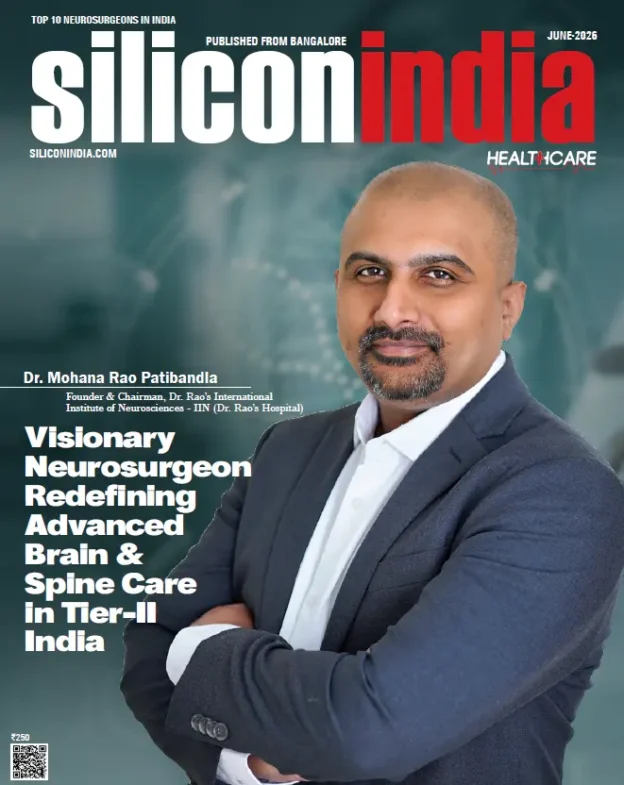
Dr. Mohana Rao Patibandla Featured Among SiliconIndia’s Top 10 Neurosurgeons in India 2026: Advancing Minimally Invasive Brain and Spine Surgery
Dr. Mohana Rao Patibandla, Founder of Dr. Rao’s Hospital – International Institute of Neurosciences (IIN), Guntur, has been featured among SiliconIndia Healthcare’s Top 10 Neurosurgeons in India 2026. This recognition highlights his contributions to minimally invasive neurosurgery, advanced spine surgery, cerebrovascular neurosurgery, pediatric neurosurgery, neuro-oncology, and the development of a comprehensive neurosciences ecosystem in Andhra Pradesh.
As one of India’s internationally trained neurosurgeons, Dr. Mohana Rao Patibandla has dedicated his career to bringing world-class neurological and neurosurgical care closer to patients. Through Dr. Rao’s Hospital – International Institute of Neurosciences (IIN), he continues to transform the way brain, spine, and nerve disorders are diagnosed and treated in South India.
SiliconIndia’s Top 10 Neurosurgeons in India 2026
In its June 2026 special edition on neurosurgery, SiliconIndia Healthcare recognized ten distinguished neurosurgeons from leading institutions across India. The featured neurosurgeons include:
- Dr. Mohana Rao Patibandla – Dr. Rao’s Hospital, Guntur
- Dr. Ajay Hegde – Manipal Hospitals, Bengaluru
- Dr. Amitabha Chanda – CMRI Hospital, Kolkata
- Dr. Arun Saroha – Max Healthcare, New Delhi
- Dr. Divya Goel – SSB Heart & Multispeciality Hospital, Faridabad
- Dr. Mohit Bhatt – Kokilaben Dhirubhai Ambani Hospital, Mumbai
- Dr. C. Nikhil Kumar – Gautam Neuro Care, Secunderabad
- Dr. Nirav Mehta – Bombay Hospital, Mumbai
- Dr. Satish Babu H.V. – Columbia Asia Hospital, Bengaluru
- Dr. Shishir Kumar – Yashoda Hospital & Research Centre, Ghaziabad
The feature highlighted Dr. Rao’s extensive international training, leadership in minimally invasive neurosurgery, commitment to innovation, and vision of making advanced neuroscience care accessible beyond metropolitan India.
Who Is Dr. Mohana Rao Patibandla?
Dr. Mohana Rao Patibandla appears on SiliconIndia Dr. Mohana Rao Patibandla, Founder & Chairman of Dr. Rao’s Hospital – International Institute of Neurosciences (IIN), featured in SiliconIndia Healthcare’s Top 10 Neurosurgeons in India 2026 cover story.
Dr. Mohana Rao Patibandla is an internationally trained neurosurgeon and the Founder of Dr. Rao’s Hospital – International Institute of Neurosciences (IIN), one of India’s dedicated neuroscience centers located in Guntur, Andhra Pradesh.
After completing his MBBS from Andhra Medical College, Visakhapatnam, and M.Ch Neurosurgery from Nizam’s Institute of Medical Sciences (NIMS), Hyderabad, Dr. Rao pursued multiple advanced fellowships in the United States. His specialized training includes:
- Minimally Invasive Skull Base Surgery
- Pediatric Neurosurgery
- Neuro-Oncology
- Endovascular and Cerebrovascular Neurosurgery
- Functional Neurosurgery
- Stereotactic Radiosurgery
- Minimally Invasive Brain Surgery
- Minimally Invasive Spine Surgery
This extensive global exposure has enabled him to introduce advanced techniques and technologies that improve patient outcomes while minimizing surgical trauma.
Why Dr. Mohana Rao Patibandla Was Featured by SiliconIndia
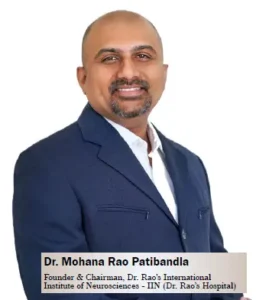
Dr. Mohana Rao Patibandla, Founder & Chairman of Dr. Rao’s Hospital – International Institute of Neurosciences (IIN), Guntur, recognized for his contributions to minimally invasive brain and spine surgery.
According to SiliconIndia Healthcare, Dr. Rao represents a new generation of Indian medical leaders who combine global expertise with patient-centered care and healthcare innovation. His profile emphasized not only his surgical accomplishments but also his efforts to build a sustainable neurosciences ecosystem focused on clinical excellence, education, research, and technology.
Leadership in Minimally Invasive Neurosurgery
Minimally invasive neurosurgery has transformed the treatment of brain and spine disorders. By utilizing smaller incisions, advanced imaging, neuronavigation, intraoperative neuromonitoring, endoscopic techniques, and precision surgical planning, patients often experience:
- Reduced pain after surgery
- Shorter hospital stays
- Less blood loss
- Faster recovery
- Earlier return to daily activities
- Improved cosmetic outcomes
Dr. Rao has been a strong advocate of minimally invasive approaches whenever clinically appropriate, helping patients benefit from safer and more effective treatment options.
Dr. Rao’s Hospital – International Institute of Neurosciences (IIN)
Dr. Rao’s Hospital – International Institute of Neurosciences (IIN) was established with the vision of creating a world-class center dedicated to brain, spine, and nerve care. Today, it serves patients from Andhra Pradesh, Telangana, Tamil Nadu, Karnataka, Odisha, and other parts of India.
Comprehensive Neurosciences Services
The institute offers advanced treatment for a wide range of neurological and neurosurgical conditions, including:
- Brain Tumors
- Spine Disorders
- Stroke and Cerebrovascular Diseases
- Aneurysms
- Epilepsy
- Pediatric Neurological Disorders
- Skull Base Tumors
- Hydrocephalus
- Trigeminal Neuralgia
- Peripheral Nerve Disorders
Suggested Internal Links
- Dr. Mohana Rao Patibandla Profile
- Dr. Rao’s Hospital – International Institute of Neurosciences (IIN)
- Brain Tumor Treatment
- Spine Surgery
- Endoscopic Spine Surgery
- Stroke Treatment
- Pediatric Neurosurgery
Why Patients Across India Choose Dr. Mohana Rao Patibandla
When patients and families search for the best neurosurgeon in Guntur, the best neurologist in Guntur, or the best spine surgeon in Guntur, they are often looking for more than just surgical expertise. They seek experience, trust, advanced technology, personalized care, and successful outcomes.
Over the years, Dr. Mohana Rao Patibandla has built a reputation for combining internationally trained expertise with compassionate patient-centered care. His approach focuses on accurate diagnosis, evidence-based treatment, minimally invasive techniques whenever appropriate, and comprehensive rehabilitation.
Patient-Centered Neurosurgical Care
Every neurological condition is unique. Whether treating a complex brain tumor, spinal disorder, aneurysm, epilepsy, hydrocephalus, or pediatric neurological condition, Dr. Rao believes treatment should be tailored to the individual patient’s needs.
This philosophy has helped establish Dr. Rao’s Hospital – International Institute of Neurosciences (IIN) as a trusted destination for advanced neurological care in India.
Innovation in Brain and Spine Surgery
Modern neurosurgery is evolving rapidly. Today’s patients benefit from technologies that were unavailable just a decade ago.
At Dr. Rao’s Hospital – International Institute of Neurosciences (IIN), advanced technologies are utilized to improve surgical precision and patient outcomes.
Advanced Neurosurgical Technologies
- High-Definition Operating Microscopes
- Neuronavigation Systems
- Intraoperative Neuromonitoring (IONM)
- Endoscopic Neurosurgery
- Minimally Invasive Spine Surgery
- BrainPath-Assisted Surgery
- Cerebrovascular and Endovascular Neurosurgery
- Advanced Neuroimaging
- Microsurgical Skull Base Techniques
These technologies allow surgeons to operate with greater accuracy while preserving healthy tissues and critical neurological structures.
Advancing Cerebrovascular and Endovascular Neurosurgery
Stroke remains one of the leading causes of disability and death worldwide. Early diagnosis and expert treatment can significantly improve outcomes.
Dr. Rao has received specialized international training in cerebrovascular and endovascular neurosurgery, enabling treatment of:
- Brain Aneurysms
- Arteriovenous Malformations (AVMs)
- Stroke
- Carotid Artery Disease
- Cerebral Hemorrhage
- Complex Cerebrovascular Disorders
The ability to offer both open microsurgical and endovascular treatment options allows patients to receive individualized care based on their specific condition.
Pediatric Neurosurgery Expertise
Children with neurological disorders require specialized expertise and compassionate care. Dr. Rao’s advanced training in pediatric neurosurgery helps provide comprehensive treatment for complex childhood neurological conditions.
Common pediatric neurosurgical conditions treated include:
- Hydrocephalus
- Brain Tumors
- Spinal Dysraphism
- Chiari Malformations
- Craniosynostosis
- Pediatric Epilepsy
- Congenital Brain and Spine Disorders
Research, Education, and Academic Excellence
The SiliconIndia feature highlighted Dr. Rao’s commitment to academic medicine and continuous learning. Beyond the operating room, he actively contributes through scientific publications, presentations, national conferences, and international collaborations.
His academic contributions help advance neurosurgical knowledge while ensuring patients benefit from the latest evidence-based treatment approaches.
National and International Presentations
Dr. Rao regularly presents innovative surgical techniques and clinical experiences at leading neurosurgical conferences across India and internationally. Topics have included:
- Endoscopic Skull Base Surgery
- BrainPath Surgery for Deep-Seated Brain Lesions
- Endovascular Neurosurgery
- Advanced Spine Surgery
- Intraoperative Neuromonitoring
- Complex Cerebrovascular Reconstruction
The Future of Neurosurgery: AI, Robotics, and Precision Medicine
The future of neurosciences will increasingly be shaped by artificial intelligence, robotics, precision diagnostics, advanced imaging, and personalized medicine.
AI-assisted planning can help surgeons analyze complex anatomical structures, while advanced imaging technologies enable more precise diagnosis and treatment planning.
Dr. Rao believes that while technology will continue transforming medicine, the human element of healthcare remains essential.
“Technology should enhance patient care, not replace the human connection between doctor and patient. The goal is always better outcomes, safer treatment, and improved quality of life.”
Frequently Asked Questions About Dr. Mohana Rao Patibandla
Who is Dr. Mohana Rao Patibandla?
Dr. Mohana Rao Patibandla is an internationally trained neurosurgeon and Founder of Dr. Rao’s Hospital – International Institute of Neurosciences (IIN), Guntur, Andhra Pradesh.
Why was Dr. Mohana Rao Patibandla featured by SiliconIndia?
SiliconIndia Healthcare featured Dr. Rao among its Top 10 Neurosurgeons in India 2026 for his contributions to minimally invasive neurosurgery, advanced brain and spine surgery, innovation, research, and patient care.
What conditions does Dr. Rao treat?
Dr. Rao treats brain tumors, spine disorders, stroke, aneurysms, epilepsy, skull base tumors, hydrocephalus, pediatric neurological disorders, and many other brain and spine conditions.
What is minimally invasive neurosurgery?
Minimally invasive neurosurgery uses smaller incisions and advanced technologies to reduce surgical trauma, shorten recovery time, and improve patient outcomes.
Where is Dr. Rao’s Hospital located?
Dr. Rao’s Hospital – International Institute of Neurosciences (IIN) is located at Old Bank Street, Kothapet, Guntur, Andhra Pradesh, India.
SiliconIndia Recognition Reflects a Broader Vision
Being featured among SiliconIndia’s Top 10 Neurosurgeons in India 2026 represents more than individual recognition. It reflects a vision of delivering world-class neuroscience care through innovation, education, research, and patient-centered treatment.
The feature acknowledges Dr. Mohana Rao Patibandla’s efforts to bridge international expertise with local accessibility, ensuring patients can receive advanced brain, spine, and nerve care closer to home.
Schedule a Consultation with Dr. Mohana Rao Patibandla
If you or a loved one is experiencing a neurological condition and seeking expert evaluation, Dr. Rao’s Hospital – International Institute of Neurosciences (IIN) offers comprehensive diagnosis, treatment, and rehabilitation services.
Dr. Mohana Rao Patibandla
Founder of Dr. Rao’s Hospital – International Institute of Neurosciences (IIN), Guntur
Phone: +91 90100 56444
Email: info@drraoshospitals.com
Website: https://drraoshospitals.com
Conclusion
The recognition of Dr. Mohana Rao Patibandla among SiliconIndia Healthcare’s Top 10 Neurosurgeons in India 2026 underscores a career dedicated to surgical excellence, innovation, education, and compassionate patient care.
Through Dr. Rao’s Hospital – International Institute of Neurosciences (IIN), he continues to advance minimally invasive brain and spine surgery, complex cerebrovascular care, pediatric neurosurgery, and cutting-edge neuroscience services. As healthcare continues to evolve, Dr. Rao remains committed to delivering world-class outcomes while helping shape the future of neurosciences in India.
Primary Source URL (SiliconIndia Feature)
https://www.siliconindia.com/digital-magazine/neurosurgeons-in-india-june-2026/
Dr. Mohana Rao Patibandla Official Profile
https://drraoshospitals.com/dr-mohana-rao-patibandla-brief-bio-international-institute-of-neurosciencs-guntur/
Dr. Rao’s Hospital – International Institute of Neurosciences (IIN)
https://drraoshospitals.com/
Andhra Medical College
https://amcollege.edu.in/
Nizam’s Institute of Medical Sciences (NIMS)
https://www.nims.edu.in/
National Library of Medicine (PubMed)
https://pubmed.ncbi.nlm.nih.gov/
American Association of Neurological Surgeons
https://www.aans.org/
Congress of Neurological Surgeons
https://www.cns.org/
World Federation of Neurosurgical Societies
https://www.wfns.org/
Neurological Society of India
https://neurosocietyindia.com/


