Category Archives: Keyhole surgery

the-best-treatment-for-common-neurological-disorders-by Dr Rao at-dr-raos

The best treatment for Common Neurological Disorders at Dr Raos

The best treatment for Common Neurological Disorders at Dr Raos

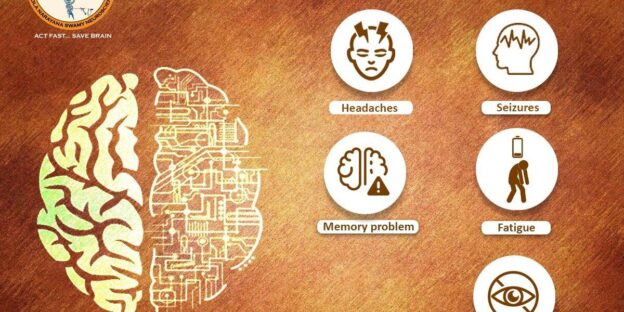
The human brain is the control center of the body, responsible for our thoughts, movements, and sensations. It is a complex organ that is made up of billions of neurons, or nerve cells, that communicate with each other to perform various functions. However, sometimes things can go wrong, and the brain can be affected by neurological disorders that can have a significant impact on a person’s life. In this article, we will discuss some common neurological disorders, including their causes, symptoms, and treatment options.

  1. Alzheimer’s Disease:

Alzheimer’s disease is a progressive brain disorder that affects memory, thinking, and behavior. It is the most common cause of dementia in older adults. Alzheimer’s disease occurs due to the accumulation of abnormal proteins in the brain, which leads to the death of brain cells and the breakdown of the connections between them. As the disease progresses, individuals with Alzheimer’s disease may experience symptoms such as confusion, difficulty speaking and writing, and changes in personality and mood.

Treatment options for Alzheimer’s disease include medication, such as cholinesterase inhibitors and memantine, which can help improve memory and cognitive function. Additionally, lifestyle changes, such as regular exercise, a healthy diet, and social activities, can help slow down the progression of the disease and improve quality of life.

  1. Parkinson’s Disease:

Parkinson’s disease is a progressive disorder that affects movement. It is caused by the degeneration of dopamine-producing cells in the brain. Dopamine is a neurotransmitter that is responsible for controlling movement, and the loss of dopamine-producing cells leads to the characteristic symptoms of Parkinson’s disease, such as tremors, rigidity, and slowness of movement.

Treatment options for Parkinson’s disease include medication, such as levodopa, which can help increase dopamine levels in the brain. Additionally, physical therapy and exercise can help improve mobility and balance, while speech therapy can help individuals with Parkinson’s disease improve their communication skills.

  1. Stroke:

A stroke occurs when blood flow to the brain is interrupted, either due to a blood clot or a hemorrhage. As a result, brain cells can become damaged or die, leading to a range of symptoms, such as weakness or numbness on one side of the body, difficulty speaking or understanding language, and vision problems.

Treatment options for stroke depend on the type of stroke and the severity of the symptoms. In some cases, medication, such as clot-busting drugs, can be used to dissolve blood clots and restore blood flow to the brain. In more severe cases, surgery may be necessary to remove a blood clot or repair a damaged blood vessel.

  1. Seizures:

Seizures are sudden and uncontrolled bursts of electrical activity in the brain that can cause a wide range of symptoms, including convulsions, loss of consciousness, and confusion. Seizures can be caused by a variety of factors, such as epilepsy, brain injury, or infection.

Treatment options for seizures include medication, such as anti-seizure drugs, which can help reduce the frequency and severity of seizures. Additionally, lifestyle changes, such as getting enough sleep and avoiding triggers, can help prevent seizures from occurring.

  1. Multiple Sclerosis:

Multiple sclerosis (MS) is a chronic autoimmune disorder that affects the central nervous system. It occurs when the immune system attacks the myelin sheath, which is the protective covering around nerve fibers in the brain and spinal cord. As a result, communication between the brain and the rest of the body can be disrupted, leading to a range of symptoms, such as fatigue, numbness or tingling in the limbs, and difficulty with balance and coordination.

Treatment options for MS include medication, such as disease-modifying therapies, which can help slow down the progression of the disease and reduce the frequency and severity of symptoms.

  1. Epilepsy:

Epilepsy is a neurological disorder that is characterized by recurrent seizures. It is caused by abnormal electrical activity in the brain, which can lead to a range of symptoms, including convulsions, loss of consciousness, and altered mental states.

Treatment options for epilepsy include medication, such as anti-seizure drugs, which can help prevent seizures from occurring. In some cases, surgery may be necessary to remove a portion of the brain that is causing the seizures.

  1. Huntington’s Disease:

Huntington’s disease is a rare, inherited neurological disorder that affects movement, cognition, and behavior. It is caused by a genetic mutation that leads to the accumulation of abnormal proteins in the brain, which leads to the death of brain cells.

Treatment options for Huntington’s disease include medication, such as dopamine blockers and antidepressants, which can help improve mood and cognitive function. Additionally, physical therapy and speech therapy can help individuals with Huntington’s disease improve their motor skills and communication abilities.

  1. Migraine:

Migraine is a neurological disorder that is characterized by recurrent headaches that are typically accompanied by other symptoms, such as nausea, vomiting, and sensitivity to light and sound. The exact cause of migraines is not fully understood, but it is thought to be related to changes in blood flow and chemical activity in the brain.

Treatment options for migraines include medication, such as pain relievers and triptans, which can help alleviate the symptoms of a migraine. Additionally, lifestyle changes, such as getting enough sleep, reducing stress, and avoiding trigger foods, can help prevent migraines from occurring.

  1. ALS:

ALS (Amyotrophic lateral sclerosis), also known as Lou Gehrig’s disease, is a progressive neurological disorder that affects nerve cells in the brain and spinal cord. It leads to the degeneration of motor neurons, which are responsible for controlling voluntary muscles. As a result, individuals with ALS may experience symptoms such as weakness, muscle atrophy, and difficulty speaking and swallowing.

Treatment options for ALS include medication, such as riluzole, which can help slow down the progression of the disease. Additionally, physical therapy and assistive devices, such as wheelchairs and communication aids, can help individuals with ALS maintain their independence and quality of life.

  1. Traumatic Brain Injury:

Traumatic brain injury (TBI) occurs when the brain is damaged as a result of a blow or jolt to the head. It can lead to a range of symptoms, such as headaches, dizziness, and difficulty with memory and concentration.

Treatment options for TBI depend on the severity of the injury. In mild cases, rest and pain medication may be sufficient. In more severe cases, surgery may be necessary to repair damage to the brain.


  1. Myasthenia Gravis:

Myasthenia gravis is a rare neurological disorder that affects the neuromuscular junction. It leads to muscle weakness and fatigue, particularly in the face, neck, and limbs. Myasthenia gravis is caused by a malfunction of the immune system that attacks the receptors that allow nerve impulses to reach the muscles.

Treatment options for myasthenia gravis include medication, such as cholinesterase inhibitors and immunosuppressants, which can help improve muscle strength and reduce the severity of symptoms. Additionally, thymectomy, which is the removal of the thymus gland, can help improve symptoms in some cases.

  1. Charcot-Marie-Tooth Disease:

Charcot-Marie-Tooth disease is a group of inherited neurological disorders that affect the peripheral nerves, which are responsible for transmitting signals between the brain and the muscles. Charcot-Marie-Tooth disease leads to muscle weakness and atrophy, particularly in the feet and hands.

Treatment options for Charcot-Marie-Tooth disease include physical therapy and assistive devices, such as braces and orthotics, which can help improve mobility and reduce the risk of falls. Additionally, surgery may be necessary to correct deformities caused by muscle weakness.

  1. Guillain-Barre Syndrome:

Guillain-Barre syndrome is a rare neurological disorder that is characterized by weakness and tingling in the limbs, which can rapidly progress to paralysis. Guillain-Barre syndrome is caused by an immune response that damages the peripheral nerves.

Treatment options for Guillain-Barre syndrome include plasmapheresis, which is a procedure that removes harmful antibodies from the blood, and immunoglobulin therapy, which involves the administration of immune system proteins to help reduce inflammation. Additionally, physical therapy and rehabilitation can help individuals with Guillain-Barre syndrome recover their strength and mobility.

  1. Restless Leg Syndrome:

Restless leg syndrome is a neurological disorder that is characterized by an irresistible urge to move the legs, particularly at night. Restless leg syndrome is thought to be caused by an imbalance of dopamine in the brain.

Treatment options for restless leg syndrome include medication, such as dopamine agonists and anticonvulsants, which can help reduce symptoms. Additionally, lifestyle changes, such as getting regular exercise and avoiding caffeine and alcohol, can help alleviate symptoms.

  1. Spinal Muscular Atrophy:

Spinal muscular atrophy is a rare genetic neurological disorder that affects the nerves that control muscle movement. Spinal muscular atrophy leads to muscle weakness and atrophy, particularly in the limbs.

Treatment options for spinal muscular atrophy include medication, such as nusinersen and onasemnogene abeparvovec-xioi, which can help slow down the progression of the disease. Additionally, physical therapy and assistive devices, such as braces and wheelchairs, can help individuals with spinal muscular atrophy maintain their mobility and independence.

  1. Narcolepsy:

Narcolepsy is a neurological disorder that is characterized by excessive daytime sleepiness and sudden sleep attacks. Narcolepsy is caused by a dysfunction of the neurotransmitter hypocretin, which regulates sleep and wakefulness.

Treatment options for narcolepsy include medication, such as stimulants and antidepressants, which can help reduce sleepiness and improve mood. Additionally, lifestyle changes, such as taking regular naps and avoiding alcohol and caffeine, can help alleviate symptoms.

Conclusion

In conclusion, neurological disorders can have a significant impact on a person’s life, but there are a range of treatment options available that can help alleviate symptoms and improve quality of life. If you are experiencing any symptoms of a neurological disorder, it is important to seek medical attention as soon as possible to receive a proper diagnosis and treatment plan.

Dr Raos hospital the best in INDIA

Dr. Rao’s Neuro, Brain, and Spine Hospital is a leading healthcare institution located in Guntur, Andhra Pradesh, India. The hospital is dedicated to providing comprehensive and advanced treatment options for neurological disorders, brain-related ailments, and spine-related problems.

Led by Dr. Rao, a renowned neurosurgeon and spine surgeon, the hospital boasts a team of highly qualified and experienced medical professionals who specialize in various areas of neurology and spine surgery. The hospital is equipped with state-of-the-art facilities, including advanced diagnostic and surgical equipment, to ensure that patients receive the highest quality care.

The hospital offers a wide range of services, including neurosurgery, spine surgery, pediatric neurology, neurology, stroke care, and pain management. The hospital’s specialized clinics, such as the Headache Clinic and the Movement Disorder Clinic, provide personalized and effective treatment options for patients with specific neurological conditions.

Dr. Rao’s Neuro, Brain, and Spine Hospital is committed to delivering compassionate and patient-centered care, and the hospital’s team of medical professionals work tirelessly to ensure that each patient receives individualized attention and the best possible treatment outcomes.

Overall, Dr. Rao’s Neuro, Brain, and Spine Hospital is a trusted and reliable healthcare institution for patients seeking advanced and effective treatment options for neurological and spine-related conditions.

the-best-minimally-invasive-neurosurgery-spine-surgery-at-dr-raos

The best Minimally Invasive Neurosurgery Spine surgery at Dr Raos

The best Minimally Invasive Neurosurgery Spine surgery at Dr Raos

INTRODUCTION

Minimally invasive neurosurgery spine (MIN spine) is an approach to spine surgery that minimizes tissue damage, reduces surgical time, and promotes faster recovery. In recent years, advances in medical technology have allowed surgeons to perform a range of spine surgeries using minimally invasive techniques. The benefits of this approach include less postoperative pain, reduced blood loss, and shorter hospital stays.

“Experience the benefits of minimally invasive neurosurgery for the spine, with faster recovery, minimal blood loss, and shorter hospital stays at Dr Raos hospital, Guntur, Andhra Pradesh, the best neurosurgery hospital in India having Dr Rao, the best neurosurgeon in India. Learn how this advanced surgical technique can treat a variety of spine conditions, from herniated discs to spinal stenosis. Talk to your doctor to determine if minimally invasive neurosurgery is right for you and your spine health. Read more about this innovative approach to spine surgery and its benefits for patients.”

In this blog, we will discuss the principles of MIN spine surgery, its benefits, the different techniques used in MIN spine surgery, and the conditions that can be treated using this approach.

Principles of MIN Spine Surgery

The principles of MIN spine surgery are based on the concept of avoiding unnecessary trauma to the surrounding tissue during surgery. This means that the surgeon uses specialized instruments and techniques to access the spine through small incisions, rather than making large incisions that can damage muscle tissue and lead to prolonged recovery times.

One of the main principles of MIN spine surgery is the use of imaging technology to guide the surgical instruments. This may include the use of real-time fluoroscopy or intraoperative navigation systems to help the surgeon accurately place screws, rods, and other hardware in the spine.

Another principle of MIN spine surgery is the use of specialized instruments that allow the surgeon to perform delicate procedures through small incisions. For example, endoscopic instruments can be used to remove damaged or herniated discs, while tubular retractors can be used to provide a clear view of the surgical site.

Benefits of MIN Spine Surgery

There are several benefits of MIN spine surgery over traditional open spine surgery. These benefits include:

  1. Less Pain: One of the most significant benefits of MIN spine surgery is that it typically results in less postoperative pain than traditional open surgery. This is because the smaller incisions used in MIN surgery cause less damage to the muscles and soft tissue surrounding the spine.
  2. Reduced Blood Loss: Another advantage of MIN spine surgery is that it results in less blood loss than traditional open surgery. This is because the smaller incisions used in MIN surgery cause less damage to the blood vessels in the surgical area.
  3. Shorter Hospital Stays: Because MIN spine surgery causes less tissue damage and blood loss, patients typically have shorter hospital stays than those who undergo traditional open surgery. This means that patients can return to their normal activities sooner and with less interruption.
  4. Faster Recovery: In addition to shorter hospital stays, patients who undergo MIN spine surgery typically experience faster overall recovery times than those who undergo traditional open surgery. This means that patients can return to work, hobbies, and other activities more quickly.
  5. Reduced Risk of Complications: Because MIN spine surgery is less invasive than traditional open surgery, it typically carries a lower risk of complications, such as infections or nerve damage.

Techniques Used in MIN Spine Surgery

There are several techniques used in MIN spine surgery, including:

  1. Microdiscectomy: A microdiscectomy is a procedure used to remove a herniated disc that is causing nerve compression in the spine. This procedure is performed using a tubular retractor and endoscopic instruments, which allow the surgeon to remove the damaged disc through a small incision.
  2. Decompression Surgery: Decompression surgery is used to relieve pressure on the spinal cord or nerves caused by spinal stenosis or other conditions. This procedure involves removing portions of bone or other tissue to create more space in the spinal canal.
  3. Minimally Invasive Fusion: Minimally invasive fusion is a procedure used to stabilize the spine by fusing two or more vertebrae together. This procedure involves the use of screws, rods, or other hardware to hold the vertebrae in place while they fuse together.
  4. Kyphoplasty: Kyphoplasty is a procedure used to treat vertebral compression fractures, which occur when a vertebra collapses or fractures due to osteoporosis or other conditions. During the procedure, a small balloon is inserted into the collapsed vertebra and inflated, creating a space for bone cement to be injected. The cement hardens and stabilizes the vertebra, reducing pain and restoring height to the spine.
  5. Vertebroplasty: Vertebroplasty is another procedure used to treat vertebral compression fractures. Like kyphoplasty, it involves the injection of bone cement into the fractured vertebra. However, instead of using a balloon to create a space for the cement, the cement is injected directly into the collapsed vertebra.
  6. Laminectomy: A laminectomy is a procedure used to relieve pressure on the spinal cord or nerves caused by spinal stenosis or other conditions. During the procedure, the surgeon removes a portion of the lamina, which is the bony arch that covers the spinal canal. This creates more space in the spinal canal and relieves pressure on the spinal cord or nerves.

Benefits of Different MIN Spine Surgery Techniques:

Each MIN spine surgery technique has its own benefits. For example, microdiscectomy is a highly effective treatment for herniated discs, with success rates of up to 90%. The procedure is associated with minimal blood loss and a short hospital stay, and most patients experience significant pain relief within a few days of the procedure.

Decompression surgery is another highly effective treatment for spinal stenosis and other conditions that cause pressure on the spinal cord or nerves. The procedure is associated with minimal blood loss and a short hospital stay, and most patients experience significant pain relief within a few days of the procedure.

Minimally invasive fusion is a relatively new technique, and its long-term outcomes are still being studied. However, early results suggest that the procedure is highly effective for stabilizing the spine and reducing pain. The procedure is associated with minimal blood loss and a short hospital stay, and most patients experience significant pain relief within a few days of the procedure.

Kyphoplasty and vertebroplasty are both highly effective treatments for vertebral compression fractures. These procedures are associated with minimal blood loss and a short hospital stay, and most patients experience significant pain relief within a few days of the procedure. In addition, both procedures can help restore height to the spine and prevent further fractures.

Laminectomy is a highly effective treatment for spinal stenosis and other conditions that cause pressure on the spinal cord or nerves. The procedure is associated with minimal blood loss and a short hospital stay, and most patients experience significant pain relief within a few days of the procedure.

Conditions Treated Using MIN Spine Surgery:

MIN spine surgery can be used to treat a wide range of conditions, including:

  1. Herniated Discs: Microdiscectomy is a highly effective treatment for herniated discs, with success rates of up to 90%.
  2. Spinal Stenosis: Decompression surgery and laminectomy are highly effective treatments for spinal stenosis, with success rates of up to 80%.
  3. Vertebral Compression Fractures: Kyphoplasty and vertebroplasty are highly effective treatments for vertebral compression fractures, with success rates of up to 90%.
  4. Spondylolisthesis: Minimally invasive fusion is an effective treatment for spondylolisthesis, with success rates of up to 85%.
  5. Spinal Tumors: MIN spine surgery can be used to remove spinal tumors and other abnormal growths.
  6. Spinal Infections: MIN spine surgery can be used


Risks and Complications of MIN Spine Surgery:

While MIN spine surgery is generally safe and effective, like any surgical procedure, it does carry some risks. Some potential risks and complications of MIN spine surgery include:

  1. Infection: All surgeries carry a risk of infection, and MIN spine surgery is no exception. However, the risk of infection is lower with MIN spine surgery compared to traditional open surgery.
  2. Bleeding: Although MIN spine surgery is associated with minimal blood loss, some bleeding may occur during the procedure. In rare cases, a blood transfusion may be necessary.
  3. Nerve Damage: Although MIN spine surgery is designed to minimize damage to surrounding tissue, there is still a risk of nerve damage during the procedure. This can cause temporary or permanent loss of sensation or movement.
  4. Anesthesia Complications: General anesthesia is used during MIN spine surgery, and there is a small risk of complications associated with anesthesia.
  5. Hardware Failure: In some cases, the hardware used during MIN spine surgery may fail, requiring additional surgery to repair or replace the hardware.
  6. Recurrence of Symptoms: While MIN spine surgery is highly effective, there is a small risk of recurrence of symptoms following the procedure.
  7. Blood Clots: Blood clots can form in the legs following MIN spine surgery, which can travel to the lungs and cause serious complications.

Preparation for MIN Spine Surgery:

Before undergoing MIN spine surgery, your doctor will perform a thorough evaluation to determine if you are a good candidate for the procedure. This evaluation may include a physical examination, imaging tests such as X-rays or MRI scans, and blood tests.

In addition, your doctor may recommend that you make certain lifestyle changes before the surgery, such as quitting smoking, losing weight, or increasing your physical activity.

On the day of the surgery, you will be given general anesthesia to help you sleep through the procedure. You may also be given a local anesthetic to help reduce pain after the surgery.

Recovery and Rehabilitation After MIN Spine Surgery:

After MIN spine surgery, you will typically spend a few days in the hospital to recover. During this time, you will be closely monitored by medical staff to ensure that you are healing properly and to manage any pain or discomfort you may be experiencing.

Once you are released from the hospital, your doctor will provide you with instructions on how to care for yourself at home. This may include recommendations on how to manage pain, how to care for any incisions or wounds, and when it is safe to resume normal activities.

In addition, your doctor may recommend that you participate in physical therapy or rehabilitation to help speed up your recovery and improve your mobility. This may involve exercises to strengthen your back and core muscles, as well as stretches to improve flexibility.

Overall, the recovery time after MIN spine surgery varies depending on the type of procedure you have undergone and your individual circumstances. However, most patients are able to resume normal activities within a few weeks of the surgery.

Conclusion:

MIN spine surgery is a safe and effective treatment option for a wide range of conditions affecting the spine. The procedure is associated with minimal blood loss, a short hospital stay, and a quick recovery time.

While MIN spine surgery carries some risks and complications, these are generally lower compared to traditional open surgery. However, as with any surgical procedure, it is important to carefully consider the risks and benefits before deciding to undergo MIN spine surgery.

If you are experiencing back pain or other symptoms related to a spinal condition, talk to your doctor to determine if MIN spine surgery may be right for you. With the help of modern technology and highly skilled surgeons, MIN spine surgery can provide long-lasting relief and improved


“Experience the benefits of minimally invasive neurosurgery for the spine, with faster recovery, minimal blood loss, and shorter hospital stays at Dr Raos hospital, Guntur, Andhra Pradesh, the best neurosurgery hospital in India having Dr Rao, the best neurosurgeon in India. Learn how this advanced surgical technique can treat a variety of spine conditions, from herniated discs to spinal stenosis. Talk to your doctor to determine if minimally invasive neurosurgery is right for you and your spine health. Read more about this innovative approach to spine surgery and its benefits for patients.”

#MINspine #neurosurgery #spinesurgery #spinehealth #backpain #minimallyinvasive #recovery #surgicalprocedure #spineconditions #patientcare #medicaltechnology

Illustration of a person experiencing stroke symptoms including facial drooping, arm weakness, and speech difficulty

Chemical Meningitis – the best treatment is at Dr Raos, Guntur

Chemical Meningitis – the best treatment is at Dr Raos, Guntur

Introduction

Meningitis is an inflammation of the meninges, the membranes that surround and protect the brain and spinal cord. It can be caused by infection, injury, or cancer. Infectious meningitis is most often caused by viruses, bacteria, or fungi. Bacterial meningitis is the most serious type and can be deadly. Meningitis can occur in people of any age, but is most common in infants and young children. It can cause a range of symptoms, from mild to severe. In some cases, it can lead to permanent disability or death. Early diagnosis and treatment are critical. If you think you or your child may have meningitis, it’s important to see a doctor right away. Meningitis is a serious infection that can cause death or permanent disability if not treated immediately. Early diagnosis and treatment are critical to preventing serious complications. While most cases of meningitis are caused by viruses and can be treated with supportive care, some cases are caused by bacteria and require immediate treatment with antibiotics. Bacterial meningitis is particularly dangerous because it can progress very quickly and lead to death within days. Chemical meningitis is a rare but potentially fatal form of meningitis that occurs when chemicals enter the cerebrospinal fluid. This can happen if the lining of the brain or spinal cord is damaged, allowing chemicals to leak into the cerebrospinal fluid. Chemical meningitis is a medical emergency and requires immediate treatment with high-dose steroids and other medications. If you think you or someone you know may have meningitis, it is important to seek medical help immediately. Meningitis can be difficult to diagnose early on, so it is important to trust your instincts and seek medical attention if you or someone you know is suddenly feeling very ill. Looking for the best treatment for the meningitis, look no further than Dr Raos hospital at Guntur, Dr Rao is the best neurosurgeon and neuroscientist.

causes

Meningitis is most often caused by a viral infection, but it can also be caused by a bacterial infection. The most common cause of viral meningitis is the enterovirus, which is a group of viruses that includes the poliovirus. Other viruses that can cause meningitis include the herpes simplex virus, the varicella-zoster virus, and the mumps virus. Meningitis can also be caused by bacteria such as Streptococcus pneumoniae, Neisseria meningitidis, and Haemophilus influenzae type B.

symptoms

Symptoms of chemical meningitis are similar to those of other types of meningitis, and can include headache, fever, stiff neck, and confusion. However, chemical meningitis may also cause seizures, coma, and death. Early diagnosis and treatment is essential to preventing serious complications.

Diagnosis

A lumbar puncture, also called a spinal tap, is the most common way to diagnose chemical meningitis. This involves inserting a needle into the lower back to collect a sample of cerebrospinal fluid (CSF). The CSF will be examined for evidence of inflammation or infection.

treatment

There are a few different ways to treat chemical meningitis. One way is to give the person steroids. This can help to decrease the inflammation in the brain. Another way is to give the person antibiotics. This can help to kill the bacteria that are causing the infection. The last way is to do a surgery called a craniotomy. This is where the doctor will make a small opening in the skull so that they can remove the infected tissue.

antibiotic resistance

Meningitis is a serious infection of the meninges, the protective membranes that surround the brain and spinal cord. It can be caused by bacteria, viruses, or other organisms. Bacterial meningitis is the most serious type and can be fatal if not treated promptly with antibiotics. However, some strains of bacteria that cause meningitis are becoming resistant to antibiotics. This means that the antibiotics may not work against these bacteria. As a result, more people are dying from meningitis, even with treatment. Antibiotic resistance is a major problem with treating meningitis. When bacteria become resistant to an antibiotic, that antibiotic can no longer kill them. As a result, the infection can become much more difficult to treat. In some cases, it may even be impossible to treat. There are several ways that bacteria can become resistant to antibiotics. One way is through mutation. This is when the bacteria changes in a way that makes it resistant to the antibiotic. Another way is through horizontal gene transfer. This is when the bacteria acquires resistance genes from other bacteria. The best way to prevent antibiotic resistance is to use antibiotics wisely. This means using them only when they are needed and for the shortest time possible. It also means using the right antibiotic for the infection. Overusing or misusing antibiotics can lead to resistance.

Conclusion

Meningitis is a serious infection that can cause death or permanent disability if not treated immediately. Early diagnosis and treatment are critical to preventing serious complications. While most cases of meningitis are caused by viruses and can be treated with supportive care, some cases are caused by bacteria and require immediate treatment with antibiotics. Bacterial meningitis is particularly dangerous because it can progress very quickly and lead to death within days. Chemical meningitis is a rare but potentially fatal form of meningitis that occurs when chemicals enter the cerebrospinal fluid. This can happen if the lining of the brain or spinal cord is damaged, allowing chemicals to leak into the cerebrospinal fluid. Chemical meningitis is a medical emergency and requires immediate treatment with high-dose steroids and other medications. If you think you or someone you know may have meningitis, it is important to seek medical help immediately. Meningitis can be difficult to diagnose early on, so it is important to trust your instincts and seek medical attention if you or someone you know is suddenly feeling very ill.

cushings-syndrome-the-best-treatment-at-dr-raos-guntur

Cushing’s syndrome – The best treatment at Dr Raos, Guntur

Cushing’s syndrome – The best treatment at Dr Raos, Guntur

Introduction

Cushing’s syndrome is a rare condition that occurs when the body produces too much of the hormone cortisol. This can happen for a variety of reasons, including stress, tumors, or medications. The condition can lead to a number of serious health problems, including high blood pressure, diabetes, and osteoporosis. Cushing’s syndrome is typically diagnosed by a combination of physical exam, blood tests, and imaging studies. Treatment may involve surgery, radiation therapy, or medication. Looking for the best treatment for the Cushing disease look no further than Dr Raos hospital, Guntur, having the best neurosurgeon in India, Dr Rao.

causes

There are several possible causes of Cushing’s syndrome, including: -Excessive production of the hormone cortisol by the adrenal glands (primary hypercortisolism) -Excessive production of ACTH by the pituitary gland (secondary hypercortisolism) -Ectopic ACTH production (when ACTH is produced by a tumor outside of the pituitary gland) -Use of exogenous corticosteroids (such as prednisone) In most cases, Cushing’s syndrome is caused by excess cortisol production by the adrenal glands. This can be due to a tumor on one of the adrenal glands (an adenoma), or it can be due to a tumor on the pituitary gland that secretes ACTH (a pituitary adenoma). In some cases, Cushing’s syndrome can also be caused by ectopic ACTH production, which is when a tumor outside of the pituitary gland produces ACTH. Finally, Cushing’s syndrome can also be caused by the use of exogenous corticosteroids, such as prednisone.

symptoms

Cushing’s syndrome is a hormonal disorder that occurs when the body produces too much of the hormone cortisol. Cortisol is a steroid hormone that is produced by the adrenal gland in response to stress. It plays an important role in the body’s response to stress and helps to regulate blood pressure, metabolism, and the immune system. Symptoms of Cushing’s syndrome can vary depending on the underlying cause. However, common symptoms include: • Weight gain, particularly in the face, neck, and trunk • Easy bruising • Thinning skin • Stretch marks • Red or purple stretch marks on the skin • Slow healing of cuts and bruises • Acne • Irritability • Depression

Diagnosis

Cushing’s syndrome is diagnosed through a combination of medical history, physical examination, and tests. The most important test for diagnosing Cushing’s syndrome is the 24-hour urinary free cortisol test. This test measures the amount of cortisol in your urine over a 24-hour period. A high level of cortisol in your urine may indicate Cushing’s syndrome. Other tests that may be used to diagnose Cushing’s syndrome include: • Blood tests to measure levels of cortisol and other hormones • A dexamethasone suppression test, which measures how well your body responds to the steroid dexamethasone • An overnight 1 mg dexamethasone suppression test, which is similar to the dexamethasone suppression test but uses a lower dose of dexamethasone • A high-dose (8 mg) dexamethasone suppression test, which is used if the results of the other tests are inconclusive • An adrenocorticotropic hormone (ACTH) stimulation test, which measures how well your adrenal glands respond to ACTH

treatment

Cushing’s syndrome can be treated with medication, surgery, or a combination of both. Medication is typically used to control the hormone levels in the body, while surgery is used to remove the tumor that is causing the Cushing’s syndrome. In some cases, radiation therapy may also be used to treat the condition.


Conclusion

Cushing’s syndrome is a serious condition that can have a significant impact on an individual’s quality of life. While there is no cure for the condition, early diagnosis and treatment is essential in order to manage the symptoms and prevent further complications. With proper medical care, most people with Cushing’s syndrome can lead relatively normal lives. Looking for the best treatment for the Cushing disease look no further than Dr Raos hospital, Guntur, having the best neurosurgeon in India, Dr Rao.

seizures-the-best-treatment-is-at-dr-raos-guntur

Seizures – the best treatment is at Dr Raos, Guntur

Seizures – the best treatment is at Dr Raos, Guntur

Introduction

Epilepsy is a chronic neurological disorder that affects the nervous system. It is characterized by recurrent seizures that can range from brief and nearly undetectable to long and debilitating. Seizures are caused by abnormal electrical activity in the brain. Epilepsy can be caused by a variety of factors, including genetic predisposition, head trauma, stroke, and brain tumors. In many cases, the cause is unknown. Epilepsy affects people of all ages, but is most commonly diagnosed in children and young adults. It is estimated that 1 in 26 people will develop epilepsy at some point in their lifetime. There are many different types of seizures, and they can vary in severity. Some people with epilepsy only experience occasional seizures that do not interfere with their daily lives, while others may have frequent or severe seizures that can be disabling. There is no cure for epilepsy, but it can be managed with medication and other treatments. In some cases, surgery may be an option. With proper treatment, most people with epilepsy are able to live normal, healthy lives. Looking for the best seizure treatment in Guntur, look no further than Dr Raos hospital, Dr Rao is the best neurosurgeon and epileptologist in Guntur and India.

causes

There are many possible causes of seizures. Sometimes, the cause is unknown. Possible causes include: • Genetic conditions. Some people are born with a higher risk for seizures because of a family history of epilepsy or a genetic disorder. • Brain injuries. A head injury from a car accident or other trauma can cause damage to the brain and lead to seizures. • Infections. Infections such as meningitis or encephalitis can cause inflammation in the brain and lead to seizures. • Stroke. A stroke occurs when blood flow to the brain is interrupted. This can cause damage to the brain and lead to seizures. • Brain tumors. Tumors in the brain can put pressure on surrounding tissue and lead to seizures.

symptoms

There are many different types of seizures, and the symptoms can vary depending on the type. Some people may experience a change in their vision, while others may have muscle spasms or convulsions. Some people may even lose consciousness during a seizure.

Diagnosis

A diagnosis of seizures generally begins with a medical history and physical examination. If your doctor suspects you have seizures, he or she may refer you to a neurologist, a doctor who specializes in disorders of the nervous system. The neurologist will likely ask about your family history, as well as your personal medical history. He or she will also perform a neurological exam, which assesses your mental status, reflexes, muscle strength, sensation and coordination. If the neurologist suspects you have seizures, he or she may order one or more of the following tests: • Blood tests. These tests can help rule out other conditions that may cause seizure-like symptoms, such as low blood sugar (hypoglycemia) or an infection. • Imaging tests. An MRI (magnetic resonance imaging) scan or a CT (computed tomography) scan can provide detailed images of your brain to look for abnormalities that may be causing your seizures. • Electroencephalography (EEG). This test records electrical activity in your brain using sensors (electrodes) attached to your scalp. An EEG can help diagnose epilepsy and determine what type of seizure disorder you have. • Neuropsychological testing. This testing assesses thinking, memory and behavior problems that can be caused by a seizure disorder. • Sleep studies. A sleep study may be recommended if your doctor suspects you have nighttime seizures or if you have daytime sleepiness that might be related to seizures.

treatment

There are many different types of seizures, and therefore, there is not just one type of treatment. The most common type of seizure is the grand mal seizure, which is characterized by loss of consciousness and muscle spasms. There are many different medications that can be used to treat this type of seizure, and the most common one is called phenytoin. This medication works by reducing the amount of electrical activity in the brain. There are also many other types of seizures that do not involve loss of consciousness. These types of seizures are called partial seizures, and they can be treated with a variety of different medications. The most common type of partial seizure is the temporal lobe seizure, which is characterized by changes in behavior or sensation. There are many different medications that can be used to treat this type of seizure, and the most common one is called carbamazepine. This medication works by reducing the amount of electrical activity in the brain. In some cases, surgery may be necessary to treat seizures. The most common type of surgery for seizures is called a corpus callosotomy, which involves cutting the connection between the two hemispheres of the brain. This surgery is usually only done when other treatments have failed.

Epilepsy surgery

Epilepsy surgery is a treatment option for people with epilepsy who have not been able to control their seizures with medication. Epilepsy surgery is usually only considered when other treatments have failed and the person’s seizures are significantly impacting their quality of life. The goal of epilepsy surgery is to remove the part of the brain that is causing the seizures while preserving as much normal brain tissue as possible. Epilepsy surgery is a very serious decision and should only be made after careful consideration and consultation with a team of experts. There are several different types of epilepsy surgery, and the type that is right for each person depends on many factors, including the type of seizures they have, where the seizures originate in the brain, and the person’s overall health. After epilepsy surgery, most people experience a significant reduction in their seizure frequency. In some cases, seizures may stop completely. It is important to note that epilepsy surgery does not cure epilepsy, but it can greatly improve quality of life for those who are unable to control their seizures with medication.

Conclusion

In conclusion, seizures are a serious medical condition that can have a profound impact on an individual’s life. It is important to be aware of the potential causes and symptoms of seizures in order to seek prompt medical attention. There are a variety of treatment options available, and epilepsy surgery can be an effective option for some people with intractable seizures. be an option. With proper treatment, most people with epilepsy are able to live normal, healthy lives. Looking for the best seizure treatment in Guntur, look no further than Dr Raos hospital, Dr Rao is the best neurosurgeon and epileptologist in Guntur and India.

brain-cancer-the-best-treatment-is-at-dr-raos-guntur

Brain Cancer – The best treatment is at Dr Raos, Guntur

Brain Cancer – The best treatment is at Dr Raos, Guntur

Introduction

Cancer is a class of diseases in which a group of cells display uncontrolled growth (division beyond the normal limits), invasion (intrusion into adjacent tissues), and sometimes metastasis (spread to other locations in the body via lymph or blood). Brain cancer, specifically, is an abnormal growth of cells within the brain. It can occur in both children and adults, though brain tumors are most common in people over the age of 60. There are many different types of brain cancer, each with its own set of symptoms, treatment options, and prognosis. Brain cancer is relatively rare, accounting for only about 2% of all cancers diagnosed each year. However, it is one of the most deadly types of cancer. The five-year survival rate for people with brain cancer is just 34%. This is largely due to the fact that brain tumors are very difficult to treat. They are located deep within the brain, making them difficult to reach with surgery or radiation. In addition, because the brain is such a complex organ, it is difficult to target cancer cells with chemotherapy without damaging healthy cells. As a result, most people with brain cancer will eventually die from their disease. There are many different types of brain cancer, each with its own set of symptoms, treatment options, and prognosis. The most common type of brain cancer is glioma, which accounts for about 80% of all cases. Gliomas can be further divided into astrocytomas and oligodendrogliomas, depending on the type of cell that is affected. Other types of brain cancer include meningiomas, medulloblastomas, and pituitary adenomas. Looking for the best treatment for your brain tumor or brain cancer, look no further than Dr Raos hospital, Guntur, the best neurosurgery and spine surgery hospital. Dr Rao is the fellowship trained neurooncologist and stereotactic radiosurgeon.

causes

There is no one definitive answer to the question of what causes brain cancer. However, there are a number of possible contributing factors that doctors and researchers believe may play a role in its development. These include exposure to certain toxins and chemicals, previous radiation therapy to the head or neck, and certain genetic conditions. Additionally, brain tumors are more common in people over the age of 60. While the exact cause of brain cancer remains unknown, understanding the possible risk factors can help doctors better identify those who may be at a higher risk for developing the disease.

symptoms

The most common symptom of brain cancer is a headache. Other symptoms can include nausea, vomiting, seizures, drowsiness, and changes in mood or personality.

Diagnosis

There are a few different ways that doctors can diagnose brain cancer. The first is through a medical history and physical examination. Your doctor will ask you about your symptoms and health history. They will also do a physical exam. This can help them rule out other conditions that may be causing your symptoms. The next step is usually an imaging test. This can help your doctor see if there is a mass or tumor in your brain. The most common imaging tests for brain cancer are computed tomography (CT) scans and magnetic resonance imaging (MRI) scans. If an imaging test shows that you have a mass in your brain, the next step is usually a biopsy. During a biopsy, your doctor removes a small sample of tissue from the mass so it can be tested for cancer cells. There are a few different ways to do this, but the most common is to insert a needle into your brain to remove the tissue sample. Once the tissue sample is removed, it will be sent to a lab where it will be examined under a microscope. If cancer cells are found, your doctor will then work to determine what type of brain cancer you have.

treatment

There are a number of different treatment options available for brain cancer patients, and the best course of action will be determined by a number of factors, including the type and stage of the cancer, as well as the overall health of the patient. Surgery is often the first line of treatment for brain cancer, and it may be used to remove as much of the tumor as possible. In some cases, radiation therapy may be used before or after surgery to help kill any remaining cancer cells. Chemotherapy is another common treatment option for brain cancer, and it uses drugs to kill cancer cells. This treatment can be given intravenously (through an IV) or orally (in pill form). Targeted therapy is a newer type of treatment that uses drugs or other substances to specifically target and kill cancer cells while sparing healthy cells. This type of therapy is often used in combination with other treatments, such as surgery, radiation therapy, or chemotherapy. The decision about which treatment to pursue will be made by the patient and their medical team after careful consideration of all of the available options.

Chemotherapy and Radiotherapy

Chemotherapy and radiotherapy are two of the most common treatments for brain cancer. Chemotherapy uses drugs to kill cancer cells, while radiotherapy uses high-energy beams of radiation to kill cancer cells. Both chemotherapy and radiotherapy can be used as standalone treatments or in combination with each other.

Conclusion

In conclusion, brain cancer is a serious illness that can be difficult to treat. However, with the right medical care and treatment, many people with brain cancer can lead long and healthy lives. Chemotherapy and radiotherapy are often effective treatments for brain cancer, and new treatments are being developed all the time. If you or someone you know has been diagnosed with brain cancer, don’t hesitate to seek out the best possible medical care and treatment. Looking for the best treatment for your brain tumor or brain cancer, look no further than Dr Raos hospital, Guntur, the best neurosurgery and spine surgery hospital. Dr Rao is the fellowship trained neurooncologist and stereotactic radiosurgeon.

State-of-the-art keyhole neurosurgery at Dr. Rao's Hospital, Guntur, providing advanced minimally invasive treatments for brain and spine conditions.

Biopsy and Neurosurgery – the best at Dr Raos, Guntur

Biopsy and Neurosurgery – the best at Dr Raos, Guntur

Introduction

A biopsy is a medical procedure in which a small sample of tissue is removed from the body for examination. Biopsies are performed for many reasons, including to diagnose cancer, to determine the cause of a suspicious lump or mass, or to assess whether an organ is functioning properly. There are many different types of biopsies, and the specific procedure used will depend on the location and nature of the tissue being sampled. Common types of biopsies include needle biopsies, endoscopic biopsies, and open surgical biopsies. Needle biopsies are the most common type of biopsy and can be performed using either fine-needle aspiration (FNA) or core needle biopsy (CNB). FNA involves inserting a thin needle into the suspicious area and withdrawing a small amount of cells or fluid. CNB involves removing a small cylinder of tissue (a core) using a larger-gauge needle. Endoscopic biopsies are performed using an endoscope, a long, thin tube equipped with a light and camera that is inserted through the mouth or rectum. Open surgical biopsies involve making an incision in the skin to access the tissue in question. The risks associated with biopsy procedures vary depending on the type of procedure being performed. In general, however, complications from biopsies are rare and typically minor. The most common complication is bleeding, which can usually be controlled with pressure or medication. Infection is another potential complication, although this is also rare. If you have been asked to undergo a biopsy, it is important to ask your doctor any questions you may have about the procedure. You should also be sure

Brian biopsy

A brain biopsy is a medical procedure in which a small sample of tissue is taken from the brain for diagnostic purposes. It is usually performed under general anesthesia, and involves making an incision in the skull in order to access the brain. A brain biopsy can be used to diagnose a variety of conditions, including tumors, infections, and inflammatory diseases. It can also be used to determine the cause of certain types of seizures.

muscle biopsy

A muscle biopsy is a diagnostic procedure during which a small sample of muscle tissue is removed from the body for examination. The purpose of a muscle biopsy is to help doctors diagnose various muscle disorders, such as muscular dystrophy and inflammatory myopathies. There are two main types of muscle biopsies: needle biopsies and open biopsies. Needle biopsies are less invasive than open biopsies and can be performed on an outpatient basis. During a needle biopsy, a needle is inserted into the muscle through a small incision in the skin. A small amount of muscle tissue is then removed and examined under a microscope. Open biopsies are more invasive than needle biopsies and usually require a hospital stay. During an open biopsy, a surgeon makes an incision in the skin and removes a larger piece of muscle tissue. This tissue is then examined under a microscope. Both types of muscle biopsies carry some risks, such as bleeding, infection, and pain at the site of the incision. However, these risks are generally low and most people tolerate the procedure well.

nerve biopsy

Nerve biopsy is a diagnostic procedure used to obtain a small sample of nerve tissue for examination. The tissue sample can be obtained from any number of nerves, but is most commonly taken from the sural nerve in the leg. Nerve biopsy is performed using local anesthesia to numb the area where the biopsy will be performed. A small incision is made and a needle is inserted into the nerve. Using special instruments, a small portion of the nerve is removed and sent to a laboratory for analysis. The results of a nerve biopsy can provide important information about the cause of a person’s nerve damage. Nerve biopsy is generally safe and complications are rare.

procedure

A biopsy is a medical procedure in which a small sample of tissue is removed from the body for examination. The tissue may be removed from any part of the body, but is most commonly taken from the skin, liver, or kidney. There are several different types of biopsy procedures, but the most common is the needle biopsy. In this procedure, a needle is inserted into the body through the skin and into the area where the tissue sample will be taken. A small amount of tissue is then removed and sent to a laboratory for analysis. The results of a biopsy can help to diagnose or rule out certain diseases and conditions. It can also be used to determine how well a treatment is working.

prevention of complications

There are a few complications that can occur during or after a biopsy. The most common complication is bleeding. To help prevent this, your doctor may prescribe a blood thinner. Other potential complications include infection, pain, and nerve damage.

Conclusion

The biopsy is a vital medical procedure that can provide invaluable information about the health of a patient. When performed correctly, it is a safe and effective way to obtain tissue samples for diagnostic purposes. However, as with any medical procedure, there are certain risks and complications associated with biopsy procedures. It is important for patients to be aware of these risks and to work closely with their healthcare team to ensure that the biopsy is performed correctly and safely. Looking for the biopsy in neurosurgery either brain tumor biopsy or nerve biopsy or muscle biopsy look no further than Dr Raos hospital, Guntur. Dr Rao is the best neurosurgeon in Guntur, Andhra Pradesh.

pregnancy-and-back-pain-the-best-treatment-is-at-dr-raos-guntur

Pregnancy and Back Pain – the best treatment is at Dr Raos, Guntur

Pregnancy and Back Pain – the best treatment is at Dr Raos, Guntur

Introduction

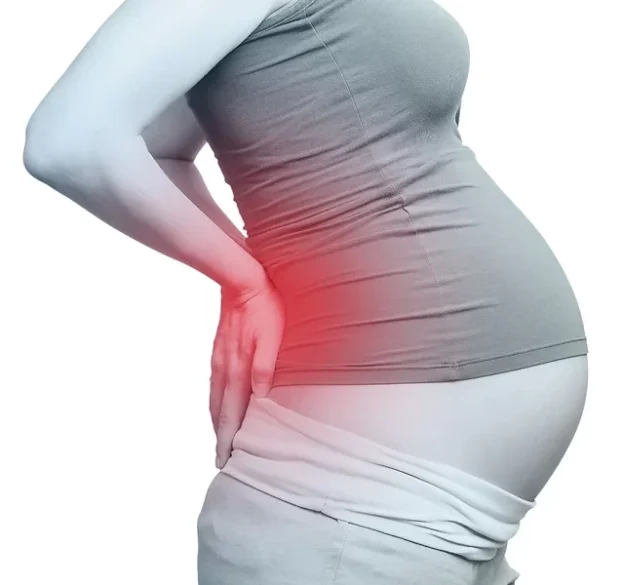
Back pain is a common complaint during pregnancy. In fact, it is estimated that 50-70% of pregnant women will experience some degree of back pain at some point during their pregnancy (1). The good news is that there are things you can do to help ease the discomfort and prevent further pain. The causes of back pain during pregnancy are often related to the physical changes that occur in your body as it prepares for childbirth. Looking for the best treatment for back pain in pregnancy look no further than Dr. Raos hospital in Guntur; Dr. Rao is the best neurosurgeon for the surgery.

These changes can put extra strain on your back and cause pain. Some other common causes of back pain during pregnancy include:

• Weight gain: As your baby grows, your body will gain weight. This extra weight can put strain on your back and cause pain.

• Posture: As your belly grows, your posture will change. This can cause strain on your back and lead to pain.

• Hormones: The hormones released during pregnancy can loosen the joints in your pelvis and back, which can lead to pain.

causes

There are many different causes of back pain during pregnancy. Some women experience it because of the extra weight they are carrying, while others may have back pain due to changes in their posture or hormones. Additionally, some pregnant women may have underlying health conditions that can contribute to back pain. Some of the most common causes of back pain during pregnancy include:

• Carrying extra weight: As your baby grows, you will gain weight. This extra weight can put strain on your back and cause pain.

• Changes in posture: As your belly grows, your posture will change. This can cause strain on your back and lead to pain.

• Hormonal changes: During pregnancy, your body produces a hormone called relaxin. This hormone relaxes the ligaments in your pelvis, which can lead to instability and pain in the lower back.

• Underlying health conditions: If you have a history of back pain or other health conditions such as arthritis, you may be more likely to experience back pain during pregnancy.

risk factors

There are several risk factors that can contribute to back pain during pregnancy. These include:

• Weight gain – as your baby and your body grow, the extra weight can put strain on your back and cause pain.

• Poor posture – as your belly grows, it can pull your spine out of alignment and lead to pain.

• Inactivity – not getting enough exercise can make your muscles weak and increase your risk of pain.

• An existing back condition – if you have a history of back pain or other problems, you may be more likely to experience pain during pregnancy.

diagnosis

The diagnosis of back pain during pregnancy is based on the symptoms and medical history of the woman. Physical examination can help to rule out other causes of back pain, such as a herniated disc or spinal stenosis. Imaging tests, such as X-rays, CT scans, or MRIs, are not usually needed to diagnose back pain during pregnancy.

treatment

There are many ways to treat back pain during pregnancy. Some women find relief with over-the-counter (OTC) medications, such as acetaminophen (Tylenol) or ibuprofen (Advil, Motrin). Others find relief with home remedies, such as heat or ice packs, massage, and stretching. If OTC medications don’t relieve your pain, your doctor may prescribe stronger medication. In some cases, epidural steroid injections or nerve blocks may be necessary. If you have severe back pain, your doctor may recommend surgery. Most women find that their back pain improves significantly after they give birth. However, some women continue to have back pain after delivery. If your back pain does not improve after delivery or gets worse, be sure to talk to your doctor about other treatment options.

prevention and exercises

There are a few things you can do to help prevent back pain during pregnancy. First, avoid high-heeled shoes and wear comfortable, supportive shoes. Second, when sitting, use a chair that supports your back and avoid sitting for long periods of time. Third, when lifting, bend at your knees and not at your waist. Finally, exercise regularly to maintain good muscle tone and flexibility in your back and abdominal muscles. There are also specific exercises you can do to help prevent or relieve back pain during pregnancy. First, start by doing pelvic tilts. To do this, stand with your feet hip-width apart and place your hands on your hips. As you exhale, tilt your pelvis forward and tuck in your buttocks. As you inhale, return to the starting position. Second, do hamstring stretches by lying on your back with a pillow under your knees. Bend one knee and bring it toward your chest while keeping the other leg straight. Hold for 30 seconds and then switch legs. Third, do modified planks by lying on your forearms and knees with your feet hip-width apart. Slowly lift up your hips so that your body forms a straight line from shoulders to knees. Hold for 30 seconds and then lower down. Repeat 3 times. These exercises can help prevent or relieve back pain during pregnancy. However, if you experience severe back pain, please consult with your doctor or healthcare provider.

Conclusion

In conclusion, pregnancy and back pain can be a difficult experience for many women. However, by understanding the causes and risk factors, as well as the available treatments and preventative measures, it is possible to manage the condition and improve quality of life. With the proper care, pregnant women can enjoy a healthy pregnancy and delivery. Looking for the best treatment for back pain in pregnancy look no further than Dr. Raos hospital in Guntur; Dr. Rao is the best neurosurgeon for the surgery.

acute-low-back-pain-the-best-treatment-is-at-dr-raos-guntur

Acute Low back pain – the best treatment is at Dr Raos, Guntur

Acute Low back pain – the best treatment is at Dr Raos, Guntur

Introduction

Acute low back pain is a common condition that affects millions of people each year. The vast majority of cases will resolve on their own with self-care and home treatment, but some may require medical intervention. This article will provide an overview of the anatomy and physiology of the lower back, as well as common causes and treatments for acute low back pain.

Muscles of lower back

There are several muscles in the lower back that can contribute to pain and dysfunction. The erector spinae is a large muscle group that extends along the length of the spine. This muscle is responsible for maintaining upright posture and can become tight and painful with prolonged sitting or standing. The quadratus lumborum is a large muscle that runs from the pelvis to the ribs and helps to stabilize the spine. This muscle can also become tight and painful with prolonged sitting or standing. The gluteus medius and minimus are muscles in the buttocks that help to stabilize the hip and pelvis. These muscles can become weak and painful with overuse.

Vertebrae and discs of lower back

The vertebrae are the bones that make up the spine and protect the spinal cord. The discs are the cushions between the vertebrae. They help to absorb shock and keep the spine flexible. There are five vertebrae in the lower back: • L1–L5

The discs between these vertebrae are: • L4/5 • L5/S1

The L4/5 disc is located between the L4 and L5 vertebrae.

The L5/S1 disc is located between the L5 and S1 vertebrae.

diagnosis

There are a few different ways to diagnose acute low back pain. The first is through a physical examination. Your doctor will likely ask you to describe your pain, how long you’ve been experiencing it, and what activities make it worse or better. They will also ask about your medical history and whether you’ve had any previous injuries to your back. Your doctor will then do a physical examination of your back. They may check your range of motion, reflexes, and muscle strength. They may also order imaging tests, such as an X-ray, MRI, or CT scan, to further assess the cause of your pain. Once your doctor has made a diagnosis, they can develop a treatment plan to help relieve your pain.

Acute management

Acute management of low back pain generally focuses on the short-term relief of symptoms. In most cases, this will involve a combination of medication and physical therapy. Medication can help to reduce inflammation and pain, while physical therapy can help to stretch and strengthen the muscles in the back. In some cases, surgery may be necessary to correct any underlying problems.

Exercises for acute back pain

There are a few key exercises that can help alleviate acute low back pain. First, start by lying on your back with both knees bent and your feet flat on the ground. Place a small, rolled up towel under your lower back for added support. Then, slowly raise your right leg up into the air, keeping your knee bent. Hold this position for a few seconds, then lower your leg back down to the starting position. Repeat this exercise 10 times on each side. Next, still lying on your back with both knees bent and feet flat on the ground, place your hands behind your head. Slowly lift your shoulders off the ground, contracting your abdominal muscles as you do so. Hold this position for a few seconds before slowly lowering yourself back down to the starting position. Repeat this exercise 10-15 times. Finally, sit on the ground with your legs straight out in front of you and your feet together. Reach forward with both arms, keeping your back straight, and try to touch your toes. Hold this stretch for 30 seconds before releasing and repeating 2-3 times. These exercises are just a few of the many that can help to relieve acute low back pain. Be sure to speak with your doctor or physical therapist before beginning any new exercise routine to ensure that it is safe for you to do so.

Conclusion

In conclusion, acute low back pain is a common condition that can be managed effectively with a combination of self-care, medication, and physical therapy. With proper treatment, most people with acute low back pain will recover fully and be able to return to their normal activities. Looking for the best neurosurgery or back surgery or spine surgery look no further than Dr Raos hospital, Guntur. Dr Rao is the best spine surgeon in India.

First biplane cathlab in Andhra Pradesh and Telangana diagnostic-tests-in-neurosurgery-the-best-at-dr-raos-guntur

Diagnostic tests in Neurosurgery – the best at Dr Raos, Guntur

Diagnostic tests in Neurosurgery – the best at Dr Raos, Guntur

Introduction

Neurosurgery is a branch of medicine that deals with the diagnosis and treatment of disorders of the nervous system. The nervous system includes the brain, spinal cord, and nerves. Neurosurgeons are medical doctors who have completed training in neurosurgery. A variety of diagnostic tests are used in neurosurgery to help identify problems with the nervous system. Blood tests, cerebrospinal fluid (CSF) analysis, imaging, and special tests may be used. Prevention of complications is also important in neurosurgery. The various diagnostic tests used in neurosurgery will be discussed in this article. Looking for the best neuro treatment in Neurology, neurosurgery or spine surgery, look no further than Dr Raos hospital, Dr Rao the best neurosurgeon in India.

Blood tests

Blood tests are an important part of the diagnostic process for neurosurgery. They can help to rule out other causes of symptoms, and can provide information about the level of inflammation present. There are a number of different blood tests that can be used in neurosurgery. The most common are the white blood cell count (WBC) and the erythrocyte sedimentation rate (ESR). The WBC is a measure of the level of inflammation present, and the ESR is a measure of the rate at which red blood cells settle in a tube of blood. Other blood tests that may be used include the C-reactive protein (CRP) test, which measures the level of CRP in the blood. CRP is a protein that is produced by the liver in response to inflammation. The CRP test can be used to monitor the level of inflammation present, and can also be used to monitor the response to treatment. The blood tests that are used in neurosurgery will vary depending on the individual case. However, they all play an important role in helping to diagnose and treat conditions affecting the nervous system.

CSF analysis

A lumbar puncture, also called a spinal tap, is a diagnostic procedure used to collect cerebrospinal fluid (CSF) for analysis. CSF is the clear fluid that surrounds and protects the brain and spinal cord. A lumbar puncture is performed by inserting a needle into the lower back to collect a small amount of CSF. CSF analysis can help diagnose various conditions, such as infections, inflammation, tumors, and bleeding in or around the brain. CSF can also be used to measure the pressure inside the skull. A lumbar puncture is generally safe and complications are rare.

Imaging

Imaging is critical in the evaluation of patients with suspected neurosurgical disorders. A variety of imaging modalities are available, each with its own advantages and disadvantages.

CT is the imaging modality of choice for many neurosurgical disorders, as it provides excellent anatomical detail.

MRI is often used for disorders that require more detailed anatomical information, such as tumors or vascular abnormalities.

PET and SPECT are useful for functional imaging, and can be used to evaluate cerebral metabolism or blood flow.

Angiography is occasionally used to evaluate vascular abnormalities.

Myelography is used to evaluate disorders of the spinal cord, and can be performed with CT or MRI.

Special tests

There are a number of special tests that may be used to diagnose neurological conditions. These include:

-Electroencephalography (EEG): This test measures electrical activity in the brain and can be used to diagnose conditions such as epilepsy.

-Evoked potentials: These tests measure the brain’s response to stimuli and can be used to diagnose conditions such as multiple sclerosis.

-Magnetic resonance imaging (MRI): This test uses magnetic fields and radio waves to create images of the brain and can be used to diagnose conditions such as brain tumors.

-Positron emission tomography (PET): This test uses radioactive tracers to create images of the brain and can be used to diagnose conditions such as Alzheimer’s disease.

prevention of complications

The best way to prevent complications is to have a thorough understanding of the risks involved with the procedure. There are many potential risks associated with any surgery, but some are more common than others. It is important to discuss all of the possible complications with your surgeon prior to having the procedure. Additionally, it is important to follow all of the post-operative instructions given to you by your surgeon in order to minimize the risk of complications.

Conclusion

Neurosurgery is a branch of medicine that deals with the diagnosis and treatment of disorders of the nervous system. The nervous system includes the brain, spinal cord, and peripheral nerves. Neurosurgery is a very delicate and complex field of medicine. There are many different diagnostic tests that are used in neurosurgery in order to make an accurate diagnosis and to determine the best course of treatment. The various diagnostic tests that are used in neurosurgery include blood tests, CSF analysis, imaging, and special tests. Each of these tests has its own advantages and disadvantages. Blood tests can be used to detect infections or inflammation. CSF analysis can be used to detect abnormalities in the brain or spinal cord. Imaging can be used to detect tumors or other abnormalities. Special tests can be used to detect problems with the blood vessels or nerves. The decision on which diagnostic test to use depends on the individual patient’s symptoms and medical history. The goal of all of these tests is to make an accurate diagnosis so that the best possible treatment can be provided. Looking for the best neuro treatment in Neurology, neurosurgery or spine surgery, look no further than Dr Raos hospital, Dr Rao the best neurosurgeon in India. Deccanherald say about us.