Category Archives: Spine Surgery Treatment

best spine surgeon in Hyderabad

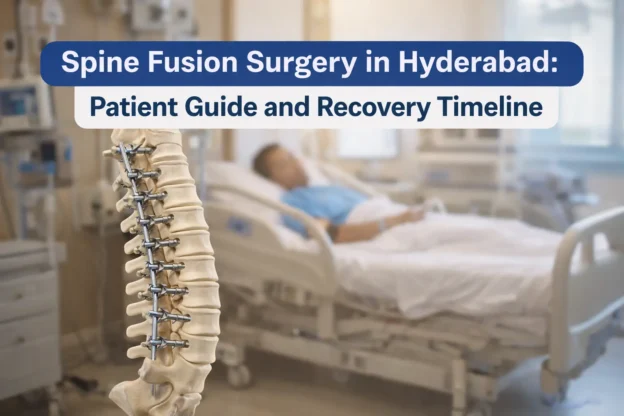
Spine Fusion Surgery in Hyderabad: Patient Guide and Recovery Timeline

Spine Fusion Surgery in Hyderabad: Patient Guide and Recovery Timeline

Spine fusion surgery is often recommended by a spine surgeon in Hyderabad when chronic back or neck pain begins to interfere with everyday life by a . If simple treatments like medication, physiotherapy, or lifestyle changes no longer work, spine fusion surgery may offer lasting relief. For many patients, understanding the procedure and recovery process helps reduce fear and builds confidence before treatment.

At Dr. Rao’s Hospital, patients receive expert guidance, advanced surgical care, and compassionate support throughout their spine treatment journey. This patient-friendly guide explains the procedure, recovery timeline, and what to expect from start to finish.

Understanding Spine Fusion Surgery in Hyderabad

A spine surgeon in Hyderabad performs spine fusion surgery to permanently join two or more vertebrae. This stops painful movement, stabilizes the spine, and helps reduce nerve irritation. The surgery is commonly advised for conditions like spinal instability, degenerative disc disease, fractures, or severe deformities.

At Dr. Rao’s Hospital, spine fusion procedures are planned carefully, keeping patient comfort, safety, and long-term mobility in mind.

When Is Spine Fusion Surgery Recommended?

A best spine surgeon in Hyderabad may recommend spine fusion surgery when long-standing back or neck pain continues for several months despite medication, physiotherapy, or lifestyle changes. This type of pain often limits daily activities and affects sleep and work performance.

Spine fusion surgery is also advised when nerve compression causes weakness, numbness, or tingling in the arms or legs, indicating pressure on spinal nerves. In cases where spinal instability impacts posture or movement, fusion helps restore balance and prevent further damage.

Additionally, disc degeneration, fractures, or spinal conditions that worsen over time may require surgical stabilization to protect nerve function and improve quality of life.

At Dr. Rao’s Hospital, specialists always explore non-surgical treatments first. Spine fusion surgery is recommended only when it offers the safest and most effective path to long-term pain relief and spinal stability.

Spine Fusion Surgery Procedure Explained

Pre-Surgery Evaluation

Before spinal fusion surgery Hyderabad, patients undergo detailed imaging tests like X-rays, MRI, or CT scans. These help the spine surgeon in Hyderabad identify the exact problem area.

At Dr. Rao’s Hospital, patients also receive clear explanations, allowing them to feel informed and prepared.

During the Surgery

The spine fusion surgery procedure Hyderabad involves removing damaged disc material and placing bone grafts, rods, or screws to fuse the vertebrae together. Over time, the bones heal into a single solid structure.

Modern techniques used at Dr. Rao’s Hospital often reduce tissue damage and improve surgical precision.

Post-Surgery Monitoring

After surgery, patients are closely monitored for pain control, mobility, and healing. The care team ensures comfort and early movement where appropriate and it also helps to reduce spine fusion surgery recovery time Hyderabad.

Patient Guide for Spine Fusion Surgery Hyderabad

Preparing for Surgery

A complete patient guide for spine fusion surgery Hyderabad includes physical preparation and mental readiness. Patients are advised to:

  • Stop smoking for better healing
  • Maintain a healthy diet
  • Follow medication instructions
  • Arrange post-surgery support at home

At Dr. Rao’s Hospital, personalized pre-surgery counseling helps patients feel confident and stress-free.

Hospital Stay and Early Recovery

Most patients stays in the hospital for a few days after surgery. During this time, pain is managed, and gentle movement begins under supervision. A spine surgeon in Hyderabad ensures that recovery starts safely and gradually.

Spine Fusion Surgery Recovery Time Hyderabad

First Few Weeks

The spine fusion surgery recovery time Hyderabad usually begins with rest and limited movement. Patients may need braces or supports depending on the surgery type. At Dr. Rao’s Hospital, physiotherapists guide patients through gentle exercises to restore strength and flexibility.

1 to 3 Months Post-Surgery

During this phase, mobility improves steadily. Pain reduces, and patients gradually resume daily activities. Heavy lifting and bending are still restricted. The best spine surgeon in Hyderabad monitors healing progress closely to avoid complications.

Long-Term Recovery

Complete fusion can take several months. With proper care, many patients experience significant pain relief and improved quality of life. At Dr. Rao’s Hospital, long-term follow-ups ensure lasting results and spine stability.

Benefits of Spine Fusion Surgery

Spine fusion surgery in Hyderabad offers several benefits, including:

  • Reduced chronic pain: By eliminating painful movement between damaged vertebrae, spine fusion surgery significantly reduces ongoing back or neck pain that interferes with daily life.
  • Improved spinal stability: Fusion strengthens weak or unstable segments of the spine, helping prevent further degeneration, deformity, or injury over time.
  • Better posture and movement: Stabilizing the spine improves alignment, allowing patients to stand, sit, and move more comfortably with improved balance and confidence.
  • Relief from nerve compression: By relieving pressure on compressed nerves, spine fusion surgery helps reduce symptoms like numbness, tingling, and muscle weakness in the arms or legs.

When performed by an experienced spine surgeon in Hyderabad, outcomes are often highly successful.

Why Choose Dr. Rao’s Hospital for Spine Fusion Surgery?

Selecting the best spine surgeon in Hyderabad is crucial for successful results. Dr. Rao’s Hospital stands out due to:

  • Advanced surgical technology
  • Experienced spine specialists
  • Personalized treatment plans
  • Strong focus on patient recovery

Patients trust Dr. Rao’s Hospital for its commitment to safety, transparency, and long-term spine health.

Life After Spine Fusion Surgery

Although spinal flexibility may reduce slightly, most patients enjoy a pain-free, active lifestyle after recovery. Following medical advice, maintaining proper posture, and staying active play key roles in long-term success. At Dr. Rao’s Hospital, patients receive guidance on lifestyle changes that protect spine health well beyond surgery.

Advanced Spine Surgery Care Across Multiple Locations

While spine fusion surgery in Hyderabad remains a key focus, Dr. Rao’s Hospital extends expert spine care across multiple cities, allowing patients to access specialized treatment closer to home while maintaining consistent medical standards.

Patients seeking Spine Surgery in guntur can consult experienced spine specialists for accurate diagnosis and personalized treatment plans. Similarly, those looking for advanced care through Spine Surgery in hyderabad benefit from modern surgical techniques and comprehensive post-operative support.

Dr. Rao’s Hospital also offers trusted services for Spine Surgery in narasaraopet, Spine Surgery in nellore, and Spine Surgery in ongole, ensuring patients in nearby regions receive high-quality spine care without unnecessary travel.

Additionally, patients from surrounding districts can access expert treatment for Spine Surgery in rajahmundry and Spine Surgery in vijayawada. Coastal Andhra patients can also benefit from specialized care through Spine Surgery in Visakhapatnam.

Through this connected network, Dr. Rao’s Hospital ensures seamless consultation, treatment, and follow-up care, supporting patients at every stage of their spine health journey.

Frequently Asked Questions

1. What is the cost of spine surgery in Hyderabad?

The cost of spine surgery in Hyderabad varies based on condition severity, hospital facilities, and surgeon expertise. Consulting a best spine surgeon in Hyderabad ensures accurate cost estimates and appropriate treatment planning.

2. Which doctor is best for spine?

The best spine surgeon in Hyderabad is one with extensive experience in spine disorders, advanced surgical skills, and strong patient outcomes, such as specialists at Dr. Rao’s Hospital.

3. How much does a spine fusion surgery cost?

The spinal fusion surgery Hyderabad cost depends on the surgical technique, number of vertebrae involved, and hospital stay. A spine surgeon in Hyderabad provides personalized cost guidance after evaluation.

4. How risky is spinal fusion surgery?

Spinal fusion surgery is generally safe when performed by an experienced spine surgeon in Hyderabad. Modern techniques and proper post-operative care significantly reduce risks and complications.

5. What is the best age for spinal fusion?

There is no fixed age. Spine fusion surgery in Hyderabad is recommended based on spine condition, pain severity, and overall health rather than age alone.

6. How long does it take to fully recover from spinal fusion surgery?

The spine fusion surgery recovery time Hyderabad usually spans several months. Most patients resume normal activities gradually with physiotherapy and follow-ups from the best spine surgeon in Hyderabad.

7. How many hours does spinal fusion surgery take?

The spine fusion surgery procedure Hyderabad typically takes 2 to 4 hours, depending on the complexity of the spine condition and number of spinal levels involved.

8. What are the permanent restrictions after spinal fusion?

After spinal fusion surgery Hyderabad, patients may need to avoid heavy lifting, extreme bending, or high-impact activities to protect spinal stability long term.

9. How to care for someone after spinal fusion surgery?

Post-surgery care includes medication support, physiotherapy, mobility assistance, and follow-up visits with a spine surgeon in Hyderabad to ensure safe recovery.

10. How soon can I walk after spinal fusion surgery?

Most patients can walk within 24–48 hours after spine fusion surgery in Hyderabad, under medical supervision, promoting circulation and faster healing.

Dr. Mohana Rao Patibandla, Top Neurosurgeon in India 2024, featured on The Enterprise World magazine cover for leadership in minimally invasive neurosurgery at Dr. Rao’s Hospital, Guntur.

Can Spinal Stenosis Be Treated Without Major Surgery?

Can Spinal Stenosis Be Treated Without Major Surgery?

Many patients diagnosed with spinal stenosis immediately worry that they will need a major spine surgery. A very common question asked in clinics is: “Can spinal stenosis be treated without major surgery?”

The reassuring answer is: yes, many cases of spinal stenosis can be managed without major open surgery, especially in the early and moderate stages. With advances in non-surgical care and minimally invasive spine techniques, treatment today is far more patient-friendly than it was in the past.

This detailed guide explains non-surgical treatment options for spinal stenosis, when surgery becomes necessary, and how modern minimally invasive approaches bridge the gap between conservative care and major surgery.

What Is Spinal Stenosis?

Spinal stenosis refers to narrowing of the spinal canal, which puts pressure on the spinal cord or nerves. It most commonly affects the lumbar spine (lower back) and the cervical spine (neck).

Common causes include age-related degeneration, disc bulges, ligament thickening, arthritis, and sometimes congenital narrowing.

According to information summarized by the Mayo Clinic, many patients experience symptoms gradually, allowing time for conservative and minimally invasive treatments.

Symptoms of Spinal Stenosis

  • Lower back or neck pain
  • Leg pain or arm pain
  • Numbness or tingling in limbs
  • Walking difficulty or claudication
  • Weakness in arms or legs

The severity of symptoms often determines whether spinal stenosis can be treated without surgery.

Can Spinal Stenosis Be Treated Without Major Surgery?

Yes. Mild to moderate spinal stenosis can often be treated without major surgery. The goal of non-surgical treatment is to:

  • Reduce pain and inflammation
  • Improve mobility and walking capacity
  • Prevent progression of nerve damage

However, treatment must be individualized. Not every patient responds the same way, and careful evaluation is essential.

Non-Surgical Treatment Options for Spinal Stenosis

1. Medications for Spinal Stenosis

Medications are often the first line of treatment. They may include:

  • Pain relievers and anti-inflammatory drugs
  • Medications for nerve pain
  • Muscle relaxants (short-term)

These help control symptoms but do not correct the narrowing itself.

2. Physiotherapy and Exercise Programs

Physiotherapy plays a major role in spinal stenosis treatment without surgery.

  • Strengthening core and back muscles
  • Improving posture and flexibility
  • Walking tolerance training

Regular, guided exercises often improve daily function and delay the need for surgery.

3. Lifestyle Modifications

  • Weight management
  • Activity modification
  • Ergonomic changes at work and home

Small changes can significantly reduce symptom flare-ups.

Injection Therapy for Spinal Stenosis

Epidural Steroid Injections

Epidural steroid injections reduce inflammation around compressed nerves. They can provide temporary to medium-term pain relief.

Nerve Blocks and Selective Root Blocks

These injections help both in pain relief and in identifying the exact source of symptoms.

Radiofrequency Ablation

In selected cases, radiofrequency ablation can reduce chronic pain by interrupting pain signals.

Evidence summarized in PubMed shows injection therapies can be effective for symptom control in properly selected patients.

Minimally Invasive Treatments for Spinal Stenosis

When conservative treatment is insufficient but major surgery is not ideal, minimally invasive spine procedures offer an excellent middle path.

Endoscopic Decompression for Spinal Stenosis

Endoscopic decompression uses small incisions and specialized cameras to relieve pressure on nerves with minimal tissue damage.

Keyhole Spine Surgery

Keyhole techniques remove only the structures causing compression, preserving spinal stability.

Laser-Assisted Spine Procedures

In select cases, laser techniques may be used as part of a minimally invasive approach.

These techniques result in:

  • Less pain
  • Shorter hospital stay
  • Faster recovery

When Is Surgery Necessary for Spinal Stenosis?

Major surgery may be necessary if:

  • Severe or progressive weakness develops
  • Walking becomes extremely limited
  • Bowel or bladder symptoms appear
  • Conservative and minimally invasive treatments fail

The decision for surgery is based on symptoms, imaging, and response to treatment—not just MRI findings.

Spinal Stenosis Treatment Decision Guide

Severity Recommended Approach
Mild Physiotherapy, medications, lifestyle changes
Moderate Injections, rehabilitation, minimally invasive options
Severe Minimally invasive or surgical decompression

Spinal Stenosis Treatment in India and Guntur

In India, especially in cities like Guntur, patients have access to advanced spine care at affordable costs.

At Dr. Rao’s Hospital; spinal stenosis treatment focuses on:

  • Avoiding major surgery whenever possible
  • Using minimally invasive and endoscopic techniques
  • Individualized treatment planning

Under the leadership of Dr. Mohana Rao Patibandlapatients receive evidence-based spine care with an emphasis on preserving mobility and quality of life.

Expert Spine Care at Dr. Rao’s Hospital

Frequently Asked Questions

Can spinal stenosis be cured without surgery?

While spinal stenosis cannot always be cured, many patients experience significant symptom relief with non-surgical and minimally invasive treatments.


Is walking good for spinal stenosis?

Yes. Controlled walking and physiotherapy exercises often improve symptoms and overall spinal health.


Why choose Dr. Rao’s Hospital for spinal stenosis treatment?

At Dr. Rao’s Hospital, led by Dr. Mohana Rao Patibandla, patients receive advanced, compassionate spine care using minimally invasive techniques.


Looking for Non-Surgical or Minimally Invasive Treatment for Spinal Stenosis?

If you are experiencing back or neck pain, walking difficulty, or symptoms of spinal stenosis, expert evaluation is essential.

Visit Dr. Rao’s Hospital or contact us at 📞 090100 56444 |📧 info@drraoshospitals.com

Success Rates of Non-Surgical and Minimally Invasive Treatment

One of the most important concerns patients have is whether treatment without major surgery actually works. The answer depends on correct patient selection, severity of stenosis, and adherence to treatment protocols.

  • Mild spinal stenosis: 60–80% symptom control with conservative care
  • Moderate stenosis: 50–70% improvement with injections + rehabilitation
  • Targeted minimally invasive decompression: high functional success with faster recovery

Studies referenced in PubMed show that many patients avoid major surgery for years when treatment is started early and tailored properly.

Treating Walking Difficulty in Spinal Stenosis Without Major Surgery

Neurogenic claudication—leg pain or heaviness while walking—is a hallmark symptom of lumbar spinal stenosis.

Non-surgical strategies focus on:

  • Flexion-based physiotherapy programs
  • Posture correction during walking
  • Targeted epidural or nerve root injections
  • Gradual walking endurance training

Many patients notice improved walking distance and reduced leg pain
within weeks when these strategies are combined.

Is Non-Surgical Treatment Different for Cervical and Lumbar Stenosis?

Cervical Spinal Stenosis

Non-surgical treatment is suitable only when symptoms are mild and stable. Close monitoring is essential because cervical stenosis can affect the spinal cord.

Lumbar Spinal Stenosis

Lumbar stenosis responds better to conservative and minimally invasive care, especially when walking difficulty is the main complaint.

Treatment decisions are always based on symptoms—not MRI findings alone.

Why Regular Follow-Up Is Critical

Even when spinal stenosis is treated without major surgery, regular follow-up is essential to ensure safety and sustained improvement.

  • Periodic neurological examination
  • Monitoring walking distance and daily activity
  • Repeat imaging only when clinically indicated

Early detection of progression allows timely intervention before permanent nerve damage occurs.

Common Myths About Spinal Stenosis Treatment

  • Myth: Everyone with spinal stenosis needs surgeryFact: Many patients improve without major surgery


  • Myth: Painkillers are the only non-surgical optionFact: Physiotherapy, injections, and minimally invasive procedures play major roles


  • Myth: MRI severity always matches symptomsFact: Clinical symptoms matter more than scan findings

Quality of Life After Non-Surgical Treatment

With proper treatment, many patients return to:

  • Independent walking
  • Daily household activities
  • Office or light physical work
  • Active social life

Avoiding major surgery when safely possible often means less downtime, fewer risks, and better overall well-being.

Why Expert Spine Evaluation Matters

Choosing the right treatment for spinal stenosis is not about avoiding surgery at all costs—it is about choosing the right treatment at the right time.

At Dr. Rao’s Hospital, led by Dr. Mohana Rao Patibandla, every patient undergoes a structured evaluation that includes:

  • Detailed symptom analysis
  • Correlation of MRI findings with clinical signs
  • Step-wise treatment planning
  • Clear explanation of all available options

This approach ensures that major surgery is recommended only when truly necessary.

Spinal Stenosis Treatment: A Simple Decision Summary

  • If pain is mild and stable → conservative care
  • If walking is limited but strength is preserved → injections or minimally invasive options
  • If weakness or bladder symptoms appear → surgical evaluation

Early consultation often makes the biggest difference.

Do You Have Spinal Stenosis and Want to Avoid Major Surgery?

If you are experiencing back or neck pain, leg pain while walking, or symptoms of spinal canal narrowing, expert evaluation can help determine whether non-surgical or minimally invasive treatment is right for you.

At Dr. Rao’s Hospital, Guntur,
advanced spine care focuses on preserving function, relieving pain, and avoiding major surgery whenever possible.

People Also Ask: Spinal Stenosis Treatment Without Major Surgery

Can spinal stenosis really be treated without major surgery? 

Yes. Many cases of mild to moderate spinal stenosis can be managed without major surgery
using medications, physiotherapy, injections, and minimally invasive spine procedures. Surgery is usually reserved for severe or progressive cases.


What are the best non-surgical treatments for spinal stenosis?


Common non-surgical treatments include physiotherapy, posture correction, pain-relief and nerve medications, epidural steroid injections, nerve blocks, and lifestyle modifications to reduce symptom flare-ups.


Is walking good or bad for spinal stenosis?


Walking is generally beneficial for spinal stenosis when done in a controlled manner. Structured walking programs and physiotherapy can improve walking distance and reduce leg pain in many patients.


How long can spinal stenosis be managed without surgery? 

Many patients manage spinal stenosis without major surgery for years, especially when treatment starts early and symptoms remain stable. Regular follow-up is important to monitor progression.


Are injections effective for spinal stenosis?


Epidural steroid injections and selective nerve root blocks can reduce pain and inflammation, providing temporary to medium-term relief. They are often combined with physiotherapy for better outcomes.


What is the difference between non-surgical and minimally invasive treatment?


Non-surgical treatment focuses on medications, physiotherapy, and injections. Minimally invasive treatment involves small-incision procedures that directly relieve nerve compression without major open surgery.


When does spinal stenosis definitely require surgery?


Surgery is considered when there is progressive weakness, severe walking limitation,
bowel or bladder symptoms, or when non-surgical and minimally invasive treatments
fail to control symptoms.


Can spinal stenosis get worse if surgery is avoided?


In some patients, spinal stenosis remains stable for long periods. In others, symptoms may gradually worsen. This is why expert evaluation and regular monitoring are essential.


Is non-surgical treatment safe for elderly patients with spinal stenosis?


Yes. Non-surgical and minimally invasive treatments are often preferred in elderly patients
as they avoid the risks of major surgery while improving pain and mobility.


Why choose Dr. Rao’s Hospital for spinal stenosis treatment?

At Dr. Rao’s Hospital, led by Dr. Mohana Rao Patibandla, patients receive step-wise, evidence-based care focused on avoiding major surgery whenever safely possible, using advanced minimally invasive spine techniques.

YouTube

Facebook

Instagram

Google Business Page

LinkedIn

X / Twitter


Dr. Rao’s Hospital, Guntur

Dr. Mohana Rao Patibandla

About Dr. Rao’s Hospital

Advanced Neurosurgery in Guntur

Comprehensive Neurology Care in Guntur

Advanced Spine Surgery in Guntur

Minimally Invasive Brain and Spine Surgery

Pediatric Neurosurgery in Guntur

Advanced Epilepsy Surgery in Guntur

International Patients – Neurosurgery in India

Book an Appointment at Dr. Rao’s Hospital


పెద్ద శస్త్రచికిత్స లేకుండా స్పైనల్ స్టెనోసిస్‌కు చికిత్స చేయవచ్చా?

స్పైనల్ స్టెనోసిస్ (Spinal Stenosis) అని నిర్ధారణ అయిన వెంటనే చాలా మంది రోగుల మనసులో
ఒకే ప్రశ్న వస్తుంది — “ఇది తప్పనిసరిగా పెద్ద శస్త్రచికిత్సతోనే నయం చేయాలా?”

సంతోషకరమైన విషయం ఏమిటంటే —
స్పైనల్ స్టెనోసిస్ ఉన్న ప్రతి రోగికి పెద్ద ఆపరేషన్ అవసరం ఉండదు.
ప్రత్యేకంగా తేలికపాటి (Mild) మరియు మధ్యస్థ (Moderate) స్థాయిలో ఉన్నవారికి శస్త్రచికిత్స లేకుండానే లేదా మినిమల్లి ఇన్వేసివ్ పద్ధతులతో లక్షణాలను సమర్థవంతంగా నియంత్రించవచ్చు.

ఈ బ్లాగ్‌లో మీరు తెలుసుకోబోయేది:

  • స్పైనల్ స్టెనోసిస్ అంటే ఏమిటి?
  • శస్త్రచికిత్స లేకుండా చేసే చికిత్సలు ఏమిటి?
  • ఎప్పుడు శస్త్రచికిత్స అవసరం అవుతుంది?
  • మినిమల్లి ఇన్వేసివ్ చికిత్సల పాత్ర ఏమిటి?

స్పైనల్ స్టెనోసిస్ అంటే ఏమిటి?

స్పైనల్ స్టెనోసిస్ అనేది వెన్నెముక లోపల ఉన్న నరాల మార్గం (Spinal Canal) ఇరుకుగా మారడం వల్ల ఏర్పడే సమస్య. ఈ ఇరుకుదనం కారణంగా నరాలపై ఒత్తిడి పడుతుంది.

ఇది ఎక్కువగా:

  • కిందివెన్ను (Lumbar Spine)
  • మెడ భాగం (Cervical Spine)

లో కనిపిస్తుంది.

సాధారణ కారణాలు:

  • వయస్సుతో వచ్చే డిజెనరేషన్
  • డిస్క్ బల్జ్
  • లిగమెంట్ మందం పెరగడం
  • ఆర్థరైటిస్
  • కొంతమందిలో పుట్టుకతోనే ఉండే వెన్ను ఇరుకుదనం

స్పైనల్ స్టెనోసిస్ లక్షణాలు

  • నడుము లేదా మెడ నొప్పి
  • కాళ్లు లేదా చేతుల్లో నొప్పి
  • నిస్సత్తువ, చిమ్ముడు భావం
  • నడవడంలో ఇబ్బంది
  • కాళ్లలో బలహీనత

లక్షణాల తీవ్రతే చికిత్స విధానాన్ని నిర్ణయిస్తుంది — MRI రిపోర్ట్ మాత్రమే కాదు.

పెద్ద శస్త్రచికిత్స లేకుండా స్పైనల్ స్టెనోసిస్‌కు చికిత్స సాధ్యమా?

అవును.
చాలా సందర్భాలలో స్పైనల్ స్టెనోసిస్‌ను పెద్ద శస్త్రచికిత్స లేకుండానే నియంత్రించవచ్చు.

ఈ చికిత్సల లక్ష్యాలు:

  • నొప్పి తగ్గించడం
  • నడవడాన్ని మెరుగుపరచడం
  • నరాల నష్టం పెరగకుండా నివారించడం

అయితే ప్రతి రోగికి ఒకే విధానం సరిపోదు. వ్యక్తిగతంగా పరిశీలించి చికిత్స నిర్ణయించాలి.

శస్త్రచికిత్స లేకుండా చేసే చికిత్సలు

1. మందుల ద్వారా చికిత్స

మొదటి దశలో సాధారణంగా:

  • నొప్పి తగ్గించే మందులు
  • నరాల నొప్పికి ప్రత్యేక మందులు
  • వాపు తగ్గించే మందులు

ఇవి లక్షణాలను నియంత్రిస్తాయి కానీ వెన్నెముక ఇరుకుదనాన్ని తొలగించవు.

2. ఫిజియోథెరపీ & వ్యాయామాలు

స్పైనల్ స్టెనోసిస్‌లో ఫిజియోథెరపీ కీలక పాత్ర పోషిస్తుంది.

  • కోర్ మసిల్స్ బలపరిచే వ్యాయామాలు
  • పోష్చర్ సరిచేయడం
  • నడక సామర్థ్యాన్ని పెంచే శిక్షణ

సరిగ్గా చేసిన ఫిజియోథెరపీ వల్ల చాలా మంది రోగులు సాధారణ జీవితం కొనసాగించగలుగుతారు.

3. జీవనశైలి మార్పులు

  • బరువు నియంత్రణ
  • అవసరం లేని భారమైన పనులు తగ్గించడం
  • రోజువారీ అలవాట్లలో మార్పులు

ఇంజెక్షన్ల ద్వారా చికిత్స

ఎపిడ్యూరల్ స్టెరాయిడ్ ఇంజెక్షన్లు

నరాల చుట్టూ వాపును తగ్గించి నొప్పిని తగ్గిస్తాయి.
కొంతకాలం వరకు ఉపశమనాన్ని ఇస్తాయి.

నర్వ్ బ్లాక్ ఇంజెక్షన్లు

నొప్పి మూలాన్ని గుర్తించడానికి మరియు తగ్గించడానికి ఉపయోగపడతాయి.

రేడియోఫ్రీక్వెన్సీ అబ్లేషన్

కొన్ని ప్రత్యేక సందర్భాలలో దీర్ఘకాలిక నొప్పి తగ్గించడానికి ఉపయోగపడుతుంది.

మినిమల్లి ఇన్వేసివ్ చికిత్సలు

మందులు మరియు ఇంజెక్షన్లు సరిపోని సందర్భాలలో, కానీ పెద్ద శస్త్రచికిత్స అవసరం లేని పరిస్థితుల్లో మినిమల్లి ఇన్వేసివ్ స్పైన్ చికిత్సలు ఉత్తమ మార్గం.

  • ఎండోస్కోపిక్ డీకంప్రెషన్
  • కీహోల్ స్పైన్ సర్జరీ
  • చిన్న చీరలతో నరాలపై ఒత్తిడి తొలగించడం

దీని లాభాలు:

  • నొప్పి తక్కువ
  • ఆసుపత్రి లో ఉండే రోజులు తక్కువ
  • త్వరగా కోలుకోవడం

ఎప్పుడు శస్త్రచికిత్స అవసరం అవుతుంది?

క్రింది పరిస్థితుల్లో శస్త్రచికిత్స అవసరం కావచ్చు:

  • క్రమంగా బలహీనత పెరగడం
  • నడవడం చాలా కష్టంగా మారడం
  • మూత్రం లేదా మలం నియంత్రణ సమస్యలు
  • మిగతా చికిత్సలకు స్పందన లేకపోవడం

శస్త్రచికిత్స నిర్ణయం ఎప్పుడూ రోగి లక్షణాల ఆధారంగానే ఉంటుంది — MRI రిపోర్ట్ ఒక్కటే కాదు.

శస్త్రచికిత్స లేకుండా చికిత్స తర్వాత జీవన నాణ్యత

సరైన చికిత్సతో చాలా మంది రోగులు:

  • స్వతంత్రంగా నడవగలుగుతారు
  • రోజువారీ పనులు చేసుకోగలుగుతారు
  • ఆఫీస్ పనులకు తిరిగి వెళ్ళగలుగుతారు

అవసరం లేనప్పుడు పెద్ద శస్త్రచికిత్సను తప్పించడం రోగి జీవన నాణ్యతను మెరుగుపరుస్తుంది.

గుంటూరులో స్పైనల్ స్టెనోసిస్ చికిత్స

గుంటూరులో ఉన్న డా. రావు హాస్పిటల్ లో స్పైనల్ స్టెనోసిస్ చికిత్సను దశల వారీగా నిర్వహిస్తారు.

డా. మోహన రావు పాటిబండ్ల గారి నేతృత్వంలో:

  • ముందుగా శస్త్రచికిత్స లేకుండా ప్రయత్నిస్తారు
  • అవసరమైతే మినిమల్లి ఇన్వేసివ్ పద్ధతులు
  • చివరి దశలో మాత్రమే పెద్ద సర్జరీ

మీకు స్పైనల్ స్టెనోసిస్ ఉందా? పెద్ద శస్త్రచికిత్స తప్పించుకోవాలనుకుంటున్నారా?

మీకు నడుము నొప్పి, కాళ్ల నొప్పి లేదా నడవడంలో ఇబ్బంది ఉంటే సరైన సమయంలో నిపుణుడిని సంప్రదించడం చాలా ముఖ్యం.

డా. రావు హాస్పిటల్, గుంటూరు ను సంప్రదించండి:

📞 090100 56444
🌐 https://drraoshospitals.com

రోగులు తరచుగా అడిగే ప్రశ్నలు (Spinal Stenosis)

స్పైనల్ స్టెనోసిస్ పూర్తిగా నయం అవుతుందా?

స్పైనల్ స్టెనోసిస్ ఒక డిజెనరేటివ్ సమస్య కావడం వల్ల ప్రతి సందర్భంలో పూర్తిగా నయం కావడం సాధ్యం కాకపోవచ్చు. కానీ సరైన చికిత్సతో లక్షణాలను చాలా వరకు నియంత్రించి, సాధారణ జీవితం కొనసాగించవచ్చు.

శస్త్రచికిత్స లేకుండా ఎంతకాలం స్పైనల్ స్టెనోసిస్‌ను నియంత్రించవచ్చు?

చాలా మంది రోగులు సంవత్సరాల పాటు మందులు, ఫిజియోథెరపీ, ఇంజెక్షన్లు మరియు మినిమల్లి ఇన్వేసివ్ చికిత్సలతో శస్త్రచికిత్స అవసరం లేకుండా జీవించగలుగుతారు.

వయస్సు ఎక్కువైతే శస్త్రచికిత్స తప్పనిసరా?

కాదు. వయస్సు మాత్రమే శస్త్రచికిత్సకు కారణం కాదు. లక్షణాల తీవ్రత, నరాల బలహీనత,
నడవడంలో ఇబ్బంది వంటి అంశాలే చికిత్సను నిర్ణయిస్తాయి.

స్పైనల్ స్టెనోసిస్ ఉన్నవారు వ్యాయామం చేయవచ్చా?

అవును. కానీ డాక్టర్ లేదా ఫిజియోథెరపిస్ట్ సూచించిన వ్యాయామాలనే చేయాలి. తప్పు వ్యాయామాలు నొప్పిని పెంచవచ్చు.

నొప్పి తగ్గితే చికిత్స ఆపవచ్చా?

నొప్పి తగ్గినప్పటికీ ఫాలో-అప్ చాలా ముఖ్యం. లక్షణాలు తగ్గినప్పుడే చికిత్స ఆపేయడం భవిష్యత్తులో సమస్యలు పెరగడానికి కారణమవచ్చు.

వృద్ధులలో స్పైనల్ స్టెనోసిస్ చికిత్స

వృద్ధులలో స్పైనల్ స్టెనోసిస్ సాధారణంగా కనిపిస్తుంది. ఈ వయసులో పెద్ద శస్త్రచికిత్స అవసరం లేకుండా చికిత్స చేయడం చాలా ముఖ్యమైన అంశం.

అందుకే వృద్ధులలో సాధారణంగా:

  • మందులు
  • తేలికపాటి ఫిజియోథెరపీ
  • ఇంజెక్షన్ థెరపీ
  • అవసరమైతే మినిమల్లి ఇన్వేసివ్ పద్ధతులు

ఎక్కువగా ప్రాధాన్యత ఇస్తారు.

శస్త్రచికిత్స లేకుండా చికిత్స విజయశాతం

సరైన రోగి ఎంపిక జరిగితే శస్త్రచికిత్స లేకుండా చేసిన చికిత్సల ఫలితాలు చాలా మంచిగా ఉంటాయి.

  • తేలికపాటి స్టెనోసిస్ – 70–80% వరకు ఉపశమనం
  • మధ్యస్థ స్టెనోసిస్ – 50–70% వరకు నడక మెరుగుదల
  • మినిమల్లి ఇన్వేసివ్ చికిత్సలు – వేగవంతమైన కోలుకోవడం

అయితే ప్రతి రోగి స్పందన భిన్నంగా ఉండవచ్చు.

స్పైనల్ స్టెనోసిస్ గురించి సాధారణ అపోహలు

  • అపోహ: MRI రిపోర్ట్ బాగోలేకపోతే శస్త్రచికిత్స తప్పనిసరి

    నిజం: లక్షణాలే ముఖ్యమైనవి


  • అపోహ: నొప్పి మాత్రలే శస్త్రచికిత్సకు ప్రత్యామ్నాయం

    నిజం: ఫిజియోథెరపీ & మినిమల్లి ఇన్వేసివ్ చికిత్సలు చాలా కీలకం


  • అపోహ: నడక పూర్తిగా ఆపాలి

    నిజం: నియంత్రిత నడక ప్రయోజనకరం

ఎందుకు నిపుణుడి సలహా తప్పనిసరి?

స్పైనల్ స్టెనోసిస్ చికిత్సలో “శస్త్రచికిత్స చేయాలా లేదా?” అనే నిర్ణయం అత్యంత జాగ్రత్తగా తీసుకోవాలి.

సరైన సమయంలో నిపుణుడిని సంప్రదిస్తే:

  • అవసరం లేని శస్త్రచికిత్స తప్పించుకోవచ్చు
  • నరాల నష్టం నివారించవచ్చు
  • జీవన నాణ్యత మెరుగుపడుతుంది

సారాంశం

స్పైనల్ స్టెనోసిస్ ఉన్న ప్రతి రోగికి పెద్ద శస్త్రచికిత్స అవసరం ఉండదు.

తేలికపాటి నుండి మధ్యస్థ స్థాయిలో ఉన్నవారికి శస్త్రచికిత్స లేకుండా లేదా మినిమల్లి ఇన్వేసివ్ పద్ధతులతో సమర్థవంతమైన చికిత్స సాధ్యమే.

ముఖ్యమైనది —
సరైన సమయంలో సరైన నిపుణుడిని సంప్రదించడం.

YouTube

Facebook

Instagram

Google Business Page

LinkedIn

X / Twitter


Dr. Rao’s Hospital, Guntur

Dr. Mohana Rao Patibandla

About Dr. Rao’s Hospital

Advanced Neurosurgery in Guntur

Comprehensive Neurology Care in Guntur

Advanced Spine Surgery in Guntur

Minimally Invasive Brain and Spine Surgery

Pediatric Neurosurgery in Guntur

Advanced Epilepsy Surgery in Guntur

International Patients – Neurosurgery in India

Book an Appointment at Dr. Rao’s Hospital

spine surgeon in Hyderabad

Spine Surgeon in Hyderabad: Common Symptoms You Should Not Ignore

Spine Surgeon in Hyderabad: Common Symptoms You Should Not Ignore

If you’ve been experiencing persistent back pain or discomfort, it might be time to consult a spine surgeon in Hyderabad. Many people delay seeking medical help, thinking pain will resolve on its own. However, ignoring warning signs can worsen spinal problems and reduce your quality of life.

At Dr. Rao’s Hospital, patients often share how timely consultation and advanced treatment helped them regain mobility and live pain-free. Whether it’s chronic back pain or sudden nerve issues, a spine specialist Hyderabad can diagnose and treat conditions effectively.

Why Seeing a Spine Surgeon Matters

Your spine supports your entire body, and issues can affect daily activities, posture, and overall health. A spine surgeon in Hyderabad specializes in diagnosing spine conditions, offering treatments ranging from physiotherapy to surgical interventions.

Choosing the best spine surgeon in Hyderabad ensures expert care, accurate diagnosis, and personalized treatment plans, improving recovery and long-term spine health.

Common Spine Symptoms You Should Not Ignore

Many people experience mild back discomfort at some point, but certain spine problems symptoms Hyderabad should never be ignored. 

Key Symptoms to Watch For:

  • Persistent or worsening back pain
  • Numbness or tingling in limbs
  • Weakness in legs or difficulty walking
  • Loss of bladder or bowel control
  • Severe pain after an accident or fall

If you notice any of these, it’s time to seek advice from a spine surgeon in Hyderabad. Early intervention often leads to better outcomes.

When to See a Spine Surgeon in Hyderabad

Knowing when to see a spine surgeon in Hyderabad can save you from unnecessary suffering. Many patients delay consultation due to busy schedules or underestimating symptoms.

Situations Requiring Immediate Attention:

  • Pain that interferes with daily life
  • Radiating leg pain or sciatica
  • Difficulty standing or walking
  • Chronic back stiffness or mobility loss

At Dr. Rao’s Hospital, the medical team emphasizes prompt evaluation, ensuring patients receive the right care at the right time.

Choosing the Best Spine Surgeon in Hyderabad

Finding the best spine surgeon in Hyderabad for back pain is more than credentials. Consider the surgeon’s experience, hospital facilities, patient reviews, and treatment approach.

Dr. Rao’s Hospital is widely recognized for combining skilled surgeons with modern technology, personalized care, and a multidisciplinary approach for spine disorders.

Spine Specialist Hyderabad: Treatment Options

A spine specialist Hyderabad provides comprehensive care for back and spine issues, from non-surgical treatments to advanced surgical interventions.

Non-Surgical Care

  • Physiotherapy and exercise programs
  • Pain management through medication or injections
  • Lifestyle and ergonomic guidance

Surgical Care

  • Minimally invasive spine surgery
  • Spinal fusion and decompression
  • Treatment for herniated discs and spinal injuries

Patients at Dr. Rao’s Hospital benefit from tailored treatment plans based on the severity and type of spine problem.

Advanced Spine Care Across Cities

If you are looking for expert spine care outside Hyderabad, trusted options are available in other cities:

These links make it easier for patients to access consistent spine care across multiple locations.

Tips for Maintaining Spine Health

Preventing spine problems is as important as treatment. Simple habits can reduce pain and improve long-term spine health:

  • Maintain proper posture while sitting and standing
  • Exercise regularly to strengthen back muscles
  • Avoid heavy lifting without proper technique
  • Take breaks from prolonged sitting
  • Consult a back pain doctor Hyderabad if pain persists

Dr. Rao’s Hospital educates patients on spine-friendly habits, combining prevention with advanced treatment options.

Why Patients Trust Dr. Rao’s Hospital

Dr. Rao’s Hospital is renowned for providing compassionate, comprehensive care for spine conditions. From diagnosis to recovery, the hospital ensures patients receive personalized attention and advanced medical solutions.

With skilled spine surgeons in Hyderabad, modern equipment, and a supportive care team, the hospital is a reliable destination for individuals seeking expert spine care.

Frequently Asked Questions

1. When should I see a spine surgeon in Hyderabad?

See a spine surgeon if you experience persistent back pain, numbness, weakness, or mobility issues that affect daily life.

2. What are common spine problems symptoms in Hyderabad residents?

Common symptoms include chronic back pain, leg pain or sciatica, stiffness, tingling in limbs, and difficulty walking or maintaining posture.

3. Can back pain be treated without surgery?

Yes, many cases are treated with physiotherapy, pain management, lifestyle changes, and non-invasive interventions guided by a spine specialist.

4. How do I choose the best spine surgeon in Hyderabad?

Look for experience, patient reviews, hospital facilities, and a doctor who explains treatment options and recovery plans clearly.

5. What conditions require spine surgery?

Surgery is often needed for herniated discs, spinal stenosis, severe scoliosis, trauma-related injuries, and nerve compression causing weakness or numbness.

6. How long does recovery take after spine surgery?

Recovery varies depending on the procedure, but most patients see improvement in a few weeks to months, with physiotherapy aiding faster healing.

7. Can lifestyle changes prevent spine problems?

Yes, maintaining proper posture, exercising, avoiding heavy lifting, and taking breaks from sitting help prevent spine issues and reduce pain.

8. Are spine problems common in young adults?

Yes, due to poor posture, prolonged sitting, or sports injuries. Early intervention by a spine specialist can prevent chronic conditions.

9. How often should I consult a spine specialist?

For chronic or recurring issues, regular follow-ups are recommended. Otherwise, consult when pain persists or symptoms worsen.

10. Why choose Dr. Rao’s Hospital for spine care?

Dr. Rao’s Hospital offers experienced spine surgeons, advanced surgical and non-surgical treatments, personalized care, and a multidisciplinary approach for faster recovery.


Contact Details

Dr. Mohana Rao Patibandla, M. Ch (NIMS), FESBSS (KIMS), FAANS (USA), FMINS (OSU, USA), FEVNS (UVA, USA), FPNS (UCD, USA), FNOSRS (UVA, USA).

Dr. Rao’s Hospital / Patibandla Narayana Swamy Neurosciences LLP

12-19-67, Old Bank Road, Kothapet, Besides AK Khan Biryani point, Guntur, Andhra Pradesh, India 522001

Phone: +91 9010056444

Email: info@drraoshospitals.comdrpatibandla@gmail.com; Website: https://drraoshospitals.com

YouTube

Facebook

Instagram

Google Business Page

LinkedIn

X / Twitter


Dr. Rao’s Hospital, Guntur

Dr. Mohana Rao Patibandla

About Dr. Rao’s Hospital

Advanced Neurosurgery in Guntur

Comprehensive Neurology Care in Guntur

Advanced Spine Surgery in Guntur

Minimally Invasive Brain and Spine Surgery

Pediatric Neurosurgery in Guntur

Advanced Epilepsy Surgery in Guntur

International Patients – Neurosurgery in India

Book an Appointment at Dr. Rao’s Hospital

best spine surgeon in Mumbai

How to Choose the Right Spine Surgeon in Mumbai – Expert Checklist

How to Choose the Right Spine Surgeon in Mumbai – Expert Checklist

Choosing the right spine surgeon in Mumbai can feel overwhelming. Back or neck pain can affect every aspect of life, and the thought of surgery can be stressful. Selecting the right specialist is essential to ensure effective treatment, smooth recovery, and long-term spine health. This guide provides an expert checklist to help you make an informed decision.

Why Choosing the Right Spine Surgeon in Mumbai Matters

An experienced spine surgeon Mumbai brings expertise in treating complex conditions such as herniated discs, spinal stenosis, scoliosis, degenerative disorders, and traumatic injuries. A skilled surgeon not only performs procedures safely but also provides personalized guidance throughout the treatment journey.

At Dr. Rao’s Hospital, patients often emphasize the importance of clear communication and compassionate care. Understanding the procedure, risks, and recovery plan can significantly reduce anxiety and improve confidence before surgery.

Step 1: Check Experience and Credentials

When searching for the best surgeon, consider their experience and qualifications. An experienced spine surgeon Mumbai with a proven track record of handling complex cases is more likely to deliver successful outcomes.

Look for certifications, specialized training in spine surgery, and years of practice. Hospitals like Dr. Rao’s Hospital often combine the surgeon’s expertise with advanced surgical facilities for comprehensive spine care.

Step 2: Assess Hospital Infrastructure

A hospital’s infrastructure plays a crucial role in treatment success. Modern imaging equipment, well-equipped operation theaters, and post-operative rehabilitation services enhance the safety and effectiveness of procedures.

Leading centers offering spine surgery in Mumbai prioritize patient safety with cutting-edge technology. Dr. Rao’s Hospital is known for combining experienced surgeons with state-of-the-art facilities.

Step 3: Evaluate the Consultation

A Mumbai spine surgeon consultation is an opportunity to discuss your symptoms, review imaging results, and understand treatment options. The right surgeon patiently explains the procedures, risks, and recovery plan in simple language.

Ask about previous outcomes, success rates, and rehabilitation protocols. Personalized attention during consultation ensures you feel informed and confident about your decisions.

Step 4: Research Patient Reviews and Recommendations

Online reviews, testimonials, and word-of-mouth referrals can provide valuable insights. Positive feedback often reflects both the surgeon’s skill and the quality of care at the hospital.

Many patients also compare specialists in other cities, like best spine surgeon in Bangalore, best spine surgeon in Chennai, best spine surgeon in Delhi, best spine surgeon in Kolkata, Spine Surgery in Nagpur, and best spine surgeon in Tenali. However, Mumbai spine surgeon consultation remains a preferred destination due to its expertise, technology, and comprehensive care.

Step 5: Understand Treatment Options

A good surgeon offers multiple approaches tailored to your condition, age, and lifestyle. Non-surgical treatments such as physiotherapy, medications, and lifestyle modifications may help, while advanced surgical options are considered if necessary.

Spine treatment in Mumbai is most effective when personalized. Individualized plans improve recovery, reduce complications, and support long-term spine health.

Step 6: Check Surgical Expertise

If surgery is required, ensure the your spine surgeon in Mumbai specializes in advanced techniques like minimally invasive or robotic-assisted procedures. These approaches reduce tissue damage, shorten hospital stays, and enable faster recovery.

Dr. Rao’s Hospital combines advanced surgical methods with compassionate care, ensuring patients feel supported throughout their journey for spine treatment in Mumbai.

Step 7: Evaluate Post-Surgery Care

Post-operative care is crucial for optimal recovery. Ask about follow-ups, rehabilitation programs, and lifestyle recommendations. Hospitals that emphasize structured post-surgery support help patients recover faster and reduce the risk of complications.

Dr. Rao’s Hospital provides ongoing guidance, physiotherapy, and monitoring to ensure safe recovery and long-term spine health.

Frequently Asked Questions

1. How do I find the best spine surgeon in Mumbai?
Check experience, qualifications, hospital facilities, and patient feedback.

2. What conditions can a spine surgeon treat?
They treat herniated discs, spinal stenosis, scoliosis, degenerative disorders, trauma, and nerve compression.

3. Is spine surgery in Mumbai safe?
Yes, with advanced technology and experienced surgeons, spine surgery is safe and effective.

4. How long does recovery take after spine surgery?
Recovery varies by procedure, age, and health. Rehabilitation and physiotherapy are key.

5. Can non-surgical treatments help spine problems?
Yes, physiotherapy, medications, and lifestyle changes can alleviate pain in many cases.

6. Why is hospital infrastructure important?
Modern imaging, operation theaters, and rehabilitation facilities ensure precise treatment and faster recovery.

7. What should I bring to a Mumbai spine surgeon consultation?
Bring medical history, imaging reports, list of medications, and questions about treatment options.

8. What makes a surgeon the best in Mumbai?
Experience, advanced training, personalized care, communication, and access to modern surgical techniques.

9. Does Dr. Rao’s Hospital provide complete spine care?
Yes, from consultation to surgery, rehabilitation, and follow-up, care is comprehensive.

10. Can patients from other cities travel to Mumbai for treatment?
Yes, Mumbai is well-connected, and hospitals assist with travel, accommodation, and support.


Contact Details

Dr. Mohana Rao Patibandla, M. Ch (NIMS), FESBSS (KIMS), FAANS (USA), FMINS (OSU, USA), FEVNS (UVA, USA), FPNS (UCD, USA), FNOSRS (UVA, USA).

Dr. Rao’s Hospital / Patibandla Narayana Swamy Neurosciences LLP

12-19-67, Old Bank Road, Kothapet, Besides AK Khan Biryani point, Guntur, Andhra Pradesh, India 522001

Phone: +91 9010056444

Email: info@drraoshospitals.comdrpatibandla@gmail.com; Website: https://drraoshospitals.com

YouTube

Facebook

Instagram

Google Business Page

LinkedIn

X / Twitter


Dr. Rao’s Hospital, Guntur

Dr. Mohana Rao Patibandla

About Dr. Rao’s Hospital

Advanced Neurosurgery in Guntur

Comprehensive Neurology Care in Guntur

Advanced Spine Surgery in Guntur

Minimally Invasive Brain and Spine Surgery

Pediatric Neurosurgery in Guntur

Advanced Epilepsy Surgery in Guntur

International Patients – Neurosurgery in India

Book an Appointment at Dr. Rao’s Hospital

Dr Mohana Rao Patibandla featured on The Enterprise World magazine cover as the best neurosurgeon to watch in India 2025

Spine Surgeon in Bangalore: Patient Guide from Diagnosis to Recovery

Spine Surgeon in Bangalore: Patient Guide from Diagnosis to Recovery

Finding the right spine surgeon in Bangalore can feel overwhelming, especially if you are dealing with persistent back or neck pain. Choosing the right expert can make all the difference in recovery, pain relief, and quality of life. This guide will take you through the journey from your first consultation to full recovery, helping you understand what to expect at every stage.

Why Choosing a Spine Surgeon Matters

A spine surgeon in Bangalore is trained to treat complex spine conditions, such as herniated discs, spinal stenosis, scoliosis, trauma, and degenerative disorders. The expertise and experience of your surgeon can directly influence the success of your treatment and long-term outcomes.

At Dr. Rao’s Hospital, patients often mention how the personalized attention and clear communication from doctors helped them feel reassured. The medical team ensures you understand every step of the process, making even the most serious spine conditions feel manageable.

Step 1: Consultation with a Spine Surgeon

Your journey begins with a spine surgeon Bangalore consultation. During this appointment, the surgeon reviews your medical history, symptoms, and imaging reports. You can ask questions about potential treatments, expected results, and any risks involved.

Personalized consultations at Dr. Rao’s Hospital help patients feel involved in decision-making and reduce anxiety about the upcoming procedures.

Step 2: Diagnosis and Planning Spine Treatment

After the initial consultation, the surgeon may recommend diagnostic tests such as X-rays, MRI, or CT scans. These provide a clear picture of your spine condition. Based on the results, a tailored treatment plan is prepared.

Whether it is non-surgical management or a surgical procedure, spine treatment in Bangalore emphasizes precision, safety, and a focus on overall quality of life. The goal is not just treating the spine, but restoring mobility and reducing pain.

Step 3: Advanced Spine Surgery

If surgery is needed, advanced spine surgery Bangalore techniques can include minimally invasive procedures, robotic-assisted surgery, and high-precision tools. These modern approaches help reduce tissue damage, shorten hospital stays, and improve recovery times.

A spine surgeon in Bangalore ensures every surgery is customized to the patient’s health, condition, and lifestyle. At Dr. Rao’s Hospital, advanced technologies are combined with compassionate care to make recovery as smooth as possible.

Step 4: Recovery and Rehabilitation

Recovery is a crucial part of the spine treatment journey. After surgery, patients follow a structured rehabilitation plan that may include physiotherapy, exercises, and lifestyle adjustments to maintain spinal health.

Dr. Rao’s Hospital provides regular follow-ups to monitor progress and adjust treatment plans. Continuous guidance ensures faster recovery and reduces the risk of complications.

Choosing the Best Spine Surgeon

Selecting the best spine surgeon in Bangalore depends on experience, hospital reputation, advanced technology, and patient feedback. Effective communication and a personalized approach are just as important as surgical expertise.

Patients often compare options like a spine surgeon in Chennai, spine surgeon in Delhi, spine surgeon in Kolkata, spine surgeon in Mumbai, Spine Surgery in Nagpur, and spine surgeon in Tenali, but many still prefer Bangalore for its combination of advanced care and patient-focused attention.

Why Bangalore is a Top Choice

Bangalore has emerged as a leading destination for spine care due to its modern hospitals, experienced surgeons, and access to advanced technology. Patients traveling from other states find spine treatment in Bangalore highly reliable, effective, and personalized.

With comprehensive care, skilled surgeons, and well-structured rehabilitation programs, Bangalore provides a complete and supportive spine treatment experience.

Frequently Asked Questions

1. What spine conditions can a surgeon in Bangalore treat?
They treat herniated discs, spinal stenosis, scoliosis, trauma, degenerative disorders, and nerve compression.

2. How do I schedule a spine surgeon Bangalore consultation?
Appointments can be booked online or via phone. The consultation includes evaluation, medical history review, and imaging assessment.

3. Is advanced spine surgery Bangalore safe?
Yes, minimally invasive and robotic-assisted surgeries reduce risks, shorten hospital stays, and promote faster recovery.

4. How long does recovery take after spine surgery?
Recovery depends on surgery type, age, and health. Rehabilitation and physiotherapy are essential for optimal results.

5. What makes a surgeon the best spine surgeon in Bangalore?
Experience, advanced training, personalized care, clear communication, and modern technology access are key factors.

6. Can non-surgical treatments help with spine problems?
Yes, physiotherapy, medication, and lifestyle adjustments can relieve pain for many patients.

7. How much does spine treatment in Bangalore cost?
Costs vary based on procedure and hospital, but most top centers provide clear and transparent pricing.

8. Does Dr. Rao’s Hospital provide complete spine care?
Yes, from consultation and surgery to rehabilitation and follow-up, care is comprehensive and patient-focused.

9. Can patients from other states travel for treatment in Bangalore?
Yes, Bangalore is well-connected, and hospitals assist with accommodation and travel arrangements.

10. What should I expect during a spine surgeon Bangalore consultation?
Expect a detailed discussion of symptoms, medical history, imaging review, and a personalized treatment plan.

Contact Details

Dr. Mohana Rao Patibandla, M. Ch (NIMS), FESBSS (KIMS), FAANS (USA), FMINS (OSU, USA), FEVNS (UVA, USA), FPNS (UCD, USA), FNOSRS (UVA, USA).

Dr. Rao’s Hospital / Patibandla Narayana Swamy Neurosciences LLP

12-19-67, Old Bank Road, Kothapet, Besides AK Khan Biryani point, Guntur, Andhra Pradesh, India 522001

Phone: +91 9010056444

Email: info@drraoshospitals.comdrpatibandla@gmail.com; Website: https://drraoshospitals.com

YouTube

Facebook

Instagram

Google Business Page

LinkedIn

X / Twitter


Dr. Rao’s Hospital, Guntur

Dr. Mohana Rao Patibandla

About Dr. Rao’s Hospital

Advanced Neurosurgery in Guntur

Comprehensive Neurology Care in Guntur

Advanced Spine Surgery in Guntur

Minimally Invasive Brain and Spine Surgery

Pediatric Neurosurgery in Guntur

Advanced Epilepsy Surgery in Guntur

International Patients – Neurosurgery in India

Book an Appointment at Dr. Rao’s Hospital

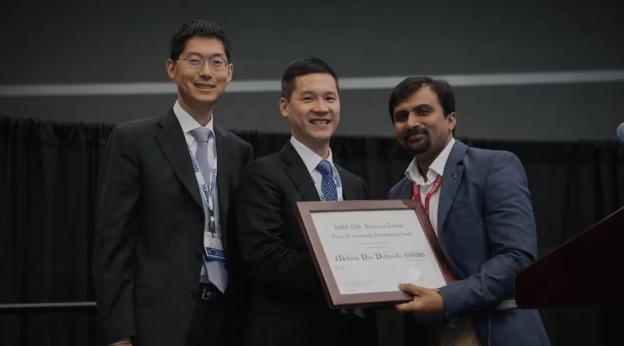
Dr. Mohana Rao Patibandla (right) accepting the BrainLab Neurosurgery Award at the CNS 2018 meeting in Houston

How Diabetes Affects Your Spine & Nerves | Dr Rao’s Guntur

How Diabetes Affects Your Spine and Nerves: Understanding Neuropathy & Prevention

Most people think of diabetes as a condition that affects blood sugar, eyes, or kidneys—but few realize how profoundly it can impact the spine and nervous system. High blood sugar levels over time can damage nerves and blood vessels that nourish the spinal cord, leading to back pain, numbness, tingling, or even weakness. This condition, known as diabetic neuropathy, can significantly affect mobility and quality of life if not detected early.

At Dr. Rao’s Hospital in Guntur, one of the best neurology and spine hospitals in Andhra Pradesh, Dr. Mohana Rao Patibandla—a leading neurosurgeon and neurologist—specializes in diagnosing and treating diabetic neuropathy and diabetic spine complications with a combination of advanced neuroimaging, minimally invasive techniques, and personalized care.


🧠 Understanding the Connection Between Diabetes and the Spine

Diabetes affects the body’s ability to regulate blood sugar, leading to nerve damage (neuropathy) and reduced blood flow to critical organs—including the spine and brain. Over time, this can weaken the small blood vessels (vasa nervorum) that supply oxygen and nutrients to spinal nerves, leading to:

  • Chronic back pain or neck stiffness
  • Nerve compression due to weakened discs and joints
  • Loss of balance or coordination
  • Numbness and tingling in the legs (neuropathy symptoms)

According to the World Health Organization (WHO), nearly 50% of people with diabetes experience some form of peripheral neuropathy during their lifetime.


⚠️ How Diabetes Affects the Nerves and Spine

1. Peripheral Neuropathy

This is the most common form of diabetic nerve damage. It affects the sensory nerves in your legs, feet, and hands—causing burning, tingling, and pain. Over time, it can spread upward to affect the spine and lower limbs, reducing reflexes and increasing the risk of falls.

2. Diabetic Radiculopathy (Nerve Root Involvement)

Diabetes can inflame or irritate the nerve roots that branch from the spinal cord, especially in the lumbar and thoracic regions. This leads to shooting pain, weakness, or numbness radiating to the hips, thighs, or legs—similar to sciatica.

3. Diabetic Myelopathy

In severe or uncontrolled diabetes, spinal cord tissue itself may be affected (known as diabetic myelopathy). This can cause progressive weakness, gait disturbance, and difficulty walking.

4. Diabetic Autonomic Neuropathy

This form affects involuntary functions—such as bladder control, heart rate, and blood pressure—sometimes complicating spine surgeries or recovery due to reduced body regulation.

5. Spine Degeneration and Disc Problems

Chronic hyperglycemia accelerates degenerative disc disease, leading to cervical spondylosis and lumbar disc herniation. Studies suggest that high glucose weakens collagen, increasing disc wear and tear. (Source: PubMed – Diabetes and Spine Degeneration)


🩺 Common Symptoms of Diabetic Neuropathy and Spine Problems

Recognizing early symptoms of diabetic neuropathy is key to preventing long-term nerve and spine damage. Early detection allows timely treatment and lifestyle modification.

  • Burning or tingling sensation in hands or feet
  • Numbness or loss of sensation (especially in feet)
  • Sharp pain radiating to legs (diabetic radiculopathy)
  • Unexplained back pain due to diabetes
  • Weakness in limbs or loss of balance
  • Muscle cramps, fatigue, or stiffness in the spine
  • Frequent falls or difficulty walking

If you notice these symptoms, visit the Neurology Department at Dr. Rao’s Hospital for a detailed evaluation by the best neurologist for diabetic neuropathy in Guntur.


💉 Diagnosis: How Dr. Rao’s Hospital Evaluates Diabetic Nerve & Spine Issues

Diagnosis involves a comprehensive evaluation to identify the extent and cause of nerve damage:

  • Electromyography (EMG) & Nerve Conduction Studies (NCS) – Assess electrical activity and nerve function.
  • MRI or CT scans – Detect disc degeneration, compression, or myelopathy.
  • HbA1c blood tests – Measure long-term blood sugar control and its link to nerve health.
  • Neurological examination – Evaluate reflexes, strength, and coordination.

💊 Treatment Options for Diabetic Neuropathy & Spine Problems

1. Blood Sugar Control

Maintaining an HbA1c below 7% can prevent or slow down neuropathy progression. Good glycemic control reduces inflammation and improves blood flow to the nerves and spine.

2. Medications for Nerve Pain

  • Gabapentin or pregabalin for nerve pain relief
  • Duloxetine or amitriptyline for chronic pain management
  • Alpha-lipoic acid and B-complex vitamins for nerve repair support

3. Physiotherapy and Rehabilitation

At Dr. Rao’s Hospital Spine Department, personalized rehabilitation programs improve mobility, balance, and posture. Physiotherapy is key to managing stiffness and strengthening weak spinal muscles.

4. Advanced Neurosurgical Interventions

For severe nerve compression or diabetic spinal stenosis, minimally invasive spine surgery or endoscopic decompression may be required. These procedures relieve pressure on nerves with smaller incisions and faster recovery.

5. Lifestyle & Preventive Care

  • Quit smoking and limit alcohol
  • Exercise regularly to improve circulation
  • Maintain healthy body weight
  • Wear diabetic-friendly footwear to prevent injuries
  • Regularly monitor blood sugar and blood pressure

🧩 Prevention of Diabetic Neuropathy and Spine Complications

Preventing neuropathy begins with early diabetes control and proactive spinal care. Here are key steps:

  • Monitor your HbA1c levels every 3–6 months.
  • Do diabetes neuropathy exercises like light walking, yoga, or swimming.
  • Keep your posture upright while sitting or using digital devices.
  • Get yearly nerve conduction tests if you’ve had diabetes for over 5 years.
  • Visit a diabetic neuropathy specialist in Guntur for early intervention.

As Dr. Rao advises, “Prevention starts with awareness. Controlling blood sugar early protects not just your heart or kidneys—but your spine and nerves, too.”


🏥 Why Choose Dr. Rao’s Hospital for Diabetic Neuropathy and Spine Care?

At Dr. Rao’s Hospital, we provide a multidisciplinary approach to diabetic nerve and spine care in Guntur, combining neurology, endocrinology, and physiotherapy. Led by Dr. Mohana Rao Patibandla—a U.S.-trained neurosurgeon with expertise in diabetic neuropathy and spine surgery—our team offers:

  • Accurate diagnosis using advanced neuroimaging and EMG/NCS studies
  • Tailored diabetic neuropathy treatment plans
  • Minimally invasive spine surgery for nerve compression
  • Comprehensive post-surgery rehabilitation
  • Patient-centered care with long-term monitoring

We are recognized as the best neurology hospital in Guntur for diabetes complications and have helped hundreds of patients regain mobility and quality of life.


Call to Action

If you’re experiencing numbness, burning feet, or back pain related to diabetes, visit Dr. Rao’s Hospital today. Contact us at 📞 090100 56444 or 📧 info@drraoshospitals.com to schedule an appointment with Dr. Mohana Rao Patibandla, the best neurosurgeon for diabetic neuropathy and spine issues in Guntur.


How does diabetes affect the spine and nerves?

High blood sugar damages blood vessels and nerves, leading to diabetic neuropathy, back pain, and even spinal degeneration over time.

Can diabetes cause back pain?

Yes. Diabetes can cause inflammation, disc degeneration, and nerve compression, leading to chronic back pain and diabetic radiculopathy.

Why choose Dr. Rao’s Hospital for diabetic neuropathy treatment?

At Dr. Rao’s Hospital, led by Dr. Mohana Rao Patibandla, patients receive advanced, minimally invasive care for diabetic neuropathy and spine problems with comprehensive rehabilitation support.


Follow Dr. Rao’s Hospital


A promotional image for Dr. Rao's Hospital featuring Dr. Mohana Rao Patibandla receiving the Economic Times Excellence in Neurology, Neurosurgery, and Spine Surgery Award 2025. The image includes photos of the award ceremony, a portrait of Dr. Patibandla, and details about his qualifications (MCh, FESBS, FAANS, etc.) and contact information. The hospital's locations (Guntur, Vijayawada, Bhimavaram, Rajahmundry, Kakinada, Eluru, Ongole, Nellore) and the slogan "Act Fast - Save Brain and Spine" are highlighted, along with a map and phone number.

Managing Chronic Back Pain: When Should You Consult a Neurosurgeon vs. a Physiotherapist?


Managing Chronic Back Pain: When Should You Consult a Neurosurgeon vs. a Physiotherapist?

Back pain is one of the most common reasons people visit doctors worldwide. According to the
World Health Organization (WHO), nearly 80% of adults experience back pain at least once in their lifetime.
But when conservative treatments don’t help and pain becomes persistent, many wonder —
should I consult a physiotherapist or a neurosurgeon?
At Dr. Rao’s Hospital in Guntur, we help patients understand this difference and choose the right care path.


What Causes Chronic Back Pain?

Chronic back pain is defined as pain lasting more than 12 weeks, even after initial treatment.
It can result from various causes such as:

  • Herniated or slipped disc
  • Spinal stenosis (narrowing of spinal canal)
  • Degenerative disc disease
  • Spinal deformities like scoliosis
  • Nerve compression or sciatica
  • Muscle weakness or poor posture

Back pain isn’t always structural — sometimes it’s related to muscular or lifestyle factors, which
can be managed through physiotherapy. But when neurological symptoms arise, a neurosurgeon’s evaluation becomes critical.


When Should You See a Physiotherapist?

A physiotherapist specializes in restoring movement and function when someone is affected by injury, illness, or disability.
If your back pain is due to muscle strain, bad posture, or mild spinal issues,
physiotherapy may be the first step.

Common signs that physiotherapy may help:

  • Muscle stiffness or soreness after long periods of sitting or standing
  • Localized pain without radiating numbness or weakness
  • Improved pain with exercise or stretching
  • Recurring pain from poor ergonomics or minor injuries

Physiotherapists use techniques like manual therapy, heat/cold therapy, and guided exercises
to strengthen muscles and improve posture.
These are often effective in early or mild cases of back pain.

For supportive therapy or post-surgical rehabilitation, visit our
Neurology and Rehabilitation Department at Dr. Rao’s Hospital.


When Should You Consult a Neurosurgeon?

When back pain persists despite weeks of physiotherapy or medication, or when symptoms suggest
nerve compression, it’s time to consult a neurosurgeon.
A neurosurgeon specializes in disorders affecting the brain, spine, and nerves — making them the right specialists for complex spinal problems.

Seek immediate neurosurgical advice if you experience:

  • Radiating pain into legs or arms (sciatica)
  • Numbness, tingling, or weakness in limbs
  • Loss of bladder or bowel control
  • Back pain after trauma or accident
  • Severe night pain disrupting sleep

These are potential signs of nerve compression, herniated discs, or spinal instability that
may require surgical evaluation. At
Dr. Rao’s Hospital Neurosurgery Department,
our team performs advanced diagnostics such as MRI, CT, and neurophysiological testing to pinpoint the cause.


How Do Neurosurgeons and Physiotherapists Work Together?

The best outcomes often come from a collaborative approach.
In many cases, both neurosurgeons and physiotherapists are involved in managing chronic back pain.

Condition Primary Specialist Treatment Focus
Muscle strain / Posture pain Physiotherapist Exercises, stretching, ergonomics
Disc herniation with nerve pain Neurosurgeon Spine decompression or minimally invasive surgery
After spinal surgery Physiotherapist + Neurosurgeon Rehabilitation and post-op care

At Dr. Rao’s Hospital Spine Surgery Department,
patients receive personalized care that may combine surgical and non-surgical approaches.
This integrated care model reduces recovery time and prevents recurrence.


Advanced Spine Treatment Options at Dr. Rao’s Hospital

Under the leadership of Dr. Mohana Rao Patibandla, one of the best neurosurgeons in Guntur, Dr. Rao’s Hospital offers state-of-the-art spine care using minimally invasive and image-guided technologies.

Some of the advanced procedures include:

  • Microscopic and endoscopic spine surgery
  • Minimally invasive disc decompression
  • Spinal fusion and instrumentation
  • Intraoperative Neuromonitoring (IONM) for precision
  • Neuronavigation-guided spinal procedures

These techniques ensure smaller incisions, faster recovery, and reduced postoperative pain —
restoring mobility and quality of life faster than traditional methods.


Can Chronic Back Pain Be Prevented?

While not all back pain can be avoided, maintaining a healthy lifestyle helps reduce the risk.
Here are some AEO-optimized, voice-search-friendly tips:

  • Maintain correct posture while sitting or lifting objects
  • Exercise regularly to strengthen core muscles
  • Take breaks from prolonged sitting
  • Maintain a healthy weight
  • Use ergonomic furniture at work

If you experience persistent pain despite these measures, consult
Dr. Rao’s Hospital for expert evaluation.


Conclusion

Chronic back pain isn’t something to ignore.
Start with a physiotherapist if your pain is mild or posture-related.
But if symptoms persist, radiate, or involve numbness, it’s crucial to see a neurosurgeon.
At Dr. Rao’s Hospital, we ensure accurate diagnosis and advanced treatment for all spine-related conditions.

If you’re searching for the best neurosurgeon in Guntur or expert care for spine and nerve problems, visit
Dr. Rao’s Hospital.
Contact us at 📞 090100 56444 or 📧
info@drraoshospitals.com.


What are the symptoms of chronic back pain?

Symptoms include persistent pain for over 12 weeks, stiffness, radiating leg pain, tingling, and difficulty in bending or walking.

How is chronic back pain diagnosed?

Diagnosis involves physical exams, MRI or CT scans, and neurological evaluation to detect nerve compression or spinal instability.

Why choose Dr. Rao’s Hospital for spine treatment?

At Dr. Rao’s Hospital, led by Dr. Mohana Rao Patibandla, one of the best neurosurgeons in Guntur, patients receive cutting-edge, minimally invasive spine care and expert physiotherapy support for complete recovery.


Follow Dr. Rao’s Hospital for more updates:


A promotional image for Dr. Rao's Hospital featuring Dr. Mohana Rao Patibandla receiving the Economic Times Excellence in Neurology, Neurosurgery, and Spine Surgery Award 2025. The image includes photos of the award ceremony, a portrait of Dr. Patibandla, and details about his qualifications (MCh, FESBS, FAANS, etc.) and contact information. The hospital's locations (Guntur, Vijayawada, Bhimavaram, Rajahmundry, Kakinada, Eluru, Ongole, Nellore) and the slogan "Act Fast - Save Brain and Spine" are highlighted, along with a map and phone number.

How to Choose the Right Spine Surgeon in Bangalore for Your Back Problems

How to Choose the Right Spine Surgeon in Bangalore

Experiencing persistent back pain can feel overwhelming, and finding the right and the best spine surgeon in Bangalore can make all the difference in your recovery journey. Whether it’s a herniated disc, spinal stenosis, or any chronic back issue, selecting an experienced back surgeon in Bangalore is crucial. At Dr. Rao’s Hospital, we understand the anxiety that comes with choosing a medical expert. Our goal is to guide you through the key factors to consider while ensuring the best possible care.

Understanding Your Back Problem

Before seeking a spine specialist in Bangalore, it is essential to understand the nature of your back problem. Back pain can arise from injuries, degenerative conditions, or lifestyle factors. Simple posture corrections may work for minor issues, but chronic or severe problems often require spine surgery in Bangalore.

Visiting a reliable spine care hospital in Bangalore ensures that your condition is thoroughly assessed using advanced diagnostic tools. At Dr. Rao’s Hospital, we prioritize accurate diagnosis, combining clinical expertise with state-of-the-art technology to deliver advanced spine treatment in Bangalore.

Credentials and Experience Matter

When selecting the best spine surgeon in Bangalore, credentials are a vital consideration. Look for board certification, specialized training in spinal procedures, and years of practical experience. Surgeons with extensive hands-on experience can handle complex cases, minimizing risks and improving outcomes.

At Dr. Rao’s Hospital, our spine surgeons in Bangalore have decades of combined experience, treating thousands of patients successfully. Our team regularly performs procedures ranging from minimally invasive spine surgery to complex reconstructive surgeries, ensuring top-tier care for every patient.

Evaluate Hospital Facilities

A top spine care hospital in Bangalore provides more than skilled surgeons—it offers comprehensive facilities. Advanced imaging, operation theaters with cutting-edge technology, and a multidisciplinary team are essential.

For instance, if you need spine surgery in Bangalore, having access to modern operating rooms and recovery units can significantly affect your healing process. Dr. Rao’s Hospital boasts all these facilities, ensuring a seamless treatment experience.

Moreover, if you or a loved one require specialized care in other regions, we also offer Spine Surgery in Guntur, Spine Surgery in Hyderabad, Spine Surgery in Narasaraopet, Spine Surgery in Nellore, Spine Surgery in Ongole, and Spine Surgery in Rajahmundry.

Minimally Invasive vs. Traditional Surgery

One crucial factor in choosing a back surgeon in Bangalore is understanding the surgical approach. Minimally invasive spine surgery reduces recovery time and lowers the risk of complications, making it a preferred choice for many patients.

A qualified spine specialist in Bangalore can explain whether minimally invasive techniques are suitable for your condition or if traditional surgery is necessary. At Dr. Rao’s Hospital, we tailor each procedure to the patient’s specific needs, ensuring advanced spine treatment in Bangalore that is both safe and effective.

Patient Reviews and Testimonials

Hearing from previous patients can provide valuable insights. Look for reviews highlighting the surgeon’s expertise, bedside manner, and overall treatment experience. Positive testimonials often reflect the surgeon’s ability to handle complex cases with care.

At Dr. Rao’s Hospital, our patients frequently commend the personalized attention, thorough consultations, and successful outcomes provided by our best spine surgeons in Bangalore. This feedback helps build trust and confidence as you choose the right care provider.

Personalized Consultation

A proper consultation with the best spine surgeon in Bangalore is essential. This session should include a review of your medical history, imaging results, and a discussion of potential treatment options. Surgeons who take the time to educate you about your condition and involve you in decision-making often provide better long-term results.

At Dr. Rao’s Hospital, our spine specialists in Bangalore ensure every patient receives a personalized care plan, discussing risks, benefits, and expected recovery timelines. Our goal is to empower you to make informed choices about your spine surgery in Bangalore.

Post-Surgery Care and Rehabilitation

Choosing the best spine surgeon in Bangalore also involves considering the post-surgery support provided. Rehabilitation is critical for long-term recovery and preventing future back problems.

Our spine care hospital in Bangalore, Dr. Rao’s Hospital, offers comprehensive post-operative care, including physiotherapy, pain management, and follow-up consultations. This integrated approach ensures that patients receive advanced spine treatment in Bangalore from start to finish.

Insurance and Cost Considerations

While quality of care should be the primary factor, understanding insurance coverage and costs is practical. Confirm whether your health insurance covers procedures at your chosen hospital and surgeon. Transparent discussions about costs help you avoid unexpected bills while receiving the best care.

Dr. Rao’s Hospital works with multiple insurance providers and offers flexible payment options, making world-class care accessible to all patients seeking a spine specialist in Bangalore.

Conclusion

Choosing the right spine surgeon in Bangalore is a critical step toward relieving back pain and restoring your quality of life. By focusing on credentials, hospital facilities, personalized consultations, and post-operative care, you can make an informed decision.

At Dr. Rao’s Hospital, we combine expert spine surgeons in Bangalore, advanced technology, and patient-centered care to offer the most reliable spine surgery in Bangalore experience. Whether it’s minimally invasive surgery or complex spinal reconstruction, our team ensures every patient receives top-notch care. For more information or to book a consultation, visit Dr. Rao’s Hospital today.

Frequently Asked Questions

  1. Who is considered a spine surgeon?
    A spine surgeon is a specialist trained to diagnose and treat conditions of the spine, including herniated discs, spinal stenosis, and deformities.
  2. How do I know if I need spine surgery?
    Persistent back pain, numbness, weakness, or restricted mobility despite conservative treatments may indicate the need for spine surgery.
  3. What are the risks of spine surgery?
    While risks vary depending on the procedure, common risks include infection, bleeding, nerve injury, and complications from anesthesia.
  4. How long does recovery take after spine surgery?
    Recovery varies based on the procedure but typically ranges from a few weeks for minimally invasive surgery to several months for complex surgeries.
  5. Can physical therapy help avoid surgery?
    Yes, in many cases, targeted physical therapy can reduce pain and improve function, potentially avoiding the need for surgery.
  6. How do I choose the best spine surgeon in Bangalore?
    Consider credentials, experience, patient reviews, hospital facilities, and personalized consultations when selecting a spine surgeon.
  7. Is minimally invasive spine surgery better than traditional surgery?
    Minimally invasive surgery often results in shorter recovery times and fewer complications, but suitability depends on your specific condition.
  8. Will insurance cover spine surgery?
    Most health insurance plans cover spine surgery, but it’s essential to confirm coverage and network hospitals beforehand.
  9. How can I prepare for spine surgery?
    Preparation may include pre-surgery evaluations, lifestyle adjustments, and understanding the recovery plan recommended by your surgeon.
  10. Where can I get specialized spine care in Bangalore?
    Trusted institutions like Dr. Rao’s Hospital provide comprehensive care with experienced spine surgeons in Bangalore and advanced treatment facilities.

A promotional image for Dr. Rao's Hospital featuring Dr. Mohana Rao Patibandla receiving the Economic Times Excellence in Neurology, Neurosurgery, and Spine Surgery Award 2025. The image includes photos of the award ceremony, a portrait of Dr. Patibandla, and details about his qualifications (MCh, FESBS, FAANS, etc.) and contact information. The hospital's locations (Guntur, Vijayawada, Bhimavaram, Rajahmundry, Kakinada, Eluru, Ongole, Nellore) and the slogan "Act Fast - Save Brain and Spine" are highlighted, along with a map and phone number.

Chronic Pain Solutions: How to Live More Comfortably Every Day

Chronic Pain Solutions to Live Comfortably Every Day

Chronic pain is a persistent issue that affects millions of people worldwide, interfering with daily life, sleep, and overall well-being. While there is no single cure for chronic pain, understanding chronic pain relief, effective pain management techniques, and practical strategies can help improve comfort and quality of life. This guide explores actionable solutions for those living with chronic pain, combining medical, lifestyle, and home-based approaches.

Understanding Chronic Pain

Chronic pain is defined as pain lasting longer than three months and can stem from various conditions such as arthritis, fibromyalgia, back injuries, or nerve disorders. Unlike acute pain, which signals immediate injury, chronic pain persists even after the initial cause has healed. Understanding the nature of your pain is essential for exploring effective chronic pain treatment options and achieving meaningful chronic pain relief.

For severe spinal conditions, consulting the best spine fusion hospitals in India can be a vital step toward long-term relief.

Effective Chronic Pain Relief Strategies

Finding the right chronic pain relief approach often requires a combination of medical intervention, lifestyle changes, and self-care. Some proven strategies include:

  • Medication and Therapy: Pain relievers, anti-inflammatory drugs, or specialized medications can help reduce discomfort. Physical therapy or occupational therapy also enhances mobility and reduces pain over time.
  • Mind-Body Techniques: Practices such as yoga, meditation, and deep breathing exercises are effective pain management techniques that improve mental well-being while reducing physical discomfort.
  • Lifestyle Adjustments: Regular low-impact exercise, balanced nutrition, and proper sleep routines can provide long-term chronic pain relief and support overall health.

For personalized surgical guidance, consulting a best spine surgeon in Andhra Pradesh may be recommended for advanced spinal pain cases.

Pain Management Techniques

Adopting structured pain management techniques is crucial for anyone living with chronic pain. Techniques include:

  1. Cognitive Behavioral Therapy (CBT): CBT helps individuals manage the emotional toll of chronic pain, reducing stress and improving coping abilities.
  2. Heat and Cold Therapy: Alternating between heat and cold packs can alleviate inflammation and relieve stiffness.
  3. Acupuncture and Massage: Complementary therapies can provide targeted relief and improve circulation.
  4. Regular Physical Activity: Gentle exercises like swimming, walking, or stretching strengthen muscles, prevent stiffness, and offer natural chronic pain relief.

Medical tourists looking for quality care abroad may explore medical tourism services to access advanced treatment options in India.

Home Remedies for Chronic Pain

For many, home remedies for chronic pain are an essential part of daily care. These include:

  • Turmeric and Ginger: Known for anti-inflammatory properties, these natural spices can be included in meals or taken as supplements.
  • Epsom Salt Baths: Warm baths with Epsom salts can reduce muscle soreness and promote relaxation.
  • Topical Analgesics: Creams or gels containing menthol, capsaicin, or arnica provide localized relief.
  • Ergonomic Adjustments: Using supportive chairs, mattresses, or cushions can reduce strain and improve comfort for those living with chronic pain.

For patients residing in Visakhapatnam, consulting a spine surgeon in Visakhapatnam can provide advanced care options for chronic back pain.

Chronic Pain Treatment Options

Medical professionals often recommend a multi-pronged approach to chronic pain treatment options. These can include:

  • Prescription Medications: Anti-inflammatory drugs, neuropathic pain medications, or muscle relaxants tailored to individual needs.
  • Interventional Procedures: Nerve blocks, steroid injections, or minimally invasive surgeries for severe cases.
  • Physical and Occupational Therapy: Personalized therapy plans enhance mobility, strengthen muscles, and reduce pain intensity.
  • Complementary Approaches: Acupuncture, biofeedback, and mindfulness practices work alongside traditional treatments to provide holistic chronic pain relief.

Coping with Chronic Pain

Coping with persistent discomfort can be challenging. Practical approaches include:

  • Building a Support Network: Friends, family, or chronic pain support groups provide emotional comfort and advice.
  • Setting Realistic Goals: Focus on achievable daily tasks to avoid frustration and maintain independence.
  • Mindfulness and Meditation: These techniques help reduce stress and improve the ability to manage pain.
  • Tracking Pain Patterns: Keeping a pain diary can help identify triggers and refine pain management techniques.

Adopting these strategies empowers individuals to navigate daily life while living with chronic pain.

Lifestyle Tips for Daily Comfort

  • Balanced Diet: Anti-inflammatory foods like leafy greens, nuts, and fatty fish can reduce systemic inflammation.
  • Adequate Hydration: Proper hydration supports joint health and reduces muscle cramps.
  • Consistent Sleep Routine: Quality sleep is essential for healing and chronic pain relief.
  • Gentle Exercise: Activities like yoga, tai chi, and swimming improve flexibility, strength, and mood.

Conclusion

Managing chronic pain requires a comprehensive approach that combines medical treatment, lifestyle adjustments, and home remedies. By implementing effective pain management techniques, exploring chronic pain treatment options, and integrating practical home remedies for chronic pain, it is possible to achieve meaningful chronic pain relief. For personalized guidance and professional care, visit Dr. Rao’s Hospitals, where experienced specialists provide tailored solutions for those living with chronic pain, helping you lead a more comfortable and fulfilling life.

Frequently Asked Questions

  1. What is the best approach for chronic pain relief?
    A combination of medication, therapy, and lifestyle modifications usually offers the most effective chronic pain relief.
  2. Are there natural home remedies for chronic pain?
    Yes, turmeric, ginger, Epsom salt baths, and topical analgesics are commonly used home remedies for chronic pain.
  3. How can I manage pain without medication?
    Mindfulness, meditation, gentle exercise, CBT, and heat/cold therapy are effective pain management techniques without medication.
  4. What are the latest chronic pain treatment options?
    Options include prescription medications, interventional procedures, physical therapy, and complementary approaches like acupuncture.
  5. Can lifestyle changes improve chronic pain relief?
    Absolutely. Balanced diet, hydration, consistent sleep, and gentle exercise significantly contribute to chronic pain relief.
  6. How do I cope with chronic pain emotionally?
    Building a support network, practicing mindfulness, and setting realistic daily goals can help in coping with chronic pain.
  7. How often should I do exercises for chronic pain?
    Regular, low-impact exercises like walking, yoga, or swimming are recommended most days of the week for optimal chronic pain relief.
  8. Are pain management techniques personalized?
    Yes, pain management techniques are often tailored to an individual’s condition, pain severity, and lifestyle.
  9. Can chronic pain be completely cured?
    While chronic pain may not always be fully curable, effective chronic pain relief can significantly improve quality of life.
  10. Where can I find professional help for chronic pain?
    Specialized hospitals like Dr. Rao’s Hospitals provide expert guidance and customized treatment plans for chronic pain.

A promotional image for Dr. Rao's Hospital featuring Dr. Mohana Rao Patibandla receiving the Economic Times Excellence in Neurology, Neurosurgery, and Spine Surgery Award 2025. The image includes photos of the award ceremony, a portrait of Dr. Patibandla, and details about his qualifications (MCh, FESBS, FAANS, etc.) and contact information. The hospital's locations (Guntur, Vijayawada, Bhimavaram, Rajahmundry, Kakinada, Eluru, Ongole, Nellore) and the slogan "Act Fast - Save Brain and Spine" are highlighted, along with a map and phone number.

Understanding Scoliosis of the Spine: Causes, Symptoms, and Effective Treatments

Understanding Scoliosis of the Spine: Causes, Symptoms & Treatments

The human spine plays a crucial role in maintaining posture, balance, and overall body function. However, when the spine develops an abnormal curve, it can lead to a condition known as scoliosis of the spine. This spine curvature disorder affects millions worldwide, ranging from mild postural changes to severe spinal deformities that impact daily life.
At Dr. Rao’s Hospitals, expert orthopedic and spine specialists provide advanced diagnostic and therapeutic care to help patients manage and overcome scoliosis effectively.

What Is Scoliosis of the Spine?

Scoliosis of the spine is a condition in which the spine curves sideways, forming either an “S” or “C” shape. Unlike normal spinal curves that help balance the body, these abnormal curves can distort the posture, leading to uneven shoulders, hips, or ribcage alignment.
The disorder can develop in childhood or adolescence, though adults may also experience it due to degenerative spinal conditions or trauma. Understanding the underlying causes of scoliosis and recognizing early scoliosis symptoms are crucial for timely intervention.

Major Causes of Scoliosis

While the exact causes of scoliosis often remain unclear, several factors can contribute to its development:

  1. Idiopathic Scoliosis – The most common form, especially in adolescents, where no specific cause is identified. Genetics may play a role.
  2. Congenital Scoliosis – Present at birth due to malformed vertebrae or abnormal spinal development in the womb.
  3. Neuromuscular Scoliosis – Associated with conditions such as cerebral palsy or muscular dystrophy, where muscle imbalance leads to spinal curvature.
  4. Degenerative Scoliosis – Common among adults, caused by age-related spinal wear and tear, arthritis, or osteoporosis.
  5. Postural or Traumatic Scoliosis – May result from poor posture, leg length differences, or spinal injuries.

By identifying the causes of scoliosis early, doctors can recommend personalized care plans that prevent progression and manage pain effectively.

Recognizing the Common Scoliosis Symptoms

The scoliosis symptoms vary based on the severity of the curvature and the patient’s age. Some of the most noticeable signs include:

  • Uneven shoulders or waist
  • One hip higher than the other
  • Visible curve in the spine
  • Back pain or stiffness
  • Fatigue after prolonged sitting or standing
  • Difficulty breathing in severe cases

In children and teens, scoliosis symptoms are often painless and may only become apparent during growth spurts. Regular screening and physical examination are vital for early detection of this spine curvature disorder.

Diagnosis: How Doctors Identify Scoliosis

At Dr. Rao’s Hospitals, diagnosis of scoliosis of the spine begins with a detailed physical examination. The physician evaluates spinal alignment, shoulder level, and hip symmetry.
Advanced imaging techniques, including X-rays, MRI, and CT scans, help measure the curvature’s angle—known as the Cobb angle—which determines the severity and guides the selection of scoliosis treatment options.
Timely diagnosis ensures that the condition does not progress into a more painful or functionally limiting stage.

Scoliosis Treatment Options

The choice of scoliosis treatment options depends on the patient’s age, the degree of spinal curvature, and the cause of the condition. Common treatments include:

1. Observation and Monitoring

For mild curves, regular monitoring helps track any progression. Children may require frequent checkups during growth phases.

2. Bracing

Bracing is often recommended for adolescents with moderate curvature to prevent worsening. It does not correct the existing curve but helps control further deviation.

3. Physical Therapy

Targeted exercises improve posture, muscle balance, and flexibility. Techniques such as the Schroth Method are particularly effective for managing spine curvature disorder.

4. Surgical Intervention

In severe cases, surgery—most commonly spinal fusion—is considered the best treatment for scoliosis. It straightens and stabilizes the spine using rods and screws, preventing further curvature.
For patients seeking the best spine fusion hospitals in India, Dr. Rao’s Hospitals provides world-class care and minimally invasive procedures for optimal recovery. Patients traveling internationally can also explore medical tourism options to access advanced spine care at affordable rates.

5. Lifestyle and Supportive Care

Pain management, ergonomic adjustments, and maintaining a healthy weight are crucial supportive measures that complement medical treatment. If you are looking for the best spine surgeon in Andhra Pradesh or a skilled spine surgeon in Visakhapatnam, Dr. Rao’s team offers personalized guidance and treatment plans.

Living with a Spine Curvature Disorder

Adjusting to life with scoliosis of the spine requires both physical and emotional adaptation. Patients benefit from:

  • Regular follow-ups to monitor progress
  • Physical therapy to maintain flexibility
  • Nutritional support for bone health
  • Psychological counseling to manage self-esteem issues caused by visible spinal deformity

Support groups and awareness programs at Dr. Rao’s Hospitals encourage patients to stay motivated and informed throughout their treatment journey.

Prevention and Early Intervention

Although not all causes of scoliosis can be prevented, early screening plays a key role. Parents should look for warning signs such as uneven shoulders or tilted posture in their children.
Routine school checkups and awareness of scoliosis symptoms help ensure that any spine curvature disorder is identified early, increasing the success rate of conservative treatments.

Conclusion

Scoliosis of the spine is a complex but manageable condition when addressed early. By understanding the causes of scoliosis, recognizing scoliosis symptoms, and exploring the right scoliosis treatment options, patients can lead active, pain-free lives.
Whether you need advanced diagnostics, physiotherapy, or surgical expertise, Dr. Rao’s Hospitals offers the best treatment for scoliosis through personalized care and modern medical technology.
For patients seeking the best spine fusion hospitals in India, or the expertise of the best spine surgeon in Andhra Pradesh and spine surgeon in Visakhapatnam, Dr. Rao’s Hospitals provides world-class treatment and facilities. Medical tourism patients are welcomed with tailored support to ensure a seamless treatment journey.
Your spine health deserves the best—trust Dr. Rao’s Hospitals to help you stand tall and confident again.

Frequently Asked Questions 

  1. What is scoliosis of the spine?
    Scoliosis of the spine is a sideways curvature that can affect posture, balance, and overall body alignment. It’s often detected during adolescence but can appear in adults too.
  2. What are the main causes of scoliosis?
    The causes of scoliosis include genetic factors, birth defects, neuromuscular diseases, and age-related degeneration. In many cases, the cause remains unknown (idiopathic scoliosis).
  3. What are the early scoliosis symptoms I should look out for?
    Common scoliosis symptoms include uneven shoulders, visible spinal curve, back pain, and one hip appearing higher than the other.
  4. Can scoliosis cause back pain?
    Yes. While mild scoliosis may not cause pain, severe curvature can strain muscles, compress nerves, and lead to chronic discomfort.
  5. What are the available scoliosis treatment options?
    Scoliosis treatment options include observation, bracing, physiotherapy, and surgery depending on the degree of curvature and patient age.
  6. What is the best treatment for scoliosis in adults?
    For adults, the best treatment for scoliosis often includes physical therapy and, in advanced cases, corrective surgery to stabilize the spine.
  7. Is scoliosis of the spine a permanent condition?
    Mild scoliosis can be managed effectively, but severe cases may require lifelong care to maintain spinal balance and function.
  8. Can exercise improve scoliosis?
    Yes. Specific exercises, like the Schroth method, strengthen muscles, improve posture, and support better spine alignment.
  9. How can I prevent scoliosis from worsening?
    Early diagnosis, consistent therapy, proper posture, and regular medical follow-ups help prevent progression of the spinal curve.
  10. Where can I find the best treatment for scoliosis in India?
    You can visit Dr. Rao’s Hospitals, where expert orthopedic specialists offer comprehensive scoliosis care, from diagnosis to rehabilitation.