
Category Archives: Spine Surgery Treatment

State-of-the-art keyhole neurosurgery at Dr. Rao's Hospital, Guntur, providing advanced minimally invasive treatments for brain and spine conditions.

Biopsy and Neurosurgery – the best at Dr Raos, Guntur

Biopsy and Neurosurgery – the best at Dr Raos, Guntur

Introduction

A biopsy is a medical procedure in which a small sample of tissue is removed from the body for examination. Biopsies are performed for many reasons, including to diagnose cancer, to determine the cause of a suspicious lump or mass, or to assess whether an organ is functioning properly. There are many different types of biopsies, and the specific procedure used will depend on the location and nature of the tissue being sampled. Common types of biopsies include needle biopsies, endoscopic biopsies, and open surgical biopsies. Needle biopsies are the most common type of biopsy and can be performed using either fine-needle aspiration (FNA) or core needle biopsy (CNB). FNA involves inserting a thin needle into the suspicious area and withdrawing a small amount of cells or fluid. CNB involves removing a small cylinder of tissue (a core) using a larger-gauge needle. Endoscopic biopsies are performed using an endoscope, a long, thin tube equipped with a light and camera that is inserted through the mouth or rectum. Open surgical biopsies involve making an incision in the skin to access the tissue in question. The risks associated with biopsy procedures vary depending on the type of procedure being performed. In general, however, complications from biopsies are rare and typically minor. The most common complication is bleeding, which can usually be controlled with pressure or medication. Infection is another potential complication, although this is also rare. If you have been asked to undergo a biopsy, it is important to ask your doctor any questions you may have about the procedure. You should also be sure

Brian biopsy

A brain biopsy is a medical procedure in which a small sample of tissue is taken from the brain for diagnostic purposes. It is usually performed under general anesthesia, and involves making an incision in the skull in order to access the brain. A brain biopsy can be used to diagnose a variety of conditions, including tumors, infections, and inflammatory diseases. It can also be used to determine the cause of certain types of seizures.

muscle biopsy

A muscle biopsy is a diagnostic procedure during which a small sample of muscle tissue is removed from the body for examination. The purpose of a muscle biopsy is to help doctors diagnose various muscle disorders, such as muscular dystrophy and inflammatory myopathies. There are two main types of muscle biopsies: needle biopsies and open biopsies. Needle biopsies are less invasive than open biopsies and can be performed on an outpatient basis. During a needle biopsy, a needle is inserted into the muscle through a small incision in the skin. A small amount of muscle tissue is then removed and examined under a microscope. Open biopsies are more invasive than needle biopsies and usually require a hospital stay. During an open biopsy, a surgeon makes an incision in the skin and removes a larger piece of muscle tissue. This tissue is then examined under a microscope. Both types of muscle biopsies carry some risks, such as bleeding, infection, and pain at the site of the incision. However, these risks are generally low and most people tolerate the procedure well.

nerve biopsy

Nerve biopsy is a diagnostic procedure used to obtain a small sample of nerve tissue for examination. The tissue sample can be obtained from any number of nerves, but is most commonly taken from the sural nerve in the leg. Nerve biopsy is performed using local anesthesia to numb the area where the biopsy will be performed. A small incision is made and a needle is inserted into the nerve. Using special instruments, a small portion of the nerve is removed and sent to a laboratory for analysis. The results of a nerve biopsy can provide important information about the cause of a person’s nerve damage. Nerve biopsy is generally safe and complications are rare.

procedure

A biopsy is a medical procedure in which a small sample of tissue is removed from the body for examination. The tissue may be removed from any part of the body, but is most commonly taken from the skin, liver, or kidney. There are several different types of biopsy procedures, but the most common is the needle biopsy. In this procedure, a needle is inserted into the body through the skin and into the area where the tissue sample will be taken. A small amount of tissue is then removed and sent to a laboratory for analysis. The results of a biopsy can help to diagnose or rule out certain diseases and conditions. It can also be used to determine how well a treatment is working.

prevention of complications

There are a few complications that can occur during or after a biopsy. The most common complication is bleeding. To help prevent this, your doctor may prescribe a blood thinner. Other potential complications include infection, pain, and nerve damage.

Conclusion

The biopsy is a vital medical procedure that can provide invaluable information about the health of a patient. When performed correctly, it is a safe and effective way to obtain tissue samples for diagnostic purposes. However, as with any medical procedure, there are certain risks and complications associated with biopsy procedures. It is important for patients to be aware of these risks and to work closely with their healthcare team to ensure that the biopsy is performed correctly and safely. Looking for the biopsy in neurosurgery either brain tumor biopsy or nerve biopsy or muscle biopsy look no further than Dr Raos hospital, Guntur. Dr Rao is the best neurosurgeon in Guntur, Andhra Pradesh.
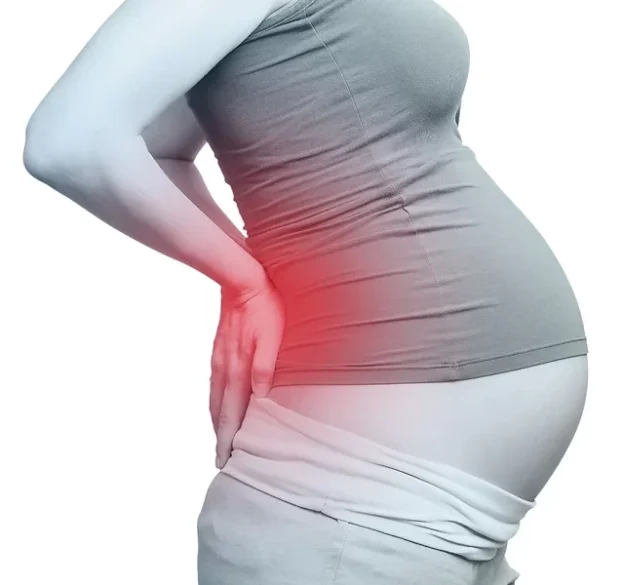
pregnancy-and-back-pain-the-best-treatment-is-at-dr-raos-guntur

Pregnancy and Back Pain – the best treatment is at Dr Raos, Guntur

Pregnancy and Back Pain – the best treatment is at Dr Raos, Guntur

Introduction

Back pain is a common complaint during pregnancy. In fact, it is estimated that 50-70% of pregnant women will experience some degree of back pain at some point during their pregnancy (1). The good news is that there are things you can do to help ease the discomfort and prevent further pain. The causes of back pain during pregnancy are often related to the physical changes that occur in your body as it prepares for childbirth. Looking for the best treatment for back pain in pregnancy look no further than Dr. Raos hospital in Guntur; Dr. Rao is the best neurosurgeon for the surgery.

These changes can put extra strain on your back and cause pain. Some other common causes of back pain during pregnancy include:

• Weight gain: As your baby grows, your body will gain weight. This extra weight can put strain on your back and cause pain.

• Posture: As your belly grows, your posture will change. This can cause strain on your back and lead to pain.

• Hormones: The hormones released during pregnancy can loosen the joints in your pelvis and back, which can lead to pain.

causes

There are many different causes of back pain during pregnancy. Some women experience it because of the extra weight they are carrying, while others may have back pain due to changes in their posture or hormones. Additionally, some pregnant women may have underlying health conditions that can contribute to back pain. Some of the most common causes of back pain during pregnancy include:

• Carrying extra weight: As your baby grows, you will gain weight. This extra weight can put strain on your back and cause pain.

• Changes in posture: As your belly grows, your posture will change. This can cause strain on your back and lead to pain.

• Hormonal changes: During pregnancy, your body produces a hormone called relaxin. This hormone relaxes the ligaments in your pelvis, which can lead to instability and pain in the lower back.

• Underlying health conditions: If you have a history of back pain or other health conditions such as arthritis, you may be more likely to experience back pain during pregnancy.

risk factors

There are several risk factors that can contribute to back pain during pregnancy. These include:

• Weight gain – as your baby and your body grow, the extra weight can put strain on your back and cause pain.

• Poor posture – as your belly grows, it can pull your spine out of alignment and lead to pain.

• Inactivity – not getting enough exercise can make your muscles weak and increase your risk of pain.

• An existing back condition – if you have a history of back pain or other problems, you may be more likely to experience pain during pregnancy.

diagnosis

The diagnosis of back pain during pregnancy is based on the symptoms and medical history of the woman. Physical examination can help to rule out other causes of back pain, such as a herniated disc or spinal stenosis. Imaging tests, such as X-rays, CT scans, or MRIs, are not usually needed to diagnose back pain during pregnancy.

treatment

There are many ways to treat back pain during pregnancy. Some women find relief with over-the-counter (OTC) medications, such as acetaminophen (Tylenol) or ibuprofen (Advil, Motrin). Others find relief with home remedies, such as heat or ice packs, massage, and stretching. If OTC medications don’t relieve your pain, your doctor may prescribe stronger medication. In some cases, epidural steroid injections or nerve blocks may be necessary. If you have severe back pain, your doctor may recommend surgery. Most women find that their back pain improves significantly after they give birth. However, some women continue to have back pain after delivery. If your back pain does not improve after delivery or gets worse, be sure to talk to your doctor about other treatment options.

prevention and exercises

There are a few things you can do to help prevent back pain during pregnancy. First, avoid high-heeled shoes and wear comfortable, supportive shoes. Second, when sitting, use a chair that supports your back and avoid sitting for long periods of time. Third, when lifting, bend at your knees and not at your waist. Finally, exercise regularly to maintain good muscle tone and flexibility in your back and abdominal muscles. There are also specific exercises you can do to help prevent or relieve back pain during pregnancy. First, start by doing pelvic tilts. To do this, stand with your feet hip-width apart and place your hands on your hips. As you exhale, tilt your pelvis forward and tuck in your buttocks. As you inhale, return to the starting position. Second, do hamstring stretches by lying on your back with a pillow under your knees. Bend one knee and bring it toward your chest while keeping the other leg straight. Hold for 30 seconds and then switch legs. Third, do modified planks by lying on your forearms and knees with your feet hip-width apart. Slowly lift up your hips so that your body forms a straight line from shoulders to knees. Hold for 30 seconds and then lower down. Repeat 3 times. These exercises can help prevent or relieve back pain during pregnancy. However, if you experience severe back pain, please consult with your doctor or healthcare provider.

Conclusion

In conclusion, pregnancy and back pain can be a difficult experience for many women. However, by understanding the causes and risk factors, as well as the available treatments and preventative measures, it is possible to manage the condition and improve quality of life. With the proper care, pregnant women can enjoy a healthy pregnancy and delivery. Looking for the best treatment for back pain in pregnancy look no further than Dr. Raos hospital in Guntur; Dr. Rao is the best neurosurgeon for the surgery.

acute-low-back-pain-the-best-treatment-is-at-dr-raos-guntur

Acute Low back pain – the best treatment is at Dr Raos, Guntur

Acute Low back pain – the best treatment is at Dr Raos, Guntur

Introduction

Acute low back pain is a common condition that affects millions of people each year. The vast majority of cases will resolve on their own with self-care and home treatment, but some may require medical intervention. This article will provide an overview of the anatomy and physiology of the lower back, as well as common causes and treatments for acute low back pain.

Muscles of lower back

There are several muscles in the lower back that can contribute to pain and dysfunction. The erector spinae is a large muscle group that extends along the length of the spine. This muscle is responsible for maintaining upright posture and can become tight and painful with prolonged sitting or standing. The quadratus lumborum is a large muscle that runs from the pelvis to the ribs and helps to stabilize the spine. This muscle can also become tight and painful with prolonged sitting or standing. The gluteus medius and minimus are muscles in the buttocks that help to stabilize the hip and pelvis. These muscles can become weak and painful with overuse.

Vertebrae and discs of lower back

The vertebrae are the bones that make up the spine and protect the spinal cord. The discs are the cushions between the vertebrae. They help to absorb shock and keep the spine flexible. There are five vertebrae in the lower back: • L1–L5

The discs between these vertebrae are: • L4/5 • L5/S1

The L4/5 disc is located between the L4 and L5 vertebrae.

The L5/S1 disc is located between the L5 and S1 vertebrae.

diagnosis

There are a few different ways to diagnose acute low back pain. The first is through a physical examination. Your doctor will likely ask you to describe your pain, how long you’ve been experiencing it, and what activities make it worse or better. They will also ask about your medical history and whether you’ve had any previous injuries to your back. Your doctor will then do a physical examination of your back. They may check your range of motion, reflexes, and muscle strength. They may also order imaging tests, such as an X-ray, MRI, or CT scan, to further assess the cause of your pain. Once your doctor has made a diagnosis, they can develop a treatment plan to help relieve your pain.

Acute management

Acute management of low back pain generally focuses on the short-term relief of symptoms. In most cases, this will involve a combination of medication and physical therapy. Medication can help to reduce inflammation and pain, while physical therapy can help to stretch and strengthen the muscles in the back. In some cases, surgery may be necessary to correct any underlying problems.

Exercises for acute back pain

There are a few key exercises that can help alleviate acute low back pain. First, start by lying on your back with both knees bent and your feet flat on the ground. Place a small, rolled up towel under your lower back for added support. Then, slowly raise your right leg up into the air, keeping your knee bent. Hold this position for a few seconds, then lower your leg back down to the starting position. Repeat this exercise 10 times on each side. Next, still lying on your back with both knees bent and feet flat on the ground, place your hands behind your head. Slowly lift your shoulders off the ground, contracting your abdominal muscles as you do so. Hold this position for a few seconds before slowly lowering yourself back down to the starting position. Repeat this exercise 10-15 times. Finally, sit on the ground with your legs straight out in front of you and your feet together. Reach forward with both arms, keeping your back straight, and try to touch your toes. Hold this stretch for 30 seconds before releasing and repeating 2-3 times. These exercises are just a few of the many that can help to relieve acute low back pain. Be sure to speak with your doctor or physical therapist before beginning any new exercise routine to ensure that it is safe for you to do so.

Conclusion

In conclusion, acute low back pain is a common condition that can be managed effectively with a combination of self-care, medication, and physical therapy. With proper treatment, most people with acute low back pain will recover fully and be able to return to their normal activities. Looking for the best neurosurgery or back surgery or spine surgery look no further than Dr Raos hospital, Guntur. Dr Rao is the best spine surgeon in India.

First biplane cathlab in Andhra Pradesh and Telangana diagnostic-tests-in-neurosurgery-the-best-at-dr-raos-guntur

Diagnostic tests in Neurosurgery – the best at Dr Raos, Guntur

Diagnostic tests in Neurosurgery – the best at Dr Raos, Guntur

Introduction

Neurosurgery is a branch of medicine that deals with the diagnosis and treatment of disorders of the nervous system. The nervous system includes the brain, spinal cord, and nerves. Neurosurgeons are medical doctors who have completed training in neurosurgery. A variety of diagnostic tests are used in neurosurgery to help identify problems with the nervous system. Blood tests, cerebrospinal fluid (CSF) analysis, imaging, and special tests may be used. Prevention of complications is also important in neurosurgery. The various diagnostic tests used in neurosurgery will be discussed in this article. Looking for the best neuro treatment in Neurology, neurosurgery or spine surgery, look no further than Dr Raos hospital, Dr Rao the best neurosurgeon in India.

Blood tests

Blood tests are an important part of the diagnostic process for neurosurgery. They can help to rule out other causes of symptoms, and can provide information about the level of inflammation present. There are a number of different blood tests that can be used in neurosurgery. The most common are the white blood cell count (WBC) and the erythrocyte sedimentation rate (ESR). The WBC is a measure of the level of inflammation present, and the ESR is a measure of the rate at which red blood cells settle in a tube of blood. Other blood tests that may be used include the C-reactive protein (CRP) test, which measures the level of CRP in the blood. CRP is a protein that is produced by the liver in response to inflammation. The CRP test can be used to monitor the level of inflammation present, and can also be used to monitor the response to treatment. The blood tests that are used in neurosurgery will vary depending on the individual case. However, they all play an important role in helping to diagnose and treat conditions affecting the nervous system.

CSF analysis

A lumbar puncture, also called a spinal tap, is a diagnostic procedure used to collect cerebrospinal fluid (CSF) for analysis. CSF is the clear fluid that surrounds and protects the brain and spinal cord. A lumbar puncture is performed by inserting a needle into the lower back to collect a small amount of CSF. CSF analysis can help diagnose various conditions, such as infections, inflammation, tumors, and bleeding in or around the brain. CSF can also be used to measure the pressure inside the skull. A lumbar puncture is generally safe and complications are rare.

Imaging

Imaging is critical in the evaluation of patients with suspected neurosurgical disorders. A variety of imaging modalities are available, each with its own advantages and disadvantages.

CT is the imaging modality of choice for many neurosurgical disorders, as it provides excellent anatomical detail.

MRI is often used for disorders that require more detailed anatomical information, such as tumors or vascular abnormalities.

PET and SPECT are useful for functional imaging, and can be used to evaluate cerebral metabolism or blood flow.

Angiography is occasionally used to evaluate vascular abnormalities.

Myelography is used to evaluate disorders of the spinal cord, and can be performed with CT or MRI.

Special tests

There are a number of special tests that may be used to diagnose neurological conditions. These include:

-Electroencephalography (EEG): This test measures electrical activity in the brain and can be used to diagnose conditions such as epilepsy.

-Evoked potentials: These tests measure the brain’s response to stimuli and can be used to diagnose conditions such as multiple sclerosis.

-Magnetic resonance imaging (MRI): This test uses magnetic fields and radio waves to create images of the brain and can be used to diagnose conditions such as brain tumors.

-Positron emission tomography (PET): This test uses radioactive tracers to create images of the brain and can be used to diagnose conditions such as Alzheimer’s disease.

prevention of complications

The best way to prevent complications is to have a thorough understanding of the risks involved with the procedure. There are many potential risks associated with any surgery, but some are more common than others. It is important to discuss all of the possible complications with your surgeon prior to having the procedure. Additionally, it is important to follow all of the post-operative instructions given to you by your surgeon in order to minimize the risk of complications.

Conclusion

Neurosurgery is a branch of medicine that deals with the diagnosis and treatment of disorders of the nervous system. The nervous system includes the brain, spinal cord, and peripheral nerves. Neurosurgery is a very delicate and complex field of medicine. There are many different diagnostic tests that are used in neurosurgery in order to make an accurate diagnosis and to determine the best course of treatment. The various diagnostic tests that are used in neurosurgery include blood tests, CSF analysis, imaging, and special tests. Each of these tests has its own advantages and disadvantages. Blood tests can be used to detect infections or inflammation. CSF analysis can be used to detect abnormalities in the brain or spinal cord. Imaging can be used to detect tumors or other abnormalities. Special tests can be used to detect problems with the blood vessels or nerves. The decision on which diagnostic test to use depends on the individual patient’s symptoms and medical history. The goal of all of these tests is to make an accurate diagnosis so that the best possible treatment can be provided. Looking for the best neuro treatment in Neurology, neurosurgery or spine surgery, look no further than Dr Raos hospital, Dr Rao the best neurosurgeon in India. Deccanherald say about us.

Biplane Cath Lab - cerebral-angiography-the-best-at-dr-raos-guntur

Cerebral Angiography – the best at Dr Raos, Guntur

Cerebral Angiography – the best at Dr Raos, Guntur

Introduction

Cerebral angiography is a diagnostic procedure used to visualize the blood vessels in the brain. It is often used to evaluate patients with stroke or transient ischemic attack (TIA). The procedure involves injecting a contrast agent into the carotid artery and then performing an X-ray study of the brain. Cerebral angiography is a minimally invasive procedure that can be performed on an outpatient basis. The risks of the procedure are low and complications are rare.

Indication

There are many indications for cerebral angiography. The most common indication is to evaluate for stenosis or occlusion of the cerebral arteries. This can be done to evaluate for stroke or transient ischemic attack (TIA). Other indications include aneurysms, arteriovenous malformations (AVMs), and dural arteriovenous fistulas (DAVFs). Cerebral angiography can also be done to evaluate for vasculitis, such as Takayasu’s arteritis. It can also be done to evaluate for congenital abnormalities, such as moyamoya disease. Finally, it can be done to help guide interventional procedures, such as coil embolization of an aneurysm or stenting of a stenotic artery.

preparation

Preparation for cerebral angiography generally begins the night before the procedure is scheduled. The patient will be asked to fast for at least six hours prior to the procedure, and to avoid drinking any caffeinated beverages. It is important that the patient arrive on time and relaxed, as the procedure can be quite stressful.

procedure

The procedure for cerebral angiography is as follows: 1. The patient is placed in a supine position on the angiography table. 2. A local anesthetic is injected into the skin over the femoral artery in the groin. 3. A catheter is inserted into the femoral artery and threaded through the aorta and into the carotid artery. 4. contrast material is injected through the catheter and X-rays are taken to visualize the arteries of the brain.

complications

There are several potential complications that can occur during or after a cerebral angiography procedure. These include: -Allergic reaction to the contrast dye used during the procedure -Brain hemorrhage -Stroke -Seizures -Infection Fortunately, most of these complications are rare. However, it is important to be aware of them and to seek immediate medical attention if any occur.

prevention of complications

There are several ways to prevent complications during cerebral angiography. First, the patient should be well hydrated before the procedure. Second, the operator should use a small-gauge catheter to minimize the risk of damage to the blood vessels. Third, care should be taken to avoid injecting contrast material into the brain tissue. Fourth, the operator should be experienced in performing the procedure and be familiar with the anatomy of the blood vessels in the brain. Finally, if any complications do occur, they should be treated immediately.

Conclusion

The conclusion of this article is that cerebral angiography is a safe and effective procedure when performed by a skilled physician. There are potential complications associated with the procedure, but these can be effectively prevented with proper planning and execution. Looking for the best neurosurgery or neurology or spine surgery or interventional neurology services look no further than Dr Raos hospital, the best neurosurgery hospital in Guntur, Andhra Pradesh and in India. Dr Rao is the best spine surgeon, best neurosurgeon and the best endovascular neurosurgeon in India.

Cobra Pose, Bhudjangasana

Back Pain – The best physiotherapy exercises at Dr Raos

Back Pain – The best physiotherapy exercises at Dr Raos

Introduction

Back pain is a common issue that can affect people of all ages. It can be caused by a variety of factors, including muscle strain, poor posture, and injury. There are several things you can do to help relieve back pain, including strengthening exercises and using proper backpacking techniques. Looking for the best chronic pain exercises or physiotherapy look no further than Dr Rao for the guidance at Dr Raos hospital.

Muscles of back

There are many muscles in the back that work together to provide support and movement. The largest muscle group is the erector spinae, which runs along either side of the spine. This muscle group is responsible for keeping the spine upright and also aids in bending and twisting movements. The latissimus dorsi, or “lats,” are the large muscles on either side of the back that give the body its width. These muscles are important for pulling movements, such as when you row a boat. The trapezius is a triangular muscle that extends from the base of the skull to the middle of the back. This muscle is responsible for shrugging the shoulders and moving the head from side to side. The rhomboids are a small muscle group that runs between the shoulder blades. These muscles help to pull the shoulder blades together and also aid in stabilizing the shoulder joint.

Vertebrae and discs

The spine is made up of 33 vertebrae, which are separated by discs. The discs act as shock absorbers and allow the spine to move. There are four main types of vertebrae: cervical (neck), thoracic (upper back), lumbar (lower back), and sacral (tailbone). The discs are made up of a tough outer layer (the annulus) and a soft inner layer (the nucleus). The discs allow the spine to move and act as shock absorbers. When a disc is damaged, it can bulge or rupture. This can put pressure on the nerves, causing pain.

strengthening exercises

There are many different exercises that can help to strengthen the muscles in your back and help to prevent back pain. Some of these exercises may include:

1. Pilates: Pilates is a great way to strengthen the muscles in your back and help to improve your posture. 2. Yoga: Yoga is another great way to help improve your posture and also helps to stretch and lengthen the muscles in your back.

3. Strength Training: Strength training is a great way to build up the muscles in your back and help to prevent back pain.

4. Cardio Exercise: Cardio exercise is also important for overall health and can help to improve blood circulation and reduce inflammation throughout the body, which can lead to less back pain.

Back pack safety

One of the best ways to avoid back pain is to be mindful of your posture and how you carry yourself throughout the day. This is especially important when carrying a heavy backpack, as improper posture and lifting techniques can lead to serious strain on your back muscles. When carrying a backpack, always make sure that it is evenly balanced and not too heavy. If possible, distribute the weight evenly between both shoulders. If the backpack is too heavy or unbalanced, it will pull you backwards and cause you to lean forward in an attempt to compensate. This puts a lot of strain on your back and can lead to pain. In addition, be sure to stand up straight and avoid slouching when wearing a backpack. This will help keep your spine in alignment and prevent strain on your back muscles. Finally, when lifting a backpack, always use your legs to lift it up rather than your back. This will help prevent injury.

Exercises for acute and chronic back pain

There are a number of exercises that can help alleviate acute and chronic back pain. For those with acute back pain, it is important to focus on exercises that stretch the muscles and improve flexibility. For those with chronic back pain, it is important to focus on exercises that strengthen the muscles and improve posture. Some specific exercises that can help relieve acute and chronic back pain include:

– Cat/cow stretches: These stretches help to lengthen the spine and release tension in the back.

cat or cow pose


Cat or Cow stretches to relieve chronic back pain

– Child’s pose: This stretch helps to lengthen the spine and release tension in the back.

child pose


Child pose

– Cobra pose: This pose helps to strengthen the muscles in the back and improve posture.

Cobra pose


Sporty young woman practicing yoga, doing cobra asana, bhudjangasana

– Pelvic tilts: These tilts help to strengthen the muscles in the lower back and improve flexibility.

Pelvic tilt


Pelvic tilt

– Knee to chest stretches: These stretches help to lengthen the muscles in the back and release tension.

Knee to chest pose


Knee to chest pose

Conclusion

In conclusion, back pain is a common condition that can be caused by a variety of factors. However, there are many things that you can do to help prevent and treat back pain. By strengthening the muscles of your back and practicing good back pack safety, you can help to prevent back pain. If you already have back pain, there are many exercises that you can do to help relieve your pain.

Back Pain – The best physiotherapy exercises at Dr RaosBack Pain – The best physiotherapy exercises at Dr Raos

common-neuro-problems-the-best-treatment-at-dr-raos-guntur

Common neuro problems – the best treatment at Dr Raos, Guntur

Common neuro problems – the best treatment at Dr Raos, Guntur

Neurology is a branch of medicine that focuses on diagnosing and treating disorders of the nervous system, including the brain, spinal cord, and nerves. Some common topics in neurology include:


  1. Stroke: A stroke is a life-threatening, debilitating health event that occurs when the vital blood supply to the brain is disrupted, resulting in permanent damage to the brain tissue. There are two leading causes of stroke – blockages in the blood vessels, known as ischemic stroke, or bleeding in the brain, known as hemorrhagic stroke. Symptoms of stroke can vary depending on the area of the brain that has been affected and can include paralysis, difficulty speaking, and loss of vision. It is absolutely vital to be aware of the various signs and symptoms of stroke as quickly as you can, as the earlier treatment is started, the more probable it is that the outcome will be positive. The signs to look out for include sudden numbness of the face, arm, or leg, blurred vision, confusion, difficulty speaking, and severe headaches. If any of these are experienced, it is important to dial 9010056444 or 90100574444 immediately and seek prompt medical assistance.
  2. Epilepsy: Epilepsy is a serious neurological disorder that is characterized by recurrent and unpredictable seizures. Seizures are episodes of abnormal electrical activity in the brain that can be accompanied by convulsions, loss of consciousness, and strange changes in behavior. Seizures can last for only a few seconds or for several minutes, and can range from mild to severe in intensity. People living with epilepsy may experience seizures multiple times a day, or just once or twice a year. Epilepsy can be a debilitating condition, with devastating effects on a person’s physical and mental health. Treatment of the epilepsy typically involves a combination of medication and lifestyle modifications. Medications used to treat epilepsy may include anticonvulsants, antiepileptic drugs, or sedatives. In some cases, surgical intervention may be necessary to control the epileptic activity. In addition, lifestyle modifications such as avoiding triggers that can cause seizures, eating a healthy diet, and exercising regularly may help to reduce the frequency and severity of seizures.
  3. Multiple sclerosis (MS): Multiple Sclerosis (MS) is a chronic and often debilitating autoimmune disorder that affects the central nervous system. It is characterized by inflammation and damage to the myelin sheath, a protective insulating layer surrounding nerve fibers in the brain and spinal cord. This damage to the myelin sheath disrupts the normal transmission of nerve impulses, resulting in a wide range of possible symptoms, ranging from mild to severe. Common MS symptoms include vision problems, numbness, muscle weakness, and difficulty with coordination, balance, and speech. The cause of MS is unknown, but is thought to involve a combination of genetic and environmental factors. Diagnosis of MS involves a physical exam, neurological exam, MRI, and laboratory tests. Treatment of MS is aimed at reducingsymptoms and slowing the progression of the disease. Medications such as interferon beta, gling disease-modifying therapies, immunosuppressants, and corticosteroids may being the activity of the immune system. Other treatments may include physical therapy, occupational therapy, speech therapy , and cognitive behavioral therapy. In some cases, surgery may be recommended to help improve mobility and reduce pain. Medications such as nonsteroidal anti-inflammatory drugs, antispastic medicationss and muscle relaxants may be prescribed to help reduce pain and improve mobility. Physical therapy exercises may be “and stretching may be recommended to help strengthen muscles. Other treatments such as massage, acupuncture, and heat or cold therapy may be used to help reduce inflammation. In some cases, surgery may be necessary to correct the underlying cause of the mobility issue. Physical therapy can also help to improve balance, strengthen muscles, and increase range of motion. Exercises may be prescribed to help improve posture and improve coordination. Other treatments may include the use of assistive devices such as canes, walkers and wheelchairs, as well as physical therapy modalities such as heat, cold, ultrasound, and electrical stimulation. Occupational therapy may also be recommended to help with activities of daily living, such as dressing, bathing, eating, and grooming. Speech therapy may be recommended to help with communication and swallowing Speech therapists may also work on cognitive skills, such as memory, problem solving, and organization. Physical therapists may be recommended to help with mobility and balance. Occupational therapists may be recommended to help with activities of daily living, such as dressing, bathing, and eating. Speech-language pathologists may be recommended to help with communication and swallowing. Mental health professionals may be recommended to help with cognitive and behavioral issues. Occupational therapists may be recommended to help with activities of daily living, such as dressing and bathing, as well as to help with fine motor skills. Physical therapists may be recommended to help with strengthening and coordination. Speech therapists may be recommended to help with communication and swallowing difficulties.
  4. Parkinson’s disease: Parkinson’s disease is a progressive neurological disorder that affects movement, causing many symptoms, such as tremors, stiffness, slow movement, and balance issues. It is caused by the loss of nerve cells in the brain that produce a chemical called dopamine, which helps regulate movement and is essential for coordination and communication between the brain and muscles. People with Parkinson’s disease may experience a range of symptoms, including tremors, slowed movement, impaired balance, rigidity, and difficulty initiating movement. Over time, Parkinson’s disease can also cause changes in cognition, behavior, and emotion. Treatment for a variety of ailments and conditions usually involves a comprehensive approach, including a combination of medications, physical therapy, and lifestyle changes. Medications may include both Over-the-counter and prescription drugs are important medicines that are used to treat various ailments and health conditions. OTC drugs, such as those for pain relief, cold and flu symptoms, and allergies, can be purchased without a prescription at any drugstore, grocery store, or convenience store. Prescription drugs, on the other hand, are usually more potent medicines that require a doctor’s prescription. These medicines can help with chronic conditions like diabetes and high blood pressure, and can also be used to treat infections or serious illnesses such as cancer. Both types of drugs can be incredibly helpful in treating and managing health issues, but they should always be taken as prescribed by a medical professional., while physical therapy can include activities such as stretching, strength training, and aerobic exercises. Additionally, lifestyle changes, such as quitting smoking, reducing stress, and eating a healthy diet, can help improve overall health and well-being.
  5. Alzheimer’s disease: Alzheimer’s disease is a debilitating and progressive neurological disorder that affects memory, thinking, behavior, and day-to-day functioning in older adults. It is the most common form of dementia, a general term for memory loss and other cognitive abilities serious enough to interfere with daily life. Though the precise cause of this incurable illness remains unknown, age, genetics, and lifestyle choices have been identified as potential contributing factors. Diagnosis of Alzheimer’s disease typically involves a physical exam, a review of medical history, and a variety of cognitive and neurological tests to assess memory, thinking, language, judgment, and other mental functions. Imaging tests such as computed tomography (CT) or magnetic resonance imaging (MRI) may also be used to rule out other conditions that could be causing the symptoms. Blood tests may be used to check for certain metabolic or infectious diseases that could be causing the symptoms. Other tests such as electroencephalography (EEG) or electromyography (EMG) may be used to check for nerve or muscle disorders. Treatment of AD involves medications to help manage symptoms, lifestyle changes, and therapies to help improve cognitive and behavioral functioning.
  6. Headaches: Headaches are a pervasive neurological disorder that can be caused by a variety of underlying factors, such as muscle tension, sinus problems, eyestrain, and food sensitivities. In some cases, headaches can be indicative of a more serious underlying medical issue, so it’s important to consult a physician if the symptoms become severe or persistent. Common symptoms of a headache include a throbbing or pounding sensation in the head, sensitivity to light and noise, nausea, fatigue, and difficulty focusing. Fortunately, there are a variety of treatments and lifestyle modifications that can help alleviate symptoms and reduce the frequency of headaches. Some of these include relaxation techniques, proper hydration, avoidance of trigger foods, and regular exercise. Additionally, medications and supplements such as ibuprofen, aspirin, and magnesium can help reduce the severity and frequency of headaches.
  7. Traumatic brain injury (TBI): Traumatic Brain Injury (TBI) is an injury to the brain caused by a sudden, violent impact or blow to the head, usually occurring during a car accident, a fall, a sports injury, or an act of violence. The severity of the injury can range from mild to severe and can cause a range of symptoms, including changes in consciousness, confusion, memory problems, difficulty with concentration or comprehension, and difficulty with movement or coordination. TBI can also lead to long-term complications such as headaches, sleep disturbances, speech or language difficulties, depression, and even personality changes. Diagnosis of Traumatic Brain Injury (TBI) typically involves a comprehensive physical examination conducted by a qualified medical professional. During this exam, the doctor will ask questions about the patient’s medical history, recent head injury and current symptoms. The physical exam may also include a physical evaluation of the patient’s cognitive abilities and motor functioning, as well as neurological tests. In addition, imaging tests such as CT scans or MRI scans may be used to help diagnose TBI. Treatment of the TBI involves either conservative or Surgical management.

These are just a few of the many topics that fall under the umbrella of neurology. Other areas of focus within the field include sleep disorders, movement disorders, nerve and muscle disorders, and developmental disorders.

tethered-cord-the-best-treatment-at-dr-raos-guntur by Dr Rao

Tethered cord – The best treatment at Dr Raos, Guntur

Tethered cord – The best treatment at Dr Raos, Guntur

Introduction

Tethered Cord  (Tethered Spinal Cord Syndrome (TSCS)) is a neurological disorder caused by the abnormal attachment of the spinal cord to the surrounding tissues. This can lead to a number of serious problems, including nerve damage, paralysis, and even death. The condition is most commonly diagnosed in childhood, but it can occur at any age. There is no cure for TSCS, but treatment can improve the symptoms and quality of life for affected individuals. If you are looking for a back pain specialist or spine surgeon or spine neurosurgeon your choice is Dr Raos hospital, the best spine surgery or spinal surgery or spine specialist hospital in Guntur and India. Call us at 9010056444 or 9010057444. Dr Rao is the best minimally invasive spine surgeon available in India and he is the top most best neurosurgeons in India according to MID DAY News paper.

risk factors

There are several risk factors associated with tethered spinal cord syndrome. One of the most significant is a congenital defect, such as spina bifida, in which the spinal cord is not properly protected. Other risk factors include:

• Previous spinal surgery

• Trauma to the spine

• Tumors or cysts in the spinal cord

• Infections in the spine

causes

There are many possible causes of tethered spinal cord syndrome. The most common cause is a birth defect called spina bifida, which occurs when the spinal column does not close properly during development in the womb.

Other possible causes include:

-A tumor or cyst on the spinal cord

-Injury to the spinal cord

-Scar tissue from previous surgery on the spine

-A buildup of fluid in the spinal cord (syringomyelia)

symptoms

There are a few different ways that tethered spinal cord syndrome can present itself. The most common symptom is a feeling of numbness, tingling, or weakness in the legs. This is caused by the pressure on the nerve roots as they leave the spinal cord. The symptoms can vary depending on how low on the spinal cord the tethering is occurring. If it is higher up, there may be problems with bowel and bladder control. As the tethering gets worse, it can cause problems with walking and balance. In very severe cases, it can lead to paralysis.

diagnosis

A diagnosis of TSCS can be made through a variety of methods. The most common is through a neurological examination, which can reveal signs of nerve damage or dysfunction. Other tests that may be used to diagnose TSCS include magnetic resonance imaging (MRI), computed tomography (CT) scans, and electromyography (EMG). In some cases, a biopsy of the affected area may also be performed.

treatment

There are a few different ways to treat tethered spinal cord syndrome. One way is to do a surgery called detethering. This surgery involves cutting the tissue that is holding the spinal cord down, which allows the spinal cord to move freely. This can be a very effective treatment, but it is also very risky. Another way to treat tethered spinal cord syndrome is to use a device called a tether release system. This device helps to release the tension on the spinal cord and can be used instead of surgery. There are also some medications that can be used to help relieve symptoms, such as pain medication and muscle relaxers.

Conclusion

Tethered Cord syndrome is a serious condition that can cause a great deal of pain and suffering for those affected by it. Early diagnosis and treatment is essential in order to prevent further damage to the spinal cord and nerves. If you or someone you know is experiencing any of the symptoms associated with tethered spinal cord syndrome, it is important to seek medical help as soon as possible. If you are looking for a back pain specialist or spine surgeon or spine neurosurgeon your choice is Dr Raos hospital, the best spine surgery or spinal surgery or spine specialist hospital in Guntur and India. Call us at 9010056444 or 9010057444. Dr Rao is the best minimally invasive spine surgeon available in India and he is the top most best neurosurgeons in India according to MID DAY News paper.

vertebral-compression-fracture-the-best-treatment-at-dr-raos-guntur

Vertebral compression fracture – the best treatment at Dr Raos, Guntur

Vertebral compression fracture – the best treatment at Dr Raos, Guntur

Introduction

A vertebral compression fracture (VCF) is a type of fracture that occurs when the bones of the spine collapse. This can happen for several reasons, including osteoporosis, cancer, and trauma. VCFS is a severe condition that can cause pain, disability, and even death. Early diagnosis and treatment are essential for the best possible outcome. If you are looking for a back pain specialist or spine surgeon, or spine neurosurgeon, your choice is Dr. Raos hospital, the best spine surgery or spinal surgery or spine specialist hospital in Guntur and India. Call us at 9010056444 or 9010057444Dr. Rao is the best minimally invasive spine surgeon available in India, and he is one the top best neurosurgeons in India according to MIDDAY Newspaper.

risk factors

Many risk factors are associated with vertebral compression fractures, some of which are modifiable and others not. Age is the most significant risk factor for developing a compression fracture, with the incidence increasing sharply after age 50. Women are also at higher risk than men due to their smaller and weaker bones. Other risk factors include osteoporosis, previous fractures, smoking, and medications such as steroids.

causes

There are many causes of vertebral compression fractures (VCFs), but osteoporosis is the most common cause. Osteoporosis is a condition in which the bones become fragile and are more prone to fracture due to reduced bone density. It is a disease mainly seen in elderly people and post-menopausal women. This condition can lead to serious health problems, such as fractures in the spine, hips, and wrists. Without proper diagnosis and treatment, osteoporosis can have a major impact on a person’s quality of life.

Other causes of VCFs include trauma (such as a fall or car accident), tumors, and certain medical conditions (such as Paget’s disease).

VCFs can also occur without any known cause. This is called idiopathic VCF and is more common in older adults.

Symptoms

Symptoms of a vertebral compression fracture can include pain in the back or neck, loss of height, deformity of the spine, and difficulty moving. The pain is usually worse with activity or when standing for long periods. The pain may also radiate to the hips, thighs, or arms. In some cases, there may be no pain at all.

diagnosis

A vertebral compression fracture can be diagnosed with a physical examination and imaging tests. Your doctor will ask about your symptoms and medical history. They will also perform a physical exam. Imaging tests may include an X-ray, computed tomography (CT) scan, or magnetic resonance imaging (MRI) scan.

treatment – Vertebroplasty and Kyphoplasty

Two standard procedures are used to treat vertebral compression fractures: vertebroplasty and kyphoplasty.

Minimally invasive surgery is typically used to treat spine conditions and help alleviate pain. It is performed using small incisions that allow the surgeon to access the spine without damaging nearby tissue or muscles. The procedure requires specialized tools and instruments, and it’s often considered an alternative to traditional open surgery.

Vertebroplasty is a minimally invasive procedure in which bone cement is injected into the fractured vertebra to stabilize it. This procedure can be performed under local anesthesia and does not require a hospital stay.

Kyphoplasty is also a minimally invasive procedure used to treat vertebral compression fractures. In this procedure, a small balloon is inserted into the fractured vertebra and inflated. This creates a cavity which is then filled with bone cement. Kyphoplasty is usually performed under general anesthesia and requires a short hospital stay.

Both of these procedures effectively treat vertebral compression fractures and relieve pain. Your doctor will recommend the best treatment option for you based on your individual case.

Conclusion

In conclusion, a vertebral compression fracture can be a very serious injury. However, with proper diagnosis and treatment, most people make a full recovery. If you think you may have a vertebral compression fracture, it is important to see a doctor as soon as possible. If you are looking for a back pain specialist or spine surgeon, or spine neurosurgeon, your choice is Dr. Raos hospital, the best spine surgery or spinal surgery or spine specialist hospital in Guntur and India. Call us at 9010056444 or 9010057444. Dr. Rao is the best minimally invasive spine surgeon available in India, and he is one the top best neurosurgeons in India according to MIDDAY Newspaper.

పరిచయం

ఒక వెన్నుపూస కంప్రెషన్ ఫ్రాక్చర్ (VCF) అనేది వెన్నెముక యొక్క ఎముకలు కూలిపోయినప్పుడు సంభవించే ఒక రకమైన పగులు. బోలు ఎముకల వ్యాధి, క్యాన్సర్ మరియు గాయం వంటి అనేక కారణాల వల్ల ఇది జరగవచ్చు. VCFS ఒక తీవ్రమైన పరిస్థితి, ఇది నొప్పి, వైకల్యం మరియు మరణానికి కూడా కారణమవుతుంది. సాధ్యమైనంత ఉత్తమమైన ఫలితం కోసం ముందస్తు రోగ నిర్ధారణ మరియు చికిత్స అవసరం.

ప్రమాద కారకాలు

వెన్నుపూస కుదింపు పగుళ్లతో సంబంధం ఉన్న అనేక ప్రమాద కారకాలు ఉన్నాయి, వాటిలో కొన్ని సవరించదగినవి మరియు కొన్ని కాదు. కుదింపు పగుళ్లను అభివృద్ధి చేయడానికి వయస్సు అత్యంత ముఖ్యమైన ప్రమాద కారకం, 50 ఏళ్ల తర్వాత సంభవం బాగా పెరుగుతుంది. స్త్రీలు కూడా వారి చిన్న మరియు బలహీనమైన ఎముకల కారణంగా పురుషుల కంటే ఎక్కువ ప్రమాదంలో ఉన్నారు. ఇతర ప్రమాద కారకాలలో బోలు ఎముకల వ్యాధి, మునుపటి పగుళ్లు, ధూమపానం మరియు స్టెరాయిడ్స్ వంటి కొన్ని మందులు ఉన్నాయి.

కారణాలు

వెన్నుపూస కంప్రెషన్ ఫ్రాక్చర్లకు (VCFs) అనేక విభిన్న కారణాలు ఉన్నాయి, అయితే అత్యంత సాధారణ కారణం బోలు ఎముకల వ్యాధి. ఆస్టియోపోరోసిస్ అనేది ఎముకలు బలహీనంగా మరియు పెళుసుగా మారడం మరియు విరిగిపోయే అవకాశం ఎక్కువగా ఉండే పరిస్థితి. VCFల యొక్క ఇతర కారణాలలో గాయం (పతనం లేదా కారు ప్రమాదం వంటివి), కణితులు మరియు కొన్ని వైద్య పరిస్థితులు (పాగెట్స్ వ్యాధి వంటివి) ఉన్నాయి.

VCFలు ఏ కారణం లేకుండా కూడా సంభవించవచ్చు. దీనిని ఇడియోపతిక్ VCF అని పిలుస్తారు మరియు వృద్ధులలో ఇది సర్వసాధారణం.

లక్షణాలు

వెన్నుపూస కంప్రెషన్ ఫ్రాక్చర్ యొక్క లక్షణాలు వెనుక లేదా మెడలో నొప్పి, ఎత్తు తగ్గడం, వెన్నెముక వైకల్యం మరియు కదలడంలో ఇబ్బందిని కలిగి ఉంటాయి. నొప్పి సాధారణంగా చర్యతో లేదా ఎక్కువసేపు నిలబడి ఉన్నప్పుడు అధ్వాన్నంగా ఉంటుంది. నొప్పి పండ్లు, తొడలు లేదా చేతులకు కూడా ప్రసరిస్తుంది. కొన్ని సందర్భాల్లో, నొప్పి అస్సలు ఉండకపోవచ్చు.

నిర్ధారణ

ఒక వెన్నుపూస కంప్రెషన్ ఫ్రాక్చర్‌ను శారీరక పరీక్ష మరియు ఇమేజింగ్ పరీక్షలతో నిర్ధారించవచ్చు. మీ డాక్టర్ మీ లక్షణాలు మరియు వైద్య చరిత్ర గురించి అడుగుతారు. వారు శారీరక పరీక్షను కూడా నిర్వహిస్తారు. ఇమేజింగ్ పరీక్షలలో ఎక్స్-రే, కంప్యూటెడ్ టోమోగ్రఫీ (CT) స్కాన్ లేదా మాగ్నెటిక్ రెసొనెన్స్ ఇమేజింగ్ (MRI) స్కాన్ ఉండవచ్చు.

చికిత్స – వెర్టెబ్రోప్లాస్టీ మరియు కైఫోప్లాస్టీ

వెన్నుపూస కుదింపు పగుళ్లకు చికిత్స చేయడానికి ఉపయోగించే రెండు సాధారణ విధానాలు ఉన్నాయి: వెన్నుపూస మరియు కైఫోప్లాస్టీ.

వెర్టెబ్రోప్లాస్టీ అనేది కనిష్ట ఇన్వాసివ్ ప్రక్రియ, దీనిలో ఎముక సిమెంటును విరిగిన వెన్నుపూసలో స్థిరీకరించడానికి ఇంజెక్ట్ చేస్తారు. ఈ ప్రక్రియ స్థానిక అనస్థీషియా కింద నిర్వహించబడుతుంది మరియు ఆసుపత్రిలో ఉండవలసిన అవసరం లేదు.

కైఫోప్లాస్టీ అనేది వెన్నుపూస కుదింపు పగుళ్లకు చికిత్స చేయడానికి ఉపయోగించే కనిష్ట ఇన్వాసివ్ ప్రక్రియ. ఈ ప్రక్రియలో, విరిగిన వెన్నుపూసలో ఒక చిన్న బెలూన్ చొప్పించబడుతుంది మరియు పెంచబడుతుంది. ఇది ఎముక సిమెంట్‌తో నిండిన కుహరాన్ని సృష్టిస్తుంది. కైఫోప్లాస్టీ సాధారణంగా సాధారణ అనస్థీషియా కింద చేయబడుతుంది మరియు కొద్దిసేపు ఆసుపత్రిలో ఉండవలసి ఉంటుంది.

ఈ రెండు విధానాలు వెన్నుపూస కుదింపు పగుళ్లకు చికిత్స చేయడంలో మరియు నొప్పిని తగ్గించడంలో ప్రభావవంతంగా ఉంటాయి. మీ వ్యక్తిగత కేసు ఆధారంగా మీ డాక్టర్ మీకు ఉత్తమమైన చికిత్స ఎంపికను సిఫారసు చేస్తారు.

ముగింపు

ముగింపులో, వెన్నుపూస కుదింపు పగులు చాలా తీవ్రమైన గాయం కావచ్చు. అయినప్పటికీ, సరైన రోగ నిర్ధారణ మరియు చికిత్సతో, చాలా మంది ప్రజలు పూర్తిగా కోలుకుంటారు. మీకు వెన్నుపూస కంప్రెషన్ ఫ్రాక్చర్ ఉందని మీరు అనుకుంటే, వీలైనంత త్వరగా వైద్యుడిని చూడటం చాలా ముఖ్యం.

artificial-disc-the-best-at-dr-raos-guntur

Artificial Disc – The best at Dr Raos, Guntur

Artificial Disc – The best at Dr Raos, Guntur

Introduction

The cervical spine is comprised of the bones in the neck. The discs between the vertebrae act as shock absorbers, and allow for a small amount of movement in the neck. The artificial cervical disc is a device that is implanted to replace a damaged or degenerative disc in the cervical spine. This procedure is also known as cervical disc arthroplasty. Visit Dr. Rao’s Hospital in Guntur, which is one of the best neurology hospitals in Guntur for minimally invasive spine surgery treatment! We have experienced neurosurgeons at our hospital like Dr. Mohana Rao Patibandla. He is a fellowship trained minimally invasive surgeon from the USA. He has performed many successful minimally invasive spine surgeries. Contact us @ 9010056444 or 9010057444 for appointment.

Indications

An artificial cervical disc may be indicated when there is degenerative disc disease of the cervical spine causing neck pain and/or arm pain. The degenerative disc disease must be documented by radiographic studies, such as x-rays or MRI. In addition, conservative measures, such as physical therapy, medications, and injections, must have failed to provide relief from the symptoms.

Contraindications

There are several contraindications to artificial cervical disc replacement surgery. These include: – Severe osteoporosis – Ankylosing spondylitis – Previous neck surgery – Active infections – Cancer in the area of the proposed surgery

Procedure

The artificial cervical disc procedure is performed under general anesthesia. A small incision is made in the front of the neck. The surgeon will then gently move the affected vertebrae apart to access the damaged disc. The damaged disc is then removed and replaced with an artificial disc. The artificial disc is made of metal and plastic and is designed to mimic the function of a healthy disc. The surgeon will then close the incision with sutures or staples.

Complications

Complications from artificial cervical disc replacement are rare but can include: • Infection • Dislocation of the implant • Spinal cord or nerve root injury • Fracture of the vertebrae

Complication prevention

The best way to prevent complications from an artificial cervical disc is to have the procedure done by a qualified and experienced surgeon. There are also certain things that you can do to help reduce the risk of complications, such as: – Quit smoking before the procedure, as this can increase the risk of complications. – Make sure to follow all of the instructions given to you by your surgeon before and after the procedure. – Avoid activities that could put unnecessary stress on your neck, such as lifting heavy objects or participating in contact sports.

Conclusion

The artificial cervical disc is a safe and effective way to treat patients with cervical disc disease. It is a minimally invasive procedure that can be performed in an outpatient setting. The artificial cervical disc has a low complication rate and can provide relief from neck pain and radiculopathy. Visit Dr. Rao’s Hospital in Guntur, which is one of the best neurology hospitals in Guntur for minimally invasive spine surgery treatment! We have experienced neurosurgeons at our hospital like Dr. Mohana Rao Patibandla. He is a fellowship trained minimally invasive surgeon from the USA. He has performed many successful minimally invasive spine surgeries. Contact us @ 9010056444 or 9010057444 for appointment.

కృత్రిమ సర్వికల్ డిస్క్ పునఃస్థాపన శస్త్రచికిత్స

పరిచయం

సర్వికల్ వెన్నెముక మెడలోని ఎముకలను కలిగి ఉంటుంది. వెన్నుపూసల మధ్య డిస్క్‌లు షాక్ అబ్జార్బర్‌లుగా పనిచేస్తాయి మరియు మెడలో చిన్న మొత్తంలో కదలికను అనుమతిస్తాయి. కృత్రిమ cervical డిస్క్ అనేది సర్వికల్ వెన్నెముకలో దెబ్బతిన్న లేదా క్షీణించిన డిస్క్‌ను భర్తీ చేయడానికి అమర్చిన పరికరం. ఈ ప్రక్రియను సర్వికల్ డిస్క్ ఆర్థ్రోప్లాస్టీ అని కూడా అంటారు.

సూచనలు

మెడ నొప్పి మరియు/లేదా చేయి నొప్పికి కారణమయ్యే సర్వికల్ వెన్నెముక యొక్క డిజెనరేటివ్ డిస్క్ వ్యాధి ఉన్నప్పుడు కృత్రిమ సర్వికల్ డిస్క్ సూచించబడవచ్చు. క్షీణించిన డిస్క్ వ్యాధి తప్పనిసరిగా ఎక్స్-రేలు లేదా MRI వంటి రేడియోగ్రాఫిక్ అధ్యయనాల ద్వారా నమోదు చేయబడాలి. అదనంగా, భౌతిక చికిత్స, మందులు మరియు ఇంజెక్షన్లు వంటి సాంప్రదాయిక చర్యలు తప్పనిసరిగా లక్షణాల నుండి ఉపశమనాన్ని అందించడంలో విఫలమై ఉండాలి.

వ్యతిరేకతలు

కృత్రిమ సర్వికల్ డిస్క్ పునఃస్థాపన శస్త్రచికిత్సకు అనేక వ్యతిరేకతలు ఉన్నాయి. వీటితొ పాటు:

  • తీవ్రమైన బోలు ఎముకల వ్యాధి
  • ఆంకైలోజింగ్ స్పాండిలైటిస్
  • మునుపటి మెడ శస్త్రచికిత్స
  • క్రియాశీల అంటువ్యాధులు
  • ప్రతిపాదిత శస్త్రచికిత్స ప్రాంతంలో క్యాన్సర్

విధానం

కృత్రిమ సర్వికల్ డిస్క్ ప్రక్రియ సాధారణ అనస్థీషియా కింద నిర్వహించబడుతుంది. మెడ ముందు భాగంలో ఒక చిన్న కోత చేయబడుతుంది. దెబ్బతిన్న డిస్క్‌ను యాక్సెస్ చేయడానికి సర్జన్ ప్రభావిత వెన్నుపూసను సున్నితంగా కదిలిస్తాడు. అప్పుడు దెబ్బతిన్న డిస్క్ తీసివేయబడుతుంది మరియు కృత్రిమ డిస్క్తో భర్తీ చేయబడుతుంది. కృత్రిమ డిస్క్ మెటల్ మరియు ప్లాస్టిక్‌తో తయారు చేయబడింది మరియు ఆరోగ్యకరమైన డిస్క్ యొక్క పనితీరును అనుకరించేలా రూపొందించబడింది. సర్జన్ అప్పుడు కుట్లు లేదా స్టేపుల్స్‌తో కోతను మూసివేస్తాడు.

సమస్యలు

కృత్రిమ Cervical డిస్క్ రీప్లేస్‌మెంట్ వల్ల వచ్చే సమస్యలు చాలా అరుదు కానీ వీటిని కలిగి ఉండవచ్చు:

• ఇన్ఫెక్షన్

• ఇంప్లాంట్ యొక్క తొలగుట

• వెన్నుపాము లేదా నరాల మూల గాయం

• వెన్నుపూస యొక్క ఫ్రాక్చర్

సంక్లిష్టత నివారణ

ఒక కృత్రిమ సర్వికల్ డిస్క్ నుండి సమస్యలను నివారించడానికి ఉత్తమ మార్గం అర్హత కలిగిన మరియు అనుభవజ్ఞుడైన సర్జన్ ద్వారా ప్రక్రియను నిర్వహించడం. సమస్యల ప్రమాదాన్ని తగ్గించడంలో సహాయపడటానికి మీరు చేయగలిగే కొన్ని విషయాలు కూడా ఉన్నాయి, అవి:

  • ప్రక్రియకు ముందు ధూమపానం మానేయండి, ఇది సమస్యల ప్రమాదాన్ని పెంచుతుంది.
  • ప్రక్రియకు ముందు మరియు తర్వాత మీ సర్జన్ మీకు ఇచ్చిన అన్ని సూచనలను ఖచ్చితంగా పాటించండి.
  • బరువైన వస్తువులను ఎత్తడం లేదా కాంటాక్ట్ స్పోర్ట్స్‌లో పాల్గొనడం వంటి మీ మెడపై అనవసరమైన ఒత్తిడిని కలిగించే కార్యకలాపాలను నివారించండి.

ముగింపు

సర్వికల్ డిస్క్ వ్యాధి ఉన్న రోగులకు చికిత్స చేయడానికి కృత్రిమ సర్వికల్ డిస్క్ సురక్షితమైన మరియు సమర్థవంతమైన మార్గం. ఇది ఔట్ పేషెంట్ నేపధ్యంలో నిర్వహించబడే కనిష్ట ఇన్వాసివ్ ప్రక్రియ. కృత్రిమ గర్భాశయ డిస్క్ తక్కువ సంక్లిష్టత రేటును కలిగి ఉంటుంది మరియు మెడ నొప్పి మరియు రాడిక్యులోపతి నుండి ఉపశమనాన్ని అందిస్తుంది.