Tag Archives: Dr. Mohana Rao Patibandla reviews

the-best-tension-headache-treatment-is-at-dr-raos-hospital

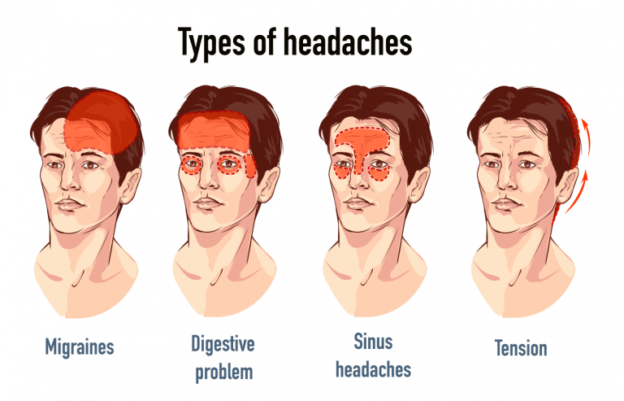
Chronic Headaches vs Serious Neurological Conditions


Understanding Chronic Headaches vs. Serious Neurological Conditions

Headaches are among the most common medical complaints, but not all headaches are harmless. While most are due to benign causes such as stress or migraine, some persistent or severe headaches may signal serious neurological conditions. Knowing the difference between chronic headache causes and warning signs of conditions like brain tumors or other neurological disorders is crucial.This guide helps patients understand chronic headache vs brain tumor, recognize serious headache symptoms not to ignore, and know when to consult a best neurologist in Guntur or a neurosurgeon in Vijayawada. The goal is early diagnosis, peace of mind, and timely treatment.

At Dr. Rao’s Hospital, patients receive expert headache and neurological care under the leadership of Dr. Mohana Rao Patibandla, a highly respected brain tumor specialist in Andhra Pradesh.


What Are Chronic Headaches?

Chronic headaches are defined as headaches occurring on 15 or more days per month for at least three months. They are often primary headaches, meaning they are not caused by another disease.

Common Chronic Headache Causes

  • Chronic migraine
  • Tension-type headache
  • Medication overuse headache
  • Poor sleep, stress, or posture issues

Most chronic headaches are treatable with lifestyle changes, medication, and specialist care.

Source: Mayo Clinic


Chronic Headache vs Brain Tumor: Key Differences

A common fear among patients is whether persistent headaches mean a brain tumor. In reality, headaches alone rarely indicate a brain tumor.

FeatureBenign Chronic HeadacheSerious Neurological Condition
PatternStable, recurrentProgressively worsening
TimeOften yearsWeeks to months
Associated symptomsNausea, light sensitivityWeakness, seizures, vision loss
Response to medicationOften improvesPoor or no response

This comparison helps patients distinguish tension headache vs tumor patterns.


When to Worry About Headaches: Red Flags

Some symptoms suggest that a headache may be linked to an underlying neurological disorder.

Severe Headache Red Flags

  • Sudden severe headache (“worst headache of life”)
  • Headache with vision changes
  • Headache nausea vomiting dizziness with no relief
  • Headache balance problems or difficulty walking
  • Headache personality changes
  • Headache seizures warning signs

These symptoms require urgent evaluation by a neurological headache expert in India.


Persistent Headaches with Neurological Symptoms

Persistent headaches neurological symptoms such as weakness, numbness, or speech difficulty are especially concerning.

  • Weakness in arms or legs
  • Loss of sensation on one side
  • Difficulty speaking or understanding speech
  • Memory or behavioral changes

These signs may indicate brain tumors, stroke, or other serious neurological conditions.


Migraine vs Serious Headache: How Doctors Differentiate

Migraines can be severe and disabling, but they follow recognizable patterns.

Typical Migraine Features

  • Throbbing pain
  • Light and sound sensitivity
  • Nausea
  • Family history

Features Suggesting Serious Brain Conditions

  • New-onset headache after age 50
  • Progressive worsening
  • Neurological deficits

This distinction helps guide chronic headache diagnosis in Guntur.


How Are Serious Headache Causes Diagnosed?

Evaluation at a specialized center includes:

  • Detailed neurological examination
  • MRI or CT brain imaging
  • EEG (if seizures are suspected)
  • Blood tests where indicated

Advanced diagnostic services are available at Dr. Rao’s Hospital Neurology.

Source: PubMed


Chronic Daily Headache Treatment Options

Chronic daily headache treatment focuses on long-term relief and prevention.

  • Preventive medications
  • Lifestyle modification
  • Stress and sleep management
  • Avoiding medication overuse

Most patients improve significantly under specialist care.


When Neurosurgery Is Required

If imaging reveals structural brain conditions, surgical intervention may be needed.

  • Brain tumors
  • Hydrocephalus
  • Vascular malformations

At Dr. Rao’s Hospital, minimally invasive neurosurgery in Guntur is performed using advanced technology to improve safety and recovery.

Visit the Neurosurgery Department for more details.


Why Choose Dr. Rao’s Hospital for Headache & Neurological Care?

  • Experienced neurologists and neurosurgeons
  • Advanced imaging and diagnostics
  • Patient-centered, evidence-based care
  • Trusted Dr Mohana Rao Patibandla reviews

This makes it a top neurosurgery hospital in Andhra Pradesh for headache evaluation.


Frequently Asked Questions

When should I worry about headaches?

You should worry if headaches are sudden, severe, worsening, or associated with vision loss, weakness, seizures, or personality changes.

Can chronic headaches be a sign of a brain tumor?

Most chronic headaches are not caused by tumors, but progressive headaches with neurological symptoms need evaluation.

Why choose Dr. Rao’s Hospital for headache treatment?

At Dr. Rao’s Hospital, led by Dr. Mohana Rao Patibandla, one of the best neurosurgeons in Guntur, patients receive expert diagnosis and advanced neurological care.


Call to Action: Do not ignore persistent or worsening headaches.

If you are looking for a headache specialist in Guntur, a neurosurgeon in Vijayawada, or expert care for complex neurological conditions, visit Dr. Rao’s Hospital.

📞 090100 56444
📧 info@drraoshospitals.com
📍 Contact Dr. Rao’s Hospital

Facebook |
Instagram |
YouTube |
LinkedIn |
X (Twitter) |
Google Maps

What to Expect During a Headache Specialist Consultation

Many patients delay seeing a specialist due to fear of tests or surgery. In reality, a structured headache consultation is calm, step-wise, and reassuring.

  • Detailed history of headache onset, frequency, and triggers
  • Assessment of sleep, stress, screen use, and medications
  • Focused neurological examination
  • Decision on whether imaging is actually required

Most patients are relieved to learn that advanced scans are ordered only when medically justified.


Do All Chronic Headaches Need Brain Scans?

No. One of the most common myths is that every headache needs an MRI or CT scan.

  • Not routinely required: Long-standing migraines or tension headaches with stable patterns
  • Recommended: New, progressive, or red-flag headaches

Selective imaging prevents unnecessary radiation exposure and anxiety while ensuring safety.


Role of Lifestyle & Ergonomics in Chronic Headaches

Modern lifestyles contribute significantly to headache burden.

  • Poor posture and prolonged screen use
  • Irregular meals and dehydration
  • Lack of physical activity
  • Chronic stress and inadequate sleep

Correcting these factors often reduces headache frequency by more than 50% in many patients.


Headaches Related to Neck & Spine Disorders

Not all headaches originate in the brain. Cervical spine issues can refer pain to the head.

  • Cervical spondylosis
  • Muscle spasm and disc degeneration
  • Postural strain

These conditions respond well to physiotherapy, posture correction, and targeted spine care rather than brain medications.


Psychological Stress vs Neurological Disease

Stress-related headaches are common but should never be dismissed without evaluation.

  • Stress headaches are usually bilateral and pressure-like
  • They lack progressive neurological deficits
  • They improve with relaxation and sleep normalization

Careful assessment ensures serious neurological conditions are not missed.


Monitoring Progress: How Doctors Measure Improvement

Success is not judged by pain relief alone.

  • Reduction in headache days per month
  • Lower intensity and duration
  • Improved work productivity
  • Reduced dependence on painkillers

Tracking these parameters ensures long-term control rather than temporary relief.


When a Second Opinion Is Appropriate

Patients may consider a second opinion if:

  • Headaches worsen despite treatment
  • New neurological symptoms appear
  • Diagnosis remains unclear
  • Surgery is being considered

Seeking clarity is a sign of proactive healthcare, not mistrust.


Long-Term Outlook for Patients With Chronic Headaches

The prognosis for most headache disorders is excellent with the right approach.

  • Majority achieve good control with preventive strategies
  • Serious neurological causes are uncommon but treatable when detected early
  • Minimally invasive neurosurgical options improve outcomes when required

Early evaluation reduces fear, cost, and complications.


Key Message for Patients & Families

Headaches are common, but complacency is risky. Understanding patterns, recognizing red flags, and seeking expert evaluation create the balance between reassurance and safety.

Knowledge empowers patients to act early—without panic and without delay.


Final Reassurance

If you are living with persistent headaches, remember that most are manageable and not life-threatening. However, expert assessment ensures that rare but serious neurological conditions are identified early and treated effectively.

Timely consultation is not about fear—it is about confidence and control.

Call to Action: Do not ignore persistent or worsening headaches.

If you are looking for a headache specialist in Guntur, a neurosurgeon in Vijayawada, or expert care for complex neurological conditions, visit Dr. Rao’s Hospital.

📞 090100 56444
📧 info@drraoshospitals.com
📍 Contact Dr. Rao’s Hospital

Facebook |
Instagram |
YouTube |
LinkedIn |
X (Twitter) |
Google Maps

Preventive Strategies That Reduce Headache Burden

Prevention is the cornerstone of long-term headache control. Small, consistent changes often deliver outsized benefits.

  • Regular routines: Fixed sleep–wake times stabilize brain chemistry.
  • Hydration & nutrition: Adequate fluids and balanced meals prevent trigger cascades.
  • Trigger management: Identify and limit common triggers (screen glare, skipped meals).
  • Exercise: Low-impact aerobic activity reduces frequency and intensity.

Headaches Across Life Stages: What Changes?

Headache patterns can evolve with age and physiology.

  • Young adults: Stress and screen-related triggers predominate.
  • Midlife: Hormonal shifts and metabolic factors influence patterns.
  • Older adults: New-onset headaches deserve careful assessment to exclude secondary causes.

Post-Infectious & Systemic Causes to Consider

Some headaches follow systemic illnesses and require targeted management.

  • Post-viral inflammatory headaches
  • Sinus and ENT-related referred pain
  • Autoimmune or metabolic contributors

Addressing the underlying condition often resolves the headache.


Medication Choices: Preventive vs Abortive

Effective plans balance two medication categories.

  • Abortive: Used at onset to stop an attack.
  • Preventive: Taken regularly to reduce attack frequency.

Choosing the right class depends on headache type, comorbidities, and lifestyle.


Non-Pharmacological Therapies That Help

Adjunctive therapies enhance outcomes and reduce medication reliance.

  • Physiotherapy for cervicogenic contributors
  • Cognitive-behavioral strategies for stress modulation
  • Mindfulness and relaxation training

How Follow-Up Visits Optimize Results

Regular follow-ups allow fine-tuning.

  • Adjust doses based on response
  • Switch strategies if triggers evolve
  • Reassess the need for investigations

Iterative care leads to sustained control.


Preparing Questions for Your Next Visit

Arriving prepared improves clarity and efficiency.

  • What type of headache do I have?
  • Which red flags should prompt urgent care?
  • What preventive plan fits my routine?
  • When should we reassess?

Community Education & Family Support

Informed families improve adherence and outcomes.

  • Shared understanding of triggers and plans
  • Support during acute episodes
  • Encouragement for preventive habits

Next Steps

If headaches persist, evolve, or interfere with daily life, a structured evaluation brings clarity. Early, expert-guided care reduces uncertainty and restores confidence.

Take control: Track symptoms, prioritize prevention, and seek timely specialist input when needed.

Call to Action: Do not ignore persistent or worsening headaches.

If you are looking for a headache specialist in Guntur, a neurosurgeon in Vijayawada, or expert care for complex neurological conditions, visit Dr. Rao’s Hospital.

📞 090100 56444
📧 info@drraoshospitals.com
📍 Contact Dr. Rao’s Hospital

Facebook |
Instagram |
YouTube |
LinkedIn |
X (Twitter) |
Google Maps


Best Neurologist in India - Best neurologist near me

Best Neurologist in India: Dr. Rao at Dr. Rao’s Hospital

Best Neurologist in India: Dr. Rao at Dr. Rao’s Hospital

Introduction

Regarding neurology, India has become a global hub for advanced medical treatments, attracting patients worldwide. Among the top neurologists in India, Dr. Mohana Rao Patibandla at Dr. Rao’s Hospital stands out for his exceptional expertise, compassionate care, and commitment to affordable, world-class healthcare. This blog delves into Dr. Rao’s illustrious career, the state-of-the-art facilities at Dr. Rao’s Hospital, and the advantages of medical tourism in India, making it a premier destination for neurological care.

Dr. Mohana Rao Patibandla: A Beacon of Excellence in Neurology

Educational Background and Training

Dr. Mohana Rao Patibandla’s path to becoming one of India’s top neurologists is characterized by rigorous training and a dedication to excellence. He completed his MBBS from Andhra Medical College, Visakhapatnam, in 2002. Recognizing his passion for neurology, he pursued a specialization in Neurosurgery from the prestigious Nizam’s Institute of Medical Sciences, Hyderabad, in 2013. Dr. Rao further honed his skills with fellowships in Skull Base and Epilepsy Surgery, Pediatric Neurosurgery, Neuro-oncology, Functional and Stereotactic Radiosurgery, and Endovascular and Cerebrovascular Neurosurgery in the USA. According to dnaindia

Professional Experience and Achievements

With a wealth of experience gained from national and international training, Dr. Rao returned to India to establish Dr. Rao’s Hospital in Guntur, Andhra Pradesh. His vision was to create a world-class neurology and neurosurgery center that offers cutting-edge treatments and compassionate care. Over the years, Dr. Rao has performed thousands of successful surgeries, earning a reputation for his meticulous surgical skills, innovative treatment approaches, and unwavering dedication to patient well-being.

Dr. Rao’s Hospital: A Center of Excellence

State-of-the-Art Facilities

Dr. Rao’s Hospital is a testament to Dr. Rao’s vision of providing advanced neurological care in India. The hospital has state-of-the-art technology, including advanced imaging systems, intraoperative MRI, and minimally invasive surgical tools. These facilities enable precise diagnosis, effective treatment, and improved patient outcomes.

Comprehensive Neurological Services

At Dr. Rao’s Hospital, patients have access to a wide range of neurological services, including:

  • Brain and Spine Surgery: Advanced surgical techniques for brain tumors, spinal disorders, and traumatic brain injuries.
  • Minimally Invasive Surgery: Cutting-edge procedures that minimize recovery time and reduce complications.
  • Pediatric Neurology: Specialized care for neurological disorders in children.
  • Epilepsy Surgery: Innovative treatments for epilepsy, including minimally invasive approaches.
  • Neuro-oncology: Comprehensive care for patients with brain and spinal tumors.
  • Functional and Stereotactic Radiosurgery: Precise, non-invasive treatments for various neurological conditions. In a recent India today article.

Affordable Medical Tourism: Why Choose India?

High-Quality Care at Affordable Prices

One key advantage of seeking medical treatment in India is its cost-effectiveness. Despite offering world-class medical care, the cost of neurological treatments in India is significantly lower compared to Western countries. This affordability does not come at the expense of quality; patients receive care from highly skilled specialists like Dr. Rao in facilities equipped with the latest technology.

Personalized and Compassionate Care

At Dr. Rao’s Hospital, patient care goes beyond medical treatment. The hospital’s team is dedicated to providing personalized, compassionate care that addresses patients’ physical, emotional, and psychological needs. Patients are supported throughout their medical journey, from the initial consultation to post-treatment follow-ups.

Ease of Access and Convenience

India has made significant strides in medical tourism, ensuring a seamless experience for international patients. Dr. Rao’s Hospital offers comprehensive support, including assistance with medical visas, travel arrangements, and accommodation. The hospital’s international patient coordinators are available to guide patients through every step of the process, ensuring a stress-free experience.

Cultural and Recreational Opportunities

The country offers a rich cultural experience and numerous recreational opportunities for those traveling to India for medical treatment. Patients and their families can explore India’s diverse heritage, visit historical landmarks, and enjoy the country’s natural beauty, healing and enriching their medical journey.

Patient Testimonials: Stories of Hope and Healing

Transformative Care

Many patients who have sought treatment at Dr. Rao’s Hospital have shared their stories of hope and healing. Testimonials highlight Dr. Rao’s expertise, the hospital’s state-of-the-art facilities, and the compassionate care the entire medical team provides. These stories underscore the hospital’s commitment to excellence and its impact on patients’ lives.

International Patients

International patients have particularly praised the affordability and quality of care at Dr. Rao’s Hospital. They have appreciated the seamless medical tourism experience, from initial consultations to follow-up care, and the opportunity to recover in a welcoming and supportive environment.

Conclusion

Dr. Mohana Rao Patibandla at Dr. Rao’s Hospital represents the pinnacle of neurological care in India. His extensive training, professional achievements, and commitment to patient well-being make him one of the best neurologists in the country. With the hospital’s state-of-the-art facilities and the advantages of medical tourism in India, patients worldwide can access affordable, high-quality neurological care. Whether you are seeking treatment for a complex neurological condition or exploring medical tourism options, Dr. Rao’s Hospital in Guntur is a premier destination for advanced, compassionate care.

Dr. Rao’s Contact Information: