Understanding Chronic Headaches vs. Serious Neurological Conditions
At Dr. Rao’s Hospital, patients receive expert headache and neurological care under the leadership of Dr. Mohana Rao Patibandla, a highly respected brain tumor specialist in Andhra Pradesh.
What Are Chronic Headaches?
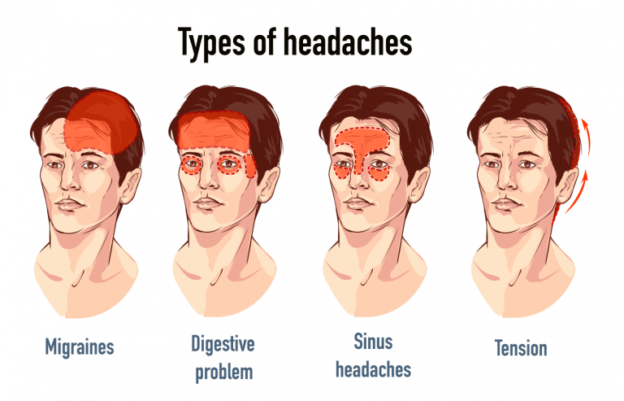
Chronic headaches are defined as headaches occurring on 15 or more days per month for at least three months. They are often primary headaches, meaning they are not caused by another disease.
Common Chronic Headache Causes
- Chronic migraine
- Tension-type headache
- Medication overuse headache
- Poor sleep, stress, or posture issues
Most chronic headaches are treatable with lifestyle changes, medication, and specialist care.
Source: Mayo Clinic
Chronic Headache vs Brain Tumor: Key Differences
A common fear among patients is whether persistent headaches mean a brain tumor. In reality, headaches alone rarely indicate a brain tumor.
| Feature | Benign Chronic Headache | Serious Neurological Condition |
|---|---|---|
| Pattern | Stable, recurrent | Progressively worsening |
| Time | Often years | Weeks to months |
| Associated symptoms | Nausea, light sensitivity | Weakness, seizures, vision loss |
| Response to medication | Often improves | Poor or no response |
This comparison helps patients distinguish tension headache vs tumor patterns.
When to Worry About Headaches: Red Flags
Some symptoms suggest that a headache may be linked to an underlying neurological disorder.
Severe Headache Red Flags
- Sudden severe headache (“worst headache of life”)
- Headache with vision changes
- Headache nausea vomiting dizziness with no relief
- Headache balance problems or difficulty walking
- Headache personality changes
- Headache seizures warning signs
These symptoms require urgent evaluation by a neurological headache expert in India.
Persistent Headaches with Neurological Symptoms
Persistent headaches neurological symptoms such as weakness, numbness, or speech difficulty are especially concerning.
- Weakness in arms or legs
- Loss of sensation on one side
- Difficulty speaking or understanding speech
- Memory or behavioral changes
These signs may indicate brain tumors, stroke, or other serious neurological conditions.
Migraine vs Serious Headache: How Doctors Differentiate
Migraines can be severe and disabling, but they follow recognizable patterns.
Typical Migraine Features
- Throbbing pain
- Light and sound sensitivity
- Nausea
- Family history
Features Suggesting Serious Brain Conditions
- New-onset headache after age 50
- Progressive worsening
- Neurological deficits
This distinction helps guide chronic headache diagnosis in Guntur.
How Are Serious Headache Causes Diagnosed?
Evaluation at a specialized center includes:
- Detailed neurological examination
- MRI or CT brain imaging
- EEG (if seizures are suspected)
- Blood tests where indicated
Advanced diagnostic services are available at Dr. Rao’s Hospital Neurology.
Source: PubMed
Chronic Daily Headache Treatment Options
Chronic daily headache treatment focuses on long-term relief and prevention.
- Preventive medications
- Lifestyle modification
- Stress and sleep management
- Avoiding medication overuse
Most patients improve significantly under specialist care.
When Neurosurgery Is Required
If imaging reveals structural brain conditions, surgical intervention may be needed.
- Brain tumors
- Hydrocephalus
- Vascular malformations
At Dr. Rao’s Hospital, minimally invasive neurosurgery in Guntur is performed using advanced technology to improve safety and recovery.
Visit the Neurosurgery Department for more details.
Why Choose Dr. Rao’s Hospital for Headache & Neurological Care?
- Experienced neurologists and neurosurgeons
- Advanced imaging and diagnostics
- Patient-centered, evidence-based care
- Trusted Dr Mohana Rao Patibandla reviews
This makes it a top neurosurgery hospital in Andhra Pradesh for headache evaluation.
Frequently Asked Questions
When should I worry about headaches?
You should worry if headaches are sudden, severe, worsening, or associated with vision loss, weakness, seizures, or personality changes.
Can chronic headaches be a sign of a brain tumor?
Most chronic headaches are not caused by tumors, but progressive headaches with neurological symptoms need evaluation.
Why choose Dr. Rao’s Hospital for headache treatment?
At Dr. Rao’s Hospital, led by Dr. Mohana Rao Patibandla, one of the best neurosurgeons in Guntur, patients receive expert diagnosis and advanced neurological care.
Call to Action: Do not ignore persistent or worsening headaches.
If you are looking for a headache specialist in Guntur, a neurosurgeon in Vijayawada, or expert care for complex neurological conditions, visit Dr. Rao’s Hospital.
📞 090100 56444
📧 info@drraoshospitals.com
📍 Contact Dr. Rao’s Hospital
Facebook |
Instagram |
YouTube |
LinkedIn |
X (Twitter) |
Google Maps
What to Expect During a Headache Specialist Consultation
Many patients delay seeing a specialist due to fear of tests or surgery. In reality, a structured headache consultation is calm, step-wise, and reassuring.
- Detailed history of headache onset, frequency, and triggers
- Assessment of sleep, stress, screen use, and medications
- Focused neurological examination
- Decision on whether imaging is actually required
Most patients are relieved to learn that advanced scans are ordered only when medically justified.
Do All Chronic Headaches Need Brain Scans?
No. One of the most common myths is that every headache needs an MRI or CT scan.
- Not routinely required: Long-standing migraines or tension headaches with stable patterns
- Recommended: New, progressive, or red-flag headaches
Selective imaging prevents unnecessary radiation exposure and anxiety while ensuring safety.
Role of Lifestyle & Ergonomics in Chronic Headaches
Modern lifestyles contribute significantly to headache burden.
- Poor posture and prolonged screen use
- Irregular meals and dehydration
- Lack of physical activity
- Chronic stress and inadequate sleep
Correcting these factors often reduces headache frequency by more than 50% in many patients.
Headaches Related to Neck & Spine Disorders
Not all headaches originate in the brain. Cervical spine issues can refer pain to the head.
- Cervical spondylosis
- Muscle spasm and disc degeneration
- Postural strain
These conditions respond well to physiotherapy, posture correction, and targeted spine care rather than brain medications.
Psychological Stress vs Neurological Disease
Stress-related headaches are common but should never be dismissed without evaluation.
- Stress headaches are usually bilateral and pressure-like
- They lack progressive neurological deficits
- They improve with relaxation and sleep normalization
Careful assessment ensures serious neurological conditions are not missed.
Monitoring Progress: How Doctors Measure Improvement
Success is not judged by pain relief alone.
- Reduction in headache days per month
- Lower intensity and duration
- Improved work productivity
- Reduced dependence on painkillers
Tracking these parameters ensures long-term control rather than temporary relief.
When a Second Opinion Is Appropriate
Patients may consider a second opinion if:
- Headaches worsen despite treatment
- New neurological symptoms appear
- Diagnosis remains unclear
- Surgery is being considered
Seeking clarity is a sign of proactive healthcare, not mistrust.
Long-Term Outlook for Patients With Chronic Headaches
The prognosis for most headache disorders is excellent with the right approach.
- Majority achieve good control with preventive strategies
- Serious neurological causes are uncommon but treatable when detected early
- Minimally invasive neurosurgical options improve outcomes when required
Early evaluation reduces fear, cost, and complications.
Key Message for Patients & Families
Headaches are common, but complacency is risky. Understanding patterns, recognizing red flags, and seeking expert evaluation create the balance between reassurance and safety.
Knowledge empowers patients to act early—without panic and without delay.
Final Reassurance
If you are living with persistent headaches, remember that most are manageable and not life-threatening. However, expert assessment ensures that rare but serious neurological conditions are identified early and treated effectively.
Timely consultation is not about fear—it is about confidence and control.
Call to Action: Do not ignore persistent or worsening headaches.
If you are looking for a headache specialist in Guntur, a neurosurgeon in Vijayawada, or expert care for complex neurological conditions, visit Dr. Rao’s Hospital.
📞 090100 56444
📧 info@drraoshospitals.com
📍 Contact Dr. Rao’s Hospital
Facebook |
Instagram |
YouTube |
LinkedIn |
X (Twitter) |
Google Maps
Preventive Strategies That Reduce Headache Burden
Prevention is the cornerstone of long-term headache control. Small, consistent changes often deliver outsized benefits.
- Regular routines: Fixed sleep–wake times stabilize brain chemistry.
- Hydration & nutrition: Adequate fluids and balanced meals prevent trigger cascades.
- Trigger management: Identify and limit common triggers (screen glare, skipped meals).
- Exercise: Low-impact aerobic activity reduces frequency and intensity.
Headaches Across Life Stages: What Changes?
Headache patterns can evolve with age and physiology.
- Young adults: Stress and screen-related triggers predominate.
- Midlife: Hormonal shifts and metabolic factors influence patterns.
- Older adults: New-onset headaches deserve careful assessment to exclude secondary causes.
Post-Infectious & Systemic Causes to Consider
Some headaches follow systemic illnesses and require targeted management.
- Post-viral inflammatory headaches
- Sinus and ENT-related referred pain
- Autoimmune or metabolic contributors
Addressing the underlying condition often resolves the headache.
Medication Choices: Preventive vs Abortive
Effective plans balance two medication categories.
- Abortive: Used at onset to stop an attack.
- Preventive: Taken regularly to reduce attack frequency.
Choosing the right class depends on headache type, comorbidities, and lifestyle.
Non-Pharmacological Therapies That Help
Adjunctive therapies enhance outcomes and reduce medication reliance.
- Physiotherapy for cervicogenic contributors
- Cognitive-behavioral strategies for stress modulation
- Mindfulness and relaxation training
How Follow-Up Visits Optimize Results
Regular follow-ups allow fine-tuning.
- Adjust doses based on response
- Switch strategies if triggers evolve
- Reassess the need for investigations
Iterative care leads to sustained control.
Preparing Questions for Your Next Visit
Arriving prepared improves clarity and efficiency.
- What type of headache do I have?
- Which red flags should prompt urgent care?
- What preventive plan fits my routine?
- When should we reassess?
Community Education & Family Support
Informed families improve adherence and outcomes.
- Shared understanding of triggers and plans
- Support during acute episodes
- Encouragement for preventive habits
Next Steps
If headaches persist, evolve, or interfere with daily life, a structured evaluation brings clarity. Early, expert-guided care reduces uncertainty and restores confidence.
Take control: Track symptoms, prioritize prevention, and seek timely specialist input when needed.
Call to Action: Do not ignore persistent or worsening headaches.
If you are looking for a headache specialist in Guntur, a neurosurgeon in Vijayawada, or expert care for complex neurological conditions, visit Dr. Rao’s Hospital.
📞 090100 56444
📧 info@drraoshospitals.com
📍 Contact Dr. Rao’s Hospital
Facebook |
Instagram |
YouTube |
LinkedIn |
X (Twitter) |
Google Maps