Author Archives: Dr RAO

Comprehensive guide cover: Neurosurgical techniques including minimally invasive, endoscopic, and awake brain surgery.

A Comprehensive Guide to Minimally Invasive, Endoscopic, and Awake Brain Surgery

A Comprehensive Guide to Minimally Invasive, Endoscopic, and Awake Brain Surgery

Neurosurgery is a specialized field of medicine that focuses on the surgical treatment of diseases and conditions of the brain, spinal cord, and nerves. Neurosurgery has come a long way in recent years, with advances in technology and techniques that have improved patient outcomes and reduced the risks and complications associated with traditional open surgery.

In this article, we will explore some of the various surgical techniques used in neurosurgery, including minimally invasive techniques, endoscopic surgery, and awake brain surgery.

Watch More On YouTube
A Comprehensive Guide to Minimally Invasive, Endoscopic, and Awake Brain Surgery

Minimally Invasive Techniques

Minimally invasive techniques have become increasingly popular in neurosurgery due to their reduced risks and complications compared to traditional open surgery. These techniques involve the use of specialized instruments and advanced imaging technology to access and treat areas of the brain and spine without making large incisions.

  1. Keyhole Craniotomy

A keyhole craniotomy is a minimally invasive technique used to remove brain tumors and other abnormal tissue. The procedure involves making a small incision in the scalp and using specialized instruments to create a small hole in the skull. The neurosurgeon can then use specialized instruments and imaging technology to access and remove the tumor or abnormal tissue through the small opening. Keyhole craniotomy can result in less blood loss, less pain, and a quicker recovery time compared to traditional open surgery.

  1. Lumbar Puncture

A lumbar puncture is a minimally invasive technique used to collect cerebrospinal fluid (CSF) for diagnostic purposes. The procedure involves inserting a needle into the lower back and withdrawing a small amount of CSF for analysis. Lumbar puncture is used to diagnose conditions such as meningitis, encephalitis, and multiple sclerosis.

  1. Epidural Steroid Injection

An epidural steroid injection is a minimally invasive technique used to treat chronic pain in the neck, back, and legs. The procedure involves the injection of a steroid medication into the epidural space, the area surrounding the spinal cord and nerve roots. The steroid medication can reduce inflammation and alleviate pain associated with conditions such as herniated discs and spinal stenosis.

In addition to the techniques already discussed, there are several other minimally invasive techniques that can be used in neurosurgery.

  1. Microvascular Decompression

Microvascular decompression is a minimally invasive technique used to treat trigeminal neuralgia, a condition that causes severe facial pain. The procedure involves the insertion of a small cushion between a nerve and a blood vessel that is causing pressure on the nerve. This can alleviate the pain associated with trigeminal neuralgia.

  1. Stereotactic Radiosurgery

Stereotactic radiosurgery is a minimally invasive technique used to treat brain tumors. The procedure involves the use of focused radiation beams to target and destroy the tumor without the need for surgery. Stereotactic radiosurgery can be used to treat tumors that are difficult to reach with traditional surgery or tumors that are too small to be seen on imaging studies.

  1. Laser Interstitial Thermal Therapy

Laser interstitial thermal therapy (LITT) is a minimally invasive technique used to treat brain tumors, epilepsy, and other neurological conditions. The procedure involves the insertion of a laser probe into the brain, which delivers high-energy laser beams to destroy the damaged tissue. LITT is less invasive than traditional open surgery and can result in less blood loss, less pain, and a quicker recovery time.

  1. Endovascular Surgery

Endovascular surgery involves the use of a catheter, a thin tube-like instrument, to access blood vessels in the brain and treat conditions such as aneurysms and arteriovenous malformations. The catheter is inserted through a small incision in the groin and guided to the targeted blood vessel using imaging techniques such as X-rays. Once the catheter reaches the targeted area, the neurosurgeon can use various tools, such as coils or stents, to treat the condition. Endovascular surgery is less invasive than traditional open surgery, and patients usually have a shorter hospital stay and a quicker recovery time.

  1. Minimally Invasive Spine Surgery

Minimally invasive spine surgery (MISS) is a technique that uses small incisions and specialized instruments to treat spine conditions such as herniated discs, spinal stenosis, and spinal tumors. The procedure involves the use of a small camera, called an endoscope, that is inserted through the incision to provide the neurosurgeon with a clear view of the spine. The neurosurgeon then uses specialized instruments to remove the damaged tissue and treat the condition. MISS is less invasive than traditional open surgery and can result in less blood loss, less pain, and a quicker recovery time.


Endoscopic Surgery

Endoscopic surgery involves the use of an endoscope, a thin, flexible tube with a camera and light attached to the end, to access and treat areas of the brain and spine. Endoscopic surgery has several advantages over traditional open surgery, including less blood loss, reduced risk of infection, shorter hospital stays, and quicker recovery times.


  1. Endoscopic Third Ventriculostomy

Endoscopic third ventriculostomy (ETV) is a minimally invasive technique used to treat hydrocephalus, a condition that causes excess fluid to accumulate in the brain. The procedure involves the use of an endoscope to create a small hole in the floor of the third ventricle, a fluid-filled chamber in the brain. This allows the excess fluid to flow out of the brain and be absorbed by the body. ETV can be a safe and effective alternative to traditional shunt surgery for treating hydrocephalus.


  1. Endoscopic Pituitary Surgery

Endoscopic pituitary surgery is a minimally invasive technique used to remove tumors and other abnormalities in the pituitary gland, a small gland at the base of the brain. The procedure involves the use of an endoscope to access the pituitary gland through the nose and sinuses. Endoscopic pituitary surgery can result in less blood loss, reduced risk of infection, and quicker recovery times compared to traditional open surgery.


  1. Endoscopic Spine Surgery

Endoscopic spine surgery is a minimally invasive technique used to treat a variety of spinal conditions, including herniated discs, spinal stenosis, and spinal tumors. The procedure involves the use of an endoscope to access the spine through a small incision. Endoscopic spine surgery can result in less blood loss, reduced risk of infection, and quicker recovery times compared to traditional open surgery.


  1. Endoscopic Colloid Cyst Resection

Colloid cysts are noncancerous growths that can occur in the brain and cause symptoms such as headaches, nausea, and vomiting. Endoscopic colloid cyst resection is a minimally invasive technique used to remove these cysts. The procedure involves the use of an endoscope to visualize the cyst and specialized instruments to remove it. Endoscopic colloid cyst resection is less invasive than traditional open surgery and can result in less blood loss, less pain, and a quicker recovery time.


Awake Brain Surgery

Awake brain surgery, also known as awake craniotomy, is a specialized technique used to treat brain tumors and other abnormalities located in areas of the brain that control important functions such as speech, movement, and sensation. The procedure involves keeping the patient awake and alert during the surgery so that the neurosurgeon can monitor the patient’s brain function and avoid damaging critical areas of the brain.

During awake brain surgery, the patient is given local anesthesia to numb the scalp and skull, but remains awake and alert throughout the procedure. The neurosurgeon uses advanced imaging technology and specialized instruments to remove the tumor or abnormal tissue while monitoring the patient’s brain function. The patient is asked to perform various tasks such as speaking, moving, or feeling sensations to help the neurosurgeon avoid damaging critical areas of the brain.


Awake brain surgery can be a safe and effective technique for treating brain tumors and other abnormalities located in critical areas of the brain. It allows the neurosurgeon to remove as much of the abnormal tissue as possible while minimizing the risk of damage to critical areas of the brain.


Conclusion

Neurosurgery has come a long way in recent years, with advances in technology and techniques that have improved patient outcomes and reduced the risks and complications associated with traditional open surgery. Minimally invasive techniques, endoscopic surgery, and awake brain surgery are just a few of the many specialized techniques used in neurosurgery to treat a variety of conditions and diseases of the brain and spine.

If you or a loved one is facing a neurosurgical procedure, it is important to talk to your neurosurgeon about the various surgical techniques available and which technique may be best suited to your specific needs and condition. With the right technique and skilled neurosurgeon, many patients can achieve excellent outcomes and a faster recovery time.

Dr. Rao’s Hospital – the best in neurosurgery care in Guntur, India

Dr. Rao’s Hospital is a multispecialty hospital that offers advanced medical treatment and surgical procedures, including neurosurgery. The hospital is equipped with state-of-the-art technology and facilities to ensure the best possible care for patients.

The neurosurgical team at Dr. Rao’s Hospital is highly skilled and experienced in a variety of neurosurgical techniques, including minimally invasive techniques, endoscopic surgery, and awake brain surgery. The hospital offers a comprehensive range of neurosurgical services, from diagnosis to treatment and rehabilitation.

In addition to neurosurgery, Dr. Rao’s Hospital offers a range of other medical and surgical specialties, including cardiology, oncology, gastroenterology, and orthopedics, among others. The hospital is committed to providing quality and compassionate care to patients in a comfortable and welcoming environment.

Overall, Dr. Rao’s Hospital in Guntur is a leading healthcare provider in the region, offering advanced medical treatment and surgical procedures, including neurosurgery, with a skilled and experienced team of medical professionals.


#neurosurgery #neurosurgicaltechniques #minimallyinvasivetechniques #endoscopicsurgery #awakebrainsurgery #neuroscience #surgery #medicine #healthcare #medicaltechnology #brainhealth #patientcare

the-best-treatment-for-common-neurological-disorders-by Dr Rao at-dr-raos

The best treatment for Common Neurological Disorders at Dr Raos

The best treatment for Common Neurological Disorders at Dr Raos

The human brain is the control center of the body, responsible for our thoughts, movements, and sensations. It is a complex organ that is made up of billions of neurons, or nerve cells, that communicate with each other to perform various functions. However, sometimes things can go wrong, and the brain can be affected by neurological disorders that can have a significant impact on a person’s life. In this article, we will discuss some common neurological disorders, including their causes, symptoms, and treatment options.

  1. Alzheimer’s Disease:

Alzheimer’s disease is a progressive brain disorder that affects memory, thinking, and behavior. It is the most common cause of dementia in older adults. Alzheimer’s disease occurs due to the accumulation of abnormal proteins in the brain, which leads to the death of brain cells and the breakdown of the connections between them. As the disease progresses, individuals with Alzheimer’s disease may experience symptoms such as confusion, difficulty speaking and writing, and changes in personality and mood.

Treatment options for Alzheimer’s disease include medication, such as cholinesterase inhibitors and memantine, which can help improve memory and cognitive function. Additionally, lifestyle changes, such as regular exercise, a healthy diet, and social activities, can help slow down the progression of the disease and improve quality of life.

  1. Parkinson’s Disease:

Parkinson’s disease is a progressive disorder that affects movement. It is caused by the degeneration of dopamine-producing cells in the brain. Dopamine is a neurotransmitter that is responsible for controlling movement, and the loss of dopamine-producing cells leads to the characteristic symptoms of Parkinson’s disease, such as tremors, rigidity, and slowness of movement.

Treatment options for Parkinson’s disease include medication, such as levodopa, which can help increase dopamine levels in the brain. Additionally, physical therapy and exercise can help improve mobility and balance, while speech therapy can help individuals with Parkinson’s disease improve their communication skills.

  1. Stroke:

A stroke occurs when blood flow to the brain is interrupted, either due to a blood clot or a hemorrhage. As a result, brain cells can become damaged or die, leading to a range of symptoms, such as weakness or numbness on one side of the body, difficulty speaking or understanding language, and vision problems.

Treatment options for stroke depend on the type of stroke and the severity of the symptoms. In some cases, medication, such as clot-busting drugs, can be used to dissolve blood clots and restore blood flow to the brain. In more severe cases, surgery may be necessary to remove a blood clot or repair a damaged blood vessel.

  1. Seizures:

Seizures are sudden and uncontrolled bursts of electrical activity in the brain that can cause a wide range of symptoms, including convulsions, loss of consciousness, and confusion. Seizures can be caused by a variety of factors, such as epilepsy, brain injury, or infection.

Treatment options for seizures include medication, such as anti-seizure drugs, which can help reduce the frequency and severity of seizures. Additionally, lifestyle changes, such as getting enough sleep and avoiding triggers, can help prevent seizures from occurring.

  1. Multiple Sclerosis:

Multiple sclerosis (MS) is a chronic autoimmune disorder that affects the central nervous system. It occurs when the immune system attacks the myelin sheath, which is the protective covering around nerve fibers in the brain and spinal cord. As a result, communication between the brain and the rest of the body can be disrupted, leading to a range of symptoms, such as fatigue, numbness or tingling in the limbs, and difficulty with balance and coordination.

Treatment options for MS include medication, such as disease-modifying therapies, which can help slow down the progression of the disease and reduce the frequency and severity of symptoms.

  1. Epilepsy:

Epilepsy is a neurological disorder that is characterized by recurrent seizures. It is caused by abnormal electrical activity in the brain, which can lead to a range of symptoms, including convulsions, loss of consciousness, and altered mental states.

Treatment options for epilepsy include medication, such as anti-seizure drugs, which can help prevent seizures from occurring. In some cases, surgery may be necessary to remove a portion of the brain that is causing the seizures.

  1. Huntington’s Disease:

Huntington’s disease is a rare, inherited neurological disorder that affects movement, cognition, and behavior. It is caused by a genetic mutation that leads to the accumulation of abnormal proteins in the brain, which leads to the death of brain cells.

Treatment options for Huntington’s disease include medication, such as dopamine blockers and antidepressants, which can help improve mood and cognitive function. Additionally, physical therapy and speech therapy can help individuals with Huntington’s disease improve their motor skills and communication abilities.

  1. Migraine:

Migraine is a neurological disorder that is characterized by recurrent headaches that are typically accompanied by other symptoms, such as nausea, vomiting, and sensitivity to light and sound. The exact cause of migraines is not fully understood, but it is thought to be related to changes in blood flow and chemical activity in the brain.

Treatment options for migraines include medication, such as pain relievers and triptans, which can help alleviate the symptoms of a migraine. Additionally, lifestyle changes, such as getting enough sleep, reducing stress, and avoiding trigger foods, can help prevent migraines from occurring.

  1. ALS:

ALS (Amyotrophic lateral sclerosis), also known as Lou Gehrig’s disease, is a progressive neurological disorder that affects nerve cells in the brain and spinal cord. It leads to the degeneration of motor neurons, which are responsible for controlling voluntary muscles. As a result, individuals with ALS may experience symptoms such as weakness, muscle atrophy, and difficulty speaking and swallowing.

Treatment options for ALS include medication, such as riluzole, which can help slow down the progression of the disease. Additionally, physical therapy and assistive devices, such as wheelchairs and communication aids, can help individuals with ALS maintain their independence and quality of life.

  1. Traumatic Brain Injury:

Traumatic brain injury (TBI) occurs when the brain is damaged as a result of a blow or jolt to the head. It can lead to a range of symptoms, such as headaches, dizziness, and difficulty with memory and concentration.

Treatment options for TBI depend on the severity of the injury. In mild cases, rest and pain medication may be sufficient. In more severe cases, surgery may be necessary to repair damage to the brain.


  1. Myasthenia Gravis:

Myasthenia gravis is a rare neurological disorder that affects the neuromuscular junction. It leads to muscle weakness and fatigue, particularly in the face, neck, and limbs. Myasthenia gravis is caused by a malfunction of the immune system that attacks the receptors that allow nerve impulses to reach the muscles.

Treatment options for myasthenia gravis include medication, such as cholinesterase inhibitors and immunosuppressants, which can help improve muscle strength and reduce the severity of symptoms. Additionally, thymectomy, which is the removal of the thymus gland, can help improve symptoms in some cases.

  1. Charcot-Marie-Tooth Disease:

Charcot-Marie-Tooth disease is a group of inherited neurological disorders that affect the peripheral nerves, which are responsible for transmitting signals between the brain and the muscles. Charcot-Marie-Tooth disease leads to muscle weakness and atrophy, particularly in the feet and hands.

Treatment options for Charcot-Marie-Tooth disease include physical therapy and assistive devices, such as braces and orthotics, which can help improve mobility and reduce the risk of falls. Additionally, surgery may be necessary to correct deformities caused by muscle weakness.

  1. Guillain-Barre Syndrome:

Guillain-Barre syndrome is a rare neurological disorder that is characterized by weakness and tingling in the limbs, which can rapidly progress to paralysis. Guillain-Barre syndrome is caused by an immune response that damages the peripheral nerves.

Treatment options for Guillain-Barre syndrome include plasmapheresis, which is a procedure that removes harmful antibodies from the blood, and immunoglobulin therapy, which involves the administration of immune system proteins to help reduce inflammation. Additionally, physical therapy and rehabilitation can help individuals with Guillain-Barre syndrome recover their strength and mobility.

  1. Restless Leg Syndrome:

Restless leg syndrome is a neurological disorder that is characterized by an irresistible urge to move the legs, particularly at night. Restless leg syndrome is thought to be caused by an imbalance of dopamine in the brain.

Treatment options for restless leg syndrome include medication, such as dopamine agonists and anticonvulsants, which can help reduce symptoms. Additionally, lifestyle changes, such as getting regular exercise and avoiding caffeine and alcohol, can help alleviate symptoms.

  1. Spinal Muscular Atrophy:

Spinal muscular atrophy is a rare genetic neurological disorder that affects the nerves that control muscle movement. Spinal muscular atrophy leads to muscle weakness and atrophy, particularly in the limbs.

Treatment options for spinal muscular atrophy include medication, such as nusinersen and onasemnogene abeparvovec-xioi, which can help slow down the progression of the disease. Additionally, physical therapy and assistive devices, such as braces and wheelchairs, can help individuals with spinal muscular atrophy maintain their mobility and independence.

  1. Narcolepsy:

Narcolepsy is a neurological disorder that is characterized by excessive daytime sleepiness and sudden sleep attacks. Narcolepsy is caused by a dysfunction of the neurotransmitter hypocretin, which regulates sleep and wakefulness.

Treatment options for narcolepsy include medication, such as stimulants and antidepressants, which can help reduce sleepiness and improve mood. Additionally, lifestyle changes, such as taking regular naps and avoiding alcohol and caffeine, can help alleviate symptoms.

Conclusion

In conclusion, neurological disorders can have a significant impact on a person’s life, but there are a range of treatment options available that can help alleviate symptoms and improve quality of life. If you are experiencing any symptoms of a neurological disorder, it is important to seek medical attention as soon as possible to receive a proper diagnosis and treatment plan.

Dr Raos hospital the best in INDIA

Dr. Rao’s Neuro, Brain, and Spine Hospital is a leading healthcare institution located in Guntur, Andhra Pradesh, India. The hospital is dedicated to providing comprehensive and advanced treatment options for neurological disorders, brain-related ailments, and spine-related problems.

Led by Dr. Rao, a renowned neurosurgeon and spine surgeon, the hospital boasts a team of highly qualified and experienced medical professionals who specialize in various areas of neurology and spine surgery. The hospital is equipped with state-of-the-art facilities, including advanced diagnostic and surgical equipment, to ensure that patients receive the highest quality care.

The hospital offers a wide range of services, including neurosurgery, spine surgery, pediatric neurology, neurology, stroke care, and pain management. The hospital’s specialized clinics, such as the Headache Clinic and the Movement Disorder Clinic, provide personalized and effective treatment options for patients with specific neurological conditions.

Dr. Rao’s Neuro, Brain, and Spine Hospital is committed to delivering compassionate and patient-centered care, and the hospital’s team of medical professionals work tirelessly to ensure that each patient receives individualized attention and the best possible treatment outcomes.

Overall, Dr. Rao’s Neuro, Brain, and Spine Hospital is a trusted and reliable healthcare institution for patients seeking advanced and effective treatment options for neurological and spine-related conditions.

the-best-minimally-invasive-neurosurgery-spine-surgery-at-dr-raos

The best Minimally Invasive Neurosurgery Spine surgery at Dr Raos

The best Minimally Invasive Neurosurgery Spine surgery at Dr Raos

INTRODUCTION

Minimally invasive neurosurgery spine (MIN spine) is an approach to spine surgery that minimizes tissue damage, reduces surgical time, and promotes faster recovery. In recent years, advances in medical technology have allowed surgeons to perform a range of spine surgeries using minimally invasive techniques. The benefits of this approach include less postoperative pain, reduced blood loss, and shorter hospital stays.

“Experience the benefits of minimally invasive neurosurgery for the spine, with faster recovery, minimal blood loss, and shorter hospital stays at Dr Raos hospital, Guntur, Andhra Pradesh, the best neurosurgery hospital in India having Dr Rao, the best neurosurgeon in India. Learn how this advanced surgical technique can treat a variety of spine conditions, from herniated discs to spinal stenosis. Talk to your doctor to determine if minimally invasive neurosurgery is right for you and your spine health. Read more about this innovative approach to spine surgery and its benefits for patients.”

In this blog, we will discuss the principles of MIN spine surgery, its benefits, the different techniques used in MIN spine surgery, and the conditions that can be treated using this approach.

Principles of MIN Spine Surgery

The principles of MIN spine surgery are based on the concept of avoiding unnecessary trauma to the surrounding tissue during surgery. This means that the surgeon uses specialized instruments and techniques to access the spine through small incisions, rather than making large incisions that can damage muscle tissue and lead to prolonged recovery times.

One of the main principles of MIN spine surgery is the use of imaging technology to guide the surgical instruments. This may include the use of real-time fluoroscopy or intraoperative navigation systems to help the surgeon accurately place screws, rods, and other hardware in the spine.

Another principle of MIN spine surgery is the use of specialized instruments that allow the surgeon to perform delicate procedures through small incisions. For example, endoscopic instruments can be used to remove damaged or herniated discs, while tubular retractors can be used to provide a clear view of the surgical site.

Benefits of MIN Spine Surgery

There are several benefits of MIN spine surgery over traditional open spine surgery. These benefits include:

  1. Less Pain: One of the most significant benefits of MIN spine surgery is that it typically results in less postoperative pain than traditional open surgery. This is because the smaller incisions used in MIN surgery cause less damage to the muscles and soft tissue surrounding the spine.
  2. Reduced Blood Loss: Another advantage of MIN spine surgery is that it results in less blood loss than traditional open surgery. This is because the smaller incisions used in MIN surgery cause less damage to the blood vessels in the surgical area.
  3. Shorter Hospital Stays: Because MIN spine surgery causes less tissue damage and blood loss, patients typically have shorter hospital stays than those who undergo traditional open surgery. This means that patients can return to their normal activities sooner and with less interruption.
  4. Faster Recovery: In addition to shorter hospital stays, patients who undergo MIN spine surgery typically experience faster overall recovery times than those who undergo traditional open surgery. This means that patients can return to work, hobbies, and other activities more quickly.
  5. Reduced Risk of Complications: Because MIN spine surgery is less invasive than traditional open surgery, it typically carries a lower risk of complications, such as infections or nerve damage.

Techniques Used in MIN Spine Surgery

There are several techniques used in MIN spine surgery, including:

  1. Microdiscectomy: A microdiscectomy is a procedure used to remove a herniated disc that is causing nerve compression in the spine. This procedure is performed using a tubular retractor and endoscopic instruments, which allow the surgeon to remove the damaged disc through a small incision.
  2. Decompression Surgery: Decompression surgery is used to relieve pressure on the spinal cord or nerves caused by spinal stenosis or other conditions. This procedure involves removing portions of bone or other tissue to create more space in the spinal canal.
  3. Minimally Invasive Fusion: Minimally invasive fusion is a procedure used to stabilize the spine by fusing two or more vertebrae together. This procedure involves the use of screws, rods, or other hardware to hold the vertebrae in place while they fuse together.
  4. Kyphoplasty: Kyphoplasty is a procedure used to treat vertebral compression fractures, which occur when a vertebra collapses or fractures due to osteoporosis or other conditions. During the procedure, a small balloon is inserted into the collapsed vertebra and inflated, creating a space for bone cement to be injected. The cement hardens and stabilizes the vertebra, reducing pain and restoring height to the spine.
  5. Vertebroplasty: Vertebroplasty is another procedure used to treat vertebral compression fractures. Like kyphoplasty, it involves the injection of bone cement into the fractured vertebra. However, instead of using a balloon to create a space for the cement, the cement is injected directly into the collapsed vertebra.
  6. Laminectomy: A laminectomy is a procedure used to relieve pressure on the spinal cord or nerves caused by spinal stenosis or other conditions. During the procedure, the surgeon removes a portion of the lamina, which is the bony arch that covers the spinal canal. This creates more space in the spinal canal and relieves pressure on the spinal cord or nerves.

Benefits of Different MIN Spine Surgery Techniques:

Each MIN spine surgery technique has its own benefits. For example, microdiscectomy is a highly effective treatment for herniated discs, with success rates of up to 90%. The procedure is associated with minimal blood loss and a short hospital stay, and most patients experience significant pain relief within a few days of the procedure.

Decompression surgery is another highly effective treatment for spinal stenosis and other conditions that cause pressure on the spinal cord or nerves. The procedure is associated with minimal blood loss and a short hospital stay, and most patients experience significant pain relief within a few days of the procedure.

Minimally invasive fusion is a relatively new technique, and its long-term outcomes are still being studied. However, early results suggest that the procedure is highly effective for stabilizing the spine and reducing pain. The procedure is associated with minimal blood loss and a short hospital stay, and most patients experience significant pain relief within a few days of the procedure.

Kyphoplasty and vertebroplasty are both highly effective treatments for vertebral compression fractures. These procedures are associated with minimal blood loss and a short hospital stay, and most patients experience significant pain relief within a few days of the procedure. In addition, both procedures can help restore height to the spine and prevent further fractures.

Laminectomy is a highly effective treatment for spinal stenosis and other conditions that cause pressure on the spinal cord or nerves. The procedure is associated with minimal blood loss and a short hospital stay, and most patients experience significant pain relief within a few days of the procedure.

Conditions Treated Using MIN Spine Surgery:

MIN spine surgery can be used to treat a wide range of conditions, including:

  1. Herniated Discs: Microdiscectomy is a highly effective treatment for herniated discs, with success rates of up to 90%.
  2. Spinal Stenosis: Decompression surgery and laminectomy are highly effective treatments for spinal stenosis, with success rates of up to 80%.
  3. Vertebral Compression Fractures: Kyphoplasty and vertebroplasty are highly effective treatments for vertebral compression fractures, with success rates of up to 90%.
  4. Spondylolisthesis: Minimally invasive fusion is an effective treatment for spondylolisthesis, with success rates of up to 85%.
  5. Spinal Tumors: MIN spine surgery can be used to remove spinal tumors and other abnormal growths.
  6. Spinal Infections: MIN spine surgery can be used


Risks and Complications of MIN Spine Surgery:

While MIN spine surgery is generally safe and effective, like any surgical procedure, it does carry some risks. Some potential risks and complications of MIN spine surgery include:

  1. Infection: All surgeries carry a risk of infection, and MIN spine surgery is no exception. However, the risk of infection is lower with MIN spine surgery compared to traditional open surgery.
  2. Bleeding: Although MIN spine surgery is associated with minimal blood loss, some bleeding may occur during the procedure. In rare cases, a blood transfusion may be necessary.
  3. Nerve Damage: Although MIN spine surgery is designed to minimize damage to surrounding tissue, there is still a risk of nerve damage during the procedure. This can cause temporary or permanent loss of sensation or movement.
  4. Anesthesia Complications: General anesthesia is used during MIN spine surgery, and there is a small risk of complications associated with anesthesia.
  5. Hardware Failure: In some cases, the hardware used during MIN spine surgery may fail, requiring additional surgery to repair or replace the hardware.
  6. Recurrence of Symptoms: While MIN spine surgery is highly effective, there is a small risk of recurrence of symptoms following the procedure.
  7. Blood Clots: Blood clots can form in the legs following MIN spine surgery, which can travel to the lungs and cause serious complications.

Preparation for MIN Spine Surgery:

Before undergoing MIN spine surgery, your doctor will perform a thorough evaluation to determine if you are a good candidate for the procedure. This evaluation may include a physical examination, imaging tests such as X-rays or MRI scans, and blood tests.

In addition, your doctor may recommend that you make certain lifestyle changes before the surgery, such as quitting smoking, losing weight, or increasing your physical activity.

On the day of the surgery, you will be given general anesthesia to help you sleep through the procedure. You may also be given a local anesthetic to help reduce pain after the surgery.

Recovery and Rehabilitation After MIN Spine Surgery:

After MIN spine surgery, you will typically spend a few days in the hospital to recover. During this time, you will be closely monitored by medical staff to ensure that you are healing properly and to manage any pain or discomfort you may be experiencing.

Once you are released from the hospital, your doctor will provide you with instructions on how to care for yourself at home. This may include recommendations on how to manage pain, how to care for any incisions or wounds, and when it is safe to resume normal activities.

In addition, your doctor may recommend that you participate in physical therapy or rehabilitation to help speed up your recovery and improve your mobility. This may involve exercises to strengthen your back and core muscles, as well as stretches to improve flexibility.

Overall, the recovery time after MIN spine surgery varies depending on the type of procedure you have undergone and your individual circumstances. However, most patients are able to resume normal activities within a few weeks of the surgery.

Conclusion:

MIN spine surgery is a safe and effective treatment option for a wide range of conditions affecting the spine. The procedure is associated with minimal blood loss, a short hospital stay, and a quick recovery time.

While MIN spine surgery carries some risks and complications, these are generally lower compared to traditional open surgery. However, as with any surgical procedure, it is important to carefully consider the risks and benefits before deciding to undergo MIN spine surgery.

If you are experiencing back pain or other symptoms related to a spinal condition, talk to your doctor to determine if MIN spine surgery may be right for you. With the help of modern technology and highly skilled surgeons, MIN spine surgery can provide long-lasting relief and improved


“Experience the benefits of minimally invasive neurosurgery for the spine, with faster recovery, minimal blood loss, and shorter hospital stays at Dr Raos hospital, Guntur, Andhra Pradesh, the best neurosurgery hospital in India having Dr Rao, the best neurosurgeon in India. Learn how this advanced surgical technique can treat a variety of spine conditions, from herniated discs to spinal stenosis. Talk to your doctor to determine if minimally invasive neurosurgery is right for you and your spine health. Read more about this innovative approach to spine surgery and its benefits for patients.”

#MINspine #neurosurgery #spinesurgery #spinehealth #backpain #minimallyinvasive #recovery #surgicalprocedure #spineconditions #patientcare #medicaltechnology

Illustration of a person experiencing stroke symptoms including facial drooping, arm weakness, and speech difficulty

Chemical Meningitis – the best treatment is at Dr Raos, Guntur

Chemical Meningitis – the best treatment is at Dr Raos, Guntur

Introduction

Meningitis is an inflammation of the meninges, the membranes that surround and protect the brain and spinal cord. It can be caused by infection, injury, or cancer. Infectious meningitis is most often caused by viruses, bacteria, or fungi. Bacterial meningitis is the most serious type and can be deadly. Meningitis can occur in people of any age, but is most common in infants and young children. It can cause a range of symptoms, from mild to severe. In some cases, it can lead to permanent disability or death. Early diagnosis and treatment are critical. If you think you or your child may have meningitis, it’s important to see a doctor right away. Meningitis is a serious infection that can cause death or permanent disability if not treated immediately. Early diagnosis and treatment are critical to preventing serious complications. While most cases of meningitis are caused by viruses and can be treated with supportive care, some cases are caused by bacteria and require immediate treatment with antibiotics. Bacterial meningitis is particularly dangerous because it can progress very quickly and lead to death within days. Chemical meningitis is a rare but potentially fatal form of meningitis that occurs when chemicals enter the cerebrospinal fluid. This can happen if the lining of the brain or spinal cord is damaged, allowing chemicals to leak into the cerebrospinal fluid. Chemical meningitis is a medical emergency and requires immediate treatment with high-dose steroids and other medications. If you think you or someone you know may have meningitis, it is important to seek medical help immediately. Meningitis can be difficult to diagnose early on, so it is important to trust your instincts and seek medical attention if you or someone you know is suddenly feeling very ill. Looking for the best treatment for the meningitis, look no further than Dr Raos hospital at Guntur, Dr Rao is the best neurosurgeon and neuroscientist.

causes

Meningitis is most often caused by a viral infection, but it can also be caused by a bacterial infection. The most common cause of viral meningitis is the enterovirus, which is a group of viruses that includes the poliovirus. Other viruses that can cause meningitis include the herpes simplex virus, the varicella-zoster virus, and the mumps virus. Meningitis can also be caused by bacteria such as Streptococcus pneumoniae, Neisseria meningitidis, and Haemophilus influenzae type B.

symptoms

Symptoms of chemical meningitis are similar to those of other types of meningitis, and can include headache, fever, stiff neck, and confusion. However, chemical meningitis may also cause seizures, coma, and death. Early diagnosis and treatment is essential to preventing serious complications.

Diagnosis

A lumbar puncture, also called a spinal tap, is the most common way to diagnose chemical meningitis. This involves inserting a needle into the lower back to collect a sample of cerebrospinal fluid (CSF). The CSF will be examined for evidence of inflammation or infection.

treatment

There are a few different ways to treat chemical meningitis. One way is to give the person steroids. This can help to decrease the inflammation in the brain. Another way is to give the person antibiotics. This can help to kill the bacteria that are causing the infection. The last way is to do a surgery called a craniotomy. This is where the doctor will make a small opening in the skull so that they can remove the infected tissue.

antibiotic resistance

Meningitis is a serious infection of the meninges, the protective membranes that surround the brain and spinal cord. It can be caused by bacteria, viruses, or other organisms. Bacterial meningitis is the most serious type and can be fatal if not treated promptly with antibiotics. However, some strains of bacteria that cause meningitis are becoming resistant to antibiotics. This means that the antibiotics may not work against these bacteria. As a result, more people are dying from meningitis, even with treatment. Antibiotic resistance is a major problem with treating meningitis. When bacteria become resistant to an antibiotic, that antibiotic can no longer kill them. As a result, the infection can become much more difficult to treat. In some cases, it may even be impossible to treat. There are several ways that bacteria can become resistant to antibiotics. One way is through mutation. This is when the bacteria changes in a way that makes it resistant to the antibiotic. Another way is through horizontal gene transfer. This is when the bacteria acquires resistance genes from other bacteria. The best way to prevent antibiotic resistance is to use antibiotics wisely. This means using them only when they are needed and for the shortest time possible. It also means using the right antibiotic for the infection. Overusing or misusing antibiotics can lead to resistance.

Conclusion

Meningitis is a serious infection that can cause death or permanent disability if not treated immediately. Early diagnosis and treatment are critical to preventing serious complications. While most cases of meningitis are caused by viruses and can be treated with supportive care, some cases are caused by bacteria and require immediate treatment with antibiotics. Bacterial meningitis is particularly dangerous because it can progress very quickly and lead to death within days. Chemical meningitis is a rare but potentially fatal form of meningitis that occurs when chemicals enter the cerebrospinal fluid. This can happen if the lining of the brain or spinal cord is damaged, allowing chemicals to leak into the cerebrospinal fluid. Chemical meningitis is a medical emergency and requires immediate treatment with high-dose steroids and other medications. If you think you or someone you know may have meningitis, it is important to seek medical help immediately. Meningitis can be difficult to diagnose early on, so it is important to trust your instincts and seek medical attention if you or someone you know is suddenly feeling very ill.

cushings-syndrome-the-best-treatment-at-dr-raos-guntur

Cushing’s syndrome – The best treatment at Dr Raos, Guntur

Cushing’s syndrome – The best treatment at Dr Raos, Guntur

Introduction

Cushing’s syndrome is a rare condition that occurs when the body produces too much of the hormone cortisol. This can happen for a variety of reasons, including stress, tumors, or medications. The condition can lead to a number of serious health problems, including high blood pressure, diabetes, and osteoporosis. Cushing’s syndrome is typically diagnosed by a combination of physical exam, blood tests, and imaging studies. Treatment may involve surgery, radiation therapy, or medication. Looking for the best treatment for the Cushing disease look no further than Dr Raos hospital, Guntur, having the best neurosurgeon in India, Dr Rao.

causes

There are several possible causes of Cushing’s syndrome, including: -Excessive production of the hormone cortisol by the adrenal glands (primary hypercortisolism) -Excessive production of ACTH by the pituitary gland (secondary hypercortisolism) -Ectopic ACTH production (when ACTH is produced by a tumor outside of the pituitary gland) -Use of exogenous corticosteroids (such as prednisone) In most cases, Cushing’s syndrome is caused by excess cortisol production by the adrenal glands. This can be due to a tumor on one of the adrenal glands (an adenoma), or it can be due to a tumor on the pituitary gland that secretes ACTH (a pituitary adenoma). In some cases, Cushing’s syndrome can also be caused by ectopic ACTH production, which is when a tumor outside of the pituitary gland produces ACTH. Finally, Cushing’s syndrome can also be caused by the use of exogenous corticosteroids, such as prednisone.

symptoms

Cushing’s syndrome is a hormonal disorder that occurs when the body produces too much of the hormone cortisol. Cortisol is a steroid hormone that is produced by the adrenal gland in response to stress. It plays an important role in the body’s response to stress and helps to regulate blood pressure, metabolism, and the immune system. Symptoms of Cushing’s syndrome can vary depending on the underlying cause. However, common symptoms include: • Weight gain, particularly in the face, neck, and trunk • Easy bruising • Thinning skin • Stretch marks • Red or purple stretch marks on the skin • Slow healing of cuts and bruises • Acne • Irritability • Depression

Diagnosis

Cushing’s syndrome is diagnosed through a combination of medical history, physical examination, and tests. The most important test for diagnosing Cushing’s syndrome is the 24-hour urinary free cortisol test. This test measures the amount of cortisol in your urine over a 24-hour period. A high level of cortisol in your urine may indicate Cushing’s syndrome. Other tests that may be used to diagnose Cushing’s syndrome include: • Blood tests to measure levels of cortisol and other hormones • A dexamethasone suppression test, which measures how well your body responds to the steroid dexamethasone • An overnight 1 mg dexamethasone suppression test, which is similar to the dexamethasone suppression test but uses a lower dose of dexamethasone • A high-dose (8 mg) dexamethasone suppression test, which is used if the results of the other tests are inconclusive • An adrenocorticotropic hormone (ACTH) stimulation test, which measures how well your adrenal glands respond to ACTH

treatment

Cushing’s syndrome can be treated with medication, surgery, or a combination of both. Medication is typically used to control the hormone levels in the body, while surgery is used to remove the tumor that is causing the Cushing’s syndrome. In some cases, radiation therapy may also be used to treat the condition.


Conclusion

Cushing’s syndrome is a serious condition that can have a significant impact on an individual’s quality of life. While there is no cure for the condition, early diagnosis and treatment is essential in order to manage the symptoms and prevent further complications. With proper medical care, most people with Cushing’s syndrome can lead relatively normal lives. Looking for the best treatment for the Cushing disease look no further than Dr Raos hospital, Guntur, having the best neurosurgeon in India, Dr Rao.

Illustration of a person experiencing stroke symptoms including facial drooping, arm weakness, and speech difficulty.

Cerebrovascular accident – the best treatment is at Dr Raos, Guntur

Cerebrovascular accident – the best treatment is at Dr Raos, Guntur

Introduction

A cerebrovascular accident (CVA) is a medical emergency that happens when the blood supply to your brain is suddenly interrupted. This can happen due to a blockage, such as a clot, or a bleed. A CVA is also commonly known as a stroke. Symptoms of a CVA can include: -sudden onset of weakness or numbness on one side of your body -sudden confusion or trouble speaking -sudden trouble seeing in one or both eyes -sudden dizziness, loss of balance or coordination If you experience any of these symptoms, it is important to call 9010056444 or 9010057444 immediately and get to Dr Rao’s hospital for the best neurology and neurosurgery services by Dr Rao, who is the best interventional neurosurgeon and fellowship trained from the USA.

causes

There are many different causes of cerebrovascular accidents (CVAs), also known as strokes. The most common cause is a blockage in one of the arteries that supplies blood to the brain. This can be due to a buildup of plaque, a blood clot, or other debris. Other causes include bleeding in the brain (hemorrhagic stroke) and narrowing of the arteries (arteriosclerosis). CVAs can also be caused by problems with the heart, such as an irregular heartbeat (atrial fibrillation). This can cause blood clots to form, which can then travel to the brain and block an artery. Other heart-related conditions that can increase the risk of a CVA include heart attack, heart failure, and cardiomyopathy. Certain lifestyle factors can also increase the risk of having a CVA. These include smoking, high blood pressure, diabetes, and high cholesterol. Obesity and physical inactivity are also risk factors. Drinking too much alcohol can also increase the risk of having a CVA.

symptoms

Symptoms of a stroke can be divided into two main categories: physical and mental. Physical symptoms are those that affect the body and may include paralysis, numbness, weakness, and difficulty speaking or understanding speech. Mental symptoms are those that affect the mind and may include confusion, memory loss, and changes in mood or personality. The most common symptom of a stroke is sudden paralysis or weakness in the face, arm, or leg. This paralysis or weakness may be accompanied by numbness, tingling, or pain. Other physical symptoms may include difficulty speaking or understanding speech, difficulty swallowing, double vision, and balance problems. Mental symptoms of a stroke may include confusion, memory loss, and changes in mood or personality. The person may become agitated or depressed. They may also have trouble understanding or responding to questions.

Diagnosis

A diagnosis of cerebrovascular accident (CVA) can be made based on the individual’s symptoms and medical history, as well as a physical examination. Imaging tests, such as computed tomography (CT) or magnetic resonance imaging (MRI), may also be used to rule out other potential causes of the individual’s symptoms.

treatment

There is no one definitive answer for the treatment of a cerebrovascular accident. Every case is unique and must be treated as such. However, there are some general principles that can be followed in order to provide the best possible care for a patient. The first step is to stabilize the patient. This means ensuring that they are breathing and have a pulse. Once this is done, the next step is to prevent further damage to the brain. This can be done by lowering the patient’s blood pressure and keeping their blood sugar levels under control. Once the patient is stabilized, the next step is to start rehabilitation. This will help the patient regain as much function as possible. Physical, occupational, and speech therapy are all important components of rehabilitation. The final step is to provide support for the patient and their family. This includes helping them adjust to their new lifestyle and providing emotional support.

Living with it

“Living with it” It can be difficult to adjust to life after a cerebrovascular accident, especially if you have experienced a significant loss of function. There are a number of things that you can do to make the adjustment easier, however. First, it is important to stay positive and focus on your recovery. It may be helpful to set small goals for yourself and celebrate each accomplishment. Second, it is important to stay active and engaged in your life. This means participating in activities that you enjoy and spending time with people who make you feel good. Finally, it is important to seek out support from family, friends, and professionals. There are many resources available to help you cope with your new reality.

Conclusion

The cerebrovascular accident, or CVA, is a serious condition that can have a profound impact on a person’s life. While there are treatments available that can help to improve the symptoms of a CVA, it is important to remember that this is a condition that will require lifelong management. There is no cure for a CVA but timely treatment will reduce the disability, with proper care and treatment, people can live long and healthy lives.

seizures-the-best-treatment-is-at-dr-raos-guntur

Seizures – the best treatment is at Dr Raos, Guntur

Seizures – the best treatment is at Dr Raos, Guntur

Introduction

Epilepsy is a chronic neurological disorder that affects the nervous system. It is characterized by recurrent seizures that can range from brief and nearly undetectable to long and debilitating. Seizures are caused by abnormal electrical activity in the brain. Epilepsy can be caused by a variety of factors, including genetic predisposition, head trauma, stroke, and brain tumors. In many cases, the cause is unknown. Epilepsy affects people of all ages, but is most commonly diagnosed in children and young adults. It is estimated that 1 in 26 people will develop epilepsy at some point in their lifetime. There are many different types of seizures, and they can vary in severity. Some people with epilepsy only experience occasional seizures that do not interfere with their daily lives, while others may have frequent or severe seizures that can be disabling. There is no cure for epilepsy, but it can be managed with medication and other treatments. In some cases, surgery may be an option. With proper treatment, most people with epilepsy are able to live normal, healthy lives. Looking for the best seizure treatment in Guntur, look no further than Dr Raos hospital, Dr Rao is the best neurosurgeon and epileptologist in Guntur and India.

causes

There are many possible causes of seizures. Sometimes, the cause is unknown. Possible causes include: • Genetic conditions. Some people are born with a higher risk for seizures because of a family history of epilepsy or a genetic disorder. • Brain injuries. A head injury from a car accident or other trauma can cause damage to the brain and lead to seizures. • Infections. Infections such as meningitis or encephalitis can cause inflammation in the brain and lead to seizures. • Stroke. A stroke occurs when blood flow to the brain is interrupted. This can cause damage to the brain and lead to seizures. • Brain tumors. Tumors in the brain can put pressure on surrounding tissue and lead to seizures.

symptoms

There are many different types of seizures, and the symptoms can vary depending on the type. Some people may experience a change in their vision, while others may have muscle spasms or convulsions. Some people may even lose consciousness during a seizure.

Diagnosis

A diagnosis of seizures generally begins with a medical history and physical examination. If your doctor suspects you have seizures, he or she may refer you to a neurologist, a doctor who specializes in disorders of the nervous system. The neurologist will likely ask about your family history, as well as your personal medical history. He or she will also perform a neurological exam, which assesses your mental status, reflexes, muscle strength, sensation and coordination. If the neurologist suspects you have seizures, he or she may order one or more of the following tests: • Blood tests. These tests can help rule out other conditions that may cause seizure-like symptoms, such as low blood sugar (hypoglycemia) or an infection. • Imaging tests. An MRI (magnetic resonance imaging) scan or a CT (computed tomography) scan can provide detailed images of your brain to look for abnormalities that may be causing your seizures. • Electroencephalography (EEG). This test records electrical activity in your brain using sensors (electrodes) attached to your scalp. An EEG can help diagnose epilepsy and determine what type of seizure disorder you have. • Neuropsychological testing. This testing assesses thinking, memory and behavior problems that can be caused by a seizure disorder. • Sleep studies. A sleep study may be recommended if your doctor suspects you have nighttime seizures or if you have daytime sleepiness that might be related to seizures.

treatment

There are many different types of seizures, and therefore, there is not just one type of treatment. The most common type of seizure is the grand mal seizure, which is characterized by loss of consciousness and muscle spasms. There are many different medications that can be used to treat this type of seizure, and the most common one is called phenytoin. This medication works by reducing the amount of electrical activity in the brain. There are also many other types of seizures that do not involve loss of consciousness. These types of seizures are called partial seizures, and they can be treated with a variety of different medications. The most common type of partial seizure is the temporal lobe seizure, which is characterized by changes in behavior or sensation. There are many different medications that can be used to treat this type of seizure, and the most common one is called carbamazepine. This medication works by reducing the amount of electrical activity in the brain. In some cases, surgery may be necessary to treat seizures. The most common type of surgery for seizures is called a corpus callosotomy, which involves cutting the connection between the two hemispheres of the brain. This surgery is usually only done when other treatments have failed.

Epilepsy surgery

Epilepsy surgery is a treatment option for people with epilepsy who have not been able to control their seizures with medication. Epilepsy surgery is usually only considered when other treatments have failed and the person’s seizures are significantly impacting their quality of life. The goal of epilepsy surgery is to remove the part of the brain that is causing the seizures while preserving as much normal brain tissue as possible. Epilepsy surgery is a very serious decision and should only be made after careful consideration and consultation with a team of experts. There are several different types of epilepsy surgery, and the type that is right for each person depends on many factors, including the type of seizures they have, where the seizures originate in the brain, and the person’s overall health. After epilepsy surgery, most people experience a significant reduction in their seizure frequency. In some cases, seizures may stop completely. It is important to note that epilepsy surgery does not cure epilepsy, but it can greatly improve quality of life for those who are unable to control their seizures with medication.

Conclusion

In conclusion, seizures are a serious medical condition that can have a profound impact on an individual’s life. It is important to be aware of the potential causes and symptoms of seizures in order to seek prompt medical attention. There are a variety of treatment options available, and epilepsy surgery can be an effective option for some people with intractable seizures. be an option. With proper treatment, most people with epilepsy are able to live normal, healthy lives. Looking for the best seizure treatment in Guntur, look no further than Dr Raos hospital, Dr Rao is the best neurosurgeon and epileptologist in Guntur and India.

ocd-the-best-treatment-is-at-dr-raos-guntur

OCD – The best treatment is at Dr Raos, Guntur

OCD – The best treatment is at Dr Raos, Guntur

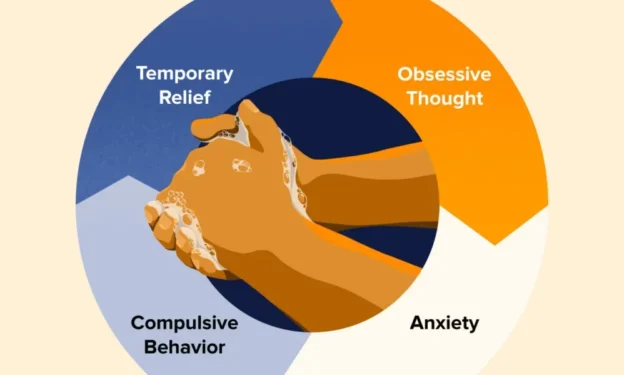
Introduction

Obsessive compulsive disorder (OCD) is a mental disorder in which people have unwanted and repeated thoughts, feelings, images, and sensations (obsessions) that drive them to do something over and over again (compulsions). Looking for the best psychology or psychiatry specialist in Guntur, look no further than Dr Raos hospital, Guntur, Andhra Pradesh; Dr Rao is the best neurosurgeon in Guntur, Andhra Pradesh and India.

causes

There are many possible causes of OCD, but the exact cause is unknown. It is thought to be caused by a combination of genetic and environmental factors. OCD may be caused by changes in the brain. One theory is that OCD is caused by an imbalance of the brain chemical serotonin. Serotonin is a neurotransmitter that helps regulate mood and anxiety. A change in serotonin levels may play a role in the development of OCD. Environmental factors, such as stress, may also play a role in the development of OCD. Stressful life events, such as the death of a loved one or a divorce, can trigger OCD symptoms.

symptoms

There are many different symptoms of OCD, and they can vary from person to person. Some people with OCD may have very noticeable symptoms, while others may not. The most common symptom of OCD is excessive hand-washing. This can be anything from washing your hands several times a day to washing them dozens of times an hour.

Other common symptoms include:

• Checking things repeatedly (such as locks, stoves, or lights)

• Counting, tapping, or repeating certain words or phrases

• Arranging things in a certain order or symmetry

• Excessive cleaning

• Hoarding

These are just some of the more common symptoms of OCD. If you think you may have OCD, it is important to speak with a mental health professional to get a proper diagnosis.

Diagnosis

There is no one test to diagnose OCD. A diagnosis is based on the person’s symptoms, medical and family history, and a psychological evaluation. A mental health professional will ask about your thoughts, feelings, and behaviors. He or she will want to know how much time you spend on your obsessions and compulsions and how much they interfere with your life. The mental health professional may also ask if you have any other mental health conditions, such as anxiety or depression. Your doctor may do a physical exam to rule out other conditions that could be causing your symptoms. He or she may also order lab tests, such as blood work or a thyroid test. If you have OCD, you usually realize that your obsessions and compulsions are unreasonable. But you feel powerless to stop them. Treatment can help you control your symptoms so they don’t control you.

treatment

There are a number of different treatment options available for those suffering from OCD. The most common and effective treatment is a type of cognitive behavioral therapy known as exposure and response prevention (ERP). This therapy involves gradually exposing the patient to the things that trigger their OCD symptoms and then teaching them how to resist the urge to perform their compulsions. Other treatments for OCD include medication, such as antidepressants, and various types of psychotherapy. In some cases, patients may also benefit from hospitalization or day treatment programs.

Deep Brain stimulation

Deep brain stimulation (DBS) is a surgical procedure used to treat a variety of movement disorders, including Parkinson’s disease, essential tremor, and dystonia. DBS involves implanting a small device called a “brain pacemaker” in the brain. The brain pacemaker sends electrical impulses to specific areas of the brain that are involved in movement control. DBS is usually considered when other treatments, such as medication and physical therapy, have failed to provide relief from symptoms. DBS is a relatively new procedure, and its long-term effects are not yet known. DBS is a complex surgery that should be performed by a team of experienced medical professionals. The risks of DBS include infection, bleeding, stroke, and seizures. DBS is an invasive procedure and should only be considered after all other treatment options have been exhausted.

Conclusion

The conclusion of this article is that obsessive compulsive disorder is a real and serious mental illness that should be taken seriously. If you or someone you know is suffering from OCD, please seek professional help. Looking for the best psychology or psychiatry specialist in Guntur, look no further than Dr Raos hospital, Guntur, Andhra Pradesh; Dr Rao is the best neurosurgeon in Guntur, Andhra Pradesh and India.

carpal-tunnel-syndrome-the-best-treatment-at-dr-raos-guntur

Carpal tunnel syndrome – the best treatment at Dr Raos, Guntur

Carpal tunnel syndrome – the best treatment at Dr Raos, Guntur

Introduction

Carpal tunnel syndrome is a condition that can cause pain and numbness in the hand and wrist. The condition is caused by compression of the median nerve, which runs through the carpal tunnel, a narrow passageway in the wrist. Carpal tunnel syndrome is a common condition, particularly among women and people who work with their hands. The condition is treatable, and there are steps that can be taken to prevent it from getting worse. Looking for the best neurology hospital in Guntur, look no further than Dr Raos hospital, the best neurosurgery or neurology hospital in Guntur and India.

causes

There are a number of different things that can contribute to the development of carpal tunnel syndrome. In many cases, it is the result of a combination of factors. Some of the most common include: -Repetitive motions of the hands and wrists. This is often seen in people who perform the same motions over and over again at work, such as typing or using a cash register. -An injury or trauma to the wrist. This can include a fracture, dislocation, or sprain. -Arthritis. This condition can cause inflammation in the joints, which can put pressure on the median nerve. -Pregnancy. This is thought to be due to the increased levels of hormones in the body, which can lead to fluid retention and swelling. This can put pressure on the median nerve. -Diabetes. This condition can cause damage to the nerves, which can lead to carpal tunnel syndrome.

symptoms

Carpal tunnel syndrome symptoms can vary in severity. Some people experience mild symptoms that come and go, while others have constant, severe pain. The most common symptom is a tingling or numb feeling in the fingers or hand. This is usually worse at night and can make it difficult to sleep. Other symptoms include: • Pain in the wrist, palm, or forearm • A burning sensation or weakness in the hand • Difficulty gripping or holding objects • Clumsiness when using the affected hand If you have any of these symptoms, it’s important to see your doctor so they can diagnose and treat the condition.

Diagnosis

There are several ways to diagnose carpal tunnel syndrome. The most common is the physical examination. Your doctor will check for tenderness, swelling, and weakness in your hands and wrists. He or she may also ask you to do some simple tests, such as holding your hands out in front of you or making a fist. If your doctor suspects you have carpal tunnel syndrome, he or she may refer you to a specialist for further testing. This may include an electromyogram (EMG) or nerve conduction study. These tests measure the electrical activity of your muscles and nerves to help determine if there is pressure on the median nerve. Carpal tunnel syndrome is usually diagnosed based on your symptoms and physical examination. However, these tests may be ordered to rule out other conditions that cause similar symptoms, such as arthritis or a pinched nerve in the neck.

treatment

There are a number of different ways to treat carpal tunnel syndrome. Some people may only need to wear a splint at night, while others may need to have surgery. If you only have mild symptoms, your doctor may recommend that you wear a splint at night. This will help keep your wrist in a straight position and take the pressure off of the median nerve. You may also be asked to do some exercises and stretches to help improve your symptoms. If your symptoms are more severe, you may need to have surgery. The type of surgery you have will depend on how much damage there is to the median nerve. In some cases, the surgeon will just need to release the pressure on the nerve by cutting through the ligament that is pressing on it. In other cases, the surgeon may need to remove part of the bone or tendon that is pressing on the nerve.

Living with it

Carpal tunnel syndrome can be a chronic and painful condition, but there are ways to manage the pain and live with the condition. Here are some tips: -Rest your hands and wrists as much as possible. -Apply ice to the affected area for 20 minutes at a time, several times a day. -Take over-the-counter pain relievers such as ibuprofen or acetaminophen. -Wear a splint at night to keep your wrist in a neutral position. -Do exercises that stretch and strengthen your hand and wrist muscles. If these conservative measures don’t relieve your symptoms, you may need to see a doctor for further treatment. In some cases, surgery may be necessary to relieve the pressure on the median nerve.

Conclusion

Carpal tunnel syndrome can be a debilitating condition that significantly impacts a person’s quality of life. While there is no cure for the condition, there are treatments available that can help to lessen the symptoms and improve function. It is important to seek medical attention if you think you may be suffering from carpal tunnel syndrome in order to receive an accurate diagnosis and appropriate treatment. With proper care, people with carpal tunnel syndrome can continue to lead active and fulfilling lives. Looking for the best neurology hospital in Guntur, look no further than Dr Raos hospital, the best neurosurgery or neurology hospital in Guntur and India.

neonatal-meningitis-the-best-treatment-is-at-dr-raos-guntur by Dr Rao

Neonatal Meningitis – the best treatment is at Dr Raos, Guntur

Neonatal Meningitis – the best treatment is at Dr Raos, Guntur

Introduction

Neonatal meningitis is a serious infection of the baby’s nervous system. It is a medical emergency that can cause death or disability. The infection can occur in the womb, during delivery, or after birth. Meningitis is usually caused by bacteria or viruses. These organisms can enter the blood and travel to the brain and spinal cord, where they multiply and cause inflammation. The most common bacteria that cause neonatal meningitis are Streptococcus pneumoniae and Haemophilus influenzae type b (Hib). Other bacteria that can cause the disease include Escherichia coli, Listeria monocytogenes, and Neisseria meningitidis. Viruses that can cause neonatal meningitis include herpes simplex virus (HSV), cytomegalovirus (CMV), and HIV. The symptoms of neonatal meningitis depend on the age of the baby. They may include fever, irritability, poor feeding, vomiting, lethargy, seizures, and an abnormal cry. The baby may also have a bulging fontanelle (the soft spot on the top of the head), and be stiff and unresponsive when picked up. If not treated promptly, neonatal meningitis can lead to death or long-term disabilities such as hearing loss, mental retardation, cerebral palsy, and seizures. Early diagnosis and treatment of neonatal meningitis is essential for a good outcome. The doctor will do a physical examination and order tests such as a complete blood count, blood culture, lumbar puncture (spinal tap), cerebrospinal fluid analysis, computed tomography (CT) scan. Looking for the best neurology services in Guntur look no further than Dr Raos hospital, Dr Rao is the best neurosurgeon in India.

causes

There are many different causes of neonatal meningitis, but the most common is infection with bacteria. This can happen when bacteria from the mother’s vagina or rectum enter the baby’s bloodstream during delivery, or when bacteria from the environment enter the baby’s body through a break in the skin. Other less common causes of neonatal meningitis include viruses, fungi, and parasites. In some cases, the cause of neonatal meningitis is unknown.

symptoms

Symptoms of neonatal meningitis can vary depending on the age of the baby. For newborns, symptoms may include fever, irritability, poor feeding, lethargy, and seizures. In older babies, symptoms may also include a bulging fontanelle (the soft spot on the top of the head), stiff neck, and a high-pitched cry. If your baby has any of these symptoms, it is important to seek medical attention immediately.

Diagnosis

A lumbar puncture is the most important test for diagnosing neonatal meningitis. This involves taking a small sample of cerebrospinal fluid (CSF) from the lower back. The CSF will be examined for signs of infection, such as bacteria or viruses. Other tests, such as blood tests and brain imaging scans, may also be used to help diagnose neonatal meningitis.

treatment

There are a few different ways to treat neonatal meningitis, but the most common is through the use of antibiotics. These can be given intravenously, intramuscularly, or orally. The specific antibiotic used will depend on the bacteria causing the infection. In some cases, more than one antibiotic may be necessary. In addition to antibiotics, supportive care is also important in treating neonatal meningitis. This can include measures to maintain blood pressure and fluid levels, as well as preventing seizures. In severe cases, a baby may need to be hospitalized in order to receive this type of care.

antibiotic resistance

Antibiotic resistance is a major concern in the treatment of neonatal meningitis. The bacteria that cause meningitis are constantly changing and becoming more resistant to antibiotics. This means that the antibiotics that were once effective in treating meningitis may no longer be effective. There are a few ways to prevent antibiotic resistance. One is to only use antibiotics when they are absolutely necessary. Another is to make sure that the antibiotics you are using are the most effective ones available. Finally, it is important to follow the instructions on how to take the antibiotic exactly as prescribed.

Conclusion

Neonatal meningitis is a serious infection of the baby’s brain and spinal cord. It is important to be aware of the symptoms and seek medical attention immediately if they are present. Early diagnosis and treatment are critical to preventing serious complications or death. While most cases of neonatal meningitis are caused by bacteria, there is an increasing problem with antibiotic resistance. This means that some bacteria are no longer killed by commonly used antibiotics. As a result, it is important to work with your healthcare provider to ensure that the most effective treatment is given. Neonatal meningitis is a serious infection that can have devastating consequences. However, with early diagnosis and treatment, most babies make a full recovery. Looking for the best neurology services in Guntur look no further than Dr Raos hospital, Dr Rao is the best neurosurgeon in India.