Author Archives: Dr RAO

minimally-invasive-spine-tumor-surgery

Minimally Invasive Spine Tumor Surgery

Minimally Invasive Spine Tumor Surgery

Earlier, spinal tumors were challenging and sometimes impossible to operate upon without damaging the spinal nerves. 

But with minimally invasive spine surgery (MISS), it is now possible to remove spinal tumors successfully. This revolutionary surgical modality has pioneered new procedures and devices that enable an

expert neurosurgeon to reach and remove previously inaccessible tumors.

The purpose of MISS is to efficiently eliminate tumors from the spinal cord while keeping the spine stable. Some of the advanced procedures are corpectomy, mini open decompression and percutaneous fixation.

Dr. Mohana Rao Patibandla, one of the leading neurosurgical oncologists in Guntur, is an expert in performing minimally invasive spine tumor surgery with exceptional precision and safety.

The spinal cord is one of the most delicate and intricate parts of the body and he is adept in removing spinal cord tumors without damaging the surrounding muscles, vertebrae, nerves, or ligaments.

You can undergo these advanced surgeries at Dr. Rao’s Hospital, a premier neurology hospital in Guntur, Andhra Pradesh. 

Spinal cord tumors

Spinal cord tumors develop in the spinal cord itself or a region around the spinal cord. 

The tumors that start in the spinal cord are referred to as primary spinal cord tumors, which are mostly benign.

The secondary tumors begin elsewhere and spread to the spinal cord. They account for the majority of spinal cord tumors and are malignant.

The classification of a spinal cord tumor is determined by the location of cancer, which can be the vertebrae, protective membrane, or spinal cord itself.

EPOS™ - C-2112

Image Source: https://epos.myesr.org/poster/esr/ecr2013/C-2112

Extradural tumor:

These tumors develop outside the spine in the membrane that protects the cord and the bones surrounding the spinal cord. The majority of the spinal tumors are extradural tumors.

Intradural tumor:

These tumors form within the spinal cord or the covering of the spinal cord called the dura.

Intramedullary tumors:

They grow within the spinal cord.

Whether benign or cancerous, spinal cord tumors must be diagnosed and treated as soon as possible before they press against the spinal cord, obstructing neurological function and causing spinal cord damage.

What are the symptoms of spinal cord tumors?

  • Loss of sensation in the legs
  • Numbness, cold sensation, and tingling in the legs
  • Back pain that is not associated with physical activity, which usually gets worse while lying down
  • Loss of control over bladder movement
  • Muscle weakness in the legs leading to falls or difficulty in walking

If you or your loved ones are experiencing these symptoms, you should seek medical help. You can visit Dr. Mohana Rao, a well-known neurosurgeon in Guntur, Andhra Pradesh, for a consultation. He will provide accurate diagnosis and help devise a comprehensive treatment plan to remove the tumor effectively.

Minimally invasive spinal cord tumor removal surgery 

Minimally Invasive Spinal Surgery Southfield | Keyhole Spinal Surgery West  Bloomfield, Oakland County, MI

Before minimally invasive spine surgery, removing a spinal tumor was a difficult treatment rarely performed as patients would experience

disability, pain, or scoliosis in years following the surgery. Instead, they were treated with radiation and chemotherapy.

Surgeons can now remove spinal tumors with far less intrusive approaches thanks to advances in technology. Patients endure less pain and trauma as a result of the smaller incision.

Dr. Mohana Rao, a proficient neurosurgical oncologist in Guntur, uses a minimally invasive method to thoroughly resect a lesion without damaging the spine by making small incisions and using specialized instruments and imaging techniques. 

Nowadays, surgeons skilled in minimally invasive spine surgery usually use bone-saving methods to maintain spine integrity. These methods are a less intrusive option to more invasive operations, and they can help patients avoid having their bones fused with rods and screws. The majority of patients can go home the day after surgery without the requirement for a post-operative brace.

Procedure for minimally invasive spine surgery

  • The surgeon makes small incisions through which segmental tubular retractors and dilators are inserted to retract muscles and enable access to the spine by creating a working channel for the surgery.
  • This approach decreases the risk of muscular and soft tissue damage as well as blood loss during surgery. To make the surgery safer, the surgeon uses a camera or a microscope to magnify and display images of the operation field on a screen in the operating room.
  • The surgeon inserts special surgical instruments via the working channel to perform the surgery. Surgical microscopes are occasionally used to magnify the visual field. Once the surgeon removes the surgical devices, the muscles and tissues regain their position.

Advantages of minimally invasive spine surgery

Minimally invasive spine surgery provides the least amount of trauma to the muscles and surrounding areas. It offers several benefits such as:

  • Less bleeding
  • Minimal scarring
  • Reduced infection risks
  • Faster healing
  • Less post-surgical pain
  • Shorter hospital stay
  • Quicker recovery
  • Quicker return to normal activities

Suppose the tumor is cancerous and needs further treatment such as chemotherapy and radiation; minimally invasive spine surgery offers shorter recovery period and quicker healing, so that you can begin your post-operative treatment sooner.

If you have queries regarding minimally invasive spine tumor surgery, in that case, you can call Dr. Rao’s Hospital, one of the best neurology hospitals in Guntur, Andhra Pradesh, to book an appointment with Dr. Mohana Rao Patibandla.


si-joint-dysfunction-self-test - the best SI joint fusion surgery at Dr Rao's Hosptial, Guntur

Sacroiliac (SI) Joint Back Pain: Evaluation and the best Treatment

Dr Raos hospital is the best for MIS SI joint immobilization

Dr. Rao’s Hospital is a Neurology Hospital in Guntur that offers SI joint dysfunction treatment. Dr. Rao is a leading neurosurgeon in Guntur who focuses on providing comprehensive treatment of SI Joint. 

If you suffer from pain in the lower back accompanied by leg ache, you need to approach a neurosurgeon for a thorough check-up of your lower back, especially the sacroiliac joint, for dysfunction.

What is sacroiliac joint dysfunction?

The joints at the bottom of the spine that link the sacrum to the pelvis are called sacroiliac joint dysfunction. It can cause pain in the low back and legs, as well as sacroiliitis, or inflammation of the joints.

What and where is the sacroiliac joint located?

The sacroiliac joint is located on either side of the lower spine vertebrae. These joints connect the large bone or the sacrum, just above the tailbone and at the base of the spine to the pelvic bone. The main function of the sacroiliac joint is to bear the load of the upper body and shift it to the legs when the individual stands or moves. 

Sacroiliac Joint Pain

Dysfunction in the sacroiliac joint refers to improper movement resulting in pain in the lower back and legs. 

The patient is likely to suffer from inflammation of the joints, known as sacroiliitis. 

A patient affected with sacroiliitis cannot move as required and complains of low back pain with pain in the legs. The reason is that the sacroiliac joints are either overworked or underworked. In addition, there is loosening of the supporting ligament in case of excess movement of SI joint, while arthritis is the reason that causes issues in movement. 

Diagnosis of the sacroiliac joint function

Accurate identification of sacroiliac joint function or other musculoskeletal conditions is essential. Therefore, the treating neurosurgeon conducts a physical examination and observes the patient’s standing and walking pattern, followed by lying on the examination table for further diagnosis.

Sacroiliac Joint Dysfunction Treatment

Dr. Mohana Rao Patibandla is an internationally trained neurosurgeon with training in all subspecialties in the Neurosciences. He is an accomplished neurosurgeon who conducts extensive diagnosis and testing to ascertain the extent of inflammation in the sacroiliac joint function. Patients suffering from SI dysfunction can seek his consultation at Dr. Rao’s Hospital in Guntur, Andhra Pradesh. 

The neurosurgeon performs two reliable tests to detect SI dysfunction viz. 

Distraction Test –

The patient lies on the table while the doctor applies pressure to both sides of the pelvis. 

Thigh Thrust –

In the test, the doctor bends one knee towards the chest while the other leg is moved sideways from the table. 

If the patient complains of pain during these tests, the SI joint dysfunction condition is confirmed. A couple of tests along with these help in ascertaining the dysfunction of the SI, so on average positive result is considered adequate in its diagnosis. 

Treatments for sacroiliac joint dysfunction

Initially, the doctor will recommend conservative treatments such as rest, heat, and ice to bring relief from SI joint pain. If required, the doctor recommends 

Medication

The doctor can recommend ibuprofen or naproxen or other nonsteroidal anti-inflammatory drugs (NSAIDs) to relieve pain. It is advisable to seek proper medication to reduce the inflammation and the swelling in the joint while focusing on reducing the pain.

Physical Therapy

Physical therapy is suggested after the pain and inflammation of the SI joint have been considerably reduced. The main focus of physical therapy is to build the strength and flexibility of the SI joint. A healthy and strong SI joint enables more mobility in the patient. Also, the physical therapist will suggest correct walking gait and posture movement for better management of the SI joint.

The physical therapist can recommend wearing a special belt that supports the back and the SI joint for a temporary period. In case of discrepancy in leg length, insertion of special inserts or lifts is recommended. 

Nerve Block 

The doctor recommends a pain-relieving injection within the joint to relieve the pain and reduce the inflammation. It is an outpatient treatment, but an x-ray or an ultrasound is referred to select the right place to inject the steroid injection for relief. It takes at least 3 – 7 days for the steroids to start working and relieve the patient from pain. The doctor recommends a repeat dose after 2 – 4 months in case of recurring pain. Surgery is advisable for persistent pain experienced over a couple of years. 

Radiofrequency ablation in the SI joint

Radiofrequency ablation (RFA) is an injection procedure used to relieve pain in the sacroiliac joints of the hip. This treatment aims to improve the range of motion and functionality, reduce the intake of pain killers, and avoid or delay the surgery, which has its share of risks and complications. This treatment is recommended after steroids, and other injection treatments have been administered to relieve the pain in the SI joint. 

Ina radiofrequency ablation procedure, a heat lesion is created via a radiofrequency needle in the painful nerve. The heat lesion prevents the nerve from transmitting pain signals to the brain. A normal radiofrequency ablation procedure will relieve the patient from pain from six to eight months. 

SI joint fusion 

The goal of sacroiliac joint fusion surgery is to reduce pain and instability caused due to inflammation and dysfunction of the joint. The surgery will use a bone graft or instruments that encourage bone growth over the inflamed joint and provide stability in movement.

Dr. Rao’s hospital is one of the leading neurology hospitals in Guntur that offers consultation and treatment of sacroiliac joint dysfunction and a rehabilitation plan to ensure mobility of the joint. 

causes-symptoms-and-treatment-for-trigeminal-neuralgia-in-guntur-andhra-pradesh

Causes, Symptoms, and Treatment for Trigeminal Neuralgia in Guntur, Andhra Pradesh

Causes, Symptoms, and Treatment for Trigeminal Neuralgia in Guntur, Andhra Pradesh

In the brain, there are 12 pairs of cranial nerves. These include the trigeminal nerves, which allow an individual to feel facial sensations. 

Trigeminal neuralgia is a kind of facial pain caused by an issue with one of the three nerve branches: ophthalmic, mandibular, or maxillary. It is a chronic pain condition affecting the trigeminal nerve, which transmits sensations from the face to the brain. 

Even simple face stimulation, such as brushing the teeth or applying makeups, can produce excruciating pain if you have trigeminal neuralgia.

Initially, you may experience brief and moderate episodes. However, trigeminal neuralgia might worsen over time, resulting in prolonged and more frequent shooting pain episodes. Trigeminal neuralgia affects more women than men. It is more common in people over the age of 50. Any physical touch with the face might trigger an episode. It is one of the most distressing conditions, leading to depression. The exact cause is unknown.

To get the best outcomes, the patient must first identify the trigger and then get treatment from an experienced neurosurgeon in Guntur, Andhra Pradesh. 

At Dr. Rao’s Hospital, a renowned neurology hospital in Guntur, Dr. Mohana Rao offers medicinal and surgical treatment of trigeminal neuralgia. 

He is a highly qualified, internationally trained, and experienced neurosurgeon in Guntur. Moreover, he provides advanced and minimally-invasive neurosurgical treatments for a wide range of neurological conditions.

In this article, we will discuss more trigeminal neuralgia and its treatment.

First, let’s know, 

What Exactly is Trigeminal Neuralgia?

It is a type of facial pain resulting from trigeminal nerve inflammation. Excruciating pain occurs in single bouts or every few hours, minutes, or seconds. Between episodes, it can take months or even years. 

Uncontrolled pain in some patients can progress to chronic pain syndrome, interfering with routine activities and may cause depression.

As mentioned above, it is more common in people over 50, but it can strike anyone at any age. On the right side of the face, it occurs five times more frequently than on the left.

Now, let’s know,

What Causes Trigeminal Neuralgia?

  • Idiopathic trigeminal neuralgia is the most prevalent type of trigeminal neuralgia, implying the cause is unknown.
  • The nerve may get pinched because of nearby blood vessels, aneurysms, or tumors.
  • Inflammatory causes of trigeminal neuralgia can be induced by systemic diseases such as multiple sclerosis.

What are the Symptoms of Trigeminal Neuralgia?

  • Occasionally, severe stinging or pricking pain like electrical shocks.
  • Pain attacks might strike suddenly or be triggered by touching the face, chewing, speaking, or brushing.
  • Pain outbursts can last anywhere from a few seconds to several minutes.
  • Multiple episodes lasting days, weeks, months, or even years. Some people have periods of pain-free living.
  • Before trigeminal neuralgia advances to spasm-like pain, there may be a persistent throbbing, burning feeling.
  • The trigeminal nerve causes pain in the teeth, cheeks, jaw, gums, lips, less commonly, the eye, and forehead. 
  • The pain typically affects only one side of the face at a time; however, it can affect both.
  • Pain can be localized or spread out across a broader area.
  • Attacks become more frequent and intense as time passes.

Diagnosis of Trigeminal Neuralgia

  • There are various reasons for facial pain. Often, migraine, cluster headache, post-herpetic neuralgia, and temporomandibular joint disease are misinterpreted as trigeminal neuralgia.
  • A neurologist or neurosurgeon diagnoses the pain based on the nature, location, and sources of facial discomfort to confirm trigeminal neuralgia. 
  • Reflex tests and a neuro examination with an MRI scan are required to determine whether trigeminal neuralgia is caused by neurovascular conflict, multiple sclerosis, or a tumor.

Treatments for Trigeminal Neuralgia

Non-surgical treatment: 

  • Usually, doctors prescribe Carbamazepine for this condition. The treatment approach uses the smallest single dose possible to control pain. The doctor adjusts the frequency until the pain is alleviated completely. 
  • The regimen is kept for 6 to 8 weeks without modifying the dose once prolonged remission has been achieved. 
  • After then, the medicine can be gradually lowered and eventually stopped. In the event of a recurrence, this can be restarted. With time, recurrences become less responsive, necessitating several drugs.

Surgical treatment: 

Microvascular decompression (MVD) and radiofrequency thermocoagulation (RFTC) are the most common surgical approaches for treating trigeminal neuralgia. 

Radiofrequency Thermocoagulation 

Radiofrequency rhizotomy is based on the temperature-dependent selective elimination of the pain-transmitting C fibers while maintaining the A-delta fibers. This treatment involves percutaneous retrogasserian needle implantation. 

Radiofrequency ablation is a safe, effective, and minimally invasive treatment for drug-resistant trigeminal neuralgia. The outcomes are comparable to those of microvascular decompression.

Rf ablation has become the procedure of choice in recent years, especially for older patients and those at high risk of anesthetic problems. Using radiofrequency electrical stimulation, this treatment destroys explicitly pain-related nerve fibers.

The surgeon administers anesthesia before inserting a hollow needle into the trigeminal nerve. Then, the anesthesia wears off gradually. 

The neurosurgeon applies a modest signal after placing an electrode through the needle to confirm the pain spot. Once the surgeon identifies the target nerve fiber, they anesthetize the patient for radiofrequency thermal lesioning. 

The neurosurgeon selectively heats the electrode and destroys the nerve fiber until it forms a lesion. For a short time after surgery, the patient may have facial numbness.

Microvascular decompression

It involves isolating blood vessels compressing the trigeminal nerve. The surgeon relocates or removes the affected trigeminal nerve from its blood vessel contact during the procedure. 

The neurosurgeon makes an incision behind the ear on the side of the pain site. Next, the surgeon makes a small incision in the skull and shifts the arteries down the trigeminal nerve. A cushioned space exists between the nerve and the arteries.

Microvascular decompression is successful in the majority of cases. However, in rare cases, the pain may return. Patients do not have facial numbness, unlike radiofrequency ablation. However, there is a rare risk of hearing loss, stroke, facial paralysis, or other problems.

Stereotactic radiosurgery

The neurosurgeon uses a highly concentrated radiation beam to destroy the affected trigeminal nerve fiber in this procedure. 

  • It is a non-invasive radiation treatment that has a higher success rate. Pain relief is seen after a few weeks following radiosurgery
  • If the pain recurs, the surgeon may repeat the procedure.

The final decision on whether or not to seek treatment rests with the patient. However, the sufferer should not be uninformed about the effective treatments available for this condition. Please be aware of your illness. 

Dr. Mohana Rao, a seasoned neurosurgeon in Andhra Pradesh, always appeals to the general population to help patients diagnose and treat this ailment.

Supercharge Your Brain with These 20 Nutrient-Rich Foods

What Is The Importance Of Brain Health?

What Is The Importance Of Brain Health?

The brain is, without a doubt, one of the most important organs in the human body. It directs and coordinates your actions and feelings, enables you to think and judge, to have emotions, and to cherish memories—all qualities that make you human.

However, certain disorders can impact your emotions, thinking, and behavior. You may suffer mood swings that range from extreme highs to extreme lows.

If you have noticed specific changes affecting the quality of your life, please contact Dr. Mohana Rao. He founded Dr. Rao’s Hospital, a world-class neurology hospital in Guntur. 

A highly experienced neurosurgeon in Guntur, he has easily and successfully performed hundreds of intricate and complicated procedures.

Let us read on to understand brain health and why it is important.

What is brain health?

Brain health is a new notion that incorporates neuronal development, flexibility, functioning, and healing during a person’s life. 

Your cognitive performance is entirely dependent on the general functioning of your body. Brain health affects the ability to think, interpret, perceive, react, communicate, make decisions, and solve problems.

Dr. Mohana Rao, a proficient neurosurgeon in Guntur, says that various linked social and biological elements (including genetics) influence brain growth and health right from conception through death. These variables impact how our brains develop, adapt, and react to stressful events, resulting in measures for both prevention and promotion throughout life.

Can genetics affect my brain’s health?

A mutant gene or combination of genes can be carried down from generation to generation in a family. 

The following are some examples of hereditary brain disorders:

Leukodystrophies are a group of rare congenital conditions affecting your central nervous system (CNS), which comprises the brain and spinal cord.

Phenylketonuria (PKU): is a hereditary condition that causes elevated levels of the amino acid phenylalanine in the blood. It can lead to seizures, intellectual disability, and behavioral problems.

Tay-Sachs disease: A hereditary condition in which nerve cells in the spinal cord and brain are destroyed.

Wilson’s disease: A hereditary condition that causes an excess copper buildup in your body. The liver and brain are usually involved in the symptoms.

How can one maintain a healthy brain?

As you age, your brain gradually ages, leading to fragmented memory and decreased brain mass. 

Following are a few key factors that affect how healthy your brain remains throughout your life:

Brain health of a growing child: The interaction of your child’s brain and environment impacts how he or she acts, thinks, and feels. For example, your child’s favorite pastimes and talents may become ‘hard-wired’ in the brain.

D:\Digicore\UNOSEARCH\Dr Mohana Rao Neurosurgeon Guntur\Brain Health\Source happy parent child.jpg

You play a crucial role in your child’s life. How you lead and inspire your child will also help him or her develop a healthy brain.

You can accomplish this by:

  • Encouraging constructive and positive behavior
  • Developing good reasoning skills 
  • Ensuring your child gets adequate sleep

Cardiovascular health: There is significant evidence that cardiovascular and brain health is intertwined and that damage to your vascular system and heart can harm the brain.

D:\Digicore\UNOSEARCH\Dr Mohana Rao Neurosurgeon Guntur\Brain Health\Soure cardiohealth.png

Risk factors for cardiovascular health include:

  • High blood pressure (hypertension) 
  • High blood sugar
  • High cholesterol
  • High body mass index (BMI)
  • Poor diet
  • Sedentary lifestyle
  • Smoking 

Substance abuse and addiction: Due to neurotoxicity, nutritional deficiencies, neuroinflammation, and changes in neurotransmitter systems, excessive and persistent use of toxic substances like drugs and alcohol can hurt brain health.

D:\Digicore\UNOSEARCH\Dr Mohana Rao Neurosurgeon Guntur\Brain Health\Source sub.jpg

Neurotransmitter systems ensure that brain cells communicate with one another and that the brain communicates with cells in your entire body.

Get adequate sleep: Sleep’s importance in brain health cannot be overstated. It plays a significant role in the optimum functioning of your brain, immune system, and other body systems.

D:\Digicore\UNOSEARCH\Dr Mohana Rao Neurosurgeon Guntur\Brain Health\Source sleep.jpg

Good sleep habits keep your mind focused and sharp and enhance your general brain process, allowing you to make more intelligent decisions. 

Depending on your age, doctors recommend a minimum of 6–8 hours of sleep per night. Regular, undisturbed, peaceful sleep allows your brain to clear metabolic waste and improves memory.

Dr. Mohana Rao, an eminent neurosurgeon in Guntur, says that the state of the brain is influenced by how well it functions, how much blood, nutrients, and oxygen it receives, and how well it cleans and filters toxic proteins.

A diet that boosts your brain: Certain nutrients are also required for brain health. For example, omega-3 fatty acids aid in developing and repairing brain cells, while antioxidants lower cell damage and inflammation, both of which have been associated with brain aging and neurodegenerative illnesses like Alzheimer’s disease.

D:\Digicore\UNOSEARCH\Dr Mohana Rao Neurosurgeon Guntur\Brain Health\Source brain food.jpg

A healthy,, balanced diet includes a range of fruits, vegetables, carbohydrates, proteins, and fats. Whole grains like brown rice, oatmeal, etc., are suitable for the body and the mind. Green leafy vegetables, berries, fatty fish, eggs, avocados, peanuts, walnuts, almonds, sunflower seeds, tea, coffee, and dark chocolate are excellent brain foods.

Keep your brain active: Puzzles strengthen communication between brain cells, boost mental speed, and are particularly helpful at improving short-term memory.

D:\Digicore\UNOSEARCH\Dr Mohana Rao Neurosurgeon Guntur\Brain Health\Source sudoku.jpg

It does not matter if your choice of puzzle is a 500-piece jigsaw, a crossword puzzle, a brain teaser, or Sudoku; they all have one thing in common: they stimulate your brain.

Why is brain health important?

Dr. Mohana Rao, one of the best neurosurgeons in Guntur, states that though brain health is one of the most crucial aspects of our overall health, it is frequently overlooked and undervalued. 

Brain health is critical since it controls the daily functioning of the entire body. Good brain health helps you recognize your strengths and enhance your cognitive, emotional, psychological, and behavioral functioning to deal with life’s challenges. 

Brain disorders like Alzheimer’s disease, dementia, etc., do not have a cure yet. However, studies suggest that there are ways to reduce risk and halt growth. Do not think of these diseases as affecting the elderly; take preventative measures now and protect your brain health, regardless of age.

Conclusion

Depression, withdrawal from your favorite activities and friends, inability to concentrate are some of the signs that your brain health is being harmed. Talk about your issues with loved ones. It is one of the most beneficial methods of treatment. It will aid in the recovery and well-being of your brain health, resulting in maintaining a healthy lifestyle.

D:\Digicore\UNOSEARCH\Dr Mohana Rao Neurosurgeon Guntur\Brain Health\Source tips-better-brain-health.jpg

Regardless of our age, what we were born with, or any health issues we may have developed, we need to start caring for our brains. It is never too late to adjust our living habits to promote brain health.

If you have any concerns or questions regarding brain health and its care, do not hesitate to consult with Dr. Mohana Rao. He is one of the most trusted neurosurgeons in Guntur, and he is known for his professionalism, integrity, and expertise.

The best neurosurgeon and spine surgeon in India

How to Tell if a Fall is Serious?

How to Tell if a Fall is Serious?

 Tumbling off a ladder, stumbling over a rock or fallen tree while hiking, and a slew of other activities send thousands of individuals to the emergency room each year.

Bruises and soreness can occur anywhere after a fall. However, the back and the head are two of the most troublesome injury sites, says Dr. Mohana Rao, a highly qualified and experienced neurosurgeon in Guntur, Andhra Pradesh. He has immense expertise and is renowned for performing advanced brain surgeries and minimally invasive spine surgery in Andhra Pradesh

Now, let’s discuss the initial steps one should take after suffering from back and head injuries.

Injury to the back:

 Take ibuprofen and apply ice to a lower back strain in general. If the discomfort persists after a few days, see your doctor. If you have pain in the centre of your back, or if pain or tingling travels down your arms or legs, you should visit a doctor right away. Even if you have discomfort in your arms and legs, it will most likely go away on its own. Dr. Rao advises that you see your doctor the next day or go to urgent care to be safe. 

Most discomfort goes away in a few days, except for a fractured bone. Back and neck bones can fracture in various ways, some of which are harmful and others not. 

Dr. Rao adds that most fracture pain is severe and lasts for several days, whereas muscle injury heals typically with time. So, if your neck or back pain worsens rather than improves in the days following a fall, contact your physician.

Head injury: 

When a fall causes a head injury, keep a watchful eye on the symptoms for several hours. Seek immediate medical care if a fall results in: 

  • loss of consciousness
  • weakness
  • numbness
  • confusion or vision disturbances

Concussion treatment usually consists of physical and mental rest, although specialist rehabilitation may be required to avoid long-term difficulties, particularly cognitive skills. At Dr. Rao’s Hospital, a well-known neurology hospital in Guntur, a team of competent neurosurgeons can diagnose and treat any head trauma or suspected injuries.

With Rehabilitation, You Can Rebuild

According to Dr. Mohana Rao, a seasoned neurosurgeon in Andhra Pradesh, brain-injured individuals often require rehabilitation to return to normal activities following medical treatment.

Dr. Rao believes that rehabilitation is critical for people with Huntington’s disease. It might be tough to do activities we take for granted when someone suffers brain damage.

Rehab is divided into three categories:

  • Physical — maintaining balance and walking safely.
  • Speech — enhancing cognition and ensuring patients are swallowing appropriately.
  • Occupational — performing daily routines, such as dressing and grooming, and proceeding to more complicated tasks. 
  • At Dr. Rao’s neurology hospital in Andhra Pradesh, a team of proficient neurosurgeons may design specialized rehabilitation programs as part of its individualized treatment strategies.

Now, let’s learn,

How you can avoid falling?

Falls may frequently be avoided by fall-proofing your home and taking extra precautions when climbing up and down. Consider the following recommendations:

Six fall-prevention tips

  • Install a railing on your home’s stairs if you don’t already have one. Instead of using a thick fence that you can’t grip securely, make sure you can easily grab the rail. Even on small stairwells, use a handrail wherever practical.
  • Make sure your steps are carpeted or have a non-slippery surface. 
  • Non-skid treads can be installed on both wooden and metal stairs.
  • Make sure your steps are well-lit at night and visible during the day. Clear the stairwell of any shoes or other items that could cause a hazard.
  • Take your time ascending and descending the stairwell. If you wear bifocals, be especially cautious because they can alter your depth perception.
  • Carry items up and down the stairs with one hand only.

A stairwell fall can be terrifying and unpleasant. A doctor should evaluate most falls to see a higher risk of future falls in older people.

If you are unsure whether you should call a doctor after a fall, whether you are a child or an older adult, seek an evaluation.

It’s best to see a doctor if new symptoms appear hours or days after a fall to rule out an injury. Severe injuries aren’t always apparent right away.

why-is-preoperative-counseling-required-before-spine-surgery

The best Preoperative counseling reduces Post op Dr Patient conflict


The best Preoperative counseling reduces Post op Dr Patient conflict

We have all seen patients who don’t do as well as they should or don’t fully recover from their symptoms following surgery. Patients may feel dissatisfied, and the doctor-patient relationship may become strained. In general, any patient would expect to return to their normal life following any surgery, including minimally invasive spine surgery.

This could be due to a variety of factors. These are primarily due to a lack of understanding of the nature of spine diseases and inadequate preoperative counseling. Often, what the patient expects may or may not be near to reality, necessitating counseling during the preoperative consultation.

On the other hand, the recovery from spine surgery depends on several factors, including your overall health, the severity of your illness, the severity of your symptoms before surgery, and the type of surgery used to treat your problem.

At Dr. Rao’s Hospital, well-trained and seasoned neurosurgeons collaborate to ensure that patients receive the care they need, whether urgent care, minimally invasive spine surgery, advanced diagnostics, treatment, or rehabilitative services. Hence, we are considered one of the best neurology hospitals in Guntur, Andhra Pradesh

Dr. Mohana Rao, the founder of the hospital, is a highly qualified and skilled neurosurgeon in Andhra Pradesh. He has years of expertise performing minimally invasive spine procedures to cure a broad spectrum of spinal issues successfully.

Moreover, Dr. Mohana Rao may advise decompression, microdiscectomy, and spinal fusion when patients suffer from back discomfort and sciatica caused by intervertebral disc issues. 

Spinal fusion is a surgical treatment that uses rods and screws to fuse the discs. It takes a few months for the patient to recuperate and resume their previous lifestyle fully. The majority of this is predicated on pre-existing damage and the severity of the symptoms.


Many patients are terrified of minimally invasive spine surgery due to media-driven false news, and they wait until it is too late. They are convinced that the procedure will be harmful to them. Because the recovery has been slow, they believe their position has been justified, creating a self-fulfilling prophecy. They may not do well when they ultimately have surgery due to an emergency.

Implants can irritate the tissues around them, causing pain following surgery. Furthermore, discomfort can be caused by scar tissue that is healing and muscle spasms caused by spinal misalignment. These complications are uncommon and impact only a small percentage of people following minimally invasive spine surgery.

It’s reasonable to be disappointed due to the appearance of a complication. Unfortunately, all operation carries the potential of complications. Thus, this slight risk must be understood before the patient undergoes any procedure in any specialty. Therefore, Dr. Mohana Rao, one of the best neurosurgeons in Guntur, discusses the risk vs. benefit ratio with each patient and their attendants before any surgery.

Back disorders can have a variety of origins, and modern medicine is still striving to figure out what causes many of them. People usually expect symptoms like neck pain/back pain, numbing sensation, loss of sensation, limb weakness, and loss of control over the bladder and bowel caused by nerve compression to disappear after treatment involves repairing nerves and following nerve decompression. The process of recovery does not occur overnight. Damaged nerves need a long time to restore their functions. 

The speed with which you recover following nerve decompression is mainly determined by the extent of nerve damage you had before the treatment. It is difficult for the patient to recover from permanent injury. Surgery delays play a crucial part in this. On the other hand, nerve damage can usually be reversed, and even severe patients can expect a slow recovery that takes weeks to months after surgery.

Factors that may delay recovery 

If your overall health is good, you may be able to recover more quickly and successfully. According to several studies, the following conditions may reduce the success of back surgery:

  • Poor psychosocial well-being
  • Pre-existing depression in the patient
  • Smoking and alcohol consumption 
  • Overweight/Obesity
  • Patient’s age
  • Other underlying medical condition

Factors in Minimally Invasive Spine Surgery

If the surgical approach does not address the patient’s ailment correctly, the patient may not recover. Furthermore, if any difficulties or errors occur during the process, the surgery is more likely to fail.

Post-operative Factors

Patients who have the following symptoms shortly after back surgery may not be able to recover:

  • Subdural or epidural hematoma
  • Spinal column infection
  • Fluid collection surrounding the surgical region in the spine
  • Nerve damage

If a patient develops transition syndrome and fails to recover following surgery, the efficiency of surgery may be harmed.

As previously stated, a variety of factors have an impact on your recovery from minimally invasive spine surgery. The type of surgery, the ailment being treated, the surgeon’s experience, the post-operative rehabilitation plan, and many other factors influence the outcome. If you have undergone minimally invasive spine surgery and aren’t recovering as planned, consult Dr. Mohana Rao, one of the leading spine surgeons in Guntur, Andhra Pradesh, to figure out the problem. He will explain the situation and assist you in dealing with it. If necessary, revision surgery may be offered depending on the condition and situation.

pediatric-neurosurgery-in-guntur-india-dr-raos-hospital

The best Pediatric Neurosurgery in Guntur, India

Pediatric Neurosurgery in Guntur, India


Pediatric neurosurgery focuses on children’s brains, which are still growing and developing. This expertise is part of the treatment strategy for a child with a condition that only surgery can resolve.

When a severe ailment afflicts a child, it creates immense mental and physical stress for the child and family. Pediatric neurosurgical disorders are frequently complicated and elaborate. However, Dr. Mohana Rao, a leading pediatric neurosurgeon in Hyderabad, has the expertise to treat your child if they have problems with the head, spine, or nervous system. Dr. Rao’s hospital is the best pediatric neurosurgery hospital in India serving with pediatric neurosurgery fellowship trained Dr. Rao.

It may be challenging for children to effectively express their pain, so parents have to be very observant and immediately take them for a check-up if they see anything amiss.

Pediatric neurosurgeons deal with various neurosurgical issues that aren’t always the same as those addressed by adult neurosurgeons. It is critical to have specialized expertise in disorders pertaining to pediatric neurosurgery problems. 

Dr. Mohana Rao, one of the best neurosurgeons in Guntur, has extensive skills in treating minor to complex pediatric neurological disorders. He is the founder of Dr. Rao’s Hospital, a leading neurology hospital in Guntur.

Pediatric neurosurgeons and their immense responsibility

Pediatric neurosurgeons diagnose, treat, and manage a variety of nervous system disorders and abnormalities in children, including brain tumors, spinal aneurysms, vascular abnormalities, cerebral palsy, hydra syphilis, and other birth abnormalities affecting the nervous system. Precision and attentiveness are possibly two of a neurosurgeon’s most critical personality traits.

Pediatric neurosurgeons also do prenatal counseling with pregnant women whose babies have congenital disabilities of the nervous system. 

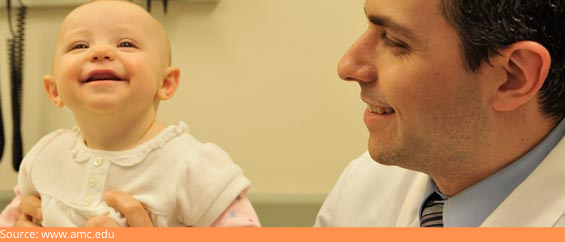
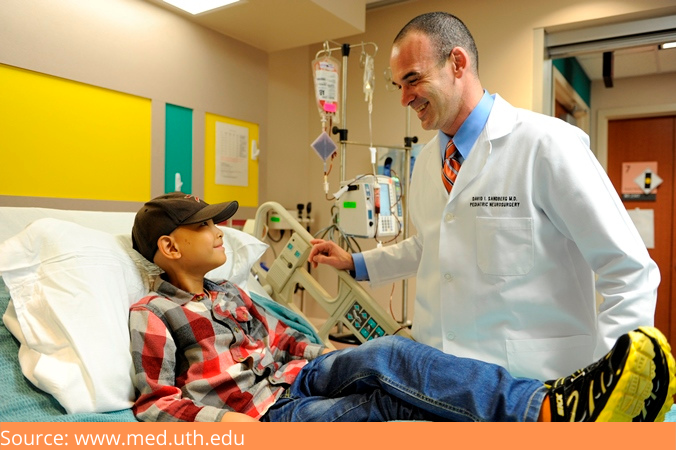
Neurological difficulties in children are common and can last a lifetime. Hence, pediatric neurosurgeons need to operate, considering the physical changes as the child grows. Pediatric surgeons work with children from infancy through late adolescence. Needless to say, they form a special bond with their patients that last a long time.  

D:\Digicore\UNOSEARCH\Dr Mohana Rao Neurosurgeon Guntur\SourceBondingdocchild.jpg

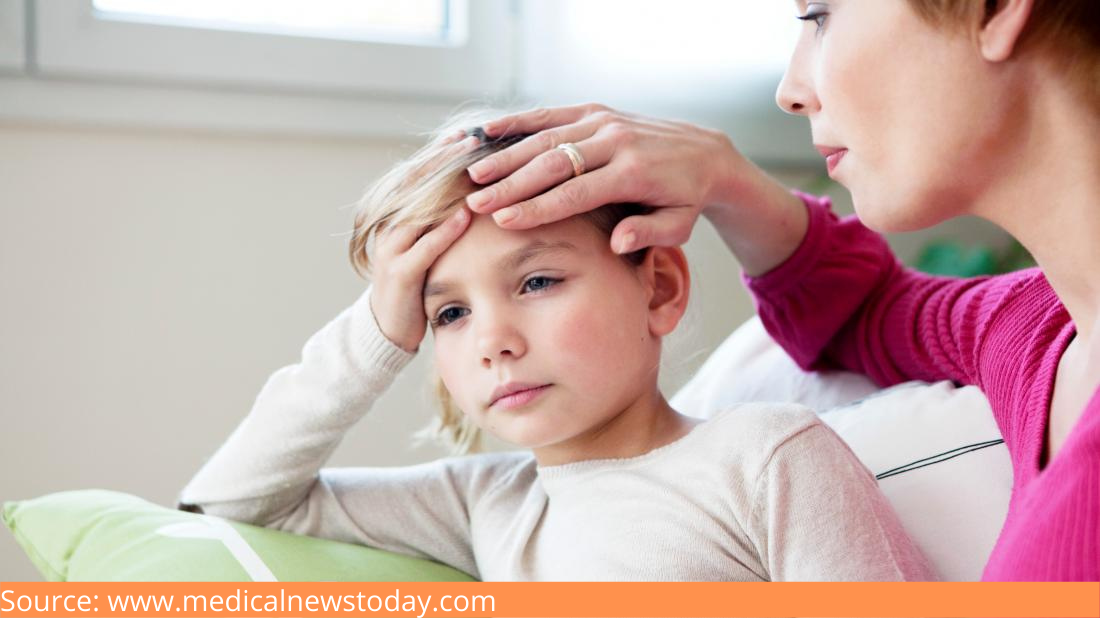
Dr. Mohana Rao is an esteemed pediatric neurosurgeon in Guntur. He treats all his patients with compassion and utmost care. Dr. Rao’s Hospital has the most advanced and latest neurosurgery D:\Digicore\UNOSEARCH\Dr Mohana Rao Neurosurgeon Guntur\SourceMomnchild.jpgequipment that assists the surgeons in giving excellent surgical outcomes.

Parents know that their children with neurosurgery problems will get the best treatment under Dr. Mohana Rao’s expertise and support. 

How do I know if my child has a Neurological disorder?

Children, especially infants, cannot effectively inform their parents about their discomfort and problems. So it is crucial to look out for any symptoms that look out of the ordinary:

  • Paralysis, either partial or full
  • Weakness in muscle, lack of balance
  • Loss of sensation loss, partial or total
  • Spasms or seizures
  • Struggling when reading or writing
  • Difficulty with attention, memory, and reasoning
  • Pain that cannot be determined
  • Decrease in alertness
D:\Digicore\UNOSEARCH\Dr Mohana Rao Neurosurgeon Guntur\SourceSymptoms.jpg

If you notice such symptoms, please ensure that you get your child diagnosed as soon as possible. You can contact Dr. Mohana Rao, one of Guntur’s most renowned pediatric neurosurgeons, at +91 9010056444 / 9010057444.

Some standard pediatric neurosurgical procedures:

Craniotomy

A craniotomy is a surgical procedure that exposes the brain by removing the bone flap, a portion of the skull’s bone. This enables the neurosurgeon to access the part of the brain that needs to be operated on. The neurosurgeon replaces the bone flap after completing the procedure. 

A craniotomy may be performed for several reasons; some are mentioned below:

  • To diagnose, remove, or treat brain tumors
  • To clip or repair an aneurysm
  • To treat a traumatic head injury
  • To operate on foreign objects like bullets
  • To treat an infection or swelling in the brain

Partial or complete removal of brain tumors

A brain tumor occurs when abnormal cells start growing in the brain, they can be cancerous or non-cancerous. 

Sometimes the tumor may grow in a particularly delicate brain area, making it impossible to remove it altogether. In such cases, the neurosurgeon only operates on the part of the tumor which can be safely removed. This is called Debulking; the procedure is to ease the pressure of the tumor on the brain.

Resection is the procedure when the neurosurgeon can remove the entire tumor safely without posing any risk to the patient. 

D:\Digicore\UNOSEARCH\Dr Mohana Rao Neurosurgeon Guntur\SourceChild-Headache.jpg

Epilepsy Surgery

Epilepsy is a neurological illness with abnormality in the way the brain functions. This results in seizures or episodes of odd behavior, feelings, and even loss of consciousness. The surgeons closely assess the cause of the epileptic seizures and remove that part of the brain.

Rhizotomy

An injury or disorder of a nerve can limit how that body part functions. If it is impossible to repair the damaged nerve, the pediatric neurosurgeon isolates the affected nerve and removes it.

Soft tissue release Surgery

Cerebral palsy (CP) is a collection of disorders that impact the patient’s movement, balance, and ability to maintain posture.

The goal of orthopedic surgery is to improve mobility and range of motion. The short tendons and tight muscles are elongated or released in this procedure. This can help alleviate spasticity in the legs and aid bone alignment.

Conclusion

Children are precious, and it is painful to see them struggling to function normally. We cannot imagine how much suffering they must endure, especially if they have neurological disorders

Pediatric neurosurgery involves resolving issues related to the most complex parts of the human body. Neurosurgery is an intricate field. Dr. Mohana Rao, a seasoned neurosurgeon in Guntur, has deeply researched the human brain and the hundred billion cells contained within it to help children lead as active a life they possibly can and cope better through their lifetime.

D:\Digicore\UNOSEARCH\Dr Mohana Rao Neurosurgeon Guntur\SourceConclusion.jpg

If you notice any unusual behavior in your child which is unexplainable, do not wait and contemplate. Contact us to consult with Dr. Mohana Rao, one of the best pediatric neurosurgeons in Guntur.


brain-tumor-causes-and-treatmentdr-raos-hospital

Brain Tumor – Causes and the best Treatment | Dr Raos Hospital

 Brain Tumor: Causes and Treatment.

Have you or someone in your family been diagnosed with a brain tumor? You have a lot of doubts that need to be answered and assured that there are treatments for brain tumors. Speak to your neurosurgeon in Andhra Pradesh. Your doctor is your best guide in these times.

Brain tumors might compromise brain function if it grows large enough to push on nearby nerves, blood vessels, or tissue. Your recovery from the tumor largely depends on:

  • The tumor’s type, grade, and location.
  • The success of tumor removal surgery.
  • Your age and overall health.

Dr. Mohana Rao Patibandla, the founder of Dr. Rao’s Hospital, is amongst the best neurosurgeons in Andhra Pradesh.

Dr. Rao’s Hospital is a state-of-the-art neurology hospital in Guntur, with an aim to give comprehensive treatment facilities to patients suffering from brain, spine, and nerve damage or abnormality. 

If you or anyone in your family is looking for the best brain tumor treatment in Guntur, we have some of the best neurologists and neurosurgeons working with us.

To know more about brain tumor treatment, please continue reading this article.

Brain Tumors and Brain Cancer | Johns Hopkins Medicine

First, let’s know,

What is a brain tumor?

Cells that have grown abnormally in or around the brain is called a brain tumor. 

Brain tumors can be either benign (non-cancerous) or malignant (cancerous). Some tumors develop swiftly, while others grow slowly.

Only approximately a third of all brain tumors are malignant. Even if they are benign, brain tumors can affect brain function by impinging on surrounding nerves, blood vessels, and tissue. 

Primary tumors are those that form in the brain.

The Most Common Brain Tumor: 5 Things You Should Know | Johns Hopkins  Medicine

Secondary tumors or metastatic tumors have moved to the brain growing from another section of the body.

Here, we will get some information on primary tumors. Primary brain and spinal cord tumors come in a variety of shapes and sizes.

Types of Primary Brain Tumors:

Tumors of the brain and central nervous system are classified by their location and the type of cells they affect.

Benign brain tumors:

Vestibular schwannomas, also named acoustic neuromas, is a tumor that develops on the vestibular nerve (the nerve that leads from the inner ear to the brain).

Pineocytoma: Pineocytoma is a slowly progressing tumor of the pineal gland, situated in the deep brain, and secretes melatonin hormone.

Gangliocytoma: These tumors develop in neurons (nerve cells) and affect the central nervous system.

Meningioma: A tumor in the meningeal layer that protects the brain and spinal cord. They are mostly non-cancerous.

Pituitary adenoma: These tumors develop in the pituitary gland near the base of the brain. 

Chordoma: Chordomas are slow-growing tumors that usually start at the base of the skull or the bottom of the spine. They’re mostly harmless (not cancerous).

Malignant brain tumors:

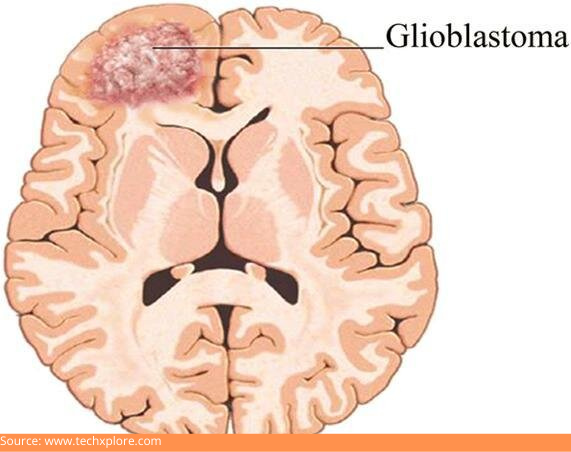
Glioma: Glioma is a type of tumor that develops in the glial cells surrounding and aid nerve cells. Gliomas are classified as follows:

Astrocytomas are tumors that develop in the glial cells known as astrocytes.

Glioblastoma: Glioblastomas are astrocytomas that grow aggressively.

Oligodendroglioma: These rare malignancies start in myelin-producing cells (a layer of insulation around nerves in the brain).

Medulloblastomas are rapidly growing tumors that originate at the base of the skull. They mostly prevail in children.


What causes brain tumors? 

A variety of factors causes a brain tumor.

  • Unusual cell propagation is caused by a genetic mutation.
  • Radiation from X-rays. 
  • Chemicals in the environment. 
  • Family history.

What signs and symptoms do you have if you have a brain tumor?

A brain or central nervous system tumor can cause no symptoms in some persons. Doctors may detect cancer while treating another problem in some situations.

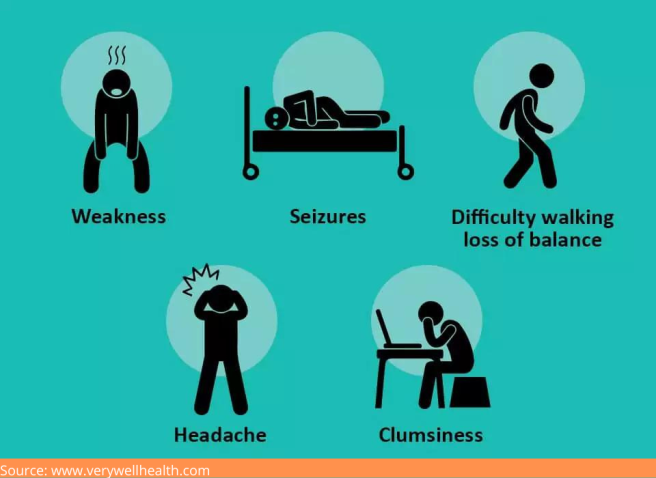
A brain tumor may create symptoms when it grows and presses on nearby nerves or blood vessels. The location, nature, and size of a brain tumor and the affected portion of the brain influence the signs and symptoms. They may include the following:

  • Headaches that are persistent or severe, or that begin first in the morning or disappear after vomiting.
  • Changes in behavior or personality.
  • Confusion.
  • Problems with balance and coordination.
  • Trouble concentrating.
  • Nausea and vomiting.
  • Tingling, numbness,  or weakness in one side or section of the body or face.
  • Vision, hearing, or speech difficulties.
  • Seizures.
  • In ordinary sleepiness
  • Thinking, memory, speaking, and understanding language problems

Diagnosis of Brain Tumour: 

Doctors use several tests to confirm the presence of a brain tumor. These tests include the following:

Physical examination and medical history: Your doctor will do a general physical examination to search for signs of sickness. Your doctor will also inquire about your past and present surgeries and medical treatments and family history of diseases.

Blood test: To see if there are any tumor markers.

Biopsy: A tissue sample is taken and sent for testing.

PET scans, CT, MRI, and SPECT are imaging techniques that assist doctors in finding tumors and deciding whether they are malignant or benign. 

Spinal tap for the presence of a malignant tumor in the central nervous system.

A tumor is graded 1-4 based on how fast it is growing and likely to spread.

Treatment option for brain tumor:

The location, size, and kind of tumor determine the course of treatment. To treat a tumor, most neurosurgeons in Hyderabad frequently utilize a mix of medicines, surgeries, and radiation.

The surgeon decides the approach of the surgery to limit harm to functional parts of the brain.

They work very cautiously, sometimes performing surgery while the patient is conscious. 

Sometimes, the surgeons have to perform a craniotomy, where they have to surgically cut out a fragment of the skull to reach the tumor.

Types of Craniotomy:

  • Extended Bifrontal Craniotomy
  • Retro-Sigmoid “Keyhole” Craniotomy
  • Translabyrinthine Craniotomy
  • Minimally Invasive Supra-Orbital “Eyebrow” Craniotomy
  • Orbitozygomatic Craniotomy

Other Treatment Methods

Radiation:

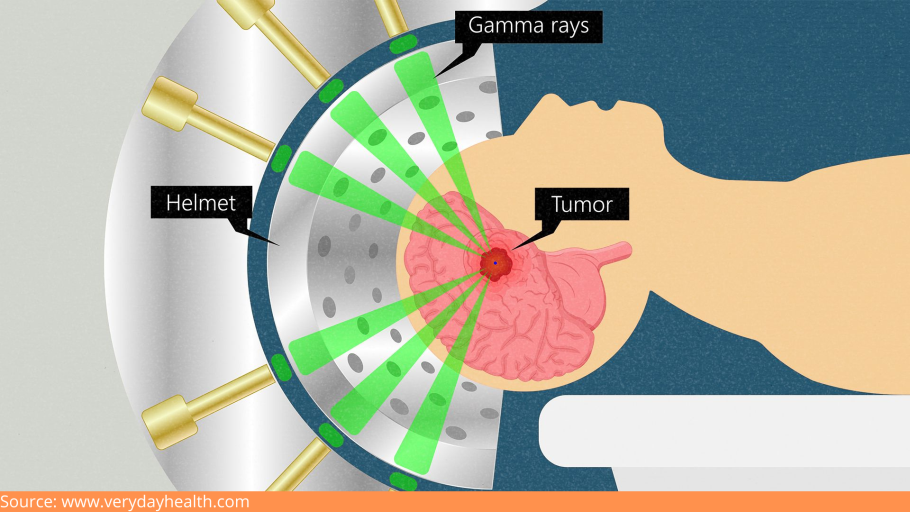
High dosages of X-rays are used to kill brain tumor cells or reduce the tumor. Before surgery, some people receive radiation to reduce a brain tumor so that the surgeon has to remove less tissue.

Chemotherapy:

Anti-cancer medications destroy cancer cells in the brain and throughout the body during chemotherapy. Chemotherapy can be injected into a vein or taken orally. Sometimes, doctors will use chemotherapy before surgery to shrink the tumor. Following surgery, your doctor may recommend chemotherapy to eliminate any cancer cells that remain or to prevent tumor cells from developing.

Immunotherapy:

Immunotherapy, often known as biological therapy, is a cancer treatment that uses your body’s own immune system to fight the disease. The primary goal of the treatment is to activate the immune system.

Targeted therapy:

Drugs that target specific traits in cancer cells without hurting healthy cells are known as targeted treatments. If you are having problems with the adverse effects of chemotherapy, such as exhaustion and nausea, your doctor may offer targeted therapy.

Laser thermal ablation

Laser thermal ablation is a treatment that kills tumor cells with lasers.

Active follow-ups. A doctor uses regular tests to keep an eye on the tumor for symptoms of growth.

How may a brain tumor be prevented?

A brain tumor is unavoidable. Avoiding smoking and excessive radiation exposure can help you prevent having a brain tumor.

What is the prognosis for those who have a brain tumor?

Different people and brain tumors have different outcomes. The type, grade, and location of the tumor; effective removal of the entire tumor; and your age and overall health are all factors that can affect your prognosis.

In many patients, the surgeon can successfully treat a brain tumor.

Brain tumors can come back in some persons following therapy. To keep the tumor from developing or spreading, these people may need to continue treatments such as chemotherapy or radiation. Following brain tumor therapy, you should see your doctor regularly.

the-effects-of-osteoporosis-on-the-spine

The best Osteoporosis Spine treatment in Guntur

Osteoporosis is a bone disease that affects both men and women. Millions of people around the world have it or are at greater risk of getting it.

The best Osteoporosis Spine treatment in Guntur

Osteoporosis affects roughly 40 million Americans | Information provided by  Spine Nevada in Reno, Sparks and Carson City

Image Source: Spine Nevada

A healthy bone has microscopic gaps on the inside like a honeycomb. Osteoporosis enlarges these gaps, causing the bone to deteriorate in strength and density. Furthermore, the exterior of the bone becomes thinner and weaker. 

This condition can strike anyone at any age, but it is more common in the elderly, particularly women. Osteoporosis makes people more prone to fractures, especially in the spine, known as vertebral compression fractures.

Early diagnosis and treatment can be of great help as they prevent further compression and irreversible change in the spine. You can consult Dr. Mohana Rao Patibandla, one of the best neurosurgeons in Guntur, at Dr. Rao’s Hospital for advanced surgical intervention. 

What are the symptoms of spine fractures?

A compression fracture can result in back or neck pain as well as loss of height. It is a  fracture in one of your neck or back vertebrae that is so weak that it breaks under normal spinal pressure.

The fracture can cause symptoms such as:

  • Severe sudden back pain
  • Have problems in twisting or bending your body
  • Pain that increases when you walk or stand
  • Curved shape spine
  • There is far more significant pain and discomfort in moving if the fracture is in the lower spine

What are the causes of osteoporosis?

Osteoporosis and Spinal Fractures - OrthoInfo - AAOS

Image Source: OrthoInfo – AAOS

Osteoporosis is a natural aging process in which our bones weaken as we get older. The vertebrae in the spine might narrow and flatten due to it. This can result in a hump or rounded back in older adults giving them a bent forward look. 

The weaker vertebrae are particularly vulnerable to fracture. When too much pressure is applied to a weak vertebra, its front cracks and loses height, resulting in a vertebral compression fracture. They are most commonly caused by falls. However, persons with osteoporosis can sustain a fracture just by coughing, twisting, or sneezing.

How is osteoporosis diagnosed?

Your doctor will evaluate your medical history and do a physical exam to determine if you have osteoporosis. They may also conduct blood and urine tests to look for disorders that could cause bone loss. Tests to check the levels of calcium and vitamin D are also included. In a recent mayoclinic.

To determine whether you have a spine fracture, your doctor will recommend an X-ray, MRI, or CT scan to examine your bones more closely.

Further, he will ask you to undergo a bone density test called bone densitometry, or dual-energy X-ray absorptiometry (DEXA).

Treatment for vertebral compression fracture

1. Nonsurgical treatment

Most of the people with a spinal compression fracture recover within three months without needing to have the fracture fixed. Simple measures, such as a brief period of rest and the use of pain medications, when necessary, are all that is required. The doctor may ask the patients to wear a brace to limit their movement and allow the spinal compression fracture to heal.

The doctor may also recommend lifestyle changes and prescribe calcium, Vitamin D, bisphosphonates, and anabolic bone drugs.

2. Surgical Treatment

Surgery may be recommended if you have significant pain that does not respond to nonsurgical treatment. Patients with recent spinal compression fractures are the best candidates for surgery. Your doctor will discuss which operation is best for you based on the type of spinal compression fracture you have. 

Dr. Rao’s Hospital is one of the best neurology hospitals in Guntur, where you are offered advanced minimally invasive vertebral augmentation procedures.

3. Kyphoplasty

During this procedure, the surgeon inserts a balloon tamp into the fractured vertebra. The balloon is then inflated, which helps in the restoration of the vertebra’s height and shape. The small cavity is left behind by the device that the doctor fills with special bone cement.

4. Vertebroplasty

Here, the surgeon directly injects the bone cement into the narrowed vertebra to keep it stable. It helps to alleviate discomfort and help avoid additional vertebral fractures and a bent spine.
5. Cemented augmented fenestrated screws

In patients with low bone quality due to osteoporosis, fenestrated screws for cement augmentation provided effective and long-lasting outcomes.

They are used for spine stabilization in the elderly, allowing for rapid functional recovery in fractures and deformities. 

It also overcomes the problem of screws loosening in individuals with inadequate bone stock due to osteoporosis and causing morbidity. 

Contact Dr. Mohana Rao Patibandla, one of the best neurosurgeons in Guntur, Andhra Pradesh, for superior treatment options for spinal compression fractures due to osteoporosis.

best-functional-neurosurgery-in-andhra-pradesh

The Best Functional Neurosurgery In Andhra Pradesh

The Best Functional Neurosurgery In Andhra Pradesh

The goal of functional neurosurgery is to restore neurological health and function. We treat chronic neurological problems with various procedures at Dr. Rao’s Hospital in Guntur, Andhra Pradesh, including deep brain stimulation and neuromodulation. This is one of the fastest-growing subspecialties in neurosurgery. It offers considerable promise to patients with previously untreatable neurological diseases.

At our Guntur hospital, every patient is evaluated correctly. Patients are frequently evaluated by a big interdisciplinary team that specializes in a specific condition and uses cutting-edge diagnostic techniques. A comprehensive assessment is obtained using a full spectrum of diagnostic means, and therapeutic procedures are implemented with state-of-the-art technology under the direction of Dr. Mohana Pratibandla, the best neurosurgeon in Guntur and the only neurosurgeon to have studied all the subspecialties of Neurosciences and received extensive training in the USA.

Diagnosis and Comprehensive Assessment

Clinical: Our multidisciplinary team includes neurosurgeons, neurologists, psychologists, and physiologists. As a result, we can accurately detect neurological illnesses and assess how they influence the patient’s health, quality of living, and cognition.  

Imaging: The neural axis can be viewed using a variety of cutting-edge imaging techniques. MRI and CT and functional imaging such as PET, SPECT, and fMRI are examples of imaging used.

Electrophysiology: Other than nervous system testing with EMG and EEG, precise electrophysiological assessments are required when applying focused therapy. Single cellular microelectrode recordings of the basal ganglia and mapping of neurons in eloquent cortical areas of the brain are among the tests performed.

Disorders of the Nervous System

Many previously thought-to-be-untreatable chronic neurological illnesses are now treated in our department successfully. Regimens are begun as usual, but now successful surgical therapies may also be administered – and even done early in the course of the disease – before adverse effects from frequent medication use occur.

At Dr. Rao’s Hospital in Guntur, functional neurosurgeons are presently treating:

• Parkinson’s disease, dystonia, tremor, hemifacial spasm, Tourette’s syndrome, among others

• Epilepsy

• Spasticity originating in the brain (Spinal cord injury and MS)

• Neuropsychiatric disorders, such as depression and OCD

• Chronic pain caused by neuropathic injuries or disorders, and cancer

• Nerve damage, such as trigeminal neuralgia and postherpetic neuralgia.

Are you suffering from any of the above conditions?

You are not alone! Many people in Andhra Pradesh are suffering from some or other disorder stated above.

But do not worry! Now is the time to seek the solution to your neurological problems by visiting our renowned hospital in Guntur, Andhra Pradesh.

At our hospital in Guntur, we have a team of experts that provide the best functional neurosurgery in Andhra Pradesh.

You might be interested to know the neurosurgical treatments offered by us!

Below we have mentioned the modern neurosurgical treatments performed at our hospital by the best functional neurosurgeon in Andhra Pradesh.

What are the modern neurosurgical treatments offered at Dr. Rao’s Hospital in Guntur?

The following are some of the modern neurosurgical treatments performed by our experienced neurosurgeon in Guntur-

Neuromodulation

Neuromodulation allows a neurosurgeon to modify or modulate nerve activity using electricity or pharmaceutical drugs in a problematic area.

When treating parts of the spinal cord, peripheral nervous system, and brain that are crucial to the patient’s normal functioning, neuromodulation allows for precise targeting and is relatively safe.

Deep Brain Stimulation (DBS) 

Source-www.recoveryanswers.org

Deep Brain Stimulation is used to treat essential tremors, Parkinson’s disease, epilepsy, OCD, and dystonia. Electrodes are placed in specific brain locations, and electrical impulses are generated to control the brain’s abnormal processes.

Chemical imbalances that produce abnormalities can be corrected with the help of these electrodes. At the upper chest, the programmable generator is hidden beneath the skin.

 Stereotactic neurosurgical treatment

The use of stereotactic neurosurgery can help locate regions in the brain’s deepest recesses. To detect areas deep within the brain for treatment, such as deep-seated brain cancers, a neurosurgeon uses a specialized 3-dimensional coordinate system with MRIs or CT scans.

During stereotactic procedures, the patient is awake and responsive, which reduces the risk of adverse effects on the brain. This procedure can treat epilepsy, deep-seated brain tumors and deliver radiation and drugs to the innermost sections of the brain.

What are the advantages of functional neurosurgery?

Some of the advantages of functional neurosurgery are as follows:

• Functional neurosurgery is gaining traction as a safe and effective therapy choice for neurological patients.

• Because of advances in neuroimaging and surgical processes, functional neurosurgery accuracy has substantially improved.

• The neurosurgeon can work more accurately, focusing on the regions that need treatment while avoiding crucial regions or those that don’t need treatment.

• Functional neurosurgery offers a rapid recovery time for patients.

• Successful functional neurosurgery provides significant pain relief and minimizes patients’ need for painkillers.

Wow! Isn’t functional neurosurgery a beneficial treatment option?

Then what’s stopping you from availing it?

Visit Dr. Rao’s Hospital in Guntur to get the best functional neurosurgery treatment in Andhra Pradesh! 

You are just a visit away from your solution! 

Dr. Rao and his treating staff at Dr. Rao’s Hospital understand the importance of precise and timely diagnosis, consistent monitoring, complication management, and patient compliance. We place a stronger emphasis on these areas. And thus, we are known to provide the best functional neurosurgery in Andhra Pradesh. 

So, what are you waiting for? 

Visit now!