Category Archives: Neurotrauma

First biplane cathlab in Andhra Pradesh and Telangana diagnostic-tests-in-neurosurgery-the-best-at-dr-raos-guntur

Diagnostic tests in Neurosurgery – the best at Dr Raos, Guntur

Diagnostic tests in Neurosurgery – the best at Dr Raos, Guntur

Introduction

Neurosurgery is a branch of medicine that deals with the diagnosis and treatment of disorders of the nervous system. The nervous system includes the brain, spinal cord, and nerves. Neurosurgeons are medical doctors who have completed training in neurosurgery. A variety of diagnostic tests are used in neurosurgery to help identify problems with the nervous system. Blood tests, cerebrospinal fluid (CSF) analysis, imaging, and special tests may be used. Prevention of complications is also important in neurosurgery. The various diagnostic tests used in neurosurgery will be discussed in this article. Looking for the best neuro treatment in Neurology, neurosurgery or spine surgery, look no further than Dr Raos hospital, Dr Rao the best neurosurgeon in India.

Blood tests

Blood tests are an important part of the diagnostic process for neurosurgery. They can help to rule out other causes of symptoms, and can provide information about the level of inflammation present. There are a number of different blood tests that can be used in neurosurgery. The most common are the white blood cell count (WBC) and the erythrocyte sedimentation rate (ESR). The WBC is a measure of the level of inflammation present, and the ESR is a measure of the rate at which red blood cells settle in a tube of blood. Other blood tests that may be used include the C-reactive protein (CRP) test, which measures the level of CRP in the blood. CRP is a protein that is produced by the liver in response to inflammation. The CRP test can be used to monitor the level of inflammation present, and can also be used to monitor the response to treatment. The blood tests that are used in neurosurgery will vary depending on the individual case. However, they all play an important role in helping to diagnose and treat conditions affecting the nervous system.

CSF analysis

A lumbar puncture, also called a spinal tap, is a diagnostic procedure used to collect cerebrospinal fluid (CSF) for analysis. CSF is the clear fluid that surrounds and protects the brain and spinal cord. A lumbar puncture is performed by inserting a needle into the lower back to collect a small amount of CSF. CSF analysis can help diagnose various conditions, such as infections, inflammation, tumors, and bleeding in or around the brain. CSF can also be used to measure the pressure inside the skull. A lumbar puncture is generally safe and complications are rare.

Imaging

Imaging is critical in the evaluation of patients with suspected neurosurgical disorders. A variety of imaging modalities are available, each with its own advantages and disadvantages.

CT is the imaging modality of choice for many neurosurgical disorders, as it provides excellent anatomical detail.

MRI is often used for disorders that require more detailed anatomical information, such as tumors or vascular abnormalities.

PET and SPECT are useful for functional imaging, and can be used to evaluate cerebral metabolism or blood flow.

Angiography is occasionally used to evaluate vascular abnormalities.

Myelography is used to evaluate disorders of the spinal cord, and can be performed with CT or MRI.

Special tests

There are a number of special tests that may be used to diagnose neurological conditions. These include:

-Electroencephalography (EEG): This test measures electrical activity in the brain and can be used to diagnose conditions such as epilepsy.

-Evoked potentials: These tests measure the brain’s response to stimuli and can be used to diagnose conditions such as multiple sclerosis.

-Magnetic resonance imaging (MRI): This test uses magnetic fields and radio waves to create images of the brain and can be used to diagnose conditions such as brain tumors.

-Positron emission tomography (PET): This test uses radioactive tracers to create images of the brain and can be used to diagnose conditions such as Alzheimer’s disease.

prevention of complications

The best way to prevent complications is to have a thorough understanding of the risks involved with the procedure. There are many potential risks associated with any surgery, but some are more common than others. It is important to discuss all of the possible complications with your surgeon prior to having the procedure. Additionally, it is important to follow all of the post-operative instructions given to you by your surgeon in order to minimize the risk of complications.

Conclusion

Neurosurgery is a branch of medicine that deals with the diagnosis and treatment of disorders of the nervous system. The nervous system includes the brain, spinal cord, and peripheral nerves. Neurosurgery is a very delicate and complex field of medicine. There are many different diagnostic tests that are used in neurosurgery in order to make an accurate diagnosis and to determine the best course of treatment. The various diagnostic tests that are used in neurosurgery include blood tests, CSF analysis, imaging, and special tests. Each of these tests has its own advantages and disadvantages. Blood tests can be used to detect infections or inflammation. CSF analysis can be used to detect abnormalities in the brain or spinal cord. Imaging can be used to detect tumors or other abnormalities. Special tests can be used to detect problems with the blood vessels or nerves. The decision on which diagnostic test to use depends on the individual patient’s symptoms and medical history. The goal of all of these tests is to make an accurate diagnosis so that the best possible treatment can be provided. Looking for the best neuro treatment in Neurology, neurosurgery or spine surgery, look no further than Dr Raos hospital, Dr Rao the best neurosurgeon in India. Deccanherald say about us.

common-neuro-problems-the-best-treatment-at-dr-raos-guntur

Common neuro problems – the best treatment at Dr Raos, Guntur

Common neuro problems – the best treatment at Dr Raos, Guntur

Neurology is a branch of medicine that focuses on diagnosing and treating disorders of the nervous system, including the brain, spinal cord, and nerves. Some common topics in neurology include:


  1. Stroke: A stroke is a life-threatening, debilitating health event that occurs when the vital blood supply to the brain is disrupted, resulting in permanent damage to the brain tissue. There are two leading causes of stroke – blockages in the blood vessels, known as ischemic stroke, or bleeding in the brain, known as hemorrhagic stroke. Symptoms of stroke can vary depending on the area of the brain that has been affected and can include paralysis, difficulty speaking, and loss of vision. It is absolutely vital to be aware of the various signs and symptoms of stroke as quickly as you can, as the earlier treatment is started, the more probable it is that the outcome will be positive. The signs to look out for include sudden numbness of the face, arm, or leg, blurred vision, confusion, difficulty speaking, and severe headaches. If any of these are experienced, it is important to dial 9010056444 or 90100574444 immediately and seek prompt medical assistance.
  2. Epilepsy: Epilepsy is a serious neurological disorder that is characterized by recurrent and unpredictable seizures. Seizures are episodes of abnormal electrical activity in the brain that can be accompanied by convulsions, loss of consciousness, and strange changes in behavior. Seizures can last for only a few seconds or for several minutes, and can range from mild to severe in intensity. People living with epilepsy may experience seizures multiple times a day, or just once or twice a year. Epilepsy can be a debilitating condition, with devastating effects on a person’s physical and mental health. Treatment of the epilepsy typically involves a combination of medication and lifestyle modifications. Medications used to treat epilepsy may include anticonvulsants, antiepileptic drugs, or sedatives. In some cases, surgical intervention may be necessary to control the epileptic activity. In addition, lifestyle modifications such as avoiding triggers that can cause seizures, eating a healthy diet, and exercising regularly may help to reduce the frequency and severity of seizures.
  3. Multiple sclerosis (MS): Multiple Sclerosis (MS) is a chronic and often debilitating autoimmune disorder that affects the central nervous system. It is characterized by inflammation and damage to the myelin sheath, a protective insulating layer surrounding nerve fibers in the brain and spinal cord. This damage to the myelin sheath disrupts the normal transmission of nerve impulses, resulting in a wide range of possible symptoms, ranging from mild to severe. Common MS symptoms include vision problems, numbness, muscle weakness, and difficulty with coordination, balance, and speech. The cause of MS is unknown, but is thought to involve a combination of genetic and environmental factors. Diagnosis of MS involves a physical exam, neurological exam, MRI, and laboratory tests. Treatment of MS is aimed at reducingsymptoms and slowing the progression of the disease. Medications such as interferon beta, gling disease-modifying therapies, immunosuppressants, and corticosteroids may being the activity of the immune system. Other treatments may include physical therapy, occupational therapy, speech therapy , and cognitive behavioral therapy. In some cases, surgery may be recommended to help improve mobility and reduce pain. Medications such as nonsteroidal anti-inflammatory drugs, antispastic medicationss and muscle relaxants may be prescribed to help reduce pain and improve mobility. Physical therapy exercises may be “and stretching may be recommended to help strengthen muscles. Other treatments such as massage, acupuncture, and heat or cold therapy may be used to help reduce inflammation. In some cases, surgery may be necessary to correct the underlying cause of the mobility issue. Physical therapy can also help to improve balance, strengthen muscles, and increase range of motion. Exercises may be prescribed to help improve posture and improve coordination. Other treatments may include the use of assistive devices such as canes, walkers and wheelchairs, as well as physical therapy modalities such as heat, cold, ultrasound, and electrical stimulation. Occupational therapy may also be recommended to help with activities of daily living, such as dressing, bathing, eating, and grooming. Speech therapy may be recommended to help with communication and swallowing Speech therapists may also work on cognitive skills, such as memory, problem solving, and organization. Physical therapists may be recommended to help with mobility and balance. Occupational therapists may be recommended to help with activities of daily living, such as dressing, bathing, and eating. Speech-language pathologists may be recommended to help with communication and swallowing. Mental health professionals may be recommended to help with cognitive and behavioral issues. Occupational therapists may be recommended to help with activities of daily living, such as dressing and bathing, as well as to help with fine motor skills. Physical therapists may be recommended to help with strengthening and coordination. Speech therapists may be recommended to help with communication and swallowing difficulties.
  4. Parkinson’s disease: Parkinson’s disease is a progressive neurological disorder that affects movement, causing many symptoms, such as tremors, stiffness, slow movement, and balance issues. It is caused by the loss of nerve cells in the brain that produce a chemical called dopamine, which helps regulate movement and is essential for coordination and communication between the brain and muscles. People with Parkinson’s disease may experience a range of symptoms, including tremors, slowed movement, impaired balance, rigidity, and difficulty initiating movement. Over time, Parkinson’s disease can also cause changes in cognition, behavior, and emotion. Treatment for a variety of ailments and conditions usually involves a comprehensive approach, including a combination of medications, physical therapy, and lifestyle changes. Medications may include both Over-the-counter and prescription drugs are important medicines that are used to treat various ailments and health conditions. OTC drugs, such as those for pain relief, cold and flu symptoms, and allergies, can be purchased without a prescription at any drugstore, grocery store, or convenience store. Prescription drugs, on the other hand, are usually more potent medicines that require a doctor’s prescription. These medicines can help with chronic conditions like diabetes and high blood pressure, and can also be used to treat infections or serious illnesses such as cancer. Both types of drugs can be incredibly helpful in treating and managing health issues, but they should always be taken as prescribed by a medical professional., while physical therapy can include activities such as stretching, strength training, and aerobic exercises. Additionally, lifestyle changes, such as quitting smoking, reducing stress, and eating a healthy diet, can help improve overall health and well-being.
  5. Alzheimer’s disease: Alzheimer’s disease is a debilitating and progressive neurological disorder that affects memory, thinking, behavior, and day-to-day functioning in older adults. It is the most common form of dementia, a general term for memory loss and other cognitive abilities serious enough to interfere with daily life. Though the precise cause of this incurable illness remains unknown, age, genetics, and lifestyle choices have been identified as potential contributing factors. Diagnosis of Alzheimer’s disease typically involves a physical exam, a review of medical history, and a variety of cognitive and neurological tests to assess memory, thinking, language, judgment, and other mental functions. Imaging tests such as computed tomography (CT) or magnetic resonance imaging (MRI) may also be used to rule out other conditions that could be causing the symptoms. Blood tests may be used to check for certain metabolic or infectious diseases that could be causing the symptoms. Other tests such as electroencephalography (EEG) or electromyography (EMG) may be used to check for nerve or muscle disorders. Treatment of AD involves medications to help manage symptoms, lifestyle changes, and therapies to help improve cognitive and behavioral functioning.
  6. Headaches: Headaches are a pervasive neurological disorder that can be caused by a variety of underlying factors, such as muscle tension, sinus problems, eyestrain, and food sensitivities. In some cases, headaches can be indicative of a more serious underlying medical issue, so it’s important to consult a physician if the symptoms become severe or persistent. Common symptoms of a headache include a throbbing or pounding sensation in the head, sensitivity to light and noise, nausea, fatigue, and difficulty focusing. Fortunately, there are a variety of treatments and lifestyle modifications that can help alleviate symptoms and reduce the frequency of headaches. Some of these include relaxation techniques, proper hydration, avoidance of trigger foods, and regular exercise. Additionally, medications and supplements such as ibuprofen, aspirin, and magnesium can help reduce the severity and frequency of headaches.
  7. Traumatic brain injury (TBI): Traumatic Brain Injury (TBI) is an injury to the brain caused by a sudden, violent impact or blow to the head, usually occurring during a car accident, a fall, a sports injury, or an act of violence. The severity of the injury can range from mild to severe and can cause a range of symptoms, including changes in consciousness, confusion, memory problems, difficulty with concentration or comprehension, and difficulty with movement or coordination. TBI can also lead to long-term complications such as headaches, sleep disturbances, speech or language difficulties, depression, and even personality changes. Diagnosis of Traumatic Brain Injury (TBI) typically involves a comprehensive physical examination conducted by a qualified medical professional. During this exam, the doctor will ask questions about the patient’s medical history, recent head injury and current symptoms. The physical exam may also include a physical evaluation of the patient’s cognitive abilities and motor functioning, as well as neurological tests. In addition, imaging tests such as CT scans or MRI scans may be used to help diagnose TBI. Treatment of the TBI involves either conservative or Surgical management.

These are just a few of the many topics that fall under the umbrella of neurology. Other areas of focus within the field include sleep disorders, movement disorders, nerve and muscle disorders, and developmental disorders.

sensation-of-smell-the-best-treatment-at-dr-raos-guntur

Sensation of smell – the best treatment at Dr Raos, Guntur

Sensation of smell – the best treatment at Dr Raos, Guntur

Introduction

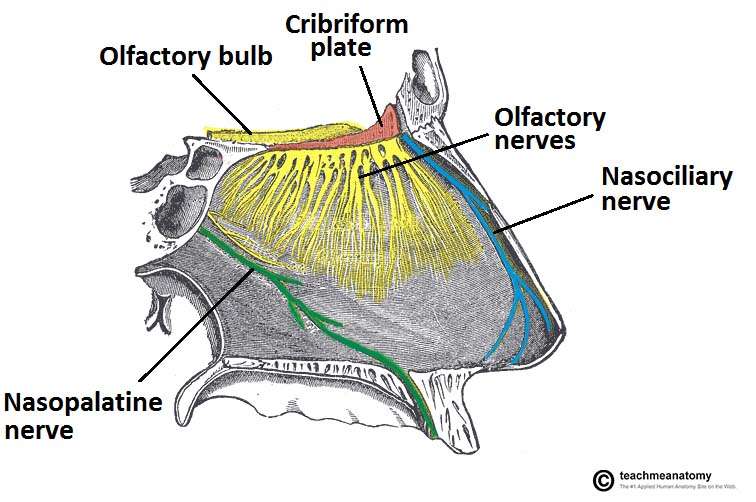
The human sense of smell is mediated by the olfactory system, which consists of the nose and the olfactory nerve. The olfactory nerve is a cranial nerve that transmits information about smells from the nose to the brain. The sense of smell is important for many aspects of daily life, including the ability to enjoy food and drink, to detect danger, and to communicate with others. Decreased sensation of smell can be caused by many different factors, including disease, injury, or aging. This condition can have a significant impact on quality of life, as it can make everyday activities such as eating and drinking less enjoyable, and can also lead to social isolation. If you are experiencing a decreased sense of smell, it is important to see a doctor so that the cause can be identified and appropriate treatment can be started. Looking for the best neurosurgery hospital or Best neurosurgeon or India’s best neurosurgeon or top ten best neurosurgeons, look no further than Dr Rao at Dr Rao’s hospital, the best spine surgery or best neurosurgery or best neurology hospital in Guntur, Andhra Pradesh, India. Call us at 9010056444 or 9010057444 for the best neurosurgeon or spine surgeon or neurologist in India. Dr Raos hospital is best for the vertigo / numbness / weakness /tingling treatment in Guntur and India.

causes

There are many potential causes of a decreased sense of smell, including: -Aging: As we age, our sense of smell can gradually decline. -Illness: Many illnesses can cause a decrease in sense of smell, including colds, sinus infections, the flu, and more serious conditions such as Alzheimer’s disease and Parkinson’s disease. -Nasal obstruction: Anything that blocks the airflow through your nose can reduce your sense of smell. This includes nasal polyps, a deviated septum, or allergies. -Medications: Some medications can cause a decrease in sense of smell, including blood pressure medications and antidepressants. -Radiation therapy: Radiation therapy to the head and neck can damage the olfactory nerve and cause a decrease in sense of smell. -Smoking: Smoking cigarettes can damage your sense of smell.

Associated symptoms

There are a few associated symptoms that can be experienced when someone has a decreased sense of smell. For example, they may have a hard time tasting food or distinguishing between different smells. Additionally, they may also experience a loss of appetite, fatigue, and difficulty breathing.

diagnsois

The diagnosis of decreased sense of smell can be made by a physician through a medical history and physical examination. However, if the cause is unknown, further testing may be needed to rule out other causes. These tests may include a CT scan or MRI of the head, sinus x-rays, or allergy testing.

treatment

The most common treatment for anosmia is a nasal corticosteroid spray. This type of medication can help to reduce inflammation in the nose and improve airflow. In some cases, a decongestant may also be recommended. If an infection is the underlying cause of the condition, antibiotics may be prescribed. In rare cases, surgery may be necessary to correct a structural problem in the nose that is causing anosmia.

prognosis

The prognosis for patients with a decreased sense of smell depends on the underlying cause. If the cause is a viral infection, the prognosis is generally good and the sense of smell usually returns to normal within a few weeks. However, if the cause is damage to the olfactory nerve, the prognosis is more uncertain. In some cases, the sense of smell may improve over time, but in other cases it may be permanently impaired.

Conclusion

In conclusion, a decreased sense of smell can be caused by a variety of factors, ranging from the common cold to more serious conditions such as Alzheimer’s disease. However, in most cases, a decreased sense of smell is not a cause for concern and will resolve itself over time. If you are experiencing a decreased sense of smell, consult your doctor to rule out any underlying medical conditions. Looking for the best neurosurgery hospital or Best neurosurgeon or India’s best neurosurgeon or top ten best neurosurgeons, look no further than Dr Rao at Dr Rao’s hospital, the best spine surgery or best neurosurgery or best neurology hospital in Guntur, Andhra Pradesh, India. Call us at 9010056444 or 9010057444 for the best neurosurgeon or spine surgeon or neurologist in India. Dr Raos hospital is best for the Loss of sensation of smell/ vertigo / numbness / weakness /tingling treatment in Guntur and India.

vision-problems-the-best-treatment-is-at-dr-raos-guntur

Vision Problems – the best treatment is at Dr Raos, Guntur

Vision Problems – the best treatment is at Dr Raos, Guntur

Introduction

The optic nerve is a bundle of nerve fibers that transmits visual information from the eye to the brain. The optic nerve is also known as cranial nerve II. The optic nerve is important for vision. If the optic nerve is damaged, it can cause decreased vision or even blindness. Looking for the best neurosurgery hospital or Best neurosurgeon or India’s best neurosurgeon or top ten best neurosurgeons, look no further than Dr Rao at Dr Rao’s hospital, the best spine surgery or best neurosurgery or best neurology hospital in Guntur, Andhra Pradesh, India. Call us at 9010056444 or 9010057444 for the best neurosurgeon or spine surgeon or neurologist in India. Dr Raos hospital is best for the visual blurring/ vertigo / numbness / weakness /tingling treatment in Guntur and India. In a recent deccanherald

causes

There are many potential causes of decreased vision. Some causes are more common than others, but all should be taken seriously. The most common cause of decreased vision is refractive error, which occurs when the eye does not focus light properly. This can be corrected with glasses or contact lenses. Other common causes include cataracts, glaucoma, and age-related macular degeneration. These conditions can often be treated with surgery or medication. Less common causes of decreased vision include diabetic retinopathy, stroke, and brain tumors. These conditions may require more aggressive treatment, such as surgery or radiation therapy.

Associated symptoms

There are several symptoms that may be associated with decreased vision. These include: -Blurry vision – Difficulty seeing at night – Difficulty reading – Eye fatigue – Headaches – Squinting

diagnsois

The first step in diagnosing decreased vision is to schedule an appointment with an eye doctor. During the appointment, the doctor will ask about your medical history and symptoms. They will also conduct a thorough eye exam. The eye exam will assess your vision and check for any underlying conditions that could be causing your decreased vision. The doctor may use a lighted instrument to examine your eyes and look for any damage to your optic nerve. They may also order tests, such as an MRI or CT scan, to get a better look at the structure of your eyes. Once the cause of your decreased vision has been determined, the doctor will develop a treatment plan. Treatment options vary depending on the underlying condition causing the decreased vision. In some cases, glasses or contact lenses can help improve vision. Other treatments may include surgery, medication, or lifestyle changes.

treatment

The most common treatment for decreased vision is to use corrective lenses. If the cause of the decreased vision is due to a refractive error, such as nearsightedness, farsightedness, or astigmatism, then glasses or contact lenses can be prescribed to help correct the problem. If the cause of the decreased vision is due to a more serious condition, such as cataracts, glaucoma, or macular degeneration, then surgery may be required. In some cases, medications may be used to treat the underlying condition causing the decreased vision.

prognosis

The prognosis for decreased vision caused by optic nerve damage is generally poor. However, if the damage is caught early and treated promptly, the chances for a better outcome are increased. In some cases, complete recovery is possible.

Conclusion

The optic nerve is an important part of the visual system, and any damage to it can lead to decreased vision. There are many possible causes of optic nerve damage, and associated symptoms can vary depending on the cause. Optic nerve damage can be diagnosed through a variety of methods, and treatment will vary depending on the underlying cause. The prognosis for patients with optic nerve damage depends on the severity of the damage and the underlying cause. Looking for the best neurosurgery hospital or Best neurosurgeon or India’s best neurosurgeon or top ten best neurosurgeons, look no further than Dr Rao at Dr Rao’s hospital, the best spine surgery or best neurosurgery or best neurology hospital in Guntur, Andhra Pradesh, India. Call us at 9010056444 or 9010057444 for the best neurosurgeon or spine surgeon or neurologist in India. Dr Raos hospital is best for the vertigo / numbness / weakness /tingling treatment in Guntur and India.

concussion-the-best-treatment-is-at-dr-raos-guntur

Concussion – the best treatment is at Dr Raos, Guntur

Concussion – the best treatment is at Dr Raos, Guntur

Introduction

A concussion is a type of traumatic brain injury (TBI) that is caused by a blow to the head or a jolt to the body. Concussions can occur in any type of accident, but they are most common in sports injuries and car accidents. A concussion is a serious medical condition that can cause long-term problems, so it is important to seek medical care as soon as possible after sustaining one. There are several different types of symptoms that can occur after a concussion, and they can range from mild to severe. The most common symptoms include headache, dizziness, nausea, vomiting, fatigue, difficulty concentrating, and difficulty remembering. Some people may also experience changes in mood, such as irritability or depression. In some cases, concussions can also cause seizures or coma. Most people who suffer from a concussion will recover within a few weeks with rest and proper medical care. However, some people may experience long-term effects from a concussion, such as problems with memory and concentration, headaches, dizziness, and sleep disorders. If you have any concerns about your health after sustaining a concussion, you should speak with your doctor. Looking for the best neurosurgery hospital or Best neurosurgeon or India’s best neurosurgeon for concussion treatment? Look no further than Dr Rao at Dr Raos hospital, Guntur.

When to seek medical care

If you think you or your child has a concussion, seek medical care right away. A concussion is a serious brain injury that can have lasting effects. Symptoms of a concussion can include:

• headache

• confusion

• memory problems

• nausea or vomiting

• dizziness or balance problems

• double or blurry vision

• sensitivity to light or noise

• feeling sluggish, hazy, foggy, or groggy

• concentration or memory problems

• changes in mood, such as feeling more irritable, sad, or anxious

Head Injury Prevention Tips

There are a number of things you can do to help prevent head injuries.

First, always wear a seatbelt when riding in a car. This will help protect your head and neck in the event of an accident.

Second, wear a helmet when participating in activities such as biking, skateboarding, or rollerblading. Helmets can help protect your head from serious injuries if you fall or are hit by another object.

Third, make sure the playing surface is safe before participating in any sport. If you see any potential hazards, such as loose gravel or potholes, avoid them.

Fourth, be aware of your surroundings at all times.

If you are walking near traffic, make sure to look both ways before crossing the street. By being aware of your surroundings, you can help avoid accidents that could lead to head injuries. Head injuries can happen anywhere, at any time.

By taking some simple precautions, you can help reduce your risk of sustaining a head injury.

Warning Signs of a Serious Brain Injury

If you or someone you know experiences any of the following symptoms after a head injury, it is important to seek medical attention immediately:

-Loss of consciousness

-Headache that gets worse or does not go away

-Repeated vomiting or nausea

-Slurred speech

-Drowsiness or inability to wake up

-Confusion

-Convulsions or seizures

-Weakness in one arm or leg

-Loss of coordination

Managing Concussions: The NFL Protocol

The National Football League (NFL) has a concussion protocol in place to protect players and ensure they receive the proper care and treatment if they suffer a head injury. The protocol is designed to standardize the evaluation and management of concussions, and it includes both sideline and locker room evaluations by team medical staff. If a player is suspected of having a concussion, they are removed from the game and cannot return until they are cleared by an independent medical consultant. The NFL’s concussion protocol has come under scrutiny in recent years, as some have criticized it for being too lenient and not doing enough to protect players. However, the league has made several changes to the protocol in recent years in an effort to improve player safety.

NCAA Concussion Update

The NCAA has updated its concussion protocol to require that any player who shows signs of a concussion must be removed from the game and cannot return until they are cleared by a medical professional. This is a major change from the previous protocol, which allowed players to stay in the game if they showed no symptoms of a concussion. The new protocol also requires that any player who is suspected of having a concussion must be evaluated by a medical professional at halftime or during the game. If the player is diagnosed with a concussion, they must be removed from the game and cannot return until they are cleared by a medical professional. The NCAA’s new concussion protocol is a major step forward in protecting athletes from serious brain injuries. This update will help to ensure that any player who suffers a concussion will receive the proper medical care and will not be allowed to return to play until it is safe for them to do so.

Conclusion

In conclusion, concussion is a serious medical condition that can have lasting effects. It is important to seek medical care if you think you or someone you know has suffered a concussion. There are also steps that can be taken to prevent head injuries. Be sure to watch for the warning signs of a serious brain injury and follow the appropriate protocol for managing concussions. Looking for the best neurosurgery hospital or Best neurosurgeon or India’s best neurosurgeon or top ten best neurosurgeons, look no further than Dr Rao at Dr Rao’s hospital, the best spine surgery or best neurosurgery or best neurology hospital in Guntur, Andhra Pradesh, India. Call us at 9010056444 or 9010057444 for the best neurosurgeon or spine surgeon or neurologist in India. Dr Raos hospital is best for the numbness / weakness /tingling treatment in Guntur and India.

కంకషన్

పరిచయం

ఒక కంకషన్ అనేది ఒక రకమైన బాధాకరమైన మెదడు గాయం (TBI), ఇది తలపై దెబ్బ లేదా శరీరానికి కుదుపు వల్ల వస్తుంది. ఏ రకమైన ప్రమాదంలోనైనా కంకషన్లు సంభవించవచ్చు, కానీ అవి స్పోర్ట్స్ గాయాలు మరియు కారు ప్రమాదాలలో సర్వసాధారణం. కంకషన్ అనేది తీవ్రమైన వైద్య పరిస్థితి, ఇది దీర్ఘకాలిక సమస్యలను కలిగిస్తుంది, కాబట్టి ఒకదానిని కొనసాగించిన తర్వాత వీలైనంత త్వరగా వైద్య సంరక్షణను పొందడం చాలా ముఖ్యం.

కంకషన్ తర్వాత సంభవించే అనేక రకాలైన లక్షణాలు ఉన్నాయి మరియు అవి తేలికపాటి నుండి తీవ్రమైన వరకు ఉంటాయి. అత్యంత సాధారణ లక్షణాలు తలనొప్పి, తల తిరగడం, వికారం, వాంతులు, అలసట, ఏకాగ్రత కష్టం మరియు గుర్తుంచుకోవడం కష్టం. కొంతమంది వ్యక్తులు చిరాకు లేదా నిరాశ వంటి మూడ్‌లో మార్పులను కూడా అనుభవించవచ్చు. కొన్ని సందర్భాల్లో, కంకషన్లు మూర్ఛలు లేదా కోమాకు కూడా కారణమవుతాయి.

కంకషన్‌తో బాధపడుతున్న చాలా మంది వ్యక్తులు విశ్రాంతి మరియు సరైన వైద్య సంరక్షణతో కొన్ని వారాలలో కోలుకుంటారు. అయినప్పటికీ, జ్ఞాపకశక్తి మరియు ఏకాగ్రత, తలనొప్పి, మైకము మరియు నిద్ర రుగ్మతలు వంటి సమస్యలు వంటి కంకషన్ నుండి కొంతమంది దీర్ఘకాలిక ప్రభావాలను అనుభవించవచ్చు. ఒక కంకషన్ తర్వాత మీ ఆరోగ్యం గురించి మీకు ఏవైనా ఆందోళనలు ఉంటే, మీరు మీ డాక్టర్తో మాట్లాడాలి.

ఎప్పుడు వైద్య సంరక్షణ పొందాలి

మీకు లేదా మీ బిడ్డకు కంకషన్ ఉందని మీరు భావిస్తే, వెంటనే వైద్య సంరక్షణ పొందండి. కంకషన్ అనేది తీవ్రమైన మెదడు గాయం, ఇది శాశ్వత ప్రభావాలను కలిగి ఉంటుంది.

కంకషన్ యొక్క లక్షణాలు వీటిని కలిగి ఉండవచ్చు:

• తలనొప్పి
• గందరగోళం
• జ్ఞాపకశక్తి సమస్యలు
• వికారం లేదా వాంతులు
• మైకము లేదా బ్యాలెన్స్ సమస్యలు
• డబుల్ లేదా అస్పష్టమైన దృష్టి
• కాంతి లేదా శబ్దానికి సున్నితత్వం
• నిదానంగా, మబ్బుగా, పొగమంచుగా లేదా గాఢంగా అనిపించడం
• ఏకాగ్రత లేదా జ్ఞాపకశక్తి సమస్యలు
• మరింత చిరాకుగా, విచారంగా లేదా ఆత్రుతగా అనిపించడం వంటి మానసిక స్థితి మార్పులు

తల గాయం నివారణ చిట్కాలు

తల గాయాలను నివారించడంలో మీరు సహాయం చేయగల అనేక అంశాలు ఉన్నాయి. మొదట, కారులో ప్రయాణించేటప్పుడు ఎల్లప్పుడూ సీటుబెల్ట్ ధరించండి. ప్రమాదం జరిగినప్పుడు ఇది మీ తల మరియు మెడను రక్షించడంలో సహాయపడుతుంది. రెండవది, బైకింగ్, స్కేట్‌బోర్డింగ్ లేదా రోలర్‌బ్లేడింగ్ వంటి కార్యకలాపాలలో పాల్గొనేటప్పుడు హెల్మెట్ ధరించండి. హెల్మెట్‌లు మీరు పడిపోతే లేదా మరొక వస్తువుతో కొట్టబడినప్పుడు మీ తలపై తీవ్రమైన గాయాల నుండి రక్షించడంలో సహాయపడతాయి. మూడవది, ఏదైనా క్రీడలో పాల్గొనే ముందు ఆడే ఉపరితలం సురక్షితంగా ఉందని నిర్ధారించుకోండి. మీరు వదులుగా ఉన్న కంకర లేదా గుంతలు వంటి ఏవైనా సంభావ్య ప్రమాదాలను చూసినట్లయితే, వాటిని నివారించండి. నాల్గవది, మీ పరిసరాల గురించి ఎల్లప్పుడూ తెలుసుకోండి. మీరు ట్రాఫిక్ దగ్గర నడుస్తుంటే, వీధిని దాటే ముందు రెండు వైపులా చూసుకోండి. మీ పరిసరాల గురించి తెలుసుకోవడం ద్వారా, తలకు గాయాలయ్యే ప్రమాదాలను నివారించడంలో మీరు సహాయపడవచ్చు.

తలకు గాయాలు ఎక్కడైనా, ఎప్పుడైనా జరగవచ్చు. కొన్ని సాధారణ జాగ్రత్తలు తీసుకోవడం ద్వారా, మీరు తలకు గాయం అయ్యే ప్రమాదాన్ని తగ్గించుకోవచ్చు.

తీవ్రమైన మెదడు గాయం యొక్క హెచ్చరిక సంకేతాలు

మీకు లేదా మీకు తెలిసిన ఎవరైనా తలకు గాయమైన తర్వాత క్రింది లక్షణాలలో దేనినైనా అనుభవిస్తే, వెంటనే వైద్య సంరక్షణను పొందడం చాలా ముఖ్యం:

-స్పృహ కోల్పోవడం
-అధ్వాన్నంగా లేదా తగ్గని తలనొప్పి

  • పదేపదే వాంతులు లేదా వికారం
  • అస్పష్టమైన ప్రసంగం
  • మగత లేదా మేల్కొలపడానికి అసమర్థత
  • గందరగోళం
  • మూర్ఛలు లేదా మూర్ఛలు
    -ఒక చేయి లేదా కాలులో బలహీనత
  • సమన్వయం కోల్పోవడం

కన్‌కషన్‌లను నిర్వహించడం: NFL ప్రోటోకాల్

నేషనల్ ఫుట్‌బాల్ లీగ్ (NFL) ఆటగాళ్లను రక్షించడానికి మరియు తలకు గాయం అయినట్లయితే వారికి సరైన సంరక్షణ మరియు చికిత్స అందుతుందని నిర్ధారించడానికి ఒక కంకషన్ ప్రోటోకాల్‌ను కలిగి ఉంది. ప్రోటోకాల్ కంకషన్ల మూల్యాంకనం మరియు నిర్వహణను ప్రామాణీకరించడానికి రూపొందించబడింది మరియు ఇది జట్టు వైద్య సిబ్బందిచే సైడ్‌లైన్ మరియు లాకర్ రూమ్ మూల్యాంకనాలను కలిగి ఉంటుంది. ఒక ఆటగాడికి కంకషన్ ఉన్నట్లు అనుమానించబడినట్లయితే, వారు ఆట నుండి తీసివేయబడతారు మరియు స్వతంత్ర వైద్య సలహాదారు ద్వారా క్లియర్ చేయబడే వరకు తిరిగి రాలేరు.

NFL యొక్క కంకషన్ ప్రోటోకాల్ ఇటీవలి సంవత్సరాలలో పరిశీలనలో ఉంది, కొంతమంది ఇది చాలా తేలికగా ఉందని మరియు ఆటగాళ్లను రక్షించడానికి తగినంతగా చేయలేదని విమర్శించారు. అయినప్పటికీ, ఆటగాళ్ల భద్రతను మెరుగుపరిచే ప్రయత్నంలో లీగ్ ఇటీవలి సంవత్సరాలలో ప్రోటోకాల్‌లో అనేక మార్పులు చేసింది.

NCAA కంకషన్ అప్‌డేట్

కన్‌కషన్ సంకేతాలను చూపించే ఏ ఆటగాడైనా తప్పనిసరిగా గేమ్ నుండి తీసివేయబడాలని మరియు వైద్య నిపుణుడిచే క్లియర్ చేయబడే వరకు తిరిగి రాకూడదని NCAA దాని కంకషన్ ప్రోటోకాల్‌ను నవీకరించింది. ఇది మునుపటి ప్రోటోకాల్ నుండి పెద్ద మార్పు, ఇది ఆటగాళ్ళు కంకషన్ లక్షణాలను చూపించకపోతే గేమ్‌లో ఉండటానికి అనుమతించింది.

కొత్త ప్రోటోకాల్ ప్రకారం ఏదైనా ఆటగాడు కంకషన్ ఉన్నట్లు అనుమానించబడినట్లయితే, హాఫ్‌టైమ్‌లో లేదా గేమ్ సమయంలో తప్పనిసరిగా వైద్య నిపుణులచే మూల్యాంకనం చేయబడాలి. ఆటగాడికి కంకషన్ ఉన్నట్లు నిర్ధారణ అయినట్లయితే, అతను తప్పనిసరిగా గేమ్ నుండి తీసివేయబడాలి మరియు వైద్య నిపుణులచే క్లియర్ చేయబడే వరకు తిరిగి రాకూడదు.

తీవ్రమైన మెదడు గాయాల నుండి అథ్లెట్లను రక్షించడంలో NCAA యొక్క కొత్త కంకషన్ ప్రోటోకాల్ ఒక ప్రధాన ముందడుగు. ఈ అప్‌డేట్ కంకషన్‌తో బాధపడే ఏ ఆటగాడికి సరైన వైద్య సంరక్షణ అందుతుందని నిర్ధారించడానికి సహాయం చేస్తుంది మరియు వారు అలా చేయడం సురక్షితంగా ఉండే వరకు తిరిగి ఆడేందుకు అనుమతించబడరు.

ముగింపు

ముగింపులో, కంకషన్ అనేది తీవ్రమైన వైద్య పరిస్థితి, ఇది శాశ్వత ప్రభావాలను కలిగి ఉంటుంది. మీరు లేదా మీకు తెలిసిన వారు కంకషన్‌కు గురయ్యారని మీరు భావిస్తే వైద్య సంరక్షణను పొందడం చాలా ముఖ్యం. తల గాయాలను నివారించడానికి కూడా తీసుకోగల చర్యలు ఉన్నాయి. తీవ్రమైన మెదడు గాయం యొక్క హెచ్చరిక సంకేతాల కోసం తప్పకుండా చూడండి మరియు కంకషన్లను నిర్వహించడానికి తగిన ప్రోటోకాల్‌ను అనుసరించండి.

the-best-intraventricular-hemorrhage-treatment-is-at-dr-raos-guntur

Intraventricular Hemorrhage – the best treatment is at Dr Raos, Guntur

Intraventricular Hemorrhage – the best treatment is at Dr Raos, Guntur

Introduction

Intraventricular hemorrhage (IVH) is a type of bleeding that occurs inside the ventricles of the brain. The ventricles are the four cavities in the brain that contain cerebrospinal fluid (CSF). IVH can occur in both infants and adults, but it is most common in premature babies and newborns. IVH is a serious condition that can lead to neurological problems and even death. Early diagnosis and treatment are essential for the best possible outcome. If you are looking for complete care of your cerebral or intracranial or intraventricular or brain hemorrhage, look no further than Dr. Raos hospital, the best neurosurgery, spine surgery, and neurology hospital in Guntur. Dr Rao is the best fellowship trained dual cerebrovascular neurosurgeon practicing in Guntur, and Call us @ 9010056444 or 9010057444 for your loved ones’ care.

intraventricular hemorrhage Risk factors

There are several risk factors for developing intraventricular hemorrhage (IVH).

These include:

-Prematurity: Babies born before 37 weeks gestation are at increased risk for IVH.

-Low birth weight: Babies who weigh less than 5.5 pounds (2.5 kg) at birth are at increased risk.

-Maternal age: Women over the age of 35 are more likely to have a baby with IVH.

-Preeclampsia: This is a condition that can occur during pregnancy and is characterized by high blood pressure and protein in the urine. Preeclampsia is a leading cause of IVH.

-Abnormalities of the placenta: If the placenta does not develop properly, it can lead to IVH.

-Infection: Infections during pregnancy can increase the risk of IVH.

Intraventricular hemorrhage causes

There are many possible causes of intraventricular hemorrhage (IVH), but the most common cause is head trauma.

Other possible causes include:

-Brain tumors

-Cerebral aneurysms

-Arteriovenous malformations (AVMs)

-Hypertensive encephalopathy

-Coagulopathies

-Infections of the central nervous system (CNS)

-Vascular abnormalities

Intraventricular hemorrhage Symptoms

The most common symptom of intraventricular hemorrhage (IVH) is a sudden onset of headache.

Other symptoms may include:

-Nausea and vomiting

-Sensitivity to light

-Blurred vision

-Seizures

-Coma

Intraventricular hemorrhage diagnosis

There are a few different ways that doctors can diagnose an intraventricular hemorrhage.

One way is through a computed tomography (CT) scan of the head, which will show any areas of bleeding in the brain.

Another way is through an magnetic resonance imaging (MRI) scan, which can provide more detailed information about the location and extent of the bleed.

In some cases, a lumbar puncture (spinal tap) may be done in order to collect cerebrospinal fluid (CSF) for analysis. This can help to rule out other causes of bleeding, such as an infection or a tumor.

If an intraventricular hemorrhage is suspected, it is important to seek medical attention immediately so that proper diagnosis and treatment can be started as soon as possible.

Intraventricular hemorrhage treatment

There are two main types of treatment for intraventricular hemorrhage: medical and surgical.

Medical treatment involves the use of medications to control the bleeding. This may include stopping the use of blood thinners, such as heparin, or anti-platelet medications, such as aspirin.

Surgery may be necessary to remove the blood clot and relieve pressure on the brain. This can be done through a procedure called a craniotomy, which involves making an incision in the skull to access the brain or through external ventricular drain placement.

The type of treatment that is best for a person with intraventricular hemorrhage will depend on the severity of their condition. In some cases, medical treatment may be all that is needed to control the bleeding. However, in more severe cases, surgery may be necessary to remove the blood clot and relieve pressure on the brain.

Conclusion

Intraventricular hemorrhage (IVH) is a serious complication that can occur after a head injury. Although the exact cause of IVH is not known, it is thought to be related to the rupture of small blood vessels in the brain. IVH can lead to significant neurological impairment and even death. Early diagnosis and treatment of IVH is essential for the best possible outcome. If you are looking for complete care of your cerebral or intracranial or intraventricular or brain hemorrhage, look no further than Dr. Raos hospital, the best neurosurgery, spine surgery, and neurology hospital in Guntur. Dr Rao is the best fellowship trained dual cerebrovascular neurosurgeon practicing in Guntur, and Call us @ 9010056444 or 9010057444 for your loved ones’ care.

the-best-extradural-hematoma-treatment-is-at-dr-raos-guntur

Extradural hematoma – the best treatment is at Dr Raos, Guntur

Extradural hematoma – the best treatment is at Dr Raos, Guntur

Introduction

Extradural Hematoma – Epidural hemorrhage (EDH) is a serious condition that can occur when blood vessels in the brain rupture. This can happen after a head injury, or it may be the result of a medical condition such as an aneurysm. EDH can lead to brain damage and even death if it is not treated quickly. Symptoms of EDH include headache, nausea, vomiting, dizziness, and confusion. If you experience any of these symptoms after a head injury, it is important to seek medical help immediately. EDH is diagnosed with a CT scan or MRI of the brain. Treatment for EDH typically involves surgery to repair the damaged blood vessels. If you are looking for complete care of your intracerebral or intracranial or brain hemorrhage, look no further than Dr. Raos hospital, the best neurosurgery, spine surgery, and Best neurology hospital in Guntur. Call us @ 9010056444 or 9010057444 for your loved ones’ care.

Epidural hemorrhage Risk factors

There are several risk factors associated with epidural hemorrhage. One of the most significant is head trauma. This can occur during a car accident, a fall, or any other type of impact to the head. Other risk factors include:

– Use of blood thinners or anticoagulants

– History of bleeding disorders

– Pregnancy

– Advanced age

– Alcohol use

Epidural hemorrhage causes: Extradural Hematoma

There are many potential causes of epidural hemorrhage. One common cause is head trauma, which can damage blood vessels in the brain and lead to bleeding. Other causes include brain tumors, aneurysms, and strokes. In some cases, the exact cause of the hemorrhage is unknown.

Epidural hemorrhage Symptoms

Symptoms of an epidural hemorrhage may include:

-Sudden, severe headache

-Neck stiffness

-Nausea and vomiting

-Sensitivity to light

-Loss of consciousness

Epidural hemorrhage diagnosis

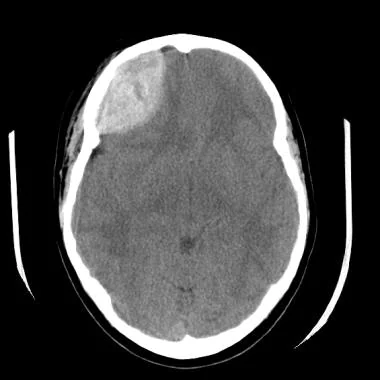
The diagnosis of EDH is made by CT scan in most cases. The classic finding on CT scan is a hyperdense hematoma in the epidural space. The hematoma may be homogeneous or heterogeneous in density. A heterogeneous density is often seen when there is active bleeding. The hematoma may compress the brain and cause mass effect.

Epidural hemorrhage treatment

There are two main types of treatment for epidural hemorrhage: medical and surgical. Medical treatment involves the use of medications to control the bleeding. This may include stopping the use of blood thinners, such as heparin, or anti-platelet drugs, such as aspirin. Surgery is usually only necessary if the bleeding is severe and does not respond to medical treatment. Surgical treatment involves the removal of the blood clot and the repair of any damaged blood vessels. This can be done through a variety of methods, including open surgery, endoscopic surgery, or angiography. The choice of treatment will depend on the severity of the hemorrhage and the health of the patient. In most cases, medical treatment is successful in controlling the bleeding and preventing further damage.

Conclusion

There are many factors that contribute to the development of epidural hemorrhage, and it is important to be aware of the risks. Early diagnosis and treatment is essential to preventing serious complications. If you are looking for complete care of your cerebral or intracranial or brain hemorrhage, look no further than Dr. Raos hospital, the best neurosurgery, spine surgery, and neurology hospital in Guntur. Call us @ 9010056444 or 9010057444 for your loved ones’ care.

Brain Path - minimally invasive clot removal for intracerebral-hemorrhage-the-best-treatment-at-dr-raos-guntur by Dr Rao

Intracerebral hemorrhage – the best treatment at Dr Raos, Guntur

Intracerebral hemorrhage – the best treatment at Dr Raos, Guntur

Introduction

Intracerebral hemorrhage (ICH) is a type of stroke that occurs when a blood vessel in the brain ruptures and bleeds into the surrounding tissue. ICH can be caused by a number of different conditions, including head trauma, hypertension, and aneurysms. Symptoms of ICH include headache, nausea, vomiting, seizures, and paralysis. ICH is a medical emergency and can often be fatal. Treatment for ICH typically involves surgery to remove the blood clot and relieve pressure on the brain. In some cases, medication may also be used to control symptoms. If you are looking for complete care of your cerebral or intracranial or brain hemorrhage, look no further than Dr. Raos hospital, the best neurosurgery, spine surgery, and neurology hospital in Guntur. Call us @ 9010056444 or 9010057444 for your loved ones’ care.

Risk factors

There are many risk factors for intracerebral hemorrhage (ICH), and they can be divided into two main categories: modifiable and non-modifiable risk factors.

Modifiable risk factors are those that can be changed or controlled, such as high blood pressure, diabetes, and smoking.

Non-modifiable risk factors are those that cannot be changed or controlled, such as age, family history, and ethnicity.

Some of the most common modifiable risk factors for ICH include:

– High blood pressure: This is the most important modifiable risk factor for ICH, and it is thought to be responsible for up to 50% of all cases.

– Diabetes: This condition increases the risk of ICH by 2-4 times.

– Smoking: Smoking doubles the risk of ICH.

– Alcohol use: Excessive alcohol use is a major risk factor for ICH.

– illicit drug use: Cocaine and other illicit drugs are major risk factors for ICH.

causes

There are many possible causes of intracerebral hemorrhage (ICH), but the most common is high blood pressure. Other causes include head injury, aneurysms, and blood vessel abnormalities. High blood pressure is the most common cause of ICH. When blood pressure is too high, it can damage the walls of your blood vessels. This can cause them to leak or rupture, which can lead to bleeding in your brain. Head injury can also cause ICH. If you hit your head hard enough, it can cause bleeding inside your skull. This is more likely to happen if you have a pre-existing condition that makes your blood vessels weaker, such as high blood pressure. Aneurysms are another possible cause of ICH. These are abnormal bulges in your blood vessels that can rupture and bleed into your brain. Aneurysms are often caused by atherosclerosis, which is the buildup of plaque in your arteries. Blood vessel abnormalities can also lead to ICH. These abnormalities can include things like an abnormal connection between arteries and veins (arteriovenous malformation), or a blockage in a vein (thrombosis).

Symptoms

The symptoms of intracerebral hemorrhage (ICH) can vary depending on the location and size of the bleed. ICH can cause a sudden, severe headache that is often described as the “worst headache of my life.” Other symptoms may include nausea and vomiting, confusion, dizziness, and weakness or paralysis on one side of the body. If you experience any of these symptoms, it is important to seek medical attention immediately.

diagnosis

The diagnosis of intracerebral hemorrhage (ICH) is made by a combination of medical history, physical examination, and neuroimaging. The most important neuroimaging modality for diagnosing ICH is noncontrast computed tomography (CT) of the head, which can detect hematomas as small as 2-3 mL.

treatment

The most common treatment for intracerebral hemorrhage is surgery. This involves removing the blood clot and any damaged tissue. In some cases, a shunt may be placed to drain excess fluid from the brain. Medications may also be prescribed to help reduce swelling and pressure in the brain.

Conclusion

In conclusion, intracerebral hemorrhage is a serious condition that can be caused by a number of different factors. It is important to be aware of the symptoms of ICH so that you can seek treatment as soon as possible. If you think you may be at risk for ICH, it is important to speak with your doctor so that you can make an informed decision about your treatment options. If you are looking for complete care of your intracerebral or intracranial or brain hemorrhage, look no further than Dr. Raos hospital, the best neurosurgery, spine surgery, and neurology hospital in Guntur. Dr Rao is the best fellowship dual trained neurosurgeon in India available at Guntur. Call us @ 9010056444 or 9010057444 for your loved ones’ care.

the-best-subdural-hemorrhage-treatment-at-dr-raos

Subdural hemorrhage – the best treatment is at Dr RAOS, Guntur

Subdural hemorrhage – the best treatment is at Dr RAOS, Guntur

Introduction

A subdural hemorrhage is a type of brain bleed. It happens when blood vessels rupture and leak blood into the space between the brain and the thin tissue that covers it. A subdural hemorrhage can be life-threatening. There are two types of subdural hemorrhages:

Acute: This is a medical emergency. It happens suddenly and gets worse quickly.

Chronic: This type develops over time. It happens slowly and can get worse over days, weeks, or months.

Looking for the best neuro trauma or subdural hemorrhage treatment in Guntur or Andhra Pradesh, look no further than Dr. Raos hospital Guntur, the best neurosurgery hospital with UpToDate technology, Dr Rao is the best neurosurgeon in Guntur and India. Call us @9010056444 or 9010057444 for appointment.

Risk factors

There are several risk factors associated with subdural hemorrhage. One of the most significant is head trauma. This can occur from a fall, car accident, or other type of impact.

Other risk factors include:

-Bleeding disorders

-Brain tumors

-Cerebral aneurysms

-Drug abuse (particularly intravenous drug use)

-Hypertension

-Use of blood thinners

causes

There are many possible causes of subdural hemorrhage. One common cause is head trauma, which can cause bleeding from torn blood vessels. Other causes include brain tumors, cerebral aneurysms, and strokes. In some cases, the exact cause of the hemorrhage is unknown.

Symptoms

Symptoms of a subdural hemorrhage can range from mild to severe, and may include:

– headache

– dizziness

– nausea

– vomiting

– confusion

– drowsiness

– seizures

– paralysis

diagnosis

A diagnosis of subdural hemorrhage can be made based on a person’s symptoms and a physical examination. A CT scan or MRI of the head can also be helpful in diagnosing this condition.

treatment

There are two main types of treatment for subdural hemorrhage: medical and surgical.

Medical treatment involves the use of medications to control the bleeding. This may include stopping the use of blood thinners, such as heparin, or anti-platelet drugs, such as aspirin.

Surgery may be necessary to remove the blood clot and relieve pressure on the brain. Surgical treatment usually involves a craniotomy, which is a procedure in which a surgeon removes a portion of the skull to access the brain. The surgeon will then remove the blood clot and repair any damage to the brain tissue. According to mid-day

Conclusion

Subdural hemorrhage is a serious condition that can have life-threatening consequences. Early diagnosis and treatment is essential for the best possible outcome.

Looking for the best trauma or subdural hemorrhage treatment in Guntur or Andhra Pradesh, look no further than Dr. Raos hospital Guntur, the best neurosurgery hospital with UpToDate technology, Dr Rao is the best neurosurgeon in Guntur and India. Call us @9010056444 or 9010057444 for appointment.

arm-leg-weakness-the-best-treatment-at-dr-raos-hospital-guntur

Arm/leg weakness – The best treatment at Dr Raos hospital, Guntur

Arm/leg weakness – The best treatment at Dr Raos hospital, Guntur

Introduction

Arm & Leg Weakness-The human body is a fantastic machine of many different parts that all work together to keep us moving. However, sometimes things can go wrong, and we may experience weakness in one or more of our limbs. This can be caused by several conditions, some of which are more serious than others. This article will examine some of the most common causes of arm or leg weakness and what you can do about them. Many different conditions can cause weakness in the arms or legs. Some common ones include slipped discs, stroke, pinched nerves, peripheral neuropathy, and spinal lesions or tumors. These conditions can cause different symptoms and may require different treatment options. If you are experiencing any arm or leg weakness, it is essential to see a doctor so that they can properly diagnose the underlying cause and recommend the best course of treatment. If looking for arm or leg weakness due to neurological causes, please consult the best neurosurgeon, neurologist, or spine surgeon, Dr. Rao,  Dr. Raos hospital, Guntur. Dr. Raos is the best neurosurgery, spine surgery, and neurology hospital in Guntur and Andhra Pradesh. Contact us 90010056444 or 9010057444

Slipped disc

A slipped disc occurs when the gel-like center of a disc ruptures through a weak spot in the tough outer layer. This can happen due to a sudden injury or from the wear and tear of aging. The gel squeezes out and puts pressure on the nearby nerves. This can cause pain, numbness, or weakness in the arm or leg. If you are looking for the best spinal cord tumor disease treatment, visit the best neurosurgery and spine surgery hospital, Dr. Rao’s hospital, with the best neurosurgeon and spine surgeon Dr. Rao.

Stroke

A stroke is a medical emergency. It happens when the blood supply to part of your brain is cut off. A stroke can be caused by a clot blocking the blood vessel or the blood vessel bursting. Stroke symptoms include • Sudden weakness or numbness in your face, arm, or leg, especially on one side of your body • Sudden confusion or trouble speaking • Sudden trouble seeing in one or both eyes • Sudden trouble walking, dizziness, or loss of balance or coordination • Sudden severe headache with no known cause If you have any of these symptoms, 

Pinched nerve

A pinched nerve occurs when too much pressure is applied to a nerve by surrounding tissues. This pressure can irritate the nerve and cause pain, tingling, numbness, or weakness. There are many possible causes of a pinched nerve. A herniated disc in the spine can pressure nerves as they exit the spinal column. Poor posture and repetitive motions can also lead to a pinched nerve. Obesity, pregnancy, and even sleeping on your stomach can put extra pressure on nerves and cause them to become irritated. Treating a pinched nerve depends on the underlying cause. If you have a herniated disc, your doctor may recommend physical therapy or surgery to relieve the pressure on the affected nerve. If your pinched nerve is caused by poor posture, you will need to correct your posture and avoid any repetitive motions that may aggravate the nerve. You may also need to lose weight if obesity contributes to your pinched nerve. If you have a pinched nerve, it is essential to seek treatment as soon as possible. Left untreated, a pinched nerve can permanently damage the affected nerve. If you are looking for the best spinal cord tumor disease treatment, visit the best neurosurgery and spine surgery hospital, Dr. Rao’s hospital, with the best neurosurgeon and spine surgeon Dr. Rao.

Peripheral neuropathy

Peripheral neuropathy is a condition in which the nerves that carry messages to and from the brain and spinal cord are damaged. This damage can cause problems with sensation, movement, and other functions. There are many types of peripheral neuropathy, each with its symptoms. Some common symptoms include numbness, tingling, pain, and weakness. These symptoms can occur in any body part, but they are most often felt in the hands and feet. Many things, including diabetes, certain medications, infections, injuries, and exposure to toxins, can cause peripheral neuropathy.

Treatment for peripheral neuropathy depends on the underlying cause. In many cases, the exact cause of the condition is unknown. In some cases, treatment may not be necessary. For example, if the disease is caused by an infection or injury that has healed, the nerve damage may improve over time. In other cases, treatment may be necessary to relieve symptoms and prevent further damage to the nerves. Common treatments include physical therapy, medications, and surgery. If you are looking for the best peripheral neuropathy treatment, visit the best neurology hospital Dr. Rao’s, with the best neurosurgeon Dr. Rao.

Spinal lesion or tumor

A spinal lesion or tumor can cause arm or leg weakness if it presses on the spinal cord or nerves. The spinal cord is a bundle of nerves that runs from the brain through the spine. Nerves branch off the spinal cord and travel to all body parts. If a lesion or tumor presses on the spinal cord or nerves, it can cause weakness, numbness, or paralysis in the arms or legs. If you are looking for the best spinal cord tumor disease treatment, visit the best neurosurgery and spine surgery hospital, Dr. Rao’s hospital, with the best neurosurgeon and spine surgeon Dr. Rao.

Guillain-Barré Syndrome

Guillain-Barré syndrome (GBS) is a rare but serious autoimmune disorder that affects the peripheral nervous system. The exact cause of GBS is unknown, but it is thought to be triggered by an infection or other immune system disorder. Symptoms of GBS can range from mild to severe and may include muscle weakness, paralysis, and even death. Early diagnosis and treatment of GBS are critical for the best possible outcome.

Symptoms of GBS can range from mild to severe. Early symptoms may include muscle weakness, tingling, or numbness in the extremities. These symptoms can quickly progress to paralysis and may even affect the muscles used for breathing. In some cases, GBS can be fatal. Early diagnosis and treatment are critical for the best possible outcome.

Multiple sclerosis

Multiple sclerosis is a debilitating disease that affects the nervous system. There is no known cure for MS, but treatments available can help manage the symptoms. The two main types of MS are relapsing-remitting MS, and progressive MS. Relapsing-remitting MS is the most common type of MS. It is characterized by periods of remission, during which symptoms improve or disappear, followed by periods of relapse, during which symptoms worsen. Progressive MS is a less common type of MS. It is characterized by a gradual worsening of symptoms, with no periods of remission. Multiple sclerosis is a debilitating disease that affects the nervous system. There is no known cure for MS, but treatments available can help manage the symptoms. The two main types of MS are relapsing-remitting MS and progressive MS. Looking for the best Multiple sclerosis disease treatment, visit the best neurology hospital, Dr. Rao’s hospital, with the best neurosurgeon Dr. Rao.

Parkinson’s disease

Parkinson’s disease is a degenerative disorder of the central nervous system that often impairs a person’s motor skills, speech, and other functions. The disease is caused by the death of nerve cells in the brain that produce dopamine, a chemical that helps regulate movement.

There are two main types of Parkinson’s disease: early-onset and late-onset. Early-onset Parkinson’s disease usually affects people under the age of 50, while late-onset Parkinson’s disease typically affects people over the age of 60.

There is no cure for Parkinson’s disease, but there are treatments that can help improve a person’s quality of life.

Early-onset Parkinson’s disease is the less common type, accounting for about 10 percent of all cases. The average age of onset is around 47 years old. Men are more likely to develop early-onset Parkinson’s disease than women.

The symptoms of early-onset Parkinson’s disease are similar to those of late-onset Parkinson’s but tend to be more severe. People with early-onset Parkinson’s disease may have difficulty walking and talking and may also experience tremors, rigidity, and problems with balance.

There is no cure for early-onset Parkinson’s disease, but there are treatments that can help improve a person’s quality of life. Medications can help relieve symptoms, and surgery may be an option for some people.

Late-onset Parkinson’s disease is the more common type, accounting for about 90 percent of all cases. The average age of onset is around 60 years old. Men and women are equally likely to develop late-onset Parkinson’s disease.

The symptoms of late-onset Parkinson’s disease are similar to those of early-onset Parkinson’s disease but tend to be less severe. People with late-onset Parkinson’s disease may have difficulty walking and talking and may also experience tremors, rigidity, and problems with balance.

There is no cure for late-onset Parkinson’s disease, but there are treatments that can help improve a person’s quality of life. Medications can help relieve symptoms, and surgery may be an option for some people.

Parkinson’s disease is a degenerative disorder of the central nervous system that often impairs a person’s motor skills, speech, and other functions. The disease is caused by the death of nerve cells in the brain that produce dopamine, a chemical that helps regulate movement. There is no cure for Parkinson’s disease, but there are treatments that can help improve a person’s quality of life. If you are looking for the best Parkinson’s disease treatment, visit the best neurology hospital, Dr. Rao’s, with the best neurosurgeon Dr. Rao.

Myasthenia gravis (MG)

Myasthenia gravis (MG) is a chronic autoimmune neuromuscular disease that is characterized by varying degrees of skeletal muscle weakness. The predominant symptom of MG is muscle weakness that increases during periods of activity and improves with rest.

There are two main types of MG: generalized MG (gMG) and ocular MG (oMG). gMG is the more common form of the disease, affecting both men and women of all ages. oMG is a less common form of MG that primarily affects women under 40.

There is no cure for MG, but treatments are available to help manage the symptoms.

Generalized MG

gMG is the more common form of MG, affecting men and women of all ages. The symptoms of gMG can vary from mild to severe, and they may come and go. The most common symptom of gMG is muscle weakness that increases during periods of activity and improves with rest.

Other symptoms of gMG may include:

• Fatigue

• Muscle cramps

• Difficulty speaking

• Difficulty swallowing

• Shortness of breath

• blurred vision

gMG is typically diagnosed based on muscle weakness and other characteristic symptoms. A variety of tests may be used to confirm the diagnosis, including:

• Blood tests

• Muscle biopsy

• Edrophonium test

• Tensilon test

There is no cure for gMG, but treatments are available to help manage the symptoms. Treatment options may include:

• Medications

• Surgery

• Plasma exchange

• Immunotherapy

Ocular MG

oMG is a less common form of MG, primarily affecting women under 40. The symptoms of oMG are typically milder than those of gMG, and they tend to be limited to the muscles around the eyes.

The most common symptom of oMG is muscle weakness that causes drooping of the eyelids (ptosis). Other symptoms of oMG may include:

• Diplopia

• Difficulty moving the eyes

• Muscle weakness in the face

oMG is typically diagnosed based on muscle weakness and other characteristic symptoms. A variety of tests may be used to confirm the diagnosis, including:

• Blood tests

• Muscle biopsy

• Edrophonium test

• Tensilon test

There is no cure for oMG, but treatments are available to help manage the symptoms. Treatment options may include:

• Medications

• Surgery

• Plasma exchange

• Immunotherapy

Myasthenia gravis (MG) is a chronic autoimmune neuromuscular disease characterized by varying skeletal muscle weakness. There are two main types of MG: generalized MG (gMG) and ocular MG (oMG). gMG is the more common form of the disease, affecting men and women of all ages. oMG is a less common form of MG, primarily affecting women under 40. There is no cure for MG, but treatments are available to help manage the symptoms. If you are looking for the best Myasthenia Gravis disease treatment, visit the best neurology hospital Dr. Rao’s, with the best neurosurgeon Dr. Rao.

Amyotrophic lateral sclerosis, or ALS

Amyotrophic lateral sclerosis, or ALS, is a progressive neurodegenerative disease that affects nerve cells in the brain and the spinal cord. The disease is characterized by muscle weakness and paralysis, and it can eventually lead to death.

There is no known cure for ALS, but there are treatments that can help to improve quality of life and extend life expectancy. The most important thing for people with ALS is to get an early diagnosis and to start treatment as soon as possible.

Early Diagnosis and Treatment

Early diagnosis and treatment of ALS are essential for the best possible outcome. The sooner the disease is diagnosed, the sooner treatment can begin. Some different therapies are available for ALS, and the best course of treatment will vary from person to person.

Some of the most common treatments for ALS include physical therapy, occupational therapy, speech therapy, and respiratory therapy. These therapies can help to improve quality of life and extend life expectancy. In some cases, medications may also be prescribed to help manage symptoms.

Clinical Trials

Clinical trials are an essential part of the search for a cure for ALS. These trials test new treatments and therapies to see if they are safe and effective. Participation in a clinical trial can be a great way to help researchers find a cure for ALS.

Clinical trials are an essential part of the fight against ALS, and we need your help to find a cure. There are several clinical trials currently underway for ALS. If you are interested in participating in a clinical trial, talk to your doctor about your options.

ALS is a progressive neurodegenerative disease that affects nerve cells in the brain and the spinal cord. The condition is characterized by muscle weakness and paralysis, which can eventually lead to death. There is no known cure for ALS, but there are treatments that can help to improve quality of life and extend life expectancy. The most important thing for people with ALS is to get an early diagnosis and to start treatment as soon as possible. If you are looking for the best ALS, Amyotrophic lateral sclerosis, or motor neuron disease treatment, visit the best neurology hospital, Dr. Rao’s hospital, with the best neurosurgeon Dr. Rao.

Conclusion

In conclusion, there are many potential causes of arm or leg weakness. Some common causes include slipped discs, strokes, pinched nerves, and peripheral neuropathy. However, there are also less common causes, such as spinal lesions or tumors. If you are experiencing arm or leg weakness, you must see a doctor to diagnose and treat the cause properly. If looking for arm or leg weakness due to neurological causes, please consult the best neurosurgeon, neurologist, or spine surgeon, Dr. Rao, Dr. Raos hospital, Guntur. Dr. Raos is the best neurosurgery, spine surgery, and neurology hospital in Guntur and Andhra Pradesh. Contact us 90010056444 or 9010057444