Tag Archives: stroke treatment Guntur

A promotional image for Dr. Rao's Hospital featuring Dr. Mohana Rao Patibandla receiving the Economic Times Excellence in Neurology, Neurosurgery, and Spine Surgery Award 2025. The image includes photos of the award ceremony, a portrait of Dr. Patibandla, and details about his qualifications (MCh, FESBS, FAANS, etc.) and contact information. The hospital's locations (Guntur, Vijayawada, Bhimavaram, Rajahmundry, Kakinada, Eluru, Ongole, Nellore) and the slogan "Act Fast - Save Brain and Spine" are highlighted, along with a map and phone number.

Why Patients Choose Guntur for Advanced Brain & Spine Surgery

Why Patients Choose Guntur for Advanced Brain & Spine Surgery

Over the 6 years, Guntur has emerged as one of the most trusted destinations for advanced brain and spine surgery in Andhra Pradesh. Patients from across India—and even abroad— are increasingly choosing Guntur for complex neurosurgical care that combines medical excellence, advanced technology, and affordability.

This shift is not accidental. From minimally invasive brain surgery in Guntur to advanced spine surgery with fast recovery, the city now offers outcomes comparable to leading metro hospitals—without the high costs or long waiting times.

In this comprehensive guide, we explain exactly why patients choose Guntur for brain and spine surgery, what makes its neurosurgical ecosystem unique, and how patients benefit clinically and financially.

Guntur: A Rising Hub for Advanced Brain and Spine Surgery

Once known primarily as an educational and agricultural center, Guntur has rapidly transformed into a healthcare destination—especially for advanced neurosurgical care in Andhra Pradesh.

Several factors have contributed to this transformation:

  • Availability of experienced neurosurgeons and spine surgeons
  • Dedicated neurosurgery hospitals in Guntur
  • Investment in modern medical technology
  • Patient-centric, ethical healthcare models

As a result, patients searching online for “neurosurgeon near me Guntur” or “brain and spine surgery near me Andhra Pradesh” increasingly find Guntur as the answer.

Highly Experienced Brain and Spine Surgeons in Guntur

One of the most important reasons patients choose Guntur is access to
some of the best neurosurgeons and spine surgeons in Andhra Pradesh.

Patients benefit from surgeons who:

  • Have extensive experience in complex brain and spine cases
  • Are trained in minimally invasive and endoscopic techniques
  • Follow evidence-based international protocols
  • Offer clear explanations and ethical treatment advice

This expertise translates into high success rate brain surgery in Guntur
and safer spine surgery outcomes.

Advanced Medical Technology Available in Guntur Hospitals

Modern neurosurgery depends heavily on technology. Guntur hospitals now feature
advanced neurosurgery infrastructure in Andhra Pradesh, including:

  • Neuronavigation-guided brain surgery
  • Intraoperative neuromonitoring (IONM)
  • AI-assisted neurosurgical planning
  • High-definition operating microscopes
  • Advanced spine instrumentation systems

According to research summarized on PubMed, technologies like neuronavigation and IONM significantly reduce neurological complications.

These tools make safe brain and spine surgery in India achievable even in tier-2 cities like Guntur.

Minimally Invasive Brain and Spine Surgery in Guntur

Patients increasingly prefer minimally invasive brain and spine surgery in Guntur
because it reduces pain, hospital stay, and recovery time.

Minimally Invasive Brain Surgery

  • Keyhole brain surgery
  • Endoscopic brain tumor surgery
  • Skull base and pituitary surgery

Minimally Invasive Spine Surgery

  • Endoscopic spine surgery Guntur
  • Minimally invasive lumbar and cervical spine surgery
  • Motion-preserving spine procedures

These approaches are associated with fast recovery brain surgery in Guntur
and quicker return to daily activities.

Comprehensive Brain and Spine Treatments Available in Guntur

Guntur offers treatment for a wide range of neurological and spinal conditions, including:

  • Brain tumor treatment in Guntur
  • Spine disorder treatment (disc prolapse, stenosis)
  • Neurotrauma and head injury care
  • Stroke treatment and brain hemorrhage surgery
  • Epilepsy surgery
  • Skull base and pediatric neurosurgery
  • Functional neurosurgery

This comprehensive scope makes Guntur a one-stop destination for advanced brain and spine surgery.

Affordable Brain and Spine Surgery Without Compromising Quality

Another major reason patients travel to Guntur is affordability. Brain and spine surgery in Guntur is significantly more cost-effective than metro cities.

Cost advantages include:

  • Lower hospital infrastructure costs
  • Reduced ICU and hospital stay due to minimally invasive surgery
  • Insurance and cashless treatment options
  • Transparent billing practices

According to the WHO, India delivers high-quality tertiary care at a fraction of global costs—Guntur exemplifies this model.

World-Class Neurosurgery in a Tier-2 City: The Guntur Advantage

Guntur represents a growing trend of world-class neurosurgery in tier-2 cities in India.

Patients benefit from:

  • Shorter waiting times
  • Direct access to senior surgeons
  • Personalized postoperative care
  • Lower overall treatment expenses

This combination is particularly attractive for patients seeking advanced healthcare in Guntur, Andhra Pradesh.

Medical Tourism: Patients Traveling to Guntur for Neurosurgery

Medical tourism to Guntur is steadily increasing. Patients from neighboring states and overseas choose Guntur for:

  • High-quality neurosurgical outcomes
  • Affordable treatment packages
  • Comprehensive pre- and post-surgical care

This reinforces Guntur’s reputation as a trusted destination for brain and spine surgery in India.

Advanced Brain and Spine Care at Dr. Rao’s Hospital

Patients seeking the best brain surgery hospital in Guntur and best spine surgery hospital in Guntur often choose Dr. Rao’s Hospital.

Frequently Asked Questions

Why do patients choose Guntur for brain and spine surgery?

Patients choose Guntur for brain and spine surgery due to experienced surgeons, advanced technology, high success rates, and affordable treatment options.

Is advanced neurosurgery available in Guntur?

Yes. Guntur offers advanced neurosurgery including minimally invasive, endoscopic, and neuronavigation-guided brain and spine procedures.

Why choose Dr. Rao’s Hospital for brain and spine surgery?

At Dr. Rao’s Hospital, led by Dr. Mohana Rao Patibandla, one of the best neurosurgeons in Guntur, patients receive advanced, compassionate care using modern minimally invasive neurosurgery techniques.

Your Trusted Destination for Brain & Spine Surgery in Guntur

If you are searching for the best neurosurgeon in Guntur, best spine surgeon in Guntur, or expert care for complex brain and spine conditions, visit Dr. Rao’s Hospital.

📞 Call: 090100 56444
📧 Email: info@drraoshospitals.com

Clinical Outcomes and Success Rates That Build Patient Confidence

One of the strongest reasons patients continue to choose Guntur is the consistent clinical outcomes achieved in complex brain and spine procedures. Outcome-driven neurosurgery focuses not only on successful operations but also on long-term neurological function and quality of life.

Key outcome indicators that patients value include:

  • High extent of safe tumor removal
  • Low postoperative neurological deficit rates
  • Minimal infection and reoperation rates
  • Early mobilization after spine surgery

Evidence summarized in large datasets indexed by the National Institutes of Health (NIH)
shows that centers using standardized protocols and modern technology consistently achieve better outcomes— regardless of city size.

This outcomes-first approach explains the growing trust in advanced neurosurgery in Guntur, Andhra Pradesh.

24/7 Emergency Brain and Spine Care in Guntur

Neurological emergencies such as head injury, spinal trauma, stroke, and brain hemorrhage
require immediate expert intervention. Guntur has developed strong emergency response systems for neurotrauma care.

Key strengths include:

  • Round-the-clock neurosurgeon availability
  • Dedicated neuro-ICU and emergency operation theaters
  • Rapid imaging (CT/MRI) access
  • Multidisciplinary critical care support

According to global stroke and trauma data published by the World Health Organization (WHO),
early intervention significantly improves survival and functional recovery—making local access to expertise crucial.

Seamless Continuity of Care Before and After Surgery

Patients often underestimate the importance of follow-up care in brain and spine surgery.
One advantage of choosing Guntur is the ease of long-term continuity with the same clinical team.

Continuity of care includes:

  • Preoperative counseling and expectation setting
  • Structured postoperative follow-up schedules
  • Rehabilitation and physiotherapy coordination
  • Long-term monitoring for tumor or spine condition recurrence

This continuity reduces anxiety, improves adherence to recovery plans, and enhances overall outcomes—
a major factor in patient satisfaction.

Easy Accessibility for Patients Traveling to Guntur

Another practical reason patients choose Guntur is accessibility. The city is well connected by road, rail, and nearby air routes—making travel easier for patients and families.

Patients traveling for neurosurgery benefit from:

  • Simpler logistics compared to large metros
  • Lower accommodation and food expenses
  • Less congestion and faster hospital access

For families accompanying patients, this convenience reduces both stress and indirect costs—
an often-overlooked advantage.

Commitment to Training, Research, and Continuous Improvement

Sustained excellence in neurosurgery requires continuous learning. Leading centers in Guntur emphasize ongoing training, audit, and adoption of best practices.

This includes:

  • Participation in national and international neurosurgery conferences
  • Regular protocol updates based on new evidence
  • Technology upgrades aligned with patient benefit

Such commitment ensures that patients receive care aligned with current global standards, not outdated practices.

Patient Experience: The Human Side of Advanced Neurosurgery

Beyond technology and expertise, patients consistently value empathy, communication,
and trust. In Guntur, neurosurgical care is often more personal and less transactional
than in high-volume metro settings.

Patients frequently highlight:

  • Clear explanations in understandable language
  • Direct interaction with senior surgeons
  • Family-inclusive decision-making

This patient-centered approach strengthens long-term trust and community reputation.

Why Guntur Continues to Stand Out for Brain & Spine Surgery

When all factors are considered—expertise, technology, outcomes, affordability, accessibility, and patient experience—Guntur offers a uniquely balanced neurosurgical ecosystem.

It proves that world-class brain and spine surgery does not have to be limited to large metropolitan cities.

Centers like t Dr. Rao’s Hospital, led by Dr. Mohana Rao Patibandla, exemplify how advanced care, ethical practice, and patient trust can coexist—making Guntur a preferred destination for neurosurgical care in Andhra Pradesh and beyond.

Transparent Costs and Predictable Value for Brain & Spine Surgery

Patients increasingly prioritize transparency when choosing where to undergo complex procedures. In Guntur, one center provide clear, upfront estimates for diagnostics, surgery, implants, ICU care,  and follow-up—reducing uncertainty and stress for families.

Transparent pricing supports informed decisions and aligns with the growing demand for
value-based healthcare, where outcomes and recovery matter as much as the initial bill.

  • Itemized cost estimates before admission
  • Clear explanation of optional vs necessary add-ons
  • Predictable hospital stay durations with minimally invasive surgery

Insurance-Friendly Care and Cashless Treatment Support

Another reason patients choose Guntur is the availability of insurance-friendly pathways.
Dedicated financial counseling teams help patients navigate approvals, documentation,
and cashless claims—especially important for urgent neurosurgical needs.

This support is particularly valuable for families searching for brain and spine surgery near me Andhra Pradesh with minimal out-of-pocket burden.

  • Pre-authorization assistance
  • Support for government and private insurance schemes
  • Clear guidance on inclusions and exclusions

Comprehensive Spine Surgery Expertise Under One Roof

Guntur has built a strong reputation not only for brain surgery but also for advanced spine care. Patients with chronic back and neck pain benefit from structured pathways that begin with conservative care and progress to surgery only when necessary.

Advanced Spine Procedures Available

  • Cervical spine surgery for neck pain and myelopathy
  • Lumbar spine surgery for disc prolapse and stenosis
  • Minimally invasive fixation and decompression
  • Spinal cord injury stabilization and rehabilitation

This breadth of services makes Guntur a reliable choice for advanced spine care in Andhra Pradesh.

Pediatric and Specialized Neurosurgery Close to Home

Families often travel long distances for pediatric neurosurgery. In Guntur, access to specialized care for children—including congenital conditions, hydrocephalus, and pediatric brain tumors—reduces the need for relocation to metros.

Child-focused care emphasizes:

  • Age-appropriate surgical techniques
  • Neurodevelopmental preservation
  • Family-centered counseling and follow-up

Data-Driven Quality Assurance and Safety Culture

Leading neurosurgery programs in Guntur track outcomes meticulously. Data on operative time, blood loss, complications, and functional recovery is used to refine protocols and improve consistency.

This continuous feedback loop strengthens patient safety and reinforces trust in advanced neurosurgical care Andhra Pradesh.

  • Regular clinical audits
  • Standardized safety checklists
  • Benchmarking against national outcomes

Community Trust, Referrals, and Word-of-Mouth Confidence

A significant portion of neurosurgical patients in Guntur arrive through referrals—
from primary physicians, regional hospitals, and former patients.

This organic growth reflects sustained confidence in outcomes, communication,
and ethical practice—key reasons why Guntur continues to attract patients
seeking reliable brain and spine surgery.

Future-Ready Neurosurgery in a Growing Healthcare City

Guntur’s healthcare ecosystem continues to evolve with investments in technology,
training, and infrastructure. The focus is on making advanced care more accessible
without compromising safety or outcomes.

Future-facing priorities include:

  • Expanded AI-assisted surgical planning
  • Enhanced rehabilitation and recovery programs
  • Broader insurance integration

This forward momentum ensures that patients choosing Guntur today
benefit from care that is both current and future-ready.

A Balanced Destination for Brain & Spine Surgery

When patients weigh expertise, technology, affordability, accessibility,
and long-term support, Guntur stands out as a balanced destination
for advanced brain and spine surgery.

Institutions like t Dr. Rao’s Hospital, led by Dr. Mohana Rao Patibandla, demonstrate how high-quality neurosurgical care can thrive outside metropolitan centers— earning patient trust across Andhra Pradesh and beyond.

People Also Ask: Brain & Spine Surgery in Guntur

Why do patients prefer Guntur for brain and spine surgery?

Patients prefer Guntur for brain and spine surgery because it offers experienced neurosurgeons, advanced minimally invasive technology, high success rates, and significantly lower treatment costs compared to metro cities—without compromising safety or outcomes.

Is advanced neurosurgery really available in Guntur?

Yes. Guntur provides advanced neurosurgery including neuronavigation-guided brain surgery,
intraoperative neuromonitoring, endoscopic brain and spine surgery, and minimally invasive techniques comparable to leading hospitals in major cities.

Which hospital is best for brain surgery in Guntur?

Guntur has specialized neurosurgery hospitals offering comprehensive brain care. Patients often choose centers with dedicated neuro-ICU, advanced imaging, and experienced surgeons who perform complex brain tumor and skull base surgeries regularly.

Who is the best neurosurgeon in Guntur?

Patients searching for the best neurosurgeon in Guntur often look for surgeons with extensive experience, minimally invasive expertise, and strong clinical outcomes. Surgeons leading dedicated neurosurgery hospitals in Guntur are widely trusted for complex brain and spine cases.

Is spine surgery in Guntur safe and effective?

Yes. Spine surgery in Guntur is safe and effective when performed using minimally invasive and
endoscopic techniques, supported by neuromonitoring and modern fixation systems that reduce complications and speed up recovery.

How affordable is brain and spine surgery in Guntur?

Brain and spine surgery in Guntur is more affordable due to lower infrastructure costs, shorter hospital stays with minimally invasive surgery, and insurance or cashless treatment options—
making advanced care accessible to more families.

Do patients travel from other states to Guntur for neurosurgery?

Yes. Patients from Telangana, Odisha, Karnataka, and rural Andhra Pradesh frequently travel to Guntur for neurosurgery because of its reputation for advanced care, affordability, and personalized treatment.

Is Guntur suitable for emergency brain and spine surgery?

Guntur is well equipped for emergency neurosurgical care, including head injury, spinal trauma,
stroke, and brain hemorrhage, with round-the-clock neurosurgeon availability and dedicated neuro-ICU support.

How long is recovery after brain or spine surgery in Guntur?

Recovery after brain or spine surgery in Guntur is often faster due to minimally invasive techniques, resulting in shorter hospital stays, reduced pain, and earlier return to daily activities compared to traditional open surgery.

Why choose Guntur over metro cities for neurosurgery?

Patients choose Guntur over metro cities for neurosurgery because they receive comparable technology and expertise with shorter waiting times, lower overall costs, and more direct access to senior surgeons.

Neurosurgery for Facial Nerve Disorders: Restoring Function and Enhancing Quality of Life

Stroke Symptoms Every Family Should Know


Stroke Symptoms Every Family Should Know: FAST Guide Explained

Stroke is a medical emergency often described as a brain attack. Every minute of delay can lead to irreversible brain damage. Recognizing stroke symptoms FAST and acting immediately can save a life and prevent long-term disability.

This guide explains the FAST stroke guide, the expanded BE FAST stroke symptoms, and when to seek emergency stroke care in India. It is especially relevant for families searching for stroke treatment in Guntur, Vijayawada, and across Andhra Pradesh.

At Dr. Rao’s Hospital, Guntur, comprehensive stroke care is provided by expert neurologists and neurosurgeons led by Dr. Mohana Rao Patibandla, a renowned neurosurgeon in Guntur for stroke care.


What Is a Stroke?

A stroke occurs when blood flow to a part of the brain is interrupted, either due to a blocked artery (ischemic stroke) or a ruptured blood vessel (hemorrhagic stroke). Without oxygen, brain cells begin to die within minutes.

According to the World Health Organization (WHO), stroke is one of the leading causes of death and disability worldwide, with a growing burden in India.


The FAST Stroke Guide: Simple, Life-Saving

The FAST stroke guide is an easy way for families to remember the most common stroke warning signs.

F – Face Drooping

Sudden facial drooping stroke is often the first visible sign. Ask the person to smile. One side of the face may droop or feel numb.

A – Arm Weakness

Arm weakness stroke symptom may present as inability to raise one arm or sudden heaviness on one side.

S – Speech Difficulty

Slurred speech stroke sign includes difficulty speaking, unclear words, or inability to understand speech.

T – Time to Call Emergency Services

Time is critical. If any FAST symptom is present, seek emergency care immediately.

Act FAST stroke awareness can dramatically reduce paralysis and death.


BE FAST: Expanded Stroke Warning Signs

Doctors now recommend the BE FAST stroke symptoms approach, which includes additional early signs.

LetterSymptomMeaning
BBalanceBalance loss stroke, sudden dizziness, falls
EEyesVision problems stroke, double or blurred vision
FFaceFacial drooping
AArmsWeakness or numbness
SSpeechSlurred or lost speech
TTimeEmergency response

Other Important Stroke Symptoms Families Must Know

  • Numbness one side body stroke
  • Severe headache stroke (especially hemorrhagic stroke)
  • Sudden confusion or altered consciousness
  • Difficulty swallowing

These stroke warning signs for family members should never be ignored.

Source: Mayo Clinic


Stroke Symptoms in Women: Often Missed

Signs of stroke in women may be subtle and atypical, leading to delayed care.

  • Sudden fatigue or weakness
  • Nausea or vomiting
  • Shortness of breath
  • Confusion without obvious paralysis

Awareness of gender-specific symptoms improves early stroke detection.


Mini Stroke (TIA): A Serious Warning

Mini stroke symptoms (TIA) mimic stroke symptoms but resolve within minutes to hours. However, TIAs are strong predictors of a major stroke.

Immediate evaluation by a stroke specialist in Guntur can prevent future brain damage.

Source: PubMed


Emergency Stroke Treatment at Dr. Rao’s Hospital, Guntur

Dr. Rao’s Hospital stroke care offers rapid diagnosis and advanced treatment options:

  • IV tPA stroke treatment in Andhra Pradesh (clot-dissolving therapy)
  • Mechanical thrombectomy in Guntur for large vessel blockages
  • Advanced neuroimaging and stroke ICU
  • 24/7 emergency response

This comprehensive approach makes it a best stroke hospital in Guntur.

Learn more at the Neurology Services and Neurosurgery Department.


Stroke Recovery and Rehabilitation

Early rehabilitation improves outcomes for paralysis and speech deficits.

  • Physiotherapy for movement recovery
  • Speech and swallowing therapy
  • Occupational therapy for daily activities

Stroke recovery hospital in Andhra Pradesh services at Dr. Rao’s Hospital focus on long-term independence.


Frequently Asked Questions

What are the most common stroke symptoms?

Common symptoms include facial drooping, arm weakness, slurred speech, balance loss, vision problems, and sudden numbness on one side of the body.

How is stroke diagnosed?

Stroke is diagnosed using clinical examination, CT or MRI brain scans, and blood vessel imaging to determine the type of stroke.

Why choose Dr. Rao’s Hospital for stroke treatment?

At Dr. Rao’s Hospital, led by Dr. Mohana Rao Patibandla, one of the best neurosurgeons in Guntur, patients receive advanced emergency stroke care including IV thrombolysis and mechanical thrombectomy.


Call to Action: Stroke is a race against time. If you notice any FAST or BE FAST symptoms, seek help immediately. For advanced stroke treatment in Guntur and expert care from the best neurologist and neurosurgeon in Guntur, visit Dr. Rao’s Hospital.

📞 090100 56444
📧 info@drraoshospitals.com
📍 Contact Dr. Rao’s Hospital

Facebook |
Instagram |
YouTube |
LinkedIn |
X (Twitter) |
Google Maps

Recent Advanced Treatments for Ischemic Stroke (up to 2025)

Ischemic stroke — caused by an arterial clot — remains a leading cause of disability. Major advances through 2024–2025 have expanded treatment options, widened time windows for intervention in selected patients, and improved functional outcomes when care is delivered rapidly and in specialized centers.

1. IV Thrombolysis: Alteplase & Tenecteplase

IV thrombolysis with alteplase (tPA) remains standard for eligible patients within 4.5 hours. However, large randomized trials and meta-analyses up to 2024–2025 show growing evidence that tenecteplase (TNK) may be at least as safe and in some scenarios more effective than alteplase — with advantages such as single-bolus administration that simplifies pre-hospital and in-hospital workflows. Several contemporary reviews and trials (2023–2025) support TNK as a practical alternative in many centers. :contentReference[oaicite:0]{index=0}

2. Mechanical Thrombectomy — Faster, Further, Safer

Mechanical thrombectomy (endovascular clot removal) for large-vessel occlusions (LVO) transformed ischemic stroke care. Landmark trials (DAWN and DEFUSE-3) originally extended the treatment window to 6–24 hours for carefully selected patients using perfusion imaging; subsequent analyses and guideline updates through 2024–2025 have continued to refine selection criteria and expand access to thrombectomy in extended windows for patients with salvageable brain tissue on perfusion imaging. Improvements in catheter and aspiration technology have increased success (higher reperfusion rates) and safety. :contentReference[oaicite:1]{index=1}

3. Workflow & Systems of Care: Telestroke, Fast Triage & Mobile Units

Beyond therapies themselves, progress in pre-hospital triage, telestroke networks, and streamlined in-hospital workflows (direct-to-CT, mobile stroke teams) has shortened door-to-needle and door-to-groin times — critical determinants of outcome. Centers offering 24/7 neurointervention, like Dr. Rao’s Hospital, pair IV thrombolysis and mechanical thrombectomy capabilities with biplane cath lab infrastructure for speedy reperfusion. :contentReference[oaicite:2]{index=2}


Recent Advanced Treatments for Hemorrhagic Stroke (up to 2025)

Hemorrhagic stroke (intracerebral hemorrhage, ICH) historically had limited specific surgical options. Over the last several years, minimally invasive hematoma evacuation techniques have produced important new evidence and practical options — especially in centers using modern tubular access systems and endoscopic tools.

1. Minimally Invasive Hematoma Evacuation — ENRICH & Contemporary Evidence

The ENRICH randomized trial (published data highlighting early 2024–2025 reporting) showed that early minimally invasive evacuation using NICO’s technology (BrainPath tubular retractor and Myriad aspiration system) improved functional and economic outcomes at 180 days compared with guideline-based medical management in selected patients when performed early and with adequate clot reduction. This has been a pivotal development validating early, image-guided evacuation in appropriately chosen ICH patients.

2. BrainPath / Tubular Retractor Systems

BrainPath (NICO) is a modern tubular parafascicular retractor system that creates a protected corridor to deep or subcortical hematomas, minimizing brain retraction and tissue injury. Recent device-focused publications and clinical series through 2024 confirm BrainPath’s role in safe, efficient evacuation for selected spontaneous and traumatic hematomas — often resulting in faster recovery and better functional outcomes when compared to large open craniotomies in matched cases. Many advanced neurocenters, including Dr. Rao’s Hospital, now use BrainPath for hematoma removal and complex subcortical lesion access.

3. MISTIE, Catheter-Based Drainage & Local rtPA

Minimally invasive catheter-based evacuation with local rtPA (MISTIE protocol) remains an evidence-based option in selected patients. MISTIE-III showed safety and a signal that better procedural clot reduction correlated with improved outcomes, emphasizing the importance of surgical performance and achieving substantial clot volume reduction. In practice, techniques range from endoscopic aspiration and tubular retractor evacuation (BrainPath) to catheter-directed drainage with adjunctive thrombolysis, with choice tailored to hematoma size, location, and timing.


How These Advances Are Applied at Dr. Rao’s Hospital, Guntur

  • Rapid ischemic stroke care: 24/7 IV thrombolysis (including TNK where appropriate) and mechanical thrombectomy in a dedicated biplane cath lab. This enables clot removal for LVO patients and maximizes chances for good functional recovery.
  • Neurocritical stroke unit: Dedicated stroke ICU with multimodal monitoring, early rehabilitation, and multidisciplinary stroke teams to optimize outcomes in both ischemic and hemorrhagic stroke. :contentReference[oaicite:7]{index=7}
  • Minimally invasive hematoma evacuation: Use of NICO BrainPath tubular retractor and associated systems for targeted hematoma evacuation in deep or subcortical ICH, aligning with ENRICH-trial evidence for early intervention in selected patients. Dr. Rao’s Hospital public materials highlight BrainPath capability as part of their neurotrauma and brain hemorrhage service offerings. :contentReference[oaicite:8]{index=8}
  • Individualized care pathway: Every acute stroke patient undergoes rapid neuroimaging (CT/CTA/perfusion as needed) and multidisciplinary decision-making (neurology, neurosurgery, neurointervention, critical care) to select the best therapy — be it IV tPA/TNK, thrombectomy, or minimally invasive hematoma evacuation. :contentReference[oaicite:9]{index=9}

What This Means for Patients & Families in Guntur (Practical Takeaways)

  • If a loved one shows FAST or BE FAST symptoms, call emergency services immediately — early arrival increases eligibility for IV thrombolysis or thrombectomy.
  • For intracerebral hemorrhage, ask whether minimally invasive options (BrainPath, endoscopic evacuation, or catheter-based drainage) are available — early specialized centers can offer these approaches with potential functional benefits.
  • When assessing hospitals, confirm 24/7 stroke imaging, thrombectomy capability, and a dedicated neuro-ICU — these elements matter for best outcomes. Dr. Rao’s Hospital lists mechanical thrombectomy, IV thrombolysis, and BrainPath-enabled hematoma evacuation among its services.

Selected References & Further Reading

  • ENRICH trial / NICO press summary (early 2024): minimally invasive hematoma evacuation improved outcomes.
  • BrainPath clinical reviews and device reports (2021–2024) describing tubular retractor use for subcortical lesions.
  • MISTIE analyses and catheter-directed ICH evacuation literature (MISTIE III insights).
  • Mechanical thrombectomy and extended-window selection (DAWN/DEFUSE-3 literature and guideline updates).
  • Tenecteplase (TNK) vs alteplase thrombolysis data and meta-analyses (2023–2025).
  • Dr. Rao’s Hospital service pages on stroke, mechanical thrombectomy, and BrainPath.

Note: Stroke treatment evolves rapidly. The studies and device approvals cited above summarize the clinical evidence available through 2024–2025 and reflect contemporary practice patterns at specialized centers. Clinical decisions are individualized — treatment suitability depends on timing, imaging findings, patient comorbidities, and multidisciplinary team judgment. :contentReference[oaicite:19]{index=19}

If you want to discuss acute stroke care or advanced hematoma evacuation options such as BrainPath, Dr. Rao’s Hospital offers 24/7 stroke services and neurointervention. Contact the team at 📞 090100 56444 or visit our contact page to arrange an urgent consultation.

Real-World Impact of Advanced Stroke Treatments at Dr. Rao’s Hospital

Beyond clinical trials and device data, what matters most to families is real-world outcomes. At Dr. Rao’s Hospital in Guntur, advanced stroke care has made measurable differences in patient recovery, reducing long-term disability and improving everyday quality of life.

  • Reduced Disability Rates: Early thrombectomy has helped patients return to functional independence more often than in past decades, particularly when the procedure is done within the extended time windows using advanced perfusion imaging.
  • Faster Recovery After Hemorrhagic Stroke: Patients with deep or subcortical hematomas treated with BrainPath-assisted evacuation have shown quicker neurological improvement compared to traditional craniotomy approaches, often with shorter ICU stays.
  • Emergency Stroke Care Coordination: Rapid triage and streamlined access to clot-busting therapy and neurointervention have significantly improved door-to-treatment times — a key predictor of long-term outcome.

These improvements are especially valuable in regions like Andhra Pradesh, where access to specialized stroke care can be limited outside major centers.


Supporting Families During Stroke Recovery

Stroke doesn’t end after the emergency phase — recovery is a journey that often requires coordinated support from multiple specialties.

Multidisciplinary Rehabilitation

Dr. Rao’s Hospital follows a team approach, ensuring that patients receive:

  • Physiotherapy: To restore strength and balance
  • Occupational Therapy: To regain independence in daily tasks
  • Speech Therapy: To improve communication after slurred speech or aphasia

Early initiation of rehab services has been linked with better outcomes in stroke survivors. According to the National Institutes of Health (NIH), structured rehabilitation started soon after the acute event accelerates functional gains.


Navigating Long-Term Follow-Up After Stroke

Once the immediate emergency has passed, long-term follow-up becomes essential to prevent recurrence and manage chronic effects:

  • Blood pressure control
  • Diabetes and cholesterol management
  • Anti-platelet or anticoagulant therapy
  • Lifestyle modification counseling

Close monitoring at a best stroke hospital in Guntur reduces risk factors and helps patients maintain independence.


Patient Stories: Hope Beyond Stroke

Stories of recovery motivate other stroke families to act quickly and seek expert care. At Dr. Rao’s Hospital:

  • A 58-year-old male with LVO underwent mechanical thrombectomy within 6 hours and returned to work within 6 weeks.
  • A 65-year-old woman with intracerebral hemorrhage treated with BrainPath evacuation regained functional mobility and independence sooner than with traditional surgery.

These real-world cases highlight the importance of time-sensitive care and specialized emergency stroke treatment.


Prevention: Reducing Your Stroke Risk

While acute treatment is critical, prevention is even better. Families should be aware of modifiable stroke risk factors:

  • High blood pressure — the most important risk factor
  • Smoking
  • High cholesterol
  • Diabetes
  • Obesity
  • Physical inactivity

Adopting a healthy lifestyle and regular medical screening can significantly lower stroke risk — a message emphasized by insurance and public health groups worldwide.


How to Prepare in Case of Stroke Emergency

Being ready can make all the difference. Discuss these steps with your family:

  • Save your local emergency number where it is easily accessible
  • Know the nearest stroke specialist in Guntur or emergency hospital
  • Understand the FAST and BE FAST warning signs
  • Inform caregivers about your medical history and risk factors

Being prepared means acting fast — because every minute counts in stroke care.


Conclusion: Act FAST, Save Lives

Stroke remains a major cause of death and disability, but awareness of the FAST and BE FAST stroke symptoms, combined with access to advanced treatments like IV tPA stroke treatment, mechanical thrombectomy, and minimally invasive hematoma evacuation (BrainPath), can make a dramatic difference in recovery and quality of life.

For anyone experiencing stroke warning signs — from facial drooping to sudden numbness, balance issues, or slurred speech — immediate action is not optional; it is life-saving.

If you need expert care, Dr. Rao’s Hospital, Guntur, offers 24/7 emergency stroke services, advanced imaging, and cutting-edge treatments backed by a multidisciplinary team of neurologists, neurosurgeons, and rehabilitation specialists.


Call to Action: If you or a loved one shows any stroke symptoms, do not wait — seek emergency treatment right away. For advanced stroke care including thrombectomy, IV thrombolysis, and minimally invasive hematoma removal, contact Dr. Rao’s Hospital.

📞 090100 56444
📧 info@drraoshospitals.com
📍 Contact Dr. Rao’s Hospital

Facebook |
Instagram |
YouTube |
LinkedIn |
X (Twitter) |
Google Maps

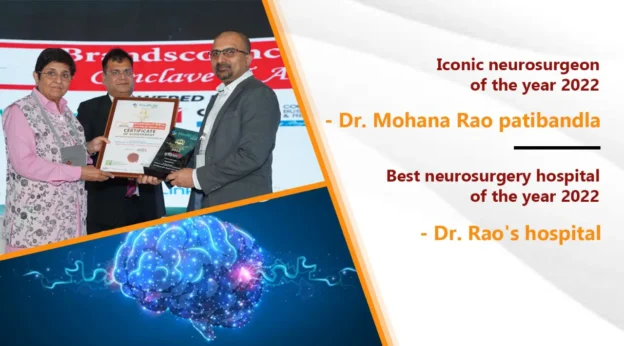
Dr. Mohana Rao Patibandla holding the Iconic Neurosurgeon of the Year 2022 certificate presented by KIRAN BEDI (Medilinks India & Brandscouncil)

Hyponatremia in Stroke Patients: Prevention, Monitoring, and Risk Factors

🧠 Hyponatremia in Stroke Patients: Prevention, Monitoring, and Risk Factors

Expert Insights from Dr. Rao’s Hospital, Guntur – Center for Advanced Brain, Spine & Nerve Care

⚕️ Understanding Hyponatremia in Stroke Patients

Hyponatremia in Stroke Patients, or low sodium levels in the blood, is one of the most common but often overlooked complications in stroke patients.
It occurs when serum sodium falls below 135 mEq/L, leading to swelling of brain cells — a potentially serious issue that can worsen neurological outcomes.
At Dr. Rao’s Hospital, recognized as one of the best neurology and neurosurgery hospitals in Andhra Pradesh, hyponatremia monitoring is a routine part of acute stroke management.

“Hyponatremia may appear to be a simple electrolyte imbalance, but in stroke patients, it can be life-threatening. Timely monitoring and correction prevent secondary brain injury,” explains
Dr. Mohana Rao Patibandla,
Senior Consultant Neurosurgeon and Director of Dr. Rao’s Hospital.

🧬 Why Hyponatremia Occurs After Stroke

Several mechanisms can trigger hyponatremia in stroke patients. Understanding them is key to targeted prevention.

1. Syndrome of Inappropriate Antidiuretic Hormone Secretion (SIADH)

Stroke-related brain injury can cause excessive release of ADH, leading to water retention and dilutional hyponatremia.

2. Cerebral Salt Wasting Syndrome (CSWS)

CSWS causes true sodium loss due to increased renal excretion. Differentiating it from SIADH is essential as treatment strategies differ.

3. Medications and Hospital Factors

Drugs like diuretics, antiepileptics, or antidepressants used in stroke management can alter sodium balance.

4. Increased Intracranial Pressure (ICP)

Raised ICP after ischemic or hemorrhagic stroke can disrupt hypothalamic-pituitary control, leading to hormonal imbalance and hyponatremia.

⚠️ Risk Factors for Hyponatremia in Stroke Patients

  • Large territorial or hemorrhagic strokes
  • Subarachnoid hemorrhage (SAH)
  • Prolonged ICU stay or mechanical ventilation
  • Use of osmotic diuretics like mannitol
  • Elderly patients with comorbidities
  • Excess IV fluid administration

At Dr. Rao’s Hospital’s Neuro-ICU, these risk factors are closely monitored using continuous electrolyte tracking and smart alert systems as part of advanced brain stroke treatment in Guntur and comprehensive brain stroke treatment in India.

🔍 Symptoms and Warning Signs

Hyponatremia symptoms often mimic stroke-related signs, making vigilance critical in stroke patients. Common warning signs include:

  • Confusion, irritability, or lethargy
  • Headache, nausea, vomiting
  • Muscle cramps or twitching
  • Seizures or coma in severe cases

Early recognition of these hyponatremia symptoms allows timely hyponatremia treatment, which is crucial for preventing neurological complications. All stroke patients in Dr. Rao’s Hospital’s Neuro Intensive Care Unit undergo 24×7 neuromonitoring and electrolyte checks to ensure early detection as part of advanced brain stroke treatment in Guntur and trusted brain stroke treatment in India, including carefully guided strategies such as permissive hypernatremia in stroke when clinically indicated.

🏥 Diagnosis and Monitoring

The hospital follows standardized international stroke protocols to diagnose and correct hyponatremia efficiently.

  1. Serum sodium and osmolality testing every 6–12 hours
  2. Urine sodium and osmolality differentiation (SIADH vs CSWS)
  3. Volume status assessment and fluid balance charts
  4. Brain imaging to evaluate hypothalamic-pituitary axis injury

For patients seeking timely and advanced neuro care, exploring treatment options across major cities can make a significant difference in stroke outcomes. Learn more about specialised services through Stroke and Cerebrovascular Treatment in Andhra Pradesh | Stroke and Cerebrovascular Treatment in Bhimavaram | Stroke and Cerebrovascular Treatment in Chennai | Stroke and Cerebrovascular Treatment in Delhi | Stroke and Cerebrovascular Treatment in Guntur to find the most suitable care for your needs.

💧 Prevention and Management

1. Close Fluid and Electrolyte Monitoring

Regular sodium surveillance is part of the hospital’s stroke care protocol.

2. Individualized Fluid Therapy

SIADH is treated with fluid restriction, while CSWS requires volume and sodium replacement with isotonic or hypertonic saline.

3. Controlled Correction

Gradual sodium correction is crucial to avoid central pontine myelinolysis. Every adjustment is guided by critical care neurologists.

4. Medication Review

Stroke patients’ medications are reviewed regularly to minimize risk of sodium imbalance.

5. Nutrition and Early Rehabilitation

Proper nutrition and early physiotherapy via the Stroke Rehabilitation Program support recovery and stability.

🧠 Hyponatremia and Stroke Outcomes

Unmanaged hyponatremia can delay neurological recovery and increase mortality risk.
Thanks to Dr. Rao’s advanced neurosurgical care and multidisciplinary team approach, outcomes have significantly improved for stroke patients.

“Preventing hyponatremia is as crucial as preventing a second stroke. We focus not just on survival but on preserving function and quality of life,” says Dr. Rao.

🧩 Why Choose Dr. Rao’s Hospital for Stroke Care

Located in Guntur, Dr. Rao’s Hospital is one of the best stroke hospitals in Andhra Pradesh.
Led by internationally trained neurosurgeon Dr. Mohana Rao Patibandla, the hospital combines global technology with compassionate neurocare.

Key Stroke Care Highlights

  • 24×7 Stroke Emergency Unit (Door-to-Needle Time < 30 minutes)
  • Dedicated Neuro-ICU with continuous ICP and electrolyte monitoring
  • Comprehensive stroke rehabilitation and physiotherapy support
  • Integration of neuroimaging, neuronavigation, and critical care
  • Expert management of complications like hyponatremia, brain edema, and hydrocephalus

💬 Final Thoughts

Hyponatremia in stroke patients is a silent but serious threat to recovery.
At Dr. Rao’s Hospital, a multidisciplinary team ensures that every patient receives precise monitoring and timely correction.

“Recognizing hyponatremia early can save lives and protect brain function,” emphasizes Dr. Mohana Rao Patibandla, widely regarded as the best neurologist and neurosurgeon in Guntur.

📞 Contact Dr. Rao’s Hospital

Dr. Rao’s Hospital – Advanced Brain, Spine & Nerve Care
📍 12-19-67, Old Bank Road, Kothapet, Opp. Sravani Hospital, Guntur, Andhra Pradesh
📞 090100 56444
📧 info@drraoshospitals.com | drpatibandla@gmail.com
🌐 https://drraoshospitals.com
📺 YouTube |
📘 Facebook |
📸 Instagram |
💼 LinkedIn |
📍 Google Maps

Frequently Asked Questions

1. What is Hyponatremia in Stroke Patients?
Hyponatremia in Stroke Patients refers to low sodium levels that can worsen brain swelling and neurological recovery if not managed on time.

2. Why is brain stroke treatment in guntur considered advanced?
Brain stroke treatment in guntur offers rapid diagnosis, Neuro-ICU care, and expert neurosurgical intervention for faster and safer recovery.

3. How effective is brain stroke treatment in india today?
Brain stroke treatment in india has advanced significantly with modern thrombolysis, thrombectomy, and specialized stroke rehabilitation centers.

4. What are the common hyponatremia symptoms to watch for?
Hyponatremia symptoms include confusion, headache, nausea, muscle cramps, seizures, and in severe cases, coma.

5. What does proper hyponatremia treatment involve?
Hyponatremia treatment focuses on correcting sodium levels safely through IV fluids, medications, and continuous electrolyte monitoring.

6. What is the role of permissive hypernatremia in stroke?
Permissive hypernatremia in stroke is a controlled strategy used in select cases to reduce brain edema and lower intracranial pressure.