Tag Archives: Dr Raos Hospital neurosurgery

Cover of Time Iconic Magazine 2025 featuring Dr. Mohana Rao Patibandla recognized for innovation, empathy, and leadership in neurosurgery.

When Should You See a Neurosurgeon? 12 Symptoms You Should Never Ignore

When Should You See a Neurosurgeon? 12 Symptoms You Should Never Ignore

“Do I need a neurosurgeon?” is one of the most common and most important questions patients and families ask when neurological symptoms appear. Headaches, weakness, seizures, back pain, or sudden confusion are often dismissed as temporary problems. However, some symptoms are warning signs of serious brain, spine, or nerve conditions that require timely neurosurgeon consultation.

This comprehensive guide explains when should you see a neurosurgeon, highlights 12 neurological symptoms not to ignore, and helps you understand when to go to the hospital for neurological symptoms. Written in a patient-friendly, question-and-answer format, this article is designed to help you act early and avoid preventable complications.

Early evaluation by an experienced neurosurgeon can be life-saving and function-preserving, especially in conditions involving the brain, spinal cord, or peripheral nerves.


What Does a Neurosurgeon Treat?

A neurosurgeon is a specialist trained to diagnose and treat disorders of the:

  • Brain
  • Spinal cord
  • Spine (neck and back)
  • Peripheral nerves

Neurosurgeons manage both surgical and non-surgical treatment plans for conditions such as brain tumors, spinal nerve compression, stroke, head injury, epilepsy, congenital brain disorders, and complex spine problems.

According to the World Health Organization (WHO), neurological disorders are among the leading causes of disability worldwide, emphasizing the importance of early recognition and specialist care.


When Should You See a Neurosurgeon? 12 Warning Symptoms

If you are experiencing any of the symptoms below, you should strongly consider consulting a neurosurgeon or seeking an emergency neurosurgeon consultation.

1. Severe or Persistent Headaches

Not all headaches require neurosurgical care, but you should see a neurosurgeon for headaches if:

  • Headaches are severe, sudden, or worsening
  • They wake you from sleep
  • They are associated with vomiting, vision problems, or weakness

These may indicate brain tumor symptoms, brain hemorrhage warning signs, or raised intracranial pressure. If you’re asking, “Do I need a neurosurgeon for headaches?”, persistent or unexplained headaches deserve evaluation.

2. Weakness in Arms or Legs

Sudden or progressive weakness in arms or legs may signal:

  • Stroke symptoms
  • Spinal cord compression symptoms
  • Brain or spinal tumors

Weakness associated with facial drooping or speech difficulty is a neurological emergency and requires immediate hospital care.

3. Numbness or Tingling Sensations

Persistent numbness or tingling, especially when accompanied by weakness, may indicate spine nerve compression symptoms such as cervical myelopathy or lumbar canal stenosis.

Numbness spreading down the arm or leg should never be ignored.

4. Loss of Balance or Difficulty Walking

Loss of balance, frequent falls, or difficulty walking may point to:

  • Cervical myelopathy symptoms
  • Brainstem or cerebellar disorders
  • Normal pressure hydrocephalus

If walking becomes unsafe, consult a neurosurgeon promptly.

5. Seizures (First-Time or Recurrent)

A first seizure always requires medical evaluation. Recurrent seizures despite medication also warrant neurosurgical assessment.

If you’re wondering, “Do I need a neurosurgeon for seizures?”, the answer is yes when seizures are unexplained, recurrent, or associated with brain lesions.

According to the Mayo Clinic, structural brain abnormalities are a common cause of seizures requiring advanced care.

6. Blackouts, Fainting, or Unexplained Collapses

Recurrent blackouts or fainting may suggest:

  • Brain blood flow abnormalities
  • Seizure disorders
  • Brain tumors

Neurological causes must be ruled out when fainting is unexplained.

7. Vision Problems or Double Vision

Sudden vision loss, blurred vision, or double vision may indicate optic nerve compression, brain tumors, or stroke.

Vision problems associated with headaches are especially concerning.

8. Speech Difficulty or Slurred Speech

Difficulty speaking, slurred speech, or trouble understanding words are classic stroke symptoms and require emergency care.

Do not delay hospital evaluation if speech changes occur suddenly.

9. Memory Loss, Confusion, or Personality Changes

Progressive memory loss or confusion may indicate:

  • Brain tumors
  • Hydrocephalus
  • Traumatic brain injury

Behavioral or personality changes should not be dismissed as aging without proper evaluation.

10. Sudden Paralysis or Facial Drooping

Sudden paralysis, facial drooping, or inability to move one side of the body is a neurological emergency.

Immediate hospital care is essential to prevent permanent disability.

11. Neck or Back Pain with Weakness

Back pain alone is common, but back pain with leg weakness, sciatica with weakness, or neck pain with arm weakness suggests serious spinal cord or nerve root compression.

These symptoms often require urgent neurosurgical assessment.

12. Bladder or Bowel Control Problems

Loss of bladder or bowel control with back pain or leg weakness may indicate cauda equina syndrome, a surgical emergency.

Immediate neurosurgeon consultation can prevent permanent paralysis.


When to See a Neurosurgeon for Stroke or Head Injury?

Neurosurgeons play a critical role in managing:

  • Brain hemorrhage warning signs
  • Severe stroke with brain swelling
  • Head injury and neurotrauma symptoms

According to the National Institutes of Health (NIH), early specialist intervention significantly improves neurological outcomes.


Pediatric Neurosurgeon Symptoms: When Should Children Be Evaluated?

Children should be seen by a neurosurgeon for:

  • Child seizures
  • Developmental delay with weakness
  • Increasing head size
  • Congenital spine or brain abnormalities

Early diagnosis can prevent lifelong disability.


Why Early Neurosurgeon Consultation Matters

Delaying evaluation can lead to:

  • Permanent nerve damage
  • Irreversible paralysis
  • Life-threatening complications

Modern neurosurgery emphasizes early diagnosis, minimally invasive techniques, and functional preservation.


Why Choose Dr. Rao’s Hospital for Neurosurgery?

At Dr. Rao’s Hospital, patients receive comprehensive evaluation and advanced treatment for brain and spine disorders. The hospital is led by Dr. Mohana Rao Patibandla, widely regarded as one of the best neurosurgeons in Guntur.

Key strengths include:

  • Advanced minimally invasive neurosurgery
  • State-of-the-art imaging and navigation
  • Multidisciplinary neurological care

Learn more about Dr. Mohana Rao Patibandla or explore our Neurosurgery Department, Spine Surgery, and Neurology Services.


Do I need a neurosurgeon for headaches?

You should see a neurosurgeon for headaches if they are severe, persistent, worsening, or associated with vomiting, vision problems, or weakness.

When should I worry about neurological symptoms?

You should worry when symptoms are sudden, progressive, or associated with weakness, seizures, speech difficulty, or loss of balance.

Why choose Dr. Rao’s Hospital for neurosurgery?

At Dr. Rao’s Hospital, led by Dr. Mohana Rao Patibandla, patients receive advanced, compassionate care using cutting-edge minimally invasive neurosurgery techniques.

Consult the Best Neurosurgeon in Guntur

If you or your loved one is experiencing any neurological symptoms discussed above, do not delay care. If you are searching for the best neurosurgeon in Guntur or expert evaluation for brain and spine conditions, visit Dr. Rao’s Hospital.

📞 090100 56444
📧 info@drraoshospitals.com
📍 Contact Dr. Rao’s Hospital

Facebook |
Instagram |
YouTube |
LinkedIn |
X (Twitter)


Neurosurgeon vs Neurologist: Who Should You See First?

Many patients are unsure whether to consult a neurologist or a neurosurgeon. While both deal with brain and nerve conditions, their roles are different and complementary.

Symptom / ConditionNeurologistNeurosurgeon
Migraine without red flags
Seizures not controlled with medication✔ (initial)
Brain tumor on MRI
Spinal cord compression
Stroke with brain swelling or bleed✔ (emergency)

Simple rule: If symptoms are progressive, structural (seen on MRI/CT), or associated with weakness, paralysis, seizures, or bladder issues — a neurosurgeon consultation is essential.


When Is a Neurological Symptom an Emergency?

You should go to the hospital immediately if any of the following occur:

  • Sudden weakness of face, arm, or leg
  • Sudden loss of speech or understanding
  • New-onset seizures or repeated seizures
  • Severe head injury with loss of consciousness
  • Sudden severe headache described as “worst ever”
  • Back pain with sudden bladder or bowel incontinence

These are neurological emergency symptoms where delay can result in permanent disability or death.

According to the WHO Brain Health Initiative, early intervention within the first few hours significantly improves survival and functional outcomes.


How Are Neurological Problems Diagnosed by a Neurosurgeon?

During a neurosurgeon consultation, evaluation typically includes:

  • Detailed neurological examination
  • Review of MRI, CT scan, or X-rays
  • Nerve conduction or electrophysiology tests (if needed)
  • Correlation of imaging with symptoms (very important)

Not every patient needs surgery. In fact, a large proportion are managed with:

  • Observation and follow-up imaging
  • Medication optimization
  • Physiotherapy or rehabilitation
  • Minimally invasive interventions

This symptom-to-image correlation is critical in deciding who truly needs surgery and who does not.


Common Myths About Seeing a Neurosurgeon

Myth 1: “If I see a neurosurgeon, surgery is mandatory”

Truth: Neurosurgeons are trained to decide when surgery is not needed. Many patients are treated conservatively.

Myth 2: “Brain or spine surgery is always risky”

Truth: With modern imaging, navigation, and minimally invasive techniques, complication rates are significantly lower than in the past.

Myth 3: “Back pain always needs surgery”

Truth: Only back pain with nerve damage, weakness, or spinal instability requires neurosurgical intervention.


Real-World Symptom Scenarios (Patient Examples)

Scenario 1: A 45-year-old with long-standing back pain develops leg weakness and difficulty walking. MRI shows lumbar canal stenosis. Early neurosurgical decompression prevents permanent nerve damage.

Scenario 2: A 32-year-old experiences a first seizure. Imaging reveals a small brain tumor. Timely surgery leads to seizure freedom and normal life.

Scenario 3: A 60-year-old ignores neck pain and hand numbness for months. Delayed presentation results in advanced cervical myelopathy with incomplete recovery.

Lesson: Early neurosurgeon consultation preserves function.


Can You Take a Second Opinion from a Neurosurgeon?

Yes — and in complex brain or spine conditions, a second opinion is often wise.

A second neurosurgical opinion helps:

  • Confirm diagnosis
  • Avoid unnecessary surgery
  • Explore minimally invasive alternatives
  • Understand risks and benefits clearly

You can request a consultation through Dr. Rao’s Hospital Contact Page even if you already have reports.


When Should You See a Neurosurgeon Near You?

If you are searching online for:

  • “neurosurgeon near me symptoms”
  • “neurosurgeon consultation Guntur”
  • “do I need a neurosurgeon for back pain / seizures / weakness”

— it usually means symptoms are already affecting quality of life. That is the right time to seek expert evaluation.

Delaying consultation often converts reversible problems into permanent disabilities.


How to Prepare for Your First Neurosurgeon Appointment

To make your consultation effective:

  • Carry all MRI/CT reports (soft copy + films)
  • Note symptom onset, progression, and triggers
  • List current medications
  • Bring a family member for discussion support

This helps the neurosurgeon provide a clear, confident, and personalized plan.


Final Takeaway: Listen to Your Nervous System

Your brain and spinal cord control every movement, thought, and sensation. Symptoms are the body’s warning system.

If you are experiencing persistent headaches, seizures, weakness, numbness, balance problems, speech issues, or bladder changes, do not ignore them.

Early neurosurgeon consultation saves brain function, mobility, independence, and life.


Book an Expert Neurosurgeon Consultation in Guntur

If you’re concerned about neurological symptoms and are looking for advanced, ethical, and patient-focused care, consult the team at Dr. Rao’s Hospital, a leading neurosurgery hospital in Guntur.

📞 090100 56444
📧 info@drraoshospitals.com
🌐 https://drraoshospitals.com

Do not wait for symptoms to worsen. The right time to see a neurosurgeon is when your body first warns you.

Severe or Persistent Headache – Guntur

Q: When should I see a neurosurgeon in Guntur for headaches?
You should see a neurosurgeon in Guntur if headaches are severe, persistent, worsening, or associated with vomiting, vision problems, seizures, or weakness, as these may indicate serious brain conditions requiring expert evaluation.


Chronic Headache – Guntur

Q: Do I need a neurosurgeon near me for chronic headaches?
Yes. If chronic headaches change pattern, worsen, occur at night, or don’t respond to treatment, a neurosurgeon near you in Guntur should evaluate for underlying brain causes.


Weakness in Arms or Legs – Guntur

Q: Is limb weakness a reason to see a neurosurgeon in Guntur?
Sudden or progressive weakness in arms or legs is a serious neurological warning sign and requires urgent consultation with a neurosurgeon in Guntur to prevent permanent paralysis.


Numbness or Tingling – Guntur

Q: When should numbness or tingling be checked by a neurosurgeon near me?
Persistent numbness or tingling, especially with weakness or walking difficulty, may indicate nerve or spinal cord compression and should be evaluated by a neurosurgeon in Guntur.


Loss of Balance – Guntur

Q: Is loss of balance a neurological problem needing a neurosurgeon in Guntur?
Yes. Ongoing loss of balance or frequent falls may signal brain or spinal cord disorders and should be assessed by an experienced neurosurgeon in Guntur.


Difficulty Walking – Guntur

Q: When should difficulty walking be evaluated by a neurosurgeon near me?
Difficulty walking that worsens over time or is associated with weakness or numbness requires neurosurgeon consultation in Guntur to rule out spinal cord or brain involvement.


First-Time Seizure – Guntur

Q: Should I see a neurosurgeon in Guntur after my first seizure?
Yes. A first-time seizure requires brain imaging and evaluation by a neurosurgeon in Guntur to rule out tumors, bleeding, or structural brain problems.


Recurrent Seizures – Guntur

Q: Do recurrent seizures need a neurosurgeon near me?
Recurrent seizures despite medication should be evaluated by a neurosurgeon in Guntur to identify treatable brain lesions or consider advanced epilepsy treatment options.


Blackouts or Fainting – Guntur

Q: Are blackouts a reason to see a neurosurgeon in Guntur?
Unexplained blackouts or fainting may be neurological in origin and should be assessed by a neurosurgeon in Guntur once heart-related causes are excluded.


Vision Problems or Double Vision – Guntur

Q: When do vision problems require a neurosurgeon near me?
Sudden vision loss or double vision may indicate optic nerve or brain compression and needs urgent neurosurgeon evaluation in Guntur, especially with headache or weakness.


Speech Difficulty or Slurred Speech – Guntur

Q: Is slurred speech an emergency needing a neurosurgeon in Guntur?
Yes. Sudden slurred speech or difficulty speaking is a warning sign of stroke or brain injury and requires immediate hospital care with neurosurgical involvement in Guntur.


Memory Loss or Confusion – Guntur

Q: When should memory loss be checked by a neurosurgeon near me?
Progressive memory loss, confusion, or personality changes may indicate brain tumors or hydrocephalus and should be evaluated by a neurosurgeon in Guntur.


Sudden Paralysis – Guntur

Q: Is sudden paralysis a neurological emergency in Guntur?
Yes. Sudden paralysis of the face, arm, or leg is a medical emergency and requires immediate neurosurgical care at a specialized hospital in Guntur.


Facial Drooping – Guntur

Q: What does facial drooping mean and where should I go in Guntur?
Facial drooping is a classic stroke symptom and requires immediate emergency evaluation by a neurosurgeon in Guntur to prevent permanent disability.


Neck Pain with Weakness – Guntur

Q: When is neck pain serious enough for a neurosurgeon near me?
Neck pain with arm weakness, numbness, or balance problems may indicate cervical spinal cord compression and needs urgent neurosurgeon consultation in Guntur.


Back Pain with Leg Weakness – Guntur

Q: Does back pain with leg weakness need a neurosurgeon in Guntur?
Yes. Back pain combined with leg weakness or numbness may indicate serious spinal nerve compression and should be evaluated by a neurosurgeon in Guntur.


Sciatica with Weakness – Guntur

Q: Is sciatica with weakness dangerous?
Sciatica associated with muscle weakness suggests severe nerve compression and requires neurosurgeon evaluation in Guntur to prevent permanent nerve damage.


Bladder or Bowel Problems – Guntur

Q: Are bladder problems related to spine conditions?
Sudden bladder or bowel control problems with back pain or leg weakness may indicate cauda equina syndrome, a neurosurgical emergency requiring immediate care in Guntur.


Stroke Symptoms – Guntur

Q: When should a neurosurgeon in Guntur treat stroke?
A neurosurgeon in Guntur is needed when stroke involves brain bleeding, swelling, or requires surgical or endovascular intervention.


Head Injury – Guntur

Q: When should I see a neurosurgeon in Guntur after head injury?
After head injury, see a neurosurgeon in Guntur if there is loss of consciousness, worsening headache, vomiting, confusion, seizures, or weakness.


Pediatric Neurological Symptoms – Guntur

Q: When should a child see a neurosurgeon in Guntur?
Children should see a pediatric neurosurgeon in Guntur for seizures, weakness, developmental delay, increasing head size, or congenital brain and spine problems.


Q: Who is a trusted neurosurgeon in Guntur for these symptoms?
At Dr. Rao’s Hospital, patients are evaluated by Dr. Mohana Rao Patibandla, one of the most experienced neurosurgeons in Guntur, offering advanced, patient-focused brain and spine care.

About Dr. Mohana Rao Patibandla

Dr. Mohana Rao Patibandla is a senior Indian neurosurgeon and the Founder, Chairman, and Managing Director of Dr. Rao’s Hospital, a tertiary-care center for neurology, neurosurgery, and spine surgery in Guntur, Andhra Pradesh, India. With over two decades of clinical experience, he is known for his work in minimally invasive brain and spine surgery, skull base surgery, pediatric neurosurgery, epilepsy surgery, neuro-oncology, and functional neurosurgery.

He completed his MBBS from Andhra Medical College, Visakhapatnam, and his MCh in Neurosurgery from Nizam’s Institute of Medical Sciences (NIMS), Hyderabad. Dr. Patibandla has received advanced fellowship training in India and the United States, including skull base surgery, epilepsy surgery, minimally invasive neurosurgery, pediatric neurosurgery, stereotactic and radiosurgery, cerebrovascular and endovascular neurosurgery, and neuro-oncology.

Dr. Patibandla is recognized for introducing advanced neurosurgical technologies and protocols in Andhra Pradesh, including endoscopic and keyhole neurosurgery, intraoperative neuromonitoring, and image-guided procedures. He actively participates in national and international conferences and has presented clinical research and large surgical outcome datasets in brain and spine surgery.

Through Dr. Rao’s Hospital, he focuses on delivering evidence-based, patient-centered neurological care, combining surgical precision with technological innovation and multidisciplinary treatment.

న్యూరోసర్జన్‌ను ఎప్పుడు కలవాలి? నిర్లక్ష్యం చేయకూడని 12 లక్షణాలు

చాలా మంది రోగులు న్యూరోసర్జన్‌ను కలవడం అంటే “ఆపరేషన్ తప్పదు” అని భయపడతారు.
కానీ నిజం ఏమిటంటే – న్యూరోసర్జన్‌ను సమయానికి కలవడం వల్ల శస్త్రచికిత్స అవసరం లేకుండానే సమస్యను నివారించే అవకాశం ఉంటుంది.

మెదడు, వెన్నెముక, నరాల సంబంధిత సమస్యలు మొదట చిన్న లక్షణాలుగా కనిపించినా, అవి నిర్లక్ష్యం చేస్తే తీవ్రమైన సమస్యలుగా మారవచ్చు.

ఈ వ్యాసంలో న్యూరోసర్జన్‌ను తప్పనిసరిగా కలవాల్సిన 12 ముఖ్యమైన లక్షణాలు వివరంగా తెలుసుకుందాం.


1. తీవ్రమైన లేదా దీర్ఘకాల తలనొప్పి

సాధారణ తలనొప్పి ఒకటి రెండు రోజుల్లో తగ్గిపోతుంది.
కానీ ఈ పరిస్థితుల్లో న్యూరోసర్జన్‌ను తప్పక కలవాలి:

  • తలనొప్పి రోజురోజుకూ పెరుగుతుంటే
  • నిద్రలో నుంచి లేపే తలనొప్పి
  • వాంతులు, చూపు సమస్యలతో కూడిన తలనొప్పి

ఇవి మెదడు ట్యూమర్, హైడ్రోసెఫలస్ లేదా రక్తస్రావానికి సంకేతాలు కావచ్చు.


2. చేయి లేదా కాలి బలహీనత

ఒకవైపు చేయి లేదా కాలు అకస్మాత్తుగా బలహీనపడటం, లేదా మెల్లగా శక్తి తగ్గడం నిర్లక్ష్యం చేయరాని లక్షణం.

  • స్ట్రోక్
  • మెదడు ట్యూమర్
  • వెన్నెముక నరాల ఒత్తిడి

వంటి సమస్యలకు ఇది హెచ్చరికగా ఉండవచ్చు.


3. చేతులు లేదా కాళ్లలో మొద్దుబారడం, చిమ్మటలాంటివి

నిద్రలో తప్పుగా పడుకోవడం వల్ల తాత్కాలికంగా మొద్దుబారవచ్చు.
కానీ ఇది రోజూ ఉంటే లేదా పెరుగుతుంటే –

  • స్పైనల్ నర్వ్ కంప్రెషన్
  • సర్వైకల్ / లంబార్ స్పైన్ సమస్యలు

ఉండే అవకాశం ఉంది.


4. నడవడంలో ఇబ్బంది లేదా సమతుల్యత కోల్పోవడం

తడబడటం, పడిపోవడం, నడవడంలో భయం – ఇవన్నీ మెదడు లేదా వెన్నెముక సమస్యలకు సంకేతాలు.

ఇవి ముఖ్యంగా:

  • స్పైనల్ కార్డ్ కంప్రెషన్
  • సెరెబెల్లం సమస్యలు

5. మూర్ఛలు (Fits / Seizures)

మొదటిసారి మూర్ఛ రావడం అయినా, మందులు వేసినా మూర్ఛలు ఆగకపోయినా –
న్యూరోసర్జన్ పరీక్ష తప్పనిసరి.

ఇది మెదడు ట్యూమర్, స్కార్, లేదా ఇతర నిర్మాణ లోపాల వల్ల రావచ్చు.


6. అకస్మాత్తుగా చూపు తగ్గడం లేదా డబుల్ విజన్

ఒక్కసారిగా చూపు మసకబారడం, రెండు కనిపించడం, చూపు తగ్గిపోవడం –

  • మెదడు ఒత్తిడి
  • పిట్యూటరీ ట్యూమర్
  • స్ట్రోక్

వంటి సమస్యలకు సంకేతాలు కావచ్చు.


7. మాట రావడంలో ఇబ్బంది లేదా మాట తడబడటం

మాట స్పష్టంగా రాకపోవడం, మాటలు మరిచిపోవడం – స్ట్రోక్ లేదా మెదడు సమస్యలకు హెచ్చరిక.

ఇది అత్యవసర పరిస్థితి కావచ్చు.


8. జ్ఞాపకశక్తి తగ్గడం లేదా గందరగోళం

వయస్సుతో కొంత మరిచిపోవడం సాధారణం.
కానీ అకస్మాత్తుగా:

  • వ్యక్తిత్వ మార్పులు
  • గందరగోళంగా మాట్లాడటం

ఉంటే న్యూరోసర్జన్ సలహా అవసరం.


9. అకస్మాత్తుగా ఒకవైపు పక్షవాతం

ఒక్కసారిగా శరీరం ఒకవైపు కదలకపోవడం – ఇది మెడికల్ ఎమర్జెన్సీ.

వెంటనే ఆసుపత్రికి తీసుకెళ్లాలి.


10. మెడ నొప్పితో పాటు చేయి బలహీనత

మెడ నొప్పి సాధారణం. కానీ దానితో పాటు:

  • చేయి బలహీనత
  • వేళ్లలో మొద్దుబారం

ఉంటే సర్వైకల్ స్పైన్ సమస్యలు ఉండవచ్చు.


11. నడుము నొప్పితో పాటు కాళ్లకు నొప్పి లేదా బలహీనత

నడుము నుంచి కాళ్లకు నొప్పి (సైయాటికా), కాళ్లు బలహీనపడటం –

  • డిస్క్ ప్రోలాప్స్
  • లంబార్ కెనాల్ స్టెనోసిస్

వంటి సమస్యలకు సంకేతాలు.


12. మూత్రం లేదా మల నియంత్రణ కోల్పోవడం

నడుము నొప్పితో పాటు మూత్రం లేదా మల నియంత్రణ లేకపోతే – ఇది అత్యవసర శస్త్రచికిత్స అవసరమైన పరిస్థితి.

దీన్ని Cauda Equina Syndrome అంటారు.


న్యూరోసర్జన్ అంటే ఆపరేషన్ తప్పదా?

కాదు. న్యూరోసర్జన్ యొక్క ప్రధాన బాధ్యత:

  • సమస్యను ఖచ్చితంగా గుర్తించడం
  • మందులు లేదా ఫిజియోథెరపీతో సరిపోతుందా చూడడం
  • అవసరమైనప్పుడు మాత్రమే శస్త్రచికిత్స సూచించడం

డా. రావు హాస్పిటల్‌లో న్యూరోసర్జరీ సేవలు

డా. రావు హాస్పిటల్ లో మెదడు, వెన్నెముక, నరాల సమస్యలకు ఆధునిక నిర్ధారణ మరియు చికిత్స అందుబాటులో ఉన్నాయి.

న్యూరోసర్జరీ సేవలు Dr. Mohana Rao Patibandla నాయకత్వంలో జరుగుతున్నాయి.

విభాగాలు:


ఈ లక్షణాలు ఉంటే ఆలస్యం చేయవద్దు

మీకు లేదా మీ కుటుంబ సభ్యులకు పై లక్షణాల్లో ఏదైనా ఉంటే, న్యూరోసర్జన్‌ను సమయానికి కలవడం జీవితాన్ని మార్చవచ్చు.

📞 090100 56444
📧 info@drraoshospitals.com
📍 అపాయింట్‌మెంట్ కోసం సంప్రదించండి

గుర్తుంచుకోండి: ఆలస్యం కంటే ముందస్తు జాగ్రత్తే మంచిది.


Facebook |
Instagram |
YouTube |
LinkedIn |
X (Twitter)

The Knowledge review cover of Dr. Mohana Rao patibandla

Best Neurosurgeon in Guntur: What Patients Should Look For

Best Neurosurgeon in Guntur: What Patients Should Look For

Choosing the best neurosurgeon in Guntur is one of the most important decisions a patient or family can make. Brain and spine conditions often affect movement, speech, memory, and quality of life—so the expertise, judgment, and compassion of the neurosurgeon matter as much as the surgery itself.

With growing awareness and access to advanced care, patients today ask the right questions:
Who is the top neurosurgeon in Guntur?
How do I choose the best brain or spine surgeon?
What should I look for beyond qualifications?

This guide answers those questions clearly and practically, helping you understand what patients should look for in a neurosurgeon and how to make an informed, confident choice in Guntur, Andhra Pradesh.

Why Choosing the Right Neurosurgeon Matters

Neurosurgery is not just technically demanding—it involves complex decision-making where timing, precision, and experience directly influence outcomes.

The right neurosurgeon can:

  • Identify when surgery is truly needed—and when it is not
  • Choose the safest and least invasive approach
  • Reduce complications and recovery time
  • Preserve neurological function and quality of life

According to data summarized by the World Health Organization (WHO), early expert care significantly improves outcomes in neurological conditions.

Experience and Specialized Training

One of the first things patients should look for is experience. An experienced neurosurgeon in Guntur has managed a wide range of cases, from routine spine conditions to complex brain tumors.

Key indicators of strong experience include:

  • Formal neurosurgery training (MCh / equivalent)
  • Years of hands-on surgical experience
  • Exposure to complex and high-risk cases
  • Continuous learning and skill upgradation

Experience is especially important in complex conditions such as skull base tumors, spinal cord compression, and redo surgeries.

Comprehensive Brain and Spine Care Under One Roof

The best neurosurgeon in Guntur is not limited to one narrow area. Patients benefit from surgeons who manage a broad spectrum of neurological and spinal disorders.

Brain Conditions

  • Brain tumor treatment in Guntur
  • Stroke and brain hemorrhage surgery
  • Epilepsy surgery
  • Skull base surgery

Spine Conditions

  • Cervical and lumbar spine surgery
  • Disc prolapse and spinal stenosis
  • Spinal cord tumors
  • Complex and revision spine surgery

This comprehensive scope ensures continuity of care and better decision-making.

Modern and Minimally Invasive Neurosurgery Techniques

Advanced neurosurgery today focuses on doing more through smaller, safer approaches.
Patients should look for a minimally invasive neurosurgeon in Guntur who is trained in modern techniques.

These include:

  • Endoscopic brain surgery in Guntur
  • Endoscopic spine surgery
  • Keyhole brain surgery
  • Microsurgical and navigation-guided procedures

Research indexed on PubMed shows that minimally invasive approaches reduce blood loss, infection risk, and hospital stay in appropriately selected patients.

Advanced Technology and Hospital Infrastructure

Even the most skilled surgeon needs the right tools. The best neurosurgery hospital in Guntur supports surgeons with advanced infrastructure.

Patients should look for:

  • Neuronavigation-guided brain surgery
  • Intraoperative neuromonitoring (IONM)
  • Advanced operating microscopes
  • Dedicated Neuro ICU care

Institutions like Dr. Rao’s Hospital have invested in such technology to improve safety and outcomes.

Safety Record and Surgical Outcomes

Patients often ask, “What is the success rate?” While no surgery is risk-free, consistent outcomes reflect sound judgment and systems.

Look for:

  • Low complication and infection rates
  • Structured postoperative monitoring
  • Transparent discussion of risks and benefits

Outcome-focused care is a hallmark of a trusted neurosurgeon in Guntur.

Communication, Compassion, and Patient Trust

Technical skill alone is not enough. Patients consistently value neurosurgeons who explain conditions clearly and involve families in decision-making.

A compassionate neurosurgeon will:

  • Explain diagnosis and treatment options in simple language
  • Set realistic expectations
  • Respect patient concerns and preferences

This human connection reduces anxiety and improves overall patient experience.

Referrals and Professional Trust

One strong indicator of excellence is professional trust. A referral neurosurgeon in Guntur receives complex cases from other doctors and hospitals.

Referrals usually involve:

  • High-risk brain or spine conditions
  • Redo or failed surgeries
  • Complex diagnostic dilemmas

Such trust reflects consistent outcomes and ethical practice.

Affordability and Accessibility in Guntur

Guntur offers advanced care at a lower overall cost compared to large metropolitan cities. Patients looking for affordable neurosurgery in Guntur benefit from:

  • Lower infrastructure and living costs
  • Minimally invasive surgery with faster recovery
  • Insurance and cashless treatment options

This balance of quality and affordability is a major advantage for patients and families.

How to Choose the Best Neurosurgeon in Guntur: A Practical Checklist

  • Verify qualifications and experience
  • Ask about similar cases treated
  • Understand surgical options and alternatives
  • Check hospital infrastructure and ICU support
  • Assess communication and comfort level

This checklist helps patients make confident, informed decisions.

Advanced Neurosurgical Care at Dr. Rao’s Hospital

Frequently Asked Questions

What symptoms indicate the need to see a neurosurgeon?

Symptoms include persistent headaches, weakness, numbness, seizures, difficulty walking, severe back or neck pain, or sudden neurological deficits.

How are brain and spine conditions diagnosed?

Diagnosis typically involves clinical examination, MRI or CT imaging, and neurological evaluation by a specialist.

Why choose Dr. Rao’s Hospital for neurosurgery?

At Dr. Rao’s Hospital, led by Dr. Mohana Rao Patibandla, one of the best neurosurgeons in Guntur, patients receive advanced, compassionate care using modern minimally invasive neurosurgery techniques.


Consult the Best Neurosurgeon in Guntur

If you are searching for the best neurosurgeon in Guntur, best brain surgeon in Guntur, or expert care for complex brain and spine conditions, visit Dr. Rao’s Hospital.

📞 Call: 090100 56444
📧 Email: info@drraoshospitals.com

Clinical Data, Metrics, and Quality Indicators to Ask About

Patients increasingly want evidence, not just assurances. One way to evaluate a top neurosurgeon in Guntur is to ask about measurable quality indicators. These metrics reflect how consistently safe care is delivered across different cases.

Meaningful indicators include:

  • Complication and infection rates
  • Reoperation and readmission rates
  • Length of ICU and hospital stay
  • Functional status at discharge and follow-up

Centers that track and review these data regularly tend to improve outcomes over time,
a principle supported by outcomes research summarized on NIH platforms.

Second Opinions and Ethical Neurosurgical Practice

Another sign of excellence is openness to second opinions. The best neurosurgeon in Guntur encourages patients to understand all options, including non-surgical or delayed approaches when appropriate.

Ethical practice means:

  • Recommending surgery only when benefits outweigh risks
  • Discussing conservative alternatives honestly
  • Respecting patient preferences and values

This transparency builds trust and prevents unnecessary procedures—an important
consideration for patients and families.

Multidisciplinary Teams: Why They Matter to Patients

Complex neurological problems rarely involve one specialty alone. High-quality neurosurgical care integrates neurologists, anesthesiologists, intensivists, rehabilitation specialists, and nursing teams.

Patients benefit from multidisciplinary care through:

  • More accurate diagnosis and planning
  • Safer anesthesia and perioperative care
  • Smoother recovery and rehabilitation

This team-based model is especially important for conditions like stroke, spinal cord injury, and complex brain tumors.

Emergency Readiness and Response Time

In neurosurgery, minutes can matter. Patients should ask whether their neurosurgeon and hospital are equipped to handle emergencies such as head injury, acute stroke, or spinal trauma.

Key aspects of emergency readiness include:

  • 24/7 neurosurgical availability
  • Rapid access to CT and MRI imaging
  • Dedicated Neuro ICU and emergency OT access

Hospitals with established emergency pathways offer safer care when unexpected
complications arise.

Long-Term Follow-Up and Continuity of Care

The patient–neurosurgeon relationship does not end at discharge. Conditions such as brain tumors, spine degeneration, and epilepsy require long-term monitoring.

Patients should look for:

  • Structured follow-up schedules
  • Clear guidance on warning signs
  • Coordination with physiotherapy and rehabilitation

Continuity of care improves early detection of recurrence or complications and supports better long-term outcomes.

Patient Education and Shared Decision-Making

Well-informed patients make better decisions and cope better with recovery. Leading neurosurgeons invest time in educating patients and families about the condition, procedure, and recovery expectations.

Effective education includes:

  • Visual explanation of scans and reports
  • Clear discussion of risks, benefits, and timelines
  • Written instructions for postoperative care

Shared decision-making aligns treatment with patient goals and reduces anxiety.

Local Access in Guntur With Global Standards of Care

One advantage of choosing neurosurgical care in Guntur is the ability to access advanced treatment close to home. Patients avoid the logistical and emotional burden of long-distance travel to metro cities.

At the same time, modern neurosurgery in Guntur follows globally accepted protocols and techniques—bridging the gap between accessibility and excellence.

Making the Final Decision With Confidence

Choosing the best neurosurgeon in Guntur ultimately comes down to confidence—confidence in the surgeon’s expertise, the hospital’s systems, and the care team’s integrity.

When patients feel heard, informed, and supported, they are better prepared to face treatment and recovery with clarity and trust.

YouTube, Facebook, Instagram, Google Business Page, LinkedIn, X / Twitter ,  Dr. Rao’s Hospital, Guntur, Dr. Mohana Rao Patibandla,  About Dr. Rao’s Hospital, Advanced Neurosurgery in Gunturv, Comprehensive Neurology Care in Guntur, Advanced Spine Surgery in Guntur, Minimally Invasive Brain and Spine Surgery, Pediatric Neurosurgery in Guntur, Advanced Epilepsy Surgery in Guntur, International Patients – Neurosurgery in India, Book an Appointment at Dr. Rao’s Hospital

Choosing Skill, Safety, and Compassion Together

The right neurosurgeon combines technical mastery with ethical judgment and genuine concern for patient well-being. In Guntur, patients today have access to advanced neurosurgical care that meets high standards of safety, outcomes, and compassion.

Taking the time to evaluate these factors ensures that your choice is not just the best on paper—but the best for your health and future.

Why Case Volume and Case Mix Matter in Neurosurgery

Not all experience is equal. Patients often assume that years in practice alone define expertise, but in neurosurgery, case volume and case mix are equally important. A neurosurgeon who regularly treats complex brain and spine conditions develops refined judgment and technical confidence.

High-value experience includes:

  • Managing both routine and complex neurosurgical cases
  • Exposure to rare or high-risk conditions
  • Handling intraoperative challenges and complications

A diverse case mix prepares the surgeon to respond effectively when anatomy, disease behavior, or patient factors deviate from textbook descriptions.

Decision-Making Skills in Uncertain or Borderline Cases

Some neurosurgical decisions fall into gray zones—situations where surgery may help,
but the risks are significant. In these cases, outcomes depend heavily on clinical judgment rather than technical skill alone.

Patients should look for neurosurgeons who:

  • Clearly explain uncertainty and possible outcomes
  • Avoid rushing into irreversible decisions
  • Balance aggressiveness with neurological preservation

This thoughtful approach protects patients from unnecessary risk and builds long-term trust.

Preoperative Optimization: Preparing the Patient for Safer Surgery

Successful neurosurgery begins before the operation. The best neurosurgeons emphasize preoperative optimization to reduce complications and improve recovery.

This may involve:

  • Stabilizing medical conditions such as diabetes or hypertension
  • Optimizing nutrition and physical conditioning
  • Coordinating anesthesia and ICU planning

Patients benefit from fewer postoperative issues and smoother rehabilitation
when preparation is prioritized.

Postoperative Monitoring and Early Intervention

Recovery after neurosurgery is a dynamic phase where close observation is critical. High-quality postoperative care focuses on detecting subtle neurological changes early.

Effective postoperative systems include:

  • Frequent neurological assessments
  • Timely imaging when indicated
  • Rapid response to complications

This vigilance significantly reduces the severity of complications and supports better long-term outcomes.

Rehabilitation Planning: An Essential Part of Neurosurgical Care

Neurosurgery is often only one step in the recovery journey. Rehabilitation plays a key role in restoring function, independence, and confidence.

Patients should ask about:

  • Physiotherapy and occupational therapy planning
  • Speech and cognitive rehabilitation when needed
  • Clear recovery milestones and timelines

Integrated rehabilitation improves functional outcomes and quality of life, especially after brain injury or spinal surgery.

Family Involvement and Caregiver Guidance

Neurosurgical conditions affect entire families, not just patients. The best neurosurgeons recognize the importance of educating caregivers about postoperative care and warning signs.

Caregiver-focused support includes:

  • Clear discharge instructions
  • Guidance on medication and wound care
  • Advice on when to seek urgent help

Empowered caregivers contribute significantly to safer recovery at home.

Commitment to Continuous Quality Improvement

Medicine evolves rapidly, and neurosurgery is no exception. Leading neurosurgeons engage in continuous quality improvement to refine techniques and update protocols.

This commitment may involve:

  • Reviewing outcomes and complications
  • Participating in academic discussions and training
  • Adopting evidence-based innovations

Patients benefit from care that reflects current best practices rather than outdated methods.

Aligning Expectations With Realistic Outcomes

One of the most valuable roles of a neurosurgeon is helping patients set realistic expectations.
Not every condition can be cured, but many can be improved or stabilized.

Honest counseling helps patients:

  • Understand achievable goals
  • Prepare mentally and emotionally
  • Avoid disappointment from unrealistic hopes

This clarity is central to patient satisfaction and trust.

A Final Thought for Patients and Families

Selecting the best neurosurgeon in Guntur is not about choosing the most advertised name—it is about finding a surgeon and team who combine skill, judgment, safety, and compassion.

When these elements come together, patients are better supported through diagnosis, treatment, and recovery—making a lasting difference in both outcomes and experience.


People Also Ask: Best Neurosurgeon in Guntur

Who is considered the best neurosurgeon in Guntur?

The best neurosurgeon in Guntur is one who has extensive experience in brain and spine surgery, manages complex cases, uses advanced technology like neuronavigation and minimally invasive techniques, and practices ethical, patient-centered care with proven outcomes.


How do I choose the best neurosurgeon in Guntur?

To choose the best neurosurgeon in Guntur, look for formal neurosurgical training, years of hands-on experience, a wide range of brain and spine procedures performed, access to advanced hospital infrastructure, and clear communication with patients and families.


What conditions does a top neurosurgeon in Guntur treat?

A top neurosurgeon in Guntur treats brain tumors, spine disorders, slipped discs, spinal stenosis, head and spinal injuries, stroke-related conditions, epilepsy, skull base tumors, and complex revision neurosurgeries.


Is minimally invasive brain or spine surgery available in Guntur?

Yes, minimally invasive brain and spine surgery is available in Guntur. Advanced centers offer endoscopic brain surgery, keyhole procedures, and minimally invasive spine surgery that reduce pain, blood loss, hospital stay, and recovery time.


What makes a neurosurgeon trustworthy for complex cases?

A trustworthy neurosurgeon for complex cases demonstrates consistent outcomes, handles redo and high-risk surgeries, communicates risks transparently, and works within a multidisciplinary team supported by advanced Neuro ICU care.


Is neurosurgery safe in Guntur compared to metro cities?

Neurosurgery in Guntur is safe when performed at well-equipped tertiary care hospitals
by experienced neurosurgeons using modern techniques. Many patients receive metro-level care in Guntur with better accessibility and affordability.


How much does neurosurgery cost in Guntur?

The cost of neurosurgery in Guntur is generally lower than in major metro cities, while maintaining high standards of care. Costs depend on the condition, complexity of surgery, technology used, and duration of hospital stay.


Do neurosurgeons in Guntur handle emergency cases?

Yes, leading neurosurgeons in Guntur manage emergency cases such as head injuries,
brain hemorrhage, spinal trauma, and acute neurological deterioration, supported by 24/7 imaging and Neuro ICU facilities.


When should I get a second opinion from a neurosurgeon?

You should consider a second opinion if surgery is high-risk, symptoms are worsening, diagnosis is unclear, or if you want reassurance before undergoing brain or spine surgery.


Why do patients from nearby districts visit Guntur for neurosurgery?

Patients travel to Guntur for neurosurgery because it offers experienced specialists, advanced technology, comprehensive brain and spine care, shorter waiting times, and affordable treatment compared to larger cities.


YouTube

Facebook

Instagram

Google Business Page

LinkedIn

X / Twitter


Dr. Rao’s Hospital, Guntur

Dr. Mohana Rao Patibandla

About Dr. Rao’s Hospital

Advanced Neurosurgery in Guntur

Comprehensive Neurology Care in Guntur

Advanced Spine Surgery in Guntur

Minimally Invasive Brain and Spine Surgery

Pediatric Neurosurgery in Guntur

Advanced Epilepsy Surgery in Guntur

International Patients – Neurosurgery in India

Book an Appointment at Dr. Rao’s Hospital

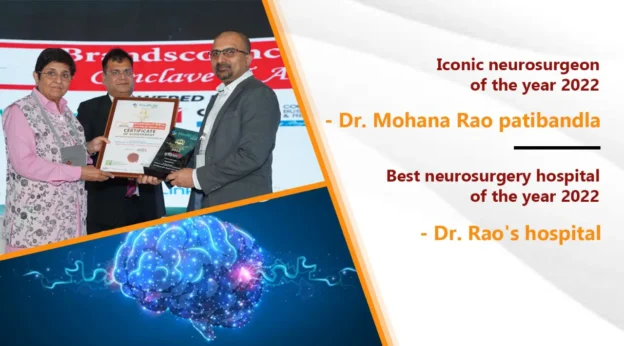
Dr. Mohana Rao Patibandla holding the Iconic Neurosurgeon of the Year 2022 certificate presented by KIRAN BEDI (Medilinks India & Brandscouncil)

WHEN TO REFER A NEUROSURGICAL CASE

🧠 WHEN TO REFER A NEUROSURGICAL CASE

Clinical Red Flags Every Doctor Should Know

Early referral improves outcomes, reduces complications, and saves lives.


WHY EARLY REFERRAL MATTERS

⏱️ Referral timing is critical

• Delayed referral → higher neurological deficits
• Early expert intervention → better functional recovery
• Complex cases require advanced infrastructure

📊 Clinical Evidence:
Studies indexed on NIH / PubMed show that early specialty referral significantly improves outcomes in brain and spine disorders.


🧠 BRAIN SURGERY – REFER IMMEDIATELY IF

Red Flags for Brain Referral

🚨
• Brain tumors in eloquent or deep locations
• Skull base tumors
• Recurrent or residual brain tumors
• Brain hemorrhage with mass effect
• Failed prior brain surgery
• New neurological deficits after surgery

➡️ Referral Type:
Complex Brain Surgery | Redo Brain Surgery | Skull Base Surgery


🦴 SPINE SURGERY – REFER IMMEDIATELY IF

Red Flags for Spine Referral

🚨
• Progressive weakness or paralysis
• Spinal cord compression on MRI
• Failed back or neck surgery
• Severe spinal deformity
• Intradural or spinal cord tumors
• Craniovertebral junction abnormalities

➡️ Referral Type:
Complex Spine Surgery | Revision Spine Surgery


⚙️ FUNCTIONAL & EPILEPSY SURGERY REFERRALS

Specialized Referral Situations

• Drug-resistant epilepsy
• Movement disorders (DBS candidates)
• Chronic pain requiring neuromodulation
• Awake brain surgery candidates

➡️ Referral Type:
Functional Neurosurgery | Epilepsy Surgery


👶 PEDIATRIC NEUROSURGERY – REFER IF

Children Need Early Specialist Care

🚨
• Hydrocephalus
• Congenital brain or spine anomalies
• Pediatric brain tumors
• Spinal dysraphism

➡️ Referral Type:
Pediatric Neurosurgery Referral Center


🚑 NEUROTRAUMA & EMERGENCY REFERRALS

Time-Sensitive Neurosurgical Emergencies

🚨
• Severe head injury (GCS < 13)
• Acute spinal trauma with neurological deficit
• Stroke requiring surgical intervention
• Post-traumatic brain swelling

➡️ Referral Type:
Advanced Neuro ICU & Emergency Neurosurgery


✅ WHAT MAKES A TRUE REFERRAL CENTER

Checklist for Referral Hospitals

✔️ Experienced neurosurgeon
✔️ Neuronavigation & IONM
✔️ Advanced Neuro ICU
✔️ Multidisciplinary team
✔️ Ability to handle redo & high-risk cases

📌 Not all centers are equipped for complex neurosurgical care.


🏥 WHERE TO REFER

Dr. Rao’s Hospital – Guntur

Led by Dr. Mohana Rao Patibandla

🧠 Advanced Brain & Spine Surgery
⚕️ Complex | Redo | High-Risk Neurosurgery

📞 090100 56444
🌐 www.drraoshospitals.com
📍 Guntur, Andhra Pradesh


Designed for physicians, surgeons, emergency doctors, and referring hospitals.
Evidence-based • Patient-first • Outcome-driven

Learn more at the following URL

YouTube

Facebook

Instagram

Google Business Page

LinkedIn

X / Twitter


Dr. Rao’s Hospital, Guntur

Dr. Mohana Rao Patibandla

About Dr. Rao’s Hospital

Advanced Neurosurgery in Guntur

Comprehensive Neurology Care in Guntur

Advanced Spine Surgery in Guntur

Minimally Invasive Brain and Spine Surgery

Pediatric Neurosurgery in Guntur

Advanced Epilepsy Surgery in Guntur

International Patients – Neurosurgery in India

Book an Appointment at Dr. Rao’s Hospital

A promotional image for Dr. Rao's Hospital featuring Dr. Mohana Rao Patibandla receiving the Economic Times Excellence in Neurology, Neurosurgery, and Spine Surgery Award 2025. The image includes photos of the award ceremony, a portrait of Dr. Patibandla, and details about his qualifications (MCh, FESBS, FAANS, etc.) and contact information. The hospital's locations (Guntur, Vijayawada, Bhimavaram, Rajahmundry, Kakinada, Eluru, Ongole, Nellore) and the slogan "Act Fast - Save Brain and Spine" are highlighted, along with a map and phone number.

Why Patients Choose Guntur for Advanced Brain & Spine Surgery

Why Patients Choose Guntur for Advanced Brain & Spine Surgery

Over the 6 years, Guntur has emerged as one of the most trusted destinations for advanced brain and spine surgery in Andhra Pradesh. Patients from across India—and even abroad— are increasingly choosing Guntur for complex neurosurgical care that combines medical excellence, advanced technology, and affordability.

This shift is not accidental. From minimally invasive brain surgery in Guntur to advanced spine surgery with fast recovery, the city now offers outcomes comparable to leading metro hospitals—without the high costs or long waiting times.

In this comprehensive guide, we explain exactly why patients choose Guntur for brain and spine surgery, what makes its neurosurgical ecosystem unique, and how patients benefit clinically and financially.

Guntur: A Rising Hub for Advanced Brain and Spine Surgery

Once known primarily as an educational and agricultural center, Guntur has rapidly transformed into a healthcare destination—especially for advanced neurosurgical care in Andhra Pradesh.

Several factors have contributed to this transformation:

  • Availability of experienced neurosurgeons and spine surgeons
  • Dedicated neurosurgery hospitals in Guntur
  • Investment in modern medical technology
  • Patient-centric, ethical healthcare models

As a result, patients searching online for “neurosurgeon near me Guntur” or “brain and spine surgery near me Andhra Pradesh” increasingly find Guntur as the answer.

Highly Experienced Brain and Spine Surgeons in Guntur

One of the most important reasons patients choose Guntur is access to
some of the best neurosurgeons and spine surgeons in Andhra Pradesh.

Patients benefit from surgeons who:

  • Have extensive experience in complex brain and spine cases
  • Are trained in minimally invasive and endoscopic techniques
  • Follow evidence-based international protocols
  • Offer clear explanations and ethical treatment advice

This expertise translates into high success rate brain surgery in Guntur
and safer spine surgery outcomes.

Advanced Medical Technology Available in Guntur Hospitals

Modern neurosurgery depends heavily on technology. Guntur hospitals now feature
advanced neurosurgery infrastructure in Andhra Pradesh, including:

  • Neuronavigation-guided brain surgery
  • Intraoperative neuromonitoring (IONM)
  • AI-assisted neurosurgical planning
  • High-definition operating microscopes
  • Advanced spine instrumentation systems

According to research summarized on PubMed, technologies like neuronavigation and IONM significantly reduce neurological complications.

These tools make safe brain and spine surgery in India achievable even in tier-2 cities like Guntur.

Minimally Invasive Brain and Spine Surgery in Guntur

Patients increasingly prefer minimally invasive brain and spine surgery in Guntur
because it reduces pain, hospital stay, and recovery time.

Minimally Invasive Brain Surgery

  • Keyhole brain surgery
  • Endoscopic brain tumor surgery
  • Skull base and pituitary surgery

Minimally Invasive Spine Surgery

  • Endoscopic spine surgery Guntur
  • Minimally invasive lumbar and cervical spine surgery
  • Motion-preserving spine procedures

These approaches are associated with fast recovery brain surgery in Guntur
and quicker return to daily activities.

Comprehensive Brain and Spine Treatments Available in Guntur

Guntur offers treatment for a wide range of neurological and spinal conditions, including:

  • Brain tumor treatment in Guntur
  • Spine disorder treatment (disc prolapse, stenosis)
  • Neurotrauma and head injury care
  • Stroke treatment and brain hemorrhage surgery
  • Epilepsy surgery
  • Skull base and pediatric neurosurgery
  • Functional neurosurgery

This comprehensive scope makes Guntur a one-stop destination for advanced brain and spine surgery.

Affordable Brain and Spine Surgery Without Compromising Quality

Another major reason patients travel to Guntur is affordability. Brain and spine surgery in Guntur is significantly more cost-effective than metro cities.

Cost advantages include:

  • Lower hospital infrastructure costs
  • Reduced ICU and hospital stay due to minimally invasive surgery
  • Insurance and cashless treatment options
  • Transparent billing practices

According to the WHO, India delivers high-quality tertiary care at a fraction of global costs—Guntur exemplifies this model.

World-Class Neurosurgery in a Tier-2 City: The Guntur Advantage

Guntur represents a growing trend of world-class neurosurgery in tier-2 cities in India.

Patients benefit from:

  • Shorter waiting times
  • Direct access to senior surgeons
  • Personalized postoperative care
  • Lower overall treatment expenses

This combination is particularly attractive for patients seeking advanced healthcare in Guntur, Andhra Pradesh.

Medical Tourism: Patients Traveling to Guntur for Neurosurgery

Medical tourism to Guntur is steadily increasing. Patients from neighboring states and overseas choose Guntur for:

  • High-quality neurosurgical outcomes
  • Affordable treatment packages
  • Comprehensive pre- and post-surgical care

This reinforces Guntur’s reputation as a trusted destination for brain and spine surgery in India.

Advanced Brain and Spine Care at Dr. Rao’s Hospital

Patients seeking the best brain surgery hospital in Guntur and best spine surgery hospital in Guntur often choose Dr. Rao’s Hospital.

Frequently Asked Questions

Why do patients choose Guntur for brain and spine surgery?

Patients choose Guntur for brain and spine surgery due to experienced surgeons, advanced technology, high success rates, and affordable treatment options.

Is advanced neurosurgery available in Guntur?

Yes. Guntur offers advanced neurosurgery including minimally invasive, endoscopic, and neuronavigation-guided brain and spine procedures.

Why choose Dr. Rao’s Hospital for brain and spine surgery?

At Dr. Rao’s Hospital, led by Dr. Mohana Rao Patibandla, one of the best neurosurgeons in Guntur, patients receive advanced, compassionate care using modern minimally invasive neurosurgery techniques.

Your Trusted Destination for Brain & Spine Surgery in Guntur

If you are searching for the best neurosurgeon in Guntur, best spine surgeon in Guntur, or expert care for complex brain and spine conditions, visit Dr. Rao’s Hospital.

📞 Call: 090100 56444
📧 Email: info@drraoshospitals.com

Clinical Outcomes and Success Rates That Build Patient Confidence

One of the strongest reasons patients continue to choose Guntur is the consistent clinical outcomes achieved in complex brain and spine procedures. Outcome-driven neurosurgery focuses not only on successful operations but also on long-term neurological function and quality of life.

Key outcome indicators that patients value include:

  • High extent of safe tumor removal
  • Low postoperative neurological deficit rates
  • Minimal infection and reoperation rates
  • Early mobilization after spine surgery

Evidence summarized in large datasets indexed by the National Institutes of Health (NIH)
shows that centers using standardized protocols and modern technology consistently achieve better outcomes— regardless of city size.

This outcomes-first approach explains the growing trust in advanced neurosurgery in Guntur, Andhra Pradesh.

24/7 Emergency Brain and Spine Care in Guntur

Neurological emergencies such as head injury, spinal trauma, stroke, and brain hemorrhage
require immediate expert intervention. Guntur has developed strong emergency response systems for neurotrauma care.

Key strengths include:

  • Round-the-clock neurosurgeon availability
  • Dedicated neuro-ICU and emergency operation theaters
  • Rapid imaging (CT/MRI) access
  • Multidisciplinary critical care support

According to global stroke and trauma data published by the World Health Organization (WHO),
early intervention significantly improves survival and functional recovery—making local access to expertise crucial.

Seamless Continuity of Care Before and After Surgery

Patients often underestimate the importance of follow-up care in brain and spine surgery.
One advantage of choosing Guntur is the ease of long-term continuity with the same clinical team.

Continuity of care includes:

  • Preoperative counseling and expectation setting
  • Structured postoperative follow-up schedules
  • Rehabilitation and physiotherapy coordination
  • Long-term monitoring for tumor or spine condition recurrence

This continuity reduces anxiety, improves adherence to recovery plans, and enhances overall outcomes—
a major factor in patient satisfaction.

Easy Accessibility for Patients Traveling to Guntur

Another practical reason patients choose Guntur is accessibility. The city is well connected by road, rail, and nearby air routes—making travel easier for patients and families.

Patients traveling for neurosurgery benefit from:

  • Simpler logistics compared to large metros
  • Lower accommodation and food expenses
  • Less congestion and faster hospital access

For families accompanying patients, this convenience reduces both stress and indirect costs—
an often-overlooked advantage.

Commitment to Training, Research, and Continuous Improvement

Sustained excellence in neurosurgery requires continuous learning. Leading centers in Guntur emphasize ongoing training, audit, and adoption of best practices.

This includes:

  • Participation in national and international neurosurgery conferences
  • Regular protocol updates based on new evidence
  • Technology upgrades aligned with patient benefit

Such commitment ensures that patients receive care aligned with current global standards, not outdated practices.

Patient Experience: The Human Side of Advanced Neurosurgery

Beyond technology and expertise, patients consistently value empathy, communication,
and trust. In Guntur, neurosurgical care is often more personal and less transactional
than in high-volume metro settings.

Patients frequently highlight:

  • Clear explanations in understandable language
  • Direct interaction with senior surgeons
  • Family-inclusive decision-making

This patient-centered approach strengthens long-term trust and community reputation.

Why Guntur Continues to Stand Out for Brain & Spine Surgery

When all factors are considered—expertise, technology, outcomes, affordability, accessibility, and patient experience—Guntur offers a uniquely balanced neurosurgical ecosystem.

It proves that world-class brain and spine surgery does not have to be limited to large metropolitan cities.

Centers like t Dr. Rao’s Hospital, led by Dr. Mohana Rao Patibandla, exemplify how advanced care, ethical practice, and patient trust can coexist—making Guntur a preferred destination for neurosurgical care in Andhra Pradesh and beyond.

Transparent Costs and Predictable Value for Brain & Spine Surgery

Patients increasingly prioritize transparency when choosing where to undergo complex procedures. In Guntur, one center provide clear, upfront estimates for diagnostics, surgery, implants, ICU care,  and follow-up—reducing uncertainty and stress for families.

Transparent pricing supports informed decisions and aligns with the growing demand for
value-based healthcare, where outcomes and recovery matter as much as the initial bill.

  • Itemized cost estimates before admission
  • Clear explanation of optional vs necessary add-ons
  • Predictable hospital stay durations with minimally invasive surgery

Insurance-Friendly Care and Cashless Treatment Support

Another reason patients choose Guntur is the availability of insurance-friendly pathways.
Dedicated financial counseling teams help patients navigate approvals, documentation,
and cashless claims—especially important for urgent neurosurgical needs.

This support is particularly valuable for families searching for brain and spine surgery near me Andhra Pradesh with minimal out-of-pocket burden.

  • Pre-authorization assistance
  • Support for government and private insurance schemes
  • Clear guidance on inclusions and exclusions

Comprehensive Spine Surgery Expertise Under One Roof

Guntur has built a strong reputation not only for brain surgery but also for advanced spine care. Patients with chronic back and neck pain benefit from structured pathways that begin with conservative care and progress to surgery only when necessary.

Advanced Spine Procedures Available

  • Cervical spine surgery for neck pain and myelopathy
  • Lumbar spine surgery for disc prolapse and stenosis
  • Minimally invasive fixation and decompression
  • Spinal cord injury stabilization and rehabilitation

This breadth of services makes Guntur a reliable choice for advanced spine care in Andhra Pradesh.

Pediatric and Specialized Neurosurgery Close to Home

Families often travel long distances for pediatric neurosurgery. In Guntur, access to specialized care for children—including congenital conditions, hydrocephalus, and pediatric brain tumors—reduces the need for relocation to metros.

Child-focused care emphasizes:

  • Age-appropriate surgical techniques
  • Neurodevelopmental preservation
  • Family-centered counseling and follow-up

Data-Driven Quality Assurance and Safety Culture

Leading neurosurgery programs in Guntur track outcomes meticulously. Data on operative time, blood loss, complications, and functional recovery is used to refine protocols and improve consistency.

This continuous feedback loop strengthens patient safety and reinforces trust in advanced neurosurgical care Andhra Pradesh.

  • Regular clinical audits
  • Standardized safety checklists
  • Benchmarking against national outcomes

Community Trust, Referrals, and Word-of-Mouth Confidence

A significant portion of neurosurgical patients in Guntur arrive through referrals—
from primary physicians, regional hospitals, and former patients.

This organic growth reflects sustained confidence in outcomes, communication,
and ethical practice—key reasons why Guntur continues to attract patients
seeking reliable brain and spine surgery.

Future-Ready Neurosurgery in a Growing Healthcare City

Guntur’s healthcare ecosystem continues to evolve with investments in technology,
training, and infrastructure. The focus is on making advanced care more accessible
without compromising safety or outcomes.

Future-facing priorities include:

  • Expanded AI-assisted surgical planning
  • Enhanced rehabilitation and recovery programs
  • Broader insurance integration

This forward momentum ensures that patients choosing Guntur today
benefit from care that is both current and future-ready.

A Balanced Destination for Brain & Spine Surgery

When patients weigh expertise, technology, affordability, accessibility,
and long-term support, Guntur stands out as a balanced destination
for advanced brain and spine surgery.

Institutions like t Dr. Rao’s Hospital, led by Dr. Mohana Rao Patibandla, demonstrate how high-quality neurosurgical care can thrive outside metropolitan centers— earning patient trust across Andhra Pradesh and beyond.

People Also Ask: Brain & Spine Surgery in Guntur

Why do patients prefer Guntur for brain and spine surgery?

Patients prefer Guntur for brain and spine surgery because it offers experienced neurosurgeons, advanced minimally invasive technology, high success rates, and significantly lower treatment costs compared to metro cities—without compromising safety or outcomes.

Is advanced neurosurgery really available in Guntur?

Yes. Guntur provides advanced neurosurgery including neuronavigation-guided brain surgery,
intraoperative neuromonitoring, endoscopic brain and spine surgery, and minimally invasive techniques comparable to leading hospitals in major cities.

Which hospital is best for brain surgery in Guntur?

Guntur has specialized neurosurgery hospitals offering comprehensive brain care. Patients often choose centers with dedicated neuro-ICU, advanced imaging, and experienced surgeons who perform complex brain tumor and skull base surgeries regularly.

Who is the best neurosurgeon in Guntur?

Patients searching for the best neurosurgeon in Guntur often look for surgeons with extensive experience, minimally invasive expertise, and strong clinical outcomes. Surgeons leading dedicated neurosurgery hospitals in Guntur are widely trusted for complex brain and spine cases.

Is spine surgery in Guntur safe and effective?

Yes. Spine surgery in Guntur is safe and effective when performed using minimally invasive and
endoscopic techniques, supported by neuromonitoring and modern fixation systems that reduce complications and speed up recovery.

How affordable is brain and spine surgery in Guntur?

Brain and spine surgery in Guntur is more affordable due to lower infrastructure costs, shorter hospital stays with minimally invasive surgery, and insurance or cashless treatment options—
making advanced care accessible to more families.

Do patients travel from other states to Guntur for neurosurgery?

Yes. Patients from Telangana, Odisha, Karnataka, and rural Andhra Pradesh frequently travel to Guntur for neurosurgery because of its reputation for advanced care, affordability, and personalized treatment.

Is Guntur suitable for emergency brain and spine surgery?

Guntur is well equipped for emergency neurosurgical care, including head injury, spinal trauma,
stroke, and brain hemorrhage, with round-the-clock neurosurgeon availability and dedicated neuro-ICU support.

How long is recovery after brain or spine surgery in Guntur?

Recovery after brain or spine surgery in Guntur is often faster due to minimally invasive techniques, resulting in shorter hospital stays, reduced pain, and earlier return to daily activities compared to traditional open surgery.

Why choose Guntur over metro cities for neurosurgery?

Patients choose Guntur over metro cities for neurosurgery because they receive comparable technology and expertise with shorter waiting times, lower overall costs, and more direct access to senior surgeons.

A doctor in a white coat with a stethoscope around their neck speaks with a patient in a medical office, with a hospital bed and window in the background.

5 Essential Tips for a Faster Recovery After Spine Surgery

5 Essential Tips for a Faster Recovery After Spine Surgery

Spine surgery can be a life-changing procedure, helping alleviate chronic pain, improve mobility, and enhance your overall quality of life. However, the recovery process is just as critical as the surgery itself. Following the right spine surgery tips is essential for a smooth and speedy recovery. It requires careful planning, dedication, and adherence to medical advice. Whether you’ve undergone a spinal fusion, discectomy, or minimally invasive spine surgery, these 5 essential tips for a faster recovery after spine surgery will guide you through the healing journey.

This blog’ll explore practical, evidence-based strategies to help you recover quickly, reduce complications, and get back to your daily routine. Let’s dive in!

1. Follow Your Surgeon’s Post-Operative Instructions Diligently

The foundation of a successful recovery starts with following your surgeon’s post-operative instructions to the letter. Every spine surgery is unique, and your surgeon will provide a tailored recovery plan based on the type of procedure, your overall health, and specific needs.

Why It Matters: Ignoring or modifying your surgeon’s advice can lead to complications such as infection, delayed healing, or even re-injury. For example, if you’re advised to avoid bending or lifting heavy objects, doing so prematurely can strain the surgical site and hinder recovery.

How to Do It:

  • Take prescribed medications as directed to manage pain and prevent infection.
  • Attend all follow-up appointments to monitor your progress.
  • Wear any recommended braces or supports to stabilize your spine.
  • Avoid activities that could jeopardize your recovery, such as driving or intense physical exertion, until cleared by your doctor.

By adhering to these guidelines, you’ll create an optimal environment for your body to heal. Always consult your surgeon if you’re unsure about any activity or experience unusual symptoms like increased pain or swelling.

2. Prioritize Gentle Movement and Physical Therapy

While rest is crucial after spine surgery, staying completely sedentary can slow your recovery. Gentle movement and physical therapy, as approved by your doctor, are key to improving circulation, reducing stiffness, and rebuilding strength.

Why It Matters: According to sources like Axes Physical Therapy, getting out of bed or up from a chair multiple times a day can improve circulation and joint mobility, which are essential for healing. Physical therapy also helps prevent scar tissue buildup and supports long-term spinal health.

How to Do It:

  • Start with short walks as soon as your doctor allows. Even a few steps around your home can make a difference.
  • Work with a physical therapist to develop a safe exercise plan tailored to your recovery stage.
  • Focus on low-impact activities like stretching or core-strengthening exercises to support your spine without overexerting it.
  • Avoid high-impact activities like running or jumping until your surgeon gives the green light.

Pro Tip: Consistency is key. Aim for gradual progress rather than pushing yourself too hard, which could lead to setbacks.

3. Optimize Your Nutrition for Healing

Your diet plays a significant role in how quickly you recover after spine surgery. A balanced, nutrient-rich diet provides your body with the building blocks it needs to repair tissues, reduce inflammation, and boost immunity.

Why It Matters: As highlighted by Sinicropi Spine, a diet full of vegetables, fruits, and healthy proteins can accelerate healing. Nutrients like protein, vitamin C, and zinc are particularly important for tissue repair and wound healing.

How to Do It:

  • Protein: Include lean meats, fish, eggs, or plant-based options like beans and lentils to support muscle repair.
  • Vitamins and Minerals: Eat citrus fruits, leafy greens, and nuts for vitamin C and zinc, which aid in collagen formation and immune function.
  • Hydration: Drink plenty of water to stay hydrated, as proper hydration supports overall recovery.
  • Anti-Inflammatory Foods: Incorporate foods like berries, fatty fish, and turmeric to reduce inflammation around the surgical site.

Pro Tip: Avoid processed foods, sugary snacks, and excessive alcohol, as they can increase inflammation and slow healing. If you have dietary restrictions, consult a nutritionist to ensure you’re meeting your body’s needs.

4. Manage Pain and Discomfort Naturally

Pain and discomfort are common after spine surgery, but managing them effectively can make a big difference in your recovery. While medications prescribed by your doctor are important, natural pain relief strategies can complement your treatment and promote faster healing.

Why It Matters: NJ Spine & Ortho and SpineDoctors.md recommend using heat and ice packs to ease pain without over-relying on medications, which can have side effects if used excessively. Proper pain management also helps you stay active and engaged in your recovery process.

How to Do It:

  • Heat and Ice Therapy: Alternate between heat and ice packs on your back (avoiding the surgical site if it’s still healing) to reduce pain and inflammation.
  • Proper Sleep Position: Sleep in a position that doesn’t strain your back, such as on your side with a pillow between your knees or on your back with a pillow under your knees.
  • Relaxation Techniques: Practice deep breathing, meditation, or gentle stretching to reduce muscle tension and stress, which can exacerbate pain.
  • Ask for Help: If pain becomes severe, don’t hesitate to contact your doctor for guidance.

Pro Tip: Continuous, uninterrupted sleep is vital for healing, as noted by Atlantic Spine Center. Create a comfortable sleep environment to ensure you get enough rest.

5. Prepare Your Environment and Support System

Setting up your home and support system before surgery can significantly ease your recovery. A well-prepared environment reduces stress and helps you focus on healing rather than navigating unnecessary challenges.

Why It Matters: OrthoIndy emphasizes the importance of preparing your home and finding a caregiver to assist during recovery. Simple adjustments can prevent accidents and make daily tasks more manageable while you’re still regaining strength.

How to Do It:

  • Home Setup: Arrange your living space to minimize bending or reaching. Keep frequently used items at waist level, and set up a comfortable resting area with supportive pillows.
  • Caregiver Support: Enlist a family member or friend to help with tasks like cooking, cleaning, or driving during the early stages of recovery.
  • Safety Measures: Remove tripping hazards like loose rugs, and install grab bars in the bathroom if needed.
  • Mental Health: Stay connected with loved ones for emotional support, as recovery can sometimes feel isolating.

Pro Tip: Plan ahead by preparing meals or arranging for grocery delivery before your surgery. This ensures you have access to nutritious food without added stress.

Final Thoughts: Your Path to a Speedier Recovery

Recovering from spine surgery is a journey that requires patience, discipline, and the right strategies. By following these 5 essential tips for a faster recovery after spine surgery, you can minimize complications, reduce pain, and return to your normal activities sooner. Always prioritize your surgeon’s advice, listen to your body, and take recovery one step at a time.

If you’re preparing for spine surgery or are currently in the recovery phase, these tips can make a significant difference. Have additional questions about spine surgery recovery? Consult your healthcare provider for personalized guidance.

Call to Action: Share your spine surgery recovery tips or experiences in the comments below! For more health and wellness advice, subscribe to our blog for the latest updates.