Healing Minds and Hearts: How Compassion and Advanced Neurosciences Are Transforming Healthcare in India
Modern healthcare is not defined solely by advanced technology, robotic systems, or sophisticated surgical procedures. At its core, medicine remains deeply human — built on compassion, trust, empathy, and a commitment to improving lives.
In highly specialized fields such as neurosciences, where patients often face emotionally overwhelming diagnoses involving the brain, spine, nerves, and neurological system, the human aspect of healthcare becomes even more important.
Patients struggling with stroke, brain tumors, epilepsy, spinal disorders, traumatic brain injuries, or neurological diseases frequently seek not only expert treatment but also reassurance, emotional support, and hope during vulnerable moments of life.
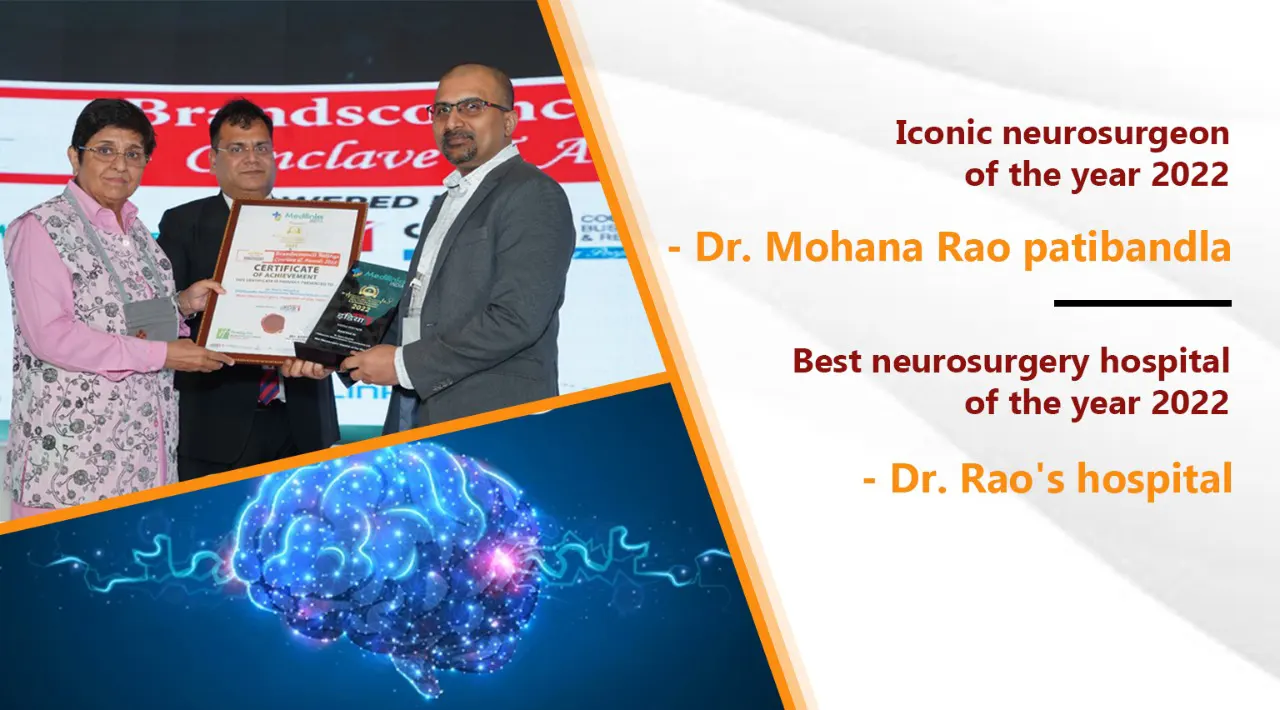
A recent Times of India feature highlighted the remarkable journey of Dr. Mohana Rao Patibandla and his broader vision of combining advanced neurosciences with compassionate patient-centered healthcare in Andhra Pradesh.
Times of India – Dr. Mohana Rao Patibandla: Healing Minds and Hearts
The Early Foundations of Compassionate Healthcare
According to the Times of India article, Dr. Mohana Rao Patibandla’s journey began in a humble village in Andhra Pradesh, where his upbringing was shaped by strong values of hard work, community care, and resilience.
The article describes how his parents, who were farmers, instilled values emphasizing service, discipline, and empathy toward others.
Growing up in a rural environment also exposed him to the healthcare challenges faced by smaller towns and underserved communities. Access to advanced medical facilities and specialized healthcare often remained limited outside metropolitan cities.
These early experiences later influenced a broader vision focused on improving advanced neurosciences accessibility in regional India.
The Pursuit of Excellence in Medicine
The Times of India article highlights Dr. Patibandla’s academic journey, including his medical education at Andhra Medical College and subsequent specialization in neurosurgery at Nizam’s Institute of Medical Sciences (NIMS), Hyderabad.
Neurosurgery remains one of the most technically demanding branches of medicine because it involves delicate structures such as:
- The brain
- Spinal cord
- Cranial nerves
- Peripheral nerves
- Critical vascular systems
Tiny surgical inaccuracies can potentially affect movement, memory, speech, cognition, sensation, and overall neurological function.
Therefore, successful neurosurgery requires:
- Technical precision
- Continuous learning
- Advanced technology
- Patient-centered judgment
- Multidisciplinary teamwork
The article also describes how Dr. Patibandla pursued additional fellowships and training in the United States to gain advanced exposure in modern neurosciences.
The Importance of Global Exposure in Neurosciences
International training often allows neurosurgeons to experience:
- Advanced operating systems
- Minimally invasive surgical approaches
- Research-based medicine
- Complex multidisciplinary care
- Technology-driven healthcare systems
Exposure to international healthcare standards frequently influences long-term institutional vision and patient care philosophies.
The article highlights that Dr. Patibandla’s training abroad expanded both his technical expertise and broader healthcare perspective.
Modern neurosciences today involve rapidly evolving fields such as:
- Endovascular neurosurgery
- Minimally invasive spine surgery
- Functional neurosurgery
- Neuro-oncology
- Advanced neuroimaging
These advancements continue transforming neurological outcomes globally.
Dr. Rao’s Hospital: A Beacon of Hope
According to the Times of India article, Dr. Rao’s vision eventually materialized through the establishment of Dr. Rao’s Hospital – International Institute of Neurosciences in Guntur, Andhra Pradesh.
The institution was created with the goal of providing advanced neurosciences care while maintaining a strong focus on compassionate patient-centered treatment.
The article describes the hospital as a “beacon of hope,” emphasizing its advanced infrastructure and commitment to high-quality neurological care.
The hospital focuses on:
- Brain surgery
- Spine surgery
- Stroke intervention
- Neuro-oncology
- Endovascular procedures
- Pediatric neurosciences
- Minimally invasive neurosurgery
Developing such advanced infrastructure outside metropolitan regions represents a major contribution toward healthcare accessibility in India.
Technology and Modern Neurosciences
The Times of India article mentions the hospital’s focus on state-of-the-art technology sourced internationally from countries including the USA, Germany, and the Netherlands.
Modern neurosciences depend heavily on advanced technologies such as:
- Neuronavigation systems
- Advanced MRI imaging
- Endoscopic surgical systems
- Microsurgical operating microscopes
- Intraoperative monitoring
- Minimally invasive surgical platforms
These technologies improve:
- Surgical precision
- Patient safety
- Recovery outcomes
- Rehabilitation speed
- Long-term neurological function
Minimally Invasive Neurosurgery at Dr. Rao’s Hospital
Why International Patients Seek Care in India
One of the most interesting aspects highlighted in the article is the hospital’s ability to attract international patients from countries such as the United Kingdom and the Netherlands.
Patients increasingly travel internationally seeking:
- Advanced expertise
- Affordable treatment
- Patient-centered care
- Shorter waiting periods
- High-quality medical infrastructure
India continues emerging as a major healthcare destination because of its growing combination of:
- Specialized expertise
- Advanced technology
- Accessibility
- Cost-effectiveness
The article emphasizes that compassionate care and trust remain among the hospital’s strongest distinguishing features.
The Human Side of Neurosurgery
Neurosurgery is not simply a technical specialty.
Every neurological disorder carries emotional consequences for patients and families.
Conditions such as:
- Brain tumors
- Stroke
- Epilepsy
- Spinal cord injuries
- Neurodegenerative diseases
often create:
- Fear
- Anxiety
- Financial stress
- Concerns regarding disability
- Emotional uncertainty
The Times of India article strongly reflects themes of compassion, empathy, and patient-centered communication.
In modern healthcare, technical expertise and emotional support must work together to create meaningful healing experiences.
A Hospital Beyond Borders
The article also highlights how healthcare service extends beyond hospital walls through:
- Free medical camps
- Health awareness initiatives
- Community outreach programs
- Free consultations
Public awareness remains critically important because neurological disorders are frequently diagnosed late due to:
- Limited awareness
- Delayed consultations
- Healthcare accessibility gaps
- Financial concerns
Community healthcare initiatives help improve:
- Early diagnosis
- Preventive awareness
- Treatment accessibility
- Long-term neurological outcomes
The Importance of Regional Healthcare Development
One of the strongest messages in the article is the importance of bringing world-class healthcare into smaller cities and regional areas.
Historically, advanced neurological treatment remained concentrated within metropolitan hospitals.
Patients from smaller towns often faced:
- Travel burden
- Financial stress
- Treatment delays
- Interrupted rehabilitation
The article emphasizes that Dr. Patibandla intentionally established the hospital in Guntur to help bridge this healthcare gap.
This reflects a broader movement toward decentralizing healthcare excellence across India.
Healing Beyond Surgery
The title “Healing Minds and Hearts” reflects a broader philosophy of healthcare that extends beyond surgical procedures alone.
Healing involves:
- Trust
- Compassion
- Communication
- Ethical treatment
- Long-term rehabilitation
- Emotional support
Patients frequently remember:
- Kindness
- Honesty
- Empathy
- Respect
long after medical treatment is completed.
Modern healthcare systems therefore require both technological sophistication and human-centered care.
The Future of Neurosciences in India
India’s neurosciences ecosystem continues evolving rapidly through:
- AI-assisted diagnostics
- Robotic surgery
- Advanced imaging
- Minimally invasive surgery
- Precision medicine
- Endovascular interventions
At the same time, future healthcare transformation will depend heavily on:
- Accessibility
- Ethical healthcare systems
- Regional neuroscience centers
- Compassionate patient care
- Public awareness
Institutions that combine advanced technology with genuine empathy are likely to define the future of healthcare in India.
Conclusion
The Times of India feature presents the story of Dr. Mohana Rao Patibandla as more than a journey of professional success.
It reflects a broader philosophy of healing through compassion, innovation, accessibility, and patient-centered neurosciences care.
By combining international expertise, advanced medical technology, regional healthcare development, and humanitarian service, Dr. Rao’s Hospital – International Institute of Neurosciences
represents an important example of modern healthcare transformation in India.
Ultimately, true healing occurs not only through surgery or technology but through restoring hope, dignity, and trust in patients and families facing neurological challenges.
Frequently Asked Questions (FAQ)
1. Who is Dr. Mohana Rao Patibandla?
Dr. Mohana Rao Patibandla is an internationally trained neurosurgeon and founder of Dr. Rao’s Hospital – International Institute of Neurosciences.
2. Why is Dr. Rao’s Hospital internationally recognized?
The hospital is known for advanced neurosciences, minimally invasive surgery, patient-centered care, and international treatment standards.
3. What is minimally invasive neurosurgery?
It involves smaller incisions and advanced technologies that improve precision and reduce recovery time.
4. Why are regional neuroscience centers important?
They improve healthcare accessibility while reducing travel burden and treatment delays.
5. What services does Dr. Rao’s Hospital provide?
The hospital provides advanced brain, spine, stroke, neuro-oncology, pediatric neurosciences, and endovascular care.
Keywords
best neurosurgeon in Guntur, best neurologist in Guntur, best spine surgeon in Guntur, healing minds and hearts, Dr Mohana Rao Patibandla, advanced neurosciences India, compassionate healthcare India, Dr Rao Hospital Guntur, minimally invasive neurosurgery India, International Institute of Neurosciences, advanced brain surgery India, advanced spine surgery India, neurological healthcare India, patient centered neurological care India, brain spine and nerve care India, neuroscience hospital Andhra Pradesh, advanced stroke care India, neuro oncology India, pediatric neurosurgery India, endovascular neurosurgery India, advanced healthcare India, healthcare accessibility India, healthcare transformation India, ethical healthcare India, neuroscience excellence India, minimally invasive spine surgery India, advanced medical technology India, neuronavigation India, modern neurosurgery India, healthcare innovation India, regional neuroscience center India, top neurosurgery hospital India, advanced neurological treatment India, stroke treatment India, advanced rehabilitation India, neurocritical care India, compassionate neurological care India, global healthcare India, advanced neuroscience center Andhra Pradesh
Internal Links
Dr. Rao’s Hospital – International Institute of Neurosciences
Minimally Invasive Neurosurgery
Endoscopic Brain Surgery
About Dr. Mohana Rao Patibandla
Call To Action
If you or your loved one is experiencing neurological symptoms such as persistent headaches, seizures, stroke warning signs, spinal pain, weakness, or neurological disorders, timely expert evaluation is essential.
Dr. Rao’s Hospital – International Institute of Neurosciences
12-19-67, Old Bank Road, Kothapet, Besides AK Biryani Point, Guntur, Andhra Pradesh
Phone: +91 9010056444
Email: info@drraoshospitals.com
Website: https://drraoshospitals.com/
Connect With Us
“`