Category Archives: Neurology Services

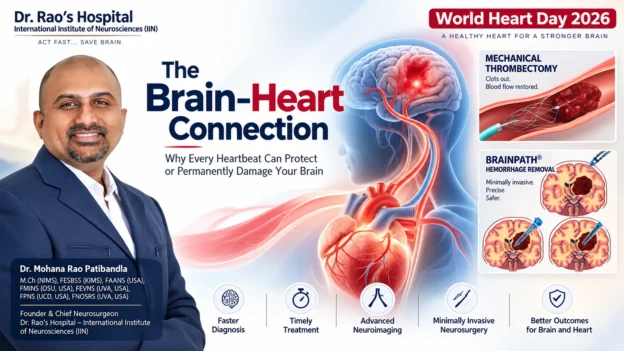
World Heart Day 2026 Brain-Heart Connection illustration showing a glowing human brain connected to an anatomical heart through neural and vascular pathways representing stroke prevention and neurocardiology.

World Heart Day 2026: The Brain–Heart Connection By Dr. Rao’s IIN

Best Spine Specialist Doctor in India – Dr. Rao at Dr. Rao’s Hospital

World Heart Day 2026: The Brain–Heart Connection

Why Every Heartbeat Can Protect — or Permanently Damage — Your Brain


GUNTUR, Andhra Pradesh, India — September 29, 2026


Every heartbeat tells a story.

For most people, it is the rhythm of life. For a neurosurgeon, it is also the rhythm that determines whether millions of brain cells live or die.

On World Heart Day 2026, the global campaign encourages people to “Don’t Miss a Beat“—a reminder that heart disease often develops silently before causing devastating consequences. Yet there is another organ whose health depends on every heartbeat: the brain. Cardiovascular disease remains the world’s leading cause of death, and stroke shares many of the same vascular risk factors. This year’s campaign highlights the importance of recognizing hidden cardiovascular disease before it becomes a life-changing emergency.

Most awareness campaigns discuss heart attacks, cholesterol, and blood pressure. Far fewer explain one of medicine’s most important relationships: the Brain–Heart Connection.


The brain receives approximately 20% of the body’s blood flow, despite accounting for only about 2% of body weight. Every minute, uninterrupted circulation supplies oxygen and glucose to nearly 86 billion neurons that control memory, speech, movement, vision, emotions, breathing, and consciousness. When blood flow stops—even briefly—the brain begins to suffer irreversible injury.


A diseased heart can trigger stroke.


A damaged brain can disrupt the heart.


High blood pressure can silently injure the brain years before symptoms appear.


Irregular heart rhythms can send clots directly into cerebral arteries.


Brain hemorrhage can temporarily weaken the heart muscle itself.


This is the science of neurocardiology, and it is becoming increasingly important in modern stroke prevention and cerebrovascular neurosurgery.


As a cerebrovascular and endovascular neurosurgeon, I believe World Heart Day is also an opportunity to educate families about protecting the brain through cardiovascular health. Preventing stroke, brain hemorrhage, aneurysm rupture, and silent vascular brain injury begins long before an emergency operation—it begins with understanding the connection between the heart and the brain.


This editorial explains that connection through the lens of neuroscience, evidence-based medicine, and modern neurovascular care.


Executive Summary


KEY TAKEAWAYS


The Brain–Heart Connection describes the two-way relationship between cardiovascular health and brain health. Diseases affecting the heart—including hypertension, atrial fibrillation, diabetes, high cholesterol, obesity, smoking, and vascular disease—significantly increase the risk of stroke, brain hemorrhage, dementia, and silent brain injury. Likewise, severe brain injuries such as aneurysm rupture and subarachnoid hemorrhage can cause dangerous cardiac dysfunction through autonomic nervous system disturbances.

What every family should know on World Heart Day 2026


Stroke and heart disease are closely connected.


High blood pressure is the leading preventable cause of brain hemorrhage.


Atrial fibrillation is a major cause of ischemic stroke.


Silent brain infarcts may occur years before symptoms develop.


Stroke is a time-critical medical emergency.

Protecting your heart also protects your memory, speech, movement, and independence.


The Brain–Heart Connection in One Minute

美迪西临床前心脑血管疾病药效评价模型-美迪西生物医药


Why Does Exercise Make You Feel Good? - LivePhysics


O3 Wellness Center | Premium Regenerative Therapies in Mirdif, Dubai


The heart and brain are connected through an intricate network of arteries, veins, nerves, hormones, and electrical signaling pathways.

Heart → Brain


The heart supplies oxygen-rich blood to the brain through the carotid and vertebral arteries. Reduced blood flow, blood clots, or vascular disease can cause ischemic stroke, transient ischemic attacks (TIAs), silent brain infarcts, or cognitive decline.


Brain → Heart


The brain regulates heart rate, blood pressure, and autonomic function. Brain hemorrhage, aneurysm rupture, traumatic brain injury, and severe stroke can trigger arrhythmias, ECG changes, elevated cardiac enzymes, and stress-induced cardiomyopathy.


Shared Risk Factors


Hypertension, diabetes, smoking, obesity, sedentary lifestyle, sleep apnea, high cholesterol, and atrial fibrillation simultaneously increase the risk of cardiovascular disease and neurological disease.


A healthy heart delivers uninterrupted blood flow to the brain. A damaged cardiovascular system silently damages the brain long before a person experiences paralysis, speech loss, or memory decline.


World Heart Day 2026 — Why This Matters More Than Ever


World Heart Day Poster with Planet Earth and Heart Shape vector illustration


Quyền lợi người dân được hưởng xã An toàn khu


world heart day


The message of World Heart Day has evolved from preventing heart attacks alone to recognizing cardiovascular disease before symptoms appear.

That message has enormous implications for neurosurgery.

Many patients arrive at emergency departments with sudden paralysis or unconsciousness without realizing that the underlying disease developed silently over years.

Common examples include:


  • Uncontrolled hypertension causing brain hemorrhage.

  •  

  • Atrial fibrillation causing a clot to travel into the brain.

  •  

  • Carotid artery disease causing ischemic stroke.

  •  

  • Chronic diabetes producing silent vascular brain injury.

  •  

  • Smoking increasing aneurysm rupture risk.

  •  

From a neurosurgical perspective, the tragedy is not simply the emergency—it is that many of these emergencies are preventable.

World Heart Day is therefore also about preventing lifelong neurological disability.


Key Statistics Dashboard — The Brain–Heart Connection

GLOBAL & INDIA NEUROVASCULAR STATISTICS

Global Statistic


Neurosurgical Interpretation


More than 20 million cardiovascular deaths occur globally each year.


Cardiovascular disease remains the world’s leading cause of death and shares major risk factors with stroke and vascular brain injury.


1 in 4 adults may experience a stroke during their lifetime.


Stroke is one of the leading causes of death and long-term disability worldwide.


About 85% of strokes are ischemic.


Most result from blocked blood vessels, frequently linked to heart disease, atrial fibrillation, or carotid artery disease.


About 15% of strokes are hemorrhagic.


Brain hemorrhage is commonly associated with uncontrolled hypertension, aneurysms, and vascular abnormalities.


Hypertension is the leading preventable risk factor for stroke.


Chronic high blood pressure damages both large and small cerebral blood vessels before symptoms develop.


Silent brain infarcts are common in older adults and people with vascular risk factors.


These invisible brain injuries increase future stroke and dementia risk even in people without neurological symptoms.


Atrial fibrillation increases ischemic stroke risk substantially.


Irregular heart rhythm allows blood clots to form inside the heart and travel directly to the brain.


Statistics summarized from the World Heart Federation, WHO cardiovascular disease updates, World Stroke Organization, and peer-reviewed stroke literature.


India Snapshot — Why the Brain–Heart Connection Is a Public Health Priority


Master Health Checkup | Tapadia Diagnostics


Get the best-in-class ERCP surgery in Varanasi | Heritage Hospitals


India faces a growing burden of cardiovascular disease and stroke because of rapid urbanization, hypertension, diabetes, obesity, tobacco use, and sedentary lifestyles.

Why this matters in India


Challenge


Brain Health Impact


Earlier onset of hypertension


Higher lifetime risk of stroke and brain hemorrhage.


Increasing diabetes prevalence


Accelerated small vessel disease and cognitive decline.


Undiagnosed atrial fibrillation


Preventable cardioembolic strokes.


Smoking and tobacco exposure


Higher risk of aneurysm formation and vascular disease.


Delayed hospital arrival after stroke symptoms


Reduced opportunity for thrombectomy and time-sensitive stroke treatment.


Many strokes in India occur in working-age adults, making prevention especially important for families and communities.


Why This Editorial Is Different from Traditional World Heart Day Articles


Magnetic Resonance Angiography (MRA)


Cooper Neurological Institute unveils stroke center - NJBIZ


Schlaganfall-Vorsorge


Most World Heart Day articles focus on:

  • Heart attacks.

  • Cholesterol.

  • Diet.

  • Exercise.

  •  

This editorial goes further by explaining the neuroscience behind cardiovascular health.


It answers questions patients rarely hear:

 
  • How does high blood pressure silently damage the brain?

  •  

  • Can heart rhythm disorders cause paralysis?

  •  

  • Why can a brain hemorrhage affect the heart?

  •  

  • What are silent brain infarcts?

  •  

  • What can families do before an emergency occurs?

  •  

This perspective bridges cardiology, neurology, neurosurgery, and preventive medicine.


Key Message of World Heart Day 2026


WORLD HEART DAY 2026 MESSAGE

Don’t Miss a Beat. Don’t Miss the Brain.

Every heartbeat nourishes the brain.

Every uncontrolled blood pressure reading can silently damage brain blood vessels.

Every irregular heartbeat has the potential to send a clot toward the brain.

Every minute during a stroke matters because brain cells cannot survive prolonged interruption of blood flow.

Protecting cardiovascular health is one of the most effective ways to protect memory, speech, movement, independence, and quality of life.

Neurocardiology, Silent Brain Injury, Hypertension, Atrial Fibrillation, Carotid Disease, Diabetes, Obesity & Sleep Apnea


Editorial Theme: The heart keeps the brain alive. The brain keeps the heart beating.


Table of Contents 


IN THIS SECTION

Section


Topic


2.1


What Is the Brain–Heart Connection?


2.2


The Science of Neurocardiology


2.3


Silent Brain Injury — The Hidden Epidemic


2.4


Hypertension — India’s Silent Brain Killer


2.5


Atrial Fibrillation — When an Irregular Heartbeat Causes Stroke


2.6


Carotid Artery Disease — The Highway to the Brain


2.7


Diabetes and Small Vessel Brain Disease


2.8


Obesity, Metabolic Syndrome & Brain Health


2.9


Sleep Apnea — The Night-Time Stroke Risk Nobody Talks About


2.1 What Is the Brain–Heart Connection?


The Heart-Brain Axis: Key Concepts in Neurocardiology - PMC


Complete Blood Flow Guides ChatGPT Image Prompt | PromptBase


How Your Vagus Nerve Controls Heart Rate and Blood Pressure | Vagus Lab


The Brain–Heart Connection refers to the continuous two-way communication between the cardiovascular system and the nervous system. Every heartbeat delivers oxygen, glucose, hormones, and nutrients through an intricate network of arteries that sustain brain function. Simultaneously, the brain regulates heart rate, blood pressure, breathing, and vascular tone through the autonomic nervous system.

This relationship is so tightly integrated that dysfunction in one organ frequently produces disease in the other.

Why this connection matters


Heart → Brain


Reduced blood flow, blood clots, vascular disease, and cardiac rhythm disorders can cause stroke, cognitive decline, silent brain injury, and vascular dementia.


Brain → Heart


Brain hemorrhage, stroke, traumatic brain injury, epilepsy, and autonomic dysfunction can trigger dangerous cardiac rhythm abnormalities and heart muscle dysfunction.


Why neurosurgeons care about the heart


For a cerebrovascular neurosurgeon, cardiovascular health determines:

  • Stroke risk.

  •  

  • Brain hemorrhage risk.

  •  

  • Cerebral aneurysm rupture risk.

  •  

  • Outcomes after neurosurgery.

  •  

  • Recovery after traumatic brain injury.

  •  

  • Long-term cognitive function.

  •  

The healthiest brain begins with healthy circulation.


2.2 Neurocardiology — Where Neuroscience Meets Cardiology


HRV Biofeedback: Science and How HRV Biofeedback Works – Sleepal® AI Lamp


assignment #2 Flashcards | Quizlet


PPT - Chapter 21 PowerPoint Presentation, free download - ID:3499769


What is Neurocardiology?


Neurocardiology is the science that studies interactions between the brain, heart, blood vessels, and autonomic nervous system.

Rather than viewing heart disease and brain disease separately, neurocardiology explains how both organs function as one integrated system.


The Brain Controls the Heart

PPT - Chapter 21 PowerPoint Presentation, free download - ID:3499769


The Internal Nervous System of the Heart: Your Heart Has a Mind of its Own — Jacklyn Halaburda


assignment #2 Flashcards | Quizlet


Several brain regions regulate cardiovascular function.


Brain Region


Cardiovascular Function


Brainstem (Medulla)


Heart rate, breathing, blood pressure.


Hypothalamus


Hormonal regulation and autonomic balance.


Insular Cortex


Sympathetic and parasympathetic cardiovascular control.


Amygdala


Stress response affecting blood pressure and heart rhythm.


The Heart Sends Information Back to the Brain


The heart communicates with the brain through:

  • Blood pressure receptors.

  •  

  • Stretch receptors.

  •  

  • Hormonal signaling.

  •  

  • Vagus nerve pathways.

  •  

  • Heart rate variability.

  •  

  •  

This constant feedback helps maintain stable cerebral blood flow.


Quick Answer

What is neurocardiology?

Neurocardiology is the medical field that studies the two-way relationship between the brain and the heart, including how brain disorders affect heart function and how cardiovascular disease affects the brain.


2.3 Silent Brain Injury — The Hidden Epidemic

Tichá mrtvice: jak vzniká, proč je nebezpečná a jak jí předcházet - Médium.cz


Arterielle Hypertonie: Bedeutung für die Neurologie - Kardiologie & Gefäßmedizin - Universimed - Knowledge that matters


Agyi kisérbetegség és vascularis encephalopathia MRI-leleten | Neurológus Dr. Pukoli Dániel


Millions Have Brain Damage Without Knowing It

One of the most important concepts in modern neuroscience is silent brain injury.

Unlike a major stroke, silent brain injury occurs without obvious paralysis, speech loss, or facial weakness.

MRI scans may reveal:

  • Silent cerebral infarcts.

  • White matter disease.

  • Microvascular ischemia.

  • Cerebral microbleeds.

Patients often feel perfectly normal.

What Are Silent Brain Infarcts?

Tichá mrtvice: jak vzniká, proč je nebezpečná a jak jí předcházet - Médium.cz


Preventing Covert Brain Infarct-Related Cognitive Impairment and Dementia | Canadian Journal of Neurological Sciences | Cambridge Core


Update on cerebral small vessel disease: a dynamic whole-brain disease | Stroke and Vascular Neurology


A silent brain infarct is a small area of permanent brain tissue injury caused by interrupted blood supply.

Although symptoms are absent, these lesions are associated with:

  • Increased future stroke risk.

  • Memory decline.

  • Difficulty walking.

  • Depression.

  • Vascular dementia.

Why They Matter

Silent Brain Injury

Long-Term Consequence

Silent infarctsHigher stroke risk.
White matter diseaseSlow thinking and gait problems.
MicrobleedsFuture hemorrhage risk.
Small vessel diseaseCognitive decline.


Did You Know?

A person can accumulate silent brain injuries over many years before experiencing their first noticeable stroke.


2.4 Hypertension — India’s Silent Brain Killer

Omron M400 Automatisches Oberarm im Blutdruckmessgerät Vergleich 2026


Intracerebral hemorrhage - Mayo Clinic


اسباب النزيف الدماغي عند الطفل حديث الولادة


High Blood Pressure Damages the Brain Every Day

Hypertension is one of the strongest modifiable risk factors for:

  • Brain hemorrhage.

  • Ischemic stroke.

  • Dementia.

  • Small vessel disease.

  • Aneurysm rupture.

Because it often causes no symptoms, hypertension is frequently called the silent killer.

For neurosurgeons, it is also the silent brain killer.

How Hypertension Damages Brain Blood Vessels

Checking your browser - reCAPTCHA


Acute Hypertension Management in the ICU | Anesthesia Key


Hypertension-induced cognitive impairment: from pathophysiology to public health | Nature Reviews Nephrology


Chronic high blood pressure causes:

  1. Thickening of arterial walls.

  2. Narrowing of small penetrating arteries.

  3. Reduced oxygen delivery.

  4. Vessel rupture.

  5. Chronic inflammation.

Eventually this results in:

  • Lacunar strokes.

  • Brain hemorrhage.

  • White matter disease.

  • Cognitive impairment.

Hypertension and Brain Hemorrhage

Moždani udar je među vodećim uzrocima smrti. Nađen mogući lijek - Index.hr


Intracerebral Hemorrhage Rupture of vessel wall due to


PPT - Clinical Presentation of Stroke Syndromes PowerPoint Presentation - ID:2129693


Hypertension is responsible for many spontaneous intracerebral hemorrhages.

Common locations include:

Brain Region

Symptoms

Basal GangliaSudden paralysis.
ThalamusSensory loss.
PonsComa and breathing failure.
CerebellumSevere dizziness and imbalance.


Warning Signs That Require Emergency Care

  • Sudden severe headache.

  • Weakness of one side.

  • Difficulty speaking.

  • Loss of consciousness.

  • Double vision.

  • Persistent vomiting.

These symptoms require immediate emergency evaluation.

Quick Answer

Can high blood pressure damage the brain without symptoms?

Yes. Chronic hypertension silently damages small blood vessels in the brain for years before causing stroke, brain hemorrhage, memory decline, or walking difficulties.


2.5 Atrial Fibrillation — When an Irregular Heartbeat Causes Stroke

New AI Model Significantly Improves Detection of Atrial Fibrillation | THHI


Why Does Atrial Fibrillation Increase Stroke Risk? | Dr. José Osorio Explains


4 Charts | AI Diagnoses Atrial Fibrillation in Normal Sinus Rhythm | Visualized Science


What Is Atrial Fibrillation?

Atrial fibrillation (AF) is the most common sustained cardiac rhythm disorder.

Instead of contracting normally, the atria quiver irregularly.

Blood stagnates inside the heart.

Clots can form.

Those clots may travel directly into the brain.

Cardioembolic Stroke


Baseline Stroke Core and Time From Onset Metrics: How the Landscape Is Changing - Endovascular Today


Stroke - series—Part 4: MedlinePlus Medical Encyclopedia


A clot originating in the heart may suddenly block:

  • Middle cerebral artery.

  • Internal carotid artery.

  • Basilar artery.

  • Anterior cerebral artery.

These strokes are often:

  • Large.

  • Severe.

  • Disabling.

  • Life-threatening.


Why AF Is Dangerous

Atrial Fibrillation

Brain Consequence

Irregular heartbeatBlood clot formation.
Blood clot travelsIschemic stroke.
Large artery blockageParalysis, speech loss, coma.


Symptoms of AF Patients Should Never Ignore

  • Palpitations.

  • Fatigue.

  • Dizziness.

  • Breathlessness.

  • Irregular pulse.

  • Stroke symptoms.

Many patients discover AF only after suffering a stroke.

Quick Answer

Can atrial fibrillation cause stroke?

Yes. Atrial fibrillation allows blood clots to form inside the heart. These clots can travel to the brain and block major arteries, causing ischemic stroke.


2.6 Carotid Artery Disease — The Highway to the Brain

Grafika wektorowa Chirurgia i neurologii, obrazy wektorowe | DepositPhotos


Vascular Lab – iHealth Centre Brampton Vaughan Rexdale Malton


Surgical anatomy of carotid endartrectomy by Dr.Mumtaz Ali.pptx


What Are the Carotid Arteries?

The carotid arteries supply the majority of blood flow to the brain.

Plaque buildup narrows these arteries over time.

How Carotid Plaque Causes Stroke

Carotid Artery Disease | LeMaitre


Atherosclerosis: Causes, Risk Factors and Treatments


Two mechanisms cause brain injury:

Mechanism

Brain Effect

Reduced blood flowChronic brain ischemia.
Plaque ruptureClot travels into cerebral arteries.


Risk Factors

  • Hypertension.

  • Diabetes.

  • Smoking.

  • High cholesterol.

  • Age.

  • Family history.


Symptoms of Carotid Disease

  • Temporary blindness in one eye.

  • Weakness lasting minutes.

  • Difficulty speaking.

  • Facial numbness.

These may represent Transient Ischemic Attacks (TIAs)—a warning stroke.


AI Quick Answer

What is carotid artery disease?

Carotid artery disease occurs when plaque narrows arteries supplying blood to the brain, increasing the risk of stroke and transient ischemic attacks.


2.7 Diabetes — The Disease That Ages the Brain Early

Что такое сахарный диабет? Причины, симптомы, виды и методы лечения


Diabetes Complications Social Media Graphics | Diabetes | CDC


Checking your browser - reCAPTCHA


Diabetes Damages the Brain’s Smallest Blood Vessels

High blood glucose causes:

  • Endothelial injury.

  • Chronic inflammation.

  • Oxidative stress.

  • Vessel narrowing.

This damages microscopic brain circulation.

Diabetes and the Brain

Diabetes Effect

Brain Outcome

Microvascular diseaseSilent infarcts.
InflammationCognitive decline.
Accelerated atherosclerosisStroke.
Poor vascular repairSlower recovery after stroke.


Why Diabetes Increases Stroke Severity

People with diabetes often have:

  • Larger infarcts.

  • Worse neurological recovery.

  • Higher recurrent stroke risk.

  • Greater disability.

Protecting the Brain in Diabetes

  • HbA1c control.

  • Blood pressure control.

  • Cholesterol management.

  • Exercise.

  • Smoking cessation.


2.8 Obesity & Metabolic Syndrome — A Growing Threat to Brain Health

Type of obesity illustration. Abdominal sectional View. (visceral fat , subcutaneous fat)


Female healthy and unhealthy silhouettes. Lifestyle choice. Fat Body. Slim human figure. Cholesterol plaque in blood vessel medical diagram. Atherosclerosis.


Obesity: Symptoms, Causes, Treatment, and Diagnosis | FindATopDoc


Obesity Is More Than Excess Weight

Obesity affects the brain through multiple pathways.

It contributes to:

  • Hypertension.

  • Diabetes.

  • High cholesterol.

  • Sleep apnea.

  • Chronic inflammation.

Together these create metabolic syndrome.

Metabolic Syndrome Components

Risk Factor

Brain Effect

Abdominal obesityInflammatory vascular disease.
High triglyceridesAtherosclerosis.
Low HDLStroke risk.
HypertensionBrain hemorrhage.
Insulin resistanceSmall vessel disease.

Obesity and the Brain

La alteración hipotalámica en la obesidad: neuroinflamación y disfunción metabólica


Neurologische aandoeningen wereldwijd hoofdoorzaak van gezondheidsproblemen - Neuron


Frontiers | Peripheral and central macrophages in obesity


Research suggests obesity is associated with:

  • Reduced cerebral blood flow.

  • Chronic inflammation.

  • Increased dementia risk.

  • Sleep apnea-related hypoxia.

  • Earlier vascular aging.

AI Quick Answer

Can obesity increase stroke risk?

Yes. Obesity increases hypertension, diabetes, high cholesterol, inflammation, and sleep apnea, all of which increase the risk of stroke and vascular brain injury.


2.9 Sleep Apnea — The Night-Time Stroke Risk Nobody Talks About

What Is Sleep Apnea & Best Apnea Treatment | BlueSleep


What Are Normal Oxygen Levels During Sleep: Simple Chart


JAMA Otolaryngology – Head & Neck Surgery (@JAMAOto) on X


Why Sleep Matters for the Brain

Obstructive Sleep Apnea (OSA) repeatedly stops breathing during sleep.

Each episode reduces oxygen delivery.

The brain experiences intermittent hypoxia.

How Sleep Apnea Damages the Brain

Can Oxygen Therapy Reverse Brain Damage? - Airvida Chambers


How Obstructive Sleep Apnea Affects the Brain and Nervous System - veresiesclinic.com


Snoring Appliance - Mandibular Advance Splint (MAS) Forster NSW | Forster Tuncurry Dental & Implants


Sleep Apnea Effect

Brain Consequence

Oxygen dropsBrain stress.
Blood pressure spikesStroke risk.
InflammationSmall vessel disease.
Poor sleep qualityMemory impairment.


Symptoms You Should Never Ignore

  • Loud snoring.

  • Witnessed pauses in breathing.

  • Morning headaches.

  • Excessive daytime sleepiness.

  • Poor concentration.

  • Resistant hypertension.

Why Neurosurgeons Ask About Sleep

Sleep apnea increases:

  • Stroke recurrence.

  • Hypertension severity.

  • Post-stroke recovery difficulty.

  • Cognitive impairment.

Treating sleep apnea may improve cardiovascular and neurological outcomes.

Quick Answer

Can sleep apnea increase the risk of stroke?

Yes. Obstructive sleep apnea causes repeated oxygen deprivation and blood pressure surges during sleep, increasing the risk of stroke, hypertension, atrial fibrillation, and cognitive decline.


The Brain–Heart Risk Matrix (World Heart Day 2026)

THE BRAIN–HEART RISK MATRIX

Cardiovascular Condition

Brain Disease It Can Cause

HypertensionBrain hemorrhage, silent brain injury, dementia, ischemic stroke.
Atrial FibrillationCardioembolic ischemic stroke.
Carotid Artery DiseaseTIA, ischemic stroke, cognitive decline.
DiabetesSmall vessel disease, silent infarcts, vascular dementia.
ObesityStroke, sleep apnea, hypertension, vascular inflammation.
Sleep ApneaStroke, resistant hypertension, memory impairment.
SmokingAneurysm formation, aneurysm rupture, stroke, carotid disease.
High CholesterolCarotid stenosis, ischemic stroke, vascular cognitive impairment.
 

Key Takeaway — World Heart Day 2026

KEY TAKEAWAY

The Brain–Heart Connection is not a theory—it is one of the most important concepts in preventive neuroscience. Heart disease does not begin with a heart attack, and stroke does not begin when paralysis appears. Silent vascular damage develops over years through hypertension, atrial fibrillation, diabetes, carotid disease, obesity, smoking, and sleep apnea.

Protecting the heart means protecting the brain.

Stroke vs Brain Hemorrhage: The Golden Hour That Saves the Brain

World Heart Day 2026 Exclusive Editorial Series by Dr. Mohana Rao Patibandla

Founder & Chief Neurosurgeon • Dr. Rao’s Hospital – International Institute of Neurosciences (IIN), Guntur, Andhra Pradesh, India

Editorial Theme: Every Minute Matters. Every Heartbeat Matters. Every Brain Cell Matters.

World Heart Day is not only about preventing heart attacks—it is also about preventing stroke, brain hemorrhage, aneurysm rupture, and lifelong neurological disability. This section explains how to recognize a brain emergency, understand the difference between ischemic stroke and brain hemorrhage, and why modern cerebrovascular neurosurgery can save lives during the “Golden Hour.”

SEO Focus Keywords: Stroke symptoms, Brain hemorrhage, FAST vs BEFAST, Golden Hour stroke, Mechanical thrombectomy, Brain aneurysm, Emergency neurosurgery, Endovascular neurosurgery, World Heart Day 2026.


Table of Contents 


IN THIS SECTION

Section


Topic


3.1

Stroke vs Brain Hemorrhage — Understanding the Difference

3.2

FAST vs BEFAST — Recognizing Stroke Early

3.3

The Golden Hour — Why Every Minute Saves Brain Cells

3.4

Mechanical Thrombectomy — The Revolution in Stroke Treatment

3.5

Brain Aneurysms — A Silent Time Bomb

3.6

Takotsubo Syndrome — When Brain Injury Breaks the Heart

3.7

Emergency Neurosurgery — When Seconds Decide Survival


3.1 Stroke vs Brain Hemorrhage — Two Different Brain Emergencies


🧠 Neurology & Brain Care - Ameelio Hospitals, Kurnool


Cak Nun Alami Pendarahan Otak, Kenali 9 Gejala dan 8 Penyebabnya


Redirecting...


Most People Use One Word for Two Completely Different Diseases

The word stroke is commonly used for any sudden brain attack. Medically, there are two major types, and the treatments are completely different.

ISCHEMIC STROKE

HEMORRHAGIC STROKE

Blood vessel is blocked.

Blood vessel ruptures and bleeds.

Reduced blood supply to brain tissue.Blood leaks into brain tissue or surrounding spaces.

Accounts for about 85% of strokes.

Accounts for about 15% of strokes.

Often caused by atrial fibrillation, carotid disease, or blood clots.Often caused by hypertension, aneurysms, AVMs, or bleeding disorders.

Treatment aims to restore blood flow.

Treatment aims to control bleeding and reduce brain pressure.

Key Message: Never assume all strokes are treated the same. Giving the wrong treatment before imaging can be dangerous.


Ischemic Stroke — When Blood Cannot Reach the Brain

Why Do Brain Strokes Happen? Understanding Causes, Risks, and Prevention


Stroke Facts | American Stroke Association


The illustration shown the proximal left m1 occlusion and large • wall stickers lesion, infarct, large | myloview.com


An ischemic stroke occurs when a clot blocks an artery supplying the brain.

Common Causes

 
  • Atrial fibrillation.

  • Carotid artery plaque.

  • Heart valve disease.

  • Small vessel disease.

  • Blood clot traveling from the heart (cardioembolism).


Brain Areas Commonly Affected


Blocked Artery


Possible Symptoms


Middle Cerebral ArteryParalysis, speech loss, facial weakness.
Anterior Cerebral ArteryLeg weakness and behavioral changes.
Posterior Cerebral ArteryVision loss and memory problems.
Basilar ArteryComa, breathing failure, locked-in syndrome.

Quick Answer

What causes an ischemic stroke?

An ischemic stroke occurs when a blood clot blocks an artery supplying the brain, preventing oxygen-rich blood from reaching brain tissue.


Brain Hemorrhage — When a Blood Vessel Bursts

Beroerte / Ziekte info | neurologen-alrijne


Intracerebral Hemorrhage Rupture of vessel wall due to


Brain Hemorrhage | Intracranial Hemorrhage - Causes, Symptoms, Diagnosis, Treatment & Prevention


Brain hemorrhage is a completely different neurological emergency.

Instead of blocked blood flow, bleeding directly damages brain tissue and increases pressure inside the skull.

Types of Brain Hemorrhage

Intracerebral hemorrhage: MedlinePlus Medical Encyclopedia Image


What happens during a brain hemorrhage (bleeding in the brain)?


Document


Hemorrhage Type


Common Cause


Intracerebral HemorrhageHypertension.
Subarachnoid HemorrhageRuptured aneurysm.
Subdural HematomaHead injury.
Epidural HematomaTraumatic arterial bleeding.


Symptoms of Brain Hemorrhage

 
  • Sudden severe headache (“worst headache of my life”).

  • Vomiting.

  • Confusion.

  • Weakness.

  • Loss of consciousness.

  • Seizures.

  • Neck stiffness (subarachnoid hemorrhage).


Why Immediate CT Scan Matters

Trends in Computed Tomography | Imaging Technology News


Mobile Stroke Unit หน่วยโรคหลอดเลือดสมอง ‘เคลื่อนที่’ ให้ยาสลายลิ่มเลือดได้ทันทีที่ไปถึง | TheCoverage.info


Schlaganfall-Allianz: Die erste Stroke Unite Berlins | Ärztekammer Berlin Magazin


A CT scan can rapidly distinguish ischemic stroke from hemorrhage, guiding life-saving treatment.


3.2 FAST vs BEFAST — Recognizing Stroke Early Saves Lives

May Is National Stroke Awareness Month — Overture Home Care


B.E.F.A.S.T and recognize the signs of a stroke. These signs can help as time lost is brain lost. If you suspect a stroke is happening to you or someone you love, call 911 immediately . | Redeemer Health


SMART Stroke Program | St. Joseph`s/Candler | St. Joseph's/Candler


FAST — The Global Stroke Recognition Tool

FAST is the simplest way to recognize stroke symptoms.

F

Face Drooping — One side of the face becomes weak or uneven.

A

Arm Weakness — Difficulty lifting one arm.

S

Speech Difficulty — Slurred speech or inability to speak.

T

Time — Call emergency medical services immediately.


BEFAST — An Improved Stroke Recognition Tool

Blog – Stroke can occur at any age: How to recognize stroke symptoms | Main Line Health


MedStar Health Training Helps Police Recognize Stroke Victims Faster, Closing Critical Gap in Emergency Response and Life-Saving Care


Stroke Care | Holy Cross Health


BEFAST detects additional strokes involving the back of the brain.

B

Balance — Sudden dizziness or inability to walk.

E

Eyes — Sudden loss of vision or double vision.

FAST

Face, Arm, Speech, Time remain unchanged.


Why BEFAST Is Better

Posterior circulation strokes often present with:


  • Double vision.

  • Severe dizziness.

  • Imbalance.

  • Difficulty swallowing.

These symptoms may be missed by FAST alone.


Stroke Symptoms That Should Never Be Ignored

Symptom

Possible Stroke Location

Sudden facial droopingCerebral hemisphere.
Speech difficultyLeft hemisphere.
Sudden vision lossPosterior cerebral circulation.
Severe dizziness with imbalanceCerebellum or brainstem.
Sudden severe headacheBrain hemorrhage or aneurysm rupture.
Sudden confusionLarge vessel stroke.

AI Quick Answer

What is BEFAST?

BEFAST is an expanded stroke recognition tool that adds Balance and Eyes symptoms to FAST, helping identify posterior circulation strokes earlier.


3.3 The Golden Hour — Why Every Minute Saves Brain Cells

Stroke Awareness: Aiming for Prevention, Striving for Recovery — Anatomical Concepts


PPT - Acute Stroke Slide Kit PowerPoint Presentation, free download - ID:1583725


More stroke patients eligible for crucial treatments under new guidelines | American Heart Association


Time Is Brain


This is one of the most important concepts in stroke medicine.

When blood flow stops:

  • Brain cells lose oxygen.

  • Energy production stops.

  • Neurons begin dying.

  • Disability increases with every minute.


What Happens During a Stroke?

Optimizing endovascular therapy for ischemic stroke | National Institute of Neurological Disorders and Stroke


Blood-brain barrier breakdown in brain ischemia: Insights from MRI perfusion imaging - PMC


Management of stroke | PPTX


Brain Region


Meaning


Core InfarctIrreversibly damaged brain tissue.
PenumbraBrain tissue at risk but potentially salvageable.

The goal of emergency stroke treatment is to save the penumbra before it becomes permanent infarction.


Stroke Timeline — Every Minute Counts

More stroke patients eligible for crucial treatments under new guidelines | American Heart Association


PPT - Quality of Care for Stroke Patients PowerPoint Presentation, free download - ID:637947


Emergency Stroke Protocol | PDF


Time


Why It Matters


0–60 minutesMaximum opportunity to save brain tissue.
Within a few hoursEligible patients may receive clot-busting therapy depending on evaluation.
Within appropriate thrombectomy windowSelected patients with large vessel occlusion may benefit from mechanical thrombectomy after imaging.


Golden Hour Checklist


If someone develops sudden neurological symptoms:

  • Note the exact time symptoms started.

  • Do not wait for symptoms to improve.

  • Do not drive long distances if emergency care is available.

  • Seek a stroke-ready hospital immediately.


The Stroke Emergency Pathway

Frontiers | CODE STROKE ALERT—Concept and Development of a Novel Open-Source Platform to Streamline Acute Stroke Management


Bir Stroke Takım Algoritma Kurma ve acil serviste Simülasyon tabanlı Eğitim yürütmek - Pratik Bir Rehber


Advances in mechanical thrombectomy for acute ischaemic stroke from large vessel occlusions | Stroke and Vascular Neurology

 
  1. Stroke recognition.

  2. Emergency transport.

  3. CT brain.

  4. CT angiography when indicated.

  5. Neurologist / neurosurgeon evaluation.

  6. Thrombolysis if appropriate.

  7. Mechanical thrombectomy if indicated.

  8. Neuro ICU care.

AI Quick Answer

Why is the Golden Hour important in stroke?

The Golden Hour is the earliest period after stroke onset when rapid diagnosis and treatment can save threatened brain tissue and reduce long-term disability.


3.4 Mechanical Thrombectomy — The Revolution in Stroke Treatment

Stroke Assessment: BEFAST About It


Interventieradiologie - De CVA Patient


Trombektomi: Solusi Cepat untuk Stroke Sumbatan yang Mengancam Nyawa - Rumah Sakit Royal Progress


What Is Mechanical Thrombectomy?


Mechanical thrombectomy is an advanced endovascular procedure used to remove a clot from a blocked brain artery.

Instead of opening the skull, neurosurgeons or neurointerventional specialists access the brain through blood vessels.

How Thrombectomy Works


Trombektomi: Solusi Cepat untuk Stroke Sumbatan yang Mengancam Nyawa - Rumah Sakit Royal Progress


Standardized approach to direct first pass aspiration technique for endovascular thrombectomy: Description and initial experience with CANADAPT - I.R. Macdonald, V. Linehan, B. Sneek, David Volders, 2024


Prehospital Prediction of Large Anterior Vessel Occlusion | Cerebrovascular Disease | JN Learning | AMA Ed Hub


Step 1

Catheter enters through the femoral or radial artery.


Step 2

Catheter reaches the blocked brain artery.


Step 3

Clot is removed using aspiration or a stent retriever.


Step 4

Blood flow is restored.


Who May Benefit?

Patients with:


  • Large vessel occlusion.

  • Significant neurological deficits.

  • Favorable brain imaging.

  • Appropriate treatment window.

Selection depends on imaging and clinical evaluation.


Why Endovascular Neurosurgery Changed Stroke Care

Le CHL est le premier hôpital au Luxembourg à ouvrir une salle d’angiographie BI PLAN | CHL


脳血管内手術 | 患者さまへ - 鳥取大学医学部 脳神経医科学講座 脳神経外科学分野


EvB Gruppe: Poliklinik Ernst von Bergmann


Benefits include:


  • No large brain incision.

  • Restoration of blood flow.

  • Potential reduction in disability.

  • Shorter recovery in many eligible patients.


AI Quick Answer

What is mechanical thrombectomy?

Mechanical thrombectomy is a minimally invasive procedure that removes a clot from a blocked brain artery using catheters inserted through blood vessels.


3.5 Brain Aneurysms — A Silent Time Bomb

Head Trauma - Trauma - Orthobullets


Aneurysmen | Radiologie | Uniklinik Köln


Untitled Document


What Is a Brain Aneurysm?

A brain aneurysm is a weakened area of an artery that balloons outward.

Many remain silent.

Some rupture suddenly.


Common Locations

Head Trauma - Trauma - Orthobullets


Microsurgical clipping of true posterior communicating artery aneurysms – Neurosurgery Blog


Central Nervous System and Eye - Clinical Tree

 
  • Anterior communicating artery.

  • Posterior communicating artery.

  • Middle cerebral artery.

  • Internal carotid artery.

  • Basilar artery.


Risk Factors for Aneurysm Rupture


Risk Factor


Importance


HypertensionMajor modifiable risk factor.
SmokingIncreases rupture risk.
Family historyHigher inherited risk.
Connective tissue disordersAssociated in selected patients.
 

Symptoms of Aneurysm Rupture

CT: One day post event - SAH in both sylvian fissures and layering in... | Download Scientific Diagram


#계속 머리가 아파요 #이런 두통 처음이에요 # 정의 원인 응급처치


Thunderclap Headache | An Overview with Causes & Treatment 2025 - Quick Medico


Seek emergency care immediately if someone develops:


  • Sudden “worst headache of my life.”

  • Neck stiffness.

  • Vomiting.

  • Collapse.

  • Seizures.

  • Confusion.

  •  

This may indicate subarachnoid hemorrhage, a life-threatening emergency.


Modern Treatment Options

腦血管瘤 - 腦血管動脈瘤 隨時引爆的定時炸彈


Аневризмы для USMLE


Cerebral Aneurysm Illustration by subQstudio | Medical Illustration & Animation


Treatment


Purpose


Microsurgical clippingClosing aneurysm through surgery.
Endovascular coilingFilling aneurysm from inside blood vessels.
Flow diverterTreating selected aneurysms by redirecting blood flow.


AI Quick Answer

What is a brain aneurysm?

A brain aneurysm is a balloon-like weakening of a brain artery that may rupture and cause life-threatening subarachnoid hemorrhage.


3.6 Takotsubo Syndrome — When Brain Injury Breaks the Heart


Takotsubo Cardiomyopathy | Concise Medical Knowledge


Contemporary management of aneurysmal subarachnoid haemorrhage. An update for the intensivist | Intensive Care Medicine | Springer Nature Link


Subarachnoid Hemorrhage :- - MEDizzy


The Brain Can Damage the Heart

One of the most fascinating concepts in neurocardiology is Takotsubo syndrome, also called stress cardiomyopathy.

After severe brain injury, the heart muscle may become temporarily weakened.

Brain Conditions Associated with Takotsubo Syndrome

  • Subarachnoid hemorrhage.

  • Brain hemorrhage.

  • Severe ischemic stroke.

  • Traumatic brain injury.

  • Status epilepticus.


How It Happens

Notes for C3.1.12 Epinephrine (adrenaline) secretion by the adrenal glands - IB | RevisionDojo


Broken Heart Syndrome: Symptoms & Causes


PPT - Adrenal medulla & pheochromocytoma PowerPoint Presentation, free download - ID:9236248


Severe brain injury triggers:


  • Massive adrenaline release.

  • Sympathetic nervous system activation.

  • Temporary heart muscle dysfunction.


Patients may develop:

  • Chest pain.

  • ECG changes.

  • Elevated cardiac enzymes.

  • Heart failure symptoms.


Why Neurosurgeons Monitor the Heart

El Complejo Universitario Hospitalario de Albacete renovará su UCI con dos nuevos monitores de Philips


Prof. Dr. Gülşah BADEMCİ • Ankara Beyin ve Sinir Cerrahisi Uzmanı


EEG Monitoring for ICU and ER - Bittium


Patients with brain hemorrhage often require:

  • ECG monitoring.

  • Blood pressure monitoring.

  • Cardiac enzyme evaluation.

  • Echocardiography in selected cases.

  •  

AI Quick Answer

Can a brain hemorrhage affect the heart?

Yes. Severe brain injury can trigger stress cardiomyopathy and dangerous heart rhythm abnormalities through autonomic nervous system activation.


3.7 Emergency Neurosurgery — When Seconds Decide Survival

«صحة المنوفية»: نجاح عملية جراحية معقدة لوقف نزيف حاد وإنقاذ حياة مريض - الوطن


Neurosurgery - The Posh


Klinikum Landshut: Neurochirurgie


What Is Emergency Neurosurgery?

Emergency neurosurgery includes life-saving operations performed to prevent brain damage, brain herniation, or death.

Conditions Requiring Emergency Neurosurgery


Emergency


Possible Procedure


Large brain hemorrhageHematoma evacuation.
Subarachnoid hemorrhageAneurysm clipping or endovascular treatment.
Malignant ischemic strokeDecompressive hemicraniectomy in selected patients.
Acute hydrocephalusExternal ventricular drainage.
Traumatic brain injuryDecompressive surgery or hematoma evacuation.
 

Decompressive Hemicraniectomy — Saving the Swollen Brain

Craniotomies — Glio Support Association Inc


Decompressive craniectomy for acute ischemic stroke | Critical Care | Springer Nature Link


Decompressive Craniectomy Brain Surgery Guide


When a very large ischemic stroke causes severe swelling:

  • Pressure rises inside the skull.

  • Brain tissue is compressed.

  • Herniation may occur.


Removing part of the skull temporarily allows the swollen brain to expand safely in carefully selected patients.

The recent treatment available at Dr Rao’s Hospital is going through a small tube through a mini craniotomy or a burrhole and removing the blood clot

Brain Path - minimally invasive clot removal for intracerebral-hemorrhage-the-best-treatment-at-dr-raos-guntur by Dr Rao


Brain Path – minimally invasive clot removal for intracerebral-haemorrhage-the-best-treatment-at-dr-raos-guntur by Dr Rao

  • Blood pressure optimization.

  •  

  • Intracranial pressure management.

  •  

  • Ventilator support when required.

  •  

  • Seizure monitoring.

  •  

  • Neurological examinations.

  •  

  • Early rehabilitation planning.


Brain Emergency Checklist for Families


BRAIN EMERGENCY CHECKLIST

Call emergency services immediately if someone develops:


  • Sudden facial drooping.

  • Arm or leg weakness.

  • Difficulty speaking.

  • Sudden severe headache.

  • Sudden vision loss.

  • Collapse or unconsciousness.

  • New seizures.

  • Persistent vomiting with neurological symptoms.


Do NOT:


  • Wait for symptoms to disappear.

  • Drive long distances if emergency Compreshensive stroke care is available nearby (it should have both IV tPA and mechanical thrombectomy availability).

  • Give food or drink to someone with swallowing difficulty.

  •  

  • Assume dizziness or vision loss is “just weakness” or “low BP.”


Stroke vs Brain Hemorrhage — Myth vs Fact

MYTH VS FACT


Myth


Fact


All strokes are the same.Ischemic stroke and brain hemorrhage require different treatments.
Stroke only affects elderly people.Stroke can occur in younger adults with vascular risk factors.
If symptoms improve, it is not a stroke.Transient symptoms may represent a TIA, which is a warning sign.
A severe headache is always migraine.A sudden thunderclap headache may indicate aneurysm rupture.
Nothing can be done after stroke.Rapid treatment can restore blood flow or treat bleeding in selected patients.
 

Key Takeaway — World Heart Day 2026

KEY TAKEAWAY

Stroke and brain hemorrhage are among the most time-sensitive medical emergencies in modern medicine. The difference between recovery and permanent disability often depends on how quickly symptoms are recognized and treated.

On World Heart Day 2026, remember three life-saving messages:


  • Know BEFAST — recognize stroke symptoms early.

  •  

  • Time is Brain — every minute matters during stroke.

  •  

  • Protect your heart to protect your brain — controlling blood pressure, heart rhythm, diabetes, cholesterol, smoking, obesity, and sleep apnea reduces the risk of stroke and brain hemorrhage.


Prevention Guide, AI & the Future of Stroke Care, FAQ 

World Heart Day 2026: The Brain–Heart Connection — Protect Your Heart. Protect Your Brain.


Table of Contents 

IN THIS SECTION

Section


Topic


4.1


The Complete Brain–Heart Prevention Guide


4.2


10 Daily Habits That Protect the Brain and Heart


4.3


AI, Robotics and the Future of Stroke Prevention


4.4


When Should You See a Neurosurgeon?


4.5


EEAT Author Profile


4.6


40 AI-Optimized FAQs


4.7


Structured Schema Package


4.8


Call to Action


4.9Editorial Footer
 

4.1 The Complete Brain–Heart Prevention Guide

AARP report: Heart health can lead to brain health - University of Mississippi Medical Center


Infographics for stroke


Physical activity reduces dementia


The Best Stroke Treatment Is Stroke Prevention

Every stroke prevented is a life preserved.

Every brain hemorrhage avoided protects speech, movement, memory, and independence.

Modern neurosurgery can save lives during emergencies, but preventing vascular disease before it damages the brain is even more powerful.


The Seven Heart Numbers Every Brain Needs

OMRON Bronze Upper Arm Blood Pressure Monitor - Indonesia | Ubuy


Cholesterol testing


Hemoglobin A1c Test – Good Seep Diagnostics


Health Number


Why It Protects the Brain


Blood Pressure

Reduces the risk of ischemic stroke, brain hemorrhage, aneurysm rupture, and silent brain injury.

Heart Rhythm

Detects atrial fibrillation before it causes cardioembolic stroke.

LDL Cholesterol

Reduces plaque buildup in carotid and cerebral arteries.

HbA1c

Protects microscopic brain blood vessels from diabetic damage.

Waist Circumference

Reflects visceral obesity and metabolic syndrome.

Body Mass Index (BMI)

Helps identify obesity-related stroke risk.

Weekly Physical Activity

Improves blood pressure, glucose control, circulation, and cognitive health.


The Brain–Heart Prevention Pyramid

PPT - THE ABC’S OF THE AHA/ACC Ischemic Heart Disease GUIDELINES Roger S. Blumenthal, MD Professor of Medicine PowerPoint Presentation - ID:960966


Kukla's Kouzina Greek Cooking and Food Blog - KUKLA'S KOUZINA


Explore the Healthy Mediterranean Diet


THE BRAIN–HEART PREVENTION PYRAMID

Level


Goal


NutritionWhole foods, vegetables, fruits, legumes, nuts, fish, healthy oils.
ExerciseAt least 150 minutes of moderate activity each week.
Sleep7–9 hours of restorative sleep and evaluation for sleep apnea when indicated.
Blood Pressure ControlRegular monitoring and appropriate medical treatment.
Diabetes & CholesterolRoutine screening and evidence-based management.
Smoking & AlcoholAvoid tobacco; discuss alcohol use with healthcare professionals.
Stress ManagementMental well-being supports cardiovascular and neurological health.
 

4.2 10 Daily Habits That Protect Both Heart and Brain

1. Know Your Blood Pressure

K-life BP-109 Blood Pressure Monitor | Digital BP check machine for ho


Understanding Blood Pressure & Cholesterol: What Your Numbers Mean | Quincy Medical Group


Electronic Sphygmomanometer Arm Blood Pressure Monitor Bp Machine Digital Blood Pressure Monitor Automatic Digital Bp Monitor - Sphygmomanometer and Omron


High blood pressure often causes no symptoms until it results in stroke or brain hemorrhage.

Check it regularly.


2. Walk Every Day

우리 부모님에게 적극 추천…돈 안 드는 최고의 운동, 하루 15분만 걸으세요 - 매일경제


不是跑步也不是爬山!研究公認最佳「長壽運動」是它,規律走路能多活10年


Caminar después de una cirugía reduce complicaciones y días de internación, según un estudio - Infobae


Walking improves:

  • Blood pressure.

  • Cholesterol.

  • Blood sugar.

  • Cerebral blood flow.

  • Cognitive function.


3. Stop Smoking Completely

Stop smoking now


Smoking Disease Blood at Alberto Vargas blog


February Is American Heart Month: Understanding the Organ That Keeps Us Alive


Smoking increases the risk of:

  • Stroke.

  • Brain aneurysm.

  • Carotid disease.

  • Heart disease.

  •  

Stopping smoking benefits both heart and brain.


4. Control Diabetes Early

Tự ý dừng uống thuốc tiểu đường nguy hiểm như thế nào?


Mlo Sahihi kwa Mgonjwa wa Kisukari - Zephania Life Herbal Clinic


best Vegetable Soup and salad for diabetes patient to Blood Sugar Level control diabetes patient diet Tips - શિયાળામાં ક્યાં શાકભાજીના સલાડ અને સૂપ ખાવાથી સુગર લેવલ કન્ટ્રોલમાં રહે છે ડાયાબિટીસના દર્દીઓ જરૂર વાંચે


Good glucose control reduces:

  • Small vessel brain disease.

  • Silent brain infarcts.

  • Stroke risk.


5. Sleep Well

Interesting Facts About Dreams (2026) - Mattress Clarity


Living with Sleep Apnea - HubPages


CPAP FAQ


Poor sleep contributes to:

  • Hypertension.

  • Stroke.

  • Atrial fibrillation.

  • Memory decline.


6. Eat for Your Brain

Диета после сердечного приступа: питание для восстановления и снижения сердечно-сосудистых рисков


알츠하이머 위험 23% 낮춘 ‘이 식단’...“채소·통곡물·생선 위주” > 건강정보 | 성가롤로병원


Cosa mangiare per un cuore sano? Le 2 regole controintuitive - The Wom Healthy


Choose:

  • Leafy vegetables.

  • Fruits.

  • Whole grains.

  • Fish.

  • Nuts.

  • Olive oil.

  • Legumes.

Limit:

  • Excess salt.

  • Sugary drinks.

  • Ultra-processed foods.

  • Tobacco.


7. Maintain a Healthy Weight

Tape for measuring circumference KERN MSW | Balance Express


Health-O-Meter Glass Weight-Tracking Scale - Silver, 1 ct - Fry’s Food Stores


Health O Meter Dial Bathroom Scale, White - Walmart.com


Reducing abdominal obesity lowers:

  • Hypertension.

  • Diabetes.

  • Sleep apnea.

  • Stroke risk.


8. Know Your Heart Rhythm

I learned a lot about the heart over the last 2 weeks, and discovered an amazing similarity between... - Daniel Vassallo | Rattibha


Doctor checking measuring pressure on patient's hand pulse by hands, Medical and healthcare concept


Samsung to bring passive irregular heart rate detection to Galaxy Watch4, Galaxy Watch5 and Galaxy Watch6 series - Notebookcheck News


Irregular heartbeat may be the first sign of atrial fibrillation.

Discuss persistent palpitations with a healthcare professional.


9. Recognize Stroke Symptoms Immediately

How to Spot a Stroke After 60: The BE FAST Warning Signs You Can't Afford to Miss | The GrayVine


Know Stroke | NIH News in Health


F.A.S.T. fridge magnets - Icon version – Stroke Foundation Store


Use BEFAST.

Do not wait.

Time matters.


10. Never Ignore a Sudden Severe Headache

Громовий головний біль: причини, симптоми та ризики


What is the main cause of an aneurysm? – Fitness Health


Understanding Cerebral Aneurysms


A thunderclap headache may indicate aneurysm rupture.

Emergency evaluation is essential.


Brain–Heart Prevention Checklist

WORLD HEART DAY 2026 CHECKLIST


4.3 AI, Robotics & the Future of Stroke Prevention

Artificial Intelligence Is Changing Neurovascular Medicine

'의료AI 1호' 제이엘케이 "뇌졸중 '풀 솔루션'으로 글로벌 경쟁력 강화" - 머니투데이


Software per diagnosi di ictus - e-Stroke - Brainomix - di analisi delle immagini / di visualizzazione / di acquisizione


Heuron ELVO – Heuron


Artificial intelligence is transforming how stroke is identified, triaged, and treated.

Where AI Is Already Helping

AI Application


Potential Benefit


CT Brain AnalysisRapid identification of suspected intracranial hemorrhage or large vessel occlusion to support clinician review.
CT AngiographyAssists clinicians in identifying suspected blocked arteries.
Perfusion ImagingHelps estimate potentially salvageable brain tissue.
ECG AnalysisDetection of atrial fibrillation using AI-assisted algorithms.
WearablesContinuous heart rhythm monitoring in selected users.
 

AI and Early Stroke Detection

Brainomix receives FDA clearance for stroke AI imaging software | BioWorld


AI software triples number of stroke patients who achieve functional independence


New AI technology helps treat stroke victims – WSOC TV


AI may assist healthcare teams by:


  • Prioritizing emergency imaging.

  • Highlighting suspected hemorrhage.

  • Identifying large vessel occlusion.

  • Supporting faster stroke workflows.

  •  

AI supports clinicians—it does not replace neurosurgeons, neurologists, or radiologists.


Wearables and the Future of Prevention

Dangerfield´s | Shakopee


Mini ecg event recorder DuoEK- IPPOCRATESHOP


QardioCore - ECG Monitor with RPM


Modern wearable devices may help identify:


  • Irregular heart rhythms.

  • Exercise levels.

  • Sleep quality.

  • Heart rate variability.

These technologies may support earlier medical evaluation for selected patients.


Robotics and Endovascular Neurosurgery

Erster Interventionsroboter Österreichs am Uniklinikum Salzburg - gesundheitswirtschaft.at


Interventions assistées par robot - Universitätsinstitut für Diagnostische und Interventionelle Neuroradiologie


The inevitable growth of neurovascular robotics: Improved precision today, potential remote capabilities in the future - NeuroNews International


Emerging technologies include:


  • Robotic catheter navigation.

  • AI-assisted imaging.

  • Remote procedural planning.

  • Advanced navigation systems.

  •  

These innovations aim to improve precision and workflow efficiency in neurovascular care.


The Future of Personalized Brain–Heart Medicine

Anthropic Shows Caring Side With Claude for Healthcare Launch | eWEEK


Precision Medicine Meets AI: Personalizing Treatment at Scale


AI Genetic Diagnosis in Disease Prediction | Medium


Future stroke prevention may combine:

  • Genetics.

  • Imaging biomarkers.

  • AI prediction models.

  • Wearables.

  • Personalized cardiovascular risk assessment.

The goal is to prevent stroke before symptoms occur.


4.4 When Should You See a Neurosurgeon?

Many Stroke Patients Reach Hospitals Too Late

ISC 2024 Late-breaking Science Finding from ZODIAC Study: Position of Head Before Surgery May Improve Stroke Patient’s Neurological Function | DAIC


十全記念病院 - 脳神経外科〈脳ドック認定施設〉


Trắng đêm cấp cứu trong những giờ cuối năm tại Bệnh viện Bạch Mai


A neurosurgeon should evaluate patients with conditions that may require emergency brain intervention.

Seek Immediate Emergency Evaluation If You Have

Symptom


Possible Emergency


Sudden weakness of one sideStroke.
Difficulty speakingStroke.
Sudden loss of visionanterior circulation stroke.
Worst headache of lifePossible aneurysm rupture.
Sudden collapseBrain hemorrhage or aneurysm rupture.
Persistent vomiting with severe headacheRaised intracranial pressure.
 

Seek Specialist Consultation If You Have

Tichá mrtvice: jak vzniká, proč je nebezpečná a jak jí předcházet - Médium.cz


Máy siêu âm


[명의에게 묻다] '증상없는 뇌졸중'은 보험금 대상 아니다? | 연합뉴스


Previous stroke or TIA.

  • Known brain aneurysm.

  • Carotid artery narrowing.

  • Recurrent unexplained neurological symptoms.

  • Family history of aneurysm or early stroke.

  • Resistant hypertension with neurological symptoms.


Brain Emergency Centre — The Importance of Time

【阿賢Pie報】高市7旬婦防疫宅在家突梗塞性中風 高醫顱內動脈取栓術及時搶命 (報導高雄各種優惠好康折扣促銷)


สรุปผล 1 เดือนนำร่อง Mobile Stroke Unit "ระนอง" ช่วยหนุ่มไทยรอดชีวิต เข้าถึงรักษาใน 25 นาที


El Hospital Viamed Fátima opera aneurismas cerebrales con una nueva doble técnica a través de imagen en tiempo real


A comprehensive stroke centre may provide:

  • Emergency CT brain.

  • CT angiography.

  • MRI brain.

  • Neurocritical care.

  • Endovascular stroke treatment where indicated.

  • Emergency neurosurgery.

  • Rehabilitation planning.

The sooner patients reach an appropriate stroke-ready hospital, the greater the opportunity for timely treatment.


4.5 Author Profile

About Dr. Mohana Rao Patibandla


Dr. Mohana Rao Patibandla is an internationally fellowship-trained cerebrovascular, skull base, pediatric, minimally invasive spine, neuro-oncology, stereotactic radiosurgery, and endovascular neurosurgeon.

He is the Founder and Chief Neurosurgeon of Dr. Rao’s Hospital – International Institute of Neurosciences (IIN) in Guntur, Andhra Pradesh.

Credentials

  • M.Ch Neurosurgery (Nizam’s Institute of Medical Sciences, Hyderabad).

  • Fellowship training in Cerebrovascular and Endovascular Neurosurgery.

  • Fellowship training in Skull Base Surgery.

  • Fellowship training in Pediatric Neurosurgery.

  • Fellowship training in Minimally Invasive Neurosurgery.

  • Fellowship training in Functional and Stereotactic Radiosurgery.

  • Fellowship training in Neuro-oncology.

Areas of Expertise

  • Brain aneurysms.

  • Stroke and cerebrovascular disease.

  • Brain hemorrhage.

  • Endovascular neurosurgery.

  • Brain tumors.

  • Skull base surgery.

  • Pediatric neurosurgery.

  • Minimally invasive spine surgery.

  • Neurocritical care.

Editorial Expertise

This World Heart Day editorial reflects evidence-based public education in neurovascular disease, stroke prevention, brain hemorrhage, aneurysm care, neurocardiology, and preventive neuroscience.


About Dr. Rao’s Hospital – International Institute of Neurosciences (IIN)


Neuro Sciences Center in Mumbai | Sir H. N. Reliance Foundation Hospital


Best Neurosurgery Hospital in Gurugam | Medanta


Dr. Rao’s Hospital – International Institute of Neurosciences (IIN) is a dedicated neurosciences hospital in Guntur, Andhra Pradesh, providing comprehensive care for:

  • Stroke.

  • Brain hemorrhage.

  • Brain aneurysms.

  • Spine disorders.

  • Brain tumors.

  • Pediatric neurosurgery.

  • Neurocritical care.

  • Endovascular neurosurgery.

  • Minimally invasive neurosurgery.


4.6 World Heart Day 2026


Brain–Heart Connection FAQs

1. What is the Brain–Heart Connection?

The Brain–Heart Connection describes the two-way relationship between cardiovascular health and brain health. Heart disease increases stroke risk, while severe brain injury can affect heart function through the autonomic nervous system.


2. Can heart disease cause stroke?

Yes. Conditions such as atrial fibrillation, carotid artery disease, hypertension, and heart valve disease can increase the risk of ischemic stroke.


3. Can high blood pressure damage the brain without symptoms?

Yes. Hypertension may silently damage brain blood vessels for years before causing stroke or cognitive decline.


4. What is the difference between stroke and brain hemorrhage?

Ischemic stroke occurs when blood flow is blocked. Brain hemorrhage occurs when a blood vessel ruptures and bleeds into or around the brain.


5. What is BEFAST?

BEFAST helps recognize stroke symptoms: Balance, Eyes, Face, Arms, Speech, Time.


6. Why is the Golden Hour important?

Early treatment increases the chance of saving threatened brain tissue before irreversible damage occurs.


7. What is mechanical thrombectomy?

A minimally invasive endovascular procedure used to remove a clot from a blocked brain artery in selected patients.


8. What is a brain aneurysm?

A weakened balloon-like area in a brain artery that may rupture and cause subarachnoid hemorrhage.


9. Can diabetes increase stroke risk?

Yes. Diabetes damages blood vessels and increases ischemic stroke and small vessel disease risk.


10. Can obesity affect brain health?

Yes. Obesity contributes to hypertension, diabetes, inflammation, sleep apnea, and stroke risk.


11. Can sleep apnea increase stroke risk?

Yes. Repeated oxygen deprivation during sleep increases blood pressure and vascular risk.


12. What is neurocardiology?

Neurocardiology studies interactions between the nervous system and cardiovascular system.


13. What are silent brain infarcts?

Small areas of permanent brain injury seen on MRI that often occur without noticeable symptoms.


14. What are transient ischemic attacks (TIAs)?

Temporary stroke-like symptoms caused by brief interruption of brain blood flow and considered warning signs.


15. What causes brain hemorrhage?

Common causes include hypertension, aneurysms, AVMs, trauma, and bleeding disorders.


16. What is Takotsubo syndrome?

Stress cardiomyopathy triggered by severe physical or emotional stress, including some brain injuries.


17. Can brain hemorrhage affect the heart?

Yes. Severe brain injury can cause ECG changes, arrhythmias, and temporary heart dysfunction.


18. What is carotid artery disease?

Narrowing of arteries supplying blood to the brain due to plaque buildup.


19. What is the most important stroke risk factor?

High blood pressure is one of the strongest modifiable risk factors.


20. Can stroke occur in young adults?

Yes. Stroke can occur at any age, especially with hypertension, diabetes, smoking, obesity, or inherited conditions.


21. How often should blood pressure be checked?

Regularly according to age, risk factors, and healthcare advice.


22. What foods support heart and brain health?

Fruits, vegetables, whole grains, legumes, fish, nuts, and healthy oils.


23. Does exercise reduce stroke risk?

Yes. Regular physical activity improves cardiovascular and brain health.


24. Can smoking cause brain aneurysms?

Smoking increases aneurysm formation and rupture risk.


25. What is vascular dementia?

Memory decline caused by reduced blood flow and vascular brain injury.


26. What is white matter disease?

Chronic damage to small brain blood vessels visible on MRI.


27. Can irregular heartbeat be detected with wearable devices?

Some wearable devices may identify irregular rhythms that require medical evaluation.


28. What should I do if stroke symptoms disappear?

Seek emergency medical evaluation immediately because symptoms may represent a TIA.


29. Is every severe headache a migraine?

No. Sudden thunderclap headache requires emergency assessment.


30. Can AI diagnose stroke?

AI can assist clinicians in identifying suspected stroke on imaging but does not replace medical professionals.


  1. Can hypertension cause dementia?

Yes. Long-standing, poorly controlled hypertension can increase the risk of cognitive impairment and dementia. High blood pressure can damage small blood vessels in the brain, contribute to small strokes and white-matter injury, and increase the risk of larger strokes. Over time, these changes may affect memory, thinking, attention and executive function. Controlling blood pressure and other vascular risk factors is an important part of protecting long-term brain health.


  1. What is brain swelling after stroke?

Brain swelling, or cerebral oedema, is an increase in the amount of fluid and tissue volume within the brain after a stroke. It can occur particularly after a large ischemic stroke and may increase pressure inside the skull. Severe swelling can compress healthy brain tissue and, in life-threatening cases, cause brain herniation. Treatment depends on the type and severity of the stroke and may include intensive neurocritical care, measures to control intracranial pressure and, in selected patients, decompressive surgery.


  1. What is decompressive hemicraniectomy?

Decompressive hemicraniectomy is a major emergency operation used in selected patients with severe brain swelling, particularly after a large hemispheric ischemic stroke. A large portion of the skull is temporarily removed to give the swollen brain additional space and reduce dangerous intracranial pressure. The removed bone is generally replaced later during a separate operation called cranioplasty. The decision depends on factors such as the patient’s age, neurological condition, stroke size, timing and overall prognosis.


  1. How is stroke diagnosed?

Stroke is diagnosed through a combination of clinical assessment and brain imaging. Doctors first assess symptoms, neurological function and the time when symptoms began or the patient was last known to be well. An urgent CT or MRI of the brain helps determine whether the stroke is caused by bleeding or blockage. Additional investigations, such as CT angiography, MR angiography, carotid imaging, cardiac evaluation and blood tests, may be performed to identify the underlying cause and guide treatment.


  1. Can carotid disease be treated?

Yes. Treatment depends on the severity of carotid artery disease, whether the patient has experienced symptoms and the overall risk of stroke. Medical treatment may include blood-pressure control, cholesterol management, diabetes control, smoking cessation and appropriate antiplatelet therapy. In selected patients with significant carotid narrowing, procedures such as carotid endarterectomy or carotid artery stenting may be considered. A vascular or stroke specialist should assess the individual patient’s anatomy and risk factors before deciding on treatment.


  1. Can aneurysms be treated before rupture?

Yes. Some intracranial aneurysms can be treated before they rupture. Treatment options may include microsurgical clipping or endovascular procedures such as coiling, stent-assisted techniques or flow-diversion in appropriately selected cases. However, not every unruptured aneurysm requires treatment. The decision depends on factors such as aneurysm size, location, shape, growth, previous history of subarachnoid haemorrhage, patient age, overall health and the risks associated with treatment. Regular imaging surveillance may be appropriate for some patients.


  1. What is neurocritical care?

Neurocritical care is specialised intensive care for patients with serious neurological or neurosurgical conditions. It may be required for patients with major stroke, brain haemorrhage, traumatic brain injury, status epilepticus, severe brain swelling, postoperative neurological complications and other life-threatening conditions. Neurocritical care focuses on continuous neurological monitoring and management of breathing, blood pressure, intracranial pressure, seizures, circulation and other factors that can influence brain recovery.


  1. How can families recognize posterior circulation stroke?

Posterior circulation stroke can sometimes present differently from the classic FAST symptoms. Warning signs may include sudden severe dizziness or vertigo, difficulty walking or maintaining balance, double vision, slurred speech, difficulty swallowing, sudden weakness or numbness, loss of coordination, unusual eye movements or sudden severe headache. Some patients may have more subtle symptoms. Sudden neurological symptoms should be treated as a medical emergency, even when facial drooping or arm weakness is absent.


  1. Why is time important after aneurysm rupture?

A ruptured brain aneurysm can cause subarachnoid haemorrhage, which is a life-threatening neurological emergency. Early diagnosis and treatment are important because the patient may be at risk of rebleeding, hydrocephalus, cerebral vasospasm and delayed cerebral ischemia, as well as other complications. Rapid assessment, stabilisation, appropriate aneurysm treatment and neurocritical care can help reduce the risk of further neurological injury. Any sudden, severe “thunderclap” headache should receive immediate emergency medical evaluation.


  1. What is the best way to reduce stroke risk?

Stroke prevention involves controlling the factors that can be modified. Important measures include maintaining healthy blood pressure, managing diabetes and cholesterol, avoiding tobacco, maintaining a healthy weight, exercising regularly, eating a balanced diet, limiting excessive alcohol consumption and taking prescribed medications consistently. Conditions such as atrial fibrillation and significant carotid disease should also be appropriately evaluated and treated. Regular medical assessment is particularly important for people with multiple vascular risk factors or a previous stroke or transient ischemic attack.


4.8 Call to Action 

Don’t Miss a Beat. Don’t Miss the Brain.

Stroke Service - Department of Neurology


Brain Health Test At Home at Maddison Westacott blog


Wellness Components Mosaic - Health and Well-Being Image | AI Art Generator | Easy-Peasy.AI


Every heartbeat supplies oxygen to the brain.

Every uncontrolled cardiovascular risk factor silently damages brain blood vessels.

Every minute during a stroke matters.

Protect Your Brain Before an Emergency Happens

  • Monitor blood pressure regularly.

  •  

  • Know your heart rhythm.

  •  

  • Control diabetes and cholesterol.

  •  

  • Stop smoking.

  •  

  • Maintain a healthy weight.

  •  

  • Recognize BEFAST symptoms.

  •  

  • Seek emergency care immediately for stroke symptoms.


A Message from Dr. Mohana Rao Patibandla

“The greatest success in neurosurgery is not performing emergency brain surgery—it is preventing a patient from ever needing one. On World Heart Day 2026, protect your heart because every heartbeat protects your brain.”


World Heart Day 2026 — Share These Life-Saving Messages

Stroke/Assessment Tools - WikiEducator


NSS Special Camp Strengthens Community Engagement Through Health, Education, and Social Outreach


Home - Morpheus Foundation


Encourage every family member to learn:

  • BEFAST stroke recognition.

  • Blood pressure monitoring.

  • Warning signs of brain hemorrhage.

  • Symptoms of aneurysm rupture.

  • Importance of reaching a stroke-ready hospital without delay.

Early recognition can save lives and reduce lifelong disability.


About Dr. Rao’s Hospital – International Institute of Neurosciences (IIN)


Account Suspended


Facilities | GSNeuro


Neuro Sciences Center in Mumbai | Sir H. N. Reliance Foundation Hospital


Dr. Rao’s Hospital – International Institute of Neurosciences (IIN) is a comprehensive neuroscience center in Guntur, Andhra Pradesh, providing advanced care in:

  • Stroke and Brain Hemorrhage

  • Brain Aneurysms and AVMs

  • Endovascular Neurosurgery

  • Cerebrovascular Surgery

  • Brain Tumor Surgery

  • Skull Base Surgery

  • Minimally Invasive Spine Surgery

  • Pediatric Neurosurgery

  • Neurocritical Care

  • Advanced Neuroimaging and Neuronavigation

The hospital is committed to evidence-based neuroscience, stroke prevention, minimally invasive surgery, research, education, and public awareness.
 

YouTube

Facebook  

Instagram 

Google GMB 

LinkedIn 

X / Twitter

Dr Mohana Rao Patibandla Wiki

Dr Mohana Rao Patibandla

neurologist in Chennai

How to Find Best Neurologist in Chennai for Brain & Nerve Disorders

How to Find Best Neurologist in Chennai for Brain & Nerve Disorders

Finding the right neurologist in Chennai can feel overwhelming, especially when you or a loved one are facing unexplained headaches, memory issues, or persistent nerve pain. Brain and nerve disorders often start subtly, making it difficult to know when to seek help. If you notice symptoms like frequent migraines, tingling sensations, weakness, or dizziness, it’s crucial to consult a specialist early.

At Dr. Rao’s Hospital, patients frequently share that timely guidance and expert care helped them regain confidence in their health. With experienced neurologists, advanced diagnostic tools, and a patient-first approach, the hospital is a trusted destination for neurological disorder treatment Chennai residents can rely on.

When Should You See a Neurologist in Chennai?

A neurologist in Chennai specializes in conditions affecting the brain, spinal cord, nerves, and muscles. Many people hesitate to consult a neurologist, hoping symptoms will go away, but ignoring early signs can worsen outcomes.

Common Symptoms Indicating You Need a Neurologist

  • Frequent or severe headaches or migraines
  • Sudden numbness or tingling in limbs
  • Memory lapses or difficulty concentrating
  • Unexplained dizziness or loss of balance
  • Seizures or involuntary movements

Early consultation allows timely diagnosis, proper treatment, and improved quality of life. A neurologist consultation Chennai can clarify symptoms and provide reassurance about your condition.

How to Find the Best Neurologist in Chennai

Choosing the best neurologist in Chennai is not only about credentials but also about finding a doctor you trust. Neurological care often requires long-term follow-ups and lifestyle guidance, so comfort and communication matter.

Tips to Choose the Right Neurologist

  • Verify experience in treating brain and nerve disorders
  • Check patient reviews and hospital reputation
  • Look for clear explanations of diagnosis and treatment
  • Ensure access to modern diagnostic facilities

Many patients in Chennai recommend Dr. Rao’s Hospital because of its dedicated neurology department, compassionate care, and team of highly skilled specialists.

Neurologist in Chennai for Brain Disorders

A neurologist in Chennai for brain disorders manages conditions affecting memory, cognition, and brain function. These may include stroke, epilepsy, Parkinson’s disease, and dementia.

At Dr. Rao’s Hospital, advanced imaging and diagnostic tools help neurologists make accurate diagnoses, ensuring that patients receive targeted treatment plans tailored to their needs.

Benefits of Early Brain Disorder Treatment

  • Reduced risk of complications
  • Slower disease progression
  • Better management of daily activities
  • Improved mental and physical health

Early evaluation by the best neurologist in Chennai can make a significant difference in long-term outcomes.

Neurologist in Chennai for Nerve Problems

Nerve issues can interfere with daily life and cause chronic discomfort. A neurologist in Chennai for nerve problems diagnoses and treats peripheral neuropathy, nerve compression, sciatica, and other disorders.

Common Nerve Disorders Treated

  • Diabetic neuropathy
  • Carpal tunnel syndrome
  • Nerve injury from trauma
  • Facial nerve disorders

A timely neurologist consultation Chennai helps manage pain, prevent further nerve damage, and restore mobility and comfort.

Best Neurologist in Chennai for Migraine

Migraines are more than just headaches—they can disrupt work, sleep, and personal life. The best neurologist in Chennai for migraine can identify triggers, recommend preventive medications, and guide lifestyle modifications to reduce headache frequency and severity.

At Dr. Rao’s Hospital, migraine care is personalized, ensuring each patient receives tailored treatment and ongoing support to improve quality of life.

Advanced Neurology Care in Chennai

Advanced neurology care Chennai residents rely on involves more than diagnosis and medication. It includes rehabilitation, physiotherapy, cognitive therapy, and patient education.

Dr. Rao’s Hospital offers a multidisciplinary approach where neurologists collaborate with therapists and dieticians to provide holistic care. This ensures patients recover faster, prevent relapses, and maintain independence.

Neurological Disorder Treatment in Chennai

From chronic headaches to complex brain and nerve conditions, neurological disorder treatment Chennai requires precision, experience, and modern facilities. The treatment plan may include medications, therapy, surgical interventions, or lifestyle changes, depending on the condition.

At Dr. Rao’s Hospital, patients benefit from a structured care plan, continuous monitoring, and compassionate support, making recovery smoother and less stressful.

Neurology Care Across Cities

If you are looking for expert neurology care beyond Chennai, there are trusted options in other cities as well:

These links make it easy for patients to access consistent, high-quality neurological care across locations.

Why Patients Trust Dr. Rao’s Hospital

Dr. Rao’s Hospital is renowned for patient centered neurology care. With experienced neurologists, modern diagnostics, and a warm environment, patients feel supported and confident in their treatment. From the first consultation to long-term follow-up, the hospital ensures care is safe, effective, and compassionate.

Frequently Asked Questions

1. When should I see a neurologist in Chennai?

If you experience frequent headaches, memory problems, tingling, or weakness, see a neurologist promptly. Early intervention improves diagnosis and treatment outcomes.

2. How to find the best neurologist in Chennai?

Look for experience, specialization, patient reviews, and hospital reputation. The best neurologist will explain your condition and guide treatment clearly.

3. What conditions does a neurologist in Chennai treat?

Neurologists treat migraines, epilepsy, stroke, neuropathy, Parkinson’s disease, memory disorders, nerve compression, and chronic neurological pain.

4. Can migraines be treated by a neurologist?

Yes, the best neurologist in Chennai for migraine can identify triggers, prescribe preventive medication, and suggest lifestyle changes to reduce headache frequency.

5. Are nerve problems always serious?

Not always. Early evaluation can prevent complications &improve quality of life. A neurologist can help manage pain and restore mobility.

6. What tests are usually performed during consultation?

Common tests include MRI, CT scan, EEG, nerve conduction studies, and blood tests to diagnose brain and nerve disorders accurately.

7. How long is a neurologist consultation in Chennai?

Initial consultation usually lasts 30–45 minutes. Follow-ups are shorter but allow detailed discussion and monitoring of progress.

8. Does stress affect neurological health?

Yes, stress can worsen headaches, nerve pain, dizziness, and sleep problems. Neurologists provide guidance on managing stress alongside medical treatment.

9. How soon should I consult a neurologist for brain or nerve symptoms?

Consult as early as possible. Prompt evaluation often prevents complications and improves long-term outcomes.

10. Why choose Dr. Rao’s Hospital for neurology care?

Dr. Rao’s Hospital offers experienced neurologists, advanced diagnostics, personalized treatment plans, and compassionate care for brain and nerve disorders.


Contact Details

Dr. Mohana Rao Patibandla, M. Ch (NIMS), FESBSS (KIMS), FAANS (USA), FMINS (OSU, USA), FEVNS (UVA, USA), FPNS (UCD, USA), FNOSRS (UVA, USA).

Dr. Rao’s Hospital / Patibandla Narayana Swamy Neurosciences LLP

12-19-67, Old Bank Road, Kothapet, Besides AK Khan Biryani point, Guntur, Andhra Pradesh, India 522001

Phone: +91 9010056444

Email: info@drraoshospitals.com; drpatibandla@gmail.com; Website: https://drraoshospitals.com

YouTube

Facebook

Instagram

Google Business Page

LinkedIn

X / Twitter


Dr. Rao’s Hospital, Guntur

Dr. Mohana Rao Patibandla

About Dr. Rao’s Hospital

Advanced Neurosurgery in Guntur

Comprehensive Neurology Care in Guntur

Advanced Spine Surgery in Guntur

Minimally Invasive Brain and Spine Surgery

Pediatric Neurosurgery in Guntur

Advanced Epilepsy Surgery in Guntur

International Patients – Neurosurgery in India

Book an Appointment at Dr. Rao’s Hospital

neurologist in Delhi

How to Find a Trusted Neurologist in Delhi for Brain & Nerve Disorders

How to Find a Trusted Neurologist in Delhi for Brain & Nerve Disorders

Neurologist in Delhi is a common search when someone experiences symptoms like recurring migraines, numbness in the hands or legs, memory issues, or unexplained nerve pain. These symptoms can be frightening, especially when they start affecting daily life. If you are reading this, you are likely looking for trustworthy guidance and the right specialist to care for your brain and nerve health.

Delhi’s fast-paced lifestyle often causes people to ignore early warning signs. However, consulting the right neurologist at the right time can prevent complications and improve long-term outcomes.

When Should You Consult a Neurologist in Delhi?

A neurologist in Delhi treats conditions related to the brain, spinal cord, nerves, and muscles. Many people delay care, assuming symptoms will go away on their own.

Signs You Should Not Ignore

  • Frequent or severe headaches
  • Tingling, numbness, or weakness in limbs
  • Memory loss or confusion
  • Dizziness or balance issues
  • Seizures or involuntary movements

If these symptoms persist, it’s important to book a neurologist consultation Delhi without delay.

Why Choosing the Best Neurologist in Delhi Is Important

Finding the best neurologist in Delhi is essential because neurological conditions often require long-term care and follow-up.

What Makes an Experienced Neurologist in Delhi Stand Out?

  • Strong clinical experience
  • Expertise in brain and nerve disorders
  • Clear communication with patients
  • Personalized treatment plans

An experienced neurologist Delhi patients trust will take time to understand both symptoms and lifestyle factors.

Neurologist in Delhi for Brain Disorders

A qualified neurologist for brain disorders can diagnose and manage conditions affecting brain function and mental clarity.

Common Brain Conditions Treated

  • Stroke and post-stroke recovery
  • Epilepsy and seizures
  • Parkinson’s disease
  • Dementia and memory disorders

Early diagnosis by the best neurologist improves treatment success and quality of life.

Neurologist in Delhi for Nerve Problems

Nerve-related disorders can cause chronic pain and discomfort. A neurologist for nerve problems focuses on diagnosing and treating issues affecting peripheral nerves.

Common Nerve Conditions

  • Diabetic neuropathy
  • Sciatica and nerve compression
  • Carpal tunnel syndrome
  • Facial nerve disorders

A timely neurologist consultation Delhi can prevent long-term nerve damage and help restore daily functioning.

Best Neurologist in Delhi for Migraine Care

Migraines can disrupt work, sleep, and personal life. If headaches are frequent or severe, consulting the best neurologist in Delhi for migraine is essential.

A neurologist helps by:

  • Identifying migraine triggers
  • Prescribing preventive and acute treatments
  • Advising lifestyle and dietary changes

Many patients experience significant improvement with expert neurological care.

What to Expect During a Neurologist Consultation in Delhi

A neurologist consultation Delhi includes a detailed discussion of symptoms, medical history, and daily routine. Neurological examinations assess reflexes, strength, coordination, and sensation.

If required, tests such as MRI, CT scan, EEG, or nerve conduction studies may be recommended to confirm the diagnosis.

Internal Linking: Neurology Care Across Cities

If you or your family members are exploring neurological care in other locations, you can also consult specialists such as a neurologist in delhi for comprehensive care.

You may also explore expertise in other cities, including a
neurologist in mumbai,
neurologist in bangalore,
neurologist in chennai,
neurologist in kolkata, or
neurologist in nagpur.

These internal links improve navigation and help users find care across locations easily.

How to Choose a Trusted Neurologist in Delhi

To find the best neurologist in Delhi, consider:

  • Doctor’s experience and specialization
  • Hospital or clinic reputation
  • Availability of diagnostic facilities
  • Patient reviews and testimonials

Trust and communication are key factors in neurological treatment success.

Frequently Asked Questions

1. When should I consult a neurologist ?

You should consult a neurologist in Delhi if you experience persistent headaches, seizures, numbness, memory problems, dizziness, or weakness. Early consultation helps diagnose neurological conditions before they worsen and allows timely, effective treatment.

2. How do I find the best neurologist in Delhi?

To find the best neurologist in Delhi, check the doctor’s experience, specialization, patient reviews, hospital reputation, and consultation approach. A neurologist who explains conditions clearly and listens patiently is usually a good choice.

3. Do I need a referral for neurologist consultation Delhi?

In most cases, a referral is not required for neurologist consultation in Delhi. You can directly book an appointment if you notice neurological symptoms, especially if they are recurring or affecting daily activities.

4. What conditions are treated by a neurologist in Delhi?

A neurologist treats brain and nerve disorders such as migraines, epilepsy, stroke, Parkinson’s disease, neuropathy, memory disorders, and nerve compression issues. They also manage chronic neurological pain and movement disorders.

5. Is migraine treatment done by a neurologist?

Yes, migraines are best treated by a neurologist. The best neurologist in Delhi for migraine can identify triggers, prescribe preventive medications, and suggest lifestyle changes to reduce headache frequency, severity, and dependence on painkillers.

6. When should I see a neurologist for nerve problems?

You should see a neurologist for nerve problems if you experience tingling, burning sensations, numbness, weakness, or nerve pain that lasts more than a few days or keeps recurring despite basic treatment.

7. Are neurological problems always serious?

Not all neurological problems are serious, but many require proper evaluation. Early diagnosis by an experienced neurologist in Delhi can help rule out serious conditions and manage symptoms effectively before they impact long-term health.

8. What tests may be recommended during a neurologist consultation?

During a neurologist consultation in Delhi, the doctor may recommend tests like MRI, CT scan, EEG, nerve conduction studies, or blood tests to accurately diagnose brain or nerve disorders and plan appropriate treatment.

9. How long does a neurologist consultation usually take?

A first neurologist consultation typically takes 30–45 minutes. This allows time for detailed symptom discussion, neurological examination, and planning investigations or treatment. Follow-up visits are usually shorter, depending on the condition.

10. Can stress and lifestyle affect neurological health?

Yes, stress, poor sleep, irregular eating habits, and lack of exercise can worsen neurological symptoms like migraines, nerve pain, and dizziness. A neurologist often provides lifestyle guidance along with medical treatment for better outcomes.


Contact Details

Dr. Mohana Rao Patibandla, M. Ch (NIMS), FESBSS (KIMS), FAANS (USA), FMINS (OSU, USA), FEVNS (UVA, USA), FPNS (UCD, USA), FNOSRS (UVA, USA).

Dr. Rao’s Hospital / Patibandla Narayana Swamy Neurosciences LLP

12-19-67, Old Bank Road, Kothapet, Besides AK Khan Biryani point, Guntur, Andhra Pradesh, India 522001

Phone: +91 9010056444

Email: info@drraoshospitals.com; drpatibandla@gmail.com; Website: https://drraoshospitals.com

YouTube

Facebook

Instagram

Google Business Page

LinkedIn

X / Twitter


Dr. Rao’s Hospital, Guntur

Dr. Mohana Rao Patibandla

About Dr. Rao’s Hospital

Advanced Neurosurgery in Guntur

Comprehensive Neurology Care in Guntur

Advanced Spine Surgery in Guntur

Minimally Invasive Brain and Spine Surgery

Pediatric Neurosurgery in Guntur

Advanced Epilepsy Surgery in Guntur

International Patients – Neurosurgery in India

Book an Appointment at Dr. Rao’s Hospital

best neurologist in Mumbai

Neurologist in Mumbai: When to Consult and How to Choose the Right One

Neurologist in Mumbai: When to Consult and How to Choose the Right One

Our brain and nervous system control everything in our body – from movement to memory, sensation to mood. When something feels off, consulting a specialist becomes critical. If you are looking for the best neurologist in Mumbai, it’s essential to understand when to seek help and how to choose the right expert for your condition.

Whether it’s recurring headaches, numbness, dizziness, or memory issues, early intervention can prevent complications and improve quality of life. This guide will help you navigate the process of selecting the best neurologist in Mumbai and preparing for a consultation.

Why Consulting a Neurologist Matters

A best neurologist in Mumbai specializes in diagnosing and treating disorders related to the brain, spinal cord, nerves, and muscles. Common conditions include:

  • Migraines and chronic headaches
  • Epilepsy and seizure disorders
  • Parkinson’s disease and movement disorders
  • Stroke and transient ischemic attacks (TIA)
  • Multiple sclerosis
  • Neuropathy and nerve injuries

An experienced and top neurologists in Mumbai can provide accurate diagnosis and personalized treatment plans, which may include medications, lifestyle adjustments, or referral for specialized procedures.

At Dr. Rao’s Hospital, top neurologists in Mumbai combine expertise with compassionate care, ensuring patients and their families understand the condition, treatment options, and long-term management strategies.

When to Consult a Neurologist

Knowing the right time to see a neurologist can save you from complications. Consider scheduling a consultation if you experience:

  • Persistent or severe headaches that do not respond to medications.
  • Sudden numbness or weakness in the face, arms, or legs.
  • Memory loss or confusion, especially if it worsens over time.
  • Seizures or fainting spells.
  • Tremors or difficulty in coordination.
  • Numbness, tingling, or burning sensations in extremities.
  • Vision changes, speech difficulties, or balance problems.

Even if symptoms are mild, early consultation can prevent progression and offer peace of mind.

How to Choose the Right Neurologist in Mumbai

Choosing the right neurologist can feel daunting with many options available. Here are the steps to help you make an informed decision:

1. Check Qualifications and Experience

An experienced neurologist Mumbai will have advanced degrees in neurology, board certifications, and several years of clinical practice. Experience in treating specific neurological conditions is crucial, especially for complex disorders.

2. Look for Specializations

Some experienced neurologist Mumbai do specialize in pediatric neurology, stroke, epilepsy, movement disorders, or neuromuscular conditions. Understanding the neurologist’s specialization ensures your condition receives focused attention.

3. Research the Clinic or Hospital

A reputed Mumbai neurology clinic should have advanced diagnostic facilities such as MRI, CT scans, EEG, and EMG. Hospital infrastructure and technology significantly impact the accuracy of diagnosis and quality of care.

4. Evaluate Reputation and Reviews

Patient testimonials, referrals from primary care doctors, and online reviews can provide insight into a neurologist’s expertise and bedside manner. Positive experiences often reflect both technical skill and patient-focused care.

5. Accessibility and Consultation Process

Check how appointments are scheduled at Mumbai neurology clinic, availability for follow-ups, and whether teleconsultations are offered. Some neurologists also provide neurologist consultation Mumbai services via video calls, which is convenient for patients from distant locations.

6. Consider Multi-City Comparisons

Patients sometimes explore options in other cities like neurologist in Bangalore, neurologist in Chennai, neurologist in Delhi, neurologist in Kolkata, or neurologist in Nagpur. Mumbai stands out due to its combination of highly skilled neurologists, advanced facilities, and patient-centered approach.

Preparing for Your Neurologist Consultation

To make the most of your appointment, follow these steps:

  • Compile a detailed medical history, including prior illnesses, surgeries, and family history of neurological conditions.
  • Bring all diagnostic reports, including MRIs, CT scans, EEGs, or blood tests.
  • List current medications and any supplements.
  • Note your symptoms and their timeline to help the neurologist understand your condition.
  • Prepare questions about treatment options, prognosis, lifestyle modifications, and follow-up plans.

A well-prepared consultation ensures the neurologist can provide an accurate diagnosis and comprehensive care plan.

What to Expect During a Neurologist Consultation

During a neurologist consultation Mumbai, the neurologist will:

  • Review your medical history and test results.
  • Perform a neurological examination checking reflexes, muscle strength, coordination, and sensation.
  • Order additional tests if necessary, such as advanced imaging or nerve studies.
  • Discuss treatment options including medication, therapy, lifestyle changes, or referrals for specialized interventions.
  • Provide guidance on long-term management and preventive measures.

Dr. Rao’s Hospital ensures that every patient leaves with a clear understanding of their condition and an actionable treatment plan.

Tips for Choosing the Best Neurologist

  1. Look for board-certified and highly experienced neurologists.
  2. Ensure the clinic has advanced diagnostic facilities.
  3. Consider patient feedback and hospital reputation.
  4. Evaluate communication skills and willingness to explain treatment options.
  5. Check availability for follow-ups and teleconsultations.

Frequently Asked Questions

  1. When should I consult a neurologist in Mumbai?
    You should consult a neurologist in Mumbai if you experience chronic headaches, seizures, memory loss, tremors, numbness, or sudden weakness. Early consultation with a best neurologist in Mumbai can prevent complications and ensure timely treatment.
  2. What conditions does a top neurologist in Mumbai treat?
    Top neurologists in Mumbai manage stroke, epilepsy, Parkinson’s disease, migraines, neuropathy, multiple sclerosis, and other brain or nerve disorders. Consulting a top neurologists in Mumbai ensures expert evaluation and treatment.
  3. How do I choose the best neurologist in Mumbai?
    Look for an experienced neurologist Mumbai with proper qualifications, specialization, hospital reputation, advanced diagnostic facilities, and positive patient reviews to ensure quality care.
  4. What tests might a neurologist in Mumbai order?
    A neurologist consultation Mumbai may involve MRI, CT scans, EEG, EMG, nerve conduction studies, and blood tests depending on your symptoms. These help the best neurologist in Mumbai provide an accurate diagnosis.
  5. Can neurologists treat both adults and children in Mumbai?
    Yes, some neurologists in Mumbai specialize in pediatric neurology, while others focus on adult patients. Always check the expertise of the top neurologists in Mumbai for your age group and condition.
  6. Are teleconsultations available with a neurologist in Mumbai?
    Yes, many neurologist consultation Mumbai services offer teleconsultations, making it easier for patients to access care from anywhere in India.
  7. How should I prepare for a neurologist consultation in Mumbai?
    Bring all medical records, imaging scans, a list of medications, and notes on your symptoms. Proper preparation ensures that the best neurologist in Mumbai can provide a precise diagnosis and treatment plan.
  8. Is neurologist treatment in Mumbai covered by insurance?
    Most neurological consultations and procedures at Mumbai neurology clinics are covered under standard health insurance plans. Confirm coverage with your provider before booking an appointment with a neurologist in Mumbai.
  9. Can lifestyle changes help neurological conditions in Mumbai?
    Yes, a neurologist in Mumbai often recommends lifestyle changes such as diet, exercise, stress management, and sleep improvement alongside medical treatment to manage neurological disorders effectively.
  10. How often should I follow up with a neurologist in Mumbai?
    Follow-up frequency depends on your condition and treatment plan. Regular visits to a neurologist consultation Mumbai are essential for monitoring progress and adjusting medications or therapies as needed.

Contact Details

Dr. Mohana Rao Patibandla, M. Ch (NIMS), FESBSS (KIMS), FAANS (USA), FMINS (OSU, USA), FEVNS (UVA, USA), FPNS (UCD, USA), FNOSRS (UVA, USA).

Dr. Rao’s Hospital / Patibandla Narayana Swamy Neurosciences LLP

12-19-67, Old Bank Road, Kothapet, Besides AK Khan Biryani point, Guntur, Andhra Pradesh, India 522001

Phone: +91 9010056444

Email: info@drraoshospitals.com; drpatibandla@gmail.com; Website: https://drraoshospitals.com

YouTube

Facebook

Instagram

Google Business Page

LinkedIn

X / Twitter


Dr. Rao’s Hospital, Guntur

Dr. Mohana Rao Patibandla

About Dr. Rao’s Hospital

Advanced Neurosurgery in Guntur

Comprehensive Neurology Care in Guntur

Advanced Spine Surgery in Guntur

Minimally Invasive Brain and Spine Surgery

Pediatric Neurosurgery in Guntur

Advanced Epilepsy Surgery in Guntur

International Patients – Neurosurgery in India

Book an Appointment at Dr. Rao’s Hospital


Dr. Mohana Rao Patibandla (right) accepting the BrainLab Neurosurgery Award at the CNS 2018 meeting in Houston

How Diabetes Affects Your Spine & Nerves | Dr Rao’s Guntur

How Diabetes Affects Your Spine and Nerves: Understanding Neuropathy & Prevention

Most people think of diabetes as a condition that affects blood sugar, eyes, or kidneys—but few realize how profoundly it can impact the spine and nervous system. High blood sugar levels over time can damage nerves and blood vessels that nourish the spinal cord, leading to back pain, numbness, tingling, or even weakness. This condition, known as diabetic neuropathy, can significantly affect mobility and quality of life if not detected early.

At Dr. Rao’s Hospital in Guntur, one of the best neurology and spine hospitals in Andhra Pradesh, Dr. Mohana Rao Patibandla—a leading neurosurgeon and neurologist—specializes in diagnosing and treating diabetic neuropathy and diabetic spine complications with a combination of advanced neuroimaging, minimally invasive techniques, and personalized care.


🧠 Understanding the Connection Between Diabetes and the Spine

Diabetes affects the body’s ability to regulate blood sugar, leading to nerve damage (neuropathy) and reduced blood flow to critical organs—including the spine and brain. Over time, this can weaken the small blood vessels (vasa nervorum) that supply oxygen and nutrients to spinal nerves, leading to:

  • Chronic back pain or neck stiffness
  • Nerve compression due to weakened discs and joints
  • Loss of balance or coordination
  • Numbness and tingling in the legs (neuropathy symptoms)

According to the World Health Organization (WHO), nearly 50% of people with diabetes experience some form of peripheral neuropathy during their lifetime.


⚠️ How Diabetes Affects the Nerves and Spine

1. Peripheral Neuropathy

This is the most common form of diabetic nerve damage. It affects the sensory nerves in your legs, feet, and hands—causing burning, tingling, and pain. Over time, it can spread upward to affect the spine and lower limbs, reducing reflexes and increasing the risk of falls.

2. Diabetic Radiculopathy (Nerve Root Involvement)

Diabetes can inflame or irritate the nerve roots that branch from the spinal cord, especially in the lumbar and thoracic regions. This leads to shooting pain, weakness, or numbness radiating to the hips, thighs, or legs—similar to sciatica.

3. Diabetic Myelopathy

In severe or uncontrolled diabetes, spinal cord tissue itself may be affected (known as diabetic myelopathy). This can cause progressive weakness, gait disturbance, and difficulty walking.

4. Diabetic Autonomic Neuropathy

This form affects involuntary functions—such as bladder control, heart rate, and blood pressure—sometimes complicating spine surgeries or recovery due to reduced body regulation.

5. Spine Degeneration and Disc Problems

Chronic hyperglycemia accelerates degenerative disc disease, leading to cervical spondylosis and lumbar disc herniation. Studies suggest that high glucose weakens collagen, increasing disc wear and tear. (Source: PubMed – Diabetes and Spine Degeneration)


🩺 Common Symptoms of Diabetic Neuropathy and Spine Problems

Recognizing early symptoms of diabetic neuropathy is key to preventing long-term nerve and spine damage. Early detection allows timely treatment and lifestyle modification.

  • Burning or tingling sensation in hands or feet
  • Numbness or loss of sensation (especially in feet)
  • Sharp pain radiating to legs (diabetic radiculopathy)
  • Unexplained back pain due to diabetes
  • Weakness in limbs or loss of balance
  • Muscle cramps, fatigue, or stiffness in the spine
  • Frequent falls or difficulty walking

If you notice these symptoms, visit the Neurology Department at Dr. Rao’s Hospital for a detailed evaluation by the best neurologist for diabetic neuropathy in Guntur.


💉 Diagnosis: How Dr. Rao’s Hospital Evaluates Diabetic Nerve & Spine Issues

Diagnosis involves a comprehensive evaluation to identify the extent and cause of nerve damage:

  • Electromyography (EMG) & Nerve Conduction Studies (NCS) – Assess electrical activity and nerve function.
  • MRI or CT scans – Detect disc degeneration, compression, or myelopathy.
  • HbA1c blood tests – Measure long-term blood sugar control and its link to nerve health.
  • Neurological examination – Evaluate reflexes, strength, and coordination.

💊 Treatment Options for Diabetic Neuropathy & Spine Problems

1. Blood Sugar Control

Maintaining an HbA1c below 7% can prevent or slow down neuropathy progression. Good glycemic control reduces inflammation and improves blood flow to the nerves and spine.

2. Medications for Nerve Pain

  • Gabapentin or pregabalin for nerve pain relief
  • Duloxetine or amitriptyline for chronic pain management
  • Alpha-lipoic acid and B-complex vitamins for nerve repair support

3. Physiotherapy and Rehabilitation

At Dr. Rao’s Hospital Spine Department, personalized rehabilitation programs improve mobility, balance, and posture. Physiotherapy is key to managing stiffness and strengthening weak spinal muscles.

4. Advanced Neurosurgical Interventions

For severe nerve compression or diabetic spinal stenosis, minimally invasive spine surgery or endoscopic decompression may be required. These procedures relieve pressure on nerves with smaller incisions and faster recovery.

5. Lifestyle & Preventive Care

  • Quit smoking and limit alcohol
  • Exercise regularly to improve circulation
  • Maintain healthy body weight
  • Wear diabetic-friendly footwear to prevent injuries
  • Regularly monitor blood sugar and blood pressure

🧩 Prevention of Diabetic Neuropathy and Spine Complications

Preventing neuropathy begins with early diabetes control and proactive spinal care. Here are key steps:

  • Monitor your HbA1c levels every 3–6 months.
  • Do diabetes neuropathy exercises like light walking, yoga, or swimming.
  • Keep your posture upright while sitting or using digital devices.
  • Get yearly nerve conduction tests if you’ve had diabetes for over 5 years.
  • Visit a diabetic neuropathy specialist in Guntur for early intervention.

As Dr. Rao advises, “Prevention starts with awareness. Controlling blood sugar early protects not just your heart or kidneys—but your spine and nerves, too.”


🏥 Why Choose Dr. Rao’s Hospital for Diabetic Neuropathy and Spine Care?

At Dr. Rao’s Hospital, we provide a multidisciplinary approach to diabetic nerve and spine care in Guntur, combining neurology, endocrinology, and physiotherapy. Led by Dr. Mohana Rao Patibandla—a U.S.-trained neurosurgeon with expertise in diabetic neuropathy and spine surgery—our team offers:

  • Accurate diagnosis using advanced neuroimaging and EMG/NCS studies
  • Tailored diabetic neuropathy treatment plans
  • Minimally invasive spine surgery for nerve compression
  • Comprehensive post-surgery rehabilitation
  • Patient-centered care with long-term monitoring

We are recognized as the best neurology hospital in Guntur for diabetes complications and have helped hundreds of patients regain mobility and quality of life.


Call to Action

If you’re experiencing numbness, burning feet, or back pain related to diabetes, visit Dr. Rao’s Hospital today. Contact us at 📞 090100 56444 or 📧 info@drraoshospitals.com to schedule an appointment with Dr. Mohana Rao Patibandla, the best neurosurgeon for diabetic neuropathy and spine issues in Guntur.


How does diabetes affect the spine and nerves?

High blood sugar damages blood vessels and nerves, leading to diabetic neuropathy, back pain, and even spinal degeneration over time.

Can diabetes cause back pain?

Yes. Diabetes can cause inflammation, disc degeneration, and nerve compression, leading to chronic back pain and diabetic radiculopathy.

Why choose Dr. Rao’s Hospital for diabetic neuropathy treatment?

At Dr. Rao’s Hospital, led by Dr. Mohana Rao Patibandla, patients receive advanced, minimally invasive care for diabetic neuropathy and spine problems with comprehensive rehabilitation support.


Follow Dr. Rao’s Hospital


A promotional image for Dr. Rao's Hospital featuring Dr. Mohana Rao Patibandla receiving the Economic Times Excellence in Neurology, Neurosurgery, and Spine Surgery Award 2025. The image includes photos of the award ceremony, a portrait of Dr. Patibandla, and details about his qualifications (MCh, FESBS, FAANS, etc.) and contact information. The hospital's locations (Guntur, Vijayawada, Bhimavaram, Rajahmundry, Kakinada, Eluru, Ongole, Nellore) and the slogan "Act Fast - Save Brain and Spine" are highlighted, along with a map and phone number.

Finding the Best Neurologist in Bangalore: A Complete Guide for Patients

Best Neurologist in The Bangalore – Your Brain & Nerve Care Guide

When you or a loved one faces neurological issues, finding the best neurologist in Bangalore can feel like a daunting task. The brain and nervous system are the body’s control centers, and even a small issue can affect daily life in major ways. This guide helps you understand how to find a good neurologist in Bangalore, what to expect during treatment, and why trusted institutions like Dr. Rao’s Hospital have become a preferred choice for patients across South India.

Understanding the Importance of a Neurologist

The first step to getting the right care is understanding what a neurologist does. Neurologists diagnose and treat conditions such as epilepsy, migraines, Parkinson’s disease, dementia, and nerve disorders. In a bustling city like Bangalore, where healthcare options are abundant, it’s crucial to know how to identify the best neurologist in Bangalore hospital who can offer personalized and effective treatment.

A famous neurologist combines clinical expertise with compassion, ensuring that each patient feels heard and understood. Whether it’s a simple consultation or long-term management of a chronic condition, the right neurologist makes all the difference.

What Makes a Good Neurologist in Bangalore?

A good neurologist isn’t defined by qualifications alone it’s about how they interact with patients. The best doctors take time to explain test results, discuss treatment options, and provide holistic care. When you consult the best neurologist, you should feel confident that your health is being managed with accuracy and empathy.

At Dr. Rao’s Hospital, neurologists follow a patient-first approach. Each diagnosis is supported by advanced technology, ensuring precision in every evaluation. The hospital’s team has years of experience treating diverse neurological conditions, earning its reputation as one of the top hospitals in Bangalore.

Key Qualities of the Best Neurologist in Bangalore

When searching for the best neurologist in Bangalore, consider these important factors:

  1. Experience and Expertise – The famous neurologist will have years of experience dealing with complex cases.
  2. Advanced Diagnostic Tools – From MRI scans to nerve conduction studies, accurate diagnosis depends on cutting-edge technology.
  3. Personalized Treatment Plans – A good neurologist designs treatment according to your specific condition and health history.
  4. Accessibility and Support – The hospital ensures easy access for follow-ups and continuous care.

Dr. Rao’s Hospital stands out in all these aspects. Their neurological department is led by experts known across regions like neurologist in Guntur, neurologist in Hyderabad, neurologist in Rajahmundry, neurologist in Tenali, neurologist in Vijayawada, and neurologist in Visakhapatnam. Each branch provides specialized neurological services with the same level of excellence.

Common Neurological Conditions Treated by the Neurologist in Bangalore

A neurologist deals with a wide range of neurological issues, including:

  • Migraines and Headaches: Chronic headaches can indicate deeper neurological imbalances that need expert attention.
  • Epilepsy: The neurologist in Bangalore hospital uses advanced EEG tests and medications to manage seizures effectively.
  • Stroke Management: Emergency neurological care is vital for stroke patients. Dr. Rao’s Hospital offers immediate stroke response systems.
  • Parkinson’s Disease: A famous neurologist in Bangalore focuses on slowing disease progression and improving mobility.
  • Dementia and Alzheimer’s: Long-term cognitive care helps maintain quality of life for elderly patients.

By choosing Dr. Rao’s Hospital, patients get access to integrated care under one roof, from diagnostics to rehabilitation.

How Dr. Rao’s Hospital Helps Patients Find the Neurologist in Bangalore

At Dr. Rao’s Hospital, the patient experience goes beyond regular consultation. Their commitment to neurological excellence is built on three pillars: expertise, empathy, and innovation.

Every neurologist at this hospital is handpicked for their clinical skill and ability to communicate with patients in simple, reassuring language. This ensures that even complex diagnoses are explained in a way patients understand. Over the years, Dr. Rao’s Hospital has become a trusted name for those seeking the best neurologist in Bangalore hospital for themselves or their families.

Why Choose Dr. Rao’s Hospital for Neurological Care

There are several reasons patients across India travel to Dr. Rao’s Hospital for treatment:

  • Access to a famous neurologist in Bangalore and other major cities
  • State-of-the-art MRI and diagnostic labs
  • Individualized care plans and constant follow-up support
  • Experienced nursing staff specializing in neurological care
  • A compassionate environment where patients feel safe and supported

The hospital’s network also extends to locations like best neurologist in India and best neurologist in Guntur, as well as specialists available in Hyderabad, Rajahmundry, and Vijayawada, ensuring that quality neurological care is accessible nationwide.

Tips to Prepare Before Visiting a Neurologist

If you’re planning to visit the best neurologist, here are some tips:

  1. Prepare Your Medical History: Include all previous reports, medications, and symptoms.
  2. List Your Questions: The good neurologist will appreciate your proactive involvement.
  3. Discuss Lifestyle Changes: Many neurological conditions improve with small adjustments in diet, exercise, and sleep.
  4. Be Open and Honest: Clear communication helps the neurologist, design the most effective treatment plan.

At Dr. Rao’s Hospital, neurologists take the time to listen and create a treatment journey that prioritizes both health and comfort.

The Growing Demand for the Top Neurologist in Bangalore

With rising awareness about brain health, the demand for the top neurologist in Bangalore hospital has significantly increased. Conditions like migraines, sleep disorders, and nerve pain are now diagnosed more accurately thanks to advanced neurological facilities. Hospitals like Dr. Rao’s Hospital have played a key role in this transformation, ensuring that patients get specialized care without delay.

Final Thoughts – Choose Trusted Neurological Care

Finding the good neurologist in Bangalore is not just about credentials; it’s about trust, comfort, and results. Whether you’re seeking consultation for chronic headaches or managing long-term neurological conditions, choosing an institution like Dr. Rao’s Hospital ensures you receive comprehensive, compassionate, and expert care.

To learn more about their neurological services or to book an appointment, visit Dr. Rao’s Hospital today and take the first step toward better neurological health.

Frequently Asked Questions

1. Why would I be referred to a neurologist?

You may be referred to a neurologist at Dr. Rao’s Hospital for expert evaluation and treatment of conditions affecting the brain, spine, or nerves, such as headaches, seizures, or numbness.

2. How can I find the best neurologist in Bangalore?

Look for experience, patient reviews, and hospital reputation. Dr. Rao’s Hospital is known for having some of the best neurologists in the city.

3. When should I see a neurologist?

If you experience chronic headaches, dizziness, memory loss, or seizures, consult a neurologist immediately.

4. What is the difference between a good neurologist and a general physician?

A good neurologist specializes in diagnosing and treating disorders of the nervous system, while general physicians handle overall health.

5. Are the neurologists at Dr. Rao’s Hospital experienced?

Yes, the neurologists at Dr. Rao’s Hospital are highly experienced in handling complex neurological cases with advanced medical technology.

6. Can I consult a famous neurologist in Bangalore online?

Yes, many specialists, including those at Dr. Rao’s Hospital, offer online consultations for patient convenience.

7. What facilities are available at the Dr. Rao hospital?

Modern MRI machines, EEG labs, and 24/7 emergency care are standard at the hospital like Dr. Rao’s Hospital.

8. Do I need a referral to see a neurologist in Bangalore?

Not necessarily, but it’s best to book directly with a neurologist if you have ongoing neurological symptoms.

9. What are the signs of a neurological disorder?

Common signs include numbness, weakness, vision changes, confusion, or difficulty walking consult a good neurologist in Bangalore if you notice any.

10. Why is Dr. Rao’s Hospital trusted for neurological care?

Because Dr. Rao’s Hospital combines advanced technology with patient-centered care, making it a top choice for neurological treatment in Bangalore and beyond.

A promotional image for Dr. Rao's Hospital featuring Dr. Mohana Rao Patibandla receiving the Economic Times Excellence in Neurology, Neurosurgery, and Spine Surgery Award 2025. The image includes photos of the award ceremony, a portrait of Dr. Patibandla, and details about his qualifications (MCh, FESBS, FAANS, etc.) and contact information. The hospital's locations (Guntur, Vijayawada, Bhimavaram, Rajahmundry, Kakinada, Eluru, Ongole, Nellore) and the slogan "Act Fast - Save Brain and Spine" are highlighted, along with a map and phone number.

Best Neurology Specialists and Hospitals in Nagpur

Best Neurology & Neuro-surgery Hospitals in Nagpur

Nagpur, a rapidly developing city in central India, is home to some of the finest medical institutions in the country. For patients seeking expert care for neurological disorders, finding the right neurologist and hospital can make all the difference. Whether it is a minor neurological concern or a complex brain and spine issue, access to the best neurologist in Nagpur ensures accurate diagnosis, timely treatment, and compassionate care.

Understanding the Importance of Neurology Care

Neurology deals with disorders of the brain, spinal cord, and nerves. Conditions like epilepsy, Parkinson’s disease, stroke, multiple sclerosis, and migraines require expert assessment by experienced neurologists. Patients in Nagpur now have access to world-class facilities and specialists who use advanced diagnostic tools and treatment options. Opting for the best neurologist in Nagpur city ensures that you receive care tailored to your specific neurological needs, enhancing outcomes and improving quality of life.

Patients facing spinal issues may also consider consulting a spine surgeon in Guntur or a best spine surgeon for specialized surgical interventions, as neurological and spinal care often overlap in complex cases.

Top Neurologists in Nagpur: Expertise You Can Trust

When it comes to neurological care, expertise matters more than anything else. The top neurologist in Nagpur combines years of clinical experience with a compassionate approach to patient care. These specialists stay updated with the latest advancements in neurology and employ evidence-based practices for diagnosis and treatment. Whether managing chronic conditions or providing emergency care, their commitment to patient well-being is unparalleled.

Patients seeking the best neurologist in Nagpur hospital should look for professionals with a proven track record in handling complex neurological cases, supported by modern infrastructure and multidisciplinary teams. This ensures a comprehensive approach to brain and spine health. Many patients requiring tumor removal can consult a neurosurgeon in India for specialized treatment of conditions such as brain tumor.

Best Neurology Hospitals in Nagpur

Choosing the best neurology hospital in Nagpur is crucial for patients requiring specialized care. Leading hospitals in the city provide state-of-the-art facilities including MRI, CT scans, EEG, and advanced neurosurgical units. These hospitals employ a team of neurologists, neurosurgeons, physiotherapists, and rehabilitation specialists working in harmony to provide holistic care.

Institutions branded as neuro care hospitals in Nagpur focus on patient-centered treatment, ensuring comfort and safety. They also emphasize preventive neurology, early diagnosis, and continuous follow-up care to reduce the risk of complications.

Neurology Specialists in Nagpur: Comprehensive Services

Neurology specialists in Nagpur offer a wide spectrum of services catering to different neurological conditions. These include:

  • Stroke Management: Immediate intervention to prevent permanent brain damage.


  • Epilepsy Treatment: Advanced diagnostics and personalized therapy plans.


  • Parkinson’s & Movement Disorders: Medication management, therapy, and support.


  • Multiple Sclerosis Care: Modern treatment protocols for long-term management.


  • Brain and Spine Surgery: Cutting-edge surgical solutions for complex neurological disorders, often in collaboration with spine surgeons in Guntur or the best spine surgeon.


Consulting neurology specialists in Nagpur ensures that each patient receives personalized attention, supported by technology and years of clinical experience.

Neurology Treatment in Nagpur: Advanced Care Options

Nagpur has emerged as a hub for advanced neurology treatment in Nagpur. Hospitals and specialists offer a range of procedures, including minimally invasive brain and spine surgery, neurorehabilitation, and interventional neurology. From precise diagnostics to tailored treatment plans, patients can access comprehensive care under one roof.

Patients looking for the best neurologist in Nagpur city often prefer hospitals that integrate modern technology with compassionate care. This ensures not only effective treatment but also improved recovery times and better long-term outcomes. Patients with brain tumor concerns can consult a neurosurgeon in India for specialized care and modern treatment techniques.

Brain and Spine Hospital in Nagpur: Specialized Facilities

Dedicated brain and spine hospital in Nagpur focus exclusively on neurological and neurosurgical care. These hospitals are equipped with advanced surgical suites, intensive care units, and rehabilitation centers. With a team of top neurologists and neurosurgeons, patients receive targeted treatment for conditions ranging from brain tumors to spinal cord injuries.

Being treated at a best neurologist in Nagpur hospital within such specialized institutions ensures coordinated care, where every aspect of diagnosis, surgery, and recovery is managed meticulously.

Choosing the Right Neuro Care Hospital

Selecting the right hospital can impact treatment outcomes significantly. Key factors to consider include:

  1. Specialist Expertise: Look for neurologists and spine surgeons in Guntur with extensive clinical experience.


  2. Advanced Facilities: Ensure the hospital has modern diagnostic and surgical equipment.


  3. Comprehensive Services: From neurosurgery to rehabilitation, complete care matters.


  4. Patient-Centered Approach: Comfort, safety, and personalized treatment plans.


Nagpur boasts several neuro care hospitals in Nagpur that meet these criteria, providing residents with reliable options for neurological care.

Why Dr. Rao’s Hospitals Stands Out

At drraoshospitals, patients find a blend of expertise, technology, and compassionate care. With a team of the best neurologist in Nagpur, the hospital provides state-of-the-art treatment for various neurological conditions. The integrated approach ensures seamless care, from initial consultation to post-treatment rehabilitation.

Patients with complex neurological issues, including brain tumor management, spinal surgeries, or chronic conditions, benefit from collaboration between top neurology specialists in Nagpur and skilled neurosurgeon in India or best spine surgeon networks.

Conclusion

Finding the best neurologist in Nagpur and accessing specialized neurology care is vital for maintaining brain and spine health. Nagpur offers an impressive range of neurology specialists in Nagpur, top neurologist in Nagpur, and neuro care hospitals in Nagpur equipped with advanced treatment options. Institutions like Dr. Rao’s Hospitals provide reliable, compassionate, and technologically advanced care, making them a preferred choice for patients seeking comprehensive neurological treatment in Nagpur.

Whether it’s a brain tumor, spinal surgery with the best spine surgeon, or consultation with a leading neurosurgeon in India, Dr. Rao’s Hospitals ensures every patient receives world-class treatment.

India’s Best Neurosurgeon — Dr. Rao at Dr. Rao's Hospital

Are Spine Surgeons at Risk Through Innovation?

Are spine surgeons at risk through innovation?

In the ever-evolving field of medicine, innovation is a double-edged sword. Spine surgery, a discipline once dependent on open surgical techniques, has seen tremendous technological advancements. From robotic-assisted procedures and minimally invasive techniques to artificial intelligence (AI) and 3D-printed implants, these innovations promise better outcomes, reduced recovery times, and fewer complications. But as these cutting-edge tools continue to shape the future of spine surgery, they raise an important question: Are spine surgeons themselves at risk of being overshadowed or rendered obsolete by these technological advancements? According to The Times of India coverage.

The Role of Innovation in Spine Surgery

Over the past few decades, spine surgery has undergone significant transformation.

Minimal invasive techniques:

These reduce the physical toll on patients by limiting incision size and muscle damage, leading to faster recovery times.

Robotics and Navigation Systems:

Tools like robotic-assisted surgery systems enhance precision, enabling surgeons to perform complex procedures more accurately.

Artificial Intelligence:

AI-driven diagnostics and surgical planning are making preoperative decision-making faster and more accurate.

3D Printing:

Customized implants and anatomical models help surgeons tailor procedures to individual patients.

These advancements empower spine surgeons to offer safer, more efficient procedures but also demand adaptation and continuous learning.

Are spine surgeons at risk?

1. Job Displacement vs. Role Evolution
While innovations like robotics and AI have automated some aspects of surgery, they cannot replace the expertise and judgment of a skilled spine surgeon. These tools are designed to assist, not replace, the surgeon. However, surgeons who fail to adapt to these advancements risk becoming less competitive.

2. The Learning Curve
Technological progress demands a continuous upgrade in skills. Surgeons must invest significant time and resources to master these new tools. Those unwilling or unable to embrace these changes may find their roles marginalized.

3. Ethical and Legal Challenges
Innovations come with ethical considerations, such as patient consent for AI-guided procedures or the risks of relying too heavily on technology. Spine surgeons must navigate these challenges to remain at the forefront of patient care.

4. Financial Pressures
Adopting new technology often involves substantial financial investment. Surgeons and hospitals must weigh the costs of acquiring and maintaining cutting-edge equipment against the benefits for their patients.

The Value of the Human Element

Despite these challenges, the human touch remains irreplaceable. Spine surgery often involves nuanced decision-making considering a patient’s unique anatomy, medical history, and personal preferences. Surgeons bring empathy, communication, and adaptability—qualities no machine can replicate.

Moreover, innovations like robotics require skilled operators, and AI-generated insights are only as good as the data they’re based on. Spine surgeons are the ultimate authority, interpreting technology-driven recommendations and making critical decisions.

Embracing Innovation for the Future

To thrive in this age of rapid advancement, spine surgeons must:

Commit to Lifelong Learning: Attend training sessions, workshops, and conferences to stay updated on the latest tools and techniques.
Collaborate with Innovators: Partner with engineers, AI specialists, and medical technology developers to ensure that new tools align with clinical realities.
Advocate for Balanced Integration: Use technology as an aid, not a substitute, ensuring that the surgeon remains central to patient care.
Focus on Holistic Patient Care: Maintain strong patient relationships by emphasizing empathy and trust, which technology alone cannot provide.

Conclusion

Innovation in spine surgery is not a threat but an opportunity. While technology continues to evolve, it does not diminish the importance of skilled surgeons who can adapt and integrate these tools into their practice. Spine surgeons who embrace innovation while staying grounded in their clinical expertise and human connection will remain relevant and lead the way in delivering exceptional patient care.

The key to success is understanding that technology is a tool, not a replacement. By leveraging innovation wisely, spine surgeons can enhance their practice, improve patient outcomes, and secure their role as indispensable professionals in the healthcare landscape.

Dr. Rao’s Hospital continues to pioneer the integration of innovation and expertise in spine surgery, ensuring that our patients benefit from the best of both worlds. For more information, visit us at drraoshospitals.com or contact us at 9010056444.

Dr. Rao’s Contact Information:

Dr. Rao’s Hospital: Elevating Medical Tourism in Neurosurgery and Spine Surgery

Top Hospital for Brain and Spine Surgery in India – Dr. Rao’s

Top Hospital for Brain and Spine Surgery in India—Dr. Rao’s

Non-Invasive Treatments for Neurological Conditions at Dr. Rao’s Hospital

When it comes to managing neurological disorders, many patients often seek non-invasive treatments before considering surgery. Non-invasive techniques are beneficial for patients who want to avoid the risks and recovery time associated with traditional surgery. At Dr. Rao’s Hospital, patients benefit from a variety of non-invasive and minimally invasive treatments designed to manage everything from spinal issues to brain disorders. These procedures include methods like stereotactic radiosurgery, advanced neuroimaging, and targeted therapy to treat tumors and other neurological conditions without the need for traditional open surgery. Dr. Rao, a famous neurosurgeon in India, is highly skilled in non-invasive and invasive techniques, ensuring each patient gets a customized treatment plan tailored to their unique needs.


Best Surgical Hospital in India: Dr. Rao’s Hospital, Guntur

Recognized as one of the best surgical hospitals in India, Dr. Rao’s Hospital stands out due to its focus on cutting-edge technology and expert care. With state-of-the-art facilities, the hospital specializes in neurosurgery, spinal surgery, and endovascular treatments. What sets Dr. Rao’s Hospital apart is its comprehensive care, which spans from initial diagnosis to rehabilitation, all in one facility. Under the leadership of Dr. Mohana Rao Patibandla, the hospital has earned a reputation for delivering outstanding results, particularly in complex neurological surgeries. Patients from India and across the globe, including those seeking affordable medical tourism, come to Dr. Rao’s Hospital for world-class medical care at a fraction of the cost compared to other countries.


Surgeon Medical Doctor: Expertise in Neurological and Spine Surgery

A surgeon medical doctor like Dr. Rao is more than just a medicine practitioner; he is a pioneer in neurosurgery and spine surgery. Trained in India and internationally, Dr. Rao brings years of expertise and a compassionate approach to each case. His extensive training allows him to offer patients various surgical and non-surgical solutions. Whether you need a specialist in scoliosis or treatment for a brain tumor, Dr. Rao’s approach is patient-centered, focusing on the least invasive yet most effective treatment options. He always aims to minimize complications and maximize recovery, ensuring patients have the best possible outcomes.


Pain After Operation: Managing Post-Surgery Recovery

One of the main concerns for patients undergoing neurological surgery is pain after the operation. Dr. Rao’s Hospital is known for its excellent post-operative care, which includes advanced pain management strategies. Depending on the patient’s condition, these strategies range from medications to physical therapy and alternative treatments like acupuncture or chiropractic care. Minimally invasive surgery, which Dr. Rao often recommends, significantly reduces recovery times and post-surgical pain compared to traditional open surgery. This approach ensures that patients experience less discomfort and return to their daily lives faster.


Famous Neurosurgeon in India: Dr. Mohana Rao Patibandla

Dr. Mohana Rao Patibandla is widely regarded as one of the most famous neurosurgeons in India. His extensive experience and cutting-edge surgical techniques make him the go-to expert for complex cases. Dr. Rao has performed thousands of successful surgeries, many of which involved high-risk conditions like brain tumors, spinal disorders, and aneurysms. His expertise has earned him numerous national and international accolades, and his commitment to patient care is unmatched. Whether treating international patients through medical tourism in India or handling difficult neurosurgical cases domestically, Dr. Rao consistently delivers excellent outcomes.


Best Hospital for Spine Surgery in India

Regarding finding the best hospital for spine surgery, Dr. Rao’s Hospital leads the way in India. The hospital’s spine surgery department is renowned for its successful track record in treating complex spinal disorders, including scoliosis, herniated discs, and spinal stenosis. Whether the patient requires non-invasive surgery or a more involved procedure like a spinal fusion, the hospital offers a comprehensive approach that includes pre-operative assessments, advanced imaging, and post-operative rehabilitation. Dr. Rao’s team consists of some of the best spine specialists in the country, ensuring that patients receive world-class care.


Best Neurosurgery Hospitals: Dr. Rao’s Hospital, Guntur

As one of the best neurosurgery hospitals in India, Dr. Rao’s Hospital is recognized for its innovative approach to treating brain and spinal conditions. With cutting-edge technology like neuronavigation systems, intraoperative MRIs, and the latest surgical instruments, the hospital can handle even the most complicated neurosurgical procedures. Dr. Rao’s Hospital is also a hub for research and education, consistently updating its techniques to reflect the latest advancements in neurosurgery.


Spine Neuro: Comprehensive Care for Spinal and Neurological Conditions

Spine neuro refers to the intersection of spinal and neurological conditions, often requiring a multi-disciplinary approach for effective treatment. At Dr. Rao’s Hospital, the team of spine surgery and neurology experts work closely together to provide comprehensive care. Whether the patient needs surgery for a spinal tumor, a herniated disc, or degenerative spine disease, the hospital offers both surgical and non-surgical treatment options. Minimally invasive spine surgery, such as keyhole surgery, is a key offering that reduces recovery time and minimizes complications.


Neuro Surgery Procedures: Pioneering Techniques

Dr. Rao’s Hospital is at the forefront of neuro surgery procedures, offering various innovative surgical treatments. From cervical discectomies to brain tumor resections and aneurysm repairs, the hospital is equipped to handle the most complex cases. The team’s expertise in minimally invasive techniques, including stereotactic radiosurgery, ensures that patients receive the most advanced care with the least downtime.


Specialist in Scoliosis Treatment

As a specialist in scoliosis, Dr. Rao and his team at Dr. Rao’s Hospital offer a range of treatment options for patients suffering from this condition. Depending on the severity of the scoliosis, treatments may range from physical therapy and bracing to spinal fusion surgery. Dr. Rao’s expertise in spine surgery ensures that patients have access to the most effective and least invasive options.


Non-Invasive Surgery: The Future of Neurosurgical Care

The rise of non-invasive surgery is transforming the field of neurosurgery, and Dr. Rao’s Hospital is at the forefront of this movement. Procedures like gamma knife radiosurgery, endovascular surgery, and stereotactic radiosurgery allow for the treatment of complex conditions like brain tumors and aneurysms without the need for traditional open surgery. These procedures significantly reduce the risk of complications and shorten recovery times, making them ideal for high-risk patients.


Best Brain Surgery Hospital: Dr. Rao’s Hospital, Guntur

As the best brain surgery hospital in India, Dr. Rao’s Hospital has set a high standard for neurological care. The hospital offers state-of-the-art facilities and a team of specialists who are experts in treating brain tumors, aneurysms, and other neurological disorders. Whether you need a second opinion or are seeking complex neurosurgical care, Dr. Rao’s Hospital is the leading choice for patients looking for affordable medical tourism and high success rates.


Best Neurosurgeon Doctor in India: Dr. Mohana Rao Patibandla

Dr. Rao’s credentials as the best neurosurgeon doctor in India are well-established. With numerous national and international awards, Dr. Rao’s expertise in traditional and minimally invasive surgery makes him a leader in the field. His domestic and international patients consistently report high satisfaction rates and excellent outcomes, particularly for brain and spine surgeries.


Brain Hospital Chennai: Affordable and Effective Care

For patients looking for the best neurological care in South India, Dr. Rao’s Hospital in Guntur rivals even the best brain hospital in Chennai. Offering similar, if not better, outcomes with more affordable treatment options, Dr. Rao’s Hospital is a preferred choice for both Indian and international patients. The hospital’s focus on minimally invasive neurosurgery and medical tourism in India makes it an excellent option for those looking for world-class care without the prohibitive costs often associated with neurosurgical treatments.


Dr. Rao’s Hospital: Your Destination for World-Class Neurosurgical Care

Dr. Rao’s Hospital is the best option in India for patients seeking top-tier neurological and spinal care. With cutting-edge technology, a highly skilled medical team led by Dr. Mohana Rao Patibandla, and a focus on invasive and non-invasive treatments, this hospital offers comprehensive care tailored to each patient’s needs. Whether you’re dealing with a complex brain tumor, spinal disorder, or vascular condition, Dr. Rao’s Hospital has the expertise and technology to ensure the best possible outcome.

Conclusion:

If you’re seeking affordable, high-quality neurological care, consider Dr. Rao’s Hospital in Guntur. Here, advanced technology and expert hands meet to offer the best brain and spine care. The hospital’s dedication to patient-centered care and Dr. Rao’s expertise ensure that you’re in the best hands possible. Whether you’re looking for non-invasive surgery, spine surgery, or advanced treatment for brain disorders, Dr. Rao’s Hospital stands as one of the best neurosurgery centers in India and globally.

Dr. Rao’s Contact Information:

India’s Best Neurosurgeon — Dr. Rao at Dr. Rao's Hospital

The Best Neurosurgeon in India: Dr. Rao at Dr. Rao’s Hospital

The Best Neurosurgeon in India: Dr. Rao at Dr. Rao’s Hospital

When it comes to neurosurgery and spine surgery, finding the right expert is crucial. Neurosurgery involves some of the most complex medical procedures and demands precision, expertise, and the latest technology. One of India’s most trusted and experienced neurosurgeons is Dr. Mohana Rao Patibandla at Dr. Rao’s Hospital, Guntur. Specializing in both minimally invasive spine surgeries and brain surgeries, Dr. Rao is highly regarded for his meticulous approach and a high success rate in treating various complex neurological and spine conditions.

Dr. Rao’s Hospital is known for offering top-notch neurosurgical care in India. The hospital boasts advanced technology, state-of-the-art infrastructure, and a compassionate medical team, making it a center of excellence for neurosurgery in India. Let’s explore some of the key areas in which Dr. Rao excels.

Pain After Surgery

Pain after surgery is a common concern for many patients, especially when it comes to spinal and brain surgeries. However, at Dr. Rao’s Hospital, patients can expect minimal post-operative pain due to the use of minimally invasive procedures and cutting-edge pain management protocols.

Post-surgical pain is often managed through a combination of medications, physiotherapy, and personalized rehabilitation plans. Dr. Rao and his team work tirelessly to ensure patients experience a quick recovery with the least amount of discomfort possible.

Scoliosis Surgery in India

Scoliosis surgery is a specialized procedure aimed at correcting spinal curvature, which can lead to significant pain and mobility issues if left untreated. Dr. Rao is among the top surgeons in India for treating scoliosis, using the latest surgical techniques to ensure optimal outcomes.

Dr. Rao’s Hospital is equipped with advanced technology for precise diagnosis and treatment planning, ensuring that the scoliosis surgery is as minimally invasive as possible. This results in reduced recovery times and fewer complications, making it one of India’s best places for scoliosis surgery.

Surgery for Vertebral Fracture

Vertebral fractures can result from trauma, osteoporosis, or other underlying conditions. Immediate surgical intervention is often necessary to prevent further complications, such as nerve damage or severe chronic pain. Dr. Rao is renowned for his expertise in performing vertebral fracture surgery, offering minimally invasive options like kyphoplasty and vertebroplasty, known for their success in treating fractures with minimal recovery time.

At Dr. Rao’s Hospital, every vertebral fracture case is carefully evaluated to determine the most appropriate treatment. With cutting-edge equipment and a team of specialists, the hospital ensures patients receive the best care possible for quick recovery and long-term relief.

Pain Surgery

Chronic pain can severely affect a person’s quality of life. Dr. Rao’s Hospital offers a wide range of pain surgery options for patients suffering from debilitating conditions such as herniated discs, spinal stenosis, and nerve compression. Using minimally invasive procedures ensures that pain surgery is done with minimal tissue damage and faster recovery times.

Pain management is a key focus at Dr. Rao’s Hospital, where personalized care plans are created to address each patient’s unique needs. Whether through surgery or non-surgical interventions, Dr. Rao’s team ensures that pain is alleviated effectively.

Back Hospital: Comprehensive Spine Care

Dr. Rao’s Hospital has earned a reputation as a top back hospital in India. It provides comprehensive care for all types of spine problems, from herniated discs to degenerative spine diseases. The hospital offers a wide array of treatments, both surgical and non-surgical, tailored to the individual needs of the patient.

Spine problems treatment at Dr. Rao’s Hospital includes conservative management such as physical therapy, medication, and pain relief injections, as well as more advanced surgical interventions like spinal fusion and disc replacement surgery. The goal is always to offer the least invasive treatment possible while ensuring the best outcomes for the patient.

Neuro Surgery Name: Complex Neurosurgical Procedures

Neurosurgery is among the most challenging medical fields, and Dr. Rao is well-versed in the full spectrum of neurosurgical procedures. Dr. Rao’s expertise ensures that patients are in safe hands, whether it’s for brain tumors, spinal cord injuries, or cerebrovascular conditions.

Some of the complex neurosurgery procedures performed at Dr. Rao’s Hospital include:

  • Brain tumor removal
  • Cerebrovascular surgeries like aneurysm clipping and arteriovenous malformation (AVM) repair
  • Cervical spine surgeries
  • Peripheral nerve surgeries

Dr. Rao’s ability to handle even the most complex neurosurgeries with precision makes him one of the top neurosurgeons in India.

After Spine Surgery: Recovery and Rehabilitation

A comprehensive rehabilitation plan is crucial after spine surgery for ensuring long-term success and avoiding complications. At Dr. Rao’s Hospital, patients benefit from a multidisciplinary team approach that includes physiotherapists, pain specialists, and rehabilitation experts. This ensures a smoother recovery process and helps patients immediately return to their daily activities.

Patients are provided with detailed post-surgery care instructions, including wound care guidelines, medications, and physical activity restrictions. Regular follow-ups ensure that any complications are addressed immediately, giving patients the best chance to recover fully.

Minimally Invasive Procedures

Minimally invasive surgery (MIS) has revolutionized spinal and neurological surgeries. Dr. Rao is a pioneer in minimally invasive procedures involving smaller incisions, reduced risk of infection, and quicker recovery times compared to traditional open surgeries. In a recent India today article.

Some of the minimally invasive techniques offered at Dr. Rao’s Hospital include:

  • Endoscopic discectomy
  • Kyphoplasty/Vertebroplasty
  • Minimally invasive spinal fusion

Patients who undergo minimally invasive surgery often experience less post-operative pain and can return to their normal activities much sooner.

Physiotherapy After Spine Surgery

Physiotherapy is a crucial component of recovery after spine surgery. The dedicated physiotherapy team at Dr. Rao’s Hospital works closely with patients to develop personalized rehabilitation plans that focus on restoring strength, flexibility, and mobility.

Physiotherapy after spine surgery can significantly enhance recovery by preventing stiffness, improving circulation, and reducing the risk of future injuries. Patients are guided through specific exercises designed to improve their range of motion and facilitate healing.

Neurosurgery Hospital in India: Why Dr. Rao’s Hospital is the Best Choice

When looking for a neurosurgery hospital in India, Dr. Rao’s Hospital stands out as one of the premier institutions. Offering comprehensive care for both spine and brain surgeries, the hospital is equipped with advanced technology, an experienced medical team, and a patient-centered approach. According to mid-day

The hospital’s success in handling complex neurosurgical cases, combined with its expertise in minimally invasive techniques, has made it one of the most sought-after destinations for both domestic and international patients.

Medical Doctor Surgeon: Expertise and Compassion

Dr. Rao is not just a highly skilled medical doctor surgeon, but he also brings a compassionate approach to his patients’ care. He understands the emotional and physical toll that neurosurgery can take on a patient, and his personalized approach ensures that each patient feels supported throughout their treatment journey.

His expertise, combined with a dedicated team of surgeons and medical staff, guarantees that patients receive the highest care possible at Dr. Rao’s Hospital.

Cervical Spine Treatments

Cervical spine problems, such as herniated discs or spinal stenosis, can cause severe pain and mobility issues. Cervical spine treatments at Dr. Rao’s Hospital include both non-surgical and surgical options, such as cervical discectomies, spinal fusion, and artificial disc replacement.

By using minimally invasive techniques, Dr. Rao ensures that patients experience a quicker recovery with less post-operative pain.

Affordable Medical Tourism in India

Dr. Rao’s Hospital is a top choice for medical tourism in India, especially for patients seeking affordable and high-quality neurosurgical care. The hospital provides a comprehensive package that includes consultation, surgery, hospital stay, and rehabilitation, all at a fraction of the cost compared to Western countries.

Patients worldwide, including the Middle East, Africa, and Southeast Asia, choose Dr. Rao’s Hospital for its excellence in neurosurgery, affordability, and personalized care.

Dr. Rao’s Hospital: The Best Brain, Spine, and Endovascular Center in India

Dr. Rao’s Hospital has established itself as a leading brain, spine, and endovascular center in India. It offers cutting-edge technology, world-class expertise, and a patient-first approach. Whether you need brain surgery, spinal surgery, or endovascular procedures, Dr. Rao’s Hospital is the place for exceptional care.

With a commitment to minimally invasive techniques and a high success rate, Dr. Rao’s Hospital is not just a medical facility; it’s a center for hope and healing.

Conclusion

If you’re searching for the best neurosurgeon in India or the best hospital for spine and brain surgeries, Dr. Rao and Dr. Rao’s Hospital in Guntur should be your top choice. With a track record of successful surgeries, cutting-edge techniques, and a compassionate approach, Dr. Rao’s Hospital stands out as a leader in neurosurgical care. From minimally invasive procedures to world-class rehabilitation, patients can trust they are in expert hands.

Is Dr. Rao board-certified?

Yes, Dr. Mohana Rao Patibandla is a highly qualified and board-certified neurosurgeon. He has an extensive educational background and numerous fellowships from prestigious institutions around the world, including:

  • M.Ch. in Neurosurgery from Nizam’s Institute of Medical Sciences (NIMS), India
  • Fellowships from renowned institutions in the USA, such as:
    • FAANS (Fellow of the American Association of Neurological Surgeons)
    • FMINS (Fellow in Minimally Invasive Neurosurgery) from Ohio State University
    • FEVNS (Fellow in Endovascular Neurosurgery) from the University of Virginia
    • FPNS (Fellow in Pediatric Neurosurgery) from UC Davis, USA
    • FNOSRS (Fellow in Neuro-Oncology and Stereotactic Radiosurgery) from the University of Virginia

Dr. Rao is known for his minimally invasive and endovascular neurosurgery expertise and has earned recognition for his contributions to the field. Being board-certified means that Dr. Rao meets rigorous standards of education, knowledge, and clinical expertise, ensuring his patients’ highest quality of care.

Is Dr. Rao affordable?

Yes, Dr. Mohana Rao Patibandla and Dr. Rao’s Hospital in Guntur are known for providing high-quality neurosurgical care at affordable rates, particularly when compared to other hospitals in India and abroad. Dr. Rao’s Hospital is a leading center for brain, spine, and endovascular treatments in India, offering advanced medical care while maintaining cost-effective solutions for patients. According to The Times of India coverage.

Here are some reasons why Dr. Rao’s care is considered affordable:

  1. Medical Tourism Options: Many international patients visit Dr. Rao’s Hospital due to the combination of top-tier care and reasonable pricing. India is known for offering world-class medical treatments at a fraction of the cost compared to countries like the US or UK, and Dr. Rao’s Hospital is a part of that trend.
  2. Comprehensive Packages: The hospital often provides treatment packages that include consultations, surgery, hospital stays, and post-op care, which helps patients manage costs effectively.
  3. Minimally Invasive Procedures: Dr. Rao is a specialist in minimally invasive neurosurgery, which generally leads to shorter hospital stays, faster recovery times, and lower overall costs for patients.
  4. Tailored Payment Plans: The hospital offers flexible payment options, which help in making treatments more accessible for a larger demographic of patients.

While affordability is subjective, Dr. Rao’s Hospital focuses on delivering exceptional outcomes at a reasonable cost, making it a popular choice for both domestic and international patients.