
Tag Archives: Endovascular Neurosurgery

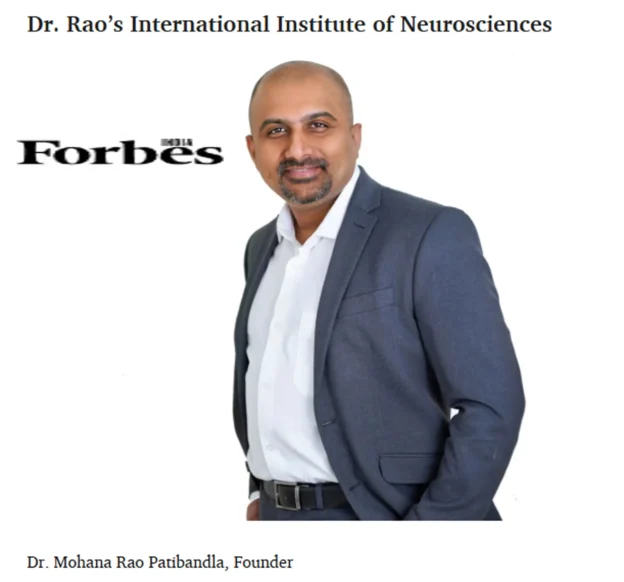
Dr. Mohana Rao Patibandla, Founder of Dr. Rao's International Institute of Neurosciences (IIN), featured in Forbes India for advancing brain, spine, stroke, and neurovascular care in Andhra Pradesh.

Featured in Forbes India: Dr. Mohana Rao Patibandla’s Vision

Featured in Forbes India: How Dr. Mohana Rao Patibandla Is Bringing World-Class Neuroscience Care to Andhra Pradesh


Healthcare transformation rarely happens overnight. It is usually the result of a long-term vision, years of training, technological innovation, and an unwavering commitment to improving patient care. Across India, a new generation of healthcare leaders is helping bridge the gap between metropolitan medical excellence and regional healthcare accessibility. Among them is Dr. Mohana Rao Patibandla, Founder of Dr. Rao’s Hospital – International Institute of Neurosciences (IIN) , whose work in advanced brain, spine, stroke, and neurovascular care recently gained national attention through a feature in Forbes India.


The recognition highlights more than the achievements of a single institution. It reflects a broader healthcare movement—one in which highly specialized medical services are becoming increasingly available outside traditional metropolitan centers. For patients in Andhra Pradesh and neighboring regions, this shift has profound implications. It means access to advanced neurological care closer to home, reduced treatment delays, and improved opportunities for timely intervention in complex neurological disorders.


At a time when neurological diseases are emerging as one of the most significant healthcare challenges worldwide, institutions dedicated exclusively to neurosciences play an increasingly important role. Dr. Rao’s Hospital – International Institute of Neurosciences (IIN) was founded with precisely this purpose: to create a center capable of delivering comprehensive, evidence-based, internationally informed neurological and neurosurgical care while remaining accessible to patients across India.


Why the Featured in Forbes India Matters


Recognition by a respected national publication provides an opportunity to examine the broader significance of an institution’s work. The Forbes India Brand Connect feature highlighted Dr. Rao’s Hospital – International Institute of Neurosciences (IIN) as part of its Emerging Companies in India initiative, drawing attention to the institute’s contributions to advanced neuroscience care and healthcare accessibility.


What makes this recognition noteworthy is the context in which it occurs. Historically, advanced neurosurgical treatment in India has been concentrated within a limited number of metropolitan hospitals located in cities such as Delhi, Mumbai, Bengaluru, Chennai, and Hyderabad. While these centers continue to play a critical role in healthcare delivery, patients from smaller cities and rural areas have often faced substantial barriers in accessing specialized treatment.


Traveling long distances for medical care can introduce significant challenges. Families may encounter financial strain, prolonged absences from work, disruption to education, and delays in seeking treatment. For neurological disorders, where early diagnosis and timely intervention frequently influence outcomes, such delays can be particularly consequential.


The emergence of advanced neuroscience centers in Tier-2 cities represents one of the most important developments in Indian healthcare. By bringing specialized expertise closer to patients, these institutions help reduce disparities in healthcare access while improving opportunities for timely treatment.


The Journey of Dr. Mohana Rao Patibandla


Behind every specialized medical institution is a story of professional development, clinical experience, and a vision for improving patient care. Dr. Mohana Rao Patibandla’s journey reflects a commitment to acquiring expertise across multiple subspecialties within neurosciences before returning to apply that knowledge in India.


After completing his MBBS from Andhra Medical College, Visakhapatnam, Dr. Patibandla pursued advanced training in neurosurgery at Nizam’s Institute of Medical Sciences (NIMS), Hyderabad. Recognizing the rapidly evolving nature of neurosciences, he continued his education through multiple fellowship programs in the United States, gaining exposure to leading institutions and advanced treatment methodologies.


Unlike many specialists who focus narrowly on a single area of practice, Dr. Patibandla sought comprehensive exposure across several subspecialties. This multidisciplinary approach enabled him to develop expertise in a broad range of neurological conditions while understanding how different branches of neurosciences intersect in clinical practice.


International Training Across Multiple Neurosurgical Subspecialties


Modern neurosciences encompass a diverse range of disciplines, each requiring highly specialized knowledge and technical expertise. Dr. Patibandla’s international training included exposure to several critical areas:


Minimally invasive skull base surgery

Pediatric neurosurgery

Neuro-oncology

Functional neurosurgery

Stereotactic radiosurgery

Cerebrovascular neurosurgery

Endovascular neurosurgery

Advanced spine surgery


This breadth of training provides a unique perspective on the management of neurological diseases. Rather than viewing conditions through the lens of a single subspecialty, multidisciplinary training encourages comprehensive evaluation and individualized treatment planning.


The insights gained through these experiences would later influence the development of Dr. Rao’s Hospital – International Institute of Neurosciences (IIN), shaping its emphasis on integrated neuroscience care.


Why Return to Andhra Pradesh?


One of the most significant questions often faced by internationally trained specialists is where to apply their expertise. Many choose to remain within major metropolitan healthcare systems. Others pursue opportunities abroad. A smaller number return to regions where specialized medical services remain limited despite significant patient need.


For Dr. Mohana Rao Patibandla, the decision was guided by a clear objective: to improve access to advanced neuroscience care in Andhra Pradesh.


At the time, many patients requiring complex neurological treatment routinely traveled outside the state. Families frequently journeyed to Hyderabad, Chennai, Bengaluru, or Mumbai seeking specialized consultations, surgery, and long-term neurological management.


The vision behind Dr. Rao’s Hospital – International Institute of Neurosciences (IIN) was to create a dedicated neuroscience center capable of providing advanced brain, spine, stroke, and neurovascular care within Andhra Pradesh itself.


This vision continues to define the institution’s mission today.


The Birth of Dr. Rao’s Hospital – International Institute of Neurosciences (IIN)


Establishing a dedicated neuroscience institute requires more than infrastructure. It requires a long-term commitment to building systems, assembling multidisciplinary teams, adopting advanced technologies, and creating clinical pathways tailored specifically to neurological disorders.


Dr. Rao’s Hospital – International Institute of Neurosciences (IIN) was developed with the goal of creating a focused center for neurological care rather than a general hospital with neurology and neurosurgery departments as secondary services.


This distinction is important. Dedicated neuroscience institutes are designed around the unique needs of patients with neurological disorders. They emphasize coordinated care involving neurologists, neurosurgeons, neuro-anesthesiologists, neurointensivists, rehabilitation specialists, radiologists, and other healthcare professionals.


The result is an integrated approach that supports diagnosis, treatment, recovery, and long-term management within a single coordinated framework.


The Growing Burden of Neurological Disorders in India


Neurological diseases represent one of the most significant healthcare challenges of the modern era. As populations age and healthcare systems improve diagnostic capabilities, the prevalence of many neurological conditions continues to increase.


Common conditions affecting patients across India include stroke, brain tumors, spinal disorders, epilepsy, traumatic brain injury, aneurysms, neurodegenerative diseases, and pediatric neurological disorders.


These conditions often require specialized expertise, advanced imaging technologies, surgical intervention, neurocritical care, and long-term rehabilitation. The complexity of such care underscores the importance of dedicated neuroscience centers capable of delivering comprehensive treatment pathways.


Transforming Neurosurgery in Tier-2 India


One of the most significant healthcare developments in India during the past decade has been the rise of specialized medical centers in Tier-2 cities. Traditionally, patients requiring advanced neurological treatment often traveled to major metropolitan centers. While these hospitals continue to provide exceptional care, the concentration of expertise in a limited number of cities created significant challenges for patients from smaller towns and rural communities.


Traveling long distances for healthcare can delay diagnosis, increase treatment costs, and create emotional and logistical burdens for families. In neurological disorders, where early intervention often determines outcomes, such delays can be particularly impactful.


The emergence of advanced neuroscience institutions in regional cities is helping reshape this landscape. By bringing specialized expertise closer to patients, these centers improve accessibility while maintaining high standards of care.


Dr. Rao’s Hospital – International Institute of Neurosciences (IIN) was established with this vision in mind. Located in Guntur, Andhra Pradesh, the institute was designed to provide comprehensive brain, spine, stroke, pediatric neuroscience, and neurovascular care without requiring patients to travel outside the state for every complex neurological condition.


This approach reflects a broader healthcare trend in which excellence is increasingly defined not only by technological sophistication but also by accessibility and patient-centered care.


Advancing Brain Tumor Surgery Through Precision and Innovation


Brain tumors remain among the most challenging conditions encountered in neuroscience. Every tumor is unique, not only in its pathology but also in its location, relationship to surrounding structures, and impact on neurological function.


Modern brain tumor surgery extends far beyond the traditional objective of tumor removal. Today’s treatment strategies emphasize preservation of neurological function, quality of life, and long-term outcomes.


Successful management often requires collaboration among multiple specialists, including neurosurgeons, neuro-oncologists, radiation oncologists, neuroradiologists, neuropathologists, and rehabilitation experts.


Advances in imaging technologies have dramatically improved the ability to plan and perform complex neurosurgical procedures. High-resolution MRI, functional imaging, and neuronavigation systems enable surgeons to visualize critical structures with unprecedented precision.


Dr. Rao’s Hospital – International Institute of Neurosciences (IIN), the emphasis remains on individualized treatment planning. Each patient’s condition, symptoms, imaging findings, and overall health profile contribute to decision-making, ensuring that treatment strategies are tailored to specific clinical needs.


For patients seeking advanced treatment options for brain tumors, access to dedicated neuroscience expertise plays a crucial role in achieving optimal outcomes.


The Evolution of Minimally Invasive Brain Surgery


One of the most remarkable advances in modern neurosurgery has been the development of minimally invasive surgical techniques.


Historically, many neurological procedures required large surgical exposures to access deep-seated lesions within the brain or skull base. While effective, these approaches could involve greater tissue disruption and longer recovery periods.


The evolution of endoscopic technology, microsurgical instrumentation, advanced imaging, and navigation systems has enabled surgeons to perform increasingly complex procedures through smaller and more targeted approaches.


Minimally invasive neurosurgery focuses on achieving treatment goals while reducing unnecessary disruption to surrounding tissues.


Potential advantages may include:


Smaller incisions

Reduced postoperative discomfort

Lower blood loss

Shorter hospital stays

Faster recovery

Earlier return to normal activities


These techniques are now applied across multiple areas of neurosurgery, including selected brain tumors, skull base lesions, hydrocephalus, and cerebrospinal fluid disorders.


International training in minimally invasive skull base surgery has contributed significantly to Dr. Mohana Rao Patibandla’s approach to complex neurosurgical conditions, helping bring globally recognized techniques to patients in Andhra Pradesh.


Comprehensive Spine Surgery for Modern India


Spinal disorders represent one of the most common reasons patients seek neurosurgical consultation. As populations age and lifestyles change, conditions affecting the spine have become increasingly prevalent.


Many individuals experience neck pain, back pain, radiating limb symptoms, numbness, weakness, or mobility limitations related to spinal pathology.


Common spinal conditions include:


Lumbar disc herniation

Cervical disc disease

Spinal stenosis

Spondylolisthesis

Degenerative spinal disorders

Spinal tumors

Traumatic spinal injuries

Spinal deformities


Not every spinal condition requires surgery. In fact, many patients benefit from conservative treatments such as physical therapy, medications, lifestyle modifications, and pain management strategies.


When surgery becomes necessary, however, advances in spinal techniques have transformed patient experiences.


Modern spine surgery increasingly emphasizes minimally invasive approaches designed to reduce tissue disruption while maintaining surgical effectiveness.


The goal is not simply to address anatomical abnormalities but to restore function, improve quality of life, and support long-term recovery.


Patients frequently search online for the best spine surgeon in Guntur when seeking solutions for complex spinal conditions. Beyond marketing claims, the most important considerations often include training, experience, multidisciplinary support, technological capabilities, and patient-centered treatment planning.


Stroke Care: The Race Against Time


Stroke remains one of the most urgent medical emergencies in modern healthcare. It is also among the leading causes of disability and mortality worldwide.


Neurologists and neurosurgeons frequently emphasize a simple but powerful phrase:


Time is Brain.


Every minute of untreated stroke can result in the loss of millions of neurons. Rapid recognition and intervention therefore play a critical role in determining outcomes.


Common warning signs of stroke may include:


Sudden facial drooping

Weakness in the arm or leg

Difficulty speaking

Loss of coordination

Sudden vision changes

Severe headache


Public awareness remains one of the most important factors in improving stroke outcomes. Early recognition enables patients to reach specialized centers more quickly, allowing timely evaluation and intervention.


Comprehensive stroke care requires coordination across multiple disciplines and technologies. Advanced neuroimaging, emergency assessment, neurocritical care, endovascular intervention, rehabilitation, and long-term follow-up all contribute to patient recovery.


The continued expansion of stroke services within regional neuroscience centers represents a major advancement in Indian healthcare.


The Rise of Endovascular Neurosurgery and Neurovascular Care


Few developments have transformed neuroscience as dramatically as endovascular neurosurgery.


Traditionally, many vascular disorders affecting the brain required open surgical procedures. Today, selected conditions can often be treated through minimally invasive catheter-based approaches that navigate blood vessels from within.


Endovascular neurosurgery has become an essential component of modern neurovascular care.


Conditions commonly addressed include:


Brain aneurysms

Acute ischemic stroke

Arteriovenous malformations (AVMs)

Dural arteriovenous fistulas

Carotid artery disease

Complex cerebrovascular disorders


These procedures often involve navigating microcatheters through the vascular system to reach lesions deep within the brain, allowing treatment without the need for large surgical exposures.


Advances in endovascular technology continue to expand treatment possibilities, improving outcomes for patients with complex vascular disorders.


Dr. Mohana Rao Patibandla’s fellowship training in cerebrovascular and endovascular neurosurgery contributes to the institute’s focus on comprehensive neurovascular care and stroke management.


Pediatric Neurosurgery: Specialized Care for Children


Children present unique neurological challenges that differ significantly from those encountered in adult practice.


The developing brain and nervous system require specialized expertise, dedicated equipment, and treatment strategies tailored to the needs of young patients.


Pediatric neurosurgery encompasses a broad range of conditions, including:


Hydrocephalus

Brain tumors

Congenital malformations

Spinal dysraphism

Epilepsy

Craniosynostosis

Pediatric trauma


Families facing neurological disorders in children often experience significant emotional stress. Access to specialized pediatric neuroscience services closer to home can help reduce these burdens while ensuring timely diagnosis and treatment.


International fellowship training in pediatric neurosurgery has enabled Dr. Mohana Rao Patibandla to bring specialized expertise to the management of complex neurological disorders affecting infants and children.


Technology, Innovation, and the Future of Neurosciences


The future of neurological care will be shaped by continued innovation.


Modern neuroscience increasingly relies on technologies such as:


High-resolution MRI

Advanced CT imaging

Neuronavigation systems

Intraoperative neurophysiological monitoring

Microsurgical techniques

Endoscopic surgery

Artificial intelligence-assisted diagnostics

Robotic technologies


These tools enhance precision and support evidence-based decision-making. However, technology alone does not define excellence. Its value ultimately depends upon the expertise, judgment, and experience of the healthcare professionals utilizing it.


The combination of advanced technology with specialized clinical expertise remains central to the future of neuroscience care.


Forbes India  Recognition: A Reflection of a Larger Mission


The recent feature in Forbes India Brand Connect’s Emerging Companies in India special edition serves as an important milestone in the journey of Dr. Rao’s Hospital – International Institute of Neurosciences (IIN). More importantly, it highlights a broader mission that extends far beyond institutional recognition.


The healthcare story behind the feature is ultimately about accessibility, innovation, and the democratization of advanced neuroscience care.


For decades, highly specialized neurological treatment remained concentrated within a relatively small number of metropolitan centers. While these hospitals continue to play an essential role in healthcare delivery, the need for regional centers of excellence has become increasingly apparent.


The Forbes India feature recognized an institution that has focused on bringing advanced neurosciences closer to patients, helping reduce the need for extensive travel while maintaining a commitment to evidence-based medicine and international standards of care.


In many ways, the recognition reflects the evolution of Indian healthcare itself—where excellence is no longer defined solely by geography, but by expertise, innovation, outcomes, and patient-centered care.


The Future Vision for Neuroscience Care in Andhra Pradesh


The future of healthcare in India will depend upon institutions capable of combining specialized expertise with accessibility.


As neurological disorders become increasingly prevalent, demand for advanced neurosciences services is expected to grow significantly. Conditions such as stroke, degenerative spine disease, brain tumors, aneurysms, epilepsy, neurodegenerative disorders, and pediatric neurological conditions will require comprehensive and coordinated care pathways.


Meeting these challenges requires more than infrastructure alone. It requires:


Continuous medical education

Research and innovation

Technology adoption

Multidisciplinary collaboration

Community awareness programs

Advanced diagnostics

Specialized rehabilitation services


The long-term vision of Dr. Rao’s Hospital – International Institute of Neurosciences (IIN) aligns closely with these priorities, focusing on comprehensive neuroscience care that remains accessible to patients throughout Andhra Pradesh and beyond.


Why Patients Travel to Guntur for Advanced Neuroscience Care


One of the most interesting developments in modern Indian healthcare is the reverse referral pattern increasingly observed in specialized medicine.


Historically, patients traveled from smaller cities to metropolitan centers seeking advanced treatment. Today, highly specialized centers in Tier-2 cities increasingly attract patients from across India and even from international locations.


Several factors contribute to this shift:


Specialized expertise

Advanced technologies

Personalized patient care

Reduced treatment costs

Improved accessibility

Shorter waiting times


Patients seeking treatment for brain tumors, spinal disorders, stroke, aneurysms, pediatric neurological conditions, and other complex disorders increasingly evaluate expertise and outcomes rather than focusing solely on geographic location.


This shift reflects growing confidence in specialized institutions operating outside traditional metropolitan healthcare hubs.


Building a Culture of Innovation and Continuous Learning


Medicine evolves continuously. New technologies, research findings, treatment protocols, and surgical techniques emerge every year.


Healthcare institutions that aspire to maintain high standards must embrace a culture of continuous learning.


At Dr. Rao’s Hospital – International Institute of Neurosciences (IIN), emphasis is placed on:


Professional education

Scientific conferences

Academic collaboration

Research participation

Technology adoption

Quality improvement initiatives


This commitment to lifelong learning supports the institute’s ability to remain aligned with evolving best practices in neurosciences.


Why Dedicated Neuroscience Centers Matter


Neurological disorders often involve multiple systems and require collaboration among various specialists.


Dedicated neuroscience centers provide unique advantages because they bring together:


Neurosurgeons

Neurologists

Neuro-anesthesiologists

Neurointensivists

Radiologists

Rehabilitation specialists

Pediatric specialists

Pain management experts


This integrated model supports comprehensive care throughout every stage of the patient journey—from diagnosis and treatment to rehabilitation and long-term follow-up.


As neuroscience continues to become increasingly specialized, multidisciplinary collaboration will remain one of the most important determinants of successful patient outcomes.


Internal Resources for Patients and Families


Learn more about neurological and neurosurgical services at Dr. Rao’s Hospital – International Institute of Neurosciences (IIN):

Dr. Mohana Rao Patibandla

About Dr. Rao’s Hospital

Advanced Neurosurgery in Guntur

Comprehensive Neurology Care in Guntur

Advanced Spine Surgery in Guntur

Minimally Invasive Brain and Spine Surgery

Pediatric Neurosurgery in Guntur

Advanced Epilepsy Surgery in Guntur

International Patients – Neurosurgery in India

Book an Appointment at Dr. Rao’s Hospital


Frequently Asked Questions


Who is Dr. Mohana Rao Patibandla?

Dr. Mohana Rao Patibandla is an internationally trained neurosurgeon and Founder of Dr. Rao’s Hospital – International Institute of Neurosciences (IIN), Guntur.


Why was Dr. Rao’s Hospital featured in Forbes India?

The institute was featured in Forbes India Brand Connect’s Emerging Companies in India special feature for its contribution to advanced neuroscience care and healthcare accessibility.


What conditions does a neurosurgeon treat?

Neurosurgeons treat disorders affecting the brain, spine, nerves, and cerebrovascular system, including tumors, stroke, trauma, aneurysms, epilepsy, and spinal disorders.


What is minimally invasive neurosurgery?

Minimally invasive neurosurgery uses advanced techniques designed to reduce tissue disruption while maintaining effective treatment outcomes.


What is endovascular neurosurgery?

Endovascular neurosurgery uses catheter-based techniques to treat aneurysms, stroke, and vascular abnormalities affecting the brain.


What are the symptoms of a brain tumor?

Symptoms may include headaches, seizures, weakness, balance problems, vision changes, memory issues, and speech difficulties.


What are the warning signs of stroke?

Facial drooping, arm weakness, speech difficulties, sudden vision changes, and loss of coordination may indicate stroke and require immediate medical attention.


What conditions require spine surgery?

Disc prolapse, spinal stenosis, instability, tumors, trauma, and deformities may require surgical evaluation.


What is pediatric neurosurgery?

Pediatric neurosurgery focuses on neurological disorders affecting infants, children, and adolescents.


What is a brain aneurysm?

A brain aneurysm is a weakened area within a blood vessel wall that may enlarge and potentially rupture if untreated.


What is hydrocephalus?

Hydrocephalus involves abnormal accumulation of cerebrospinal fluid within the brain and may require surgical management.


What is skull base surgery?

Skull base surgery addresses tumors and lesions located at the base of the skull using specialized surgical approaches.


What technologies are used in modern neurosurgery?

Neuronavigation, intraoperative monitoring, advanced MRI, microsurgery, endoscopy, and artificial intelligence-assisted imaging are increasingly utilized.


Can brain aneurysms be treated without open surgery?

Many aneurysms may be treated using minimally invasive endovascular techniques depending on their anatomy and clinical characteristics.


Why should patients choose a dedicated neuroscience institute?

Dedicated neuroscience institutes provide specialized expertise, multidisciplinary teams, advanced technology, and integrated neurological care.


Why was Dr. Rao’s Hospital featured in Forbes India?

The institute was featured in Forbes India Brand Connect’s Emerging Companies in India special feature for its contribution to advanced neuroscience care and healthcare innovation.


What conditions are treated at a neuroscience institute?

Common conditions include brain tumors, stroke, spinal disorders, epilepsy, aneurysms, pediatric neurological disorders, and traumatic brain injuries.


What is minimally invasive neurosurgery?

Minimally invasive neurosurgery uses advanced technologies and smaller incisions to treat neurological conditions while reducing recovery times and surgical trauma.


Why is early stroke treatment important?

Prompt stroke treatment can significantly reduce disability and improve long-term outcomes. Rapid diagnosis and intervention are critical.


About the Author


Dr. Mohana Rao Patibandla is an internationally trained neurosurgeon and Founder of Dr. Rao’s Hospital – International Institute of Neurosciences (IIN), Guntur. He has advanced fellowship training in minimally invasive skull base surgery, pediatric neurosurgery, neuro-oncology, cerebrovascular surgery, functional neurosurgery, stereotactic radiosurgery, and endovascular neurosurgery from leading institutions in the United States.


His work focuses on advancing neuroscience care through innovation, education, evidence-based medicine, and patient-centered treatment.


Trusted Medical References


Trusted Medical References


Follow Us

YouTube

Facebook

Instagram

Google Business Page

LinkedIn

X / Twitter


Final Thoughts


The story behind the Forbes India recognition is ultimately a story about healthcare accessibility, innovation, and the pursuit of excellence in neurosciences. Through advanced training, multidisciplinary collaboration, and a commitment to patient-centered care, Dr. Mohana Rao Patibandla and Dr. Rao’s Hospital – International Institute of Neurosciences (IIN) continue to contribute to the evolving landscape of neurological care in India.


As neuroscience advances through technology, research, and clinical innovation, the ability to provide world-class care closer to patients will remain one of the defining healthcare priorities of the coming decades. The growth of specialized neuroscience centers in regions such as Andhra Pradesh represents an important step toward achieving that vision.


Dr. Rao’s Hospital, Guntur


Dr. Mohana Rao Patibandla

Founder of Dr. Rao’s Hospital – International Institute of Neurosciences (IIN)

India’s Leading Minimally Invasive Brain & Spine Surgeon

Internationally Trained • Neurosurgery • Spine Surgery • Endovascular Neurosurgery

📞 +91 90100 56444

📧 info@drraoshospitals.com

📧 drpatibandla@gmail.com

🌐 https://drraoshospitals.com

Dr. Rao’s Hospital – International Institute of Neurosciences (IIN)

12-19-97, Old Bank Street,

Kothapet, Beside AK Khan Biryani Point,

Guntur – 522001,

Andhra Pradesh, India

Dr. Mohana Rao Patibandla receiving Times ICONs of Healthcare 2026 award from Andhra Pradesh Health Minister Satya Kumar Yadav

Dr. Rao’s Hospital Wins Big at Times ICONs of Healthcare 2026

Dr. Rao’s Hospital Wins Big at Times ICONs of Healthcare 2026: A Milestone for Advanced Neurosurgery in Andhra Pradesh

Introduction

In a proud moment for healthcare in Andhra Pradesh, Dr. Rao’s Hospital, Guntur, achieved national recognition at the Times ICONs of Healthcare 2026 awards. The prestigious event, organised by The Times of India, celebrated excellence in healthcare leadership, innovation, and patient outcomes.

At the ceremony held at Taj Vivanta, Vijayawada, two senior neurosurgeons from Dr. Rao’s Hospital were honoured, reinforcing the institution’s reputation as home to the best neurosurgeon in Guntur, the best neurologist in Guntur, and the best spine surgeon in Guntur.


Times ICONs of Healthcare 2026: Recognising Medical Excellence

The Times ICONs of Healthcare awards are among the most respected recognitions in India’s healthcare ecosystem. Institutions and clinicians are evaluated based on:

  • Clinical outcomes

  • Innovation and advanced techniques

  • Ethical medical practice

  • Patient-centric care

  • Contribution to regional and national healthcare

The Vijayawada edition of the 2026 awards highlighted Andhra Pradesh’s growing role as a hub for tertiary and quaternary medical care.


Triple Honour for Dr. Mohana Rao Patibandla

At the centre of this achievement was Dr. Mohana Rao Patibandla, Founder, Chairman, and Chief Neurosurgeon of Dr. Rao’s Hospital, who received three major state-level honours:

  • Best Neurosurgeon of Andhra Pradesh

  • Best Spine Surgeon of Andhra Pradesh

  • Best Endovascular Neurosurgeon of Andhra Pradesh

The awards were presented by Shri Satya Kumar Yadav, Hon’ble Minister for Health, Family Welfare, and Medical Education, Government of Andhra Pradesh.

This rare triple recognition reflects Dr. Rao’s leadership in complex brain surgery, advanced spine surgery, and endovascular neurosurgical procedures such as stroke intervention and cerebrovascular treatments.

Today, Dr. Mohana Rao Patibandla is widely regarded by patients and peers alike as the best neurosurgeon in Guntur, known for combining global expertise with compassionate, ethical care.


Best Neurosurgeon Award for Dr. Amit Kumar Thotakura

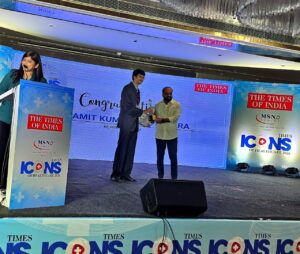
Adding to the celebrations, Dr. Amit Kumar Thotakura, Senior Consultant Neurosurgeon at Dr. Rao’s Hospital, was honoured with the Best Neurosurgeon Award at the same event.

Dr. Amit Kumar Thotakura has been recognised for his expertise in cranial and spinal neurosurgery, precision-driven surgical techniques, and consistent patient outcomes. His recognition further strengthens Dr. Rao’s Hospital’s position as a centre with a strong, team-based neurosurgical practice.

The recognition of two neurosurgeons from the same hospital at the Times ICONs of Healthcare 2026 highlights the depth of clinical excellence and mentorship culture within Dr. Rao’s Hospital.

Dr Amit Kumar Thotakura receiving Times ICONs of Healthcare 2026 award from Andhra Pradesh Health Minister Satya Kumar Yadav

Dr. Amit Kumar Thotakura receives the Times ICONs of Healthcare 2026 Best Neurosurgeon Award in Vijayawada.


Why This Recognition Matters for Patients

For patients and families, awards like the Times ICONs of Healthcare are more than accolades—they are indicators of trust, quality, and safety.

Being recognised at a state and national level reassures patients that they are receiving care from:

  • The best neurosurgeon in Guntur

  • A hospital known for advanced brain and spine care

  • Specialists trained in global best practices

  • A team focused on ethical, evidence-based medicine

This recognition also reinforces Dr. Rao’s Hospital’s role in reducing the need for patients to travel to metro cities for complex neurological treatments.


Dr. Rao’s Hospital: A Centre for Advanced Brain and Spine Care

Located in Guntur, Andhra Pradesh, Dr. Rao’s Hospital is a dedicated centre for neurology, neurosurgery, spine surgery, and endovascular care. The hospital is among the first independent, state-of-the-art neuroscience facilities in the region.

Patients seek care at Dr. Rao’s Hospital for conditions such as:

  • Brain tumors

  • Stroke and cerebrovascular disorders

  • Spine degeneration and complex spine disorders

  • Epilepsy and seizure disorders

  • Pediatric neurosurgical conditions

  • Endovascular neurosurgery

The hospital’s multidisciplinary approach, advanced infrastructure, and experienced team have made it a trusted destination for patients from across Andhra Pradesh, India, and abroad.


Best Neurologist, Best Spine Surgeon, Best Neurosurgeon in Guntur

Over the years, Dr. Rao’s Hospital has earned a reputation for excellence across the full spectrum of neurosciences. Patients frequently choose the hospital when searching for:

  • Best neurosurgeon in Guntur

  • Best neurologist in Guntur

  • Best spine surgeon in Guntur

The Times ICONs of Healthcare 2026 awards further validate this trust and reaffirm the hospital’s commitment to delivering world-class outcomes close to home.


A Vision for the Future

Speaking after the awards, Dr. Mohana Rao Patibandla emphasised that the recognition reflects teamwork and long-term vision rather than individual achievement alone. The hospital remains focused on:

  • Expanding minimally invasive neurosurgical techniques

  • Advancing endovascular stroke care

  • Improving access to high-quality neurological treatment

  • Maintaining ethical, patient-first medical practice

As Andhra Pradesh continues to strengthen its healthcare infrastructure, institutions like Dr. Rao’s Hospital play a key role in shaping the future of advanced medical care in the state.

టైమ్స్ ఐకాన్స్ ఆఫ్ హెల్త్‌కేర్ 2026లో డా. రావోస్ హాస్పిటల్ ఘన విజయం: ఆంధ్రప్రదేశ్‌లో న్యూరోసర్జరీకి మైలురాయి

పరిచయం

ఆంధ్రప్రదేశ్ వైద్య రంగానికి గర్వకారణంగా నిలిచే ఘట్టంగా, డా. రావోస్ హాస్పిటల్, గుంటూరు ప్రతిష్టాత్మక టైమ్స్ ఐకాన్స్ ఆఫ్ హెల్త్‌కేర్ 2026 అవార్డ్స్‌లో విశేష గౌరవాన్ని అందుకుంది.
ది టైమ్స్ ఆఫ్ ఇండియా ఆధ్వర్యంలో నిర్వహించిన ఈ కార్యక్రమం, వైద్య రంగంలో ఉత్తమత, నవీనత మరియు రోగి కేంద్రిత సేవలను గుర్తించేందుకు ఉద్దేశించబడింది.

విజయవాడ – తాజ్ వివాంటాలో నిర్వహించిన ఈ వేడుకలో, డా. రావోస్ హాస్పిటల్‌కు చెందిన ఇద్దరు ప్రముఖ న్యూరోసర్జన్లు జాతీయ స్థాయిలో సత్కరించబడ్డారు. ఇది గుంటూరులో ఉత్తమ న్యూరోసర్జన్, ఉత్తమ న్యూరాలజిస్ట్, ఉత్తమ స్పైన్ సర్జన్గా డా. రావోస్ హాస్పిటల్‌కు ఉన్న విశ్వసనీయతను మరింత బలపరిచింది.

Neurosurgery & Neurology


టైమ్స్ ఐకాన్స్ ఆఫ్ హెల్త్‌కేర్ 2026: వైద్య ఉత్తమతకు గుర్తింపు

టైమ్స్ ఐకాన్స్ ఆఫ్ హెల్త్‌కేర్ అవార్డులు భారతదేశంలో అత్యంత ప్రతిష్టాత్మకమైన వైద్య గౌరవాలలో ఒకటి. ఈ అవార్డులు కింది ప్రమాణాల ఆధారంగా నిర్ణయించబడతాయి:

  • చికిత్స ఫలితాలు (Clinical Outcomes)

  • ఆధునిక వైద్య సాంకేతికతల వినియోగం

  • నైతిక వైద్య విధానం

  • రోగి కేంద్రిత సేవలు

  • సమాజానికి చేసిన సేవ

2026 విజయవాడ ఎడిషన్, ఆంధ్రప్రదేశ్‌ను అధునాతన వైద్య సేవల కేంద్రంగా అభివృద్ధి చెందుతున్న రాష్ట్రంగా మరింత ముందుకు తెచ్చింది.

Spine & Endovascular Care


డా. మోహన రావు పాటిబండ్లకు మూడు రాష్ట్రస్థాయి అవార్డులు

ఈ ఘనతలో ప్రధాన ఆకర్షణగా నిలిచింది డా. మోహన రావు పాటిబండ్ల, డా. రావోస్ హాస్పిటల్ వ్యవస్థాపకులు, చైర్మన్ మరియు చీఫ్ న్యూరోసర్జన్. ఆయనకు ఒకేసారి మూడు ప్రధాన అవార్డులు లభించాయి:

  • ఆంధ్రప్రదేశ్ ఉత్తమ న్యూరోసర్జన్

  • ఆంధ్రప్రదేశ్ ఉత్తమ స్పైన్ సర్జన్

  • ఆంధ్రప్రదేశ్ ఉత్తమ ఎండోవాస్కులర్ న్యూరోసర్జన్

ఈ అవార్డులను ఆంధ్రప్రదేశ్ ఆరోగ్య, కుటుంబ సంక్షేమం మరియు వైద్య విద్యా శాఖ మంత్రి శ్రీ సత్య కుమార్ యాదవ్ గారు ప్రదానం చేశారు.

ఈ అరుదైన త్రిపుల్ గౌరవం, డా. మోహన రావు పాటిబండ్ల గారి సేవలను స్పష్టంగా ప్రతిబింబిస్తుంది. బ్రెయిన్ సర్జరీ, క్లిష్టమైన స్పైన్ సర్జరీలు, స్ట్రోక్ చికిత్సలు మరియు ఎండోవాస్కులర్ న్యూరోసర్జరీ రంగాల్లో ఆయన చేసిన కృషి వల్ల నేడు గుంటూరులోనే ప్రపంచ స్థాయి చికిత్సలు అందుబాటులోకి వచ్చాయి.

నేడు అనేక మంది రోగులు ఆయనను గుంటూరులో ఉత్తమ న్యూరోసర్జన్గా విశ్వసిస్తున్నారు.

Doctors & Appointments


డా. అమిత్ కుమార్ థోటకూరకు ‘ఉత్తమ న్యూరోసర్జన్’ అవార్డు

డా. రావోస్ హాస్పిటల్‌కు మరొక గర్వకారణంగా, సీనియర్ కన్సల్టెంట్ న్యూరోసర్జన్ అయిన డా. అమిత్ కుమార్ థోటకూర గారికి కూడా ఉత్తమ న్యూరోసర్జన్ అవార్డు లభించింది.

క్రానియల్ మరియు స్పైనల్ న్యూరోసర్జరీలో ఆయన నైపుణ్యం, శస్త్రచికిత్సల్లో ఖచ్చితత్వం, రోగుల పట్ల చూపించే అంకితభావం ఈ గౌరవానికి కారణం.

ఒకే హాస్పిటల్‌కు చెందిన ఇద్దరు న్యూరోసర్జన్లు ఒకే వేడుకలో సత్కరించబడటం, డా. రావోస్ హాస్పిటల్‌లో ఉన్న బలమైన వైద్య బృందం మరియు మార్గదర్శకత్వాన్ని స్పష్టంగా చూపిస్తుంది.


రోగులకు ఈ గుర్తింపు ఎందుకు ముఖ్యము?

రోగులు మరియు వారి కుటుంబాలకు, ఇలాంటి అవార్డులు కేవలం ప్రశంసలే కాదు —
వీటి ద్వారా నమ్మకం, భద్రత, నాణ్యత స్పష్టంగా తెలుస్తాయి.

టైమ్స్ ఐకాన్స్ ఆఫ్ హెల్త్‌కేర్ వంటి గుర్తింపు అంటే:

  • గుంటూరులో ఉత్తమ న్యూరోసర్జన్ సేవలు

  • ఆధునిక బ్రెయిన్ & స్పైన్ చికిత్సలు

  • మెట్రో నగరాలకు వెళ్లాల్సిన అవసరం లేకుండా చికిత్స

  • నైతిక, శాస్త్రీయ ఆధారిత వైద్యం


డా. రావోస్ హాస్పిటల్: బ్రెయిన్ & స్పైన్ చికిత్సలో ప్రత్యేక కేంద్రం

గుంటూరు, ఆంధ్రప్రదేశ్లో ఉన్న డా. రావోస్ హాస్పిటల్, న్యూరాలజీ, న్యూరోసర్జరీ, స్పైన్ సర్జరీ మరియు ఎండోవాస్కులర్ చికిత్సలకు పూర్తిగా అంకితమైన ప్రత్యేక కేంద్రం.

ఇక్కడ చికిత్స పొందే ముఖ్య సమస్యలు:

  • బ్రెయిన్ ట్యూమర్లు

  • స్ట్రోక్ మరియు మెదడు రక్తనాళ సమస్యలు

  • వెన్నెముక వ్యాధులు

  • ఎపిలెప్సీ (Fits)

  • పిల్లల న్యూరోసర్జరీ సమస్యలు

ఆంధ్రప్రదేశ్‌తో పాటు దేశ విదేశాల నుంచి కూడా రోగులు ఇక్కడికి వస్తున్నారు.


గుంటూరులో ఉత్తమ న్యూరోసర్జన్ | ఉత్తమ న్యూరాలజిస్ట్ | ఉత్తమ స్పైన్ సర్జన్

కాలక్రమంలో డా. రావోస్ హాస్పిటల్‌కు లభించిన నమ్మకం వల్ల, రోగులు తరచుగా ఈ విధంగా వెతుకుతున్నారు:

  • గుంటూరులో ఉత్తమ న్యూరోసర్జన్

  • గుంటూరులో ఉత్తమ న్యూరాలజిస్ట్

  • గుంటూరులో ఉత్తమ స్పైన్ సర్జన్

టైమ్స్ ఐకాన్స్ ఆఫ్ హెల్త్‌కేర్ 2026 అవార్డులు ఈ విశ్వసనీయతకు మరింత ముద్ర వేశాయి.


భవిష్యత్తుపై దృష్టి

ఈ అవార్డులు వ్యక్తిగత గౌరవం కంటే, బృంద కృషికి గుర్తింపని డా. మోహన రావు పాటిబండ్ల గారు పేర్కొన్నారు. భవిష్యత్తులో డా. రావోస్ హాస్పిటల్ లక్ష్యాలు:

  • మినిమల్ ఇన్వేసివ్ న్యూరోసర్జరీ విస్తరణ

  • అధునాతన స్ట్రోక్ చికిత్సలు

  • అందరికీ అందుబాటులో ఉన్న నాణ్యమైన వైద్యం

  • రోగి కేంద్రిత వైద్య విధానం

Hospital Information


ముగింపు

టైమ్స్ ఐకాన్స్ ఆఫ్ హెల్త్‌కేర్ 2026లో లభించిన బహుళ అవార్డులు, డా. రావోస్ హాస్పిటల్ ప్రయాణంలో ఒక కీలక మైలురాయిగా నిలిచాయి.
ఆంధ్రప్రదేశ్‌లో బ్రెయిన్ మరియు స్పైన్ చికిత్సలకు డా. రావోస్ హాస్పిటల్ ఒక నమ్మకమైన చిరునామాగా నిలుస్తోంది.


సంప్రదించండి

మీకు లేదా మీ కుటుంబ సభ్యులకు గుంటూరులో ఉత్తమ న్యూరోసర్జన్,
ఉత్తమ న్యూరాలజిస్ట్,
ఉత్తమ స్పైన్ సర్జన్ అవసరమైతే, డా. రావోస్ హాస్పిటల్‌ను సంప్రదించండి.

🌐 వెబ్‌సైట్: https://drraoshospitals.com
📧 ఇమెయిల్: info@drraoshospitals.com
📍 స్థలం: గుంటూరు, ఆంధ్రప్రదేశ్


Conclusion

The multiple honours received at the Times ICONs of Healthcare 2026 mark a significant milestone for Dr. Rao’s Hospital and for neuroscience care in Andhra Pradesh. With national recognition for its leadership, expertise, and patient outcomes, the hospital continues to set benchmarks in brain and spine care.

For patients seeking trusted, advanced neurological treatment, Dr. Rao’s Hospital stands as a symbol of excellence, innovation, and compassionate care.


Call to Action

If you or your loved ones are looking for the best neurosurgeon in Guntur, the best neurologist in Guntur, or the best spine surgeon in Guntur, consult the expert team at Dr. Rao’s Hospital.

🌐 Website: https://drraoshospitals.com
📧 Email: info@drraoshospitals.com
📍 Location: Guntur, Andhra Pradesh

https://drraoshospitals.com

YouTube

Facebook  

Instagram 

Google GMB 

LinkedIn 

X / Twitter

Cover of Time Iconic Magazine 2025 featuring Dr. Mohana Rao Patibandla recognized for innovation, empathy, and leadership in neurosurgery.

Minimally Invasive Neurosurgery, Spine Surgery, Endovascular Neurosurgery, and Stereotactic Neurosurgery at Dr. Rao’s Hospital, Guntur

Advanced Minimally Invasive Neurosurgery Care in Guntur

Revolutionizing Brain, Spine, and Vascular Care in India—Where Precision Meets Compassion


Introduction: The Dawn of a New Era in Neurosurgery

Modern neurosurgery has undergone a silent revolution — one defined not by larger incisions or longer hospital stays, but by smaller, safer, and smarter techniques. From removing complex brain tumors through a few millimeters of access to treating life-threatening aneurysms without open surgery, the field has evolved into one of breathtaking precision and minimal trauma.

At the forefront of this revolution in South India stands Dr. Mohana Rao Patibandla, Founder and Chief Neurosurgeon at Dr. Rao’s Hospital, Guntur. Internationally trained in the United States and India, and widely recognized as the best neurosurgeon in Guntur, Dr. Rao has brought together some of the most advanced forms of neurosurgery — Minimally Invasive Neurosurgery, Spine Surgery, Endovascular Neurosurgery, and Stereotactic Neurosurgery — under one roof.

Dr. Rao’s Hospital, established under Patibandla Narayana Swamy Neurosciences LLP, is India’s first independent, state-of-the-art super-specialty neuroscience center — combining global innovation with the warmth of local care. Here, every procedure is designed not only to extend life but to enhance its quality.

“We don’t just perform surgery — we restore function, dignity, and hope,” says Dr. Mohana Rao.


Why Minimally Invasive Neurosurgery Matters

Traditional neurosurgery often involved large openings, extended recovery periods, and visible scarring. While effective, such methods came with higher risks and longer hospital stays.
Minimally Invasive Neurosurgery (MIN) has changed that paradigm completely.

At Dr. Rao’s Hospital, Minimally Invasive Neurosurgery combines advanced imaging, high-definition endoscopes, and neuronavigation systems to treat brain and spinal conditions through tiny incisions — resulting in less pain, faster recovery, and safer outcomes.

Key Advantages of Minimally Invasive Neurosurgery

  • Smaller incisions and minimal blood loss

  • Reduced risk of infection

  • Shorter hospital stay and quicker recovery

  • Improved cosmetic outcomes

  • Faster return to normal life and work

Conditions Treated

  • Brain and skull base tumors

  • Pituitary adenomas

  • Hydrocephalus and cystic lesions

  • Epilepsy and movement disorders

  • Spinal disc herniation and canal stenosis

  • Intracranial aneurysms and vascular malformations

Dr. Rao has performed over 12,000 minimally invasive brain and spine surgeries, setting a new benchmark for safe and effective neurosurgical care in India.

His expertise in endoscopic skull base surgery, keyhole craniotomy, and neuroendoscopic tumor resection has positioned Dr. Rao’s Hospital among the top centers for minimally invasive neurosurgery in South India.


Minimally Invasive Spine Surgery (MISS): Precision That Preserves Movement

Back and spine problems are among the most common causes of disability worldwide. Traditionally, spinal surgeries meant large incisions, muscle disruption, and long rehabilitation times.
Minimally Invasive Spine Surgery (MISS) at Dr. Rao’s Hospital transforms that experience.

What Is MISS?

MISS uses tubular retractors, specialized microscopes, and endoscopes to access spinal structures with minimal disruption to muscles and ligaments. By avoiding large incisions, patients experience significantly less pain and faster functional recovery.

Common Procedures Performed

  • Microdiscectomy for herniated discs

  • Endoscopic decompression for spinal stenosis

  • Minimally invasive spinal fusion

  • Vertebroplasty and kyphoplasty for fractures

  • Spinal tumor resections

  • Navigation-assisted instrumentation and stabilization

Patient Benefits

  • Tiny incision (often <2 cm)

  • Minimal postoperative pain

  • Reduced muscle damage and scarring

  • Early mobility (within 24–48 hours)

  • Shorter hospitalization (2–3 days)

  • Rapid return to work and normal activities

Dr. Rao’s Hospital has successfully performed over 1,000 endoscopic spine surgeries and several thousand microdiscectomies and fusions using advanced neuronavigation and intraoperative monitoring.

With these technologies, Dr. Rao ensures real-time precision, minimizing risk to spinal nerves and improving long-term outcomes.


Endovascular Neurosurgery: Healing Through the Bloodstream

Imagine treating a brain aneurysm or stroke without opening the skull. That’s the promise — and the reality — of Endovascular Neurosurgery, one of the most sophisticated subspecialties practiced at Dr. Rao’s Hospital.

What Is Endovascular Neurosurgery?

Also known as Interventional Neuroradiology, this specialty involves using catheters and micro-instruments inserted through the blood vessels (usually via the femoral or radial artery) to diagnose and treat brain and spinal vascular conditions.

Advanced Procedures at Dr. Rao’s Hospital

  • Aneurysm Coiling and Stent-Assisted Coiling

  • AVM and AVF Embolization

  • Carotid and Intracranial Stenting

  • Thrombectomy for Acute Stroke

  • Tumor Embolization Prior to Surgery

  • Endovascular Treatment of Vasospasm

Why It’s Revolutionary

Endovascular neurosurgery offers:

  • No large incisions or craniotomy

  • Shorter procedure time and hospital stay

  • Minimal postoperative pain

  • Early recovery with lower complication rates

  • Precise navigation using real-time fluoroscopy and 3D angiography

Dr. Rao’s Hospital houses one of the few Hybrid Neurovascular Suites in Andhra Pradesh, equipped for both microsurgical and endovascular procedures in a single setting — enabling immediate decision-making and seamless transition between modalities.

With over 3,000 endovascular procedures and 400 aneurysm repairs, Dr. Rao has become one of India’s pioneers in minimally invasive vascular neurosurgery.

“We’ve reached a stage where we can treat stroke and aneurysm patients without a single cut — that’s the power of innovation meeting intent,” says Dr. Rao.


Stereotactic Neurosurgery: The Science of Targeting Perfection

If minimally invasive surgery is precision, stereotactic neurosurgery is perfection. This technique allows surgeons to reach deep-seated brain structures through pinpoint accuracy guided by advanced imaging and coordinate systems.

What Is Stereotactic Neurosurgery?

Stereotactic neurosurgery uses a 3D coordinate mapping system (based on CT, MRI, or functional imaging) to identify the exact target area in the brain — often within a tolerance of less than one millimeter.

Applications

  • Stereotactic Radiosurgery (SRS) for brain tumors, AVMs, and trigeminal neuralgia

  • Deep Brain Stimulation (DBS) for Parkinson’s disease and movement disorders

  • Biopsies of deep brain lesions

  • Functional procedures for epilepsy and chronic pain

  • Targeted drug delivery or lesioning

Why It Matters

These procedures eliminate the need for open craniotomy in many cases, offering:

  • Non-invasive or minimally invasive approaches

  • Outpatient or short hospital stay

  • No sutures, minimal pain, faster recovery

  • Extremely high precision and safety

At Dr. Rao’s Hospital, over 2,000 stereotactic radiosurgeries and multiple functional neurosurgical procedures have been performed using cutting-edge navigation and targeting systems.

The hospital’s expertise in this field has earned Dr. Rao recognition as one of India’s best stereotactic and functional neurosurgeons, known for his compassionate approach and meticulous execution.


Technology That Transforms: Inside Dr. Rao’s Operating Rooms

Dr. Rao’s Hospital is equipped with the most advanced neurosurgical technology in India:

  • 3D Microscopes and Endoscopic Systems for enhanced visualization

  • Intraoperative Neurophysiological Monitoring (IONM) for nerve safety

  • Neuronavigation & Frameless Stereotaxy for precise targeting

  • Intraoperative Imaging & Ultrasound for real-time decision-making

  • Hybrid Cath Lab for combined microsurgical and endovascular interventions

  • High-Definition Neuroendoscopy Units for skull base and pituitary surgeries

These technologies allow Dr. Rao and his team to push the boundaries of what’s possible — reducing risk, maximizing recovery, and redefining neurosurgical excellence in India.


Meet the Visionary: Dr. Mohana Rao Patibandla

Training and Credentials

  • MBBS — Andhra Medical College, Visakhapatnam

  • MCh (Neurosurgery) — Nizam’s Institute of Medical Sciences, Hyderabad

  • Fellowships — USA (Ohio, Colorado, Virginia) in
    Minimally Invasive Skull Base Surgery, Pediatric Neurosurgery, Functional & Stereotactic Radiosurgery, and Endovascular Neurosurgery

Experience

  • 15,000+ Neurosurgeries Performed

  • 12,000+ Minimally Invasive Procedures

  • 3,000+ Endovascular Interventions

  • 2,000+ Radiosurgeries

  • 1,000+ Endoscopic Spine Surgeries

  • 400 Aneurysm Repairs & 300 CP Angle Tumor Resections

Awards and Recognition

  • Dr. A.P.J. Abdul Kalam Inspiration Award 2025

  • Economic Times Business & Health Excellence Awards 2025

  • Sardar Vallabhbhai Patel Unity Award 2025

  • Asia’s Most Trusted Neurosurgeon 2023

  • Health Icon of the Year 2021

Academic Leadership

  • 70+ International Publications

  • 1,200+ Citations in journals like Neurosurgery, Journal of Neurosurgery, Stroke, and The Spine Journal

  • Invited Speaker at MISSABCON, SkullBaseCon, NESICON, SNVICON, and TEDx Talks

“My mission was never about building a hospital; it was about bringing healing home,” Dr. Rao shares in his TEDx talk, “My Journey to Bring Healing Home – A Neurosurgeon’s Quest in Guntur.”


Integrated Neuroscience Care: One Destination for All Brain and Spine Needs

Dr. Rao’s Hospital offers a multidisciplinary approach — uniting neurosurgery, neurology, neuro-anesthesiology, neuroradiology, and rehabilitation — ensuring 360-degree care from diagnosis to recovery.

Comprehensive Services Include:

  • Brain and spine trauma management

  • Pediatric neurosurgery

  • Epilepsy and functional neurosurgery

  • Skull base and pituitary tumor surgery

  • Endovascular stroke management

  • Spine deformity correction and pain management

  • Stereotactic radiosurgery and neuro-oncology care

Every patient benefits from a customized treatment plan, where decisions are guided by both data and empathy.


Why Choose Dr. Rao’s Hospital?

Global Expertise, Local Accessibility
Trained internationally, Dr. Rao brings world-class care to Guntur, eliminating the need for patients to travel to metros or abroad.

Patient-First Philosophy
Each patient is treated with dignity, compassion, and respect. Communication and transparency are integral to the hospital’s ethos.

State-of-the-Art Infrastructure
Advanced surgical technology, hybrid suites, and ICU facilities ensure seamless care for even the most complex cases.

Exceptional Outcomes
Thousands of successful surgeries, high patient satisfaction rates, and minimal complication profiles.

24×7 Emergency Neurosurgical Services
Immediate response for trauma, stroke, aneurysm, and spine emergencies.

International Patient Support
Dedicated coordinators assist global patients with visa, logistics, and post-operative rehabilitation.


Patient Voices: Stories of Courage and Recovery

Case 1: Aneurysm Saved, Life Restored

A 38-year-old woman arrived with a ruptured brain aneurysm. Instead of open surgery, Dr. Rao performed endovascular coiling. Within 48 hours, she was walking. Within a week, she was home — a living testament to the power of minimally invasive treatment.

Case 2: Spine Surgery Without Fear

A 52-year-old teacher with chronic back pain and disc herniation underwent endoscopic decompression. With just a 2-cm incision and no visible scar, she resumed teaching in 10 days.

Case 3: Precision Without Incision

A young man with a deep-seated brain tumor underwent stereotactic radiosurgery — no cut, no pain, no hospital stay. The tumor shrank over months, and he resumed a normal life.

Each of these stories embodies Dr. Rao’s belief that healing is not just about the surgery — it’s about restoring hope.


Research, Education, and Future Vision

Dr. Rao’s Hospital is not just a treatment center but a hub for research and innovation. Current initiatives include:

  • AI-assisted surgical planning

  • Robotic spine surgery research collaborations

  • 3D printing for cranial reconstruction

  • Virtual reality-based neurosurgical training programs

  • Community awareness programs for stroke and epilepsy prevention

Dr. Rao also plans to establish the Dr. Rao Institute of Neurosciences, a global center of excellence that will blend research, training, and compassionate clinical care — right in Guntur.


Conclusion: Redefining the Geography of Hope

At a time when advanced neurosurgery is often associated with major metros or medical tourism abroad, Dr. Rao’s Hospital has transformed Guntur into a global destination for brain and spine excellence.

Here, Minimally Invasive Neurosurgery, Spine Surgery, Endovascular Neurosurgery, and Stereotactic Neurosurgery are not just procedures — they’re promises of precision, safety, and compassion.

Dr. Mohana Rao Patibandla’s vision proves that world-class care doesn’t require leaving home. It simply requires vision, values, and a heart dedicated to healing.

“Our goal is not just to save lives — it’s to give every life the chance to thrive.”


Visit Dr. Rao’s Hospital

📍 Address: 12-19-67, Old Bank Road, Kothapet, Opposite Sravani Hospital, Guntur, Andhra Pradesh
📞 Phone: +91 90100 56444
📧 Email: info@drraoshospitals.com
🌐 Website: www.drraoshospitals.com

Follow Dr. Rao’s Hospital:
YouTube | Facebook | Instagram | LinkedIn | Twitter/X | Google Maps


A promotional image for Dr. Rao's Hospital featuring Dr. Mohana Rao Patibandla receiving the Economic Times Excellence in Neurology, Neurosurgery, and Spine Surgery Award 2025. The image includes photos of the award ceremony, a portrait of Dr. Patibandla, and details about his qualifications (MCh, FESBS, FAANS, etc.) and contact information. The hospital's locations (Guntur, Vijayawada, Bhimavaram, Rajahmundry, Kakinada, Eluru, Ongole, Nellore) and the slogan "Act Fast - Save Brain and Spine" are highlighted, along with a map and phone number.

Dr. Mohana Rao Patibandla — The Best Neurosurgeon to Watch in India 2025

Dr. Mohana Rao Patibandla — The Best Neurosurgeon to Visit in India

Dr. Mohana Rao Patibandla — Neurosurgeon at Dr. Rao's Hospital

Dr. Mohana Rao Patibandla, founder of Dr. Rao’s Hospital in Guntur, is widely recognized as the best neurosurgeon in Guntur and one of India’s most influential leaders in minimally invasive, endovascular, and stereotactic neurosurgery. With a career spanning advanced international fellowships and an expansive surgical portfolio, Dr. Rao combines precision technique with compassionate care.

Vision & Mission: Precision, Innovation, Compassion

Dr. Rao established Dr. Rao’s Hospital (Patibandla Narayana Swamy Neurosciences LLP) to bring world-class neurosurgical care to South India — a center where the latest technologies meet the human touch. The hospital’s mission focuses on three pillars: clinical excellence, innovation, and education.

Clinical Impact — By the Numbers

Innovation & Technology

Dr. Rao’s practice emphasizes minimally invasive skull base surgery, endoscopic spine approaches, neuronavigation, intraoperative neurophysiological monitoring (IONM), stereotactic radiosurgery, and endovascular care. The hospital continually invests in advanced imaging, hybrid operating suites, and training programs to keep patient safety and outcomes at the forefront.

“Technology saves lives; compassion heals them.” — Dr. Mohana Rao Patibandla

Awards, Publications & Academic Leadership

Dr. Rao’s accolades underscore a sustained commitment to clinical excellence and scholarship:

  • Economic Times Business Excellence Award (2025)
  • Economic Times Health Award (2025)
  • Sardar Vallabhbhai Patel Unity Award (2025)
  • Best Minimally Invasive Neurosurgeon / Best Spine Surgeon / Best Endovascular Surgeon / Best Stereotactic Radiosurgeon — multiple national & international honors
  • Invited speaker: SkullBaseCon 2025, NESICON 2025, AP MISSAB 2025, MISSABCON, SNVICON 2025, NSI YNF and many more
  • 60+ peer-reviewed publications in journals including Neurosurgery, Journal of Neurosurgery, Stroke, The Spine Journal, and more
  • 1,200+ citations in international literature

What This Means for Patients

Choosing Dr. Rao’s Hospital means access to a multidisciplinary team skilled in complex cranial, spinal, and vascular disorders — delivered with a patient-first philosophy. The hospital accepts national and international patients; for appointments and referrals, visit our Contact page.

Further Reading & Services

Learn more about our specialized services and clinical teams:

  • Neurosurgery Services
  • Spine Surgery
  • Endovascular & Cerebrovascular
  • Stereotactic Radiosurgery
  • Meet the Team

Contact & Appointments

For appointments, second opinions, or international patient coordination:

© Dr. Rao’s Hospital. All rights reserved.


Dr. Rao: Leading the Future of Neurosurgery in India

World-Class Spine and Brain Surgery with Dr. Rao at Dr. Rao’s Hospital

Comprehensive Guide to Spine Surgery and Pain Management: Dr. Rao at Dr. Rao’s Hospital

People with spinal cord injuries, herniated discs, or chronic pain frequently seek out complex procedures like spine surgeries. With the proper care and expertise, these surgeries can significantly improve a patient’s quality of life. Dr. Mohana Rao Patibandla, an acclaimed neurosurgeon at Dr. Rao’s Hospital in Guntur, has gained international recognition for his exceptional skills in spine and neurological surgery. His hospital is renowned for offering advanced treatment options, including minimally invasive spine surgeries, and consistently delivering successful outcomes.

In this article, we will explore the various aspects of spine surgery, including common causes of pain after surgery, specific procedures, and why Dr. Rao’s Hospital is a top choice for patients worldwide.


Pain After Spine Surgery: Understanding the Causes

Pain after spine surgery is one of the most common concerns for patients. While the goal of spinal surgery is to relieve pain, some patients experience discomfort or complications during recovery. There are several reasons why pain might persist after surgery, including:

  • Inflammation: The healing process may cause temporary swelling around the surgical site.
  • Nerve sensitivity: Nerves that were compressed pre-surgery might take time to recover fully, leading to ongoing pain.
  • Scar tissue: In some cases, scar tissue may form near the nerves, causing discomfort.

Patients must communicate with their doctors during recovery to ensure proper pain management. Dr. Rao’s Hospital offers comprehensive postoperative care plans to reduce pain and promote healing.


Neurological Spine Conditions: Causes and Treatments

The neurological spine involves conditions affecting the spinal cord and surrounding nerves. These conditions can cause debilitating pain, weakness, or loss of function. Common issues include:

  • Herniated discs
  • Spinal stenosis
  • Degenerative disc disease
  • Spinal tumors

As a leading neurosurgeon specialist, Dr. Rao treats complex neurological spine conditions using cutting-edge technology and minimally invasive techniques. His extensive experience ensures the best possible outcomes for patients with neurological spine disorders.


Surgery Pain: How to Manage Discomfort

Managing surgery pain is a critical part of the recovery process. Post-surgery pain is expected but should decrease over time as the body heals. At Dr. Rao’s Hospital, pain management strategies include:

  • Medication: Anti-inflammatory drugs, muscle relaxants, or nerve pain medications.
  • Physical therapy: Gentle exercises to restore strength and mobility.
  • Lifestyle modifications: Proper posture and avoiding strenuous activities help speed up recovery.

Dr. Rao ensures that every patient receives personalized care, focusing on minimizing postoperative pain.


India’s Best Doctor Name: Dr. Mohana Rao Patibandla

When searching for the best spine surgeon in India, many patients discover the outstanding reputation of Dr. Mohana Rao Patibandla. Recognized for his contributions to spinal surgery and neurosurgery, Dr. Rao has been named one of India’s best doctors. His patient-first approach and expertise in minimally invasive surgeries set him apart as a leading figure in the healthcare industry.


Cervical Back Surgery: Effective Solutions for Neck and Back Pain

Cervical back surgery refers to procedures to treat conditions affecting the cervical (neck) spine region. These conditions can cause severe neck pain, radiating pain to the shoulders or arms, and even numbness in the hands. Standard cervical spine procedures include:

  • Anterior cervical discectomy and fusion (ACDF): A procedure to remove a herniated or degenerative disc and fuse the vertebrae.
  • Cervical laminectomy: Removes part of the vertebrae to relieve pressure on the spinal cord.

Dr. Rao’s advanced expertise in cervical spine surgeries ensures quick recovery times and significant relief from pain for patients suffering from neck-related issues.


Back Pain After Spine Surgery: What You Need to Know

While spine surgery is designed to alleviate pain, some patients may experience back pain after spine surgery. This could be due to:

  • Incomplete healing: Pain that continues as the spine adjusts post-surgery.
  • Adjacent segment disease: When a neighboring disc degenerates following a spinal fusion.
  • Infection or hardware problems: In rare cases, postoperative issues such as infection or hardware failure may lead to persistent pain.

Advanced diagnostic techniques at Dr. Rao’s Hospital identify the root cause of post-surgery pain, ensuring that appropriate treatment is promptly provided.


Cervical Spine Procedures: Advanced Surgical Techniques

The cervical spine plays a crucial role in supporting the head and protecting the spinal cord. Dr. Rao performs various cervical spine procedures designed to correct structural problems, relieve nerve compression, and improve patient mobility. Some standard procedures include:

  • Cervical fusion: Fusing two or more vertebrae to provide stability.
  • Cervical disc replacement: Replacing damaged discs with artificial ones to preserve movement.

Dr. Rao utilizes the latest techniques to ensure the highest level of success in cervical spine surgeries, minimize risks, and optimize recovery.


Pain After Lumbar Surgery: Causes and Solutions

Pain after lumbar surgery can occur for various reasons, including inflammation, scar tissue formation, or issues with spinal hardware. Dr. Rao’s Hospital offers advanced pain management solutions and follow-up care to address such problems. Postoperative care plans are personalized, focusing on pain relief and functional recovery.


India’s Best Doctor Name for Spine Surgery

Patients seeking treatment from India’s best doctor for spine surgery often choose Dr. Mohana Rao Patibandla. His extensive training in India and internationally ensures he can handle the most complex spine and brain surgeries. Under his leadership, Dr. Rao’s Hospital has become one of the top destinations for international and local patients seeking advanced spinal care.


Pain in Back After Surgery: Effective Treatments

Pain in the back after surgery can be frustrating, but it’s important to remember that healing takes time. Further diagnostic tests may be needed to evaluate issues such as nerve compression or hardware displacement if pain persists. Dr. Rao emphasizes thorough postoperative follow-ups to ensure patients recover fully and minimize the chances of chronic pain.


Best Spine Dr: Why Dr. Rao is the Top Choice

Regarding finding the best spine doctor in India, Dr. Rao stands out due to his high success rates and commitment to patient care. His ability to perform complex spine surgeries with minimally invasive techniques makes him the go-to specialist for many patients suffering from chronic spinal conditions.


Best Back Surgeon for Minimally Invasive Techniques

As the best back surgeon in India, Dr. Rao has pioneered minimally invasive spine surgeries that result in shorter recovery times, less postoperative pain, and more minor scars. These innovative procedures are particularly beneficial for patients with lumbar issues or herniated discs.


Spine Surgeon in Chennai: Top Choices for Treatment

For patients seeking a spine surgeon in Chennai, Dr. Rao’s Hospital in Guntur offers an excellent alternative. With world-class facilities, highly trained staff, and a reputation for delivering successful outcomes, many patients from Chennai and across India travel to Dr. Rao’s Hospital for their spinal surgeries.


Neurosurgeon Specialist: Expertise in Complex Cases

As a leading neurosurgeon specialist, Dr. Rao handles the most challenging cases, including spinal tumors, herniated discs, and spinal stenosis. His focus on patient-centered care and his use of cutting-edge technology ensure that each patient receives the best possible treatment.


Neck Pain Surgery: Relief for Chronic Pain

For patients with chronic neck pain, neck pain surgery may offer significant relief. Dr. Rao specializes in treating neck conditions through surgical and non-surgical interventions, helping patients return to a pain-free life.


Minimally Invasive Spine Surgery in India

At Dr. Rao’s Hospital, minimally invasive spine surgery in India has transformed patient outcomes. These techniques offer a less invasive approach to treating spinal conditions by minimizing tissue damage and reducing recovery times.


Dr. Rao’s Hospital: The Best Brain, Spine, and Endovascular Center in India

Located in Guntur, Dr. Rao’s Hospital is widely regarded as one of the best brain, spine, and endovascular centers in India. The hospital provides a comprehensive range of treatments, from keyhole neurosurgery to advanced endovascular procedures. Dr. Rao’s team offers personalized care, making the hospital a top choice for local and international patients.


Affordable Medical Tourism in India

With the rise of affordable medical tourism in India, patients worldwide are turning to Dr. Rao’s Hospital for top-quality care at a fraction of the cost compared to Western countries. The hospital provides international patients with customized care packages that include surgery, accommodation, and follow-up care, making it an attractive option for those seeking affordable yet world-class medical treatment.


In conclusion, Dr. Rao and his team at Dr. Rao’s Hospital have established themselves as leaders in brain, spine, and endovascular surgery. Whether you’re seeking relief from back pain or require advanced neurosurgical care, Dr. Rao’s expertise, combined with state-of-the-art medical technology, ensures that you are in the best hands.

Dr. Rao’s Contact Information:

Dr. Rao, top neurosurgeon at Dr. Rao's Hospital, Guntur, performing surgery with precision and expertise, leading healthcare in India.

Expert Neurosurgery & Spine Care at Dr. Rao’s Hospital: Fast Recovery

Expert Neurosurgery & Spine Care at Dr. Rao’s Hospital: Fast Recovery

Recovery after neurosurgery or spine surgery can vary significantly depending on the type of procedure, the patient’s overall health, and the complexity of the condition being treated. A team of skilled specialists at Dr. Rao’s Hospital in Guntur, India, carefully manages patients’ recoveries to ensure they receive comprehensive care, including post-operative support and rehabilitation. Below is an overview of what recovery is like for common types of brain and spine surgeries: According to The Times of India coverage.

1. Brain Tumor Surgery Recovery

Initial Recovery Phase (First Week):

  • Hospital Stay: Patients typically stay in the hospital for 5–10 days after brain tumor surgery, depending on the complexity of the procedure and their health condition.
  • Monitoring: During the first few days post-surgery, patients are closely monitored for signs of complications, such as swelling, bleeding, or infection.
  • Pain Management: Mild to moderate pain is common, and patients are prescribed painkillers to manage discomfort.

Weeks 1–4:

  • Rest and Gradual Activity: During the first month after surgery, patients are advised to rest as much as possible, avoiding strenuous activities. Short walks and light activities are encouraged to promote blood flow and prevent complications such as blood clots.
  • Neurological Recovery: Depending on the location of the tumor, patients may experience temporary neurological symptoms, such as memory problems, difficulty concentrating, or motor issues. These symptoms typically improve with time.

Months 2–6:

  • Rehabilitation: Physical therapy, occupational therapy, or speech therapy may be recommended to help patients regain strength, mobility, and cognitive function.
  • Return to Normal Activities: Many patients can resume normal activities, including work, within 2–3 months, though this depends on the extent of surgery and the patient’s recovery progress.

2. Spine Surgery Recovery (e.g., TLIF, Cervical Discectomy)

Initial Recovery Phase (First Week):

  • Hospital Stay: Patients may stay there for 2–5 days for procedures like transforaminal lumbar interbody fusion (TLIF) or cervical discectomy. Minimally invasive techniques, such as those used at Dr. Rao’s Hospital, may shorten this period.
  • Pain and Mobility: Joint pain at the incision site and in the back or neck is usually well-managed with medication. Patients may be encouraged to walk with assistance shortly after surgery to promote healing.

Weeks 1–6:

  • Activity Restrictions: Patients are typically advised to avoid heavy lifting, bending, or twisting during the first 6 weeks. A gradual return to light activities, such as walking, is encouraged.
  • Wearing a Brace: Some patients may be advised to wear a spinal brace for additional support, especially if they underwent spinal fusion.
  • Physical Therapy: Physical therapy usually begins within the first 2–4 weeks after surgery to help patients regain mobility, strength, and flexibility.

Months 2–6:

  • Full Recovery: For most spine surgeries, full recovery can take 3–6 months. Patients may gradually resume normal activities, but those involved in physically demanding jobs may need a longer recovery period before returning.

3. Minimally Invasive Neurosurgery Recovery

Initial Recovery Phase:

  • Hospital Stay: Minimally invasive neurosurgery often leads to shorter hospital stays (2–3 days) and quicker recovery than traditional open surgeries.
  • Less Pain and Scarring: Since the incisions are smaller, patients usually experience less post-operative pain and scarring, contributing to faster healing.

Weeks 1–4:

  • Activity Resumption: Patients may resume light activities, such as walking, within a week. They are encouraged to gradually increase their activity level while avoiding heavy lifting or strenuous exercises.

Months 2–3:

  • Complete Recovery: Many patients can return to normal daily activities, including work, within 2–3 months. Recovery time is significantly reduced compared to open surgery, allowing patients to enjoy an improved quality of life sooner.

4. Spinal Cord Tumor Surgery Recovery

Initial Recovery Phase (First Week):

  • Hospital Stay: Depending on the complexity of the procedure, patients may stay in the hospital for 5–7 days following spinal cord tumor surgery.
  • Pain and Weakness: Pain and weakness in the back or legs may occur, but these symptoms are usually managed with pain medications and physical therapy.

Weeks 1–4:

  • Physical Therapy: A rehabilitation program is essential for regaining mobility and strength, primarily if the tumor affects motor functions. Physical therapists at Dr. Rao’s Hospital work closely with patients to improve their range of motion and strength.

Months 2–6:

  • Neurological Recovery: If the tumor affects the spinal cord or nerves, full recovery may take several months. Some patients may need long-term physical therapy to regain full function.

5. Endovascular Surgery Recovery

Initial Recovery Phase (First Week):

  • Hospital Stay: Endovascular procedures, such as aneurysm coiling, generally require a shorter hospital stay (1–3 days) than traditional open surgery.
  • Minimal Discomfort: Since these procedures are minimally invasive, involving a small incision near the groin to access the blood vessels, patients experience less discomfort and can often resume light activities within days.

Weeks 1–4:

  • Activity Restrictions: Patients are advised to avoid heavy lifting and strenuous activities for a few weeks. Walking and light activities are encouraged to promote healing.
  • Monitoring for Complications: Follow-up imaging tests may be required to ensure that the procedure was successful and that there are no complications.

Recovery Support and Aftercare at Dr. Rao’s Hospital

At Dr. Rao’s Hospital in Guntur, multidisciplinary team of specialists, including neurologists, physiotherapists, and rehabilitation experts, supports the recovery process. Patients receive personalized care plans designed to accelerate recovery while minimizing complications.

Minimally Invasive Neurosurgery in India

Dr. Rao’s Hospital is known for offering minimally invasive neurosurgery techniques, which lead to:

  • Faster recovery times
  • Reduced hospital stays
  • Less post-operative pain and scarring
  • Lower risk of infection

Minimally invasive techniques are often used for conditions like brain tumors, spinal cord injuries, and aneurysms.

Rehabilitation and Physical Therapy

Physical therapy plays a crucial role in the recovery process. Dr. Rao’s Hospital provides customized rehabilitation plans to:

  • Help patients regain strength and mobility
  • Prevent complications such as blood clots or muscle atrophy
  • Improve balance and coordination after brain or spine surgery

Affordable Medical Tourism in India

Dr. Rao’s Hospital is also a popular destination for medical tourism due to its world-class facilities and affordable pricing. International patients benefit from:

  • Comprehensive treatment packages include surgery, hospital stay, and post-operative care at a fraction of the cost in Western countries.
  • Expert care from Dr. Mohana Rao Patibandla, a highly qualified neurosurgeon with global experience, makes the hospital a top choice for brain and spine surgeries.
  • Seamless travel arrangements for patients from abroad, including visa assistance and accommodations.

Tips for a Smooth Recovery

  • Follow Your Doctor’s Instructions: Follow post-operative care instructions, including medication schedules and activity restrictions.
  • Attend Follow-Up Appointments: Regular follow-ups help monitor progress and address potential complications early.
  • Stay Active (Safely): Light activities such as walking can promote healing, but avoid heavy lifting and strenuous exercises until your doctor approves.
  • Maintain a Healthy Diet: A balanced diet rich in protein, vitamins, and minerals can aid tissue repair and recovery.

Why Choose Dr. Rao’s Hospital for Neurosurgery and Spine Care?

Dr. Rao’s Hospital is renowned for its brain, spine, and endovascular surgery expertise. Led by Dr. Mohana Rao Patibandla, the hospital offers cutting-edge treatments, including minimally invasive neurosurgery and advanced spine surgery techniques. Dr. Rao’s exceptional success rate and patient care make it a top choice for neurosurgical procedures in India and a leading center for international medical tourism.

Conclusion

Recovery from neurosurgery or spine surgery varies based on the procedure and individual patient factors. At Dr. Rao’s Hospital, patients benefit from expert care, advanced surgical techniques, and personalized rehabilitation programs to ensure a smooth and successful recovery. Whether you are undergoing brain tumor surgery, spinal surgery, or endovascular procedures, you can expect world-class treatment and care that prioritizes your well-being and long-term recovery.

Dr. Rao’s Contact Information:

20 FAQs about minimally invasive neurosurgery by Dr Rao

20 FAQs about minimally invasive neurosurgery by Dr Rao

20 FAQs about minimally invasive neurosurgery by Dr Rao

20 frequently asked questions (FAQs) about minimally invasive neurosurgery and minimally invasive spine surgery, including Dr. Rao, Dr. Rao’s hospital, and various techniques involved:

What is minimally invasive neurosurgery (MIS)?

MIS is a surgical approach that uses small incisions and specialized instruments to minimize damage to surrounding tissues during neurological procedures.

Why choose minimally invasive surgery over traditional surgery?

MIS offers smaller incisions, reduced pain, shorter hospital stays, quicker recovery, and a lower risk of complications compared to traditional open surgery.

Which conditions can be treated with minimally invasive techniques?

MIS can address various neurological disorders like brain tumors, spinal disc herniation, spinal stenosis, and more.

How does endoscopic neurosurgery work?

Endoscopic surgery uses a tiny camera and specialized tools inserted through small incisions to perform procedures while visualizing the surgical site on a screen.

What is brain path technology in neurosurgery?

Brain path technology enables access to deep brain lesions through a narrow tube, minimizing the need for extensive tissue disruption.

Is minimally invasive spine surgery (MISS) safe?

Yes, MISS is typically risk-free when carried out by skilled neurosurgeons like Dr. Rao, with fewer chances of infection and complications.

What is the advantage of microscopic neurosurgery?

Microscopic surgery provides high magnification and illumination, enabling precise nerve and tissue manipulation.

Can complex spine conditions be treated minimally invasive?

Yes, with advancements in techniques and technology, even complex spine conditions can be addressed using MIS.

How long is the recovery period for minimally invasive surgery?

Recovery times vary, but MIS often leads to shorter hospital stays and quicker overall recovery compared to traditional methods.

Are there any limitations to MIS?

Some cases may still require traditional open surgery based on the complexity of the condition.

Does minimally invasive surgery leave scars?

MIS incisions are usually small and result in minimal scarring.

Can minimally invasive procedures be performed on older patients?

Yes, age is not always a barrier to MIS, and its benefits can also extend to older patients.

Is minimally invasive surgery more expensive?

While initial costs may be slightly higher due to specialized equipment, shorter hospital stays often offset long-term costs.

What is the success rate of MIS in treating neurological conditions?

Success rates are generally high, but they depend on the specific condition and patient factors.

How is patient discomfort minimized during MIS?

Smaller incisions, reduced tissue trauma, and advanced pain management techniques contribute to patient comfort.

Can I consult Dr. Rao for minimally invasive neurosurgery?

Absolutely! Dr. Rao is a renowned neurosurgeon experienced in various MIS techniques.

Is Dr. Rao’s hospital well-equipped for MIS procedures?

Dr. Rao’s hospital is equipped with state-of-the-art technology to ensure optimal outcomes in MIS surgeries.

What are the risks associated with MIS?

Risks are generally lower than traditional surgery, but complications like infection, bleeding, or nerve damage can still occur.

What are the advantages of minimally invasive spine surgery for older adults?

Elderly patients often benefit from shorter hospital stays and faster recovery times with MIS.

Where can I learn more about Dr. Rao’s expertise and MIS procedures?

Visit Dr. Rao’s hospital website at https://drraoshospitals.com or call 9010056444 for more information and consultations.

Remember, these FAQs are intended for general understanding. Always consult a medical professional like Dr. Rao for personalized advice and recommendations regarding your specific medical condition.

Dr. Mohana Rao Patibandla: The best neurosurgeon and spine surgeon in India and Founder-Director of Dr. Rao’s Hospitals

Dr. Mohana Rao Patibandla: The best neurosurgeon and spine surgeon in India and Founder-Director of Dr. Rao’s Hospitals

Dr. Mohana Rao Patibandla: The best neurosurgeon and spine surgeon in India and Founder-Director of Dr. Rao’s Hospitals


SUMMARY

Dr. Mohana Rao Patibandla is a distinguished neurosurgeon and visionary entrepreneur who founded Dr. Rao’s Hospitals. With over 19 years of experience, he’s a trailblazer in neurosurgery, specializing in minimally invasive techniques. His medical journey began with an MBBS from Andhra Medical College, followed by neurosurgery training at Nizam’s Institute of Medical Sciences and later in the United States of the America. His vision led to the establishment of Dr. Rao’s Hospitals, a center of excellence in neurosurgery, equipped with cutting-edge technology. Dr. Rao’s commitment to patient care, innovation, and education has transformed the landscape of neurosurgery, inspired professionals and impacting countless lives.

Dr. Mohana Rao Patibandla: The best neurosurgeon and spine surgeon in India and Founder-Director of Dr. Rao’s Hospitals

Introduction:

When it comes to the realm of neurosurgery, expertise, experience, and innovation are paramount. In this regard, Dr. Mohana Rao Patibandla (Dr. Rao) stands as a shining example of a distinguished neurosurgeon who has left an indelible mark on the field. With a career spanning over 19 years, Dr. Patibandla has earned his place as one of the top neurosurgeons in Andhra Pradesh and across India. As the founder-director of Dr. Rao’s Hospitals, he has revolutionized comprehensive brain, spine, and nerve care, delivering cutting-edge treatments and compassionate patient care.

Early Education and Training:

Dr. Rao’s journey to becoming a leading neurosurgeon began at the prestigious Andhra Medical College, Visakhapatnam, where he completed his MBBS degree. His thirst for knowledge and his passion for healing led him to pursue a specialization in neurosurgery at the renowned Nizam’s Institute of Medical Sciences, Hyderabad. Here, he honed his skills and developed a deep understanding of the complexities of the human brain and nervous system.

Advanced Fellowship Training in the USA:

In his pursuit of excellence, Dr. Rao embarked on a remarkable journey to the United States, where he underwent extensive fellowship training. His year-long fellowships covered a range of specialized areas, including Pediatric Neurosurgery, Minimally Invasive Neurosurgery, Brain Tumors (Neurooncology and Radiosurgery), Interventional Neurosurgery, and Endovascular Neurosurgery. This rigorous training at esteemed institutions in the USA further elevated his proficiency and broadened his horizons in neurosurgery.

Founder-Director of Dr. Rao’s Hospitals:

Dr. Rao’s vision and commitment to advancing neurosurgical care led to the establishment of Dr. Rao’s Hospitals, a premier healthcare institution with state-of-the-art facilities in both Telugu states. With a dedicated focus on brain, spine, and nerve care, the hospital stands as a beacon of hope for patients seeking specialized treatment. Under Dr. Rao’s leadership, the hospital has become synonymous with excellence, innovation, and compassionate patient care.

Innovative Approach and Accomplishments:

His innovative approach to complex cases marks Dr. Rao’s contributions to neurosurgery. His expertise spans various conditions, from epilepsy and skull base surgeries to minimally invasive techniques and interventional neurosurgery. His remarkable success in treating brain tumors through neurooncology and radiosurgery has earned him accolades and the trust of countless patients.

Conclusion:

Dr. Rao’s journey from his early education to becoming a top-tier neurosurgeon and the founder-director of Dr. Rao’s Hospitals is a testament to his unwavering dedication, relentless pursuit of knowledge, and deep compassion for his patients. His legacy as a pioneer in neurosurgery continues to impact lives, offering hope, healing, and a brighter future for those needing specialized care for brain, spine, and nerve conditions.

For those seeking the expertise of one of the best neurosurgeons in India, Dr. Mohana Rao Patibandla’s (Dr. Rao’s) name shines bright as a beacon of medical excellence, compassionate care, and a commitment to enhancing the quality of life for patients in need.

For appointments and consultations with Dr. Mohana Rao Patibandla (Dr. Rao), please get in touch with Dr. Rao’s Hospitals at 9010056444 or visit drraoshospitals.

Tags: Neurosurgeon, Dr. Mohana Rao Patibandla, Dr. Rao’s Hospitals, Brain Surgery, Spine Surgery, Nerve Care, Medical Excellence, Comprehensive Healthcare, Innovations in Neurosurgery, Compassionate Patient Care, Top Neurosurgeons in India, Brain Tumors, Minimally Invasive Neurosurgery, Pediatric Neurosurgery, Interventional Neurosurgery, Endovascular Neurosurgery, Andhra Pradesh Healthcare, Cutting-edge Treatments, Founder-Director, Medical Legacy

Best Neuro Doctor in India | Top 10 Neurosurgeon In India – Dr. Rao | Dr Rao’s Hospital

Best Neuro Doctor in India | Top 10 Neurosurgeon In India – Dr. Rao | Dr Rao’s Hospital

Best Neuro Doctor in India | Top 10 Neurosurgeon In India – Dr. Rao

Discover why Dr. Mohana Rao Patibandla is renowned as one of the top 10 neurosurgeons in India. With over 19 years of experience and extensive training, he leads neurosurgery at Dr. Rao’s Hospital.”

Introduction:

When it comes to the realm of neurosurgery, expertise, experience, and innovation are paramount. In this regard, Dr. Mohana Rao Patibandla stands as a shining example of a distinguished neurosurgeon who has left an indelible mark on the field. With a career spanning over 19 years, Dr. Patibandla has earned his place as one of the top neurosurgeons in Andhra Pradesh and across India. As the founder-director of Dr. Rao’s Hospitals, he has revolutionized comprehensive brain, spine, and nerve care by delivering cutting-edge treatments and compassionate patient care.

Early Education and Training:

Dr. Rao’s journey to becoming a leading neurosurgeon began at the prestigious Andhra Medical College, Visakhapatnam, where he completed his MBBS degree. His thirst for knowledge and his passion for healing led him to pursue a specialization in neurosurgery at the renowned Nizam’s Institute of Medical Sciences, Hyderabad. Here, he honed his skills and developed a deep understanding of the complexities of the human brain and nervous system.

Advanced Fellowship Training in the USA:

In his pursuit of excellence, Dr. Rao embarked on a remarkable journey to the United States, where he underwent extensive fellowship training. His year-long fellowships covered a range of specialized areas, including Pediatric Neurosurgery, Minimally Invasive Neurosurgery, Brain Tumors (Neurooncology and Radiosurgery), Interventional Neurosurgery, and Endovascular Neurosurgery. This rigorous training at esteemed institutions in the USA further elevated his proficiency and broadened his horizons in neurosurgery.

Founder-Director of Dr. Rao’s Hospitals:

Dr. Rao’s vision and commitment to advancing neurosurgical care led to the establishment of Dr. Rao’s Hospital, a premier healthcare institution with state-of-the-art facilities in both Telugu states. With a dedicated focus on brain, spine, and nerve care, the hospital stands as a beacon of hope for patients seeking specialized treatment. Under Dr. Patibandla’s leadership, the hospital has become synonymous with excellence, innovation, and compassionate patient care.

Innovative Approach and Accomplishments:

Dr. Patibandla’s innovative approach to challenging cases distinguishes his contributions to neurosurgery. His expertise spans various conditions, from epilepsy and skull base surgeries to minimally invasive techniques and interventional neurosurgery. His remarkable success in treating brain tumors through neurooncology and radiosurgery has earned him accolades and the trust of countless patients.

A Vision for the Future

Dr. Mohana Rao Patibandla’s journey is a testament to his unwavering commitment to advancing the field of neurosurgery. As a pioneer in neurosurgical care, he continues to inspire and set new standards of excellence. Patients seeking expert neurosurgical care can rely on Dr. Rao’s expertise, experience, and compassionate approach. In a recent deccanherald

Dr. Rao is the best neurosurgeon in India.

Dr. Mohana Rao Patibandla is a renowned neurosurgeon in Guntur, Andhra Pradesh. He founded Dr. Rao’s Hospital, the first independent state-of-the-art facility in Andhra Pradesh and India for the best brain, spine, and nerve care. He has over 19 years of experience and has performed over 10,000 surgeries for various neurological conditions. He also receives many prestigious awards, such as the Brain LAB Neurosurgery Award by the Congress of Neurological Surgeons, USA, and India’s Top Neurosurgeon of the Year by 9ine Planets Research and Media.

Some of the reasons why he is considered the best neurosurgeon in India are:

  • He has trained in all the subspecialties of neurosciences in the USA, such as skull base surgery, epilepsy surgery, pediatric neurosurgery, minimally invasive surgery, endovascular surgery, cerebrovascular surgery, neuro-oncology, and functional and stereotactic radiosurgery.
  • He has expertise in treating complex and rare neurological disorders, such as brain tumors, aneurysms, arteriovenous malformations, stroke, epilepsy, Parkinson’s disease, spinal cord injuries, and congenital anomalies. As reported by ahmedabadmirror
  • He uses the latest technology and equipment to provide the best possible care for his patients, such as hybrid operation theatre, biplane cath labs, neuronavigation, neuromonitoring, intraoperative CT scans, and navigated drills.
  • He has a compassionate bedside manner and is always very gentle with his patients. He listens to their concerns and explains everything clearly before proceeding with surgery.
  • He has received excellent feedback and reviews from his patients and their families for his successful outcomes and patient satisfaction.

There are many reasons why Dr. Rao is the best neurosurgeon in India. First, he is highly skilled and has a lot of experience. He has performed countless surgeries and has helped many people. He is also very knowledgeable about the latest neurosurgery advancements and is always up-to-date on the latest techniques.

Conclusion

Dr. Mohana Rao Patibandla’s journey from his educational foundation to his extensive fellowships and his role as the founder-director of Dr. Rao’s Hospitals speaks volumes about his dedication to providing exceptional neurosurgical care. His unwavering commitment to excellence and innovation has earned him a well-deserved place among the top 10 neurosurgeons in India. With Dr. Rao at the helm, patients can trust his expertise and experience for comprehensive brain, spine, and nerve care at Dr. Rao’s Hospitals.

Dr. Mohana Rao Patibandla’s journey from his early education to becoming a top-tier neurosurgeon and the founder-director of Dr. Rao’s Hospitals is a testament to his unwavering dedication, relentless pursuit of knowledge, and deep compassion for his patients. His legacy as a pioneer in neurosurgery continues to impact lives, offering hope, healing, and a brighter future for those needing specialized care for brain, spine, and nerve conditions.

For those seeking the expertise of one of the best neurosurgeons in India, Dr. Mohana Rao Patibandla’s name shines bright as a beacon of medical excellence, compassionate care, and a commitment to enhancing the quality of life for patients in need.

For appointments and consultations with Dr. Mohana Rao Patibandla, don’t hesitate to contact Dr. Rao’s Hospitals at 9010056444 or visit drraoshospitals.com.