Category Archives: Uncategorized

how-to-choose-a-best-neurosurgeon-in-2024

How to choose a best neurosurgeon in 2022

How to choose a best neurosurgeon in 2022

Choosing the right neurosurgeon is a critical decision. There are many factors to consider, and it is important to do your research to find the best possible doctor for your needs. Here are some tips to help you choose the right neurosurgeon.

  1. Consider Your Needs:

The first step in choosing a neurosurgeon is to consider your needs. What type of surgery do you need? What are your goals for surgery? What are your health concerns? Once you have a good understanding of your needs, you can start to narrow down your options.

  1. Research Neurosurgeons in Your Area:

Once you know what you are looking for in a neurosurgeon, you can start to research doctors in your area. Look for neurosurgeons who have experience with the type of surgery you need. Read reviews and check ratings to get a sense of each doctor’s reputation.

Finally what you need to see in a good neurosurgeon are

  1. Get Referrals. Start with the google search list.
  2. Research the Neurosurgeon’s Credentials.
  3. Consider the Neurosurgeon’s Experience.
  4. Consider the quality of education he or she has.
  5. Research Hospital Quality.
  6. Evaluate Communication Style.
  7. Read Patient Reviews.
  8. Know What Your Insurance Covers.
  9. Consider neurosurgeons commitment towards his neurosurgery field
  10. Consider his awards
  11. Look for the neurosurgeons success rate
  1. Schedule Consultations:

After you have narrowed down your options, schedule consultations with each of the neurosurgeons you are considering. This is a great opportunity to ask questions and get to know the doctor. pay attention to how you feel during the consultation. Do you feel comfortable with the doctor? Do they seem knowledgeable and experienced?

  1. Make Your Decision:

After you have done your research and met with the neurosurgeons you are considering, it is time to make your decision. Choose the doctor who you feel is the best fit for your needs.

Conclusion:

Choosing the right neurosurgeon is a critical decision. There are many factors to consider, but if you do your research and ask the right questions, you can find the perfect doctor for you. Dr Raos hospital is the best neurosurgery hospital and Dr Rao is the best neurosurgeon in India with Vast Experience, Fond of knowledge, extensive education, international education, years of multiple fellowship experience all these make Dr Rao is the best neurosurgeon in your area. According to mid-day

Dr Raos hospital is the best in Stroke treatment

Dr Raos hospital is the best in Stroke treatment

Stroke awareness is emphasized on World Stroke Day is observed annually on October 29th. The day is significant as it serves to raise awareness about stroke and its prevention. It also provides an opportunity for people to learn how to identify the signs and symptoms of stroke, as well as the immediate treatments and precautions that need to be taken.

There are many risk factors for stroke, but there are also many things that can be done to prevent it. Some of the key prevention measures include maintaining a healthy lifestyle, controlling blood pressure, and avoiding smoking. Dr Raos hospital is the best comprehensive stroke neurology and neurosurgery hospital in Guntur, Vijayawada, Rajahmundry, Vishakhapatnam, Nellore, Hyderabad, Andhra Pradesh and India to provide the best comprehensive stroke care including artificial intelligence aided stroke perfusion, mechanical thrombectomy and other needed procedures under one roof. Contact us @ Dr Raos hospital hotline 9010056444 or 9010057444 for appointment.

One of the most important things to know about stroke is how to identify it. The signs and symptoms of stroke can be divided into two categories: those that occur suddenly and those that develop gradually.


The sudden onset of symptoms is often the most obvious sign that someone is having a stroke. Some of the most common sudden onset symptoms include:

Sudden weakness or numbness in the face, arm, or leg (usually on one side of the body)

Sudden confusion or trouble speaking

Sudden trouble seeing in one or both eyes

Sudden trouble walking, dizziness, or loss of balance

Sudden severe headache with no known cause


Gradual onset symptoms are not as immediately obvious, but they can still be indicative of a stroke. Some of the most common gradual onset symptoms include:

Gradually worsening weakness or numbness in the face, arm, or leg (usually on one side of the body)

Gradually worsening confusion or trouble speaking

Gradually worsening trouble seeing in one or both eyes

Gradually worsening trouble walking, dizziness, or loss of balance

Gradually worsening headache

If you experience any of these symptoms, it is important to seek medical help immediately as time is of the essence when it comes to stroke treatment.


There are many things that can be done to treat and prevent stroke. Some of the key treatment measures include:

Prompt medical attention: If you think someone is having a stroke, it is important to call 911 or get to a hospital as soon as possible. Time is of the essence when it comes to stroke treatment, and the sooner someone gets medical attention, the better their chances are of recovery.

Medications: There are many different medications that can be used to treat stroke, including clot-busting drugs, blood thinners, and blood pressure medications.

Surgery: In some cases, surgery may be necessary to remove a blockage or repair damage caused by a stroke.


There are also many things that can be done to prevent stroke. Some of the key prevention measures include:

Maintaining a healthy lifestyle: Eating a healthy diet, exercising regularly, and maintaining a healthy weight can help reduce your risk of stroke.

Controlling blood pressure: High blood pressure is a major risk factor for stroke, so it is important to keep it under control. This can be done through lifestyle changes and/or medication.

Avoiding smoking: Smoking is a major risk factor for stroke, so quitting (or never starting) is one of the best things you can do to reduce your risk.


Conclusion:

World Stroke Day is an important day to raise stroke awareness and highlight the importance of prevention. There are many risk factors for stroke, but there are also many things that can be done to prevent it. Promoting stroke awareness helps people understand the signs, risks, and necessary actions to reduce stroke incidence. Some of the key prevention measures include maintaining a healthy lifestyle, controlling blood pressure, and avoiding smoking. If you think someone is having a stroke, it is important to seek medical help immediately, as time is of the essence when it comes to treatment. By spreading stroke awareness, we can help save lives and improve outcomes for stroke patients. Dr Raos hospital is the best neurosurgery hospital in Guntur, Vijayawada, Rajahmundry, Vishakhapatnam, Nellore, Hyderabad, Andhra Pradesh and India to provide the best comprehensive stroke care including artificial intelligence aided stroke perfusion, mechanical thrombectomy and other needed procedures under one roof. Contact us @ Dr Raos hospital hotline 9010056444 or 9010057444 for appointment.

say_its_a_stroke dr-raos-hospital-is-best-in-stroke-awareness-in-guntur

The best Awake neurosurgery hospital in Guntur Dr. Raos

The best Awake neurosurgery hospital in Guntur, Dr. Raos

Dr. Raos hospital routinely uses local, regional and spinal anesthesia when performing most of the minimally invasive brain and spinal surgeries. There will be less post-operative pain and a shorter duration of surgery with the awake local and spinal anesthesia procedures compared to general anesthesia. 

“This is a real swift in neurosurgery following awake surgeries,” says Dr. Rao, a renowned neurosurgeon from Guntur in India. “Our studies and experience show that spinal and regional anesthesia are safe and offer real patient benefits.”

Dr. Raos Hospital’s regional anesthesia and spinal anesthesia protocols are used for selected individuals undergoing minimally invasive spinal surgeries like laminectomy, discectomy, or transforaminal lumbar interbody fusion (MIS-TLIF). These procedures are completed within 2 to 3 hours, the typical duration of spinal anesthesia or regional anesthesia.

There have been many myths about awake surgery regarding pain and not being able to stay still for the whole time, but those are not true in selected patients. 

Documenting the benefits for patients with awake surgery

General anesthesia has several disadvantages for individuals undergoing brain or spinal surgery, including nausea, vomiting, memory loss, and temporary impairment of motor and sensory functions. “General anesthesia might affect cognition in older individuals, which is one of the main concerns,” Dr. Rao says.

The specific advantages of regional or spinal anesthesia include the following:

· total operating room time will be decreased by 25%

· Lower overall and maximum pain in the first six hours after surgery

· Ambulation on an average 8 hours earlier than general anesthesia

· Shorter hospital stays of at least one day

Awake brain and spinal surgery is a multidisciplinary effort. “It requires mutual understanding of neurosurgeons and anesthesiologists who are experts in respective fields and should work together,” Dr. Rao says.

The minimally invasive spine surgeries are performed with patients in either a supine or prone position. Dr. Raos Hospital avoids spinal anesthesia for patients with a BMI over 35 or with obstructive sleep apnea due to carbon dioxide retention in the body.

Generally, we use awake brain surgery in tumor cases, DBS, and all kinds of minimally invasive brain surgeries on cooperative patients. The procedure we employ in the spine in almost all short, minimally invasive spine surgeries. We used motorized screws to enhance the speed of the procedure.

During all minimally invasive brain and spinal surgeries, patients wear listening devices like earphones and listen to their favorite music. “we are in constant communication with the patient, and we make sure that they are comfortable and doing well throughout the procedure,” Dr. Rao says.

“The dominance of general anesthesia is mostly due to a lack of exposure to regional scalp block and spinal anesthesia,” Dr. Rao says. At Dr. Raos hospital, we are committed to innovating our approaches in ways that help patients; we always strive to get the best to our patients.

If you are looking for awake neurosurgery with fewer disadvantages for your minimally invasive brain or spine surgery, please consult Dr Raos Hospital, the best neurosurgery hospital in India with the best minimally invasive keyhole neurosurgeon. Contact us @ 9010056444 or 9010057444

the-best-keyhole-surgery-for-brain-tumors-at-dr-raos hospital, Guntur

The best Keyhole Neurosurgery for brain and Spine at Dr Rao’s.


Keyhole NeuroSurgery: Pain-Free Living

Imagine treating complex brain and spine problems through tiny incisions, minimal pain, and faster recovery. That’s the promise of keyhole neurosurgery—also called minimally invasive endoscopic or microsurgical approaches. At Dr. Rao’s Hospital, Guntur, Dr. Mohana Rao Patibandla performs keyhole brain and spine surgery using advanced optics, neuronavigation, and tubular retractors to help patients return to normal life sooner. If you’re searching for keyhole spine surgery near me in Guntur or looking for a keyhole neurosurgeon in Andhra Pradesh, you’re in the right place.


What Is Keyhole Neurosurgery?

Keyhole neurosurgery uses tiny, precisely planned openings—often 0.8–2.5 cm—to access deep brain or spine targets while preserving normal tissue. Surgeons use endoscopes or operating microscopes, plus neuronavigation (a GPS for the brain/spine) to reach lesions through the safest corridors. This philosophy applies across specialties: keyhole endoscopic brain surgery, keyhole microdiscectomy, keyhole TLIF (transforaminal lumbar interbody fusion), and keyhole foraminotomy.

Why “Keyhole” Works

  • Less muscle and bone disruption → less pain and blood loss.
  • Shorter hospital stay (often 24–48 hours).
  • Faster recovery with earlier mobilization.
  • Smaller scars with better cosmetic outcomes.

[Source: Mayo Clinic – Minimally Invasive Neurosurgery]


Conditions Treated with Keyhole Brain & Spine Surgery

Keyhole Brain Surgery

  • Brain tumors (e.g., meningiomas, gliomas, metastases) – keyhole brain tumor surgery Guntur.
  • Pituitary adenomas via keyhole pituitary surgery (endonasal endoscopic approach).
  • Trigeminal neuralgia – microvascular decompression via a keyhole craniotomy.
  • Aneurysms – select cases via keyhole craniotomy (keyhole surgery for aneurysm).
  • Colloid cysts & intraventricular lesions via endoscopic corridors.

Keyhole Spine Surgery

  • Herniated disc: keyhole microdiscectomy or keyhole endoscopic discectomy.
  • Spinal stenosis: keyhole foraminotomy or decompression.
  • Instability or spondylolisthesis: keyhole TLIF or keyhole lumbar fusion.
  • Spinal tumors (selected cases) – keyhole surgery for spinal tumors Dr Rao.

At our dedicated Spine Surgery and Neurosurgery units, these procedures are performed with IONM (intraoperative neuromonitoring), high-definition endoscopy, and neuronavigation.

[Source: PubMed – Outcomes of Keyhole/Endoscopic Spine and Skull Base Surgery]


Who Is an Ideal Candidate?

Keyhole approaches suit many—but not all—patients. Suitability depends on tumor size/location, spinal alignment, bone quality, prior surgeries, and overall health. During consultation at Neurology Services or Neurosurgery Department, you’ll undergo clinical evaluation and imaging (MRI/CT). The goal is to choose the least invasive route that delivers the best outcome.

ConditionTypical Keyhole OptionPotential Benefits
Herniated Lumbar DiscKeyhole microdiscectomy / endoscopic discectomySame-day/overnight stay, rapid pain relief, tiny incision
Lumbar Canal StenosisKeyhole decompression/foraminotomyLess muscle damage, early walking, lower blood loss
SpondylolisthesisKeyhole TLIF / keyhole lumbar fusionStability restoration with muscle-sparing access
Pituitary AdenomaEndoscopic endonasal keyhole pituitary surgeryNo scalp incision, short stay, fast recovery
Trigeminal NeuralgiaKeyhole microvascular decompressionDurable pain relief via small retrosigmoid window

[Background reading: NIH – Minimally Invasive Neurosurgical Techniques]


Keyhole Neurosurgery at Dr. Rao’s Hospital, Guntur

Dr. Mohana Rao Patibandla brings global expertise to Andhra Pradesh, offering:

  • Keyhole spine surgery Guntur (endoscopic discectomy, foraminotomy, TLIF, lumbar fusion).
  • Keyhole brain surgery (pituitary, skull base, trigeminal neuralgia, selected aneurysms, brain tumors).
  • Neuronavigation & IONM for precision and safety.
  • Enhanced Recovery After Surgery (ERAS) protocols for quicker rehabilitation.

Explore our official website and learn more about Dr. Mohana Rao, widely regarded as a top keyhole neurosurgeon in Guntur and a best keyhole spine surgeon in India for patient-centric, minimally invasive solutions.


Benefits Patients Love (Backed by Evidence)

  • Less pain & faster mobility: Keeping muscles intact reduces postoperative pain and speeds walking.
  • Shorter hospital stay: Many spine patients go home within 24–48 hours.
  • Lower infection & blood loss risks compared with open procedures.
  • Earlier return to work and daily activities—often within 2–6 weeks depending on the procedure.

[Global context: WHO – Surgical Safety]


Keyhole Spine: What to Expect Before, During & After

Before Surgery

  • Clinical exam, MRI/CT, blood work.
  • Medication review (blood thinners, diabetes control, etc.).
  • Prehab: gentle walking, core activation, nutrition.

During Surgery

  • Tiny incision; tubular retractor/endoscope; image guidance.
  • Real-time nerve monitoring (IONM) for safety.
  • Typical duration: 45–150 minutes depending on complexity.

After Surgery

  • Mobilization within hours; light diet same day.
  • Analgesics and early physiotherapy.
  • Return to desk work: 1–3 weeks (microdiscectomy/foraminotomy), 3–6 weeks (fusion/TLIF) as advised.

See our Spine Surgery page for recovery tips and timelines tailored to keyhole surgery recovery time in Guntur.


Keyhole Brain Surgery: Common Patient Questions

Is keyhole brain surgery safe?

When performed by experienced teams using navigation and high-definition visualization, keyhole approaches are designed to reduce surgical risk by minimizing brain retraction and preserving normal tissue.

Which brain tumors qualify?

Many meningiomas, pituitary adenomas, metastases, and select gliomas can be addressed by keyhole routes. Your MRI determines the safest corridor—precisely the expertise at our Neurosurgery Department.

When can I go home?

Many keyhole brain procedures use short ICU observation with discharge in 1–3 days, depending on the case and recovery milestones.


Comparing Keyhole vs. Conventional Open Surgery

AspectKeyhole ApproachTraditional Open Approach
Incision & DissectionTiny incision; muscle-sparingLarger incision; more muscle dissection
Pain & Blood LossLess pain; minimal blood lossMore postoperative discomfort
Hospital StayOften 1–2 daysFrequently 3–5+ days
Return to Work2–6 weeks (procedure-dependent)6–12 weeks
Scar & CosmesisSmall scar; better cosmetic resultLarger scar

Procedures We Offer (Highlights)

1) Keyhole Microdiscectomy / Endoscopic Discectomy

Ideal for herniated disc with leg pain (sciatica). Patients often walk the same day and return home within 24 hours. Popular search terms include keyhole discectomy Guntur and keyhole surgery for herniated disc Guntur.

2) Keyhole Foraminotomy / Decompression for Stenosis

Targets narrow nerve channels causing neurogenic claudication or radiating pain. Keyhole access releases the compression with minimal muscle trauma—helpful for outcomes and recovery speed.

3) Keyhole TLIF / Keyhole Lumbar Fusion

Stabilizes painful spondylolisthesis or instability. Through a small corridor, disc is cleared, cage inserted, and screws placed percutaneously. Known locally as keyhole TLIF surgery Dr Patibandla and keyhole lumbar fusion Guntur.

4) Keyhole Endonasal Pituitary Surgery

Endoscopic route via nostrils—no scalp incision. Treats hormone-secreting tumors and vision-threatening macroadenomas with short stay and quick recovery.

5) Keyhole Retrosigmoid Craniotomy (Trigeminal Neuralgia/MVD)

Through a small behind-the-ear window, the offending vessel is separated from the trigeminal nerve—restoring pain-free living for many patients with classical TN.


Recovery Timeline & Rehabilitation

Recovery is individualized, but these general timelines apply to most patients at our keyhole spine and brain center in Guntur:

  • Day 0–1: Walk with assistance, start oral diet, pain control.
  • Week 1–2: Gentle walking; desk work often possible in microdiscectomy and foraminotomy.
  • Week 3–6: Return to routine activities; light core rehab; fusion patients ramp up more gradually.
  • 6–12 weeks: Resume sports/strenuous activity as advised.

Our physiotherapists craft a custom plan for posture, flexibility, and core strength—key to long-term success.


Cost, Access & Why Patients Choose Us

  • Transparent care: We discuss keyhole neurosurgery cost ranges up front.
  • Advanced tech: Endoscopes, microscopes, navigation, IONM.
  • Experience: Hundreds of keyhole brain and spine procedures under Dr. Rao.
  • Reviews: “Dr Rao keyhole neurosurgery reviews” mention quick recovery and compassionate care.

Ready to discuss your case? Contact Dr. Rao’s Hospital for an appointment or second opinion.


Safety, Evidence, and Global Best Practices

Safety comes from planning, precision, and protocols—not just small incisions. We follow international guidelines and continuously audit outcomes.


When Should You Consider Keyhole Surgery?

  • Persistent leg/arm pain from a herniated disc or stenosis despite physio/medications.
  • Trigeminal neuralgia refractory to medicines.
  • Pituitary tumor with vision/hormonal issues.
  • Brain tumor suitable for a keyhole corridor.
  • Spinal instability requiring fusion with muscle-sparing access.

Book a consult with Dr. Mohana Rao Patibandlaadvanced keyhole neurosurgery expertise in Guntur, Andhra Pradesh.


Patient Success Snapshot

(Illustrative) A 42-year-old with L4–L5 herniated disc underwent keyhole endoscopic discectomy. He walked the same day, discharged within 24 hours, and returned to desk work in 10 days. At 6 weeks, he resumed jogging after guided rehab. For more stories, visit our official website.


How to Prepare for Your Keyhole Procedure

  • Bring prior MRIs/CTs and medication list.
  • Stop smoking; control diabetes and blood pressure.
  • Arrange 1–2 weeks of light duties post-op (procedure dependent).
  • Set up your home for safe movement (handrails, clear pathways).

Call to Action

If you’re considering keyhole neurosurgery Guntur—for brain or spine—schedule a consultation at Dr. Rao’s Hospital. Speak directly with Dr. Mohana Rao Patibandla to explore the safest, least-invasive option for you. Call 📞 090100 56444 or write to 📧 info@drraoshospitals.com.


What are the symptoms of a condition that may need keyhole spine surgery?

Persistent leg pain (sciatica), numbness, weakness, or back pain from a herniated disc, spinal stenosis, or nerve compression—especially if physiotherapy and medicines haven’t helped.

How is a candidate for keyhole brain or spine surgery diagnosed?

Through a focused neurological exam and high-resolution MRI/CT. At Dr. Rao’s Hospital, we use neuronavigation planning to map the safest keyhole corridor.

Why choose Dr. Rao’s Hospital for keyhole neurosurgery?

At Dr. Rao’s Hospital, led by Dr. Mohana Rao Patibandla, one of the best neurosurgeons in Guntur, patients receive advanced, compassionate care using cutting-edge minimally invasive neurosurgery techniques.


Follow Dr. Rao’s Hospital


🌍 The Future of Keyhole Neurosurgery in India

As neurosurgical technology evolves, keyhole neurosurgery is redefining patient expectations for pain, precision, and recovery. India, especially Andhra Pradesh, is rapidly becoming a hub for advanced endoscopic and microscopic neurosurgical care.

Dr. Mohana Rao Patibandla has trained extensively in the United States, mastering skull base, endoscopic, and minimally invasive techniques. His work at Dr. Rao’s Hospital has made keyhole brain and spine surgery in Guntur accessible to patients across India and abroad—at a fraction of international costs, but with world-class standards.

Technologies That Empower Keyhole Surgery at Dr. Rao’s Hospital

  • Neuronavigation Systems — 3D GPS mapping for precision.
  • High-Definition Endoscopes — for magnified visualization.
  • Intraoperative Neuromonitoring (IONM) — ensures nerve safety.
  • Microscopic and Endoscopic Hybrid Techniques — tailored to each case.
  • Advanced Pain Management Protocols — for quick, pain-free recovery.

These technologies allow complex surgeries—like keyhole brain tumor surgery, keyhole lumbar fusion, or keyhole surgery for trigeminal neuralgia—to be performed with unmatched accuracy and comfort.


🎯 Real Results: Transforming Lives with Keyhole Neurosurgery

Every week at Dr. Rao’s Hospital, patients regain independence after years of suffering from chronic pain, numbness, or neurological deficits. Many who feared surgery are now advocates of the keyhole approach.

“I walked just 5 hours after my keyhole spine surgery by Dr. Rao. My back pain vanished, and I was discharged the next day.” — Patient, Lumbar Discectomy (Guntur)

“After keyhole pituitary surgery, my vision improved within 48 hours. I’m grateful to Dr. Rao for his expertise and kindness.” — Patient, Pituitary Adenoma (Vijayawada)

Such experiences highlight how pain-free living is now a realistic goal through keyhole neurosurgery in Andhra Pradesh.


🧭 Comparing Keyhole Neurosurgery with Traditional Approaches

For many patients, understanding the difference helps relieve anxiety and build trust before surgery.

ParameterKeyhole / Minimally Invasive ApproachTraditional Open Approach
Incision Size1–2.5 cm6–10 cm or larger
Muscle DisruptionMinimal, muscle-sparingExtensive dissection
Pain & Blood LossLess pain, minimal lossModerate to high
Hospital Stay24–48 hours3–7 days
Return to Normal Activities2–4 weeks6–10 weeks
ScarSmall and cosmeticLarge visible scar

As seen, the keyhole approach offers superior recovery outcomes while maintaining surgical precision.


🏥 Why Patients from Across India Choose Dr. Rao’s Hospital

Dr. Rao’s Hospital isn’t just a local leader—it’s a regional referral center for complex brain and spine cases across Andhra Pradesh and South India.

  • Trusted Expertise: Dr. Mohana Rao is among the few Indian neurosurgeons trained in all keyhole approaches—skull base, spinal, and neurovascular.
  • Integrated Care: Neurosurgery, Neurology, Critical Care, and Physiotherapy under one roof.
  • High Success Rates: Keyhole procedures at our hospital show 95–98% satisfaction in functional outcomes.
  • Transparent Pricing: Affordable keyhole neurosurgery cost with world-class standards.
  • Patient-Centric Values: Compassion, ethics, and excellence guide every case.

Our goal is simple: to help patients achieve pain-free living with the most advanced neurosurgical techniques available in India today.


💡 Keyhole Neurosurgery FAQs (Voice-Search Optimized)

What is keyhole neurosurgery?

Keyhole neurosurgery is a minimally invasive surgical approach that treats brain or spine disorders through small incisions using endoscopes and microscopes, reducing pain and speeding recovery.

Who is a candidate for keyhole spine surgery?

Patients with herniated discs, spinal stenosis, or nerve compression who haven’t improved with conservative therapy may benefit. Evaluation by a keyhole spine specialist in Guntur confirms suitability.

How long is recovery after keyhole surgery?

Most patients walk within hours and return to work in 2–4 weeks. Keyhole spine surgery recovery time depends on the condition and procedure type.

Is keyhole brain surgery safe?

Yes, it’s safe when performed by experienced neurosurgeons like Dr. Mohana Rao Patibandla. The smaller incision minimizes risk and improves recovery outcomes.

Why choose Dr. Rao’s Hospital for keyhole neurosurgery?

At Dr. Rao’s Hospital, patients benefit from advanced imaging, endoscopic technology, and multidisciplinary care led by Dr. Mohana Rao Patibandla—the best keyhole neurosurgeon in Guntur.


🌐 Global Standards, Local Expertise

Dr. Rao’s Hospital maintains international collaborations and continuously updates surgical protocols to match the standards of leading global institutions. The combination of cutting-edge equipment and human compassion ensures that every patient receives individualized, world-class care right here in Andhra Pradesh.

Whether it’s keyhole spine surgery for a slipped disc or keyhole craniotomy for brain tumors, our philosophy is the same: less pain, faster recovery, better life.


🧠 Key Takeaways

  • Keyhole neurosurgery is the next frontier in safe, effective treatment for brain and spine disorders.
  • Dr. Rao’s Hospital, Guntur offers the best outcomes using neuronavigation, IONM, and minimally invasive tools.
  • From keyhole TLIF to keyhole pituitary surgery, these techniques deliver faster recovery and reduced complications.
  • Dr. Mohana Rao Patibandla is a pioneer in keyhole neurosurgery in Andhra Pradesh and India.
  • Patients can achieve pain-free living through advanced, compassionate care at Dr. Rao’s Hospital.

💬 Call-to-Action

If you’re struggling with chronic back pain, herniated disc, or a brain condition requiring surgical care, explore keyhole neurosurgery in Guntur at Dr. Rao’s Hospital. Consult Dr. Mohana Rao Patibandla, one of India’s leading keyhole neurosurgeons, for a precise diagnosis and minimally invasive treatment plan tailored to your condition.

📞 Call: 090100 56444
📧 Email: info@drraoshospitals.com
🌐 Visit: https://drraoshospitals.com


Follow Dr. Rao’s Hospital


the-best-adhd-treatment-in-guntur-at-dr-raos-hospital

The best ADHD treatment in Guntur at Dr Raos hospital

The best ADHD treatment in Guntur at Dr Raos hospital

ADHD treatment is crucial for managing symptoms effectively, and understanding ADHD treatment options is the first step toward better outcomes. It is estimated that 3–5% of school-aged children have attention deficit hyperactive disorder (ADHD), making it one of the most common childhood disorders. Despite its prevalence, there is still a lot of misinformation and misunderstanding about ADHD. This article will dispel some of the myths about ADHD and provide accurate information about the disorder, including its demographics, causes, risk factors, diagnosis, treatment, and prognosis. We will also highlight Dr. Raos Hospital, widely considered the best facility for treating ADHD.

There are many myths about Attention Deficit Hyperactivity Disorder (ADHD), its demographics, causes, risk factors, diagnosis, treatment, associated conditions, disabilities, and prognosis. ADHD is an actual medical condition that can be diagnosed and treated. It is not simply a “being lazy” or “not trying hard enough.” People with ADHD can be successful in life if they receive the proper support and treatment.

Many myths and misconceptions exist about attention deficit hyperactivity disorder (ADHD). This essay will dispel some myths and provide accurate information about the demographics, causes, risk factors, diagnosis, treatment, associated conditions, disabilities, and prognosis of ADHD.

Demographics

ADHD affects both children and adults. It is one of the most common childhood disorders and can persist into adulthood. According to the Centers for Disease Control and Prevention (CDC), about 11% of children aged 4-17 have been diagnosed with ADHD. Boys are more likely to be diagnosed than girls, at a ratio of about 4:1. ADHD is also more common in certain ethnic and racial groups, including Native Americans and Hispanics.

Causes

The exact cause of ADHD is unknown, but it is thought to be due to a combination of genetic and environmental factors. ADHD runs in families, so there is likely a genetic component. Environmental factors that may play a role include exposure to toxins such as lead, trauma or stress, and maternal smoking during pregnancy.

Risk Factors

There are several risk factors for ADHD, including family history, exposure to toxins, trauma or stress, and maternal smoking during pregnancy. Other risk factors include prematurity, low birth weight, and certain medical conditions such as epilepsy or Tourette syndrome.

Diagnosis

ADHD is diagnosed by psychiatrists, psychologists, or neuro doctors using criteria from the Diagnostic and Statistical Manual of Mental Disorders (DSM). The DSM is a guidebook mental health professionals use to diagnose mental disorders. To be diagnosed with ADHD, a person must have symptoms that are present for at least six months and interfere with functioning in at least two areas of life, such as school, work, or relationships.

Treatment

There is no cure for ADHD, but there are effective treatments. The most common treatment is medication, which can help to control the symptoms of ADHD. Other treatments include behavioral therapy, which can help to teach skills such as time management and organization, and educational therapy, which can help to improve academic performance.

Associated Conditions

Several conditions are associated with ADHD, including learning disabilities, anxiety disorders, and depression. ADHD can also lead to problems in relationships, employment, and education.

Disabilities

ADHD can lead to several disabilities, including learning, memory, and executive functioning problems. Executive functioning includes skills such as planning, organization, and time management. ADHD can also lead to social skills, communication, and self-control problems.

Prognosis

The prognosis for people with ADHD is generally reasonable. With treatment, most people with ADHD can live everyday, productive lives. However, untreated ADHD can lead to relationships, employment, and education problems.

Conclusion

If your child is struggling with ADHD, know you are not alone. This disorder affects a lot of people, but there is help available. Dr. Rao’s hospital is one of the best in the country for treating ADHD, so if you need assistance, be sure to contact them. With the proper treatment, you can live a happy and healthy life. Dr Rao is best in the field and you can contact @ 9010056444 or 9010057444.

world-spine-day-at-dr-raos-the-best-spine-surgery

World spine day at Dr Raos – the best spine surgery hospital

World spine day at Dr Raos – the best spine surgery hospital

It’s World Spine Day, and what better place to celebrate it than at Dr. Rao’s Hospital, the best spine surgery hospital in India? This world-renowned hospital is located in Guntur, and it’s the perfect place to get the best possible treatment for your spine. Here, you’ll find the best surgeons in the country who can provide you with the most advanced and effective treatments available. And, of course, you’ll also be able to take advantage of the latest technology and equipment. Dr Rao is the number one neurosurgeon spine surgeon in India.

World Spine Day is an annual event held on October 16th. The day is dedicated to raising awareness about spinal health and caring for your back. The theme for World Spine Day 2022 is “Good spinal health for all”. The day is an excellent opportunity to learn about the importance of maintaining good spinal health and to get tips on how to do so. Dr Raos

Significance:

World Spine Day is an important day for raising awareness about the importance of spinal health. It is a day to learn about the importance of taking care of your back and to get tips on how to do so. The day is also a great opportunity to learn about the different types of spinal conditions and how to prevent them.

History:

World Spine Day was first celebrated on October 16, 2010. It was created by the World Federation of Chiropractic (WFC) and the International Society for the Study of the Lumbar Spine (ISSLS) and is now celebrated in over 60 countries worldwide.

Tips to maintain good spinal health:

There are many things that you can do to maintain good spinal health. Some of these tips include:

-Exercising regularly

-Maintaining a healthy weight

-Wearing comfortable shoes

-Using proper posture when sitting, standing, and sleeping

-Avoiding activities that put strain on your back

-Seeing a doctor if you have back pain


Conclusion

It’s World Spine Day, and what better place to celebrate it than at Dr. Rao’s Hospital, the best spine surgery hospital in India? This world-renowned hospital is located in Guntur, and it’s the perfect place to get the best possible treatment for your spine. Here, you’ll find the best surgeons in the country, who are able to provide you with the most advanced and effective treatments available. And, of course, you’ll also be able to take advantage of the latest technology and equipment. Dr Rao is the number one neurosurgeon spine surgeon in India.

why-dr-rao-patibandla-is-the-best-neurosurgeon-in-nellore

Dr Rao is the best Neurosurgeon / Spine surgeon in Nellore

Dr Rao is the best Neurosurgeon / Spine surgeon in Nellore

Dr Rao Patibandla is the best neurosurgeon in Nellore for many reasons. He has experience working in some of the best hospitals in the country and the USA, is affordable, and is highly qualified. He also has an unmatched commitment to his patients.

Experience

Dr. Rao Patibandla has over 20 years of experience as a neurosurgeon. He has worked in some of the best hospitals in the country, including the Krishna Institute of Medical Sciences (KIMS) and the Nizam’s Institute of Medical Sciences (NIMS) in Hyderabad. He has also worked in the United States for six years at the University of Colorado Denver, the Ohio State University, Nationwide Children’s Hospital, and the University of Virginia. This experience has given him a wealth of knowledge and expertise that he brings to his practice in Nellore.

Affordability

Dr. Rao Patibandla is very affordable. He charges a fraction of what other neurosurgeons in the city charge, making him accessible to a broader range of patients who can benefit from his expertise.

Qualifications

Dr. Rao Patibandla is highly qualified. He completed his MBBS from the Andhra Medical College in Hyderabad and his M. Ch in neurosurgery from the Nizam’s Institute of Medical Sciences (NIMS) in Hyderabad. He is also a Fellow of the American Association of Neurosurgeons and the Congress of Neurological Surgeons.

Patient Commitment

Dr. Rao Patibandla is very committed to his patients. He takes the time to get to know them and their families, and he is always available to answer any questions or concerns they may have. His caring and compassionate bedside manner puts his patients at ease.

Conclusion:

Dr. Rao Patibandla is the best neurosurgeon in Nellore for many reasons. He has experience working in some of the country’s best hospitals, is affordable, and is highly qualified. He also has an unmatched commitment to his patients. If you are looking for the best possible care, you should definitely consult with Dr. Rao Patibandla. Contact him at 9010056444 or 9010057444 for an appointment or info@drraoshospitals.com. He is available at Dr Raos Hospital for the service. According to mid-day


why-dr-rao-is-the-best-neurosurgeon-in-hyderabad

Dr Rao is the best neurosurgeon / Spine surgeon in Hyderabad

Dr Rao is the best neurosurgeon / Spine surgeon in Hyderabad

Dr. Mohana Rao Patibandla (Dr Rao) is the best neurosurgeon in Hyderabad for many reasons. He is experienced, qualified, and committed to his patients. He also has extensive experience in the United States. Additionally, he is affordable and provides excellent care to his patients.

Experience

Dr. Mohana Rao Patibandla is a highly experienced neurosurgeon. He has been practicing for over 20 years. During that time, he performed thousands of surgeries and more than 8000 minimally invasive brain and spine surgeries, apart from the Open surgeries. He has also worked at some of the best hospitals in Hyderabad, like Nizam’s Institute of Medical Sciences (NIMS), and Krishna Institute of Medical Sciences (KIMS). Currently, he is working at Dr Raos Hospital, the best neurosurgery hospital in India, which offers minimally invasive neurosurgery. As a result, he has a wealth of experience and knowledge.

USA Experience

In addition to his experience in Hyderabad, Dr. Mohana Rao Patibandla has also worked in the United States. He completed multiple fellowships at the University of Virginia Medical Center, the University of Colorado Denver, and the Nationwide Children’s Hospital, as well as a residency at NIMS University. As a result, he has a unique perspective and extensive experience.

Affordability

Dr. Mohana Rao Patibandla is very affordable. He offers discounts to his patients and accepts insurance, so his patients can save money on their medical bills.

Qualifications

Dr. Mohana Rao Patibandla is highly qualified. He graduated from Andhra Medical College and completed a neurosurgery residency at Nizam’s Institute of Medical Sciences. As a result, he has the skills and knowledge to provide excellent patient care.

Patient Commitment

Dr. Mohana Rao Patibandla is committed to his patients. He provides excellent care and follows up with them after their surgery, ensuring that they are well-cared for and have a positive experience.

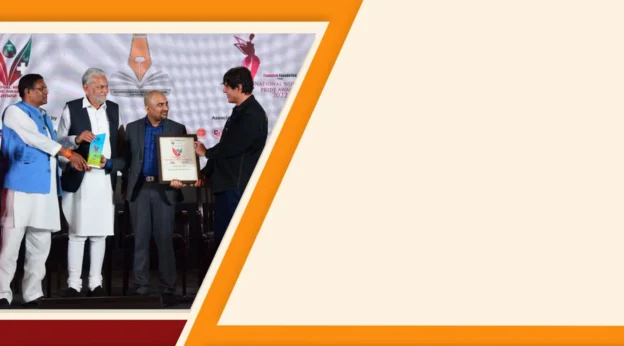
Dr. Rao is honored as the most admired and best-respected neurosurgeon of 2024.

Conclusion

Dr. Mohana Rao Patibandla is the best neurosurgeon in Hyderabad for many reasons. He has extensive experience in the field, having worked in both India and the United States. He is also very affordable and committed to providing her patients the best possible care. Finally, He is highly qualified, holding a medical degree from one of the top medical schools in India.

why-dr-rao-is-the-best-neurosurgeon-or-spine-surgeon-in-vishakhapatnam

Why Dr Rao is the best neurosurgeon or spine surgeon in Vishakhapatnam?


Why Dr Rao is the best neurosurgeon or spine surgeon in Vishakhapatnam?

Dr. Mohana Rao Patibandla is the best neurosurgeon or spine surgeon in Vishakhapatnam, Andhra Pradesh. He has over 20 years of experience in neurosurgery and spine surgery and has performed over 10,000 surgeries, including complex spine surgeries and brain tumors. His success rate is 98–99%, and his track record is successful with a low complication rate. He is also a member of the American Association of Neurological Surgeons and the World Federation of Neurosurgical Societies.

Dr. Mohana Rao Patibandla’s experience:

Dr. Mohana Rao Patibandla has over 20 years of experience in neurosurgery and spine surgery. He is the best in minimally invasive brain or spine surgeries. He has a wealth of knowledge and is highly skilled in his field. He is also a member of the American Association of Neurological Surgeons and the World Federation of Neurosurgical Societies.

Dr. Mohana Rao Patibandla’s success rate:

He has performed over 10,000 surgeries, including complex spine surgeries and brain tumors. He has a success rate of 98–99% in all his surgeries. He is also a member of the American Association of Neurological Surgeons and the World Federation of Neurosurgical Societies.

Dr. Mohana Rao Patibandla’s Qualifications:

Dr. Mohana Rao Patibandla is a highly qualified neurosurgeon. He graduated from the Andhra Medical College, Vishakhapatnam, and completed his residency at the prestigious Nizam’s Institute of Medical Sciences, Hyderabad. He is eligible for board certification by the American Board of Neurological Surgery and is a member of the American Association of Neurological Surgeons and the World Federation of Neurosurgical Societies.

Dr. Mohana Rao Patibandla’s Bedside Manner:

Dr. Mohana Rao Patibandla has excellent bedside manners. He is very compassionate and caring. He takes the time to listen to his patients and their families. He is always available for consultations and is very affordable.

Dr. Mohana Rao Patibandla’s availability:

Dr. Mohana Rao Patibandla is always available for consultations at Dr. Rao’s hospital. He stays in the hospital 24 x 7 for all emergencies. He is also known for emergencies. He is very affordable and always willing to work with his patients.

Dr. Mohana Rao Patibandla’s Affordability:

Dr. Mohana Rao Patibandla is very affordable. He is also available for all emergencies. He is always willing to work with his patients to ensure they can afford his services.

Conclusion:

Dr. Mohana Rao Patibandla is the best neurosurgeon and spine surgeon in Vishakhapatnam. He is highly skilled and has an excellent bedside manner. He is always available for consultations and is very affordable. Dr. Mohana Rao Patibandla’s qualifications, experience, bedside manners, availability 24/7 at the hospital, and affordability make him the best neurosurgeon in Vishakhapatnam. Dr. Mohana Rao Patibandla’s experience, successful track record, low complication rate, and extensive overseas experience make him the best neurosurgeon or spine surgeon in Vishakhapatnam, Andhra Pradesh. Contact him @ Dr. Raos Hospital by phone at 9010056444 or 9010057444 for an appointment.

dr-rao-is-the-best-neurosurgeon-spine-surgeon-in-vijayawada

Dr. Rao is the best neurosurgeon / Spine Surgeon in Vijayawada

Dr. Rao is the best neurosurgeon / Spine Surgeon in Vijayawada

Dr. Mohana Rao Patibandla is the best neurosurgeon (Dr Rao) and spine surgeon in Vijayawada. He has been practicing for over 20 years and has performed over 10,000 surgeries. He is highly skilled and has a great bedside manner. He is always available for consultations and is very affordable. As reported by ahmedabadmirror

Dr. Mohana Rao Patibandla’s Qualifications:

Dr. Mohana Rao Patibandla is a highly qualified neurosurgeon. He graduated from the Andhra Medical College, Vishakhapatnam. He then went on to complete his residency at the prestigious Nizam’s Institute of Medical Sciences, Hyderabad. He is eligible for board certification by the American Board of Neurological Surgery. He is also a member of the American Association of Neurological Surgeons and the World Federation of Neurosurgical Societies.

Dr. Mohana Rao Patibandla’s Experience:

Dr. Mohana Rao Patibandla has over 20 years of experience as a neurosurgeon. He has performed over 10,000 surgeries, including many complex procedures. He is the best in minimally invasive brain or spine surgeries. He has a wealth of experience and is highly skilled in his field.

Dr. Mohana Rao Patibandla’s Bedside Manner:

Dr. Mohana Rao Patibandla has a great bedside manner. He is very compassionate and caring. He takes the time to listen to his patients and their families. He is always available for consultations and is very affordable.

Dr. Mohana Rao Patibandla’s Availability:

Dr. Mohana Rao Patibandla is always available for consultations at Dr. Raos hospital, he stays in the hospital 24 x 7 for all the emergencies. He is very affordable and is always willing to work with his patients. He is also available for emergencies.

Dr. Mohana Rao Patibandla’s Affordability:

Dr. Mohana Rao Patibandla is very affordable. He is always willing to work with his patients to make sure they can afford his services. He is also available for all emergencies.

Conclusion:

Dr. Mohana Rao Patibandla is the best neurosurgeon and spine surgeon in Vijayawada. He is highly skilled and has a great bedside manner. He is always available for consultations and is very affordable. Dr. Mohana Rao Patibandla’s qualifications, experience, bedside manners, availability 24/7 at the hospital, and affordability make him the best neurosurgeon in Vijayawada. Contact him at Dr. Raos Hospital, phone 9010056444 or 9010057444, for an appointment.