The best Spine Surgery Relief from Spinal Radiculopathy?
Spinal radiculopathy is a condition that affects the nerves in the spinal column. Spinal radiculopathy is a long-term condition that can cause pain, numbness, and weakness in the arms and legs. Irritation of neck spinal roots is called cervical radiculopathy, and those in the low back are called lumbar radiculopathy. The most commonly affected areas in the low back are L4-5 and L5-S1, and in the neck are C5-6 and C6-7. Dr. Rao’s hospital is the one of the best center for the spinal radiculopathy treatment.
A. Causes of spinal radiculopathy: Sitting and a sedentary lifestyle are risk factors. Other factors include Male gender, chronic cough, Pregnancy, Routine heavy lifting, and Smoking. 1. Trauma to the spine 2. Disease of the spine – Bone spurs, degenerative disc, tumors 3. Injuries to the nerves in the spine
B. Symptoms of spinal radiculopathy: Symptoms depend on the location of the compression. 1. Pain in the arm or leg or headache, sharp and shooting. 2. Numbness in the arm or leg 3. Weakness in the arm or leg – dropping of objects, slippage of slippers
C. Diagnosis of spinal radiculopathy 1. History and Physical exam: specific dermatome and myotome involvement. 2. X-rays – bony spurs, loss of curvature. 3. MRI – disc degeneration, annular tear, nerve root compression, and neural foramen narrowing.
D. Treatment of spinal radiculopathy: 8 out of 10 people with pain will improve without surgery. 1.Pain medication: Anti-inflammatory medications 2.Immobilization – cervical collar 3.Physical therapy – Neck strengthening exercises following the acute phase 4.Surgery:
Discectomy for the herniated disc if the pain lasts longer than six weeks of conservative management.
Discectomy with fusion – The fusion helps stabilization of the spinal column.
Disc replacement is a relatively new and less commonly used surgery. The advantage over fusion is the preservation of motion.
Posterior cervical laminoforaminotomy is indicated if the disc is outside the vertebral body.
E. Precautions following surgery: 1.Avoid activities that require excessive pressure or bending. 2.Avoid twisting 3.Avoid lifting heavy things 4.Avoid pushing or pulling things in any way 5.Avoid standing or sitting for more time 6.Avoid lifting anything above your head if you have spinal fusion 7.Avoid prolonged walking for the first two weeks 8.Avoid straining your body; you can go up or down the stairs once or twice a day.
F. Follow-up for spinal radiculopathy 1. Return to activity – Generally in 3 to 6 weeks. 2. Resuming activity – Generally in 3 to 6 weeks 3. Long-term care – MRI to check the progress, CT scan to check the fusion
Conclusion Spinal radiculopathy is a condition that affects the nerves in the spinal column. Spinal radiculopathy is a long-term condition that can cause pain, numbness, and weakness in the arms and legs. Visit the spine surgery center in Guntur if you experience these symptoms. If you’re searching for high-quality spine surgery in Guntur, Dr. Rao’s hospital is the perfect place for you! Our experienced best neurosurgeon in India, Dr. Mohana Rao Patibandla, can help relieve your pain and get you back to your life.
Dr. Rao’s Hospital The Best Spondylosis Treatment Center In Guntur
Introduction
Spondylosis Treatment: Osteoarthritis of the spine is called spondylosis. Spondylosis is caused by a buildup of calcium in the spine. It causes loss of normal curvature, structure, and function. Spondylosis can happen with age, and certain medical conditions or medications can also cause it. Spondylosis can occur in the intervertebral discs and facet joints of the spine’s cervical, dorsal and lumbar regions; the lumbar region is the most commonly affected area. Spondylosis causes the development of bone spurs and disc degeneration. These degenerative changes lead to spinal stenosis and cause nerve pinching. Dr. Rao’s hospital offer a variety of treatments for spondylosis, including medications, physical therapy, and surgery. For Spine surgery, spine surgeries, spinal surgery, Dr. Mohana Rao Patibandla is the best neurosurgeon, the best spine surgeon at Dr. Rao’s hospital, the best spine surgery hospital in India.
Pressure on the cervical part of the spinal cord may produce pain, tingling, or numbness in the upper limbs. Pressure on the dorsal or lumbar portion of the spinal cord may cause pain, tingling, or numbness in the legs. Pain or symptoms increase with lifting, sitting for a long time, or bending. Osteoarthritis of facet joints leads to slippage of one vertebra over the other. It is called Degenerative spondylolisthesis and most commonly occurs at L4 over L5 vertebral bodies. Symptoms include pain in the low back, claudicating pain, numbness in the thighs and legs, muscle spasms, weakness in the legs, and tight hamstring muscles. Spondylosis can lead to pain and stiffness in the spine and cause movement and balance problems. Treatment for spondylosis may include physical therapy, medication, and surgery.
A. Causes of spondylosis are unknown but generally following factors aggravate it: 1.Age 2.Heredity 3.Genetics 4.Inactivity 5.Being overweight 6.Joint injury 7.Nerve injury 8.Repeated overuse of specific joints 9.Lack of physical activity
B. Symptoms of spondylosis 1.Tingling or numbness in the fingers or toes 2.Pain and stiffness in the neck or low back 3.Radiating pain in arm or leg 4.Pain or morning stiffness that lasts for more than 30 min due to inactivity 5.Pain that worsens due to activity 6.pinching or pain in the neck or shoulders or legs 7.leg weakness or arm weakness 8.Claudicating distance and claudicating pain 9.Bowel and bladder involvement
C. Diagnosis of spondylosis 1. Physical examination 2. X-ray 3. MRI
D. Treatment of spondylosis 1. Medications: Anti-inflammatory drugs 2. Physical therapy: help stabilize the spine, build endurance and increase flexibility 3. Surgery: laminectomy or Decompression alone or decompression with fixation like ALIF or PLIF or TLIF. Minimally invasive spine surgery is better than open spine surgery and lacks the complications that occur secondary to the open surgery includes less scarring, less blood loss, less muscle injury, less hospital stay, less recovery period.
Conclusion Spondylosis is caused by a buildup of calcium in the spine. Spondylosis can be treated with medications, physical therapy, and surgery. Make sure to get regular physicals and check for signs of spondylosis. Please call us at 9010056444 or 9010057444 or e-mail us at info@drraoshospitals.com to get appointment. Dr. Mohana Rao Patibandla is the best spine surgeon in Guntur, and India does spine surgeries without deficits. Dr. Rao’s hospital is the best spine surgery, spinal surgery, or minimally invasive surgery hospital in India. We offer a variety of treatments for spondylosis, including medications, physical therapy, and surgery.
Low Back Pain – Get The Best Spine Surgery In Guntur
Back pain is one of the most common health complaints, affecting up to 80% of people at some point in their lives. The low back is the area between the bottom of the ribcage and the top of the legs. Pain caused by several factors, including muscle strain, arthritis, disc problems, and spinal stenosis. Treatment for low back pain often includes pain medication, physical therapy, exercise, and Surgery. Dr. Rao’s hospital is the best spine surgery hospital in Guntur; it will efficiently deal with all your spine problems, including low back pain, either with conservative treatment or minimally invasive spine surgery.
Low back pain is not unique. Low back pain is called chronic low back pain if it persists for over three months. Low back pain is temporary in 90% of the cases and improves without Surgery. In 50% of low back pain patients, it is primarily recurrent during the first year. The lumbar spine (lower back) comprises five vertebral bones and five discs with five pairs of nerves. Discs work as shock absorbers. In a recent mayoclinic.
Causes of Low Back Pain
Trauma – Sprains & Strains, Fracture
Herniated Disc
Tumors
Infections
Degenerative disease – spondylosis
Lumbar Spinal Stenosis
Osteoarthritis
Scoliosis
Symptoms of Low Back Pain
It may constitute lower back pain only called lumbago or radiating down the buttocks, hips, and legs, which is called sciatica. The pain can vary from dull, sharp, burning, aching, or a combination. It can be intermittent, constant, or activity-related.
When to Seek Neurosurgeons advice
Even though low back pain is frequently common, some characteristics warrant the evaluation. Neurosurgeon advice is necessary when the pain is persistent or worsening for more than six weeks or; the presence of neurologic symptoms like weakness, numbness, or bowel or bladder incontinence (loss of voluntary control over the voiding or defecation).
Diagnosis of Low Back Pain
The neurosurgeon diagnoses low back pain based on patient history, symptoms, signs, and diagnostic radiological tests. Most patients are treated nonsurgically; Lowback pain needs imaging if the conservative management fails.
X-rays
Discography
Selective Nerve Root Block
Electromyography (EMG)
Nerve Conduction Studies (NCS)
CT or CAT scan
Magnetic Resonance Imaging (MRI)
Myelogram
Conservative Treatment
Physicians recommend six weeks of nonsurgical therapy before considering Surgery.
Physiotherapy,
Exercises,
Weight loss,
Local anesthetic and Steroid injections in epidural space or into facets
NSAIDS,
Three days of limited activity, but not bed rest.
All the options mentioned above are aimed at relieving inflammation and irritation of nerve roots.
Red flags for immediate treatment for low back pain are trauma due to accident, a fall, or sports injury or the presence of neurologic symptoms, including numbness, tingling, weakness, or bowel and bladder incontinence.
When Low back pain needs Surgery?
When red flag signs present as mentioned above or worsening low back pain with conservative treatment, it is an indication for Surgery.
Difficulty standing or walking
No comorbidities
Back and leg pain impairs quality of life
Medication and physical therapy are ineffective
Increasing neurologic deficits develop, including leg weakness, numbness, or tingling
The presence or absence of instability in the spine, the neurosurgeon would offer:
A minimally invasive spine surgery.
Open decompression.
Decompression and fusion with bone grafts and stabilization with instrumentation, including screws, rods, and different types of cages, based on the extent of the disease.
Following low back pain surgery , patients may regain the ability to bend over. Patients often require post-operative physiotherapy. Any surgical intervention should weigh the benefits and risks involved and explain to the patient to get proper consent in an understandable native language.
Follow-up
Suppose back pain resolves with nonsurgical, conservative treatment. In that case, follow-up will likely be on an as-needed basis or if symptoms return. If a patient undergoes Surgery, follow-up is initially for suture removal at 7 to 14 days, then six weeks, then three months, and doubling the interval later. The neurosurgeon should follow the instrumentation with a radiological workup.
Dr. Rao’s hospital has the best neurosurgeon in Guntur, the best spine specialist, and is the best spine surgery hospital. They offer minimally invasive spine surgery that is safe and effective. Call us at 9010056444 or 9010057444 for any back pain related complaints or to get an appointment.
Cauda Equina Syndrome (CES) – The best treatment at Dr Rao’s Hospital
Get the best neurosurgeon in Guntur. Dr. Mohana Rao Patibandla is doing minimally invasive spine surgery with a fixation for a patient with cauda equine syndrome secondary to spine trauma.
Compression of the spinal cord results in Cauda Equina Syndrome, a severe neurological condition. Early diagnosis and treatment are essential to improving the chances of a good outcome. The cauda equina is a bundle of nerves at the base of the spinal cord that controls movement and sensation in the legs and lower body. When these nerves are compressed, it can cause pain, numbness, and weakness in the legs. Cauda Equina Syndrome is a medical emergency and requires immediate treatment. Guntur’s best spine surgery hospital offers round-the-clock emergency surgical services and care. In a recent India today article.
Causes:
Various factors, including a herniated disc, spinal tumors, or trauma to the spine, can cause this compression.
One of the most common causes of CES is a herniated disc. A herniated disc occurs when the outer layer of the disc ruptures, allowing the inner layer to bulge out and compress the nerves. This can happen due to various factors, including age-related wear and tear, injury, or lifting heavy objects.
Another common cause of CES is spinal tumors. Spinal tumors are growths that develop on or near the spine. They can be benign (non-cancerous) or malignant (cancerous). While benign tumors are not usually life-threatening, they can still compress the nerves and cause CES.
Symptoms
Symptoms of a herniated disc include pain, numbness, and weakness in the legs and lower body. These symptoms can vary depending on the location of the herniated disc. In some cases, a herniated disc can also cause urinary incontinence. Malignant tumors are more likely to cause CES because they grow quickly and can spread to other body parts. Spinal tumor symptoms include back pain, numbness, and weakness in the legs and lower body. In some cases, a spinal tumor can also cause paralysis.
Diagnosis and Treatment
Once the diagnosis of CES is made and the etiology is established through clinical history, physical examination, diagnostic tests like an MRI of the spine, CT myelogram, and emergent surgery are the treatments of choice. The goal of CES treatment is to free up the compressed nerve roots. if not treated in time, it will result in paralysis and incontinence. The duration of surgery symptoms is less than 48 hours, leading to a better prognosis and looking for the best neurosurgery or spine surgery hospital in Guntur. Look no further than Dr. Rao’s hospital! We’re the best in the business, and our neurosurgeon is the best in India!
Conclusion:
Cauda Equina Syndrome is a severe condition that can cause permanent nerve damage. The syndrome occurs when the cauda equina, a bundle of nerves at the base of the spine, is compressed. A herniated disc, spinal tumors, or spine trauma are just a few causes of this compression.
CES is a medical emergency and requires prompt treatment to prevent permanent nerve damage. Suppose you experience any of the symptoms of CES. In that case, it is essential to seek medical attention immediately and call Dr. Rao’s hospital at 9010056444 or 9010057444 for the best spine surgeon in India, Dr. Mohana Rao Patibandla.
The Best Neurosurgery Hospital in Guntur With The Latest State of the Art Technology
A hybrid operating theater is a type of operating room that combines the features of a traditional operating room and a catheterization lab. It is typically used for procedures that require both surgical and interventional radiology (IR) techniques. check more about drraohospitals on india today.
first biplane cath lab in Andhra Pradesh and Telangana diagnostic-tests-in-neurosurgery-the-best-at-dr-Rao’s hospital-Guntur
Hybrid operation theater @ Dr. Rao’s hospital.
Some of the benefits of using a hybrid operating theater include:
1. Increased efficiency: procedures typically requiring two separate rooms can be completed in one hybrid room, saving time and money.
2. Better patient outcomes—Having all of the necessary equipment and personnel in one room can help ensure that procedures are performed safely and effectively.
3. Enhanced safety: having a dedicated hybrid operating room can help reduce the risk of infection and other complications.
4. Improved patient comfort—Patients may feel more comfortable knowing that they will not have to be moved between two different rooms during their procedure.
Our hospital’s Biplane Cath Lab Hybrid operation theater is equipped with the latest 4K endoscopy and neuronavigation technology. This state-of-the-art equipment lets us provide our patients with the best possible care.
Our hospital’s Biplane Cath Lab Hybrid operation theater is equipped with the latest 4K endoscopy and neuronavigation technology. This state-of-the-art equipment lets us provide our patients with the best possible care. 4K endoscopy provides superior image quality, which helps our doctors diagnose and treat conditions more accurately.
This advanced equipment helps us to safely and effectively perform procedures such as brain surgery. Neuronavigation technology allows us to precisely target areas in the brain, while neuromonitoring helps us to monitor the patient’s neurological status during surgery. This information is essential to ensure that the procedure is being performed safely and effectively.
Conclusion: Our hospital’s Biplane Cath Lab Hybrid operation theater is equipped with the latest 4K endoscopy and neuronavigation technology. This state-of-the-art equipment lets us provide our patients with the best possible care. Neuronavigation and neuromonitoring technology help us to safely and effectively perform procedures such as brain surgery.
Spinal pain is one of the most common reasons for a visit to best spine doctor in Guntur. The spine is one of the most sensitive areas in the body and can be easily bruised or injured by falls, sports, accidents, and more.
Spinal Pain in your lower back or Lumbar Region is a pain that typically is caused by something disturbing the joints and the area of the spinal discs. It has been found that disturbing low back pain is associated with disorders of the spinal and peripheral nerves.
Conditions that can include sciatica, disc herniation, degenerative joint disease (osteoarthritis), degenerative disc disease, spondylolisthesis and facet joint syndrome in some cases.
Symptoms of Spinal Pain
In some cases, patients will experience no symptoms when suffering from spine injuries or diseases. However, in most cases a patient will have pain in their lower back or abdomen that can include:
• Sharp or Burning Sensation • Tenderness • Aches and Pains in the muscles and the bones where the spine meets the pelvis. This is usually found in your hips, buttocks and sometimes your shoulders. • Difficulty sleeping • Reduced range of motion or muscle strength or Stiffness in the Lower Back • Weakness and fatigue of muscles used to stabilize the spine, limbs, and torso • Numbness or tingling in certain areas of the body caused by nerve irritation. The most common are related to the legs (peroneal nerve).
Diagnosis and Testing Of Spinal Pain
Patients will first be referred for an X-ray and then an MRI to see what is going on with the spine. Patients will also have their symptoms and medical history recorded along with their physical findings. It can be done easily in Dr Rao Hospital which is the best spine surgery hospital in India.
X-Ray- X-rays are used by doctors to determine the position and size of bones, broken bones and abnormal changes in the normal structure of the spine. The X-ray is taken with different views so that it can identify any unusual changes in the spinal structure.
MRI (Magnetic Resonance Imaging) – A MRI is an advanced imaging technique that uses a magnetic field, radio waves, and a computer to take pictures of soft tissue structures in the body. It shows the spinal cord and nerve roots that help with signals being sent to the brain.
These are important to find out if something is wrong with the spinal cord and its actual position in the body. An MRI can also show bony abnormalities and damaged soft tissue. As well as problems within the discs and ligaments of the spine that are causing pain.
CT-Scan – A CT scan or CAT scan is a diagnostic imaging procedure that uses X-rays and computer technology to produce cross-sectional images (often called slices), both horizontally and vertically, of the body.
Once an accurate diagnosis has been made, the Best spine doctor in Guntur can formulate a treatment plan that is best suited to your needs. This plan may include different types of therapies such as Spinal Manipulation, Laser Therapy, Muscle Relaxants, Pain Medications and more.
Treatment Of Spinal Pain
Non-Surgical Treatment
Although there is no one cures for spinal pain, some causes of chronic back pain can be treated so that patients will not experience any more pain or symptoms. Some steps taken toward non-surgical treatment of chronic back pain include:
• Exercise program- Patients with chronic back pain should start an exercise program.
• Medications-Most spine specialists in Guntur will first recommend medication to relieve your symptoms so that you can endure other treatments when necessary. Drug treatment options include over-the-counter pain relievers, anti-inflammatory drugs, muscle relaxants, and even opiates when necessary. These medications ease the inflammation in your spine which allows you to perform physical therapy or other treatments that might be required without pain.
• Physical Therapy – Physical therapy is one of the most effective methods of treating spinal pain. Physical therapy helps strengthen and stabilize your muscles. Also, physical therapy will help you learn how to use your muscles more efficiently and effectively.
Surgical Treatment
When these techniques are not sufficient to treat back pain, the best spine surgeon in Andhra Pradesh may recommend surgery to correct the problem. Surgery for spinal pain usually takes place in locations like an Neurosurgeon’s office or a hospital operating room.
Spinal Fusion: Spinal Fusion is a surgery that helps stabilize the spine. During this procedure, the surgeon will fuse two or more vertebrae by inserting a bone graft between them and then holding it in place with metal screws. This procedure is an effective way of pain relief from symptoms of degenerative disc disease, spinal stenosis and scoliosis.
Discectomy: A discectomy is performed when a herniated disc presses on one or more nerves, causing back pain and/or sciatica.
During this surgery, the disc material that is pressing on a nerve will be removed to relieve any pressure along with removing any irritated tissue around the nerve itself.
A. Cervical Discectomy: During this procedure, the spine surgeon will remove any disc material that is causing pressure on the nerve roots, or at a level where it is pressing against and irritating one or more of those nerves. In some cases, depending on the severity of your condition, this surgery may be accompanied by a fusion.
Lumbar disc arthroplasty: This surgery is most frequently performed on patients who have lumbar spinal stenosis. The surgeon will remove the disc that is causing pressure on the nerve, along with the disc material within the spinal canal and then insert an artificial disc. This helps to maintain the normal spacing between vertebrae and relieve pressure on any nerves in your spine.
Cervical disc herniation and arthroplasty: This is performed when a herniated disc presses on the nerve roots or at a level where it is pressing against and irritating one or more of those nerves. During this procedure, the surgeon will remove that disc and then insert an artificial disc.
This helps to maintain the normal spacing between vertebrae and relieve pressure on any nerves in your spine. This surgery helps relieve pressure on the spinal cord and nerve roots in the cervical spine which are responsible for causing pain in the neck and upper back. A disc replacement and artificial disc are inserted.
Laminectomy: This procedure is done when there are multiple problems with the spine. Including bone spurs, bone malformations or disc problems that have caused degeneration of the vertebrae (spondylosis).
This can often cause pain and discomfort as well as degeneration in the spinal cord (nerve damage). During this surgery, the spine surgeon in Guntur will fuse two or more vertebrae by inserting a bone graft between them.
Microdiscectomy: A microdiscectomy is performed to remove only the portion of the disc that is compressing the nerve and causing pain. During this procedure, the spine surgeon will remove only that portion of the disc that is pressed against the nerve or spinal cord and then insert an artificial disc. This helps to maintain the normal spacing between vertebrae and relieve pressure on any nerves in your spine.
Minimally invasive keyhole spine surgery is always better than traditional open surgery. Minimally invasive MIS surgery have advantages of less scarring, less muscle damage, less pain, less blood loss, less hospital stay, immediate walking, less time to resume work e.t.c.
Post Surgery Precautions
Following spinal fusion surgery, certain precautions must be taken to help prevent complications. It is important to keep your back hydrated by drinking plenty of water and taking pain medication as prescribed by your doctor, during the first few days or weeks following surgery.
• The surgeon may suggest frequent follow-up visits with a Physical Therapist after surgery.
• Be sure to avoid any physical activity or work that will put extra strain on your back for some time.
• Take it easy. Don’t lift anything too heavy or carry anything too heavy more than 10 pounds. Especially when getting over the threshold of a doorway or through narrow spaces like a car trunk.
• Avoid driving and other activities that require you to twist your body while seated. Such as working at the computer while seated on an exercise ball.
• Be sure to take your pain medication as prescribed by your doctor. (usually according to how much pain you’re in). If you’re not taking pain medication because of side effects, Talk to your spine surgeon about the possibility of switching medications or lowering the dosage until side effects subside.
• If you’re having a lot of trouble sitting for long periods, talk to your doctor about wearing a back brace. Your surgeon may recommend that you wear this brace even after the surgery is complete.
• Avoid overusing the muscles in your legs, especially if you have weak abdominal muscles.
• Drink plenty of water throughout the day to keep yourself hydrated and avoid dehydration.
Dyskinesia: Signs, Symptoms, Causes, Diagnosis and the best treatment
Dyskinesia is a chronic neurological disorder that causes involuntary body movements. It is characterized by uncontrollable movements of the joints and muscles, often with a simultaneous movement disorder.
Dyskinesia can affect individuals at all levels of society. Although it frequently manifests as a behavioral symptom, overexposure to toxic substances or diseases like Huntington’s disease and encephalitis can also be the cause.
This post aims to provide information about dyskinesia, how it’s diagnosed, how it’s treated, and why you should take this condition seriously.
Dr Rao Hospital is the best spine surgery hospital in India. It provides the best treatment and surgery for all types of spine diseases.
Diagnosis of Dyskinesia
The first impression of a patient with Dyskinesia is that of a behavioral problem. However, repeated episodes may contradict this impression. In most cases, patients with this disorder present an intractable condition to medical professionals.
A diagnostic test is used to detect the presence of Dyskinesia. This may include muscle tone and reflex tests, neurological motor tests, and coordination assessments.
An MRI is the best way to identify if there are any other types of disorders.
Parkinson’s or Huntington’s disease, as well as any brain lesions that could affect the neuromuscular system. Moreover, Dr Rao Hospital is the best spine surgery hospital in India, and it provides the best treatment and test facilities for MRI, CT scans, and more.
Causes of Dyskinesia
Although many medical experts think that damage to the basal ganglia causes dyskinesia, the etiology and cause are still under investigation.
The best Neurosurgeon in Guntur, Andhra Pradesh, suggests that the cause is neurological in nature and damage to the basal ganglia may be linked to other neurological disorders, such as Alzheimer’s disease or Parkinson’s disease.
Symptoms that tell about Dyskinesia
Depending on the underlying cause and severity of the condition, dyskinesia can have mild or severe symptoms. Some symptoms include sudden muscular movements, uncontrolled muscle jerking or spasms, and sudden movements repeated over a short period.
Best neurologist in Guntur say that the symptoms may appear purposeless, but in most cases, the movement is functional (referred to as functional dystonia).
Dyskinesia’s involuntary movements may range from mild tics (twitches) to severe spasticity. People with dyskinesia often experience pain and other symptoms related to their condition.
People with this disorder must receive a thorough evaluation by a medical specialist, such as a spine surgeon, who can determine what other causes of movement are present and take appropriate treatment steps.
Some signs of Dyskinesia
a. Rapid, jerky movements of part or all of the body b. Muscle spasms c. Abnormal movements that are repeated and appear purposeless d. Spontaneous, uncontrolled muscle activity in one or both arms, legs, or face e. Fluid-filled cavities within muscles f. Uncontrollable tremor or shaking.
Conditions Linked to Dyskinesia
Treatment is tailored to the underlying cause and severity of the condition, which the evaluation of a medical specialist such as a spine surgeon in Guntur may determine.
Dystonia: Dystonia is a term for movement disorders that affect voluntary muscle groups (usually the muscles of facial expression). It can cause a variety of symptoms, including muscle cramps, spasms, and unusual postures.
Parkinson’s disease: Parkinson’s is a disorder that often affects the basal ganglia system, which is responsible for controlling coordinated movement. In individuals with Parkinson’s disease, movement coordination is lost, and involuntary movements occur (see dyskinesia).
Tardive dyskinesia: Tardive dyskinesia is a rare, irreversible movement disorder that usually appears after the long-term use of antipsychotic medications. Symptoms include involuntary jerking and repetitive movements.
Huntington’s disease: Huntington’s disease is a hereditary neurodegenerative disorder that causes involuntary movements (see dystonia).
Treatment Options for Dyskinesia
The goal of dyskinesia treatment is to eliminate or reduce the symptoms. Different treatments are used for different types of dyskinesias.
Most treatment options have limitations and should be discussed with a medical professional before implementation. The likelihood of success varies depending on the person with dyskinesia, the type of dyskinesia, and how well it is treated.
There are no effective treatments for all types of dyskinesias. However, if you experience dystonic movements, you may be able to take medication to prevent them.
From occurring without causing serious side effects, such as low blood pressure or sudden death (central nervous system toxicity).
Some steps to lower the chances of Dyskinesia and increase Recovery
Don’t take too much alcohol, especially if you are prone to having a seizure
Use a high-quality sleeping pill or herbal sleeping pill.
Good sleep hygiene is essential. If you drink too much coffee, don’t drink any at night for at least 24 hours.
Take a supplement that promotes the enzymatic breakdown of lipid compounds in human cells.
Do not take it rectally, if possible.
If you take it rectally, you will see that the supplement’s concentration is high and that you can absorb the amount needed.
Use a lot of fiber, antifungal fiber, etc., in combination with glutamine, especially for those with H. pylori or any other kind of gastric bacterial overgrowth in the stomach.
It is important to realize that dyskinesia does not have to be permanent and cannot be cured with surgery alone. Physical therapy and other behavioural therapies can sometimes avoid or reduce dyskinesia.
The spinal column is a complex system made up of bones, discs, and ligaments. The spine can become diseased or injured in numerous ways. Several different conditions affect the spinal column in elderly people, including scoliotic curvature, osteoporosis and disc degeneration. We are all aware of the most common spine problem or condition, back pain, but aside from this classical condition, many other spinal problems can occur in elderly people.
The spine is the support structure of our body and it provides stability to allow us to walk, stand, and are capable of maintain balance. Many conditions can affect a person’s spine in the elderly. These conditions may require surgery or treatment and some people may be at risk for these conditions as they age
The team of best spine surgeons in Guntur working in best spine hospital in Andhra Pradesh will be able to determine the underlying cause of a particular spine problem. And the extent of symptoms, and will be able to advise the patient on a course of treatment that best suits their needs. You can book a visit at the best spine surgery hospital in India here and find out the available treatment options here.
How do identify the most common problems that afflict the elderly?
Several common spinal conditions can affect the elderly. Many of these diseases or injuries can be prevented and treated with early detection and correct treatment also. Certain spine conditions may be detected or detected early enough to treat effectively.
Common Spinal Problems In the Elderly
Osteoporosis is caused by a parathyroid hormone deficiency, which is a deficiency in parathyroid Hormone (PTH). This condition causes low levels of osteoporosis, which is when the bones become weak and thin. Also called Paget’s Disease, osteoporosis affects the spine more than any other area of the body. Because vertebrae and discs are found between the ribs, pelvis and skull bones.
Vertebral fractures are another common muscle condition in elderly people. The vertebrae are made up of a hard, cord-like material called bone, which lies between your body’s discs. When these bones become weak they may crack or break apart, causing sharp pain and complications. Such as disc herniation (which occurs when a piece of the broken bone pushes against the spinal cord.
Degenerative disc disease is a common problem for about 80% of all people by the time they reach 70 years old. Disc disease is a condition that causes the discs in your spine to dry up, shrink and deteriorate. The spinal disc is made up of two parts: the outer hard part (annulus fibrosus) and the soft inner area (nucleus pulposus). As we age, our discs become less flexible and their ability to absorb shock and fit around our vertebrae decreases.
Sciatica is commonly found in the elderly population. It is a spinal condition that occurs when there is nerve compression in the lower back, resulting in pain. Some common symptoms of this problem are tingling and numbness that radiates down the legs and painful, burning sensations in the calf also.
How To Treat Spinal Problems in Elderly?
1. Physical Therapy
Physical therapy has proven to be an effective treatment for many conditions affecting the spine. The goal of physical therapy is to improve function, increase muscle strength and flexibility, and correct muscle imbalances in elderly people. If you have pain in your back or neck that interferes with your quality of life, you should see the best spine doctor in Guntur right away.
2. Self Treatment
You can take steps to reduce the risk of an injury to your back and neck. Advice from a qualified chiropractor or physical therapist may be useful. Other tips include avoiding excessive bending, lifting, twisting and pulling as well as making sure you are well hydrated before workouts.
3. Prevent
You can take steps to reduce your chances of falling in the first place. Always use caution when taking care of yourself at home, using lifts and avoiding stairs. If you plan on climbing outside this winter then make sure to wear proper clothing and shoes with good arch support that you can also use indoors while remaining safe.
4. Spinal Surgery
The most common type of spinal surgery for elderly citizens is the removal or fusion procedure; this process involves surgically cutting the discs from between vertebrae to remove pressure from the space between their bones. Spinal surgery is most often performed by using minimally invasive techniques. Spine specialists and best spine surgeons in Guntur can operate through very small openings in your body. Finally, this allows the Spine surgeon in Guntur to make incisions without affecting nearby nerve roots and organs.
Final Words
Diseases of the spine can cause many problems related to your quality of life; they can also affect your ability to do even basic tasks such as walking, standing or sitting up straight. This is why it is important to understand what these problems are and how best to deal with them.
Spine surgery is the surgical, or decompressive, process that restores movement or removes pressure on the spine. It may be used to correct the conditions of a spinal disorder in children and adults. The spine is made up of several bones called vertebrae stacked one on top of each other.
They have gaps between them called intervertebral spaces that allow nerves to pass through. Below these are discs which are cushions of thick jelly-like material that act as shock absorbers between the joints at each vertebral level (joints connect bone with ligament).
In India, Spine surgery is performed on large numbers of people (more than 3.5 lakh per year) and many more thousands are treated by doctors with spinal training alone.
Spine Surgeon
“A spinal surgeon is a medical specialist who performs operations on the spine.”
Dr Rao’s Hospital has the best spine surgeon in Andhra Pradesh. With the best training and experience. The hospital has the most experienced and well-qualified spine surgeon in Andhra Pradesh. Our hospital has a team of the best spine doctor in Guntur who has trained and worked for several years.
The spine surgeon has to diagnose the underlying causes of back, neck and other types of pain. The surgeons also work to restore functionality and intensity, including mobility, stability and strength. The treatment plan will involve many specialists in back care such as the physiotherapist, occupational therapists and others.
The spine surgeon will also decide whether any type of surgery is required or not.
What Spinal Conditions Require Surgery?
Spine surgery may be required for several spine conditions. The need for spine surgery is dependent on several factors, including age, previous injuries and quality of life issues. The more degenerative the condition, the more likely that it will be treated with surgery. Back pain (which is often caused by bad posture), neck pain (caused by muscle spasm) or bulging spinal discs can be treated using spinal fusion (an operation to fuse a segment of vertebrae).
Spinal surgery is performed to treat spinal disorders. It may also be used to treat complications from spinal disorders, such as stenosis or bone fractures. The primary goal of any spinal surgery is to relieve pain. And restore muscle strength in a shorter amount of time than conservative treatments, improve mobility and restore normal spinal function.
Most Common Spinal Surgeries
Many different types of implants are used in spine surgery.
• Spinal fusion surgery: In this procedure, the surgeon places a bone graft and a metal implant to strengthen the vertebrae. The fusion procedure is usually short and can be done through a small incision in the back rather than an incision across it. It can be performed on the lumbar (lower back), cervical (neck), thoracic (mid-back) or lumbar-thoracic (lumbar and thoracic) spine.
• Spinal decompression surgery: In this procedure, the surgeon takes out part of the spine (vertebrae) which is pressing on a nerve root. This relieves pain and restores movement. The back muscles help hold the spinal joints together safely after surgery.
• Laminectomy/Discectomy: In this method, the surgeon removes herniated or bulging disc tissue to decompress or relieve pressure on sensitive nerves. The surgeon may need to use a combination of these devices.
• Plates and Screws: A plate and screws help stabilize a ruptured vertebral disc or broken vertebrae. When used with a cage, plate and cage surgeries offer an additional level of stability for complex spinal conditions.
• Vertebroplasty: This minimally invasive procedure strengthens vertebrae weakened by compression fractures
• Kyphoplasty: This is similar to vertebroplasty, but can be used in the thoracic or lumbar spine in addition to the cervical spine. It uses a balloon to inflate weakened vertebrae.
The spinal surgery must be performed as early as possible after diagnosis, as successful healing and recovery are highly dependent on it. The recovery period is about two months for simple procedures like discectomy. And more than six months for complex operations like spinal fusion surgery.
About Hospital
The hospital has the best Spine surgeon in Guntur that are specialised in all kinds of spine surgeries. With well-trained and experienced staff who are specially trained in this field and provide the best care to the patients.
Dr Rao’s hospital is one of the best spine surgery hospitals in India with a team of top doctors that has specialization in different kinds of spine surgeries. With a well-equipped infrastructure and an expert team, we can offer a wide range of services.
Including minimally invasive procedures like implantation of rods, artificial caged and plates for fixation. As well as non-invasive procedures like injection treatments for pain management for our patients. The experience spanning more than three decades has helped us become one of the leading names offering state-of-the-art treatment options for spinal disorders.
Diagnosis Of Spinal Disease
Preliminary diagnosis This is usually done by a primary care doctor or general physician. He may refer the patient to an X-ray, MRI or CT scan to determine if there is any tissue damage.
Diagnosis of spinal disorders is done through several tests, including:
• X-ray: Used to check the shape and movement of the bones. A surgeon will order an X-ray to see if they can repair broken, badly damaged or displaced vertebrae. X-rays can show problems in the bones of the spine, but they are not as useful for diagnosing soft tissue problems like disc herniation or stenosis.
• MRI: Used to check the shape and movement of the bones. Also used to identify soft tissues, bone abnormalities, bony tumours, and blood vessel-related conditions.
• CT Scan: Used to look at abnormalities in the spine and brain. A surgeon will likely order a CT scan to check for spinal stenosis (narrowing) or herniated disc(s). The scan is usually performed with dye rather than radiation so it is less harmful.
Computed tomography (CT) scan and magnetic resonance imaging (MRI) is used to image the spine. These scans take high-resolution pictures of your spinal cord and vertebral column. So doctors can see any injuries, tumours or fractures in the vertebrae.
Treatment Of Spinal Disease
After diagnosis, treatment is based on the type of spinal disorder, with conservative and surgical treatments. Conservative treatment is recommended before any surgery if possible because it may slow the progression of a spinal disorder. A Spine specialist in Guntur will suggest the best treatment for the patient depending on their condition and the type of surgery to be done.
Building on the success of conservative treatment and careful planning, spinal surgery can provide excellent results.
Medications
The medicines to reduce the pain of spine disorders are paracetamol (acetaminophen) and nonsteroidal anti-inflammatory drugs (NSAIDs). In addition, some special medications for nerve pain, back pain related to a pinched or inflamed nerve root, and back pain associated with spinal stenosis can also be prescribed. Opioids are painkillers which are not recommended before surgery because they may slow down or stop the healing. Opioids can also cause problems called lung and breathing problems.
Physical Therapy
Activity programs and physical therapy can help reduce back pain related to spinal stenosis. Physical therapy can also correct muscle or joint problems caused by the injury. For patients with severe spinal stenosis, certain back exercises are very helpful. These exercises are generally very helpful for patients whose pain usually gets better when they bend forward or move to the side.
Surgery
Depending on the type of procedure that is required and the severity of any condition affecting the spine. An orthopaedic spine surgeon in Guntur may perform one or more types of procedures. If a disc is herniated or the vertebrae are badly damaged or displaced, an orthopaedic surgeon will recommend fusion surgery.
Surgery may be need in more serious cases to remove a herniated disc or to remove bone spurs due to arthritis. Surgery for back pain generally involves removing bony pieces of the spine. That may be causing discomfort or narrowing the area where nerves and muscles are located (spinal stenosis).
Surgical Procedures for Spinal Disorders
The physiotherapist will plan out the treatments and determine the type of exercises that will be required to restore mobility, strength and posture. There are various ways to approach spine replacement surgery.
It may involve minimally invasive surgery using spinal implants like titanium rods, artificial discs or cages, which may be used to replace damaged cartilages or vertebrae. The use of plates and screws has also become common in spinal surgery procedures.
Neck pain is often the first symptom of spinal problems. But sometimes, it can also be noticed when a person experiences back or lower back pain or sudden discomfort. It’s vital to visit a doctor who will recommend an examination and let you know if you need to undergo surgery for spine disorders.
Spinal surgery is performed by a Neurosurgeon spine surgeon in Guntur. The surgeon will take a history of the patient’s health condition and symptoms before making a diagnosis and recommending treatment options. The procedure may either be done through open surgery or minimally invasive surgery with the help of a camera called an endoscope.
Glioblastoma –Symptoms, Causes, Diagnosis, And The best Treatment
It is pretty normal for people to have mood changes and irritability once in a while. We all have one of those days when we just want to be left alone. However, if you notice changes in behavior accompanied by severe headaches, failing memory, and blurred eyesight, amongst other things, it is time to sit up and take notice.
Dr. Mohana Rao, Founder of Dr. Rao’s Hospital – a world-class neurology hospital in Guntur, says that these may be symptoms of a serious condition or brain ailment called Glioblastoma.
If you or a loved one has been suddenly experiencing sensations and having episodes that are out of the ordinary, please do not take it lightly. Get in touch with Dr. Mohana Rao, a renowned and respected neurosurgeon in Andhra Pradesh, to avail of his expertise in comprehensive nerve, brain, and spine care.
What Is Glioblastoma?
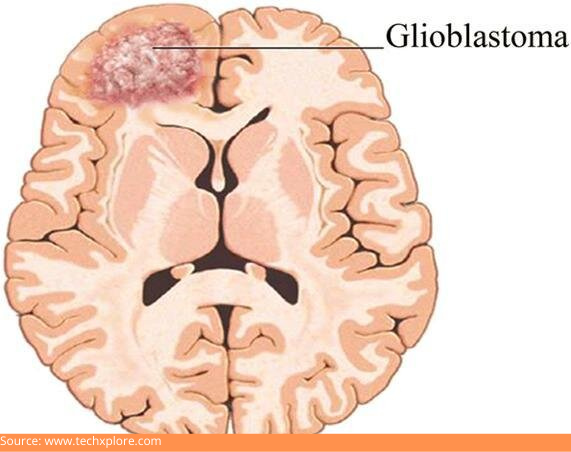
Glioblastoma or glioblastoma multiforme (GBM) is a condition that strikes unexpectedly, usually with a sudden seizure or some days of headaches that get worse each day. It is cancer that can develop in your brain or spinal cord and is very destructive. Glioblastoma originates from astrocytes, which are cells that support your nerve cells.
This cancer can strike anyone at any age, but it affects older people more frequently. It can induce headaches, seizures, nausea, and vomiting that worsen with time.
What Are The Symptoms Of Glioblastoma?
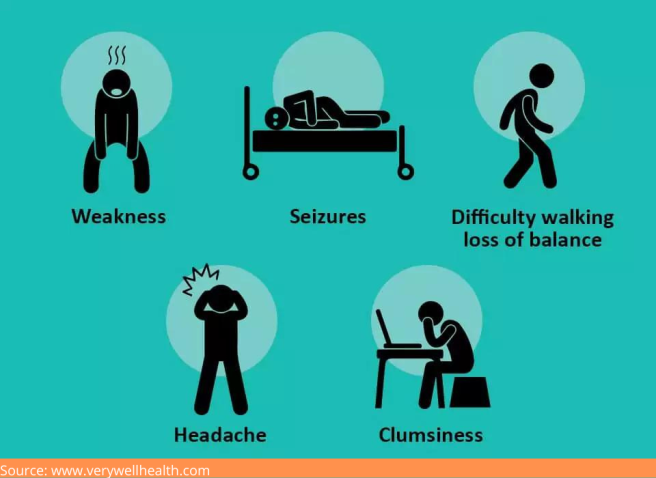
Symptoms of GBM usually appear suddenly. As the tumor grows, it exerts pressure on your brain, resulting in:
Hazy or blurry vision
Headaches, which become more and more frequent and severe
Appetite loss
Memory problems
Mood swings or changes in personality
Weakness in the muscle, and trouble walking
Nausea and vomiting
Seizures
Speech difficulties
Numbness or tingling
If you have noticed any of the above symptoms, please consult with Dr. Mohana Rao, among the best neurosurgeons in Andhra Pradesh, to find out what may be causing it.
What Can Cause Glioblastoma?
Despite various studies and research, experts do not know why some people develop malignant brain tumors, including glioblastoma.
However, some risk factors have been observed and understood.
Who Is At Risk Of Glioblastoma?
GBM most typically affects persons between the ages of 45 – 70. Although men are at a little higher risk than women, the disease affects people of all genders and ages.
These variables may put you at a higher risk:
Exposure to chemicals like petroleum, synthetic rubber, pesticides, and vinyl chloride
Genetic tumor-causing disorders like neurofibromatosis (tumors that form in your nervous system), Turcot syndrome, and Li-Fraumeni syndrome (both of which are rare genetic disorders increasing the risk of cancer in your brain and spine)
Radiation therapy to the head had previously been used
How Is Glioblastoma Diagnosed?
There are several ways to diagnose a brain tumor, including-
Neurological exam:
Your doctor will discuss what changes you have observed, and experienced. He might examine your eyesight, hearing, coordination, reflexes, balance, and strength, among other things. Problems in any of these areas could indicate which section of your brain is being impacted by the tumor.
Imaging tests:
Imaging tests can enable your doctor to figure out where your brain tumor is and how big it is. Brain tumors are frequently diagnosed with MRI, which may be combined with specialized MRI imaging, like functional MRI and MRS (magnetic resonance spectroscopy).
The specialist may also conduct other imaging tests like CT scan (computed tomography) and PET (positron emission tomography).
Biopsy:
Depending on your situation and the position of your tumor, a needle biopsy can be performed before or during the surgery to remove some glioblastoma tissue. A laboratory examines the sample of suspicious tissue to assess the sort of cells present and the level of their aggressiveness.
The specialist can conduct specialized tests of the extracted tumor cells to determine and understand their mutation types. The types of mutation the cells have developed can provide information about the severity of your condition and the best treatment option.
If you suspect that the recent changes you have been undergoing are related to a brain condition, please visit Dr. Rao’s Hospital. It is among the leading neurology hospitals in Guntur with cutting-edge technology and sophisticated equipment.
What are the treatment options available?
Glioblastoma is a cancer that is very hard to treat and often incurable. Treatments may help to decrease the growth of cancer and alleviate symptoms.
The primary treatment is surgery during which your neurosurgeon will operate and work on removing as much of the cancerous tissues as possible. Glioblastoma cannot be completely removed because it develops into normal brain tissue. As a result, the majority of patients undergo further treatments following surgery to address the leftover cells.
However, some people cannot undergo surgery due to health issues or the location of the tumor. In such cases, radiation therapy and chemotherapy will be the primary treatment.
The treatments for GBM include:
Radiation Therapy:
Radiation therapy employs high-energy beams such as protons or X-rays to damage the cancer cells and stop their growth.
IMRT (Intensity-modulated radiation therapy):
IMRT enables the targeting of radiation to the tumor while limiting the exposure to healthy brain tissue in the surrounding area.
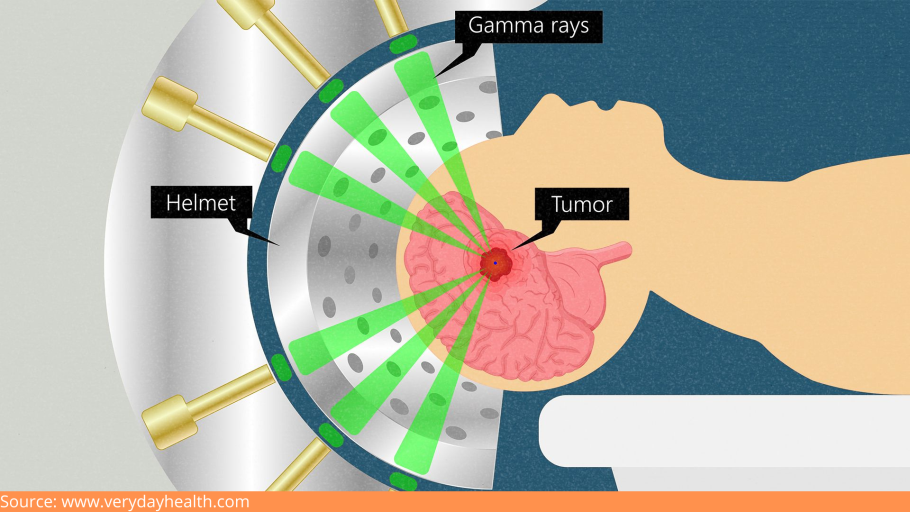
Stereotactic radiosurgery:
Stereotactic radiosurgery ( or gamma knife radiosurgery) is an advanced form of radiation therapy. This therapy uses highly focused X-ray beams to precisely target the tumor, resulting in minimal harm to healthy tissues. Providers may apply this approach when GBM increases after going through initial IMRT.
Targeted Drug Therapy:
Targeted medications target the specific defects in cancer cells that allow them to develop and flourish. The medicines focus on those abnormalities and cause them to die.
Chemotherapy:
Chemotherapy is a treatment that uses medications to kill cancerous cells. Fine, circular wafers filled with chemotherapy medicine could be inserted into your brain during the surgery in some cases. The slowly dissolving wafers release the medication to kill the cancer cells.
TTF (Tumor treatment fields):
TTF entails putting adhesive pads on your scalp. The pads are wired to a handheld device that produces an electrical field that disrupts the ability of tumor cells from multiplying.TTF is used in conjunction with chemotherapy and can be administered following radiation therapy.
What Is The Outlook Or Prognosis For Glioblastoma Patients?
GBM is a malignancy that is aggressive and difficult to treat. Suitable treatments help to reduce symptoms, make you more comfortable, and help you live longer. The condition does not have a cure yet but many clinical trials are being conducted to develop newer glioblastoma therapies.
The average life expectancy is 15 months, with about 25% of patients surviving after 2 years and 7% for 5 years.
Conclusion
It can be tough to discover that you have GBM. The disease spreads swiftly, making therapy difficult. GBM researchers are still looking for novel ways to treat it. For the time being, treatments can help you manage your symptoms and enhance the quality of your life.
It is critical to understand that there was nothing you might have done or avoided that would have led to the development of a brain tumor in you or someone you love.
Do watch out for any sudden behavioral changes or discomforts that you feel, or are expressed by a loved one. The faster you address the symptoms, the faster the treatment can begin to alleviate discomfort.
Please schedule an appointment and seek medical attention from Dr. Mohana Rao, a top-notch neurosurgeon in Guntur, Hyderabad. Known for his integrity, professionalism, and expertise, he is passionate about improving the quality of people’s lives.