Category Archives: Hybrid operation Theater

sensation-of-smell-the-best-treatment-at-dr-raos-guntur

Sensation of smell – the best treatment at Dr Raos, Guntur

Sensation of smell – the best treatment at Dr Raos, Guntur

Introduction

The human sense of smell is mediated by the olfactory system, which consists of the nose and the olfactory nerve. The olfactory nerve is a cranial nerve that transmits information about smells from the nose to the brain. The sense of smell is important for many aspects of daily life, including the ability to enjoy food and drink, to detect danger, and to communicate with others. Decreased sensation of smell can be caused by many different factors, including disease, injury, or aging. This condition can have a significant impact on quality of life, as it can make everyday activities such as eating and drinking less enjoyable, and can also lead to social isolation. If you are experiencing a decreased sense of smell, it is important to see a doctor so that the cause can be identified and appropriate treatment can be started. Looking for the best neurosurgery hospital or Best neurosurgeon or India’s best neurosurgeon or top ten best neurosurgeons, look no further than Dr Rao at Dr Rao’s hospital, the best spine surgery or best neurosurgery or best neurology hospital in Guntur, Andhra Pradesh, India. Call us at 9010056444 or 9010057444 for the best neurosurgeon or spine surgeon or neurologist in India. Dr Raos hospital is best for the vertigo / numbness / weakness /tingling treatment in Guntur and India.

causes

There are many potential causes of a decreased sense of smell, including: -Aging: As we age, our sense of smell can gradually decline. -Illness: Many illnesses can cause a decrease in sense of smell, including colds, sinus infections, the flu, and more serious conditions such as Alzheimer’s disease and Parkinson’s disease. -Nasal obstruction: Anything that blocks the airflow through your nose can reduce your sense of smell. This includes nasal polyps, a deviated septum, or allergies. -Medications: Some medications can cause a decrease in sense of smell, including blood pressure medications and antidepressants. -Radiation therapy: Radiation therapy to the head and neck can damage the olfactory nerve and cause a decrease in sense of smell. -Smoking: Smoking cigarettes can damage your sense of smell.

Associated symptoms

There are a few associated symptoms that can be experienced when someone has a decreased sense of smell. For example, they may have a hard time tasting food or distinguishing between different smells. Additionally, they may also experience a loss of appetite, fatigue, and difficulty breathing.

diagnsois

The diagnosis of decreased sense of smell can be made by a physician through a medical history and physical examination. However, if the cause is unknown, further testing may be needed to rule out other causes. These tests may include a CT scan or MRI of the head, sinus x-rays, or allergy testing.

treatment

The most common treatment for anosmia is a nasal corticosteroid spray. This type of medication can help to reduce inflammation in the nose and improve airflow. In some cases, a decongestant may also be recommended. If an infection is the underlying cause of the condition, antibiotics may be prescribed. In rare cases, surgery may be necessary to correct a structural problem in the nose that is causing anosmia.

prognosis

The prognosis for patients with a decreased sense of smell depends on the underlying cause. If the cause is a viral infection, the prognosis is generally good and the sense of smell usually returns to normal within a few weeks. However, if the cause is damage to the olfactory nerve, the prognosis is more uncertain. In some cases, the sense of smell may improve over time, but in other cases it may be permanently impaired.

Conclusion

In conclusion, a decreased sense of smell can be caused by a variety of factors, ranging from the common cold to more serious conditions such as Alzheimer’s disease. However, in most cases, a decreased sense of smell is not a cause for concern and will resolve itself over time. If you are experiencing a decreased sense of smell, consult your doctor to rule out any underlying medical conditions. Looking for the best neurosurgery hospital or Best neurosurgeon or India’s best neurosurgeon or top ten best neurosurgeons, look no further than Dr Rao at Dr Rao’s hospital, the best spine surgery or best neurosurgery or best neurology hospital in Guntur, Andhra Pradesh, India. Call us at 9010056444 or 9010057444 for the best neurosurgeon or spine surgeon or neurologist in India. Dr Raos hospital is best for the Loss of sensation of smell/ vertigo / numbness / weakness /tingling treatment in Guntur and India.

chiari-malformations-the-best-treatment-is-at-dr-raos-guntur

Chiari malformations – the best treatment is at Dr Raos, Guntur

Chiari malformations – the best treatment is at Dr Raos, Guntur

Introduction

A Chiari malformation is a condition where the brain tissue extends into the spinal canal. It can cause a number of symptoms, including headaches, neck pain, and problems with balance and coordination. Chiari malformations are usually diagnosed using imaging tests, such as MRI. Treatment typically involves surgery to remove the excess brain tissue. Looking for the best neurosurgery hospital or Best neurosurgeon or India’s best neurosurgeon or top ten best neurosurgeons in India, look no further than Dr Rao at Dr Rao’s hospital, the best spine surgery or best neurosurgery or best neurology hospital in Guntur, Andhra Pradesh, India. Call us at 9010056444 or 9010057444 for the best neurosurgeon or spine surgeon or neurologist in India. Dr Raos hospital is best for the Chiari malformations/ numbness / weakness /tingling treatment in Guntur and India.

classification

There are four main types of Chiari malformations, which are classified according to the severity of the condition.

Type I is the most common and mildest form, and is often diagnosed during childhood.

Type II is more severe, and is typically diagnosed in infancy or early childhood.

Type III is the most severe form, and is usually diagnosed in utero.

Type IV is a rare form that is associated with certain genetic disorders.

Symptoms

The symptoms of Chiari malformations can vary depending on the severity of the condition. In some cases, there may be no symptoms at all. In other cases, symptoms may include:

-Headaches

-Neck pain

-Dizziness

-Nausea

-Vomiting

-Loss of balance

-Difficulty swallowing

-Weakness in the arms and legs

-Numbness or tingling in the extremities

-Problems with coordination and fine motor skills

-Blurred vision or double vision

-Hearing loss or ringing in the ears (tinnitus)

diagnosis

A diagnosis of Chiari malformation is made based on the symptoms present and imaging studies of the brain and spine. The most common imaging study used to diagnose Chiari malformation is magnetic resonance imaging (MRI). MRI can show the size and location of the herniated portion of the brain and any resulting compression of nearby structures.

treatment

There are a few different ways that Chiari malformations can be treated. One way is through decompression surgery. This type of surgery involves making an incision in the back of the head and removing a small portion of the bone at the base of the skull. This helps to relieve pressure on the brain and spinal cord. Another way to treat Chiari malformations is through a shunt. A shunt is a small tube that is inserted into the brain to help drain excess fluid. This helps to relieve pressure on the brain and can also help to improve symptoms. In some cases, medication may be used to help manage symptoms. Pain medication may be prescribed to help with headaches. Muscle relaxants may be prescribed to help with muscle spasms. And, in some cases, steroids may be prescribed to help reduce inflammation. The decision on which treatment is best for you will be made by you and your doctor based on the severity of your condition and your symptoms.

Living with it

Living with a Chiari malformation can be difficult. The symptoms can be debilitating and make it hard to live a normal life. There are, however, treatments available that can help ease the symptoms and improve quality of life. It is important to stay positive and work closely with your medical team to find the best treatment plan for you. There is no cure for Chiari, but with proper treatment, many people are able to lead happy and healthy lives.

Conclusion

The Chiari malformation is a condition that can be debilitating and even life-threatening. It is important to be aware of the symptoms and to seek medical help if you suspect you or your child may have the condition. There is no cure for Chiari, but treatment can improve quality of life. Looking for the best neurosurgery hospital or Best neurosurgeon or India’s best neurosurgeon or top ten best neurosurgeons in India, look no further than Dr Rao at Dr Rao’s hospital, the best spine surgery or best neurosurgery or best neurology hospital in Guntur, Andhra Pradesh, India. Call us at 9010056444 or 9010057444 for the best neurosurgeon or spine surgeon or neurologist in India. Dr Raos hospital is best for the Chiari malformations/ numbness / weakness /tingling treatment in Guntur and India.


పరిచయం

చియారీ వైకల్యం అనేది మెదడు కణజాలం వెన్నెముక కాలువలోకి విస్తరించే పరిస్థితి. ఇది తలనొప్పి, మెడ నొప్పి మరియు సమతుల్యత మరియు సమన్వయ సమస్యలతో సహా అనేక లక్షణాలను కలిగిస్తుంది. చియారీ వైకల్యాలు సాధారణంగా MRI వంటి ఇమేజింగ్ పరీక్షలను ఉపయోగించి నిర్ధారణ చేయబడతాయి. చికిత్సలో సాధారణంగా అదనపు మెదడు కణజాలాన్ని తొలగించడానికి శస్త్రచికిత్స ఉంటుంది.

వర్గీకరణ

చియారీ వైకల్యాల్లో నాలుగు ప్రధాన రకాలు ఉన్నాయి, ఇవి పరిస్థితి యొక్క తీవ్రతను బట్టి వర్గీకరించబడతాయి. టైప్ I అనేది అత్యంత సాధారణ మరియు తేలికపాటి రూపం, మరియు ఇది తరచుగా బాల్యంలో నిర్ధారణ అవుతుంది. రకం II మరింత తీవ్రమైనది, మరియు సాధారణంగా బాల్యంలో లేదా బాల్యంలోనే నిర్ధారణ అవుతుంది. రకం III అత్యంత తీవ్రమైన రూపం, మరియు సాధారణంగా గర్భాశయంలో నిర్ధారణ చేయబడుతుంది. టైప్ IV అనేది కొన్ని జన్యుపరమైన రుగ్మతలతో సంబంధం ఉన్న అరుదైన రూపం.

లక్షణాలు

చియారీ వైకల్యాల లక్షణాలు పరిస్థితి యొక్క తీవ్రతను బట్టి మారవచ్చు. కొన్ని సందర్భాల్లో, ఎటువంటి లక్షణాలు ఉండకపోవచ్చు. ఇతర సందర్భాల్లో, లక్షణాలు ఉండవచ్చు:

  • తలనొప్పి
  • మెడ నొప్పి
  • మైకము
    -వికారం
  • వాంతులు
  • సంతులనం కోల్పోవడం
    -మింగడం కష్టం
    -చేతులు మరియు కాళ్లలో బలహీనత
  • అంత్య భాగాలలో తిమ్మిరి లేదా జలదరింపు
  • సమన్వయం మరియు చక్కటి మోటార్ నైపుణ్యాలతో సమస్యలు
  • అస్పష్టమైన దృష్టి లేదా డబుల్ దృష్టి
  • వినికిడి లోపం లేదా చెవులలో రింగింగ్ (టిన్నిటస్)

నిర్ధారణ

చియారీ వైకల్యం యొక్క నిర్ధారణ ప్రస్తుతం ఉన్న లక్షణాలు మరియు మెదడు మరియు వెన్నెముక యొక్క ఇమేజింగ్ అధ్యయనాల ఆధారంగా తయారు చేయబడుతుంది. చియారీ వైకల్యాన్ని నిర్ధారించడానికి ఉపయోగించే అత్యంత సాధారణ ఇమేజింగ్ అధ్యయనం మాగ్నెటిక్ రెసొనెన్స్ ఇమేజింగ్ (MRI). MRI మెదడు యొక్క హెర్నియేటెడ్ భాగం యొక్క పరిమాణం మరియు స్థానాన్ని మరియు సమీపంలోని నిర్మాణాల యొక్క ఏదైనా కుదింపును చూపుతుంది.

చికిత్స

చియారీ వైకల్యాలకు చికిత్స చేయడానికి కొన్ని విభిన్న మార్గాలు ఉన్నాయి. డికంప్రెషన్ సర్జరీ ద్వారా ఒక మార్గం. ఈ రకమైన శస్త్రచికిత్సలో తల వెనుక భాగంలో ఒక కోత మరియు పుర్రె యొక్క బేస్ వద్ద ఉన్న ఎముక యొక్క చిన్న భాగాన్ని తొలగించడం జరుగుతుంది. ఇది మెదడు మరియు వెన్నుపాముపై ఒత్తిడిని తగ్గించడానికి సహాయపడుతుంది.

చియారీ వైకల్యాలకు చికిత్స చేయడానికి మరొక మార్గం షంట్ ద్వారా. షంట్ అనేది ఒక చిన్న గొట్టం, ఇది అదనపు ద్రవాన్ని హరించడంలో సహాయపడటానికి మెదడులోకి చొప్పించబడుతుంది. ఇది మెదడుపై ఒత్తిడిని తగ్గించడంలో సహాయపడుతుంది మరియు లక్షణాలను మెరుగుపరచడంలో కూడా సహాయపడుతుంది.

కొన్ని సందర్భాల్లో, లక్షణాలను నిర్వహించడంలో సహాయపడటానికి మందులు వాడవచ్చు. తలనొప్పికి సహాయపడటానికి నొప్పి మందులను సూచించవచ్చు. కండరాల నొప్పులతో సహాయం చేయడానికి కండరాల సడలింపులను సూచించవచ్చు. మరియు, కొన్ని సందర్భాల్లో, వాపును తగ్గించడంలో సహాయపడటానికి స్టెరాయిడ్స్ సూచించబడవచ్చు.

మీ పరిస్థితి మరియు మీ లక్షణాల తీవ్రత ఆధారంగా మీకు మరియు మీ వైద్యునిచే మీకు ఏ చికిత్స ఉత్తమమో నిర్ణయించబడుతుంది.

దానితో జీవించడం

చియారీ వైకల్యంతో జీవించడం కష్టం. లక్షణాలు బలహీనపరుస్తాయి మరియు సాధారణ జీవితాన్ని గడపడం కష్టతరం చేస్తాయి. అయితే, లక్షణాలను తగ్గించడానికి మరియు జీవన నాణ్యతను మెరుగుపరచడంలో సహాయపడే చికిత్సలు అందుబాటులో ఉన్నాయి.

మీ కోసం ఉత్తమమైన చికిత్స ప్రణాళికను కనుగొనడానికి సానుకూలంగా ఉండటం మరియు మీ వైద్య బృందంతో సన్నిహితంగా పని చేయడం ముఖ్యం. చియారీకి ఎటువంటి నివారణ లేదు, కానీ సరైన చికిత్సతో, చాలా మంది ప్రజలు సంతోషంగా మరియు ఆరోగ్యకరమైన జీవితాన్ని గడపగలుగుతారు.

ముగింపు

చియారీ వైకల్యం అనేది బలహీనపరిచే మరియు ప్రాణాపాయం కలిగించే పరిస్థితి. లక్షణాల గురించి తెలుసుకోవడం మరియు మీకు లేదా మీ బిడ్డకు ఈ పరిస్థితి ఉందని మీరు అనుమానించినట్లయితే వైద్య సహాయం పొందడం చాలా ముఖ్యం. చియారీకి చికిత్స లేదు, కానీ చికిత్స జీవన నాణ్యతను మెరుగుపరుస్తుంది.

tarlovs-cyst-the-best-treatment-at-dr-raos-guntur

Tarlov’s cyst – the best treatment at Dr Raos, Guntur

Tarlov’s cyst – the best treatment at Dr Raos, Guntur

Introduction

A Tarlov’s cyst is a type of spinal cyst that can pressure the nerves in your spine. This can cause pain, tingling, or numbness in your legs or buttocks. You might also have weakness in your legs. Tarlov’s cysts are also called perineural cysts. They’re usually benign, which means they’re not cancerous. But they can still cause problems. Tarlov cysts are most common in women between 30 and 50. They’re more likely to happen if you have a family history of them. They can occur anywhere along your spine, but they’re most often found in the lower (lumbar) or sacral region. Looking for the best Tarlov’s treatment look no further than Dr Raos hospital, Guntur, Andhra Pradesh and Dr Rao is the best spine cord injury specialist. contact us @9010056444 or 9010057444.

causes

There are a number of possible causes of Tarlov cysts, though the exact cause is not yet known. It is thought that they may be the result of abnormal development of the spinal nerves or changes in the structure of the spine. They may also be caused by trauma to the spine or by infection.

Symptoms

Symptoms of Tarlov cysts can vary depending on the size and location of the cyst. Some people may not have any symptoms at all. Others may experience pain, numbness, or tingling in the affected area. The pain is often described as a dull ache that gets worse with sitting or standing for long periods. It may also get worse with coughing, sneezing, or straining. Sometimes, the pain can be severe enough to interfere with daily activities.

If the cyst is large or presses on the spinal cord or nerves, it can cause weakness, loss of sensation, or paralysis in the legs or arms. Urinary and bowel problems may also occur if the cyst presses on the nerves that control these functions.

diagnosis

A Tarlov cyst is typically diagnosed using magnetic resonance imaging (MRI). This imaging technique can provide clear pictures of the spinal cord and nerves and any abnormal growths or fluid-filled areas. In some cases, a computed tomography (CT) scan may also be ordered to get a more detailed view of the cyst.

If a Tarlov cyst is suspected, your doctor will likely order an MRI of your spine. This imaging test can give your doctor a clear picture of your spinal cord and nerves and any abnormal growths or fluid-filled areas. In some cases, a CT scan may also be ordered to get a more detailed view of the cyst.

treatment – conservative and minimally invasive spine surgery

There are two main types of treatment for Tarlov cysts: conservative and minimally invasive spine surgery.

Conservative treatment includes pain medication, physical therapy, and epidural injections. This treatment is typically used to help relieve symptoms and improve quality of life. It is important to note that conservative treatment does not usually cure Tarlov cysts.

Minimally invasive spine surgery is a newer treatment that has shown promise in treating Tarlov cysts. This type of surgery is less invasive than traditional open spine surgery, which means there is less risk of complications and a shorter recovery time. Minimally invasive spine surgery typically involves placing a small tube called a shunt into the cyst to drain it of fluid. This can help to reduce pressure on the nerves and relieve symptoms.

outcome

The outcome of Tarlov cysts is generally good. Most people with Tarlov cysts do not experience any symptoms and do not require treatment. However, some people may experience pain, numbness, or weakness if the cyst presses on a nerve. In rare cases, the cyst may rupture and cause spinal cord damage. Treatment is typically only necessary if the cyst is causing symptoms.

Conclusion

The Tarlov cyst is a debilitating condition that can cause a great deal of pain and suffering for those affected by it. While there are treatments available, there is no cure for the condition and it can often recur. For this reason, it is important for patients to be as informed as possible about the condition and its potential treatments. Looking for the best Tarlov’s treatment look no further than Dr Raos hospital, Guntur, Andhra Pradesh and Dr Rao is the best spine cord injury specialist. contact us @9010056444 or 9010057444.

పరిచయం

టార్లోవ్ తిత్తి అనేది మీ వెన్నెముకలోని నరాలపై ఒత్తిడి తెచ్చే వెన్నెముక తిత్తి రకం. ఇది మీ కాళ్ళు లేదా పిరుదులలో నొప్పి, జలదరింపు లేదా తిమ్మిరిని కలిగిస్తుంది. మీ కాళ్ళలో కూడా బలహీనత ఉండవచ్చు. టార్లోవ్ సిస్ట్‌లను పెరిన్యురల్ సిస్ట్‌లు అని కూడా అంటారు. అవి సాధారణంగా నిరపాయమైనవి, అంటే అవి క్యాన్సర్ కావు. కానీ అవి ఇప్పటికీ సమస్యలను కలిగిస్తాయి.

30 మరియు 50 సంవత్సరాల మధ్య వయస్సు గల స్త్రీలలో టార్లోవ్ సిస్ట్‌లు సర్వసాధారణం. మీరు వారి కుటుంబ చరిత్రను కలిగి ఉన్నట్లయితే అవి సంభవించే అవకాశం ఉంది. అవి మీ వెన్నెముకలో ఎక్కడైనా సంభవించవచ్చు, కానీ అవి చాలా తరచుగా దిగువ (కటి) లేదా పవిత్ర ప్రాంతంలో కనిపిస్తాయి.

కారణాలు

టార్లోవ్ సిస్ట్‌లకు అనేక కారణాలు ఉన్నాయి, అయితే ఖచ్చితమైన కారణం ఇంకా తెలియలేదు. అవి వెన్నెముక నరాల యొక్క అసాధారణ అభివృద్ధి లేదా వెన్నెముక నిర్మాణంలో మార్పుల ఫలితంగా ఉండవచ్చని భావిస్తున్నారు. అవి వెన్నెముకకు గాయం లేదా ఇన్ఫెక్షన్ వల్ల కూడా సంభవించవచ్చు.

లక్షణాలు

తిత్తి పరిమాణం మరియు స్థానాన్ని బట్టి టార్లోవ్ సిస్ట్‌ల లక్షణాలు మారవచ్చు. కొందరిలో ఎలాంటి లక్షణాలు ఉండకపోవచ్చు. ఇతరులు ప్రభావిత ప్రాంతంలో నొప్పి, తిమ్మిరి లేదా జలదరింపును అనుభవించవచ్చు. నొప్పి తరచుగా నిస్తేజమైన నొప్పిగా వర్ణించబడింది, ఇది ఎక్కువసేపు కూర్చోవడం లేదా నిలబడటం వలన మరింత తీవ్రమవుతుంది. ఇది దగ్గు, తుమ్ములు లేదా ప్రయాసతో కూడా అధ్వాన్నంగా ఉండవచ్చు. కొన్ని సందర్భాల్లో, నొప్పి రోజువారీ కార్యకలాపాలకు అంతరాయం కలిగించేంత తీవ్రంగా ఉంటుంది.

తిత్తి పెద్దగా లేదా వెన్నుపాము లేదా నరాలపై నొక్కితే, అది బలహీనత, సంచలనాన్ని కోల్పోవడం లేదా కాళ్లు లేదా చేతుల్లో పక్షవాతం కలిగిస్తుంది. ఈ విధులను నియంత్రించే నరాలపై తిత్తి నొక్కితే మూత్ర మరియు ప్రేగు సమస్యలు కూడా సంభవించవచ్చు.

నిర్ధారణ

ఒక టార్లోవ్ తిత్తి సాధారణంగా మాగ్నెటిక్ రెసొనెన్స్ ఇమేజింగ్ (MRI)ని ఉపయోగించి నిర్ధారణ చేయబడుతుంది. ఈ ఇమేజింగ్ టెక్నిక్ వెన్నుపాము మరియు నరాల యొక్క స్పష్టమైన చిత్రాలను, అలాగే ఏదైనా అసాధారణ పెరుగుదలలు లేదా ద్రవంతో నిండిన ప్రాంతాలను అందిస్తుంది. కొన్ని సందర్భాల్లో, తిత్తి యొక్క మరింత వివరణాత్మక వీక్షణను పొందడానికి కంప్యూటెడ్ టోమోగ్రఫీ (CT) స్కాన్ కూడా ఆదేశించబడవచ్చు.

ఒక టార్లోవ్ తిత్తి అనుమానం ఉంటే, మీ వైద్యుడు మీ వెన్నెముక యొక్క MRIని ఆదేశించవచ్చు. ఈ ఇమేజింగ్ పరీక్ష మీ వైద్యుడికి మీ వెన్నుపాము మరియు నరాలు, అలాగే ఏదైనా అసాధారణ పెరుగుదలలు లేదా ద్రవం నిండిన ప్రాంతాల గురించి స్పష్టమైన చిత్రాన్ని అందిస్తుంది. కొన్ని సందర్భాల్లో, తిత్తి యొక్క మరింత వివరణాత్మక వీక్షణను పొందడానికి CT స్కాన్ కూడా ఆదేశించబడవచ్చు.

చికిత్స – సంప్రదాయవాద మరియు కనిష్ట ఇన్వాసివ్ వెన్నెముక శస్త్రచికిత్స

టార్లోవ్ తిత్తులకు రెండు ప్రధాన రకాల చికిత్సలు ఉన్నాయి: సంప్రదాయవాద మరియు కనిష్టంగా ఇన్వాసివ్ వెన్నెముక శస్త్రచికిత్స.

కన్జర్వేటివ్ చికిత్సలో నొప్పి మందులు, భౌతిక చికిత్స మరియు ఎపిడ్యూరల్ ఇంజెక్షన్లు ఉంటాయి. ఈ రకమైన చికిత్స సాధారణంగా లక్షణాల నుండి ఉపశమనం పొందేందుకు మరియు జీవన నాణ్యతను మెరుగుపరచడానికి ఉపయోగించబడుతుంది. సాంప్రదాయిక చికిత్స సాధారణంగా టార్లోవ్ తిత్తులను నయం చేయదని గమనించడం ముఖ్యం.

కనిష్టంగా ఇన్వాసివ్ వెన్నెముక శస్త్రచికిత్స అనేది టార్లోవ్ తిత్తుల చికిత్సలో వాగ్దానాన్ని చూపించే కొత్త రకమైన చికిత్స. ఈ రకమైన శస్త్రచికిత్స సాంప్రదాయ ఓపెన్ వెన్నెముక శస్త్రచికిత్స కంటే తక్కువ హానికరం, అంటే సమస్యల ప్రమాదం తక్కువగా ఉంటుంది మరియు తక్కువ రికవరీ సమయం ఉంటుంది. కనిష్టంగా ఇన్వాసివ్ వెన్నెముక శస్త్రచికిత్సలో సాధారణంగా ఒక షంట్ అని పిలువబడే ఒక చిన్న ట్యూబ్‌ను తిత్తిలోకి ద్రవం నుండి తీసివేయడం జరుగుతుంది. ఇది నరాల మీద ఒత్తిడిని తగ్గించడానికి మరియు లక్షణాల నుండి ఉపశమనం పొందేందుకు సహాయపడుతుంది.

ఫలితం

టార్లోవ్ సిస్ట్‌ల ఫలితం సాధారణంగా మంచిది. టార్లోవ్ తిత్తులు ఉన్న చాలా మంది వ్యక్తులు ఎటువంటి లక్షణాలను అనుభవించరు మరియు చికిత్స అవసరం లేదు. అయితే, కొంతమందికి నరాల మీద తిత్తి నొక్కినప్పుడు నొప్పి, తిమ్మిరి లేదా బలహీనతను అనుభవించవచ్చు. అరుదైన సందర్భాల్లో, తిత్తి చీలిపోయి వెన్నుపాము దెబ్బతింటుంది. తిత్తి లక్షణాలకు కారణమైతే మాత్రమే చికిత్స సాధారణంగా అవసరం.

Conclusion

టార్లోవ్ తిత్తి అనేది బలహీనపరిచే పరిస్థితి, దీని వలన ప్రభావితమైన వారికి చాలా నొప్పి మరియు బాధను కలిగిస్తుంది. చికిత్సలు అందుబాటులో ఉన్నప్పటికీ, పరిస్థితికి చికిత్స లేదు మరియు ఇది తరచుగా పునరావృతమవుతుంది. ఈ కారణంగా, రోగులకు పరిస్థితి మరియు దాని సంభావ్య చికిత్సల గురించి సాధ్యమైనంతవరకు తెలియజేయడం చాలా ముఖ్యం.

vision-problems-the-best-treatment-is-at-dr-raos-guntur

Vision Problems – the best treatment is at Dr Raos, Guntur

Vision Problems – the best treatment is at Dr Raos, Guntur

Introduction

The optic nerve is a bundle of nerve fibers that transmits visual information from the eye to the brain. The optic nerve is also known as cranial nerve II. The optic nerve is important for vision. If the optic nerve is damaged, it can cause decreased vision or even blindness. Looking for the best neurosurgery hospital or Best neurosurgeon or India’s best neurosurgeon or top ten best neurosurgeons, look no further than Dr Rao at Dr Rao’s hospital, the best spine surgery or best neurosurgery or best neurology hospital in Guntur, Andhra Pradesh, India. Call us at 9010056444 or 9010057444 for the best neurosurgeon or spine surgeon or neurologist in India. Dr Raos hospital is best for the visual blurring/ vertigo / numbness / weakness /tingling treatment in Guntur and India. In a recent deccanherald

causes

There are many potential causes of decreased vision. Some causes are more common than others, but all should be taken seriously. The most common cause of decreased vision is refractive error, which occurs when the eye does not focus light properly. This can be corrected with glasses or contact lenses. Other common causes include cataracts, glaucoma, and age-related macular degeneration. These conditions can often be treated with surgery or medication. Less common causes of decreased vision include diabetic retinopathy, stroke, and brain tumors. These conditions may require more aggressive treatment, such as surgery or radiation therapy.

Associated symptoms

There are several symptoms that may be associated with decreased vision. These include: -Blurry vision – Difficulty seeing at night – Difficulty reading – Eye fatigue – Headaches – Squinting

diagnsois

The first step in diagnosing decreased vision is to schedule an appointment with an eye doctor. During the appointment, the doctor will ask about your medical history and symptoms. They will also conduct a thorough eye exam. The eye exam will assess your vision and check for any underlying conditions that could be causing your decreased vision. The doctor may use a lighted instrument to examine your eyes and look for any damage to your optic nerve. They may also order tests, such as an MRI or CT scan, to get a better look at the structure of your eyes. Once the cause of your decreased vision has been determined, the doctor will develop a treatment plan. Treatment options vary depending on the underlying condition causing the decreased vision. In some cases, glasses or contact lenses can help improve vision. Other treatments may include surgery, medication, or lifestyle changes.

treatment

The most common treatment for decreased vision is to use corrective lenses. If the cause of the decreased vision is due to a refractive error, such as nearsightedness, farsightedness, or astigmatism, then glasses or contact lenses can be prescribed to help correct the problem. If the cause of the decreased vision is due to a more serious condition, such as cataracts, glaucoma, or macular degeneration, then surgery may be required. In some cases, medications may be used to treat the underlying condition causing the decreased vision.

prognosis

The prognosis for decreased vision caused by optic nerve damage is generally poor. However, if the damage is caught early and treated promptly, the chances for a better outcome are increased. In some cases, complete recovery is possible.

Conclusion

The optic nerve is an important part of the visual system, and any damage to it can lead to decreased vision. There are many possible causes of optic nerve damage, and associated symptoms can vary depending on the cause. Optic nerve damage can be diagnosed through a variety of methods, and treatment will vary depending on the underlying cause. The prognosis for patients with optic nerve damage depends on the severity of the damage and the underlying cause. Looking for the best neurosurgery hospital or Best neurosurgeon or India’s best neurosurgeon or top ten best neurosurgeons, look no further than Dr Rao at Dr Rao’s hospital, the best spine surgery or best neurosurgery or best neurology hospital in Guntur, Andhra Pradesh, India. Call us at 9010056444 or 9010057444 for the best neurosurgeon or spine surgeon or neurologist in India. Dr Raos hospital is best for the vertigo / numbness / weakness /tingling treatment in Guntur and India.

the-best-spinal-infection-treatment-is-at-dr-raos-guntur

Spinal infection – the best treatment is at Dr Raos, Guntur

Spinal infection – the best treatment is at Dr Raos, Guntur

Introduction

Spinal infection treatment is critical because the spine is a vital part of the human body, providing structure and support for the entire upper torso. Because of its importance, any infection or inflammation of the spine can have serious consequences. Spinal infections can occur anywhere along the length of the spine, from the neck to the lower back. There are several different types of spinal infections, each with its own set of symptoms and treatment options. The most common type of spinal infection is vertebral osteomyelitis, which is an infection of the bone tissue. Other types of spinal infections include intervertebral disc space infections and spinal canal infections. Symptoms of a spinal infection may include pain, stiffness, and fever. In some cases, neurological problems such as weakness or paralysis can also occur. Diagnosis of a spinal infection typically involves a combination of physical examination, imaging tests, and laboratory tests. Treatment for a spinal infection typically involves antibiotics to clear the infection, as well as pain relief and rest. In some cases, surgery may also be necessary to remove infected tissue or to stabilize the spine. If you’re looking for the best spine surgery center for spinal infection, look no further than Dr. Rao’s hospital, the best spine surgery center in India. Our experienced neurosurgeon and spine specialist will work with you to find the best treatment option for your condition. Call us today to schedule a consultation @9010056444.

risk factors

There are many risk factors for developing a spinal infection, including:

• Having a weakened immune system

• Having diabetes

• Having cancer

• Having a history of drug abuse

• Having had recent surgery on the spine or another area of the body

types

There are four main types of vertebral osteomyelitis:

1. Infection of the vertebral body: This is the most common type of vertebral osteomyelitis, accounting for approximately 60% of all cases. It usually occurs as a result of bacteria spreading from another infection site in the body, such as the lungs or urinary tract.

2. Infection of the intervertebral disc space: This type of vertebral osteomyelitis accounts for approximately 20% of all cases. It usually occurs as a result of bacteria spreading from another infection site in the body, such as the lungs or urinary tract.

3. Infection of the spinal canal: This type of vertebral osteomyelitis accounts for approximately 10% of all cases. It usually occurs as a result of bacteria spreading from another infection site in the body, such as the lungs or urinary tract.

4. Infection of the paravertebral tissues: This type of vertebral osteomyelitis accounts for approximately 10% of all cases. It usually occurs as a result of bacteria spreading from another infection site in the body, such as the lungs or urinary tract.

symptoms

The symptoms of a spinal infection can vary depending on the location and severity of the infection. However, some common symptoms include back pain, stiffness, and fever. If the infection is in the spinal cord, additional symptoms may include weakness, numbness, and difficulty walking. If the infection is left untreated, it can spread to other parts of the body and cause life-threatening complications.

diagnosis

There are a few different ways that doctors can diagnose a spinal infection. The first way is through a physical examination. Your doctor will feel for any areas of tenderness or pain in your spine. They will also look for any signs of redness or swelling. The second way to diagnose a spinal infection is through imaging tests. These tests can include an X-ray, MRI, or CT scan. These tests will help your doctor to see if there is any damage to the bones or tissues in your spine. The third way to diagnose a spinal infection is through a blood test. This test can show if there are any bacteria or viruses present in your blood. Once your doctor has diagnosed a spinal infection, they will then be able to start you on the proper treatment plan.

treatment

The mainstay of treatment for vertebral osteomyelitis is antibiotics. Antibiotics are typically given intravenously (through a vein) for four to six weeks. Surgery is sometimes needed to remove infected bone or tissue. In some cases, a longer course of antibiotics may be needed.

Conclusion

In conclusion, spinal infections are serious and potentially life-threatening conditions that require prompt diagnosis and treatment. Early diagnosis and treatment is essential to prevent permanent damage to the spine and nervous system. If you suspect that you or someone you know may have a spinal infection, it is important to seek medical attention immediately. If you’re looking for the best spine surgery center for spinal infection, look no further than Dr. Rao’s hospital, the best spine surgery center in India. Our experienced neurosurgeon and spine specialist Dr. Rao will work with you to find the best treatment option for your condition. Call us today to schedule a consultation @9010056444.

arm-leg-weakness-the-best-treatment-at-dr-raos-hospital-guntur

Arm/leg weakness – The best treatment at Dr Raos hospital, Guntur

Arm/leg weakness – The best treatment at Dr Raos hospital, Guntur

Introduction

Arm & Leg Weakness-The human body is a fantastic machine of many different parts that all work together to keep us moving. However, sometimes things can go wrong, and we may experience weakness in one or more of our limbs. This can be caused by several conditions, some of which are more serious than others. This article will examine some of the most common causes of arm or leg weakness and what you can do about them. Many different conditions can cause weakness in the arms or legs. Some common ones include slipped discs, stroke, pinched nerves, peripheral neuropathy, and spinal lesions or tumors. These conditions can cause different symptoms and may require different treatment options. If you are experiencing any arm or leg weakness, it is essential to see a doctor so that they can properly diagnose the underlying cause and recommend the best course of treatment. If looking for arm or leg weakness due to neurological causes, please consult the best neurosurgeon, neurologist, or spine surgeon, Dr. Rao,  Dr. Raos hospital, Guntur. Dr. Raos is the best neurosurgery, spine surgery, and neurology hospital in Guntur and Andhra Pradesh. Contact us 90010056444 or 9010057444
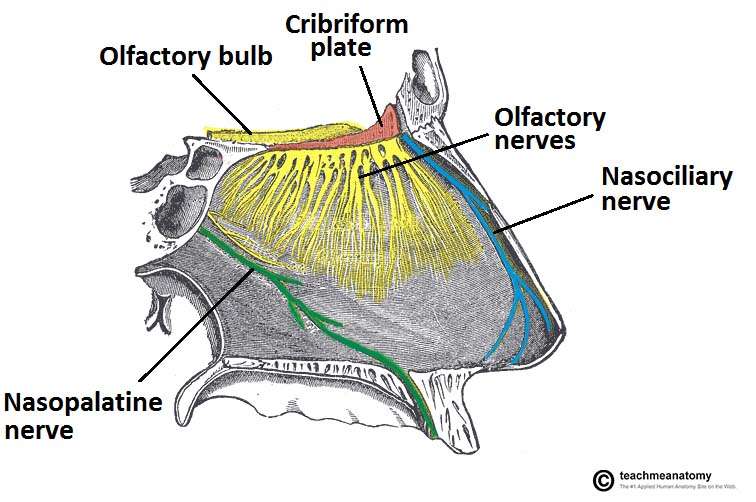
Slipped disc

A slipped disc occurs when the gel-like center of a disc ruptures through a weak spot in the tough outer layer. This can happen due to a sudden injury or from the wear and tear of aging. The gel squeezes out and puts pressure on the nearby nerves. This can cause pain, numbness, or weakness in the arm or leg. If you are looking for the best spinal cord tumor disease treatment, visit the best neurosurgery and spine surgery hospital, Dr. Rao’s hospital, with the best neurosurgeon and spine surgeon Dr. Rao.

Stroke

A stroke is a medical emergency. It happens when the blood supply to part of your brain is cut off. A stroke can be caused by a clot blocking the blood vessel or the blood vessel bursting. Stroke symptoms include • Sudden weakness or numbness in your face, arm, or leg, especially on one side of your body • Sudden confusion or trouble speaking • Sudden trouble seeing in one or both eyes • Sudden trouble walking, dizziness, or loss of balance or coordination • Sudden severe headache with no known cause If you have any of these symptoms, 

Pinched nerve

A pinched nerve occurs when too much pressure is applied to a nerve by surrounding tissues. This pressure can irritate the nerve and cause pain, tingling, numbness, or weakness. There are many possible causes of a pinched nerve. A herniated disc in the spine can pressure nerves as they exit the spinal column. Poor posture and repetitive motions can also lead to a pinched nerve. Obesity, pregnancy, and even sleeping on your stomach can put extra pressure on nerves and cause them to become irritated. Treating a pinched nerve depends on the underlying cause. If you have a herniated disc, your doctor may recommend physical therapy or surgery to relieve the pressure on the affected nerve. If your pinched nerve is caused by poor posture, you will need to correct your posture and avoid any repetitive motions that may aggravate the nerve. You may also need to lose weight if obesity contributes to your pinched nerve. If you have a pinched nerve, it is essential to seek treatment as soon as possible. Left untreated, a pinched nerve can permanently damage the affected nerve. If you are looking for the best spinal cord tumor disease treatment, visit the best neurosurgery and spine surgery hospital, Dr. Rao’s hospital, with the best neurosurgeon and spine surgeon Dr. Rao.

Peripheral neuropathy

Peripheral neuropathy is a condition in which the nerves that carry messages to and from the brain and spinal cord are damaged. This damage can cause problems with sensation, movement, and other functions. There are many types of peripheral neuropathy, each with its symptoms. Some common symptoms include numbness, tingling, pain, and weakness. These symptoms can occur in any body part, but they are most often felt in the hands and feet. Many things, including diabetes, certain medications, infections, injuries, and exposure to toxins, can cause peripheral neuropathy.

Treatment for peripheral neuropathy depends on the underlying cause. In many cases, the exact cause of the condition is unknown. In some cases, treatment may not be necessary. For example, if the disease is caused by an infection or injury that has healed, the nerve damage may improve over time. In other cases, treatment may be necessary to relieve symptoms and prevent further damage to the nerves. Common treatments include physical therapy, medications, and surgery. If you are looking for the best peripheral neuropathy treatment, visit the best neurology hospital Dr. Rao’s, with the best neurosurgeon Dr. Rao.

Spinal lesion or tumor

A spinal lesion or tumor can cause arm or leg weakness if it presses on the spinal cord or nerves. The spinal cord is a bundle of nerves that runs from the brain through the spine. Nerves branch off the spinal cord and travel to all body parts. If a lesion or tumor presses on the spinal cord or nerves, it can cause weakness, numbness, or paralysis in the arms or legs. If you are looking for the best spinal cord tumor disease treatment, visit the best neurosurgery and spine surgery hospital, Dr. Rao’s hospital, with the best neurosurgeon and spine surgeon Dr. Rao.

Guillain-Barré Syndrome

Guillain-Barré syndrome (GBS) is a rare but serious autoimmune disorder that affects the peripheral nervous system. The exact cause of GBS is unknown, but it is thought to be triggered by an infection or other immune system disorder. Symptoms of GBS can range from mild to severe and may include muscle weakness, paralysis, and even death. Early diagnosis and treatment of GBS are critical for the best possible outcome.

Symptoms of GBS can range from mild to severe. Early symptoms may include muscle weakness, tingling, or numbness in the extremities. These symptoms can quickly progress to paralysis and may even affect the muscles used for breathing. In some cases, GBS can be fatal. Early diagnosis and treatment are critical for the best possible outcome.

Multiple sclerosis

Multiple sclerosis is a debilitating disease that affects the nervous system. There is no known cure for MS, but treatments available can help manage the symptoms. The two main types of MS are relapsing-remitting MS, and progressive MS. Relapsing-remitting MS is the most common type of MS. It is characterized by periods of remission, during which symptoms improve or disappear, followed by periods of relapse, during which symptoms worsen. Progressive MS is a less common type of MS. It is characterized by a gradual worsening of symptoms, with no periods of remission. Multiple sclerosis is a debilitating disease that affects the nervous system. There is no known cure for MS, but treatments available can help manage the symptoms. The two main types of MS are relapsing-remitting MS and progressive MS. Looking for the best Multiple sclerosis disease treatment, visit the best neurology hospital, Dr. Rao’s hospital, with the best neurosurgeon Dr. Rao.

Parkinson’s disease

Parkinson’s disease is a degenerative disorder of the central nervous system that often impairs a person’s motor skills, speech, and other functions. The disease is caused by the death of nerve cells in the brain that produce dopamine, a chemical that helps regulate movement.

There are two main types of Parkinson’s disease: early-onset and late-onset. Early-onset Parkinson’s disease usually affects people under the age of 50, while late-onset Parkinson’s disease typically affects people over the age of 60.

There is no cure for Parkinson’s disease, but there are treatments that can help improve a person’s quality of life.

Early-onset Parkinson’s disease is the less common type, accounting for about 10 percent of all cases. The average age of onset is around 47 years old. Men are more likely to develop early-onset Parkinson’s disease than women.

The symptoms of early-onset Parkinson’s disease are similar to those of late-onset Parkinson’s but tend to be more severe. People with early-onset Parkinson’s disease may have difficulty walking and talking and may also experience tremors, rigidity, and problems with balance.

There is no cure for early-onset Parkinson’s disease, but there are treatments that can help improve a person’s quality of life. Medications can help relieve symptoms, and surgery may be an option for some people.

Late-onset Parkinson’s disease is the more common type, accounting for about 90 percent of all cases. The average age of onset is around 60 years old. Men and women are equally likely to develop late-onset Parkinson’s disease.

The symptoms of late-onset Parkinson’s disease are similar to those of early-onset Parkinson’s disease but tend to be less severe. People with late-onset Parkinson’s disease may have difficulty walking and talking and may also experience tremors, rigidity, and problems with balance.

There is no cure for late-onset Parkinson’s disease, but there are treatments that can help improve a person’s quality of life. Medications can help relieve symptoms, and surgery may be an option for some people.

Parkinson’s disease is a degenerative disorder of the central nervous system that often impairs a person’s motor skills, speech, and other functions. The disease is caused by the death of nerve cells in the brain that produce dopamine, a chemical that helps regulate movement. There is no cure for Parkinson’s disease, but there are treatments that can help improve a person’s quality of life. If you are looking for the best Parkinson’s disease treatment, visit the best neurology hospital, Dr. Rao’s, with the best neurosurgeon Dr. Rao.

Myasthenia gravis (MG)

Myasthenia gravis (MG) is a chronic autoimmune neuromuscular disease that is characterized by varying degrees of skeletal muscle weakness. The predominant symptom of MG is muscle weakness that increases during periods of activity and improves with rest.

There are two main types of MG: generalized MG (gMG) and ocular MG (oMG). gMG is the more common form of the disease, affecting both men and women of all ages. oMG is a less common form of MG that primarily affects women under 40.

There is no cure for MG, but treatments are available to help manage the symptoms.

Generalized MG

gMG is the more common form of MG, affecting men and women of all ages. The symptoms of gMG can vary from mild to severe, and they may come and go. The most common symptom of gMG is muscle weakness that increases during periods of activity and improves with rest.

Other symptoms of gMG may include:

• Fatigue

• Muscle cramps

• Difficulty speaking

• Difficulty swallowing

• Shortness of breath

• blurred vision

gMG is typically diagnosed based on muscle weakness and other characteristic symptoms. A variety of tests may be used to confirm the diagnosis, including:

• Blood tests

• Muscle biopsy

• Edrophonium test

• Tensilon test

There is no cure for gMG, but treatments are available to help manage the symptoms. Treatment options may include:

• Medications

• Surgery

• Plasma exchange

• Immunotherapy

Ocular MG

oMG is a less common form of MG, primarily affecting women under 40. The symptoms of oMG are typically milder than those of gMG, and they tend to be limited to the muscles around the eyes.

The most common symptom of oMG is muscle weakness that causes drooping of the eyelids (ptosis). Other symptoms of oMG may include:

• Diplopia

• Difficulty moving the eyes

• Muscle weakness in the face

oMG is typically diagnosed based on muscle weakness and other characteristic symptoms. A variety of tests may be used to confirm the diagnosis, including:

• Blood tests

• Muscle biopsy

• Edrophonium test

• Tensilon test

There is no cure for oMG, but treatments are available to help manage the symptoms. Treatment options may include:

• Medications

• Surgery

• Plasma exchange

• Immunotherapy

Myasthenia gravis (MG) is a chronic autoimmune neuromuscular disease characterized by varying skeletal muscle weakness. There are two main types of MG: generalized MG (gMG) and ocular MG (oMG). gMG is the more common form of the disease, affecting men and women of all ages. oMG is a less common form of MG, primarily affecting women under 40. There is no cure for MG, but treatments are available to help manage the symptoms. If you are looking for the best Myasthenia Gravis disease treatment, visit the best neurology hospital Dr. Rao’s, with the best neurosurgeon Dr. Rao.

Amyotrophic lateral sclerosis, or ALS

Amyotrophic lateral sclerosis, or ALS, is a progressive neurodegenerative disease that affects nerve cells in the brain and the spinal cord. The disease is characterized by muscle weakness and paralysis, and it can eventually lead to death.

There is no known cure for ALS, but there are treatments that can help to improve quality of life and extend life expectancy. The most important thing for people with ALS is to get an early diagnosis and to start treatment as soon as possible.

Early Diagnosis and Treatment

Early diagnosis and treatment of ALS are essential for the best possible outcome. The sooner the disease is diagnosed, the sooner treatment can begin. Some different therapies are available for ALS, and the best course of treatment will vary from person to person.

Some of the most common treatments for ALS include physical therapy, occupational therapy, speech therapy, and respiratory therapy. These therapies can help to improve quality of life and extend life expectancy. In some cases, medications may also be prescribed to help manage symptoms.

Clinical Trials

Clinical trials are an essential part of the search for a cure for ALS. These trials test new treatments and therapies to see if they are safe and effective. Participation in a clinical trial can be a great way to help researchers find a cure for ALS.

Clinical trials are an essential part of the fight against ALS, and we need your help to find a cure. There are several clinical trials currently underway for ALS. If you are interested in participating in a clinical trial, talk to your doctor about your options.

ALS is a progressive neurodegenerative disease that affects nerve cells in the brain and the spinal cord. The condition is characterized by muscle weakness and paralysis, which can eventually lead to death. There is no known cure for ALS, but there are treatments that can help to improve quality of life and extend life expectancy. The most important thing for people with ALS is to get an early diagnosis and to start treatment as soon as possible. If you are looking for the best ALS, Amyotrophic lateral sclerosis, or motor neuron disease treatment, visit the best neurology hospital, Dr. Rao’s hospital, with the best neurosurgeon Dr. Rao.

Conclusion

In conclusion, there are many potential causes of arm or leg weakness. Some common causes include slipped discs, strokes, pinched nerves, and peripheral neuropathy. However, there are also less common causes, such as spinal lesions or tumors. If you are experiencing arm or leg weakness, you must see a doctor to diagnose and treat the cause properly. If looking for arm or leg weakness due to neurological causes, please consult the best neurosurgeon, neurologist, or spine surgeon, Dr. Rao, Dr. Raos hospital, Guntur. Dr. Raos is the best neurosurgery, spine surgery, and neurology hospital in Guntur and Andhra Pradesh. Contact us 90010056444 or 9010057444

the-best-minimally-invasive-neurosurgery-at-dr-raos

The best Minimally invasive neurosurgery at Dr Raos

Dr. Rao’s Hospital: Pioneering Excellence in Neurosurgery and Spine Surgery for International Patients

Introduction

Minimally invasive neurosurgery (MIS) is a type of surgery that uses small incisions and specialized instruments to access the brain and spine. MIS procedures are typically performed using an endoscope, which is a long, thin tube with a light and camera attached to its end. This allows the surgeon to see inside the body without making a large incision. MIS procedures have many potential benefits over traditional open surgery, including less blood loss, shorter hospital stays, and quicker recovery times. In addition, MIS procedures are often less invasive and cause less damage to surrounding tissue. As a result, patients who undergo minimally invasive neurosurgery often experience fewer complications and a lower risk of infection. Despite these potential benefits, minimally invasive neurosurgery is not appropriate for all patients or all conditions. In some cases, open surgery may be the best option. Your surgeon will discuss all of your treatment options with you and help you decide if minimally invasive neurosurgery is right for you. According to mid-day

At Dr. Rao’s Hospital, one of the best neurology hospitals in Guntur, the endoscopic neurosurgery unit is equipped with state-of-the-art medical infrastructure and cutting-edge technology. Our medical head, Dr. Mohana Rao Patibandla, one of the best neurosurgeons in Guntur, holds years of experience in performing endoscopic neurosurgery in Guntur and had training from the USA. Dr. Rao’s hospital is known for the keyhole brain and spine surgeries.

Moreover, the hospital comprises a team of the best neurosurgeons and the best neurologists in Guntur. They are skilled in various advanced techniques for treating complex problems such as brain aneurysms, and spine and brain tumors that are difficult to reach with greater precision.

Conditions Treated Using minimally invasive neurosurgery Procedures

Minimally invasive neurosurgery can be used to treat a number of conditions affecting the brain and spine. These include:

Brain tumors

Meningiomas

Pituitary tumors

Trigeminal neuralgia

Arteriovenous malformations (AVMs)

Craniosynostosis

Epidermoid cysts

Hemangiomas

Hydrocephalus

Intracranial aneurysms

Spine conditions

  • Degenerative disc disease
  • Herniated disc
  • Lumbar spinal stenosis
  • Spinal deformities such as scoliosis
  • Spinal infections
  • Spinal instability including spondylolisthesis
  • Vertebral compression fractures
  • Spinal tumors

How Minimally Invasive Surgery Works

Minimally invasive neurosurgery (MIS) is a type of surgery that uses smaller incisions and less tissue disruption than traditional open surgery. MIS techniques can be used to treat a variety of conditions affecting the brain and spine. MIS procedures are typically performed using an endoscope, which is a long, thin tube equipped with a light and camera. The endoscope is inserted through a small incision in the skull or spine, and the surgeon uses the camera to guide the endoscope to the site of the surgery. However, percutaneous (meaning “through the skin”) placement typically involves inserting rods and screws through relatively small skin incisions without cutting or dissecting the underlying muscle. With the aid of x-ray images, guidewires are placed through the skin and into the spinal vertebrae along the desired paths for the screws. Then, screws are placed over the guidewires and follow the path of the wires. These screws have temporary extenders that extend outside of the skin and are subsequently removed after helping to guide passage of rods to connect and secure the screws. With the use of spinal navigation and robots, spinal instrumentation is being placed more safely and accurately.

During MIS surgery, the surgeon will make small incisions in the skin and muscle tissue to access the bones of the skull or spine. Once the endoscope is in place, the surgeon will use special instruments to remove or repair damaged tissue. MIS surgery is less invasive than traditional open surgery, and as a result, patients typically experience less pain and scarring. In addition, MIS surgery can often be performed on an outpatient basis, which means that patients can go home the same day as their procedure.

Common minimally invasive neurosurgery Surgery Treatment Options

There are many different types of minimally invasive neurosurgery procedures, each of which is designed to treat a specific condition. Some of the most common minimally invasive neurosurgery procedures include:

• Spinal cord stimulation: This procedure involves implanting a small device near the spinal cord that sends electrical impulses to the nerves in order to relieve pain.

• Deep brain stimulation: This procedure involves implanting a small device in the brain that sends electrical impulses to specific areas in order to relieve symptoms of conditions like Parkinson’s disease or dystonia.

• Intrathecal drug delivery: This procedure involves implantation of a small pump in the lower back that delivers medication directly to the spinal fluid. This is often used to treat pain or spasticity that is not responding to other forms of treatment.

• Peripheral nerve stimulation: This procedure involves implanting a small device near a peripheral nerve that sends electrical impulses to the nerve in order to relieve pain.

A number of specific techniques have been deployed for MIS surgery. Though the field continues to develop, the list below highlights some of the most common options.

Discectomy: Spinal discs are essentially elastic rings with soft material inside that serve as cushions between the vertebral bones. If the elastic ring becomes weakened, the soft tissue inside can extrude — or herniate — outside of the elastic ring. The herniated disc material can compress the nerves passing by, thus causing pain. If surgical treatment is recommended to trim or remove the herniated disc, it may be possible to perform this procedure with MIS surgery using tubular dilators and a microscope or endoscope.

Spinal decompression:Spinal stenosis, which is a narrowing of the vertebral canal, is a common condition that can result in compression of the nerves. This can produce a variety of symptoms, including pain, numbness and muscle weakness. If surgery is recommended, it may be possible to remove the bone and soft tissues causing the nerve compression through an MIS approach using tubular dilators and a microscope or endoscope. The more common decompressive procedures include laminectomy and foraminotomy.

Transforaminal Lumbar Interbody Fusion (TLIF): This is a MIS technique that is performed for patients with refractory mechanical low back and radicular pain associated with spondylolisthesis, degenerative disc disease and recurrent disc herniation. The procedure is performed from the back (posterior) with the patient on his or her stomach. Utilizing two small incisions, screws and rods are placed between two or more vertebral levels. The intervertebral disc is removed and a cage filled with bone is placed in that void with the goal of stabilizing the levels affected.

  • Minimally Invasive Lateral Interbody Fusion
  • Minimally Invasive Posterior Lumbar Interbody Fusion (PLIF)
  • Minimally Invasive Transforaminal Lumbar Interbody Fusion (TLIF)
  • Minimally Invasive Posterior Thoracic Fusion

Candidates for minimally invasive neurosurgery Surgery

Candidates for minimally invasive neurosurgery surgery are typically those who have conditions that require surgery but are not well suited for traditional, open surgery. These conditions can include tumors, aneurysms, and other conditions that require access to the brain or spine. In order to be a candidate for minimally invasive neurosurgery, you must first be evaluated by a neurosurgeon. During this evaluation, the neurosurgeon will determine if your condition is appropriate for this type of surgery. They will also take into account your overall health and any other factors that may impact your ability to tolerate the surgery.

minimally invasive neurosurgery Device Technology

One of the most important aspects of minimally invasive neurosurgery is the technology used to perform the procedures. This technology has evolved significantly over the past few years and has made these procedures much safer and more effective. Some of the most common devices used in minimally invasive neurosurgery include:

Microscopes: These are used to provide the surgeon with a magnified view of the area being operated on.

Endoscopes: These are long, thin tubes that are inserted into the body to allow the surgeon to see inside without making a large incision.

Lasers: Lasers are often used to remove tissue or to cauterize blood vessels.

Ultrasonic devices: These devices use sound waves to break up tissue so it can be removed more easily.

Conclusion

Minimally invasive neurosurgery is a type of surgery that uses small incisions and specialized instruments to treat conditions of the brain and spine. This type of surgery can be used to treat a variety of conditions, including tumors, herniated discs, and spinal stenosis. Minimally invasive neurosurgery is often used as an alternative to traditional open surgery, which can require large incisions and a longer recovery period. Candidates for minimally invasive neurosurgery include those who are seeking an alternative to traditional open surgery, have a condition that can be treated using minimally invasive techniques, and are in generally good health. The decision to undergo minimally invasive neurosurgery should be made in consultation with a qualified surgeon. Minimally invasive neurosurgery is a safe and effective treatment option for many conditions of the brain and spine. This type of surgery can offer patients a number of benefits, including a shorter recovery period, less pain, and a lower risk of complications. Taking every point into consideration, Dr. Rao is the best minimally invasive brain or spine surgeon in India as he has abroad experience, is a minimally invasive surgeon, fewer complication rate, compassionate to the patient, has the highest google rating for any neurosurgeon has in India, and is Best cutting edge technology at his Dr. Raos hospital/patibandla Narayana Swamy Neurosciences institute.

Top Ten Best Brain Tumor Neurosurgeons in India who are shaping Neurosurgery in India

Brain Tumors – All you need to know

Brain Tumors – All you need to know

Tumors may be benign or malignant and depend on their growth behavior. The brain is made up of neurons and supportive cells. Every cell has its particular function. Cells typically divide in a specific specified way and regenerate their successors. If a cell loses control over the division, the tumors will develop.

  • Benign brain tumors will not have cancer cells; the complete removal of the tumor will usually cease the tumor recurrence. They cause symptoms by pressing the surrounding structures.
  • Malignant brain tumors are aggressive and contain cancer cells. They are life-threatening. Malignant brain tumors grow rapidly and invade the tissue surrounding them. Malignant brain tumors may be contained or may be proliferating invasive. 

These brain tumors are graded as low grades (grades I and II) to high grades (grades III and IV). The grading is based on the microscopic cell pattern, corresponds to the malignancy potential, and grows faster. 

Brain Tumors Causes

The causes of brain tumors are unknown. If we know the brain tumor’s origin, targeted tumor therapies will be available. Brain tumors’ source and form in a person are mysterious but are not contagious.  

Brain tumors commonly show bimodal age patterns involving children 3 to 12 years old and adults 40 to 70, but they can occur in any age group.

What are the Risk factors for developing brain tumors?

Oil refining, rubber manufacturing, and drug manufacturing

Chemists and embalmers 

Exposure to viruses is a possible cause. 

Heredity is a cause

In most cases no apparent risk factors. 

Tumors are the result of several factors acting together.

Types of Brain Tumors

Brain tumors can be primary or secondary.

Primary Brain Tumors

Tumors originate within brain tissue. The type of cell origin categorizes primary brain tumors. The most prevalent brain tumors are gliomas arising from supportive tissue glial cells. Gliomas divided into

  • Astrocytomas arise from astrocytes. They may present in the brain or spinal cord. In children, they are often found in the brain stem, the cerebrum, and the cerebellum. In adults, they often arise in the cerebrum. A grade III astrocytoma is called anaplastic astrocytoma. A grade IV astrocytoma called GBM (glioblastoma multiforme).
  • Oligodendrogliomas arise from the cells that produce myelin, the fatty insulating covering that protects nerves. They commonly occur in the cerebrum. They grow slowly and are usually distinct from the brain tissue.
  • Ependymomas form from the lining of the ventricles. They occur in both the brain and the spinal cord. They occur commonly in childhood and adolescence.

Other tumors arise from the different tissues broadly:

  • Meningiomas grow from the coverings of the brain called meninges, usually benign. As these tumors grow slowly, the brain adapts to their presence so that meningiomas grow significantly when symptomatic. They occur primarily around 30 to 50 years of age and in women.
  • Schwannomas are benign tumors that arise from the counterparts of oligodendrogliomas in the peripheral nervous system, which produce the myelin that insulates peripheral nerves. Acoustic neuromas, V nerve, and XII nerve will commonly grow schwannoma, and spinal nerves will also have this kind of tumor, primarily in adults. This tumor harbors women twice as often as men.
  • Craniopharyngiomas develop from Rathke’s pouch remnants near the pituitary gland, usually benign; They are dangerous because they compress the hypothalamus. It follows a bimodal age pattern and occurs mainly in children and after 40 years.
  • Germ cell tumors arise from primitive totipotent cells or germ cells. Germinoma is a common type of germ cell tumor in the brain.
  • Pineal region tumors originate from the pineal gland. They are either benign, like pineocytoma, or malignant, like pineoblastoma.

Secondary Brain Tumors

Secondary brain tumors will have the source origin somewhere in the body. These are called metastasis. Based on the origin tissue, they will call it. For example, if lung cancer metastasizes to the brain, the tumor is called metastatic lung cancer. Treatment for these tumors depends on the systemic burden and other factors like general health, the patient’s age, and response to previous therapy.

Symptoms of Brain Tumor

The most frequent symptoms and signs of brain tumors include:

  • Confusion or personality changes,
  • Headaches that tend to be worse in the early morning and ease during the day and are associated with vomiting,
  • Nausea or vomiting,
  • Seizures (convulsions),
  • Stumbling in walking (ataxic gait),
  • Weakness in the arms or legs,
  • Changes in speech
  • Abnormal eye movements or changes in vision,
  • Drowsiness

Diagnosis of Brain Tumors

Clinical history is essential as the symptoms sometimes guide us to the tissue of origin, like the brain stem, cerebrum, cerebellum, etc.

Based on the physical and neurologic examinations, we may ask for the following imaging tests:

  • CT scan – for bony details and screening 
  • MRI (magnetic resonance imaging) – for anatomical details

The doctor may also request other tests such as:

  • A skull x-ray – is rare nowadays.
  • An angiogram, or arteriogram, for highly vascular tumors.
  • Myelogram in those patients, we may not be able to do MRI or 3D purposes.
  •  

Collecting a biopsy tissue –  either through open surgery, minimally invasive surgery, or through the needle called a stereotactic biopsy.

  • A stereotactic needle biopsy is an image-guided surgery in which we remove the tissue from the deep-seated parts. We also use a brain path for the same and can remove the entire tumor minimally invasively. The biopsy collected was first seen under a microscope, then adding different markers to know the genetic mutations in cancer. Based on these sophisticated tests, you may get the tumor’s prognosis and the cancer response.

Treatment for brain tumors

Brain Tumors Surgery:

Indications are brain tumors causing excessive swelling and are an imminent danger to the patient life

Biopsy

Accessible area

Reduce tumor burden

Best for adjuvant therapy like chemo or radiation therapy by reducing the tumor tissue

improve the quality of life along with 

Brain Tumors Radiation therapy

Side effects of radiation therapy depend on the dose and type of radiation received. Radiation therapy has several types – External beam radiation, Brachytherapy, and whole-brain radiation. External beam radiation therapy for benign tumors is around 54 Gy and malignant for tumors 60 Gy in 30 divided factors. Common side effects immediately following radiation include fatigue, headaches, vomiting, memory loss, scalp irritation, and hair loss.

Brain Tumors Stereotactic Radiosurgery

Stereotactic radiosurgery is also called knifeless surgery. Instead of a knife, it uses high-dose radiation to the confined area to control the tumor’s growth. You may get it from Gamma Knife or Linear accelerator, but the results are almost the same, with no difference. Radiosurgery is typically a daycare procedure.

Brain Tumors Chemotherapy: 

Chemotherapy uses drugs to kill tumor cells. Temozolomide is the commonly used drug either for concurrent or individual cycles. 

Chemotherapy can cause side effects depending on the type and dosage of medications. Chemotherapy will be given based on your biopsy results.

Brain Tumors Targeted drug therapy

Targeted drug treatments focus on specific genetic mutations present within cancer cells. By knocking these abnormalities, these targeted drugs can cause cancer cells to die.

Living with a Brain tumor

  • Physical therapy 
  • Speech therapy 
  • Occupational therapy 
  • Tutoring for school-age children 
say_its_a_stroke dr-raos-hospital-is-best-in-stroke-awareness-in-guntur

The best Awake neurosurgery hospital in Guntur Dr. Raos

The best Awake neurosurgery hospital in Guntur, Dr. Raos

Dr. Raos hospital routinely uses local, regional and spinal anesthesia when performing most of the minimally invasive brain and spinal surgeries. There will be less post-operative pain and a shorter duration of surgery with the awake local and spinal anesthesia procedures compared to general anesthesia. 

“This is a real swift in neurosurgery following awake surgeries,” says Dr. Rao, a renowned neurosurgeon from Guntur in India. “Our studies and experience show that spinal and regional anesthesia are safe and offer real patient benefits.”

Dr. Raos Hospital’s regional anesthesia and spinal anesthesia protocols are used for selected individuals undergoing minimally invasive spinal surgeries like laminectomy, discectomy, or transforaminal lumbar interbody fusion (MIS-TLIF). These procedures are completed within 2 to 3 hours, the typical duration of spinal anesthesia or regional anesthesia.

There have been many myths about awake surgery regarding pain and not being able to stay still for the whole time, but those are not true in selected patients. 

Documenting the benefits for patients with awake surgery

General anesthesia has several disadvantages for individuals undergoing brain or spinal surgery, including nausea, vomiting, memory loss, and temporary impairment of motor and sensory functions. “General anesthesia might affect cognition in older individuals, which is one of the main concerns,” Dr. Rao says.

The specific advantages of regional or spinal anesthesia include the following:

· total operating room time will be decreased by 25%

· Lower overall and maximum pain in the first six hours after surgery

· Ambulation on an average 8 hours earlier than general anesthesia

· Shorter hospital stays of at least one day

Awake brain and spinal surgery is a multidisciplinary effort. “It requires mutual understanding of neurosurgeons and anesthesiologists who are experts in respective fields and should work together,” Dr. Rao says.

The minimally invasive spine surgeries are performed with patients in either a supine or prone position. Dr. Raos Hospital avoids spinal anesthesia for patients with a BMI over 35 or with obstructive sleep apnea due to carbon dioxide retention in the body.

Generally, we use awake brain surgery in tumor cases, DBS, and all kinds of minimally invasive brain surgeries on cooperative patients. The procedure we employ in the spine in almost all short, minimally invasive spine surgeries. We used motorized screws to enhance the speed of the procedure.

During all minimally invasive brain and spinal surgeries, patients wear listening devices like earphones and listen to their favorite music. “we are in constant communication with the patient, and we make sure that they are comfortable and doing well throughout the procedure,” Dr. Rao says.

“The dominance of general anesthesia is mostly due to a lack of exposure to regional scalp block and spinal anesthesia,” Dr. Rao says. At Dr. Raos hospital, we are committed to innovating our approaches in ways that help patients; we always strive to get the best to our patients.

If you are looking for awake neurosurgery with fewer disadvantages for your minimally invasive brain or spine surgery, please consult Dr Raos Hospital, the best neurosurgery hospital in India with the best minimally invasive keyhole neurosurgeon. Contact us @ 9010056444 or 9010057444

the-best-keyhole-surgery-for-brain-tumors-at-dr-raos hospital, Guntur

The best Keyhole Neurosurgery for brain and Spine at Dr Rao’s.


Keyhole NeuroSurgery: Pain-Free Living

Imagine treating complex brain and spine problems through tiny incisions, minimal pain, and faster recovery. That’s the promise of keyhole neurosurgery—also called minimally invasive endoscopic or microsurgical approaches. At Dr. Rao’s Hospital, Guntur, Dr. Mohana Rao Patibandla performs keyhole brain and spine surgery using advanced optics, neuronavigation, and tubular retractors to help patients return to normal life sooner. If you’re searching for keyhole spine surgery near me in Guntur or looking for a keyhole neurosurgeon in Andhra Pradesh, you’re in the right place.


What Is Keyhole Neurosurgery?

Keyhole neurosurgery uses tiny, precisely planned openings—often 0.8–2.5 cm—to access deep brain or spine targets while preserving normal tissue. Surgeons use endoscopes or operating microscopes, plus neuronavigation (a GPS for the brain/spine) to reach lesions through the safest corridors. This philosophy applies across specialties: keyhole endoscopic brain surgery, keyhole microdiscectomy, keyhole TLIF (transforaminal lumbar interbody fusion), and keyhole foraminotomy.

Why “Keyhole” Works

  • Less muscle and bone disruption → less pain and blood loss.
  • Shorter hospital stay (often 24–48 hours).
  • Faster recovery with earlier mobilization.
  • Smaller scars with better cosmetic outcomes.

[Source: Mayo Clinic – Minimally Invasive Neurosurgery]


Conditions Treated with Keyhole Brain & Spine Surgery

Keyhole Brain Surgery

  • Brain tumors (e.g., meningiomas, gliomas, metastases) – keyhole brain tumor surgery Guntur.
  • Pituitary adenomas via keyhole pituitary surgery (endonasal endoscopic approach).
  • Trigeminal neuralgia – microvascular decompression via a keyhole craniotomy.
  • Aneurysms – select cases via keyhole craniotomy (keyhole surgery for aneurysm).
  • Colloid cysts & intraventricular lesions via endoscopic corridors.

Keyhole Spine Surgery

  • Herniated disc: keyhole microdiscectomy or keyhole endoscopic discectomy.
  • Spinal stenosis: keyhole foraminotomy or decompression.
  • Instability or spondylolisthesis: keyhole TLIF or keyhole lumbar fusion.
  • Spinal tumors (selected cases) – keyhole surgery for spinal tumors Dr Rao.

At our dedicated Spine Surgery and Neurosurgery units, these procedures are performed with IONM (intraoperative neuromonitoring), high-definition endoscopy, and neuronavigation.

[Source: PubMed – Outcomes of Keyhole/Endoscopic Spine and Skull Base Surgery]


Who Is an Ideal Candidate?

Keyhole approaches suit many—but not all—patients. Suitability depends on tumor size/location, spinal alignment, bone quality, prior surgeries, and overall health. During consultation at Neurology Services or Neurosurgery Department, you’ll undergo clinical evaluation and imaging (MRI/CT). The goal is to choose the least invasive route that delivers the best outcome.

ConditionTypical Keyhole OptionPotential Benefits
Herniated Lumbar DiscKeyhole microdiscectomy / endoscopic discectomySame-day/overnight stay, rapid pain relief, tiny incision
Lumbar Canal StenosisKeyhole decompression/foraminotomyLess muscle damage, early walking, lower blood loss
SpondylolisthesisKeyhole TLIF / keyhole lumbar fusionStability restoration with muscle-sparing access
Pituitary AdenomaEndoscopic endonasal keyhole pituitary surgeryNo scalp incision, short stay, fast recovery
Trigeminal NeuralgiaKeyhole microvascular decompressionDurable pain relief via small retrosigmoid window

[Background reading: NIH – Minimally Invasive Neurosurgical Techniques]


Keyhole Neurosurgery at Dr. Rao’s Hospital, Guntur

Dr. Mohana Rao Patibandla brings global expertise to Andhra Pradesh, offering:

  • Keyhole spine surgery Guntur (endoscopic discectomy, foraminotomy, TLIF, lumbar fusion).
  • Keyhole brain surgery (pituitary, skull base, trigeminal neuralgia, selected aneurysms, brain tumors).
  • Neuronavigation & IONM for precision and safety.
  • Enhanced Recovery After Surgery (ERAS) protocols for quicker rehabilitation.

Explore our official website and learn more about Dr. Mohana Rao, widely regarded as a top keyhole neurosurgeon in Guntur and a best keyhole spine surgeon in India for patient-centric, minimally invasive solutions.


Benefits Patients Love (Backed by Evidence)

  • Less pain & faster mobility: Keeping muscles intact reduces postoperative pain and speeds walking.
  • Shorter hospital stay: Many spine patients go home within 24–48 hours.
  • Lower infection & blood loss risks compared with open procedures.
  • Earlier return to work and daily activities—often within 2–6 weeks depending on the procedure.

[Global context: WHO – Surgical Safety]


Keyhole Spine: What to Expect Before, During & After

Before Surgery

  • Clinical exam, MRI/CT, blood work.
  • Medication review (blood thinners, diabetes control, etc.).
  • Prehab: gentle walking, core activation, nutrition.

During Surgery

  • Tiny incision; tubular retractor/endoscope; image guidance.
  • Real-time nerve monitoring (IONM) for safety.
  • Typical duration: 45–150 minutes depending on complexity.

After Surgery

  • Mobilization within hours; light diet same day.
  • Analgesics and early physiotherapy.
  • Return to desk work: 1–3 weeks (microdiscectomy/foraminotomy), 3–6 weeks (fusion/TLIF) as advised.

See our Spine Surgery page for recovery tips and timelines tailored to keyhole surgery recovery time in Guntur.


Keyhole Brain Surgery: Common Patient Questions

Is keyhole brain surgery safe?

When performed by experienced teams using navigation and high-definition visualization, keyhole approaches are designed to reduce surgical risk by minimizing brain retraction and preserving normal tissue.

Which brain tumors qualify?

Many meningiomas, pituitary adenomas, metastases, and select gliomas can be addressed by keyhole routes. Your MRI determines the safest corridor—precisely the expertise at our Neurosurgery Department.

When can I go home?

Many keyhole brain procedures use short ICU observation with discharge in 1–3 days, depending on the case and recovery milestones.


Comparing Keyhole vs. Conventional Open Surgery

AspectKeyhole ApproachTraditional Open Approach
Incision & DissectionTiny incision; muscle-sparingLarger incision; more muscle dissection
Pain & Blood LossLess pain; minimal blood lossMore postoperative discomfort
Hospital StayOften 1–2 daysFrequently 3–5+ days
Return to Work2–6 weeks (procedure-dependent)6–12 weeks
Scar & CosmesisSmall scar; better cosmetic resultLarger scar

Procedures We Offer (Highlights)

1) Keyhole Microdiscectomy / Endoscopic Discectomy

Ideal for herniated disc with leg pain (sciatica). Patients often walk the same day and return home within 24 hours. Popular search terms include keyhole discectomy Guntur and keyhole surgery for herniated disc Guntur.

2) Keyhole Foraminotomy / Decompression for Stenosis

Targets narrow nerve channels causing neurogenic claudication or radiating pain. Keyhole access releases the compression with minimal muscle trauma—helpful for outcomes and recovery speed.

3) Keyhole TLIF / Keyhole Lumbar Fusion

Stabilizes painful spondylolisthesis or instability. Through a small corridor, disc is cleared, cage inserted, and screws placed percutaneously. Known locally as keyhole TLIF surgery Dr Patibandla and keyhole lumbar fusion Guntur.

4) Keyhole Endonasal Pituitary Surgery

Endoscopic route via nostrils—no scalp incision. Treats hormone-secreting tumors and vision-threatening macroadenomas with short stay and quick recovery.

5) Keyhole Retrosigmoid Craniotomy (Trigeminal Neuralgia/MVD)

Through a small behind-the-ear window, the offending vessel is separated from the trigeminal nerve—restoring pain-free living for many patients with classical TN.


Recovery Timeline & Rehabilitation

Recovery is individualized, but these general timelines apply to most patients at our keyhole spine and brain center in Guntur:

  • Day 0–1: Walk with assistance, start oral diet, pain control.
  • Week 1–2: Gentle walking; desk work often possible in microdiscectomy and foraminotomy.
  • Week 3–6: Return to routine activities; light core rehab; fusion patients ramp up more gradually.
  • 6–12 weeks: Resume sports/strenuous activity as advised.

Our physiotherapists craft a custom plan for posture, flexibility, and core strength—key to long-term success.


Cost, Access & Why Patients Choose Us

  • Transparent care: We discuss keyhole neurosurgery cost ranges up front.
  • Advanced tech: Endoscopes, microscopes, navigation, IONM.
  • Experience: Hundreds of keyhole brain and spine procedures under Dr. Rao.
  • Reviews: “Dr Rao keyhole neurosurgery reviews” mention quick recovery and compassionate care.

Ready to discuss your case? Contact Dr. Rao’s Hospital for an appointment or second opinion.


Safety, Evidence, and Global Best Practices

Safety comes from planning, precision, and protocols—not just small incisions. We follow international guidelines and continuously audit outcomes.


When Should You Consider Keyhole Surgery?

  • Persistent leg/arm pain from a herniated disc or stenosis despite physio/medications.
  • Trigeminal neuralgia refractory to medicines.
  • Pituitary tumor with vision/hormonal issues.
  • Brain tumor suitable for a keyhole corridor.
  • Spinal instability requiring fusion with muscle-sparing access.

Book a consult with Dr. Mohana Rao Patibandlaadvanced keyhole neurosurgery expertise in Guntur, Andhra Pradesh.


Patient Success Snapshot

(Illustrative) A 42-year-old with L4–L5 herniated disc underwent keyhole endoscopic discectomy. He walked the same day, discharged within 24 hours, and returned to desk work in 10 days. At 6 weeks, he resumed jogging after guided rehab. For more stories, visit our official website.


How to Prepare for Your Keyhole Procedure

  • Bring prior MRIs/CTs and medication list.
  • Stop smoking; control diabetes and blood pressure.
  • Arrange 1–2 weeks of light duties post-op (procedure dependent).
  • Set up your home for safe movement (handrails, clear pathways).

Call to Action

If you’re considering keyhole neurosurgery Guntur—for brain or spine—schedule a consultation at Dr. Rao’s Hospital. Speak directly with Dr. Mohana Rao Patibandla to explore the safest, least-invasive option for you. Call 📞 090100 56444 or write to 📧 info@drraoshospitals.com.


What are the symptoms of a condition that may need keyhole spine surgery?

Persistent leg pain (sciatica), numbness, weakness, or back pain from a herniated disc, spinal stenosis, or nerve compression—especially if physiotherapy and medicines haven’t helped.

How is a candidate for keyhole brain or spine surgery diagnosed?

Through a focused neurological exam and high-resolution MRI/CT. At Dr. Rao’s Hospital, we use neuronavigation planning to map the safest keyhole corridor.

Why choose Dr. Rao’s Hospital for keyhole neurosurgery?

At Dr. Rao’s Hospital, led by Dr. Mohana Rao Patibandla, one of the best neurosurgeons in Guntur, patients receive advanced, compassionate care using cutting-edge minimally invasive neurosurgery techniques.


Follow Dr. Rao’s Hospital


🌍 The Future of Keyhole Neurosurgery in India

As neurosurgical technology evolves, keyhole neurosurgery is redefining patient expectations for pain, precision, and recovery. India, especially Andhra Pradesh, is rapidly becoming a hub for advanced endoscopic and microscopic neurosurgical care.

Dr. Mohana Rao Patibandla has trained extensively in the United States, mastering skull base, endoscopic, and minimally invasive techniques. His work at Dr. Rao’s Hospital has made keyhole brain and spine surgery in Guntur accessible to patients across India and abroad—at a fraction of international costs, but with world-class standards.

Technologies That Empower Keyhole Surgery at Dr. Rao’s Hospital

  • Neuronavigation Systems — 3D GPS mapping for precision.
  • High-Definition Endoscopes — for magnified visualization.
  • Intraoperative Neuromonitoring (IONM) — ensures nerve safety.
  • Microscopic and Endoscopic Hybrid Techniques — tailored to each case.
  • Advanced Pain Management Protocols — for quick, pain-free recovery.

These technologies allow complex surgeries—like keyhole brain tumor surgery, keyhole lumbar fusion, or keyhole surgery for trigeminal neuralgia—to be performed with unmatched accuracy and comfort.


🎯 Real Results: Transforming Lives with Keyhole Neurosurgery

Every week at Dr. Rao’s Hospital, patients regain independence after years of suffering from chronic pain, numbness, or neurological deficits. Many who feared surgery are now advocates of the keyhole approach.

“I walked just 5 hours after my keyhole spine surgery by Dr. Rao. My back pain vanished, and I was discharged the next day.” — Patient, Lumbar Discectomy (Guntur)

“After keyhole pituitary surgery, my vision improved within 48 hours. I’m grateful to Dr. Rao for his expertise and kindness.” — Patient, Pituitary Adenoma (Vijayawada)

Such experiences highlight how pain-free living is now a realistic goal through keyhole neurosurgery in Andhra Pradesh.


🧭 Comparing Keyhole Neurosurgery with Traditional Approaches

For many patients, understanding the difference helps relieve anxiety and build trust before surgery.

ParameterKeyhole / Minimally Invasive ApproachTraditional Open Approach
Incision Size1–2.5 cm6–10 cm or larger
Muscle DisruptionMinimal, muscle-sparingExtensive dissection
Pain & Blood LossLess pain, minimal lossModerate to high
Hospital Stay24–48 hours3–7 days
Return to Normal Activities2–4 weeks6–10 weeks
ScarSmall and cosmeticLarge visible scar

As seen, the keyhole approach offers superior recovery outcomes while maintaining surgical precision.


🏥 Why Patients from Across India Choose Dr. Rao’s Hospital

Dr. Rao’s Hospital isn’t just a local leader—it’s a regional referral center for complex brain and spine cases across Andhra Pradesh and South India.

  • Trusted Expertise: Dr. Mohana Rao is among the few Indian neurosurgeons trained in all keyhole approaches—skull base, spinal, and neurovascular.
  • Integrated Care: Neurosurgery, Neurology, Critical Care, and Physiotherapy under one roof.
  • High Success Rates: Keyhole procedures at our hospital show 95–98% satisfaction in functional outcomes.
  • Transparent Pricing: Affordable keyhole neurosurgery cost with world-class standards.
  • Patient-Centric Values: Compassion, ethics, and excellence guide every case.

Our goal is simple: to help patients achieve pain-free living with the most advanced neurosurgical techniques available in India today.


💡 Keyhole Neurosurgery FAQs (Voice-Search Optimized)

What is keyhole neurosurgery?

Keyhole neurosurgery is a minimally invasive surgical approach that treats brain or spine disorders through small incisions using endoscopes and microscopes, reducing pain and speeding recovery.

Who is a candidate for keyhole spine surgery?

Patients with herniated discs, spinal stenosis, or nerve compression who haven’t improved with conservative therapy may benefit. Evaluation by a keyhole spine specialist in Guntur confirms suitability.

How long is recovery after keyhole surgery?

Most patients walk within hours and return to work in 2–4 weeks. Keyhole spine surgery recovery time depends on the condition and procedure type.

Is keyhole brain surgery safe?

Yes, it’s safe when performed by experienced neurosurgeons like Dr. Mohana Rao Patibandla. The smaller incision minimizes risk and improves recovery outcomes.

Why choose Dr. Rao’s Hospital for keyhole neurosurgery?

At Dr. Rao’s Hospital, patients benefit from advanced imaging, endoscopic technology, and multidisciplinary care led by Dr. Mohana Rao Patibandla—the best keyhole neurosurgeon in Guntur.


🌐 Global Standards, Local Expertise

Dr. Rao’s Hospital maintains international collaborations and continuously updates surgical protocols to match the standards of leading global institutions. The combination of cutting-edge equipment and human compassion ensures that every patient receives individualized, world-class care right here in Andhra Pradesh.

Whether it’s keyhole spine surgery for a slipped disc or keyhole craniotomy for brain tumors, our philosophy is the same: less pain, faster recovery, better life.


🧠 Key Takeaways

  • Keyhole neurosurgery is the next frontier in safe, effective treatment for brain and spine disorders.
  • Dr. Rao’s Hospital, Guntur offers the best outcomes using neuronavigation, IONM, and minimally invasive tools.
  • From keyhole TLIF to keyhole pituitary surgery, these techniques deliver faster recovery and reduced complications.
  • Dr. Mohana Rao Patibandla is a pioneer in keyhole neurosurgery in Andhra Pradesh and India.
  • Patients can achieve pain-free living through advanced, compassionate care at Dr. Rao’s Hospital.

💬 Call-to-Action

If you’re struggling with chronic back pain, herniated disc, or a brain condition requiring surgical care, explore keyhole neurosurgery in Guntur at Dr. Rao’s Hospital. Consult Dr. Mohana Rao Patibandla, one of India’s leading keyhole neurosurgeons, for a precise diagnosis and minimally invasive treatment plan tailored to your condition.

📞 Call: 090100 56444
📧 Email: info@drraoshospitals.com
🌐 Visit: https://drraoshospitals.com


Follow Dr. Rao’s Hospital