Category Archives: Neurosurgery

the-best-back-pain-treatment-in-guntur-is-dr-raos

The best Back Pain treatment in Guntur is Dr Raos

The best Back Pain treatment in Guntur is Dr Raos

Know your spine

Your spine consists of 33 bones (vertebrae) and 23 shock absorbers (discs), carrying 31  pairs of nerves. The discs have interior gel and exterior, firm cartilage. The spinal column primarily protects the spinal cord and nerves, carrying the weight on its long axis. The spinal column is divided into cervical, thoracic, or lumbar regions, or, in layman’s terms, neck, midback, or lower back areas. The neck and lower back are highly mobile, and the middle back is relatively less mobile and is attached to the rib cage and sternum.

In the same way, neck or lower back pain is more common than mid-back pain. Suppose you are looking for a back pain specialist, spine surgeon, or spine neurosurgeon. In that case, your choice is Dr Raos Hospital, the best spine surgery, spinal surgery, or spine specialist hospital in Guntur, India. Call us at 9010056444 or 9010057444. Dr. Rao is the best minimally invasive spine surgeon available in India, and he is the top neurosurgeon in India, according to MIDDAY Newspaper.

The most common reason for mid-back pain is a muscle sprain or strain.

“The most common reason I see people with upper or midback pain is a simple musculoskeletal strain,” says Dr. Mohana Rao Patibandla, CMD, Dr. Raos Hospital, Guntur. Generally, you hurt your back while doing yard work or tennis. Spinal cord injury is also a possibility, but it occurs with injury. Typically, spinal injuries occur in older adults with osteoporosis and young people due to falling from heights.

What are the Symptoms of your mid- or upper back pain?

If you get pain in your upper back following a weekend’s enjoyment, it is most likely a muscle sprain. You may experience:

  1. Pain
  2. Tenderness to touch
  3. Headache
  4. Tightness
  5. Stiffness

If the pain is secondary to the nerves, bones, or discs of the dorsal spine, you may get symptoms like:

  1. Pain down the legs
  2. Pain in the lower back
  3. Numbness or weakness in your legs
  4. Incontinence (bowel and bladder incontinence)

What causes your mid-back or upper back pain?

1. Soft tissue injury like muscle sprain is generally due to everyday behavioral activities, including but not limited to

  1. Poor posture
  2. Twisting
  3. Text neck
  4. Lifting improperly
  5. Whiplash or other neck injuries
  6. Repetitive movements
  7. Overuse
  8. Carrying too heavy a load
  9. Contact sports
  10. Wearing an overloaded backpack

2. When you look at the senior population, the list of common causes expands. “In elderly people, we have to consider osteoporosis and compression fractures, as well as the rare occasion of a neoplasm, such as multiple myeloma and lymphoma,” Dr. Rao says. No need to be a senior to experience a problem directly related to your thoracic spine, though.

  1. Osteoarthritis
  2. Inflammatory conditions such as ankylosing spondylitis
  3. Herniated disc
  4. Fracture of a vertebra
  5. Osteoporosis
  6. Cancers that affect the spine
  7. Spinal stenosis

Don’t let that long list of potential, severe conditions alarm you too much. “In younger patients – and when I say young, I mean people up to their mid-60s – it’s most commonly a strain,” Dr. Rao says.

What are the Risk Factors for your mid-back or lower back pain?

  1. Acute, unaccustomed work
  2. Sedentary lifestyle
  3. Psychological depression or anxiety
  4. Excess weight or obesity
  5. Belly fat
  6. Smoking

Smoking – This terrible habit reduces blood flow to the spine, which prevents your back from getting the nutrients it needs to stay healthy. Your discs might degenerate because of smoking. In some people, quitting smoking may help restore some of the loss. But even when the discs don’t regenerate, quitting smoking reduces inflammation that causes back pain.

What tests are needed for the diagnosis?

  1. Good clinical history – red flags like fever, weight loss, weakness of legs, decreasing sensation over the body or legs, severe pain, bowel or bladder involvement
  2. Clinical exam: tenderness, multiple tender bones, weakness, or decreased sensation
  3. MRI: If you have “red flags such as a weakness or bowel or bladder incontinence,” you may get more advanced testing like MRI,” Dr. Rao says.
  4. They can show herniated disks, nerves, muscles, ligaments, and other problems.
  5. Blood tests for infection or inflammatory diseases like rheumatoid arthritis or multiple myeloma.
  6. DEXA scan: Osteoporosis
  7. NCS
  8. EMG

What kind of management do I need?

Nonoperative or conservative management includes the initial management options like Icing, heating, over-the-counter medication, gentle stretching, restriction of activity for 2 to 3 days but not absolute bed rest, Posture exercises like chin tuck, Imagery, Shoulder blade squeeze, upper back stretch, and prescription medications like muscle relaxants if needed.

Most upper or mid-back pain will subside within three weeks, and nonserious problems will subside within six weeks. Resume your regular activities slowly, and perform and increase activities if you don’t have hurt.

Why do you need surgery as an option?

Surgery – The idea of spine surgery itself is scary, but occasionally it’s the right choice to get relief from symptoms. Surgery is very rarely indicated for isolated upper or mid-back pain.

Indications include

  1. If persistent pain for more than six weeks
  2. does not decrease with medications,
  3. there are alarming symptoms like weakness, sensory disturbances, or bowel and bladder incontinence.
  4. MRI showing disc or cancerous lesions

Surgery Options

  1. Kyphoplasty or
  2. Vertebroplasty
  3. Spinal laminectomy/spinal decompression
  4. Microdiscectomy
  5. Spinal Fixation and Fusion

How will my back pain repair be?

Pain relief depends on the cause of the pain in the mid-back or upper back.

  1. The bad news is some people will never be pain-free. Chronic pain conditions like fibromyalgia or spinal stenosis – it’s essential to manage expectations for relief, says Dr. Rao; “The truth is that chronic pain is an emotion, and there is no cure. You can only manage it,” says Rao. That means a combination of physical and mental therapy is required.
  2. The excellent news is that that musculoskeletal pain can be greatly improved simply by moving sore muscles more. However, with back pain, especially if you don’t know the cause yet, Dr. Rao warns against doing this on your own.
  3. The best news is most back pains get better on their own, even if you do nothing but exercise patience.

When to call your doctor for upper back pain or mid-back pain?

There’s no need to rush to the doctor for an exam for mild upper back soreness that you can link to an activity. When you have upper back pain and other symptoms like leg weakness, decreased sensation, or bowel and bladder control issues, it’s worth calling your doctor to determine the next steps. The thing is, upper back pain affects everyone differently. Partly, that’s because there are so many possible reasons for your upper back (also mid back) pain. The first step in solving your upper back pain problem is understanding why it’s happening. To do that, start with learning your anatomy.


If you are looking for a back pain specialist, spine surgeon, or spine neurosurgeon, your choice is Dr Raos Hospital, the best spine surgery or spine specialist hospital in Guntur and India. Call us at 9010056444 or 9010057444. Dr. Rao is the best minimally invasive surgeon available in India and one of the top neurosurgeons in India, according to the Midday Newspaper.

the-best-treatment-for-ankylosing-spondylitis-in-guntur-dr-raos

The best treatment for Ankylosing Spondylitis in Guntur Dr Raos

The best treatment for Ankylosing Spondylitis in Guntur Dr Raos

Ankylosing spondylitis is a common form of arthritis that can cause severe pain in the spine. A combination of genetic and environmental factors may be to blame for the chronic condition ankylosing spondylitis. If you or a loved one is diagnosed with ankylosing spondylitis, discuss treatment options with your doctor, Dr Rao, the best neurosurgeon and spine surgeon in Andhra Pradesh, Guntur, and India. Dr Raos hospital is the best neurosurgery hospital in India, Guntur and Andhra Pradesh provide the best spine surgery, spinal surgery or spine specialist care for ankylosing spondylitis. Call us at 9010056444 or 9010057444 for an appointment.

Definition of ankylosing spondylitis:

Ankylosis means joints fuse and become unmovable, and spondylitis is inflammation involving the spine’s vertebrae and facet joints.

The spine becomes stiff and immobile when vertebrae or other bones/joints fuse. AS commonly involves sacroiliac joints but may affect other joints like the spine and cause kyphosis.

    1. Ankylosing spondylitis is a form of arthritis that can affect the spine.

    2. The pain associated with ankylosing spondylitis can be severe.

    3. Ankylosing spondylitis is thought to be caused by a combination of genetic and environmental factors.

B. Demographics of ankylosing spondylitis

    1. Ankylosing spondylitis is most common in men.

    2. Ankylosing spondylitis is also more common in people between the ages of 30 and 60.

C. Causes of ankylosing spondylitis

1. It is believed that a combination of genetic (HLA B27) and environmental factors is what causes ankylosing spondylitis.

    2. Environmental factors that may increase your risk of developing ankylosing spondylitis include your family history and your overall health.

D. Risk factors for ankylosing spondylitis

    1. Age is one of the main risk factors for ankylosing spondylitis.

    2. Other risk factors for ankylosing spondylitis include smoking, obesity, and a sedentary lifestyle.

E. Symptoms of ankylosing spondylitis

  1. The classic symptoms of ankylosing spondylitis include severe pain in your spine, stiffness, and limited movement.
  2. Other symptoms of ankylosing spondylitis can include fatigue, mood swings, and trouble sleeping.
  3. Inflammation in key areas. AS could be to blame if you experience discomfort in different parts of your body. The places most often affected by AS include:
  4. SI joints
  5. Lower back vertebrae
  6. Hip and shoulder joints
  7. The entheses, or areas where tendons and ligaments attach to bones, are mainly in your spine but sometimes at the back of your heels
  8. The cartilage around your ribs and breastbone

F. Diagnosis of ankylosing spondylitis

    1. Ankylosing spondylitis can often be diagnosed based on your medical history, symptoms, and blood work with HLA B27.

    2. Your doctor may order tests to confirm the diagnosis, such as an x-ray or an MRI.

G. Treatment of ankylosing spondylitis

    1. The goal of treatment for ankylosing spondylitis is to reduce your pain and improve your mobility.

    2. Treatment for ankylosing spondylitis may include physical therapy, medications, and surgery.

  1. DMARDs prescribed to treat AS include methotrexate and sulfasalazine (Azulfidine)
  2. Biologics such as adalimumab (Humira), certolizumab (Cimzia), secukinumab (Cosentyx), and ixekizumab (Taltz).
  3. Laminectomy
  4. Osteotomy
  5. Spinal instrumentation and fusion
  6. Joint replacement

H. Prognosis of ankylosing spondylitis

    1. The prognosis for ankylosing spondylitis varies based on age, symptoms, and treatment response.

    2. In some people with ankylosing spondylitis, the condition worsens over time.

I. Precautions for ankylosing spondylitis: FIRST AND FOREMOST QUIT SMOKING

    1. take precautions to prevent falls in people with ankylosing spondylitis.

    2. Avoid heavy lifting, which can aggravate ankylosing spondylitis.

    3. Be sure to wear supportive shoes around people with ankylosing spondylitis.

III. Conclusion

Ankylosing spondylitis is a common form of arthritis that can cause severe pain in the spine. A combination of genetic and environmental factors may be to blame for the chronic condition ankylosing spondylitis. If you or a loved one is diagnosed with ankylosing spondylitis, be sure to discuss treatment options with your doctor, Dr Rao, the best neurosurgeon and spine surgeon in Andhra Pradesh, Guntur, and India. Dr. Raos Hospital is the best neurosurgery hospital in India; Guntur and Andhra Pradesh provide the best spine surgery, spinal surgery, or spine specialist care for ankylosing spondylitis. Call us at 9010056444 or 9010057444 for an appointment.

the-best-sciatica-treatment-in-Guntur at Dr Rao's Hospital by Dr Rao

The best sciatica treatment in Guntur

The best sciatica treatment in Guntur

Sciatica

Sciatica is a pain caused in the back of the leg due to irritation and inflammation secondary to nerve compression. The two most common causes of sciatica are herniated discs or lumbar canal stenosis. 8 out of 10 people’s pain decreases without surgery. Sciatica is a common condition that can cause pain in the lower back and legs. This article will discuss the causes, symptoms, and treatment options for sciatica. Dr. Rao’s hospital is the place to go for spine surgery or spinal surgery treatment in Guntur, Andhra Pradesh, or India. Dr. Mohana Rao Patibandla is the best spine surgeon in Guntur and Andhra Pradesh.

What is sciatica?

The sciatic nerve is the thickest in the back, originating from the lower two lumbar or upper three sacral nerves. The irritation or inflammation leads to nerve pain and is called sciatica. The pain generally starts in the back or gluteals and then goes back to the bottom of the leg. Actual injury to the Sciatic nerve is rare, but the compression leads to pain. Sciatic compression may cause weakness of the leg and foot and tingling or unpleasant sensation in the leg and foot.

What does sciatica pain feel like?

Pain is burning or stabbing or electric or sharp shooting or jolts of pain. Pain may be intermittent or constant, more in the leg than the back, increasing with sitting or standing for a prolonged time, twisting the body, coughing, or sneezing.

Can sciatica occur down both legs?

Generally, bilateral nerve compression is rare but can occur sometimes and may present bilaterally.

Does it take time to develop?

Sciatica may be sudden or gradual.

How common is sciatica?

Back pain is one of the most common complaints to visit the hospital, and there is a 40% chance that every person will feel sciatica in their lifetime. Patients seeking expert care often consult the best spine surgeon in India for accurate diagnosis and effective treatment.

What are the risk factors for sciatica?

Accident or injury or trauma to the back
Aging
Overweight or obese
Weak core muscles, that is, the abdomen and back
Weight lifting
Prolonged sitting
Poor posture in Gym or workplace
Osteoarthritis
Diabetes
Sedentary lifestyle
Smoking

Is the weight of pregnancy the reason why so many pregnant women get sciatica?

Ligaments loosening due to hormones is the main reason for developing sciatica.

SYMPTOMS AND CAUSES

What causes sciatica?

A herniated or slipped disk – the most common cause
Spinal stenosis
Spondylolisthesis
Osteoarthritis of aging with bone spurs
Trauma
Tumors
Piriformis syndrome
Cauda equina syndrome

What are the symptoms of sciatica?

Pain radiating down the leg
tingling numbness, pins and needles sensation in the legs radiating downwards
pain worsens with movement
Bowel and bladder incontinence

DIAGNOSIS AND TESTS

Medical History
Straight leg raise test
FABER Test
Spinal X-rays – Flexion and extension
Magnetic resonance imaging (MRI) – will note detailed soft tissue problems, disc desiccation, disc prolapse, and ligamentum flavum hypertrophy.
Computed tomography (CT) scans fractures, infection, to know more about bony pathology.
Nerve conduction velocity studies (NCV) or electromyography (EMG)
Myelogram if MRI is contraindicated

MANAGEMENT AND TREATMENT

How is sciatica treated?

The goal of treatment is to increase mobility and decrease pain; 8 out of 10 cases don’t need surgery.

Conservative management or self-care treatments:
Appling ice and hot packs: 20 min of hot or cold packs, switching between the hot and cold several times a day.
Taking over-the-counter medicines: non-steroidal anti-inflammatory drugs (NSAIDs)
Performing gentle stretches: Core muscle strengthening

How long can a patient wait to go to a Neurosurgeon?

Every person with sciatic pain is different. Typically, six weeks of conservative management.
Muscle relaxants: cyclobenzaprine, tricyclic antidepressants, and anti-seizure medications.
Physical therapy: Stretching and aerobic exercises
Spinal injections: Corticosteroid and lidocaine mixture

When is surgery considered?

Indication of surgery is alarming symptoms like increasing pain severity even after six weeks, the development of weakness, or bowel or bladder incontinence. A neurosurgeon, such as Dr. Rao, the best neurosurgeon in Guntur, can perform surgery immediately if a patient develops bowel or bladder symptoms or cauda equina syndrome. 

The goal of the surgery is to decompress the nerve and stabilize the spine. For specialized spine care, patients can also consult the best spine surgeon in Guntur for expert evaluation and treatment of sciatica and other spinal disorders.

Surgical options to relieve sciatica include:
Microdiscectomy
Laminectomy
Transforaminal lumbar interbody fusion

How long does the surgery take, and what’s the typical recovery time?

Laminectomy and Discectomy (endoscopic or microscopic) – generally take one to two hours to perform. Recovery time is around six weeks.

What are the complications of spinal surgery?

Blood clots.
Bleeding.
Infection.
Spinal fluid leak
Nerve damage.
Bladder or bowel control incontinence.

What complications are associated with sciatica?

Developing chronic pain
Foot drop
Loss of feeling in the legs
bowel or bladder disturbance
call the Neurosurgeon immediately if anything develops

PREVENTION

Can sciatica be prevented?

Maintain good posture
Don’t smoke:
Maintain a healthy weight
Exercise regularly: strengthen your core
Activities that don’t hurt your back
Keep yourself safe from falls

OUTLOOK / PROGNOSIS

What can I expect if I have been diagnosed with sciatica?

The good news is that it goes on its own. Eight out of 10 people don’t need surgery, improve in the first six weeks, and rarely need surgery.

LIVING WITH

When should I contact my healthcare provider?

Severe leg pain increases even after six weeks, or excruciating pain lasting more than a few hours.
Muscle weakness or Numbness in the same leg.
Bowel or bladder incontinence
Cauda equina syndrome
Trauma
infection

Is the sciatic nerve the only source of “sciatica” pain?

No, upper or lower roots can also cause symptoms and are considered sciatica.

How can I tell if the pain in my hip is a hip issue or sciatica?

FABER test

Is radiculopathy the same as sciatica?

Radiculopathy and sciatica are interchangeable words.

Should I rest if I have sciatica?

2 to 3 days of activity restriction is advised, but not bed rest

Can sciatica cause my leg and ankle to swell?

Yes, it might cause swelling.

Sciatica is a pain in the back of the leg caused by irritation and inflammation secondary to nerve compression. The two most common causes of sciatica are herniated discs and lumbar canal stenosis. Six weeks of conservative treatment will reduce pain in most people. Eight out of 10 people’s pain decreases without surgery. Dr. Rao’s hospital is for spine surgery and spinal surgery treatment in Guntur, Andhra Pradesh, India. Dr. Mohana Rao Patibandla is the best spine surgeon in Guntur and Andhra Pradesh.

The Science of Brain-Computer Interfaces: How to Control Computers with Your Mind

Cauda Equina Syndrome (CES) – Dr Rao at Dr Rao’s Hospital

Cauda Equina Syndrome (CES) – The best treatment at Dr Rao’s Hospital

Get the best neurosurgeon in Guntur. Dr. Mohana Rao Patibandla is doing minimally invasive spine surgery with a fixation for a patient with cauda equine syndrome secondary to spine trauma.

Compression of the spinal cord results in Cauda Equina Syndrome, a severe neurological condition. Early diagnosis and treatment are essential to improving the chances of a good outcome. The cauda equina is a bundle of nerves at the base of the spinal cord that controls movement and sensation in the legs and lower body. When these nerves are compressed, it can cause pain, numbness, and weakness in the legs. Cauda Equina Syndrome is a medical emergency and requires immediate treatment. Guntur’s best spine surgery hospital offers round-the-clock emergency surgical services and care. In a recent India today article.

Causes:

Various factors, including a herniated disc, spinal tumors, or trauma to the spine, can cause this compression.

One of the most common causes of CES is a herniated disc. A herniated disc occurs when the outer layer of the disc ruptures, allowing the inner layer to bulge out and compress the nerves. This can happen due to various factors, including age-related wear and tear, injury, or lifting heavy objects.

Another common cause of CES is spinal tumors. Spinal tumors are growths that develop on or near the spine. They can be benign (non-cancerous) or malignant (cancerous). While benign tumors are not usually life-threatening, they can still compress the nerves and cause CES.

Symptoms

Symptoms of a herniated disc include pain, numbness, and weakness in the legs and lower body. These symptoms can vary depending on the location of the herniated disc. In some cases, a herniated disc can also cause urinary incontinence. Malignant tumors are more likely to cause CES because they grow quickly and can spread to other body parts. Spinal tumor symptoms include back pain, numbness, and weakness in the legs and lower body. In some cases, a spinal tumor can also cause paralysis.

Diagnosis and Treatment

Once the diagnosis of CES is made and the etiology is established through clinical history, physical examination, diagnostic tests like an MRI of the spine, CT myelogram, and emergent surgery are the treatments of choice. The goal of CES treatment is to free up the compressed nerve roots. if not treated in time, it will result in paralysis and incontinence. The duration of surgery symptoms is less than 48 hours, leading to a better prognosis and looking for the best neurosurgery or spine surgery hospital in Guntur. Look no further than Dr. Rao’s hospital! We’re the best in the business, and our neurosurgeon is the best in India!

Conclusion:

Cauda Equina Syndrome is a severe condition that can cause permanent nerve damage. The syndrome occurs when the cauda equina, a bundle of nerves at the base of the spine, is compressed. A herniated disc, spinal tumors, or spine trauma are just a few causes of this compression.

CES is a medical emergency and requires prompt treatment to prevent permanent nerve damage. Suppose you experience any of the symptoms of CES. In that case, it is essential to seek medical attention immediately and call Dr. Rao’s hospital at 9010056444 or 9010057444 for the best spine surgeon in India, Dr. Mohana Rao Patibandla.

First Biplane cath lab in Andhra Pradesh, India at Dr Rao's Hospital for the advanced interventional neurology procedures

The Best Neurosurgery Hospital in Guntur With The Latest State of the Art Technology

The Best Neurosurgery Hospital in Guntur With The Latest State of the Art Technology

A hybrid operating theater is a type of operating room that combines the features of a traditional operating room and a catheterization lab. It is typically used for procedures that require both surgical and interventional radiology (IR) techniques. check more about drraohospitals on india today.

First biplane cathlab in Andhra Pradesh and Telangana diagnostic-tests-in-neurosurgery-the-best-at-dr-raos-guntur

first biplane cath lab in Andhra Pradesh and Telangana diagnostic-tests-in-neurosurgery-the-best-at-dr-Rao’s hospital-Guntur


Hybrid operation theater @ Dr. Rao’s hospital.

Some of the benefits of using a hybrid operating theater include: 

1. Increased efficiency: procedures typically requiring two separate rooms can be completed in one hybrid room, saving time and money. 

2. Better patient outcomes—Having all of the necessary equipment and personnel in one room can help ensure that procedures are performed safely and effectively. 

3. Enhanced safety: having a dedicated hybrid operating room can help reduce the risk of infection and other complications. 

4. Improved patient comfort—Patients may feel more comfortable knowing that they will not have to be moved between two different rooms during their procedure. 

Our hospital’s Biplane Cath Lab Hybrid operation theater is equipped with the latest 4K endoscopy and neuronavigation technology. This state-of-the-art equipment lets us provide our patients with the best possible care. 

Our hospital’s Biplane Cath Lab Hybrid operation theater is equipped with the latest 4K endoscopy and neuronavigation technology. This state-of-the-art equipment lets us provide our patients with the best possible care. 4K endoscopy provides superior image quality, which helps our doctors diagnose and treat conditions more accurately. 

This advanced equipment helps us to safely and effectively perform procedures such as brain surgery. Neuronavigation technology allows us to precisely target areas in the brain, while neuromonitoring helps us to monitor the patient’s neurological status during surgery. This information is essential to ensure that the procedure is being performed safely and effectively. 

Conclusion: Our hospital’s Biplane Cath Lab Hybrid operation theater is equipped with the latest 4K endoscopy and neuronavigation technology. This state-of-the-art equipment lets us provide our patients with the best possible care. Neuronavigation and neuromonitoring technology help us to safely and effectively perform procedures such as brain surgery.


Dyskinesia - the best treatment at Dr Rao's hospital, Guntur

Dyskinesia: Signs, Symptoms, Causes, Diagnosis and the best treatment

Dyskinesia: Signs, Symptoms, Causes, Diagnosis and the best treatment

Dyskinesia is a chronic neurological disorder that causes involuntary body movements. It is characterized by uncontrollable movements of the joints and muscles, often with a simultaneous movement disorder.

Dyskinesia can affect individuals at all levels of society. Although it frequently manifests as a behavioral symptom, overexposure to toxic substances or diseases like Huntington’s disease and encephalitis can also be the cause.

This post aims to provide information about dyskinesia, how it’s diagnosed, how it’s treated, and why you should take this condition seriously.

Dr Rao Hospital is the best spine surgery hospital in India. It provides the best treatment and surgery for all types of spine diseases.

Diagnosis of Dyskinesia

The first impression of a patient with Dyskinesia is that of a behavioral problem. However, repeated episodes may contradict this impression. In most cases, patients with this disorder present an intractable condition to medical professionals.

A diagnostic test is used to detect the presence of Dyskinesia. This may include muscle tone and reflex tests, neurological motor tests, and coordination assessments.

An MRI is the best way to identify if there are any other types of disorders.

Parkinson’s or Huntington’s disease, as well as any brain lesions that could affect the neuromuscular system. Moreover, Dr Rao Hospital is the best spine surgery hospital in India, and it provides the best treatment and test facilities for MRI, CT scans, and more.

Causes of Dyskinesia

Although many medical experts think that damage to the basal ganglia causes dyskinesia, the etiology and cause are still under investigation.

The best Neurosurgeon in Guntur, Andhra Pradesh, suggests that the cause is neurological in nature and damage to the basal ganglia may be linked to other neurological disorders, such as Alzheimer’s disease or Parkinson’s disease.

Symptoms that tell about Dyskinesia

Depending on the underlying cause and severity of the condition, dyskinesia can have mild or severe symptoms. Some symptoms include sudden muscular movements, uncontrolled muscle jerking or spasms, and sudden movements repeated over a short period.

Best neurologist in Guntur say that the symptoms may appear purposeless, but in most cases, the movement is functional (referred to as functional dystonia).

Dyskinesia’s involuntary movements may range from mild tics (twitches) to severe spasticity. People with dyskinesia often experience pain and other symptoms related to their condition.

People with this disorder must receive a thorough evaluation by a medical specialist, such as a spine surgeon, who can determine what other causes of movement are present and take appropriate treatment steps.

Some signs of Dyskinesia

a. Rapid, jerky movements of part or all of the body
b. Muscle spasms
c. Abnormal movements that are repeated and appear purposeless
d. Spontaneous, uncontrolled muscle activity in one or both arms, legs, or face
e. Fluid-filled cavities within muscles
f. Uncontrollable tremor or shaking.

Conditions Linked to Dyskinesia

Treatment is tailored to the underlying cause and severity of the condition, which the evaluation of a medical specialist such as a spine surgeon in Guntur may determine.

Best spine surgeon in Guntur suggest that Dyskinesia can be linked to the following conditions:

  1. Dystonia: Dystonia is a term for movement disorders that affect voluntary muscle groups (usually the muscles of facial expression). It can cause a variety of symptoms, including muscle cramps, spasms, and unusual postures.
  2. Parkinson’s disease: Parkinson’s is a disorder that often affects the basal ganglia system, which is responsible for controlling coordinated movement. In individuals with Parkinson’s disease, movement coordination is lost, and involuntary movements occur (see dyskinesia).
  3. Tardive dyskinesia: Tardive dyskinesia is a rare, irreversible movement disorder that usually appears after the long-term use of antipsychotic medications. Symptoms include involuntary jerking and repetitive movements.
  4. Huntington’s disease: Huntington’s disease is a hereditary neurodegenerative disorder that causes involuntary movements (see dystonia).

Treatment Options for Dyskinesia

The goal of dyskinesia treatment is to eliminate or reduce the symptoms. Different treatments are used for different types of dyskinesias.

Most treatment options have limitations and should be discussed with a medical professional before implementation. The likelihood of success varies depending on the person with dyskinesia, the type of dyskinesia, and how well it is treated.

There are no effective treatments for all types of dyskinesias. However, if you experience dystonic movements, you may be able to take medication to prevent them.

From occurring without causing serious side effects, such as low blood pressure or sudden death (central nervous system toxicity).

Some steps to lower the chances of Dyskinesia and increase Recovery

  • Don’t take too much alcohol, especially if you are prone to having a seizure
  • Use a high-quality sleeping pill or herbal sleeping pill.
  • Good sleep hygiene is essential. If you drink too much coffee, don’t drink any at night for at least 24 hours.
  • Take a supplement that promotes the enzymatic breakdown of lipid compounds in human cells.
  • Do not take it rectally, if possible.
  • If you take it rectally, you will see that the supplement’s concentration is high and that you can absorb the amount needed.
  • Use a lot of fiber, antifungal fiber, etc., in combination with glutamine, especially for those with H. pylori or any other kind of gastric bacterial overgrowth in the stomach.

It is important to realize that dyskinesia does not have to be permanent and cannot be cured with surgery alone. Physical therapy and other behavioural therapies can sometimes avoid or reduce dyskinesia.

Best Neurosurgeon in India

Glioblastoma –Symptoms, Causes, Diagnosis, And The best Treatment

Glioblastoma –Symptoms, Causes, Diagnosis, And The best Treatment

It is pretty normal for people to have mood changes and irritability once in a while. We all have one of those days when we just want to be left alone. However, if you notice changes in behavior accompanied by severe headaches, failing memory, and blurred eyesight, amongst other things, it is time to sit up and take notice.

Dr. Mohana Rao, Founder of Dr. Rao’s Hospital – a world-class neurology hospital in Guntur, says that these may be symptoms of a serious condition or brain ailment called Glioblastoma.

If you or a loved one has been suddenly experiencing sensations and having episodes that are out of the ordinary, please do not take it lightly. Get in touch with Dr. Mohana Rao, a renowned and respected neurosurgeon in Andhra Pradesh, to avail of his expertise in comprehensive nerve, brain, and spine care. 

What Is Glioblastoma?

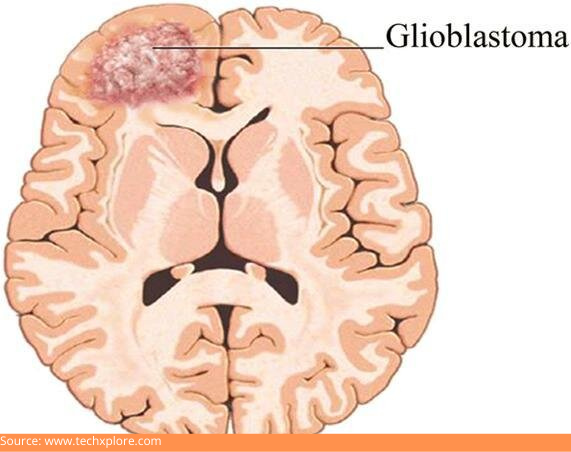
D:\Digicore\UNOSEARCH\Dr Mohana Rao Neurosurgeon Guntur\All About Glioblastoma\Source Gioblast.jpg

Glioblastoma or glioblastoma multiforme (GBM) is a condition that strikes unexpectedly, usually with a sudden seizure or some days of headaches that get worse each day. It is cancer that can develop in your brain or spinal cord and is very destructive. Glioblastoma originates from astrocytes, which are cells that support your nerve cells.

This cancer can strike anyone at any age, but it affects older people more frequently. It can induce headaches, seizures, nausea, and vomiting that worsen with time.

What Are The Symptoms Of Glioblastoma?

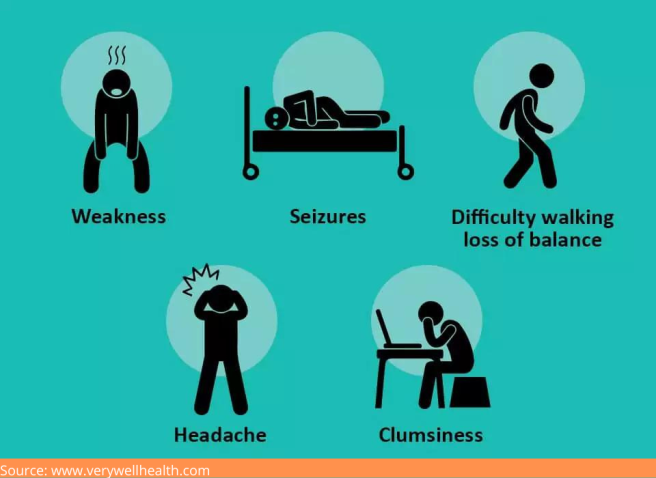
D:\Digicore\UNOSEARCH\Dr Mohana Rao Neurosurgeon Guntur\All About Glioblastoma\Source Symp.png

Symptoms of GBM usually appear suddenly. As the tumor grows, it exerts pressure on your brain, resulting in:

  • Hazy or blurry vision
  • Headaches, which become more and more frequent and severe
  • Appetite loss
  • Memory problems
  • Mood swings or changes in personality
  • Weakness in the muscle, and trouble walking
  • Nausea and vomiting
  • Seizures
  • Speech difficulties
  • Numbness or tingling

If you have noticed any of the above symptoms, please consult with Dr. Mohana Rao, among the best neurosurgeons in Andhra Pradesh, to find out what may be causing it.

What Can Cause Glioblastoma?

Despite various studies and research, experts do not know why some people develop malignant brain tumors, including glioblastoma.

However, some risk factors have been observed and understood.

Who Is At Risk Of Glioblastoma?

GBM most typically affects persons between the ages of 45 – 70. Although men are at a little higher risk than women, the disease affects people of all genders and ages.

These variables may put you at a higher risk:

  • Exposure to chemicals like petroleum, synthetic rubber, pesticides, and vinyl chloride
  • Genetic tumor-causing disorders like neurofibromatosis (tumors that form in your nervous system), Turcot syndrome, and Li-Fraumeni syndrome (both of which are rare genetic disorders increasing the risk of cancer in your brain and spine)
  • Radiation therapy to the head had previously been used

How Is Glioblastoma Diagnosed?

There are several ways to diagnose a brain tumor, including-

Neurological exam:

Your doctor will discuss what changes you have observed, and experienced. He might examine your eyesight, hearing, coordination, reflexes, balance, and strength, among other things. Problems in any of these areas could indicate which section of your brain is being impacted by the tumor.

Imaging tests:

Imaging tests can enable your doctor to figure out where your brain tumor is and how big it is. Brain tumors are frequently diagnosed with MRI, which may be combined with specialized MRI imaging, like functional MRI and MRS (magnetic resonance spectroscopy).

The specialist may also conduct other imaging tests like CT scan (computed tomography) and PET (positron emission tomography).

Biopsy:

Depending on your situation and the position of your tumor, a needle biopsy can be performed before or during the surgery to remove some glioblastoma tissue. A laboratory examines the sample of suspicious tissue to assess the sort of cells present and the level of their aggressiveness.

The specialist can conduct specialized tests of the extracted tumor cells to determine and understand their mutation types. The types of mutation the cells have developed can provide information about the severity of your condition and the best treatment option.

If you suspect that the recent changes you have been undergoing are related to a brain condition, please visit Dr. Rao’s Hospital. It is among the leading neurology hospitals in Guntur with cutting-edge technology and sophisticated equipment. 

What are the treatment options available?

Glioblastoma is a cancer that is very hard to treat and often incurable. Treatments may help to decrease the growth of cancer and alleviate symptoms.

The primary treatment is surgery during which your neurosurgeon will operate and work on removing as much of the cancerous tissues as possible. Glioblastoma cannot be completely removed because it develops into normal brain tissue. As a result, the majority of patients undergo further treatments following surgery to address the leftover cells.

However, some people cannot undergo surgery due to health issues or the location of the tumor. In such cases, radiation therapy and chemotherapy will be the primary treatment.

The treatments for GBM include:

Radiation Therapy:

Radiation therapy employs high-energy beams such as protons or X-rays to damage the cancer cells and stop their growth. 

IMRT (Intensity-modulated radiation therapy):

IMRT enables the targeting of radiation to the tumor while limiting the exposure to healthy brain tissue in the surrounding area.

Stereotactic radiosurgery:

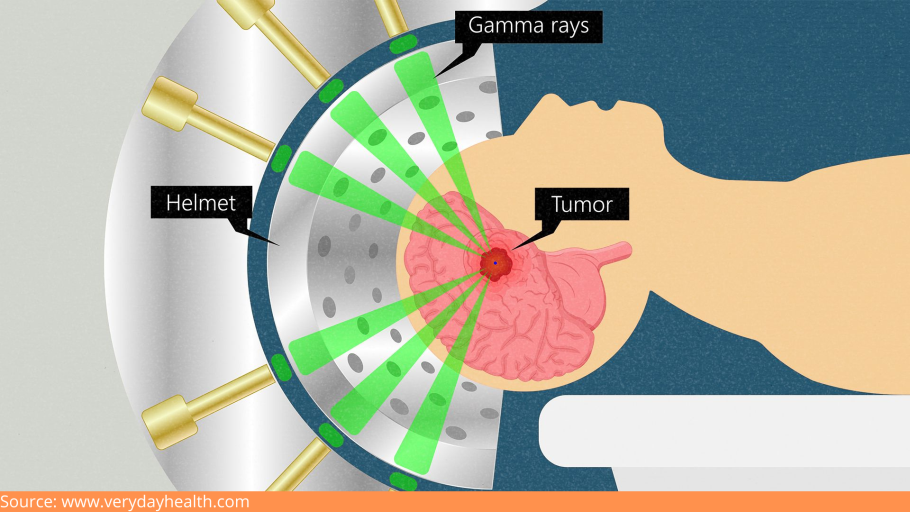
Stereotactic radiosurgery ( or gamma knife radiosurgery) is an advanced form of radiation therapy. This therapy uses highly focused X-ray beams to precisely target the tumor, resulting in minimal harm to healthy tissues. Providers may apply this approach when GBM increases after going through initial IMRT.

D:\Digicore\UNOSEARCH\Dr Mohana Rao Neurosurgeon Guntur\All About Glioblastoma\Source stereo.jpg

Targeted Drug Therapy:

Targeted medications target the specific defects in cancer cells that allow them to develop and flourish. The medicines focus on those abnormalities and cause them to die.

Chemotherapy:

Chemotherapy is a treatment that uses medications to kill cancerous cells. Fine, circular wafers filled with chemotherapy medicine could be inserted into your brain during the surgery in some cases. The slowly dissolving wafers release the medication to kill the cancer cells.

TTF (Tumor treatment fields):

TTF entails putting adhesive pads on your scalp. The pads are wired to a handheld device that produces an electrical field that disrupts the ability of tumor cells from multiplying.TTF is used in conjunction with chemotherapy and can be administered following radiation therapy.


What Is The Outlook Or Prognosis For Glioblastoma Patients?

GBM is a malignancy that is aggressive and difficult to treat. Suitable treatments help to reduce symptoms, make you more comfortable, and help you live longer. The condition does not have a cure yet but many clinical trials are being conducted to develop newer glioblastoma therapies. 

The average life expectancy is 15 months, with about 25% of patients surviving after 2 years and 7% for 5 years.

Conclusion

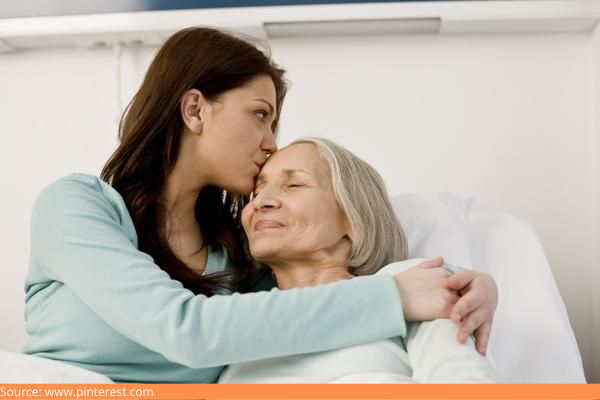
D:\Digicore\UNOSEARCH\Dr Mohana Rao Neurosurgeon Guntur\All About Glioblastoma\Source Caring.jpg

It can be tough to discover that you have GBM. The disease spreads swiftly, making therapy difficult. GBM researchers are still looking for novel ways to treat it. For the time being, treatments can help you manage your symptoms and enhance the quality of your life. 

It is critical to understand that there was nothing you might have done or avoided that would have led to the development of a brain tumor in you or someone you love.

Do watch out for any sudden behavioral changes or discomforts that you feel, or are expressed by a loved one. The faster you address the symptoms, the faster the treatment can begin to alleviate discomfort. 

Please schedule an appointment and seek medical attention from Dr. Mohana Rao, a top-notch neurosurgeon in Guntur, Hyderabad. Known for his integrity, professionalism, and expertise, he is passionate about improving the quality of people’s lives.

Biplane Cath Lab - cerebral-angiography-the-best-at-dr-raos-guntur

Causes, Prevention and The Best Treatment of Cerebrovascular Disorders

Causes, Prevention and The Best Treatment of Cerebrovascular Disorders

A stroke, also known as a brain attack, occurs when the brain’s blood supply is cut off, depriving the brain of oxygen and causing brain cells to die. When cells die, the damaged part of the brain loses control of whatever part of the body it controls. It affects people of all ages, genders, and races. It is the leading cause of disability.

Although stroke is a brain disease, it can impact the entire body. The consequences of a stroke are determined by which section of the brain is affected and how serious the injury is. 

Some of the common disabling symptoms of a stroke are:

  • Paralysis or issues controlling movement. 
  • Sensory abnormalities, including pain. 
  • Problems using or comprehending language. 
  • Problems with thinking and memory. 
  • Emotional disturbances. 

Stroke can have fatal consequences. Thanks to innovative and sophisticated procedures and therapies, life-long impairment or death is no longer addressed.

At Dr. Rao’s Hospital, one of the best neurology hospital in Guntur, Andhra Pradesh, highly qualified and experienced neurosurgeons collaborate to ensure that patients receive the care they require, whether it’s urgent care, brain surgery, cutting-edge diagnostics and treatment, cutting-edge clinical trials, or rehabilitation.

Because time is of the essence when treating stroke, our emergency department teams are prepared to deliver immediate, high-quality, and best stroke and cerebrovascular treatment in Andhra Pradesh. We also have a rapid response team that assesses patients and initiates particular procedures to determine the etiology of the stroke.

Now, let’s know,

What Causes a Stroke?

High blood pressure (hypertension): 

Itis a primary cause of stroke.

Vascular diseases: 

Vascular illnesses, such as clogged arteries, heart valve malfunction, irregular heartbeat, heart infection, and heart abnormalities, can lead to strokes, especially in the elderly.

Smoking or chewing tobacco: 

Smoking can cause several health problems, including fatty deposits in the neck artery, high blood pressure, and blood thickening. Blood clots in the blood vessels can result due to this. Even exposure to second hand smoke can put you at risk for a stroke.

Obesity: 

Being obese or overweight increases the risk of having a stroke.

Diabetes: 

Obesity, high blood pressure, and diabetes are all variables that increase the chances of stroke.

Family history: 

Family genes can also increase the chance of stroke, heart attack, or other major risk factors such as diabetes or high blood pressure.

Now, let’s know more about,

Acute Treatment Strategies for Stroke

If someone has a stroke, they should seek emergency medical attention from a neurologist in Guntur. You can be treated for a stroke with treatments like mechanical thrombectomy.

Neurosurgeons in Guntur use the following equipment to perform mechanical thrombectomy to remove blood clots.

1. Stentriever Mechanical Thrombectomy

A stentriever is the most recent mechanical device. A self-expanding mesh tube is linked to a wire-guided through a catheter (thin tube). The surgeon places the catheter in a groin artery and guides it through numerous blood channels until it reaches the blood clot in the brain.

2. Aspiration Thrombectomy 

Manual cluster yearning or the use of catheter equipment to suck the coagulation out of the vessel are both used in aspiration thrombectomy.

Now, let’s see,

Procedure of Mechanical Thrombectomy

Mechanical thrombectomy is a procedure used to remove blood clots. Neurosurgeons remove blood clots using a vacuum or mechanical gear in mechanical thrombectomy. Therefore, the blood flow is restored, and the stroke is cured.

To achieve the finest results, it’s best to seek mechanical thrombectomy treatment from the best neurology hospital in Guntur.

What are the Advantages of Mechanical Thrombectomy?

  • Mechanical thrombectomy treatment allows patients to recover from a stroke within a 24-hour window following the commencement of the stroke. This will assist more individuals in recovering from stroke and avoiding the adverse effects of stroke. 
  • For patients who have had a stroke, mechanical thrombectomy offers a gleam of hope. Mechanical thrombectomy provides them hope and bravery in their battle against stroke. It resurrects their long-dead hopes and gives them the strength to battle stroke. It is a potent tool that aids patients in overcoming dangerous strokes.
  • Mechanical thrombectomy also speeds up the recovery of patients with stroke. Though mechanical thrombectomy is a valuable technique for treating stroke, it is only available at a few neurology hospitals in Guntur.

Let’s discuss,

Stroke Prevention Strategies

Regardless of family history or age, there are several steps one can take to reduce the risk of having a stroke:

1. Keeping an eye on the blood pressure

One of the leading causes of stroke is high blood pressure. To improve vascular health, an individual should regularly monitor blood pressure and treat it if it rises.

2. Keeping weight in check

Obesity is connected to comorbidities such as diabetes and hypertension, which increase the risk of a stroke. Reduce your calorie consumption and increase your physical activity. Consult your doctor to develop a personal weight-loss plan that works for you.

3. Regular exercise is essential

Daily exercise will help you stay in shape and better control your weight and blood pressure, minimizing your risk of stroke.

4. Avoiding smoking and consuming alcohol

Smoking increases plaque build-up and blood thickening in the neck arteries, which can lead to clotting. Drinking increases the risk of stroke by causing high blood pressure, diabetes, obesity, liver damage, and various other disorders. Reduce your risk of stroke by eating a healthy diet and quitting smoking. In addition, if you consume alcohol, do it in moderation.

5. Keeping an eye on the blood sugar level

Exercise, drugs, and a balanced diet can all help you keep track of your blood sugar levels. Diabetes can cause blood arteries to rupture and clot inside them over time.

Consult our expert neurosurgeons at Dr. Rao’s Hospital if you need cerebrovascular disease treatment or a stroke specialist in Andhra Pradesh.

the best Head-Injury treatment in andhra Pradesh by Dr Rao at Dr Rao's hospital

Head Injury Precautions and Treatments

Head Injury Precautions and Treatments

A knock on the head and a skull fracture are all examples of head injuries. Some severe head traumas might result in brain damage or even death.

Knowing the signs and symptoms of a concussion and some basic first aid can help individuals respond promptly to a head injury, decreasing the risk of consequences. In a recent India today article.

Dr. Rao’s hospital in Guntur has successfully performed many head injury surgeries. It is one of the most renowned and best neurology hospitals in Guntur, with expertise over the years.

Types

There are different types of brain injuries, each of which can be more or less devastating.

 Traumatic brain injury (TBI) occurs when the brain is damaged, usually as a result of an accident. TBI can occur when an object hits a person’s head or when an object enters the brain through the skull.

 A high-velocity ball that hits the head, a massive fall to the head, or a gunshot wound are examples.

Shaking the head vigorously can also cause SHT because the brain can jump or spin in the skull. Whiplash is a common cause of these injuries.

Traumatic brain injury (TBI) is damage to the brain that frequently results in blood clots or bruises. An intracranial hematoma (ICH) is a blood clot in the brain. Depending on its size and location in the brain, the ego can be moderate or heavy.

A concussion is a type of traumatic brain injury (TBI) in which the brain temporarily ceases to function normally. Concussion symptoms are usually not severe or long-lasting, but they can be bothersome.

The brain is protected by the skull, which is formed of thick, sturdy bone. A powerful strike, on the other hand, has the potential to crack or break the skull.

An open head wound, or a penetrating head wound, occurs when the skull is fractured and a bone or other item pierces the brain.

When should you see a doctor?

Both moderate and severe head injuries require medical attention right away. If the symptoms of a mild head injury persist for more than two weeks, get medical help.

The signs and symptoms of a concussion do not usually show right away. A person’s symptoms may appear days or weeks after an incident.

Always proceed with caution while dealing with a head injury. Even after a minor mishap, if someone is worried about their symptoms, they should see a doctor.

First aid and treatment

Mild head injuries are frequently treated at home. Swelling can be reduced by applying a cold pack to the affected region.

Tylenol can also be used, but non-steroidal anti-inflammatory medications (NSAIDs), such as ibuprofen and aspirin, should only be used if a doctor has prescribed them. Someone should check on a person periodically over the first 24 hours following a moderate head injury.

It is critical to seek medical attention if a person loses consciousness or exhibits indications of disorientation or memory loss.

After a brain injury, a person should avoid using drugs or alcohol, driving, or participating in contact sports. They may have to miss work or school.

Severe head injuries necessitate medical care right away. Anyone who encounters someone with severe head injury symptoms should dial 9010056444 or their local emergency number.

It is advisable not to move a person who has suffered a severe head injury to prevent aggravating their ailments. It’s also not a good idea to try to take someone’s helmet off if they’re wearing one.

Severe head injuries frequently require hospitalization, surgery, or long-term care.

Prevention

Although avoiding head injuries is not always feasible, specific actions may be taken to decrease the risk. These are some of them:

  • When in a car, wear a seatbelt
  • When cycling or riding a motorcycle, you should always wear a helmet.
  • when practicing contact sports, take safety precautions

Because a brain injury can have long-term repercussions, it’s critical to take measures wherever possible.

Dr. Rao’s Contact Information:

osteoporotic-spine-surgery

The Best osteoporotic spine surgery in Andhra Pradesh

The Best osteoporotic spine surgery in Andhra Pradesh

Osteoporosis is a bone disease that affects both men and women. Millions of people worldwide have it or are at greater risk of getting it.

A healthy bone has microscopic gaps on the inside, like a honeycomb. Osteoporosis enlarges these gaps, causing the bone to deteriorate in strength and density. Furthermore, the exterior of the bone becomes thinner and weaker.

This condition can strike anyone at any age, but it is more common in the elderly, particularly women. Osteoporosis makes people more prone to fractures, especially in the spine, known as vertebral compression fractures.

Early diagnosis and treatment can be beneficial as they prevent further compression and irreversible changes in the spine. You can consult Dr. Mohana Rao Patibandla, one of the best neurosurgeons in Guntur, at Dr. Rao’s Hospital for advanced surgical intervention.

What are the symptoms of spine fractures?

A compression fracture can result in back or neck pain and loss of height. It is a fracture in one of your neck or back vertebrae that is so weak that it breaks under normal spinal pressure.

The fracture can cause symptoms such as:

  1. Severe, sudden back pain
  2. Have problems twisting or bending your body?
  3. Pain that increases when you walk or stand
  4. Curved-shaped spine
  5. There is far more significant pain and discomfort in moving if the fracture is in the lower spine.
  6. Kyphosis of the spine, loss of height, and neuro deficiencies
  7. Neurological deficits include weakness of the limbs, tingling numbness, bed wetting, and stool incontinence or constipation.

What are the causes of osteoporosis?

Osteoporosis is a natural aging process in which our bones weaken as we get older. The vertebrae in the spine might narrow and flatten due to it. This can result in a hump or rounded back in older adults, giving them a bent-forward look.

The weaker vertebrae are particularly vulnerable to fracture. When too much pressure is applied to a weak vertebra, its front cracks and loses height, resulting in a vertebral compression fracture. They are most commonly caused by falls. However, people with osteoporosis can sustain a fracture by coughing, twisting, or sneezing.

How is osteoporosis diagnosed?

Your doctor will evaluate your medical history and do a physical exam to determine if you have osteoporosis. They may also conduct blood and urine tests to look for disorders that could cause bone loss. Tests to check the levels of calcium and vitamin D are also included.

To determine whether you have a spine fracture, your doctor will recommend an X-ray, MRI, or CT scan to examine your bones more closely.

Further, he will ask you to undergo a bone density test called bone densitometry, or dual-energy X-ray absorptiometry (DEXA).

Treatment for vertebral compression fracture

Nonsurgical treatment

Most people with a spinal compression fracture recover within three months without needing to have the fracture fixed. Simple measures, such as a brief period of rest and the use of pain medications when necessary, are all that are required. The doctor may ask the patients to wear a brace to limit their movement and allow the spinal compression fracture to heal.

The doctor may also recommend lifestyle changes and prescribe calcium, Vitamin D, bisphosphonates, and anabolic bone drugs.

Surgical Treatment

Surgery may be recommended if you have significant pain that does not respond to nonsurgical treatment. Patients with recent spinal compression fractures are the best candidates for surgery. Your doctor will discuss which operation is best for you based on the type of spinal compression fracture you have.

Dr. Rao’s Hospital is one of the best neurology hospitals in Guntur, where you are offered advanced minimally invasive vertebral augmentation procedures.

Kyphoplasty

During this procedure, the surgeon inserts a balloon tamp into the fractured vertebra. The balloon is then inflated, which helps restore the vertebra’s height and shape. The device leaves behind a small cavity that the doctor fills with special bone cement.

Vertebroplasty

Here, the surgeon injects the bone cement into the narrowed vertebra to keep it stable. It helps to alleviate discomfort and help avoid additional vertebral fractures and a bent spine.

Cemented augmented fenestrated screws

In patients with low bone quality due to osteoporosis, fenestrated screws for cement augmentation provided effective and long-lasting outcomes.

They are used for spine stabilization in the elderly, allowing for rapid functional recovery in fractures and deformities.

It also overcomes the problem of screws loosening in individuals with inadequate bone stock due to osteoporosis, causing morbidity.

Contact Dr. Mohana Rao Patibandla, one of the best neurosurgeons in Guntur, Andhra Pradesh, for superior treatment options for spinal compression fractures due to osteoporosis. According to mid-day

Dr. Rao’s Contact Information: