Tag Archives: Best spine surgeon in andhra pradesh

best-hydrocephalus-treatment-in-guntur-best-neurosurgeon-in-guntur-best-neurosurgeon-in-india

Best Hydrocephalus treatment in Guntur

Hydrocephalus is a condition in which excess fluid accumulates in the brain. CSF has several vital functions in the brain, including a shock absorber for the brain and spinal cord, a vehicle for nutrients and removing wastes, and maintaining the constant flow between the skull and spine to regulate pressure. Hydrocephalus occurs due to an increase in the production of the fluid, a decreased rate of CSF absorption, or a block in normal flow through the ventricular system. Hydrocephalus can range from neonates to adults due to different conditions. Hydrocephalus can be caused by several factors, including genetic mutations, meningitis, brain tumors, injuries, etc.


Dr. Rao’s hospital is the best in the country for hydrocephalus treatment. He is also one of the best brain surgeons and neurosurgeons in Guntur. In addition to Dr. Mohana Rao Patibandla‘s excellent medical skills, he is compassionate and caring. He has helped many patients with hydrocephalus and is the best doctor for this condition in Guntur.


A. Causes of hydrocephalus:
1.Genetic mutations: Congenital Hydrocephalus
2.Infections – Communicating Hydrocephalus, Acquired Hydrocephalus
3.Injuries or tumors – Non-communication (Obstructive) Hydrocephalus
4.Normal Pressure Hydrocephalus


B. Symptoms of hydrocephalus: The symptoms vary from person to person and age. Infants and young children more often present with increased intracranial pressure like vomiting, and adults present with difficulty walking, peeing, or thinking.
1. Infants – increase in the size of the head, progressively increasing head circumference, Bulging fontanelle, prominent scalp veins, Sunset sign, Vomiting, Seizures, Sleepiness, Irritability
2. Children and adolescents: Nausea or vomiting, papilloedema, Blurred vision, double vision, Balance abnormalities, developmental delay, Changes in personality, concentration issues, Seizures, Poor appetite, incontinence
3. Adults: Headache, vomiting, gait apraxia, balance issues, incontinence, and vision issues, memory loss, dementia


C. Diagnosis of hydrocephalus:
1. Physical exam: We need to identify the cause and severity of the hydrocephalus. Thorough patient history, clinical examination, and diagnostic tests are essential in diagnosing hydrocephalus.
2. Imaging tests:
Lumbar puncture (spinal tap) is contraindicated in obstructive hydrocephalus.
Computed tomography scan (CT or CAT scan)
Magnetic resonance imaging (MRI)
ICP monitoring
3. Tests for genetic mutations


D. Treatment of hydrocephalus: Treatment of the cause of water retention is the priority. Removing the obstruction caused by the tumor or blood is a direct way of treating hydrocephalus. Indirect treatments for hydrocephalus are the most common mode of treatment, including shunt or endoscopic third ventriculostomy. The shunt will have a catheter and valve, and is flexible tube drains excessive CSF. The shunt stays for a lifetime and keeps the intracranial pressure within normal limits. Endoscopic third ventriculostomy is a new procedure that involves creating a new hole in the floor of the third ventricle as an alternative path for CSF flow. It avoids the presence of lifelong implants in the body.
1. Surgery: Shunting or Endoscopic third ventriculostomy or tumor removal.
2. Medication: Acetazolamide to decrease fluid production.


E. Follow-up
Hydrocephalus is a persistent condition, so continuous follow-up and Follow-up diagnostic tests, including MRIs, CT scans, and x-rays, need to be done to check the shunt function.
Alarming symptoms to see a doctor:

Tenderness, Redness, pain, or swelling of the skin at the incision or along the tube
Fever
Irritability
Nausea, vomiting,
Decreased vision
Headache
Double vision
Drowsiness
Abdominal pain
Return of preoperative neurological symptoms


F. Prognosis
The prognosis depends on the etiology, earlier diagnosis and treatment, and the extent of symptoms. Some patients show good improvement, while others do not. Elevated pressure symptoms will be relieved. In normal pressure hydrocephalus, dementia can be reversed.

The earlier the diagnosis and treatment of hydrocephalus will be, the better the outcome. Improvement of the condition varies significantly for each patient. 50% of the shunts fail at two years; the valve may be clogged and needs additional surgeries. Surgery is often necessary to replace the blocked or malfunctioning portion of the shunt system when a shunt malfunctions. Luckily, most of the complications can be dealt with successfully.

Conclusion 

Hydrocephalus is a condition in which excess fluid accumulates in the brain. Hydrocephalus can be caused by several factors, including genetic mutations, infections, trauma, tumor, and injuries. Know the signs and symptoms of hydrocephalus so that you can get them diagnosed and treated early.

Dr. Rao’s hospital is the best Neurosurgery hospital in Guntur, and Dr. Mohana Rao Patibandla is the best Neurosurgeon for hydrocephalus, brain surgery, and neurosurgery in Guntur. He is very experienced and skilled in these fields, and he is also very compassionate and caring. If you need treatment for hydrocephalus or surgery for your brain or spine, you should go to Dr. Mohana Rao Patibandla.

The Science of Brain-Computer Interfaces: How to Control Computers with Your Mind

Cauda Equina Syndrome (CES) – Dr Rao at Dr Rao’s Hospital

Cauda Equina Syndrome (CES) – The best treatment at Dr Rao’s Hospital

Get the best neurosurgeon in Guntur. Dr. Mohana Rao Patibandla is doing minimally invasive spine surgery with a fixation for a patient with cauda equine syndrome secondary to spine trauma.

Compression of the spinal cord results in Cauda Equina Syndrome, a severe neurological condition. Early diagnosis and treatment are essential to improving the chances of a good outcome. The cauda equina is a bundle of nerves at the base of the spinal cord that controls movement and sensation in the legs and lower body. When these nerves are compressed, it can cause pain, numbness, and weakness in the legs. Cauda Equina Syndrome is a medical emergency and requires immediate treatment. Guntur’s best spine surgery hospital offers round-the-clock emergency surgical services and care. In a recent India today article.

Causes:

Various factors, including a herniated disc, spinal tumors, or trauma to the spine, can cause this compression.

One of the most common causes of CES is a herniated disc. A herniated disc occurs when the outer layer of the disc ruptures, allowing the inner layer to bulge out and compress the nerves. This can happen due to various factors, including age-related wear and tear, injury, or lifting heavy objects.

Another common cause of CES is spinal tumors. Spinal tumors are growths that develop on or near the spine. They can be benign (non-cancerous) or malignant (cancerous). While benign tumors are not usually life-threatening, they can still compress the nerves and cause CES.

Symptoms

Symptoms of a herniated disc include pain, numbness, and weakness in the legs and lower body. These symptoms can vary depending on the location of the herniated disc. In some cases, a herniated disc can also cause urinary incontinence. Malignant tumors are more likely to cause CES because they grow quickly and can spread to other body parts. Spinal tumor symptoms include back pain, numbness, and weakness in the legs and lower body. In some cases, a spinal tumor can also cause paralysis.

Diagnosis and Treatment

Once the diagnosis of CES is made and the etiology is established through clinical history, physical examination, diagnostic tests like an MRI of the spine, CT myelogram, and emergent surgery are the treatments of choice. The goal of CES treatment is to free up the compressed nerve roots. if not treated in time, it will result in paralysis and incontinence. The duration of surgery symptoms is less than 48 hours, leading to a better prognosis and looking for the best neurosurgery or spine surgery hospital in Guntur. Look no further than Dr. Rao’s hospital! We’re the best in the business, and our neurosurgeon is the best in India!

Conclusion:

Cauda Equina Syndrome is a severe condition that can cause permanent nerve damage. The syndrome occurs when the cauda equina, a bundle of nerves at the base of the spine, is compressed. A herniated disc, spinal tumors, or spine trauma are just a few causes of this compression.

CES is a medical emergency and requires prompt treatment to prevent permanent nerve damage. Suppose you experience any of the symptoms of CES. In that case, it is essential to seek medical attention immediately and call Dr. Rao’s hospital at 9010056444 or 9010057444 for the best spine surgeon in India, Dr. Mohana Rao Patibandla.

First Biplane cath lab in Andhra Pradesh, India at Dr Rao's Hospital for the advanced interventional neurology procedures

The Best Neurosurgery Hospital in Guntur With The Latest State of the Art Technology

The Best Neurosurgery Hospital in Guntur With The Latest State of the Art Technology

A hybrid operating theater is a type of operating room that combines the features of a traditional operating room and a catheterization lab. It is typically used for procedures that require both surgical and interventional radiology (IR) techniques. check more about drraohospitals on india today.

First biplane cathlab in Andhra Pradesh and Telangana diagnostic-tests-in-neurosurgery-the-best-at-dr-raos-guntur

first biplane cath lab in Andhra Pradesh and Telangana diagnostic-tests-in-neurosurgery-the-best-at-dr-Rao’s hospital-Guntur


Hybrid operation theater @ Dr. Rao’s hospital.

Some of the benefits of using a hybrid operating theater include: 

1. Increased efficiency: procedures typically requiring two separate rooms can be completed in one hybrid room, saving time and money. 

2. Better patient outcomes—Having all of the necessary equipment and personnel in one room can help ensure that procedures are performed safely and effectively. 

3. Enhanced safety: having a dedicated hybrid operating room can help reduce the risk of infection and other complications. 

4. Improved patient comfort—Patients may feel more comfortable knowing that they will not have to be moved between two different rooms during their procedure. 

Our hospital’s Biplane Cath Lab Hybrid operation theater is equipped with the latest 4K endoscopy and neuronavigation technology. This state-of-the-art equipment lets us provide our patients with the best possible care. 

Our hospital’s Biplane Cath Lab Hybrid operation theater is equipped with the latest 4K endoscopy and neuronavigation technology. This state-of-the-art equipment lets us provide our patients with the best possible care. 4K endoscopy provides superior image quality, which helps our doctors diagnose and treat conditions more accurately. 

This advanced equipment helps us to safely and effectively perform procedures such as brain surgery. Neuronavigation technology allows us to precisely target areas in the brain, while neuromonitoring helps us to monitor the patient’s neurological status during surgery. This information is essential to ensure that the procedure is being performed safely and effectively. 

Conclusion: Our hospital’s Biplane Cath Lab Hybrid operation theater is equipped with the latest 4K endoscopy and neuronavigation technology. This state-of-the-art equipment lets us provide our patients with the best possible care. Neuronavigation and neuromonitoring technology help us to safely and effectively perform procedures such as brain surgery.


minimally-invasive-spine-surgery-working-treatment-and-spinal-fusion

The best Minimally Invasive Spine Surgery in Guntur

Minimally invasive spine surgery is a relatively new treatment that allows surgeons to shun the traditional, open approach. By performing this procedure with a tiny incision, the surgeon can avoid disrupting muscles, nerves and blood vessels. We, humans are walking because of the muscles and the minimally invasive spine surgery will not damage the muscles unlike the traditional open surgery.

The results are dramatic: shorter operation time, less pain for the patient, and fewer complications for your surgeon. What’s even more amazing is that the best spine doctor at the best spine surgery hospital in Guntur agrees that Minimally Invasive Spine Surgery provides more benefits than traditional Surgery like less blood loss, less recovery time, faster resumption of activities, less hospital stay, e.t.c.

The first aspect of minimally invasive surgery is reducing surgical exposure to a minimum while maintaining adequate surgical exposure. A spine surgeon in Guntur has learned that a patient’s neurological function and minimizing the collateral damage during surgery are more important than anything else.

It is no longer acceptable to put patients at risk by not making every effort to preserve sensitive structures around their spinal cord. This concern has led to fewer extensive surgeries and smaller incisions which use neuronavigation, neuromontioring with precision and accuracy.

In addition, spine specialists in Guntur are now able to initiate procedures in patients who used to be considered untreatable because of their degree of disability.

Diseases Cured by Minimally Invasive Spine Surgery

  • Lumbar spinal stenosis
  • Spinal infections
  • Spinal deformities such as scoliosis, Kyphosis
  • Degenerative disc disease
  • Spondyloarthritis of spine
  • Cervical discectomy
  • Cervical foraminotomy
  • Minimally invasive spine reonstruction procedures
  • Conditions that require full spinal fusion

How does Minimally Invasive Spine Surgery Works?

Minimally invasive spine surgery uses a scope to guide the surgeon during spinal operations. To perform minimally invasive spine surgery, an incision is made in the skin on either side of the spine.

The doctor inserts a scope into this incision and then uses it to manipulate and guide the surgical instruments. The scope is also used by surgeons to view internal injuries, open blood vessels and perform special procedures. Because there is less incision and only a small piece of bone removed, spinal surgeons can operate on patients who would otherwise be considered difficult cases for open procedures.

Using small incisions in combination with instrumentation allows the best spine surgeon in Andhra Pradesh to perform MIS procedures on patients. Whose vertebral bodies would have otherwise been beyond reach with traditional approaches.

These are areas such as the thoracic spine involved in lung cancer surgery. Several methods can be used to minimize trauma during MIS surgery. Some of the more common techniques are outlined here.

Use of Tubular Retractor

The tubular retractors are made of a variety of plastics or metals which are used during spine surgeries. These devices are threaded rods which the surgeon inserts through small incisions in the patient’s back to hold the vertebrae apart from each other. The retractors also allow for easy access to delicate nerves and blood vessels.

These devices ensure that certain spinal segments do not move during surgery by holding them in place. Although these devices can be used with traditional open procedures. They have been found to have great success with minimally invasive navigation solutions.

  1. Percutaneous Placement of Screws and Rods: The surgeon uses the above devices to create an open space through which they can operate. The surgeon inserts a small cage and then inserts pieces of titanium into it which are used to exercise the vertebrae and allow for an in-depth vision.
    Percutaneous means that the surgeon is using a needle to insert rods, screws and instruments. The advantage of using the percutaneous placement of screws and rods is that they can be placed without the need for open invasive surgery.
  2. Direct Lateral Access Routes: This is one of the most common methods used to perform MIS procedures and is similar to the lateral access approach. The patient, who is lying on their side, undergoes an X-ray or using navigation  under neuromonitoring.
    This procedure ensures that there are enough pathways in place to allow them to operate. After making sure that there are no significant nerves on the way to the patient’s spine, they proceed with the surgery.
  3. Thoracoscopic Access Route: Thoracoscopic access is similar to lateral access. In this case, the surgeon uses a camera and a small needle to create an open space on the front side of the thoracic spine.
    The main advantage of this method is that it averts exposure to the patient’s lungs and surrounding muscles during the procedure.

Using these minimally invasive procedures, surgeons can operate on patients who would otherwise be considered “untreatable”.
This minimally invasive technique is more effective than traditional methods in achieving results for many diseases that were previously beyond reach.

Treatment

  1. Endoscopic Discectomy: We are removing herniated discs with endoscopic techniques (with a small scope). This requires that the patient have an X-ray in the spinal suite which shows the disc space well enough for the surgeon to see what he needs to do. Herniated discs are removed through a small incision from above.
  2. Spinal decompression: We are performing spinal decompressions with a minimally invasive approach. These types of surgeries are used to treat herniated discs (which bulge or burst out of their normal location).
    Another condition that can be treated with this method is spinal stenosis, which is the narrowing of the space surrounding the spinal cord or nerves.
  3. Transforaminal Lumbar Interbody Fusion (TLIF): This is a minimally invasive procedure that is done to treat the disc disease called lumbar spinal stenosis or LSS. It is done through a small incision in the patient’s back 2 to 5 cm away from the midline.
    After making sure there are no other issues in the spine, a surgeon inserts a thin Cage into the spine. And then fuses (fixation with rods and screws along with bone) several vertebrae where they have degenerated (to stabilize their structure and improve mobility).

Instruments Used

Some of the more commonly used instruments in minimally invasive spine surgery are:

Screws: These are used to help stabilize and fuse vertebrae. They are usually made of titanium.

Endoscope: These instruments have small heads with a camera attached to them. An endoscope is used to see the inside of the body while performing minimally invasive spine surgeries.

Minimally invasive tubular retractor (MITR): Minimally invasive tubular retractors are used to stabilize vertebrae, mobilize the muscles out of the surgical way and allow for surgical procedure of discectomy, spinal stenosis and others.

Discectomy retractors: Discectomy retractors are used to stabilize vertebrae, and visualize the surgical field. And protect the patient’s back during discectomy surgery.

Bladed Spinal Instrumentation: Many different types of blades can be used during a minimally invasive surgery including spinal bars, wedges, discs and instruments that can remove bone or discs.

Portals: Ports are small incisions that are used to improve visualization and allow for easy placement of instruments. These can be placed through the back, front or side of a patient’s body. It separates tissue during a minimally invasive surgery so that the surgeon can get a clear view of the procedure. And perform it with minimal damage to the surrounding tissue.

Spinal Fusion

Spinal Fusion is a minimally invasive spine surgery that is used to treat herniated discs or spinal stenosis. This procedure involves the removal of the disc. And then fusing it with one or more vertebral bodies to both stabilize them and increase fusion.

The main goal of this procedure is to bring the back body centre closer to the head so that it can be more flexible and easier for patients to move. The procedure requires a patient to be in good physical health, have no infection in their spine and be able to withstand stress from spinal fusion surgeries.

Final Words

Minimally invasive spine surgery is a way for patients to gain back their quality of life. It becomes a total solution to many problems or disadvantages that come with the traditional surgery and recovery process.

Minimally invasive spine surgery should be advised in patients who are willing to undergo spine surgery with less pain, less scarring, less hospital stay, immediate mobilization, less time to work and less blood loss. We, at Guntur in Andhra Pradesh providing all the minimally invasive spine surgeries with utmost care, high technology and efficient technique s at Dr. Rao’s hospital, The best neurosurgery hospital for the minimally invasive spine surgeries.

most-common-spinal-problems-in-elderly-how-to-treat-them

Most Common Spinal Problems in Elderly: How to Treat Them?

The spinal column is a complex system made up of bones, discs, and ligaments. The spine can become diseased or injured in numerous ways. Several different conditions affect the spinal column in elderly people, including scoliotic curvature, osteoporosis and disc degeneration. We are all aware of the most common spine problem or condition, back pain, but aside from this classical condition, many other spinal problems can occur in elderly people.

The spine is the support structure of our body and it provides stability to allow us to walk, stand, and are capable of maintain balance. Many conditions can affect a person’s spine in the elderly. These conditions may require surgery or treatment and some people may be at risk for these conditions as they age

The team of best spine surgeons in Guntur working in best spine hospital in Andhra Pradesh will be able to determine the underlying cause of a particular spine problem. And the extent of symptoms, and will be able to advise the patient on a course of treatment that best suits their needs. You can book a visit at the best spine surgery hospital in India here and find out the available treatment options here.

How do identify the most common problems that afflict the elderly?

Several common spinal conditions can affect the elderly. Many of these diseases or injuries can be prevented and treated with early detection and correct treatment also. Certain spine conditions may be detected or detected early enough to treat effectively.

Common Spinal Problems In the Elderly

  • Osteoporosis is caused by a parathyroid hormone deficiency, which is a deficiency in parathyroid Hormone (PTH). This condition causes low levels of osteoporosis, which is when the bones become weak and thin. Also called Paget’s Disease, osteoporosis affects the spine more than any other area of the body. Because vertebrae and discs are found between the ribs, pelvis and skull bones.
  • Vertebral fractures are another common muscle condition in elderly people. The vertebrae are made up of a hard, cord-like material called bone, which lies between your body’s discs. When these bones become weak they may crack or break apart, causing sharp pain and complications. Such as disc herniation (which occurs when a piece of the broken bone pushes against the spinal cord.
  • Degenerative disc disease is a common problem for about 80% of all people by the time they reach 70 years old. Disc disease is a condition that causes the discs in your spine to dry up, shrink and deteriorate. The spinal disc is made up of two parts: the outer hard part (annulus fibrosus) and the soft inner area (nucleus pulposus). As we age, our discs become less flexible and their ability to absorb shock and fit around our vertebrae decreases.
  • Sciatica is commonly found in the elderly population. It is a spinal condition that occurs when there is nerve compression in the lower back, resulting in pain. Some common symptoms of this problem are tingling and numbness that radiates down the legs and painful, burning sensations in the calf also.

How To Treat Spinal Problems in Elderly?

1. Physical Therapy

Physical therapy has proven to be an effective treatment for many conditions affecting the spine. The goal of physical therapy is to improve function, increase muscle strength and flexibility, and correct muscle imbalances in elderly people. If you have pain in your back or neck that interferes with your quality of life, you should see the best spine doctor in Guntur right away.

2. Self Treatment

You can take steps to reduce the risk of an injury to your back and neck. Advice from a qualified chiropractor or physical therapist may be useful. Other tips include avoiding excessive bending, lifting, twisting and pulling as well as making sure you are well hydrated before workouts.

3. Prevent

You can take steps to reduce your chances of falling in the first place. Always use caution when taking care of yourself at home, using lifts and avoiding stairs. If you plan on climbing outside this winter then make sure to wear proper clothing and shoes with good arch support that you can also use indoors while remaining safe.

4. Spinal Surgery

The most common type of spinal surgery for elderly citizens is the removal or fusion procedure; this process involves surgically cutting the discs from between vertebrae to remove pressure from the space between their bones. Spinal surgery is most often performed by using minimally invasive techniques. Spine specialists and best spine surgeons in Guntur can operate through very small openings in your body. Finally, this allows the Spine surgeon in Guntur to make incisions without affecting nearby nerve roots and organs.

Final Words

Diseases of the spine can cause many problems related to your quality of life; they can also affect your ability to do even basic tasks such as walking, standing or sitting up straight. This is why it is important to understand what these problems are and how best to deal with them.

spine-surgery-types-diagnosis-treatment

The best Spine Surgery in Guntur: Types, Diagnosis & Treatment

Best Spine Surgery in Guntur

Spine surgery is the surgical, or decompressive, process that restores movement or removes pressure on the spine. It may be used to correct the conditions of a spinal disorder in children and adults. The spine is made up of several bones called vertebrae stacked one on top of each other.

They have gaps between them called intervertebral spaces that allow nerves to pass through. Below these are discs which are cushions of thick jelly-like material that act as shock absorbers between the joints at each vertebral level (joints connect bone with ligament).

In India, Spine surgery is performed on large numbers of people (more than 3.5 lakh per year) and many more thousands are treated by doctors with spinal training alone.

Spine Surgeon

“A spinal surgeon is a medical specialist who performs operations on the spine.”

Dr Rao’s Hospital has the best spine surgeon in Andhra Pradesh. With the best training and experience. The hospital has the most experienced and well-qualified spine surgeon in Andhra Pradesh. Our hospital has a team of the best spine doctor in Guntur who has trained and worked for several years.

The spine surgeon has to diagnose the underlying causes of back, neck and other types of pain. The surgeons also work to restore functionality and intensity, including mobility, stability and strength. The treatment plan will involve many specialists in back care such as the physiotherapist, occupational therapists and others.

The spine surgeon will also decide whether any type of surgery is required or not.

What Spinal Conditions Require Surgery?

Spine surgery may be required for several spine conditions. The need for spine surgery is dependent on several factors, including age, previous injuries and quality of life issues. The more degenerative the condition, the more likely that it will be treated with surgery. Back pain (which is often caused by bad posture), neck pain (caused by muscle spasm) or bulging spinal discs can be treated using spinal fusion (an operation to fuse a segment of vertebrae).

Spinal surgery is performed to treat spinal disorders. It may also be used to treat complications from spinal disorders, such as stenosis or bone fractures. The primary goal of any spinal surgery is to relieve pain. And restore muscle strength in a shorter amount of time than conservative treatments, improve mobility and restore normal spinal function.

Most Common Spinal Surgeries

Many different types of implants are used in spine surgery.

Spinal fusion surgery: In this procedure, the surgeon places a bone graft and a metal implant to strengthen the vertebrae. The fusion procedure is usually short and can be done through a small incision in the back rather than an incision across it. It can be performed on the lumbar (lower back), cervical (neck), thoracic (mid-back) or lumbar-thoracic (lumbar and thoracic) spine.

Spinal decompression surgery: In this procedure, the surgeon takes out part of the spine (vertebrae) which is pressing on a nerve root. This relieves pain and restores movement. The back muscles help hold the spinal joints together safely after surgery.

Laminectomy/Discectomy: In this method, the surgeon removes herniated or bulging disc tissue to decompress or relieve pressure on sensitive nerves. The surgeon may need to use a combination of these devices.

Plates and Screws: A plate and screws help stabilize a ruptured vertebral disc or broken vertebrae. When used with a cage, plate and cage surgeries offer an additional level of stability for complex spinal conditions.

Vertebroplasty: This minimally invasive procedure strengthens vertebrae weakened by compression fractures

Kyphoplasty: This is similar to vertebroplasty, but can be used in the thoracic or lumbar spine in addition to the cervical spine. It uses a balloon to inflate weakened vertebrae.

The spinal surgery must be performed as early as possible after diagnosis, as successful healing and recovery are highly dependent on it. The recovery period is about two months for simple procedures like discectomy. And more than six months for complex operations like spinal fusion surgery.

About Hospital

The hospital has the best Spine surgeon in Guntur that are specialised in all kinds of spine surgeries. With well-trained and experienced staff who are specially trained in this field and provide the best care to the patients.

Dr Rao’s hospital is one of the best spine surgery hospitals in India with a team of top doctors that has specialization in different kinds of spine surgeries. With a well-equipped infrastructure and an expert team, we can offer a wide range of services.

Including minimally invasive procedures like implantation of rods, artificial caged and plates for fixation. As well as non-invasive procedures like injection treatments for pain management for our patients. The experience spanning more than three decades has helped us become one of the leading names offering state-of-the-art treatment options for spinal disorders.

Diagnosis Of Spinal Disease

Preliminary diagnosis This is usually done by a primary care doctor or general physician. He may refer the patient to an X-ray, MRI or CT scan to determine if there is any tissue damage.

Diagnosis of spinal disorders is done through several tests, including:

X-ray: Used to check the shape and movement of the bones. A surgeon will order an X-ray to see if they can repair broken, badly damaged or displaced vertebrae. X-rays can show problems in the bones of the spine, but they are not as useful for diagnosing soft tissue problems like disc herniation or stenosis.

MRI: Used to check the shape and movement of the bones. Also used to identify soft tissues, bone abnormalities, bony tumours, and blood vessel-related conditions.

CT Scan: Used to look at abnormalities in the spine and brain. A surgeon will likely order a CT scan to check for spinal stenosis (narrowing) or herniated disc(s). The scan is usually performed with dye rather than radiation so it is less harmful.

Computed tomography (CT) scan and magnetic resonance imaging (MRI) is used to image the spine. These scans take high-resolution pictures of your spinal cord and vertebral column. So doctors can see any injuries, tumours or fractures in the vertebrae.

Treatment Of Spinal Disease

After diagnosis, treatment is based on the type of spinal disorder, with conservative and surgical treatments.
Conservative treatment is recommended before any surgery if possible because it may slow the progression of a spinal disorder. A Spine specialist in Guntur will suggest the best treatment for the patient depending on their condition and the type of surgery to be done.

Building on the success of conservative treatment and careful planning, spinal surgery can provide excellent results.

Medications

The medicines to reduce the pain of spine disorders are paracetamol (acetaminophen) and nonsteroidal anti-inflammatory drugs (NSAIDs). In addition, some special medications for nerve pain, back pain related to a pinched or inflamed nerve root, and back pain associated with spinal stenosis can also be prescribed.
Opioids are painkillers which are not recommended before surgery because they may slow down or stop the healing. Opioids can also cause problems called lung and breathing problems.

Physical Therapy

Activity programs and physical therapy can help reduce back pain related to spinal stenosis. Physical therapy can also correct muscle or joint problems caused by the injury.
For patients with severe spinal stenosis, certain back exercises are very helpful. These exercises are generally very helpful for patients whose pain usually gets better when they bend forward or move to the side.

Surgery

Depending on the type of procedure that is required and the severity of any condition affecting the spine. An orthopaedic spine surgeon in Guntur may perform one or more types of procedures. If a disc is herniated or the vertebrae are badly damaged or displaced, an orthopaedic surgeon will recommend fusion surgery.

Surgery may be need in more serious cases to remove a herniated disc or to remove bone spurs due to arthritis. Surgery for back pain generally involves removing bony pieces of the spine. That may be causing discomfort or narrowing the area where nerves and muscles are located (spinal stenosis).

Surgical Procedures for Spinal Disorders

The physiotherapist will plan out the treatments and determine the type of exercises that will be required to restore mobility, strength and posture. There are various ways to approach spine replacement surgery.

It may involve minimally invasive surgery using spinal implants like titanium rods, artificial discs or cages, which may be used to replace damaged cartilages or vertebrae. The use of plates and screws has also become common in spinal surgery procedures.

How Do You Know When It’s Time For Spine Surgery?

Neck pain is often the first symptom of spinal problems. But sometimes, it can also be noticed when a person experiences back or lower back pain or sudden discomfort. It’s vital to visit a doctor who will recommend an examination and let you know if you need to undergo surgery for spine disorders.

Spinal surgery is performed by a Neurosurgeon spine surgeon in Guntur. The surgeon will take a history of the patient’s health condition and symptoms before making a diagnosis and recommending treatment options. The procedure may either be done through open surgery or minimally invasive surgery with the help of a camera called an endoscope.

minimally-invasive-spine-surgery-all-you-need-to-know

The Best Minimally Invasive Spine Surgery in Andhra Pradesh

The Best Minimally Invasive Spine Surgery in Andhra Pradesh

“You are the backbone of the family!”

“My mother is my backbone.”

You might have heard such sentences and even used them yourself.

What does it mean when one uses the term backbone?

The backbone indicates strength! It means crucial—the central and most vital part of something!

Like, mothers are the backbone of the family!

We also use the word backbone to refer to one of our organs! And that organ is none other than the spine! The name justifies the organ. The spine, or backbone, is a crucial part of our body. It is the strength and the body’s central support structure.

What if the backbone of the body gets damaged?

Can you imagine a family without a mother, the most vital part, the backbone of the family?

What happens if the backbone of your family gets ill or injured?

The entire family is affected.

In the same way, when the backbone of our body, our spine,, is injured or damaged, our entire body is negatively affected.

The strongest becomes the weakest!

Stand up! Now sit down!

You can easily stand and sit,, right?

But unfortunately, you can’t easily sit, stand, or move when you have an injured spine!

But there is a solution to every problem! So don’t worry!

One can treat their spine problems by visiting Dr. Rao’s Hospital, Guntur!

Your neurosurgeon in Guntur will advise you to have spine surgery. It is recommended to ask your neurosurgeon whether minimally invasive spine surgery is an option for you.

What exactly is minimally invasive spine surgery?

Minimally invasive spine surgery is a technique for doing spine surgery. The experienced neurosurgeon at Dr. Rao’s Hospital, Guntur, will make a single large incision (cut) into your skin in a “traditional” open surgery procedure. A considerable quantity of muscle and surrounding soft tissue is distributed, pulled out of the way, or removed from the bone to let your surgeon see the surgery site correctly. This might lead to additional muscle injuries and pain following surgery.

Your neurosurgeon in Guntur will make one or more small incisions (approximately 1-2 inches each) through your skin during minimally invasive surgery. An endoscope is inserted into the incision to allow the surgeon to work in a narrower operational field. Working through more minor wounds produces far less harm to soft tissues and muscles than a single lengthy incision. Minimally invasive spine surgery is performed at the best neurology hospital in Guntur.

So, are you having severe spinal problems and are considering having a minimally invasive spine surgery treatment done?

Then, you would be interested in learning more about minimally invasive spine surgery!

This article explains minimally invasive spine surgery treatment in detail.

So, keep reading this article to learn more about minimally invasive spine surgery!

What kinds of spinal surgeries can be done using a minimally invasive approach?

At Dr. Rao’s Hospital in Guntur, many spine procedures can be performed using MISS. The following are a few of them:

  1. • Spinal fusion, a procedure that is commonly used to treat “slipped” discs.
  2. • Correction of deformities like kyphosis and scoliosis.
  3. • Decompression of tumors in the spine.
  4. • Vertebral compression fractures are repaired and stabilized.
  5. • Lumbar spinal stenosis, a condition that affects the lower back.
  6. • A bacterial infection in the spine.

How does minimally invasive spine surgery work?

  1. Anesthesia will be first administered to you.
  2. Several minimally invasive procedures are available. They all have one thing in common: your surgeon makes one or more small incisions through your skin instead of one lengthy incision.
  3. Your surgeon may use an endoscope or fluoroscope to decide where to make incisions. Tiny surgical instruments are inserted through the endoscope or the other half-inch incisions where tubular retractors have been inserted.
  4. Tubular retractors are narrow, hollow tubes. From the hole in your skin to the targeted location on your spine, retractors create little tunnels of workspace. One or more retractors are used to insert instruments. These retractors also remove tissue and bone from the spine during surgery. During surgery, tubular retractors keep your muscles away from the surgical site. Your muscles get back to their normal position once the retractors are removed.
  5. Stitches or glue are used to close your incisions after surgery, and surgical tape or thin bandages are used to conceal them.

What advantages does MISS have?

There are various advantages to minimally invasive spine surgery over open surgery, such as the following:

  1. • Less anesthesia is required.
  2. • There will be less loss of blood.
  3. • Soft tissue and muscle injuries are reduced.
  4. • The infection risk is reduced.
  5. • Post-surgery discomfort is reduced.
  6. • Use of pain relievers is reduced.
  7. • A more appealing appearance
  8. • A shorter stay in the hospital
  9. • Recovery time is reduced
  10. • A faster return to normal activities, such as work.

What can I expect from my recovery after minimally invasive spine surgery?

MISS leads to less discomfort, muscle damage, fewer hospital stays, and a faster recovery than open surgery.

Those who have undergone MISS are discharged the same day or the next day. The severity of your spinal condition, the experience of your neurosurgeon, your age, your health conditions, and other factors all affect how long it takes to recover fully from surgery. It could take months for you to heal fully. In a recent India today article.

Your doctor may recommend physical therapy to help you recover faster.

Do you wish to get rid of your spine problems and want to move around with ease?

Do you wish to resume your daily activities and get rid of the persistent and terrible spinal and back pain?

So, now is the time for your wishes to come true!

Visit Dr. Rao’s Hospital in Guntur, one of the best neurology hospitals in Guntur, for minimally invasive spine surgery treatment! Our hospital has experienced neurosurgeons like Dr. Mohana Rao Patibandla. He is a fellowship-trained minimally invasive surgeon from the USA who has performed many successful minimally invasive spine surgeries.
So, you will get rid of your persistent and terrible pain for sure!

So, now is the time to replace pain with joy by doing minimally invasive spine surgery.

Minimally invasive spine surgery is the path to a painless tomorrow!

A walk to the hospital can get you walking for the rest of your life!

So, visit the best neurology hospital, Dr. Rao’s Hospital in Guntur right now for minimally invasive spine surgery!

Dr. Rao’s Contact Information:

Your brain and spine health with keyhole surgery

The best Keyhole Neurosurgery-All You Need to Know

Open surgery comes with various complications.

But these complications can now be avoided!

How?

By performing keyhole neurosurgery!

The concept of keyhole surgery is the safe removal of brain and skull base cancers through tiny holes that cause less collateral harm to the scalp, brain, and nerves. The best neurologist in Guntur performs keyhole neurosurgery, which is effective and painless. Keyhole neurosurgery allows patients to avoid the risks of open surgery. This procedure prevents needless surgical site investigation and brain retraction by minimizing the anatomic window and adequately exposing the lesions. According to mid-day

The process, kinds, and benefits of keyhole neurosurgery are discussed in this article.

What is keyhole neurosurgery,, and how does it work?

In keyhole surgery, a neurosurgeon at Rao Hospital Guntur will make a small incision in the location where the surgery will be performed. A light stick called an endoscope with a high-resolution camera is put into this opening. The device has an eyepiece that the neurosurgeon may look through. The camera sends photographs to your neurosurgeon in Guntur, and the light illuminates the inside of the channel. Delicate surgical equipment is inserted via another similar incision, and your neurosurgeon uses it to cut or amputate the tumor.

You will be unconscious for the length of the surgery because a general anesthetic will be used.

What are the different types of keyhole neurosurgery procedures?

The best neurology hospital in Guntur does the following keyhole neurosurgeries:.

  1. Keyhole brain surgery:

In this procedure, a hole is formed above the brows. Your neurosurgeon in Guntur can also insert an endoscope through the mouth. The following people are candidates for keyhole brain surgery:

  • Those with pituitary tumors:

A pituitary gland tumor is a collection of abnormal cells that have grown out of control in your pituitary gland.

  • Those diagnosed with Glioma

Glioma is a cancer that affects the brain and spinal cord.

  • Those diagnosed with chordoma or meningioma

Chordoma is an uncommon kind of bone cancer that most commonly affects the spine or skull bones. It usually appears where the skull sits atop the spine (skull base) or at the bottom of the spine (spine base) (sacrum). Conversely, a meningioma is a tumor that develops from the meninges, the membranes surrounding your brain and spinal cord.

2• Keyhole spinal surgery:

 Typically, open operations are used to treat spinal disorders. However, this procedure causes tears in the tissues of the spine. This condition can be solved with keyhole spinal surgery. A tubular retractor is used in keyhole spinal surgery to drill a hole in the spine while holding the muscles apart without causing a rupture. The following people are the best candidates for keyhole spinal surgery: –

  • Those with disc issues:

Disk issues cause discs to break down, causing excruciating discomfort. Herniated discs and degenerative disc disease are two common disc issues.

  • Those who have bone spurs on their spine:

Bone spurs indicate spinal degeneration and signify an expansion of the bony structure.

  • Those who suffer from spinal instability:

“Spinal instability” was coined to describe abnormal movement between vertebrae. When a disc degenerates, it loses tension or turgor, which allows the disc to bulge and allow more movement between the vertebrae.

What are the benefits of keyhole surgery in neurosurgery?

The following are some of the benefits of keyhole neurosurgery:

  1. • They lessen the chances of an infection developing at the operation site.
  2. • Healing time is reduced.
  3. • Keyhole neurosurgery avoids damaging the surrounding tissues and blood vessels.
  4. • Improved cosmetic outcomes

Conclusion

I hope this article has helped you understand keyhole neurosurgery, its types, procedures, and benefits. Keyhole surgery is a boon that overcomes the various complications of open surgery. Keyhole neurosurgery comes with multiple benefits. It decreases the risk of infections in the area of surgery and prevents the tissues from getting damaged. The healing time is also faster in keyhole neurosurgery, leading to better cosmetic results.

The top neurosurgeon in Guntur performs keyhole neurosurgery with great care and caution and has successfully performed many keyhole neurosurgeries.

So, visit the top neurosurgeon in Guntur right now to benefit from keyhole neurosurgery!

Dr. Rao’s Contact Information:

Craniosynostosis

Craniosynostosis- All you Need to Know

Have you seen a baby with an abnormally shaped skull in Guntur?

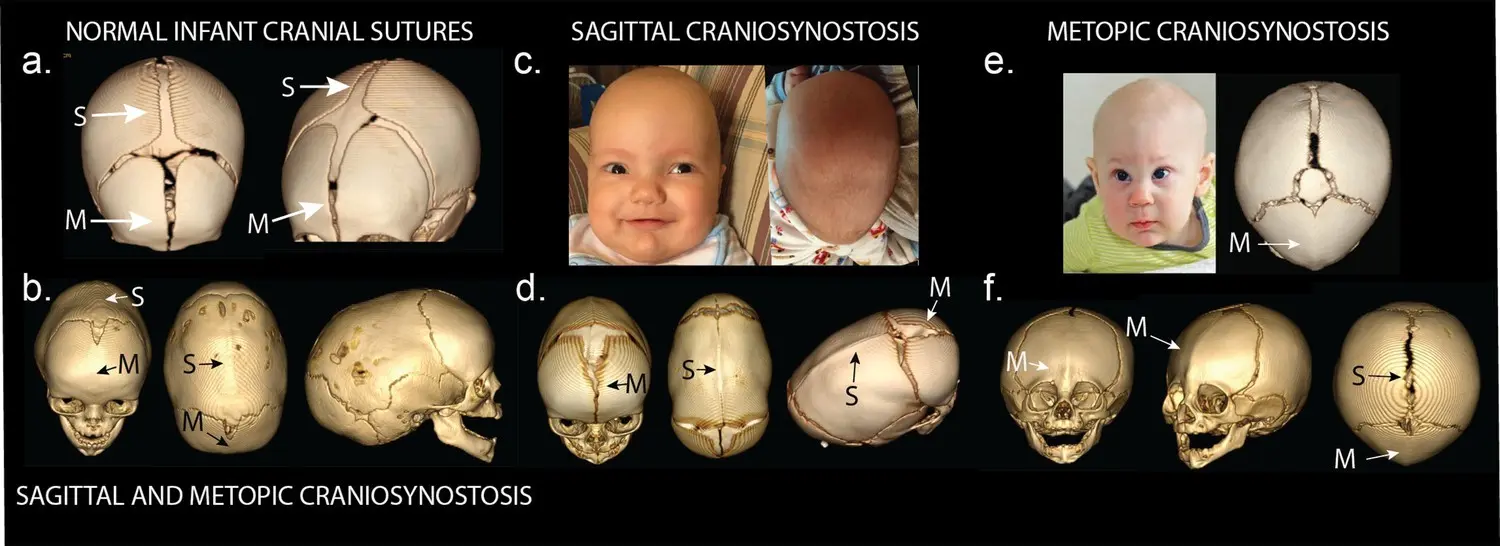
If so, they are likely to have craniosynostosis. Craniosynostosis is when a baby develops or is born with an abnormally shaped skull.

This happens when the natural spaces known as cranial sutures in the baby’s skull join earlier than they should.

The sutures should usually be joined only after the child reaches 2. This allows the brain to develop without any pressure from the skull.

Craniosynostosis affects the shape of the skull and the self-esteem of children. An odd-shaped head makes them feel odd and uncomfortable. They feel excluded from the rest of the crowd. It makes them feel lonely and isolated. They start feeling ashamed of their heads and ashamed of themselves.

But there’s a solution for this. Children with unusually shaped skulls no longer need to feel ashamed of their heads or themselves. They no longer need to feel excluded from the crowd. They no longer need to feel sad and isolated. Because there are treatment options available for craniosynostosis, by getting treatment for Craniosynostosis from the best neurology hospital in Guntur, one will not only get rid of craniosynostosis but also replace their isolation with happiness and shame with pride and confidence. They will no longer feel apart but will feel a part of society.

This article discusses craniosynostosis’s types, symptoms, causes, and treatment options.

First, let us understand the types of craniosynostosis.

What are the different types of craniosynostosis?

The different types of Craniosynostosis are as follows:

Sagittal synostosis

  • The sagittal suture, which runs along the top of the skull, unites relatively early in this condition. The head grows taller but narrower than it should in this kind of Craniosynostosis. Boys are more likely to experience this.

Coronal craniosynostosis

• The sutures that connect the top of the head to the ears fuse sooner than they should in this case. The kid will have a flat forehead if he or she has this form of Craniosynostosis. Girls are more likely to experience this.

Synostosis metopic

• The sutures that connect the sagittal suture to the nose fuse quite quickly. As a result, the scalp develops a triangle shape.

Synostosis of the lambdoid

This type of craniosynostosis affects the lambdoid suture at the back of the skull, forming a flat-topped head.

The best neurologist in Guntur can treat the types as mentioned above of craniosynostosis.

What are the symptoms of Craniosynostosis?

The common symptoms of Craniosynostosis are as follows:

  • An unusually shaped skull
  • The head grows slower than the body
  • Formation of a hard ridge along the suture.
  • The fontanel disappears soon.

If you experience any of the above symptoms of cranial synostosis, it is advisable to seek help from Rao Hospital in Guntur.

What are the causes and risk factors of Craniosynostosis?

Craniosynostosis can be either syndromic or nonsyndromic. Syndromic Cranial Synostosis occurs with other birth defects. With Cranial Synostosis, changes may be in genes that further affect different parts of the body, like fingers, heart, etc. Cell defects in the sutures may be the cause of Nonsyndromic Cranial Synostosis, which causes the sutures to fuse earlier than usual.

The following are the risk factors of craniosynostosis:

  • Taking valproic acid-like Depakote for epilepsy at the time of pregnancy may increase the risk of giving birth to a child having Craniosynostosis.
  • Babies whose mothers have thyroid disease or undergo thyroid treatment during pregnancy are more likely to be born with Craniosynostosis.
  • Babies whose mothers took fertility medicines like clomiphene citrate during pregnancy are more likely to be born with Craniosynostosis.

What are the treatment options for treating Craniosynostosis?

Surgery is an effective treatment option for cranial Synostosis. Best neurologist in Guntur can perform the surgery.

There are usually two types of surgeries that are preferred to treat Craniosynostosis. They are as follows-

• Conventional surgery:

In Guntur, a neurologist and a craniofacial surgeon perform the procedure. The neurosurgeon makes an incision across the top of the baby’s scalp and removes any sections of the skull that are out of form. The craniofacial surgeon then restores and replaces these pieces of the skull in the head. After that, stitches are applied. The doctor will later monitor the development of the skull.

• Endoscopic Surgery

In this procedure, your doctor in Guntur makes two small incisions in the scalp and uses an endoscope to cut the sutures. This procedure should be performed before the baby reaches the age of three months. After the treatment, wearing a molding helmet is recommended to allow your head to grow into its correct form.

It is essential to get timely treatment for Cranial Synostosis from the best neurosurgeon in Guntur to avoid further complications. If Cranial Synostosis is left untreated, the skull will continue to develop in an unusual manner, which may lead to additional complications and problems such as vision problems, etc. In a recent India today article.

Conclusion

This article explains craniosynostosis, its symptoms, causes, and treatment options. It is advisable to get proper and timely treatment for craniosynostosis from the best neurology hospital in Guntur to avoid further complications, to feel a part of the crowd and not feel apart from the crowd, and to develop a feeling of oneness and not feel different and odd! It is essential to get timely treatment for Craniosynostosis to replace discomfort with self-worth and self-esteem.

Dr. Rao’s Contact Information:


stroke-and-mechanical-thrombectomy at Dr Rao's Hosptial by Dr Rao

The best STROKE Treatment is MECHANICAL THROMBECTOMY

The most effective STROKE treatment is MECHANICAL THROMBECTOMY.

MECHANICAL THROMBECTOMY – Stroke is dangerous and very damaging. It is caused by a blood clot that disrupts the flow of blood to the brain.

However, it is now possible to overcome the dangerous stroke with a procedure called mechanical thrombectomy. Yes, mechanical thrombectomy treatment by the best neurologist in Guntur can help one successfully defeat a stroke.


But what is a mechanical thrombectomy?

Mechanical Thrombectomy is an effective stroke treatment. It helps remove blood clots that disturb blood flow in the body. Blood clots slow down blood flow in the body, causing different complications. Mechanical Thrombectomy removes these blood clots. It helps treat stroke and other complications caused by the formation of blood clots. Mechanical Thrombectomy help one deal with strokes and confront them effectively. Now, one can courageously face and defeat problems like a stroke with the help of mechanical thrombectomy treatment from the best neurology hospital in Guntur.

What Causes Stroke?

The common risk factors that lead to stroke are as follows:

· Improper Sleep

· Fear and anxiety

· Irregular eating habits

· Air Pollution

· Smoking and drinking alcohol

In case you get a stroke, it is advisable to seek immediate help from neurologists at Rao Hospital, Guntur. With treatments like mechanical thrombectomy, you are sure to recover from a stroke.

What kinds of devices are used in mechanical thrombectomy procedures?

Neurosurgeons in Guntur carry out mechanical thrombectomies to remove blood clots using the following tools:

· Stentriever mechanical thrombectomy

The latest mechanical device is a stentriever. The device is a self-expanding mesh tube attached to a wire-guided through a catheter (thin tube). The surgeon inserts the catheter in an artery in the groin and guides the catheter through various blood vessels up to the blood clot in the brain.

· Aspiration thrombectomy –

Aspiration thrombectomy entails either manual cluster yearning or the use of catheter equipment to suck the coagulation out of the vessel.

How is the mechanical thrombectomy procedure performed?

In mechanical thrombectomy, neurosurgeons in Guntur use a vacuum or mechanical gear to remove blood clots. Thus, the blood flow is restored, and stroke gets treated.

To achieve effective results, it is advisable to get mechanical thrombectomy treatment from the best neurology hospital in Guntur.

Why go for a mechanical thrombectomy?

In mechanical thrombectomy treatment, one has a window of 24 hours from the onset of a stroke to have a chance to recover from a stroke. This will help more patients recover from stroke and save them from the harmful impact of stroke. Mechanical Thrombectomy is a ray of hope for people affected by stroke. Mechanical Thrombectomy give them hope and courage to fight strokes. It gives life to their dead hopes and courage to fight stroke. It is a powerful weapon that helps people to win against difficult stroke. Mechanical Thrombectomy also leads to a speedy recovery from stroke. So, going for mechanical thrombectomy treatment at the best neurology hospital in Guntur is advisable.

What is the problem with mechanical thrombectomy?

Though mechanical thrombectomy is an effective procedure to treat stroke, there aren’t sufficient neurology hospitals in Guntur that provide this stroke treatment option.

Conclusion

In this article, we learned about stroke and the risk factors that cause a stroke. We also learned about mechanical thrombectomy treatment, which helps treat stroke. We learned about the devices used in mechanical thrombectomy treatment and its procedure. We also learned about the advantages and problems of mechanical thrombectomy in Guntur. A stroke is a severe problem. Before it defeats you, you defeat it with the help of mechanical thrombectomy treatment from the best doctor in Guntur. Mechanical Thrombectomy not only gives you life but also gives life to your dead hopes and courage. Mechanical Thrombectomy is a powerful and effective weapon that helps you battle stroke. It enables you to defeat death and makes your life win this battle. So, now it’s time to make your life a winner, not the time to lose it and allow it to perish! Now it’s time to defeat and not get defeated! Now is the time to win! Now is the time to live!

Dr. Rao’s Contact Information: