Dr. Mohana Rao Patibandla Featured in Forbes India’s “Dynamic Leaders Powering India’s Future”
Guntur, Andhra Pradesh — October 2026
The journey of building advanced neurosurgical care in India is increasingly being shaped by doctors who combine clinical expertise, international training, research and healthcare leadership. Dr. Mohana Rao Patibandla, Founder & CEO of Dr. Rao’s Hospital – International Institute of Neurosciences (IIN), Guntur, has been featured in the Forbes India Brand Connect feature “Dynamic leaders powering India’s future.”
The feature brings together leaders from different sectors who are contributing to India’s evolving economic and professional landscape. Within the healthcare sector, Dr. Mohana Rao Patibandla is profiled for his work in advancing specialized neurosurgical care from Guntur, Andhra Pradesh.
From Neurosurgical Training to Building an Institution
Dr. Mohana Rao Patibandla’s profile reflects a career built around advanced neurosurgical training and the development of specialized healthcare infrastructure.
According to the Forbes India profile, Dr. Rao completed his neurosurgery training at Nizam’s Institute of Medical Sciences (NIMS), Hyderabad, before pursuing fellowship training in the United States across multiple neurosurgical subspecialties. His international training included skull base surgery, pediatric neurosurgery, neuro-oncology, cerebrovascular and endovascular neurosurgery, functional stereotactic radiosurgery, and minimally invasive techniques.
This multidisciplinary exposure has been an important part of his approach to neurosurgery, where complex neurological conditions may require expertise extending across several subspecialties.
Today, he leads Dr. Rao’s Hospital – International Institute of Neurosciences (IIN), Guntur, which the profile describes as a standalone institute dedicated to advanced brain, spine, stroke and nerve care.
Bringing Internationally Benchmarked Neurosurgery to Guntur
One of the central themes of Dr. Rao’s professional journey has been the effort to make advanced neurosurgical expertise available closer to patients in India.
International training can provide exposure to different surgical techniques, technologies, multidisciplinary systems and approaches to complex neurological disorders. Translating that experience into an Indian healthcare environment, however, requires more than individual surgical expertise. It requires infrastructure, trained teams, technology, research and a sustained commitment to patient outcomes.
The Forbes India profile describes Dr. Rao’s continuing focus as bringing “globally benchmarked, evidence-based neurosurgical care to India” while advancing innovation, education and patient outcomes.
For a healthcare institution based in Guntur, this vision carries particular significance. It reflects a broader shift in Indian healthcare in which sophisticated specialty care is increasingly being developed outside the country’s traditional metropolitan medical centres.
Research as an Integral Part of Neurosurgical Practice
The Forbes India profile also highlights Dr. Rao’s research achievements.
His work has received recognition including the Brainlab Neurosurgery Best Paper Award at the Congress of Neurological Surgeons (CNS), USA, as well as Best Paper honours at MISSABCON and PASMISSCON. The profile also notes the COSSCON Gold Medal for spine surgery research.
These recognitions add another dimension to his professional journey.
Modern neurosurgery is not limited to performing operations. It also involves continually evaluating techniques, studying outcomes, presenting clinical experience, participating in academic meetings and contributing to the wider body of medical knowledge.
For Dr. Rao, research and clinical practice are therefore closely connected.
A Healthcare Entrepreneur With a Neurosurgical Focus
The Forbes India profile identifies Dr. Rao not only as a neurosurgeon but also as a healthcare entrepreneur.
This distinction is important.
Building a specialized neuroscience institution involves bringing together clinical expertise with healthcare infrastructure, technology, people, systems and long-term institutional planning.
The objective is not simply to create a hospital building. It is to create an environment in which patients with complex neurological and neurosurgical conditions can receive coordinated care.
This combination of medicine and institution-building forms an important part of Dr. Rao’s professional identity.
The profile places Dr. Rao among a wider group of professionals described under the theme “Dynamic leaders powering India’s future.” The feature discusses leaders across sectors including technology, architecture, pharmaceuticals, manufacturing, real estate and healthcare.
Within that broader context, Dr. Rao’s story represents the role that specialized healthcare can play in India’s development.
India’s healthcare needs are changing rapidly. Patients increasingly seek access to sophisticated diagnostic and treatment options, while advances in technology are expanding what can be achieved in neurosurgery.
The challenge is to translate those advances into safe, evidence-based and accessible care.
That is the direction reflected in Dr. Rao’s stated commitment to globally benchmarked neurosurgical care, innovation, education and patient outcomes.
Being included in a national leadership feature provides an opportunity to place a regional healthcare story within a larger national narrative.
For Dr. Mohana Rao Patibandla, the feature brings together several aspects of his professional journey:
International training.
Advanced fellowship exposure across multiple neurosurgical subspecialties in the United States.
Institution building.
Leadership of Dr. Rao’s Hospital – International Institute of Neurosciences in Guntur.
Research.
Recognition through international and national neurosurgical research awards.
Innovation.
A professional focus that includes minimally invasive and advanced neurosurgical techniques.
Evidence-based care.
A stated commitment to globally benchmarked, evidence-based neurosurgical practice and improved patient outcomes.
Together, these elements provide a picture of a neurosurgeon whose work extends beyond the operating room into research, education, innovation and healthcare institution building.
The future of neurosurgery in India will depend not only on technological advancement but also on the ability to develop skilled teams, research-driven clinical practice and specialized institutions capable of managing increasingly complex neurological disorders.
Dr. Mohana Rao Patibandla’s journey from advanced neurosurgical training to building a dedicated neuroscience institution in Guntur reflects this broader evolution.
His Forbes India profile highlights a simple but important idea: world-class healthcare does not have to be limited to the largest metropolitan centres.
With the right combination of expertise, infrastructure, research and commitment to patient outcomes, advanced neurosurgical care can continue to develop across India.
For Dr. Rao and Dr. Rao’s Hospital – International Institute of Neurosciences, the focus remains on advancing neurological and neurosurgical care while contributing to innovation, education and better patient outcomes.
Dr. Mohana Rao Patibandla is an internationally trained neurosurgeon and healthcare entrepreneur and the Founder & CEO of Dr. Rao’s Hospital – International Institute of Neurosciences (IIN), Guntur. His training includes neurosurgery at NIMS, Hyderabad, followed by fellowship exposure in skull base surgery, pediatric neurosurgery, neuro-oncology, cerebrovascular and endovascular neurosurgery, functional stereotactic radiosurgery and minimally invasive techniques in the United States. His research has received recognition including the Brainlab Neurosurgery Best Paper Award at CNS, USA, Best Paper honours at MISSABCON and PASMISSCON, and the COSSCON Gold Medal for spine surgery research.
About the Forbes India Feature
The profile “Dynamic leaders powering India’s future” was published under Forbes India Brand Connect and includes profiles of leaders from multiple sectors. Forbes India explicitly notes that Brand Connect pages are equivalent to advertisements and are not written or produced by Forbes India journalists.
White Matter-Sparing Brain Surgery: The Future of Minimally Invasive Neurosurgery for Deep-Seated Brain Lesions
Featured in The Hindu (Vijayawada Edition, 30 August 2026) following Dr. Mohana Rao Patibandla’s keynote presentation at the World Neurosciences Summit (WNS) 2026, New Delhi.
Dr. Mohana Rao Patibandla presenting his keynote lecture, “Minimally Invasive Cylindrical Corridor Surgery – Modern Microsurgery Strategy for Deep-Seated Brain Lesions,” at the 5th World Neurosciences Summit 2026 in New Delhi, highlighting advanced White Matter-Sparing Brain Surgery techniques for preserving critical neural pathways.
Cornerstone Article
White Matter-Sparing Brain Surgery: The Future of Minimally Invasive Neurosurgery for Deep-Seated Brain Lesions
Author: Dr. Mohana Rao Patibandla, Neurosurgeon, Founder & Chief Neurosurgeon, Dr. Rao’s Hospital – International Institute of Neurosciences, Guntur, Andhra Pradesh, India
Published: September 2026
Reading Time: 18–22 minutes
Target Keywords: White matter sparing surgery, minimally invasive brain surgery, cylindrical corridor surgery, deep-seated brain tumor surgery, brain lesion surgery, neurosurgeon India, Dr. Mohana Rao Patibandla.
Executive Summary
The human brain contains billions of neurons connected through highly organized white matter tracts—the communication highways that allow movement, speech, memory, vision, sensation, and cognition. Traditional surgery for deep-seated brain tumors or lesions often requires passing through healthy brain tissue, increasing the risk of neurological deficits.
White Matter-Sparing Surgery, also called Minimally Invasive Cylindrical Corridor Surgery, represents a transformative advancement in neurosurgery. Instead of cutting through healthy brain tissue, surgeons navigate between natural white matter pathways, preserving critical neural connections while reaching tumors or lesions deep inside the brain.
This technique was the focus of Dr. Mohana Rao Patibandla’s keynote lecture at the World Neurosciences Summit 2026, where he presented modern microsurgical strategies for safely treating deep-seated brain lesions. The approach was subsequently highlighted by The Hindu in a feature article discussing the future of minimally invasive brain surgery.
The lecture highlighted the growing importance of minimally invasive microsurgical corridors in contemporary neurosurgery.
World Neurosciences Summit 2026_ Invited Faculty Dr. Mohana Rao Pat_ – [www.india.com] (1).pdf
Featured in The Hindu: National Recognition of White Matter-Sparing Surgery
The Hindu reported Dr. Mohana Rao Patibandla’s press conference explaining how preserving normal brain tissue and neural pathways has become a key objective of modern minimally invasive microsurgery. The article also described cylindrical corridor surgery as a white matter-sparing strategy for deep-seated brain lesions.
This coverage reflects growing public awareness of advanced brain-preserving surgical techniques in India.
Why This Matters for Patients in India
Patients increasingly seek:
Safer surgery.
Smaller incisions.
Faster recovery.
Preservation of neurological function.
International-standard neurosurgical care within India.
White matter-sparing surgery aligns with these goals when clinically appropriate.
Why Choose Dr. Rao’s Hospital for White Matter-Sparing Brain Surgery?
6
Dr. Rao’s Hospital – International Institute of Neurosciences, Guntur, offers comprehensive brain and spine care with advanced neurosurgical technology and internationally trained expertise.
Areas of Expertise
Brain Tumor Surgery
Skull Base Surgery
Endoscopic Brain Surgery
Pediatric Neurosurgery
Cerebrovascular Surgery
Epilepsy Surgery
Functional Neurosurgery
Minimally Invasive Neurosurgery
Advanced Technologies
Operating Microscope
Neuronavigation
Neuroendoscopy
Neurophysiological Monitoring
Advanced MRI Planning
Minimally Invasive Brain Surgery
Frequently Asked Questions (FAQ)
1. What is White Matter-Sparing Brain Surgery?
White matter-sparing brain surgery is a minimally invasive microsurgical approach that reaches deep brain lesions through natural white matter corridors while minimizing injury to healthy neural pathways.
2. What is Cylindrical Corridor Surgery?
It is a minimally invasive technique using a tubular retractor to create a gentle corridor through the brain, allowing surgeons to access deep lesions with less tissue disruption.
3. Is White Matter-Sparing Surgery safer than traditional brain surgery?
It may reduce disruption to healthy brain tissue in carefully selected patients, but safety depends on lesion type, location, patient health, and surgical expertise.
4. Which brain tumors can be treated?
Selected gliomas, metastases, intraventricular tumors, cavernomas, colloid cysts, and certain deep-seated lesions may be suitable candidates.
5. What is tractography?
Tractography is an MRI technique (DTI) that maps white matter pathways before surgery to help surgeons avoid critical neural connections.
6. Does every patient need tractography?
Not always. It is especially useful when lesions are close to eloquent brain pathways.
7. Is recovery faster?
Many selected patients experience smaller incisions, less pain, and earlier mobilization, although recovery varies with the underlying disease and surgery performed.
8. Is this surgery available in India?
Yes. Advanced minimally invasive white matter-sparing brain surgery is available in specialized neuroscience centers including Dr. Rao’s Hospital in Guntur.
9. Can brain function be preserved completely?
The goal is maximal preservation of neurological function, but outcomes depend on lesion location, disease biology, and individual patient factors.
10. How do I know if I’m a candidate?
A neurosurgical consultation with MRI review, tractography when indicated, and individualized surgical planning is necessary.
Key Takeaways
6
White Matter-Sparing Surgery represents one of the most significant advances in modern neurosurgery because it shifts the surgical philosophy from simply reaching a lesion to protecting the brain’s communication networks while treating disease.
For carefully selected patients with deep-seated brain tumors, cavernomas, intraventricular lesions, and other complex pathologies, minimally invasive cylindrical corridor surgery offers a highly precise approach centered on preserving neurological function whenever possible.
As highlighted during Dr. Mohana Rao Patibandla’s keynote lecture at the World Neurosciences Summit 2026 and subsequently featured in The Hindu, the future of neurosurgery lies in combining advanced imaging, neuronavigation, microsurgical precision, and white matter preservation to achieve better patient outcomes.
Dr. Mohana Rao Patibandla is an internationally fellowship-trained neurosurgeon and the Founder & Chief Neurosurgeon of Dr. Rao’s Hospital – International Institute of Neurosciences, Guntur, Andhra Pradesh, India.
His advanced training includes skull base surgery, pediatric neurosurgery, minimally invasive brain surgery, neuro-oncology, cerebrovascular and endovascular neurosurgery, and functional neurosurgery in India and the United States. He regularly serves as invited faculty at national and international neuroscience conferences and delivered a keynote lecture at the World Neurosciences Summit 2026 on White Matter-Sparing Minimally Invasive Cylindrical Corridor Surgery.
Patients with deep-seated gliomas, meningiomas, metastatic tumors, and other complex lesions may benefit from
Brain Tumor Surgery performed using modern white matter-sparing microsurgical techniques. Many lesions located near the skull base require specialized Skull Base Surgery
combined with advanced neuronavigation and minimally invasive approaches.
Our comprehensive Neuro-Oncology Program focuses on personalized treatment for benign and malignant brain tumors. Children with deep-seated brain tumors may benefit from advanced Pediatric Neurosurgery that prioritizes preservation of developing neural pathways.
Selected intraventricular tumors and colloid cysts can often be treated using Endoscopic Brain Surgery or minimally invasive cylindrical corridor techniques.
White matter-sparing surgery relies heavily on Neuronavigation-Guided Brain Surgery
to identify the safest surgical pathway while protecting eloquent brain regions.
Patients with epilepsy caused by cavernomas or focal cortical lesions may also be candidates for Epilepsy Surgery using minimally invasive neurosurgical strategies.
Learn more about the international training, experience, research, and surgical philosophy of Dr. Mohana Rao Patibandla Founder of Dr. Rao’s Hospital – International Institute of Neurosciences.
Need Expert Care for a Brain Tumor or Deep-Seated Brain Lesion?
At Dr. Rao’s Hospital – International Institute of Neurosciences (IIN),
we provide advanced White Matter-Sparing Brain Surgery, Minimally Invasive Brain Tumor Surgery, Skull Base Surgery, Endoscopic Brain Surgery, Neuro-Oncology, Pediatric Neurosurgery, Stroke Care, and Spine Surgery using internationally
recognized technology and evidence-based treatment protocols.
Every patient receives a personalized surgical plan based on advanced MRI,
neuronavigation, white matter tractography, intraoperative neuromonitoring,
and minimally invasive microsurgical techniques designed to preserve neurological function whenever possible.
Comprehensive Neuro-Oncology, Neurocritical Care and Rehabilitation.
24×7 Emergency Brain, Stroke and Spine Care.
Contact Dr. Rao’s Hospital
Dr. Rao’s Hospital – International Institute of Neurosciences (IIN)
12-19-67, Old Bank Road, Kothapet,
Opposite Sravani Hospital, Besides AK Biryani point,
Guntur – 522001, Andhra Pradesh, India.
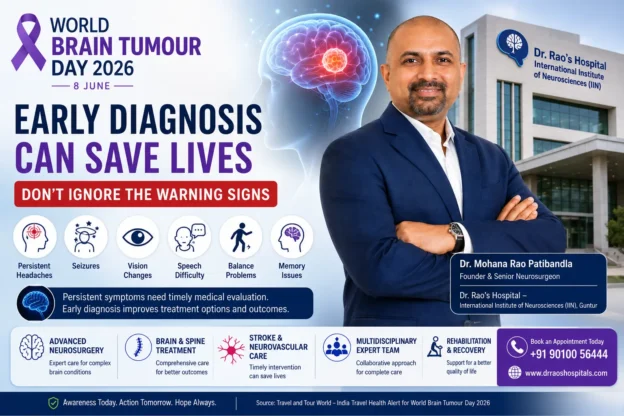
Every year, World Brain Tumour Day serves as a reminder that awareness, timely diagnosis, and access to expert medical care can make a significant difference in the lives of patients affected by brain tumours. In 2026, the message is particularly powerful: do not ignore persistent neurological symptoms, and do not delay seeking medical advice when warning signs appear.
A recent Travel and Tour World feature highlighted how World Brain Tumour Day 2026 has become an important public health awareness initiative in India. The article emphasized Dr. Mohana Rao Patibandla’s call for early diagnosis and urged patients, families, and travelers to take persistent neurological symptoms seriously rather than dismissing them as temporary health issues.
For many patients, symptoms such as headaches, dizziness, nausea, seizures, or vision changes are often attributed to stress, fatigue, travel, or lifestyle factors. However, persistent symptoms may sometimes indicate a more serious neurological condition requiring professional evaluation.
What Is World Brain Tumour Day?
World Brain Tumour Day is observed annually on June 8 to increase awareness about brain tumours, encourage early detection, support patients and caregivers, and promote access to quality neurological and neurosurgical care.
Brain tumours affect individuals of all ages, including children and adults. They can significantly impact neurological function, quality of life, and overall health. The goal of World Brain Tumour Day is to educate the public about symptoms, risk factors, diagnosis, treatment options, and the importance of seeking medical attention when symptoms persist.
The Travel and Tour World article emphasizes that awareness should not create fear. Instead, it should encourage individuals to recognize warning signs and seek timely medical evaluation. Early action often leads to better treatment planning and improved outcomes.
Understanding Brain Tumours
A brain tumour is an abnormal growth of cells within the brain or surrounding structures. Brain tumours may be benign (non-cancerous) or malignant (cancerous). Some originate in the brain itself, while others spread from cancers located elsewhere in the body.
The effects of a brain tumour depend on several factors:
Tumour size
Tumour location
Rate of growth
Tumour type
Impact on surrounding brain structures
Because different regions of the brain control different functions, symptoms can vary significantly from one patient to another.
Why Early Diagnosis Matters
One of the most important messages associated with World Brain Tumour Day 2026 is the value of early diagnosis. According to the Travel and Tour World report, Dr. Mohana Rao Patibandla emphasized that persistent neurological symptoms should not be ignored and that timely medical evaluation can help patients access appropriate care sooner.
Early diagnosis does not guarantee a cure in every case. However, it can:
Improve treatment planning
Expand available treatment options
Reduce delays in care
Improve quality of life
Support better decision-making for patients and families
Facilitate timely referral to specialists
Many neurological conditions can mimic one another. Therefore, a proper diagnosis requires evaluation by qualified healthcare professionals using clinical examination and appropriate diagnostic tests.
Common Brain Tumour Symptoms
Brain tumour symptoms can vary depending on the tumour’s location and size. Some symptoms may develop gradually, while others appear suddenly.
Symptoms Patients Should Not Ignore
Persistent headaches
Seizures
Vision problems
Speech difficulties
Balance problems
Weakness in the arms or legs
Numbness or tingling sensations
Memory difficulties
Personality or behavioral changes
Persistent nausea or vomiting
Excessive sleepiness
Confusion or cognitive decline
The Travel and Tour World article specifically highlights recurring headaches, seizures, vision changes, speech difficulties, balance problems, weakness, memory issues, personality changes, and persistent nausea as warning signs that warrant medical attention.
Warning Signs That Require Immediate Medical Attention
Certain neurological symptoms require urgent medical evaluation because they may indicate serious neurological conditions.
Red Flag Symptoms
A first-time seizure
Sudden weakness on one side of the body
Severe confusion
Sudden vision loss
Persistent vomiting with headache
Sudden difficulty speaking
Rapid changes in consciousness
According to the Travel and Tour World report, patients should not postpone medical evaluation simply because they are traveling, working, or managing other responsibilities. Timely assessment can be critical.
The Travel Health Perspective: Why Travelers Should Be Aware
One unique aspect of the World Brain Tumour Day 2026 discussion is its connection to travel health. The article points out that travelers frequently dismiss neurological symptoms as temporary discomfort associated with travel.
Examples include:
Headaches attributed to travel stress
Dizziness blamed on heat or fatigue
Nausea mistaken for motion sickness
Vision problems linked to lack of sleep
Weakness assumed to be exhaustion
While these explanations may sometimes be correct, persistent or worsening symptoms should never be ignored. Travelers often delay care because they are away from home, uncertain about local healthcare facilities, or focused on completing their journey.
The article emphasizes that health awareness should travel with the patient. Recognizing warning signs early and seeking timely medical evaluation can help prevent dangerous delays.
Global Statistics on Brain Tumours
Brain tumours remain a significant global health concern. According to the World Health Organization and international cancer registries:
Hundreds of thousands of new brain and central nervous system tumours are diagnosed globally each year.
Brain tumours affect both children and adults.
Early diagnosis improves access to treatment planning.
Advanced imaging technologies have improved diagnostic accuracy.
Multidisciplinary treatment approaches continue to improve patient outcomes.
Patients seeking specialized evaluation for brain tumours and other neurological conditions increasingly look for comprehensive neuroscience centers offering advanced diagnostic and treatment capabilities.
Accurate diagnosis is the foundation of effective brain tumour treatment. While symptoms may raise suspicion, a definitive diagnosis requires a comprehensive neurological evaluation and advanced imaging studies.
The diagnostic process typically begins with a detailed medical history and neurological examination. Physicians assess symptoms, neurological function, cognitive abilities, vision, balance, coordination, muscle strength, and reflexes.
Common Diagnostic Tests for Brain Tumours
Magnetic Resonance Imaging (MRI)
Computed Tomography (CT Scan)
Functional MRI (fMRI)
MR Spectroscopy
Positron Emission Tomography (PET)
Neurological Examination
Biopsy when required
Advanced imaging technologies allow physicians to evaluate tumour size, location, growth characteristics, and potential involvement of surrounding brain structures. Early diagnosis enables more effective treatment planning and helps patients understand available treatment options.
Treatment Options for Brain Tumours
Brain tumour treatment is highly individualized. The best treatment strategy depends on the tumour type, location, size, growth rate, patient’s age, neurological condition, and overall health status.
Modern treatment often involves a multidisciplinary team that may include neurosurgeons, neurologists, neuro-oncologists, radiation oncologists, neuroradiologists, rehabilitation specialists, and nursing professionals.
Surgical Treatment
Surgery remains one of the most important treatment options for many brain tumours. Advances in microsurgical techniques, neuronavigation systems, intraoperative imaging, and minimally invasive approaches have improved surgical precision and safety.
The goals of surgery may include:
Removing the tumour completely when possible
Reducing tumour size
Relieving pressure within the skull
Obtaining tissue for diagnosis
Improving neurological function
Radiation Therapy
Radiation therapy uses carefully targeted radiation to destroy tumour cells while minimizing damage to surrounding healthy tissue. It may be used after surgery, as a primary treatment, or when surgery is not feasible.
Chemotherapy and Targeted Therapy
Certain brain tumours respond to chemotherapy or targeted medications. Treatment recommendations depend on tumour biology, molecular characteristics, and individual patient factors.
Advanced Treatment Technologies
Microsurgical techniques
Neuronavigation systems
Endoscopic neurosurgery
Intraoperative neuromonitoring
Precision radiation therapy
Molecular tumour profiling
Advanced neuroimaging
The Importance of Rehabilitation and Long-Term Follow-Up
Treatment does not end after surgery or radiation therapy. Many patients benefit from rehabilitation programs designed to improve neurological function, mobility, speech, cognition, and quality of life.
Depending on individual needs, rehabilitation may include:
Physical therapy
Occupational therapy
Speech and language therapy
Cognitive rehabilitation
Psychological support
Nutritional counseling
Long-term follow-up is also important because some tumours require ongoing monitoring through periodic imaging and neurological evaluations.
Why Awareness Campaigns Like World Brain Tumour Day Matter
World Brain Tumour Day helps bridge the gap between medical knowledge and public awareness. Many patients delay seeking care because they are unaware of warning signs or assume symptoms are minor.
The Travel and Tour World feature highlights how educational initiatives can empower patients to recognize neurological symptoms early and seek timely evaluation. Public awareness campaigns also support caregivers, encourage research, and promote access to specialized care.
By improving awareness, healthcare organizations can help reduce delays in diagnosis and ensure more patients receive appropriate treatment when it is most effective.
Why Choose Dr. Rao’s Hospital for Brain Tumour Treatment?
Patients searching for brain tumour treatment in Guntur, the best neurologist in Guntur, or the best neurosurgeon in Guntur often seek comprehensive neuroscience centers capable of providing advanced diagnosis, treatment, and rehabilitation services.
Common symptoms include persistent headaches, seizures, vision changes, weakness, balance problems, memory difficulties, personality changes, and persistent nausea or vomiting.
Can headaches always indicate a brain tumour?
No. Most headaches are not caused by brain tumours. However, persistent or unusual headaches accompanied by neurological symptoms should be evaluated by a healthcare professional.
How is a brain tumour diagnosed?
Diagnosis typically involves neurological examination, MRI scans, CT scans, and sometimes biopsy procedures to determine tumour type and characteristics.
Can brain tumours be treated successfully?
Many brain tumours can be effectively managed using surgery, radiation therapy, chemotherapy, targeted therapy, or combinations of these approaches depending on the tumour type.
Why choose Dr. Rao’s Hospital for brain tumour treatment?
Dr. Rao’s Hospital – International Institute of Neurosciences (IIN) provides advanced neurosurgical care, modern technology, multidisciplinary expertise, and patient-centered treatment for complex neurological conditions.
Image SEO Recommendations
Conclusion
World Brain Tumour Day 2026 serves as an important reminder that awareness, education, and early diagnosis can significantly influence patient outcomes. While not every headache or neurological symptom indicates a brain tumour, persistent symptoms should never be ignored.
As highlighted in the Travel and Tour World report, recognizing warning signs early and seeking prompt medical evaluation can help patients access appropriate care when it matters most. Increased awareness empowers individuals, families, and communities to make informed healthcare decisions.
Advances in diagnostic imaging, neurosurgery, radiation therapy, and multidisciplinary care continue to improve outcomes for patients with brain tumours. Access to specialized neuroscience services closer to home further strengthens the ability of patients to receive timely treatment and long-term support.
Call to Action
If you or a loved one experiences persistent headaches, seizures, vision changes, weakness, balance problems, or other neurological symptoms, do not delay seeking professional medical advice.
If you are searching for the best neurologist in Guntur, the best neurosurgeon in Guntur, or expert brain tumour treatment in Guntur, visit
Dr. Rao’s Hospital – International Institute of Neurosciences (IIN).
Keywords:
world brain tumour day 2026, brain tumour symptoms, brain tumour warning signs, brain tumour treatment in Guntur, best neurologist in Guntur, best neurosurgeon in Guntur, brain tumour diagnosis, brain surgery in Guntur, neurological symptoms, brain tumour awareness, Dr Mohana Rao Patibandla, advanced neurosurgery, neuroscience hospital Andhra Pradesh
Deep Brain Stimulation: Transforming Lives with Advanced Neurosurgery—Dr. Rao at Dr. Rao’s Hospital
At the forefront of medical innovation, Dr. Rao and his team at Dr. Rao’s Hospital in Guntur, Andhra Pradesh, are pioneering advanced treatments for movement disorders through Deep Brain Stimulation (DBS). This revolutionary procedure has emerged as a beacon of hope for patients grappling with conditions like Parkinson’s disease, dystonia, and essential tremor.
Understanding Deep Brain Stimulation:
Deep Brain Stimulation is a cutting-edge neurosurgical technique that involves implanting electrodes into specific areas of the brain. These electrodes are connected to a small device called a neurostimulator, which is implanted under the skin, usually near the collarbone. The neurostimulator sends electrical impulses to the targeted brain regions, helping to regulate abnormal signals and alleviate symptoms.
The DBS Procedure:
Pre-Surgical Evaluation: Dr. Rao conducts a comprehensive evaluation to determine if DBS is suitable for the patient. This includes neurological assessments, imaging studies, and discussions about the patient’s medical history and treatment goals.
Surgical Planning: Precision is paramount in DBS. Using advanced imaging techniques, Dr. Rao meticulously plans the surgery to ensure accurate electrode placement. The goal is to target specific brain regions that control movement and other functions.
Implantation: During the procedure, Dr. Rao implants the electrodes into the brain through small openings in the skull. The patient may be awake during part of the surgery to provide feedback, ensuring optimal electrode placement. The neurostimulator is then implanted under the skin.
Programming and Follow-Up: After surgery, the neurostimulator is programmed to deliver the appropriate electrical impulses. Dr. Rao and his team provide ongoing support and adjustments to optimize the patient’s outcomes.
Life-Changing Benefits:
For many patients, DBS has been a life-altering treatment. It can significantly reduce symptoms such as tremors, stiffness, and difficulty with movement. Patients often experience improved quality of life, greater independence, and renewed hope for the future.
Meet Dr. Rao – A Pioneer in Neurosurgery:
Dr. Mohana Rao Patibandla is a highly respected neurosurgeon with extensive expertise in minimally invasive techniques. His commitment to patient care and surgical excellence has made him a trusted name in the field. At Dr. Rao’s Hospital, he leads a dedicated team that is passionate about delivering world-class medical care. According to The Times of India coverage.
Why Choose Dr. Rao’s Hospital?
State-of-the-Art Facilities: Dr. Rao’s Hospital is equipped with the latest technology and advanced surgical tools, ensuring the highest standards of care.
Personalized Care: Every patient is treated with compassion and respect, receiving individualized attention and support throughout their treatment journey.
Multidisciplinary Approach: Collaboration among specialists in neurology, neurosurgery, and rehabilitation ensures comprehensive care for each patient.
Contact Dr. Rao’s Hospital:
Address: 12-19-97, Old Bank Road, Kothapet, Opposite Sravani Hospital, Beside AK Biryani Point, Guntur, Andhra Pradesh, 522001
Discover the transformative power of Deep Brain Stimulation with Dr. Rao. Take the first step towards a brighter future and schedule your consultation today.
Understanding Brain Tumors: Innovations in Treatment at Dr. Rao’s Hospital
Brain tumors are among the most complex medical conditions, requiring specialized expertise and cutting-edge technology for successful treatment.
Dr. Rao, a distinguished neuro-oncologist and neurosurgeon trained at the University of Virginia, has led the field. With extensive experience in neuro-oncology and radiosurgery, he has brought advanced brain tumor surgery techniques to Dr. Rao’s Hospital, revolutionizing patient outcomes.
The Complexity of Brain Tumors
Brain tumors are abnormal growths of cells within the brain or its surrounding structures. They can be classified as benign or malignant, each presenting unique challenges for diagnosis and treatment. Symptoms vary but often include headaches, seizures, cognitive changes, or neurological deficits, emphasizing the need for precise and effective interventions. In a recent mayoclinic.
Dr. Rao’s Expertise in Neuro-Oncology and Radiosurgery
Dr. Rao’s extensive training at the University of Virginia, a global hub for neurooncology and radiosurgery, has equipped him with unparalleled skills in managing brain tumors. He specializes in minimally invasive techniques and radiosurgery, enabling patients to undergo targeted tumor treatment with reduced recovery times and enhanced safety profiles.
The Six-Pillar Approach at Dr. Rao’s Hospital
At Dr. Rao’s Hospital, brain tumor surgery is performed with a meticulously designed six-pillar approach. This advanced methodology combines innovation, precision, and patient-centric care:
Advanced Imaging
Diffusion Tensor Imaging (DTI): Enables visualization of white matter tracts for safer surgical planning.
Neuronavigation: Acts as a GPS for the brain, ensuring pinpoint accuracy during tumor resection.
BrainPath Technology
This minimally invasive technique allows access to deep-seated tumors through natural brain corridors, reducing trauma and improving recovery.
Leica Provido Microscope and Endoscopes
The Leica Provido Microscope provides unparalleled clarity and depth perception, enabling precise excision of tumors.
Endoscopes offer enhanced visualization in narrow spaces, which is essential for minimally invasive surgeries.
Sonostar CUSA
The Cavitron Ultrasonic Surgical Aspirator (CUSA) allows for the precise removal of tumor tissue while preserving healthy brain structures.
Neuromonitoring
Advanced neuromonitoring techniques such as direct cortical stimulation, subcortical stimulation, Motor Evoked Potentials (MEP), and Somatosensory Evoked Potentials (SSEP) protect critical brain functions during surgery.
Holistic Patient Care
From pre-surgical counseling to post-operative rehabilitation, the team at Dr. Rao’s Hospital focuses on delivering comprehensive, compassionate care tailored to each patient’s needs.
Transforming Lives with Innovation
Integrating these advanced tools and techniques reflects Dr. Rao’s commitment to excellence. The six-pillar approach ensures maximum tumor resection and minimizes complications, preserving the patient’s quality of life.
Conclusion
Under Dr. Rao’s leadership, Dr. Rao’s Hospital has become a beacon of hope for brain tumor patients. With a focus on innovation, precision, and patient well-being, the hospital continues to set new standards in neurosurgery. Patients benefit from cutting-edge technology and Dr. Rao’s expertise, transforming daunting diagnoses into opportunities for recovery and a brighter future.
If you or your loved one is facing a brain tumor diagnosis, Dr. Rao’s Hospital offers world-class care rooted in expertise, compassion, and technology.
Expert Neurosurgery & Spine Care at Dr. Rao’s Hospital: Fast Recovery
Recovery after neurosurgery or spine surgery can vary significantly depending on the type of procedure, the patient’s overall health, and the complexity of the condition being treated. A team of skilled specialists at Dr. Rao’s Hospital in Guntur, India, carefully manages patients’ recoveries to ensure they receive comprehensive care, including post-operative support and rehabilitation. Below is an overview of what recovery is like for common types of brain and spine surgeries: According to The Times of India coverage.
1. Brain Tumor Surgery Recovery
Initial Recovery Phase (First Week):
Hospital Stay: Patients typically stay in the hospital for 5–10 days after brain tumor surgery, depending on the complexity of the procedure and their health condition.
Monitoring: During the first few days post-surgery, patients are closely monitored for signs of complications, such as swelling, bleeding, or infection.
Pain Management: Mild to moderate pain is common, and patients are prescribed painkillers to manage discomfort.
Weeks 1–4:
Rest and Gradual Activity: During the first month after surgery, patients are advised to rest as much as possible, avoiding strenuous activities. Short walks and light activities are encouraged to promote blood flow and prevent complications such as blood clots.
Neurological Recovery: Depending on the location of the tumor, patients may experience temporary neurological symptoms, such as memory problems, difficulty concentrating, or motor issues. These symptoms typically improve with time.
Months 2–6:
Rehabilitation: Physical therapy, occupational therapy, or speech therapy may be recommended to help patients regain strength, mobility, and cognitive function.
Return to Normal Activities: Many patients can resume normal activities, including work, within 2–3 months, though this depends on the extent of surgery and the patient’s recovery progress.
2. Spine Surgery Recovery (e.g., TLIF, Cervical Discectomy)
Initial Recovery Phase (First Week):
Hospital Stay:Patients may stay there for 2–5 days for procedures like transforaminal lumbar interbody fusion (TLIF) or cervical discectomy. Minimally invasive techniques, such as those used at Dr. Rao’s Hospital, may shorten this period.
Pain and Mobility: Joint pain at the incision site and in the back or neck is usually well-managed with medication. Patients may be encouraged to walk with assistance shortly after surgery to promote healing.
Weeks 1–6:
Activity Restrictions: Patients are typically advised to avoid heavy lifting, bending, or twisting during the first 6 weeks. A gradual return to light activities, such as walking, is encouraged.
Wearing a Brace: Some patients may be advised to wear a spinal brace for additional support, especially if they underwent spinal fusion.
Physical Therapy: Physical therapy usually begins within the first 2–4 weeks after surgery to help patients regain mobility, strength, and flexibility.
Months 2–6:
Full Recovery: For most spine surgeries, full recovery can take 3–6 months. Patients may gradually resume normal activities, but those involved in physically demanding jobs may need a longer recovery period before returning.
3. Minimally Invasive Neurosurgery Recovery
Initial Recovery Phase:
Hospital Stay: Minimally invasive neurosurgery often leads to shorter hospital stays (2–3 days) and quicker recovery than traditional open surgeries.
Less Pain and Scarring: Since the incisions are smaller, patients usually experience less post-operative pain and scarring, contributing to faster healing.
Weeks 1–4:
Activity Resumption: Patients may resume light activities, such as walking, within a week. They are encouraged to gradually increase their activity level while avoiding heavy lifting or strenuous exercises.
Months 2–3:
Complete Recovery: Many patients can return to normal daily activities, including work, within 2–3 months. Recovery time is significantly reduced compared to open surgery, allowing patients to enjoy an improved quality of life sooner.
4. Spinal Cord Tumor Surgery Recovery
Initial Recovery Phase (First Week):
Hospital Stay: Depending on the complexity of the procedure, patients may stay in the hospital for 5–7 days following spinal cord tumor surgery.
Pain and Weakness: Pain and weakness in the back or legs may occur, but these symptoms are usually managed with pain medications and physical therapy.
Weeks 1–4:
Physical Therapy: A rehabilitation program is essential for regaining mobility and strength, primarily if the tumor affects motor functions. Physical therapists at Dr. Rao’s Hospital work closely with patients to improve their range of motion and strength.
Months 2–6:
Neurological Recovery: If the tumor affects the spinal cord or nerves, full recovery may take several months. Some patients may need long-term physical therapy to regain full function.
5. Endovascular Surgery Recovery
Initial Recovery Phase (First Week):
Hospital Stay: Endovascular procedures, such as aneurysm coiling, generally require a shorter hospital stay (1–3 days) than traditional open surgery.
Minimal Discomfort: Since these procedures are minimally invasive, involving a small incision near the groin to access the blood vessels, patients experience less discomfort and can often resume light activities within days.
Weeks 1–4:
Activity Restrictions: Patients are advised to avoid heavy lifting and strenuous activities for a few weeks. Walking and light activities are encouraged to promote healing.
Monitoring for Complications: Follow-up imaging tests may be required to ensure that the procedure was successful and that there are no complications.
Recovery Support and Aftercare at Dr. Rao’s Hospital
At Dr. Rao’s Hospital in Guntur, a multidisciplinary team of specialists, including neurologists, physiotherapists, and rehabilitation experts, supports the recovery process. Patients receive personalized care plans designed to accelerate recovery while minimizing complications.
Minimally Invasive Neurosurgery in India
Dr. Rao’s Hospital is known for offering minimally invasive neurosurgery techniques, which lead to:
Faster recovery times
Reduced hospital stays
Less post-operative pain and scarring
Lower risk of infection
Minimally invasive techniques are often used for conditions like brain tumors, spinal cord injuries, and aneurysms.
Rehabilitation and Physical Therapy
Physical therapy plays a crucial role in the recovery process. Dr. Rao’s Hospital provides customized rehabilitation plans to:
Help patients regain strength and mobility
Prevent complications such as blood clots or muscle atrophy
Improve balance and coordination after brain or spine surgery
Affordable Medical Tourism in India
Dr. Rao’s Hospital is also a popular destination for medical tourism due to its world-class facilities and affordable pricing. International patients benefit from:
Comprehensive treatment packages include surgery, hospital stay, and post-operative care at a fraction of the cost in Western countries.
Expert care from Dr. Mohana Rao Patibandla, a highly qualified neurosurgeon with global experience, makes the hospital a top choice for brain and spine surgeries.
Seamless travel arrangements for patients from abroad, including visa assistance and accommodations.
Tips for a Smooth Recovery
Follow Your Doctor’s Instructions: Follow post-operative care instructions, including medication schedules and activity restrictions.
Attend Follow-Up Appointments: Regular follow-ups help monitor progress and address potential complications early.
Stay Active (Safely): Light activities such as walking can promote healing, but avoid heavy lifting and strenuous exercises until your doctor approves.
Maintain a Healthy Diet: A balanced diet rich in protein, vitamins, and minerals can aid tissue repair and recovery.
Why Choose Dr. Rao’s Hospital for Neurosurgery and Spine Care?
Dr. Rao’s Hospital is renowned for its brain, spine, and endovascular surgery expertise. Led by Dr. Mohana Rao Patibandla, the hospital offers cutting-edge treatments, including minimally invasive neurosurgery and advanced spine surgery techniques. Dr. Rao’s exceptional success rate and patient care make it a top choice for neurosurgical procedures in India and a leading center for international medical tourism.
Conclusion
Recovery from neurosurgery or spine surgery varies based on the procedure and individual patient factors. At Dr. Rao’s Hospital, patients benefit from expert care, advanced surgical techniques, and personalized rehabilitation programs to ensure a smooth and successful recovery. Whether you are undergoing brain tumor surgery, spinal surgery, or endovascular procedures, you can expect world-class treatment and care that prioritizes your well-being and long-term recovery.
Top Neurosurgeon Dr. Rao’s Expert Brain & Spine Care in India
Near Neurosurgeon: The Ultimate Guide to Expert Care
When it comes to neurological issues, finding a highly qualified neurosurgeon near you is crucial. Dr. Mohana Rao Patibandla is one of the most trusted names in the field. Whether you’re facing a complex brain issue or spinal problem or seeking a second opinion, having a skilled neurosurgeon is essential. Dr. Rao offers personalized care and a wide range of services to meet the needs of patients worldwide, ensuring the best possible outcomes.
Best Neuro Care: What Sets Dr. Rao Apart?
Dr. Rao is known for his neurosurgery expertise and as the best neurosurgeon in India. His extensive training in neurosurgery, spine surgery, and endovascular surgery ensures that patients receive world-class care. From cutting-edge diagnostic tools to advanced treatment options, Dr. Rao’s hospital in Guntur stands out as a leader in neuro care. His multidisciplinary approach ensures that each patient receives comprehensive and customized care tailored to their needs.
Brain and Spine Surgery: Excellence in Neurosurgical Procedures
Brain and spine surgery requires an exceptional level of precision and expertise. Dr. Rao is renowned for his skill in performing complex brain and spine surgeries. His vast experience and state-of-the-art technology enable him to tackle even the most challenging cases. Whether it’s a brain tumor, spinal cord injury, or a herniated disc, Dr. Rao’s hospital offers the best surgical outcomes, focusing on minimally invasive techniques that reduce recovery time and improve patient comfort.
Center for Neurosurgical & Spine Care: A Hub of Excellence
Dr. Rao’s Hospital in Guntur serves as a premier Center for Neurosurgical & Spine Care. It is equipped with advanced diagnostic and surgical technologies, enabling the team to provide cutting-edge care for a variety of neurological conditions. The center’s focus on both neurosurgery and spine surgery ensures that patients receive a holistic approach to their treatment, covering all aspects of their neurological health.
Nerves Hospital: Comprehensive Care for Neurological Disorders
As a leading nerve hospital, Dr. Rao’s facility specializes in neurological disorders. From peripheral nerve injuries to complex brain and spinal cord conditions, the hospital is dedicated to delivering the highest standard of care. Patients benefit from a multidisciplinary team of experts, ensuring that all aspects of their neurological health are addressed.
Neurological Medical Center: Innovation and Compassion
Dr. Rao’s Hospital is more than just a neurological medical center; it is a beacon of hope for patients with neurological disorders. The facility is known for its innovative treatment options, compassionate care, and outstanding patient outcomes. The team at Dr. Rao’s Hospital is committed to staying at the forefront of medical advancements to provide patients with the best possible care.
Back Surgery Hospitals: Why Choose Dr. Rao’s Hospital?
When searching for the best back surgery hospitals, look no further than Dr. Rao’s Hospital in Guntur. Known for its specialized care in spinal surgeries, the hospital offers comprehensive treatment plans tailored to each patient’s unique needs. Dr. Rao’s expertise in minimally invasive spine surgery ensures patients experience less pain, quicker recovery times, and better overall outcomes.
Best Spine Hospital in India: Setting the Gold Standard
Dr. Rao’s Hospital is widely regarded as the best spine hospital in India. The hospital has the most recent technology and a team of professionals committed to offering top-notch care. From complex spinal surgeries to routine procedures, patients can expect world-class care in a facility prioritizing their health and well-being.
Institute of Neurosciences: Leading the Way in Neurological Care
The Institute of Neurosciences at Dr. Rao’s Hospital is at India’s forefront of neurological care. This institute is dedicated to studying, diagnosing, and treating neurological disorders, offering patients access to the latest research and treatment options. Dr. Rao and his team constantly push the boundaries of what is possible in neurosurgery and spine care, ensuring that patients receive the best possible outcomes.
Neuro Spine Specialist: Expertise You Can Trust
As a neuro spine specialist, Dr. Rao brings unparalleled expertise to his patients. He is proficient in treating various spinal conditions, from degenerative disc disease to spinal tumors. His focus on minimally invasive spine surgery means that patients can expect less postoperative pain, fewer complications, and a quicker return to normal activities.
Spinal Cord Doctor Near Me: World-Class Care in Your Reach
Finding a skilled spinal cord doctor near you is essential when dealing with spinal injuries or conditions. Dr. Rao is known for his expertise in treating spinal cord issues, offering patients access to the best care close to home. His comprehensive approach ensures that every patient receives the attention and treatment they need to recover fully.
Top Rated Back Surgeons Near Me: Why Dr. Rao Tops the List
Dr. Rao is at the top of the list regarding top-rated back surgeons. His reputation for excellence in spine surgery is well-established, and patients worldwide seek his expertise. Dr. Rao’s approach to back surgery is patient-centric, focusing on delivering the best possible outcomes through advanced surgical techniques and compassionate care.
Back Institute Neurosurgery: Advanced Care for Complex Conditions
The Back Institute Neurosurgery at Dr. Rao’s Hospital specializes in treating complex spinal conditions with the latest surgical techniques. Whether you are dealing with chronic back pain, a spinal tumor, or a herniated disc, the team at Dr. Rao’s Hospital is equipped to provide the care you need. The institute’s focus on minimally invasive neurosurgery ensures patients experience the least discomfort and the fastest recovery times possible.
Spine Pain Doctor Near Me: Relief Is Closer Than You Think
Dealing with spine pain can be debilitating, but finding the right spine pain doctor near you can make all the difference. Dr. Rao’s Hospital offers specialized care for patients suffering from various spine-related issues. With a focus on minimally invasive techniques, Dr. Rao and his team provide effective treatment options that significantly reduce or eliminate pain, allowing patients to return to their daily lives.
Near Neurologist Doctor: Comprehensive Care for Neurological Issues
If you are looking for a nearby neurologist doctor, Dr. Rao’s Hospital is the place to go. The hospital offers comprehensive care for a wide range of neurological conditions with a team of highly skilled neurologists and neurosurgeons. Whether you need a consultation, diagnosis, or treatment, Dr. Rao’s Hospital provides the expertise and care you need close to home.
Dr. Rao, Neurosurgeon, Spine Surgeon & Endovascular Surgeon: A Leader in His Field
Dr. Mohana Rao Patibandla is a renowned neurosurgeon, spine surgeon, and endovascular surgeon with an excellent reputation. His extensive training and experience make him one of the top neurosurgeons in India. Dr. Rao is dedicated to providing his patients the highest standard of care, utilizing the latest surgical techniques and technologies to ensure the best possible outcomes.
Best Interventional Neurologist in India: Dr. Rao’s Expertise
As the best interventional neurologist in India, Dr. Rao offers cutting-edge treatment options for patients with complex neurological conditions. His expertise in endovascular procedures allows him to treat previously considered inoperable conditions. Dr. Rao’s commitment to staying at the forefront of medical advancements ensures that his patients receive the best care.
Best Endovascular Neurosurgeon in India: Advanced Surgical Techniques
Dr. Rao is widely regarded as the best endovascular neurosurgeon in India. His expertise in this highly specialized field allows him to offer advanced treatment options for patients with vascular disorders of the brain and spine. Dr. Rao’s meticulous approach to surgery ensures that his patients receive the best possible care with minimal risk and optimal outcomes.
Minimally Invasive Neurosurgery: Cutting-Edge Care
Dr. Rao is a pioneer in minimally invasive neurosurgery, offering patients a safer and less invasive option for treating neurological conditions. These advanced surgical techniques result in smaller incisions, less pain, and quicker recovery times, making them an ideal choice for many patients. Dr. Rao’s expertise in this area sets him apart as a leader in neurosurgery.
Minimally Invasive Spine Surgery: A Better Way to Heal
Minimally invasive spine surgery is one of Dr. Rao’s specialties, offering patients an alternative to traditional spine surgery. These procedures involve smaller incisions, less muscle damage, and a faster recovery time, allowing patients to return to normal activities sooner. Dr. Rao’s skill in performing these surgeries ensures that his patients receive the best possible care with the least discomfort.
Affordable Medical Tourism: World-Class Care Within Reach
Dr. Rao’s Hospital in Guntur is a top destination for affordable medical tourism in India. Patients worldwide travel to the hospital for its world-class care and advanced treatment options. Dr. Rao’s commitment to providing high-quality care at an affordable cost makes his hospital a popular choice for international patients seeking expert neurological and spine care.
Dr. Rao’s Hospital, Guntur: The Best Brain, Spine, and Endovascular Center
Dr. Rao’s Hospital in Guntur is renowned as India’s best brain, spine, and endovascular center. The hospital offers a full range of services, from advanced diagnostic tools to complex surgical procedures, all under one roof. Dr. Rao and his team are dedicated to providing the highest standard of care, ensuring every patient receives the best possible treatment for their condition.
This comprehensive blog highlights the exceptional care and expertise offered by Dr. Rao and his team at Dr. Rao’s Hospital in Guntur, positioning it as a leader in neurological and spine care in India and globally.
Best Neurosurgery & Spine Care at Dr. Rao’s Hospital, Guntur
Center for Neurosurgical and Spine Care
Regarding complex neurosurgical and spine care, finding the right center with a proven track record is crucial. Dr. Rao’s Hospital in Guntur, Andhra Pradesh, stands out as a premier destination for patients seeking world-class care. This state-of-the-art facility is dedicated to offering comprehensive neurosurgical and spine care using advanced techniques and technologies, including minimally invasive procedures.
Dr. Rao’s Hospital is renowned for its multidisciplinary approach to patient care. The center brings together experts from various fields, ensuring each patient receives a personalized treatment plan tailored to their needs. Whether you’re dealing with a simple spinal issue or a complex brain condition, this center is equipped to provide the highest level of care. According to The Times of India coverage.
Neurosurgery Clinic Near Me
For those searching for a “neurosurgery clinic near me,” Dr. Rao’s Hospital is the answer. The hospital is conveniently located in Guntur, making it accessible for patients across Andhra Pradesh and beyond. Dr. Mohana Rao Patibandla is the clinic’s director, a highly regarded neurosurgeon with extensive experience treating various neurological conditions.
The clinic specializes in traditional and minimally invasive neurosurgery and offers patients the latest surgical advancements. Whether you’re seeking treatment for a brain tumor, spinal condition, or vascular issue, Dr. Rao’s clinic provides expert care close to home.
Top Neurosurgery Hospitals
Dr. Rao’s Hospital is recognized among the top neurosurgery hospitals in India. This recognition is not just due to the cutting-edge facilities but also because of the exceptional outcomes achieved by the medical team. The hospital’s commitment to excellence is evident in its patient-centric approach, which focuses on achieving the best possible outcomes with the least invasive techniques.
Dr. Rao’s Hospital has the latest medical technology, allowing for advanced diagnostics and precise surgical interventions. The hospital also strongly emphasizes research and education, ensuring that the team stays at the forefront of neurosurgical innovations.
Spine and Brain Clinic
The spine and brain clinic at Dr. Rao’s Hospital is dedicated to treating conditions affecting the central nervous system. From degenerative spine diseases to brain tumors and vascular anomalies, the clinic offers comprehensive care for all neurological disorders.
One of the key strengths of the spine and brain clinic is its use of minimally invasive surgery. This approach reduces recovery time, minimizes pain, and decreases the risk of complications, making it a preferred option for many patients. The clinic also offers rehabilitation services to help patients regain function and improve their quality of life after surgery.
Dr. Rao Neurosurgeon
Dr. Mohana Rao Patibandla, the lead neurosurgeon at Dr. Rao’s Hospital, is synonymous with excellence in neurosurgery. With multiple international fellowships and vast clinical experience, Dr. Rao is among the most qualified neurosurgeons in India. His expertise covers a wide range of neurosurgical procedures, including complex brain and spine surgeries and endovascular interventions.
Dr. Rao is mainly known for his patient-first approach, ensuring that each treatment plan is customized to meet the patient’s specific needs. His commitment to continuous learning and staying updated with the latest advancements in neurosurgery sets him apart as a leader in the field.
Best Pediatric Neurosurgeons in Andhra Pradesh
Parents searching for the best pediatric neurosurgeons in Andhra Pradesh will find exceptional care at Dr. Rao’s Hospital. Pediatric neurosurgery requires a specialized skill set, and Dr. Rao’s team is trained to handle even the most delicate cases involving infants and children.
The hospital has child-friendly facilities and provides a compassionate environment where young patients and their families feel supported. From congenital conditions to trauma and tumors, the pediatric neurosurgery team at Dr. Rao’s Hospital offers expert care tailored to each child’s unique needs.
Top Pediatric Neurosurgeons in India
Dr. Rao’s Hospital is home to some of the top pediatric neurosurgeons in India. These specialists are highly trained in the latest surgical techniques and have extensive experience managing pediatric neurological disorders.
The hospital’s multidisciplinary approach ensures that each child receives comprehensive care from a team of experts, including neurologists, neurosurgeons, and pediatric specialists. This collaborative effort results in the best outcomes for young patients facing neurological challenges. According to mid-day
Dr. Rao Neurologist
In addition to being a top neurosurgeon, Dr. Rao is also a highly respected neurologist. His expertise in both neurology and neurosurgery allows him to provide comprehensive care for patients with neurological disorders. Whether you’re dealing with epilepsy, stroke, or chronic pain, Dr. Rao offers advanced treatment options that address the root cause of your condition.
As a neurologist, Dr. Rao is committed to non-surgical management whenever possible. He works closely with his patients to explore all treatment options and only recommends surgery when it is the best course of action for the patient.
Head of Neurosurgery
As the head of neurosurgery at Dr. Rao’s Hospital, Dr. Rao oversees all neurosurgical operations and ensures the highest standards of care. His leadership has been instrumental in establishing the hospital as a center of excellence for neurosurgery in India.
Dr. Rao’s commitment to education and training also extends to his role as a mentor for aspiring neurosurgeons. Under his guidance, the neurosurgical team at Dr. Rao’s Hospital continues to push the boundaries of what is possible in neurosurgery.
Neuroscience and Spine Institute
The Neuroscience and Spine Institute at Dr. Rao’s Hospital is a hub for advanced neurological care. The institute is dedicated to diagnosing, treating, and researching neurological and spinal disorders. It brings together a team of experts who work collaboratively to provide comprehensive patient care.
The institute’s focus on research and innovation ensures that patients can access the latest treatment options, including cutting-edge surgical techniques and rehabilitation therapies. The Neuroscience and Spine Institute’s goal is to improve patient outcomes and enhance the quality of life for those with neurological disorders.
Top 10 Neurologist
Dr. Rao is consistently ranked among the top 10 neurologists in India. This recognition is a testament to his expertise, dedication, and the positive outcomes he achieves for his patients. Dr. Rao’s holistic approach to patient care ensures that all aspects of the patient’s health are considered when developing a treatment plan.
His ability to combine clinical excellence with compassionate care has earned him the trust and respect of his patients and peers. Whether you’re dealing with a common neurological issue or a rare condition, Dr. Rao’s expertise can help guide you to the best treatment options.
Neuro and Spine Institute
The Neuro and Spine Institute at Dr. Rao’s Hospital is a center of excellence for treating complex neurological and spinal disorders. It has the most recent technology and experts who are leaders working there.
The Neuro and Spine Institute is known for its innovative treatment approach, which includes minimally invasive surgery, advanced diagnostics, and personalized rehabilitation programs. Patients at the institute benefit from a comprehensive care model that addresses all aspects of their condition.
Best Pediatric Neurosurgeon in Guntur
Dr. Rao’s Hospital is the top choice for those seeking the best pediatric neurosurgeon in Guntur. Experts who specialize in treating children’s neurological disorders work on the hospital’s pediatric neurosurgery team. The team is experienced in managing a wide range of conditions, from brain tumors to spinal deformities.
The hospital provides a supportive environment where children and their families can feel comfortable and confident in the care they receive. Dr. Rao’s Hospital’s pediatric neurosurgery team ensures every child gets the best possible treatment.
Top Rated Spine Doctors
Dr. Rao’s Hospital is home to some of the top-rated spine doctors in India. These specialists are experts in treating spinal conditions using surgical and non-surgical methods. The spine doctors at Dr. Rao’s Hospital are exceptionally skilled in minimally invasive spine surgery, which offers patients a faster recovery and less pain than traditional surgery.
Whether you’re dealing with a herniated disc, spinal stenosis, or scoliosis, the spine doctors at Dr. Rao’s Hospital can provide the expert care you need. The hospital’s comprehensive approach to spine care includes diagnosis, treatment, and rehabilitation, ensuring that patients achieve the best possible outcomes.
Back Hospital
As a leading back hospital, Dr. Rao’s Hospital offers specialized care for all back pain and spinal disorders. The hospital’s spine care team is dedicated to helping patients find relief from pain and improving their overall quality of life.
The back hospital offers a range of treatment options, from conservative therapies to advanced surgical procedures. The team works closely with each patient to develop a personalized treatment plan addressing their needs and goals.
Dr. Rao, Neurosurgeon, Spine Surgeon & Endovascular Surgeon
Dr. Rao is a renowned neurosurgeon, skilled spine surgeon, and endovascular surgeon. His expertise in these areas allows him to offer various treatments for conditions affecting the brain, spine, and vascular system.
Dr. Rao’s multidisciplinary skills make him a unique asset to Dr. Rao’s Hospital. His ability to perform complex surgeries with precision and care has earned him a reputation as one of the best surgeons in India. Whether you need brain surgery, spine surgery, or an endovascular procedure, Dr. Rao has the expertise to provide the highest level of care.
Best Interventional Neurologist in India
As the best interventional neurologist in India, Dr. Rao offers advanced treatments for various neurological conditions. Interventional neurology involves using minimally invasive techniques to treat brain and spine disorders. This approach often results in shorter recovery times and fewer complications than traditional surgery.
Dr. Rao’s expertise in interventional neurology allows him to offer patients cutting-edge treatments not widely available elsewhere. His commitment to innovation and patient care makes him a leader in neurology.
Best Endovascular Neurosurgeon in India
Dr. Rao is also recognized as the best endovascular neurosurgeon in India. Endovascular neurosurgery involves treating vascular conditions of the brain and spine using minimally invasive techniques. This specialty requires high skill and precision, and Dr. Rao is among the best in the field.
At Dr. Rao’s Hospital, patients can access the latest endovascular treatments for conditions such as aneurysms, arteriovenous malformations, and stroke. Dr. Rao’s expertise in this area ensures that patients receive the best possible care with the least invasive approach.
Minimally Invasive Neurosurgery
Minimally invasive neurosurgery is a key focus at Dr. Rao’s Hospital. This approach involves using small incisions and specialized instruments to perform complex brain and spine surgeries. The benefits of minimally invasive surgery include less pain, shorter hospital stays, and faster recovery times.
Dr. Rao is a pioneer in minimally invasive neurosurgery, offering patients the latest techniques for treating neurological conditions. His expertise ensures patients receive the best possible outcomes with minimal disruption.
Minimally Invasive Spine Surgery
In addition to neurosurgery, Dr. Rao’s Hospital is also a leader in minimally invasive spine surgery. This approach treats spinal conditions, including herniated discs, spinal stenosis, and scoliosis. Minimally invasive spine surgery offers patients the benefits of less pain, reduced risk of complications, and a quicker return to normal activities.
The spine surgery team at Dr. Rao’s Hospital is experienced in performing minimally invasive procedures using the latest technology. This ensures that patients receive the highest level of care and the best possible outcomes.
Affordable Medical Tourism
Dr. Rao’s Hospital is an excellent choice for international patients seeking high-quality neurosurgical care at an affordable cost. The hospital offers medical tourism services, providing patients worldwide access to advanced treatments at a fraction of the cost of similar care in their home countries.
Dr. Rao’s Hospital is committed to making world-class care accessible to all patients, regardless of location. The hospital’s medical tourism services include assistance with travel arrangements, accommodation, and post-treatment care, ensuring a seamless experience for international patients.
Dr. Rao’s Hospital Guntur—The Best Brain, Spine, and Endovascular Center
Dr. Rao’s Hospital in Guntur is widely regarded as the best brain, spine, and endovascular center in India. The hospital’s commitment to excellence in patient care and its use of advanced technology and minimally invasive techniques make it a top choice for patients seeking neurological and spine care.
Whether you’re dealing with a complex brain condition, a spinal disorder, or a vascular issue, Dr. Rao’s Hospital offers the expertise and care you need to achieve the best possible outcome. The hospital’s multidisciplinary team works together to provide comprehensive care that addresses all aspects of the patient’s condition.
“Top Neuroscience & Spine Care: Best Surgeons & Specialists at Dr. Rao’s Hospital, Guntur”
Introduction
When it comes to advanced healthcare, particularly in the fields of neurology and spine surgery, the expertise of specialists is paramount. Dr. Rao’s Hospital in Guntur, India, is a premier destination for those seeking top-tier medical care in these areas. Whether you need back surgeons, spine doctors, or neurologist doctors, this facility offers cutting-edge technology, experienced professionals, and a patient-centric approach. Furthermore, Dr. Rao’s Hospital is known for its excellence in minimally invasive neurosurgery and spine surgery, making it a preferred choice for patients worldwide seeking affordable medical tourism.
Back Surgeons
Back pain can be debilitating, affecting your daily life and overall well-being. At Dr. Rao’s Hospital, highly skilled back surgeons are dedicated to diagnosing and treating various spinal conditions. These surgeons specialize in procedures that alleviate pain, restore function, and improve the quality of life for patients suffering from chronic back issues. With a strong focus on minimally invasive techniques, the back surgeons at Dr. Rao’s Hospital ensure that patients experience less pain, shorter recovery times, and minimal scarring compared to traditional open surgeries.
Spine Doctor
The spine doctor at Dr. Rao’s Hospital is a specialist who focuses on disorders and conditions related to the spine. Whether you’re dealing with a herniated disc, spinal stenosis, or scoliosis, the spine doctors at this hospital have the expertise to offer accurate diagnoses and effective treatment plans. Their comprehensive approach addresses not just the symptoms but the underlying causes of spine-related issues. By integrating physical therapy, pain management, and surgical interventions when necessary, the spine doctors at Dr. Rao’s Hospital provide holistic care tailored to each patient’s needs.
Spine Dr
Often, patients refer to their spine specialist simply as a “spine dr.” At Dr. Rao’s Hospital, the spine dr is more than just a title. These professionals are highly trained in the latest advancements in spine care. They are adept at managing common and complex spine conditions, utilizing state-of-the-art imaging and diagnostic tools to craft precise treatment strategies. Their commitment to patient education ensures that each individual understands their condition and the rationale behind their treatment plan, fostering a collaborative approach to healthcare.
Dr Spinal
In neurosurgery and spine care, having a trusted dr spinal is crucial for effective treatment outcomes. Dr. Rao’s Hospital is home to some of the leading spinal surgeons in India. These doctors are skilled in traditional surgical methods and pioneers in minimally invasive spine surgery. This approach minimizes damage to surrounding tissues, reduces postoperative pain, and accelerates recovery. Patients who seek care from a dr spinal at Dr. Rao’s Hospital can expect a world-class treatment that adheres to the highest standards of medical excellence.
Spine Specialist
A spine specialist is a medical professional who dedicates their practice to diagnosing and treating spinal conditions. At Dr. Rao’s Hospital, spine specialists collaborate with neurologists, orthopedic surgeons, and physiotherapists to provide a multidisciplinary approach to spine care. Whether you’re suffering from degenerative disc disease, spinal tumors, or trauma-related injuries, the spine specialists at Dr. Rao’s Hospital are equipped to offer the most advanced and effective treatments available. Their expertise in minimally invasive spine surgery ensures that patients receive the best care with the least disruption to their lives.
Neurologist Doctors
Neurologist doctors at Dr. Rao’s Hospital play a vital role in diagnosing and treating neurological disorders that affect the brain, spine, and nervous system. These specialists are experts in managing conditions such as epilepsy, multiple sclerosis, Parkinson’s disease, and stroke. By working closely with other specialists, neurologist doctors at Dr. Rao’s Hospital ensure that patients receive comprehensive care that addresses all aspects of their neurological health. Their commitment to staying updated with the latest research and treatment modalities allows them to offer the most effective therapies to their patients.
Dr Neurologist
A dr neurologist at Dr. Rao’s Hospital is more than just a medical professional; they are a trusted advisor and healer for patients facing complex neurological challenges. These doctors have undergone extensive training in neurology and are equipped to handle everything from common headaches to intricate brain surgeries. Patients who consult with a dr neurologist at Dr. Rao’s Hospital benefit from personalized care that considers their unique medical history, symptoms, and lifestyle. The goal is to provide treatments that address the condition and enhance the patient’s overall quality of life.
Neuro Doctors
The neuro doctors at Dr. Rao’s Hospital treat conditions that affect the brain, spinal cord, and nerves. They employ a range of diagnostic tools, including MRI, CT scans, and electromyography, to pinpoint the exact nature of neurological disorders. From there, they develop treatment plans that may include medication, physical therapy, or surgery, depending on the patient’s needs. The neuro doctors at Dr. Rao’s Hospital are also skilled in performing complex neurosurgeries, including those that involve tumors, vascular malformations, and spinal cord injuries.
Neurology Specialist Doctor
A neurology specialist doctor is a key player in treating neurological disorders. At Dr. Rao’s Hospital, these specialists are responsible for managing a wide array of conditions, from migraines and seizures to Alzheimer’s disease and motor neuron disease. The neurology specialist doctor works closely with other healthcare providers to ensure that each patient receives a comprehensive treatment plan that addresses all facets of their condition. By staying at the forefront of medical advancements, the neurology specialists at Dr. Rao’s Hospital can offer cutting-edge therapies that improve patient outcomes.
Specialist for the Spine
When it comes to spinal health, having a specialist for the spine is crucial for accurate diagnosis and effective treatment. Dr. Rao’s Hospital boasts a team of spine specialists dedicated to treating conditions such as spinal deformities, disc herniations, and spinal fractures. These specialists are skilled in surgical and non-surgical treatments, offering patients a range of options based on their specific needs. The specialist for the spine at Dr. Rao’s Hospital is committed to helping patients regain their mobility and quality of life through personalized care and advanced treatment options.
Specialist Neurologist Doctor
A specialist neurologist doctor is essential for managing complex neurological conditions that require specialized care. At Dr. Rao’s Hospital, these doctors have extensive experience in treating diseases of the nervous system, including rare and difficult-to-diagnose conditions. The specialist neurologist doctor works in tandem with other specialists, such as neurosurgeons and physiotherapists, to provide a holistic approach to patient care. This collaboration ensures that every patient’s condition is addressed, improving treatment outcomes.
Spine Surgeon
The spine surgeon at Dr. Rao’s Hospital is a highly trained professional specializing in spine surgeries. These surgeons are experts in traditional open surgeries and minimally invasive techniques, allowing them to choose the best approach for each patient. Whether it’s a spinal fusion, discectomy, or laminectomy, the spine surgeon at Dr. Rao’s Hospital ensures that each procedure is performed with precision and care. The hospital’s state-of-the-art facilities and advanced surgical tools enable the spine surgeons to achieve excellent outcomes, even in complex cases.
Neurology Specialist
A neurology specialist at Dr. Rao’s Hospital is dedicated to diagnosing and treating neurological disorders. These specialists are equipped to handle a wide range of conditions, from common ailments like headaches and dizziness to more severe issues like seizures and neurodegenerative diseases. The neurology specialist works closely with patients to develop individualized treatment plans that address their needs. With access to the latest diagnostic tools and treatment options, the neurology specialists at Dr. Rao’s Hospital can provide care that is both effective and compassionate.
Neuro Dr Near Me
Finding a neuro dr near me can be daunting, but Dr. Rao’s Hospital makes it easier by offering access to some of the best neurological care in the region. The hospital’s team of neurosurgeons and neurologists are not only highly qualified but also deeply committed to patient care. Patients searching for a neuro dr near me will find that Dr. Rao’s Hospital offers a convenient location, cutting-edge technology, and a patient-centered approach, making it a top choice for neurological care.
Neuroscience Doctor Near Me
When searching for a neuroscience doctor near me, it’s essential to find a specialist who is experienced and well-versed in the latest advancements in neuroscience. Dr. Rao’s Hospital is home to some of the leading neuroscience doctors in India. These doctors specialize in treating a variety of conditions that affect the brain and nervous system, including tumors, epilepsy, and stroke. Patients looking for a neuroscience doctor near me will find that Dr. Rao’s Hospital offers comprehensive care, from diagnosis to treatment and follow-up, all under one roof.
Spinal Surgeons Near Me
If you need spinal surgeons near me, Dr. Rao’s Hospital is the place to go. The hospital is renowned for its team of highly skilled spinal surgeons who are experts in performing both traditional and minimally invasive spine surgeries. Whether you’re dealing with a degenerative spinal condition or a traumatic injury, the spinal surgeons near me at Dr. Rao’s Hospital are equipped to provide the highest level of care. With a focus on patient outcomes and satisfaction, these surgeons strive to deliver the best possible results for every patient.
Minimally Invasive Neurosurgery
One of the key advantages of choosing Dr. Rao’s Hospital is its expertise in minimally invasive neurosurgery. This advanced surgical technique allows for treating complex neurological conditions with smaller incisions, less tissue damage, and faster recovery times. The neurosurgeons at Dr. Rao’s Hospital are pioneers in minimally invasive techniques, offering patients a less invasive option for treating conditions such as brain tumors, spinal disorders, and vascular malformations. Patients who undergo minimally invasive neurosurgery at Dr. Rao’s Hospital benefit from reduced pain, shorter hospital stays, and a quicker return to normal activities.
Minimally Invasive Spine Surgery
Minimally invasive spine surgery is a specialized technique that allows surgeons to perform spinal procedures through small incisions, reducing damage to muscles and tissues. At Dr. Rao’s Hospital, minimally invasive spine surgery is a cornerstone of their treatment approach, providing patients with a safer and more effective alternative to traditional open surgeries. This technique is used to treat a variety of spinal conditions, including herniated discs, spinal stenosis, and degenerative disc disease. By opting for minimally invasive spine surgery at Dr. Rao’s Hospital, patients can expect a quicker recovery, less postoperative pain, and improved overall outcomes.
Affordable Medical Tourism
Dr. Rao’s Hospital in Guntur is a leader in advanced neurological and spine care and a top destination for affordable medical tourism. Patients worldwide travel to Guntur for high-quality medical care at a fraction of the cost they would incur in Western countries. The hospital’s state-of-the-art facilities, experienced surgeons, and patient-centric approach make it ideal for those seeking affordable yet top-tier healthcare. Affordable medical tourism at Dr. Rao’s Hospital is made even more appealing by its commitment to providing personalized care and support to international patients, ensuring they have a comfortable and successful treatment experience.
Conclusion
Dr. Rao’s Hospital in Guntur is a beacon of excellence in neurology and spine care. Whether you’re looking for the best back surgeons, spine doctors, or neurologist doctors, this hospital offers everything you need under one roof. With a strong focus on minimally invasive techniques and affordable medical tourism, Dr. Rao’s Hospital ensures patients receive the best care possible without compromising quality or affordability. Dr. Rao’s Hospital is your go-to destination for world-class treatment and compassionate care if you need expert medical care.
Comprehensive Guide to Neurosurgeons in India: Highlighting Dr. Rao and Dr. Rao’s Hospital
Introduction
In the realm of medical specialties, neurosurgery stands out as one of the most complex and critical fields. Neurosurgeons are responsible for diagnosing and treating disorders of the brain, spine, and peripheral nerves. Their expertise and precision can significantly impact patients’ quality of life, making it essential to find the best neurosurgeon for your specific needs. India, with its advanced medical infrastructure and skilled professionals, is home to some of the world’s leading neurosurgeons. Among them, Dr. Mohana Rao Patibandla at Dr. Rao’s Hospital in Guntur, Andhra Pradesh, is widely recognized as one of the top neurosurgeons in the country.
Understanding Neurosurgery
Neurosurgery encompasses a broad range of procedures aimed at addressing conditions that affect the nervous system. This includes brain and spine surgeries, treatment of traumatic brain injuries, and minimally invasive procedures. The field requires a high degree of specialization and continuous learning to stay abreast of the latest advancements.
Best Neurosurgeon in India: Dr. Rao
Credentials and Training
Dr. Mohana Rao Patibandla is a highly esteemed neurosurgeon with an impressive array of qualifications and extensive training. He completed his MBBS from Andhra Medical College, Visakhapatnam, and specialized in Neurosurgery at Nizam’s Institute of Medical Sciences, Hyderabad. Dr. Rao further honed his skills through fellowships in Skull Base and Epilepsy Surgery, Pediatric Neurosurgery, Neuro-oncology, Functional and Stereotactic Radiosurgery, and Endovascular and Cerebrovascular Neurosurgery in the USA. As reported by ahmedabadmirror
Areas of Expertise
Dr. Rao is proficient in various subspecialties of neurosurgery, including:
Brain Tumor Surgery: Utilizing the latest neurosurgical techniques to effectively treat brain tumors.
Spinal Surgery: Expertise in minimally invasive spine surgery and complex spinal reconstructions.
Pediatric Neurosurgery: Specialized care for neurological conditions in children.
Neuro-oncology: Comprehensive treatment for brain and spinal cord tumors.
Functional Neurosurgery: Addressing conditions such as Parkinson’s disease and epilepsy with advanced surgical interventions.
Dr. Rao’s Hospital: A Hub of Excellence
State-of-the-Art Facilities
Dr. Rao’s Hospital in Guntur is equipped with cutting-edge technology and a dedicated team of specialists. The hospital offers a wide range of neurosurgical services, ensuring that patients receive comprehensive and personalized care. The facility is known for its advanced neurosurgery, including minimally invasive techniques and robotic neurosurgery.
Experienced Neurosurgical Team
The neurosurgical team at Dr. Rao’s Hospital includes highly skilled professionals who collaborate to provide the best possible outcomes for patients. The team’s experience and dedication are reflected in their success stories and positive patient testimonials.
Key Services Offered at Dr. Rao’s Hospital
Advanced Neurosurgery
Dr. Rao’s Hospital is renowned for its advanced neurosurgery services, employing the latest techniques and technologies to treat complex neurological conditions. The hospital’s focus on minimally invasive procedures ensures quicker recovery times and reduced post-operative pain for patients.
Brain Tumor Surgery
Brain tumors require precise and effective treatment to ensure the best outcomes. Dr. Rao specializes in the surgical removal of brain tumors, utilizing state-of-the-art imaging and surgical tools to maximize tumor resection while preserving critical brain functions.
Spinal Neurosurgery
Spinal conditions, whether degenerative, traumatic, or congenital, are treated with the utmost care at Dr. Rao’s Hospital. The facility is known for its expertise in spinal neurosurgery, including spinal fusion, decompression, and minimally invasive spine surgery.
Pediatric Neurosurgery
Children with neurological disorders need specialized care tailored to their unique needs. Dr. Rao’s expertise in pediatric neurosurgery ensures that young patients receive the best possible treatment for conditions such as hydrocephalus, spina bifida, and brain tumors.
Functional Neurosurgery
Functional neurosurgery at Dr. Rao’s Hospital includes advanced procedures like Deep Brain Stimulation (DBS) for movement disorders and epilepsy surgery. These treatments significantly improve the quality of life for patients with severe neurological conditions.
Finding the Right Neurosurgeon
Qualifications and Experience
When searching for the best neurosurgeon, it’s crucial to consider their qualifications, training, and experience. A trusted neurosurgeon like Dr. Rao, with extensive training and a proven track record, is essential for achieving the best outcomes.
Specialization
Neurosurgery is a diverse field with various subspecialties. Ensure that the neurosurgeon you choose has specific expertise in treating your condition. Dr. Rao’s wide-ranging expertise makes him a top choice for various neurological conditions.
Patient Reviews and Testimonials
Patient reviews and testimonials provide valuable insights into a neurosurgeon’s skills and patient care. Dr. Rao’s Hospital has numerous positive reviews, reflecting the high level of care and successful outcomes experienced by patients.
Hospital Facilities
Another important factor is the quality of the hospital facilities. Dr. Rao’s Hospital is equipped with state-of-the-art technology and staffed by a dedicated team, ensuring comprehensive and advanced patient care.
The Role of Technology in Neurosurgery
Minimally Invasive Techniques
Minimally invasive neurosurgery involves smaller incisions and less tissue damage, leading to faster recovery and fewer complications. Dr. Rao pioneers these techniques, providing patients with effective and less invasive treatment options. In a recent India today article.
Robotic Neurosurgery
Robotic neurosurgery represents the pinnacle of precision and control in surgical procedures. Dr. Rao’s Hospital utilizes robotic systems to enhance surgical accuracy and improve patient outcomes.
Telemedicine and Virtual Consultations
Telemedicine and virtual consultations are becoming increasingly important in today’s digital age. Dr. Rao offers virtual neurosurgeon consultations, allowing patients to receive expert advice and second opinions from the comfort of their homes.
Spine Surgery at Dr. Rao’s Hospital
Comprehensive Spine Care
Dr. Rao’s Hospital is recognized as one of India’s best spine surgery hospitals. The facility offers comprehensive spine care, including diagnosis, treatment, and rehabilitation for various spinal conditions.
Top Spine Surgery Hospitals
The hospital’s reputation as a top spine surgery hospital is built on its advanced technology, skilled specialists, and commitment to patient care. Patients seeking the best spine surgery in Guntur or anywhere in India can rely on Dr. Rao’s Hospital for exceptional treatment.
Affordable Spine Surgery
Many patients consider affordability a key consideration. Dr. Rao’s Hospital offers high-quality spine surgery at competitive prices, making advanced spine care accessible to a broader population.
Specialized Spine Surgery
The hospital specializes in various spine surgeries, including:
Spine Fusion: Stabilizing the spine by fusing two or more vertebrae.
Spinal Decompression: Relieving pressure on the spinal cord or nerves.
Minimally Invasive Spine Surgery: Reducing recovery time and post-operative pain through less invasive techniques.
Patient Safety and Aftercare
Comprehensive Aftercare Services
Post-operative care is crucial for a successful recovery. Dr. Rao’s Hospital provides comprehensive aftercare services, including physical therapy, pain management, and follow-up consultations.
Patient Safety Measures
Patient safety is a top priority at Dr. Rao’s Hospital. The facility adheres to strict safety protocols and employs advanced technology to minimize risks and ensure the best outcomes.
International Patients and Medical Tourism
Medical Tourism
India is a popular destination for medical tourism, offering world-class healthcare at a fraction of the cost in Western countries. Dr. Rao’s Hospital attracts international patients seeking affordable and high-quality neurosurgical and spine care.
International Neurosurgeon
Dr. Rao’s reputation extends beyond India, making him a sought-after neurosurgeon for international patients. The hospital provides dedicated services for overseas patients, including assistance with travel, accommodation, and follow-up care.
Neurosurgeon Success Stories
Patient Testimonials
Success stories and patient testimonials highlight the positive impact of Dr. Rao’s expertise and the high standards of care at Dr. Rao’s Hospital. These stories provide reassurance and hope to prospective patients.
Notable Cases
Dr. Rao has handled numerous complex cases, achieving remarkable outcomes. His ability to tackle challenging conditions with precision and care underscores his status as a leading neurosurgeon in India.
The Future of Neurosurgery
Latest Neurosurgical Techniques
The field of neurosurgery is continually evolving, with new techniques and technologies improving patient outcomes. Dr. Rao stays at the forefront of these advancements, ensuring his patients benefit from the latest developments in neurosurgical care.
Neurosurgeon Training and Education
Neurosurgeons must maintain their skills and knowledge through continuous training and education. Dr. Rao’s commitment to ongoing education and training reflects his dedication to excellence in patient care.
Neurosurgeon Publications
Contributions to medical literature and neurosurgeon publications indicate a specialist’s expertise and commitment to advancing the field. Dr. Rao’s research and publications contribute to a broader understanding of neurosurgery.
Conclusion
Choosing the right neurosurgeon is a critical decision that can significantly impact your health and well-being. Dr. Mohana Rao Patibandla, with his extensive qualifications, specialized training, and commitment to patient care, stands out as one of the best neurosurgeons in India. Dr. Rao’s Hospital in Guntur, Andhra Pradesh, offers state-of-the-art facilities and a dedicated team, ensuring comprehensive and advanced care for neurological and spinal conditions.
Dr. Rao and his team at Dr. Rao’s Hospital provide a trusted and affordable option for those seeking the best neurosurgical and spine care in India. Whether you need treatment for a brain tumor, spinal condition, or pediatric neurological disorder, you can be confident in the expertise and dedication of Dr. Rao and his experienced neurosurgical team.
Visit Dr. Rao’s Hospital or contact 090100 56444 to learn more about their services and schedule a consultation. Experience the highest standards of neurosurgical care and achieve the best possible outcomes with Dr. Rao, the top neurosurgeon in India.

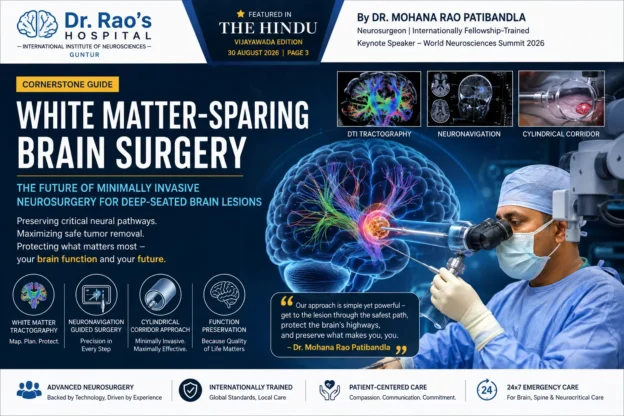
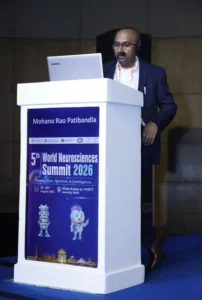
![White matter tracts in the brain [IMAGE] | EurekAlert! Science News Releases](https://images.openai.com/static-rsc-4/ehFa_K68NUvBRok5xTPdaMEJjFDFbBquDyf4jUrCPZujw2Wyv1w-CnAR8CrS_b6gg3CjT34ycvu_-GKtAvBgPnj6aTcUEaa5jy04XJ4gYiPkuUBMZXCH5gNmk8RPatmngmuWIO86GGH681FH8nikDajtRAcUCsJngVpWDY3ozSU?purpose=inline)