Category Archives: stroke

the-best-unsteady-gait-treatment-in-guntur

Unsteady gait – the best treatment at Dr Raos hospital, Guntur

Unsteady gait – the best treatment at Dr Raos hospital, Guntur

Introduction

If you have ever felt unsteady on your feet, you are not alone. An unsteady gait is a common symptom that can be caused by a variety of underlying conditions. It can be a temporary issue or a chronic problem. There are many different causes of an unsteady gait. It can be caused by an injury, a neurological condition, or a side effect of certain medications. It can also be a sign of balance problems or inner ear issues. An unsteady gait can range from mild to severe. In some cases, it may only be noticeable when you are tired or under stress. In other cases, it can be so severe that you are unable to walk without assistance. If you are experiencing an unsteady gait, it is important to see your doctor for a proper diagnosis. There are many effective treatments available that can help improve your symptoms and quality of life. Dr Raos hospital is the best neurological center in Guntur and Andhra Pradesh and stands the best stroke or paralysis treatment hospital in India. Contact us @ 9010056444 or 9010057444 for reducing your disability and faster recovery from the unsteady gait or stroke. Dr Rao is also the best neurosurgeon, best spine surgeon and best stroke or paralysis neurologist in Guntur and Andhra Pradesh.

causes

There are many possible causes of unsteady gait. Some causes are more common than others.

Common causes include:

– Muscle weakness

– Balance problems

– Inner ear problems

– Nerve problems

– Joint problems

– Foot problems

– Alcohol use

Less common causes include:

– Stroke

– Parkinson’s disease

– Multiple sclerosis

– Brain tumor

types

There are three types of unsteady gait:

1. Ataxic: This is the most common type of unsteady gait and is caused by problems with the nervous system. People with ataxic gait often have a wide-based stance and their steps are irregular and uncoordinated.

2. Spastic: This type of unsteady gait is caused by muscle stiffness or spasms. People with spastic gait often have a jerky or stiff walk and may drag their feet.

3. Parkinsonian: This type of unsteady gait is caused by problems with the brain chemical dopamine. People with parkinsonian gait often have a slow, shuffling walk and may freeze in place when they try to turn.

diagnosis

There are a few different ways that doctors can diagnose unsteady gait.

One way is by doing a physical examination and asking about your medical history. The doctor will look for any problems with your balance, coordination, or strength.

They will also ask about any medications you’re taking and if you’ve had any falls recently.

Another way to diagnose unsteady gait is with tests that look at how well your nervous system is working.

These tests can include blood tests, MRI scans, and CT scans.

Doctors may also use special tests to see how well you walk and balance yourself.

treatment

There is no one-size-fits-all answer to the question of how to treat unsteady gait, as the best approach will vary depending on the underlying cause. However, there are some general principles that can be followed.

If the cause is a medical condition, such as Parkinson’s disease or a stroke, then treatment will focus on managing that condition. This may involve medication, physiotherapy, and other forms of support.

If the cause is an injury, such as a broken bone or a sprained ankle, then treatment will focus on healing the injury and helping the person to regain their strength and balance. This may involve rest, ice, elevation, and physical therapy.

In some cases, unsteady gait may be caused by a combination of factors. In this case, treatment will focus on addressing all of the contributing factors. This may involve lifestyle changes, such as improving diet and exercise habits, as well as medical interventions and therapies.

living with it

“Living with an unsteady gait can be difficult, but there are ways to manage it.

First, it is important to identify the underlying cause of your unsteady gait. Once the cause is known, you can work with your healthcare team to develop a treatment plan.

There are also many assistive devices that can help you manage your condition and improve your mobility.

Finally, it is important to stay as active as possible and maintain a healthy lifestyle. This will help you stay strong and independent.”

Conclusion

In conclusion, unsteady gait can be a symptom of many different underlying conditions. It is important to consult with a medical professional to determine the cause of your unsteady gait and to develop a treatment plan. There are many different treatments available depending on the underlying condition causing your unsteady gait. With proper diagnosis and treatment, many people are able to live relatively normal lives despite having an unsteady gait. . Dr Raos hospital is the best neurological center in Guntur and Andhra Pradesh and stands the best stroke or paralysis treatment hospital in India. Contact us @ 9010056444 or 9010057444 for reducing your disability and faster recovery from the unsteady gait or stroke. Dr Rao is also the best neurosurgeon, best spine surgeon and best stroke or paralysis neurologist in Guntur and Andhra Pradesh.

the-best-treatment-for-difficulty-in-swallowing at Dr Raos hospital

Difficulty in swallowing – The best treatment at Dr Raos, Guntur

Difficulty in swallowing – The best treatment at Dr Raos, Guntur

Introduction

Treatment for Difficulty in Swallowing: Swallowing is an important function that allows us to eat and drink. When we have trouble swallowing, it can be a very frustrating and even painful experience. There are many different causes of trouble swallowing, and it can vary from person to person. It is important to see a doctor if you are having trouble swallowing, as they will be able to help you determine the cause and provide treatment. Dr Raos hospital is the tertiary care comprehensive stroke care center and trouble swallowing treatment center in Guntur and Andhra Pradesh and stands the best stroke or paralysis treatment hospital in India. Contact us  9010056444 or 9010057444 for reducing your disability and faster recovery from the stroke. Dr Rao is the best top ten interventional neurologist in India. Dr Rao is also the best neurosurgeon, best spine surgeon and best stroke or paralysis neurologist in Guntur and Andhra Pradesh.

causes

There are many potential causes of trouble swallowing, and the exact cause can vary from person to person. In some cases, trouble swallowing may be due to a physical obstruction in the throat or esophagus. This can be caused by a variety of things, including food allergies, gastroesophageal reflux disease (GERD), or even certain types of cancer. In other cases, trouble swallowing may be due to a neurological condition that affects the muscles used for swallowing. This can include conditions like stroke, Parkinson’s disease, multiple sclerosis, or cerebral palsy. Swallowing difficulties can also be caused by psychological conditions, such as anxiety or depression. No matter what the underlying cause is, trouble swallowing can be a very frustrating and debilitating condition. If you are having difficulty swallowing, it is important to see your doctor so that the cause can be properly diagnosed and treated.

types

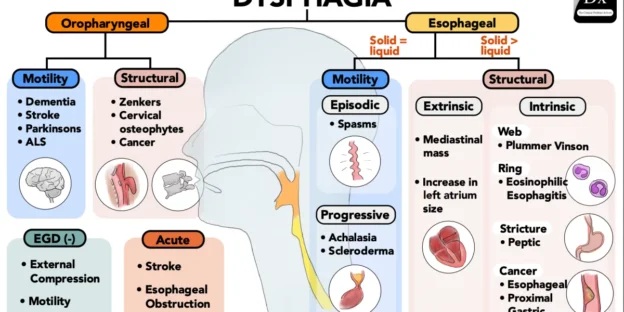
There are three primary types of dysphagia: oropharyngeal, esophageal, and neuromuscular. Oropharyngeal dysphagia is the most common type of swallowing disorder. It occurs when there is a problem with the muscles and nerves in the mouth and throat that are responsible for swallowing. Esophageal dysphagia occurs when there is a problem with the muscles and nerves in the esophagus that are responsible for swallowing. Neuromuscular dysphagia occurs when there is a problem with the muscles and nerves that control swallowing.

symptoms

The primary symptom of dysphagia is difficulty swallowing. This can manifest as pain while swallowing, a sensation of food getting stuck in the throat, or regurgitation. Other symptoms may include coughing or choking while eating, weight loss, and chest pain.

diagnosis

There are a few different ways that doctors can diagnose trouble swallowing. The first way is by doing a physical examination and looking for any structural abnormalities in the throat or esophagus. The second way is by doing a barium swallow test. This involves drinking a liquid that contains barium and then having an x-ray taken of the throat and esophagus. The third way is by doing an endoscopy. This involves inserting a small camera down the throat so that the doctor can get a close look at the inside of the throat and esophagus.

treatment

There are a few different ways to treat trouble swallowing. The first is to change your diet. You may need to eat softer foods or cut your food into smaller pieces. You may also need to avoid certain foods that make it hard to swallow. Another way to treat trouble swallowing is to take medication. Your doctor may prescribe medicine to help relax your throat muscles or reduce the amount of acid in your stomach. Surgery is also an option for treating trouble swallowing. In some cases, surgery is needed to remove blockages in the throat or esophagus.

Conclusion

The takeaway from all of this is that trouble swallowing is a serious matter. It can be caused by a number of things, some of which are easily treatable and some of which are not. If you are having trouble swallowing, it is important to see a doctor so that the cause can be determined and appropriate treatment can be given.  Dr Raos hospital is the tertiary care comprehensive stroke care center in Guntur and Andhra Pradesh and stands the best stroke or paralysis treatment hospital in India. Contact us @ 9010056444 or 9010057444 for reducing your disability and faster recovery from the stroke. Dr Rao is the best top ten interventional neurologist in India. Dr Rao is also the best neurosurgeon, best spine surgeon and best stroke or paralysis neurologist in Guntur and Andhra Pradesh. 

dr-raos-is-the-best-for-speech-problems-treatment

Dr Raos is the best for speech problems treatment

Dr Raos is the best for speech problems treatment

Introduction

Aphasia is a disorder that affects a person’s ability to communicate. It can make it hard to read, write, and speak. Aphasia can also make it hard to understand what other people are saying. Aphasia is caused by damage to parts of the brain that control language. This damage can be caused by a stroke or other injury to the brain. Aphasia is not a disease, and it is not contagious. There are different types of aphasia, depending on which parts of the brain are damaged. The most common type is expressive aphasia, which makes it hard to speak. Other types include receptive aphasia (which makes it hard to understand speech), mixed receptive-expressive aphasia (which makes it hard to both speak and understand speech), and global aphasia (which makes it hard to speak, understand speech, read, and write). Aphasia can range from mild to severe. Some people with aphasia only have trouble with certain words. Others may be unable to speak at all. Looking for the speech problems like aphasia in Guntur or Andhra Pradesh, look no further than Dr Rao, the best neurologist in Guntur and India or Dr Raos hospital, the best neurology hospital in Guntur and India. In a recent mayoclinic.

causes

There are many possible causes of aphasia, but the most common cause is damage to the language areas of the brain due to a stroke or head injury. Other possible causes include Alzheimer’s disease, brain tumors, and certain infections or illnesses that can cause inflammation in the brain.

types

There are three main types of aphasia: receptive, expressive, and mixed. Receptive aphasia, also called Wernicke’s aphasia, is characterized by difficulty understanding spoken or written language. Expressive aphasia, also called Broca’s aphasia, is characterized by difficulty speaking. Mixed aphasia is a combination of receptive and expressive aphasia.

symptoms: Speech problems

Aphasia – difficulty in expression or comprehension or naming or repetition or all of them

Aphasia can manifest in a variety of ways, depending on the individual. Some people with aphasia may have difficulty understanding spoken or written language, while others may have trouble producing speech. Aphasia can also affect a person’s ability to perform certain tasks, such as reading or writing. Symptoms of aphasia can range from mild to severe and can vary significantly from one person to the next. Some people with aphasia may only have mild difficulty understanding spoken language, while others may be completely unable to understand any spoken or written language. People with aphasia may also have difficulty producing speech. They may be able to say only a few words, or they may be completely unable to speak. Aphasia can also affect a person’s ability to perform certain tasks, such as reading or writing. Symptoms of aphasia can range from mild to severe and can vary significantly from one person to the next.

diagnosis

There are a few different ways that doctors can diagnose aphasia. One way is by doing a neurological exam. This exam can help the doctor determine if there are any problems with the way the person’s brain is functioning. Another way to diagnose aphasia is by doing a language assessment. This assessment will test the person’s ability to understand and use language.

treatment

There is no one-size-fits-all treatment for aphasia, as the approach depends on the individual’s particular situation and needs. However, there are some general principles that can guide treatment. The first step is to assess the individual’s level of functioning and identify which specific language skills are impaired. This information is used to set goals for treatment. The goals should be realistic and achievable, and they should be tailored to the individual’s particular situation. Treatment typically involves a combination of approaches, including: * Speech therapy: This focuses on improving the individual’s ability to produce and understand speech. It may involve exercises to improve muscle control, as well as activities to help the individual practice using language. * Language therapy: This focuses on improving the individual’s ability to use and understand language. It may involve exercises to improve reading, writing, and other language skills. * Cognitive rehabilitation: This focuses on helping the individual compensate for cognitive impairments that affect language skills. It may involve strategies to help with memory, attention, and problem-solving. * Psychotherapy: This can help the individual deal with the emotional impact of aphasia. It may also help with communication difficulties that arise from aphasia.

Conclusion

Aphasia can be a debilitating condition that significantly impairs an individual’s ability to communicate. However, with the right treatment and support, many people with aphasia can improve their communication skills and quality of life. If you or someone you know has aphasia, don’t hesitate to seek out resources and support. Dr Raos hospital is the best aphasia treatment center in Guntur, Andhra Pradesh, India. Looking for the speech problems like aphasia in Guntur or Andhra Pradesh, look no further than Dr Rao, the best neurologist in Guntur and India or Dr Raos hospital, the best neurology hospital in Guntur and India. Call us @ 9010056444 or 9010057444 for appointments.

the-best-minimally-invasive-neurosurgery-at-dr-raos

The best Minimally invasive neurosurgery at Dr Raos

Dr. Rao’s Hospital: Pioneering Excellence in Neurosurgery and Spine Surgery for International Patients

Introduction

Minimally invasive neurosurgery (MIS) is a type of surgery that uses small incisions and specialized instruments to access the brain and spine. MIS procedures are typically performed using an endoscope, which is a long, thin tube with a light and camera attached to its end. This allows the surgeon to see inside the body without making a large incision. MIS procedures have many potential benefits over traditional open surgery, including less blood loss, shorter hospital stays, and quicker recovery times. In addition, MIS procedures are often less invasive and cause less damage to surrounding tissue. As a result, patients who undergo minimally invasive neurosurgery often experience fewer complications and a lower risk of infection. Despite these potential benefits, minimally invasive neurosurgery is not appropriate for all patients or all conditions. In some cases, open surgery may be the best option. Your surgeon will discuss all of your treatment options with you and help you decide if minimally invasive neurosurgery is right for you. According to mid-day

At Dr. Rao’s Hospital, one of the best neurology hospitals in Guntur, the endoscopic neurosurgery unit is equipped with state-of-the-art medical infrastructure and cutting-edge technology. Our medical head, Dr. Mohana Rao Patibandla, one of the best neurosurgeons in Guntur, holds years of experience in performing endoscopic neurosurgery in Guntur and had training from the USA. Dr. Rao’s hospital is known for the keyhole brain and spine surgeries.

Moreover, the hospital comprises a team of the best neurosurgeons and the best neurologists in Guntur. They are skilled in various advanced techniques for treating complex problems such as brain aneurysms, and spine and brain tumors that are difficult to reach with greater precision.

Conditions Treated Using minimally invasive neurosurgery Procedures

Minimally invasive neurosurgery can be used to treat a number of conditions affecting the brain and spine. These include:

Brain tumors

Meningiomas

Pituitary tumors

Trigeminal neuralgia

Arteriovenous malformations (AVMs)

Craniosynostosis

Epidermoid cysts

Hemangiomas

Hydrocephalus

Intracranial aneurysms

Spine conditions

  • Degenerative disc disease
  • Herniated disc
  • Lumbar spinal stenosis
  • Spinal deformities such as scoliosis
  • Spinal infections
  • Spinal instability including spondylolisthesis
  • Vertebral compression fractures
  • Spinal tumors

How Minimally Invasive Surgery Works

Minimally invasive neurosurgery (MIS) is a type of surgery that uses smaller incisions and less tissue disruption than traditional open surgery. MIS techniques can be used to treat a variety of conditions affecting the brain and spine. MIS procedures are typically performed using an endoscope, which is a long, thin tube equipped with a light and camera. The endoscope is inserted through a small incision in the skull or spine, and the surgeon uses the camera to guide the endoscope to the site of the surgery. However, percutaneous (meaning “through the skin”) placement typically involves inserting rods and screws through relatively small skin incisions without cutting or dissecting the underlying muscle. With the aid of x-ray images, guidewires are placed through the skin and into the spinal vertebrae along the desired paths for the screws. Then, screws are placed over the guidewires and follow the path of the wires. These screws have temporary extenders that extend outside of the skin and are subsequently removed after helping to guide passage of rods to connect and secure the screws. With the use of spinal navigation and robots, spinal instrumentation is being placed more safely and accurately.

During MIS surgery, the surgeon will make small incisions in the skin and muscle tissue to access the bones of the skull or spine. Once the endoscope is in place, the surgeon will use special instruments to remove or repair damaged tissue. MIS surgery is less invasive than traditional open surgery, and as a result, patients typically experience less pain and scarring. In addition, MIS surgery can often be performed on an outpatient basis, which means that patients can go home the same day as their procedure.

Common minimally invasive neurosurgery Surgery Treatment Options

There are many different types of minimally invasive neurosurgery procedures, each of which is designed to treat a specific condition. Some of the most common minimally invasive neurosurgery procedures include:

• Spinal cord stimulation: This procedure involves implanting a small device near the spinal cord that sends electrical impulses to the nerves in order to relieve pain.

• Deep brain stimulation: This procedure involves implanting a small device in the brain that sends electrical impulses to specific areas in order to relieve symptoms of conditions like Parkinson’s disease or dystonia.

• Intrathecal drug delivery: This procedure involves implantation of a small pump in the lower back that delivers medication directly to the spinal fluid. This is often used to treat pain or spasticity that is not responding to other forms of treatment.

• Peripheral nerve stimulation: This procedure involves implanting a small device near a peripheral nerve that sends electrical impulses to the nerve in order to relieve pain.

A number of specific techniques have been deployed for MIS surgery. Though the field continues to develop, the list below highlights some of the most common options.

Discectomy: Spinal discs are essentially elastic rings with soft material inside that serve as cushions between the vertebral bones. If the elastic ring becomes weakened, the soft tissue inside can extrude — or herniate — outside of the elastic ring. The herniated disc material can compress the nerves passing by, thus causing pain. If surgical treatment is recommended to trim or remove the herniated disc, it may be possible to perform this procedure with MIS surgery using tubular dilators and a microscope or endoscope.

Spinal decompression:Spinal stenosis, which is a narrowing of the vertebral canal, is a common condition that can result in compression of the nerves. This can produce a variety of symptoms, including pain, numbness and muscle weakness. If surgery is recommended, it may be possible to remove the bone and soft tissues causing the nerve compression through an MIS approach using tubular dilators and a microscope or endoscope. The more common decompressive procedures include laminectomy and foraminotomy.

Transforaminal Lumbar Interbody Fusion (TLIF): This is a MIS technique that is performed for patients with refractory mechanical low back and radicular pain associated with spondylolisthesis, degenerative disc disease and recurrent disc herniation. The procedure is performed from the back (posterior) with the patient on his or her stomach. Utilizing two small incisions, screws and rods are placed between two or more vertebral levels. The intervertebral disc is removed and a cage filled with bone is placed in that void with the goal of stabilizing the levels affected.

  • Minimally Invasive Lateral Interbody Fusion
  • Minimally Invasive Posterior Lumbar Interbody Fusion (PLIF)
  • Minimally Invasive Transforaminal Lumbar Interbody Fusion (TLIF)
  • Minimally Invasive Posterior Thoracic Fusion

Candidates for minimally invasive neurosurgery Surgery

Candidates for minimally invasive neurosurgery surgery are typically those who have conditions that require surgery but are not well suited for traditional, open surgery. These conditions can include tumors, aneurysms, and other conditions that require access to the brain or spine. In order to be a candidate for minimally invasive neurosurgery, you must first be evaluated by a neurosurgeon. During this evaluation, the neurosurgeon will determine if your condition is appropriate for this type of surgery. They will also take into account your overall health and any other factors that may impact your ability to tolerate the surgery.

minimally invasive neurosurgery Device Technology

One of the most important aspects of minimally invasive neurosurgery is the technology used to perform the procedures. This technology has evolved significantly over the past few years and has made these procedures much safer and more effective. Some of the most common devices used in minimally invasive neurosurgery include:

Microscopes: These are used to provide the surgeon with a magnified view of the area being operated on.

Endoscopes: These are long, thin tubes that are inserted into the body to allow the surgeon to see inside without making a large incision.

Lasers: Lasers are often used to remove tissue or to cauterize blood vessels.

Ultrasonic devices: These devices use sound waves to break up tissue so it can be removed more easily.

Conclusion

Minimally invasive neurosurgery is a type of surgery that uses small incisions and specialized instruments to treat conditions of the brain and spine. This type of surgery can be used to treat a variety of conditions, including tumors, herniated discs, and spinal stenosis. Minimally invasive neurosurgery is often used as an alternative to traditional open surgery, which can require large incisions and a longer recovery period. Candidates for minimally invasive neurosurgery include those who are seeking an alternative to traditional open surgery, have a condition that can be treated using minimally invasive techniques, and are in generally good health. The decision to undergo minimally invasive neurosurgery should be made in consultation with a qualified surgeon. Minimally invasive neurosurgery is a safe and effective treatment option for many conditions of the brain and spine. This type of surgery can offer patients a number of benefits, including a shorter recovery period, less pain, and a lower risk of complications. Taking every point into consideration, Dr. Rao is the best minimally invasive brain or spine surgeon in India as he has abroad experience, is a minimally invasive surgeon, fewer complication rate, compassionate to the patient, has the highest google rating for any neurosurgeon has in India, and is Best cutting edge technology at his Dr. Raos hospital/patibandla Narayana Swamy Neurosciences institute.

the-best-intracranial-hemorrhage- minimallyi invasive brain path treatment -at-dr-raos

The best intracranial hemorrhage treatment is at Dr Raos

The best intracranial hemorrhage treatment is at Dr Raos

Introduction

A hemorrhage is a medical emergency caused by the breaking of blood vessels. When this happens inside the skull, it is called an intracranial hemorrhage (ICH) or Brain hemorrhage.

ICH can be life-threatening because it can damage the brain and lead to death.

There are different types of ICH, depending on where the bleeding occurs in the brain.

The most common type is called an intracerebral hemorrhage (ICH), which occurs when a blood vessel in the brain bursts.

Other types of ICH include subarachnoid hemorrhage (SAH), which occurs between the brain and the membranes that cover it, and subdural hemorrhage (SDH), which occurs between the brain and its outer covering.

ICH can have many causes, including head injury, high blood pressure, stroke, and bleeding disorders.

Symptoms of ICH include headache, nausea, vomiting, seizures, drowsiness, and coma.

ICH is diagnosed with a CT scan or MRI of the head.

Treatment for ICH depends on the cause and severity of the bleed but may include surgery to remove the blood clot, medication to control blood pressure, and supportive care.

If you or someone you know has symptoms of ICH, it is essential to seek medical help immediately.

If you are looking for complete care of your cerebral or intracranial or brain hemorrhage, look no further than Dr. Raos hospital, the best neurosurgery, spine surgery, and neurology hospital in Guntur. Dr Rao is the best fellowship trained dual cerebrovascular neurosurgeon practicing in Guntur, and Call us @ 9010056444 or 9010057444 for your loved ones’ care.

Brain hemorrhage types

There are three main types of intracranial hemorrhage:

1. Subarachnoid hemorrhage occurs between the brain and the thin tissue that covers it. It is often caused by a ruptured aneurysm or head injury.

2. Intracerebral hemorrhage: This type occurs within the brain tissue. It is often caused by high blood pressure, trauma, or an underlying blood vessel disorder.

3. Subdural hemorrhage occurs between the brain and the thick membrane that covers it. It is often caused by head injury.

Brain hemorrhage causes: Intracranial hemorrhage 

There are many possible causes of intracranial hemorrhage. One common cause is head trauma, which can occur due to a fall, car accident, or injury. Other possible causes include brain tumors, aneurysms, and blood vessel abnormalities. In some cases, the exact cause of the bleeding is unknown.

Brain hemorrhage Symptoms

The most common symptom of intracranial hemorrhage is a sudden, severe headache.

Other symptoms may include: -Nausea and vomiting

-Blurred vision or loss of vision

-Sensitivity to light

-Seizures

-Weakness or numbness in the arms or legs

-Difficulty speaking or understanding others

-Loss of consciousness

Brain hemorrhage diagnosis

There are a few different ways that doctors can diagnose ICH. One way is through a computed tomography (CT) scan, a type of X-ray that produces detailed brain images. Doctors may also use magnetic resonance imaging (MRI) to diagnose ICH. This technique uses magnetic fields and radio waves to produce detailed brain images. In some cases, doctors may use cerebral angiography to diagnose ICH. This procedure involves injecting a dye into the arteries that supply blood to the brain. The dye makes these arteries visible on an X-ray.

Brain hemorrhage treatment

There are a few different ways to treat intracranial hemorrhage, and the course of treatment will determine the severity of the bleeding. For a minor bleed, bed rest and pain medication may be all that is necessary. If the bleeding is more severe, surgery may be required to remove the blood and relieve pressure on the brain. In some cases, a shunt may also be placed to help drain any excess fluid from the brain.

Conclusion

In conclusion, intracranial hemorrhage can be a very serious and dangerous condition. It is important to be aware of the different types, causes, symptoms, and treatment options available. If you or someone you know is experiencing any of the symptoms associated with this condition, it is important to seek medical help immediately. If you are looking for complete care of your cerebral or intracranial or brain hemorrhage, look no further than Dr. Raos hospital, the best neurosurgery, spine surgery, and neurology hospital in Guntur. Call us @ 9010056444 or 9010057444 for your loved ones’ care.

The best stroke treatment is at Dr. Rao's Hospital, Guntur with mechanical thrombectomy performed by expert neurosurgeons.

The best stroke treatment is at Dr Raos hospital Guntur

The best stroke treatment is at Dr Raos hospital Guntur

What Is A Stroke?

Stroke treatment and The science and following of neurology is based on the concept that the mind works like a computer, with cells known as neurons making connections between one another and passing messages through the body. When something occurs to these neurons – it could cause your psychological talents to vary dramatically. Discover what a stroke is in this text and how it may affect your life! A stroke is the sudden development of a neurological deficit like speech problem, arm or leg weakness, balance issues, eye vision loss, or facial droop due to disruption of blood supply or rupture of the blood vessel.

What are the Causes of a Stroke

A stroke is a complicated medical situation through which blood movement to the mind is blocked or interrupted. There are several types of strokes, and they can affect any part of the mind. The most familiar trigger of a stroke is a blood clot with in the arteries leading to the brain. Other causes are aneurysms, swelling of the artery wall, and a bleeding disorder referred to as hemophilia. It would be best if you searched for medical attention instantly for those who recognize signs such as sudden confusion, difficulty talking, difficulty swallowing, numbness or tingling on one side of the body, or seizures.

Symptoms of a Stroke

A stroke treatment is an emergency that can damage the brain and cause severe problems, such as paralysis or loss of life. The signs of a stroke can range depending on the affected part of the brain. Some widespread symptoms of a stroke embrace: – numbness or weakness in some limbs, particularly on one aspect of the body – trouble speaking or understanding speech – problem walking, making decisions, or feeling conscious of your surroundings – sudden confusion or issues with vision

Clinical Presentation of a Stroke

A stroke is a neurological disorder that may damage the blood vessels within the mind. It’s the fourth leading trigger of demise within the United States. A stroke can occur when blood flow to the brain is obstructed or reduced. Symptoms of a stroke include sudden severe numbness or weakness on one side of the physique, speaking issues, confusion, and lack of coordination. A stroke can lead to permanent disability and even demise if not handled shortly. There are many things you can do to help prevent a stroke:

  • Get common exercise.
  • Eat a healthy weight loss plan.
  • Cut back your risk factors for heart illness and diabetes.
  • Get vaccinated against HPV (human papillomavirus).

How can we diagnose a stroke?

A stroke treatment is a medical emergency that may happen when the bloodstream to the brain is blocked or impaired. A stroke may cause critical issues, including paralysis and loss of life. There are numerous types of strokes. However, all of them share some frequent signs. For those who assume you will have had a stroke, do not wait to call 104 or 9010056444/9010057444. Immediately call Dr Rao or Dr Raos hospital and inform them what happened. They give you directions on tips on how to get to the hospital. If you cannot speak, write down what happened and provide it to someone else who can aid you in remembering. The signs and signs of a stroke depends on the part of the brain that’s affected. However, some typical indicators that something is unsuitable along with your brain embrace: sudden weakness or numbness in a single aspect of your body; bother talking or understanding phrases; sudden confusion; loss of steadiness and coordination; headache; nausea or vomiting; fast or irregular heartbeat; seizure (convulsion).

Stroke, Coma, and Seizure

A stroke is a severe medical condition that can harm your mind and lead to long-term disability. A stroke occurs when blood flow to your brain is blocked or lower. There are two predominant strokes: ischemic (resulting from a blockage within the arteries) and hemorrhagic (attributable to an excessive launch of blood). Symptoms of a stroke can range. However, they often include sudden numbness or weakness on one side of the body, issues talking or understanding what individuals are saying, bother strolling, confusion, and severe headache. Please go to the hospital instantly for those who are experts in any of those signs. If in case you have a stroke, it’s vital to get treatment as quickly as potential. Treatment includes utilizing units known as defibrillators to shock your coronary heart into beating once more if it fails and providing supportive care akin to oxygen and IV fluids. Depending on the severity of the stroke, many individuals require specialized care in a hospital setting for several weeks or even months. According to mid-day

Treatment for a Stroke

A stroke treatment is a problematic situation that impacts the mind and can result in paralysis or death. A stroke occurs when blood flow to the brain is blocked. There are a lot of various kinds of strokes, but all share some widespread signs. The first signal of a stroke is a sudden feeling of weakness or numbness in a single side of the body. Other indicators might include difficulty talking, problems understanding what individuals are saying, hassle walking, and issues with vision or coordination. For those who assume you could have had a stroke, you should call 104/9010056444 or 9010057444 immediately. If you have a stroke, the smartest thing to do is to remain as still as possible and chill out your muscles. You will probably be hospitalized for treatment and want care from docs and nurses throughout your keep. Treatment for a stroke could embody medicine IV tPA to help enhance blood flow to the brain, surgical procedures to remove blockages in blood vessels, mechanical thrombectomy to rescue the brain, or both.

Conclusion

A stroke treatment is a critical medical situation that may cause paralysis or death. If you’re ever concerned about whether or not you might need a stroke, search for assistance from a doctor. In the meantime, here is some information on what strokes look like and how to acknowledge the signs. Finally, make sure you contact your beloved ones and allow them to know what is happening to allow them to present support throughout this challenging time. Looing for the best stroke comprehensive care in Guntur or Andhra Pradesh, look no further than Dr Raos hospital, the best interventional neurology biplane Cath lab hospital, reach us @9010056444 or 9010057444.

say_its_a_stroke dr-raos-hospital-is-best-in-stroke-awareness-in-guntur

The best Awake neurosurgery hospital in Guntur Dr. Raos

The best Awake neurosurgery hospital in Guntur, Dr. Raos

Dr. Raos hospital routinely uses local, regional and spinal anesthesia when performing most of the minimally invasive brain and spinal surgeries. There will be less post-operative pain and a shorter duration of surgery with the awake local and spinal anesthesia procedures compared to general anesthesia. 

“This is a real swift in neurosurgery following awake surgeries,” says Dr. Rao, a renowned neurosurgeon from Guntur in India. “Our studies and experience show that spinal and regional anesthesia are safe and offer real patient benefits.”

Dr. Raos Hospital’s regional anesthesia and spinal anesthesia protocols are used for selected individuals undergoing minimally invasive spinal surgeries like laminectomy, discectomy, or transforaminal lumbar interbody fusion (MIS-TLIF). These procedures are completed within 2 to 3 hours, the typical duration of spinal anesthesia or regional anesthesia.

There have been many myths about awake surgery regarding pain and not being able to stay still for the whole time, but those are not true in selected patients. 

Documenting the benefits for patients with awake surgery

General anesthesia has several disadvantages for individuals undergoing brain or spinal surgery, including nausea, vomiting, memory loss, and temporary impairment of motor and sensory functions. “General anesthesia might affect cognition in older individuals, which is one of the main concerns,” Dr. Rao says.

The specific advantages of regional or spinal anesthesia include the following:

· total operating room time will be decreased by 25%

· Lower overall and maximum pain in the first six hours after surgery

· Ambulation on an average 8 hours earlier than general anesthesia

· Shorter hospital stays of at least one day

Awake brain and spinal surgery is a multidisciplinary effort. “It requires mutual understanding of neurosurgeons and anesthesiologists who are experts in respective fields and should work together,” Dr. Rao says.

The minimally invasive spine surgeries are performed with patients in either a supine or prone position. Dr. Raos Hospital avoids spinal anesthesia for patients with a BMI over 35 or with obstructive sleep apnea due to carbon dioxide retention in the body.

Generally, we use awake brain surgery in tumor cases, DBS, and all kinds of minimally invasive brain surgeries on cooperative patients. The procedure we employ in the spine in almost all short, minimally invasive spine surgeries. We used motorized screws to enhance the speed of the procedure.

During all minimally invasive brain and spinal surgeries, patients wear listening devices like earphones and listen to their favorite music. “we are in constant communication with the patient, and we make sure that they are comfortable and doing well throughout the procedure,” Dr. Rao says.

“The dominance of general anesthesia is mostly due to a lack of exposure to regional scalp block and spinal anesthesia,” Dr. Rao says. At Dr. Raos hospital, we are committed to innovating our approaches in ways that help patients; we always strive to get the best to our patients.

If you are looking for awake neurosurgery with fewer disadvantages for your minimally invasive brain or spine surgery, please consult Dr Raos Hospital, the best neurosurgery hospital in India with the best minimally invasive keyhole neurosurgeon. Contact us @ 9010056444 or 9010057444

the-best-keyhole-surgery-for-brain-tumors-at-dr-raos hospital, Guntur

The best Keyhole Neurosurgery for brain and Spine at Dr Rao’s.


Keyhole NeuroSurgery: Pain-Free Living

Imagine treating complex brain and spine problems through tiny incisions, minimal pain, and faster recovery. That’s the promise of keyhole neurosurgery—also called minimally invasive endoscopic or microsurgical approaches. At Dr. Rao’s Hospital, Guntur, Dr. Mohana Rao Patibandla performs keyhole brain and spine surgery using advanced optics, neuronavigation, and tubular retractors to help patients return to normal life sooner. If you’re searching for keyhole spine surgery near me in Guntur or looking for a keyhole neurosurgeon in Andhra Pradesh, you’re in the right place.


What Is Keyhole Neurosurgery?

Keyhole neurosurgery uses tiny, precisely planned openings—often 0.8–2.5 cm—to access deep brain or spine targets while preserving normal tissue. Surgeons use endoscopes or operating microscopes, plus neuronavigation (a GPS for the brain/spine) to reach lesions through the safest corridors. This philosophy applies across specialties: keyhole endoscopic brain surgery, keyhole microdiscectomy, keyhole TLIF (transforaminal lumbar interbody fusion), and keyhole foraminotomy.

Why “Keyhole” Works

  • Less muscle and bone disruption → less pain and blood loss.
  • Shorter hospital stay (often 24–48 hours).
  • Faster recovery with earlier mobilization.
  • Smaller scars with better cosmetic outcomes.

[Source: Mayo Clinic – Minimally Invasive Neurosurgery]


Conditions Treated with Keyhole Brain & Spine Surgery

Keyhole Brain Surgery

  • Brain tumors (e.g., meningiomas, gliomas, metastases) – keyhole brain tumor surgery Guntur.
  • Pituitary adenomas via keyhole pituitary surgery (endonasal endoscopic approach).
  • Trigeminal neuralgia – microvascular decompression via a keyhole craniotomy.
  • Aneurysms – select cases via keyhole craniotomy (keyhole surgery for aneurysm).
  • Colloid cysts & intraventricular lesions via endoscopic corridors.

Keyhole Spine Surgery

  • Herniated disc: keyhole microdiscectomy or keyhole endoscopic discectomy.
  • Spinal stenosis: keyhole foraminotomy or decompression.
  • Instability or spondylolisthesis: keyhole TLIF or keyhole lumbar fusion.
  • Spinal tumors (selected cases) – keyhole surgery for spinal tumors Dr Rao.

At our dedicated Spine Surgery and Neurosurgery units, these procedures are performed with IONM (intraoperative neuromonitoring), high-definition endoscopy, and neuronavigation.

[Source: PubMed – Outcomes of Keyhole/Endoscopic Spine and Skull Base Surgery]


Who Is an Ideal Candidate?

Keyhole approaches suit many—but not all—patients. Suitability depends on tumor size/location, spinal alignment, bone quality, prior surgeries, and overall health. During consultation at Neurology Services or Neurosurgery Department, you’ll undergo clinical evaluation and imaging (MRI/CT). The goal is to choose the least invasive route that delivers the best outcome.

ConditionTypical Keyhole OptionPotential Benefits
Herniated Lumbar DiscKeyhole microdiscectomy / endoscopic discectomySame-day/overnight stay, rapid pain relief, tiny incision
Lumbar Canal StenosisKeyhole decompression/foraminotomyLess muscle damage, early walking, lower blood loss
SpondylolisthesisKeyhole TLIF / keyhole lumbar fusionStability restoration with muscle-sparing access
Pituitary AdenomaEndoscopic endonasal keyhole pituitary surgeryNo scalp incision, short stay, fast recovery
Trigeminal NeuralgiaKeyhole microvascular decompressionDurable pain relief via small retrosigmoid window

[Background reading: NIH – Minimally Invasive Neurosurgical Techniques]


Keyhole Neurosurgery at Dr. Rao’s Hospital, Guntur

Dr. Mohana Rao Patibandla brings global expertise to Andhra Pradesh, offering:

  • Keyhole spine surgery Guntur (endoscopic discectomy, foraminotomy, TLIF, lumbar fusion).
  • Keyhole brain surgery (pituitary, skull base, trigeminal neuralgia, selected aneurysms, brain tumors).
  • Neuronavigation & IONM for precision and safety.
  • Enhanced Recovery After Surgery (ERAS) protocols for quicker rehabilitation.

Explore our official website and learn more about Dr. Mohana Rao, widely regarded as a top keyhole neurosurgeon in Guntur and a best keyhole spine surgeon in India for patient-centric, minimally invasive solutions.


Benefits Patients Love (Backed by Evidence)

  • Less pain & faster mobility: Keeping muscles intact reduces postoperative pain and speeds walking.
  • Shorter hospital stay: Many spine patients go home within 24–48 hours.
  • Lower infection & blood loss risks compared with open procedures.
  • Earlier return to work and daily activities—often within 2–6 weeks depending on the procedure.

[Global context: WHO – Surgical Safety]


Keyhole Spine: What to Expect Before, During & After

Before Surgery

  • Clinical exam, MRI/CT, blood work.
  • Medication review (blood thinners, diabetes control, etc.).
  • Prehab: gentle walking, core activation, nutrition.

During Surgery

  • Tiny incision; tubular retractor/endoscope; image guidance.
  • Real-time nerve monitoring (IONM) for safety.
  • Typical duration: 45–150 minutes depending on complexity.

After Surgery

  • Mobilization within hours; light diet same day.
  • Analgesics and early physiotherapy.
  • Return to desk work: 1–3 weeks (microdiscectomy/foraminotomy), 3–6 weeks (fusion/TLIF) as advised.

See our Spine Surgery page for recovery tips and timelines tailored to keyhole surgery recovery time in Guntur.


Keyhole Brain Surgery: Common Patient Questions

Is keyhole brain surgery safe?

When performed by experienced teams using navigation and high-definition visualization, keyhole approaches are designed to reduce surgical risk by minimizing brain retraction and preserving normal tissue.

Which brain tumors qualify?

Many meningiomas, pituitary adenomas, metastases, and select gliomas can be addressed by keyhole routes. Your MRI determines the safest corridor—precisely the expertise at our Neurosurgery Department.

When can I go home?

Many keyhole brain procedures use short ICU observation with discharge in 1–3 days, depending on the case and recovery milestones.


Comparing Keyhole vs. Conventional Open Surgery

AspectKeyhole ApproachTraditional Open Approach
Incision & DissectionTiny incision; muscle-sparingLarger incision; more muscle dissection
Pain & Blood LossLess pain; minimal blood lossMore postoperative discomfort
Hospital StayOften 1–2 daysFrequently 3–5+ days
Return to Work2–6 weeks (procedure-dependent)6–12 weeks
Scar & CosmesisSmall scar; better cosmetic resultLarger scar

Procedures We Offer (Highlights)

1) Keyhole Microdiscectomy / Endoscopic Discectomy

Ideal for herniated disc with leg pain (sciatica). Patients often walk the same day and return home within 24 hours. Popular search terms include keyhole discectomy Guntur and keyhole surgery for herniated disc Guntur.

2) Keyhole Foraminotomy / Decompression for Stenosis

Targets narrow nerve channels causing neurogenic claudication or radiating pain. Keyhole access releases the compression with minimal muscle trauma—helpful for outcomes and recovery speed.

3) Keyhole TLIF / Keyhole Lumbar Fusion

Stabilizes painful spondylolisthesis or instability. Through a small corridor, disc is cleared, cage inserted, and screws placed percutaneously. Known locally as keyhole TLIF surgery Dr Patibandla and keyhole lumbar fusion Guntur.

4) Keyhole Endonasal Pituitary Surgery

Endoscopic route via nostrils—no scalp incision. Treats hormone-secreting tumors and vision-threatening macroadenomas with short stay and quick recovery.

5) Keyhole Retrosigmoid Craniotomy (Trigeminal Neuralgia/MVD)

Through a small behind-the-ear window, the offending vessel is separated from the trigeminal nerve—restoring pain-free living for many patients with classical TN.


Recovery Timeline & Rehabilitation

Recovery is individualized, but these general timelines apply to most patients at our keyhole spine and brain center in Guntur:

  • Day 0–1: Walk with assistance, start oral diet, pain control.
  • Week 1–2: Gentle walking; desk work often possible in microdiscectomy and foraminotomy.
  • Week 3–6: Return to routine activities; light core rehab; fusion patients ramp up more gradually.
  • 6–12 weeks: Resume sports/strenuous activity as advised.

Our physiotherapists craft a custom plan for posture, flexibility, and core strength—key to long-term success.


Cost, Access & Why Patients Choose Us

  • Transparent care: We discuss keyhole neurosurgery cost ranges up front.
  • Advanced tech: Endoscopes, microscopes, navigation, IONM.
  • Experience: Hundreds of keyhole brain and spine procedures under Dr. Rao.
  • Reviews: “Dr Rao keyhole neurosurgery reviews” mention quick recovery and compassionate care.

Ready to discuss your case? Contact Dr. Rao’s Hospital for an appointment or second opinion.


Safety, Evidence, and Global Best Practices

Safety comes from planning, precision, and protocols—not just small incisions. We follow international guidelines and continuously audit outcomes.


When Should You Consider Keyhole Surgery?

  • Persistent leg/arm pain from a herniated disc or stenosis despite physio/medications.
  • Trigeminal neuralgia refractory to medicines.
  • Pituitary tumor with vision/hormonal issues.
  • Brain tumor suitable for a keyhole corridor.
  • Spinal instability requiring fusion with muscle-sparing access.

Book a consult with Dr. Mohana Rao Patibandlaadvanced keyhole neurosurgery expertise in Guntur, Andhra Pradesh.


Patient Success Snapshot

(Illustrative) A 42-year-old with L4–L5 herniated disc underwent keyhole endoscopic discectomy. He walked the same day, discharged within 24 hours, and returned to desk work in 10 days. At 6 weeks, he resumed jogging after guided rehab. For more stories, visit our official website.


How to Prepare for Your Keyhole Procedure

  • Bring prior MRIs/CTs and medication list.
  • Stop smoking; control diabetes and blood pressure.
  • Arrange 1–2 weeks of light duties post-op (procedure dependent).
  • Set up your home for safe movement (handrails, clear pathways).

Call to Action

If you’re considering keyhole neurosurgery Guntur—for brain or spine—schedule a consultation at Dr. Rao’s Hospital. Speak directly with Dr. Mohana Rao Patibandla to explore the safest, least-invasive option for you. Call 📞 090100 56444 or write to 📧 info@drraoshospitals.com.


What are the symptoms of a condition that may need keyhole spine surgery?

Persistent leg pain (sciatica), numbness, weakness, or back pain from a herniated disc, spinal stenosis, or nerve compression—especially if physiotherapy and medicines haven’t helped.

How is a candidate for keyhole brain or spine surgery diagnosed?

Through a focused neurological exam and high-resolution MRI/CT. At Dr. Rao’s Hospital, we use neuronavigation planning to map the safest keyhole corridor.

Why choose Dr. Rao’s Hospital for keyhole neurosurgery?

At Dr. Rao’s Hospital, led by Dr. Mohana Rao Patibandla, one of the best neurosurgeons in Guntur, patients receive advanced, compassionate care using cutting-edge minimally invasive neurosurgery techniques.


Follow Dr. Rao’s Hospital


🌍 The Future of Keyhole Neurosurgery in India

As neurosurgical technology evolves, keyhole neurosurgery is redefining patient expectations for pain, precision, and recovery. India, especially Andhra Pradesh, is rapidly becoming a hub for advanced endoscopic and microscopic neurosurgical care.

Dr. Mohana Rao Patibandla has trained extensively in the United States, mastering skull base, endoscopic, and minimally invasive techniques. His work at Dr. Rao’s Hospital has made keyhole brain and spine surgery in Guntur accessible to patients across India and abroad—at a fraction of international costs, but with world-class standards.

Technologies That Empower Keyhole Surgery at Dr. Rao’s Hospital

  • Neuronavigation Systems — 3D GPS mapping for precision.
  • High-Definition Endoscopes — for magnified visualization.
  • Intraoperative Neuromonitoring (IONM) — ensures nerve safety.
  • Microscopic and Endoscopic Hybrid Techniques — tailored to each case.
  • Advanced Pain Management Protocols — for quick, pain-free recovery.

These technologies allow complex surgeries—like keyhole brain tumor surgery, keyhole lumbar fusion, or keyhole surgery for trigeminal neuralgia—to be performed with unmatched accuracy and comfort.


🎯 Real Results: Transforming Lives with Keyhole Neurosurgery

Every week at Dr. Rao’s Hospital, patients regain independence after years of suffering from chronic pain, numbness, or neurological deficits. Many who feared surgery are now advocates of the keyhole approach.

“I walked just 5 hours after my keyhole spine surgery by Dr. Rao. My back pain vanished, and I was discharged the next day.” — Patient, Lumbar Discectomy (Guntur)

“After keyhole pituitary surgery, my vision improved within 48 hours. I’m grateful to Dr. Rao for his expertise and kindness.” — Patient, Pituitary Adenoma (Vijayawada)

Such experiences highlight how pain-free living is now a realistic goal through keyhole neurosurgery in Andhra Pradesh.


🧭 Comparing Keyhole Neurosurgery with Traditional Approaches

For many patients, understanding the difference helps relieve anxiety and build trust before surgery.

ParameterKeyhole / Minimally Invasive ApproachTraditional Open Approach
Incision Size1–2.5 cm6–10 cm or larger
Muscle DisruptionMinimal, muscle-sparingExtensive dissection
Pain & Blood LossLess pain, minimal lossModerate to high
Hospital Stay24–48 hours3–7 days
Return to Normal Activities2–4 weeks6–10 weeks
ScarSmall and cosmeticLarge visible scar

As seen, the keyhole approach offers superior recovery outcomes while maintaining surgical precision.


🏥 Why Patients from Across India Choose Dr. Rao’s Hospital

Dr. Rao’s Hospital isn’t just a local leader—it’s a regional referral center for complex brain and spine cases across Andhra Pradesh and South India.

  • Trusted Expertise: Dr. Mohana Rao is among the few Indian neurosurgeons trained in all keyhole approaches—skull base, spinal, and neurovascular.
  • Integrated Care: Neurosurgery, Neurology, Critical Care, and Physiotherapy under one roof.
  • High Success Rates: Keyhole procedures at our hospital show 95–98% satisfaction in functional outcomes.
  • Transparent Pricing: Affordable keyhole neurosurgery cost with world-class standards.
  • Patient-Centric Values: Compassion, ethics, and excellence guide every case.

Our goal is simple: to help patients achieve pain-free living with the most advanced neurosurgical techniques available in India today.


💡 Keyhole Neurosurgery FAQs (Voice-Search Optimized)

What is keyhole neurosurgery?

Keyhole neurosurgery is a minimally invasive surgical approach that treats brain or spine disorders through small incisions using endoscopes and microscopes, reducing pain and speeding recovery.

Who is a candidate for keyhole spine surgery?

Patients with herniated discs, spinal stenosis, or nerve compression who haven’t improved with conservative therapy may benefit. Evaluation by a keyhole spine specialist in Guntur confirms suitability.

How long is recovery after keyhole surgery?

Most patients walk within hours and return to work in 2–4 weeks. Keyhole spine surgery recovery time depends on the condition and procedure type.

Is keyhole brain surgery safe?

Yes, it’s safe when performed by experienced neurosurgeons like Dr. Mohana Rao Patibandla. The smaller incision minimizes risk and improves recovery outcomes.

Why choose Dr. Rao’s Hospital for keyhole neurosurgery?

At Dr. Rao’s Hospital, patients benefit from advanced imaging, endoscopic technology, and multidisciplinary care led by Dr. Mohana Rao Patibandla—the best keyhole neurosurgeon in Guntur.


🌐 Global Standards, Local Expertise

Dr. Rao’s Hospital maintains international collaborations and continuously updates surgical protocols to match the standards of leading global institutions. The combination of cutting-edge equipment and human compassion ensures that every patient receives individualized, world-class care right here in Andhra Pradesh.

Whether it’s keyhole spine surgery for a slipped disc or keyhole craniotomy for brain tumors, our philosophy is the same: less pain, faster recovery, better life.


🧠 Key Takeaways

  • Keyhole neurosurgery is the next frontier in safe, effective treatment for brain and spine disorders.
  • Dr. Rao’s Hospital, Guntur offers the best outcomes using neuronavigation, IONM, and minimally invasive tools.
  • From keyhole TLIF to keyhole pituitary surgery, these techniques deliver faster recovery and reduced complications.
  • Dr. Mohana Rao Patibandla is a pioneer in keyhole neurosurgery in Andhra Pradesh and India.
  • Patients can achieve pain-free living through advanced, compassionate care at Dr. Rao’s Hospital.

💬 Call-to-Action

If you’re struggling with chronic back pain, herniated disc, or a brain condition requiring surgical care, explore keyhole neurosurgery in Guntur at Dr. Rao’s Hospital. Consult Dr. Mohana Rao Patibandla, one of India’s leading keyhole neurosurgeons, for a precise diagnosis and minimally invasive treatment plan tailored to your condition.

📞 Call: 090100 56444
📧 Email: info@drraoshospitals.com
🌐 Visit: https://drraoshospitals.com


Follow Dr. Rao’s Hospital

dr-raos-is-the-best-osteoporosis-treatment

Dr Rao’s offers the best Osteoporosis treatment

Dr Rao’s offers the best Osteoporosis treatment.

Today is World Osteoporosis Day, so learn about osteoporosis, leading to bone and vertebrae fractures. Osteoporosis affects millions of people around the world. It causes the bones to become weak and brittle and can lead to serious health problems. There are many risk factors for osteoporosis, and it is important to be aware of them. There are also many treatments available, and Dr Raos Hospital is a leading provider of osteoporosis care.

demographics

There are many different demographics at risk for developing osteoporosis. Women are at a higher risk than men, and the risk increases with age. Other risk factors include family history, low body weight, and certain medical conditions.

causes

There are many different causes of osteoporosis. The most common reason is age. Other causes include menopause, certain medications, and certain medical conditions. If you have iron overload, you’re at a 60% higher risk for osteoporotic fractures, according to a study from the UK presented at the 2022 Annual Meeting of the American Society of Bone and Mineral Research (ASBMR), Medscape reports.

Symptoms

Symptoms of osteoporosis can include bone pain, fractures, and a decrease in height. Osteoporosis can be diagnosed with a bone density test.

Treatment

Treatment for osteoporosis can include medication, lifestyle changes, and surgery. Dr. Raos Hospital offers many different treatment options.

prognosis

The prognosis for osteoporosis is often good. With treatment, most people with osteoporosis can live healthy lives every day.

Living with osteoporosis can be challenging, but there are many resources available to help. Dr Raos Hospital is a leading provider of osteoporosis care and can help you manage your condition. For appointments, contact Dr. Raos Hospital at 9010056444 or 9010057444.

the-best-adhd-treatment-in-guntur-at-dr-raos-hospital

The best ADHD treatment in Guntur at Dr Raos hospital

The best ADHD treatment in Guntur at Dr Raos hospital

ADHD treatment is crucial for managing symptoms effectively, and understanding ADHD treatment options is the first step toward better outcomes. It is estimated that 3–5% of school-aged children have attention deficit hyperactive disorder (ADHD), making it one of the most common childhood disorders. Despite its prevalence, there is still a lot of misinformation and misunderstanding about ADHD. This article will dispel some of the myths about ADHD and provide accurate information about the disorder, including its demographics, causes, risk factors, diagnosis, treatment, and prognosis. We will also highlight Dr. Raos Hospital, widely considered the best facility for treating ADHD.

There are many myths about Attention Deficit Hyperactivity Disorder (ADHD), its demographics, causes, risk factors, diagnosis, treatment, associated conditions, disabilities, and prognosis. ADHD is an actual medical condition that can be diagnosed and treated. It is not simply a “being lazy” or “not trying hard enough.” People with ADHD can be successful in life if they receive the proper support and treatment.

Many myths and misconceptions exist about attention deficit hyperactivity disorder (ADHD). This essay will dispel some myths and provide accurate information about the demographics, causes, risk factors, diagnosis, treatment, associated conditions, disabilities, and prognosis of ADHD.

Demographics

ADHD affects both children and adults. It is one of the most common childhood disorders and can persist into adulthood. According to the Centers for Disease Control and Prevention (CDC), about 11% of children aged 4-17 have been diagnosed with ADHD. Boys are more likely to be diagnosed than girls, at a ratio of about 4:1. ADHD is also more common in certain ethnic and racial groups, including Native Americans and Hispanics.

Causes

The exact cause of ADHD is unknown, but it is thought to be due to a combination of genetic and environmental factors. ADHD runs in families, so there is likely a genetic component. Environmental factors that may play a role include exposure to toxins such as lead, trauma or stress, and maternal smoking during pregnancy.

Risk Factors

There are several risk factors for ADHD, including family history, exposure to toxins, trauma or stress, and maternal smoking during pregnancy. Other risk factors include prematurity, low birth weight, and certain medical conditions such as epilepsy or Tourette syndrome.

Diagnosis

ADHD is diagnosed by psychiatrists, psychologists, or neuro doctors using criteria from the Diagnostic and Statistical Manual of Mental Disorders (DSM). The DSM is a guidebook mental health professionals use to diagnose mental disorders. To be diagnosed with ADHD, a person must have symptoms that are present for at least six months and interfere with functioning in at least two areas of life, such as school, work, or relationships.

Treatment

There is no cure for ADHD, but there are effective treatments. The most common treatment is medication, which can help to control the symptoms of ADHD. Other treatments include behavioral therapy, which can help to teach skills such as time management and organization, and educational therapy, which can help to improve academic performance.

Associated Conditions

Several conditions are associated with ADHD, including learning disabilities, anxiety disorders, and depression. ADHD can also lead to problems in relationships, employment, and education.

Disabilities

ADHD can lead to several disabilities, including learning, memory, and executive functioning problems. Executive functioning includes skills such as planning, organization, and time management. ADHD can also lead to social skills, communication, and self-control problems.

Prognosis

The prognosis for people with ADHD is generally reasonable. With treatment, most people with ADHD can live everyday, productive lives. However, untreated ADHD can lead to relationships, employment, and education problems.

Conclusion

If your child is struggling with ADHD, know you are not alone. This disorder affects a lot of people, but there is help available. Dr. Rao’s hospital is one of the best in the country for treating ADHD, so if you need assistance, be sure to contact them. With the proper treatment, you can live a happy and healthy life. Dr Rao is best in the field and you can contact @ 9010056444 or 9010057444.